Dog UTI Symptoms and Home Remedies: What to Watch For and What May Help


Does Your Dog Have a UTI?
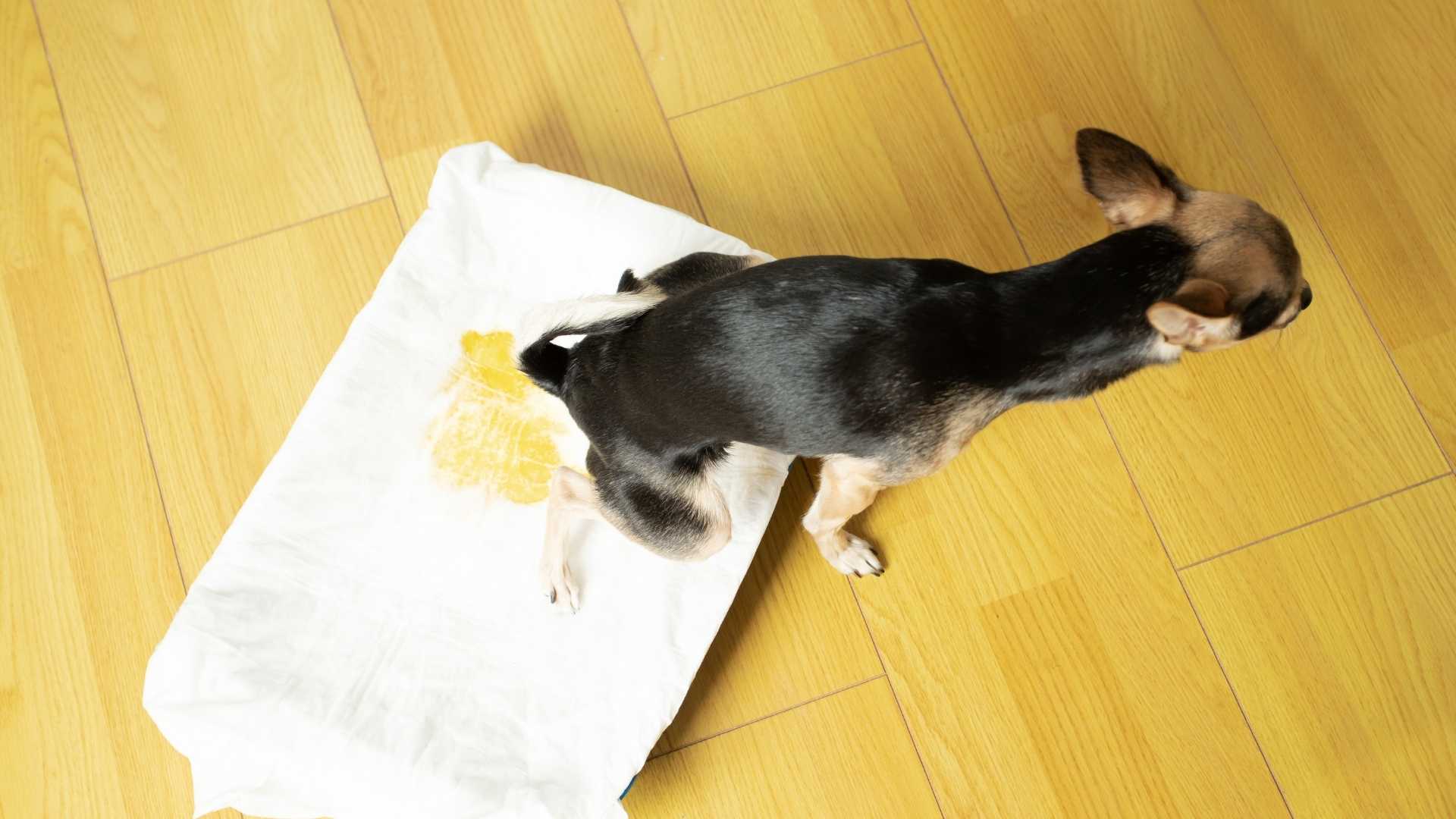
If your dog is suddenly peeing more often, straining to urinate, leaking urine, licking their genitals, or you see blood in the urine, a urinary tract infection may be the reason.
UTIs are more common in dogs than many pet parents realize.
And yes, they can be uncomfortable.
The good news is there are natural remedies that may help ease your dog’s discomfort and support bladder health.
But first, you need to know what you are dealing with.
A dog who is straining, passing blood, or having repeated urinary problems should be checked by a veterinarian to confirm the diagnosis and rule out more serious issues, such as bladder stones.
Natural support can be very helpful.
Guessing blindly?
Not so helpful.
Your dog’s bladder prefers accuracy.
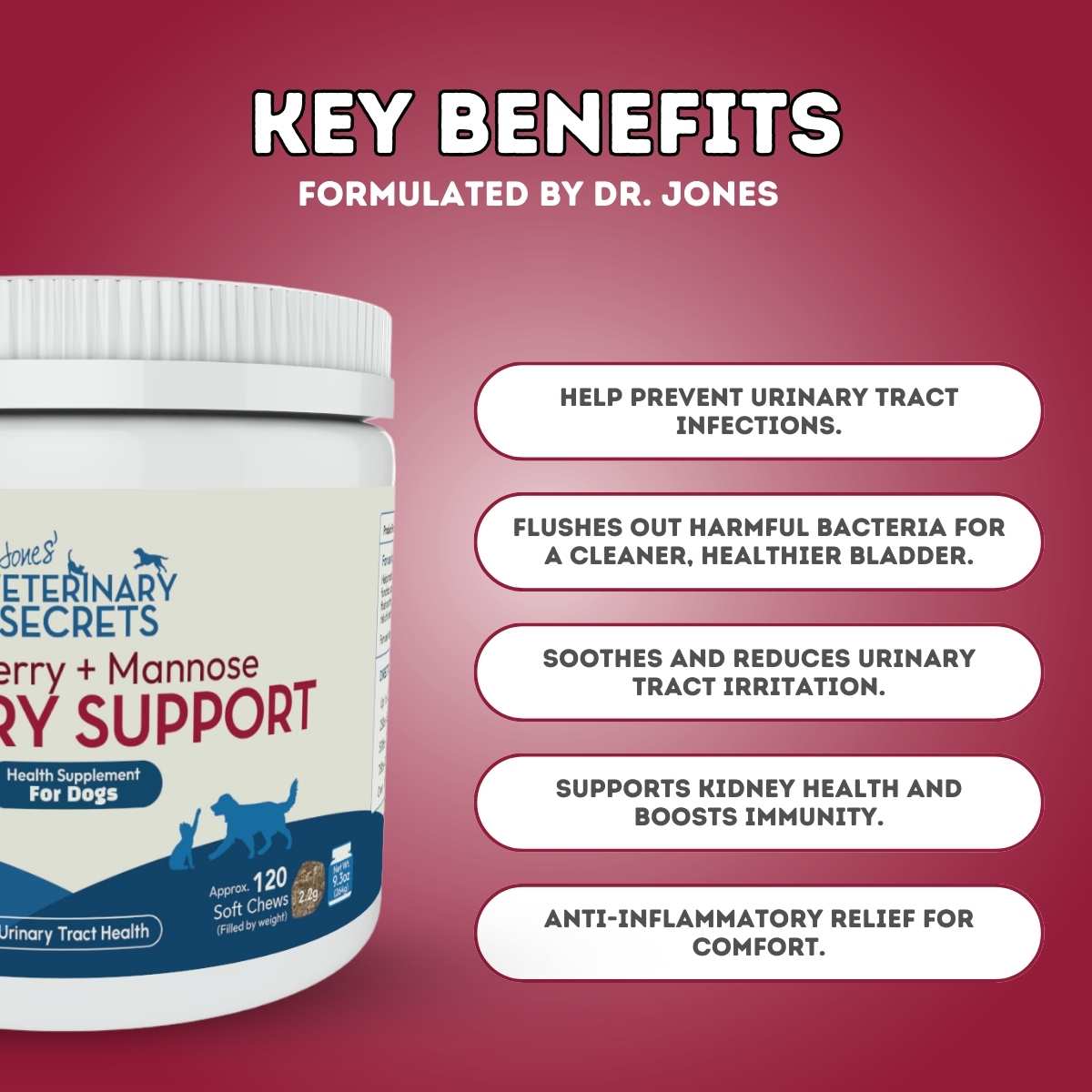
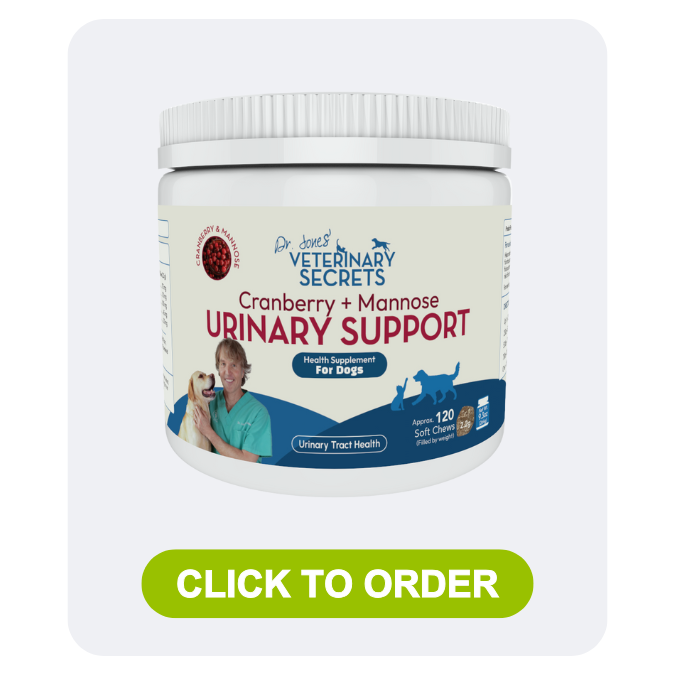
Dr Jones’ Urinary Support Chews for Dogs
What Are the Signs of a UTI in Dogs?
The most common signs of a dog UTI include:
-
Frequent urination
-
Peeing in the house
-
Straining to urinate
-
Discomfort while urinating
-
A small amount of blood in the urine
-
Leaking or dripping urine
-
Licking at the genitals
-
Strong-smelling urine
A dog with a UTI may look like they need to pee again and again, but only pass a small amount.
Some dogs may seem uncomfortable or restless.
Others may suddenly have accidents indoors, even if they are normally well house-trained.
What Causes UTIs in Dogs?
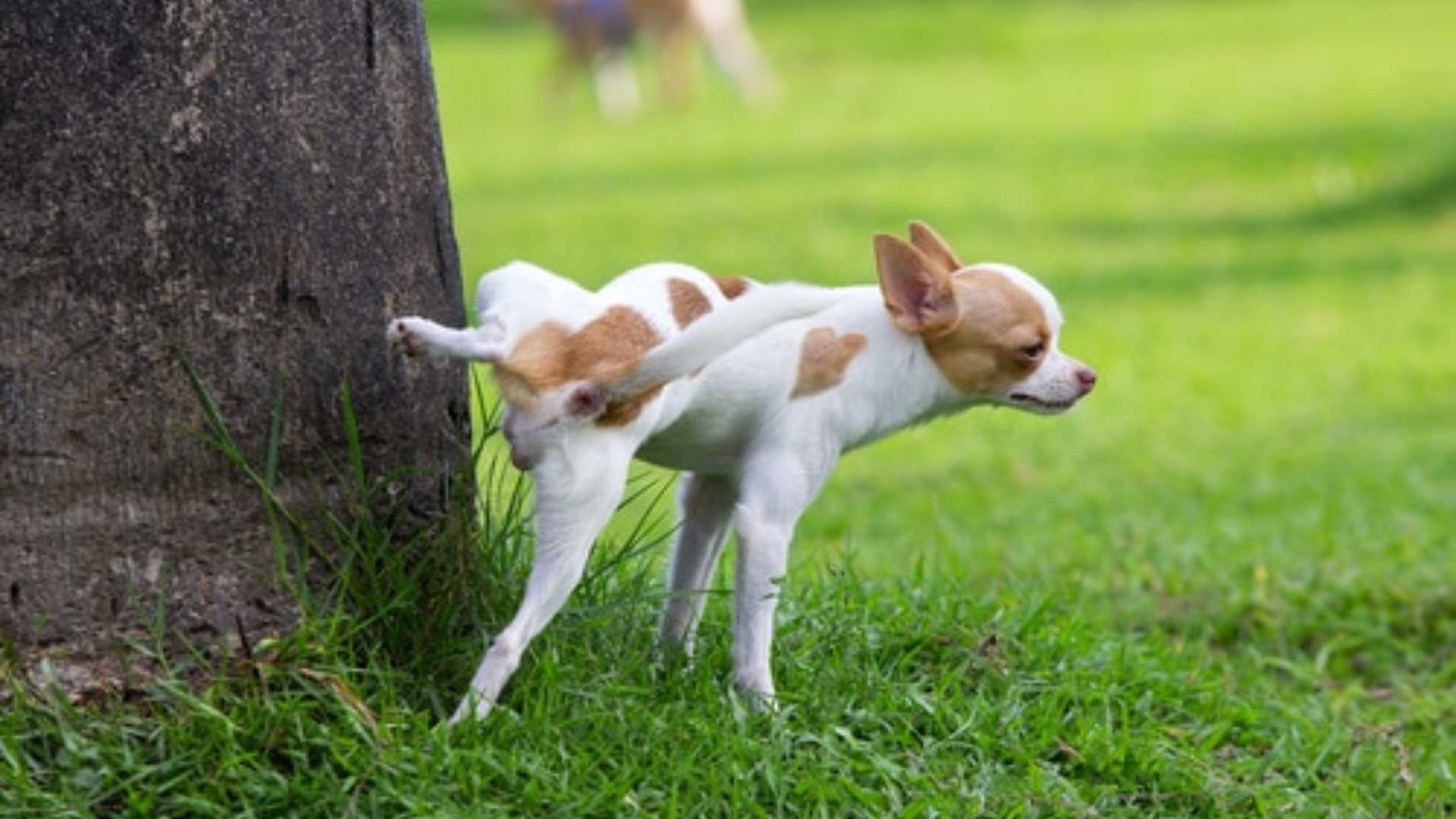
UTIs are usually caused by bacteria entering the urinary tract.
The most common culprit is E. coli, which often comes from fecal matter.
Other bacteria can also be involved, including:
-
Strep
-
Staph
In some cases, bacteria from the mouth, especially with dental disease, may play a role.
Skin folds around the genitals can also trap bacteria, making it easier for bacteria to reach the urinary tract.
Female dogs, especially spayed female dogs, may be more prone to UTIs because of a weakened bladder.
Why You Should Confirm It With Your Veterinarian
If you suspect your dog has a UTI, it is best to get them checked.
Why?
Because UTI symptoms can overlap with other problems.
One important issue to rule out is bladder stones.
A dog who is straining, passing blood, or having repeated urinary symptoms may need more than home support.
So yes, I like natural remedies.
But I also like knowing what we are treating.
Very old-fashioned of me, I know.
Quick Guide: Dog UTI Signs and What They May Mean
| Sign | What It May Suggest |
|---|---|
| Frequent urination | Bladder irritation or infection |
| Straining to urinate | Discomfort, inflammation, or possible blockage concern |
| Blood in urine | Bladder inflammation, UTI, or stones |
| Leaking urine | Bladder weakness or irritation |
| Licking genitals | Discomfort or irritation |
| Strong-smelling urine | Possible infection |
| Peeing in the house | Urgency or loss of bladder control |
What Natural Remedies May Help a Dog UTI?
There are several remedies I like for supporting the urinary tract and helping reduce bacterial irritation.
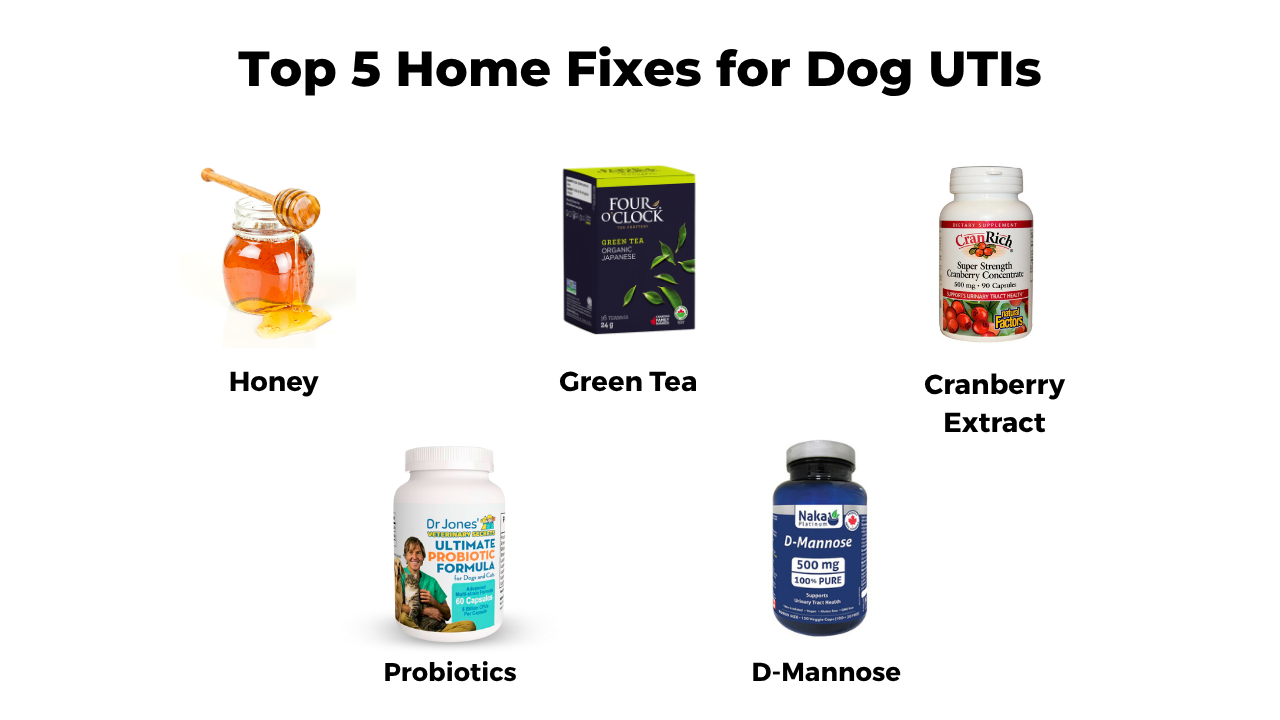
The main ones are:
-
Honey
-
Green tea
-
Cranberry extract
-
D-Mannose
-
Probiotics
These may help by supporting antibacterial activity, reducing inflammation, preventing bacteria from sticking to the bladder wall, and improving the balance of good bacteria.
1. Honey for Dog UTIs
Honey is one of my favorite simple remedies.
It has natural antibacterial properties and may help inhibit bacterial growth.
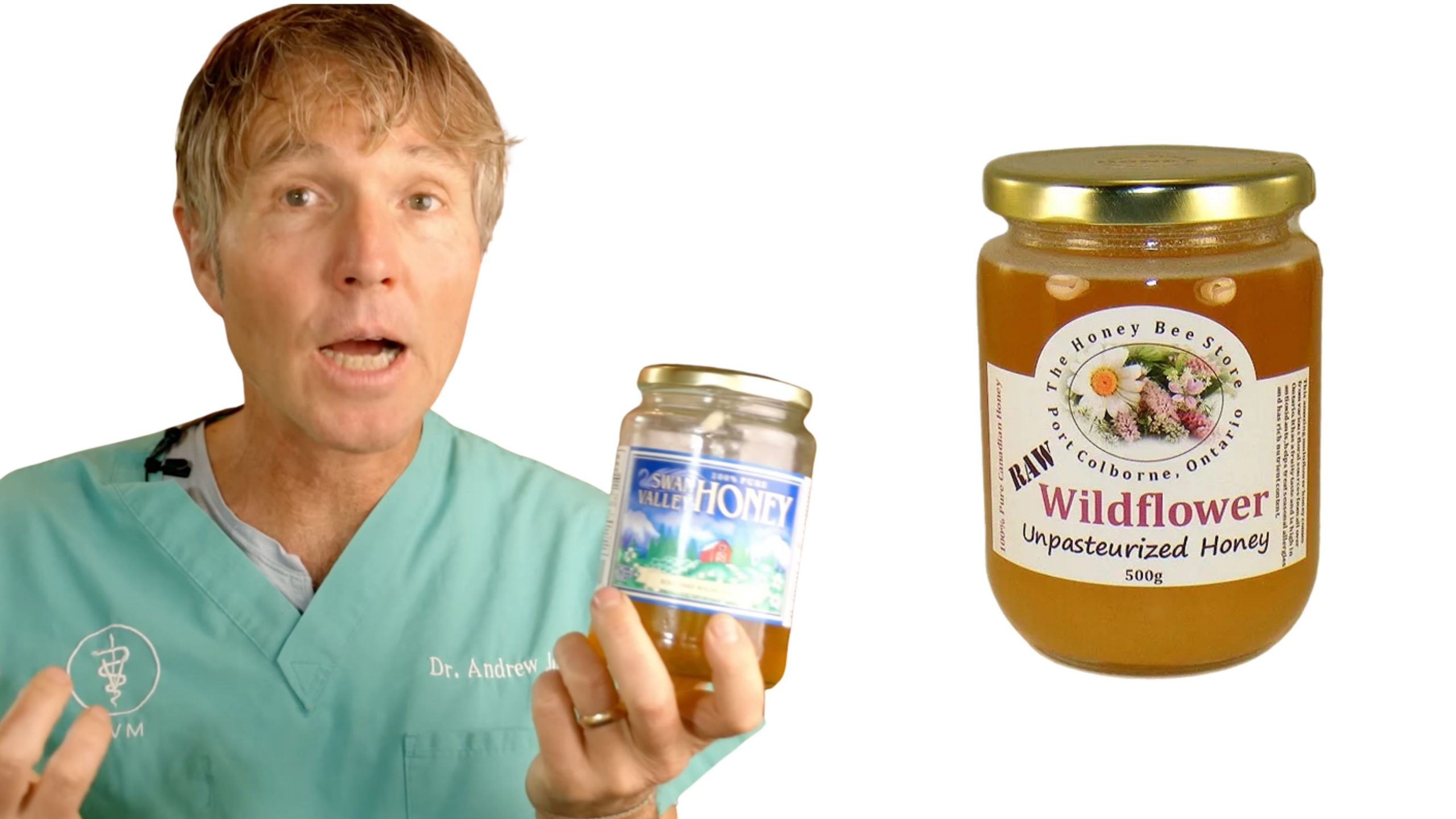
Honey contains hydrogen peroxide and other compounds that can work against bacteria.
It is also anti-inflammatory, which may help reduce the swelling and discomfort that often come with a UTI.
How to Use Honey
Give:
1 teaspoon of honey per 20 pounds of body weight
Use it:
Once or twice daily for 10 to 14 days
Unpasteurized honey is preferred, but regular honey may still be beneficial.
Most dogs like the taste.
This is one of the few remedies where your dog may think you are giving dessert.
Enjoy that rare medical cooperation.
2. Green Tea for Dog UTIs
Green tea contains a compound called EGCg, which has been shown to be effective against bacteria such as E. coli and staph.
It also contains catechins, which act as natural anti-inflammatories.
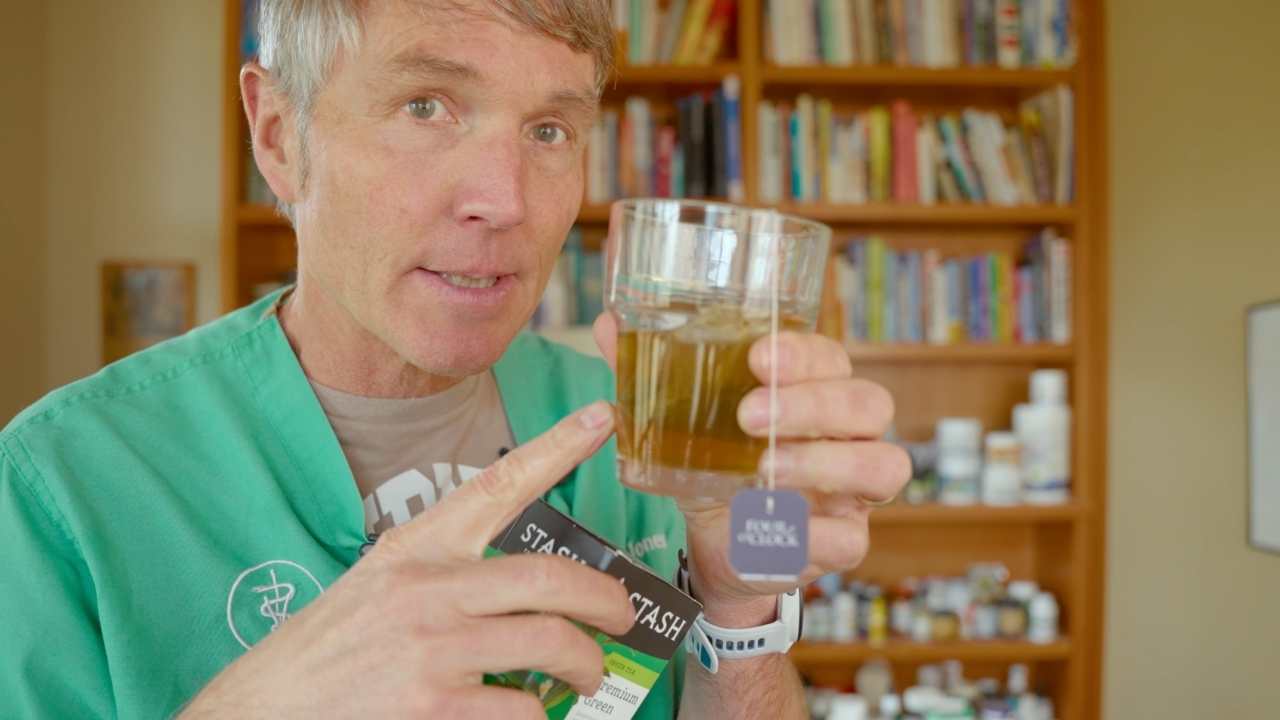
That makes green tea a useful option for bladder inflammation.
What About the Caffeine?
The amount of caffeine in green tea is minimal, and the amount used here is considered safe for dogs.
How to Use Green Tea
-
Steep 1 cup of green tea.
-
Let it cool.
-
Mix in 1 tablespoon of honey.
-
Give the correct amount based on your dog’s size.
For a dog around 20 pounds, give:
1/4 cup twice daily
This gives you the antibacterial support of green tea plus the added benefit of honey.
3. Cranberry Extract for Dog UTIs
Cranberries have long been used for urinary tract support.
They contain compounds called PACs, or proanthocyanidins.
PACs help prevent bacteria from sticking to the bladder wall.
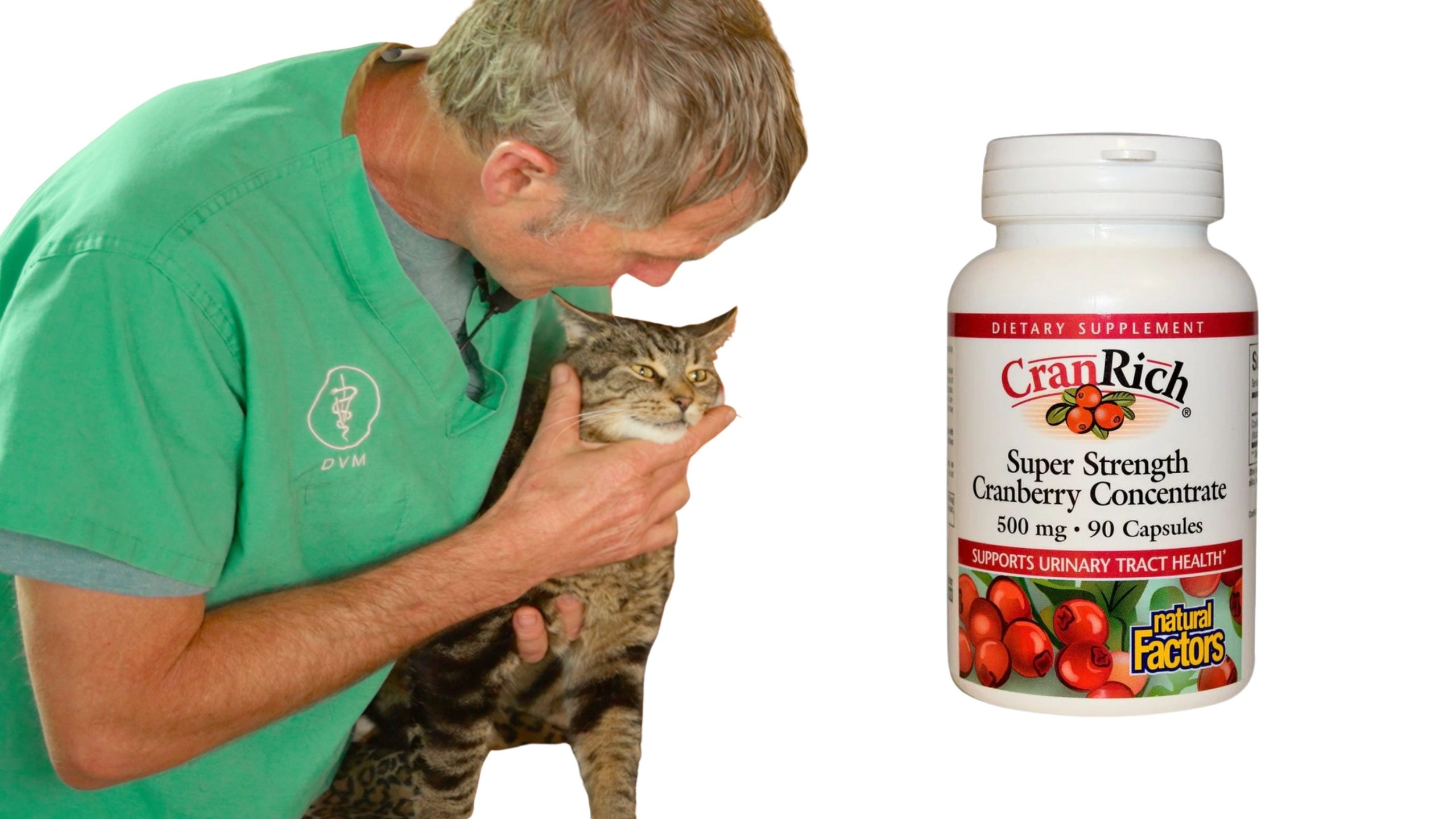
That matters because if bacteria cannot attach well, they are less likely to settle in and cause ongoing irritation.
I prefer concentrated cranberry extract over cranberry juice because it is more potent.
Cranberry Extract Dose for Dogs
Give:
100 mg per 10 pounds of body weight daily
For a 20-pound dog, this would be about:
1/2 capsule daily
You can sprinkle it on food.
I have seen good results with dogs who have recurrent UTIs, and it can be safe for long-term use.
4. D-Mannose for Dog UTIs
D-Mannose is a natural sugar found in fruits such as apples.
It works in a similar way to cranberry extract.
It helps prevent bacteria from sticking to the bladder wall.
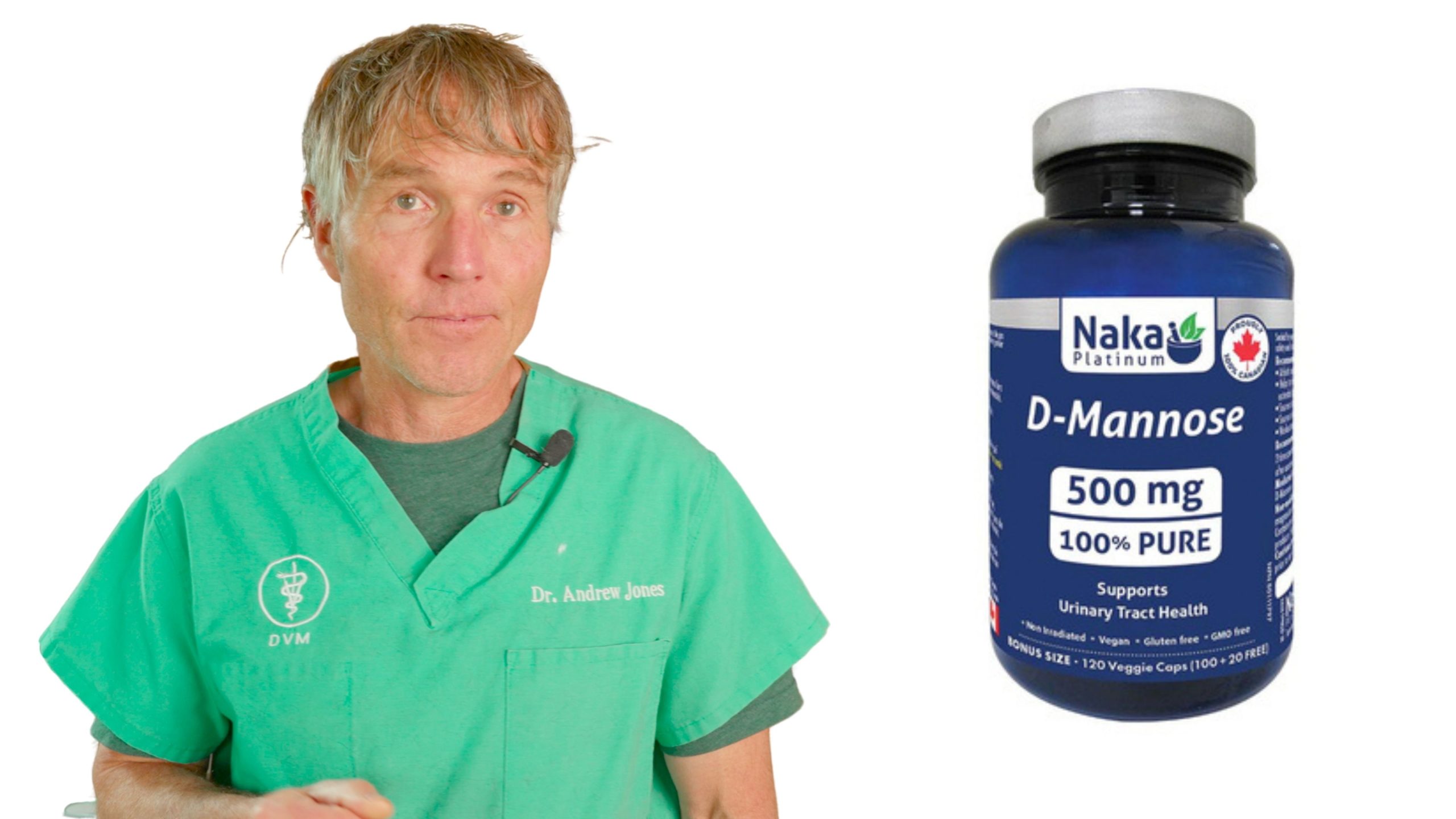
That is especially useful when dealing with recurrent UTIs.
D-Mannose is gentle and generally free of side effects, making it a good long-term option for dogs with repeated urinary tract problems.
D-Mannose Dose for Dogs
Give:
100 to 200 mg per 10 pounds of body weight daily
For a 20-pound dog, start with:
200 mg twice daily for the first few days
Then reduce to:
200 mg once daily
5. Probiotics for Dog UTIs
Probiotics are not only for digestion.
They can also support urinary tract health.

Good bacteria help keep harmful bacteria, such as E. coli and staph, in check.
This can be especially helpful for dogs with skin folds, where bacteria can collect around the genital area.
A high-quality multi-strain probiotic may make a big difference, especially for dogs with recurrent UTIs.
Probiotics can be given daily and are safe for long-term use.
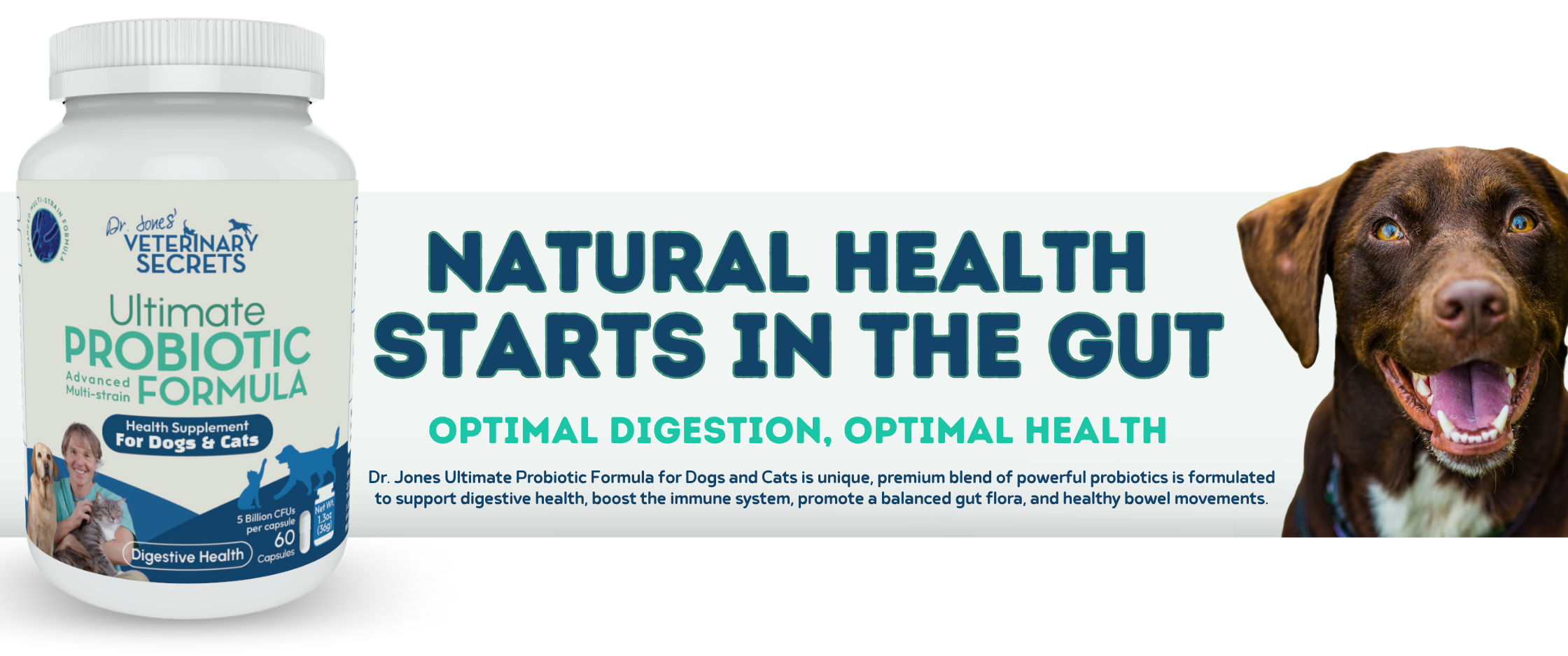
One option mentioned is:
Dr. Jones’ Ultimate Probiotic Formula for Dogs and Cats
Dr. Jones’ Urinary Support Chews for Dogs
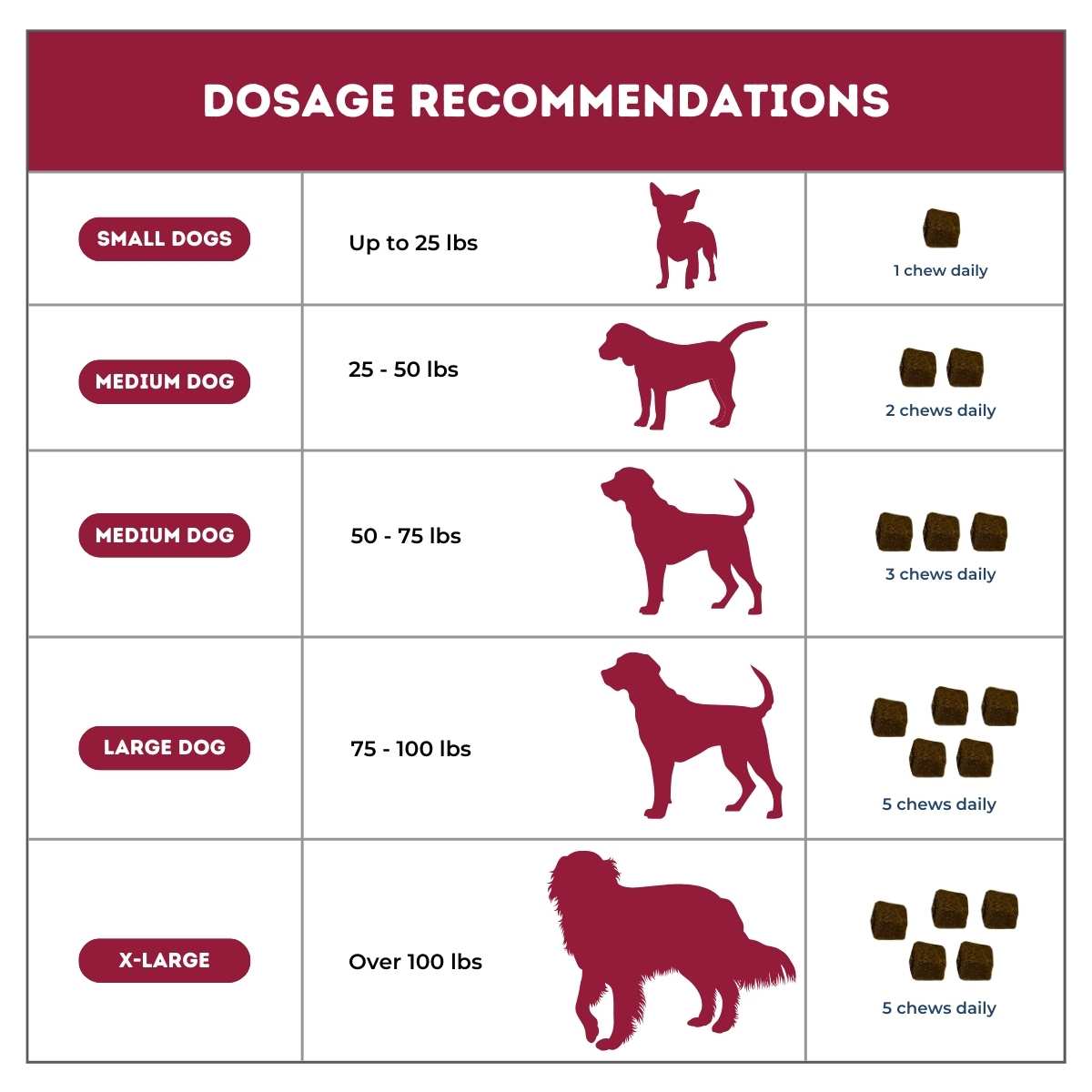
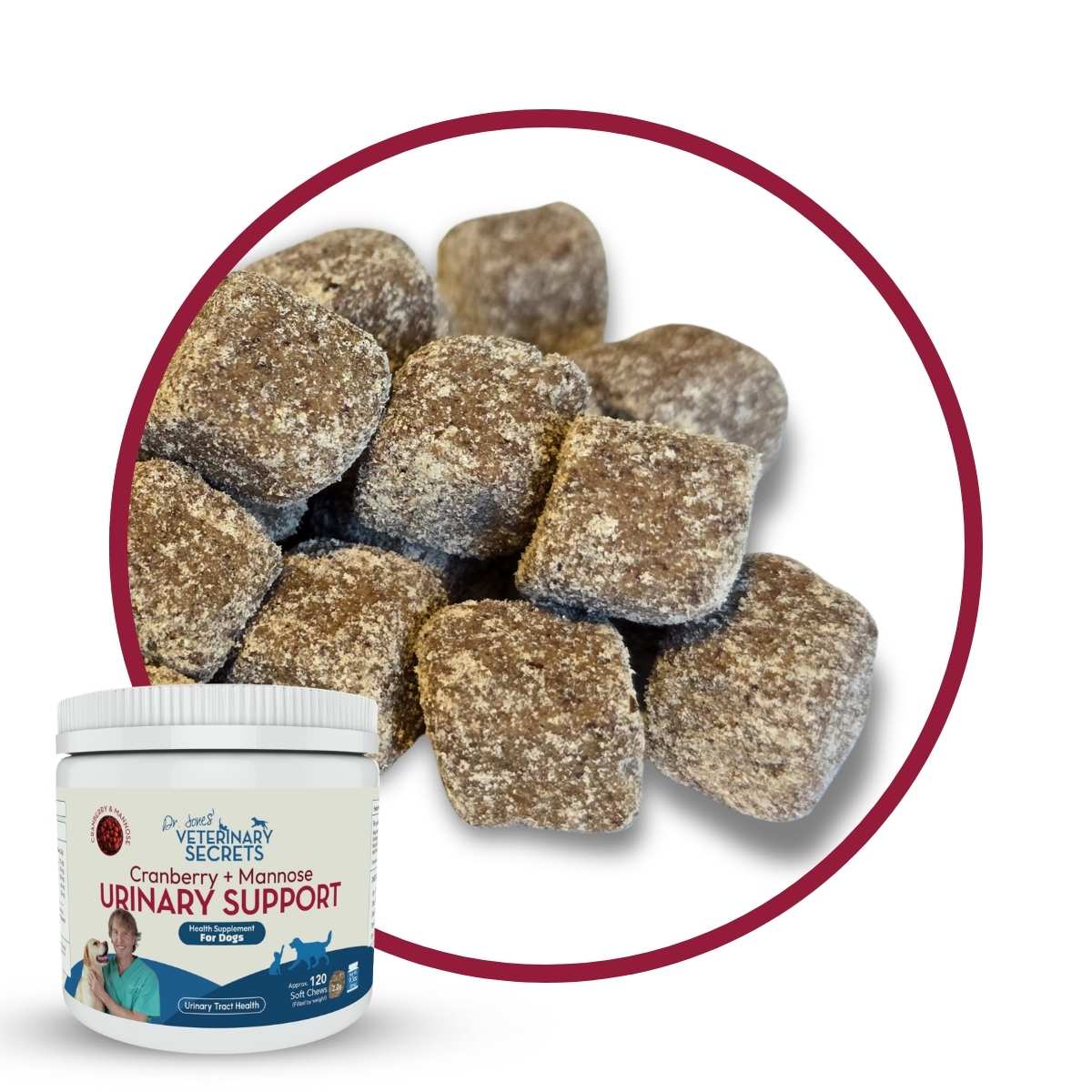
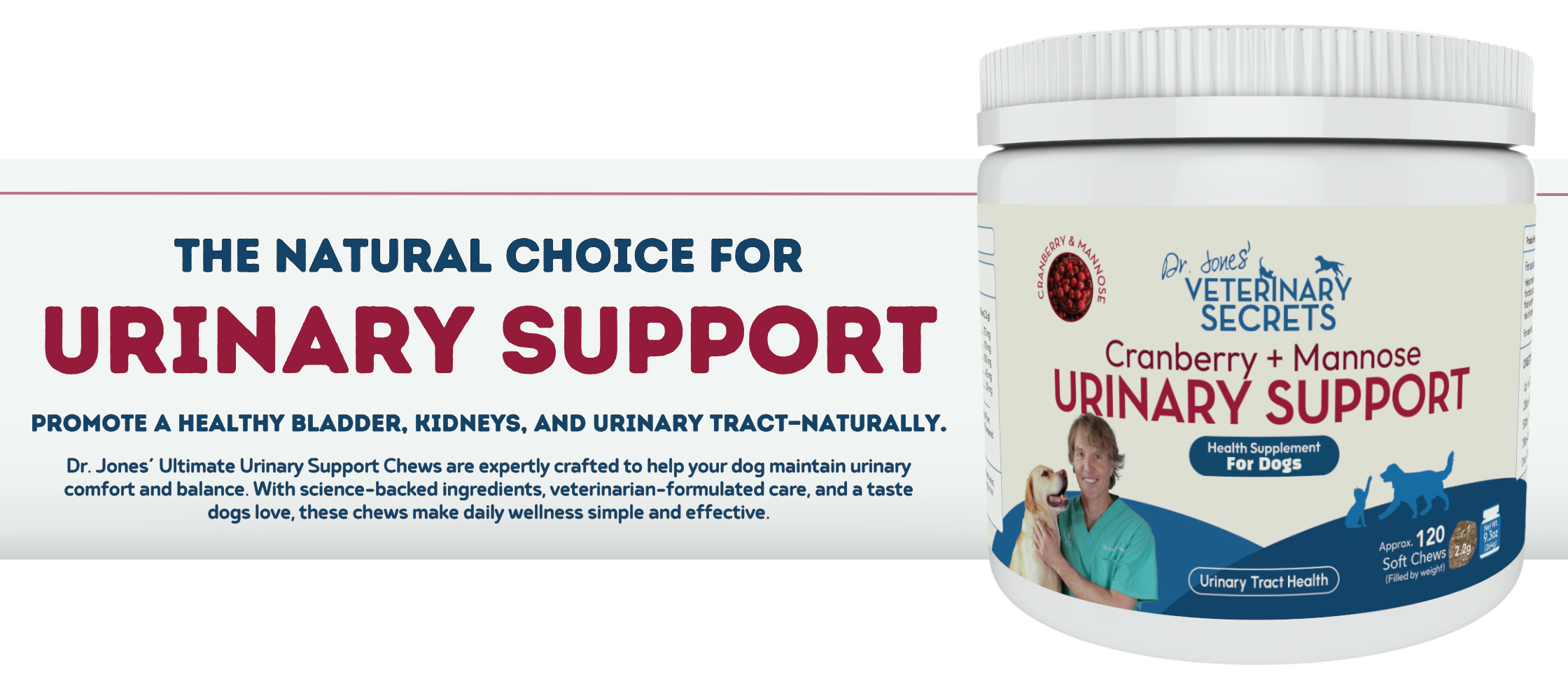
For simple daily urinary support, I would consider Dr. Jones’ Urinary Support Chews for Dogs.
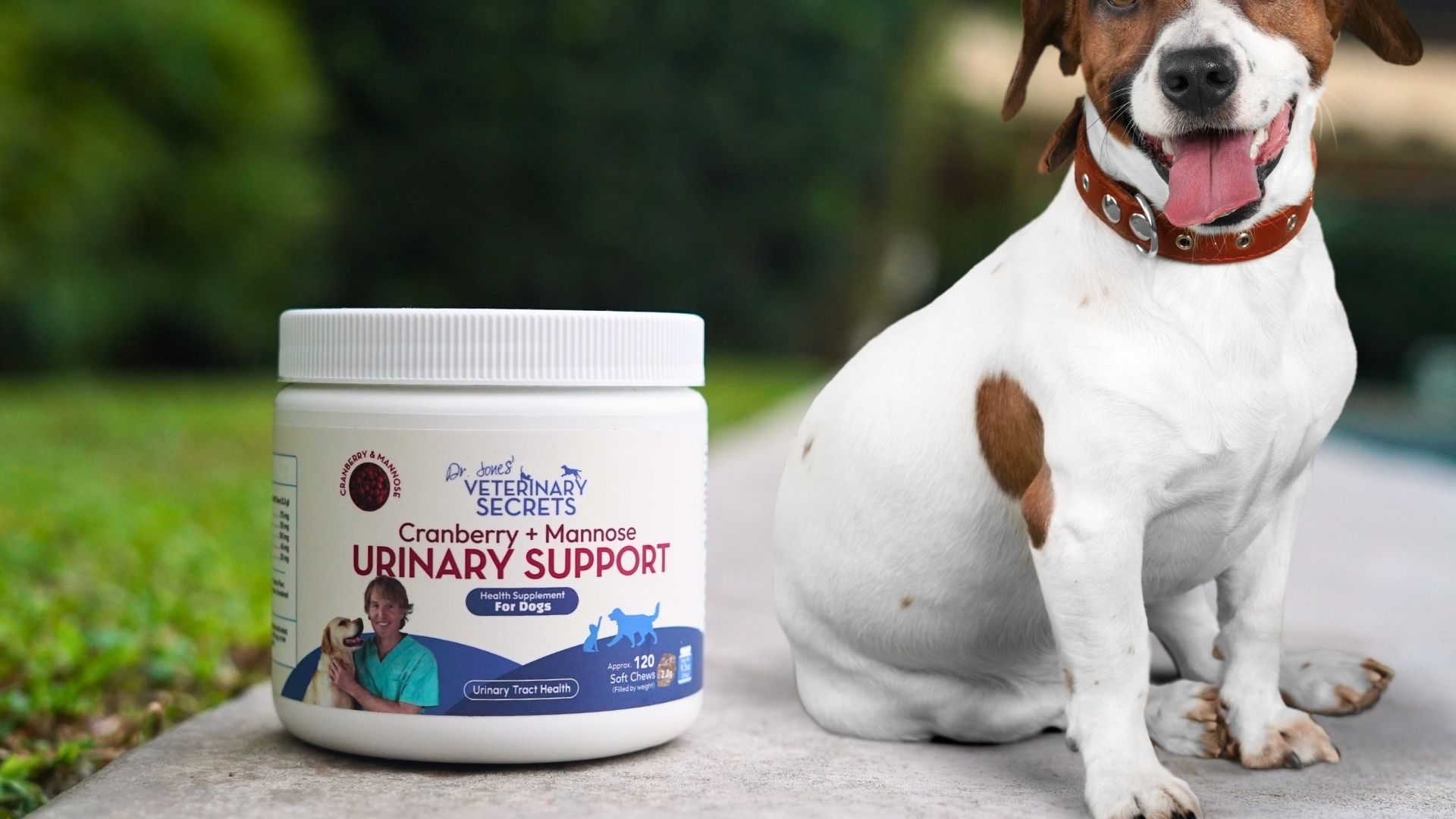
These chews include:
-
Cranberry
-
D-Mannose
-
Organic Marshmallow Root
-
Other urinary-supportive ingredients
They are designed to support:
-
Urinary tract health
-
Kidney health
-
Bladder comfort
-
UTI prevention support
Final Thoughts
Dog UTIs can be uncomfortable, but there are natural remedies that may help support healing and bladder comfort.
The signs to watch for include frequent urination, straining, blood in the urine, leaking, licking at the genitals, and strong-smelling urine.
The most common cause is bacteria, especially E. coli, though strep, staph, dental bacteria, and bacteria from skin folds may also play a role.
My favorite natural supports include:
-
Honey
-
Green tea
-
Cranberry extract
-
D-Mannose
-
Probiotics
For a more complete urinary support option, I would consider Dr. Jones’ Urinary Support Chews for Dogs, which include cranberry, D-Mannose, and organic marshmallow root.
But remember this:
If your dog is straining, passing blood, or not improving, get your dog checked.
Natural remedies can be very helpful.
A proper diagnosis is still your friend.
Click To Get A Free Copy of My E-Book!

P.S. If your dog is peeing frequently, straining, or you see blood in the urine, do not ignore it.
Start supportive care, but get your dog checked to rule out something more serious, such as bladder stones.
P.P.S. Honey, green tea, cranberry extract, D-Mannose, and probiotics can all be helpful urinary tract supports, especially for dogs prone to recurrent UTIs.
P.P.P.S. For an easy daily option, consider Dr. Jones’ Urinary Support Chews for Dogs with cranberry, D-Mannose, organic marshmallow root, and more.
They are designed to support your dog’s urinary tract, kidneys, and bladder comfort.
Dog UTI Home Remedy Dosage Table
| Remedy | Dose | How Often | Notes |
|---|---|---|---|
| Honey | 1 teaspoon per 20 lbs | Once or twice daily | Use for 10 to 14 days |
| Green tea with honey | 1/4 cup for a 20-lb dog | Twice daily | Steep tea, cool, add 1 tablespoon honey |
| Cranberry extract | 100 mg per 10 lbs | Daily | For a 20-lb dog, about 1/2 capsule |
| D-Mannose | 100 to 200 mg per 10 lbs | Daily | For a 20-lb dog, start 200 mg twice daily for a few days, then once daily |
| Probiotics | Follow product directions | Daily | Use a high-quality multi-strain probiotic |