Diet for Dogs With Chronic Pancreatitis: Beyond Low Fat

For years, I was taught that fat was the primary dietary cause of pancreatitis in dogs and that the best long-term strategy was to feed a low-fat diet.
It turns out I may have been overlooking something.
While excessive dietary fat can trigger acute pancreatitis, I believe we should also be paying attention to the amount of carbohydrates and highly processed food we are feeding dogs with chronic, recurring pancreatitis.
Lean animal protein, antioxidant-rich whole foods, healthy omega-3 fats, and digestive enzymes are some of the nutritional options I would consider for supporting these dogs.
Dr. Jones’ Complete Digestive Care Soft Chews




What Is Pancreatitis in Dogs?
Pancreatitis is inflammation of the pancreas. It is a relatively common condition in dogs, and certain breeds appear to be more susceptible than others.
The pancreas is a small organ located in the upper gastrointestinal tract that serves two main functions.
Producing Digestive Enzymes
The pancreas produces enzymes that help break down the food your dog eats.
These include:
-
Amylase: Breaks down carbohydrates.
-
Lipase: Breaks down fats.
-
Trypsin: Helps break down proteins.
These digestive enzymes are released into the upper small intestine.
Regulating Blood Sugar
The pancreas also produces two important hormones:
-
Insulin: Helps lower elevated blood sugar by allowing glucose to enter cells.
-
Glucagon: Signals the liver to release glucose when blood sugar is too low.
The pancreas has quite a bit of work to do, particularly when it comes to digesting food and regulating blood sugar.
What Is the Difference Between Acute and Chronic Pancreatitis in Dogs?
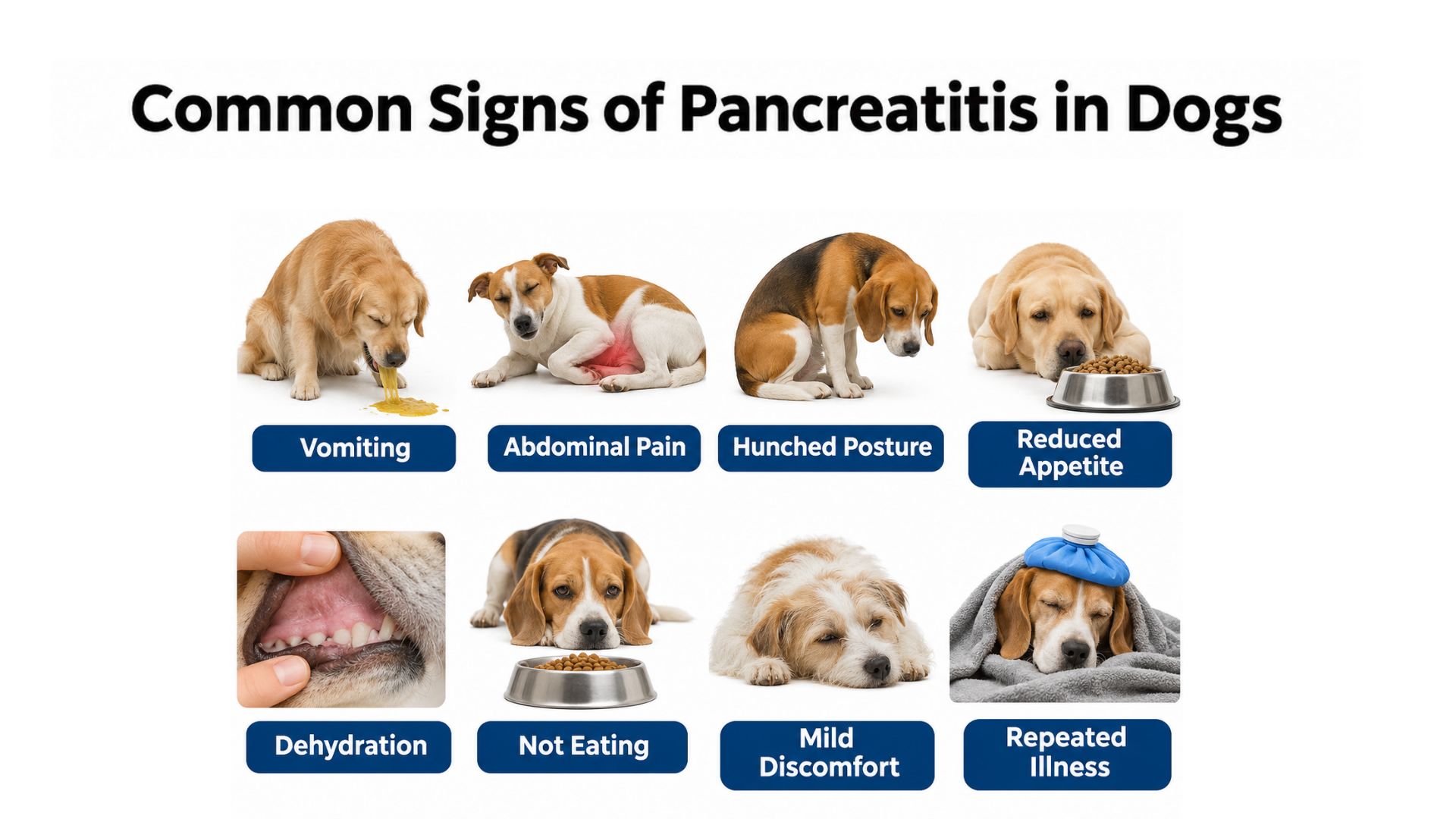
Pancreatitis does not always look the same. Some dogs become extremely sick very suddenly, while others experience milder, recurring digestive problems.
Acute Pancreatitis
In veterinary school, I was taught that a common trigger for acute pancreatitis was a large, high-fat meal.
Imagine your dog getting into the garbage and eating a substantial amount of bacon grease. The pancreas suddenly has to produce large amounts of lipase to digest all that fat.
Severe pancreatic inflammation can develop, and digestive enzymes can contribute to tissue damage and significant abdominal pain.
Common signs of acute pancreatitis include:
-
Sudden, severe abdominal pain
-
Hunched-over posture
-
Repeated vomiting
-
Inability to keep food down
-
Dehydration
-
Sudden, severe illness
Acute pancreatitis can be life-threatening. These dogs need immediate veterinary treatment, which may include intravenous fluids, pain medication, and medication to control vomiting.
Chronic Pancreatitis
Throughout my years in veterinary practice, I began seeing more dogs with a different type of pancreatitis.
These dogs were not necessarily experiencing severe vomiting or sudden, intense abdominal pain. Instead, they seemed to have recurring bouts of digestive discomfort.
Common signs of chronic pancreatitis may include:
-
Reduced appetite
-
Picking at food
-
Mild abdominal pain
-
Recurring digestive discomfort
-
Mildly elevated pancreatic enzymes
-
Repeated episodes of illness
Blood work and more specific diagnostic tests, such as canine pancreatic lipase immunoreactivity (cPLI), may help identify pancreatic inflammation.
For years, my response was to recommend a strict low-fat, high-fiber diet. But some of these dogs continued to experience recurring pancreatitis.
That got me thinking about what else we might be missing.
Could Carbohydrates Contribute to Chronic Pancreatitis in Dogs?
I recently had a discussion with Kay Stewart, chief instructor and animal nutritionist at the Feed Real Institute, that made me reconsider some of what I had been taught about pancreatitis.
One of the key points we discussed was how dogs digest carbohydrates differently from people.
Dogs Have Virtually No Salivary Amylase
When you or I eat something high in carbohydrates, such as a cooked potato, carbohydrate digestion begins in our mouths.
Our saliva contains amylase, an enzyme that starts breaking down carbohydrates before the food reaches our stomach.
Dogs are different.
They have virtually no salivary amylase, so they rely primarily on their pancreas to produce the amylase needed for carbohydrate digestion.
Many commercial dog foods contain substantial amounts of carbohydrate-rich ingredients, including:
-
Potatoes
-
Rice
-
Peas
-
Other starches used to form kibble
When a dog eats a high-carbohydrate meal, the pancreas must produce digestive enzymes to break down those carbohydrates.
Carbohydrates Also Affect Insulin Production
There is another consideration when feeding high-carbohydrate meals.
As digestible carbohydrates are broken down into glucose, the pancreas also produces insulin to help regulate blood sugar.
So, the pancreas has two jobs related to that meal:
-
Producing amylase to digest carbohydrates.
-
Producing insulin to regulate blood sugar.
Could repeatedly feeding high-carbohydrate meals contribute to pancreatic stress in some dogs?
I think it is a possibility worth exploring, particularly in dogs that continue to experience pancreatitis despite being on low-fat diets.
This does not mean carbohydrates have been established as a cause of canine pancreatitis, but I believe their role deserves more attention.
Is Low-Fat Kibble the Best Diet for Dogs With Chronic Pancreatitis?

One of the standard dietary recommendations for dogs with pancreatitis is a low-fat, high-fiber prescription diet.
I regularly recommended these diets in my veterinary practice.
However, many of these foods are kibble-based and contain relatively high amounts of carbohydrates.
Some dogs continued to experience recurring pancreatitis despite following these dietary recommendations.
Highly processed foods may also contain compounds known as advanced glycation end products (AGEs), which can form when food is exposed to high temperatures during processing.
I question whether the combination of high carbohydrate content and extensive processing could contribute to ongoing pancreatic inflammation in susceptible dogs.
Rather than focusing exclusively on dietary fat, I would also consider the quality and composition of the entire diet.
What Would I Feed a Dog With Chronic Pancreatitis?
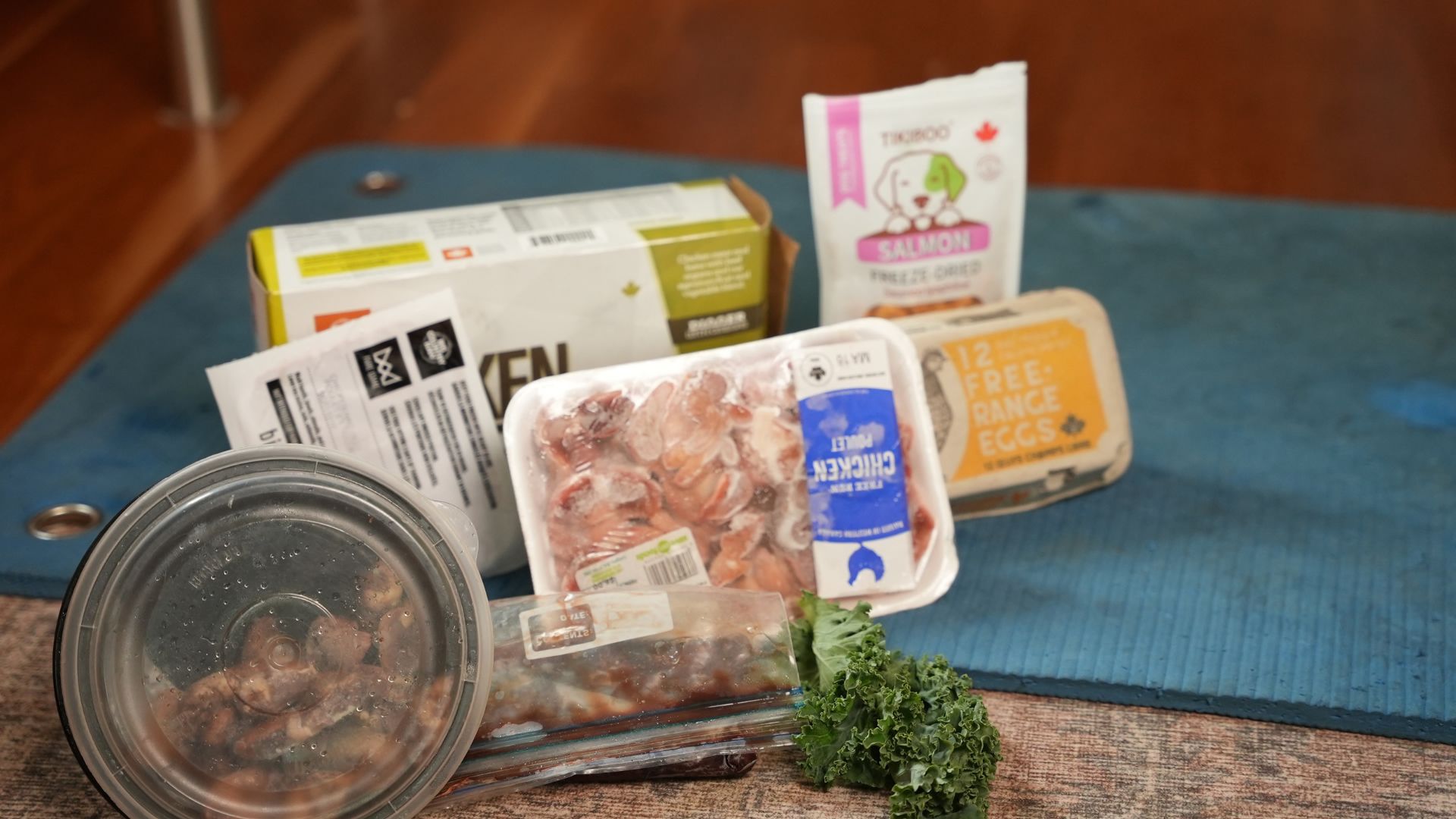
If I had a dog with chronic pancreatitis, I would consider a balanced, minimally processed diet that emphasizes lean animal protein, appropriate fat levels, and antioxidant-rich whole foods.
There are several specific foods I find particularly interesting because of the nutrients they provide.
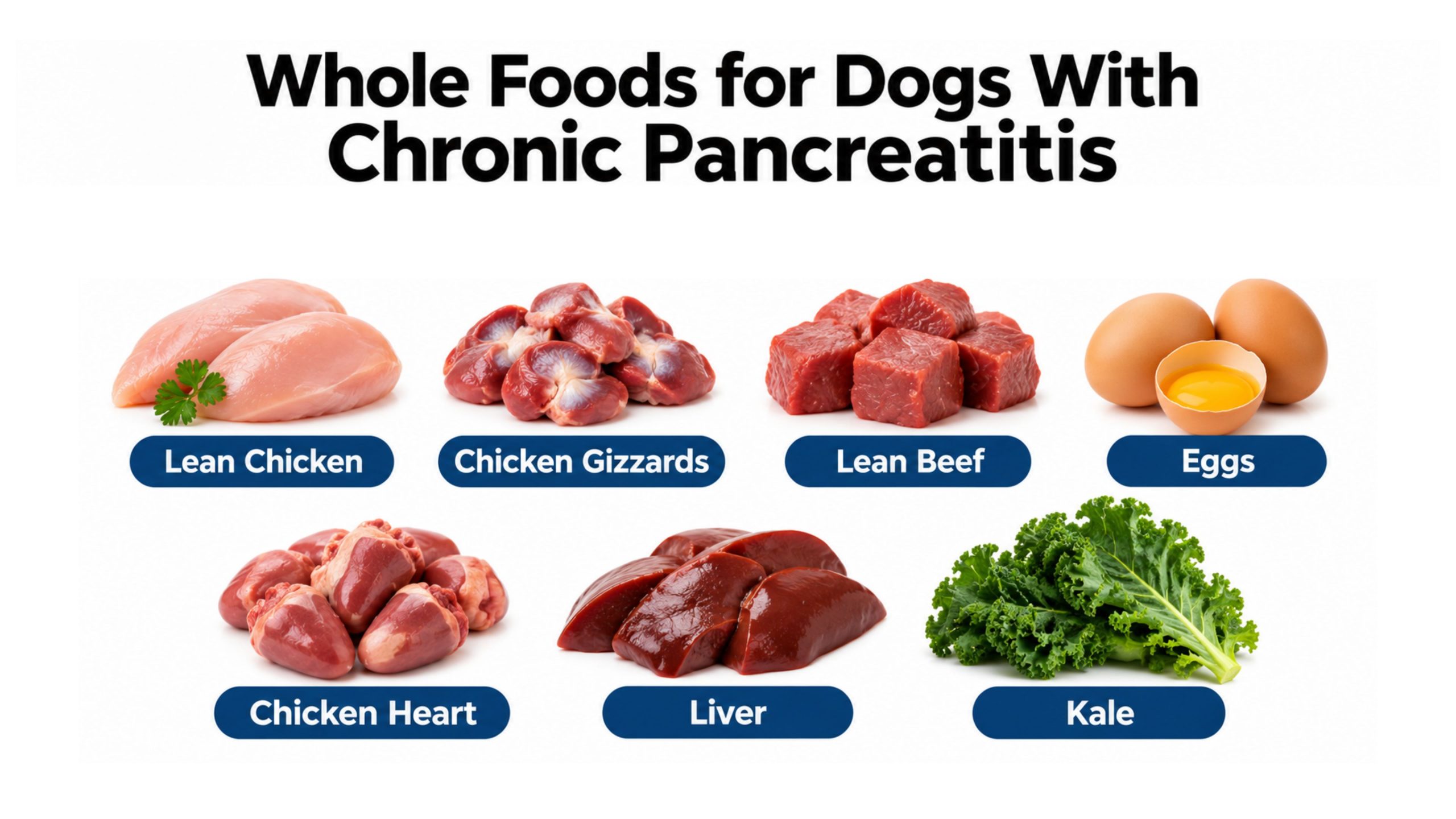
5 Whole Foods to Consider for Dogs With Chronic Pancreatitis
1. Lean Chicken, Chicken Gizzards, and Lean Beef
Lean, high-quality animal protein would be one of my primary considerations.
Some options include:
-
Lean chicken
-
Chicken gizzards
-
Lean beef
Chicken also contains selenium, a mineral with antioxidant properties that has been studied in relation to pancreatitis.
Selenium may help protect cells against oxidative damage, which is one of the processes that could contribute to pancreatic inflammation.
My preference is to provide these nutrients through whole foods whenever possible.
2. Eggs
Eggs are another excellent source of high-quality protein.
Both the egg white and yolk provide useful nutrients, including:
-
Complete protein
-
Selenium
-
Vitamin E
Vitamin E and selenium are antioxidants that work together to help protect cells against free radical damage.
This is particularly interesting when we are dealing with recurring pancreatic inflammation.
Eggs can be a useful addition to a balanced diet, provided their fat content fits your dog’s individual dietary needs.
3. Chicken Heart
Heart is a nutritious and relatively inexpensive source of animal protein.
Chicken heart is particularly interesting because it contains coenzyme Q10, also known as CoQ10.
CoQ10 is an antioxidant that has been studied for its potential protective effects in pancreatitis.
Yes, you could consider a CoQ10 supplement, but I also like the idea of providing this nutrient through whole foods.
And judging by Angus’ enthusiasm for chicken hearts, I suspect many dogs would agree with me!
4. Liver
Liver is another nutrient-rich animal protein that I would consider incorporating into a properly balanced homemade diet.
It provides several nutrients, including:
-
Protein
-
Vitamin E
-
B vitamins
-
Coenzyme Q10
These nutrients may help support overall health and protect cells against oxidative damage.
Liver is also a component of the balanced whole-food feeding models discussed by the Feed Real Institute.
5. Kale
Kale provides a number of potentially beneficial nutrients, including:
-
Vitamin C
-
B vitamins
-
Dietary fiber
Dogs naturally produce their own vitamin C. However, additional dietary antioxidants may be beneficial during certain illnesses, including conditions involving inflammation and oxidative stress.
Vitamin C is a potent antioxidant that helps protect cells against free radical damage.
I would consider lightly steaming kale before incorporating it into your dog’s food.
What Supplements Would I Consider for Chronic Pancreatitis in Dogs?

Alongside dietary changes, there are two supplements I find particularly interesting for dogs with recurring pancreatic inflammation.
1. Omega-3 Fatty Acids or Krill Oil
Not all fats are the same.
Omega-3 fatty acids, particularly EPA and DHA, are known for their anti-inflammatory properties.
Research into omega-3 fatty acids suggests that they may have protective effects against pancreatic inflammation.
If your dog is not getting adequate omega-3 fatty acids through their diet, supplementation may be worth discussing.
My preferred source is krill oil.
Krill are much lower on the food chain, which is one reason I prefer krill oil when considering potential environmental contaminant exposure from marine oils.
Dr. Jones’ Omega-3 Krill Oil Formula
My suggested supplemental amount is approximately 500 mg of krill oil per 25 pounds of body weight daily.
For a larger dog such as Angus, that would work out to approximately three 500 mg capsules daily.
Dr. Jones’ Ultimate Omega 3 Formula for Dogs and Cats

Suggested Krill Oil Dosage for Dogs
| Dog’s Weight | Suggested Daily Krill Oil Amount |
|---|---|
| 25 lbs | 500 mg |
| 50 lbs | 1,000 mg |
| 75 lbs | 1,500 mg |
| 100 lbs | 2,000 mg |
These amounts refer to total krill oil, not the combined amount of EPA and DHA.
Since krill oil contributes additional dietary fat, discuss supplementation with your veterinarian if your dog has pancreatitis or requires strict dietary fat restriction.
2. Digestive Enzymes
Some dogs with chronic, recurring pancreatitis may eventually have difficulty producing enough digestive enzymes.

Repeated inflammation can potentially lead to pancreatic scarring and reduced pancreatic function.
If the pancreas cannot produce adequate digestive enzymes, your dog may have difficulty breaking down:
-
Proteins
-
Fats
-
Carbohydrates
This is where digestive enzyme supplementation may be worth considering.
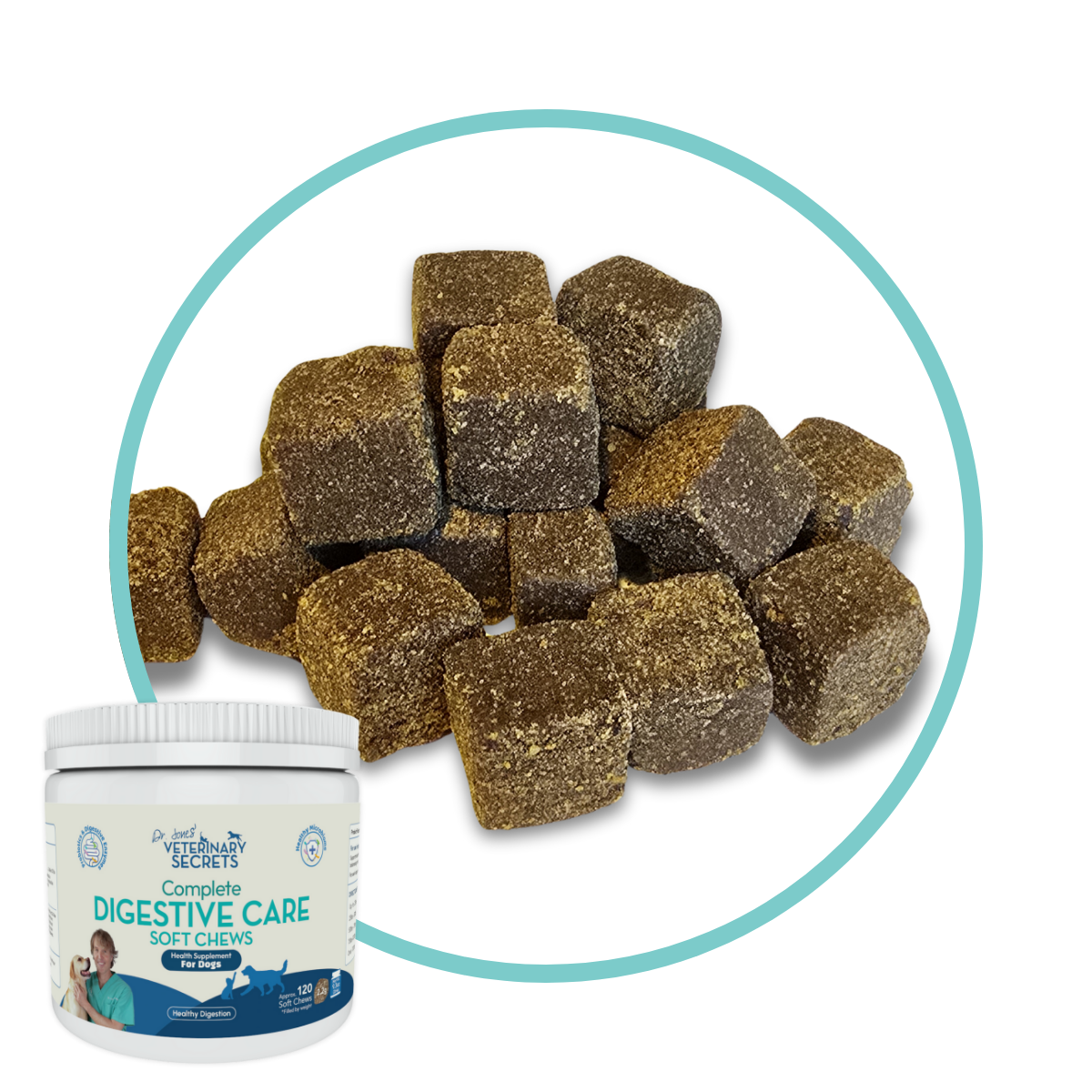
Dr. Jones’ Complete Digestive Care Soft Chews
My Complete Digestive Care Soft Chews are another supplemental option for supporting digestion.
The idea is to provide additional digestive enzymes that may help your dog break down nutrients in their food.
However, dogs with significant pancreatic enzyme deficiency may require specific veterinary treatment and prescription pancreatic enzyme replacement.
Can You Make Homemade Dog Food for Chronic Pancreatitis?

Yes, a properly formulated homemade diet is an option worth discussing for dogs with chronic pancreatitis.
However, one of the biggest concerns with homemade dog food is ensuring that it is nutritionally complete.
Simply combining chicken, eggs, liver, and vegetables does not automatically provide all the essential vitamins and minerals your dog needs.
The Feed Real Institute Dog Food Calculator
One resource I recommend looking into is the Feed Real Institute.
They offer a dog food calculator that helps pet parents prepare balanced, whole-food meals using different feeding models.
The calculator considers factors such as:
-
Your dog’s body weight
-
Activity level
-
Appropriate ingredient amounts
-
Nutritional balance
I have personally taken their course and used what I learned when preparing food for my own dog, Tula.
I was impressed by how much thought went into helping pet parents prepare balanced meals that are not deficient in essential vitamins and minerals.
If you feel overwhelmed by the idea of preparing your dog’s meals at home, this is a resource worth exploring. For a dog with pancreatitis, the resulting recipe should also be reviewed for its suitability for the condition.
What About Prepackaged Fresh or Raw Dog Food?
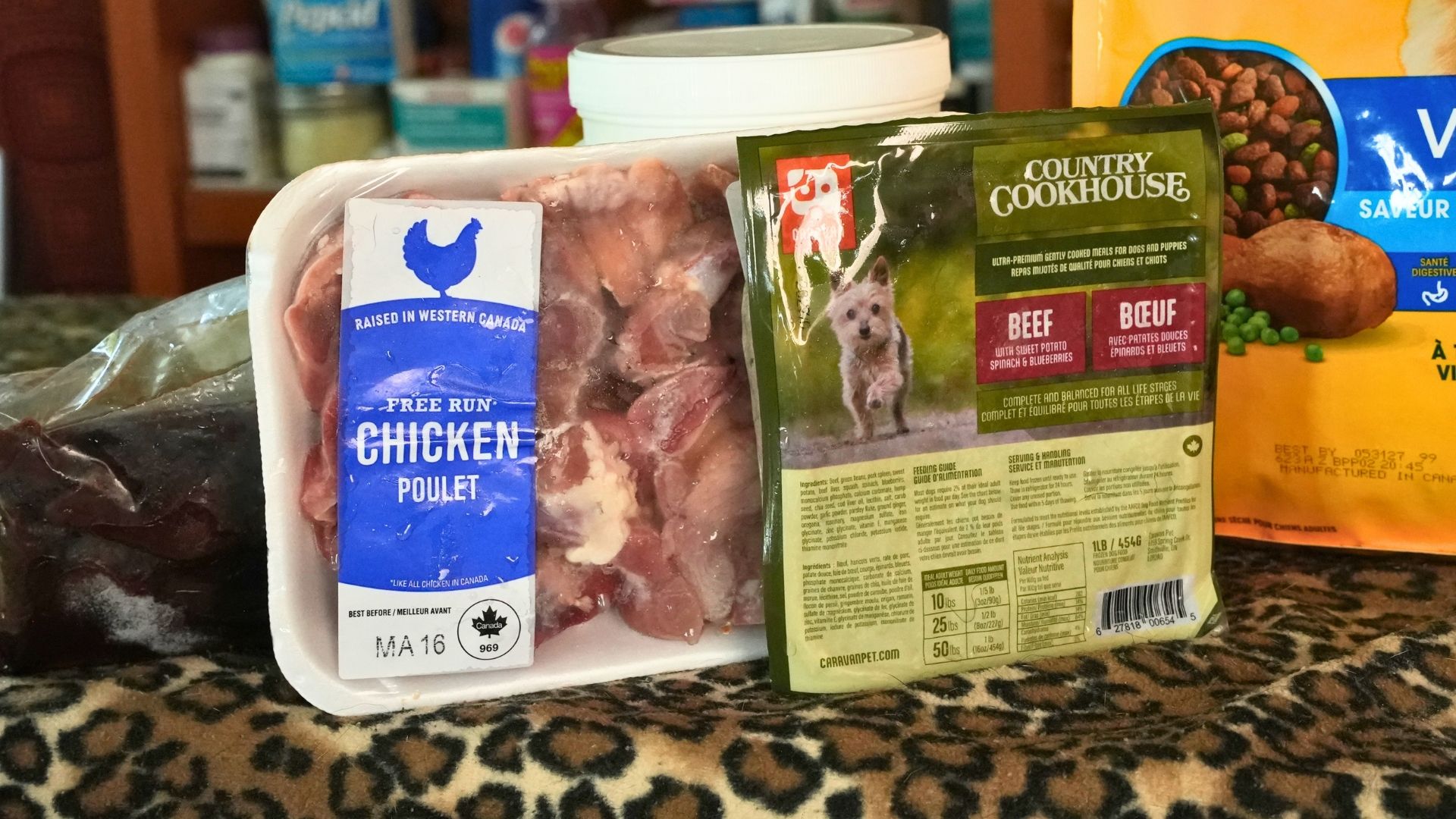
Another option I discussed is commercially prepared, minimally processed dog food containing lean animal protein, such as chicken.
Some of these diets are relatively low in carbohydrates and fat while providing other essential nutrients.
Look for a diet that is nutritionally complete and appropriate for your dog’s individual needs.
Raw foods also carry bacterial contamination risks, so discuss preparation and food safety with your veterinarian. A balanced, gently cooked alternative is another way to provide minimally processed food.
My Final Thoughts
For years, my dietary recommendations for dogs with pancreatitis focused primarily on reducing fat.
And while fat remains an important consideration, I think we need to look at the entire diet, particularly when dealing with chronic, recurring pancreatitis.
I would consider lean animal protein, appropriately controlled fat levels, fewer highly processed ingredients, antioxidant-rich whole foods, and, where appropriate, omega-3 fatty acids and digestive enzymes.
Most importantly, make sure your dog’s diet is balanced and appropriate for their condition.
Sometimes, reconsidering what we have been doing for years opens the door to other potentially helpful options for our pets.
Click To Get A Free Copy of My E-Book!

P.S. If your dog has been eating a strict low-fat diet for months and is STILL experiencing recurring bouts of pancreatitis, take a closer look at the rest of the ingredients.
How much of that food is made up of carbohydrates? How much of it is highly processed?
Fat is certainly worth paying attention to, but it may not be the only piece of the puzzle.
I would also encourage you to explore balanced whole-food diets and discuss whether some of these nutritional changes could be beneficial for your dog.






Best Whole Foods for Pancreatic Health in Dogs
| Whole Food | Key Nutrients | Potential Benefits |
|---|---|---|
| Lean chicken | Protein, selenium | Lean protein and antioxidant support |
| Chicken gizzards | Animal protein | Nutritional and protein support |
| Lean beef | Animal protein | High-quality protein |
| Eggs | Protein, selenium, vitamin E | Protein and antioxidant support |
| Chicken heart | Protein, CoQ10 | Antioxidant and nutritional support |
| Liver | B vitamins, vitamin E, CoQ10 | Nutrient and antioxidant support |
| Kale | Vitamin C, B vitamins, fiber | Antioxidant and digestive support |