5 Alternative Cancer Treatments for Dogs and Cats: Natural Options, Research, and Dosages

What Are the Best Alternative Cancer Treatments for Dogs and Cats?
Five alternative cancer treatments I believe deserve consideration are dandelion root, fenbendazole (Panacur), artemisinin, turkey tail mushrooms, and cannabinoids such as CBD, CBC, and CBG. Each has been investigated for potential anticancer effects, although much of the research is preliminary and does not establish that these treatments can cure cancer in dogs or cats.
Cancer is one of the leading disease-related causes of death in dogs and cats.
And unfortunately, we’re seeing increasing cancer concerns in many dog breeds.
If you’ve ever had a pet diagnosed with cancer, you know how difficult that news can be.
You want to do everything possible to help them.
Fortunately, there are new conventional cancer treatments becoming available, including promising developments in immunotherapy.
But there are also some interesting alternative options being studied.
I’ve spent years looking at natural approaches that may support our pets, and cancer is an area where I’m particularly interested in the emerging research.
One group of compounds that has caught my attention is cannabinoids, the medicinal compounds found in the cannabis plant.
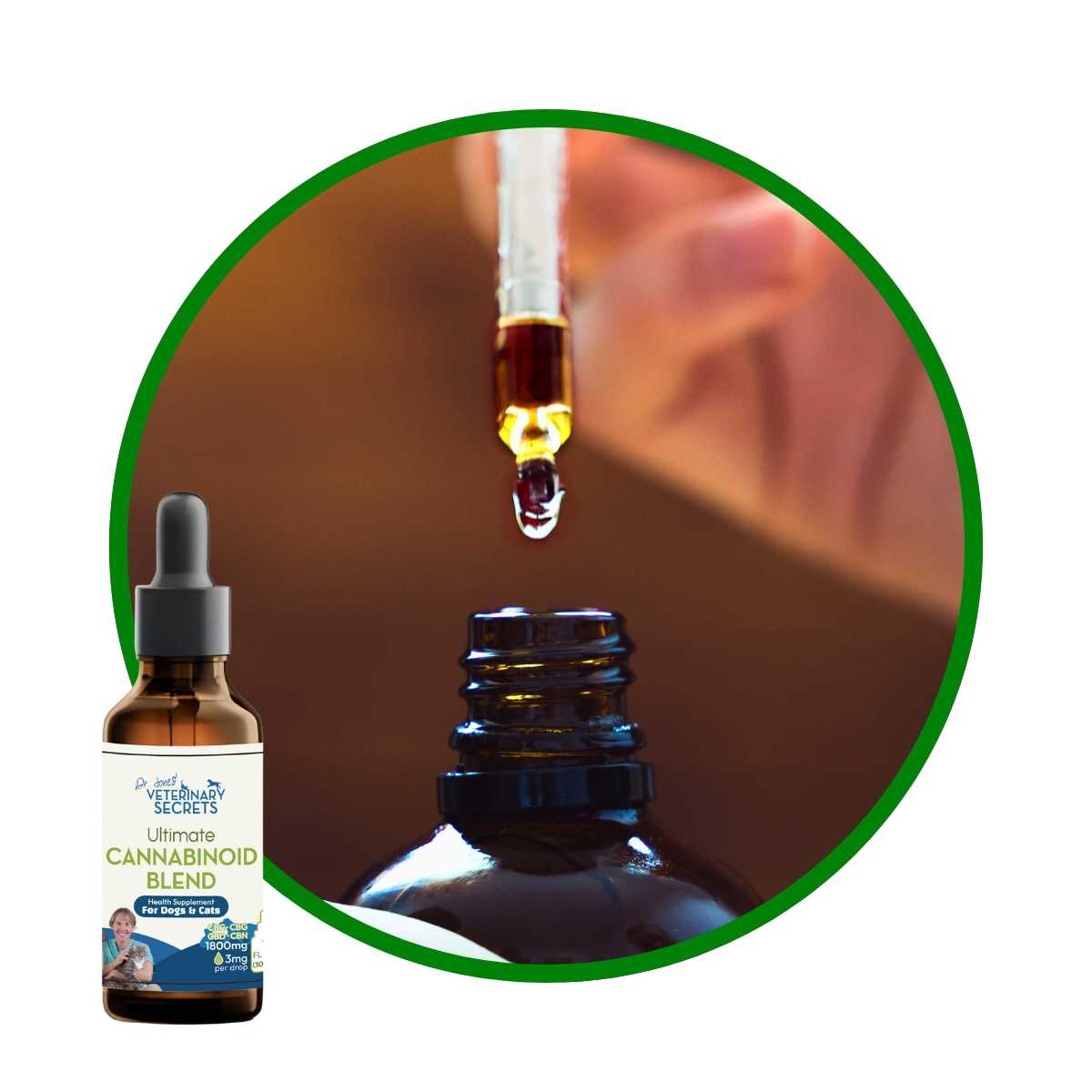
Dr. Jones’ Ultimate Cannabinoid Blend for Dogs and Cats





Early research suggests that certain cannabinoids may influence cancer cell growth, inflammation, tumor spread, and apoptosis, which is the process of programmed cell death.
They’ve also attracted interest for their potential pain-relieving properties.
I believe cannabinoids deserve serious consideration as a possible supportive treatment for pets with cancer.
But they’re not the only option worth examining.
Today, I want to discuss five alternative approaches, what the research suggests, the amounts I’ve previously discussed, and how I would think about incorporating them into a pet’s cancer treatment plan.
And before we begin, I want to make one thing clear.
If surgery offers your dog or cat a chance of curing their cancer, I would absolutely consider it.
I’m not suggesting we abandon conventional treatments.
I want pet parents to understand all their options, including the possibility of combining conventional veterinary care with carefully chosen complementary therapies.
Why Consider Alternative Cancer Treatments for Dogs and Cats?
Conventional cancer treatment has made considerable progress.
Surgery, chemotherapy, and newer treatments such as immunotherapy can all have important roles.
But pet parents are also interested in treatments that might provide additional support.
And I understand why.
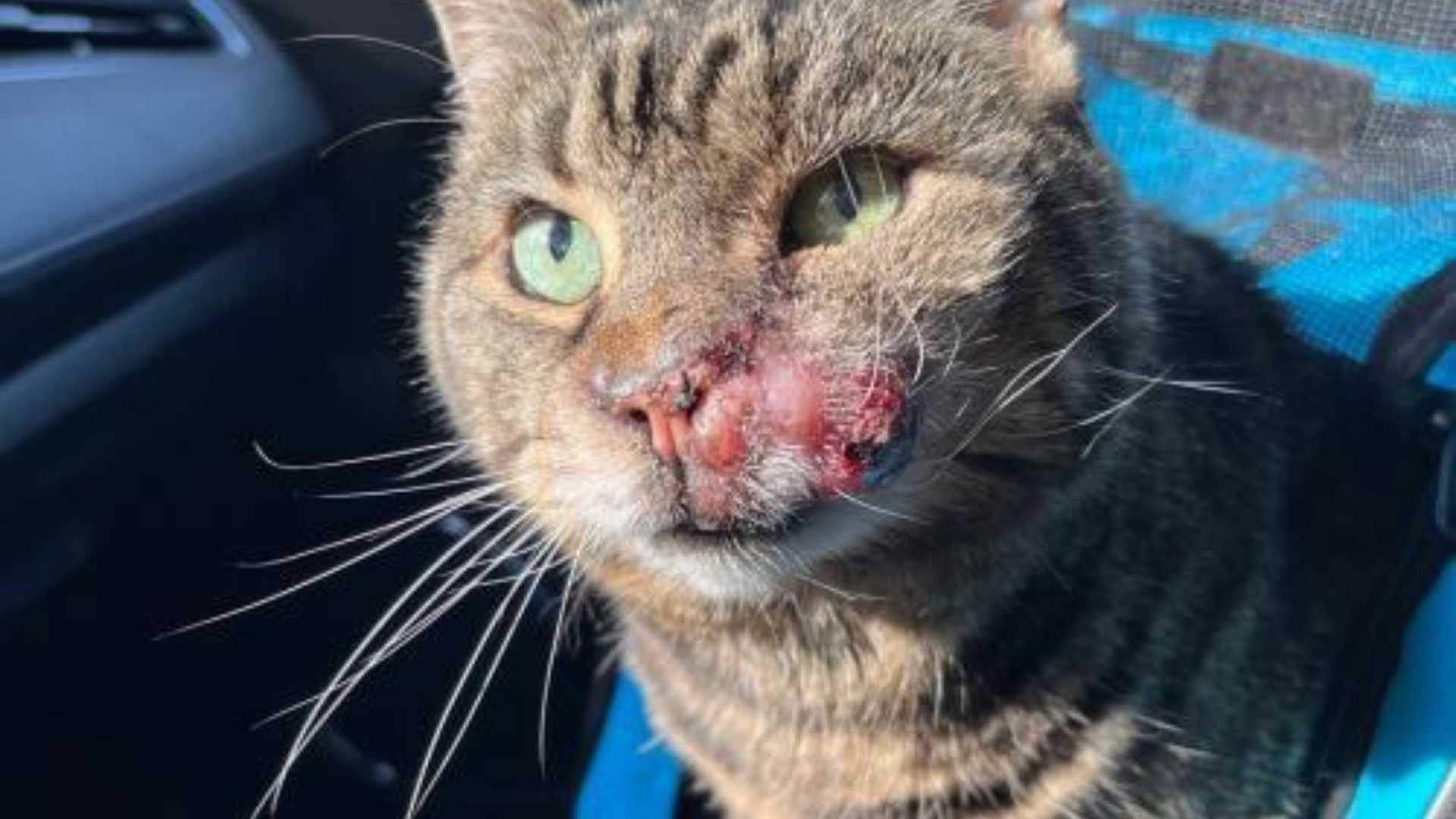
Some treatments can be difficult for an animal to tolerate.
Others may not be appropriate for certain cancers.
And in some cases, the available options are limited.
That’s why I pay attention when researchers identify natural compounds or existing medications that may influence cancer cell behavior.
What Are Researchers Looking for in Alternative Cancer Treatments?
Several of the studies discussed here focus on mechanisms such as:
-
Inhibiting cancer cell proliferation
-
Encouraging apoptosis, or programmed cancer cell death
-
Reducing inflammatory activity
-
Supporting immune function
-
Interfering with tumor growth
-
Reducing tumor invasiveness
-
Affecting angiogenesis, the formation of blood vessels that can support tumor growth
-
Potentially limiting metastasis, or cancer spread
These are interesting mechanisms.
But a compound showing anticancer activity in a laboratory doesn’t automatically mean it will successfully treat cancer in a dog or cat.
That’s an important difference.
I see these findings as reasons to investigate these options further.
And when appropriate, to discuss them with the veterinarian managing a pet’s cancer treatment.
1. Dandelion Root for Cancer in Dogs and Cats
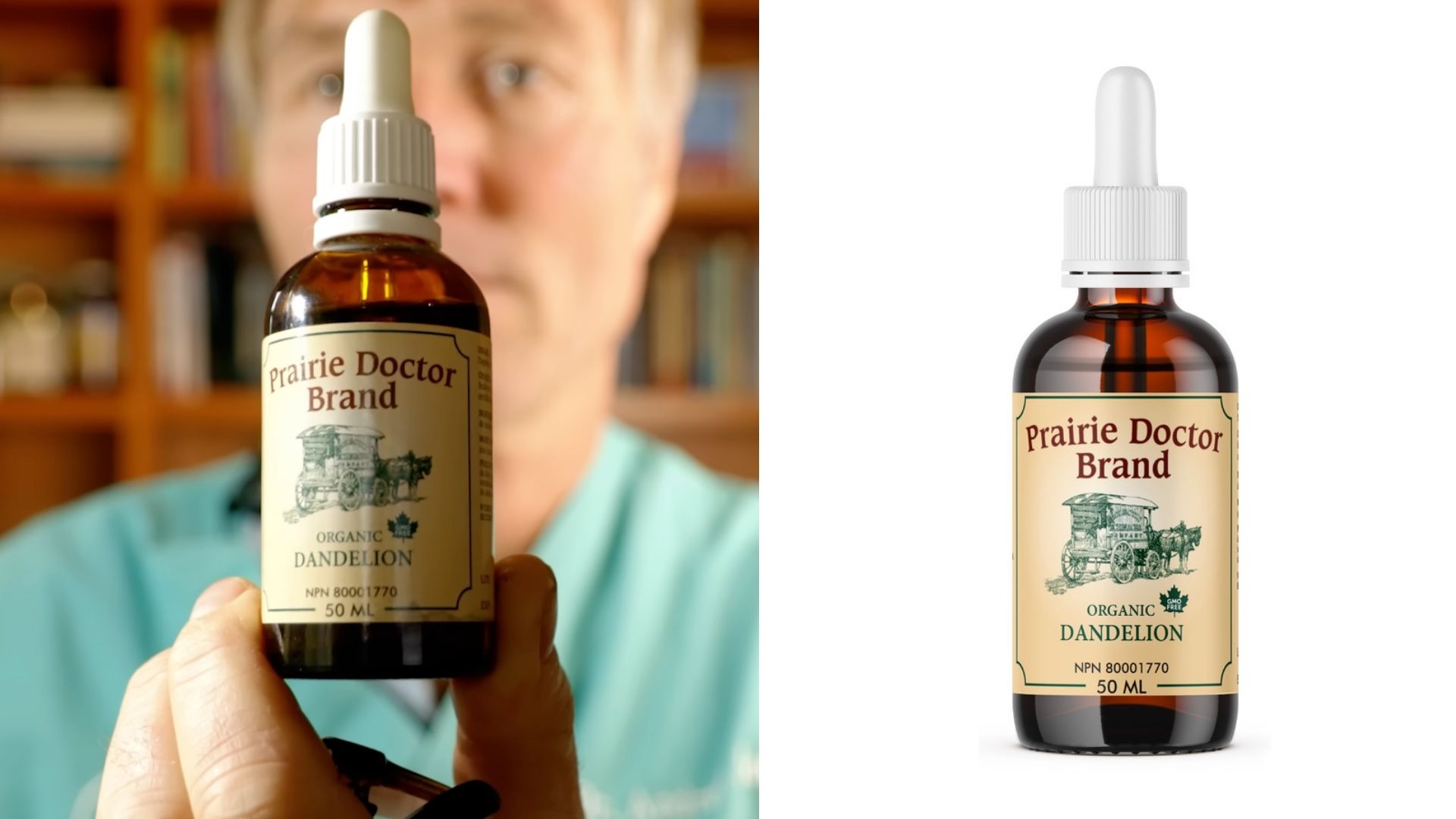
Dandelion root has attracted interest as a potential natural anticancer treatment because laboratory research has identified compounds that may influence cancer cell survival and programmed cell death.
This is one of the more interesting herbal remedies I’ve discussed.
And the story behind some of the research is quite remarkable.
Why Is Dandelion Root Being Studied for Cancer?
Research into dandelion root gained attention following the experience of an elderly patient with leukemia.
The patient had been using a preparation made from dandelion root.
That experience helped inspire research at the University of Windsor.
Researchers began investigating whether compounds found in dandelion root might affect cancer cells.
And the findings have been interesting.
Several compounds with potential anticancer activity have been identified in dandelion root.
How Might Dandelion Root Affect Cancer Cells?
One of the important areas of investigation involves cancer cell death.
Researchers have examined how dandelion root extract may activate signaling pathways involved in apoptosis.
Apoptosis is the process by which cells are programmed to die.
Cancer cells can develop ways of avoiding normal cell death.
So researchers are interested in substances that might help activate those processes.
Study: Dandelion root extract affects colorectal cancer proliferation and survival through the activation of multiple death signalling pathways.
Read the dandelion root cancer study on PubMed Central
How Have I Prepared Dandelion Root for Pets?
I’ve previously discussed a homemade dandelion root preparation.
The method involves dried dandelion root, water, and gentle simmering.
Original preparation:
| Ingredient or Step | Amount or Instructions |
|---|---|
| Dried dandelion root | 1 teaspoon per 20 lbs of body weight |
| Water | 1 cup |
| Preparation | Grind the dried root using a coffee grinder |
| Heating | Simmer for 20 to 30 minutes |
| Cooling | Allow the preparation to cool |
| Frequency discussed | Daily |
The original discussion described giving the resulting preparation daily and mentioned that some people reported noticing a response within approximately two weeks.
2. Fenbendazole (Panacur) for Cancer in Dogs and Cats
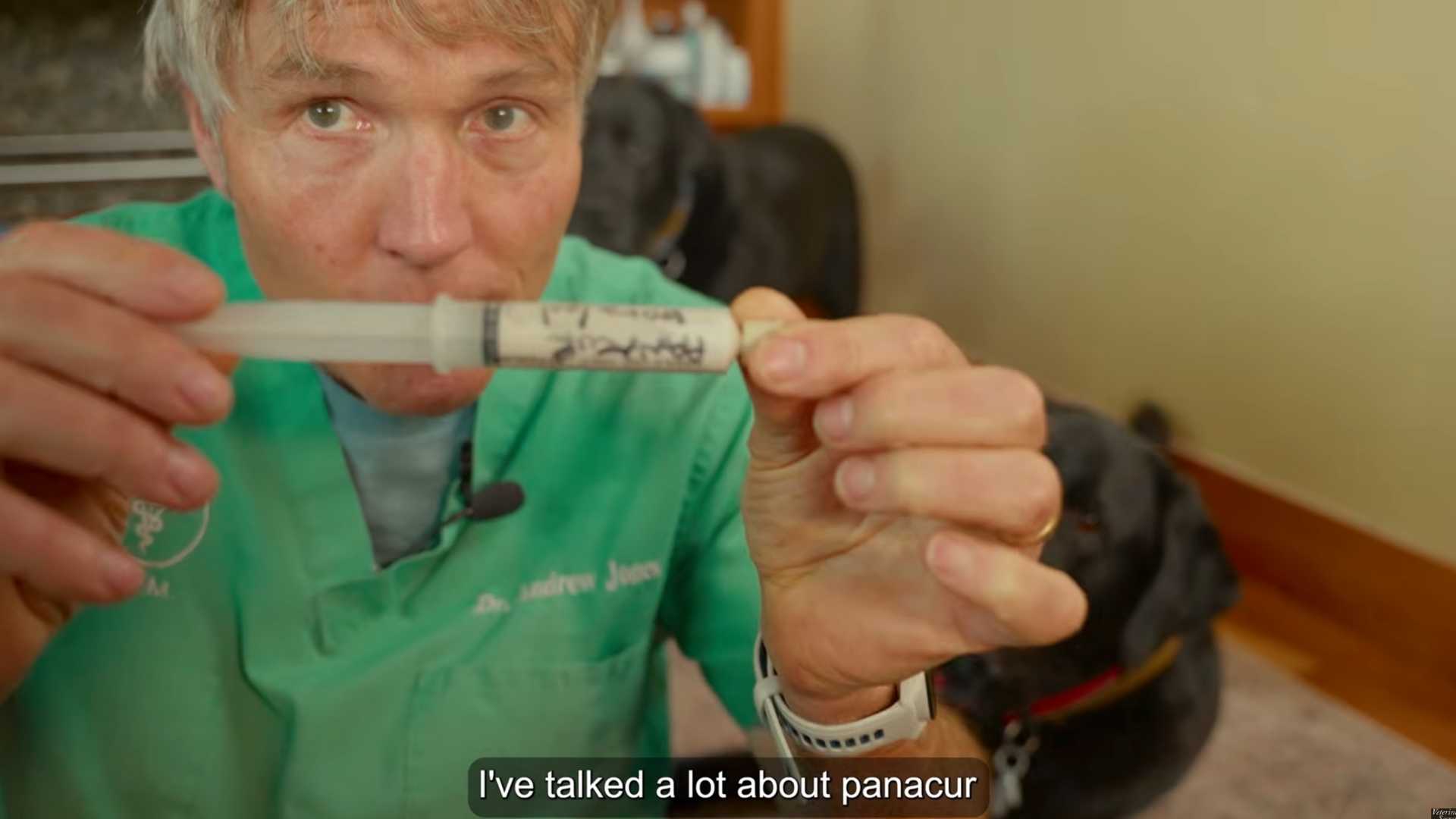
Fenbendazole, commonly known by the brand name Panacur, is an established veterinary deworming medication that has also attracted research interest for potential anticancer effects. However, its use as a cancer treatment remains experimental.
This is one of the more unusual treatments I’ve discussed.
Because fenbendazole isn’t originally a cancer drug.
It’s a veterinary dewormer.
And yet there’s been considerable interest in whether it might affect cancer cells.
What Is Fenbendazole?
Fenbendazole is an antiparasitic medication used in veterinary medicine.
Many pet parents know it as Panacur.
It’s used to treat certain intestinal parasites.
But researchers have also investigated whether it might interfere with biological structures involved in cancer cell growth and survival.
That’s where the cancer research comes in.
Why Did Fenbendazole Become Popular as a Cancer Treatment?
One of the stories that brought attention to fenbendazole was the experience of Joe Tippens.
Joe had cancer that had spread.
He had already undergone three rounds of chemotherapy.
And the cancer had spread to his brain.
According to his account, his prognosis was extremely poor.
A veterinarian suggested that he look into fenbendazole.
Joe subsequently began a regimen involving the medication.
He later reported that he was cleared of cancer within approximately 12 weeks.
That story attracted considerable attention.
And since then, other individuals have shared accounts of using fenbendazole while undergoing treatment for different cancers.
Now, it’s an interesting story.
How Might Fenbendazole Affect Cancer Cells?
Researchers have investigated whether fenbendazole can interfere with structures involved in cell division.
Cancer cells depend on normal cellular machinery to grow and multiply.
If a compound interferes with that machinery, it may affect cell proliferation or survival.
That’s the proposed mechanism behind some of the research into fenbendazole.
What Fenbendazole Doses Have Been Discussed?
I’ve previously discussed both the conventional deworming regimen and an experimental regimen proposed for cancer.
Here are the amounts.
| Use | Amount Discussed | Schedule |
|---|---|---|
| Conventional deworming regimen | 50 mg/kg | Once daily for 3 days |
| Experimental cancer regimen | 50 mg/kg | Once daily, 3 days on and 4 days off |
| Liquid concentration mentioned | 100 mg/mL | Product concentration, not a dose |
| Suggested evaluation period | 1 month | To assess whether there is a response |
Study: Oral Fenbendazole for Cancer Therapy in Humans and Animals.
Read the fenbendazole cancer research review
I find the possibility of repurposing an existing veterinary medication particularly interesting.
3. Artemisinin for Cancer in Dogs and Cats
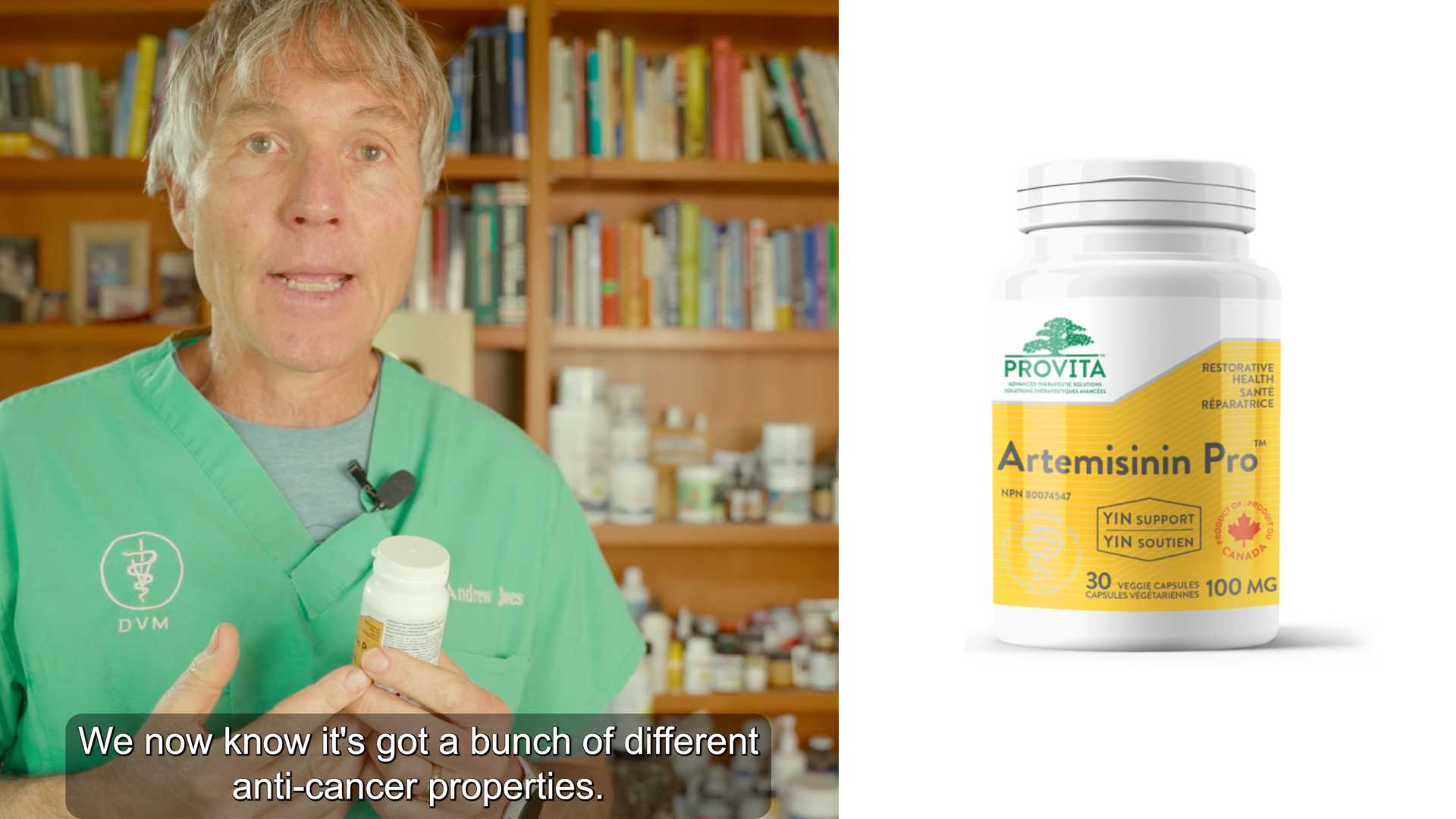 Artemisinin and related compounds, called artemisinins, are antimalarial drugs being investigated for their potential use in treating cancer. Researchers have shown interest in repurposing them for several types of cancer.
This is another option I think deserves attention.
Artemisinins originate from research involving a Chinese medicinal herb.
They have a well-established history in the treatment of malaria.
And now researchers are studying whether they might have applications beyond their original use.
What Is Artemisinin?
Artemisinin is a compound associated with traditional Chinese medicinal plants.
Artemisinin-derived medications have been used for malaria.
Researchers have become interested in their potential to affect cancer cells through several biological mechanisms.
The idea of using an existing medication for a new disease is called drug repurposing.
And that can be particularly interesting when a drug already has an established history of use.
Why Are Artemisinins Being Investigated for Cancer?
Artemisinins have shown potential anticancer activity in experimental research.
Researchers are examining whether they may affect cancer cell growth and survival.
They’ve also attracted attention because of their established use as antimalarial medications and their relative affordability.
Which Types of Pet Cancer Interest Me Most?
I’ve previously discussed artemisinin as an option worth investigating for several cancers.
Two examples include:
-
Hemangiosarcoma
-
Lymphoma
Both are important cancers in veterinary medicine.
And I would be particularly interested in learning whether future research establishes a useful role for artemisinins in these conditions.
What Artemisinin Dose Have I Discussed?
The amount I’ve previously shared for dogs and cats is:
30 mg per 10 lbs of body weight, once or twice daily.
| Detail | Amount Discussed |
|---|---|
| Dogs and cats | 30 mg per 10 lbs |
| Frequency | Once to twice daily |
Study: Artemisinins as a novel anti-cancer therapy: Targeting a global cancer pandemic through drug repurposing.
Read the artemisinin cancer research on PubMed Central
For me, this is another example of why we shouldn’t limit our thinking to medications originally developed specifically for cancer.
Sometimes an existing compound may have additional biological effects worth investigating.
4. Turkey Tail Mushroom for Cancer in Dogs and Cats

Turkey tail mushroom, also known as Coriolus versicolor, has been studied for its immune-related effects and potential role alongside conventional cancer treatment. Research involving human cancers, particularly colorectal cancer, has attracted considerable interest.
Of the five options, turkey tail is one that I find particularly interesting for immune support.
Medicinal mushrooms have a long history of use.
And turkey tail has received substantial research attention, particularly in Japan.
What Is Turkey Tail Mushroom?
Turkey tail is a medicinal mushroom also known as:
Coriolus versicolor
It contains biologically active compounds that have been investigated for their effects on the immune system.
Some preparations derived from turkey tail have been researched as adjuncts to conventional cancer treatment.
How Might Turkey Tail Help Cancer Patients?
Research has focused on the mushroom’s potential immune-related effects.
Rather than considering it simply as a substance that directly destroys cancer cells, researchers have investigated whether certain turkey tail preparations may influence immune responses.
And that has generated interest in combining these preparations with conventional therapies.
What Types of Cancer Have Been Studied?
The research discussed includes human cancers such as:
-
Colorectal cancer
-
Gastric cancer
-
Breast cancer
In Japan, medicinal mushroom preparations have been studied extensively in cancer care.
Some specific preparations have been used alongside conventional treatment for certain cancers.
That’s an important distinction, because not every commercial turkey tail supplement is identical to a standardized medicinal preparation used in clinical research.
Can Turkey Tail Help Reduce Cancer Recurrence?
Some human studies involving specific mushroom preparations have reported encouraging outcomes when used alongside conventional cancer treatment.
These include research examining long-term outcomes and cancer recurrence.
I’ve been particularly interested in the possibility that turkey tail could support patients after their initial cancer treatment.
Can Turkey Tail Be Used With Chemotherapy?
Certain preparations have been studied in combination with chemotherapy.
That’s one of the reasons I find turkey tail interesting as a possible complementary option.
I’ve also discussed its generally favorable tolerability in some studies.
However, interactions and safety still need to be considered for the individual pet and the exact product being used.
100 mg per 10 lbs of body weight daily.
| Detail | Amount Discussed |
|---|---|
| Turkey tail mushroom | 100 mg per 10 lbs |
| Frequency | Once daily |
Study: Therapeutic Effects of Medicinal Mushrooms on Gastric, Breast, and Colorectal Cancer: A Scoping Review.
Read the medicinal mushroom cancer research on PubMed Central
5. Cannabinoids for Cancer in Dogs and Cats
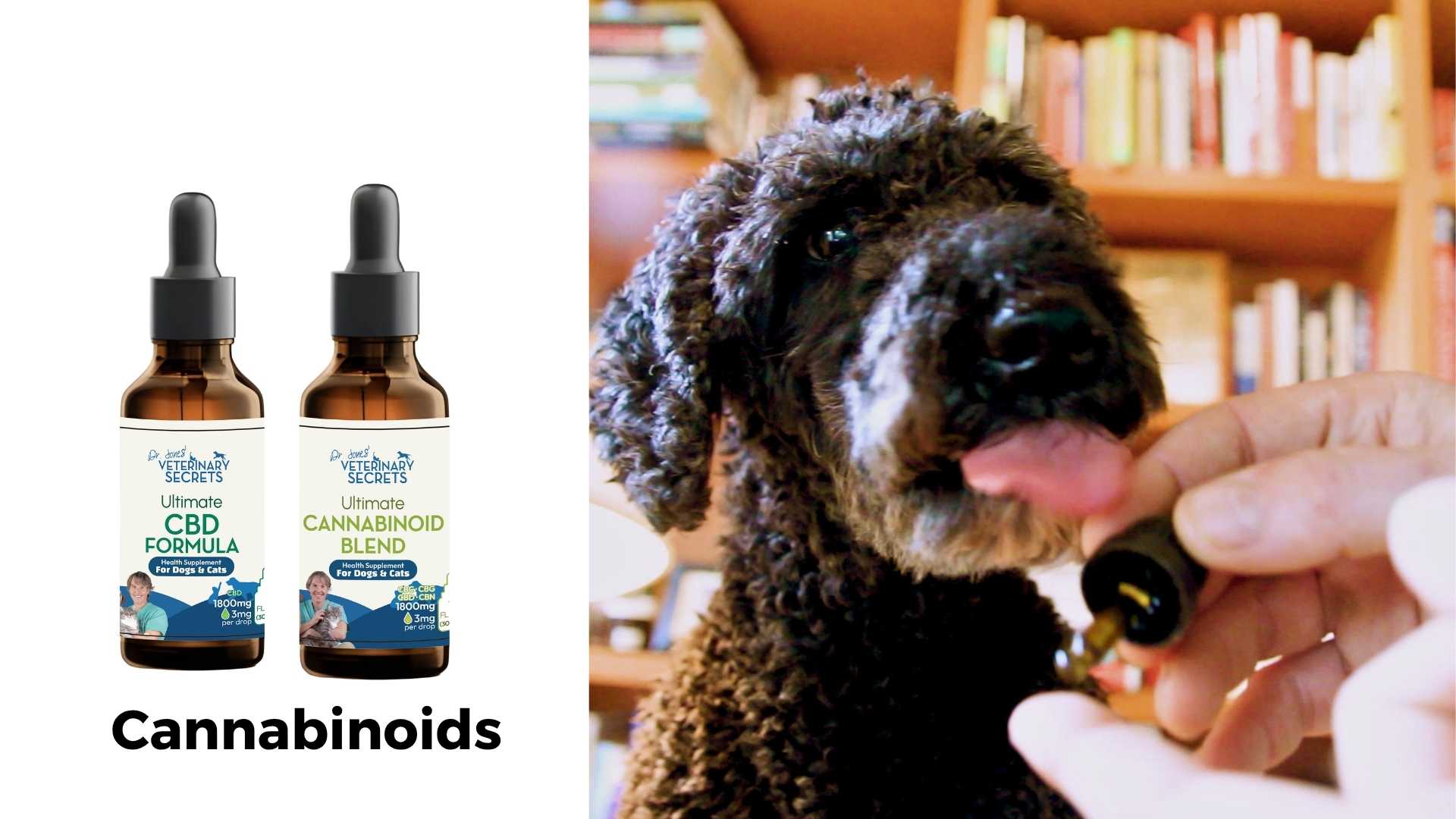
Cannabinoids such as CBD, CBC, and CBG are being studied for their potential effects on cancer cell proliferation, inflammation, apoptosis, tumor invasiveness, angiogenesis, and metastasis. Most of the anticancer evidence remains preclinical, but these compounds are an especially interesting area of research.
If there’s one category I’m particularly interested in, it’s cannabinoids.
These are medicinal compounds found in the cannabis plant.
And research suggests that different cannabinoids may influence several biological processes involved in cancer.
This is why I believe they deserve attention.
Not because they’re a guaranteed cure.
But because the mechanisms being investigated are relevant to cancer growth and survival.
How Might Cannabinoids Affect Cancer Cells?
Experimental research has investigated whether certain cannabinoids can influence several hallmarks of cancer.
These include:
-
Cell proliferation: The process of cancer cells multiplying
-
Inflammation: Biological processes that may influence the tumor environment
-
Apoptosis: Programmed cell death
-
Tumor invasiveness: The ability of cancer cells to invade surrounding tissues
-
Angiogenesis: The development of blood vessels that can support tumors
-
Metastasis: The spread of cancer to other areas of the body
What Is Apoptosis, and Why Does It Matter?
Apoptosis means programmed cell death.
It’s one of the ways the body removes cells that are no longer functioning properly.
And it’s particularly relevant to cancer because malignant cells can develop ways of avoiding normal cell death.
Some cannabinoid research has investigated whether these compounds may help activate pathways associated with apoptosis.
That’s one of the mechanisms I find particularly interesting.
What Is CBD, and How Might It Help Pets With Cancer?
CBD, or cannabidiol, is one of the most widely studied cannabinoids.
I’ve discussed its potential role in cancer support because of research involving inflammation, cancer cell signaling, and pain.
CBD has been studied in relation to the body’s endocannabinoid system, including pathways associated with CB1 and CB2 receptors.
Researchers are interested in how cannabinoid signaling may influence cancer cells and immune-related activity.
One possibility being investigated is whether these effects could help the body respond to abnormal cells.
Can CBD Help With Cancer-Related Pain?
Pain relief is another reason cannabinoids interest me.
I’ve discussed their potential analgesic properties as an additional benefit for pets living with cancer.
The aim is to help improve comfort while the animal receives appropriate care.
For me, quality of life is extremely important.
Even when a treatment cannot cure the underlying cancer, helping a pet remain comfortable matters.
CBD should still be evaluated for the individual patient, particularly when combined with other medications.
Study: Cannabinoids as anticancer drugs: current status of preclinical research.
Read the cannabinoid cancer research in the British Journal of Cancer
This is one of the reasons I continue to follow cannabinoid research.
There are several promising biological mechanisms.
Final Thoughts: Can Alternative Cancer Treatments Help Dogs and Cats?

Cancer is one of the most difficult diagnoses a pet parent can receive.
And I understand why people want to explore every possible option.
I’ve always believed that we should remain open to new research.
Particularly when it involves compounds that may influence cancer cell growth, inflammation, immune function, or pain.
And that’s what interests me about these five alternatives.
Dandelion root has been investigated for its effects on cancer cell death pathways.
Fenbendazole, an existing veterinary dewormer, has attracted research interest because of its potential effects on cancer cell structures and growth.
Artemisinin is being studied as a possible repurposed treatment.
Turkey tail mushroom has an interesting history of research involving immune support and conventional cancer therapy.
And cannabinoids are being investigated for a wide range of effects on cancer-related biological processes.
Of all these options, I’m particularly interested in cannabinoids.
CBD, CBC, and CBG have shown enough experimental activity that I believe further research is warranted.
And the potential pain-relieving properties of cannabinoids are another reason they interest me when we’re caring for pets with cancer.
But I also don’t want pet parents misunderstanding what the studies show.
A treatment that causes cancer cells to die in a laboratory isn’t necessarily going to cure a dog or cat.
And a personal recovery story, however encouraging, doesn’t establish that a particular supplement caused the improvement.
So how would I approach this?
I would consider the conventional options first, especially when there’s a chance for a cure.
If surgery is a curative option, I would seriously consider doing it.
I would also pay attention to promising developments such as cancer immunotherapy and therapeutic vaccines.
And then I would look at whether any of these complementary treatments might provide additional support.
For me, it’s not about choosing conventional medicine or natural medicine.
It’s about understanding the options and making the best decisions we can for the animal in front of us.
And above all, I want to help our pets stay comfortable and maintain a good quality of life.
I hope your dog or cat never develops cancer.
Prevention is always preferable.
But if you’re facing a cancer diagnosis, I want you to know that there are treatment options to discuss, along with new research worth following.
And you don’t have to limit that discussion to just one type of treatment.
Click To Get A Free Copy of My E-Book!

P.S. I sincerely hope your dog or cat never develops cancer. Prevention is always better. But if your pet is diagnosed, please consider both conventional treatment and the complementary approaches being studied. If surgery offers a realistic chance of curing the cancer, I would strongly consider it. I’m also encouraged by new research involving immunotherapy and therapeutic cancer vaccines.
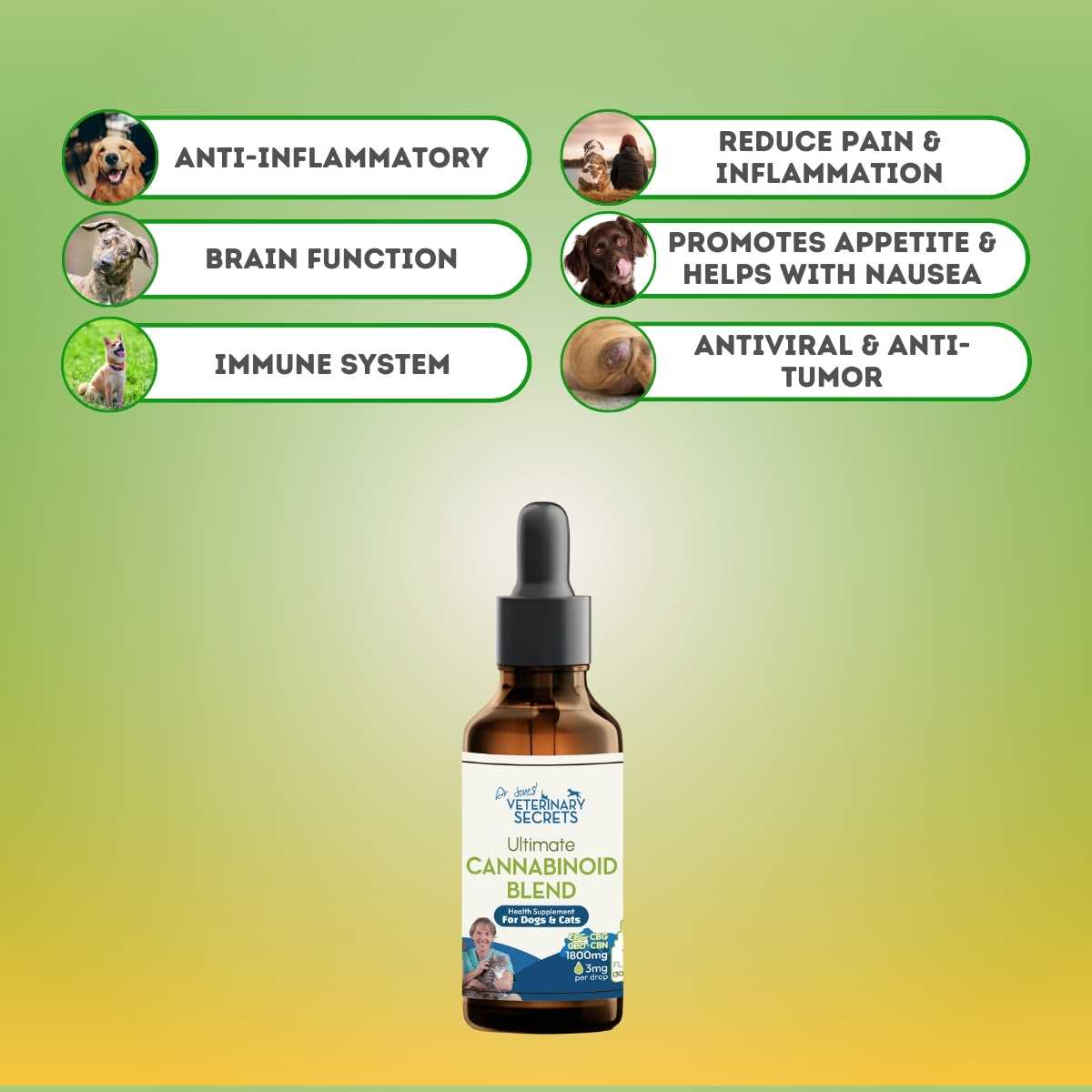
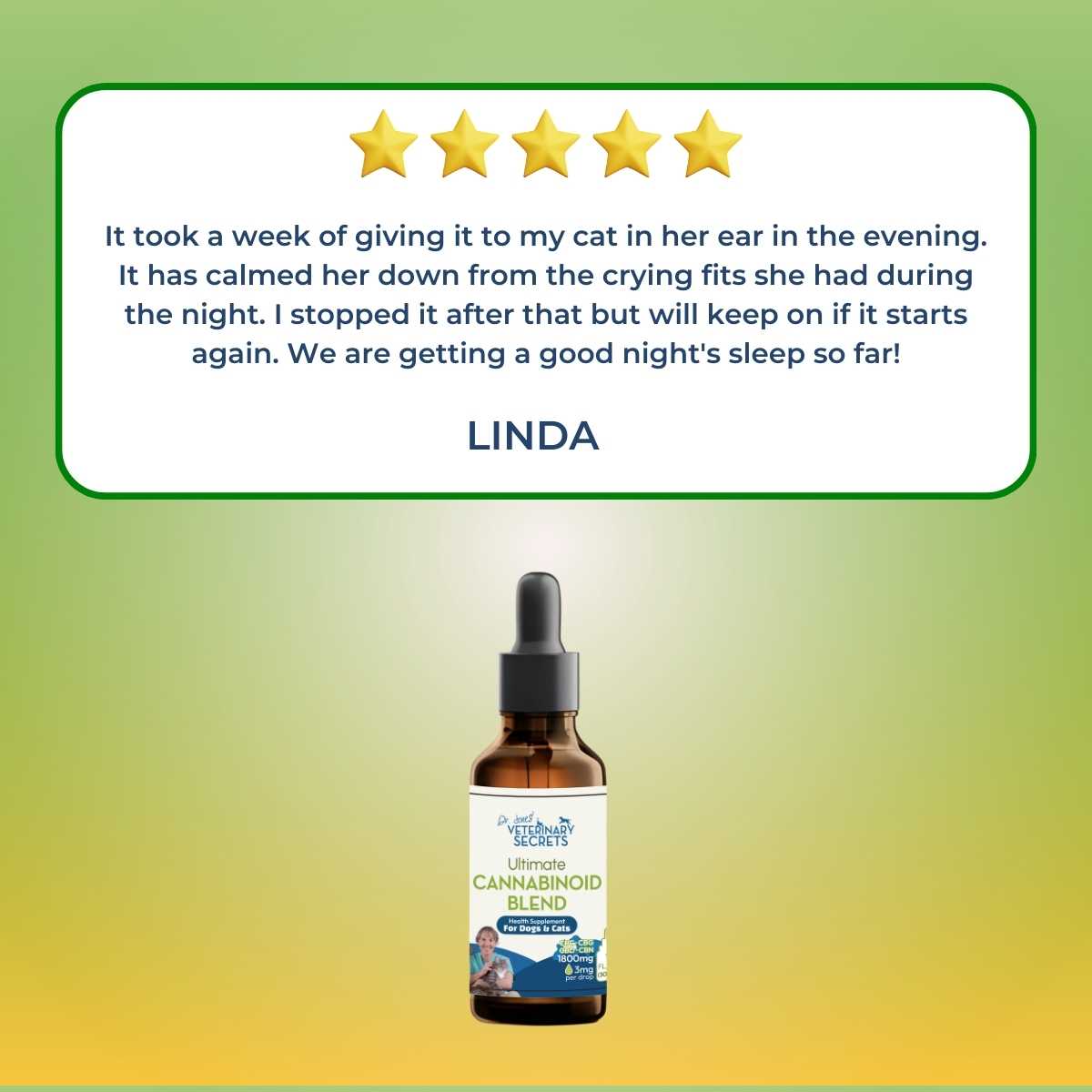
P.P.S. I’m particularly interested in cannabinoids because of their potential effects on inflammation, pain, and several biological processes involved in cancer. The research is still developing, but I believe these compounds deserve attention. We’ve developed Dr. Jones’ ULTIMATE Cannabinoid Blend for Dogs and Cats, and the customer feedback has been encouraging. It’s a product I’d consider discussing as part of a pet’s overall supportive care.
P.P.P.S. If your pet is undergoing cancer treatment, please don’t feel you need to choose between conventional and alternative options. Ask questions. Read the research. Discuss the possible benefits and risks with your veterinarian. And remember, a treatment plan should be based on your pet’s particular cancer, not simply on what helped someone else’s animal.





Alternative Cancer Treatments for Dogs and Cats: Dosage Comparison
Here is a summary of the amounts and preparations I’ve previously discussed.
| Alternative Treatment | Amount Discussed | Frequency or Preparation |
|---|---|---|
| Dandelion root | 1 teaspoon per 20 lbs | Grind, add to 1 cup of water, simmer 20 to 30 minutes; daily use discussed |
| Fenbendazole, conventional deworming | 50 mg/kg | Once daily for 3 days |
| Fenbendazole, experimental cancer regimen | 50 mg/kg | Once daily, 3 days on and 4 days off |
| Artemisinin | 30 mg per 10 lbs | Once or twice daily |
| Turkey tail mushroom | 100 mg per 10 lbs | Daily |
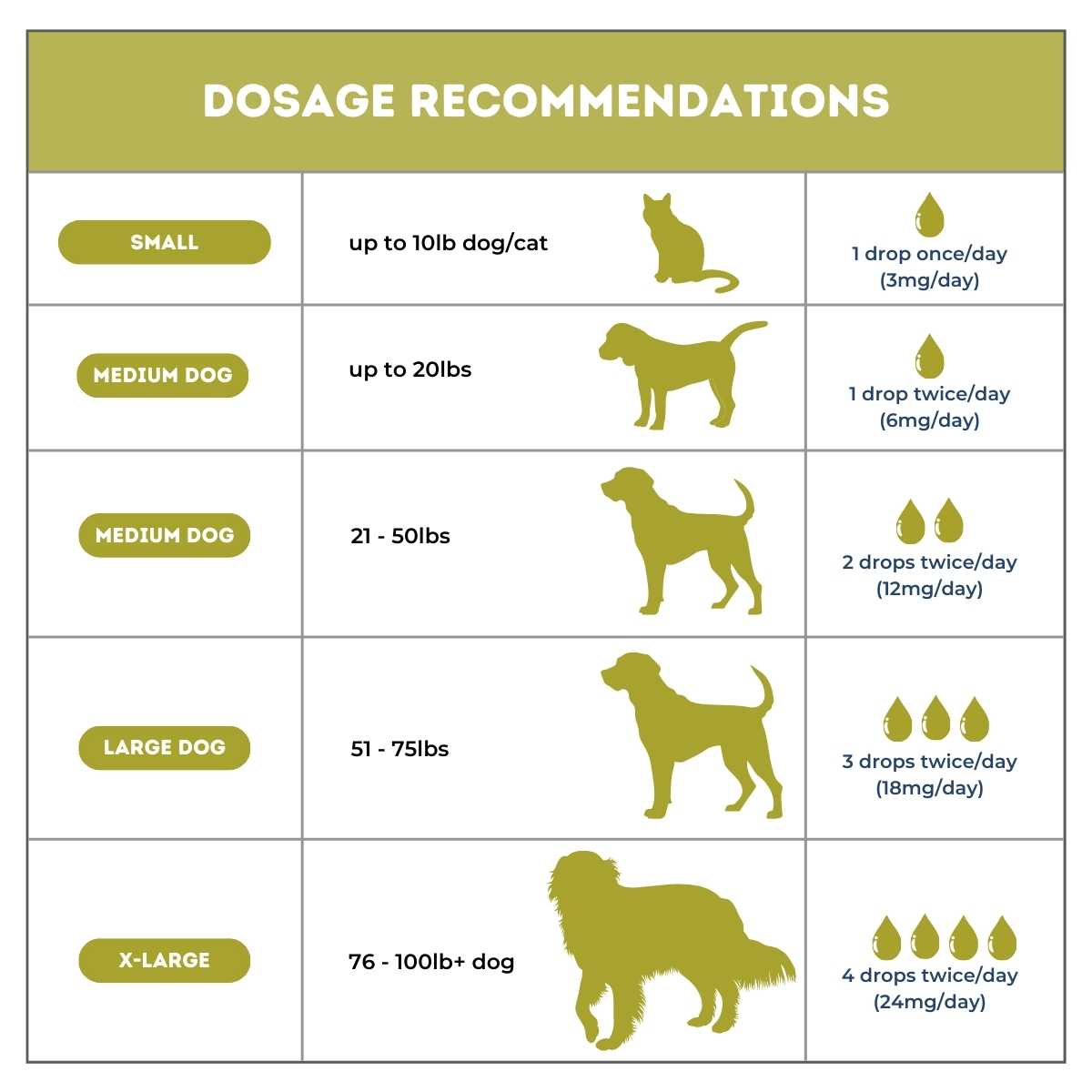
| Cannabinoid blend | No specific oral dose given | Product-specific veterinary guidance needed |
| Treatment | Research Discussed | Main Area of Interest |
|---|---|---|
| Dandelion root | Experimental colorectal cancer research | Cell proliferation and apoptosis |
| Fenbendazole | Research review and experimental anticancer mechanisms | Interference with cancer cell structures and growth |
| Artemisinin | Drug-repurposing research | Potential anticancer activity |
| Turkey tail mushroom | Human cancer studies and scoping review | Immune support and complementary cancer care |
| Cannabinoids | Preclinical cancer research review | Proliferation, apoptosis, inflammation, angiogenesis, and metastasis |