Dog Bad Breath: TOP 5 Natural Remedies

Why Does My Dog’s Breath Smell So Bad?
Most dog bad breath comes from bacteria in the mouth.
That bacteria builds up around food particles, plaque, tartar, and red inflamed gums. As bacteria break down material in the mouth, they can release smelly sulfur compounds. That is the not-so-lovely odor we call halitosis.
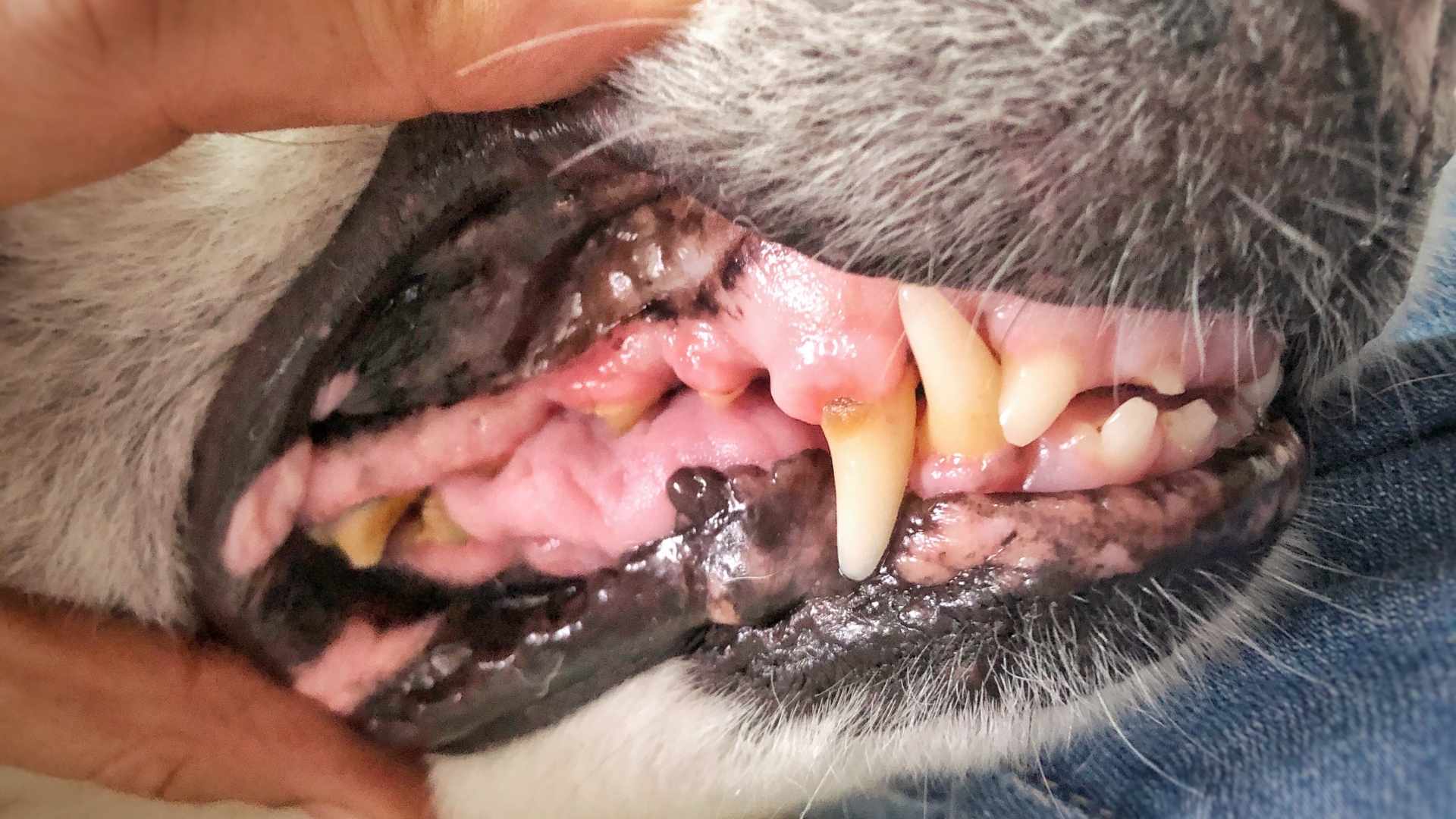
If your dog has bad breath, the first place I want you to look is the mouth. Lift the lip and check the teeth. If you see yellow or brown tartar, red gums, swelling, bleeding, or loose teeth, your dog may need a proper dental exam and cleaning.
Home remedies can help reduce odor and support healthier gums, but they cannot remove heavy tartar or fix advanced dental disease.

What Is Dog Bad Breath?
Dog bad breath, also called halitosis, is a foul smell coming from your dog’s mouth.
The most common cause is dental bacteria. This bacteria can lead to:
- Plaque
- Tartar
- Gingivitis
- Tooth decay
- Gum irritation
- Mouth odor
In my own dog Tula, I could see plaque that had turned into tartar, along with red gums. That combination is a pretty clear source of bad breath. Not exactly “fresh spring breeze.” More like “please do not pant directly into my face.”
Why Does Dog Bad Breath Happen?
Bad breath usually starts when food particles stay in the mouth after eating.
Bacteria feed on those leftovers. Plaque forms. Plaque hardens into tartar. Then the gums become inflamed.
That is when the smell gets worse.
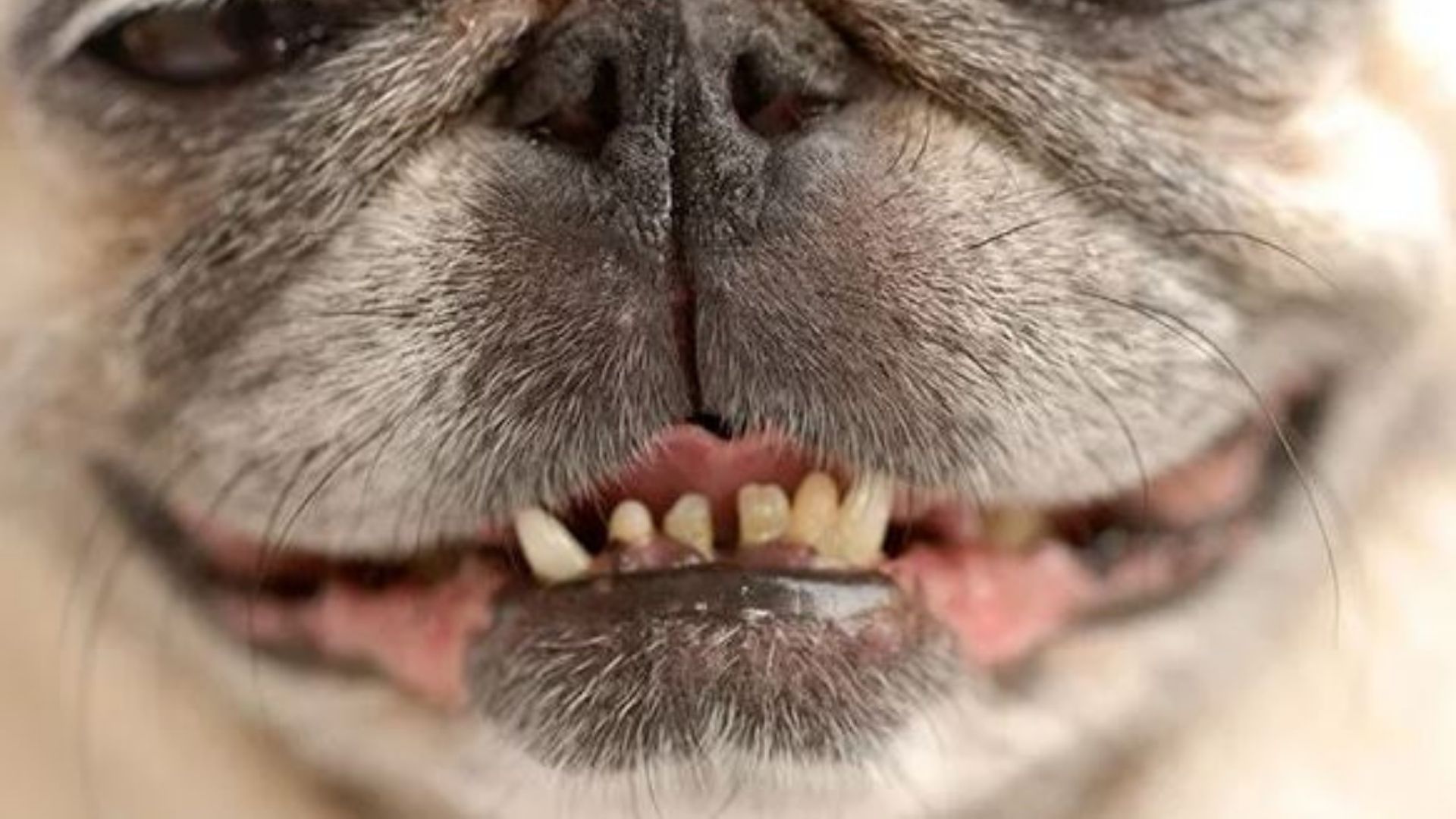
Some dogs have a lot of tartar and only mild odor. Other dogs have just a small amount of plaque and breath that could clear a room. Dogs like to keep us guessing.
Signs Your Dog’s Bad Breath May Be Dental Disease
Check for:
- Yellow or brown buildup on the teeth
- Red gums
- Bleeding gums
- Drooling
- Pawing at the mouth
- Trouble chewing
- Dropping food
- Loose teeth
- Swelling around the jaw or face
- Sudden worsening breath
- Pain when you touch the mouth
If your dog has heavy tartar, painful gums, or loose teeth, book a dental exam. A dental scale and polish may be needed to remove the bacteria and tartar causing the odor.
Can Natural Remedies Help Dog Bad Breath?
Yes, they may help mild to moderate dog bad breath, especially when the smell is coming from bacteria, food particles, and early gum irritation.
The goal is simple:
- Reduce bacteria
- Support the gums
- Increase saliva and fluid in the mouth
- Rinse away food particles
- Make the mouth less friendly to odor-causing bacteria
These remedies are not a replacement for veterinary dental care when your dog already has serious dental disease.
Top 5 Natural Remedies for Dog Bad Breath
Here are my top 5 natural options for smelly dog breath.
Quick Remedy Guide
| Remedy | What It May Help With | How to Use |
|---|---|---|
| Bone broth in water | Encourages drinking and rinses the mouth | Add a small scoop to your dog’s water |
| Mint, parsley, and coconut oil | Freshens breath and may reduce bacteria | Rub along the gumline and offer a small amount |
| Apple cider vinegar and honey | May help reduce bacteria and odor | Mix 1 tsp ACV with 1 tsp honey for a 10 to 20 lb dog |
| Aloe vera | May soothe inflamed gums | Apply topically to the gumline twice daily |
| Colloidal silver spray | May help reduce bacteria short term | Spray into the mouth twice daily for 1 to 2 weeks |
Remedy 1: Add Bone Broth to Your Dog’s Water
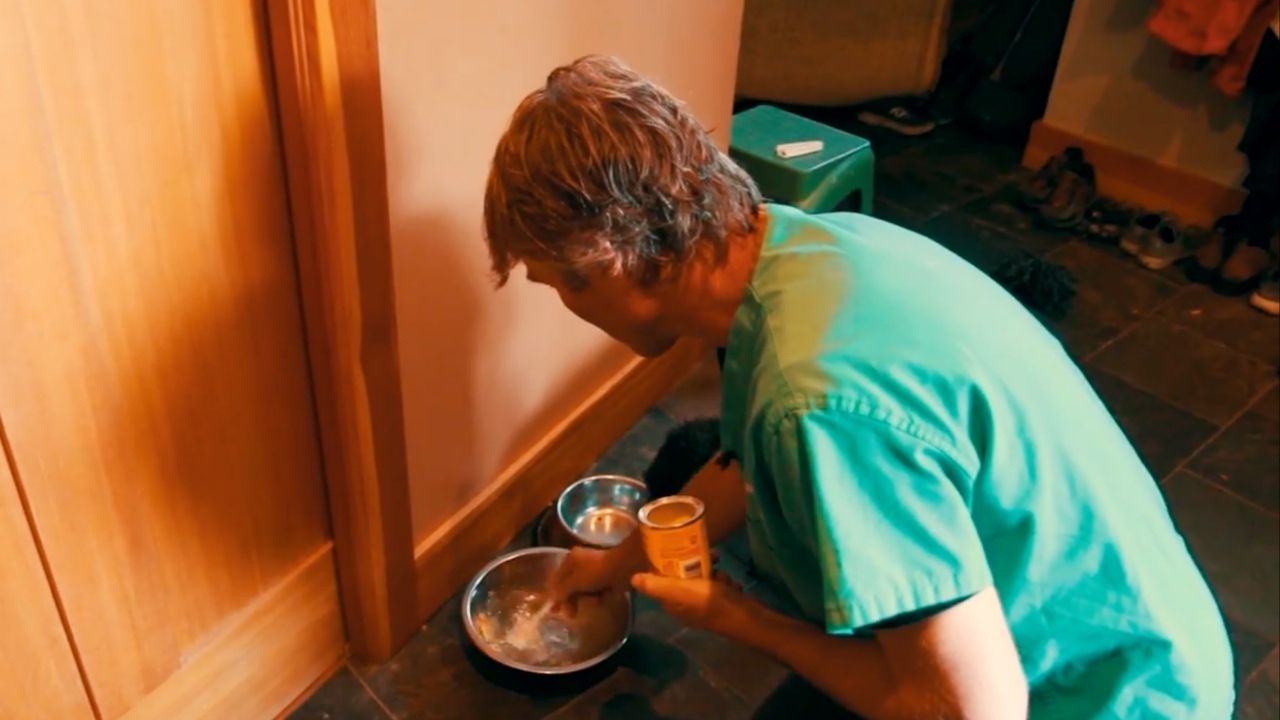
The first remedy is fluid.
When your dog drinks more, the mouth gets rinsed. That can help wash away food particles and reduce the dry mouth environment where bad breath bacteria like to grow.
A simple way to encourage drinking is to add a small amount of bone broth to your dog’s water.
Bone broth can also provide nutrients such as collagen and may be helpful for dogs with joint issues.
How to Use Bone Broth for Dog Bad Breath
Add a small scoop of dog-safe bone broth to your dog’s water bowl.
Use plain bone broth with no:
- Onion
- Garlic
- Heavy seasoning
- Excess salt
- Artificial sweeteners
Start small. You are not making a full dinner bowl. You are just making the water more interesting.
Best For
This may be best for:
- Dogs that do not drink enough water
- Dogs with dry mouth
- Dogs with worse breath after meals
- Dogs that pant often
- Dogs that enjoy broth
Not For
Avoid this if your dog needs a restricted diet or has pancreatitis, unless your veterinarian says it is okay.
Some bone broths can be higher in fat, and that may not suit every dog.
Remedy 2: Mint, Parsley, and Coconut Oil
The second remedy is a simple fresh breath mix using mint, parsley, and coconut oil.
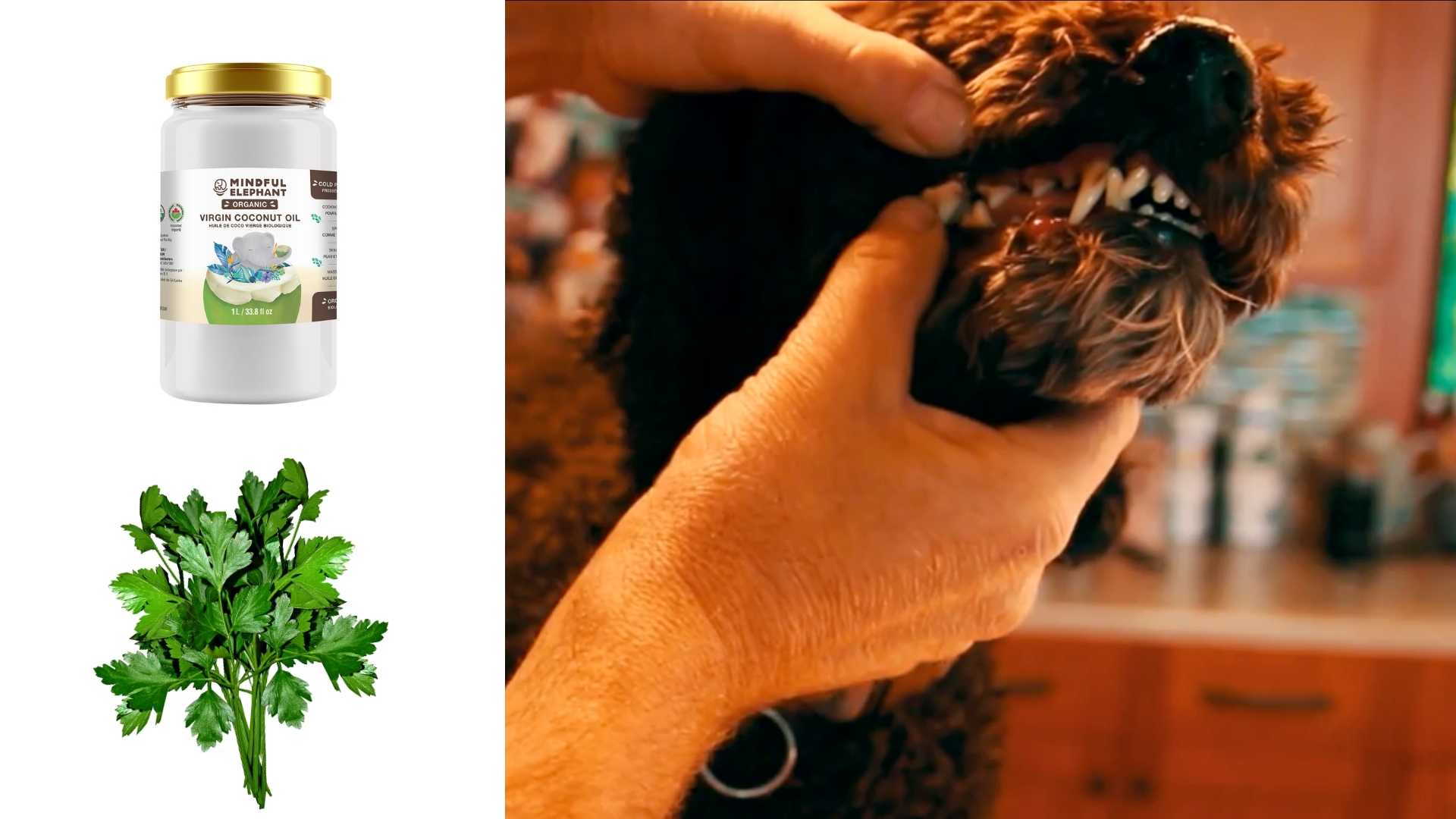
Mint and parsley have a fresh smell and may help reduce odor. Coconut oil can act as the base and makes it easier to rub the mixture along the gumline.
How to Make It
Mix:
- 1 tablespoon chopped mint
- 1 tablespoon chopped parsley
- 2 tablespoons coconut oil
Blend or mash it together until combined.
How to Use It
Take a small amount on your finger and rub it along your dog’s gums, especially where the teeth meet the gumline.
You can also offer about 1 teaspoon of the mixture to your dog, depending on size and tolerance.
Best For
This may help dogs with:
- Mild bad breath
- Mild gum irritation
- Odor after eating
- Dogs that tolerate having their mouth touched
Not For
Do not use this if your dog reacts poorly to coconut oil, has pancreatitis, or is on a strict low-fat diet.
Start with a small amount. Too much coconut oil can cause loose stool. And nobody needs fresh breath plus diarrhea. That is not a win.
Remedy 3: Apple Cider Vinegar and Honey
Apple cider vinegar and honey may help reduce bacteria and support a fresher-smelling mouth.

Apple cider vinegar has a sharp taste, so honey helps make it more acceptable for many dogs.
How to Use It
For a standard 10 to 20 pound dog, mix:
| Ingredient | Amount |
| Apple cider vinegar | 1 teaspoon |
| Honey | 1 teaspoon |
This amount can be given 2 to 3 times daily, if your dog tolerates it.
You can offer it directly or mix it into a small amount of food or water.
Best For
This may be best for:
- Mild bad breath
- Dogs with odor linked to bacteria
- Dogs that tolerate the taste
Not For
Avoid honey if your dog is diabetic, overweight, on a sugar-restricted diet, or a very young puppy.
Avoid apple cider vinegar if your dog has mouth ulcers, severe gum inflammation, vomiting, reflux, or a sensitive stomach.
This one has a kick. If your dog gives you the “what have you done to me?” look, do not force it.
Remedy 4: Aloe Vera for Inflamed Gums
Aloe vera can be applied topically to the gums to help soothe inflammation.
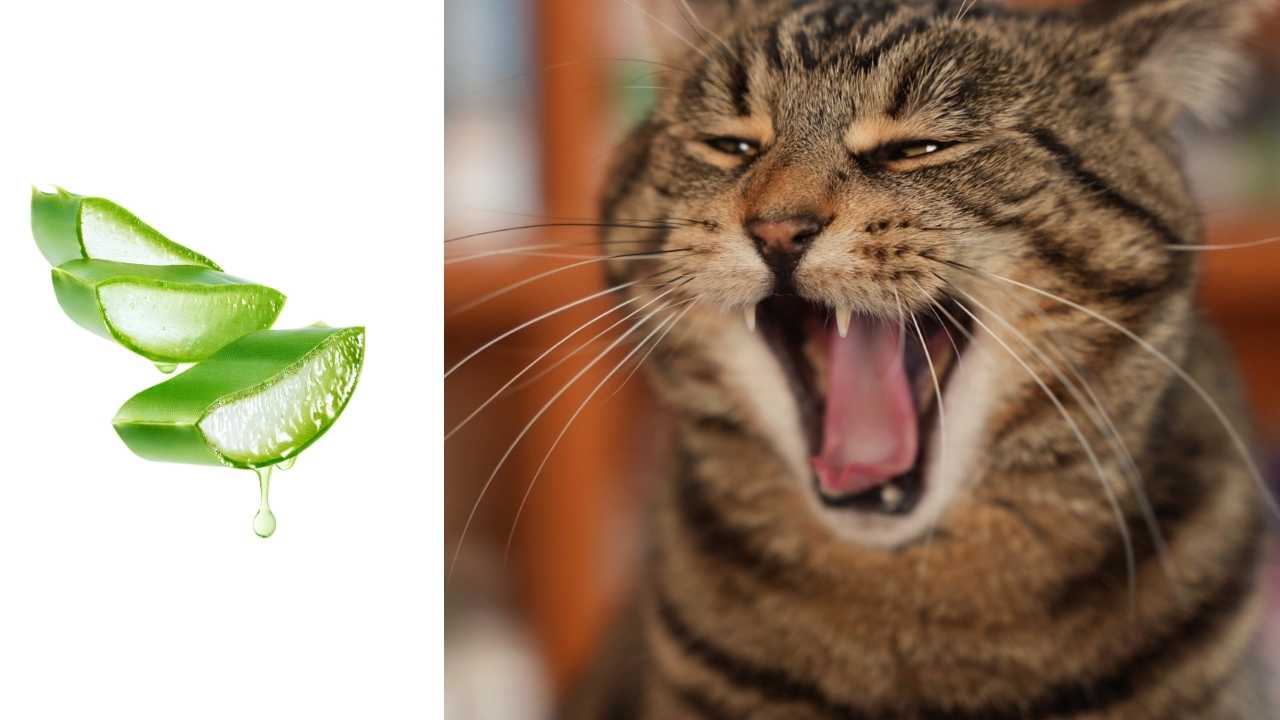
It is commonly used by people for irritated gums, and it may be helpful for dogs with mild gingivitis.
How to Use Aloe Vera
If you have an aloe plant, break off a small piece and use the clear inner gel.
Rub a small amount along the gumline, especially where the gums look red.
You can also use a commercial aloe vera gel or juice, but make sure it is plain and free from alcohol, artificial sweeteners, and added irritating ingredients.
Suggested Use
Apply topically:
- Twice daily
- For 7 to 14 days
- Then reassess your dog’s gums and breath
Best For
Aloe may be helpful for:
- Mild gum redness
- Early gingivitis
- Dogs with irritated gums
- Dogs that tolerate gum application
Not For
Do not use aloe if your dog has deep mouth wounds, severe dental pain, heavy bleeding, or a known sensitivity to aloe.
Use only the clear inner gel. Avoid the yellow latex part of the plant, as it can irritate the digestive tract if swallowed.
Remedy 5: Colloidal Silver Spray
Colloidal silver is a more controversial option, but many pet parents have used it for mouth odor because of its antibacterial properties.
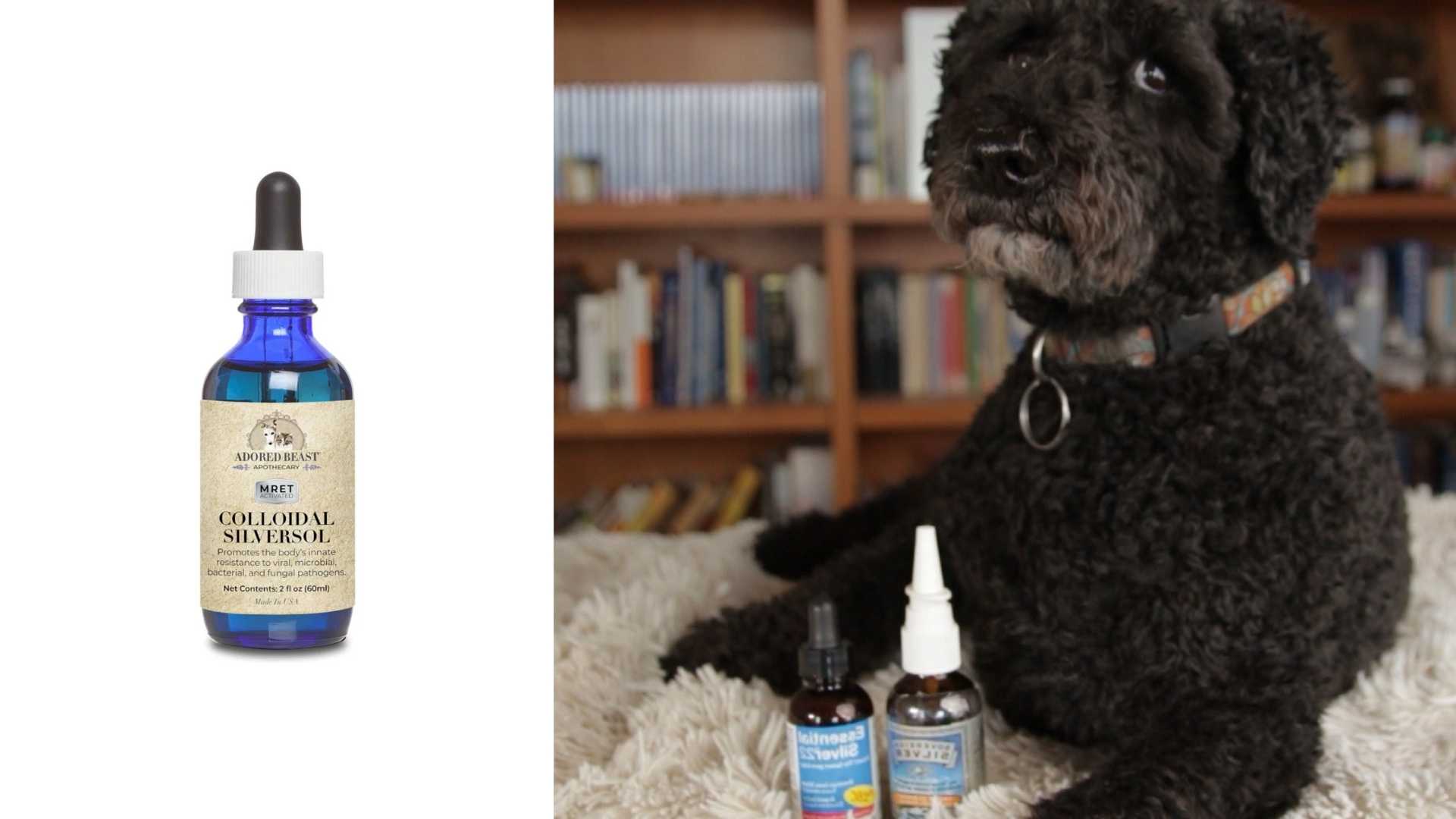
Colloidal silver is made of tiny silver particles suspended in liquid. For bad breath, it is typically used as a short-term mouth spray.
How to Use It
Use a spray bottle and apply it into the mouth.
For an average dog, the original remedy used:
- About 4 pumps
- Twice daily
- For 1 to 2 weeks
Spray along the top, bottom, and sides of the mouth where odor and gum irritation are present.
Best For
This may be considered for:
- Short-term bad breath support
- Mild gum odor
- Dogs that do not tolerate brushing well
Not For
I would not use colloidal silver long term.
Avoid it if your dog is pregnant, very young, has a serious medical condition, or is on medication unless your veterinarian says it is okay.
Use this as a short-term trial only. If it helps, great. If not, move on and get the mouth checked.
Which Natural Remedy Is Best for Dog Bad Breath?
If I had to start simple, I would begin with fluid and gumline support.
My first choices would be:
- Bone broth in water to encourage drinking
- Mint, parsley, and coconut oil rubbed along the gumline
- Aloe vera for mild gum inflammation
If your dog’s breath is severe or there is obvious tartar, I would not waste months trying random home care. Have the teeth checked.
The bacteria have built a little city in there. Sometimes you need more than parsley to evict them.
Pros and Cons of Natural Remedies for Dog Bad Breath
Pros
- Easy to try at home
- Low cost
- May reduce odor-causing bacteria
- May support healthier gums
- Can help between dental cleanings
- Encourages better oral care habits
Cons
- Will not remove heavy tartar
- Will not fix loose or infected teeth
- Some dogs dislike mouth application
- Apple cider vinegar can irritate sensitive mouths
- Honey is not suitable for all dogs
- Colloidal silver should only be used short term
Best For / Not For
Best For
These remedies are best for dogs with:
- Mild to moderate bad breath
- Mild plaque
- Mild gum redness
- No obvious mouth pain
- Breath that worsens after eating
- Dogs waiting for a dental appointment
Not For
These remedies are not enough for dogs with:
- Loose teeth
- Severe tartar
- Bleeding gums
- Pus around the teeth
- Swelling around the face
- Refusing food
- Sudden severe breath odor
- Pain when chewing
- A broken tooth
- Very sweet, fruity, urine-like, or rotten-smelling breath
Those dogs need a veterinary exam.
Step-by-Step Plan for Smelly Dog Breath

Step 1: Look in the Mouth
Lift your dog’s lip and check the teeth and gums.
Look for tartar, redness, swelling, or broken teeth.
Step 2: Increase Fluids
Add a small amount of dog-safe bone broth to the water bowl to encourage drinking.
Step 3: Support the Gumline
Use the mint, parsley, and coconut oil mixture, or apply plain aloe vera to mildly inflamed gums.
Step 4: Try Short-Term Odor Support
If needed, consider apple cider vinegar with honey or short-term colloidal silver spray.
Step 5: Reassess
If your dog’s breath is not improving within 1 to 2 weeks, or the gums look worse, book a veterinary dental exam.
When Should You Call Your Veterinarian?
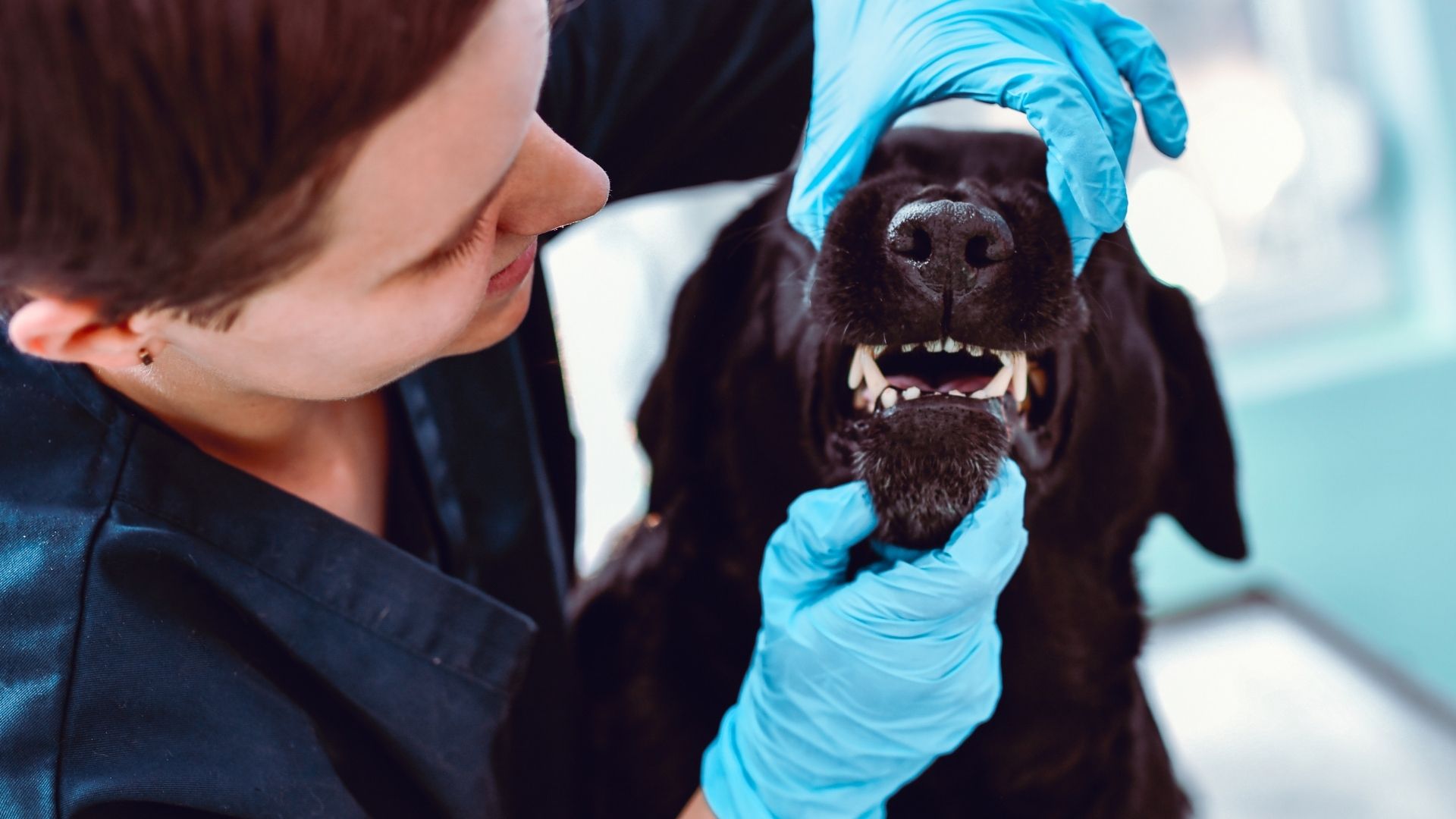
Call your veterinarian if your dog has:
- Bad breath that suddenly becomes severe
- Red, swollen, or bleeding gums
- Loose teeth
- Drooling
- Pawing at the mouth
- Trouble eating
- Chewing on one side
- Severe Facial swelling
- Weight loss
- Vomiting
- Lethargy
- Sweet or fruity-smelling breath
- Urine-like breath
Bad breath is often dental, but it can also be linked to other health problems. Kidney disease, diabetes, digestive disease, and mouth infections can all change your dog’s breath.
Final Thoughts
Dog bad breath is common, but it should not be ignored.
Most of the time, the problem is bacteria, plaque, tartar, and irritated gums. Natural remedies may help reduce odor and support the mouth, especially when the issue is mild.
Start with the basics.

Get more fluid into your dog. Support the gumline. Use simple natural options that your dog can tolerate.
But if there is heavy tartar, pain, swelling, or loose teeth, get a dental exam. No amount of mint is going to fix a rotten tooth.
Simple care. Common sense. And maybe a little parsley.
Click To Get A Free Copy of My E-Book!

P.S. Tula had the classic bad breath setup: plaque, tartar, red gums, and that special “do not breathe on me” smell.
The first thing I would do is not complicated. Get more fluid into the mouth, reduce the bacteria, and support the gums.
Try a little bone broth in the water, rub the mint, parsley, and coconut oil mix along the gumline, and consider aloe if the gums are mildly red.
And if your dog’s teeth look like they have been storing snacks since 2018, book the dental. Natural remedies can help, but sometimes the tartar has packed a suitcase and moved in.
Where can you buy get some of that colloid silver for the you talking about for the dog’s breath
My friend makes her own. She also uses it for herself but you can find it at health food or vitamin stores.
My dogs canine tooth is really swollen at the gum line. It doesn’t seam to hurt him when I press on it he doesn’t flinch or anything but it’s swollen I never have enough money for a dental because I’m on a fixed income on social security. I just love him so much
Swelling around a canine tooth can mean infection, even if he doesn’t seem painful. Keep the area clean and avoid squeezing it. If the swelling grows or he has trouble eating, please try to get the tooth checked. We’re hoping he feels better soon!