Dog Poisoning Signs and Garbage Gut: What to Do First and 5 Remedies That May Help

What Should You Do First if Your Dog Eats Something Toxic?
If your dog has eaten something potentially poisonous, the first thing to do is identify what they ate, watch for signs of poisoning, and contact your veterinarian or an animal poison service immediately.
Some dogs develop relatively mild digestive upset, including drooling, nausea, vomiting, or diarrhea. Others can develop much more serious symptoms, such as weakness, trembling, difficulty walking, or seizures.
The important thing is knowing the difference between an upset stomach and a possible poisoning emergency.
I want to share the experience of two dogs, Angus and Murdoch, who have a real talent for eating things they shouldn’t.
If you’ve ever had a Labrador, you probably know exactly what I’m talking about.
One minute they’re walking happily along the trail.
The next minute they’ve found something interesting, swallowed it, and you’re wondering what on earth they just ate.
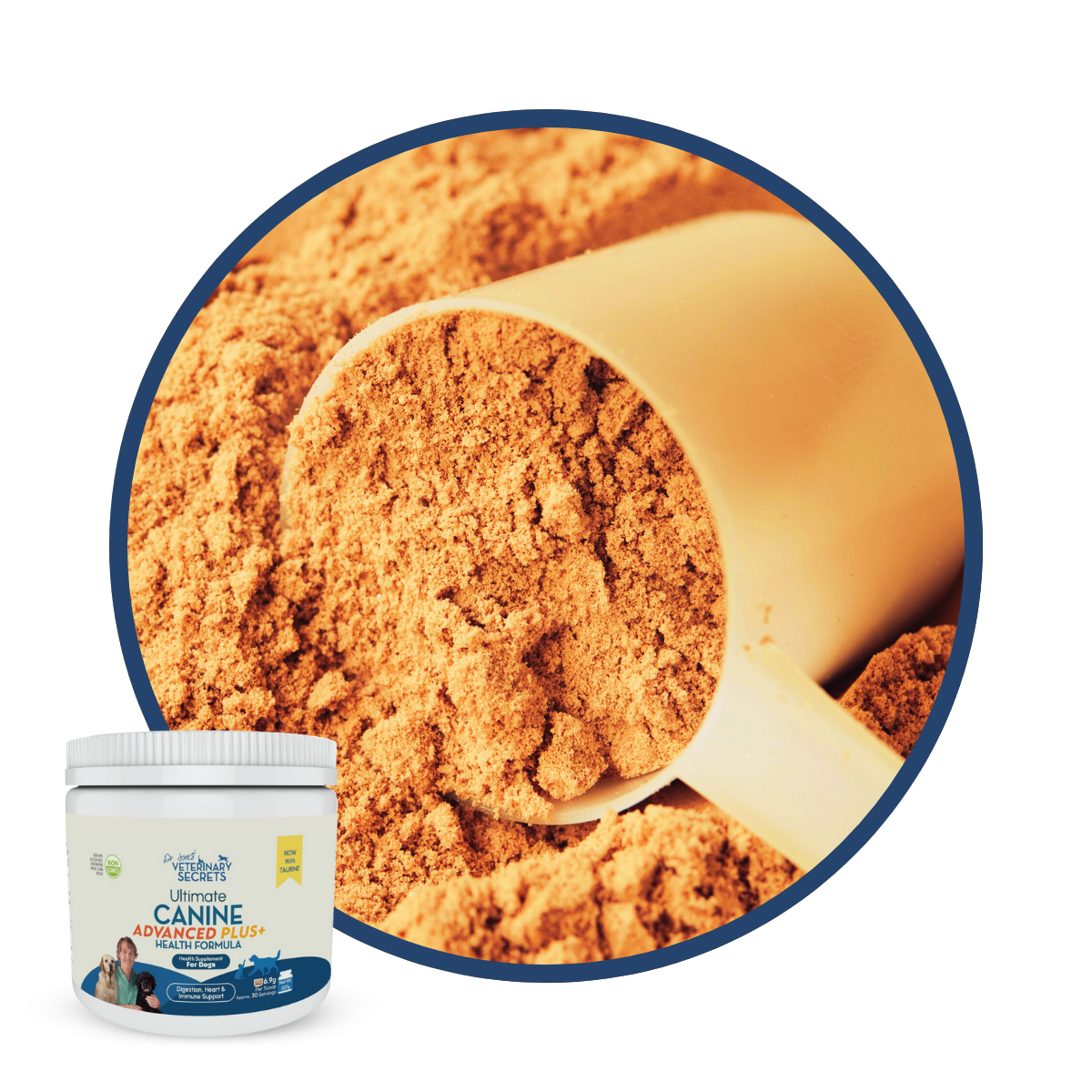
Dr. Jones’ Ultimate Canine Advanced Plus Health Formula



In Murdoch’s case, that has included wild mushrooms.
Fortunately, his family has become very familiar with recognizing when something is wrong.
They’ve also used several remedies, including activated charcoal, to help with certain episodes of digestive upset.
There are five treatments I want to discuss.
Each has a different purpose, and not all are appropriate for every poisoning.
The most important distinction is this: suspected poisoning requires immediate professional advice, even if your dog is still walking, alert, or showing only mild symptoms.
Let’s look at the warning signs, the differences between these remedies, and when emergency veterinary care is necessary.
What Are the Early Signs of Poisoning in Dogs?
One of the first things I want you to recognize is that poisoning doesn’t always begin with dramatic symptoms.
Sometimes the changes are subtle.
Your dog may simply seem a little different.
With Murdoch, the first thing I noticed was a change in the way he walked.
He normally enjoys being out on the trail and likes to pull ahead.
But after getting into mushrooms, he suddenly slowed down.
He wasn’t pulling as much.
Something wasn’t quite right.
Then came the drooling.
And I’m not talking about a little saliva around his mouth.
I’m talking about long strings of drool hanging from either side.
That was one of the clearest signs that Murdoch had eaten something that was upsetting his digestive system.
Common Early Dog Poisoning Symptoms

The signs I would watch for include:
-
Excessive drooling or salivation
-
Nausea
-
Vomiting
-
Diarrhea
-
Walking more slowly than normal
-
Changes in normal activity
-
Appearing uncomfortable
-
Acting less energetic
-
Unusual behavior after eating something
These symptoms may occur after ingesting an irritating substance, toxic plant, mushroom, or something found in the garbage.
But the symptoms alone cannot tell us whether the substance is harmless or dangerous.
A dog may still appear relatively normal after ingesting a serious toxin.
That’s why identifying the substance and seeking veterinary advice is so important.
What Are the Serious Warning Signs of Dog Poisoning?
Some symptoms suggest the situation may be progressing beyond ordinary digestive upset.
In those cases, I would be particularly concerned about neurological changes.
Emergency Poisoning Symptoms in Dogs

These include:
-
Progressive weakness
-
Becoming less responsive
-
Trembling
-
Shaking
-
Seizures
-
Difficulty walking normally
-
Staggering or wobbling from side to side
-
Loss of coordination, also called ataxia
-
Rapidly worsening symptoms
These are signs that your dog needs emergency veterinary treatment.
I would not attempt to manage these symptoms with home remedies.
And even without these signs, known or suspected ingestion of a dangerous substance deserves immediate professional assessment.
What Happened When Murdoch Ate Wild Mushrooms?
Let me tell you what happened with Murdoch.
We were walking along a trail, and he managed to find some mushrooms.
Like many dogs, he was remarkably good at picking up something from the ground without making it obvious.
He hardly pulled on the leash.
He didn’t make a big fuss.
He just ate them.

A short time later, I noticed that he wasn’t walking with his usual enthusiasm.
Then he started drooling excessively.
Long strings of saliva were coming from either side of his mouth.
This is something his family has observed during previous episodes when he’d eaten mushrooms or other things in the forest.
How Did Murdoch’s Symptoms Progress?
In this particular episode, Murdoch:
-
Began walking more slowly.
-
Developed excessive drooling.
-
Continued to remain alert and responsive.
-
Had profuse watery diarrhea after approximately 30 minutes.
-
Seemed considerably better roughly 20 minutes later.
Fortunately, he remained alert throughout the episode.
He was still able to walk and respond normally.
And eventually, his symptoms improved.
But I want to make something clear.
Murdoch’s improvement was his individual experience. It doesn’t mean other dogs will recover safely after eating unknown mushrooms.
Different mushrooms can contain very different toxins, and the seriousness of exposure cannot be judged by drooling or diarrhea alone.
His family has also taken him to the veterinarian for poisonings in the past.
They know that progressive weakness, trembling, seizures, or other neurological changes require emergency care.
What Is Garbage Gut in Dogs?
Garbage gut is a common expression used when a dog eats something they shouldn’t and develops gastrointestinal upset.
Maybe your dog gets into the garbage.
Maybe he eats something unusual during a walk.
Or perhaps he manages to swallow something he found in the yard.
The result may be:
-
Nausea
-
Vomiting
-
Diarrhea
-
Excessive salivation
-
An irritated stomach
-
General digestive discomfort
Some episodes are relatively mild.
Others may involve a genuine toxin.
Is Garbage Gut the Same as Poisoning?
Not necessarily.
Garbage gut describes the digestive symptoms that can follow eating inappropriate material.
Poisoning means the animal has been exposed to a substance capable of causing toxic effects.
The symptoms may overlap, but the treatment can be very different.
| Feature | Garbage Gut | Suspected Poisoning |
|---|---|---|
| Common situation | Dog eats garbage or something irritating | Dog consumes a potentially toxic substance |
| Possible symptoms | Nausea, vomiting, diarrhea | Digestive, neurological, or other systemic symptoms |
| Severity | May be mild or serious | Can be unpredictable or life-threatening |
| Main concern | Digestive upset and its cause | The specific toxin and potential organ damage |
| First priority | Assess symptoms and determine what was eaten | Contact a veterinarian or poison service immediately |
The key is not to assume that something is harmless simply because your dog is still alert.
What Are the Five Remedies Discussed for Dog Poisoning and Garbage Gut?
I want to go through five options that I’ve discussed or used in veterinary practice.
They each have different purposes.
Some relate to the initial management of certain poisonings, while others are intended to support a dog with lingering digestive upset.
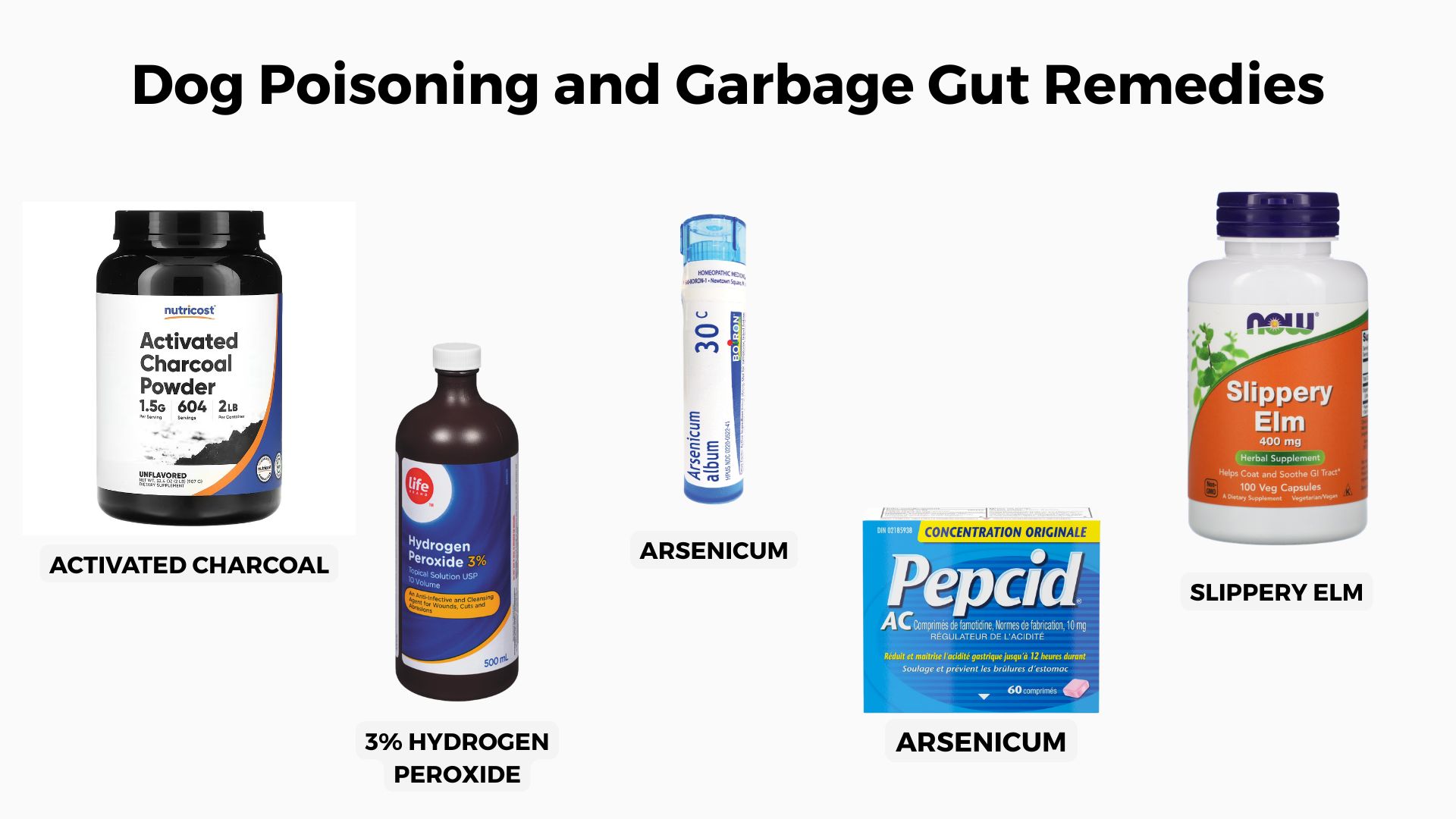
These are not five treatments to give together.
1. Activated Charcoal for Dog Poisoning
Activated charcoal is one of the first treatments I think about when discussing the management of certain ingested toxins.
It has been used extensively in veterinary medicine.
The reason is simple.
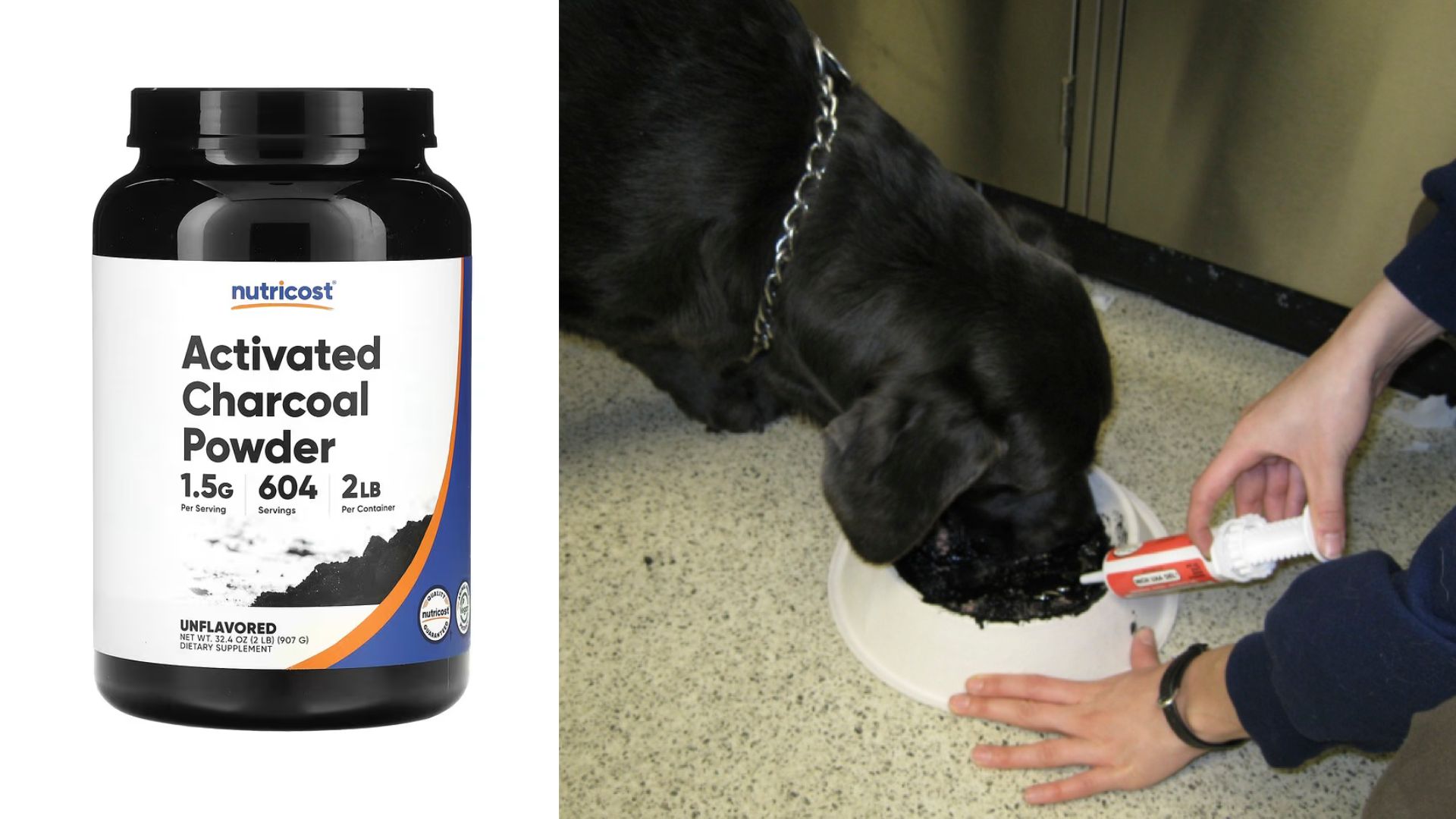
Activated charcoal can bind some toxins within the digestive tract, reducing how much of those substances is absorbed into the body.
The bound material then passes through the intestines and is eliminated in the stool.
How Does Activated Charcoal Work?
Imagine your dog has eaten something containing a substance that activated charcoal can bind.
That toxin is sitting inside the gastrointestinal tract.
If activated charcoal is appropriate for that particular toxin, it may bind some of the substance before it is absorbed.
That is why veterinarians sometimes use activated charcoal when treating poisoning.
It is not an antidote for every substance.
It also cannot reverse damage that has already occurred.
But in selected cases, it can be a valuable part of treatment.
How Much Activated Charcoal Was Murdoch Given?
Murdoch’s family has used activated charcoal capsules during certain previous episodes.
The example I discussed was:
20 capsules containing 250 mg each, totaling 5,000 mg or 5 grams.
Murdoch weighs approximately 30 kg.
His family observed improvement in some previous episodes with that amount.
The broader lower-dose figure discussed was approximately 250 mg per kilogram, while the conventional veterinary reference amount discussed was 1 gram per kilogram.
The 5-gram example and the 250 mg/kg figure are not mathematically equivalent for a 30 kg dog, so they should not be treated as interchangeable dosing instructions.
These figures describe the approaches discussed and Murdoch’s previous experience. They are not instructions to administer charcoal without veterinary direction.
The appropriate amount depends on the toxin, the dog’s condition, and whether charcoal is useful for that exposure.
Can You Give Activated Charcoal Capsules at Home?
Capsules may seem more convenient than the powder-and-water mixtures commonly used in veterinary clinics.
Murdoch’s family has sometimes mixed the contents with a small amount of banana or yogurt.
2. Hydrogen Peroxide to Induce Vomiting in Dogs
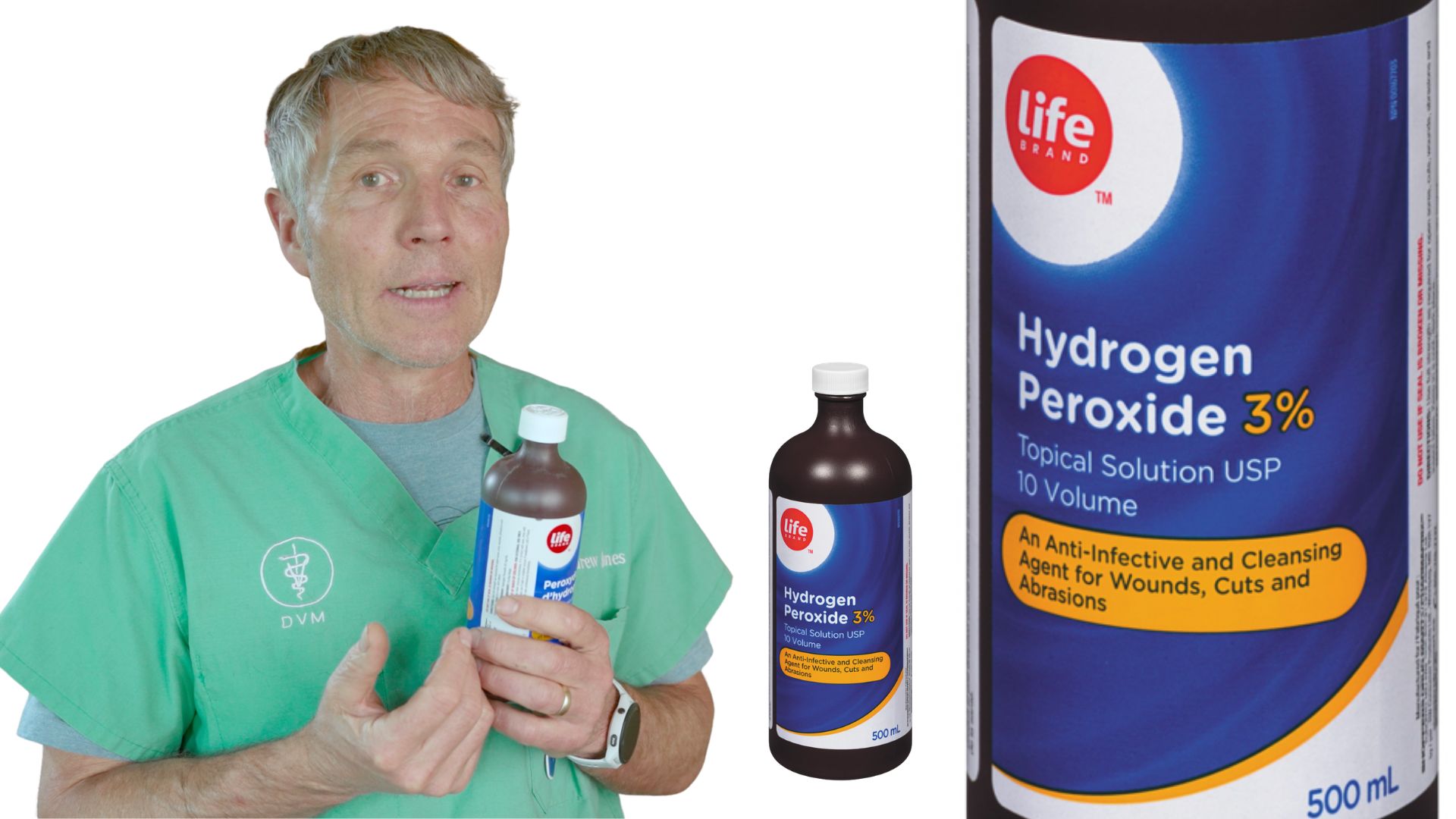
The second treatment discussed is 3% hydrogen peroxide.
This has historically been used to induce vomiting in dogs after certain toxic ingestions.
The idea is to remove material from the stomach before more of it can be absorbed.
But inducing vomiting is not appropriate for every type of poison or every dog.
When Might Inducing Vomiting Be Considered?
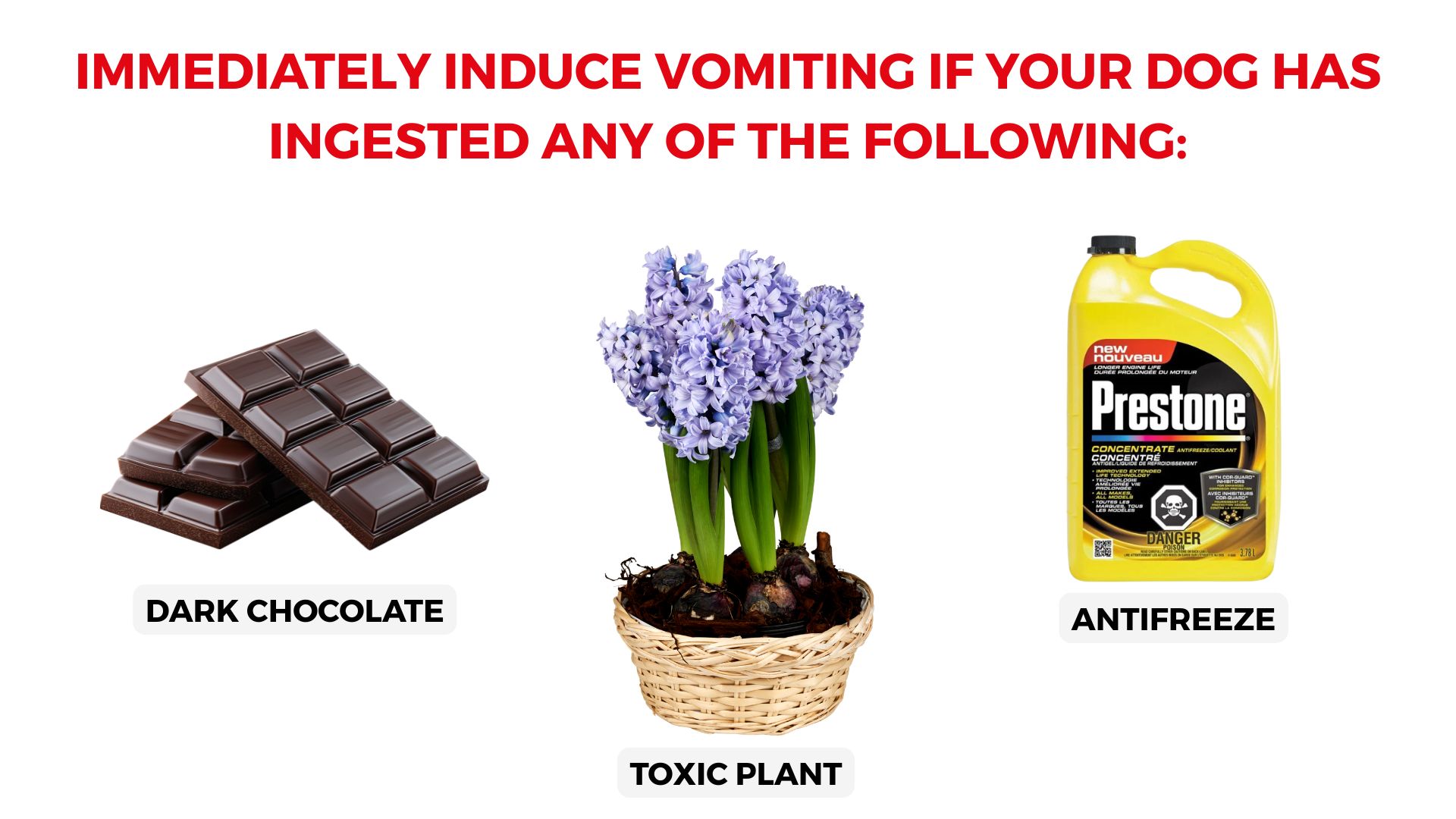
The situations discussed include dogs that have just eaten potentially serious toxins, such as:
-
Dark chocolate
-
Toxic plant material
-
Antifreeze
These examples illustrate why rapid treatment may matter.
However, the correct response depends on the specific substance.
Some exposures require urgent treatment that vomiting alone cannot provide.
And vomiting can be unsafe in certain circumstances.
What Hydrogen Peroxide Amount Was Discussed?
The amount discussed was:
1 mL of 3% hydrogen peroxide per pound of body weight, up to a maximum of 45 mL.
The maximum was also described as three tablespoons.
For a 10-pound dog, the corresponding example was 10 mL, or approximately two teaspoons.
3. Arsenicum Album for Garbage Gut in Dogs
The third remedy I want to discuss is the homeopathic preparation Arsenicum album.
This is something I became familiar with early in veterinary practice.
I had clients who used it for dogs experiencing digestive upset after getting into something they shouldn’t.
Some reported that their dogs improved.
And those experiences made me interested in its possible use for mild gastrointestinal symptoms.

What Is Arsenicum Album?
Arsenicum album is a highly diluted homeopathic preparation.
It is traditionally used for symptoms involving:
-
Nausea
-
Vomiting
-
Diarrhea
-
Digestive upset
The preparation discussed is 30C potency.
Homeopathic preparations are based on a different treatment philosophy from conventional medications, and there is no reliable evidence that Arsenicum album treats poisoning or removes toxins.
I would not use it instead of veterinary assessment when poisoning is possible.
What Arsenicum Album Dose Was Discussed?
The traditional amount discussed was:
One 30C unit per 10 to 20 pounds of body weight, repeated every two to four hours.
That is the homeopathic regimen described, not an established medical dose for treating poisoning.
The main reason I mention it is that it was one of the remedies some of my clients reported using for digestive upset.
4. Pepcid (Famotidine) for Dogs With Nausea
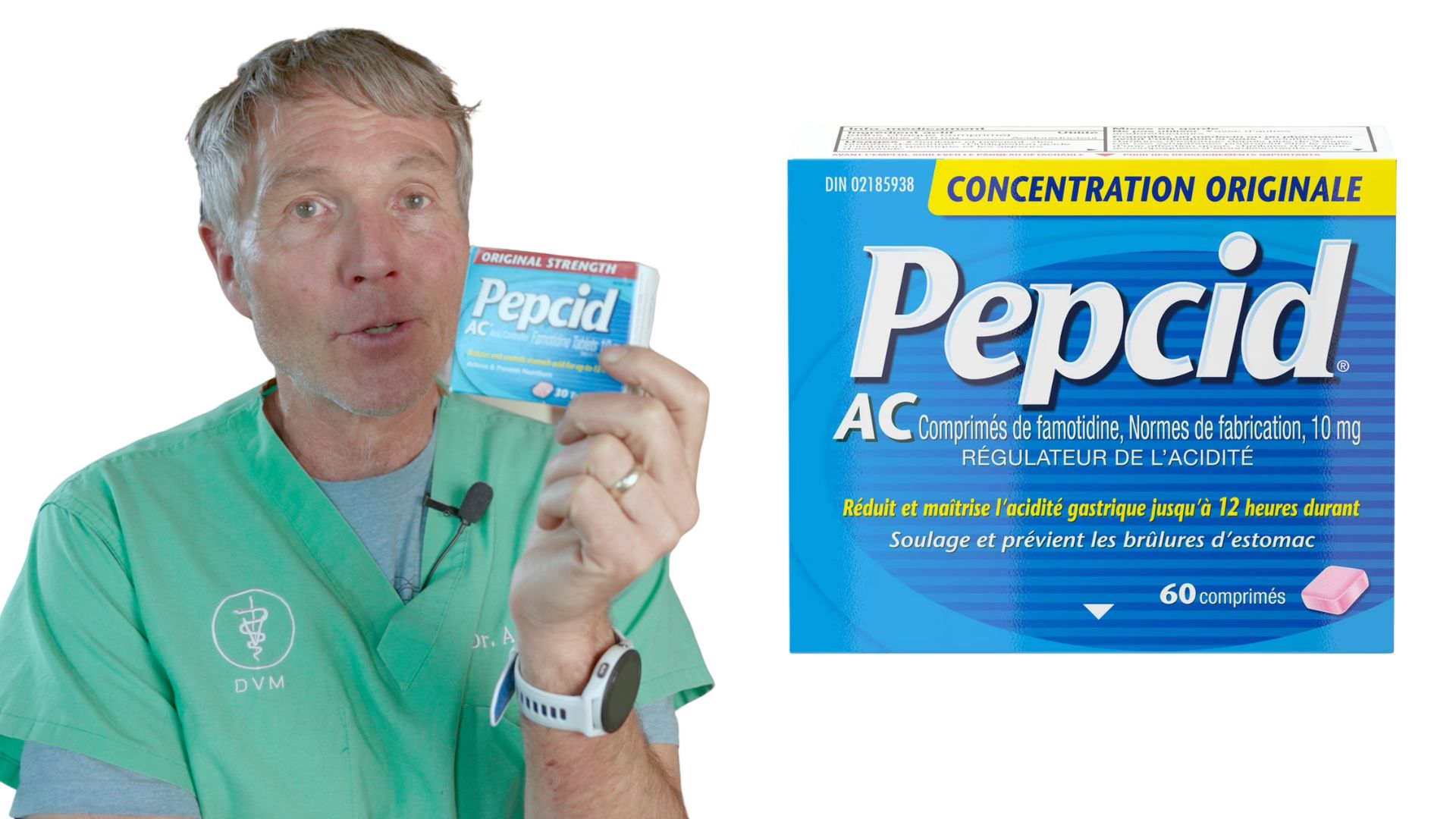
The fourth option is famotidine, commonly known by the brand name Pepcid.
Famotidine is an over-the-counter medication used to reduce stomach acid.
I’ve used it many times in veterinary practice.
It is a conventional medication, but I’ve included it because it can be useful in selected cases involving stomach irritation.
How Does Famotidine Help Dogs?
Famotidine reduces stomach acid production.
This may help with certain acid-related gastrointestinal problems.
For example, imagine your dog has experienced digestive upset and has already been assessed.
Several hours later, he is no longer drooling, but his stomach still seems unsettled.
In an appropriate case, famotidine may be one of the medications to consider.
It does not neutralize a poison or prevent all forms of toxin-related damage.
What Famotidine Dose Was Discussed?
The amount discussed was:
2.5 mg per 10 pounds of body weight, given two to three times daily.
For some short-lived digestive problems, only one or two doses were discussed as potentially necessary.
However, this is not a general dosing instruction for every dog. Famotidine use depends on the underlying problem, the animal’s medical history, and other medications.
I would confirm the dose and frequency with a veterinarian before giving it, particularly after possible poisoning.
Can Cats Take Famotidine?
Famotidine has also been used in cats.
In veterinary practice, I’ve discussed it for selected cats with nausea, including some experiencing kidney disease.
But a cat with chronic kidney disease needs an individualized treatment plan.
5. Slippery Elm for Dogs With an Upset Stomach
The fifth option is one of my favorite natural remedies for digestive irritation.
Slippery elm.
Slippery elm comes from the inner bark of the slippery elm tree.
When mixed with moisture, it forms a thick, gel-like substance called mucilage.
This can coat and soothe the digestive tract.

How Does Slippery Elm Help?
Slippery elm is interesting because of its soothing properties.
When mixed with water, it forms a substance that can help coat the stomach and intestinal lining.
I’ve used it for many animals experiencing digestive irritation.
Potential benefits include:
-
Soothing the stomach lining
-
Supporting irritated intestinal tissue
-
Helping with gastrointestinal discomfort
-
Providing a protective mucilage layer
This is particularly relevant when dealing with an upset stomach after the underlying cause has been assessed.
But slippery elm does not remove toxins or replace emergency poisoning treatment.
What Forms of Slippery Elm Are Available?
Slippery elm can be purchased as:
-
Dried powder
-
Capsules
A commonly discussed capsule strength is 400 mg.
The powder can also be mixed into soft food.
What Is the Slippery Elm Dose for Dogs?
The amount discussed is:
One 400 mg capsule per 20 pounds of body weight, given two to three times daily.
For Murdoch, who weighs around 75 pounds, the discussion used approximately four capsules as an example.
The powder equivalent was described as roughly one teaspoon for that amount, although powder density and capsule size vary.
How Was Slippery Elm Given?
One approach discussed was mixing slippery elm powder into a small amount of soft food.
For example:
-
A little yogurt
-
Another suitable soft food your dog will readily eat
This can make it easier to administer.
I would only consider oral digestive support after ruling out a serious poisoning emergency and confirming that the dog can swallow normally.
Which Remedy Is Best for Different Situations?
The right treatment depends on what your dog ate and how they’re responding.
Here’s how I would distinguish the options.
For a Known or Suspected Poisoning
My first priority would be contacting a veterinarian or poison service.
A veterinarian may recommend activated charcoal if the substance involved is one that charcoal can bind.
In selected recent ingestions, they may recommend inducing vomiting.
But those decisions depend on the toxin and the dog’s condition.
For Mild Digestive Irritation After Assessment
If a serious toxin has been ruled out, I would consider whether the dog needs additional stomach support.
Depending on the situation, that might involve famotidine or slippery elm.
For Homeopathic Digestive Support
Arsenicum album is a traditional remedy I’ve discussed based on client experiences.
For Neurological Symptoms or Progressive Weakness
No home remedy.
That dog needs emergency veterinary care.
What Should You Keep in a Dog First Aid Kit?
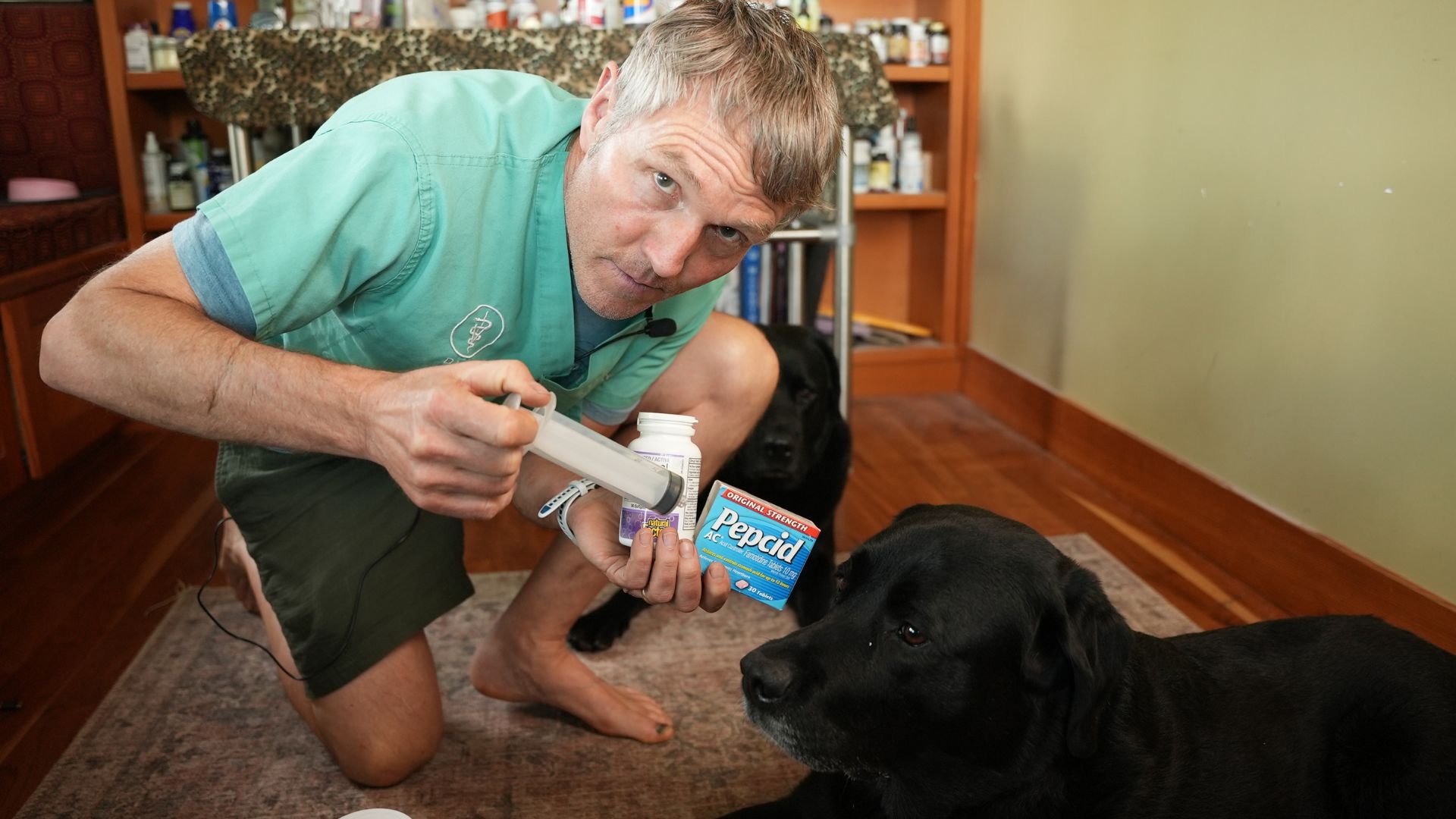
If you have a dog like Angus or Murdoch, I think being prepared is a very good idea.
-
Activated charcoal
-
A clearly labeled oral dosing syringe
-
Famotidine
-
A record of your dog’s weight and current medications
I would also make sure you have the contact details for your regular veterinarian and an emergency veterinary clinic.
Being prepared doesn’t mean treating every possible poisoning yourself.
It means knowing what to do and having access to help when you need it.
Final Thoughts: Know the Signs of Dog Poisoning Before It Happens
If you have a dog who likes to eat anything and everything, I think understanding the early signs of poisoning is incredibly valuable.

Angus and Murdoch have certainly given their family plenty of opportunities to learn.
In Murdoch’s case, excessive drooling and a sudden change in his usual walking behavior were two of the first clues that something was wrong.
Fortunately, some of his episodes improved without progressing to serious illness.
His family has used activated charcoal in selected situations, and I’ve discussed other options such as famotidine, slippery elm, and traditional homeopathic remedies for digestive upset.
But here’s what I most want you to remember.
If your dog eats something potentially toxic, your first step is to find out what it was and contact a veterinarian or animal poison service.
My goal is for you to recognize the signs early and know which treatments may be helpful, rather than waiting until your dog becomes seriously ill.
Because when it comes to a dog who eats things he shouldn’t, preparation can make a tremendous difference.
Just ask Angus and Murdoch.
They seem determined to keep testing that theory.
Click To Get A Free Copy of My E-Book!

P.S. One of the earliest signs I noticed when Murdoch ate mushrooms was excessive drooling. Those long strings of saliva, combined with his suddenly slowing down on the trail, told me something wasn’t right. Learn what’s normal for your own dog, because those small changes can be important.
P.P.S. Activated charcoal is something I have used extensively in veterinary practice, and Murdoch’s family has also used it during certain previous episodes. But remember, it doesn’t work for every poison.
P.P.P.S. Slippery elm remains one of my favorite natural options for soothing an irritated digestive tract. For selected dogs recovering from an upset stomach, it’s worth discussing. And if you have a dog like Angus or Murdoch, keep an emergency veterinarian’s contact information handy. You never know what they’ll decide looks delicious next.






Activated Charcoal Amounts Discussed
| Description | Amount |
|---|---|
| Murdoch’s reported amount | 20 capsules of 250 mg |
| Total used in that example | 5 g |
| Murdoch’s approximate weight | 30 kg |
| Lower-dose figure discussed | 250 mg/kg |
| Conventional veterinary reference discussed | 1 g/kg |
Dog Poisoning and Garbage Gut Remedies: Dosage Comparison
Here is a summary of the five options discussed.
| Remedy | Amount Discussed | Intended Purpose |
|---|---|---|
| Activated charcoal | Lower figure of 250 mg/kg; veterinary reference of 1 g/kg | Binding certain toxins in the digestive tract |
| 3% hydrogen peroxide | 1 mL/lb, maximum 45 mL | Inducing vomiting in selected cases, only when specifically directed |
| Arsenicum album 30C | One unit per 10 to 20 lbs every 2 to 4 hours | Traditional homeopathic use for digestive upset |
| Famotidine (Pepcid) | 2.5 mg per 10 lbs, 2 to 3 times daily | Selected acid-related stomach problems |
| Slippery elm | 400 mg per 20 lbs, 2 to 3 times daily | Soothing gastrointestinal irritation |