Apoquel Chewables: FDA Overdose Warnings, Poisoning Symptoms, and Safer Allergy Options for Dogs

Are Apoquel Chewables Dangerous for Dogs and Cats?
Apoquel is an effective allergy medication for dogs, but its flavored chewable form has raised serious concerns about accidental overdoses, particularly in households with cats.
The Pet Poison Helpline has reported an increase in calls involving Apoquel, and the FDA has also highlighted concerns about accidental ingestion of the pork-flavored chewable tablets.
Why?
Because these tablets are designed to taste good.
And while that makes giving medication to your dog easier, it also means a curious dog or cat may eat far more than the prescribed amount.
As of April 2026, the FDA had received nearly 300 overdose reports involving dogs and more than 60 involving cats.
That’s something every pet parent using Apoquel should know.
I’ve talked about Apoquel before. It’s one of the most popular medications prescribed for dogs with allergies, and there’s a reason for that. For a dog suffering from constant itching, scratching, and severe environmental allergies, it can provide significant relief.
But effective doesn’t mean risk-free.
New reports involving Apoquel chewable ingestion describe serious problems affecting the kidneys, liver, eyes, and blood cells.
One cat became critically ill after accidentally eating several tablets. Other cats reportedly developed acute kidney failure requiring dialysis.
I want you to understand what happened, which warning signs to watch for, and three natural allergy support options I would consider for dogs needing long-term itch relief.
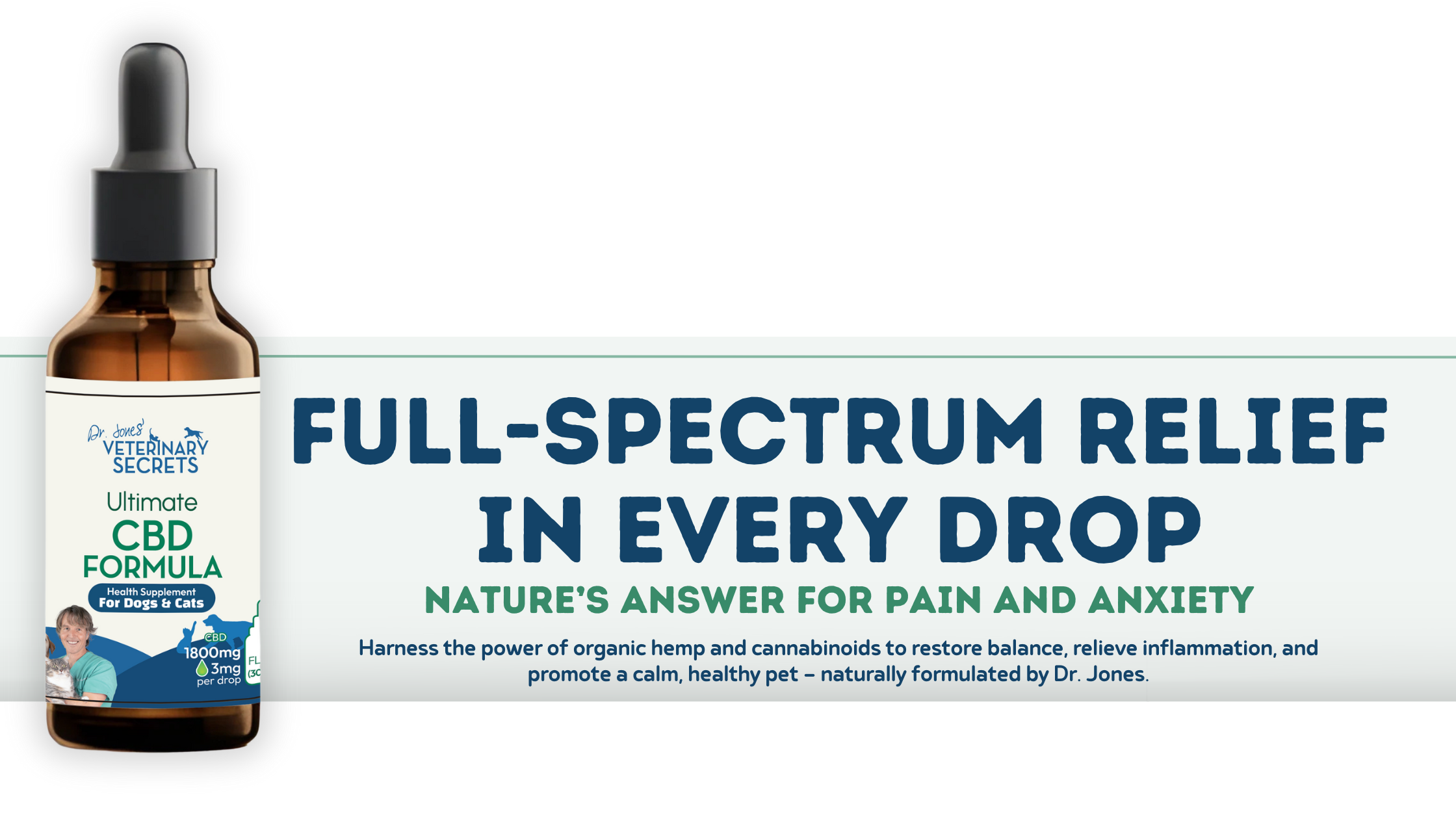
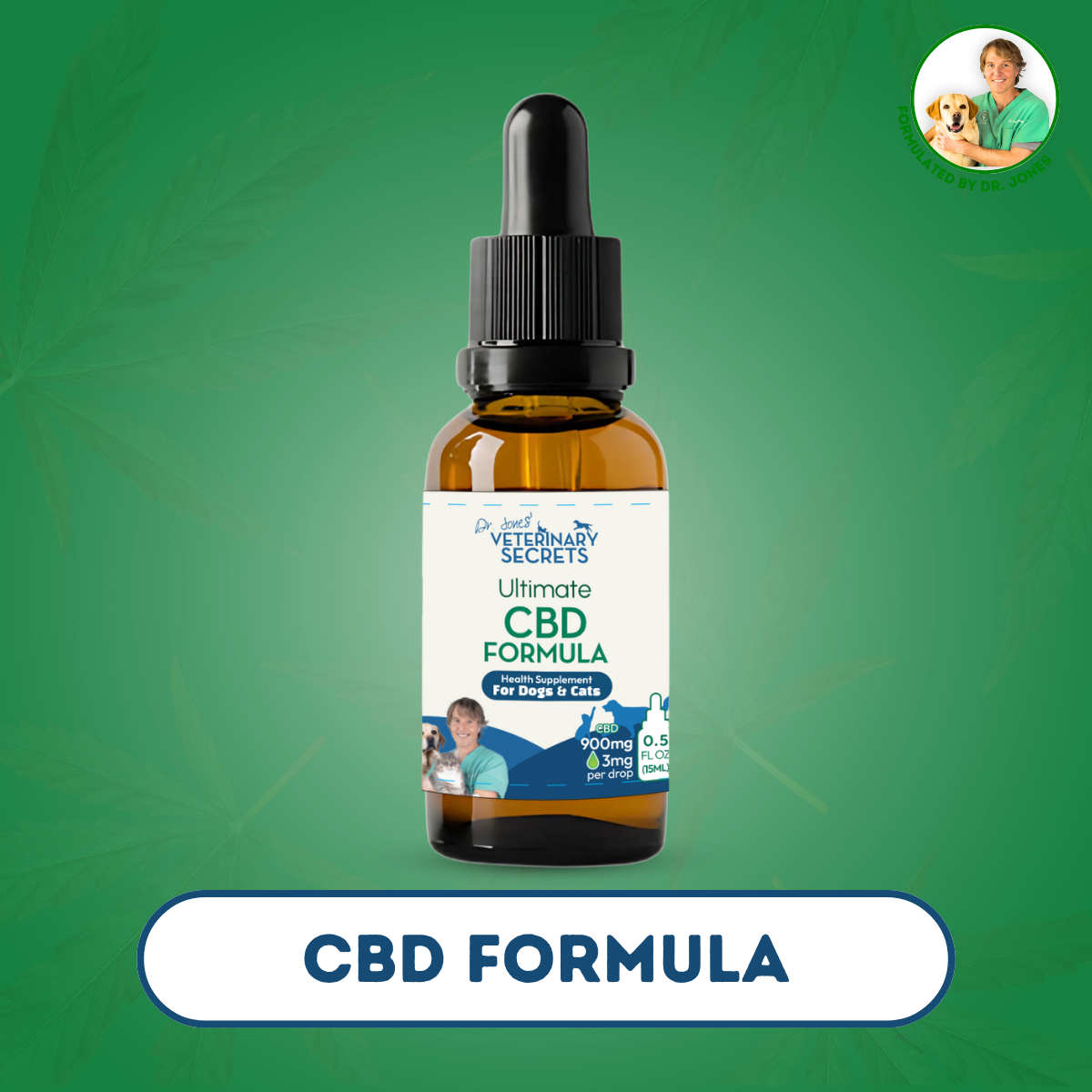
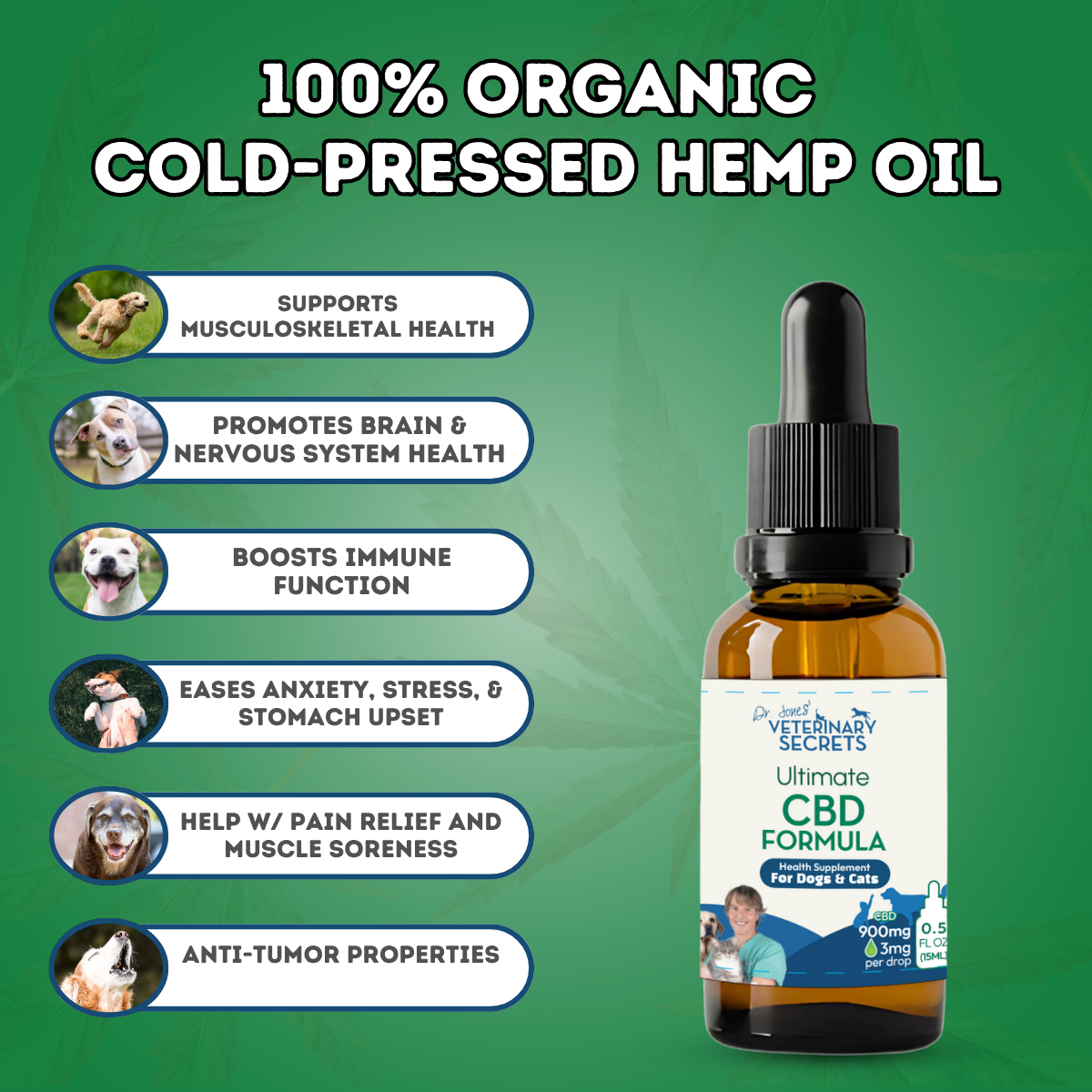
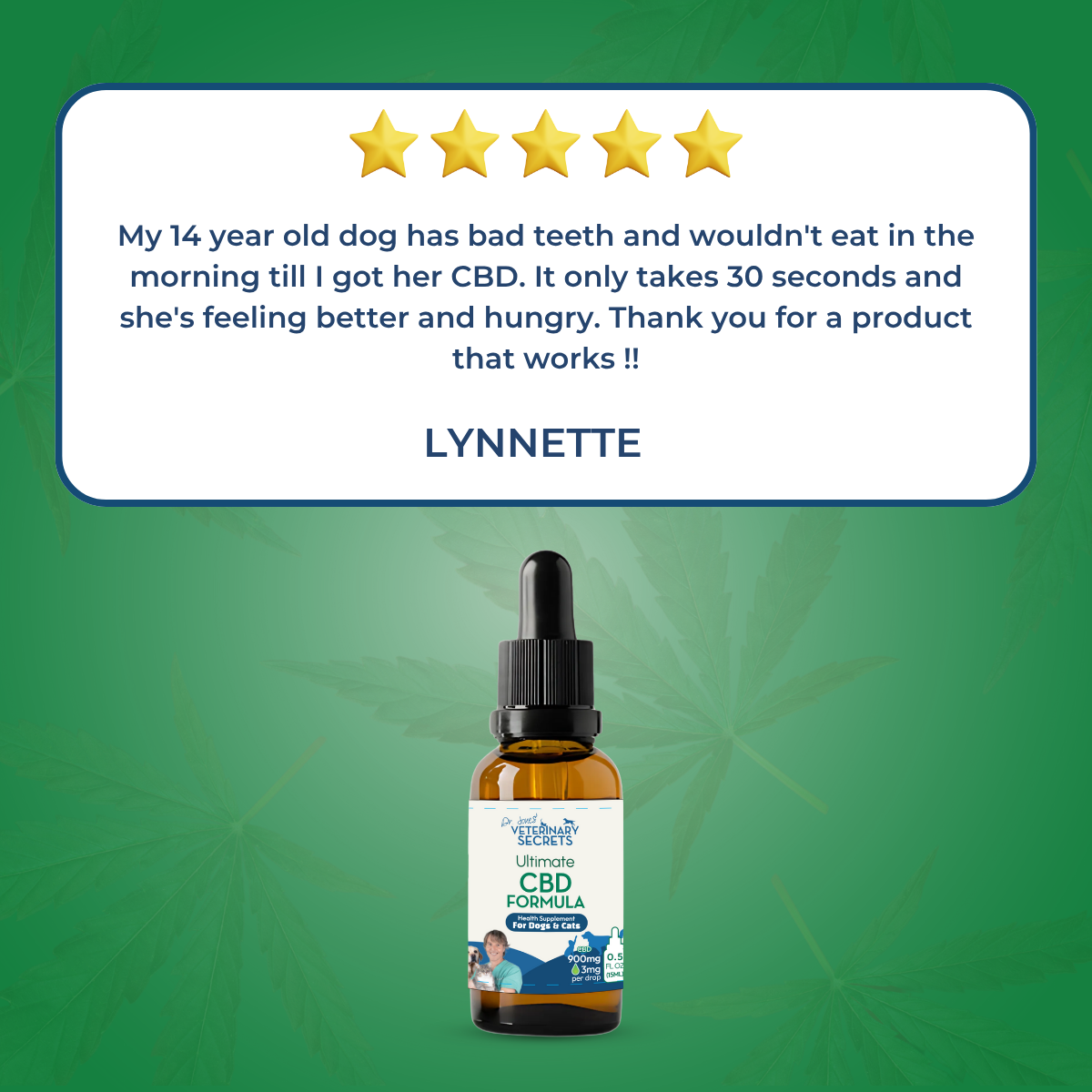
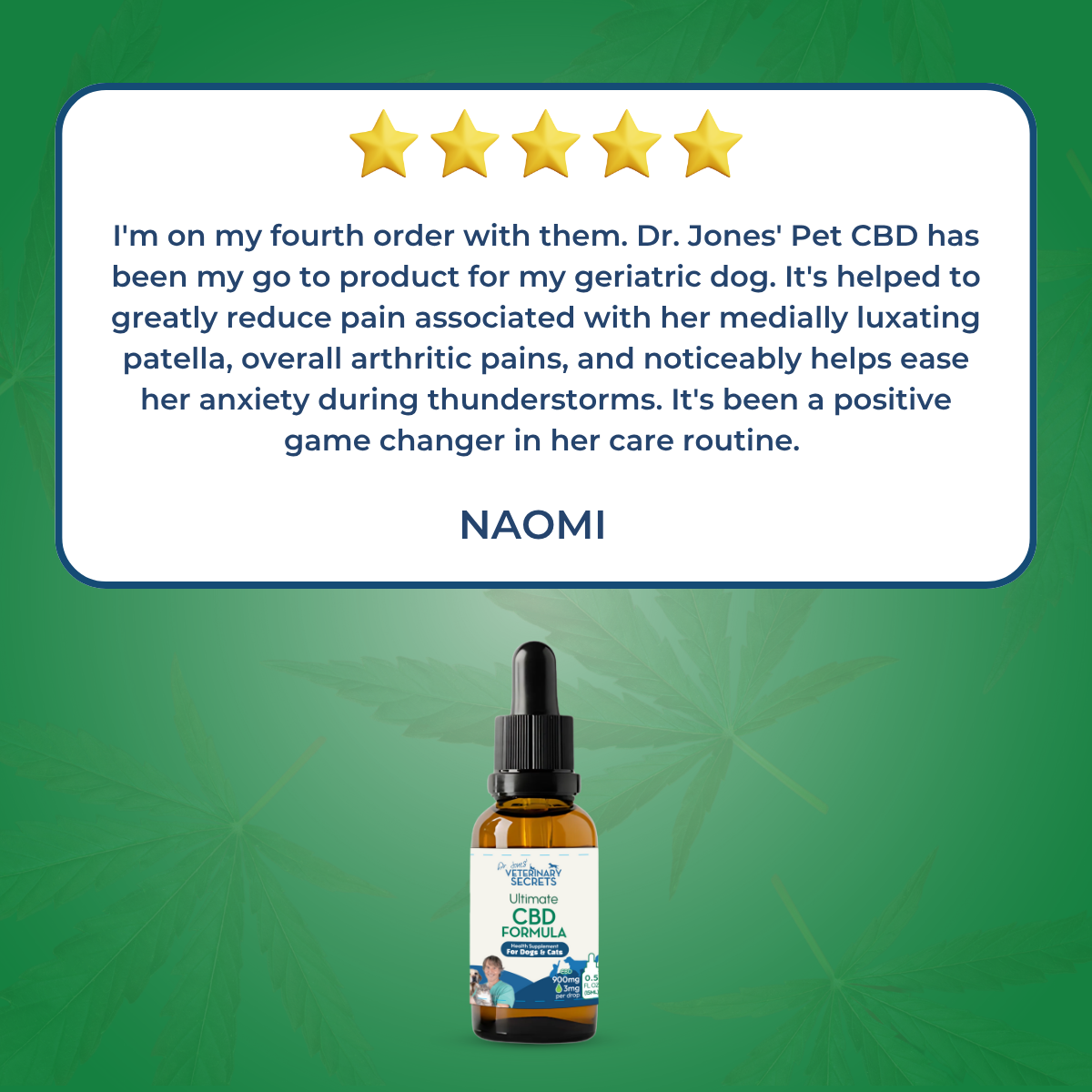
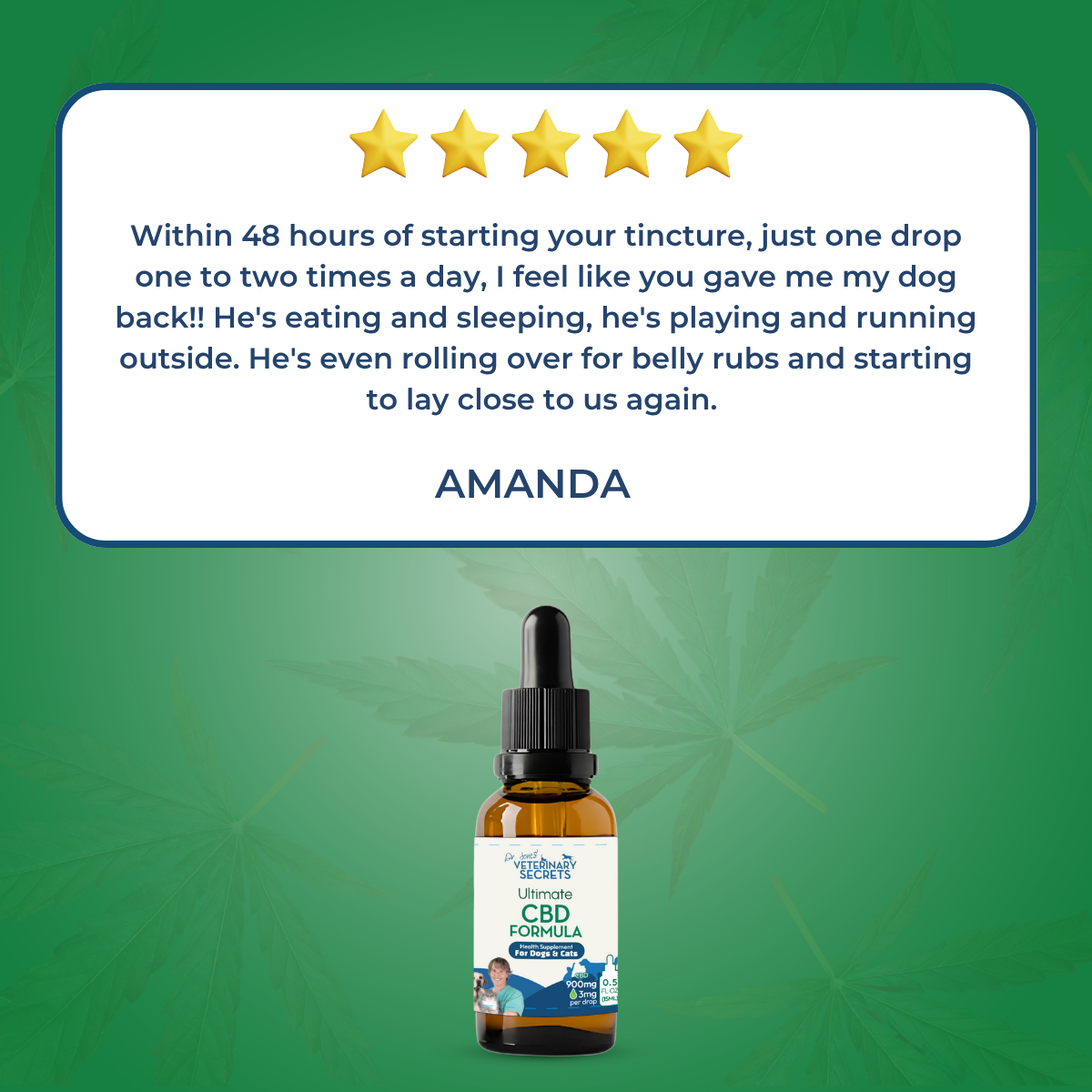
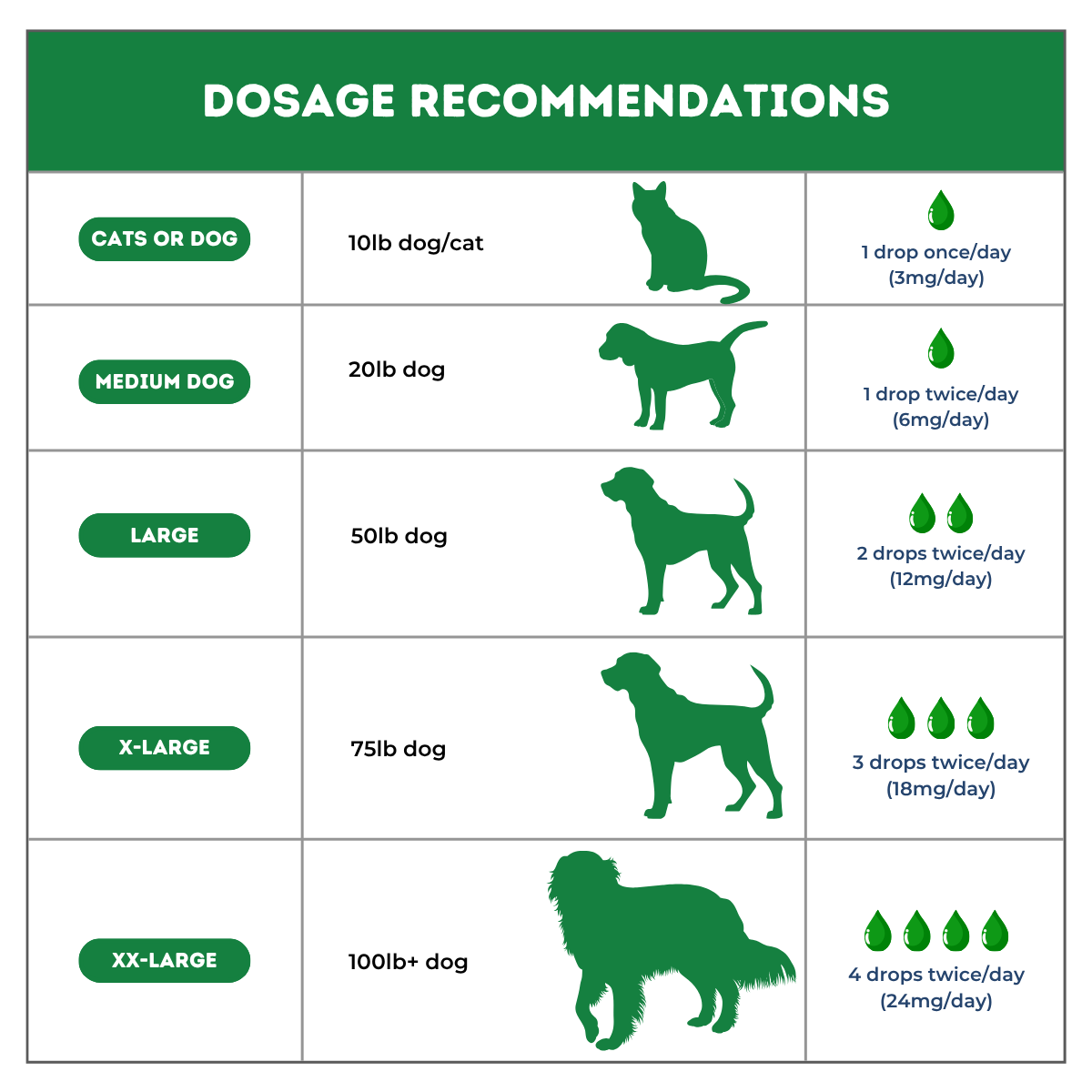
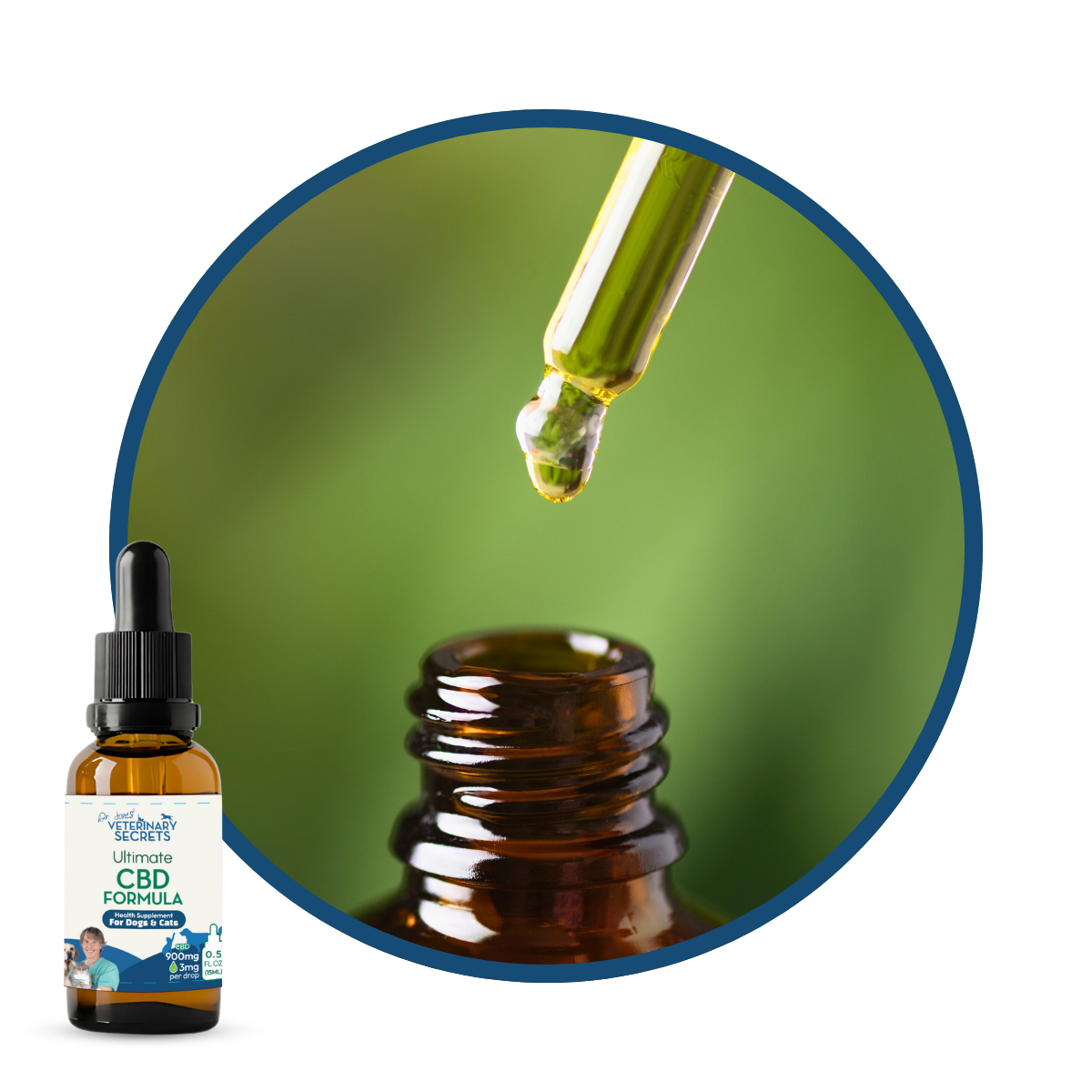
Dr. Jones’ Ultimate CBD Formula for Dogs and Cats

What Is Apoquel, and Why Is It Prescribed for Dogs?
Apoquel is a prescription medication commonly used to manage itching and inflammation associated with allergies in dogs.
It works by blocking specific enzyme activity involved in the inflammatory pathways that contribute to allergic itching.
When those pathways are interrupted, dogs may experience less itching and scratching.
And for some dogs, that can make an enormous difference.
Think about a dog with severe environmental allergies.
He’s constantly scratching, licking his paws, rubbing his face, and struggling to get comfortable.
Maybe you’ve already tried several things, and nothing seems to help.
I completely understand why Apoquel is so widely prescribed.
Nobody wants to watch their dog suffer from nonstop itching.
The medication has been available since approximately 2013, and millions of doses have been sold.
But with more widespread use, we also have more opportunities to recognize potential problems, including accidental overdoses.
Why Are Apoquel Chewables Causing More Poisoning Concerns?
The biggest concern involves the pork-flavored chewable formulation.
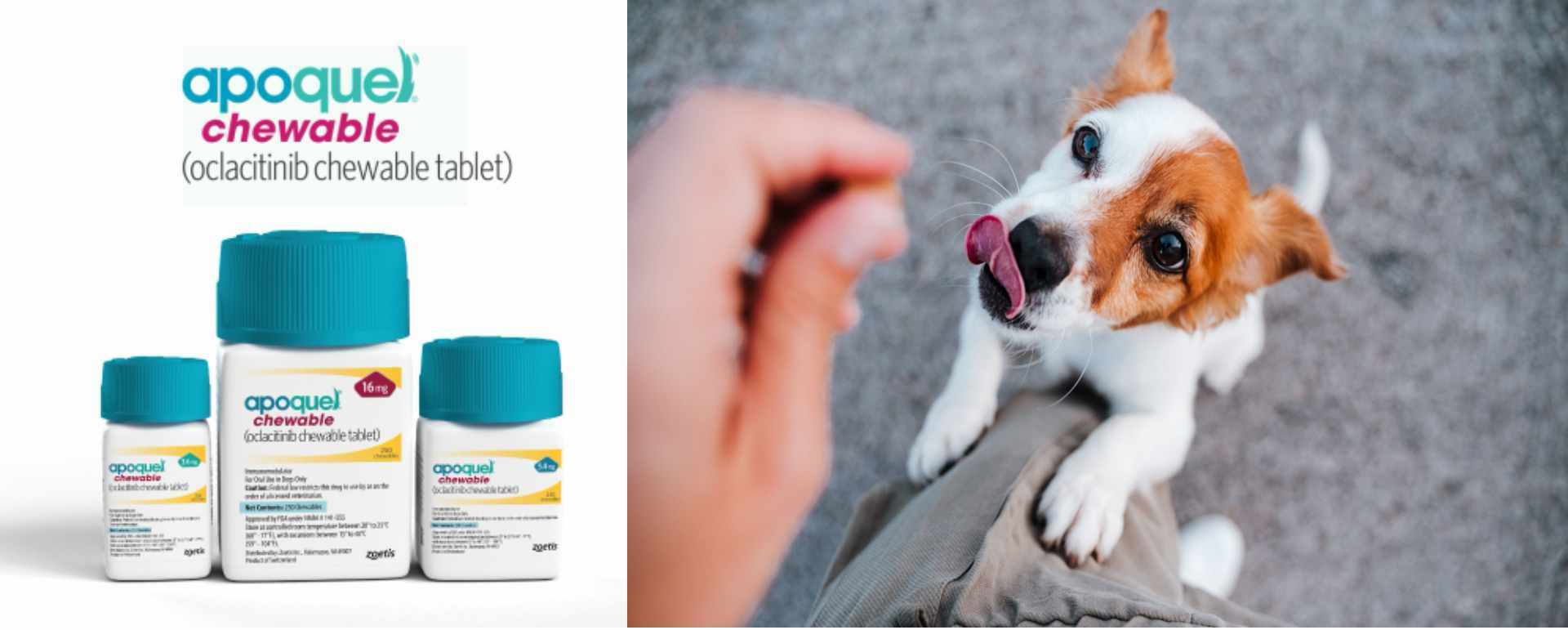
Apoquel was already an established allergy medication, but the newer chewable tablets are made to be appealing to dogs.
Unfortunately, they may also appeal to cats.
That’s where things can go wrong.
A dog may chew open a medication bottle and eat several tablets.
Another animal in the household may find tablets that have fallen onto the floor.
And a cat may decide that the pork-flavored tablets are worth investigating.
If you have a cat like my Cassian, you’ll understand.
Cassian is not especially particular about what he decides to eat.
I demonstrated this with another chewable product that was safe for cats, and he was more than willing to eat it.
So, if a bottle of pork-flavored Apoquel were sitting open?
I’m pretty convinced he’d be interested.
And that’s exactly what concerns me.
What Did the FDA Report About Apoquel Overdoses?
The FDA raised concerns about the chewable formulation because its flavor can encourage accidental ingestion.

The overdose figures discussed were:
| Reported Overdoses | Number of Reports |
|---|---|
| Dogs | Nearly 300 |
| Cats | More than 60 |
| Reporting period | As of April 2026 |
These are reported overdose cases, not proof that every exposure resulted in severe poisoning.
However, the reports show why proper storage matters.
Apoquel is approved for use in dogs, not cats. Accidental ingestion by a cat requires prompt veterinary attention.
What Happened to Tangerine, the Cat Who Ate Apoquel?
One of the cases highlighted by the Pet Poison Helpline involved a cat named Tangerine.
Tangerine lived in a household with dogs receiving Apoquel and several other cats.
At some point, a bottle of Apoquel was opened, possibly after a dog chewed through the top.
Approximately 13 tablets came out of the bottle.
Tangerine ingested some of the medication.
And what followed was a very serious medical emergency.
What Were Tangerine’s First Symptoms?
One of the earliest signs involved his eyes.
His third eyelid became more prominent.
If you look at the inner corner of your cat’s eye, there’s a small protective membrane called the third eyelid.
Normally, you don’t see much of it.
But Tangerine’s third eyelid started protruding, creating the appearance of an extra covering over part of the eye.
He was also squinting.
That may not be the first thing you’d associate with medication poisoning.
Most people would probably expect vomiting or diarrhea.
But in this case, the eyes were providing an early warning.
What Did the Emergency Veterinarian Find?
Tangerine was taken to an emergency veterinary clinic for examination and testing.
The findings included:
-
Gastrointestinal upset
-
Elevated liver enzymes
-
Signs of kidney dysfunction
-
Decreased white blood cell count
-
Increased intraocular pressure
-
Other evidence of eye disease
This was not simply a case of a cat having an upset stomach after eating something unusual.
Several organ systems were being affected.
The veterinary team considered his condition potentially fatal without treatment.
Fortunately, Tangerine received emergency care.
How Was Tangerine Treated?
His hospital treatment included:
-
Intravenous fluids
-
Supportive care for kidney function
-
Supportive care for liver function
-
Additional veterinary monitoring and treatment
With intensive care, Tangerine made a full recovery.
That’s the good news.
But it also shows just how serious accidental ingestion can become.
What Are the Symptoms of Apoquel Poisoning in Dogs and Cats?
Apoquel overdose can cause symptoms involving several different body systems.
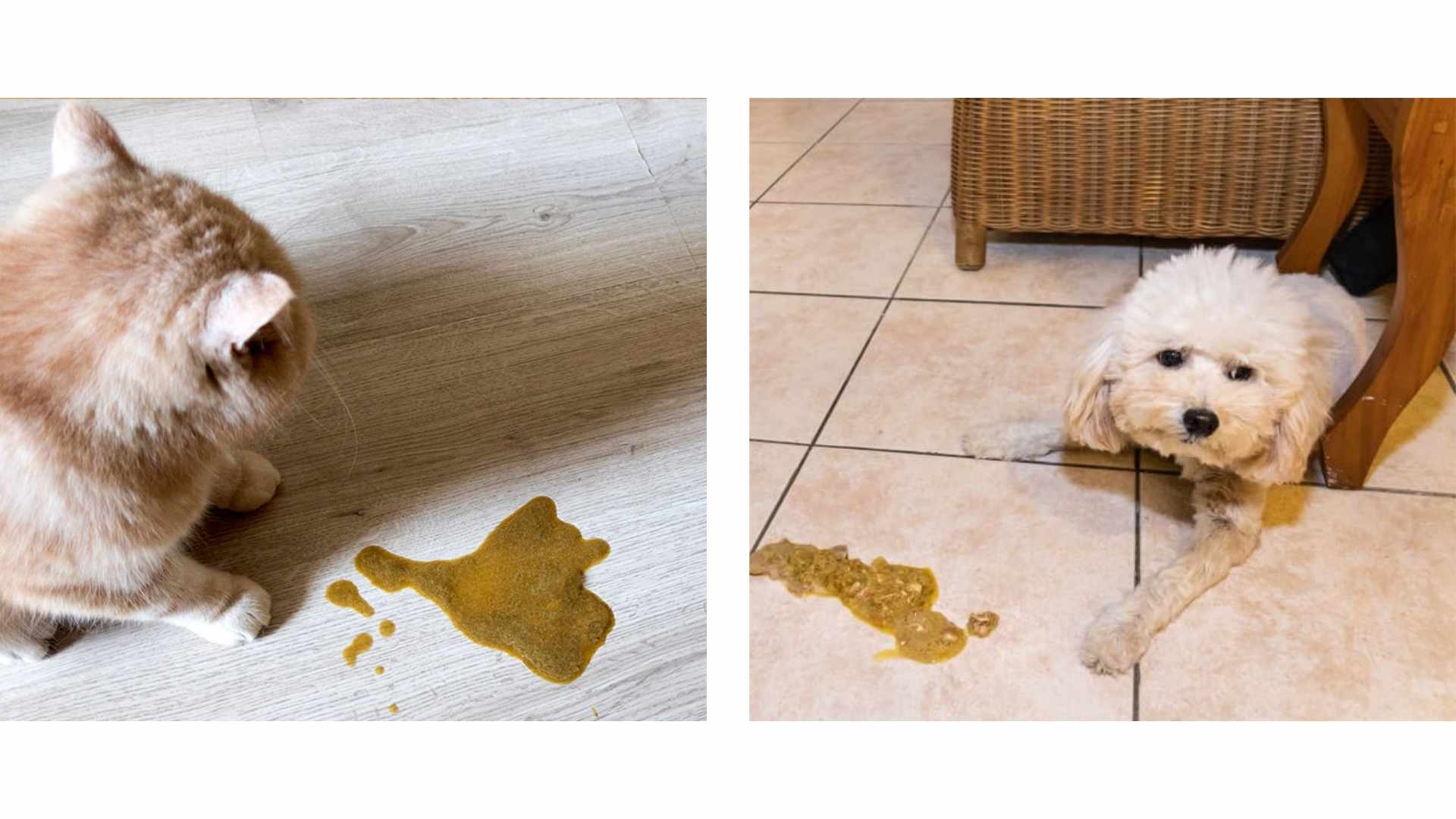
The signs may vary depending on the animal and the amount ingested.
1. Gastrointestinal Symptoms
Possible signs include:
-
Vomiting
-
Diarrhea
-
Loss of appetite, also called anorexia
-
Lethargy
These may be among the first signs noticed after accidental ingestion.
2. Kidney Problems
Apoquel overdose has been associated with kidney dysfunction, including reports of acute kidney failure in cats.
This is one of the more serious complications described.
3. Liver Problems
Affected animals may develop elevated liver enzymes or other signs of liver dysfunction.
Tangerine’s blood tests showed liver abnormalities after his exposure.
4. Eye Problems
Eye-related findings can include:
-
A protruding third eyelid
-
Squinting
-
Increased intraocular pressure
-
Other signs of eye disease
Increased intraocular pressure is particularly concerning because elevated eye pressure is associated with conditions such as glaucoma.
5. Blood Cell Changes
The Pet Poison Helpline case also described a decrease in white blood cell count.
White blood cells are an important part of the immune system.
When their numbers decrease, that can become another concern for an affected animal.
6. Possible Heart Effects
The reports also raised concerns about effects involving the cardiovascular system.
This reinforces why suspected overdose should be assessed by a veterinarian rather than managed at home.
Apoquel Poisoning Symptoms: Quick Reference
| Body System | Possible Signs or Findings |
|---|---|
| Digestive system | Vomiting, diarrhea, loss of appetite |
| General condition | Lethargy |
| Kidneys | Kidney dysfunction, acute kidney failure |
| Liver | Elevated liver enzymes, liver dysfunction |
| Eyes | Squinting, protruding third eyelid, increased eye pressure |
| Blood cells | Decreased white blood cell count |
| Cardiovascular system | Possible heart-related effects |
These findings have been described in overdose reports and do not mean every animal exposed to Apoquel will develop all of them.
If your dog eats more Apoquel than prescribed, or your cat ingests Apoquel, contact an emergency veterinarian or animal poison service immediately. Do not wait for symptoms.
Can Apoquel Cause Kidney Failure in Cats?
Yes. Acute kidney failure has been reported following accidental Apoquel ingestion in cats.
Another concerning report involved two cats treated at North Carolina State University.
Both developed acute kidney failure after ingesting flavored Apoquel.
Their kidney function deteriorated to the point that they required hemodialysis.
Dialysis is an intensive treatment used to support patients when their kidneys cannot adequately perform their normal function.
Fortunately, the cats were treated at a facility capable of providing that level of care.
Both recovered.
But think about what that means.
These cats needed dialysis after accidentally eating a flavored medication intended for dogs.
That is not a minor adverse reaction.
And many veterinary clinics do not have access to dialysis equipment.
This is why I am particularly concerned about Apoquel chewables in homes where dogs and cats live together.
Is Apoquel Safe for Cats?
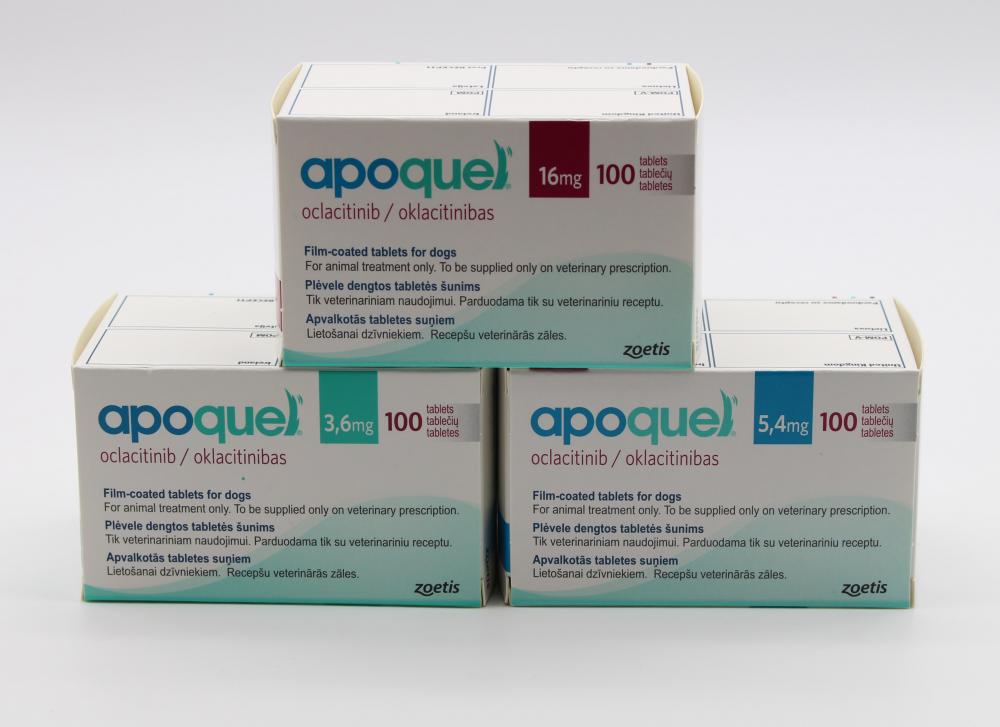
Apoquel is approved for dogs, not cats.
The flavored chewable formulation is particularly concerning because cats may be attracted to it.
The fact that a medication is prescribed for one species does not mean it is safe for another.
Tangerine’s case and the two cats requiring dialysis show how serious accidental ingestion can become.
If you have both dogs and cats, I would be especially careful about where you keep Apoquel.
Never assume your cat won’t eat it simply because the medication belongs to your dog.
Cassian would certainly make me question that assumption.
What Should You Do if Your Pet Accidentally Eats Apoquel?
If your dog or cat accidentally ingests Apoquel, the most important thing is to obtain professional veterinary advice immediately.
Step 1: Secure the Medication
Remove the bottle and any remaining tablets so no other animals can reach them.
Step 2: Determine What May Have Been Ingested
Check whether tablets are missing.
If possible, identify:
-
Which pet may have eaten the medication
-
How many tablets may be missing
-
Whether the animal is a dog or cat
-
Whether symptoms have already appeared
Step 3: Contact an Emergency Veterinarian
Don’t wait for vomiting, diarrhea, or other symptoms to develop.
A cat may initially show something as subtle as squinting or a protruding third eyelid.
The serious internal effects may not be obvious without blood tests or other veterinary examinations.
Step 4: Follow Veterinary Treatment Recommendations
The cases discussed required hospital-based treatment, including intravenous fluids, organ support, and, in severe cases, dialysis.
The treatment depends on the severity of the exposure.
Do not try to manage a suspected overdose using home remedies or attempt to induce vomiting unless a veterinary professional specifically instructs you to do so.
How Can You Prevent Accidental Apoquel Overdoses?
This is probably the easiest part of the entire discussion.
Keep the medication where your dog and cat cannot access it.
With the chewable form, I would be especially careful.
Don’t leave the bottle on a low table or somewhere your dog could grab it.
Make sure the container is properly closed and stored securely.
If you have cats, remember that they may be interested in the flavored tablets too.
| Prevention Step | Why It Matters |
|---|---|
| Keep the bottle securely closed | Reduces access to multiple tablets |
| Store it out of reach | Prevents dogs or cats from accessing the medication |
| Never leave tablets unattended | Flavored chewables may attract pets |
| Be especially careful in multi-pet homes | Apoquel is approved for dogs, not cats |
| Check for missing tablets after a spill | Helps identify possible accidental ingestion |
The medication can be useful when properly prescribed.
But it should never be treated like an ordinary dog treat.
Should You Stop Giving Your Dog Apoquel?
Not necessarily.
I want to make something clear.
Apoquel can be very effective for dogs with severe allergies.
I’ve seen how miserable a dog can become when they’re constantly itching.
And I understand why pet parents want relief.
My concern is whether we can manage those allergies while reducing unnecessary medication exposure.
For some dogs, that may mean discussing a lower dose with their veterinarian.
For others, it may mean using additional allergy-support options.
And in some cases, Apoquel may still be needed to keep the dog comfortable.
What I would encourage is looking at the bigger picture.
Are there other things we could try?
Could we improve skin health and reduce inflammation?
Could natural allergy support help your dog become more comfortable?
Here are three options I would consider.
What Are the Best Natural Alternatives to Apoquel for Dogs?
They work differently, and I wouldn’t expect any of them to provide exactly the same effect as Apoquel.
But they may be worth discussing as part of a broader allergy management plan.
1. Omega-3 Fatty Acids for Dogs With Allergies
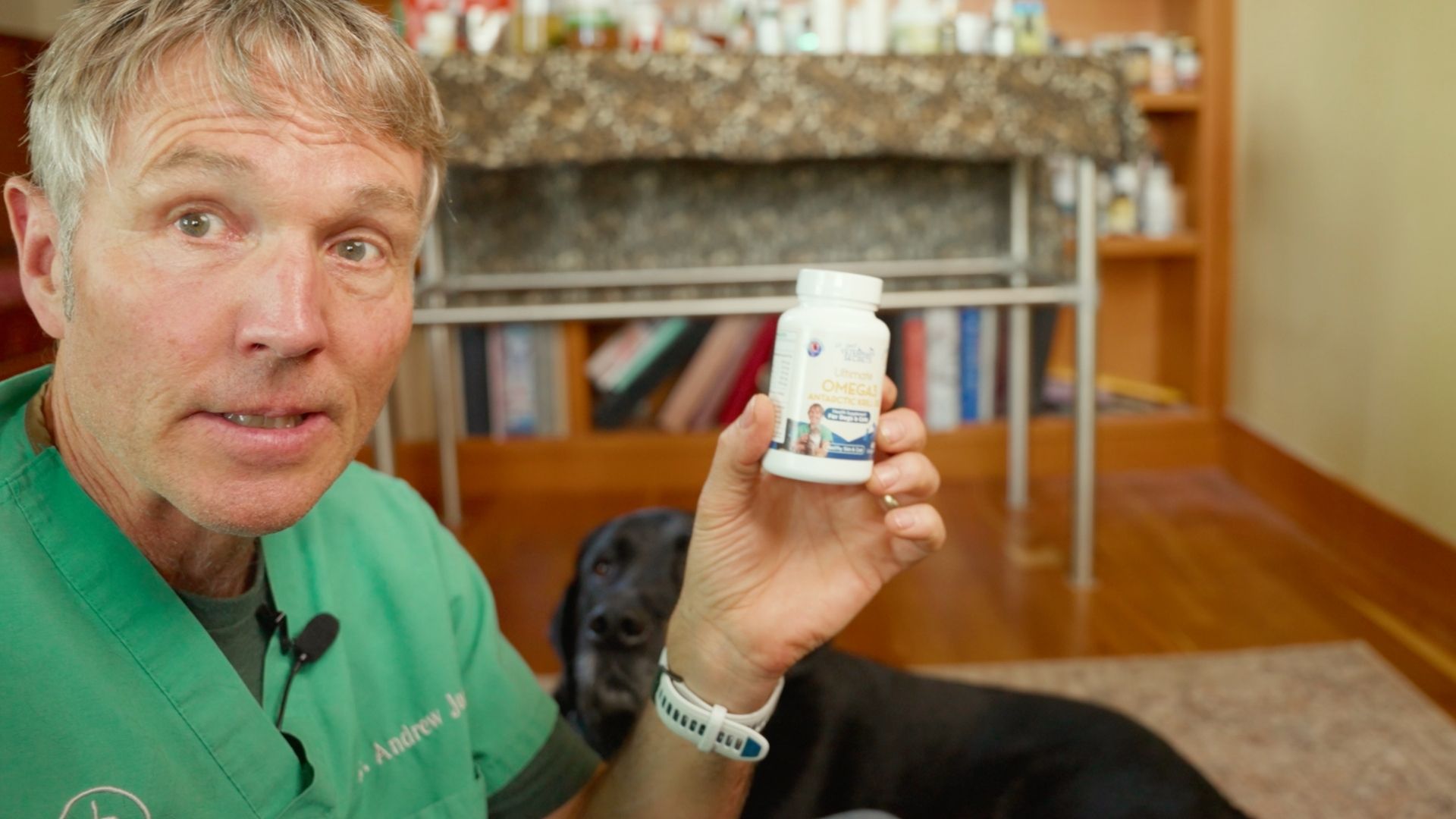
Omega-3 fatty acids are one of the first supplements I would consider for an itchy dog.
They’re available from sources such as:
-
Fish oil
Omega-3 fatty acids are often used to support skin health and help manage inflammation.
And for dogs with chronic allergies, I think they’re particularly useful to consider.
Why Does the Omega-3 Dose Matter?
One problem I frequently encounter when speaking with pet parents is that their dogs have been receiving relatively low doses.
The owner might say they’ve already tried fish oil or krill oil, but the amount may not have been sufficient for the intended therapeutic use.
In the video, I discuss a dose of approximately:
500 mg of krill oil per 20 pounds of body weight.
That’s the example I use when discussing higher-dose omega-3 supplementation.
However, fish oil and krill oil formulations differ, so I would confirm the appropriate product and dose with your veterinarian rather than assume every 500 mg supplement provides the same amount of active omega-3 fatty acids.
Why Would I Start With Omega-3s?
For a dog with recurring allergies, I want to support healthier skin and address inflammation.
Omega-3 supplementation is one of the more straightforward additions I would consider.
It may not eliminate the need for medication.
But if it helps improve comfort, that is worth exploring.
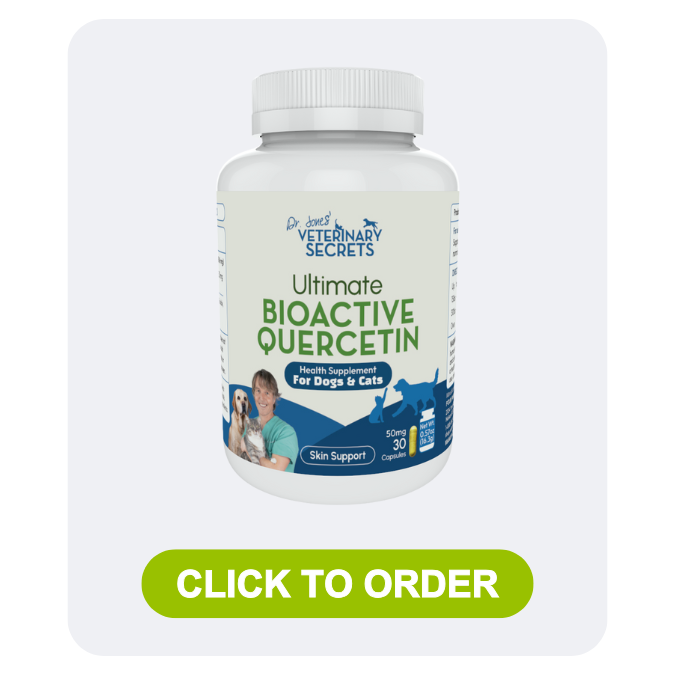
2. Bioactive Quercetin for Dog Allergies
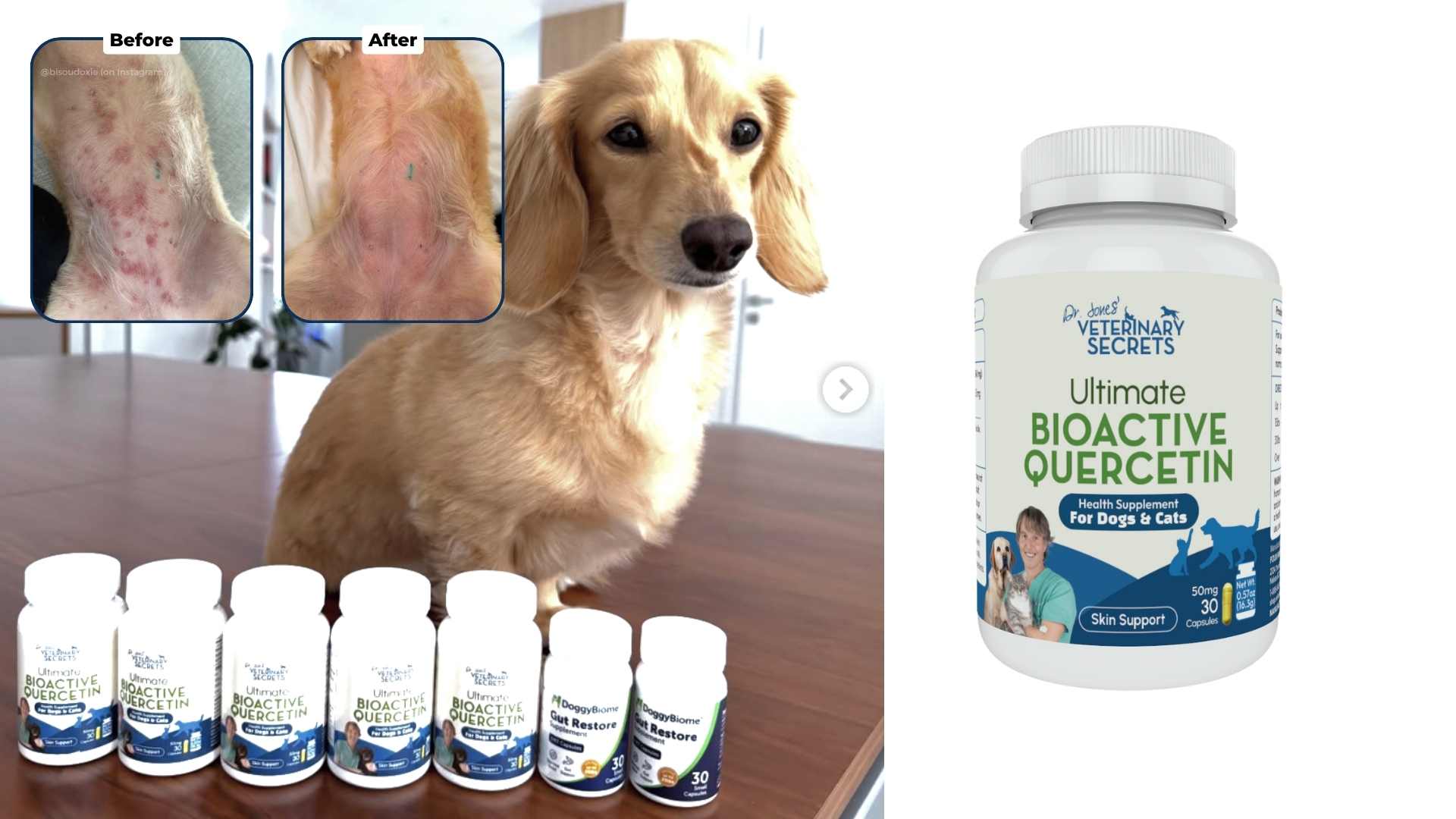
The second natural option is bioactive quercetin.
Quercetin is a flavonoid, a type of naturally occurring plant compound.
It is found in foods and plants such as:
-
Apples, particularly the peel
-
Red onions
-
Green tea
-
Black tea
-
Kale
Quercetin is especially interesting because of its potential effects on histamine-related inflammatory pathways.
How Does Quercetin Help With Itching?
When a dog experiences an allergic reaction, histamine is one of the substances involved in triggering itching and inflammation.
Quercetin has been studied for its ability to influence histamine release and inflammatory signaling.
This is why it is sometimes described as a natural antihistamine.
The idea is that by interfering with part of that inflammatory cascade, quercetin may help reduce itching and scratching.
I’ve used bioactive quercetin as part of allergy support for many dogs, and I’ve seen encouraging results.
It is one of my preferred supplements to consider for ongoing allergic itching.
What Is the Quercetin Dosage for Dogs?
The typical amount I discuss is:
50 mg per 15 pounds of body weight daily.
The amount should be adjusted appropriately for the individual dog and product formulation, with veterinary guidance.
Is Quercetin Better for Long-Term or Short-Term Allergy Support?
I primarily discuss bioactive quercetin as an option for ongoing allergy support.
For dogs with recurring environmental allergies, it may be worth considering as part of a regular management plan.
It isn’t a guaranteed replacement for Apoquel.
But it may help some dogs manage itching while supporting efforts to reduce unnecessary medication exposure.
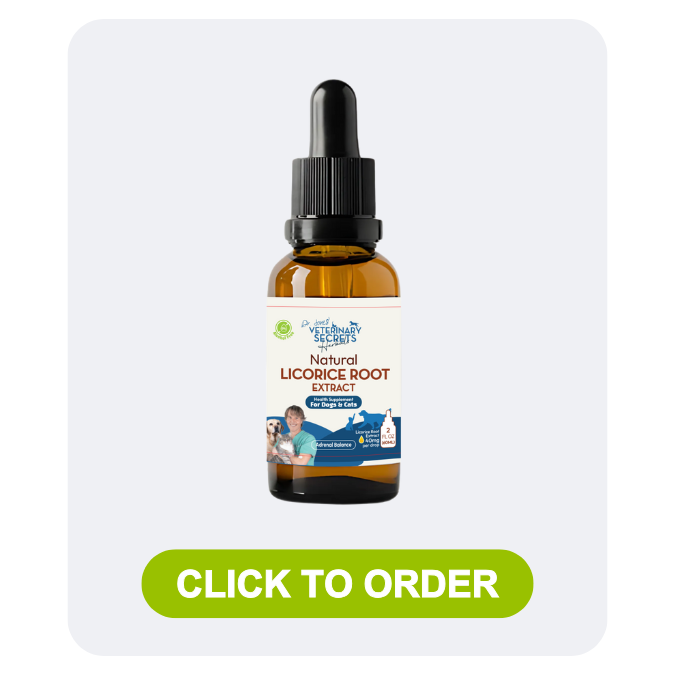
3. Licorice Root Extract for Sudden Allergy Flare-Ups
The third option is licorice root extract.
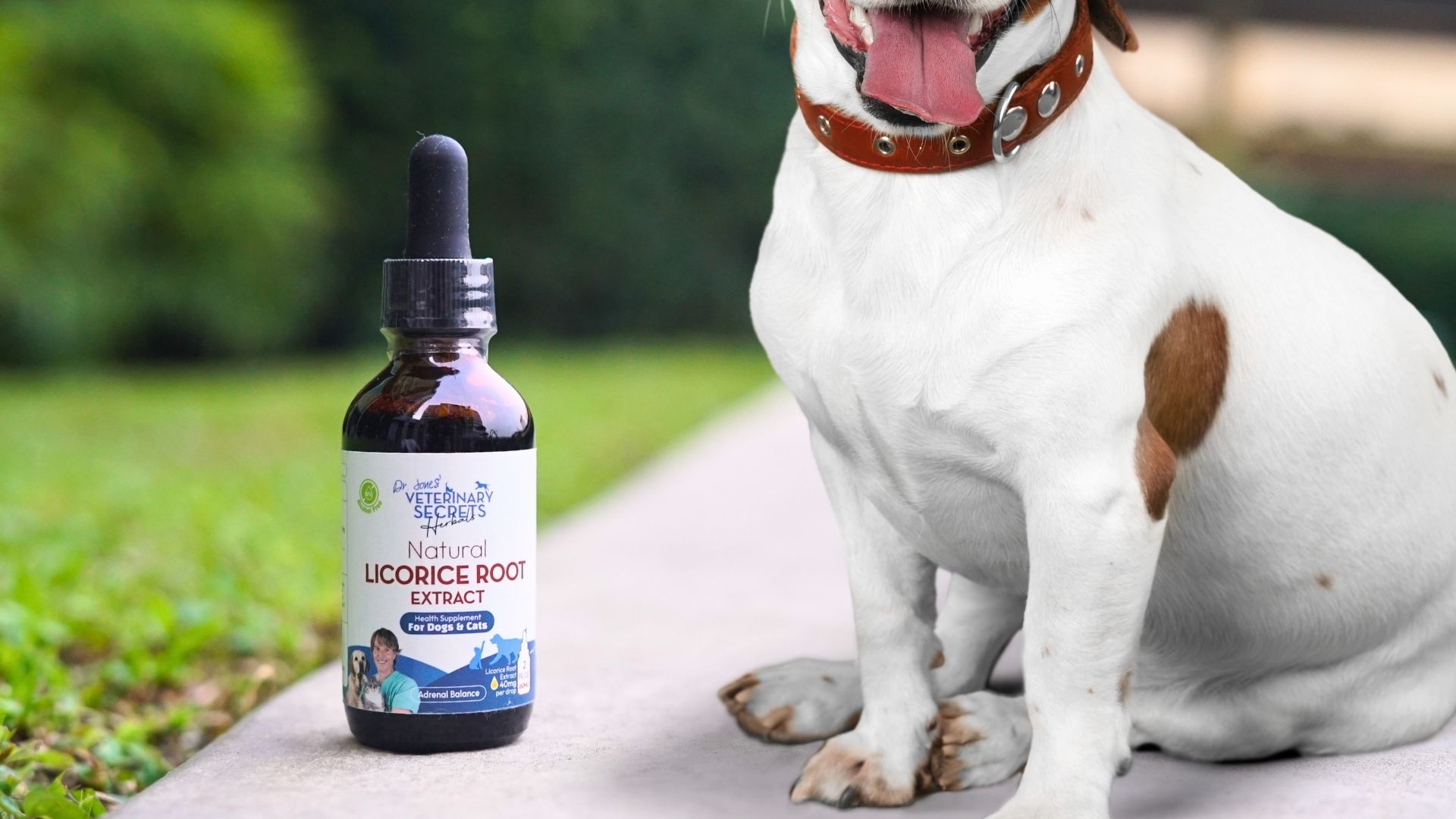
This is something I have used for short-term allergy flare-ups.
Licorice root is sometimes described as a natural corticosteroid because of its steroid-like effects.
It’s an option I would consider when a dog suddenly becomes very itchy.
How Does Licorice Root Help With Allergies?
In veterinary practice, a dog with a sudden, severe allergic flare-up might traditionally receive a corticosteroid medication to help control the inflammation and itching.
Licorice root may influence some similar inflammatory pathways.
But it doesn’t work as quickly or as strongly as conventional corticosteroid medication.
I wouldn’t expect an immediate, dramatic response.
Still, I’ve seen it help.
My Experience Using Licorice Root for My Dog Jesse
My previous dog Jesse had moderate allergies.

Sometimes he would begin licking and itching at night.
When that happened, I would give him licorice root extract.
And in approximately an hour, I often noticed he was considerably less itchy.
That was my personal experience with Jesse.
It’s one reason I continue to consider licorice root as an option for short-term allergy support.
Which Natural Allergy Option Would I Choose First?
If I had a dog with ongoing environmental allergies, I would start by considering a good-quality omega-3 supplement.
Then I would look at bioactive quercetin.
For sudden flare-ups, licorice root might be another option to discuss.
Here’s how I would think about the three.
For Ongoing Skin and Allergy Support
Omega-3 fatty acids
These would be high on my list because of their potential benefits for skin health and inflammation.
For Recurring Itching and Histamine-Related Allergies
Bioactive quercetin
I like quercetin because it may help influence the histamine-related response involved in allergic itching.
For Short-Term Allergy Flare-Ups
Licorice root extract
This is the option I would consider when itching suddenly becomes worse, rather than using it indefinitely.
My preference is to match the support to the dog’s actual symptoms.
Can Natural Allergy Remedies Help Reduce Apoquel Use?
Possibly.
And this is really the point I want pet parents to take away.
I’m not saying Apoquel never has a place in allergy treatment.
It clearly does.
But if we can improve a dog’s comfort with omega-3 fatty acids, quercetin, or carefully selected short-term support, there may be an opportunity to reassess how much medication the dog needs.
Some dogs may still require Apoquel every day.
Others may be able to follow a different treatment plan with their veterinarian.
My goal is to keep the dog comfortable while minimizing unnecessary side effects.
That seems like a reasonable objective to me.
Final Thoughts: Apoquel Works, but Pet Parents Need to Know the Risks
Apoquel has helped many dogs suffering from severe allergies.

I understand why veterinarians prescribe it and why pet parents appreciate the relief it can provide.
But the newer reports involving Apoquel chewables are a reminder that medications must be used and stored carefully.
As of April 2026, the FDA had received nearly 300 overdose reports in dogs and more than 60 in cats.
And the cases described by the Pet Poison Helpline and North Carolina State University show that accidental ingestion can become very serious.
Tangerine developed gastrointestinal problems, kidney and liver abnormalities, white blood cell changes, and increased eye pressure.
Other cats developed acute kidney failure requiring dialysis.
Fortunately, those animals recovered with veterinary treatment.
But I would much rather prevent the problem in the first place.
So here are my main recommendations.
First, keep Apoquel chewables securely stored. Make absolutely sure your dog cannot chew open the container, and be especially careful if cats live in your home.
Second, understand that Apoquel is effective but not without risks. Ask questions, monitor your dog, and make informed treatment decisions.
Third, consider additional allergy support. Omega-3 fatty acids, bioactive quercetin, and short-term licorice root extract are three options I would discuss for a dog with recurring itching.
And finally, if your dog is doing well on Apoquel, don’t feel you have to suddenly stop it.
The goal is to keep your dog comfortable while using medication thoughtfully.
If a natural supplement can help reduce inflammation or itching, wonderful.
If your dog still needs Apoquel, use it under veterinary guidance.
Because ultimately, I want the same thing you do.
A healthy, comfortable dog who isn’t spending the entire day scratching.
And a medicine cabinet that curious pets, especially cats like Cassian, cannot get into.
Click To Get A Free Copy of My E-Book!

P.S. If your dog takes Apoquel chewables, please make sure the bottle is securely stored. The pork-flavored tablets can be appealing to both dogs and cats, and accidental ingestion has resulted in serious kidney, liver, and eye complications. Keep them out of reach.
P.P.S. For dogs with recurring allergies, I would seriously consider omega-3 fatty acids and bioactive quercetin. Both are options I’ve discussed for supporting skin health and managing allergic itching. Even if your dog still needs Apoquel, these may be worth reviewing with your veterinarian.
P.P.P.S. One of my favorite short-term options for sudden itching flare-ups has been licorice root extract. I used it with my dog Jesse, and I often noticed he became much less itchy within about an hour. It’s not something I would use indefinitely, but it may be worth discussing for occasional flare-ups.

Natural Apoquel Alternatives: Dosage and Comparison
| Natural Option | Main Purpose | Amount Discussed | Suggested Use |
|---|---|---|---|
| Omega-3 fatty acids | Skin and inflammatory support | Approximately 500 mg krill oil per 20 lbs | Ongoing allergy support |
| Bioactive quercetin | Support histamine and inflammatory pathways | 50 mg per 15 lbs daily | Ongoing allergic itching |
| Licorice root extract | Help during sudden itching flare-ups |
½ mL per 20 lbs. Twice daily, for a maximum of 14 consecutive days. |
Short-term use |