Dog Heatstroke: What You Should Do First

What Should You Do First if Your Dog Has Heatstroke?
If your dog is overheating, start cooling their entire body with cold water immediately, before transporting them to the veterinarian.
This is one of the most important changes in how we now approach heatstroke in dogs.
For years, we were taught to avoid rapidly cooling an overheated dog. The concern was that cold water might cause shock, so we recommended lukewarm water, gentle misting, or cool packs under the armpits.
But newer evidence suggests we had this wrong.
Rapid, whole-body cooling, especially cold-water immersion, is one of the most effective ways to bring down a dangerously high body temperature.
And the sooner you start cooling, the better your dog’s chances.
Heatstroke can happen suddenly. Within a short period, a dog’s temperature can rise high enough to cause blood-clotting problems, kidney failure, liver damage, and even death.
So I want you to remember one simple rule:
Cool your dog first, then get veterinary care.
Let’s look at the warning signs, which dogs are most at risk, and exactly what you should do.
Dr. Jones’ Ultimate Canine Health Formula (Original Formula)




What Is Heatstroke in Dogs?
Heatstroke occurs when your dog’s internal body temperature rises to dangerously high levels.
A temperature of approximately 106°F (41.1°C) is a major indicator of heatstroke.
At this temperature, the body’s normal cooling mechanisms are no longer keeping up.
Unlike people, dogs have limited ways of releasing excess heat.
They primarily cool themselves through:
-
Panting
-
Blood vessel dilation near the skin
-
Small amounts of sweating through their paw pads
We humans have sweat glands throughout our bodies, allowing us to cool down more efficiently.
Dogs don’t have that advantage.
That’s why a hot environment that seems manageable for you can be dangerous for your dog.
And when humidity is high, the risk increases.
What Are the Early Signs of Heatstroke in Dogs?
Recognizing the early signs is one of the best things you can do to protect your dog.
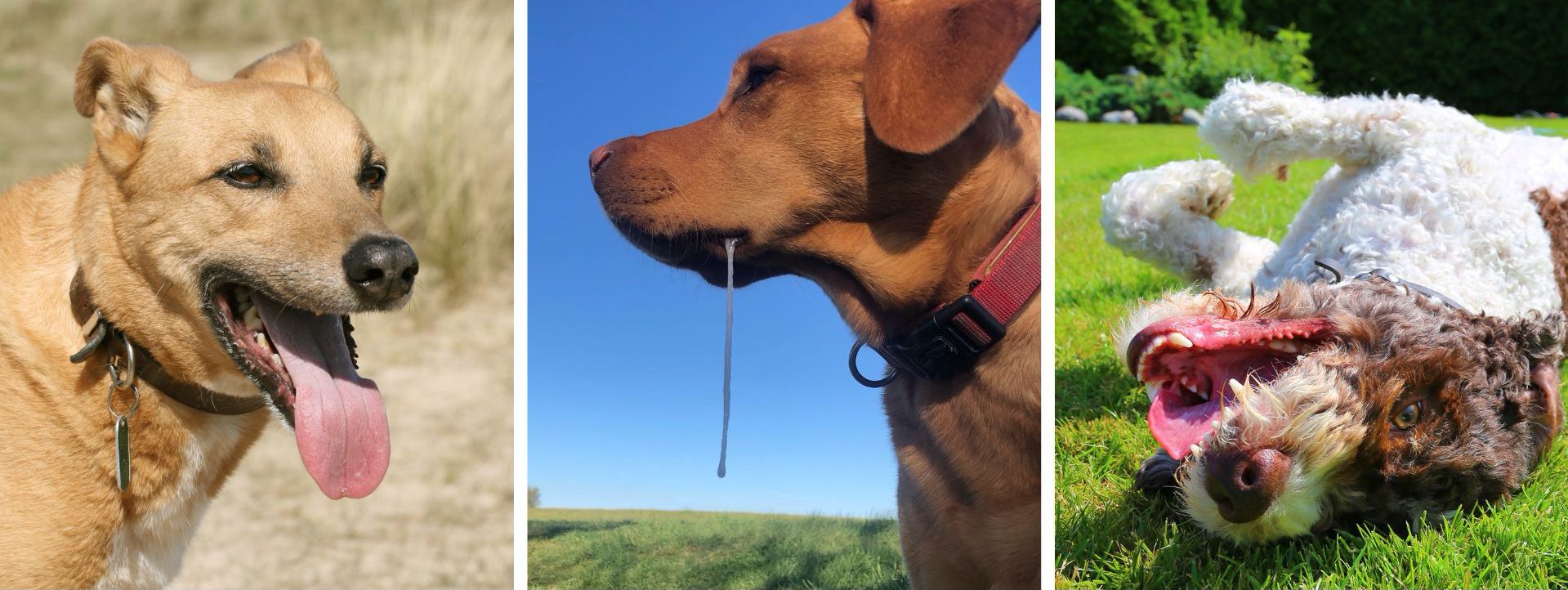
Early Warning Signs
Watch for:
-
Excessive panting: Heavy, continuous panting that doesn’t seem to stop
-
Rapid breathing: Your dog is breathing much faster than normal
-
Excessive drooling: More saliva than usual
-
Bright red gums or tongue: The gums may appear unusually red
-
Dry gums: A possible sign of dehydration
-
Very hot ears or gums: Your dog feels unusually hot to the touch
-
Increased heart rate: The heart is beating faster than normal
One of my favorite quick checks is to lift your dog’s lip and look at their gums.
Are they bright red?
Do they feel dry?
Is your dog panting excessively?
These are early signs that something may be wrong.
You can also feel the tips of your dog’s ears.
If they are unusually hot, combined with excessive panting and drooling, I would start taking action.
Do not wait for your dog to collapse.
What About Your Dog’s Heart Rate?
Your dog’s heart rate may increase as their body temperature rises.
For example, a larger dog like Angus might normally have a heart rate around 70 beats per minute.
If that suddenly increases to 90 or 100 beats per minute, along with excessive panting and other signs of overheating, I would become concerned.
The important thing is to recognize changes from your dog’s normal condition.
What Are the Severe Signs of Heatstroke?
As heatstroke progresses, the symptoms become much more serious.
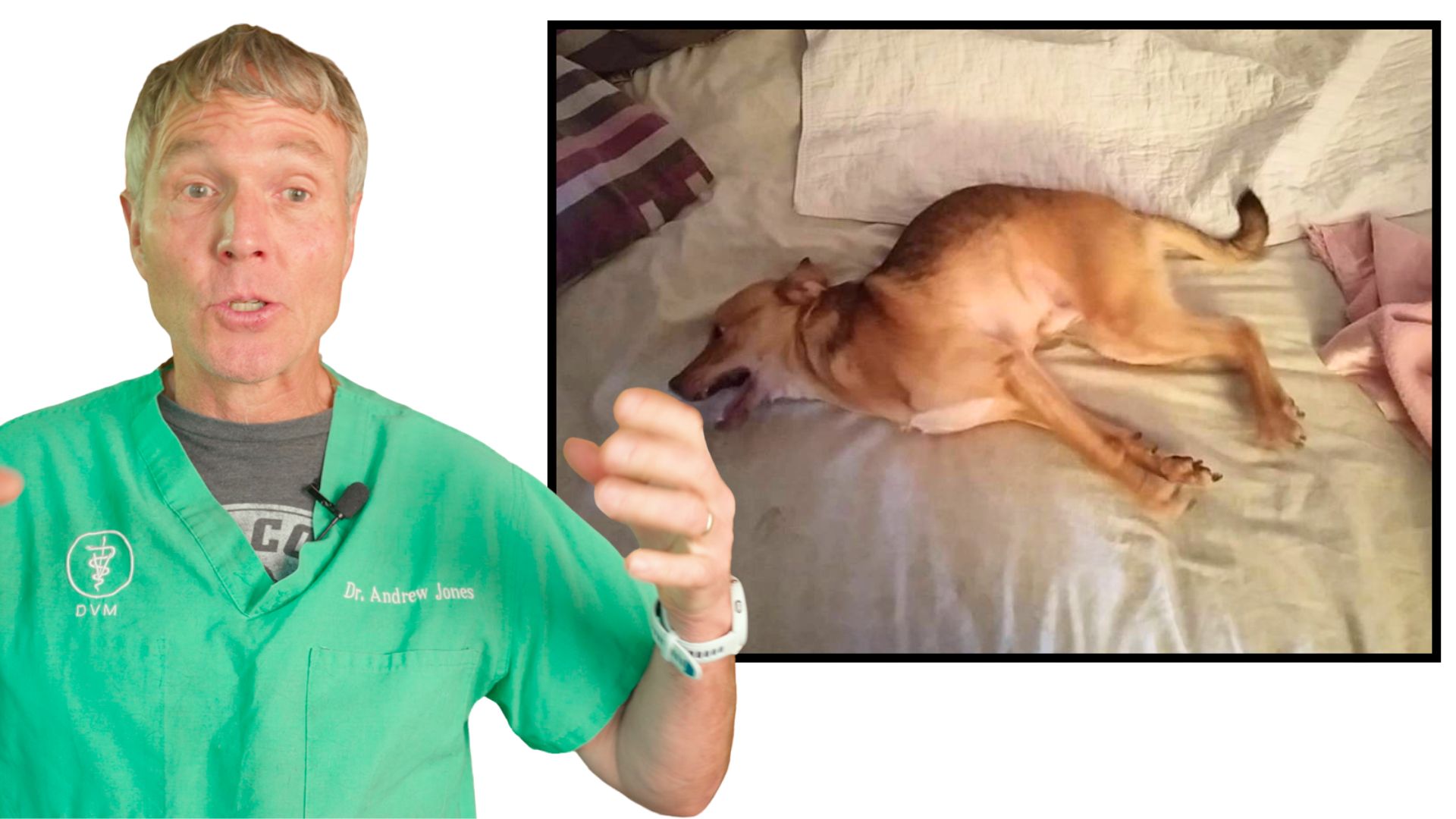
Advanced Heatstroke Symptoms
These may include:
-
Staggering or wobbling
-
Loss of coordination, also called ataxia
-
Pale or bluish gums
-
Dilated pupils
-
Tremors
-
Seizures
-
Collapse
-
Shock
-
Bleeding
-
Vomiting blood
-
Blood coming from the rectum
-
Loss of consciousness
-
Coma
If your dog is showing these signs, they may already be developing serious internal complications.
Begin cooling immediately and seek emergency veterinary care.
Why Is Heatstroke So Dangerous?
Heatstroke is not simply a matter of your dog feeling too hot.
When body temperature rises to dangerous levels, it can trigger widespread inflammation and interfere with normal blood circulation.
The body’s clotting system may also become activated.
This can result in small blood clots forming throughout the body.
One serious complication is called disseminated intravascular coagulation (DIC).
What Is DIC?
DIC is a condition in which abnormal clotting occurs in many small blood vessels throughout the body.
This disrupts normal circulation and can contribute to widespread organ damage.

Heatstroke can also lead to:
-
Acute kidney failure
-
Liver failure
-
Circulatory shock
-
Neurological damage
-
Multiple organ failure
In severe cases, the damage can be permanent.
This is why reducing your dog’s body temperature quickly is so important.
The longer your dog remains dangerously overheated, the greater the risk of complications.
Which Dogs Are Most at Risk of Heatstroke?
Any dog can develop heatstroke.
But some dogs are at much greater risk than others.
1. Brachycephalic Dogs
Brachycephalic dogs are breeds with shortened, pushed-in faces.
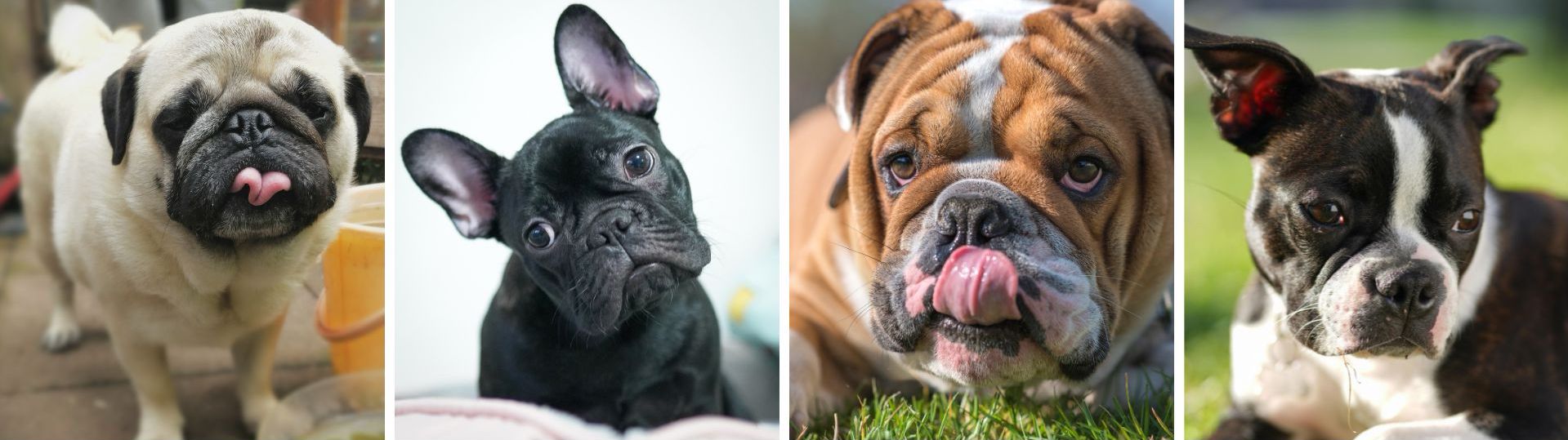
Examples include:
-
Pugs
-
French Bulldogs
-
Bulldogs
-
Boston Terriers
These dogs have more difficulty cooling themselves through panting.
Research discussed in my video suggests that some brachycephalic breeds may have up to four times the risk of developing heatstroke.
If you own one of these dogs, you need to be particularly cautious during hot weather.
2. Large Dogs
This is another important finding.
I used to think primarily about brachycephalic dogs when considering heatstroke risk.
But larger dogs are also at increased risk.
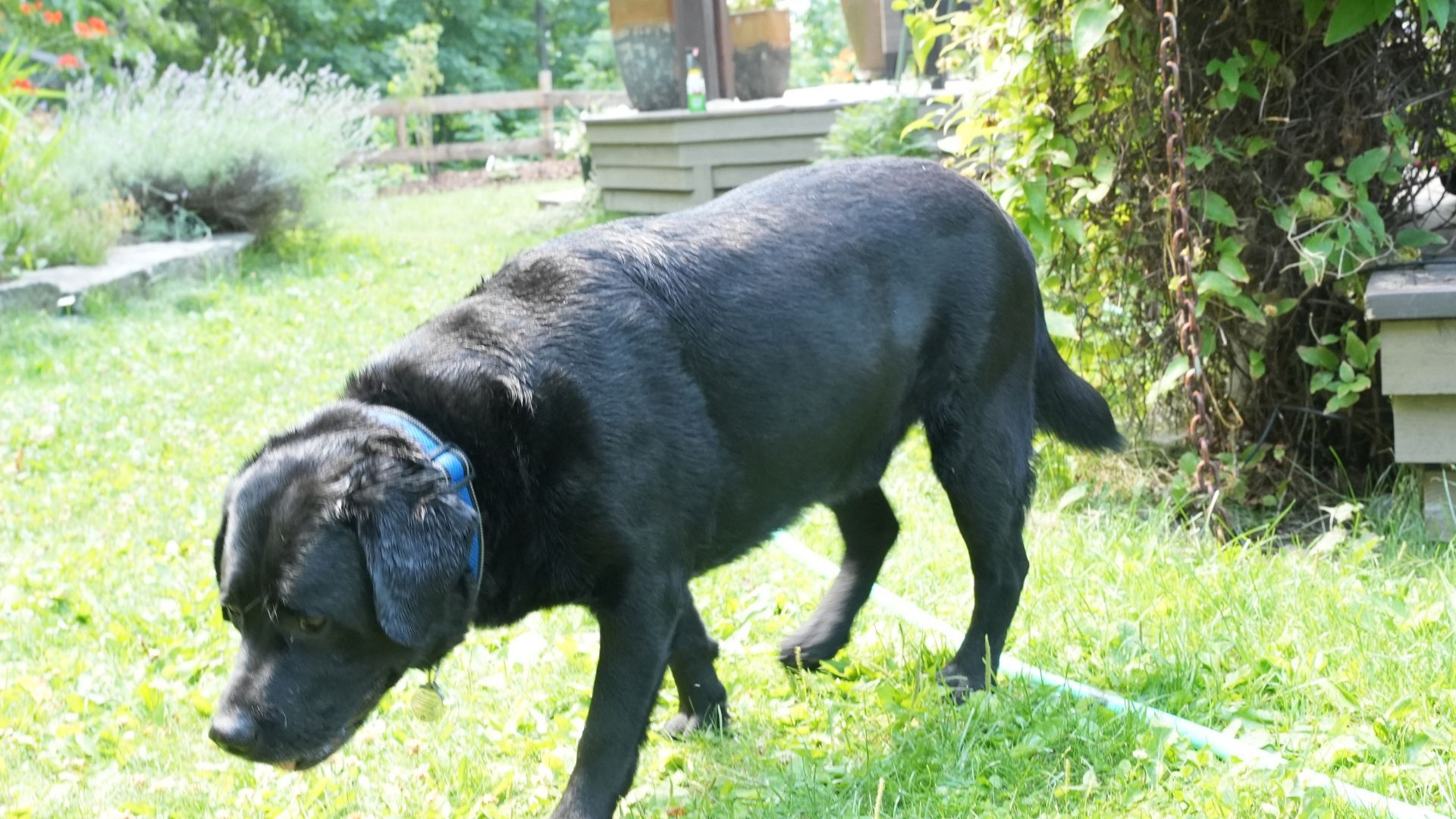
Dogs weighing more than approximately 15 kg (33 to 35 pounds) may be more susceptible.
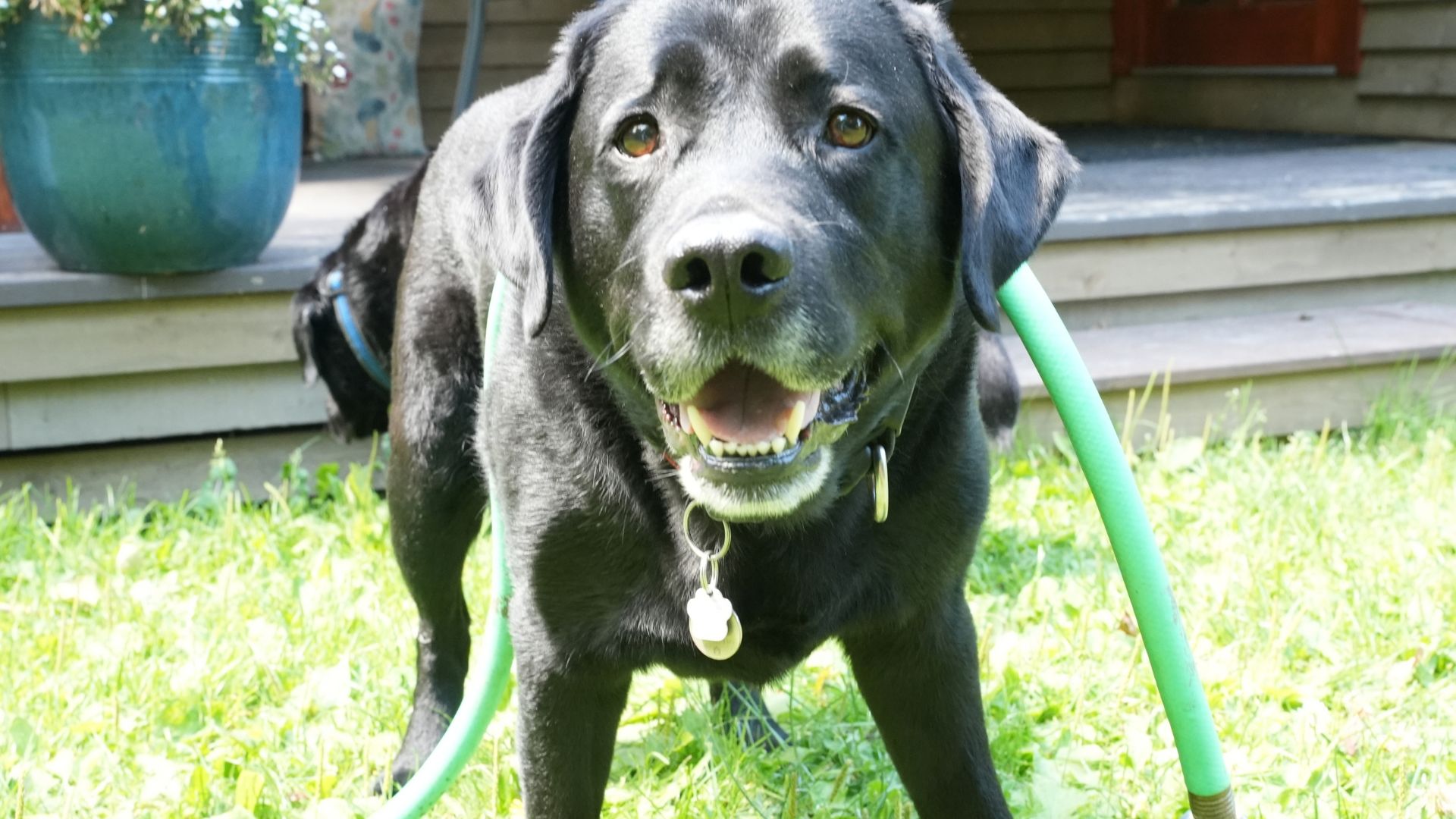
This includes larger breeds such as Labrador Retrievers.
In one retrospective study involving more than 50 dogs with spontaneous heatstroke, the average body weight was greater than 30 kg.
That fits with what I’ve seen in larger dogs.
Think of Angus and Murdoch.
Big dogs can generate considerable heat, especially when exercising.
And when that heat builds up, they may have difficulty cooling down quickly enough.
3. Overweight and Obese Dogs
Body weight matters, but obesity is an especially important risk factor.
Overweight dogs are more likely to experience problems with overheating.
4. Dogs Exercising in Hot or Humid Conditions
Running, hiking, hunting, or vigorous exercise can increase body temperature.
Combine that with high humidity, and heatstroke may develop surprisingly quickly.
5. Dogs With Previous Heatstroke
If your dog has experienced heatstroke before, they may be more likely to experience another episode.
I would be especially cautious about exposing these dogs to hot or humid conditions.
Heatstroke Risk Factors in Dogs
| Risk Factor | Why It Matters |
|---|---|
| Hot weather | Increases body temperature |
| High humidity | Makes cooling through panting more difficult |
| Brachycephalic breeds | Less effective cooling through breathing |
| Larger body size | Associated with increased heatstroke risk |
| Obesity | Increases susceptibility to overheating |
| Strenuous exercise | Generates additional body heat |
| Previous heatstroke | May increase the risk of another episode |
| Being trapped in a hot car | Can cause rapid, dangerous overheating |
How Can You Check Your Dog’s Temperature?
A simple digital thermometer can help confirm a dangerously elevated temperature.
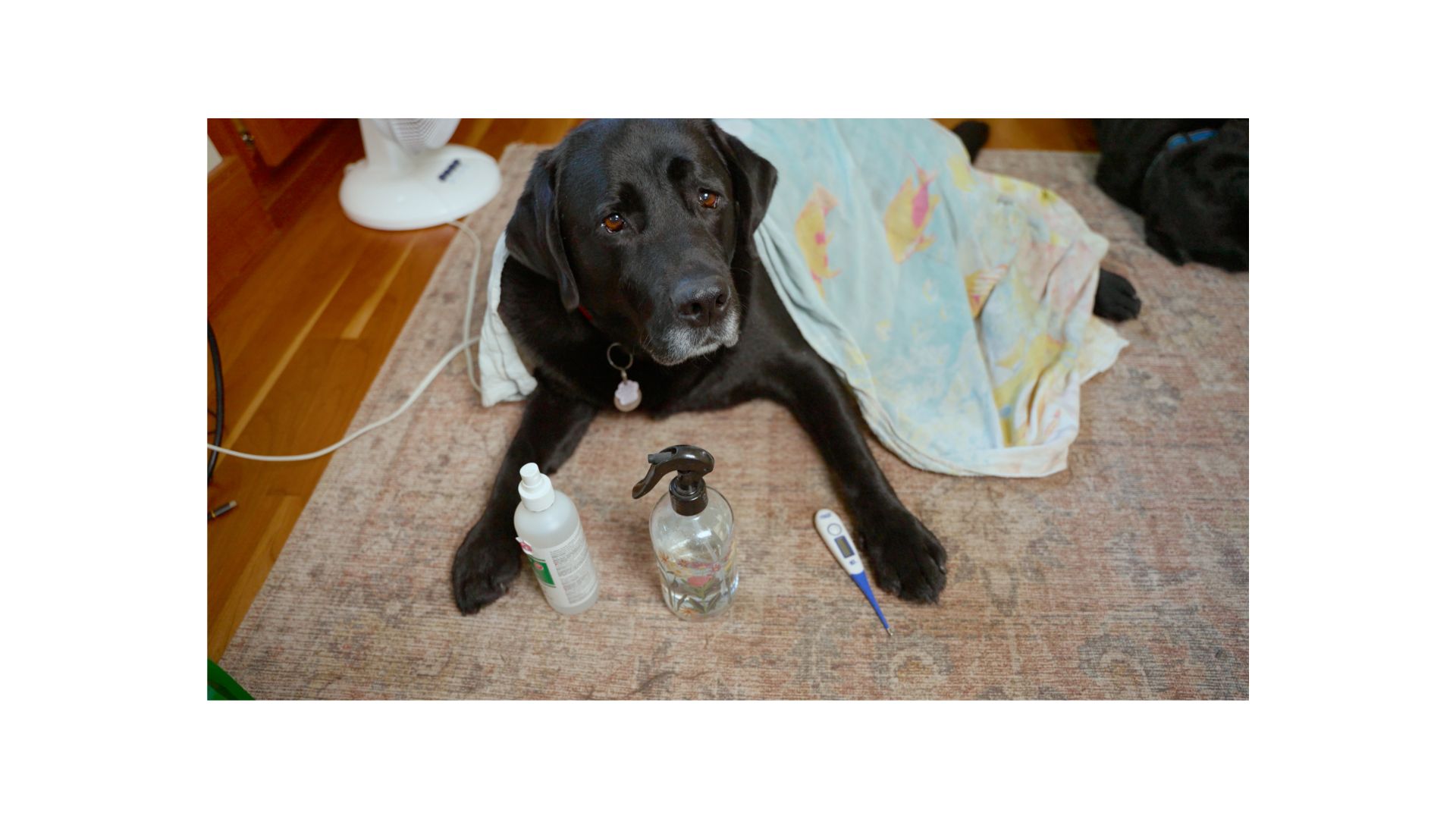
Using a Digital Rectal Thermometer
-
Use a digital rectal thermometer.
-
Gently insert it as directed for veterinary temperature measurement.
-
Wait approximately 30 to 60 seconds, until it beeps.
-
Read the temperature.
A temperature around 106°F (41.1°C) is consistent with severe heatstroke.
But don’t wait for the thermometer reading if your dog is clearly overheating.
If your dog has been exposed to excessive heat and is showing serious warning signs, start cooling immediately.
What Has Changed About Treating Heatstroke in Dogs?
This is the most important part.
For many years, the conventional advice was to cool dogs gradually.
We were concerned that cold water could cause shock or other complications.
Some of the older recommendations included:
-
Using lukewarm or tepid water
-
Lightly misting the dog
-
Placing cold packs under the armpits or around the groin
-
Using damp towels
-
Applying isopropyl alcohol to certain areas
-
Transporting the dog to the veterinarian before substantial cooling
But newer evidence has changed my thinking.
Whole-body cooling with cold water is now the approach I would prioritize.
Old Advice vs Updated Heatstroke Treatment
| Older Advice | Updated Approach |
|---|---|
| Avoid rapid cooling | Cool the entire body immediately |
| Use lukewarm water | Cold water can cool more rapidly |
| Light misting | Thoroughly wet the entire body |
| Use damp towels | Avoid covering the dog with damp towels that trap heat |
| Focus on small areas such as the groin | Prioritize whole-body cooling |
| Use isopropyl alcohol | Cold-water cooling is more effective |
| Transport first, cool later | Begin active cooling before transport |
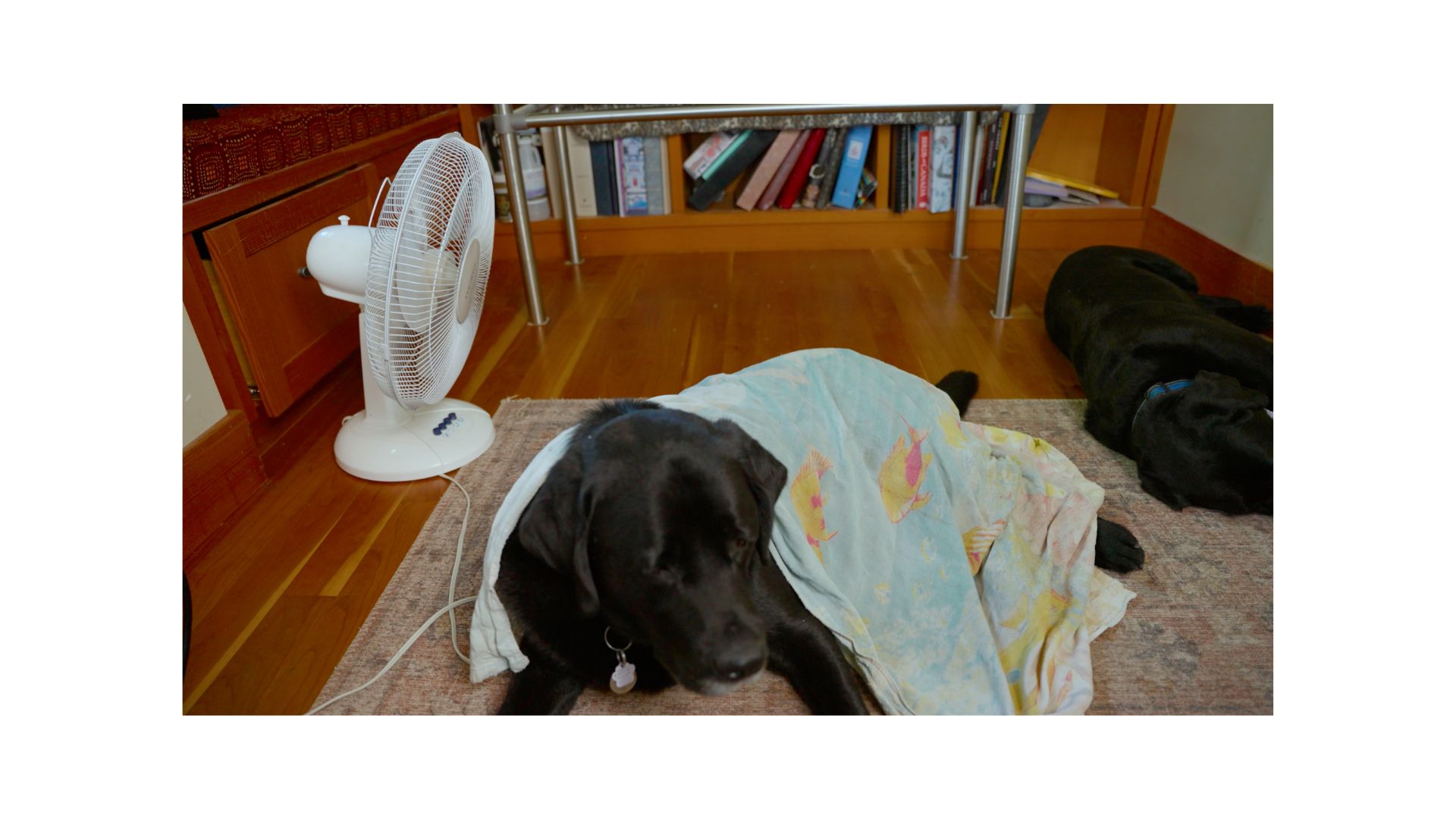
| Cooling alone | Combine cold water with airflow from a fan when possible |
The key difference is how quickly we remove excess heat.
Why Cold-Water Immersion Is So Effective
Research discussed in my video suggests that cold-water immersion is one of the most effective ways to rapidly reduce body temperature in dogs with heatstroke.
Instead of trying to cool only the armpits, groin, or paws, you’re cooling a much larger surface area.
That makes an enormous difference.
Imagine a hunting dog that has been running outside in hot weather.
The dog suddenly starts panting heavily and showing signs of overheating.
If there is a cold pond or creek nearby, getting the dog’s body into the water may rapidly reduce their temperature.
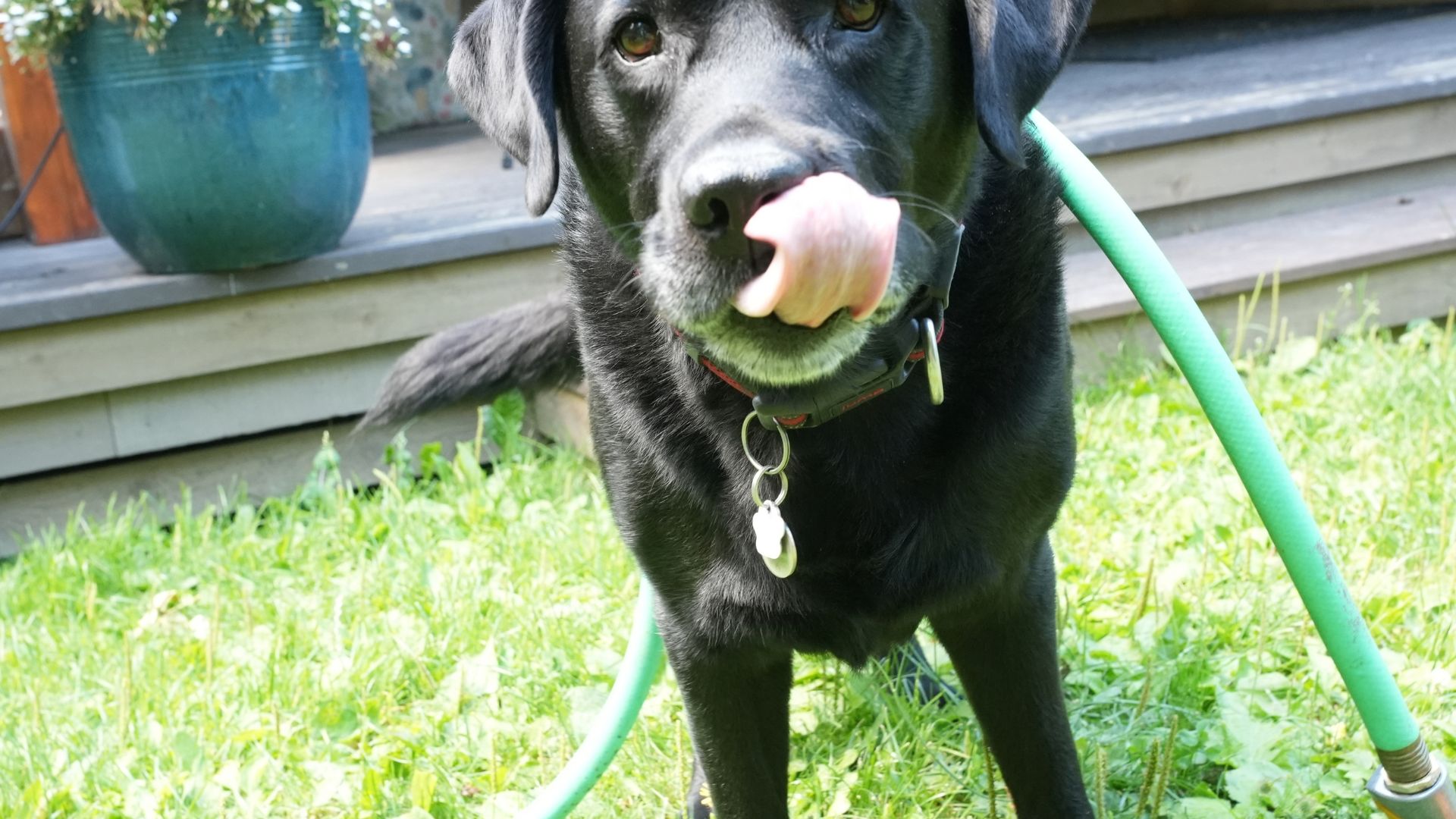
At home, thoroughly spraying the dog with cold water from a hose can also be effective.
And if you combine that with a fan, you can further improve cooling.
Can the Water Be Very Cold?
Yes.
This is another important change from the older recommendations.
Research involving dogs exposed to very cold water, including temperatures close to freezing, found that rapid cooling could be effective.
Temperatures as low as approximately 0.1°C were discussed in the research.
In the field, cold-water immersion helped save overheated hunting dogs.
Previously, we were concerned about the sudden increase in heart rate that may occur when a dog enters very cold water.
But the benefits of rapid cooling in severe heatstroke were found to be very important.
There is still reason to consider a dog’s individual condition, especially if they have underlying heart disease.
The goal is to cool rapidly while keeping your dog safe.
Step-by-Step: What Should You Do if Your Dog Has Heatstroke?
Here’s the approach I would take.
Step 1: Remove Your Dog From the Heat
Immediately stop whatever is causing your dog to overheat.
This may mean:
-
Stopping exercise
-
Getting your dog out of a hot vehicle
-
Moving them away from direct sunlight
-
Getting them into a cooler environment
Do not encourage further activity.
Your dog needs to cool down.
Step 2: Begin Whole-Body Cooling Immediately
This is the priority.
If you have access to a cold pond, creek, or suitable body of water, cold-water immersion can provide rapid cooling.
Keep your dog’s head above water and support them safely.
If your dog is collapsed, unconscious, or cannot safely be immersed, use cold water over the body instead.
At home, use a garden hose or another accessible water source.
Thoroughly wet the dog’s body.
The objective is to cool as much of the body surface as possible rather than focusing on small areas.
Step 3: Use a Fan if Available
Once your dog is thoroughly wet, place them where air can move across their body.
A fan can help increase cooling.
Cold water combined with airflow is especially useful.
Step 4: Monitor Your Dog’s Temperature
If you can safely use a digital rectal thermometer, monitor your dog’s temperature during cooling.
The recommendation discussed is to continue active cooling until the temperature reaches approximately:
103°F (39.5°C)
Once your dog reaches this temperature, stop active cooling to avoid excessive further cooling.
Continue arranging urgent veterinary assessment.
Step 5: Get Your Dog to the Veterinarian
Even if your dog appears to improve after cooling, veterinary care is still necessary.
Heatstroke can cause internal damage that may not be immediately obvious.
The kidneys, liver, and blood-clotting system may be affected.
The sequence is important: start cooling immediately, then transport your dog for veterinary care without unnecessary delay.
You can contact the veterinary clinic while cooling is underway.
Dog Heatstroke Temperature Guide
| Temperature | What It Means | What to Do |
|---|---|---|
| Dog feels unusually hot and has concerning symptoms | Possible overheating | Stop activity and begin cooling |
| Around 106°F (41.1°C) | Severe heatstroke indicator | Rapid whole-body cooling and emergency care |
| Around 103°F (39.5°C) during treatment | Suggested stopping point for active cooling | Stop active cooling and proceed with veterinary care |
Important: Do not delay treatment while trying to obtain an exact temperature.
A dog showing severe signs after heat exposure needs immediate help.
What Should You Avoid When Treating Dog Heatstroke?
Some older recommendations are no longer considered the best approach.
1. Do Not Rely on Damp Towels
One older suggestion was to place a cool, damp towel over an overheated dog.
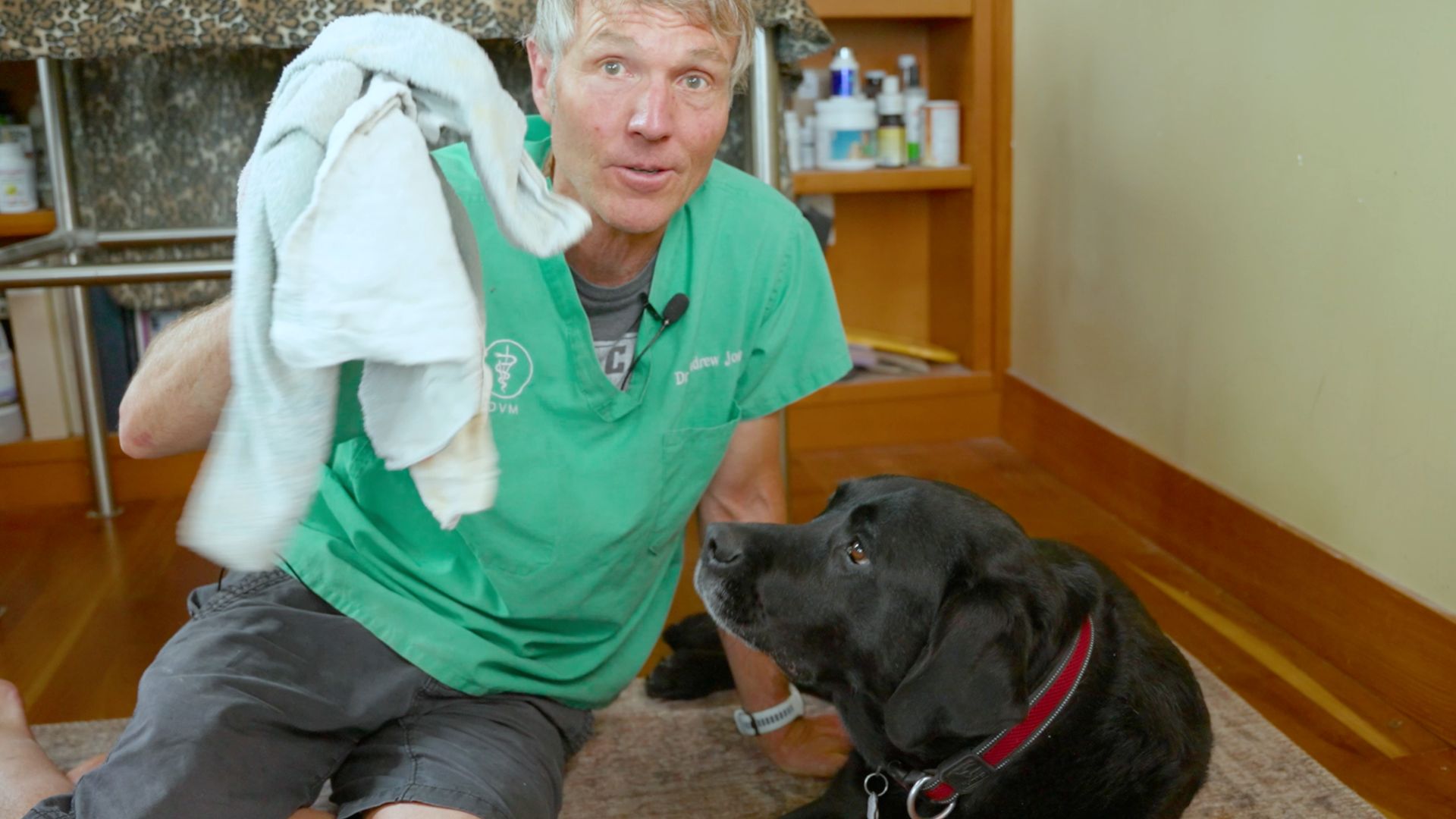
But the towel may trap heat against the body and slow heat dissipation.
I would not use this as the main cooling method.
Thorough cold-water cooling is a better approach.
2. Do Not Rely on Lukewarm Misting Alone
Lightly misting your dog with tepid water may not reduce body temperature quickly enough during severe heatstroke.
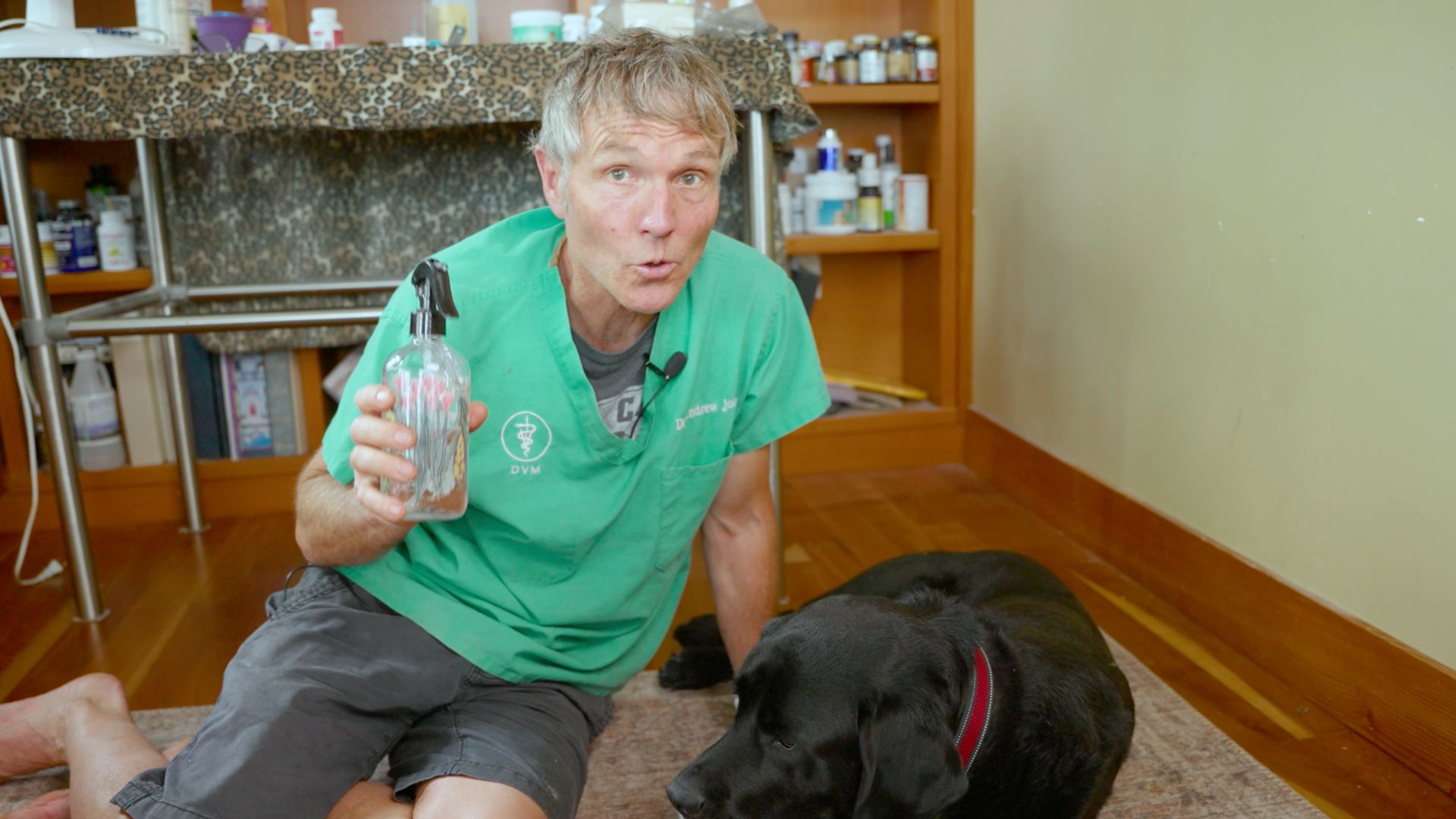
The priority is substantial, whole-body cooling.
3. Do Not Rely on Isopropyl Alcohol
Isopropyl alcohol has been used in veterinary practice to assist cooling.
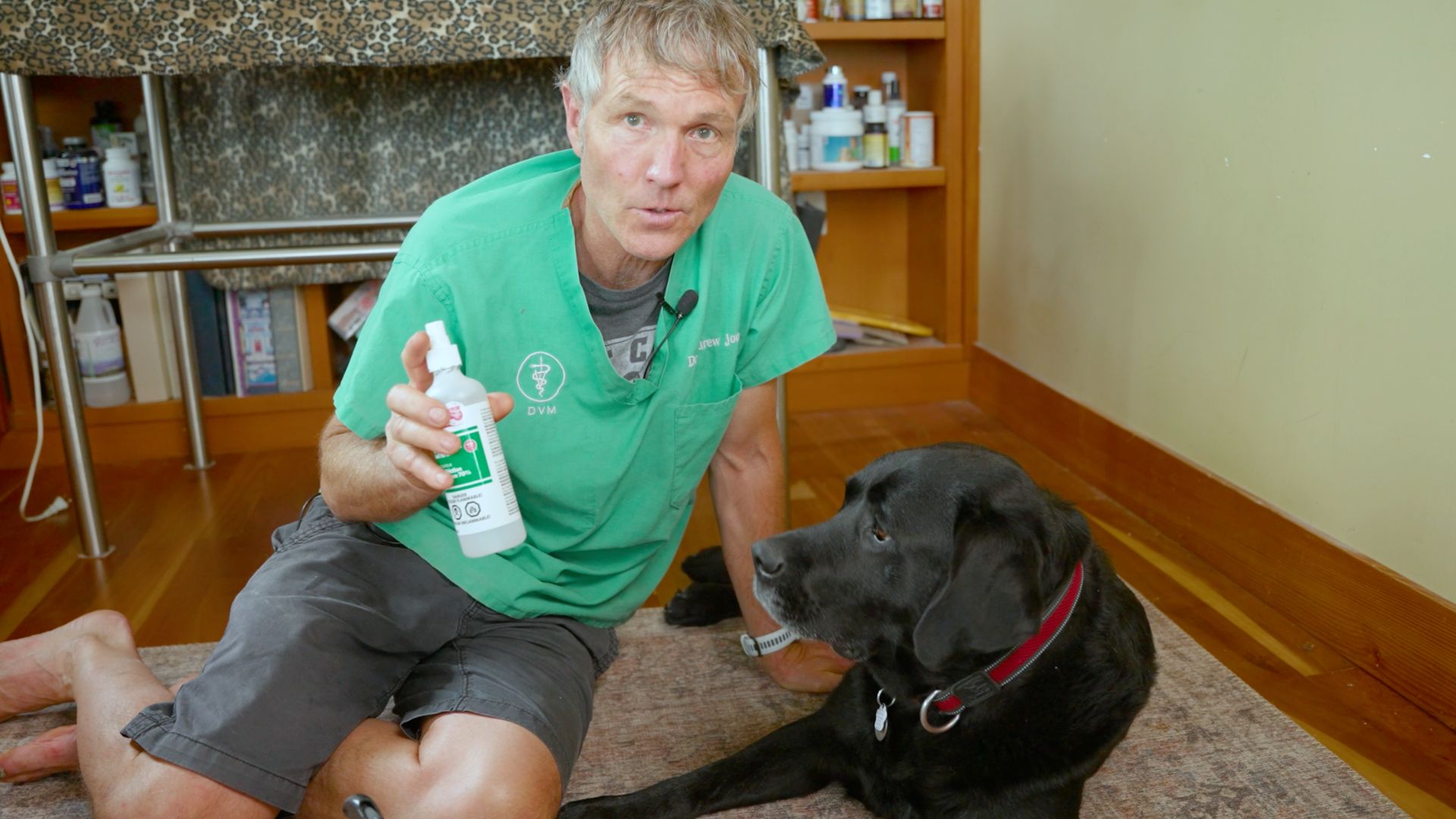
But compared with cold-water immersion, it is not nearly as effective.
I would prioritize water.
4. Do Not Delay Cooling Until You Reach the Veterinary Clinic
This is probably the biggest mistake to avoid.
Older advice often emphasized getting your dog into the car and driving to the veterinarian immediately.
But if your dog’s temperature remains dangerously elevated during transport, the internal damage may continue.
Research suggests that delaying active cooling increases the risk of death and serious complications.
Begin cooling first. Then get veterinary help.
Why Cooling Before Transport Matters
The biggest factor emphasized in the newer evidence is the importance of early cooling.
When body temperature remains dangerously elevated, several harmful processes may continue:
-
Inflammation increases
-
Normal circulation becomes disrupted
-
Abnormal blood clotting may develop
-
Kidney damage may worsen
-
Liver injury may occur
-
Multiple organs may begin to fail
The longer this continues, the greater the potential damage.
And some of that damage may be irreversible.
This is why I now place so much emphasis on active cooling before transport.
It’s not simply about making your dog feel more comfortable.
It’s about reducing the time their organs are exposed to dangerous temperatures.
Can Heatstroke Cause Permanent Kidney or Liver Damage?
Yes.
Severe heatstroke can affect multiple organs.
Two of the major concerns are:
-
Acute kidney failure
-
Liver failure
Heatstroke may also lead to abnormal blood clotting, including DIC.
These complications can become life-threatening.
In some cases, organ damage may be permanent.
That is why your dog needs veterinary assessment even after their temperature begins to return to a safer range.
How Can You Prevent Heatstroke in Dogs?
Prevention is always better than emergency treatment.
And a lot of prevention comes down to understanding your dog’s limitations.
Avoid Hot Cars
Never allow your dog to become trapped in a hot vehicle.
Heat can build up quickly, especially when ventilation is inadequate.
Be Careful With Exercise
Running, hiking, and other strenuous activities can raise body temperature.
Take special care when it’s both hot and humid.
Exercise-related heatstroke can happen very quickly.
Watch High-Risk Breeds
Be particularly cautious with:
-
Pugs
-
French Bulldogs
-
Bulldogs
-
Boston Terriers
-
Labrador Retrievers
-
Other large dogs
-
Overweight dogs
Pay Attention to Early Signs
Don’t ignore sudden changes in your dog’s behavior.
If your dog starts panting excessively, drooling, or feeling unusually hot, stop the activity.
And if you’re concerned your dog may be overheating, take action early.
Final Thoughts: Cool Your Dog First
Dog heatstroke can happen quickly.
And if it isn’t recognized and treated early, it can become life-threatening.
The biggest change in the newer treatment recommendations is simple:
Rapid whole-body cooling should begin before veterinary transport.
For years, I was taught to be cautious about using very cold water.
We worried that rapid cooling could cause shock.
But the newer evidence suggests cold-water immersion can be one of the most effective treatments for bringing down dangerously elevated body temperature.
And that can make a major difference in survival.
My biggest takeaways are:
-
Recognize excessive panting, bright red gums, and drooling early.
-
Understand that large dogs, overweight dogs, and brachycephalic breeds are at increased risk.
-
Be especially careful during hot, humid weather and strenuous exercise.
-
Begin whole-body cold-water cooling immediately if heatstroke is suspected.
-
Use a fan to increase cooling when available.
-
Monitor temperature and stop active cooling at approximately 103°F (39.5°C).
-
Get your dog to the veterinarian for emergency assessment.
And remember, if you have a Labrador like Angus or Murdoch, don’t assume only flat-faced dogs are at risk.
Large dogs can overheat too.
It doesn’t take long.
But recognizing the signs and acting immediately can save your dog’s life.
Click To Get A Free Copy of My E-Book!

P.S. The single most important thing I want you to remember is this: Cool first, transport second. Start whole-body cold-water cooling immediately if your dog has heatstroke, then get them to the veterinarian.
P.P.S. Forget the old advice about relying on damp towels or lukewarm misting. Newer evidence supports rapid whole-body cooling. A cold creek, suitable water immersion, or a garden hose can make a real difference.
P.P.P.S. Heatstroke isn’t only a problem for Pugs and French Bulldogs. Bigger dogs, including Labradors like Angus and Murdoch, are also at increased risk. Be particularly careful when it’s hot, humid, or your dog is exercising heavily.