Best Natural Flea and Tick Options for Dogs and Cats

What Are the Best Natural Flea and Tick Options?
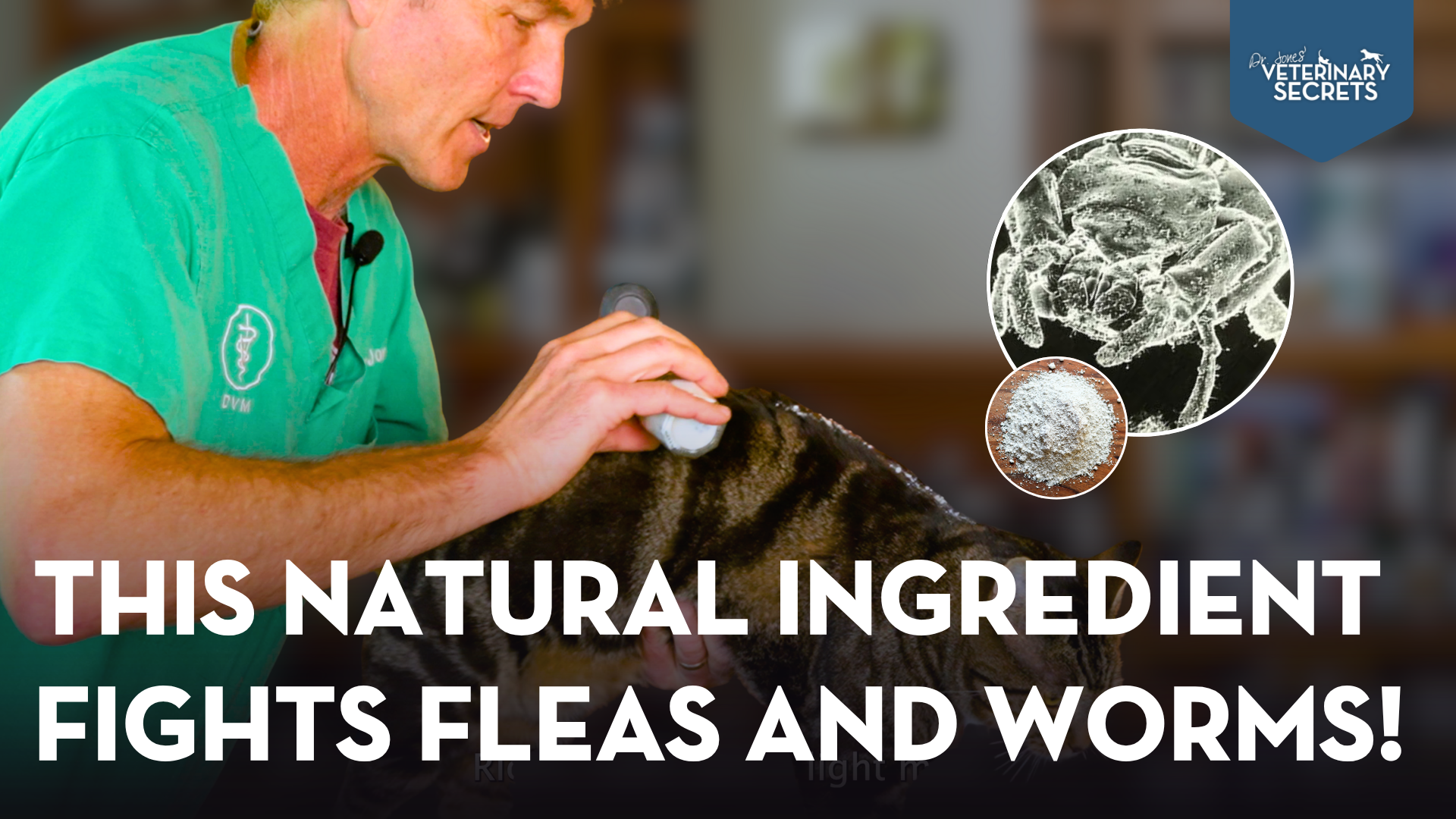
The best natural flea and tick options include brewer’s yeast, properly dosed garlic for dogs, natural repellent collars, homemade flea and tick sprays, daily tick checks, yard control, and diatomaceous earth.
Fleas and ticks can cause serious health problems for dogs and cats.
So yes, preventing them matters.
But I also have concerns about using strong chemical flea and tick pesticides month after month, especially when they may not always be needed.
That is where balance comes in.
In a high-risk tick area, you may need stronger protection.
But for many pets, especially those with lower exposure, natural alternatives can be a very reasonable place to start.
The goal is not to ignore fleas and ticks.
The goal is to protect your pet without automatically reaching for the strongest product every month.
Your dog’s nervous system may appreciate that.
Your cat, of course, will act unimpressed either way.
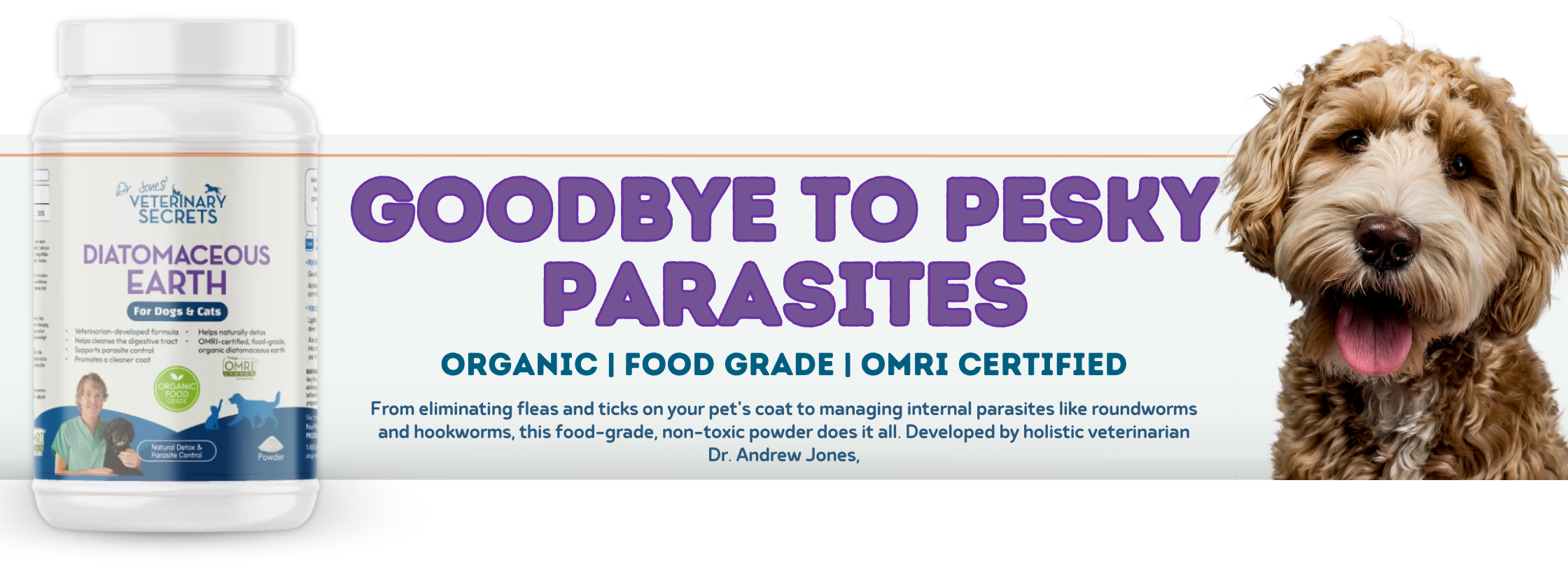
Dr. Jones’ Diatomaceous Earth Powder for Pets




Why Flea and Tick Prevention Matters
Fleas and ticks are not just annoying.
They can be linked to a host of diseases affecting dogs and cats.
Ticks especially can carry serious disease risks, so prevention is important.
Fleas can also cause itching, skin irritation, discomfort, and in some pets, ongoing skin problems.
So no, I am not saying “do nothing.”
I am saying we need to choose prevention based on risk.
Ask yourself:
-
Does my pet spend time in tall grass?
-
Does my dog hike or go into wooded areas?
-
Are ticks common where I live?
-
Does my pet already have fleas?
-
Is my pet picking up ticks every time they go outside?
-
Could natural options be enough?
-
Do I truly need monthly chemical preventives?
That is the kind of practical thinking I want pet parents doing.
Why I’m Cautious With Some Flea and Tick Medications
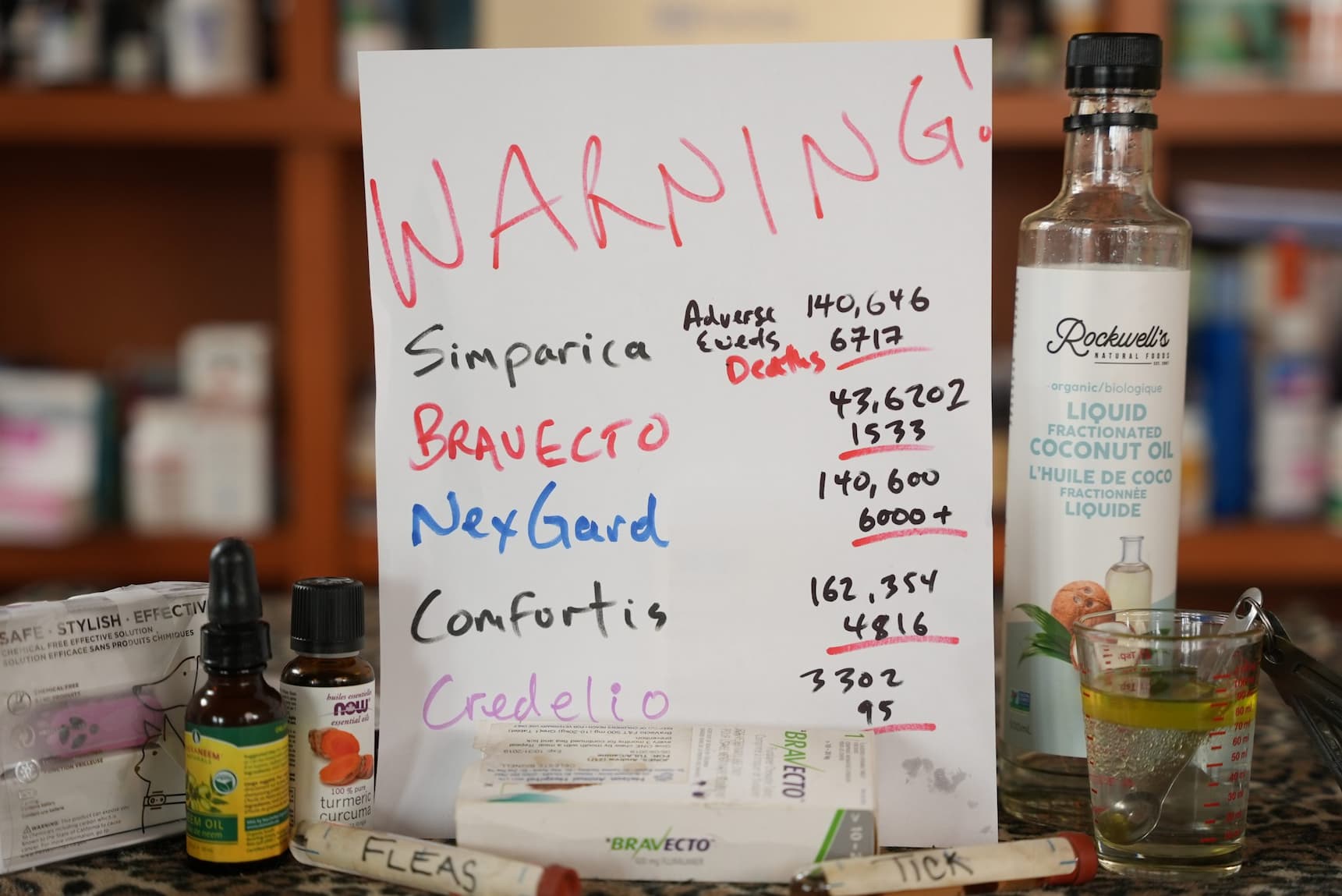
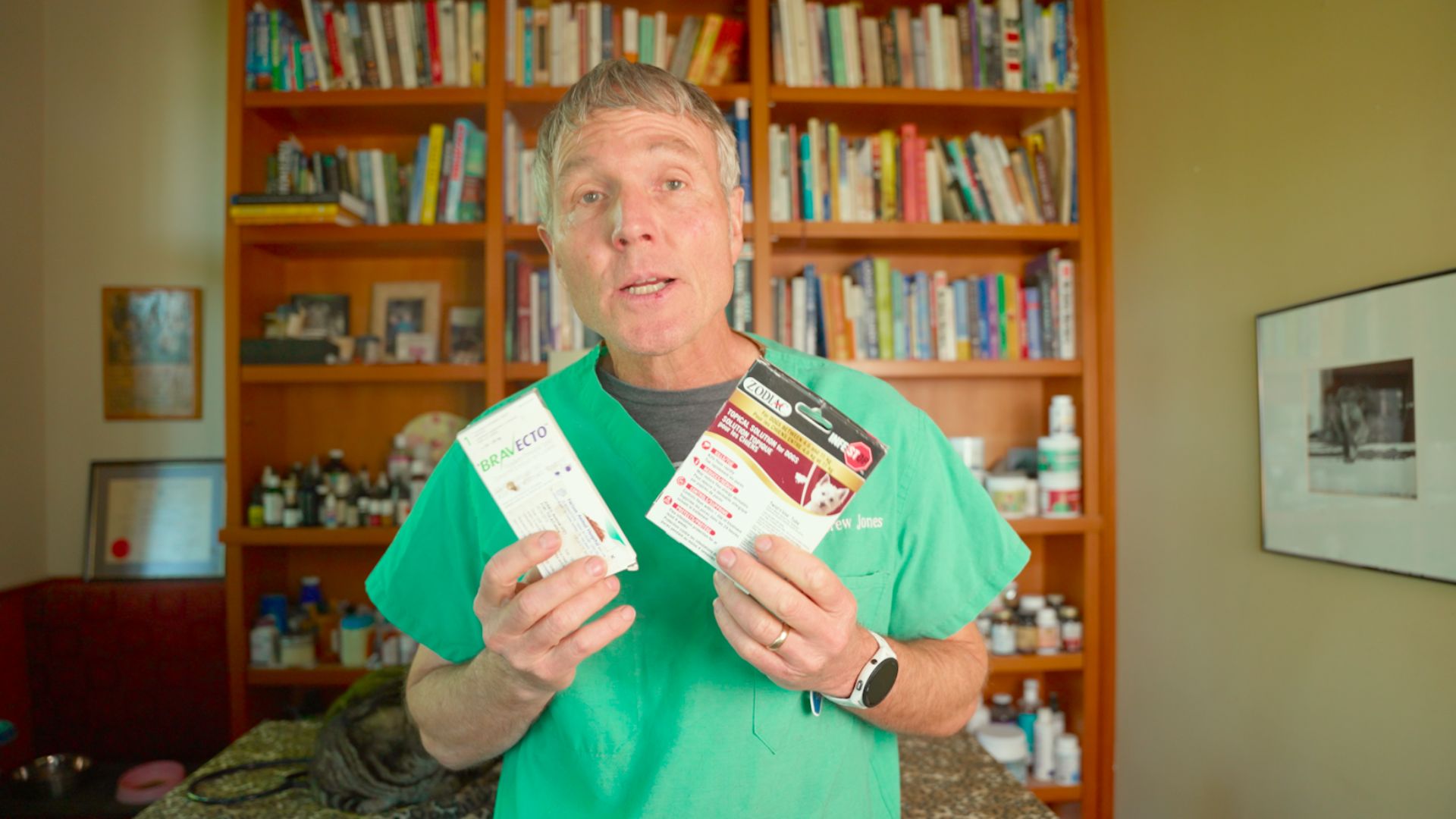
There are newer flea and tick preventives that are convenient and effective.
These include:
-
Simparica
-
Bravecto
-
NexGard
-
Credelio
-
Comfortis
Simparica, Bravecto, NexGard, and Credelio are in a class of drugs called isoxazolines.
Comfortis is classified as spinosad.
These drugs work by targeting the nervous system of fleas and ticks, causing paralysis and death.
That sounds great for the flea.
Less great if your dog or cat does not tolerate the product well.
How Isoxazolines and Spinosad Work
Isoxazolines
Isoxazolines include:
-
Simparica
-
Bravecto
-
NexGard
-
Credelio
These drugs block chloride channels within nerve cells.
That leads to uncontrolled stimulation and eventually paralysis of the parasites.
Spinosad
Comfortis is classified as spinosad.
It works by overstimulating the nervous system of fleas and ticks, which leads to their death.
These products are designed to target parasites.
But in more cases, I am concerned they may also affect pets.
What Side Effects Can Flea and Tick Medications Cause?
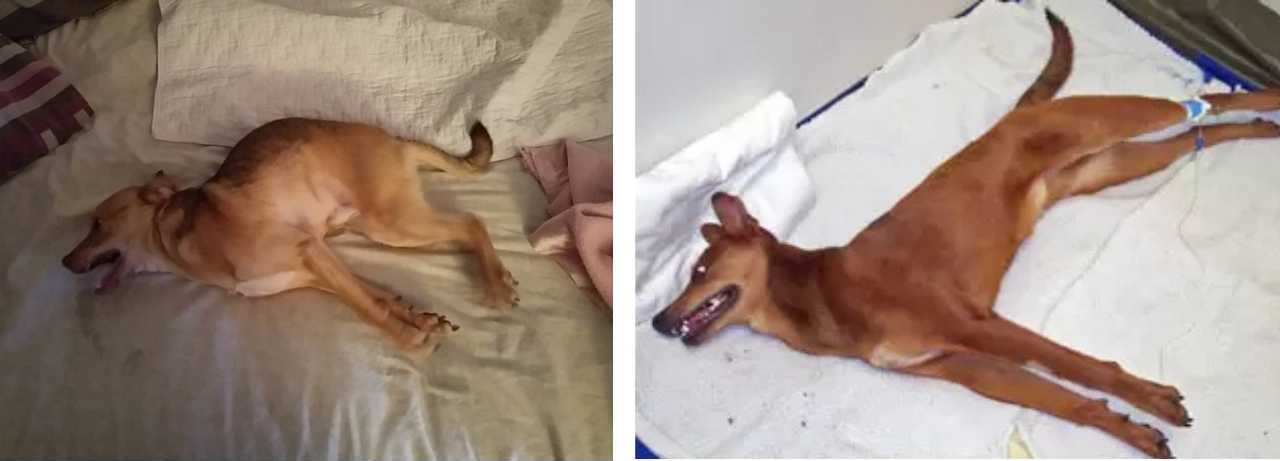
Some of the serious side effects mentioned include:
-
Seizures
-
Ataxia, or lack of coordination
-
Weakness
-
Behavioral changes
-
Increased aggression or not acting like themselves
-
Lethargy
-
Loss of appetite
-
Death in some cases
Medications such as Bravecto may be convenient because they can provide protection with one pill every three months.
But once your dog ingests the pill, it enters the bloodstream.
The concern is that it can cross the blood-brain barrier and affect the brain and nervous system.
That is where some of the more serious side effects may appear.
Which Dogs May Be More Sensitive?
Some dogs may be more susceptible to side effects.
This includes dogs with the MDR1 gene mutation.
Breeds mentioned include:
-
Border Collies
-
Australian Shepherds
-
Whippets
These dogs may not tolerate certain medications as well as others.
So I would be especially careful with repeated chemical flea and tick products in these breeds.
What About Long-Term Use?
My other concern is the long-term use of insecticides.
This does not even consider the potential long-term health implications of ongoing use.
I personally feel there may be a correlation with cancer.
That does not mean every pet given a flea and tick medication will develop serious disease.
But it does mean I would not use these products casually, every month, forever, without asking whether they are truly needed.
If possible, consider natural options first.
Use stronger medications when needed.
Try not to use them ongoing unless your pet’s risk truly justifies it.
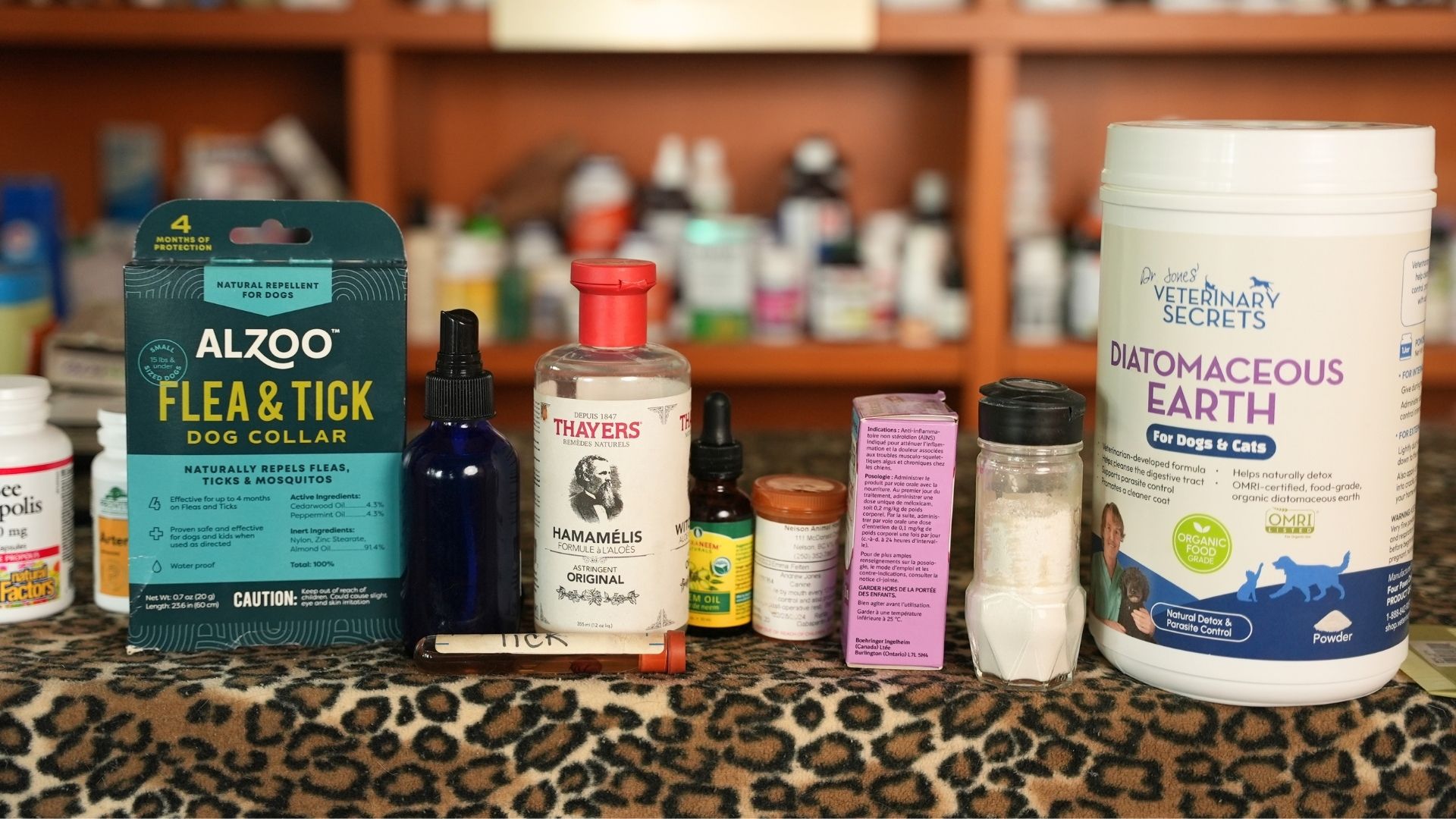
Natural Flea and Tick Options Overview
1. Brewer’s Yeast for Fleas
Brewer’s yeast is one of the safer oral options for dogs and cats.
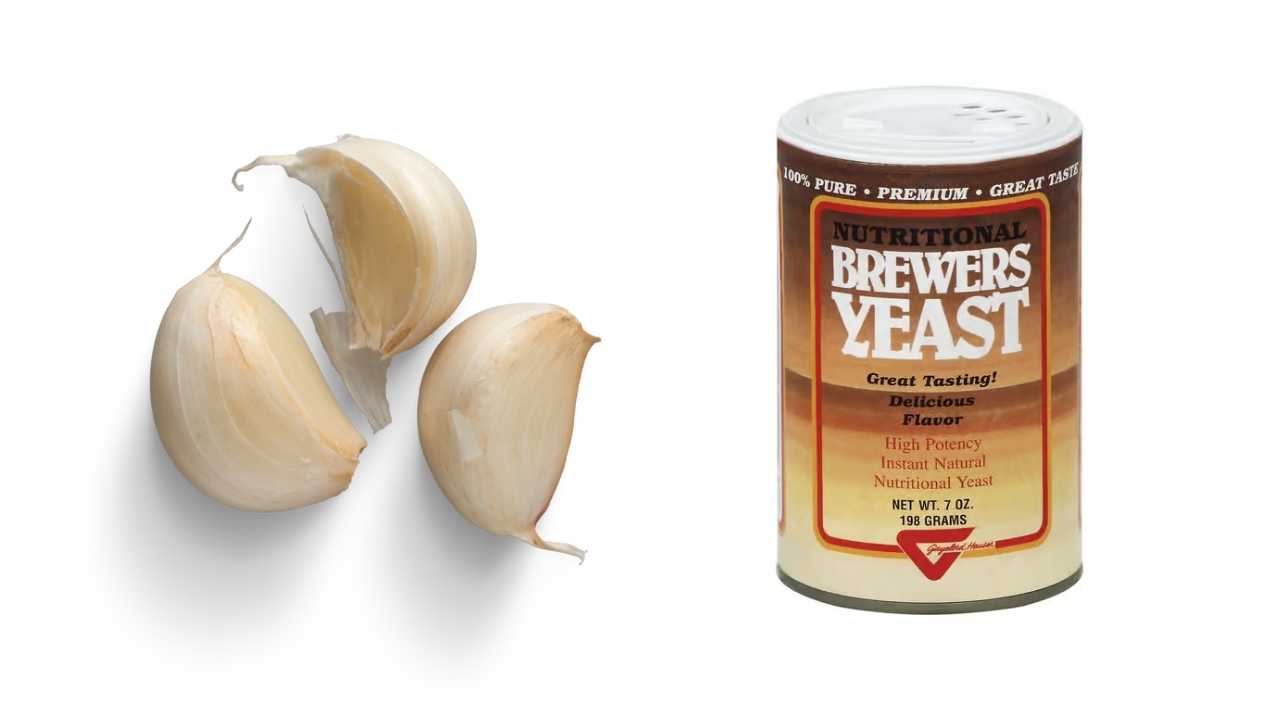
Cats usually like it.
Dogs usually like it.
And it seems to do a reasonably good job, at the very least, helping repel fleas.
If I were starting with one gentle oral option, brewer’s yeast would be high on my list.
Brewer’s Yeast Dose for Dogs and Cats
Give:
1/2 to 1 teaspoon per 10 to 20 pounds of body weight daily
You can add it to your dog or cat’s food.
Simple.
Easy.
And far less dramatic than trying to wrestle a cat into anything.
2. Garlic for Flea and Tick Repellent Support
Garlic may help improve repellent effects, especially for ticks.
But the dose matters.
This is not a “more is better” situation.

This is a “measure it properly and do not get creative” situation.
Garlic Dose for Dogs
Give:
1/4 clove of garlic per 20 pounds of body weight daily
This is for dogs.
The source only gives a dog dose, so I would not use this as a cat recommendation.
Why Garlic Needs to Be Crushed First
To get the repellent benefit, you need to activate allicin.
To do that:
-
Crush the garlic first.
-
Let it activate.
-
Mix it into your dog’s food.
That is the simple way to use it properly.
3. Natural Flea and Tick Collars
A simple natural option is an all-natural flea and tick collar.
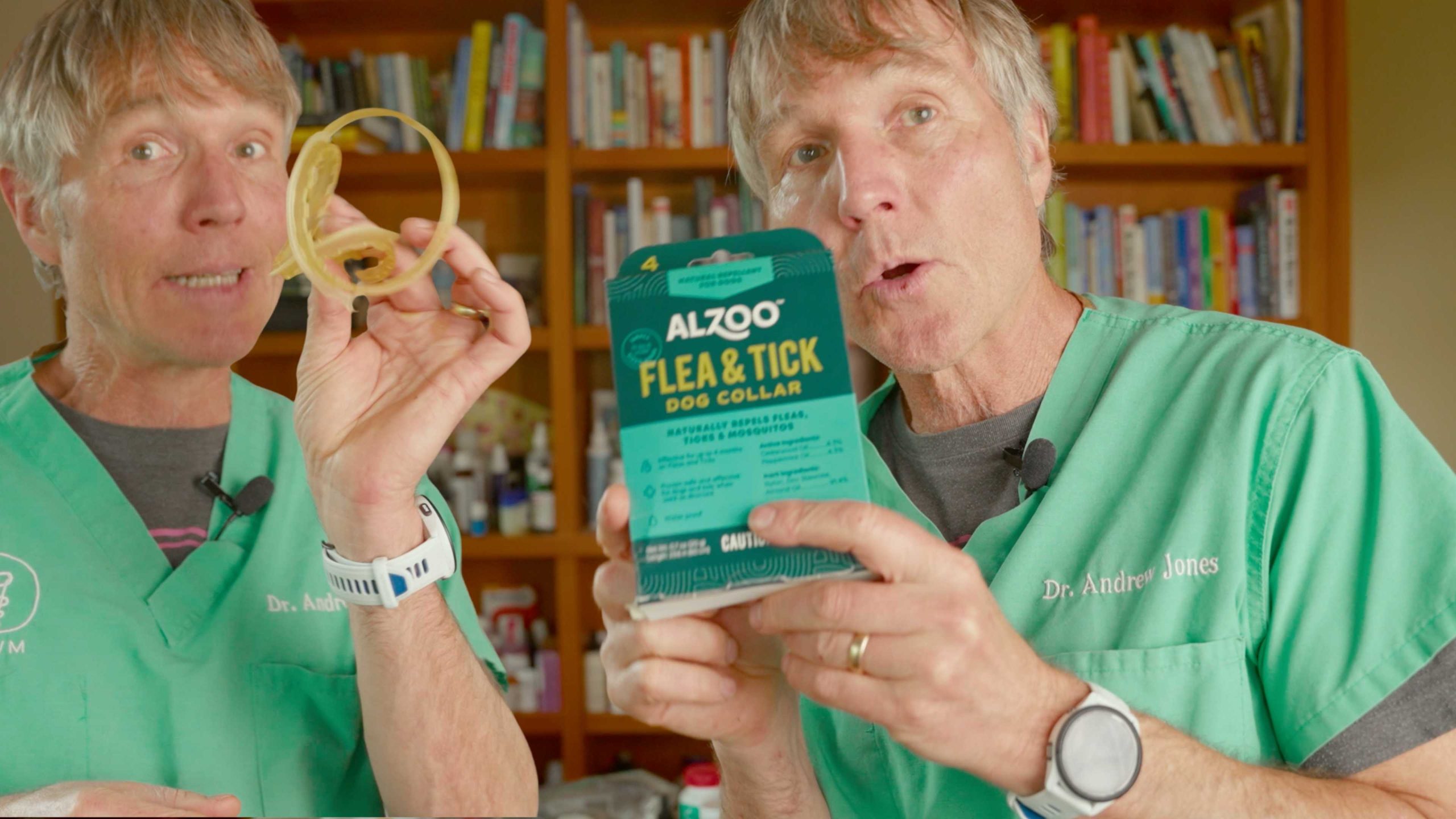
The one I like includes:
-
Cedarwood oil
-
Peppermint oil
Cedarwood oil is one of my favorite essential oils for flea and tick prevention.
It has some good research behind it and is considered safe for dogs and cats when used properly.
Of all the essential oils I looked at when I first started studying alternative veterinary medicine, cedarwood was near the top of my list.
4. Homemade Flea and Tick Spray
A homemade flea and tick spray can be a good topical repellent option.
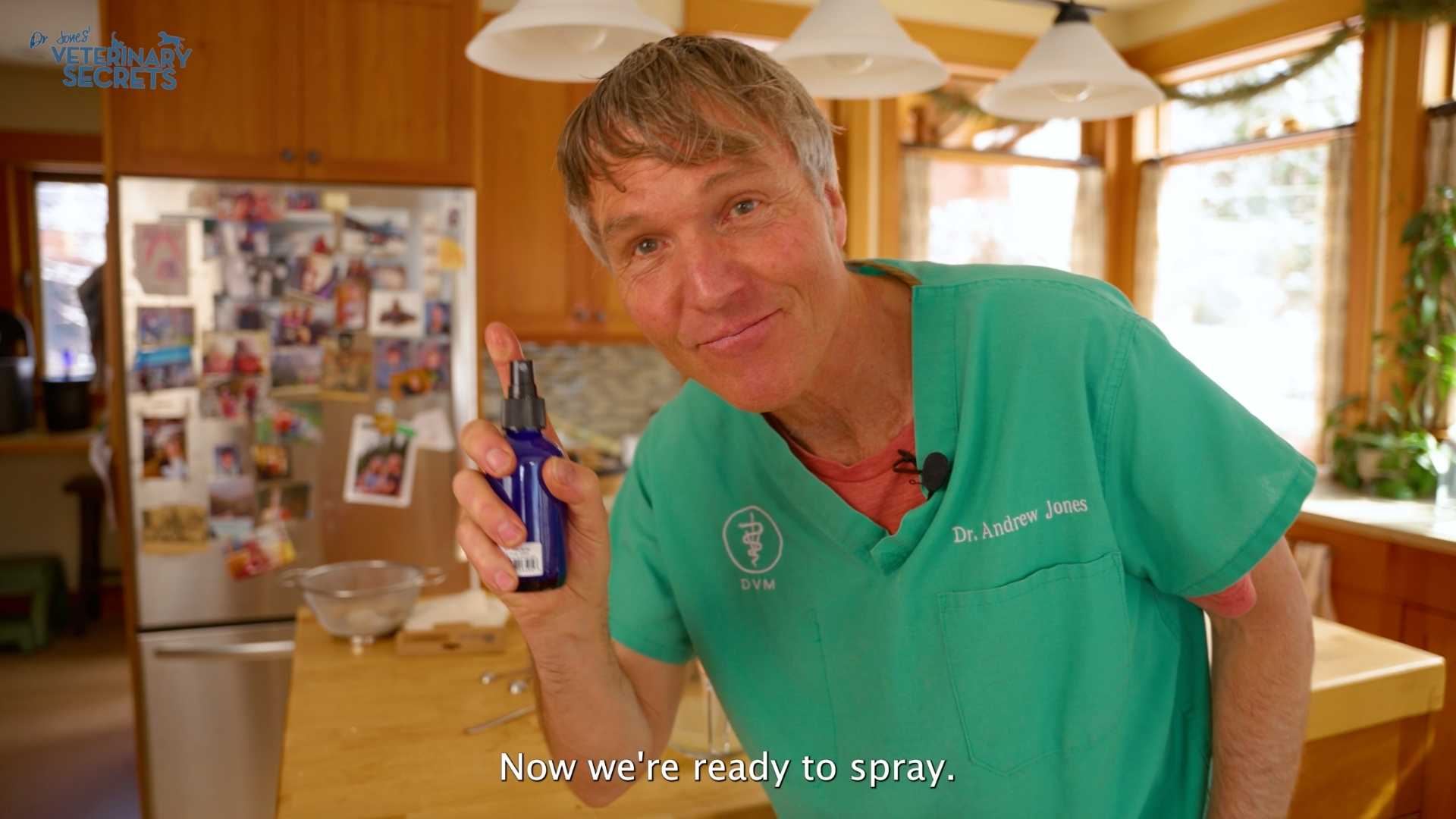
The basic idea is to start with a mild, skin-friendly base, then add natural repellent ingredients.
Simple Homemade Flea and Tick Spray Recipe

Use:
-
1 cup witch hazel with aloe
-
2 tablespoons apple cider vinegar
-
20 drops neem oil, or 1 dropperful, about 1 cc
-
20 drops lemongrass oil or cedarwood oil
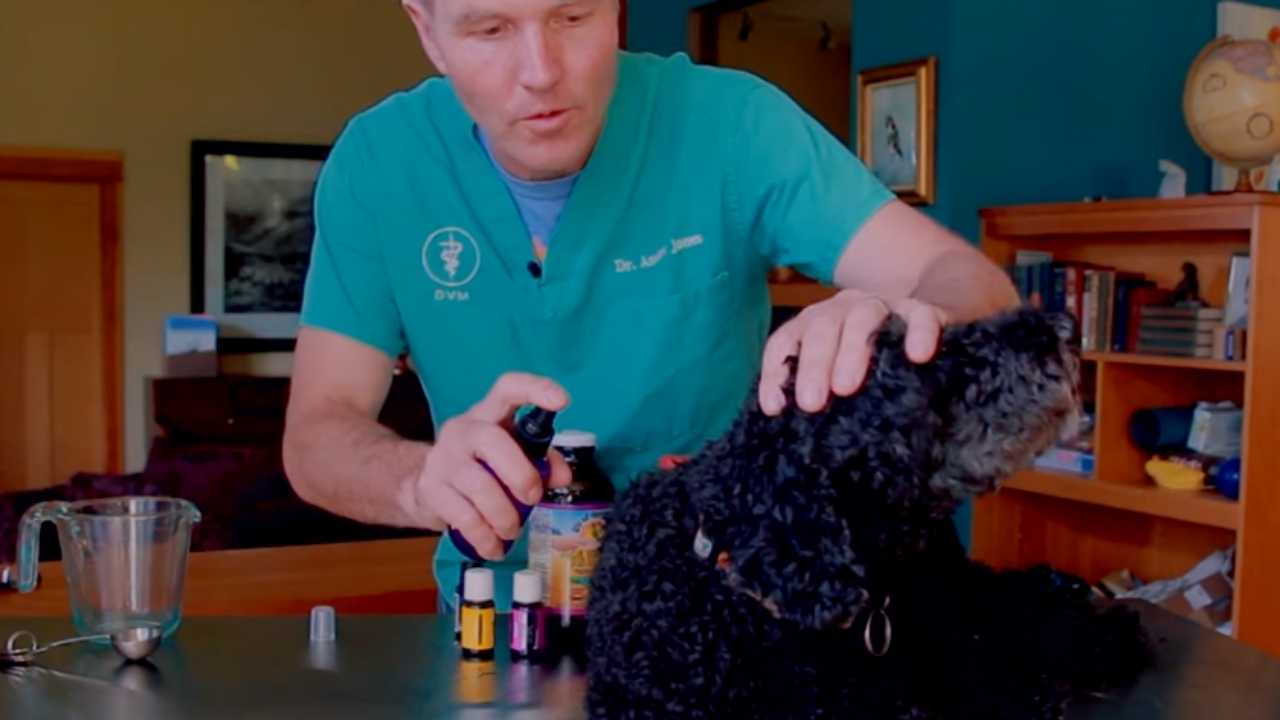
How to Use It
-
Mix the ingredients well.
-
Apply as a topical repellent spray.
-
Avoid the eyes.
-
Avoid the nose.
-
Avoid the mouth.
-
Avoid irritated skin.
This can be a helpful option for daily walks, outdoor time, or lower-risk flea and tick exposure.
5. Daily Tick Checks
Daily tick checks are still one of the best things you can do, especially if you are trying to avoid harsh chemical preventives.
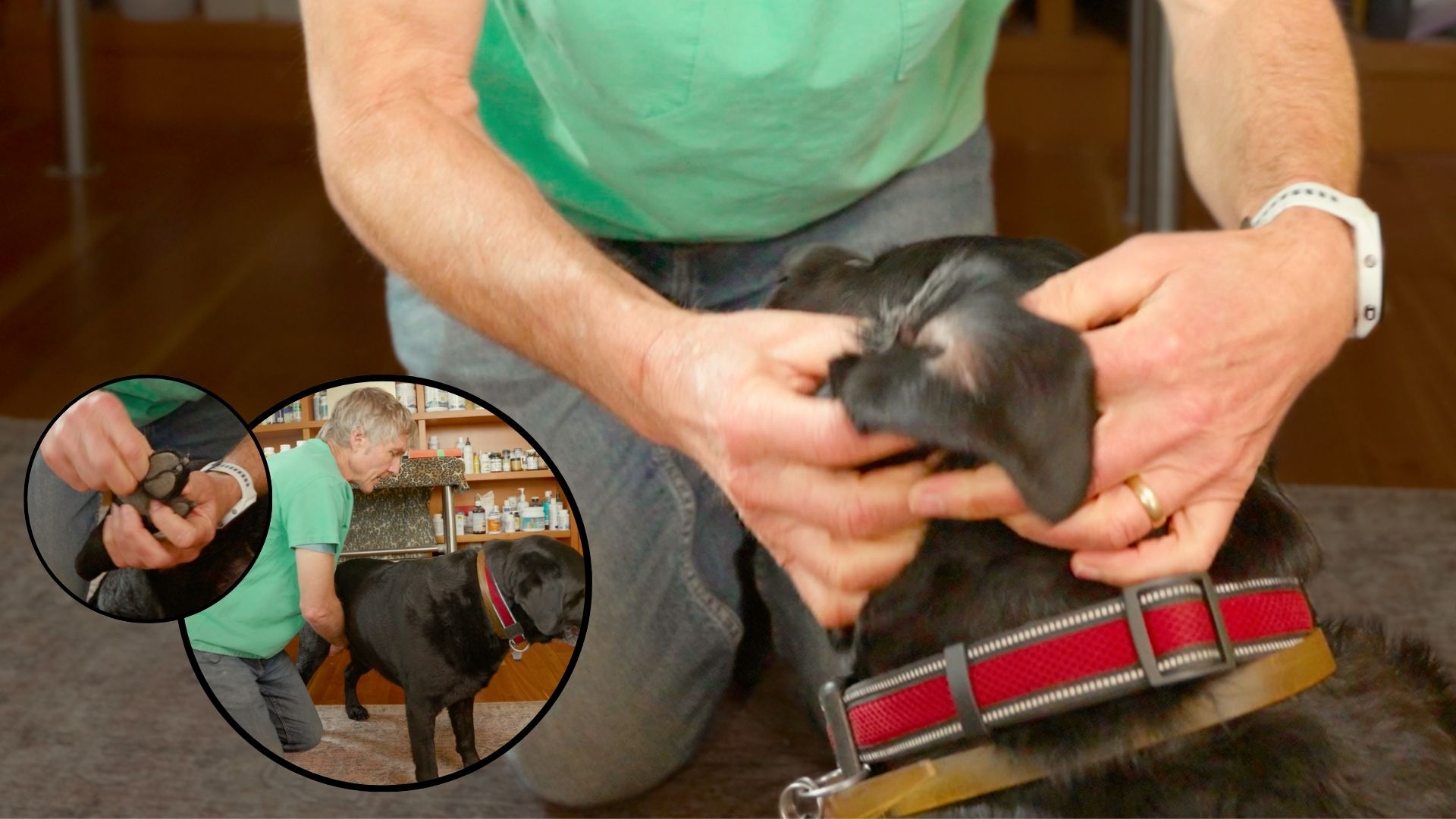
Check your dog after:
-
Walks
-
Hikes
-
Time in tall grass
-
Time in wooded areas
-
Outdoor play in known tick areas
Where to Check for Ticks
Focus on:
-
Ears
-
Under the collar
-
Neck
-
Armpits
-
Belly
-
Groin
-
Between the toes
-
Tail base
Ticks like warm, hidden areas.
And they are very good at being tiny little villains.
A quick daily check can make a big difference.
6. Yard Control
If your dog keeps picking up ticks around your home, you need to think about the yard.
Sometimes the problem is not your dog.
It is the environment.
External tick control in the yard may help lower the tick burden.
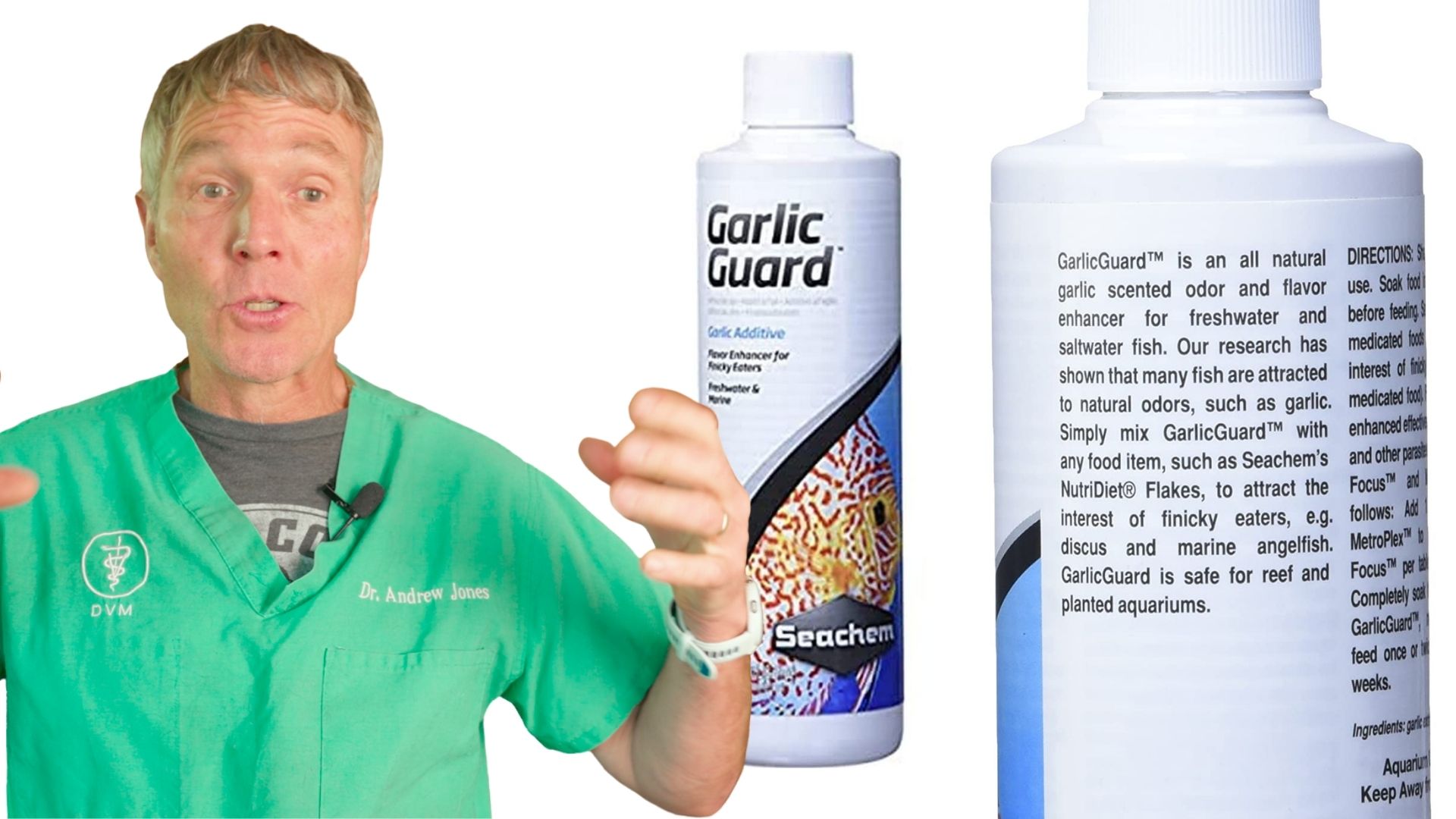
Garlic-based repellents, such as Garlic Guard, were discussed as an option to help keep ticks back in an area.
If your dog walks outside and comes back with ticks every time, the yard may need attention.
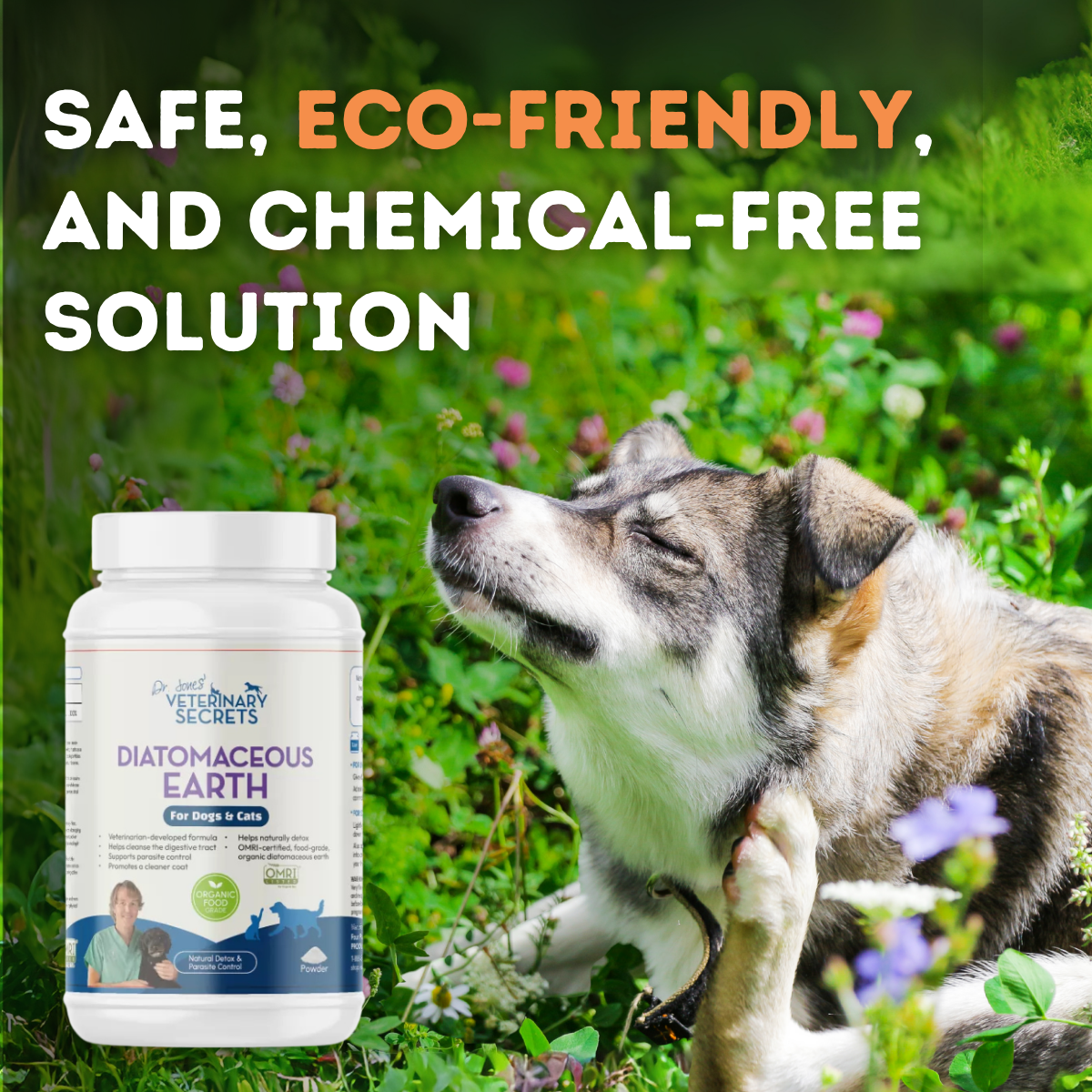
7. Diatomaceous Earth for Fleas and Ticks
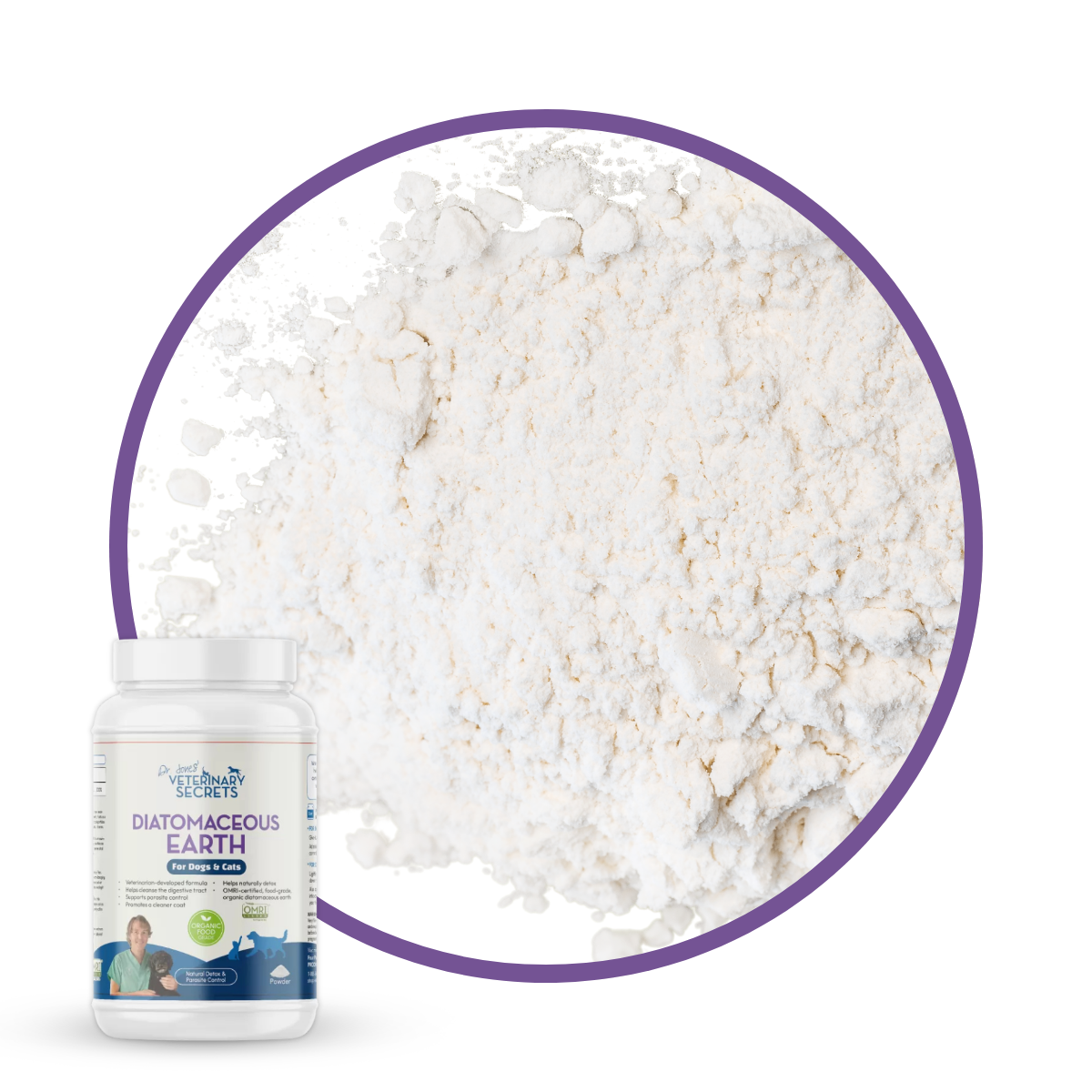
Diatomaceous earth is a fine white powder made from microscopic plankton that lived on earth millions of years ago.
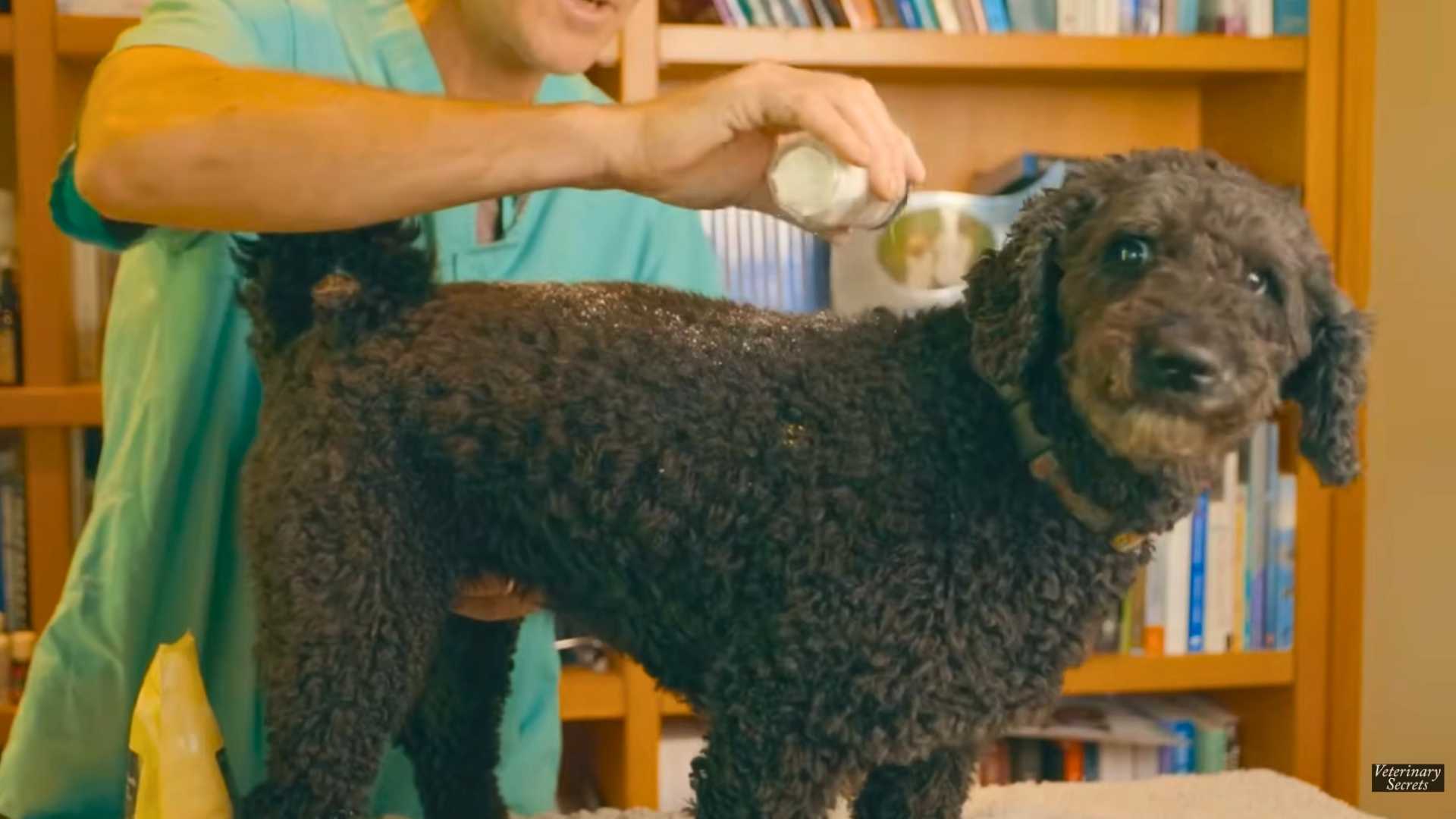
It can help dry out the surface of fleas and ticks, causing them to dehydrate and die.
It can be used in:
-
Cracks and crevices in the house
-
Areas where fleas may hide
-
Topically on dogs or cats, about once weekly
How to Use Diatomaceous Earth Safely
Diatomaceous earth is drying.
That is how it affects fleas and ticks.
But because it is drying, it can also dry out your pet’s skin.
So use it carefully.
How to Apply It Topically
-
Apply lightly
-
Use a flea comb to spread it evenly
-
Avoid heavy buildup
-
Make sure your pet is well hydrated
-
Add essential fatty acids to support skin moisture
Do not turn your dog into a powdered donut.
A light application is the idea.
Dr. Jones’ Diatomaceous Earth Powder for Pets
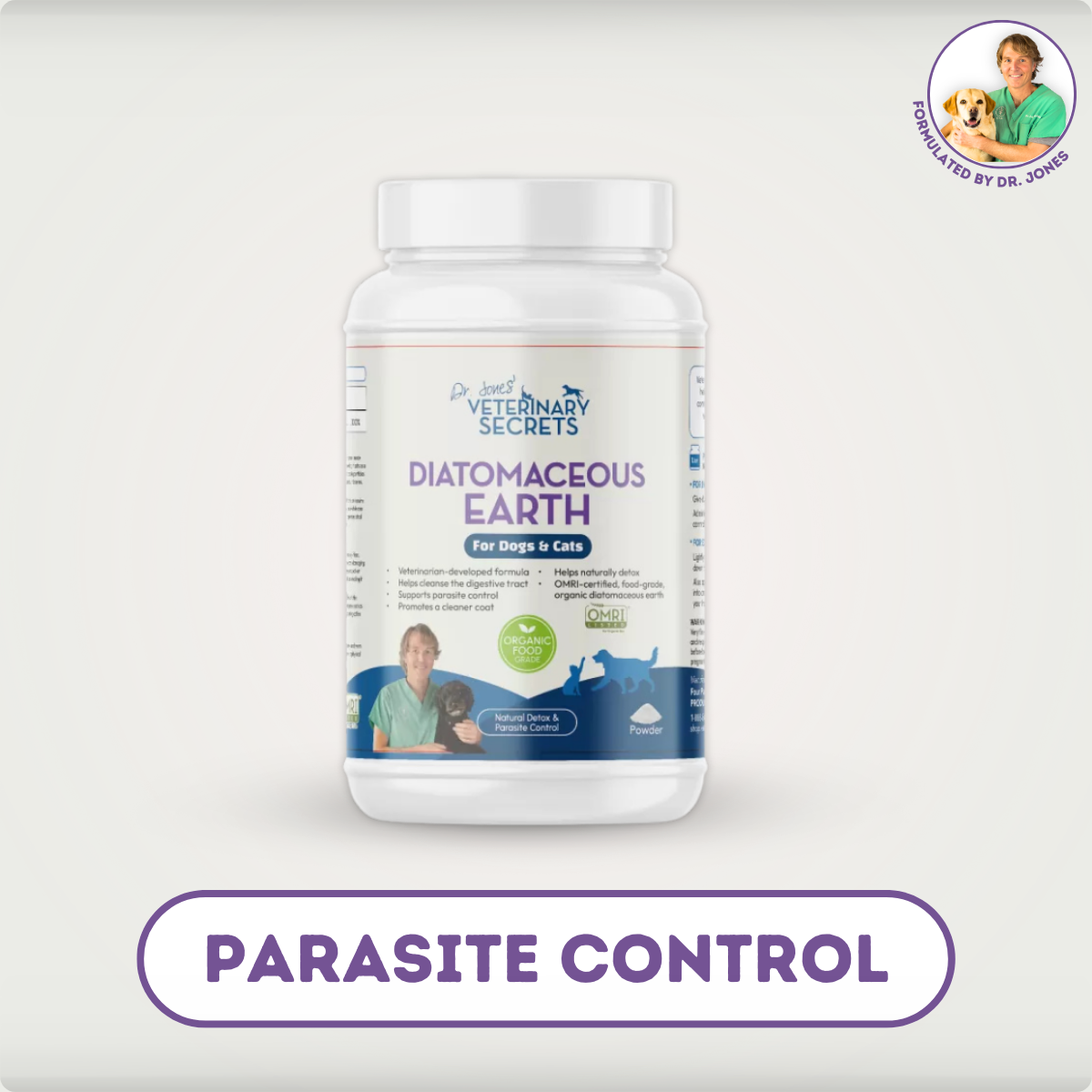
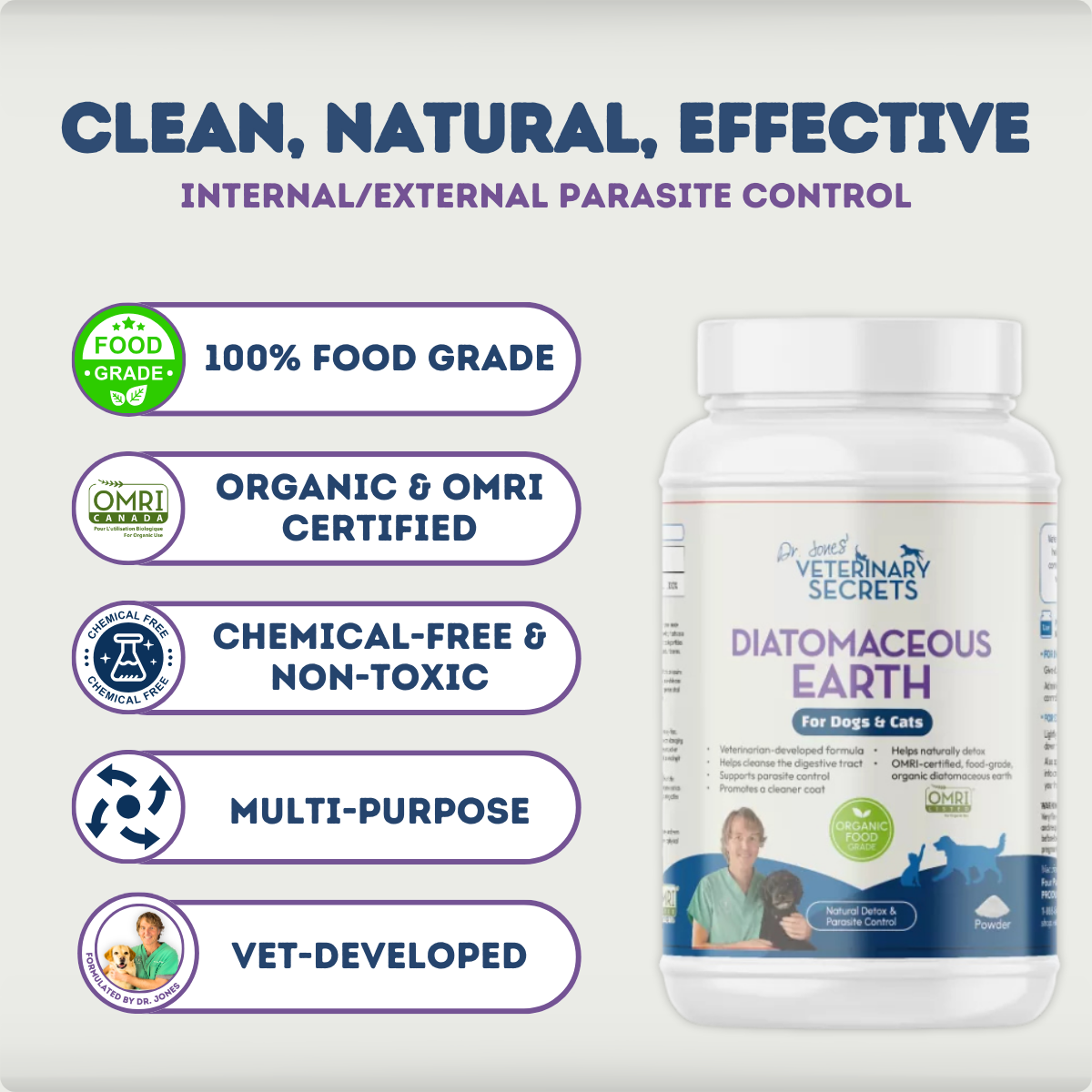
One good option mentioned is Dr. Jones’ Diatomaceous Earth Powder for Pets.
It is described as:
-
Organic
-
Food grade
-
OMRI Certified
-
1 lb, or 453 g jar
-
For natural internal and external parasite control in dogs and cats
It is a fine white powder formulated for safe use in both dogs and cats.
The goal is to support a parasite-free lifestyle without relying only on harsh chemicals or synthetic treatments.
Final Thoughts
Flea and tick prevention matters.
But that does not mean every dog or cat needs the strongest chemical preventive every month.
Fleas and ticks can cause disease.
But ongoing pesticide exposure may also carry risks.
So I would look for balance.
For many pets, natural options may help.
My favorite natural flea and tick supports include:
-
Brewer’s yeast
-
Properly dosed crushed garlic for dogs
-
Natural flea and tick collars
-
Homemade sprays with witch hazel, apple cider vinegar, neem oil, and cedarwood or lemongrass oil
-
Daily tick checks
-
Yard control
-
Diatomaceous earth
And when the risk is high?
Use what is needed.
Just do not use stronger medications casually when gentler options may be enough.
That is the practical middle ground.
Protect your pet.
Avoid unnecessary chemical exposure.
And keep checking those ears, armpits, belly, groin, toes, and tail base.
Ticks love hiding.
We love finding them first.
Click To Get A Free Copy of My E-Book!

P.S. Flea and tick prevention does not have to mean automatically reaching for the strongest chemical product every month.
There are natural options that may help, including brewer’s yeast, natural repellent collars, essential oil-based sprays, properly dosed crushed garlic for dogs, and diatomaceous earth.
P.P.S. Dr. Jones’ Diatomaceous Earth Powder for Pets is organic, food grade, and OMRI Certified.
It can be used as part of a natural internal and external parasite control plan for dogs and cats.
P.P.P.S. If your dog is in a high-risk tick area or comes home covered in ticks, natural options alone may not be enough.
Use the level of protection your pet actually needs, but try not to overdo chemical preventives when the risk is low.
Natural Flea and Tick Options Overview
| Natural Option | Best Use |
|---|---|
| Brewer’s yeast | Gentle oral flea repellent support |
| Garlic for dogs | Tick and flea repellent support when properly dosed |
| Natural collars | Topical repellent support with oils such as cedarwood and peppermint |
| Homemade spray | Topical flea and tick repellent |
| Daily tick checks | Best for dogs exposed to grass, woods, hikes, and tick areas |
| Yard control | Helps reduce ticks in the environment |
| Diatomaceous earth | Helps dry out fleas and ticks externally |
Natural Flea and Tick Dose and Use Table
| Option | Dose or Use | Notes |
|---|---|---|
| Brewer’s yeast | 1/2 to 1 teaspoon per 10 to 20 lbs daily | Add to food for flea repellent support |
| Garlic for dogs | 1/4 clove per 20 lbs daily | Crush first to activate allicin |
| Natural collar | Use as directed | Look for cedarwood oil and peppermint oil |
| Homemade spray | Apply topically as needed | Avoid eyes, nose, mouth, and irritated skin |
| Diatomaceous earth | Light topical use about once weekly | Use carefully because it can dry skin |
| Daily tick checks | After outdoor exposure | Focus on hidden warm areas |
| Yard control | Use in tick-heavy areas | Consider environmental control if ticks keep returning |