My Dog Ate a Grape: What Should I Do Right Now?

My Dog Ate a Grape. Is This an Emergency?
Yes, you should treat grape or raisin ingestion as a potential emergency.
Grapes and raisins can be highly toxic to dogs, regardless of breed, age, or gender. Even small amounts may cause serious kidney injury in some dogs.
Now, here is the confusing part.
Most dogs who eat grapes do not go into kidney failure. Many are completely fine after eating them.
But the hard part is this:
We do not know which dogs will react and which dogs will not.
That is why I do not suggest “waiting it out” and hoping for the best.
If your dog just ate grapes or raisins, especially within the last 2 hours, you need to act quickly, think clearly, and get veterinary help if your dog shows any signs of toxicity.
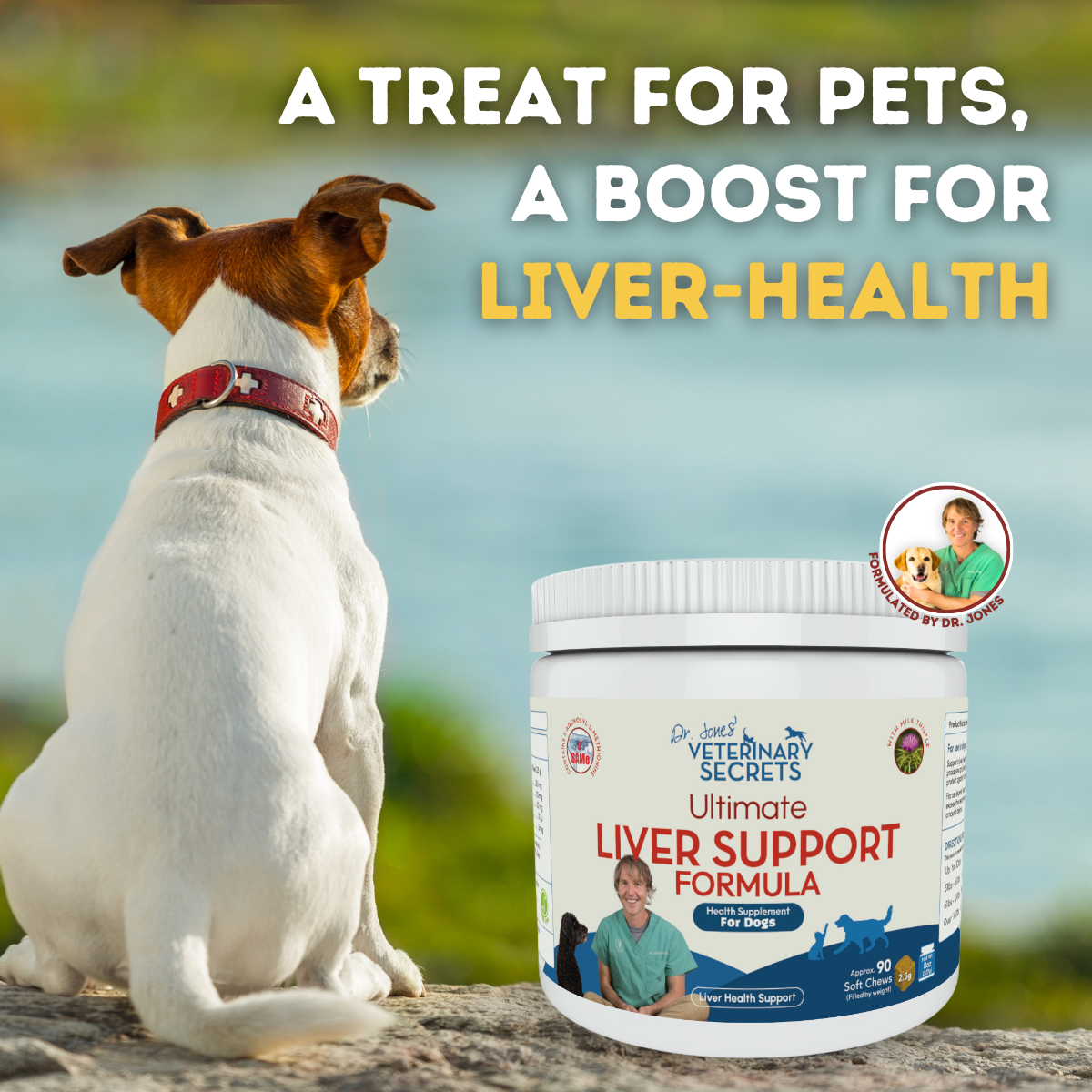
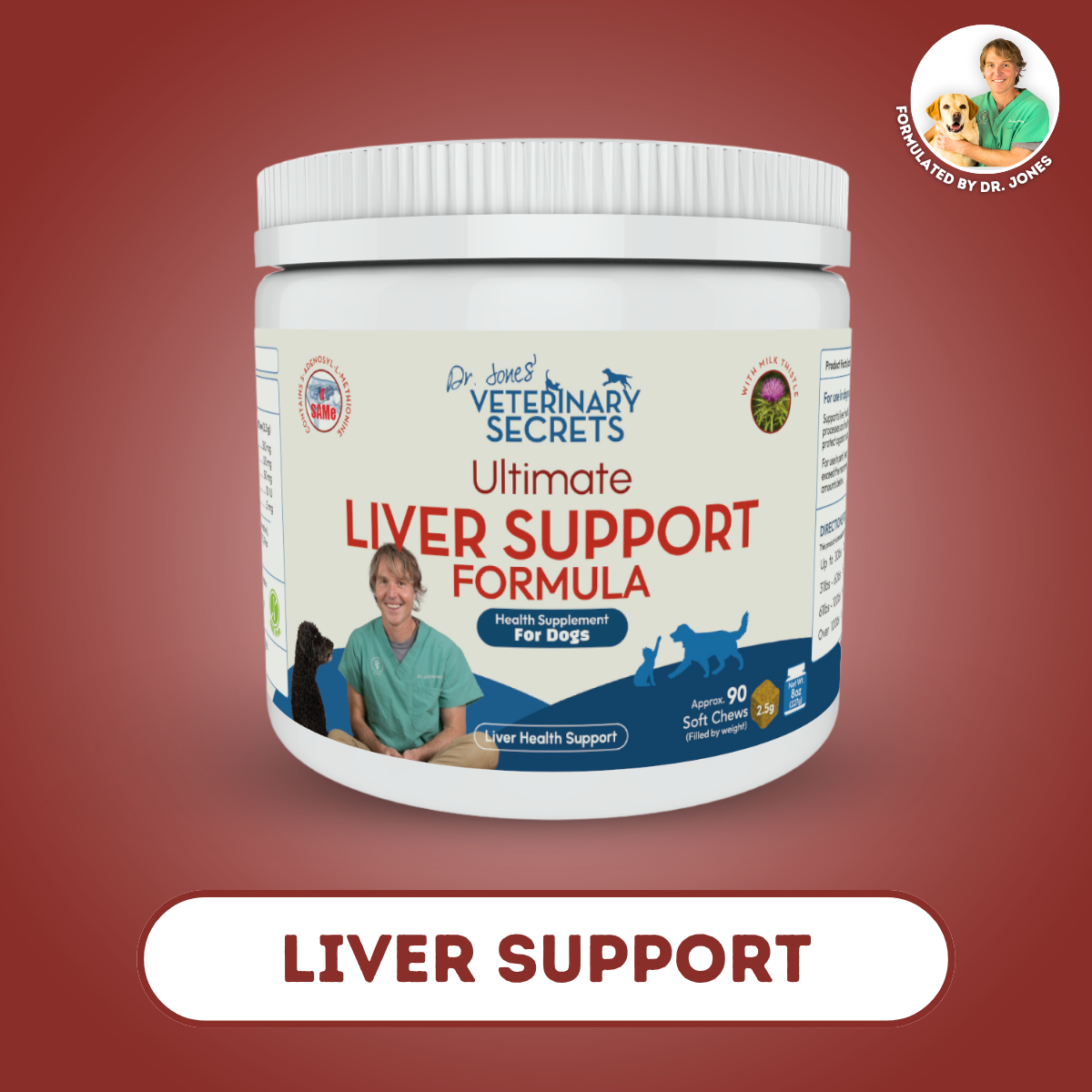
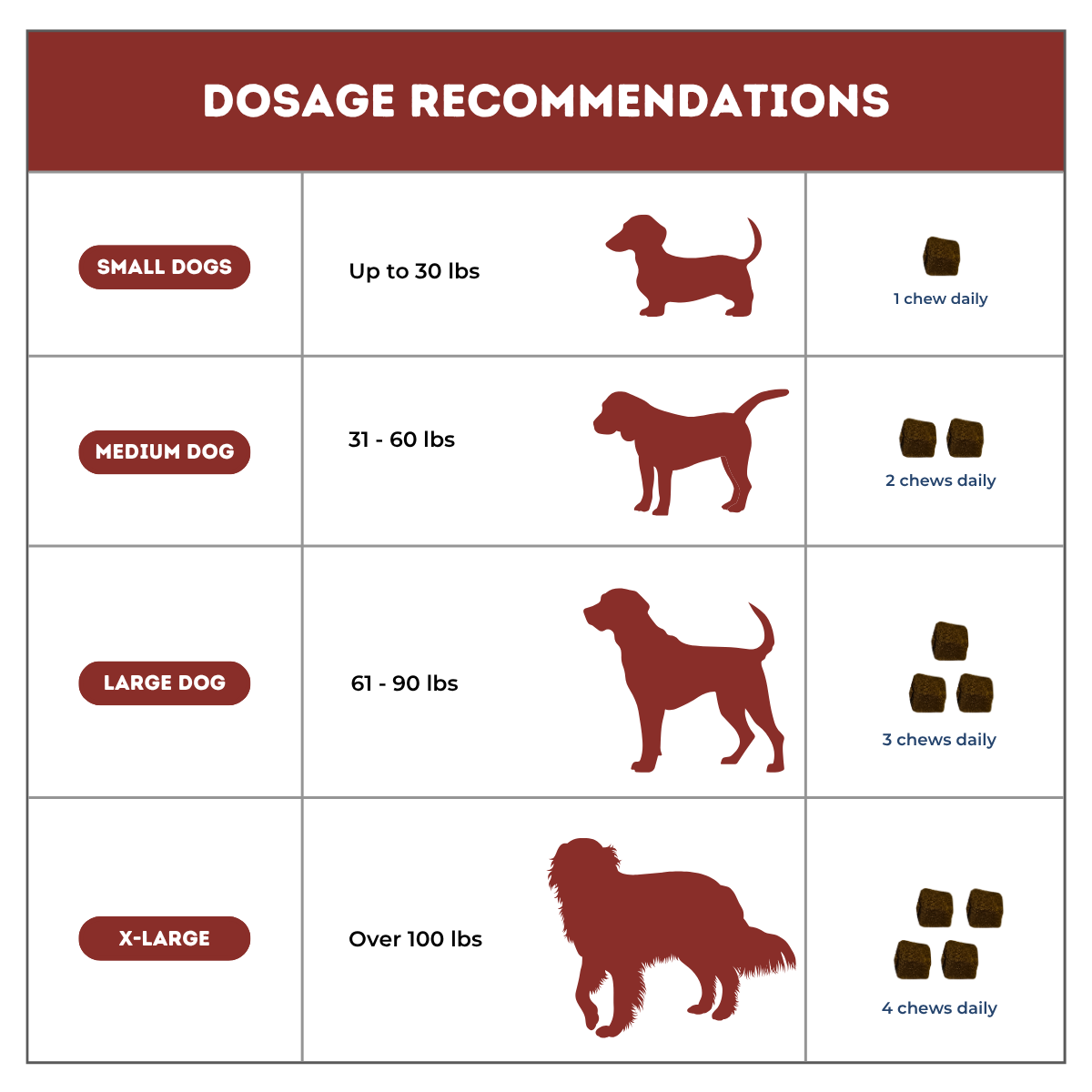
Dr. Jones’ Ultimate Liver Support Formula Soft Chews




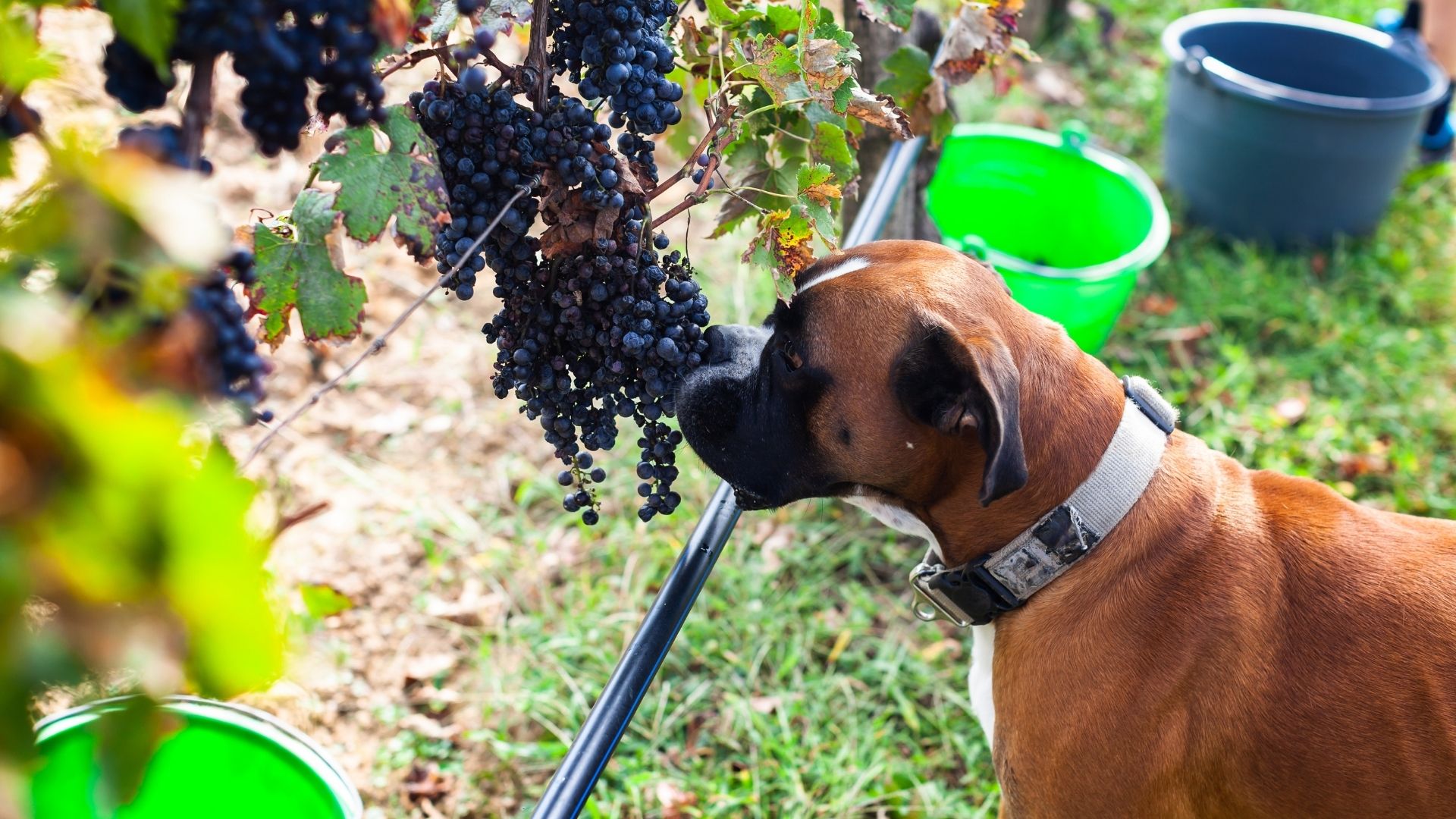
Are Grapes Really Dangerous for Dogs?
Yes, grapes and raisins can be dangerous for dogs.
For some dogs, they can trigger serious toxicity and kidney failure.
For many others, nothing happens.
That is what makes grape toxicity so frustrating.
With some toxins, we can predict risk based on the amount eaten. With grapes and raisins, it is not that simple.
A small amount may be a problem for one dog.
Another dog may eat more and seem completely fine.
That does not mean grapes are safe.
It means they are unpredictable.
And unpredictable toxins deserve respect.
Your dog’s kidneys will appreciate that.
What Are the Symptoms of Grape Toxicity in Dogs?
If your dog eats grapes or raisins, watch closely for signs of illness.
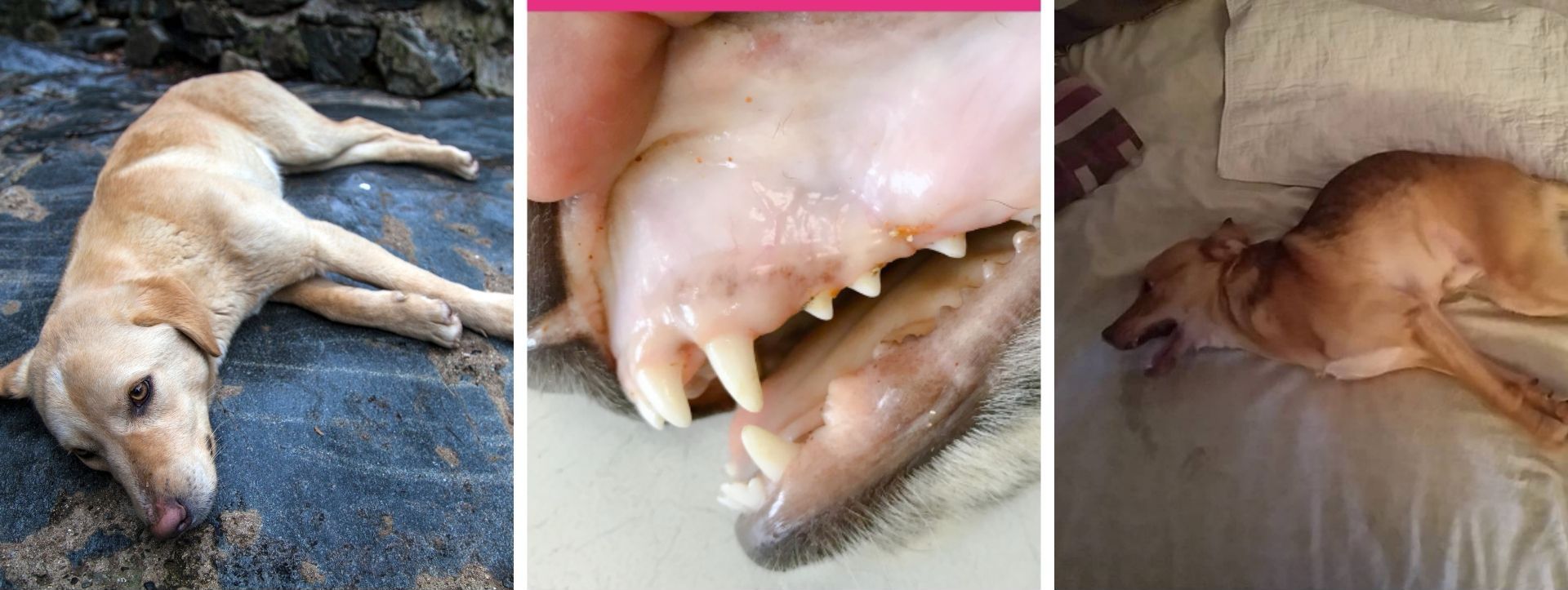
Symptoms may include:
-
Vomiting
-
Diarrhea
-
Loss of appetite
-
Lethargy
-
Weakness
-
Acting unusually quiet
-
Abdominal pain
-
Dehydration
-
Dry nose
-
Pale gums
-
Sunken eyes
-
Foul breath
-
Decreased urine output
-
No urine output
-
Oral ulcers
-
Seizures
-
Tremors
-
Coma in severe cases
What Is the Biggest Warning Sign?
The biggest warning sign is vomiting or diarrhea within 1 to 2 hours after eating grapes or raisins.
If your dog vomits or has diarrhea shortly after ingestion, that can be a major sign of toxicity.
That is when I would get to a veterinarian as soon as possible.
Do not wait to see if things improve.
Grape toxicity can be deadly in some dogs.
Why Are Grapes Toxic to Dogs?
Unfortunately, the exact toxic substance in grapes is still unknown.
Both seeded and seedless grapes may be dangerous.
Peeled grapes may also be dangerous.
Raisins are also a concern.
Because we cannot predict which dogs will be affected, it is safest to treat grape or raisin ingestion seriously.
Action Guide
Step 1: Induce Vomiting, But Only If Safe
If your dog ate grapes or raisins within the last 2 hours, you may be able to induce vomiting before the toxins are fully absorbed.

This should only be done if your dog is awake, alert, and stable.
Do Not Induce Vomiting If Your Dog Is:
-
Having trouble breathing
-
Showing signs of severe distress
-
Unconscious
-
Unresponsive
-
You are unsure what your dog ate
-
You are not comfortable doing this safely
If your dog has not eaten recently, offering a small meal first may increase the chance of vomiting.
Hydrogen Peroxide Dose for Dogs
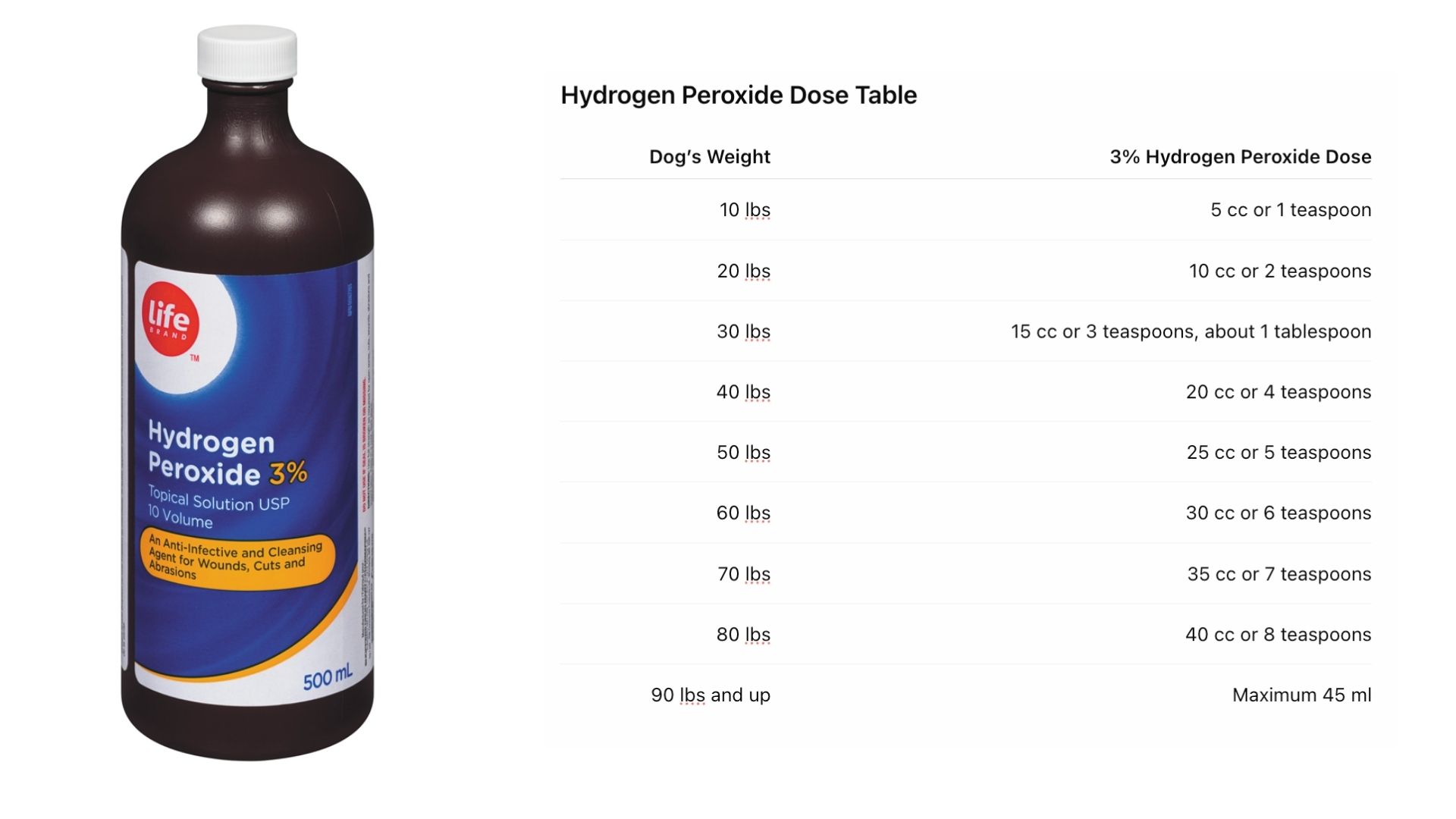
Use 3% hydrogen peroxide only.
The dose is:
5 cc, or 1 teaspoon, per 10 pounds of body weight
Maximum dose:
45 ml
You can give it using:
-
A syringe without a needle
-
A teaspoon
If your dog does not vomit within 10 minutes, you may repeat it one more time.
Do not attempt more than two times.
Step 2: Give Activated Charcoal
After inducing vomiting, activated charcoal may help absorb the toxin.
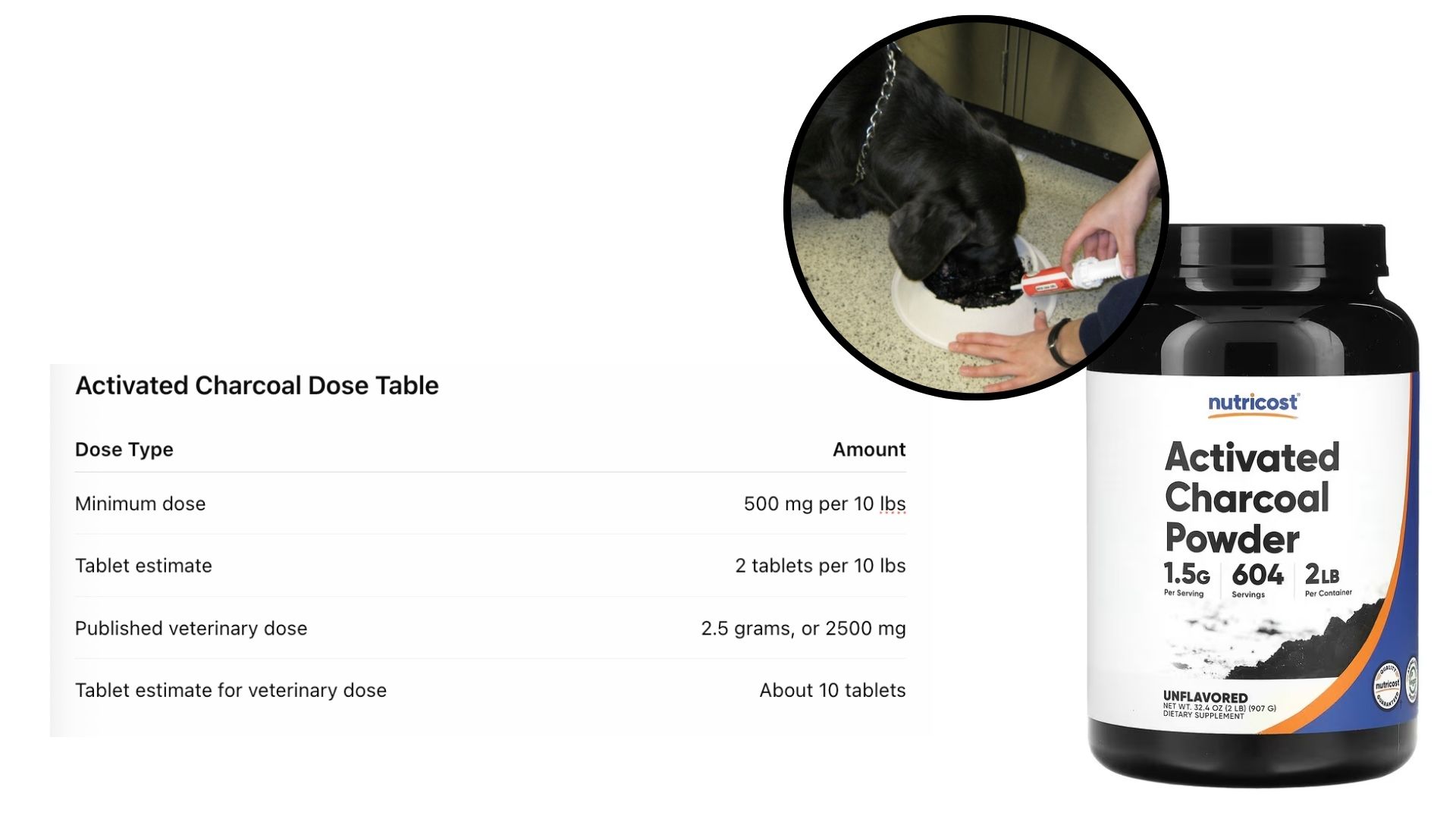
The minimum dose mentioned is:
500 mg per 10 pounds of body weight
That is about:
2 tablets per 10 pounds
The published veterinary dose used in practice is:
2.5 grams, or 2500 mg
That is about:
10 tablets
I find even smaller doses can be helpful.
Activated charcoal is not a replacement for veterinary care.
It is one part of emergency support.
Step 3: Seek Veterinary Care
Seek veterinary care, especially if your dog vomits or has diarrhea shortly after eating grapes or raisins.
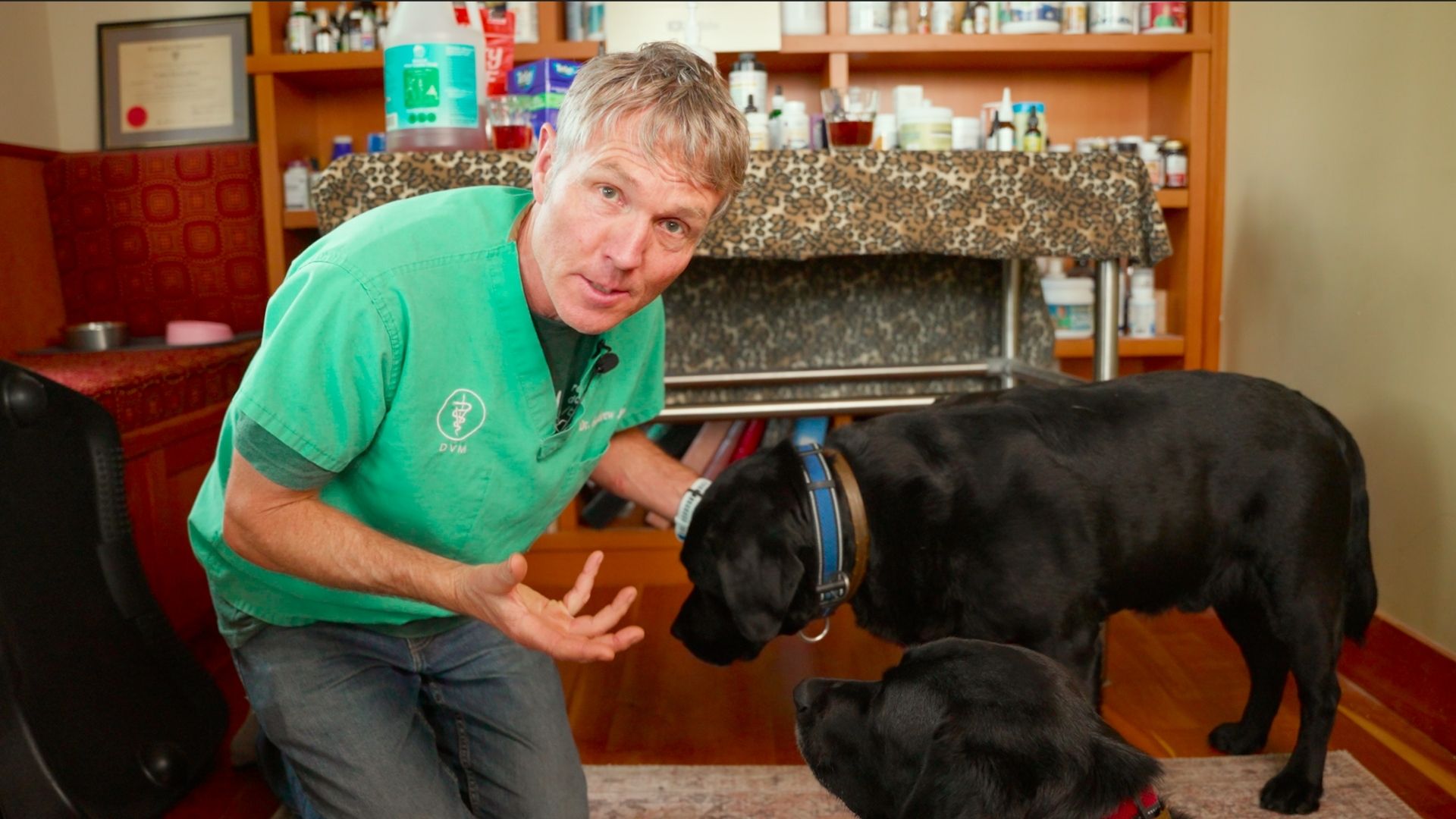
Your veterinarian may:
-
Induce vomiting if it was not done successfully at home
-
Perform gastric lavage, or stomach flushing
-
Give activated charcoal
-
Start intravenous fluids
-
Support kidney function
-
Monitor kidney values with blood tests
In severe cases, if kidney failure develops, advanced treatment may be needed.
This may include:
-
Dialysis
-
In extreme cases, kidney transplant
This is why grape ingestion should not be treated casually.
Most dogs may be fine.
But the dogs who are not fine can become very sick.
Why Kidney Support Matters
Grape toxicity is concerning because it may cause kidney failure.
The kidneys help filter waste from the body.
When they are injured, your dog may become very sick.
Signs that make me worry include:
-
Decreased urine output
-
No urine output
-
Foul breath
-
Oral ulcers
-
Lethargy
-
Vomiting
-
Dehydration
-
Abnormal behavior
-
Seizures or tremors in severe cases
If you see these signs, your dog needs urgent veterinary care.
What About Liver Support?
Many toxins dogs are exposed to involve the liver, because the liver helps remove toxins from the body.
One way to support your dog’s liver is with liver-supportive ingredients.
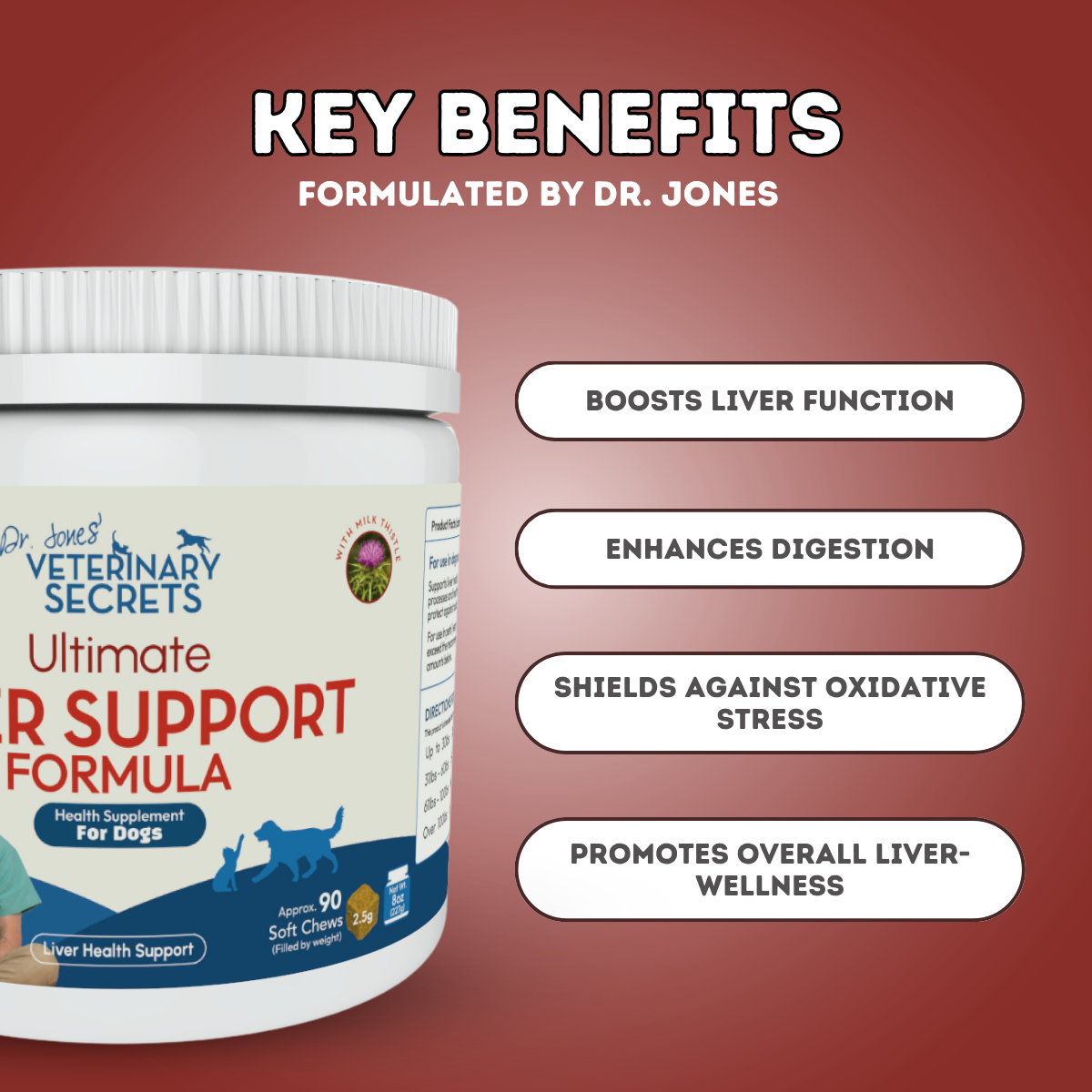
My Complete Liver Chews for Dogs include ingredients such as:
-
SAMe
-
Milk Thistle
-
Dandelion Root
These are liver-supportive ingredients I like having on hand.
They helped my last dog, Tula, immensely when she had very high liver enzymes, which resolved while she was on the chews.
Dr. Jones’ Ultimate Liver Support Formula for Dogs

I think it is a good idea to have liver support available, especially for dogs who may need extra support after toxin exposure or dogs with known liver enzyme concerns.
This does not replace emergency care for grape or raisin ingestion.
But it can be part of supporting your dog’s overall detox and liver health.
Final Thoughts
So, what should you do if your dog ate a grape?
Treat it seriously.
Most dogs may be fine.
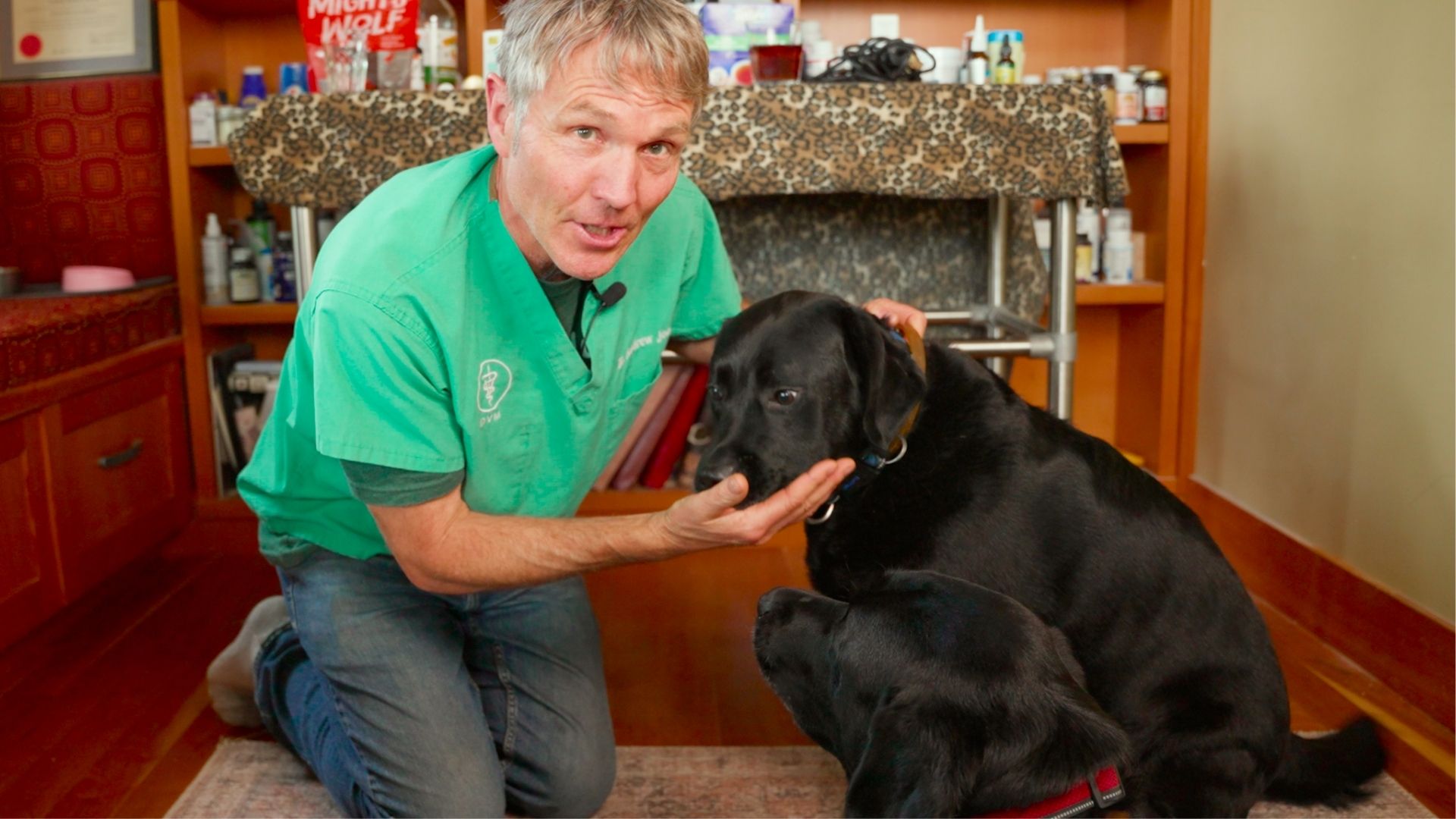
But because we cannot predict which dogs will develop kidney failure, I would not ignore it.
If the ingestion was recent and your dog is alert and stable, inducing vomiting with 3% hydrogen peroxide may be appropriate.
Use:
5 cc, or 1 teaspoon, per 10 pounds of body weight, up to 45 ml maximum
If your dog does not vomit within 10 minutes, repeat once.
No more than two attempts.
Then activated charcoal may help absorb toxin.
Minimum dose:
500 mg per 10 pounds
And if your dog vomits or has diarrhea soon after eating grapes, get to your veterinarian as soon as possible.
That is the biggest warning sign.
Grapes are tricky because most dogs do not react.
But some do.
And those are the dogs we are trying to protect.
Keep 3% hydrogen peroxide, a syringe, and activated charcoal on hand.
Know the dose.
Stay calm.
And act early.
Click To Get A Free Copy of My E-book!

P.S. If Tula ate a grape, I would induce vomiting with 1 tablespoon of 3% hydrogen peroxide, then repeat in 10 to 15 minutes if she did not vomit.
Then I would give activated charcoal.
P.P.S. Chances are, if I did nothing, she would probably be fine, because most dogs do not react.
But the hard part is not knowing which dogs will react.
That is why I would have peroxide, a syringe, and activated charcoal on hand, and be comfortable using them.
P.P.P.S. The other big thing I would do is support the liver.
My Dr. Jones’ Ultimate Liver Support Formula for Dogs includes liver-supportive ingredients such as SAMe, Milk Thistle, and Dandelion Root.
They were very helpful for Tula when she had high liver enzymes, so I think they are a good idea to have available.
Quick Action Guide
| Situation | What I Would Do |
|---|---|
| Dog ate grapes within the last 2 hours and is alert | Consider inducing vomiting if safe |
| Dog is having trouble breathing | Do not induce vomiting, seek veterinary care |
| Dog is unconscious or unresponsive | Do not induce vomiting, seek veterinary care immediately |
| Dog is in severe distress | Do not induce vomiting, seek veterinary care |
| Dog vomits or has diarrhea soon after eating grapes | Get to a veterinarian ASAP |
| Dog does not vomit after attempted induction | Seek veterinary help |
| Dog shows kidney-related signs | Veterinary care is urgent |