Dog Suddenly Has a Head Tilt? What to Do in the First 48 Hours

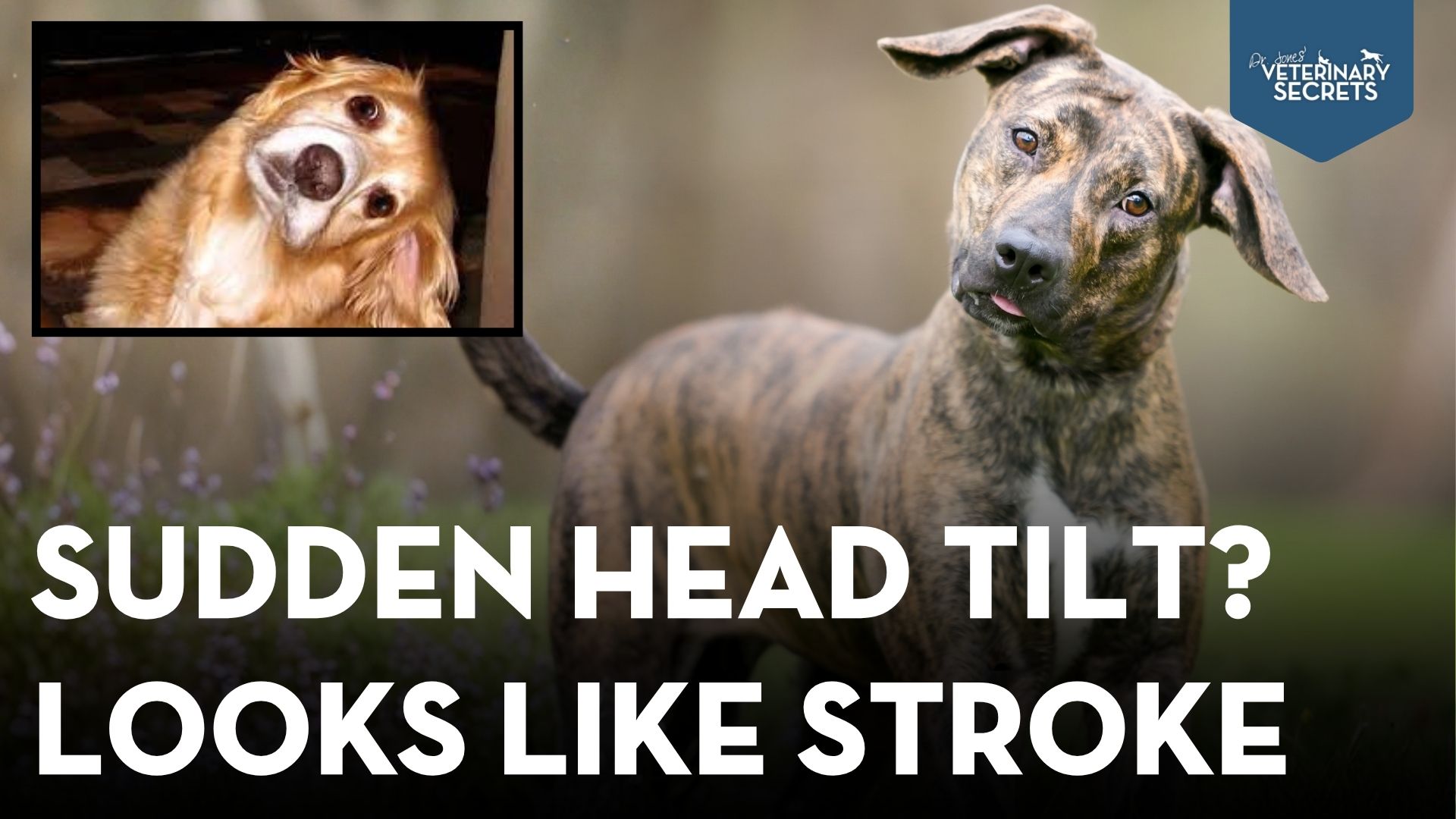
What Should You Do if Your Dog Suddenly Has a Head Tilt?
If your dog suddenly has a head tilt, trouble walking, falling to one side, or eyes flickering back and forth, the first thing to do is keep them safe, prevent falls, help them drink, and call your veterinarian to rule out serious causes.
This can look exactly like a stroke.
You wake up and your dog cannot walk normally.
His head is tilted.
His eyes are moving side to side.
He may be nauseous, disoriented, or unable to stand.
Your first thought is probably, “Emergency.”
And I understand why.
But in many older dogs, this is not a stroke. It is often vestibular disease, which is very similar to vertigo in people.
Most dogs with this condition improve within about 3 days, and many recover in 7 to 14 days.
That is the reassuring part.
The practical part is this:
For the next 48 hours, your job is to keep your dog safe, hydrated, calm, and supported while the inflammation in the balance system begins to settle.
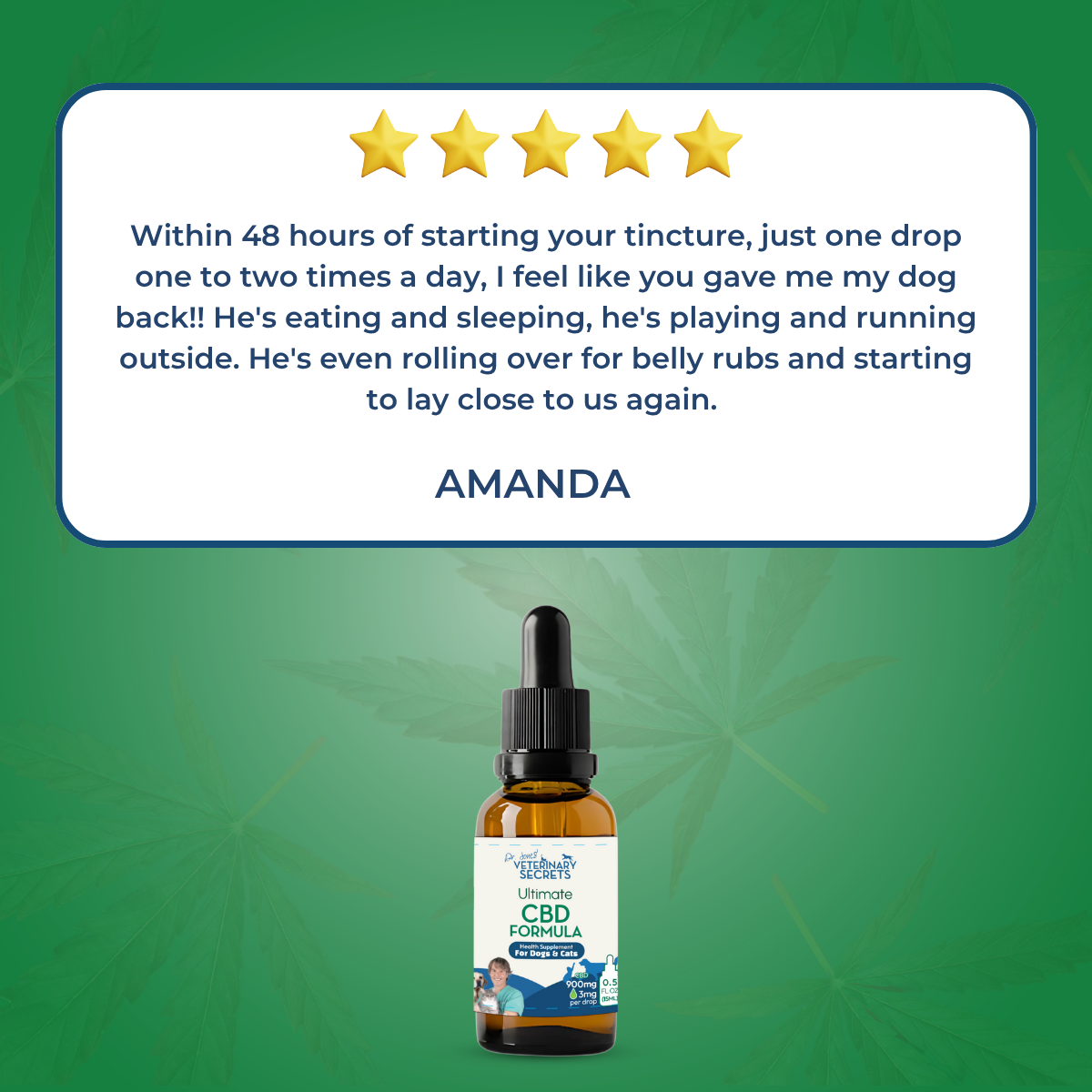
Dr. Jones’ Ultimate CBD Formula for Dogs and Cats



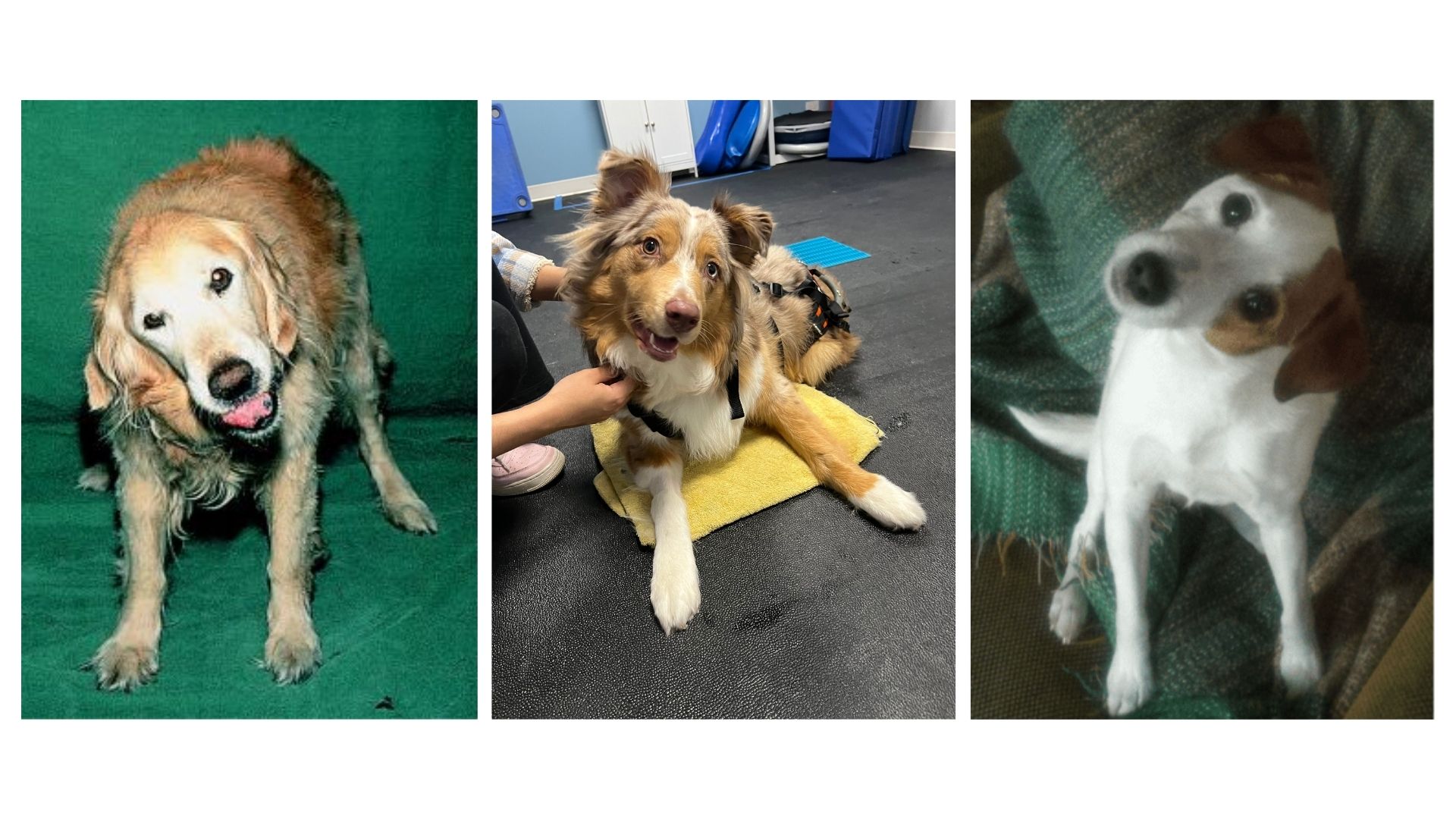
What Is Vestibular Disease in Dogs?
Vestibular disease affects the system that controls balance.
This system is located in the:
- Inner ear
- Brain
It helps your dog know where their body is in space.
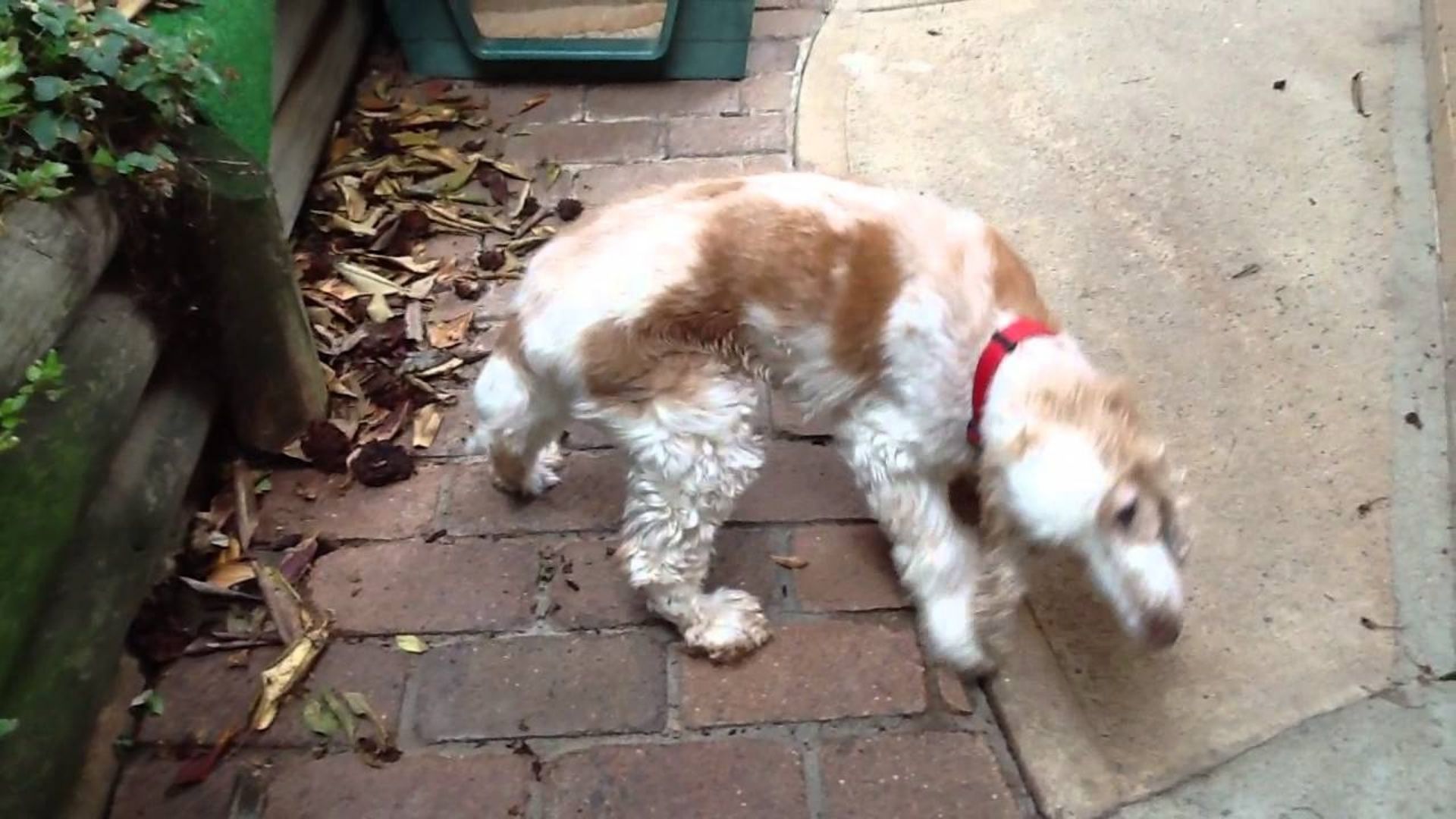
It controls:
- Balance
- Coordination
- Head position
- Eye movement
- Walking stability
When the vestibular system is inflamed or disturbed, your dog may suddenly look dizzy, confused, and unable to walk straight.
In people, this feels like vertigo.
In dogs, it can look dramatic.
A lot more dramatic than anyone wants to see before coffee.
Why Does Vestibular Disease Look Like a Stroke?
Vestibular disease looks like a stroke because it often comes on suddenly.
Your dog may be completely normal one evening, then the next morning they are stumbling, falling, and tilting their head.
That sudden change is what scares people.
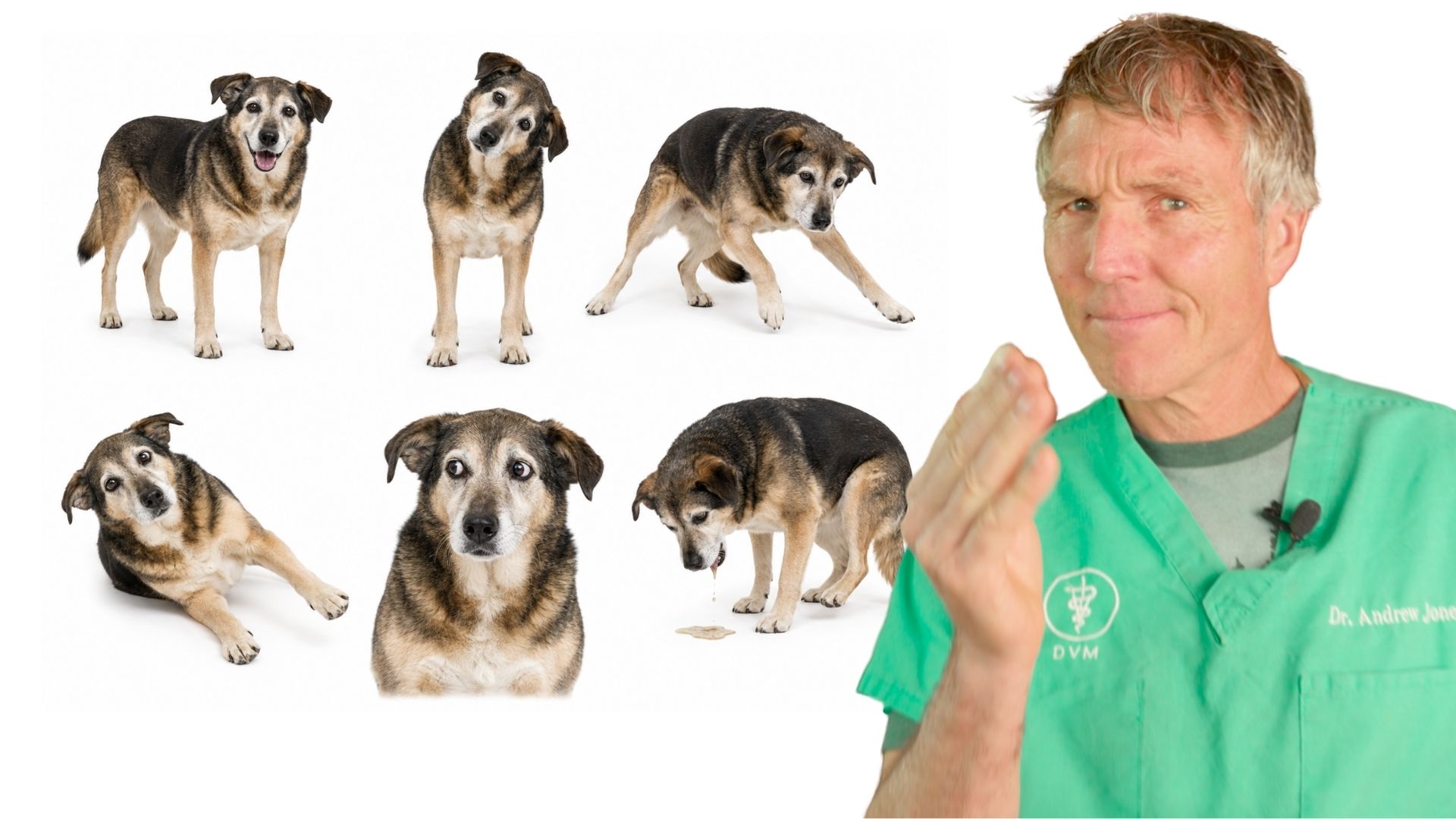
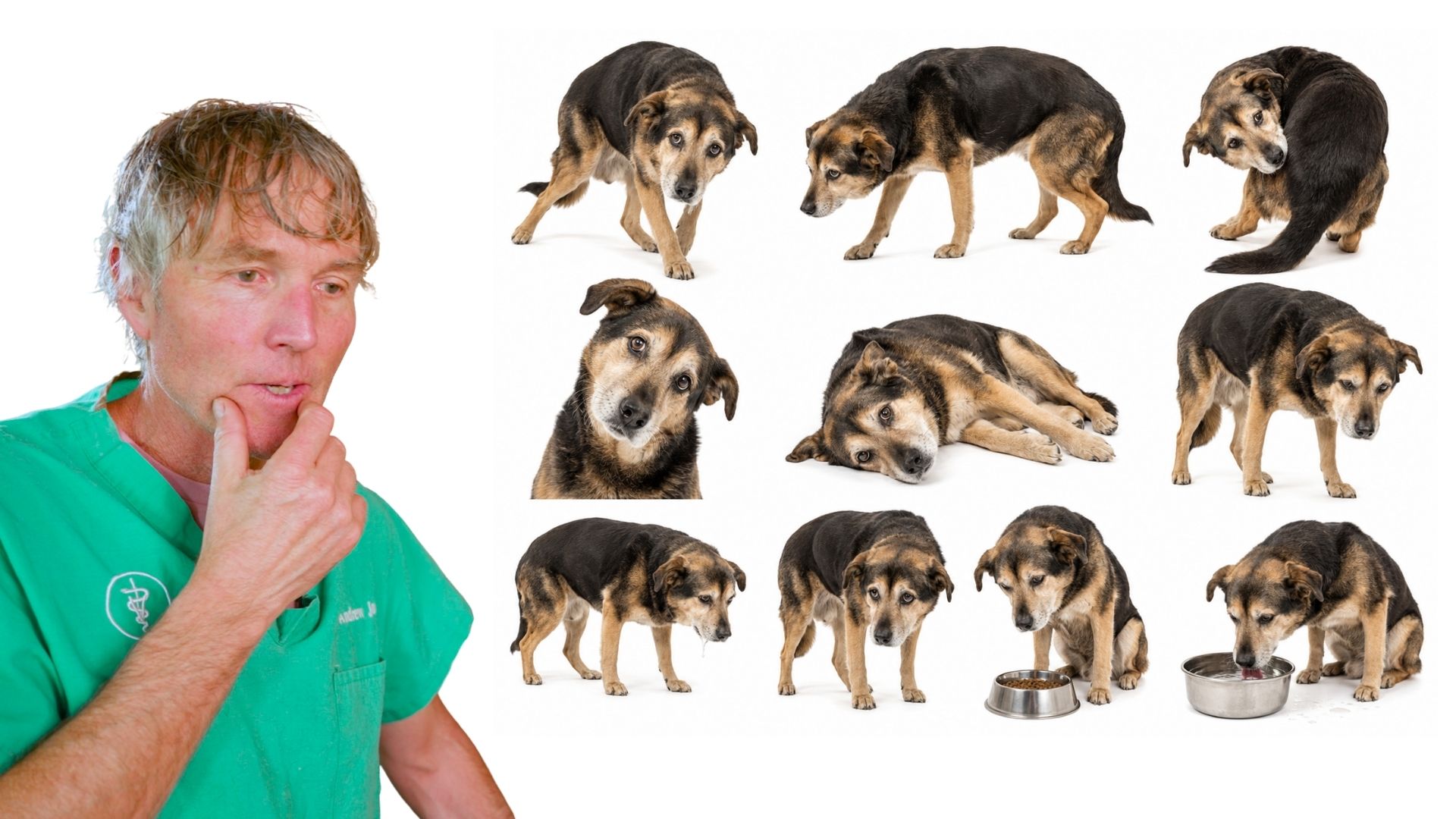
Stroke-Like Signs You May See
Common signs include:
- Sudden loss of balance
- Head tilt
- Staggering
- Circling
- Falling to one side
- Rapid eye movement, called nystagmus
- Nausea
- Vomiting
- Droopy eyelids
- Disorientation
- Trouble walking
- Loss of appetite
- Trouble drinking water
The eye flickering is one of the signs that worries pet parents the most.
Your dog may look like the room is spinning.
And for them, it probably is.
Is It a Stroke or Vestibular Disease?
Most of the time in older dogs, these signs are caused by idiopathic vestibular disease, also called geriatric vestibular disease.
“Idiopathic” means we do not find a clear cause.
The good news is that many of these dogs recover well.
But there are other causes that need to be ruled out.
Possible Causes of Sudden Balance Loss in Dogs
| Possible Cause | What It Means |
|---|---|
| Idiopathic vestibular disease | Common in older dogs, often no clear cause beyond inflammation or disturbance of the balance system |
| Inner ear infection | Infection can affect the balance system and cause head tilt or dizziness |
| Tumor | A brain or ear tumor may affect balance and coordination |
| Stroke or emboli | Blood clots or reduced blood supply to the brain can cause sudden dizziness and neurologic signs |
This is why a veterinary exam is still a good idea.
Most cases are not strokes.
But you do not want to guess when the signs are severe, worsening, or not improving.
The First 48 Hours: What Matters Most
When your dog first develops vestibular signs, do not start by throwing every supplement in the cupboard at them.
Start with the basics.
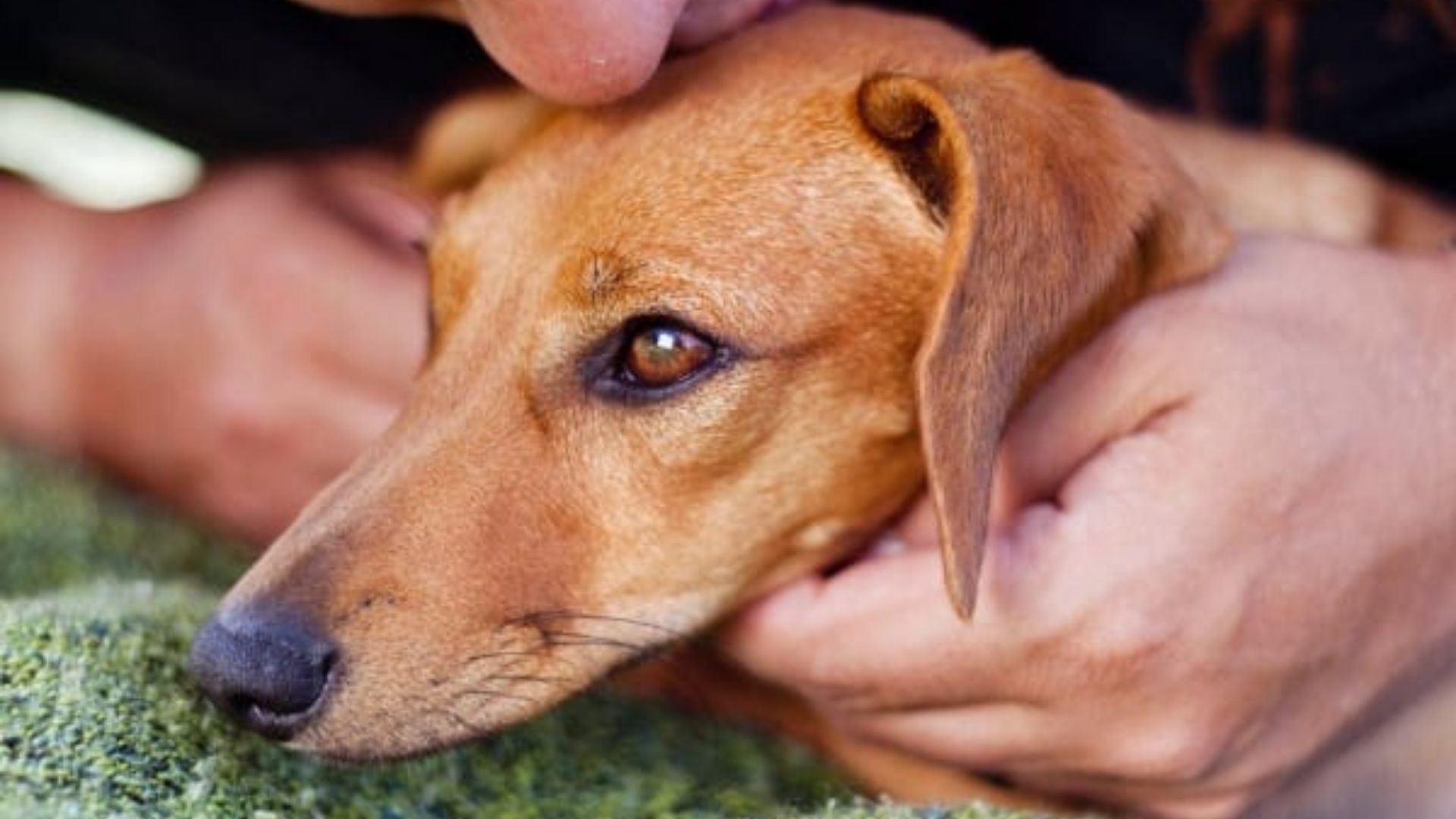
Your First Priorities
- Prevent falls.
- Keep your dog calm.
- Help with hydration.
- Encourage food if possible.
- Watch for improvement.
- Call your veterinarian if signs are severe or not improving.
This is not glamorous treatment.
But it is often the most important part.
A dizzy dog needs safety first.
Step 1: Prevent Falls and Injury
Dogs with vestibular disease are dizzy.
They may stumble, roll, or fall suddenly.
Move your dog away from:
- Stairs
- Slippery floors
- Furniture edges
- Pools
- Decks
- Open doors
- Any place where a fall could injure them
Use:
- Towels
- Rugs
- Yoga mats
- Non-slip runners
- A padded bed
- A small quiet room
Keep the world small and safe for a few days.
Your dog does not need to “walk it off.”
They need traction, calm, and help not face-planting into the coffee table.
Step 2: Help Your Dog Drink
Dogs with vestibular disease may struggle to drink.
They may be too dizzy to lower their head into a bowl.
They may also feel nauseous.
How to Help With Water
You can use:
- A needle-less syringe
- A turkey baster
Gently place small amounts of water into the side of the mouth.
Go slowly.
Do not force large amounts.
The goal is hydration, not a wrestling match.
Low-Sodium Bone Broth
You can also offer:
Low-sodium bone broth
This may help with hydration and provide some nutrients, especially if your dog is not eating normally.
Step 3: Help Your Dog Eat
Many dogs with vestibular disease lose their appetite.
That does not mean they are giving up.
It often means they feel dizzy and nauseous.
Food Options to Try
You can try:
- Warming food slightly
- Offering soft food
- Offering high-calorie food
- Hill’s Prescription Diet a/d
- Simple home-cooked meals
- Low-sodium bone broth
Small amounts are fine.
If your dog eats a little, that is still progress.
When the room feels like it is spinning, dinner may not look very appealing.
Fair enough.
Step 4: Support Inflammation Naturally
A key part of recovery is helping reduce inflammation affecting the inner ear and balance system.
This is where natural anti-inflammatory support may be helpful.
Options I would consider include:
- CBD oil
- 95% curcumin
- Ginkgo biloba
- Rhus Tox
- Vertigoheel
- Gentle acupressure and massage
These are not a substitute for a diagnosis.
But they can be useful supportive tools in dogs with typical vestibular disease.
Natural Support for Vestibular Disease
CBD Oil for Dogs With Vestibular Disease
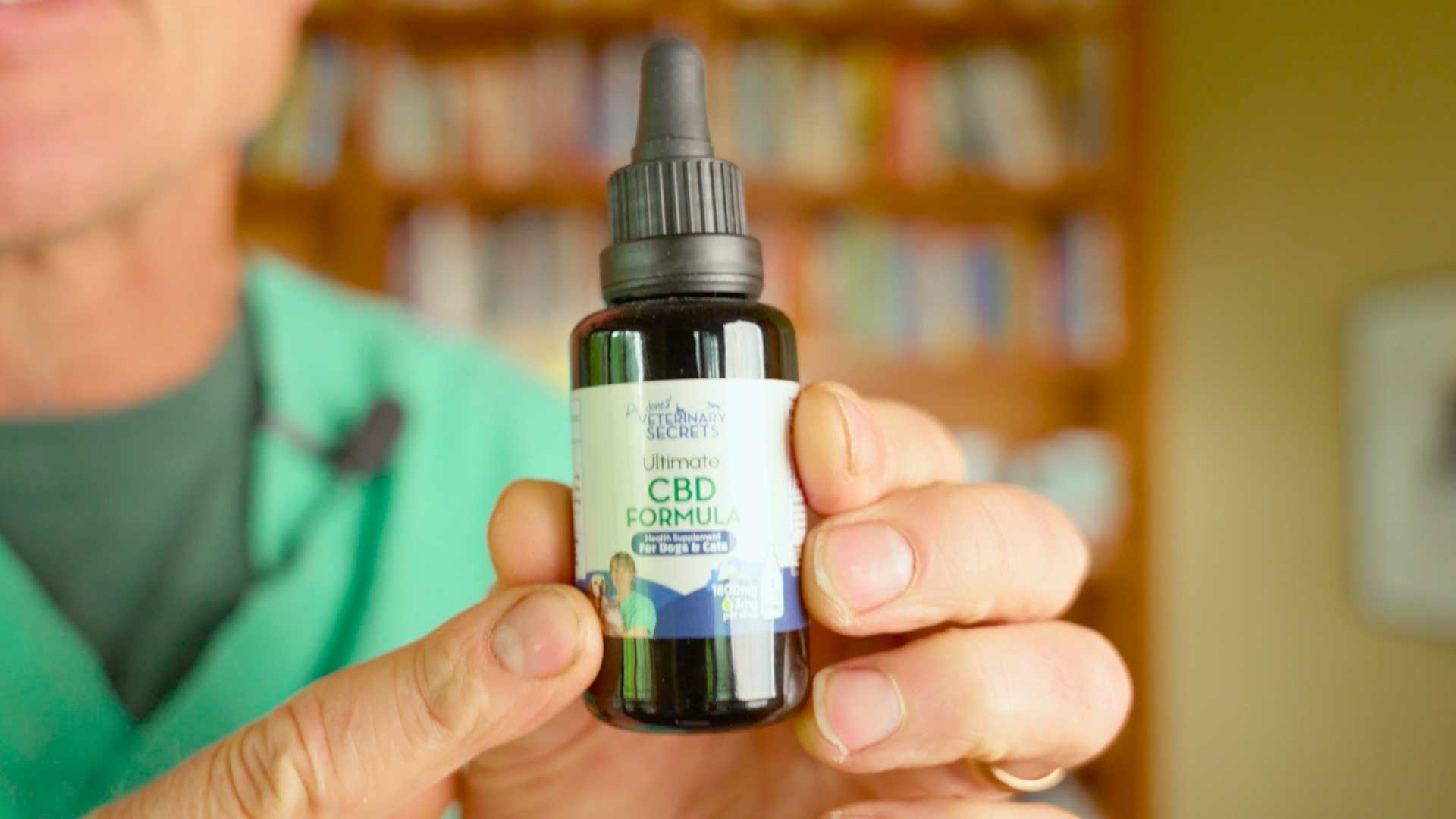
CBD is one of the natural options I especially consider for vestibular disease.
CBD has anti-inflammatory and calming properties.
It may help with:
- Dizziness-related distress
- Nausea
- Inflammation
- Anxiety
- General discomfort
If CBD is going to help, you should often see some improvement within:
48 hours
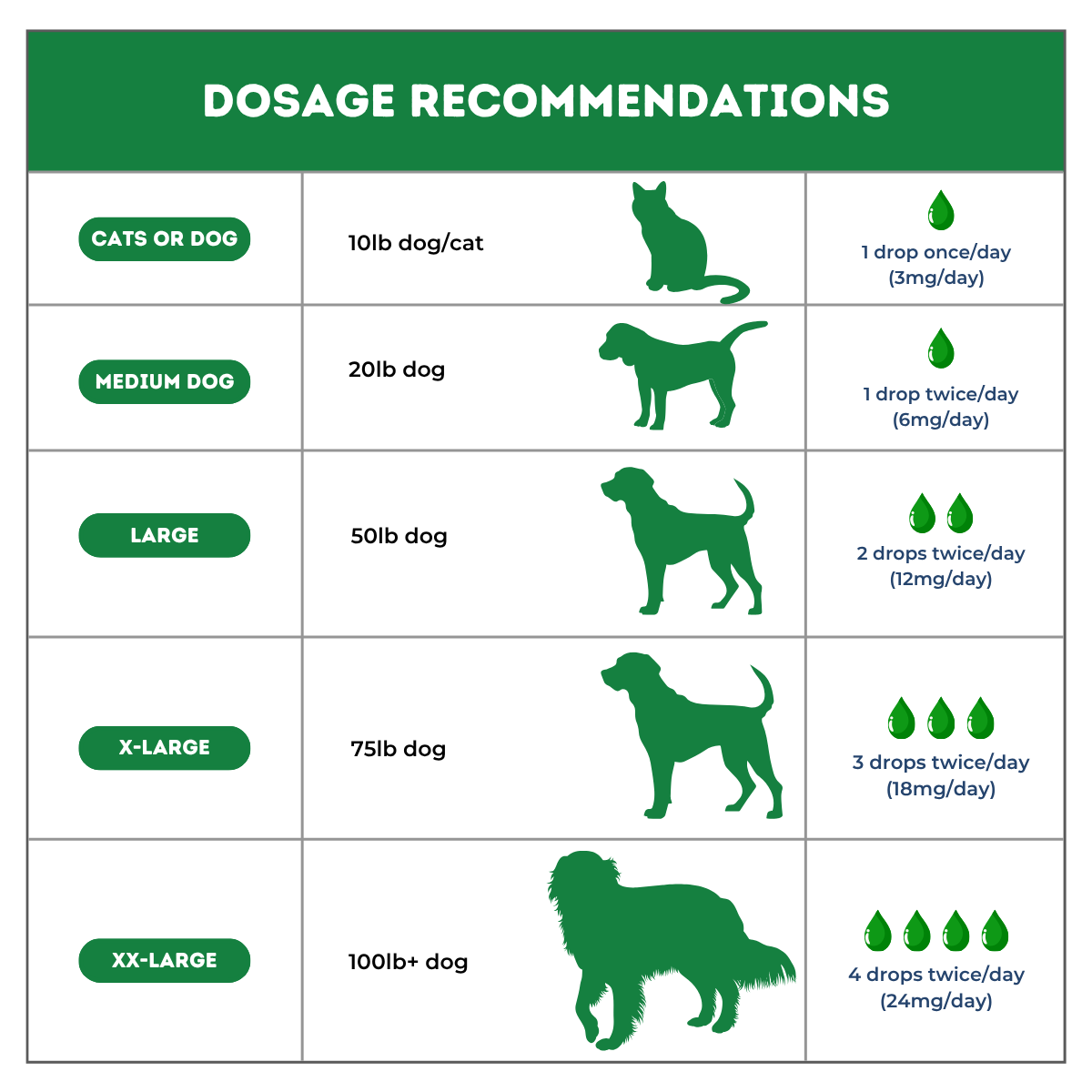
CBD Dose
Give:
3 mg per 10 lbs of body weight twice daily
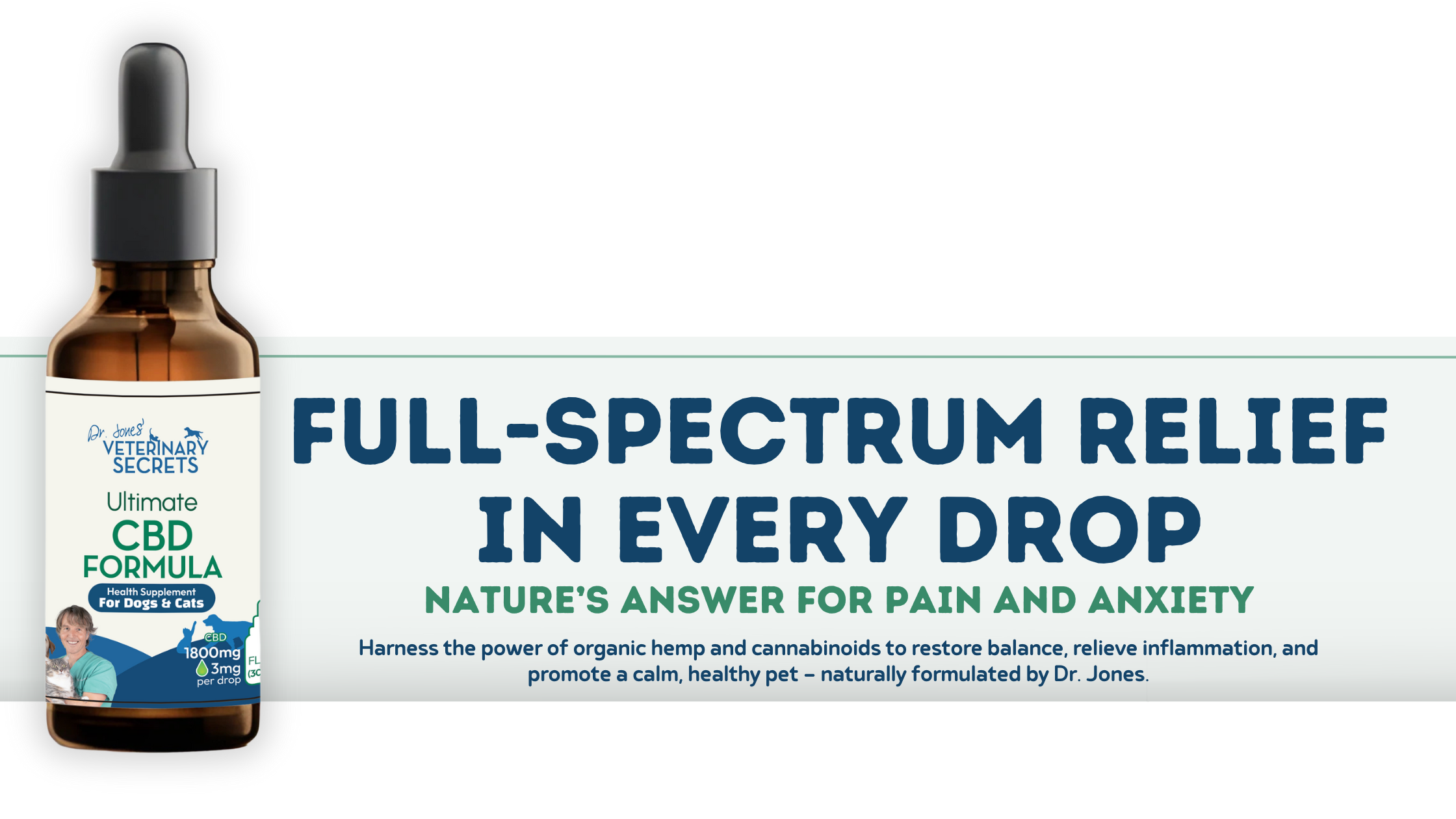
Dr. Jones’ Ultimate CBD Formula for Dogs and Cats
Dr. Jones’ Ultimate CBD Formula for Dogs and Cats is described as:
- 100% organic cannabinoid
- Whole plant extract
- Made with hemp seed oil to increase effectiveness
I like CBD because it is a natural anti-inflammatory option without the side effects of NSAIDs.
It is also one of the few natural options I would consider for vestibular disease support.
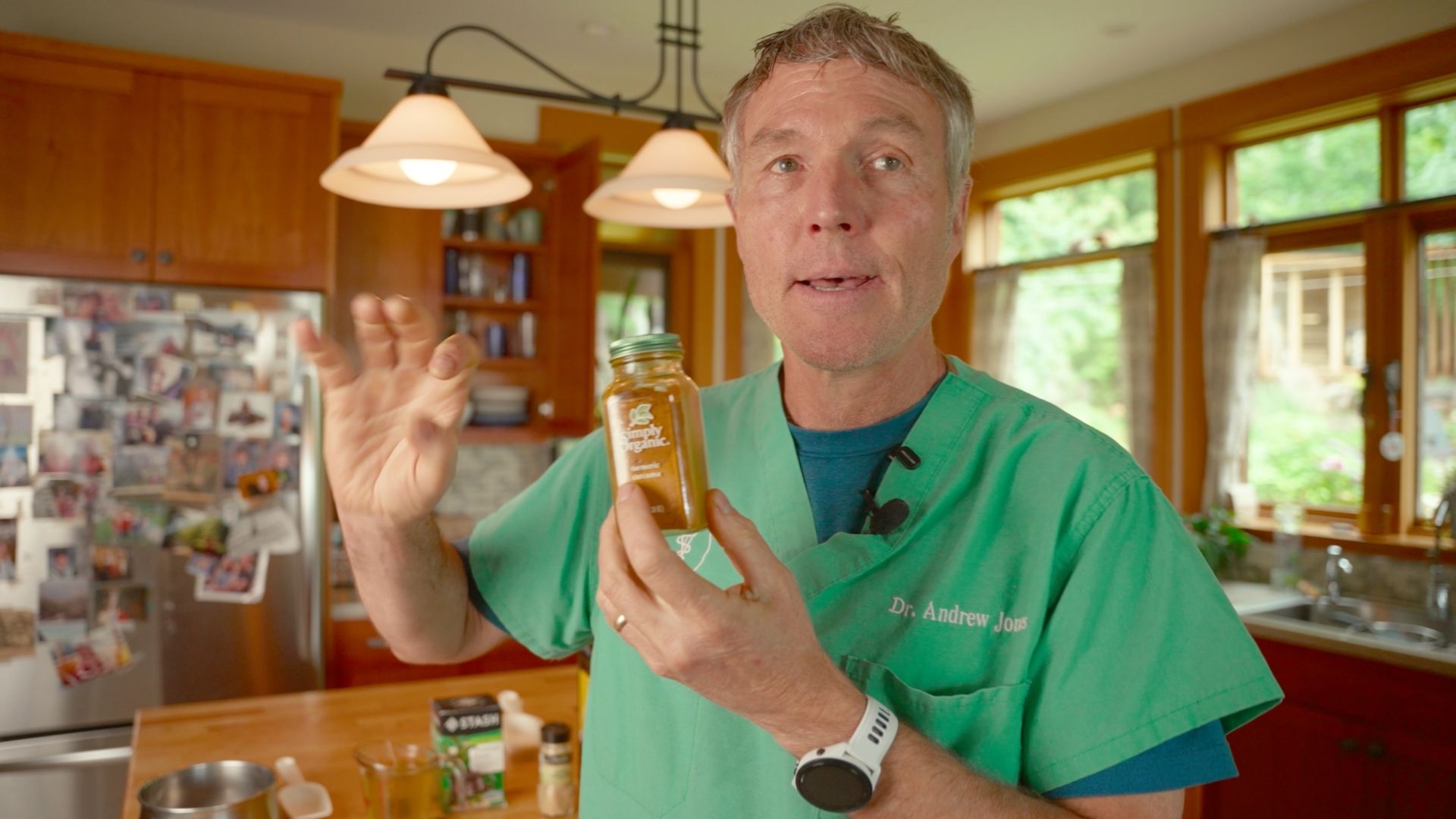
95% Curcumin for Inflammation
Curcumin is the active compound in turmeric.
A 95% curcumin product is a potent anti-inflammatory and may help dogs with vestibular disease by supporting the inflammatory part of the problem.
95% Curcumin Dose
Give:
250 mg per 50 lbs of body weight daily
You can also support your dog with antioxidant-rich foods such as:
- Blueberries
- Turmeric
- Green-lipped mussel powder
These may support brain health and reduce inflammation.
Dr. Jones’ Ultimate High Absorption 95% Curcumin

Ginkgo Biloba for Brain and Balance Support
Ginkgo biloba is well known for supporting blood flow to the brain.
Because vestibular disease affects balance and coordination, Ginkgo may be useful as part of a natural support plan.

Ginkgo Biloba Dose
Give:
25 mg per 20 lbs of body weight twice daily
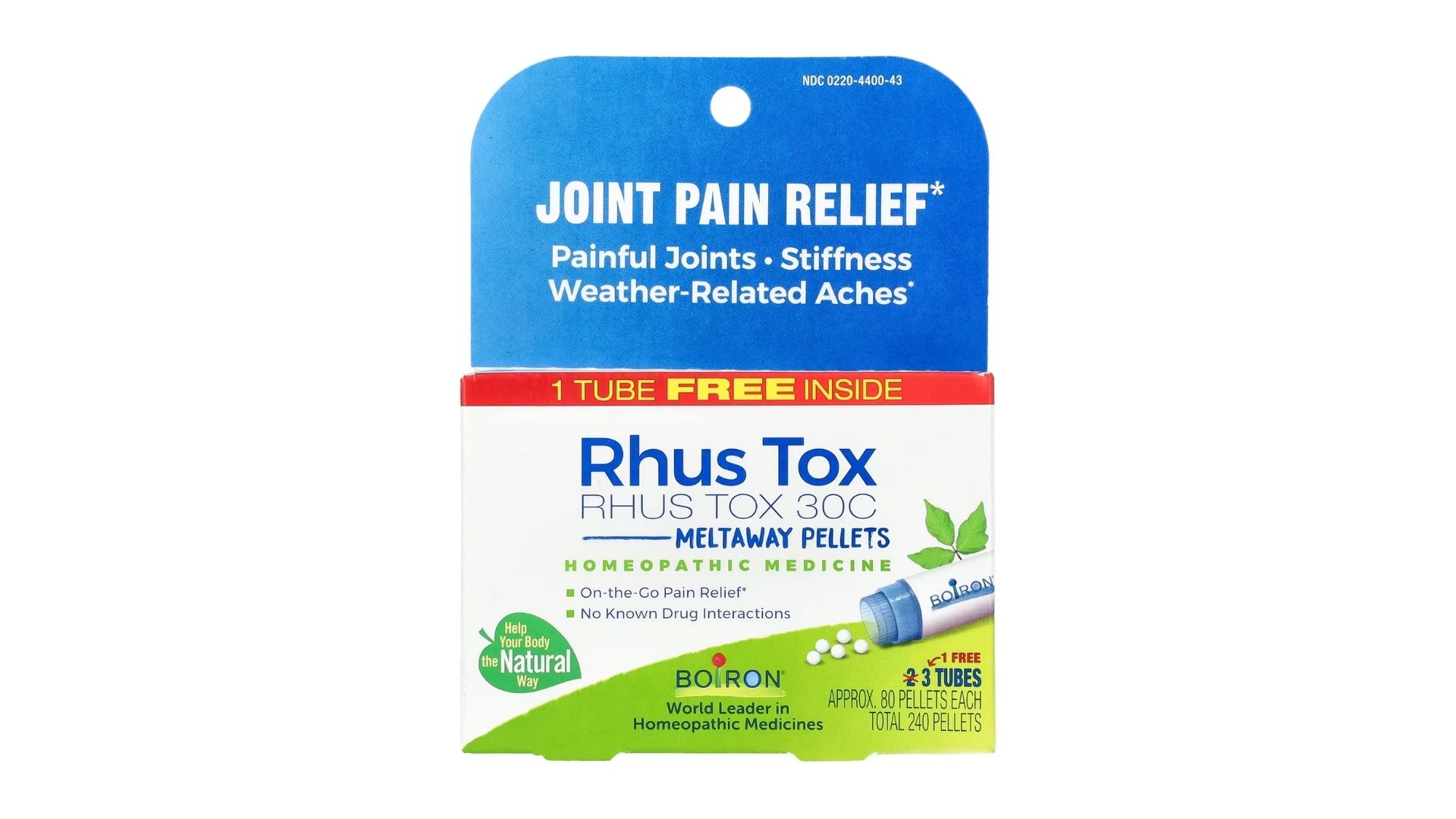
Rhus Tox for Vertigo-Type Signs
Rhus Tox is a homeopathic remedy often used for geriatric conditions, including:
- Arthritis
- Skin issues
- Vertigo-type symptoms
It may be considered for dogs with vestibular signs.
Rhus Tox Dose
Give:
30C potency every 8 hours
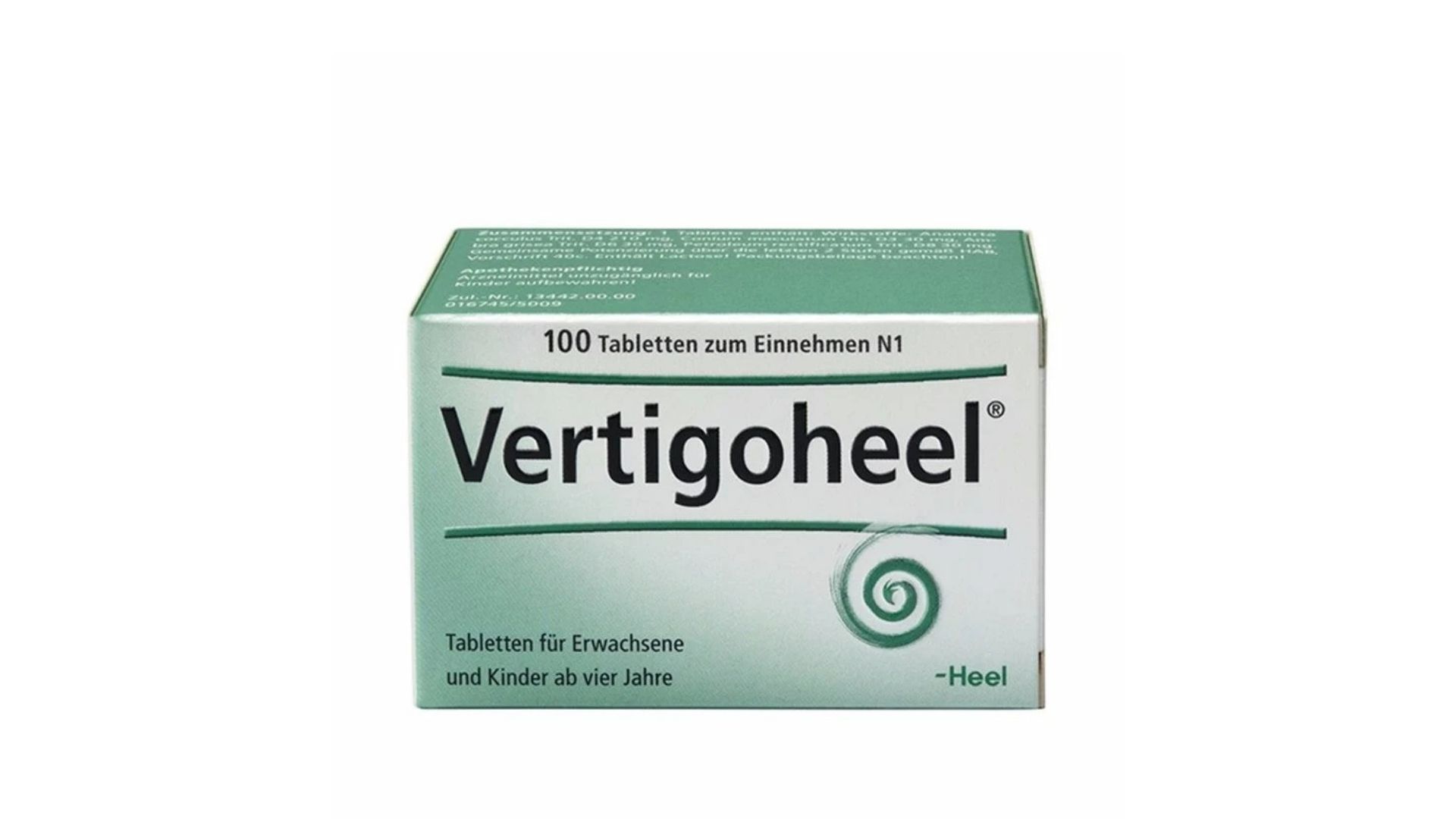
Vertigoheel for Balance Problems
Vertigoheel is commonly used in people with vertigo and balance issues.
It may also be beneficial for dogs with vestibular disease.
Vertigoheel Dose
Give:
10 mg twice daily
Acupressure and Gentle Massage
Gentle acupressure massage may help stimulate the vestibular system and improve circulation.
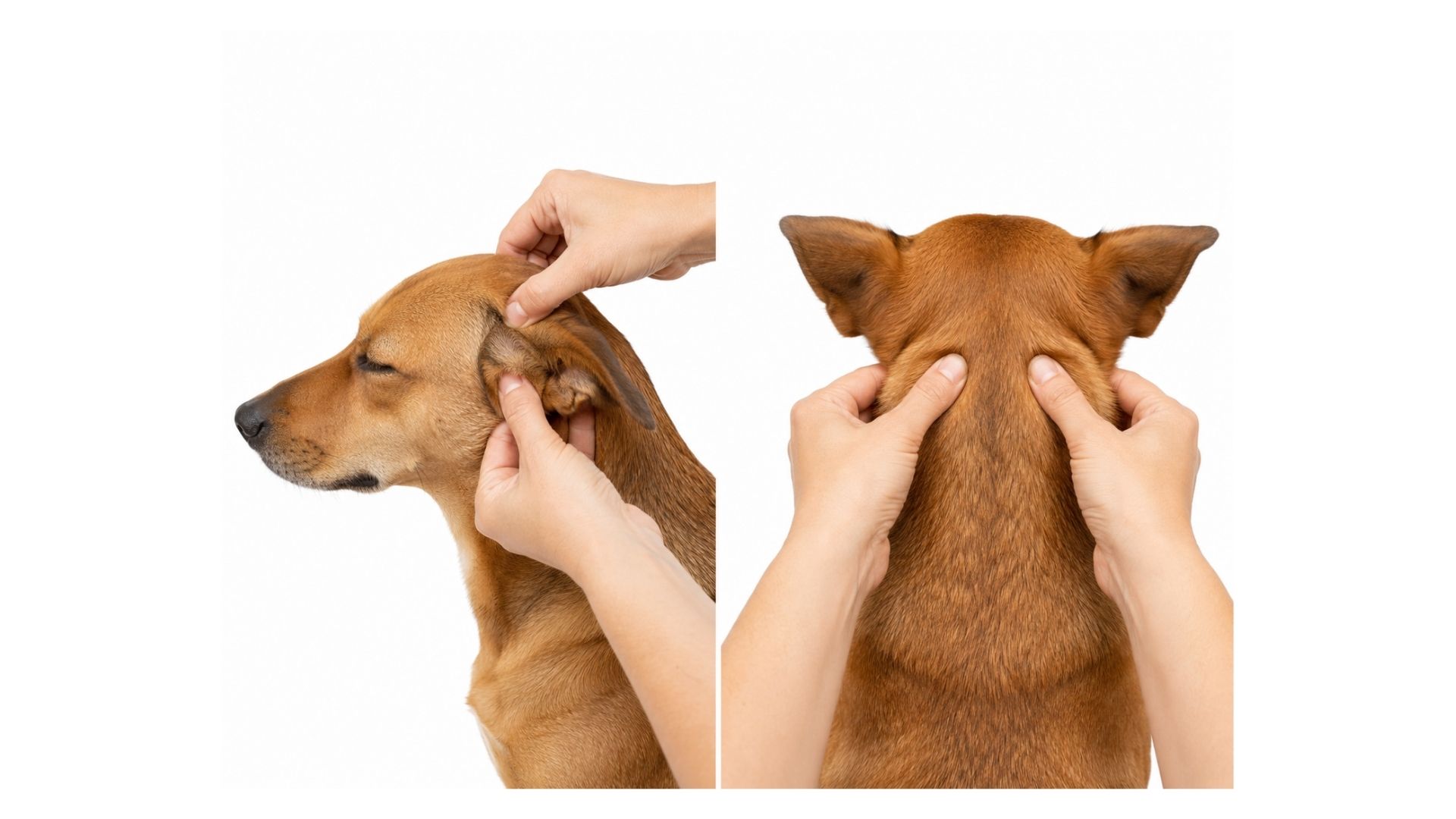
Focus on:
- Behind the ears
- Base of the skull
Use gentle pressure only.
Do not force your dog’s head into any position.
Your dog already feels like they are on a boat.
No need to make the cruise worse.
What Recovery Usually Looks Like
With typical vestibular disease, the first day often looks the worst.
Your dog may be very dizzy, nauseous, and unsteady.
Then, in many cases, you start to see improvement.
Usual Recovery Timeline
| Timeframe | What You May See |
|---|---|
| First 24 hours | Dramatic head tilt, eye flickering, stumbling, nausea, poor appetite |
| Around 48 hours | Some dogs begin to look more settled, especially with supportive care |
| Around 3 days | Many dogs start showing clear improvement |
| 7 to 14 days | Most dogs recover well |
| After recovery | Some dogs may keep a mild head tilt longer |
Most dogs recover.
That is the part I want pet parents to remember.
It can look awful at first.
But many of these dogs do very well.
Best Remedies by Symptom
| If Your Dog Has | Consider |
|---|---|
| Head tilt and stumbling | Safety support, veterinary exam, CBD, 95% curcumin |
| Eye flickering | Quiet area, fall prevention, supportive care |
| Nausea or vomiting | Hydration support, low-sodium bone broth, small food amounts |
| Trouble drinking | Needle-less syringe or turkey baster |
| Poor appetite | Warm food, soft high-calorie food, Hill’s Prescription Diet a/d |
| Anxiety or distress | CBD oil, quiet padded area |
| Balance loss | Vertigoheel, Rhus Tox, gentle acupressure |
| Brain and circulation support | Ginkgo biloba |
| Inner ear inflammation support | CBD oil, 95% curcumin |
| Slow recovery | Veterinary exam, reassessment, supportive care |
Natural Support for Vestibular Disease
| Remedy | Why I Would Consider It | Dose Mentioned |
|---|---|---|
| CBD oil | Anti-inflammatory and calming support, may help nausea and discomfort | 3 mg per 10 lbs twice daily |
| 95% Curcumin | Potent anti-inflammatory support | 250 mg per 50 lbs daily |
| Ginkgo biloba | Supports blood flow to the brain and balance disorders | 25 mg per 20 lbs twice daily |
| Rhus Tox | Homeopathic remedy used for vertigo-type signs and geriatric conditions | 30C every 8 hours |
| Vertigoheel | Used for vertigo and balance issues | 10 mg twice daily |
| Acupressure and massage | May support circulation and stimulate the vestibular system | Gentle massage behind ears and base of skull |
Step-by-Step: What I Would Do for a Dog With Sudden Vestibular Signs
Step 1: Make the Area Safe
Move your dog to a quiet, padded area.
Block stairs.
Use rugs or towels for traction.
Step 2: Watch the Signs
Look for:
- Head tilt
- Eye flickering
- Falling
- Circling
- Vomiting
- Trouble eating
- Trouble drinking
Write down when the signs started.
Step 3: Help With Water
Offer small amounts of water with a needle-less syringe or turkey baster if your dog cannot drink normally.
Offer low-sodium bone broth if needed.
Step 4: Offer Easy Food
Try warmed food, soft high-calorie food, Hill’s Prescription Diet a/d, or home-cooked food.
Do not panic if your dog eats less the first day.
But monitor closely.
Step 5: Consider Natural Support
Depending on your dog’s condition, consider:
- CBD oil
- 95% curcumin
- Ginkgo biloba
- Rhus Tox
- Vertigoheel
- Gentle acupressure
Step 6: Call Your Veterinarian
Call sooner if symptoms are severe, worsening, or your dog cannot drink.
A veterinary exam helps rule out more serious causes.
Step 7: Watch for Improvement
Many dogs improve within 3 days.
Most recover within 7 to 14 days.
If that is not happening, reassess.
Dosage Table for Vestibular Disease Support
| Support | Dose | Frequency |
|---|---|---|
| CBD oil | 3 mg per 10 lbs | Twice daily |
| 95% Curcumin | 250 mg per 50 lbs | Daily |
| Ginkgo biloba | 25 mg per 20 lbs | Twice daily |
| Rhus Tox | 30C potency | Every 8 hours |
| Vertigoheel | 10 mg | Twice daily |
| Water support | Small amounts by syringe or turkey baster | As needed |
| Low-sodium bone broth | Small amounts | As needed |
When Should You Call Your Veterinarian?
Call your veterinarian if your dog has:
- Persistent vomiting
- Refusal to drink
- Signs of dehydration
- Severe weakness
- Collapse
- Seizures
- Ear pain
- Signs of ear infection
- Trouble breathing
- Symptoms that are worsening
- No improvement after a few days
- Extreme disorientation
If you are unsure, call.
Vestibular disease is often not a stroke.
But it can look like one, and it is worth making sure.
Final Thoughts
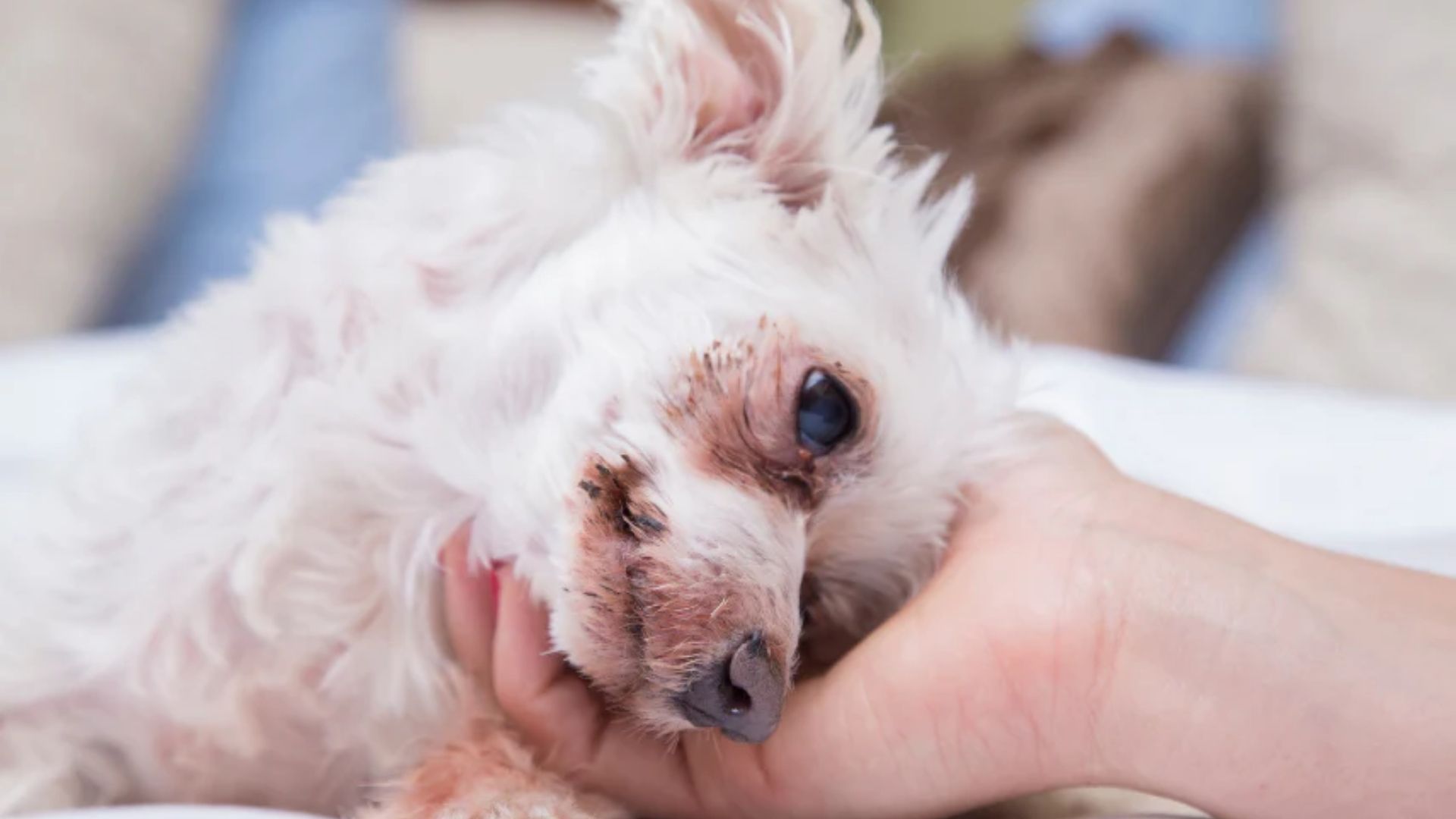
A dog with sudden head tilt, stumbling, falling, vomiting, and flickering eyes can look like they have had a stroke.
But in many older dogs, this is vestibular disease, which is similar to vertigo.
Most dogs recover.
Many begin improving within 3 days, and most recover in 7 to 14 days.
The first 48 hours are about safety and support.
Keep your dog from falling.
Help them drink.
Offer low-sodium bone broth.
Warm their food.
Keep them calm.
Then consider natural support such as CBD, 95% curcumin, Ginkgo biloba, Rhus Tox, Vertigoheel, and gentle acupressure.
CBD is one of my favorite options here because it is anti-inflammatory and calming, and if it is going to help, you may see improvement within 48 hours.
This can look terrible at first.
But most of these dogs do very well.
Stay calm, support them carefully, and get your veterinarian involved if things are severe, worsening, or not improving.
Click To Get A Free Copy of My E-Book!

P.S. I commonly saw this in practice, and most dogs recovered in 7 to 14 days.
Most of the time, it was vestibular disease, or vertigo, and not a stroke.
P.P.S. If your dog suddenly has a head tilt and flickering eyes, think safety first.
Block the stairs, add traction, help with water, and keep them calm.
Do not underestimate the basics.
P.P.P.S. CBD is one of the few natural options I consider for vestibular disease.
Dr. Jones’ Ultimate CBD Formula is a 100% organic cannabinoid, whole plant extract, made with hemp seed oil to increase effectiveness.
I like it as a natural anti-inflammatory option without the side effects of NSAIDs.