Mitral Valve Disease in Dogs: Cough, New Testing, and Natural Heart Support

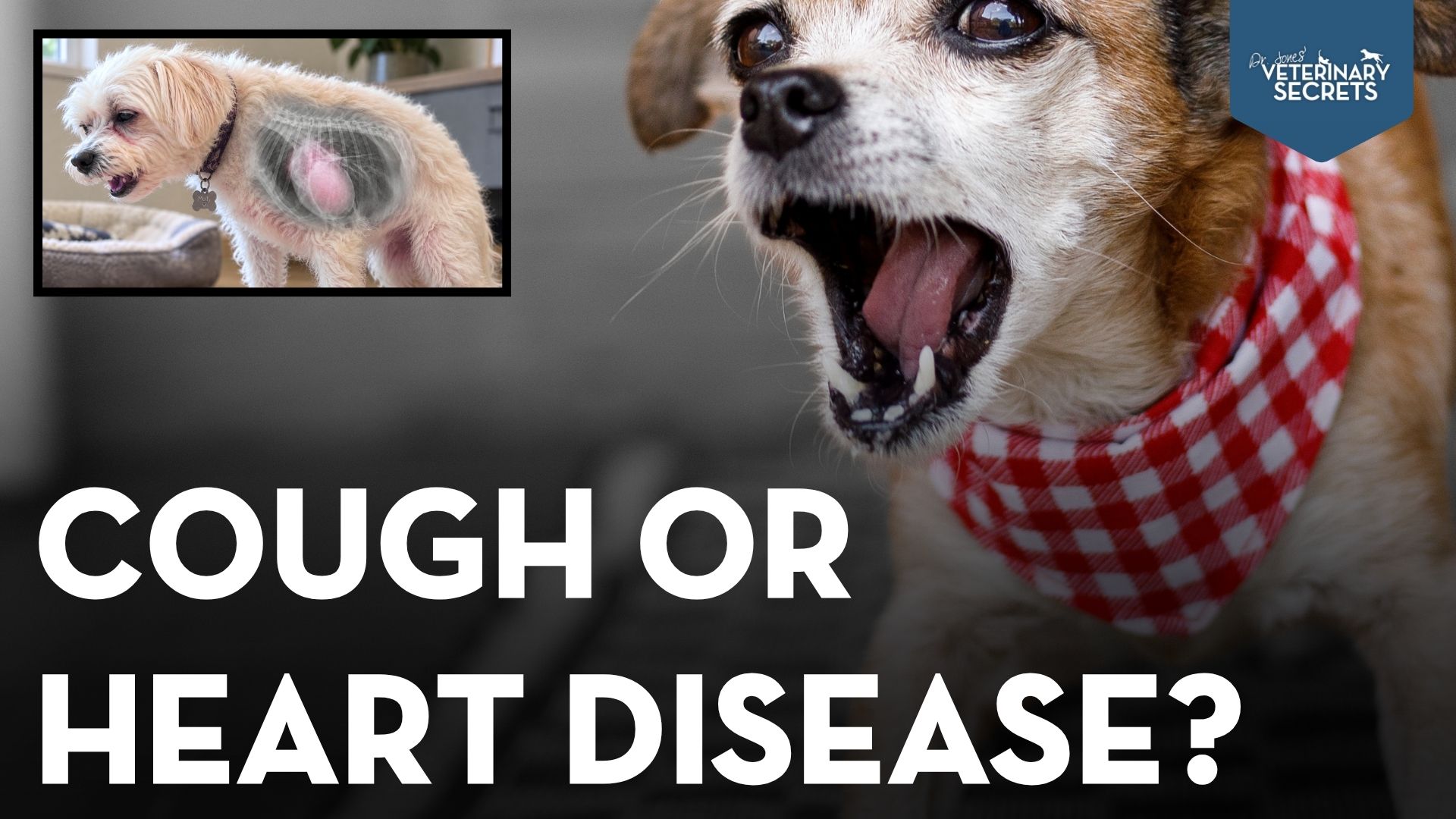
Is Your Dog’s Cough Heart Disease or Something Else?
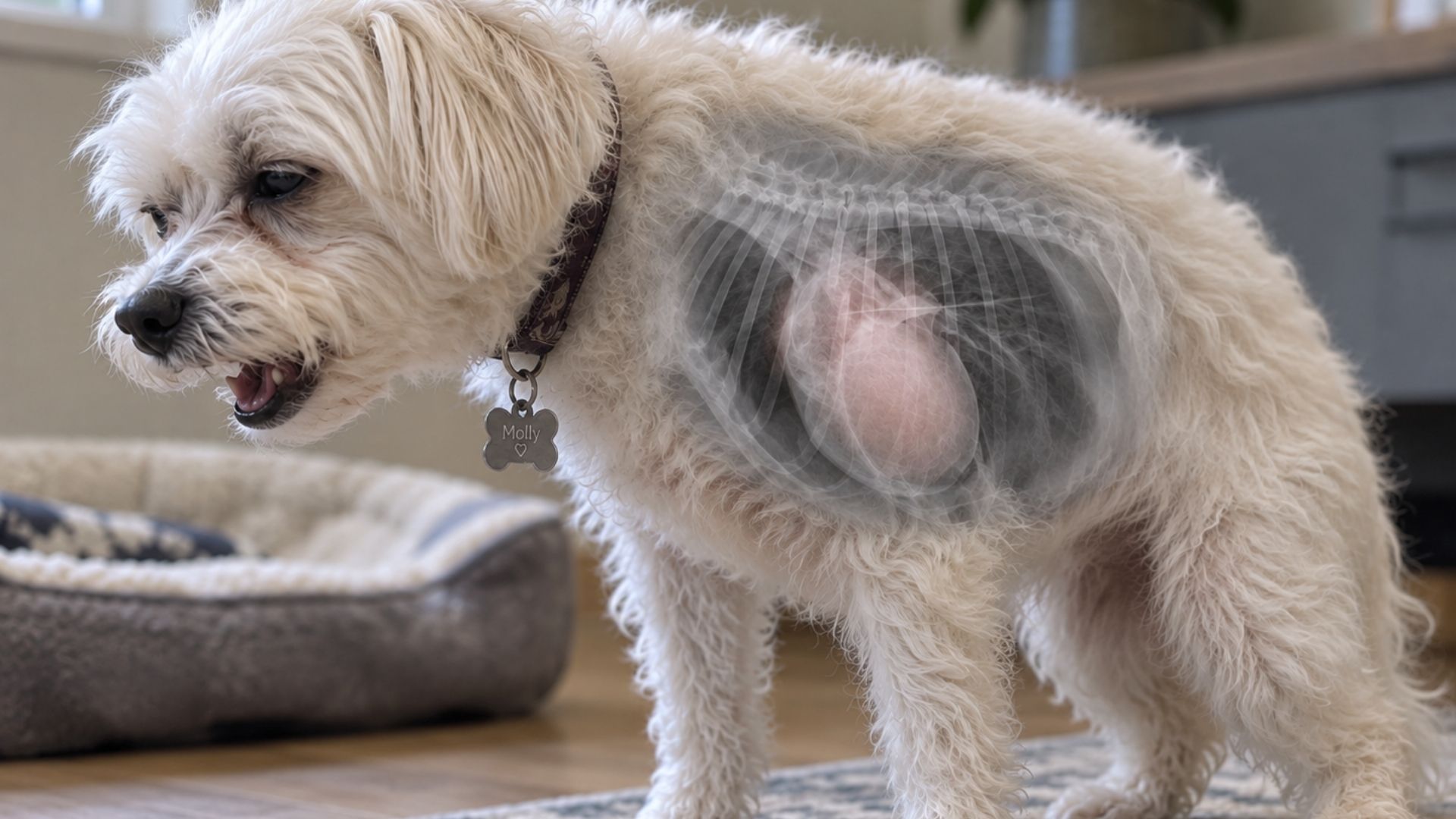
A cough in a dog can be many things, but one possibility pet parents need to know about is mitral valve disease, also called MVD.
Mitral valve disease is the most common heart disease in adult dogs. It is especially common in small breeds and older dogs.
The good news is that there are now newer advances that may help with diagnosis, including a new test looking at microRNAs, or miRNAs. These tiny RNA fragments may help detect myxomatous mitral valve disease, also called MMVD, earlier and may even help distinguish between different stages of the disease.
That matters.
The earlier we know what is going on with the heart, the sooner we can make a plan.
And alongside conventional diagnosis and treatment, there are natural heart support options worth considering, especially healthy omega-3 fatty acids.
Fish oil and krill oil can both be used, but I prefer krill oil because it has high levels of anti-inflammatory essential fatty acids without the toxins now found in salmon.
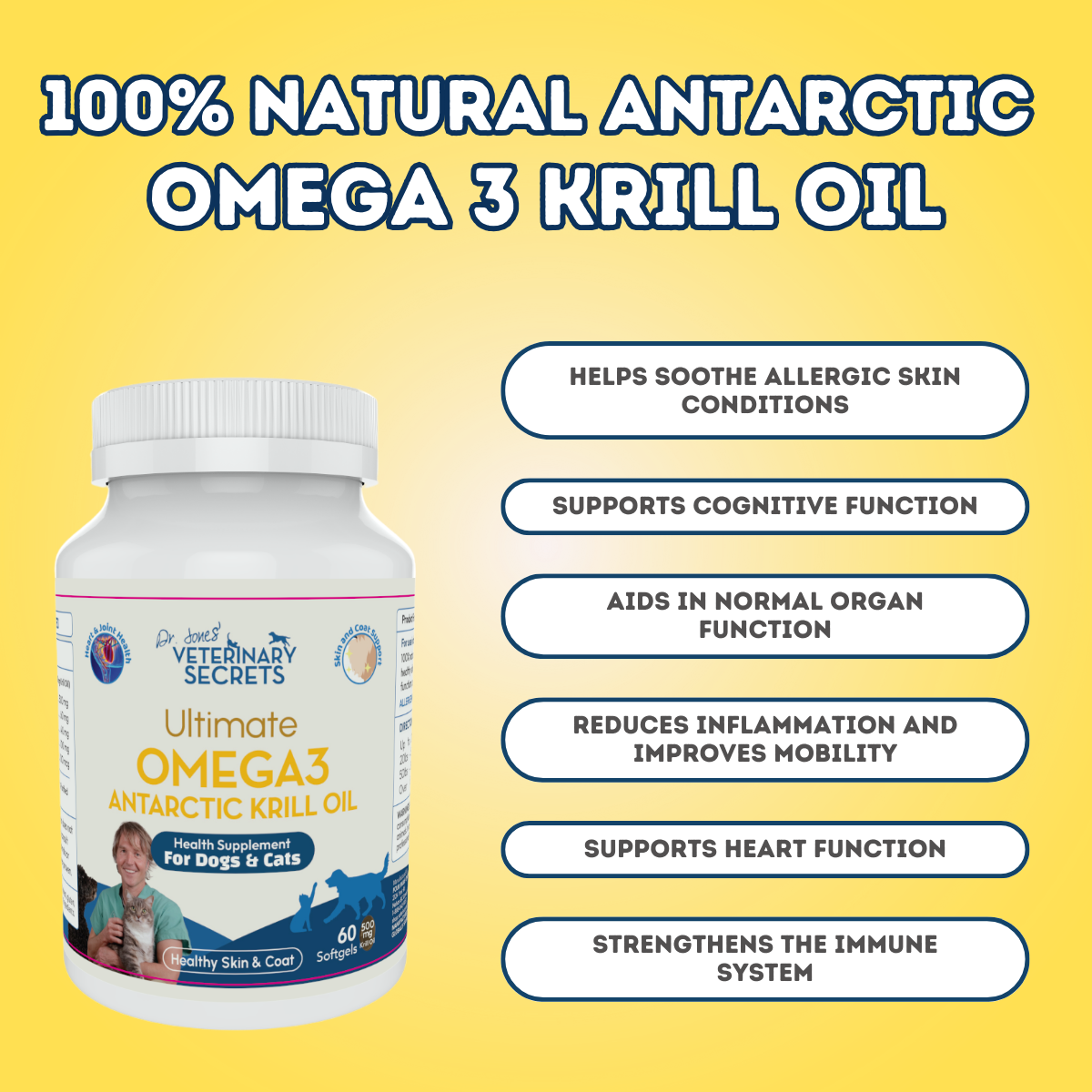
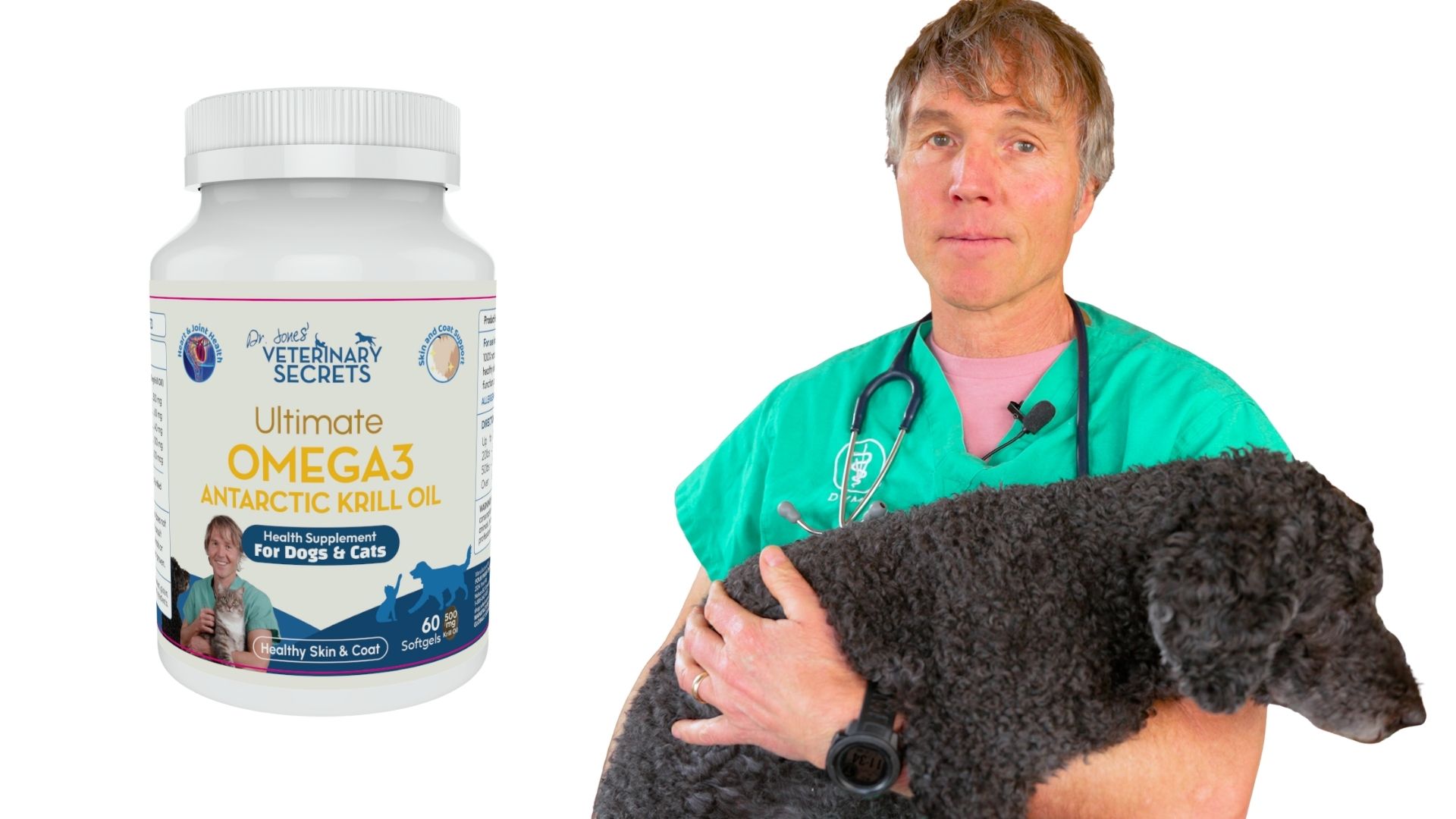
Dr. Jones’ Ultimate Omega 3 Formula for Dogs and Cats
What Is Mitral Valve Disease in Dogs?
Mitral valve disease is a heart condition that affects the mitral valve, one of the valves inside the heart.
In dogs, this condition is especially common in:
- Adult dogs
- Older dogs
- Small breed dogs
The disease can progress over time.
At first, your dog may not show outward symptoms. Later, you may see signs such as coughing, difficulty breathing, or exercise intolerance.
And that is when many pet parents start asking:
“Is this just a cough, or is this heart disease?”
A very fair question.
Also, one that deserves a proper answer.
What Is Myxomatous Mitral Valve Disease?
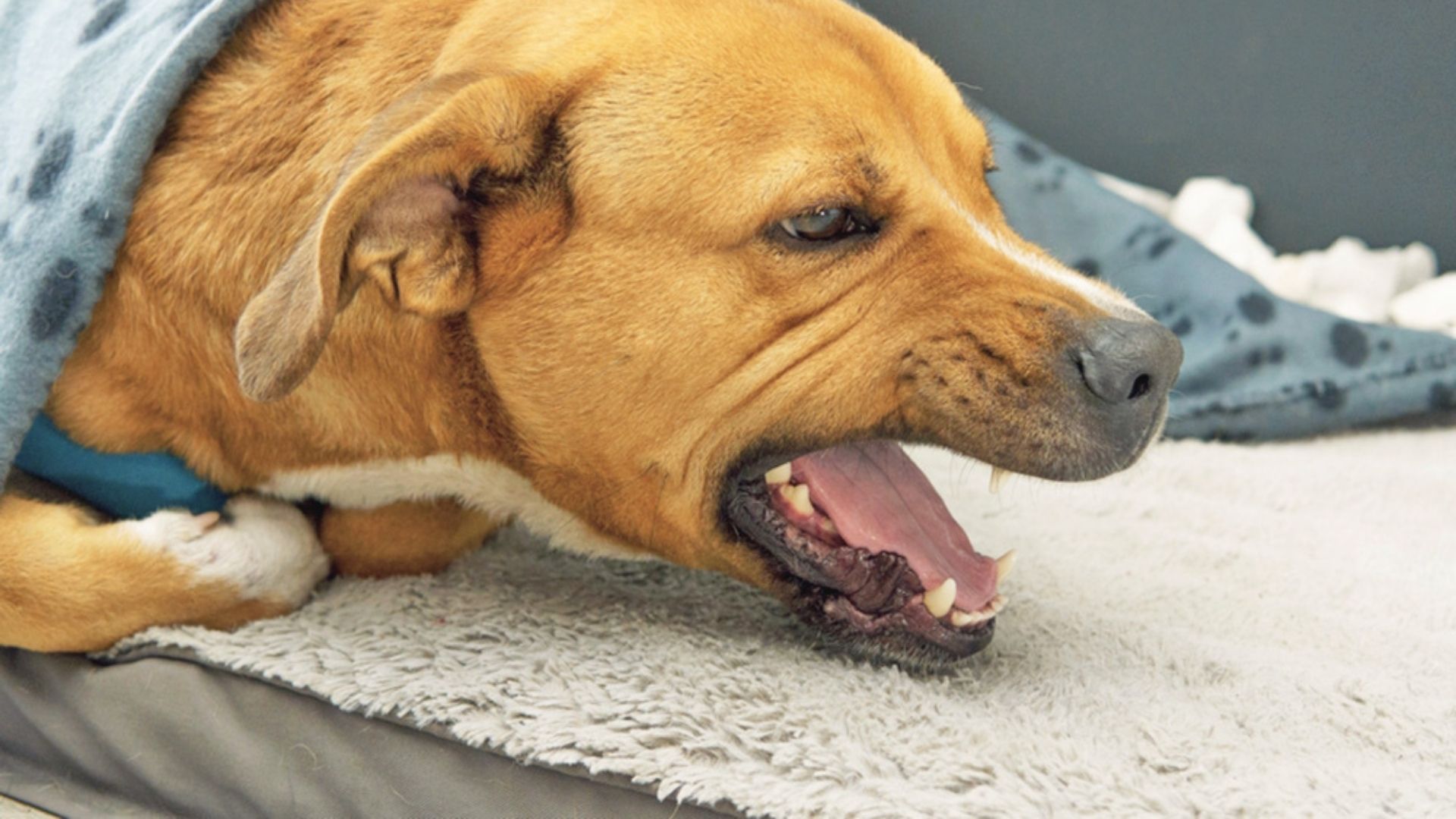
Myxomatous mitral valve disease, or MMVD, is a specific form of mitral valve disease.
It is one of the main heart conditions being discussed in recent testing advances.
MMVD can have different stages.
Some dogs are in early stages with structural changes in the heart but no clear symptoms yet.
Other dogs are in later clinical stages where symptoms are already showing.
That is why early detection matters so much.
Why Does Early Detection Matter?
Early detection can make a meaningful difference for dogs with mitral valve disease.
Dr. Robert Coultous, chief scientific officer and cofounder of MI, explained that catching this disease early can significantly improve the quality and longevity of life for affected dogs.
That is the key.
If MMVD is identified before obvious symptoms appear, veterinarians may be able to intervene earlier, potentially slowing progression and helping prevent further heart damage.
In plain English:
The sooner you know, the sooner you can support the heart.
What Is the New miRNA Test for Mitral Valve Disease?
One newer diagnostic advance involves microRNAs, also called miRNAs.
These are tiny fragments of RNA that help regulate gene expression.
A new study found that miRNAs may help detect myxomatous mitral valve disease early.
The study also suggested that miRNAs may help distinguish between different stages of the disease.
That is exciting because heart disease can be hard to assess early, especially when a dog seems fairly normal on the outside.
A dog can look fine, wag their tail, beg for snacks, bark at the mailman, and still have early heart changes.
Dogs are talented like that.
What Stages Can miRNA Testing Help Identify?
The study discussed different stages of MMVD.
Preclinical Stages: M1 and B2
In the preclinical stages, dogs may not show outward symptoms.
These stages include:
- M1
- B2
This means structural heart changes may be present, but the dog may not yet be coughing, struggling to breathe, or acting exercise intolerant.
That can make the disease harder for pet parents to notice.
Clinical Stages: C and D
In the clinical stages, symptoms may appear.
These stages include:
- C
- D
Signs may include:
- Coughing
- Difficulty breathing
- Exercise intolerance
This is often when pet parents start to realize something more serious may be going on.
Signs of Mitral Valve Disease in Dogs

The signs discussed with clinical MMVD include:
- Coughing
- Difficulty breathing
- Exercise intolerance
If your older small breed dog begins coughing, slowing down, breathing harder, or tiring easily, heart disease should be on the list of possible causes.
It may not be the only cause.
But it is worth checking.
Is Every Dog Cough Heart Disease?
No.
A cough can happen for many reasons.
But in an older dog, especially a small breed dog, a cough should make you think about the heart as one possibility.

The question is not:
“Is every cough heart disease?”
The better question is:
“Could this cough be heart disease, and should my dog be checked?”
If the cough is persistent, worsening, or paired with breathing trouble or exercise intolerance, I would not ignore it.
Natural Heart Support for Dogs With Mitral Valve Disease
There are several natural options that may support dogs with heart disease.
These can complement conventional treatment and may help support your dog’s overall well-being.
The main options discussed here are:
- Dandelion
- Hawthorn
- Coenzyme Q10
- Omega-3 fatty acids from krill oil
These are not magic replacements for diagnosis or needed veterinary care.
But they may be very useful as part of a heart support plan.
Natural Support for Dog Heart Disease
1. Dandelion for Dogs With Heart Disease
Dandelion is a natural diuretic.
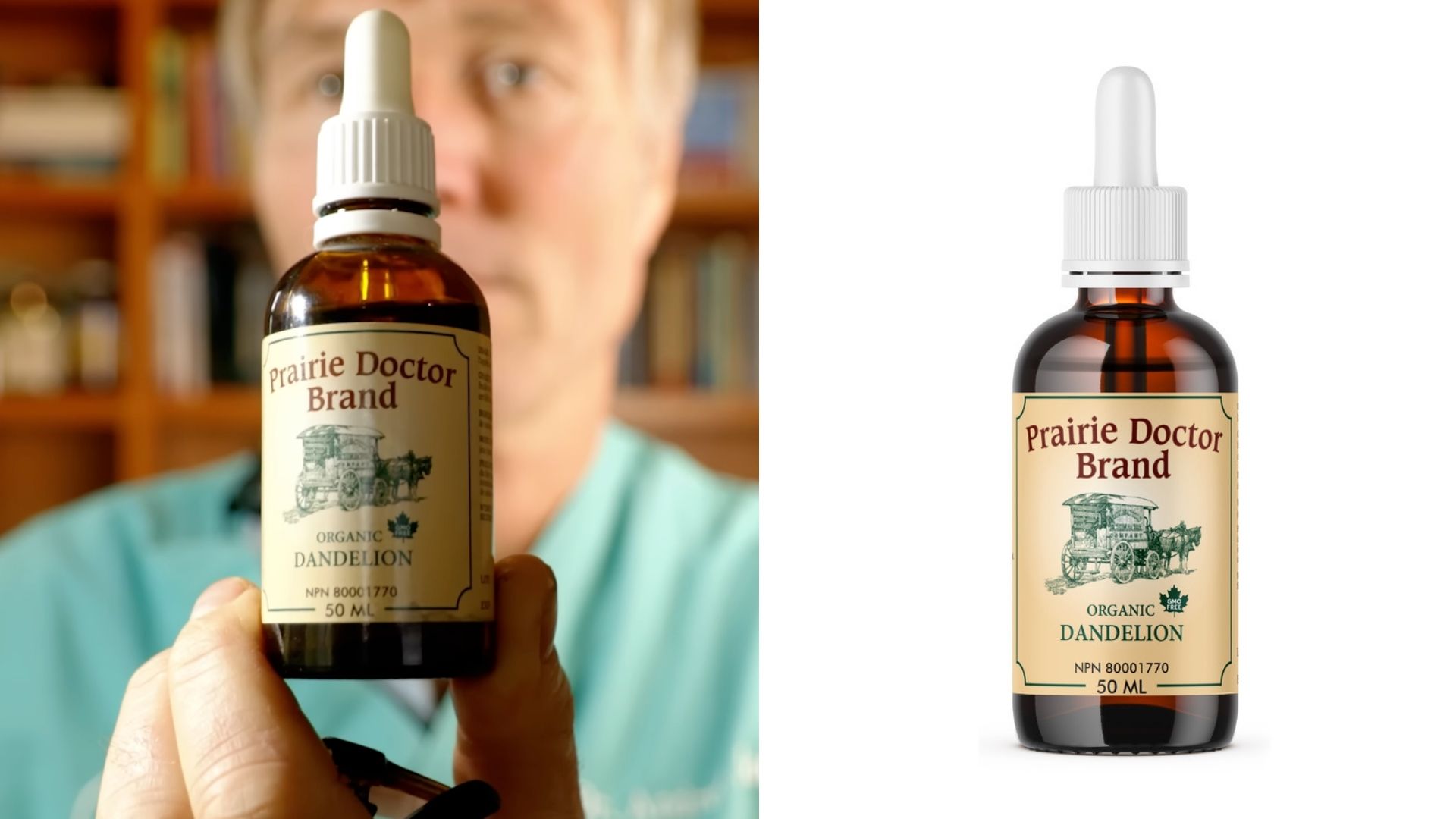
That means it may help reduce fluid buildup.
In dogs with heart disease, fluid can build up in places such as:
- Lungs
- Abdomen
Conventional diuretics such as furosemide, also known as Lasix, are often used to remove excess fluid.
One of the benefits of dandelion is that it contains potassium.
That matters because frequent urination can contribute to potassium loss.
Dandelion may help support fluid balance while also helping prevent potassium deficiencies caused by frequent urination.
Dandelion Dose for Dogs
Give:
1 ml of tincture per 20 lbs of body weight daily
Or use:
As needed
This is one I would consider when fluid buildup is part of the heart disease picture.
2. Hawthorn for Dog Heart Support
Hawthorn is one of the classic heart-support herbs.
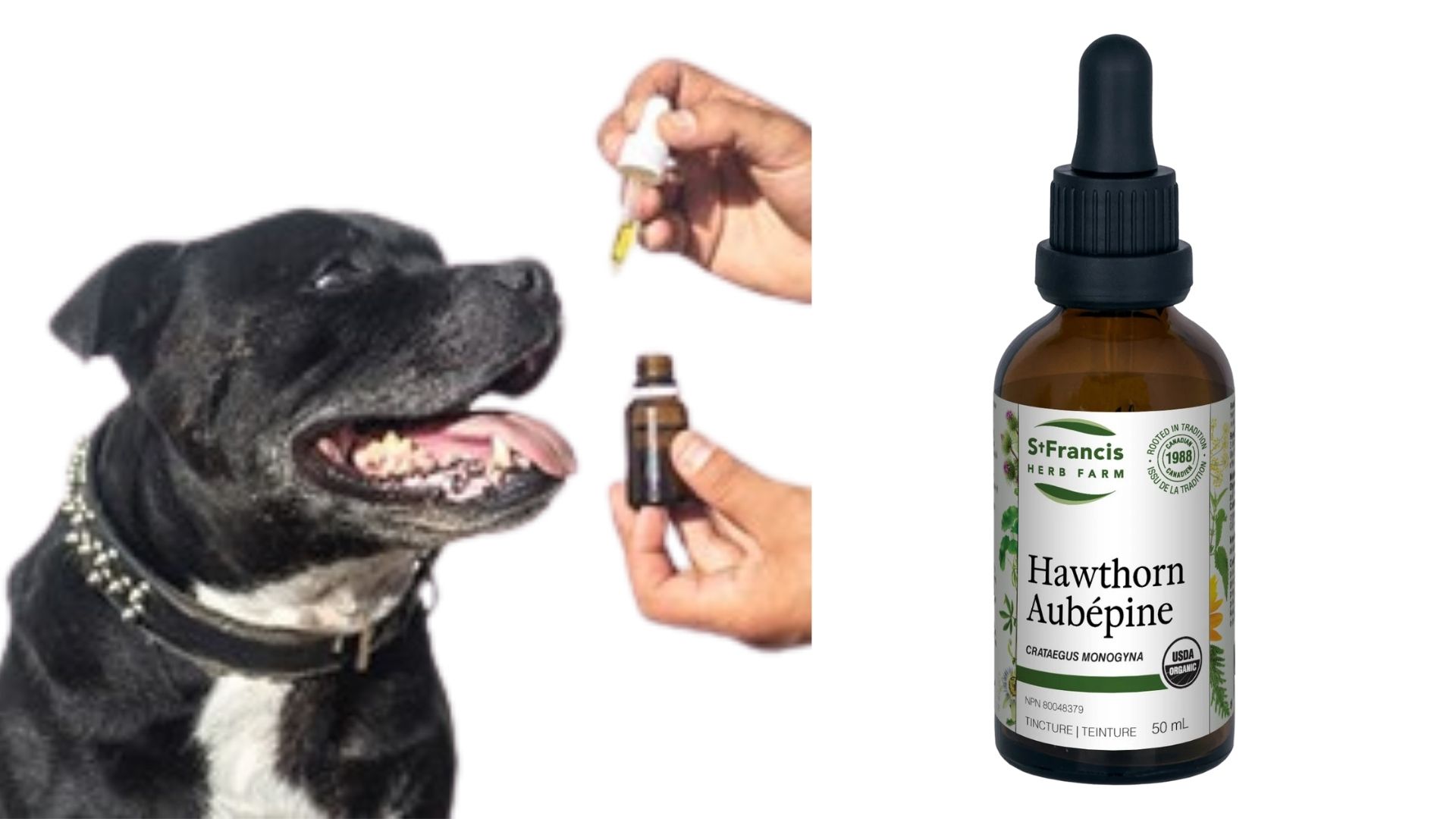
It may help by:
- Strengthening the heart’s ability to pump blood
- Dilating blood vessels
- Making it easier for the heart to work
When the heart is under strain, anything that helps support pumping ability and blood flow is worth discussing.
Hawthorn Dose for Dogs
Give:
1/2 ml of tincture per 20 lbs of body weight twice daily
This can be a very useful herbal option for dogs needing heart support.
3. Coenzyme Q10 for Dogs With Heart Disease
Coenzyme Q10, or CoQ10, is an antioxidant.

It helps protect the heart muscle from damage and supports heart function.
The heart is a hard-working muscle.
It never gets a day off.
No weekends.
No holidays.
No “I’ll just take a quick nap and restart later.”
So supporting the heart muscle makes sense.
CoQ10 Dose for Dogs
Give:
5 mg per 10 lbs of body weight daily
This is a simple supplement option to consider for dogs with heart disease.
4. Omega-3 Fatty Acids From Krill Oil
Omega-3 fatty acids are one of the most important natural supports for heart disease.
They may help:
- Improve heart function
- Reduce irregular heartbeats
- Lower blood pressure
- Decrease the risk of blood clots
- Support heart disease risk factors
You can use fish oil or krill oil.
But I prefer krill oil.
Why I Prefer Krill Oil Over Fish Oil
Krill oil is a better option because it provides high levels of anti-inflammatory essential fatty acids without the toxins now found in salmon.
Some fish oils may raise concerns because heavy metals, such as mercury, can concentrate in fish.
Krill has been shown to be far safer than fish oil supplements for that reason.
Krill oil is also:
- Highly absorptive
- Bioavailable
- Naturally rich in astaxanthin
- A source of omega-3 fatty acids
- Supportive for heart health
Omega-3 Krill Oil Dose for Dogs
Give:
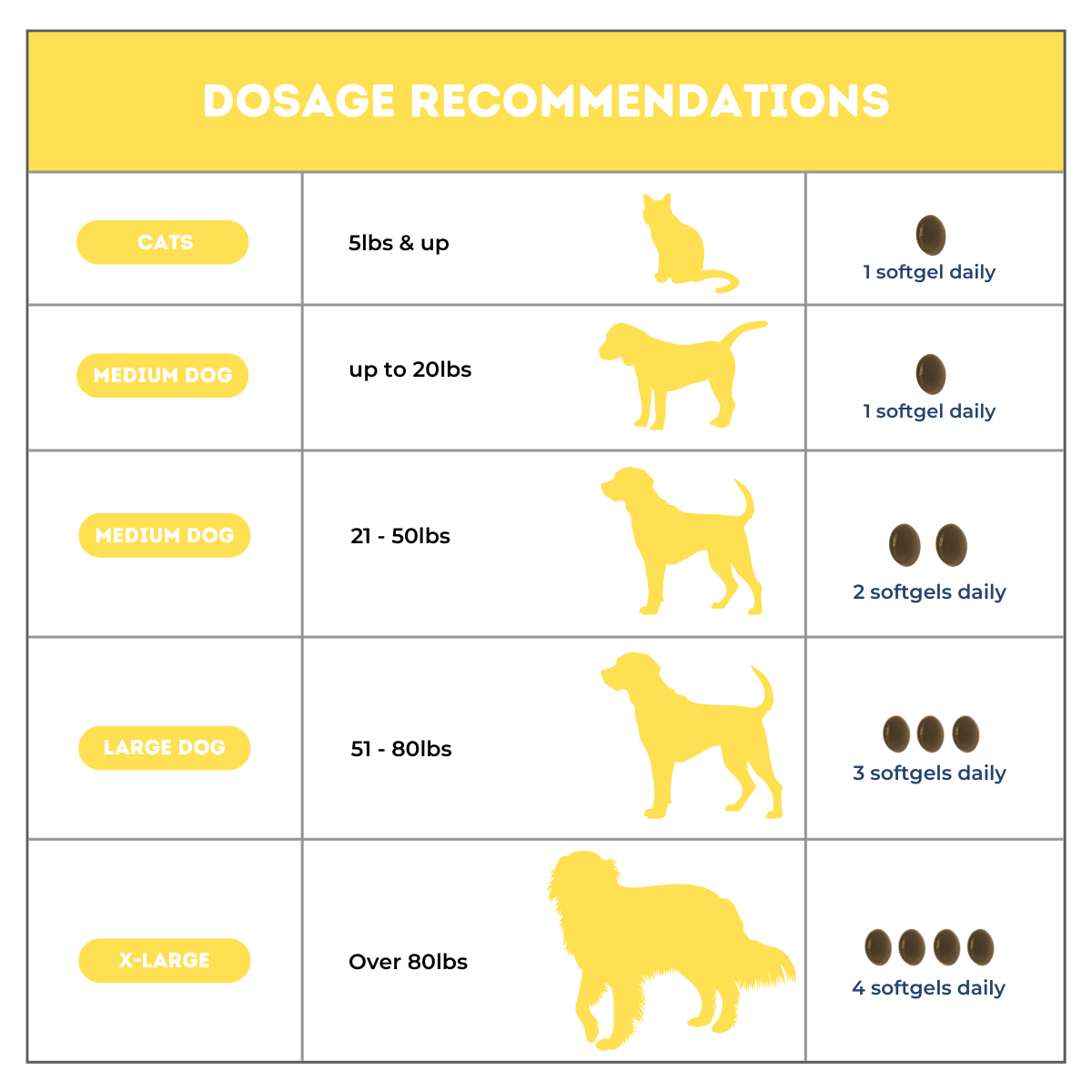
500 mg of krill oil per 25 lbs of body weight daily
One supplement I would consider for heart support is:
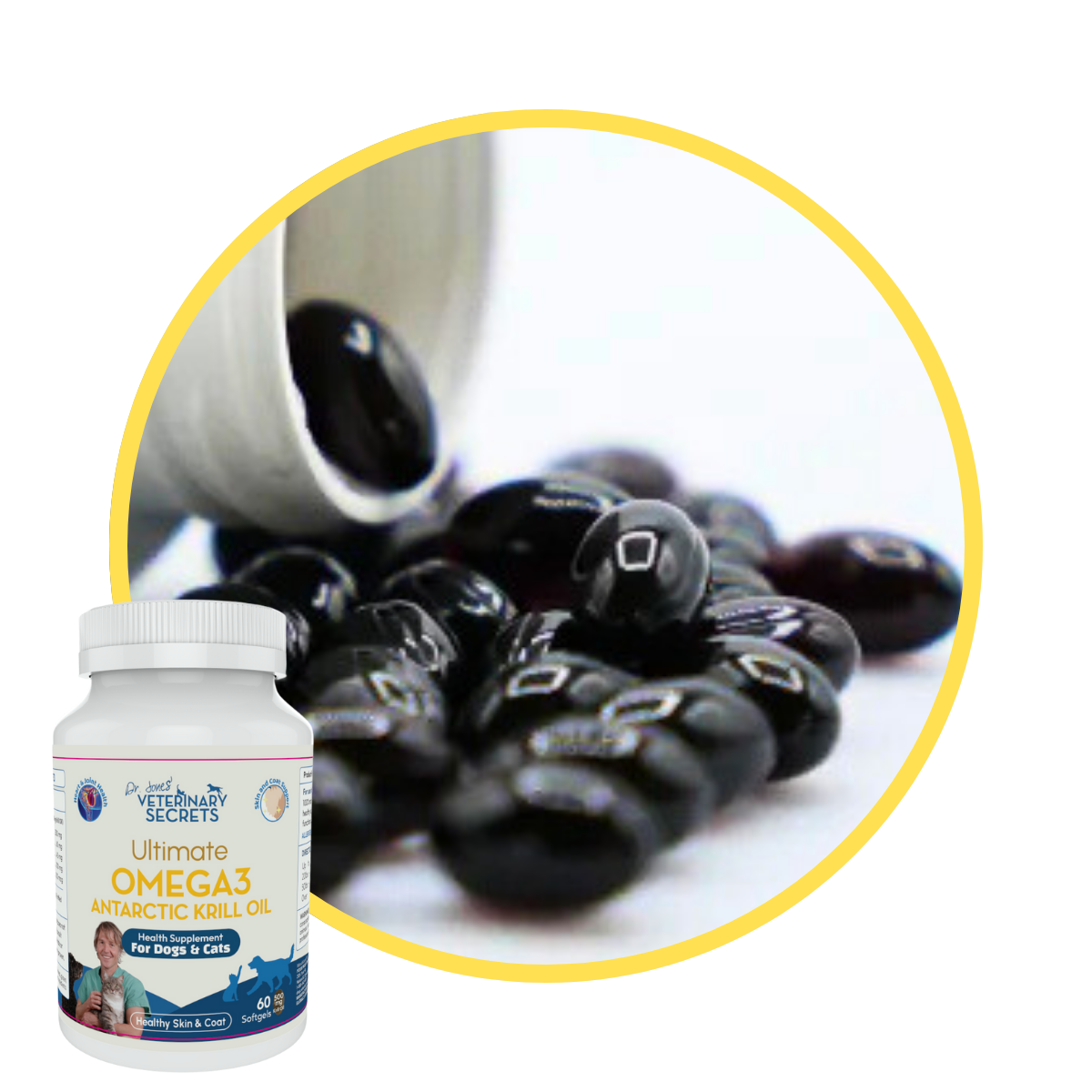
Dr. Jones’ Ultimate Omega 3 Formula for Dogs and Cats
This supplement provides omega-3 fatty acids from krill oil.
I like krill oil because of its absorption, safety profile compared with fish oil concerns, and natural astaxanthin content.
For dogs and cats, omega-3s may help support many heart disease risk factors.
How Krill Oil May Help Dogs and Cats
Some of the specific ways krill oil can help include:
- It is highly absorptive and bioavailable.
- Krill has been shown to be far safer than fish oil supplements because heavy metals, such as mercury, concentrate in fish.
- Krill oil naturally contains the antioxidant astaxanthin.
- Astaxanthin can support your pet’s health in many ways.
- Omega-3 supplements may help improve many heart disease risk factors.
That is why omega-3 support is one of my favorite long-term options for dogs with heart concerns.
Simple.
Daily.
Useful.
Very unglamorous, which is often how the best supportive care works.
Natural Heart Support Dosage Table
| Remedy or Supplement | Dog Dose Mentioned | Frequency |
|---|---|---|
| Dandelion tincture | 1 ml per 20 lbs | Daily, or as needed |
| Hawthorn tincture | 1/2 ml per 20 lbs | Twice daily |
| CoQ10 | 5 mg per 10 lbs | Daily |
| Krill oil omega-3s | 500 mg per 25 lbs | Daily |
Which Natural Heart Support Option Is Best?
The best option depends on what your dog needs.
| If Your Dog Has | Consider |
|---|---|
| Fluid buildup in lungs or abdomen | Dandelion |
| A heart that needs pumping and blood vessel support | Hawthorn |
| Need for heart muscle antioxidant support | CoQ10 |
| Need for broad anti-inflammatory heart support | Omega-3 fatty acids from krill oil |
| Older small breed dog with MVD risk | Early diagnosis plus heart support |
| Cough, difficulty breathing, or exercise intolerance | Veterinary evaluation first |
If I had to choose one broad support for heart health, I would strongly consider omega-3 fatty acids from krill oil.
Why?
Because they can support heart function, irregular heartbeats, blood pressure, clot risk, and heart disease risk factors.
That is a lot of benefit from one supplement.
Step-by-Step: What I Would Do if My Dog Might Have Mitral Valve Disease
Step 1: Watch the Cough
Do not ignore a persistent cough, especially in an older or small breed dog.
Ask:
- Is the cough new?
- Is it getting worse?
- Does it happen after activity?
- Is there difficulty breathing?
- Is my dog tiring more easily?
Step 2: Ask About Heart Disease
Mitral valve disease is the most common heart disease in adult dogs.
So if your dog fits the pattern, ask whether heart disease may be involved.
Step 3: Discuss Testing
Newer testing using miRNAs may help detect MMVD early and distinguish between stages.
This may be especially helpful before obvious symptoms appear.
Step 4: Know the Stage
The stage matters.
Preclinical stages, such as M1 and B2, may involve structural changes without outward symptoms.
Clinical stages, such as C and D, may involve coughing, difficulty breathing, or exercise intolerance.
Step 5: Support the Heart
Depending on your dog’s needs, consider natural support such as:
- Dandelion
- Hawthorn
- CoQ10
- Omega-3 fatty acids from krill oil
Step 6: Monitor Quality of Life
Watch your dog’s:
- Cough
- Breathing
- Energy
- Exercise tolerance
- Appetite
- Comfort
- Ability to rest
- Overall happiness
Heart disease is not just about test results.
It is about how your dog feels and functions every day.
Quick Guide: Natural Support for Dog Heart Disease
| Support Option | Why It May Help | Dose Mentioned |
|---|---|---|
| Dandelion | Natural diuretic that may reduce fluid buildup in lungs and abdomen | 1 ml tincture per 20 lbs daily, or as needed |
| Hawthorn | Helps strengthen heart pumping and dilates blood vessels | 1/2 ml tincture per 20 lbs twice daily |
| CoQ10 | Antioxidant that protects heart muscle and supports function | 5 mg per 10 lbs daily |
| Omega-3 fatty acids from krill oil | Supports heart function, rhythm, blood pressure, and clot risk | 500 mg krill oil per 25 lbs daily |
Why Coughing Should Not Be Ignored
Coughing in dogs can be confusing.
It may be heart disease.
It may be something else.
But if your dog is older, small breed, coughing, breathing harder, or tiring more easily, mitral valve disease should be considered.
This is where better diagnostics can help.
And if miRNA testing can help detect MMVD earlier, that gives pet parents and veterinarians more time to act.
Earlier action may help improve quality and longevity of life.
That is the goal.
When Should You Call Your Veterinarian?
Call your veterinarian if your dog has:
- Persistent coughing
- Coughing that is getting worse
- Difficulty breathing
- Heavy breathing
- Exercise intolerance
- Sudden tiredness
- Weakness
- Collapse
- Swollen abdomen
- Signs of fluid buildup
- Known heart disease with worsening symptoms
- Any concern that the cough may be heart-related
If your dog is struggling to breathe, do not wait.
That needs urgent care.
Final Thoughts
Mitral valve disease is the most common heart disease in adult dogs, especially small breeds and older dogs.

A cough may be heart disease.
Or it may be something else.
But it is worth asking the question.
New research involving miRNAs may offer a better way to detect myxomatous mitral valve disease earlier and distinguish between different stages of the disease.
That is promising.
Early detection may help improve quality and longevity of life for affected dogs.
For natural support, I would consider:
- Dandelion for fluid buildup support
- Hawthorn for heart pumping and blood vessel support
- CoQ10 for antioxidant heart muscle support
- Omega-3 fatty acids from krill oil for broad heart health support
My favorite broad support here is omega-3 fatty acids, especially from krill oil.
Krill oil is highly absorptive, bioavailable, naturally contains astaxanthin, and may help improve many heart disease risk factors.
Heart disease does not always mean your dog’s quality of life has to decline right away.
With early detection, thoughtful support, and the right plan, you can take meaningful steps to help your dog’s heart.
Click To Get A Free Copy of My E-Book!

P.S. Mitral valve disease does not have to mean an immediate decline in your dog’s quality of life.
With early detection, newer diagnostic tools like miRNA testing, and natural support options such as dandelion, hawthorn, CoQ10, and omega-3 fatty acids, you can do a lot to support your furry friend’s heart health.
P.P.S. Some of the specific ways krill oil can help your dog or cat:
- It is highly absorptive and bioavailable.
- Krill has been shown to be far safer than fish oil supplements, as heavy metals such as mercury concentrate in fish.
- Krill oil naturally contains the unique antioxidant astaxanthin, which can support your pet’s health in many ways.
- Omega-3 supplements may help improve many heart disease risk factors.
P.P.P.S. For omega-3 support, consider Dr. Jones’ Ultimate Omega 3 Formula for Dogs and Cats.
It is made with krill oil and is one of the heart-support supplements I would keep in mind for dogs and cats.