Garlic for Warts in Dogs and Cats: What the Study Found

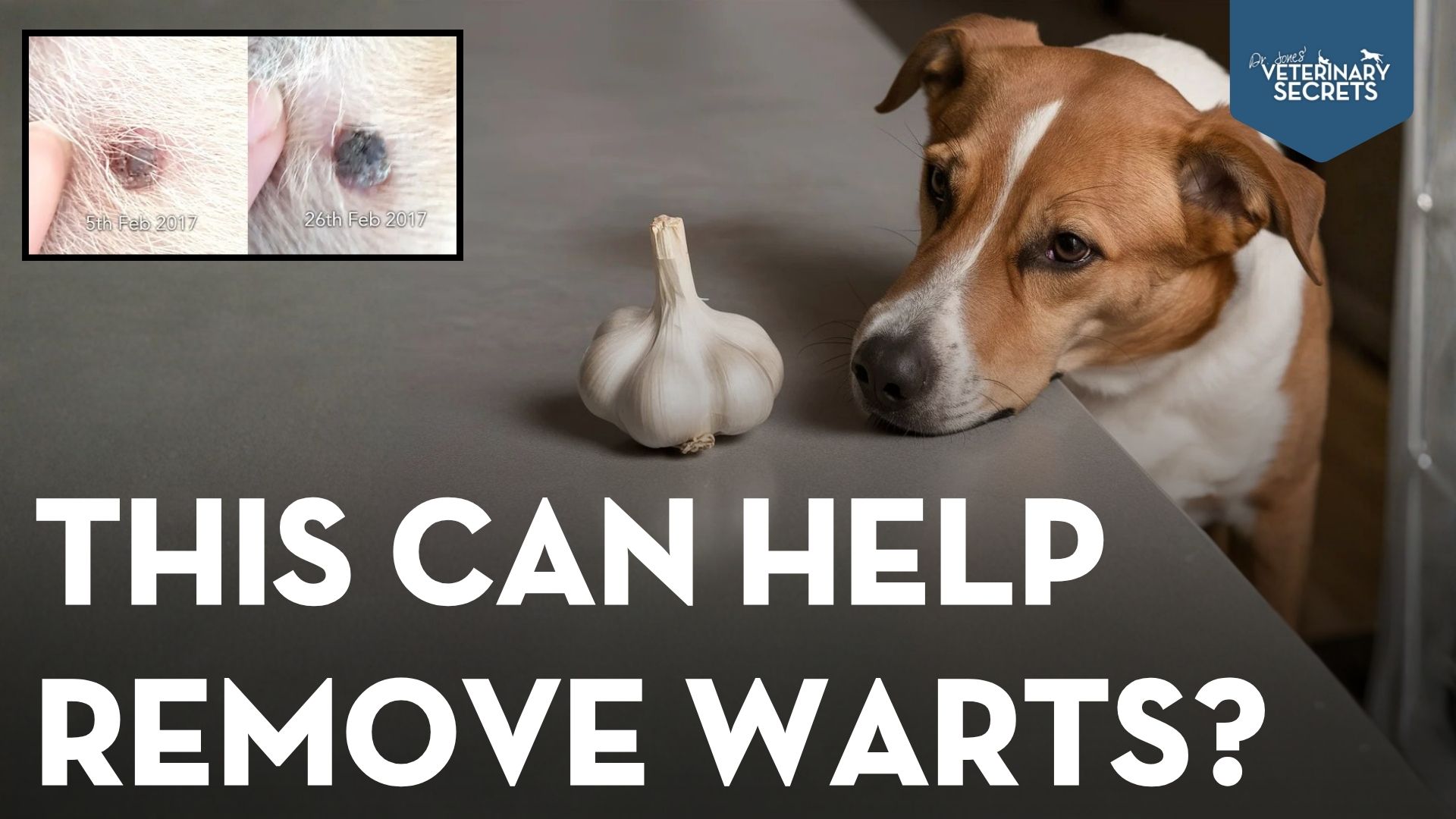
Can Garlic Help Remove Warts?
Yes, topical garlic may help some warts heal faster.
A clinical study published in the International Journal of Dermatology found that a fat-soluble extract of garlic removed 100% of warts in the study group within one to two weeks.
That is impressive.
Warts in dogs and cats are known as papillomas. They are surprisingly common in dogs, uncommon in cats, and in most cases they are caused by a virus.
Many papillomas disappear on their own as the animal slowly develops immunity to them.
But some papillomas may need to be removed surgically if they become inflamed, infected, or fail to regress over time.
So the goal here is not to panic over every wart.
The goal is to know what it is, what may help, and when it needs veterinary attention.
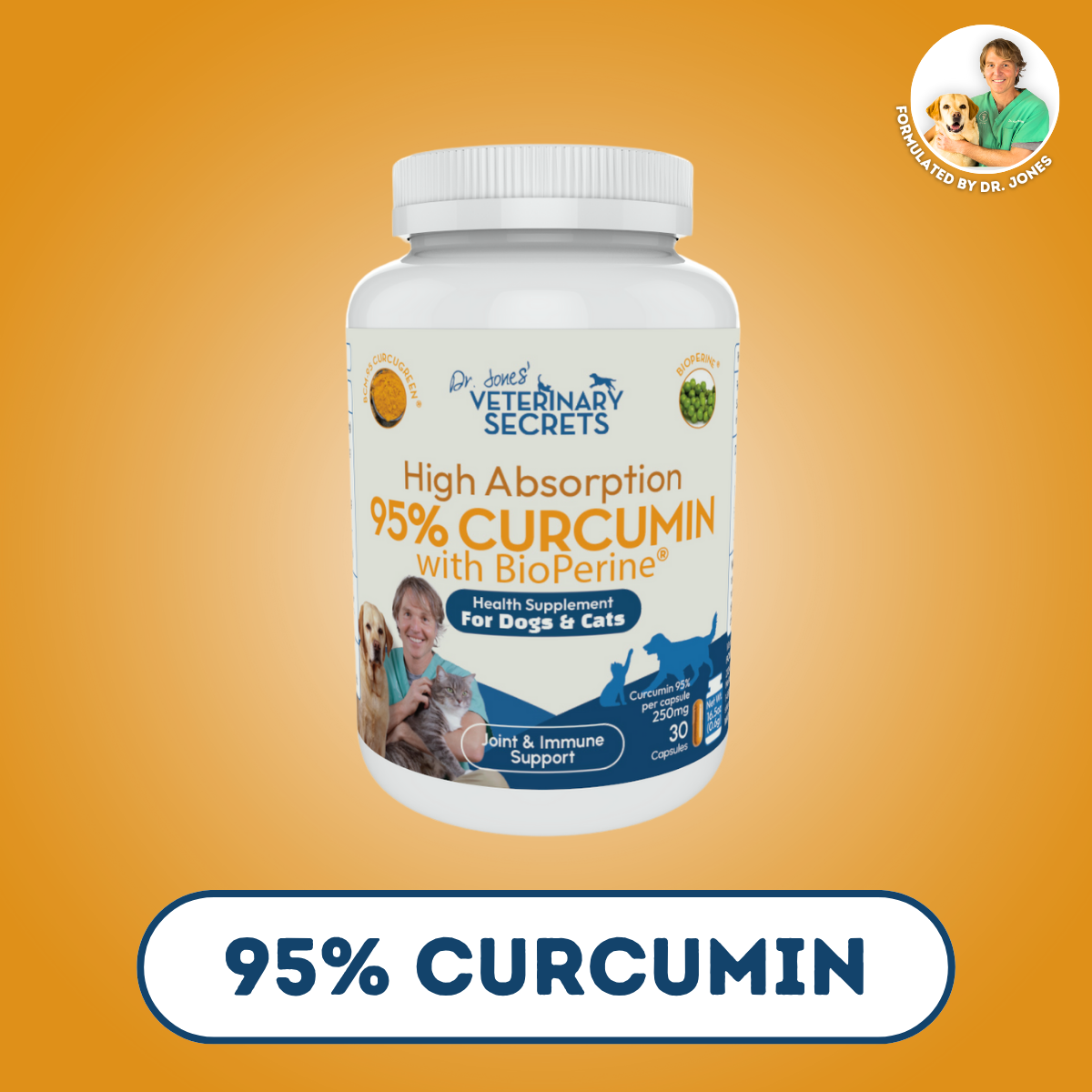
Dr. Jones’ Ultimate High Absorption 95% Curcumin for Dogs and Cats

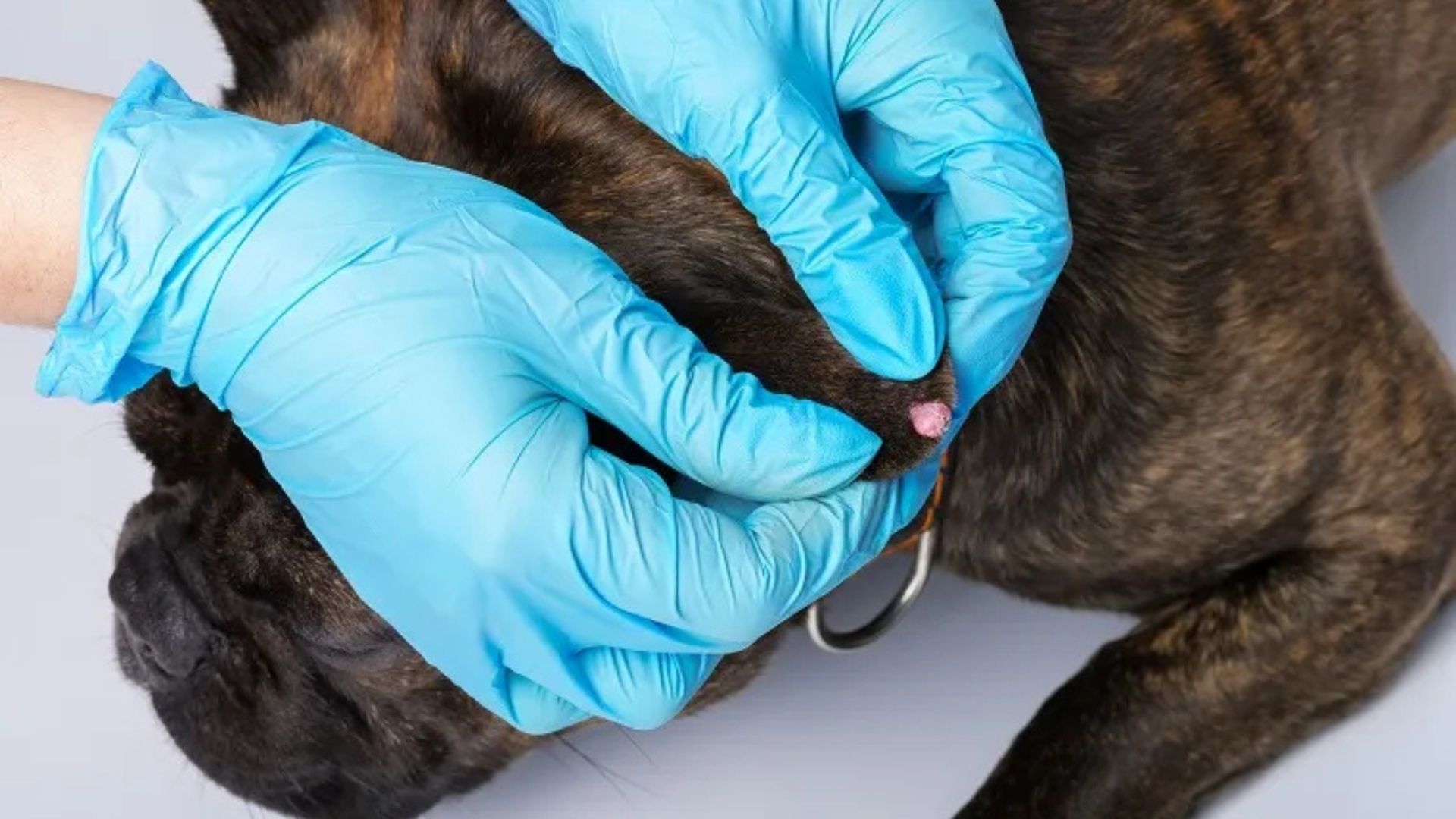
What Are Warts in Dogs and Cats?
Warts are skin growths that are often caused by a virus.
In dogs and cats, they are commonly called:
Papillomas
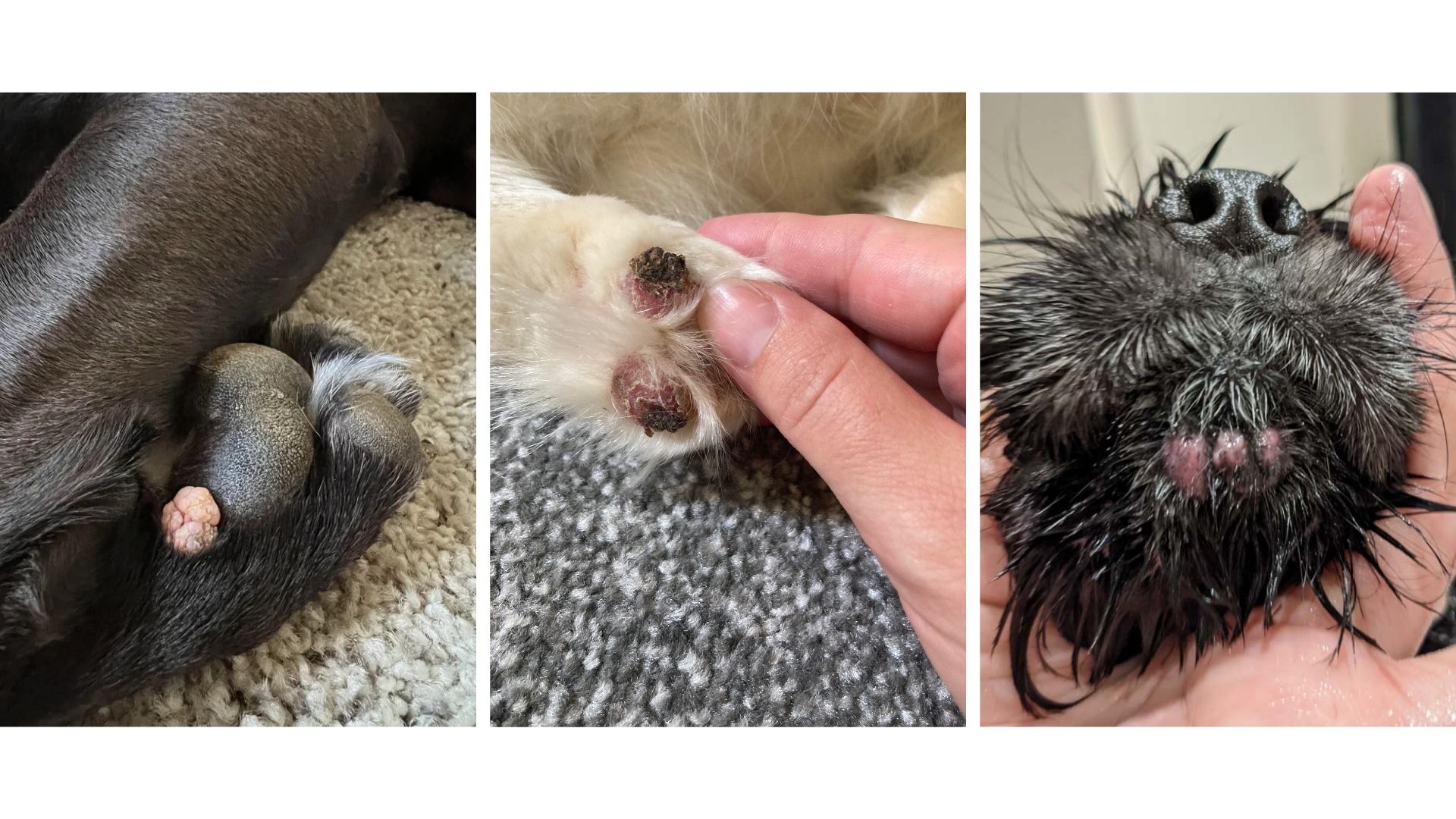
These can appear as small, raised, rough, or cauliflower-like growths on the skin or around the mouth.
Dogs get them more commonly than cats.
Papillomas are uncommon in cats but common in dogs.
Why Do Dogs and Cats Get Warts?
Most papillomas are caused by a virus.
The body often takes time to recognize the virus and mount an immune response.
That is why some warts disappear spontaneously.
The animal slowly develops immunity to them.
That is good news.
But it can take time, and some warts become irritated, inflamed, infected, or just refuse to leave.
A bit like certain house guests.
Do Pet Warts Always Need Treatment?
No, not always.
Many papillomas will regress on their own.
But some need more attention.
Papillomas May Need Veterinary Care If They Are:
- Inflamed
- Infected
- Bleeding
- Painful
- Growing quickly
- Failing to regress over time
- Interfering with eating, walking, or normal movement
- Being chewed, scratched, or irritated by your pet
If a growth changes quickly or looks unusual, have your veterinarian examine it.
Not every lump is a wart.
That matters.
What Did the Garlic Wart Study Find?
The clinical study looked at garlic extract for warts and corns.
It was conducted by Iranian researchers from Shiraz University in 2005.
There were 33 participants with multiple warts.
They were divided into three groups:
| Group | Treatment Used | Result |
|---|---|---|
| Group 1 | Water extract of garlic applied twice daily | Small warts disappeared, larger warts partially improved after 2 months |
| Group 2 | Fat-soluble garlic extract applied twice daily | Every wart disappeared completely in less than 2 weeks |
| Group 3 | Chloroform and methanol solvent without garlic | No improvement |
The fat-soluble garlic extract was the clear winner.
It caused every single wart in the treated group to disappear completely in less than two weeks.
That group included 23 patients with between 2 and 96 warts each.
Seven out of nine patients with corns also had complete recovery.
That is not a small result.
Why Was the Control Group Important?
The control group received the lipid solvent, which was chloroform and methanol, without garlic.
This was done to rule out the possibility that the solvent itself was removing the warts.
That group showed no improvement.
That suggests the garlic extract, not the solvent alone, was responsible for the results.
Did the Warts Come Back?
No recurrence of warts was seen during the 4-month follow-up after the garlic study.
That is one of the most interesting parts of the study.
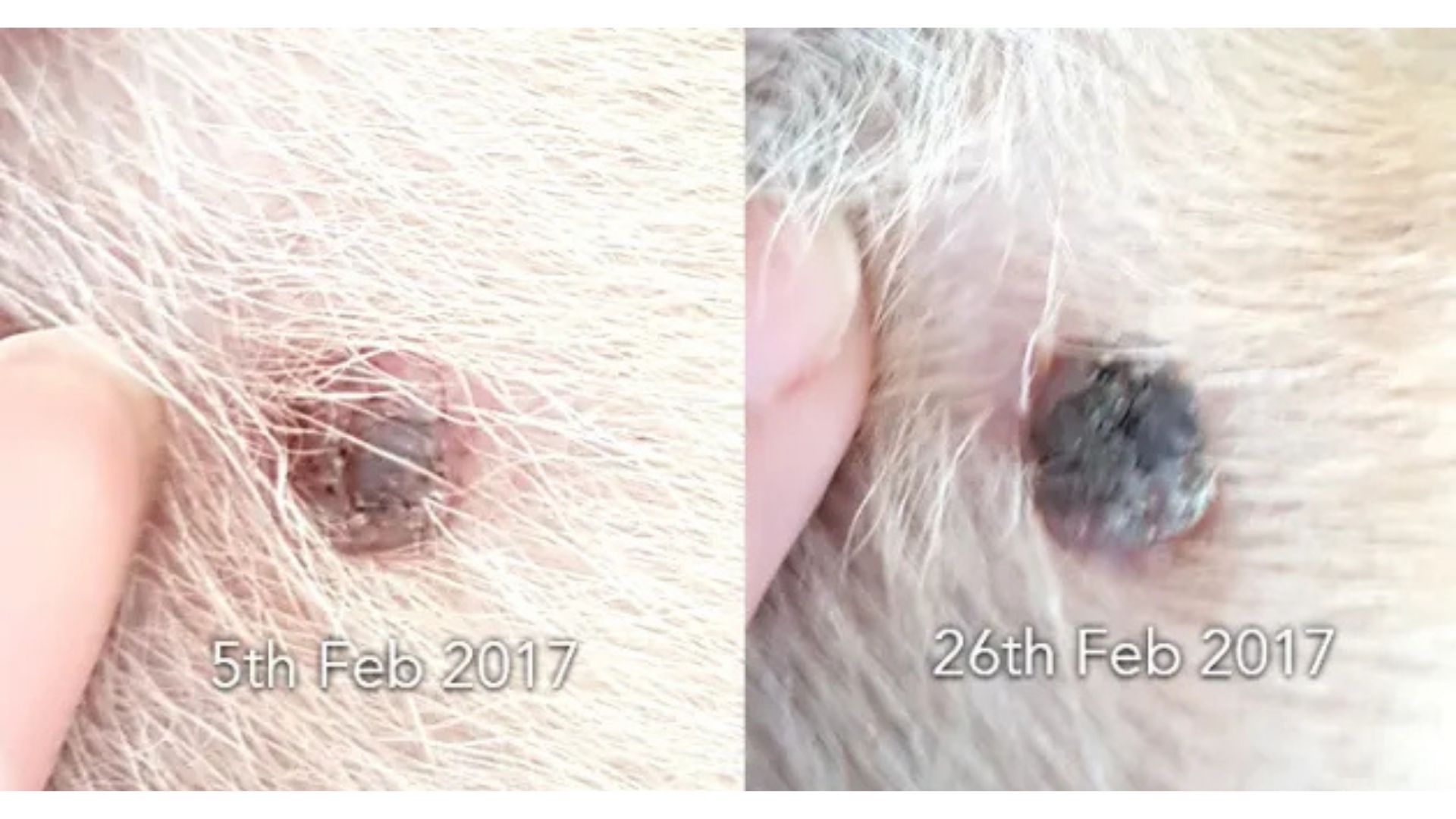
Warts can be frustrating because they may return after conventional treatment.
In this study, the garlic-treated warts did not recur during the follow-up period.
Why Might Garlic Help Warts?
Researchers attributed garlic’s success on warts and corns to several properties.
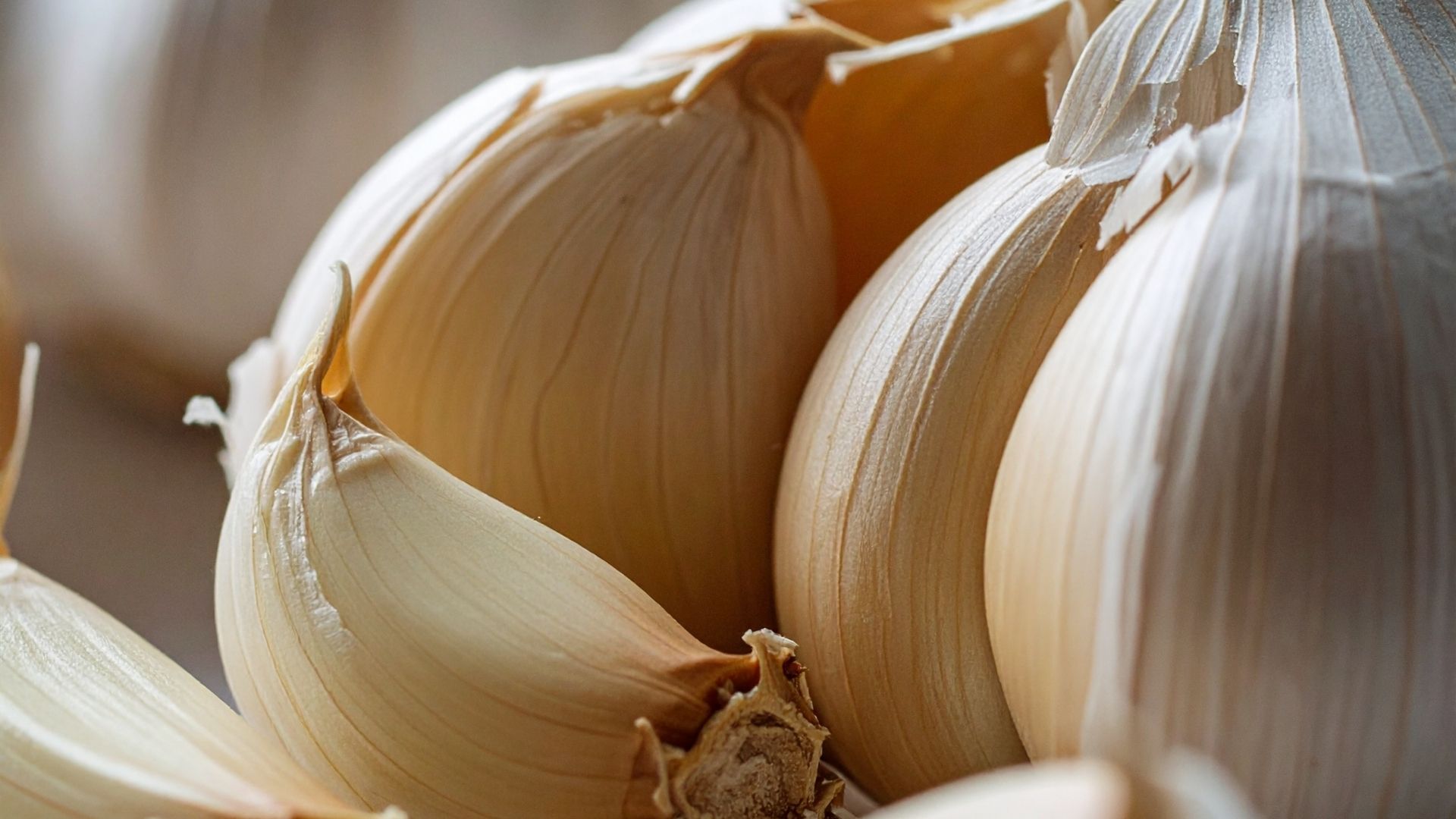
Garlic May Have Antiviral Properties
The HPV virus is the primary cause of common warts in people.
Garlic’s antiviral properties are well established.
Because many warts are viral growths, this may help explain why topical garlic extract worked so well.
Garlic May Have Anti-Tumor Properties
Warts are HPV-associated growths.
They are not unlike benign tumors.
Garlic has been found to destroy a wide range of cancer cells and has been studied for potential therapeutic value in many diseases.
Garlic May Support Immune Response
The researchers noted that the mechanism was still unknown, but enhancement of immune responses may be responsible.
That makes sense.
If warts are viral, and the immune system is involved in clearing them, then immune-modulating effects could matter.
Garlic May Have Fibrinolytic Activity
The researchers observed that garlic extract applied to a corn caused the corn to separate from its place.
They suggested this may be due to garlic’s fibrinolytic effect, helping break down surrounding fibrin tissue.
That may explain why it helped with corns as well as warts.
What Type of Garlic Worked Best?
The fat-soluble garlic extract worked best.
The water extract of garlic did help small warts disappear and reduced the size of larger ones, but it was not as effective.
The best result came from garlic dissolved in chloroform and methanol.
For practical home use, I would be looking for a fat-soluble garlic extract and applying it topically to the wart.
How Would I Use Garlic for Warts?
If I were using garlic for warts, I would use fat-soluble garlic extract.
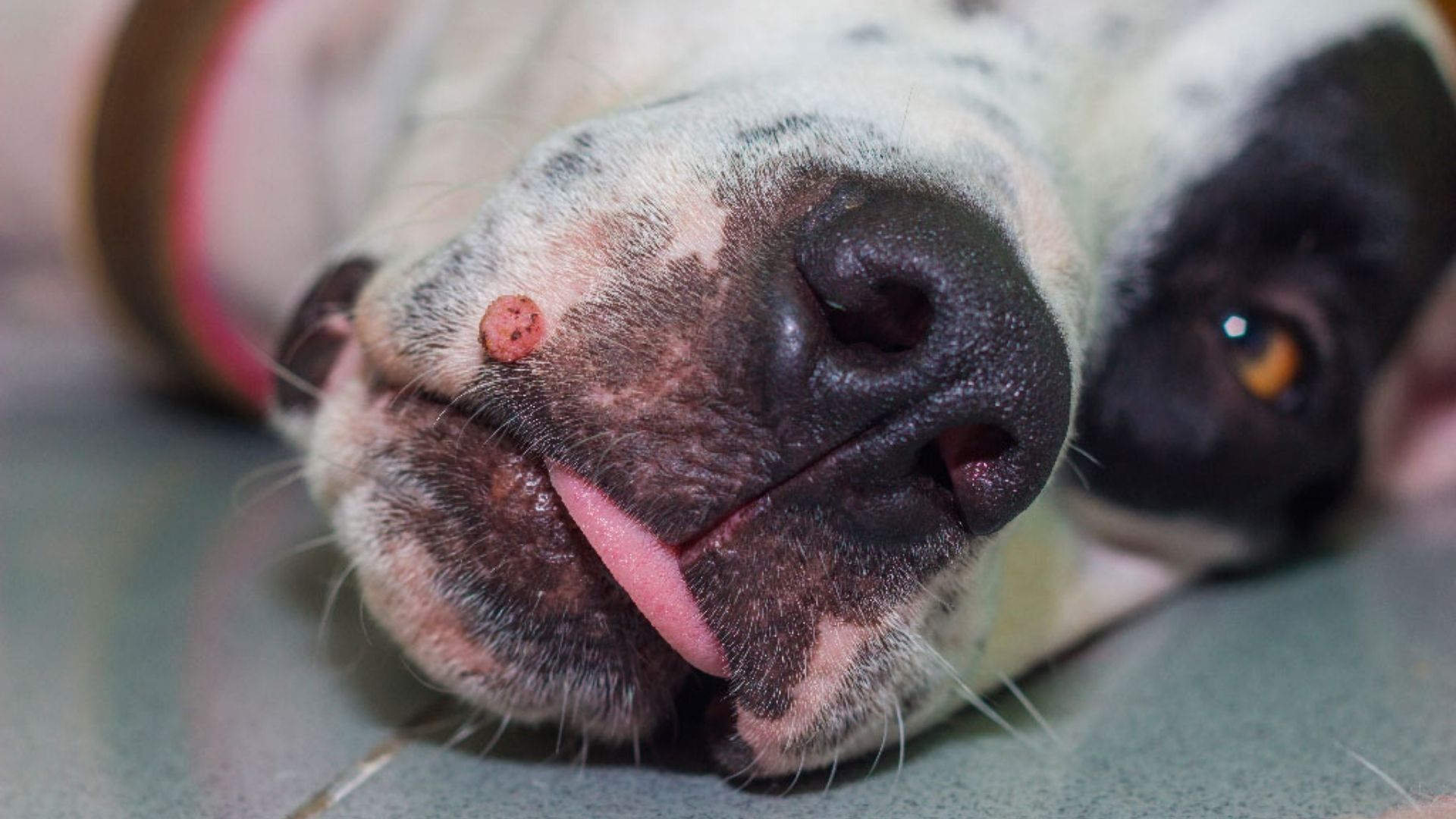
Topical Garlic Wart Support
Use:
- Fat-soluble garlic extract
- Apply topically to the wart
- Use carefully
- Avoid eyes, mouth, and sensitive tissue
- Watch for irritation
The source specifically says:
If you are using garlic for warts, get some fat-soluble garlic extract, and apply it to the wart topically.
I tried this on myself.
It worked awesome.
The unsightly foot warts are now gone.
And no, I do not have garlic to sell.
So this is really unbiased.
Can Dogs and Cats Use Garlic for Warts?
Topical garlic may be worth considering for papillomas in dogs and cats.
This is not the same as feeding large amounts of garlic.
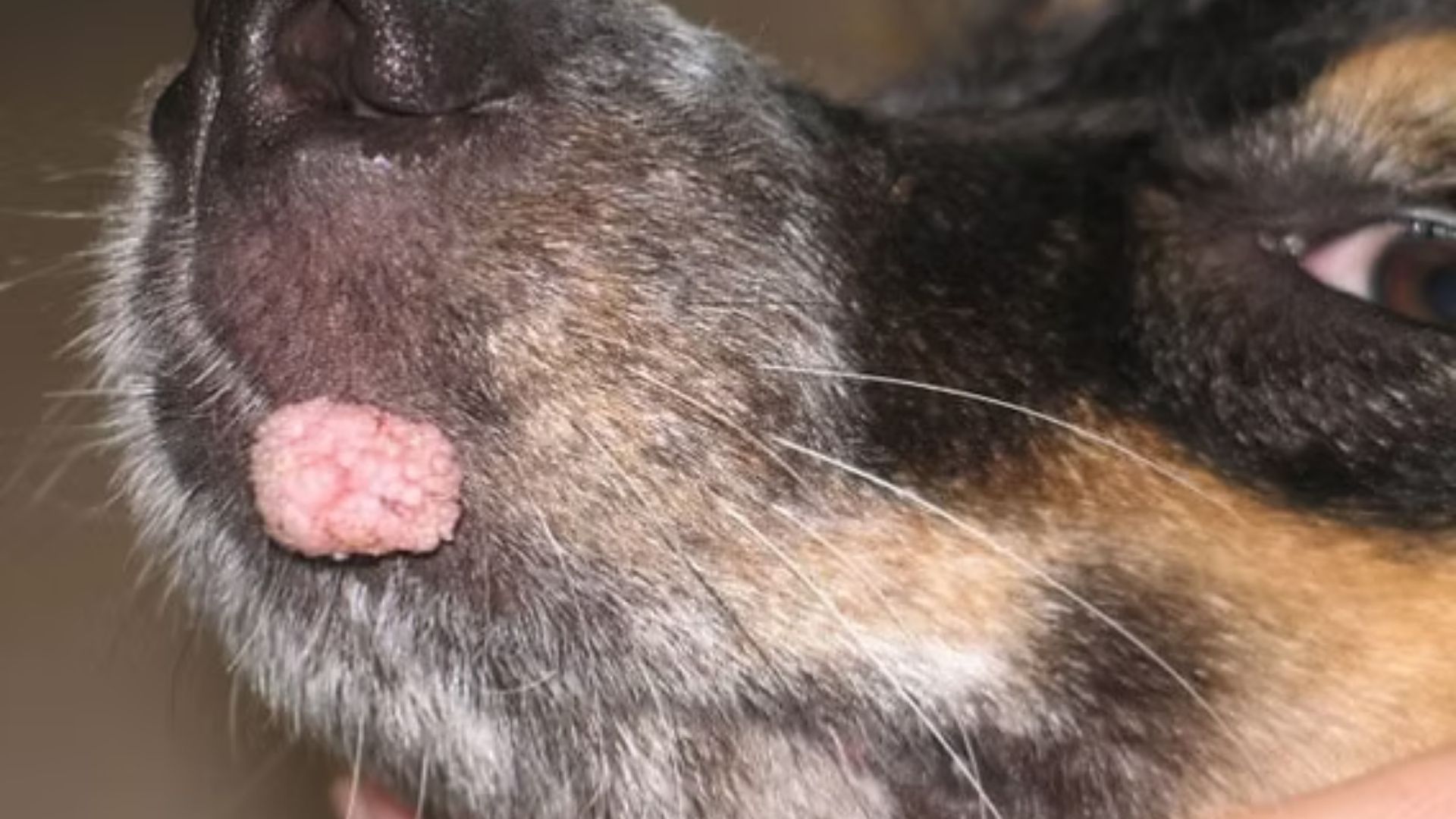
This is topical use on a wart.
Dogs and cats often do get warts, and the idea that something as simple as topical garlic may speed healing is impressive.
Use common sense.
If the wart is near the eye, mouth, genitals, or an irritated area, be careful and get veterinary guidance.
If the growth is changing, bleeding, painful, or not clearly a wart, have it checked.
What About Curcumin for Warts?
Curcumin is another option I would consider.
I have been using 95% curcumin for dog pain relief, my own intermittent headaches, and now I would consider it for warts.
Curcumin has antiviral properties, and it may be useful as a topical compress.
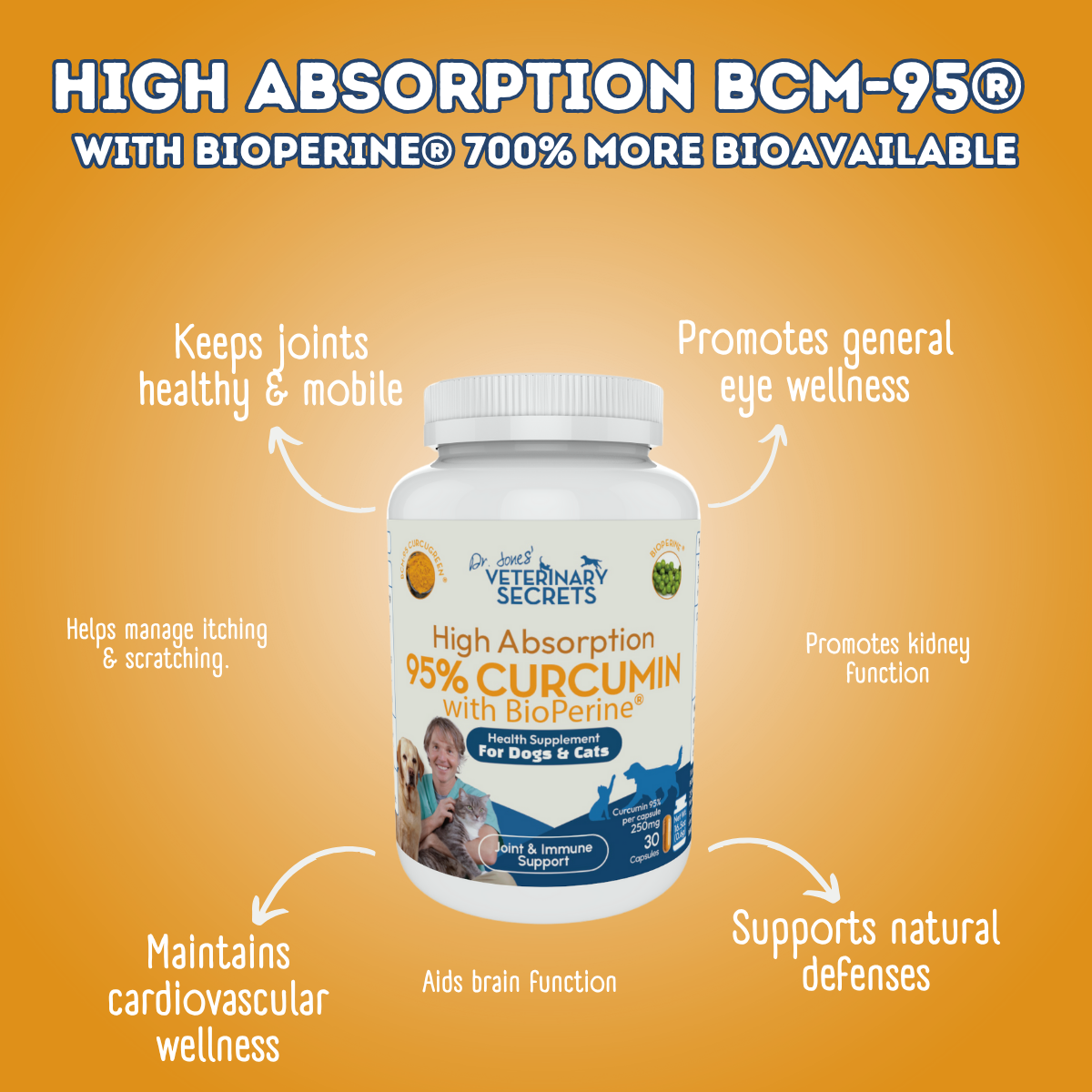
95% High Absorption Curcumin with BCM-95/Curcugreen and BioPerine

It is a potent anti-inflammatory, and I have seen it help dogs with pain and inflammation.
How to Make a 95% Curcumin Paste for Warts
This is a simple curcumin and honey paste.

Curcumin and Honey Paste Recipe
| Ingredient | Amount |
|---|---|
| 95% standardized curcumin extract powder | 1/2 teaspoon |
| Raw honey | 1 teaspoon |
| Coconut oil, warmed and melted | 1 teaspoon |
Capsules can be broken open if you are using curcumin capsules.
Raw honey is preferred.
High-MGO Manuka honey is especially preferred for its antiviral and tissue-sealing properties.
How to Make the Paste
- Place the raw honey into a small, clean ceramic or glass dish.
- Gradually stir in the 95% curcumin powder.
- Mix until it forms a thick, uniform, bright-yellow paste.
- Add the melted coconut oil.
- Stir well.
The coconut oil helps the hydrophobic curcumin better penetrate the hard skin layers of the wart.
How to Apply Curcumin Paste to a Wart
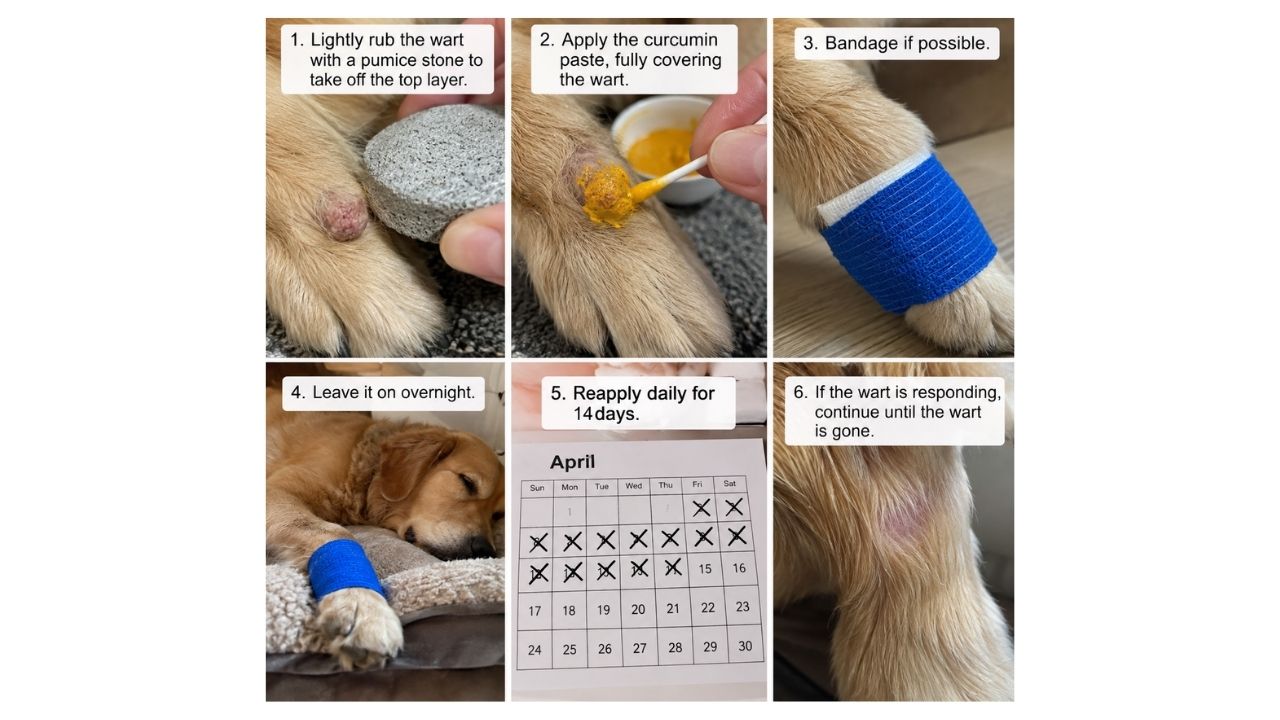
- Lightly rub the wart with a pumice stone to take off the top layer.
- Apply the curcumin paste, fully covering the wart.
- Bandage if possible.
- Leave it on overnight.
- Reapply daily for 14 days.
- If the wart is responding, continue until the wart is gone.
Curcumin is bright yellow.
Very bright.
So do not be surprised if it stains fabric, bedding, fingers, towels, or your dignity.
Use carefully.
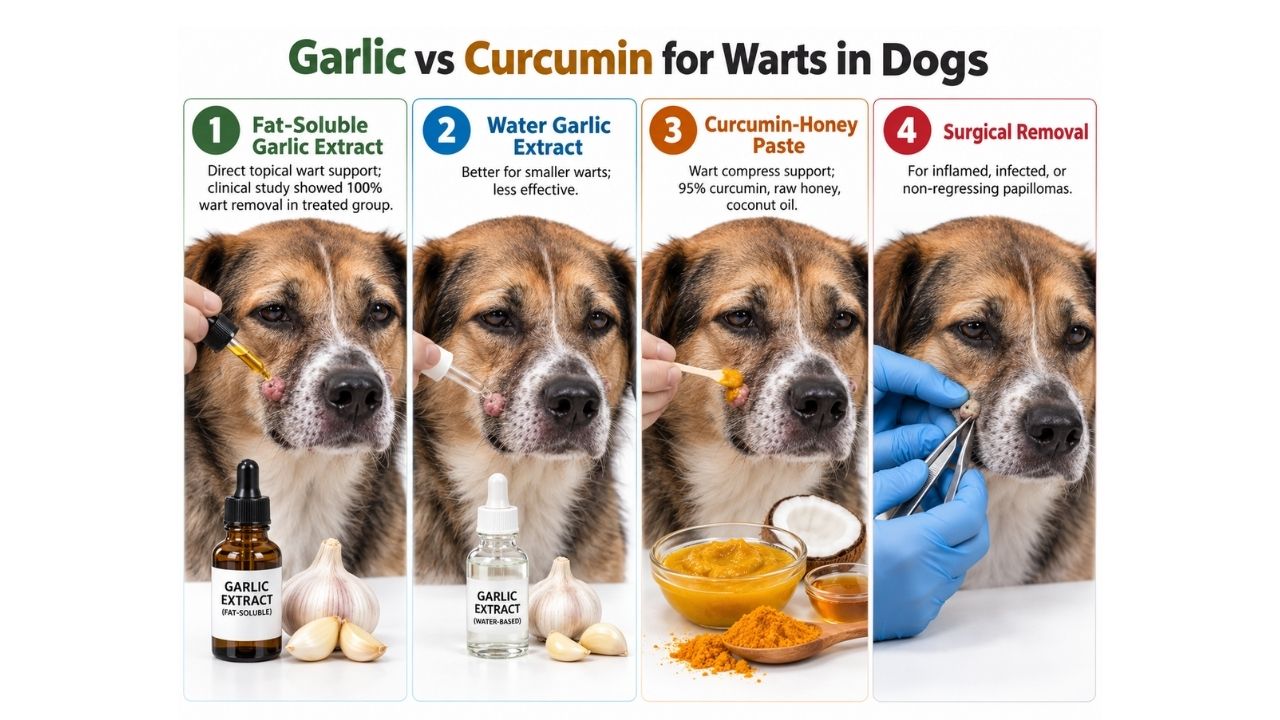
Garlic vs Curcumin for Warts
| Option | Best Use | Notes |
|---|---|---|
| Fat-soluble garlic extract | Direct topical wart support | Clinical study showed 100% wart removal in treated group |
| Water garlic extract | Smaller warts | Less effective than fat-soluble garlic extract |
| Curcumin-honey paste | Wart compress support | Uses 95% curcumin, raw honey, and coconut oil |
| Surgical removal | Inflamed, infected, or non-regressing papillomas | Needed for some papillomas |
Best Option to Start With
If you can get fat-soluble garlic extract, that would be my first choice for topical wart support based on the study results.
If you cannot get that, the 95% curcumin paste is another option to consider.
For dogs and cats, I would keep the plan simple:
- Confirm the growth looks like a papilloma.
- Use one topical approach at a time.
- Watch for irritation.
- Stop if the area becomes painful or inflamed.
- Get your veterinarian involved if it does not improve or looks suspicious.
Dosage and Use Table
| Remedy | Amount or Use | How Often or How Long |
|---|---|---|
| Fat-soluble garlic extract | Apply topically to wart | Use topically, monitor response |
| Garlic water extract | Applied to warts in study | Twice daily, less effective for larger warts |
| 95% curcumin powder | 1/2 teaspoon | Mixed into paste |
| Raw honey | 1 teaspoon | Mixed into paste |
| Coconut oil | 1 teaspoon, warmed and melted | Mixed into paste |
| Curcumin paste | Fully cover wart and bandage if possible | Leave on overnight, reapply for 14 days |
| Continue curcumin paste | If responding | Continue until wart is gone |
Best For / Not For
Best For
Topical garlic or curcumin paste may be helpful for:
- Common warts
- Papillomas in dogs
- Viral wart-type growths
- Small external skin warts
- Warts that are not painful or infected
- Pet parents looking for a topical home option
- Pets with uncomfortable warts where topical support may help
Not For
Do not rely only on home remedies if the growth is:
- Rapidly growing
- Bleeding
- Painful
- Infected
- Inflamed
- Ulcerated
- Near the eye
- Inside the mouth
- Interfering with eating
- Interfering with walking
- Not clearly a wart
- Failing to improve over time
Some papillomas may need surgical removal.
And some lumps are not papillomas.
That is why diagnosis matters.
Step-by-Step: What to Do if Your Dog or Cat Has a Wart
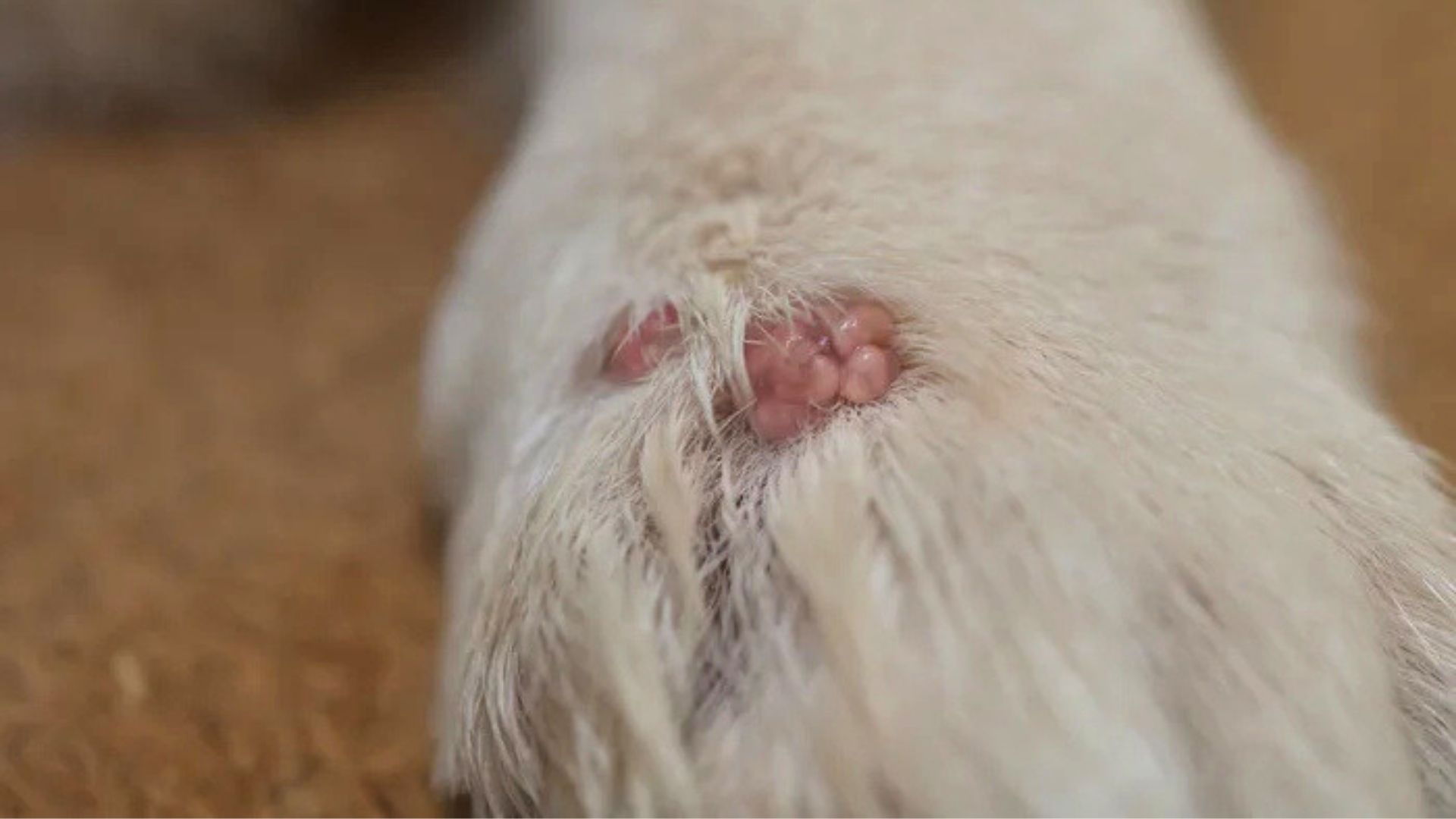
Step 1: Look Closely at the Growth
Ask:
- Is it small?
- Is it raised?
- Is it rough or cauliflower-like?
- Is it painful?
- Is it bleeding?
- Is it growing quickly?
- Is your pet licking or chewing it?
If it looks unusual, get it checked.
Step 2: Decide if Home Support Makes Sense
Home support may make sense if the wart is small, external, not painful, and not infected.
If it is inflamed, infected, or failing to regress, veterinary care may be needed.
Step 3: Consider Fat-Soluble Garlic Extract
Apply fat-soluble garlic extract topically to the wart.
Watch for irritation.
Stop if the skin becomes painful, red, or inflamed.
Step 4: Consider Curcumin Paste
Mix:
- 1/2 teaspoon 95% curcumin powder
- 1 teaspoon raw honey
- 1 teaspoon melted coconut oil
Apply overnight for 14 days.
If responding, continue until gone.
Step 5: Prevent Licking
Bandage if possible.
If your dog or cat licks off the remedy immediately, it will be less useful.
And with cats, “less useful” can happen very quickly.
Step 6: Monitor Progress
Watch for:
- Shrinking
- Drying
- Less irritation
- No new growth
- No bleeding
- No pain
If the growth worsens or does not improve, call your veterinarian.
When Should You Call Your Veterinarian?
Call your veterinarian if your dog or cat has a wart or growth that is:
- Growing quickly
- Bleeding
- Painful
- Inflamed
- Infected
- Ulcerated
- Changing color
- Being chewed or scratched
- Near the eye
- In the mouth
- Interfering with eating
- Interfering with movement
- Failing to regress over time
- Not clearly a papilloma
Also call if your pet has multiple new growths or seems unwell.
A wart is usually not an emergency.
But a suspicious lump should not be ignored.
Final Thoughts
Warts in dogs and cats are usually called papillomas.
They are often viral.
They are common in dogs and uncommon in cats.
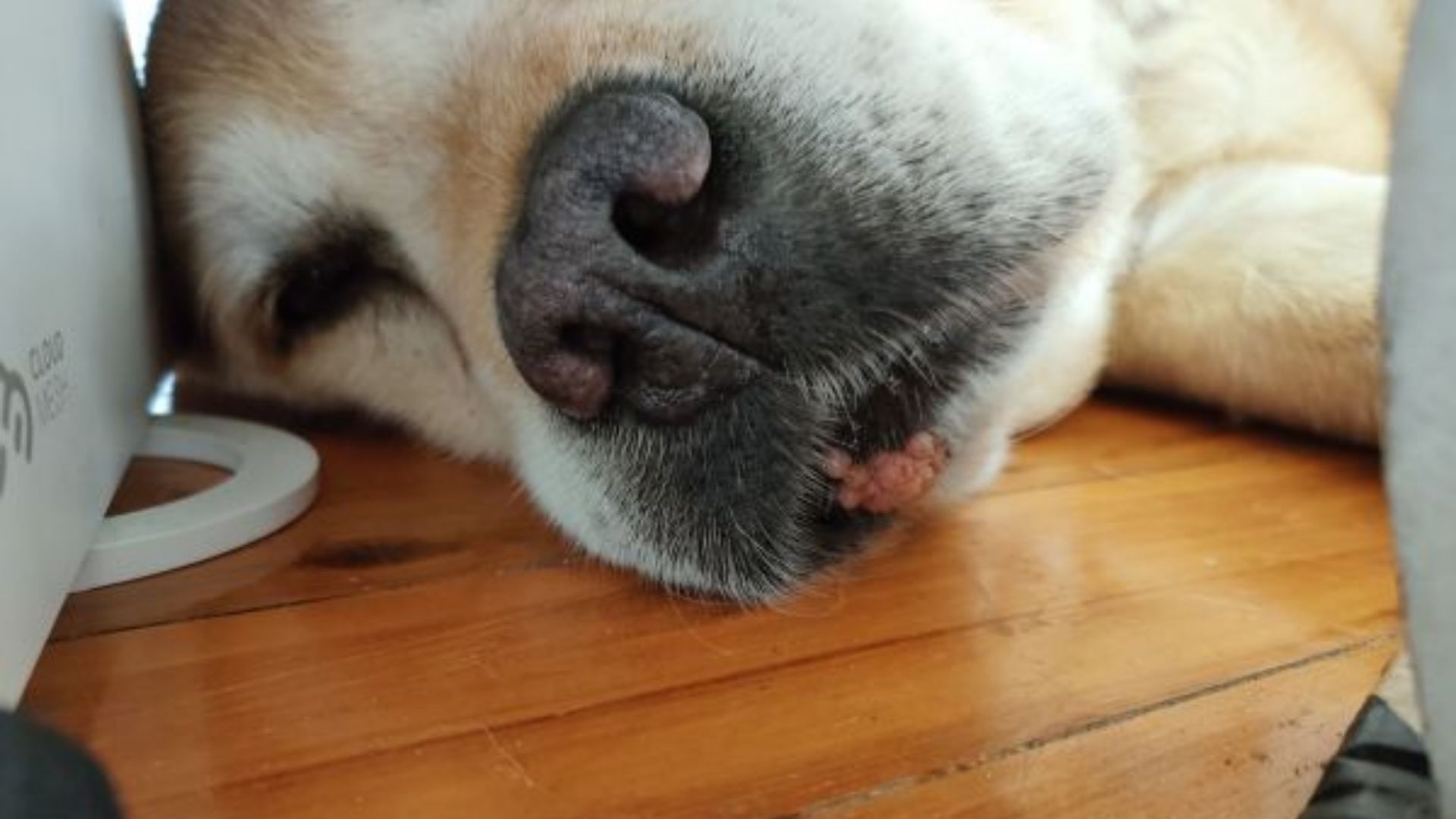
Many disappear on their own as the animal develops immunity.
But some become inflamed, infected, uncomfortable, or fail to regress.
That is where topical support may be worth considering.
The garlic study is impressive.
A fat-soluble extract of garlic removed every wart in the treated group in less than two weeks, with no recurrence during the 4-month follow-up.
That does not mean garlic is magic.
But it does mean topical garlic is worth knowing about.
If you are using garlic for warts, I would look for a fat-soluble garlic extract and apply it topically.
I would also consider a 95% curcumin paste made with raw honey and coconut oil.
Keep it simple.
Use one remedy at a time.
Watch the growth.
And if it is painful, inflamed, infected, growing, or not clearly a wart, get your veterinarian involved.
Click To Get A Free Copy of My E-Book!

P.S. Dogs and cats often do get warts, and to think something as simple as topical garlic can speed healing is impressive.
Papillomas often disappear spontaneously because the animal slowly develops immunity to them.
But some need to be removed surgically because they become inflamed, infected, or fail to regress over time.
P.P.S. If you are using garlic for warts, get fat-soluble garlic extract and apply it topically to the wart.
I tried this on myself, and it worked awesome.
The unsightly foot warts are now gone 🙂
And no, we do not sell garlic.
So this really is unbiased.
P.P.P.S. If you have an arthritic pet, a dog with cognitive dysfunction, or an animal uncomfortable with a wart, I would also consider Dr. Jones’ 95% Curcumin for Dogs and Cats.
Curcumin is a potent anti-inflammatory, and I have seen it help dogs with pain and inflammation.