Anaplasmosis in Dogs and Cats: Signs, Treatment, and Tick Prevention

What Is Anaplasmosis in Dogs and Cats?
Anaplasmosis is a tick-borne bacterial disease that can affect dogs, cats, and other animals.
It is spread primarily by the black-legged tick, also known as the deer tick. This is the same type of tick group pet parents often hear about with Lyme disease, although Lyme disease is caused by a different bacteria called Borrelia.
Anaplasmosis used to be one of those diseases many of us learned about and thought, “You’ll probably never see that.”
Well, that is changing.
In some regions where it was once considered rare, there are now hundreds of cases. It is spreading throughout North America, both east and west, because different species of black-legged ticks can carry Anaplasma.
So yes, if you live in an area with ticks, this is something you should know about.
Not panic about.
Know about.
There is a difference.
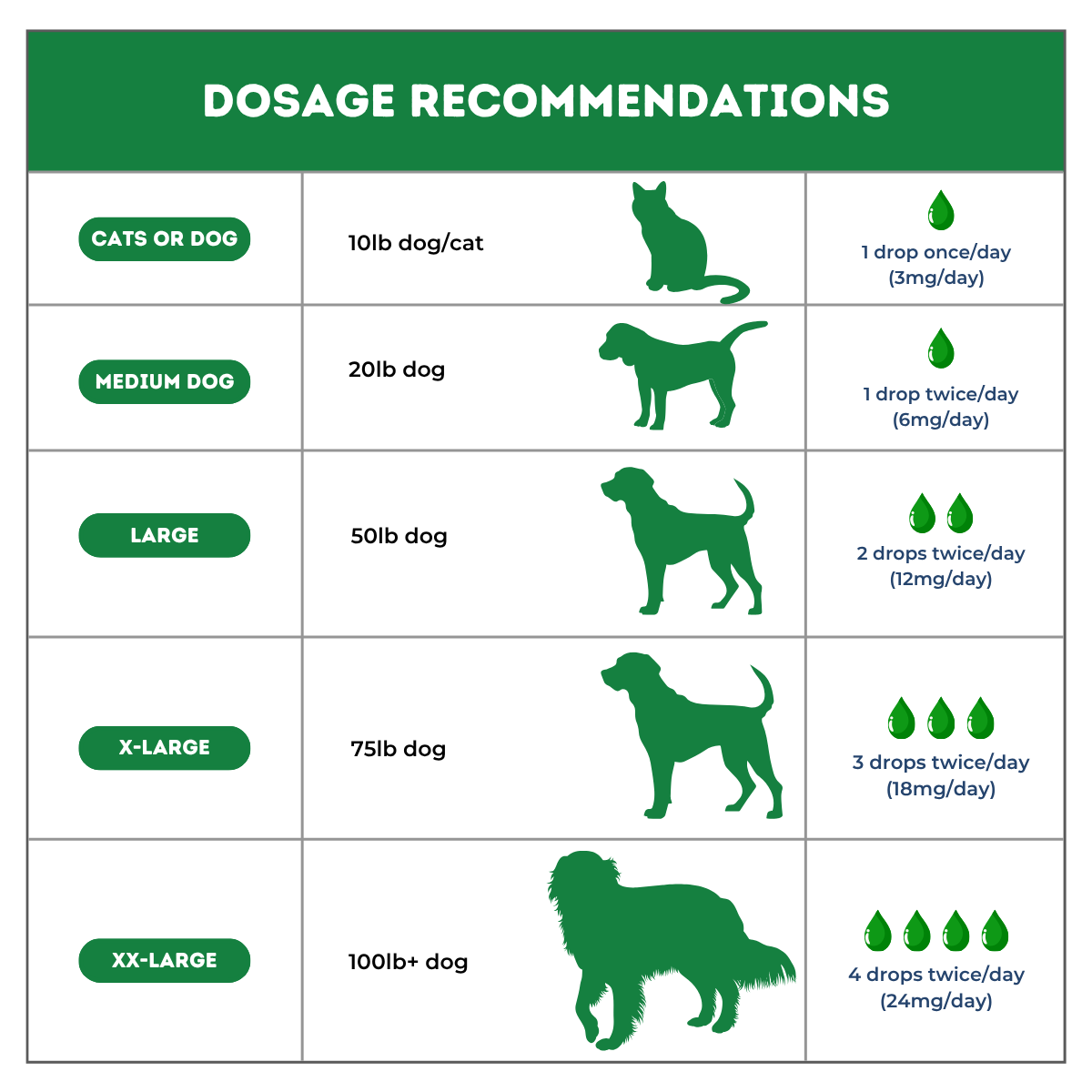
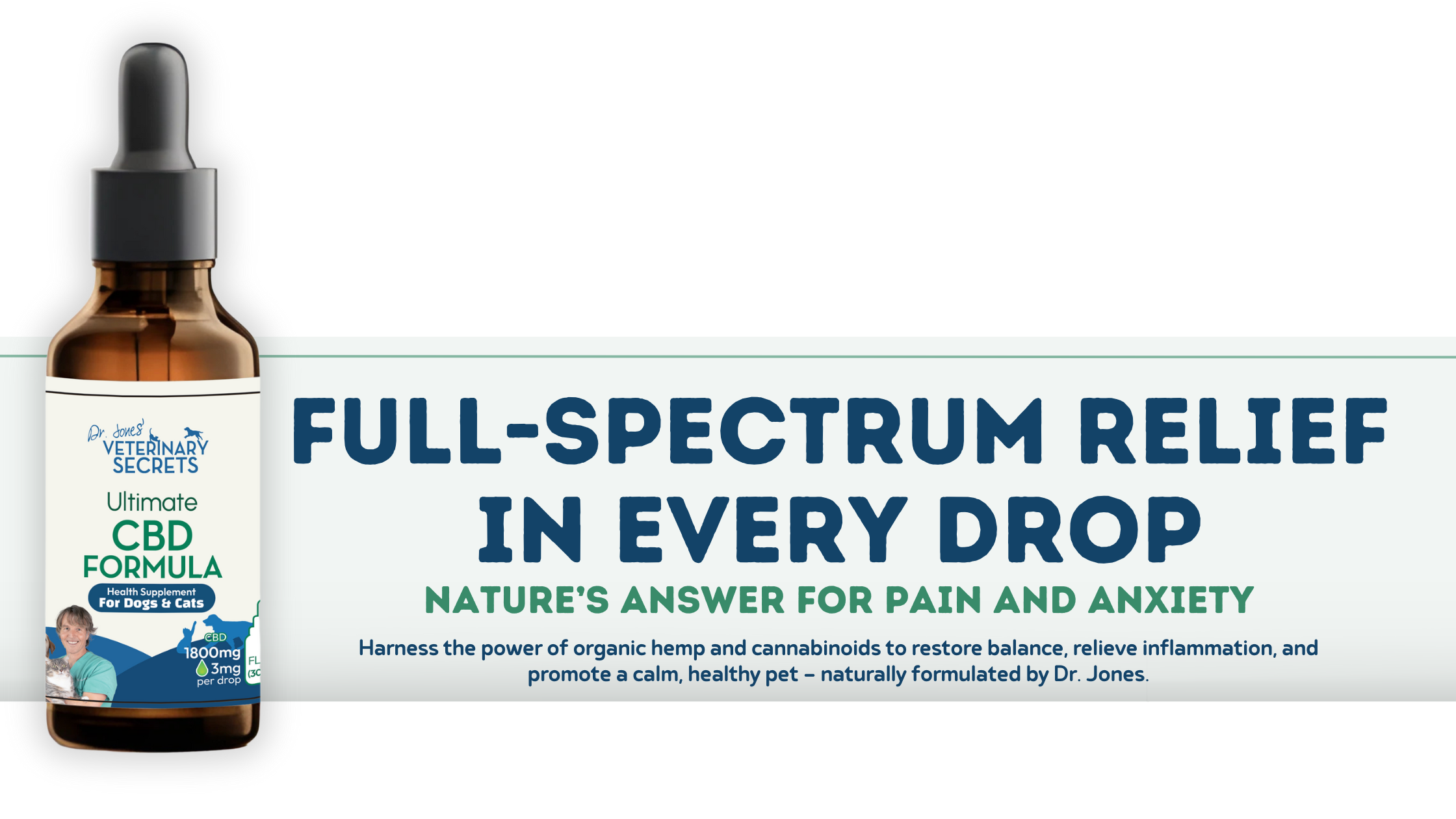
Dr. Jones’ Ultimate CBD Formula for Dogs and Cats




What Causes Anaplasmosis?
Anaplasmosis is caused by a type of bacteria called Anaplasma.
The vector, meaning the thing that spreads it, is the tick.
The main tick discussed here is:
- Black-legged tick
- Deer tick
- Ixodes tick
The tick attaches to your dog, cat, or another animal. If that tick is carrying Anaplasma, it can transmit the bacteria after being attached long enough.
How Long Does a Tick Need to Be Attached?
A tick usually needs to be attached for 24 to 48 hours to transmit enough Anaplasma bacteria to infect your dog or another animal.
That is why daily tick checks matter so much.
If you can find and remove the tick early, you may prevent the disease from ever happening.
The general timeline looks like this:
| Step | What Happens |
|---|---|
| Tick attaches | A black-legged or deer tick attaches to your pet |
| Attachment window | It usually needs to stay attached for 24 to 48 hours |
| Bacteria transmission | Anaplasma bacteria are transmitted into your pet |
| Incubation period | The bacteria multiply inside the body |
| Clinical signs | Signs usually appear 7 to 14 days later |
When Do Signs of Anaplasmosis Appear?
Clinical signs usually appear 1 to 2 weeks after infection.
That is about 7 to 14 days after the infected tick has transmitted the bacteria.
So if your dog was exposed to ticks last week and is now suddenly weak, feverish, lame, or not eating, anaplasmosis should be on the list of things to consider.
Especially if you live in a tick area.
Can Cats Get Anaplasmosis?
Yes, cats can get anaplasmosis.
It is most commonly discussed in dogs, but it has been documented in cats as well.

Anaplasmosis has also been documented in:
- Cattle
- Llamas
- Sheep
- Goats
- Humans
So this is not just a dog disease.
But in veterinary practice and pet-parent life, dogs are the ones we tend to hear about most often.
Which Dogs Are Most Often Affected?
Clinical disease is most commonly seen in adult dogs.
The highest incidence was noted in:
- Golden Retrievers
- Labrador Retrievers
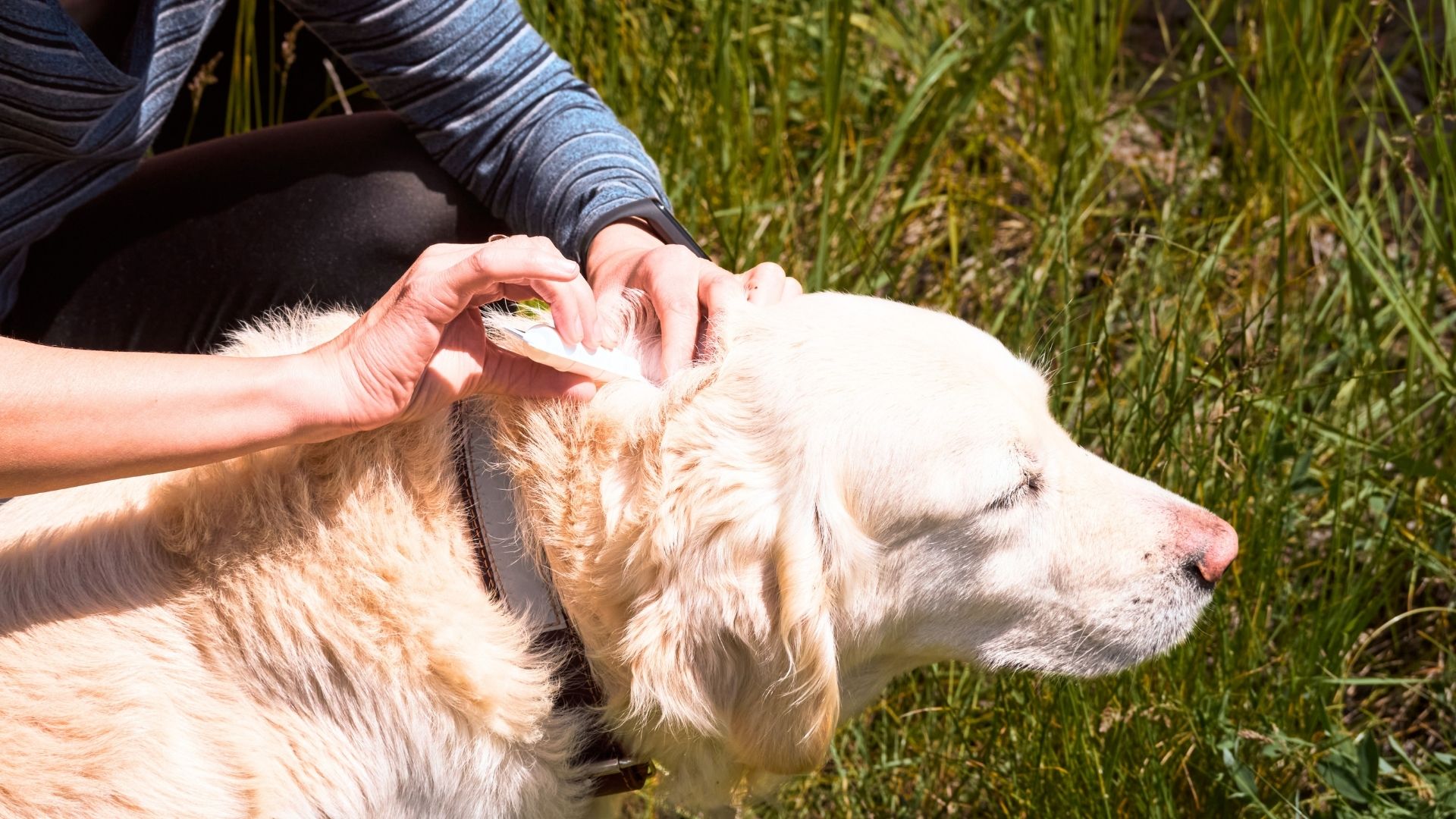
That does not mean only Goldens and Labs get it.
Any dog exposed to infected ticks could be at risk.
But if your adult Golden or Labrador is suddenly lethargic, feverish, lame, and has had tick exposure, my suspicion level would be high.
What Are the Signs of Anaplasmosis in Dogs?
Anaplasmosis can look a lot like the flu.
Your dog may just seem off.
Weak.
Tired.
Not eating.
Maybe lame.
Maybe painful.
Common Signs
- Lethargy
- Weakness
- Fever
- Loss of appetite
- Flu-like illness
- Lameness
- Swollen joints
- Vomiting
- Diarrhea
- Coughing
- Difficulty breathing
Some dogs may look very similar to dogs with Lyme disease.
That can make it confusing.
This is why testing matters.
Can Anaplasmosis Cause Lameness?
Yes.
Some dogs with anaplasmosis become lame because of swollen joints.

You may see:
- Limping
- Stiffness
- Reluctance to walk
- Shifting leg lameness
- Painful joints
This can look similar to Lyme disease, which is another tick-borne bacterial disease.
If your dog has sudden lameness and tick exposure, please do not just assume it is a pulled muscle.
Ticks do not care about your weekend plans.
Can Anaplasmosis Cause Vomiting or Diarrhea?
Yes, some animals may develop gastrointestinal signs.
These can include:
- Vomiting
- Diarrhea
- Reduced appetite
- General nausea or feeling unwell
The signs are not always specific.
That is part of the problem.
Your dog may simply look sick, tired, lame, and not hungry.
That is enough to take tick-borne disease seriously if ticks are in your area.
Can Anaplasmosis Affect Breathing?
Yes, respiratory signs can happen.
Some animals may have:
- Coughing
- Difficulty breathing
This is part of the form called granulocytic anaplasmosis.
If your dog has breathing difficulty, that is not something to manage casually at home.
That is a veterinary visit.
Can Anaplasmosis Cause Bleeding?
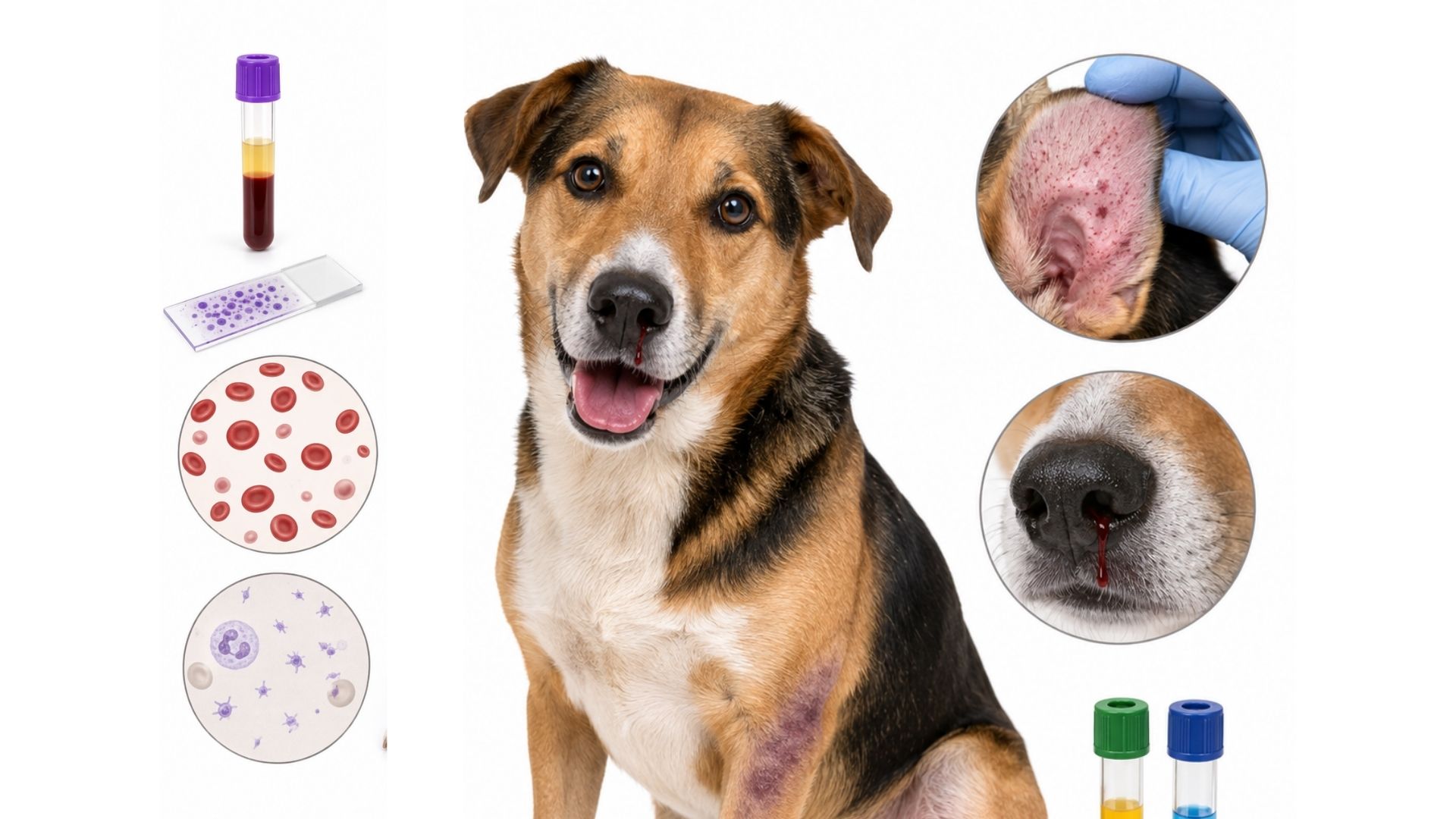
There is another less common type of Anaplasma that can affect the clotting portion of the blood.
It can affect the platelets, which are important for blood clotting.
When platelets are affected, you may see bleeding signs.
Bleeding Signs to Watch For
- Bruising
- Tiny bruised dots on the gums, called petechiae
- Small bruised areas inside the ears
- Bruising on the abdomen where there is less hair
- Nosebleeds
If you lift your dog’s lip and see little bruised dots on the gums, that is a red flag.
If your dog has nosebleeds and is acting sick, that is another red flag.
This is not “let’s try a few herbs and see.”
This is “call your veterinarian.”
How Is Anaplasmosis Diagnosed?
Your veterinarian may use several tests.
Common Testing Options
| Test | What It Helps Show |
|---|---|
| SNAP test | Looks for antibodies to Anaplasma |
| CBC | Checks red cells, white cells, and platelets |
| Chemistry panel | Checks organ function and overall health |
| Blood smear | May sometimes show organisms |
| PCR test | Confirms active infection by detecting genetic material from live bacteria |
What Does a SNAP Test Show?
Many clinics now have in-house SNAP tests, such as IDEXX tests, that look for antibodies to Anaplasma.
A positive antibody test means your pet has been exposed.
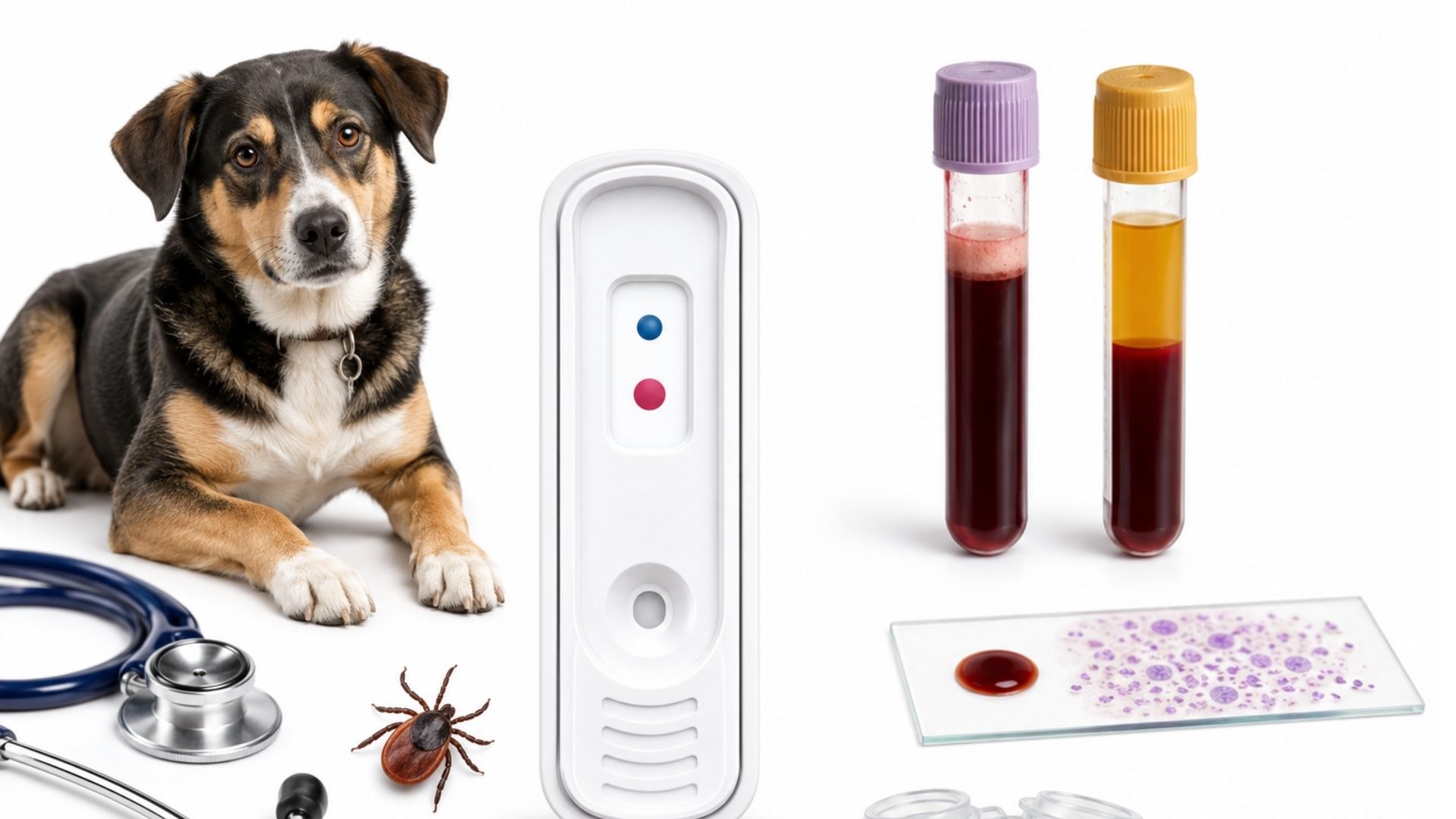
But it does not always prove active infection.
Why?
Because antibodies can persist for years.
So your veterinarian looks at the full picture:
- Clinical signs
- Tick exposure
- SNAP test result
- CBC findings
- Chemistry panel
- Platelet count
- Sometimes PCR testing
That is how you build the case.
What Blood Work Changes Can Happen?
Blood work may show changes depending on the type of Anaplasma and how your pet is affected.
Possible findings include:
- Anemia
- Low platelets
- Other CBC changes
- Chemistry changes depending on how sick the animal is
If the form affects platelets, low platelets may be seen.
That fits with bruising, petechiae, or nosebleeds.
What Test Confirms Active Anaplasmosis?
A PCR test can confirm active infection by detecting genetic material from live bacteria.
This means it is testing for Anaplasma while it is present and multiplying in your pet.
That is more specific than simply finding antibodies.
Antibodies show exposure.
PCR helps confirm active infection.
How Is Anaplasmosis Treated Conventionally?
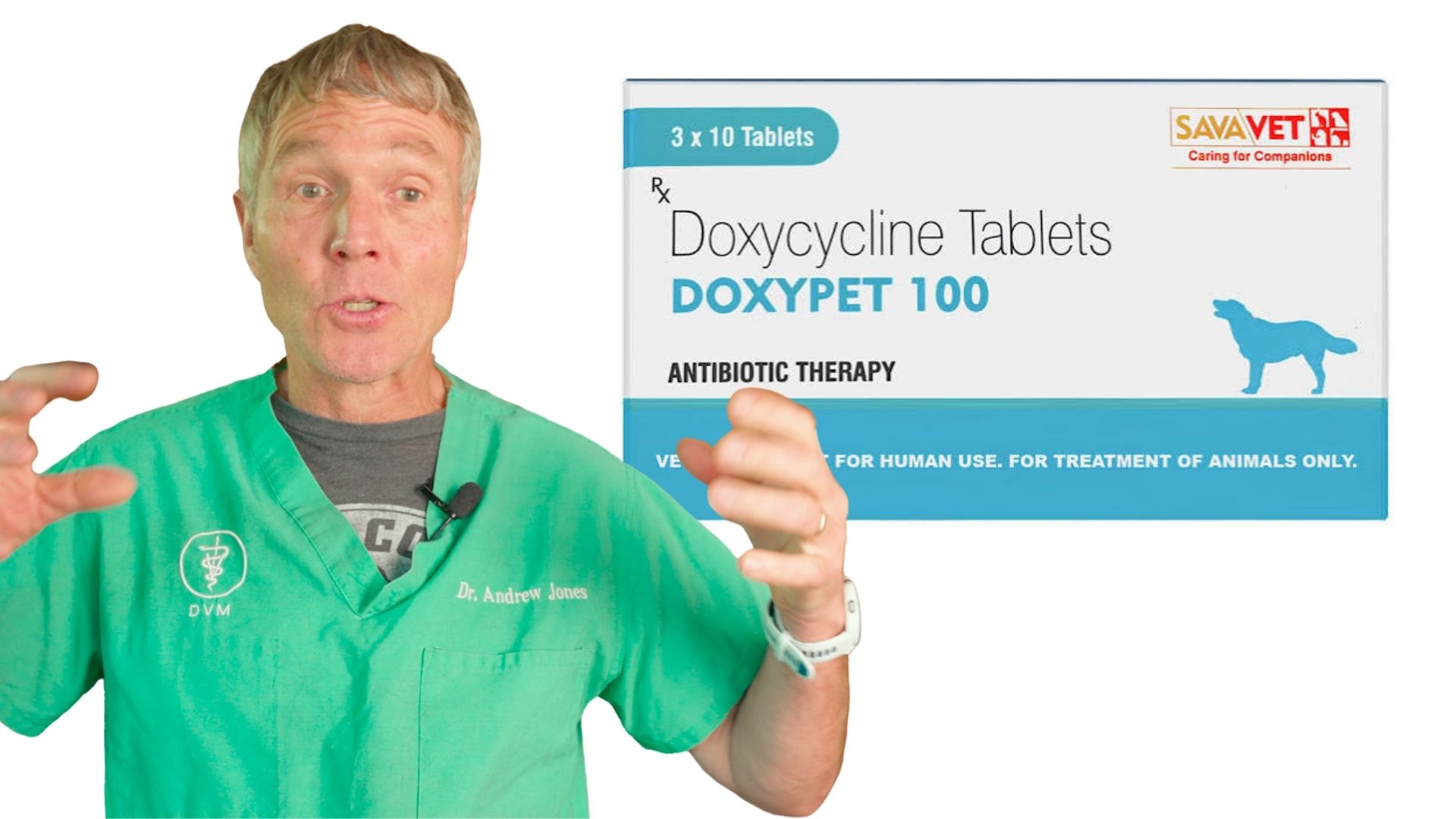
The conventional treatment is usually doxycycline.
Doxycycline is also the drug of choice for many tick-borne diseases, including Ehrlichia.
It is often paired with pain relief and anti-inflammatory support, typically an NSAID such as Metacam.
Doxycycline Dose Mentioned
| Pet Weight | Dose Example |
|---|---|
| General dose | 5 mg per kg twice daily |
| 50 lb dog, about 20 kg | 100 mg twice daily |
| Duration | 28 days |
Most dogs respond quickly when the diagnosis is right and doxycycline is started.
Often, dogs respond within 1 to 2 days.
That is one of the encouraging things about this disease.
When treated properly, response can be rapid.
Should You Use Doxycycline for Anaplasmosis?
If your dog has clinical signs, tick exposure, and is testing positive for Anaplasma, I would at the very least get them on doxycycline.
This is a serious bacterial infection.
It can multiply inside your pet’s body.
It can potentially affect clotting.
And we have a conventional drug that works well.
Of all the antibiotics out there, doxycycline is one of the ones I would be more comfortable using in this situation.
This is not where I would be casual.
Are There Holistic Antibacterials for Anaplasmosis?
There are some natural antibacterials that may be worth discussing as support, but I would be cautious about relying on them alone for active anaplasmosis.
Artemisinin
Artemisinin is often discussed as an herb or drug of choice for malaria.

There is some research suggesting it may be beneficial against some other tick-borne diseases, such as Ehrlichia.
But there is nothing showing it is effective against Anaplasma.
So yes, it may be a possibility if doxycycline is not an option.
But I would be cautious.
Propolis
Propolis is a potent natural antibacterial.

Dose mentioned:
100 mg per 10 lbs of body weight daily
But again, there is no research showing propolis is beneficial against Anaplasma.
Would it likely do harm to add propolis?
No.
But I would not use it as the main treatment for an active infection when doxycycline is known to work well.
My Take on Natural Treatment for Anaplasmosis
This is one of those cases where I would not try to outsmart the infection.
If your dog is truly sick with anaplasmosis, I would use doxycycline.
Then I would use natural support for comfort, inflammation, and recovery.
That is a much more reasonable plan.
Use the antibiotic to eliminate the bacteria.
Use natural options to support the body.
That is not selling out.
That is common sense.
Can CBD Help Dogs With Anaplasmosis?
CBD may be helpful for the pain and inflammation portion of treatment.
If I wanted to avoid an NSAID such as Metacam, I would strongly consider a cannabinoid like CBD.

CBD Dose Mentioned
Minimum starting dose:
3 mg per 10 lbs of body weight twice daily
In some cases, I would likely use two to three times that amount.
For example, with a 20 lb dog, the basic dose would be about 6 mg twice daily, but I may increase that depending on the pet’s pain and inflammation.
CBD is not treating the Anaplasma bacteria itself.
It is helping manage pain and inflammation.
That distinction matters.
Dosage Table for Anaplasmosis Support
| Option | Dose Mentioned | Main Purpose |
|---|---|---|
| Doxycycline | 5 mg per kg twice daily for 28 days | Conventional treatment for Anaplasma |
| 50 lb dog example | 100 mg twice daily for 28 days | Example doxycycline dose |
| CBD | Minimum 3 mg per 10 lbs twice daily | Pain and inflammation support |
| Propolis | 100 mg per 10 lbs daily | Natural antibacterial support, not proven for Anaplasma |
| Diatomaceous earth | Light topical use, spread with flea comb | Tick burden support |
| DIY essential oil spray | Apply twice weekly to dogs, once weekly to cats | Tick repellent support |
How Can You Prevent Anaplasmosis?
Prevention is all about avoiding ticks and removing them early.
Because ticks usually need to be attached for 24 to 48 hours, daily checks can make a big difference.
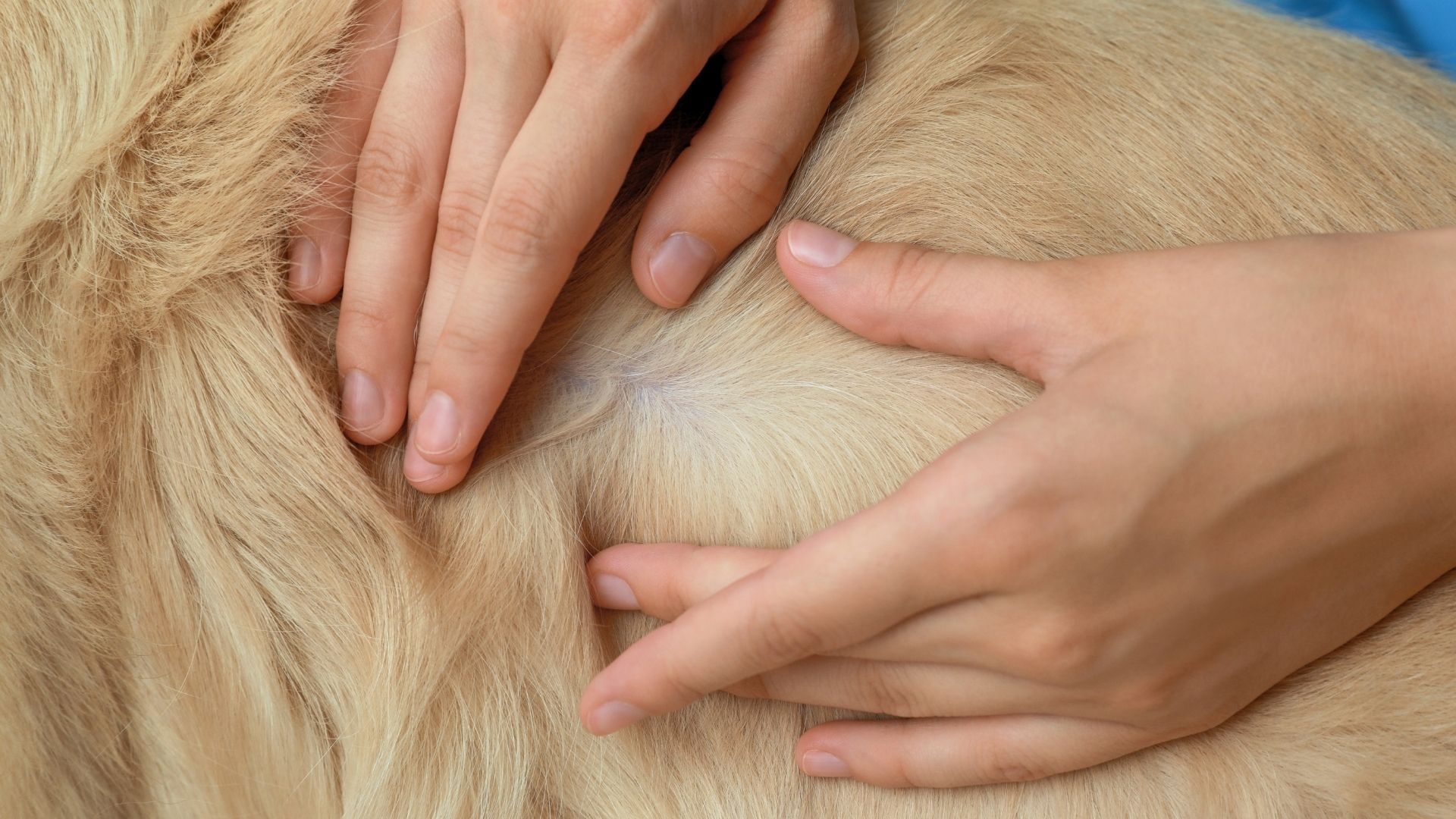
1. Do Daily Tick Checks
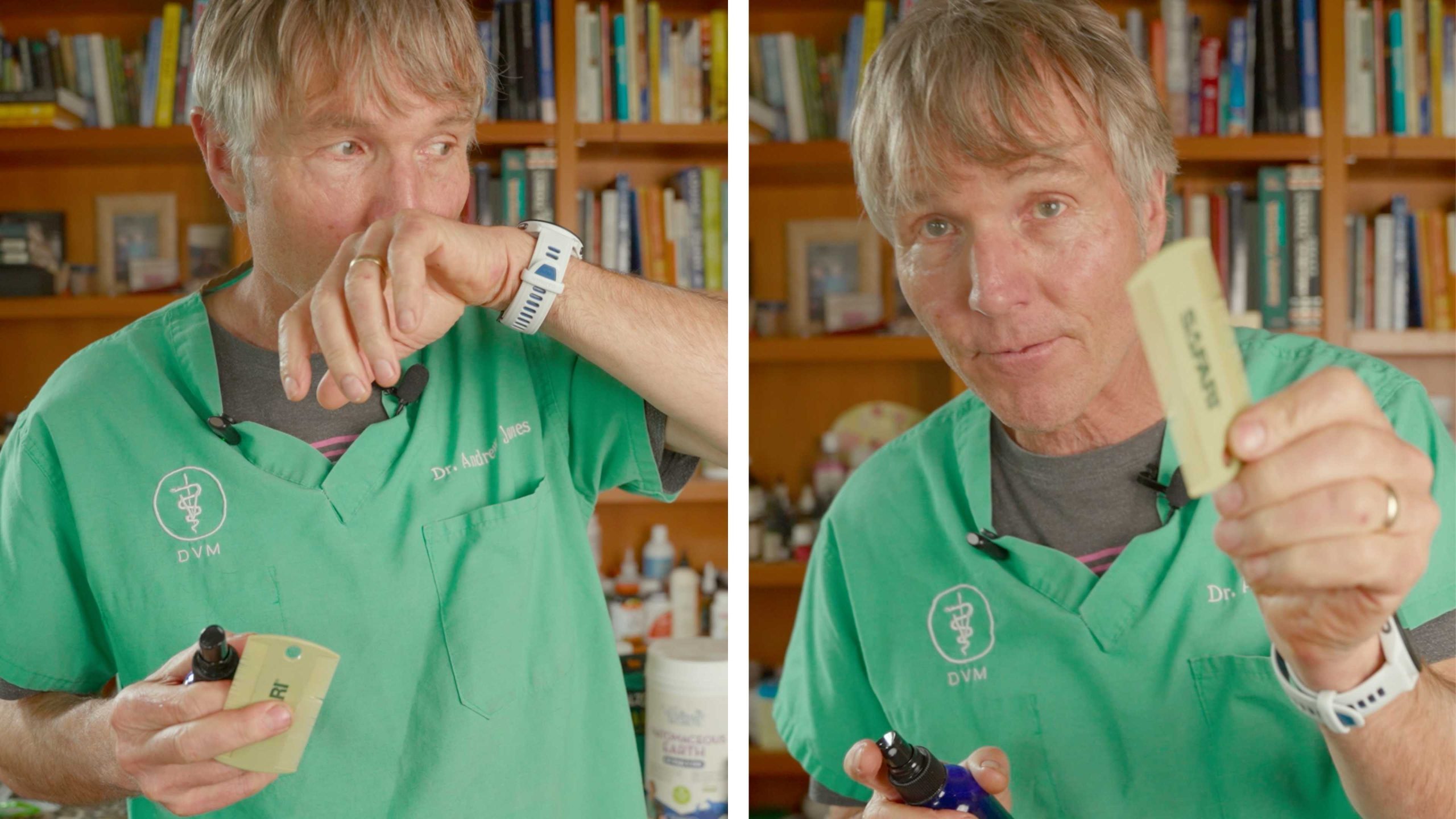
Use your hands and a flea comb.
Focus on the areas ticks like to hide.
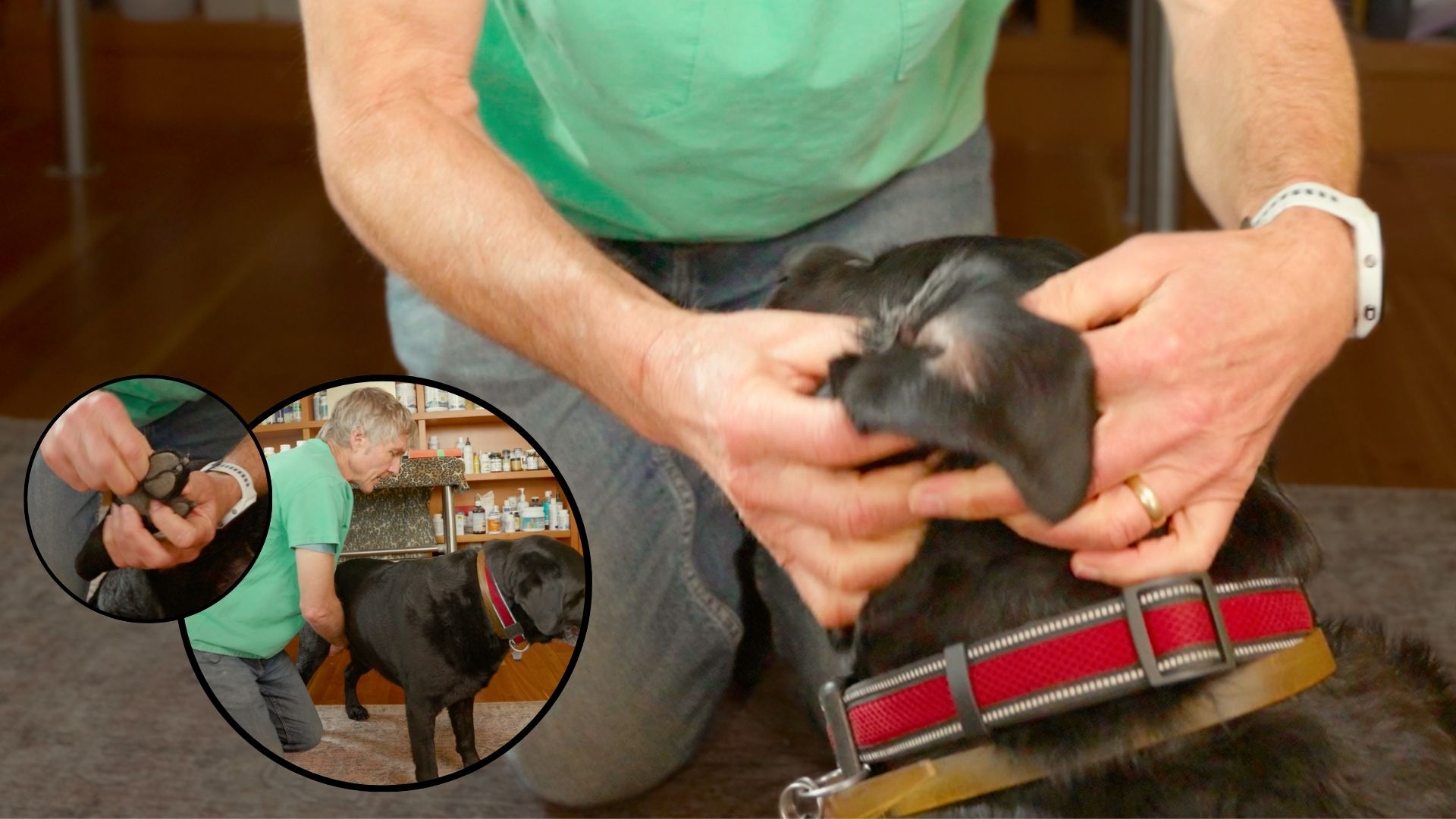
Check These Areas
- Head
- Under the ear tips
- Around the ears
- Armpits
- Groin
- Tail base
- Between toes
- Under the collar
Do this daily if your pet has outdoor tick exposure.
Especially in tick season.
Yes, it takes a few minutes.
So does treating tick-borne disease.
Choose your inconvenience.
2. Use Diatomaceous Earth Carefully
Diatomaceous earth, or DE, can help manage tick burden.
It works by drying out the surface of the tick.
But it can also dry out your pet’s fur and skin.
How to Use DE
- Lightly sprinkle it onto the coat
- Do not pour it heavily
- Use a flea comb to spread it through
- Focus on light application
- Consider using it twice weekly for dogs
A simple shaker container can make this easier, such as an old spice container.
The goal is a light misting, not turning your dog into a powdered pastry.
3. Consider a Cedarwood and Peppermint Collar
A holistic flea and tick collar may help deter ticks.
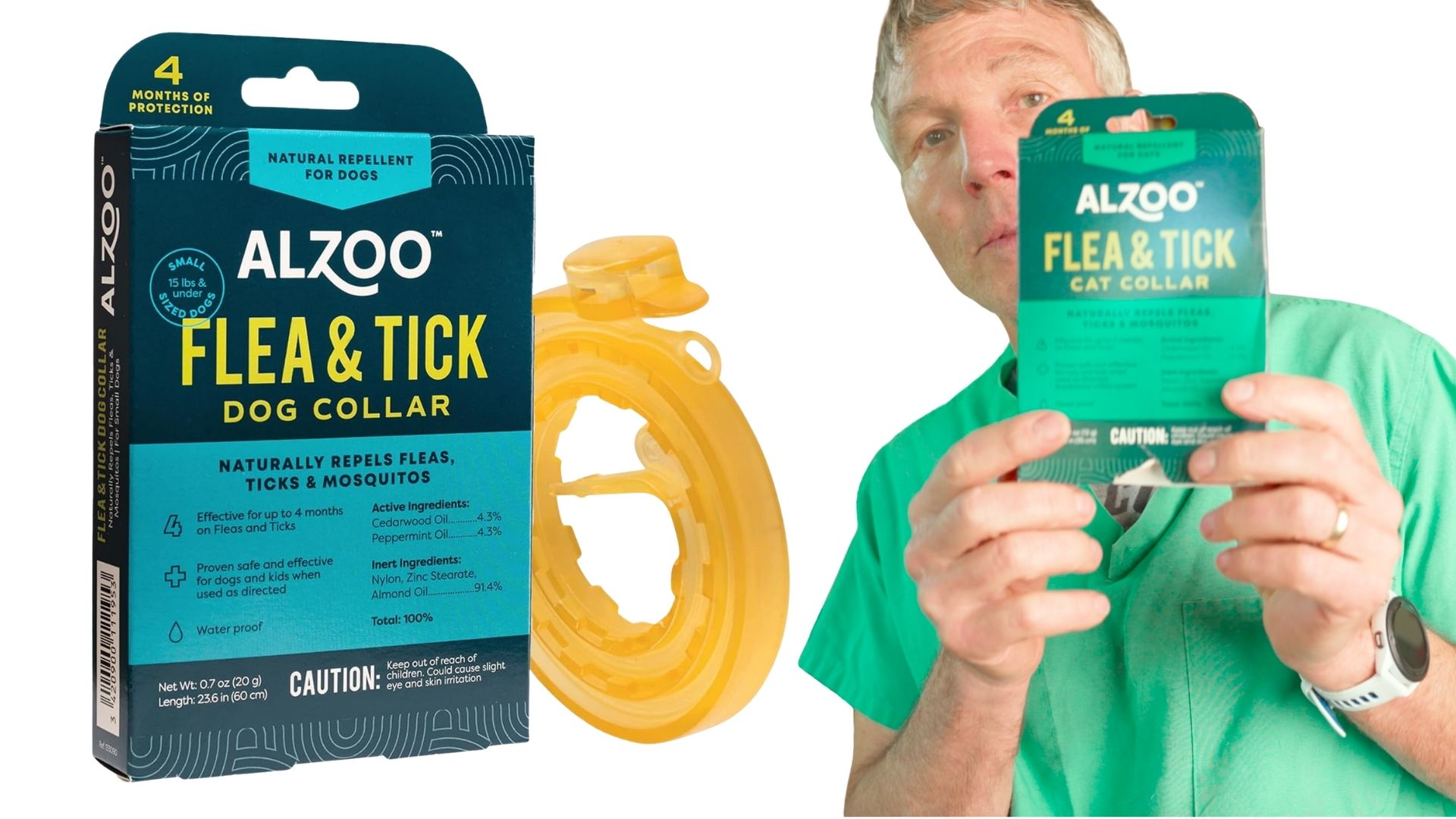
The collar discussed includes:
- Cedarwood oil
- Peppermint oil
Cedarwood oil is one of the proven tick preventatives.
The collar was described as lasting 3 to 4 months.
This is a deterrent.
It is not meant to kill every tick.
But for some pets, it may help reduce tick burden without going straight to stronger conventional drugs.
4. Consider a DIY Tick Repellent Spray
A homemade flea and tick spray can be another option.
Spray Base
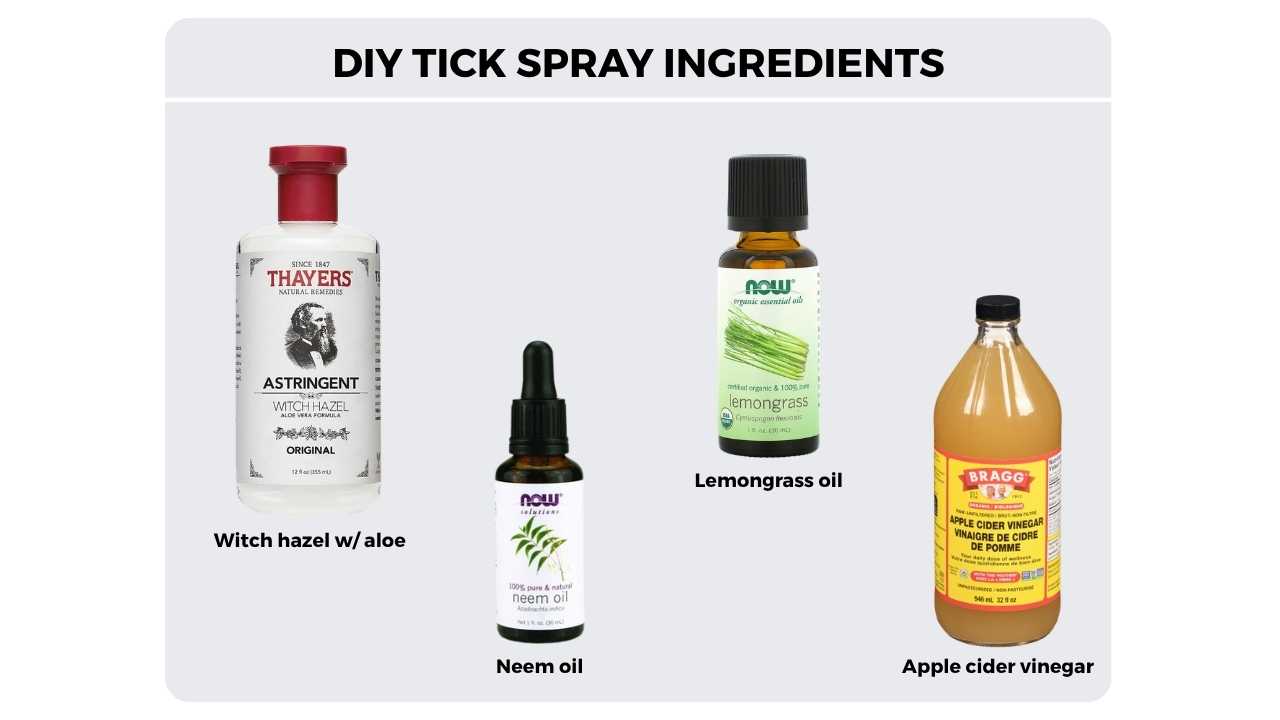
Start with:
- Witch hazel with aloe
This makes a good base because animals tend to respond well to it, and it has anti-inflammatory properties.
Add Another Component
Add:
- Apple cider vinegar
This can be a good option in a homemade flea and tick spray.
Add Repellent Oils

Options mentioned include:
- Neem oil
- Cedarwood oil
- Geranium oil
- Lemongrass oil
These oils have tick-repellent properties.
Use about:
20 drops
The spray can be applied:
- Twice weekly for dogs
- Once weekly for cats
Use caution with cats and essential oils.
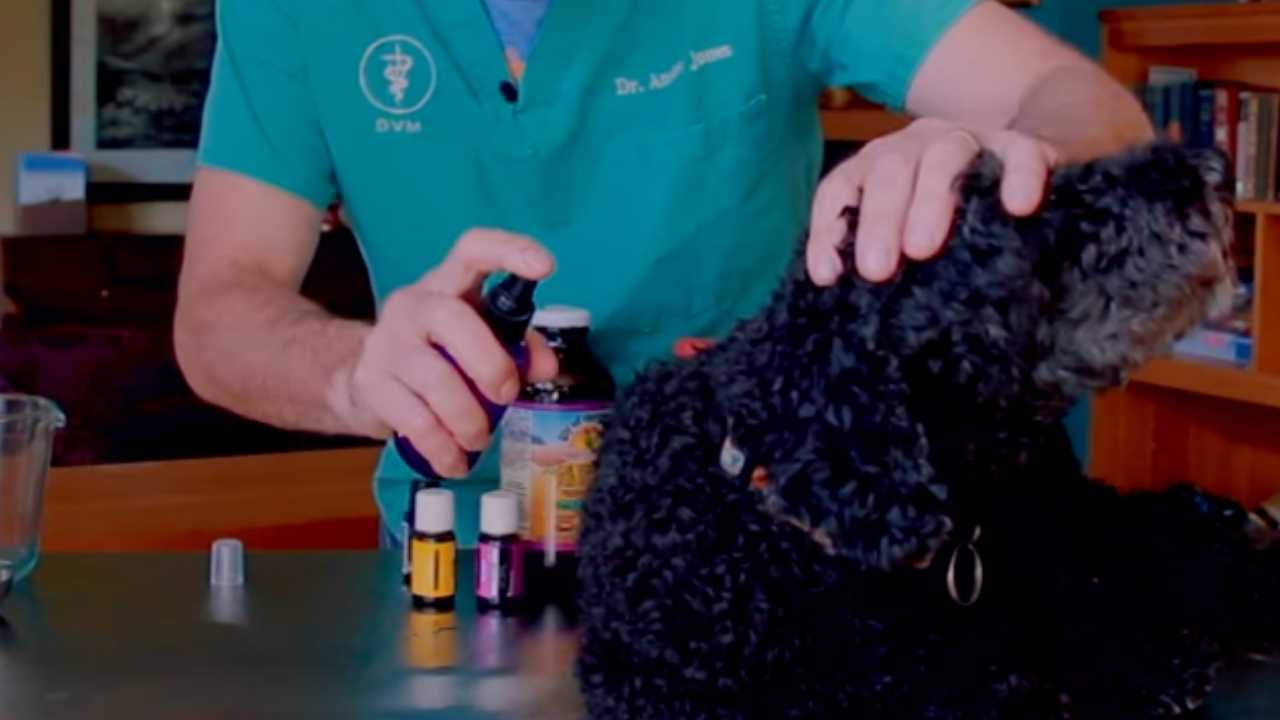
Apply lightly.
Avoid the eyes, nose, mouth, and irritated skin.
Natural Tick Prevention Options
| Option | Best Use |
|---|---|
| Daily tick checks | Most important basic prevention |
| Flea comb | Helps find ticks hiding in the coat |
| Diatomaceous earth | Helps reduce tick burden |
| Cedarwood and peppermint collar | Tick deterrent support for 3 to 4 months |
| Witch hazel with aloe spray | Mild topical spray base |
| Apple cider vinegar | Added spray component |
| Neem, cedarwood, geranium, or lemongrass oil | Repellent support in DIY spray |
When Natural Prevention May Not Be Enough
If you live in a very high tick area and your dog is repeatedly covered in ticks, holistic options may not be enough.
That is where you need to balance risk.
Anaplasmosis is real.
Lyme disease is real.
Ehrlichia and other tick-borne diseases are real.
If natural prevention is not stopping the ticks, talk with your veterinarian about the safest effective option for your pet.
I like natural options.
But I also like dogs not getting tick-borne bacterial infections.
Both things can be true.
Step-by-Step: What to Do if You Suspect Anaplasmosis
Step 1: Think About Tick Exposure
Ask:
- Has my dog or cat had ticks recently?
- Do we live in a tick area?
- Was a tick attached for 24 to 48 hours?
- Did signs appear 7 to 14 days after tick exposure?
Step 2: Watch for Signs
Look for:
- Fever
- Lethargy
- Weakness
- Loss of appetite
- Lameness
- Swollen joints
- Vomiting
- Diarrhea
- Coughing
- Difficulty breathing
- Bruising
- Nosebleeds
Step 3: See Your Veterinarian
Ask about testing for tick-borne disease.
Testing may include:
- SNAP test
- CBC
- Chemistry
- Blood smear
- PCR testing
Step 4: Treat the Infection
If your dog has clinical signs and tests positive, doxycycline is the key conventional treatment.
Dose discussed:
5 mg per kg twice daily for 28 days
Step 5: Support Pain and Inflammation
CBD may be considered for pain and inflammation support.
Dose discussed:
3 mg per 10 lbs twice daily minimum
Step 6: Prevent Future Tick Exposure
Use:
- Daily tick checks
- Flea comb
- DE carefully
- Cedarwood and peppermint collar
- DIY tick spray
- Yard control when needed
When Should You Call Your Veterinarian?
Call your veterinarian if your dog or cat has tick exposure and any of these signs:
- Fever
- Lethargy
- Weakness
- Loss of appetite
- Lameness
- Swollen joints
- Vomiting
- Diarrhea
- Coughing
- Difficulty breathing
- Bruising
- Tiny red or purple dots on the gums
- Nosebleeds
- Sudden flu-like illness
- Symptoms that remind you of Lyme disease
If your pet has bleeding signs, do not wait.
If your pet has breathing difficulty, do not wait.
If your pet is positive for Anaplasma and has clinical signs, get proper treatment started.
Final Thoughts
Anaplasmosis is a real tick-borne disease, and we are seeing more of it in areas where it used to be uncommon.
The black-legged tick, also called the deer tick, can carry Anaplasma.
If that tick attaches for 24 to 48 hours, it may transmit the bacteria.
Then, 7 to 14 days later, your dog may start acting sick.
The most common signs are flu-like:
Lethargy.
Fever.
Weakness.
Loss of appetite.
Lameness.
Swollen joints.
Some cases may include vomiting, diarrhea, coughing, or breathing changes.
A less common form can affect platelets and cause bruising, petechiae, or nosebleeds.
If you see those signs, call your veterinarian.
Testing matters.
Treatment matters.
Doxycycline works well, and many dogs respond within 1 to 2 days.
Holistic support can still have a place, especially CBD for pain and inflammation, and natural tick prevention for reducing future risk.
But if your dog truly has an active Anaplasma infection, this is one where I would use the treatment we know works.
Then I would work hard to prevent the next tick from attaching in the first place.
Click To Get A Free Copy of My E-Book!

P.S. If your dog is suddenly weak, lame, feverish, not eating, or acting flu-like, and you live in an area with ticks, think tick-borne disease.
Anaplasmosis can look very similar to Lyme disease.
Get your veterinarian involved, ask about testing, and if your dog has clinical signs with a positive Anaplasma test, doxycycline is the treatment I would be looking at.
P.P.S. Prevention starts with the boring stuff that works.
Daily tick checks.
Use a flea comb.
Check the ears, armpits, groin, and tail base.
Consider diatomaceous earth used lightly, a cedarwood and peppermint collar, and a homemade spray with witch hazel with aloe, apple cider vinegar, and repellent oils such as neem, cedarwood, geranium, or lemongrass.
Ticks are small.
The diseases they carry are not.