Flea and Tick Prevention Without Harsh Chemicals: Natural Options for Dogs and Cats

Can You Prevent Fleas and Ticks Without Harsh Chemicals?
Yes, in many cases you can help prevent fleas and ticks using more natural, lower-toxin options.
But let me be clear right away.
If your dog lives in a very high-risk tick area, runs through the woods, and comes back covered in ticks, natural options may not be strong enough. In that case, the risk of tick-borne disease may be higher than the risk of using a conventional flea and tick product.
But if your pet only gets the occasional tick, or you are mainly managing fleas, then I would first look at safer options.
The goal is not perfection.
The goal is to lower your pet’s toxic load while still protecting them from fleas, ticks, and the diseases ticks can carry.
Dr. Jones’ Diatomaceous Earth Powder for Pets


Why Look for Natural Flea and Tick Options?
Nobody wants fleas.
Nobody wants ticks.
But we have created a whole host of chemical insecticides for dogs and cats, and many pets are getting these month after month after month.
That ongoing toxic load may come with short-term and long-term side effects.
These products can be effective, yes.
But if your pet does not truly need that level of chemical prevention every month, I think it is worth asking:
Can we do something gentler first?
In many lower-risk cases, yes.
What Are the Best Natural Flea and Tick Options?
Here are the main options I would consider:
1. Brewer’s Yeast for Fleas
Brewer’s yeast is one of the safer oral options for dogs and cats.
Cats like it.
Dogs like it.
And it seems to do a reasonably good job, at the very least, of helping repel fleas.

Brewer’s Yeast Dose
Give:
1/2 to 1 teaspoon per 10 to 20 lbs of body weight daily
This can be added to your dog or cat’s food.
If I were starting with one gentle oral option, brewer’s yeast would be high on my list.
Simple.
Safe.
And most pets do not look at you like you have ruined dinner.
2. Garlic for Flea and Tick Repellent Support
Garlic may help improve repellent effects, especially for ticks.
But the dose matters.

You are not feeding a whole garlic bulb to your dog.
Please do not do that.
Garlic Dose for Dogs
Give:
1/4 clove of garlic per 20 lbs of body weight daily
Why Garlic Needs to Be Crushed First
To get the repellent benefit, you need to activate allicin.
To do that, crush the garlic first.
Then mix it into the food.
That crushing step matters.
If you just toss in an uncrushed piece, you may not get the same effect.
3. Diatomaceous Earth for Fleas and Ticks
Diatomaceous earth is a fine white powder.

It can help dry out the surface of fleas and ticks, causing them to dehydrate and die.
It can be used in:
- Cracks and crevices in the house
- Areas where fleas may hide
- Topically on dogs or cats, about once weekly
How to Use Diatomaceous Earth Safely
Because it is a drying powder, it can also dry out your pet’s skin.
So use it carefully.
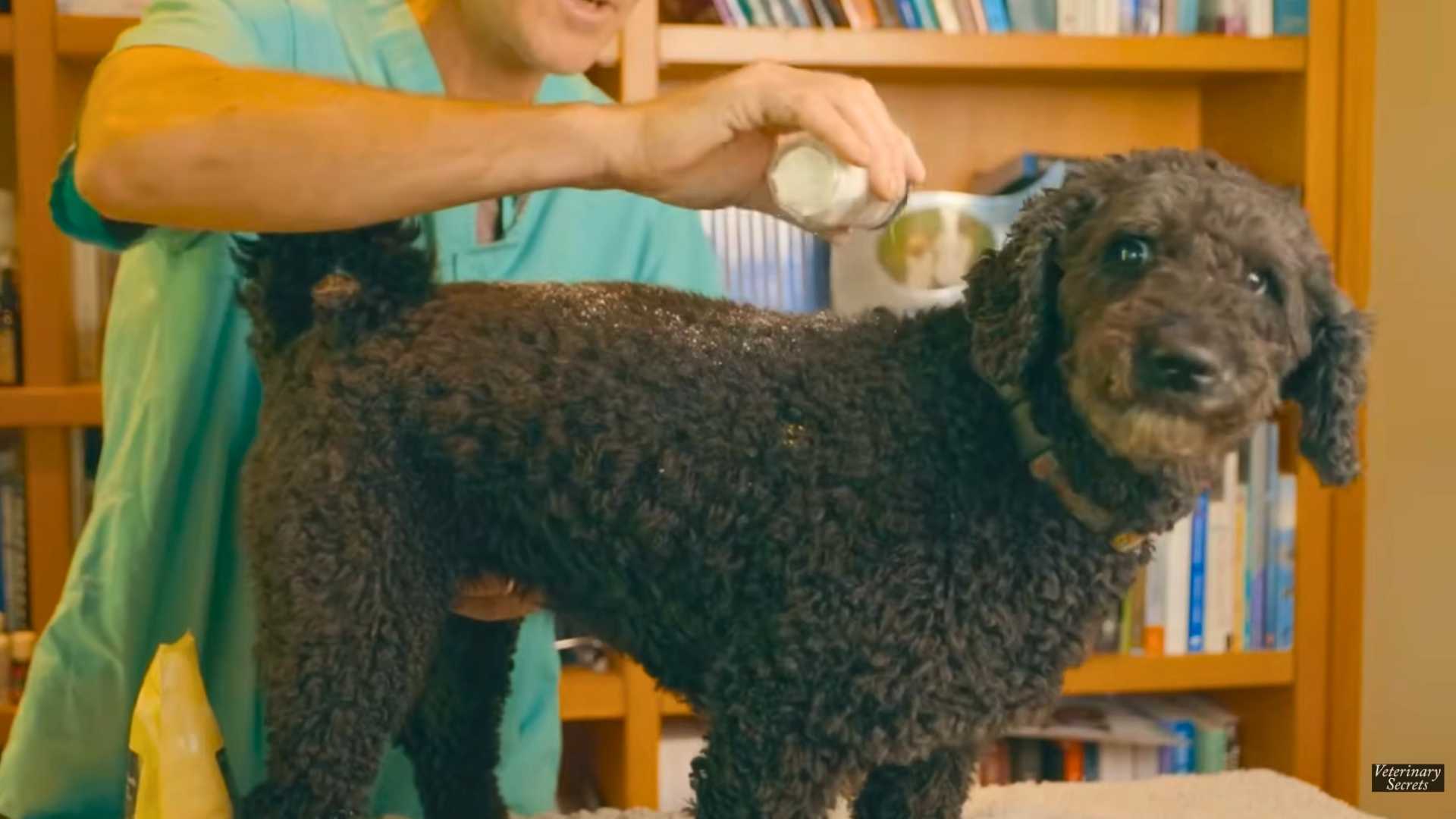
Do this:
- Apply lightly
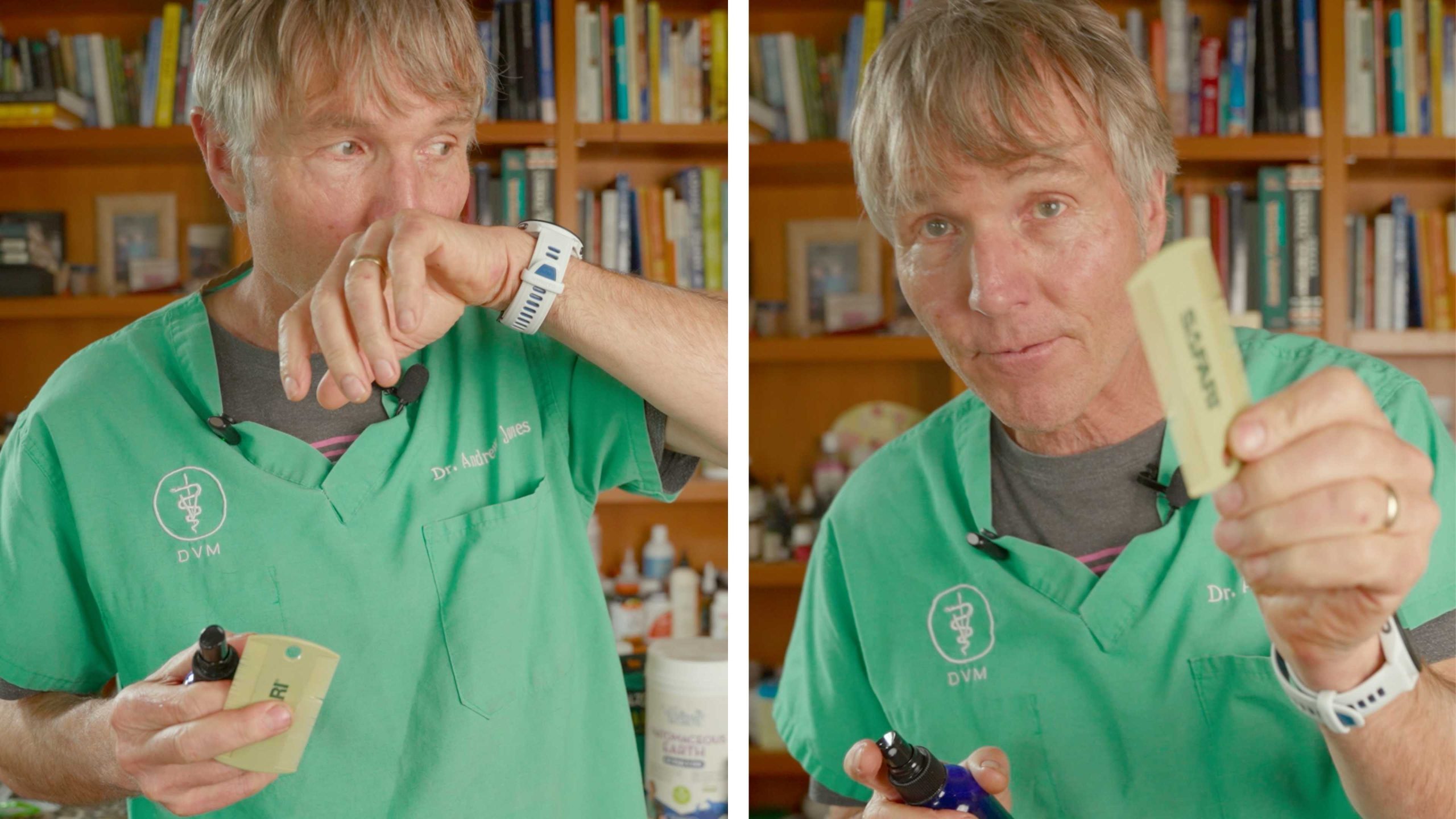
- Use a flea comb to spread it evenly
- Avoid heavy buildup
- Make sure your pet is well hydrated
- Add essential fatty acids to support skin moisture
Diatomaceous earth can be helpful, but do not cake your pet in it like a powdered donut.
That is not the goal.
4. Essential Fatty Acids for Skin Support
If you are using diatomaceous earth topically, I would also think about supporting the skin from the inside.
Diatomaceous earth can dry the skin.
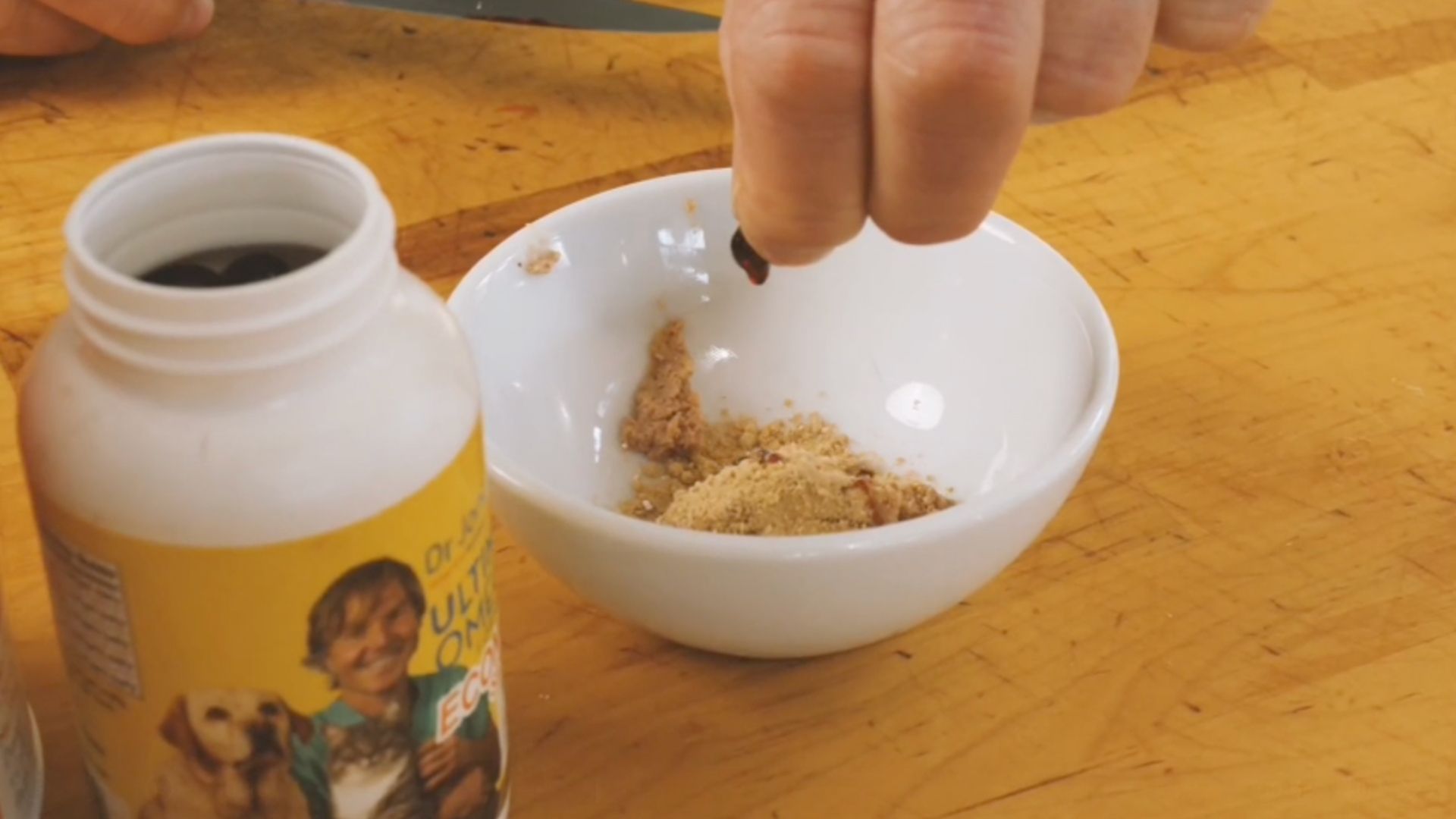
Essential fatty acids can help keep your pet’s skin better hydrated.
That matters because healthy skin is part of flea and tick prevention too.
Dry, irritated skin is not what we want.
Dr. Jones’ Ultimate Omega 3 Formula for Dogs and Cats

5. Natural Flea and Tick Collars
A simple holistic option is an all-natural flea and tick collar.
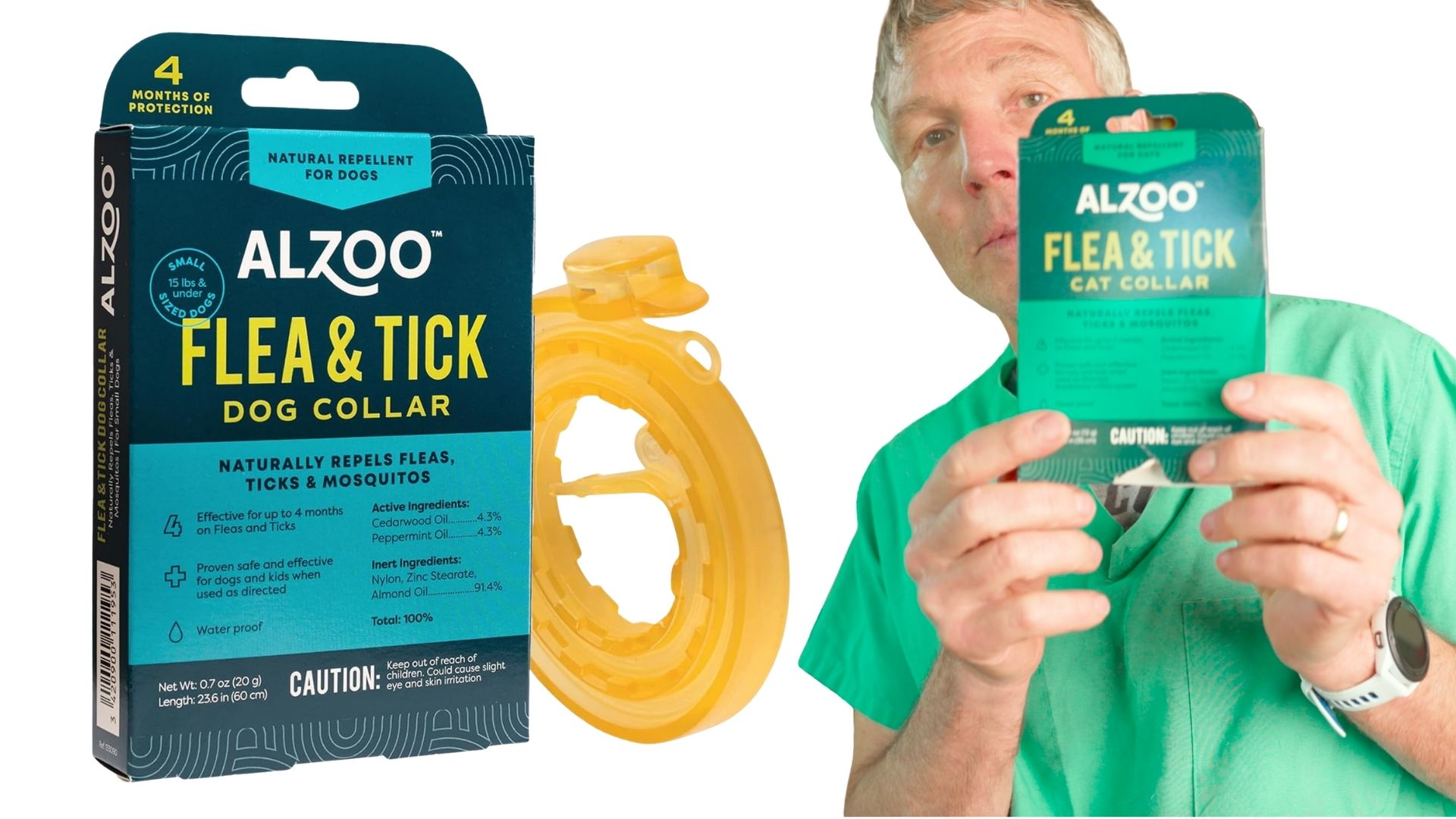
The one discussed includes:
- Cedarwood oil
- Peppermint oil
Cedarwood oil is one of my favorite essential oils for flea and tick prevention because it has some good research behind it and is considered safe for dogs and cats when used properly.
Of all the essential oils I looked at when I first started studying alternative veterinary medicine, cedarwood was near the top of my list.
It has repellent properties.
It is practical.
And it can be a good option for many pets.
Why Cedarwood Oil?
Cedarwood oil has research behind it as a repellent.

It may help repel fleas and ticks without using harsh conventional insecticides.
In the natural collar discussed, cedarwood oil is combined with peppermint oil.
That gives another layer of repellent support.
My neighbors have their dogs on these collars right now.
So yes, this is one I genuinely like.
6. Homemade Flea and Tick Spray
There are many homemade flea and tick sprays.

A simple version starts with a mild skin-friendly base and then adds natural repellent ingredients.
Homemade Flea and Tick Spray Ingredients
| Ingredient | Amount Mentioned | Why It Is Used |
| Witch hazel with aloe | 1 cup | Mild astringent, dries excess moisture, anti-inflammatory base |
| Apple cider vinegar | Amount not specified | Topical antibacterial, antifungal, flea and tick repellent |
| Neem oil | 20 drops, or 1 dropperful, about 1 cc | Well-studied flea and tick preventative |
| Lemongrass oil or cedarwood oil | 10 drops | Natural repellent support |
Why Use Witch Hazel With Aloe?
Witch hazel with aloe makes a good base for a skin spray.
Witch hazel is:
- Mild
- Astringent
- Helpful for drying excess moisture
- Gentle enough for many skin sprays
Aloe adds mild anti-inflammatory support.
Together, they make a nice base for a homemade flea and tick spray.
Why Add Apple Cider Vinegar?
Apple cider vinegar, or ACV, has topical antibacterial and antifungal properties.
And you know what?
Critters do not like it.
They do not like the taste.
That makes it useful as part of a flea and tick repellent spray.
Why Add Neem Oil?
Neem oil is a well-studied flea and tick preventative.
For this spray, add:
20 drops, or 1 dropperful, about 1 cc
Neem can be a helpful part of a natural topical prevention plan.
Why Add Lemongrass or Cedarwood Oil?
Lemongrass oil and cedarwood oil both have research behind them as repellents.
For this spray, add:
10 drops of either lemongrass oil or cedarwood oil
If you are choosing just one, cedarwood is one I especially like because of its safety profile and repellent properties for pets.
Simple Homemade Flea and Tick Spray Recipe
Use:
- 1 cup witch hazel with aloe
- Apple cider vinegar
- 20 drops neem oil, or 1 dropperful, about 1 cc
- 10 drops lemongrass oil or cedarwood oil
Mix well.
Apply as a topical repellent spray.
Avoid the eyes, nose, mouth, and irritated skin.
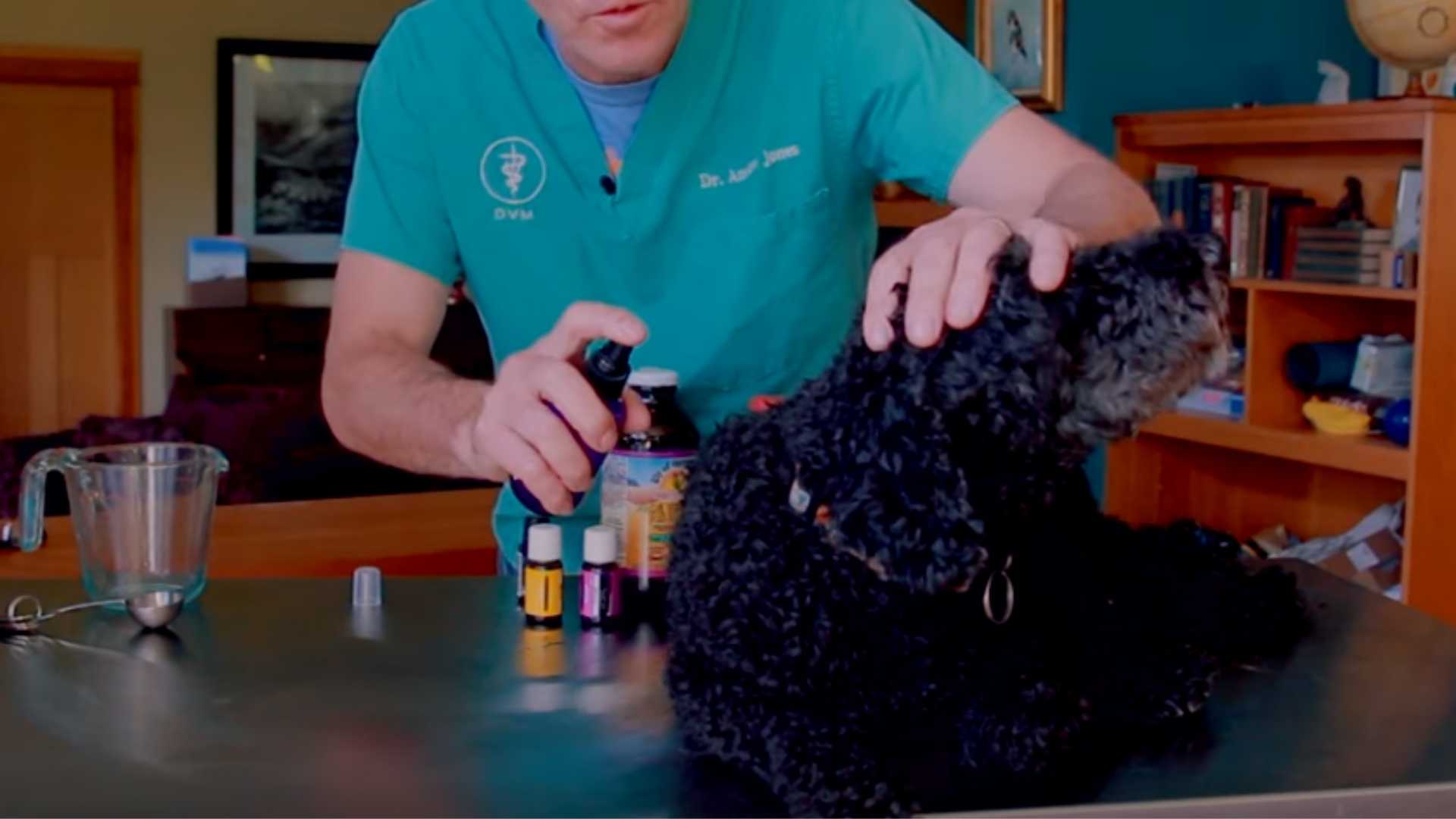
Start lightly.
More is not always better.
Especially with cats, go slow and be careful with any topical products.
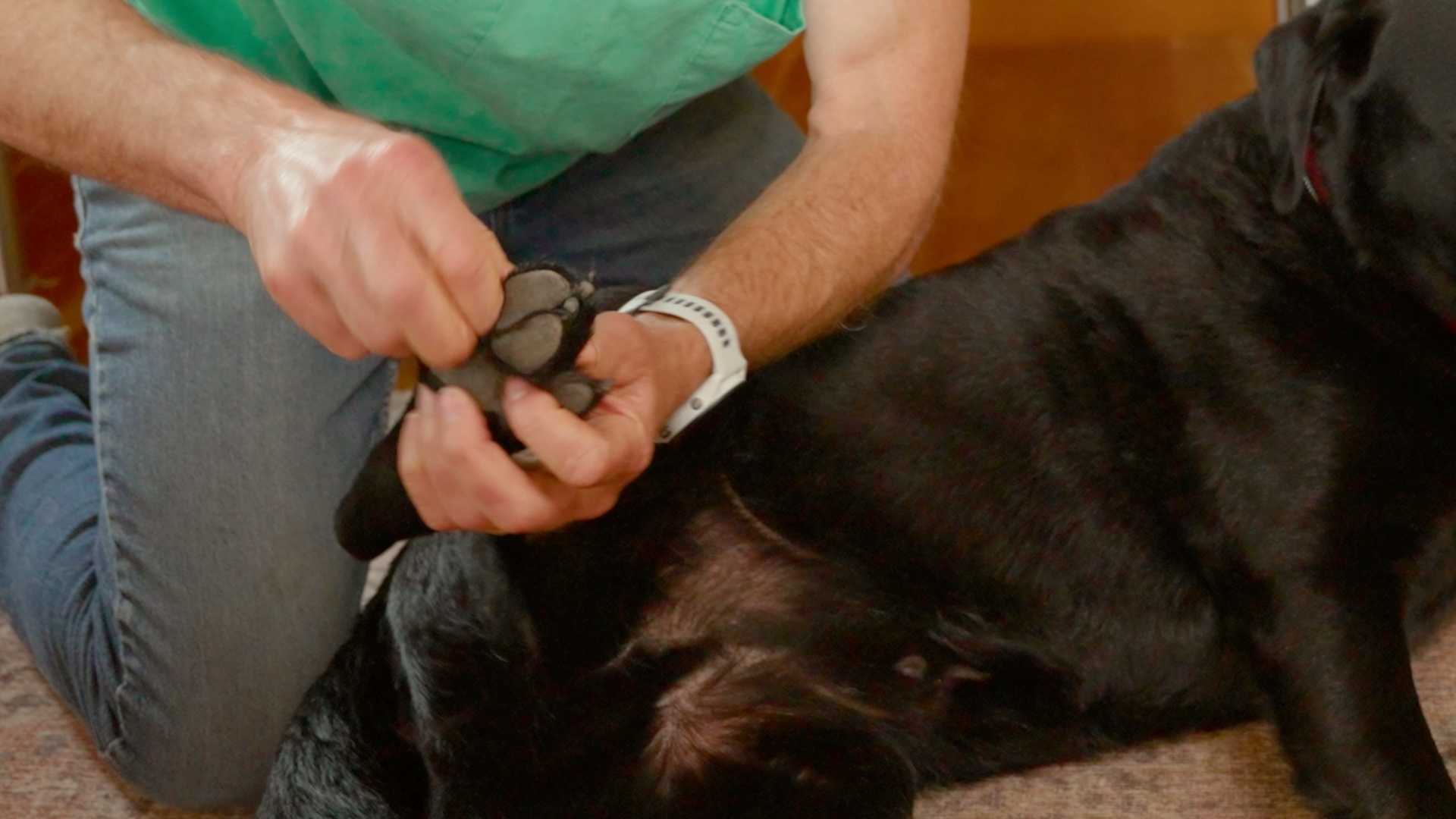
7. Daily Tick Checks
Daily tick checks are still one of the best things you can do.
Especially if you are trying to avoid harsh chemical preventatives.
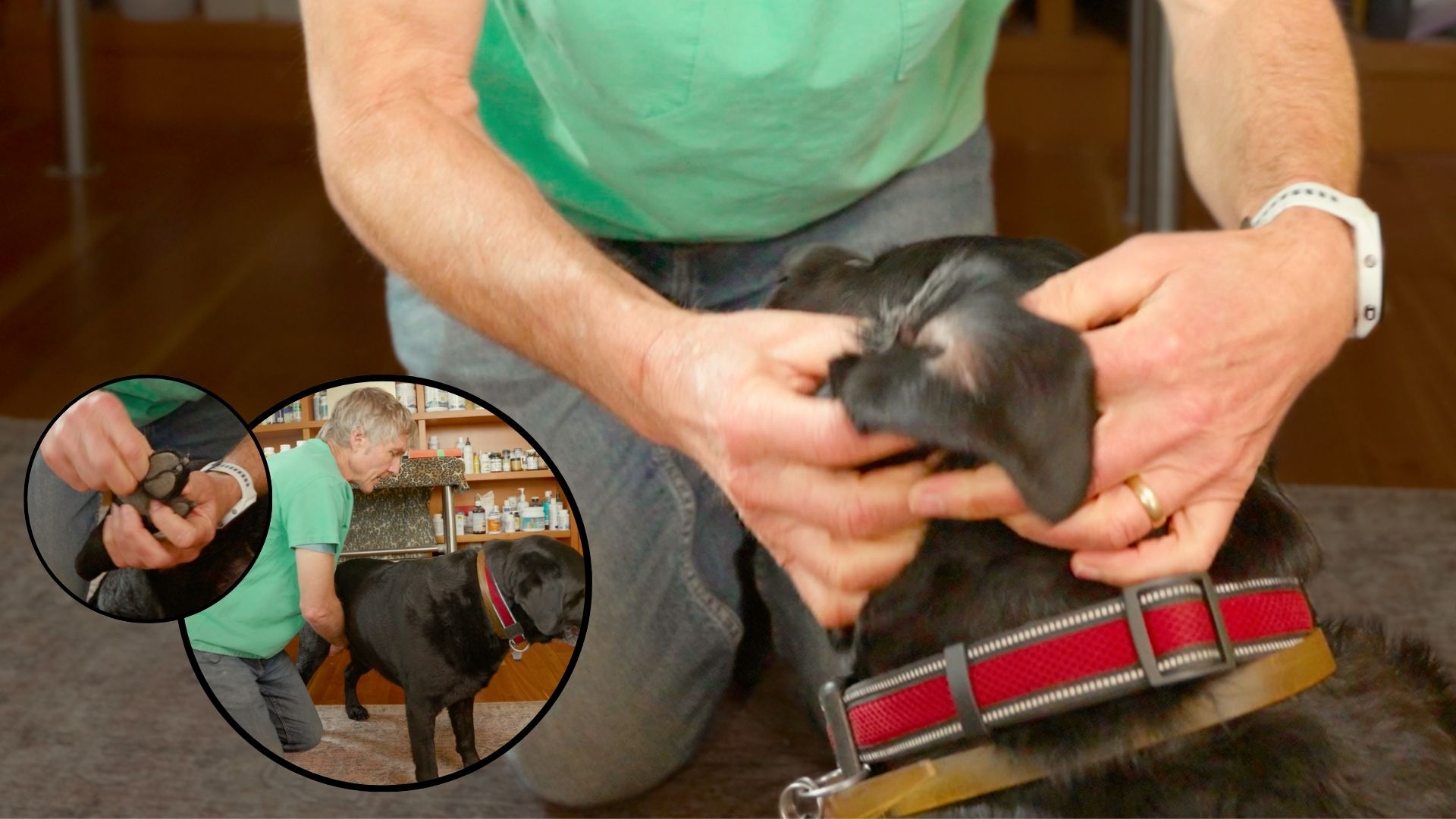
Check your dog after walks, hikes, and time in tall grass or wooded areas.
Focus on:
- Ears
- Under the collar
- Neck
- Armpits
- Belly
- Groin
- Between toes
- Tail base
Ticks like warm, hidden areas.
Basically, the places your dog least wants you inspecting.
Do it anyway.
8. Yard Control
If your dog keeps picking up ticks around your home, you need to think about the yard.
External tick control in the yard may help lower the tick burden.
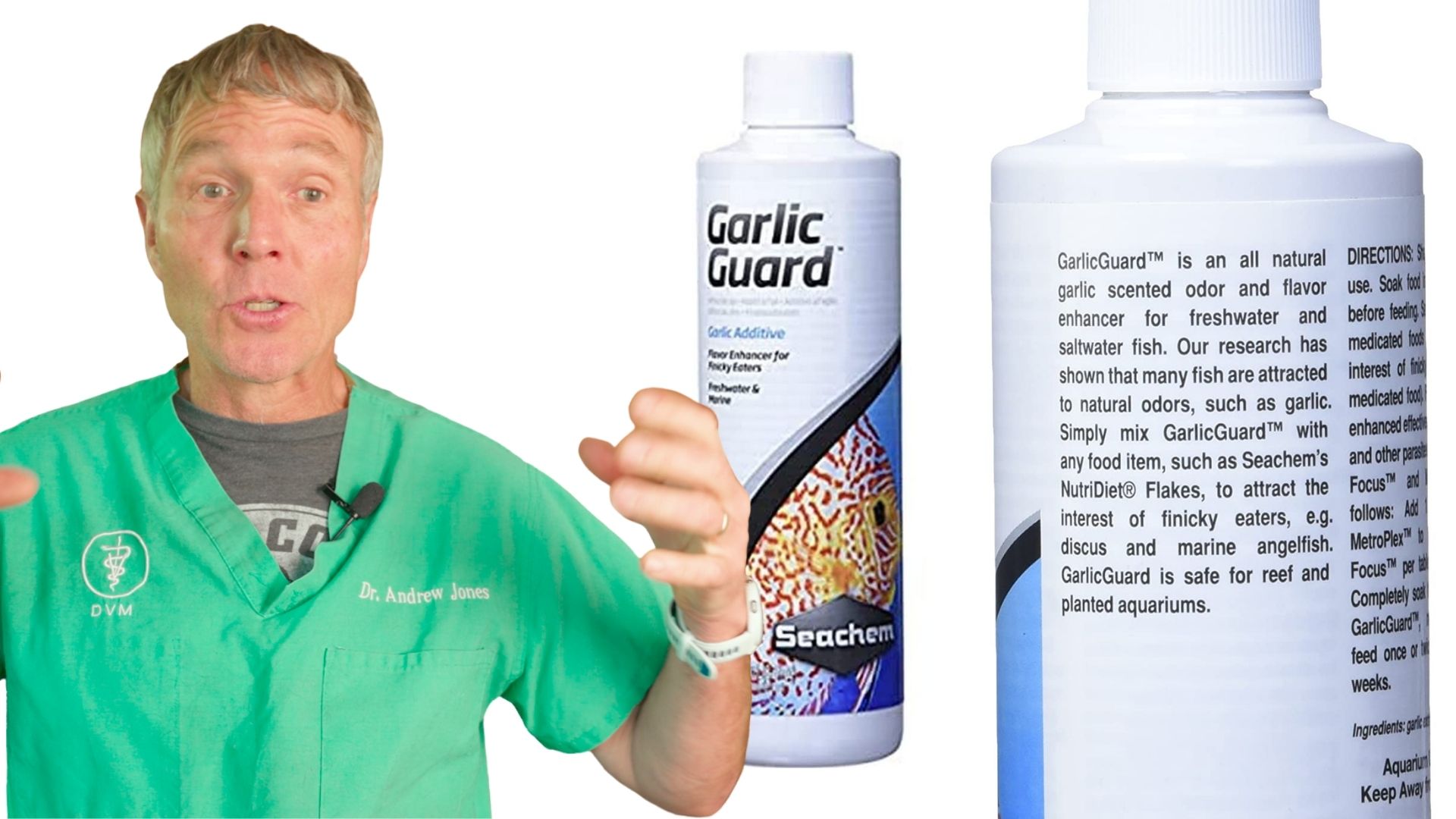
Garlic-based repellents, such as Garlic Guard, were also discussed as an option to help keep ticks back in an area.
If your dog walks outside and comes back with ticks every time, the problem may not be your dog.
It may be the environment.
When Natural Flea and Tick Options May Not Be Enough
Natural options are helpful, but they have limits.
If you live in an area with a very high tick burden, and your dog goes outside and comes back covered in ticks, natural products may not be effective enough.
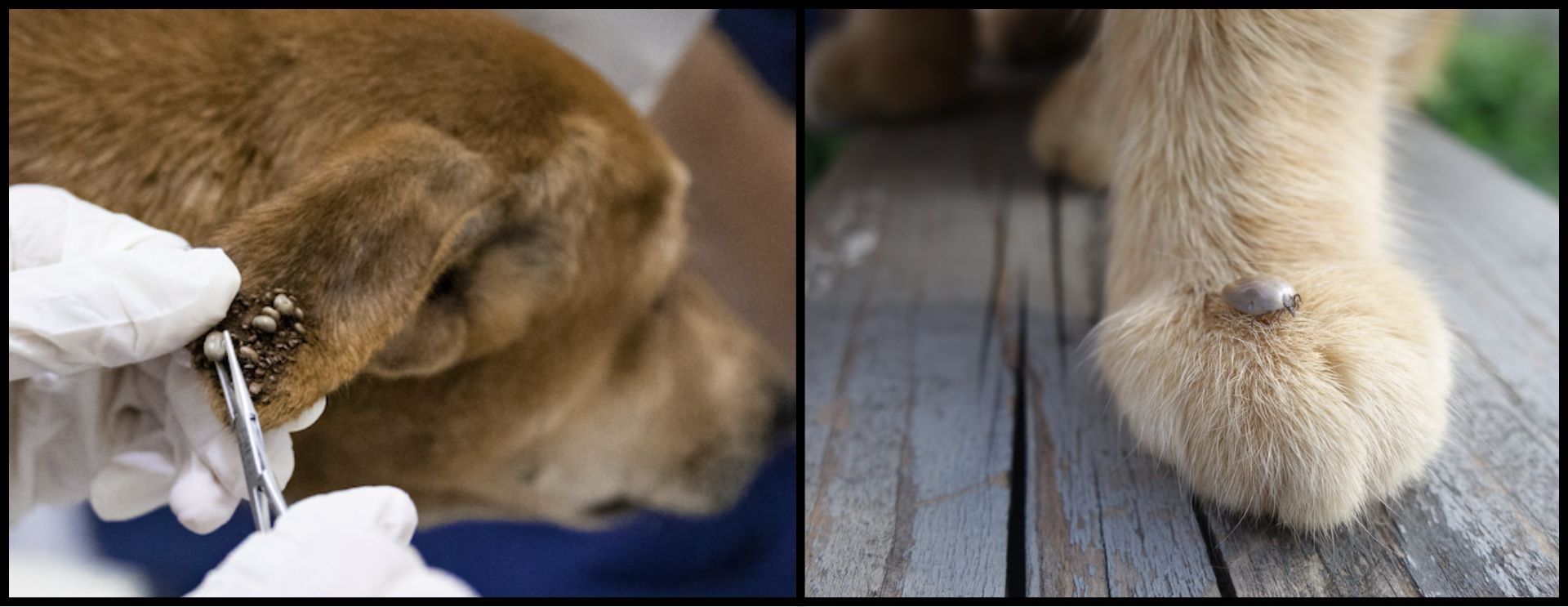
In that situation, the risk of tick-borne disease can be much higher.
Tick-borne diseases can include:
- Lyme disease
- Ehrlichia
- Babesia
- Anaplasma
So if you have already tried:
- Daily tick checks
- Yard control
- Garlic-based repellents
- Natural collars
- Holistic sprays
And your dog is still getting tick after tick after tick, then yes, you may need to use a conventional repellent.
I understand that.
This is not about being rigid.
This is about being reasonable.
When I Would Try Natural Prevention First
I would be more inclined to try natural prevention first if:
- Your pet only gets occasional ticks
- You are mostly managing fleas
- Your dog is not in a heavy tick area
- Your cat is mostly indoors
- You can do daily tick checks
- You can manage the yard
- Your pet has reacted to conventional products
- You want to reduce chemical exposure
In those cases, it makes sense to see if holistic prevention can work.
When I Would Consider Conventional Prevention
I would consider conventional prevention if:
- Your dog is repeatedly covered in ticks
- You live in a high-risk tick area
- Tick-borne disease is common where you live
- Natural collars and sprays are not enough
- Yard control is not enough
- Daily tick checks are not enough
- There is a serious flea infestation
- The parasite risk is higher than the chemical risk
Sometimes conventional medication is the lesser risk.
I do not love exposing pets to harsh chemicals.
But I also do not love dogs getting Lyme disease.
So we balance.
Best Natural Options by Situation
| Situation | Natural Option to Consider |
| Mild flea prevention | Brewer’s yeast |
| Flea and tick repellent support | Garlic, if appropriate |
| Fleas in cracks and crevices | Diatomaceous earth |
| Topical pet support | Light diatomaceous earth, used carefully |
| Everyday repellent | Cedarwood and peppermint collar |
| Outdoor exposure | Homemade spray with witch hazel, ACV, neem, cedarwood or lemongrass |
| High tick yard | Yard control, garlic-based repellents |
| Occasional ticks | Daily tick checks and natural repellents |
| Heavy tick exposure | Conventional prevention may be needed |
| Natural Option | How It May Help | Dose or Use |
|---|---|---|
| Brewer’s yeast | May help repel fleas | 1/2 to 1 teaspoon per 10 to 20 lbs daily |
| Garlic | May help repel fleas and ticks | 1/4 clove per 20 lbs daily, crushed first |
| Diatomaceous earth | Dries out fleas and ticks | Use in cracks and crevices at home, or topically once weekly |
| Cedarwood and peppermint collar | Natural repellent support | Use as directed on collar |
| Homemade flea and tick spray | Topical repellent support | Witch hazel with aloe, apple cider vinegar, neem oil, lemongrass or cedarwood oil |
| Daily tick checks | Helps catch ticks early | Check after outdoor exposure |
| Yard control | Helps reduce tick burden | Especially helpful in high-tick areas |
Step-by-Step: How to Start Natural Flea and Tick Prevention
Step 1: Assess Your Pet’s Risk
Ask:
- Does my dog get ticks often?
- Is my cat indoor or outdoor?
- Are fleas the main issue?
- Are ticks the main issue?
- Do we live in a high-risk tick area?
- Has my pet reacted to flea and tick medication before?
Step 2: Start With Daily Checks
If your dog goes outside, check for ticks daily.
This is especially important after hikes, woods, grass, or yard exposure.
Step 3: Add Oral Support
Consider:
- Brewer’s yeast at 1/2 to 1 teaspoon per 10 to 20 lbs daily
- Garlic at 1/4 clove per 20 lbs daily, crushed first
Step 4: Use Environmental Support
Use diatomaceous earth in cracks and crevices in the home where fleas may hide.
Consider yard control if ticks are coming from your outdoor space.
Step 5: Consider a Natural Collar
A cedarwood and peppermint oil collar may be a good daily repellent option.
Step 6: Use a Homemade Spray
Use a spray with:
- Witch hazel with aloe
- Apple cider vinegar
- Neem oil
- Lemongrass or cedarwood oil
Apply carefully and avoid sensitive areas.
Step 7: Reassess
If your pet is still getting lots of ticks, do not ignore that.
You may need a stronger approach.
When Should You Call Your Veterinarian?
Call your veterinarian if your dog or cat has:
- Heavy flea infestation
- Tick-borne disease symptoms
- Fever
- Lethargy
- Limping
- Loss of appetite
- Swollen joints
- Weakness
- Sudden illness after tick exposure
- Skin irritation from any topical product
- A reaction to flea or tick medication
- Seizures or tremors after conventional products
- Severe scratching or hair loss from fleas
Also call if you live in a high-risk tick area and are unsure what level of prevention your pet needs.
Final Thoughts
Flea and tick prevention does not have to mean automatically reaching for the strongest chemical product every month.
There are natural options that may help.

Brewer’s yeast.
Garlic, properly dosed and crushed.
Diatomaceous earth.
Cedarwood and peppermint collars.
Homemade sprays with witch hazel, aloe, apple cider vinegar, neem, lemongrass, or cedarwood.
Daily tick checks.
Yard control.
These can all be part of a lower-toxin prevention plan.
But use common sense.
If your dog lives in a heavy tick area and comes back covered in ticks, natural options may not be enough. In that case, a conventional repellent may be needed because tick-borne disease can be serious.
If it is occasional ticks or mild flea management, then yes, I would first see if you can prevent them holistically.
Protect your pet.
Lower the toxic load when you can.
And choose the safest effective option for your dog or cat’s real-life risk.
Click To Get A Free Copy of My E-Book!

P.S. My favorite starting point for many pets would be simple daily prevention.
Check for ticks.
Use brewer’s yeast.
Consider a cedarwood-based collar.
Use diatomaceous earth carefully in the home.
And if needed, make a simple spray with witch hazel, aloe, apple cider vinegar, neem oil, and either cedarwood or lemongrass oil.
P.P.S. If your dog is in a very high tick area, and you are pulling off tick after tick after tick, then please do not be rigid.
Sometimes conventional prevention is needed.
The goal is not to avoid every chemical at all costs.
The goal is to keep your pet safe while using the least toxic effective option.