Hairballs in Cats: 7 Fast Natural Remedies That Can Help

Can You Help Cat Hairballs Naturally?
Yes, most cat hairballs can be helped naturally at home.
Hairballs, called trichobezoars in veterinary terms, happen when your cat swallows too much hair during grooming. Most hair should pass through the intestinal tract and come out in the stool. But when too much hair accumulates in the stomach, your cat may cough, gag, or vomit it up.
The best plan is prevention.
Brush your cat regularly, support digestion, add fiber when needed, and use safe remedies such as petroleum jelly, pumpkin, slippery elm, enzymes, or castor oil when appropriate.
And yes, believe it or not, there really is a Hairball Awareness Day.
Perhaps we have too many official days.
But this one is actually useful.
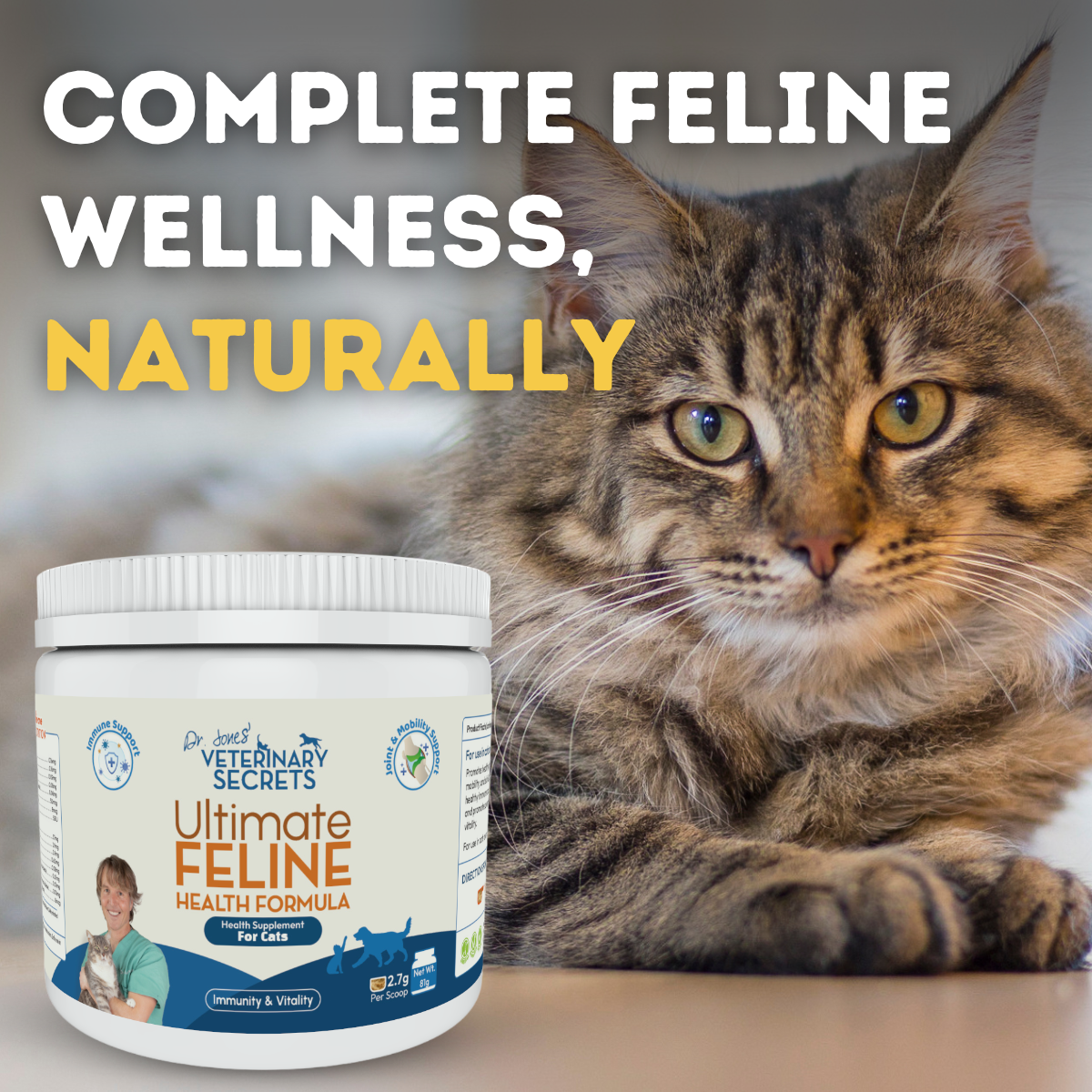
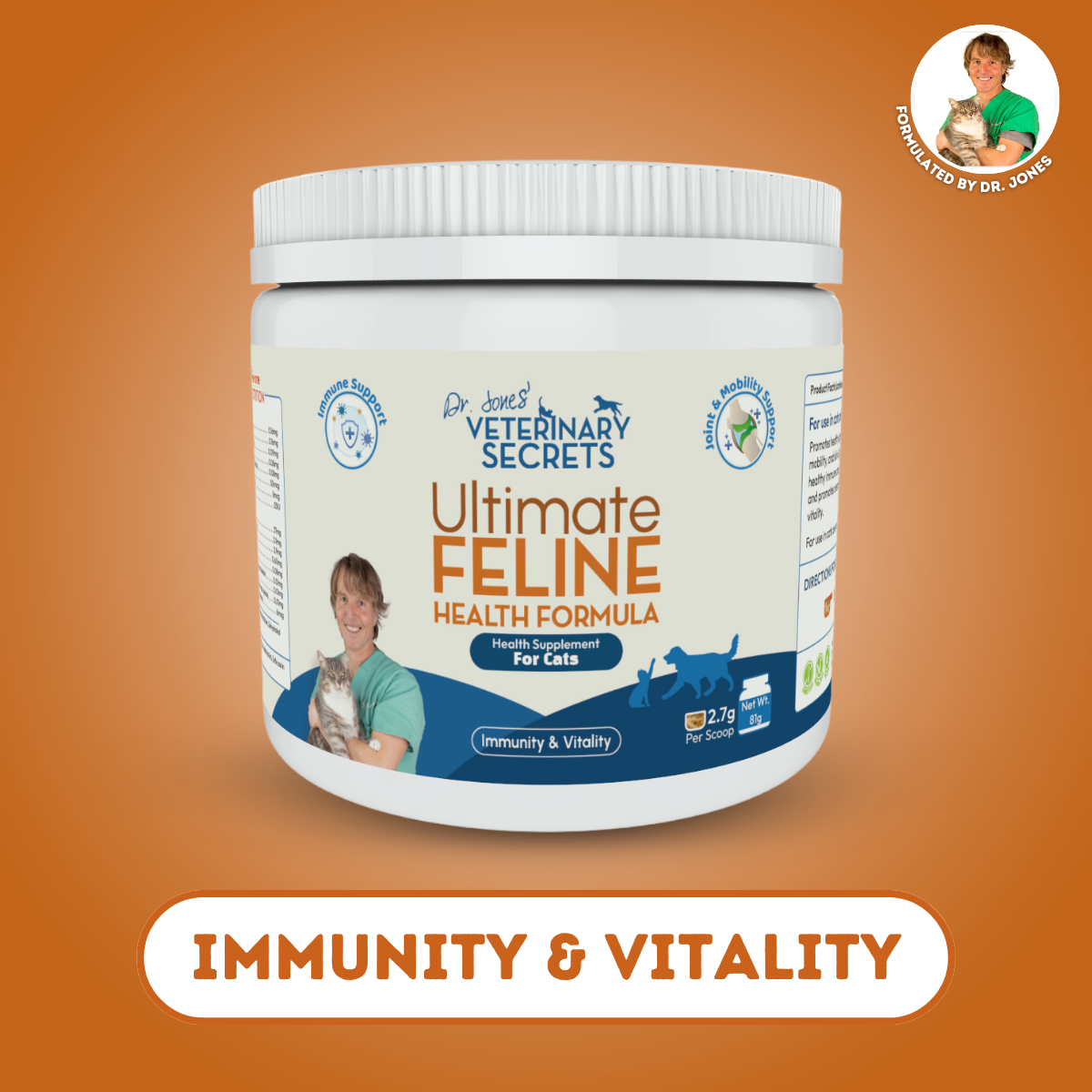
Dr. Jones’ Ultimate Feline Health Formula

What Are Hairballs in Cats?
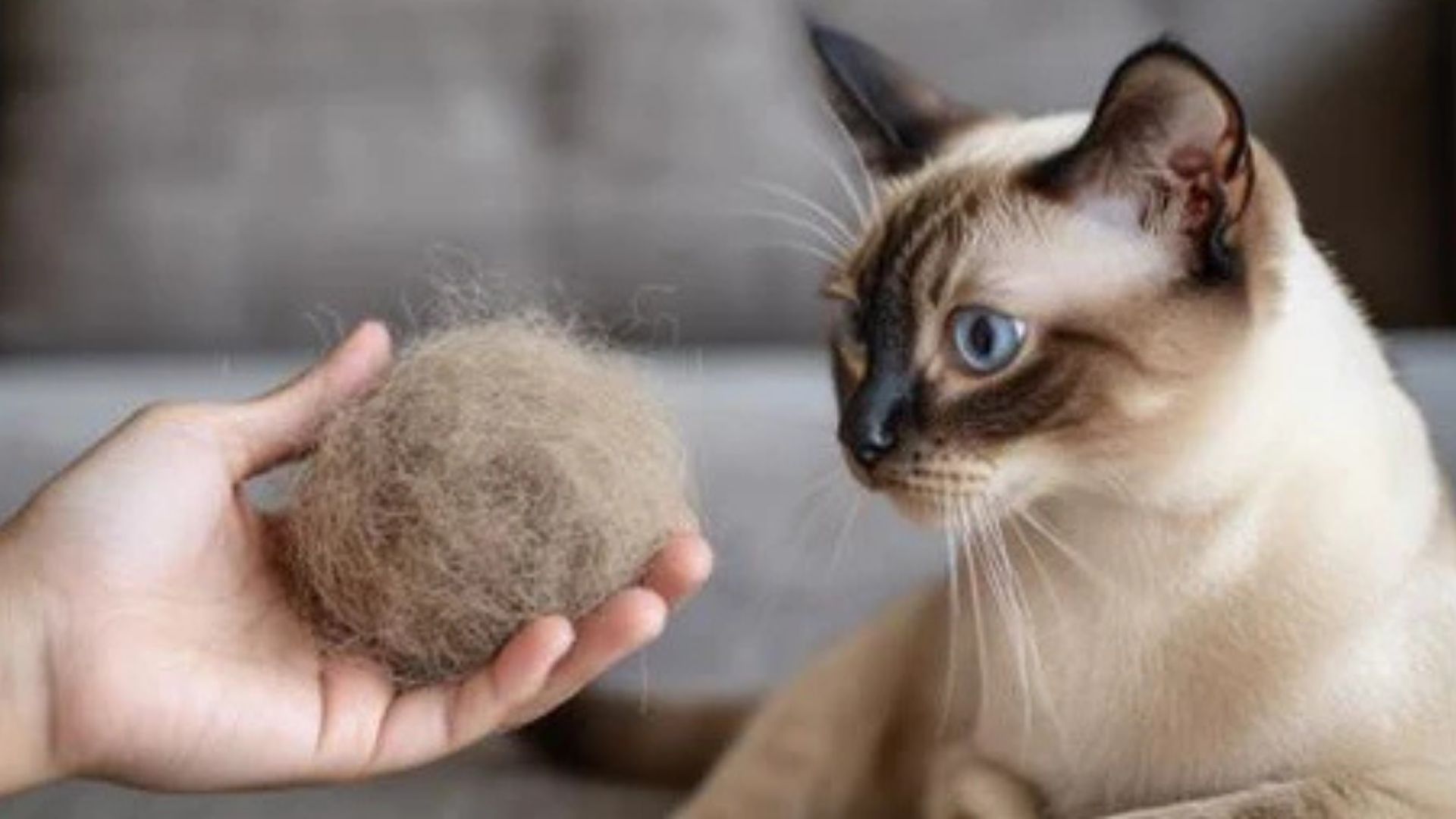
Hairballs are clumps of swallowed hair that collect in your cat’s stomach.
Cats are very clean animals.
They groom themselves often.
As they lick their coat, they swallow loose hair.
Most of that hair passes through the digestive tract and leaves in the stool.
A hairball forms when too much hair builds up in the stomach and has to be expelled.
What Is the Veterinary Name for Hairballs?
The veterinary term is:
Trichobezoars
A fancy word for something you may find on your newly cleaned bed.
Lovely.
Are Hairballs Really Shaped Like Balls?
Usually, no.
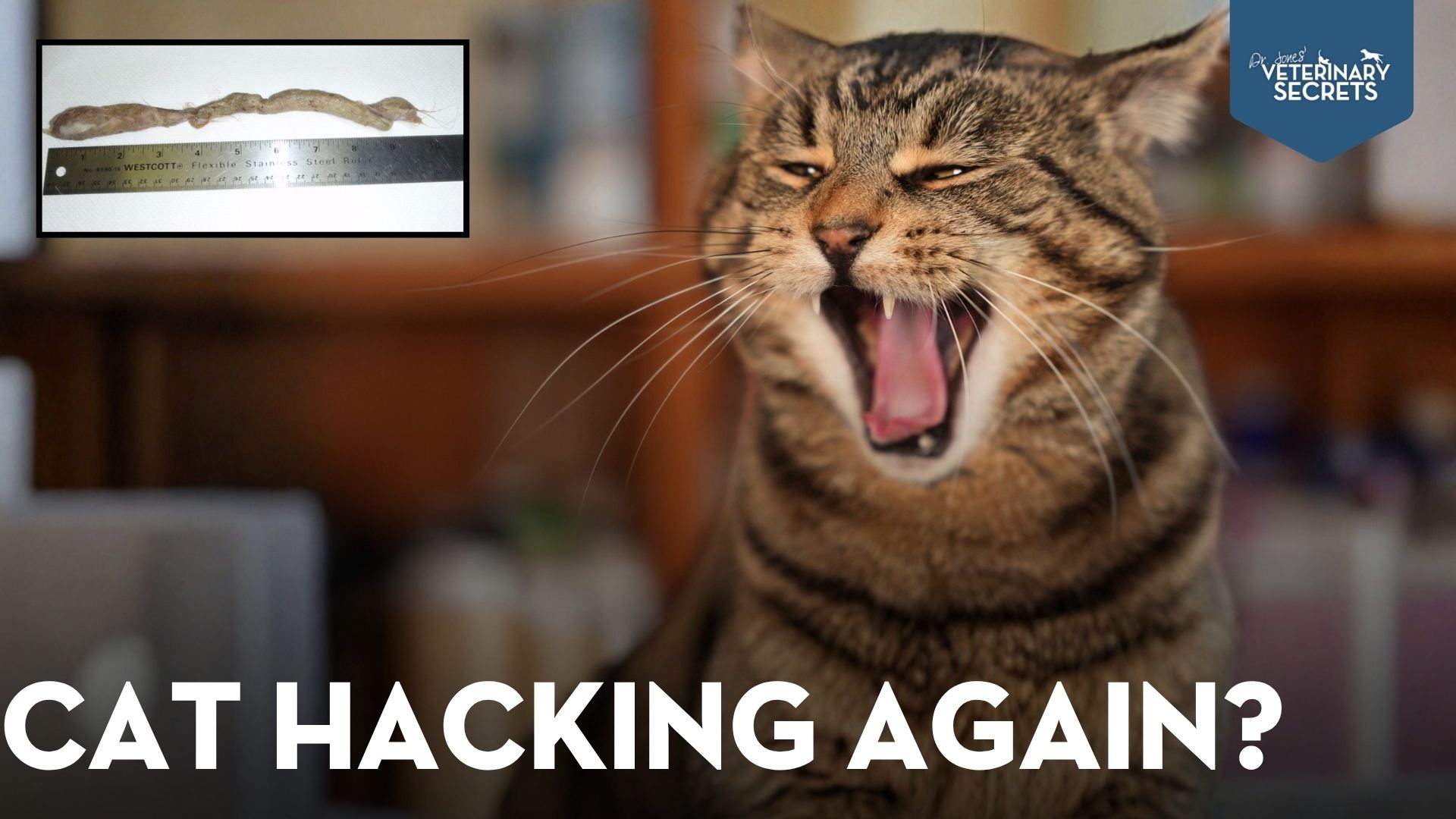
Hairballs are seldom shaped like actual balls.
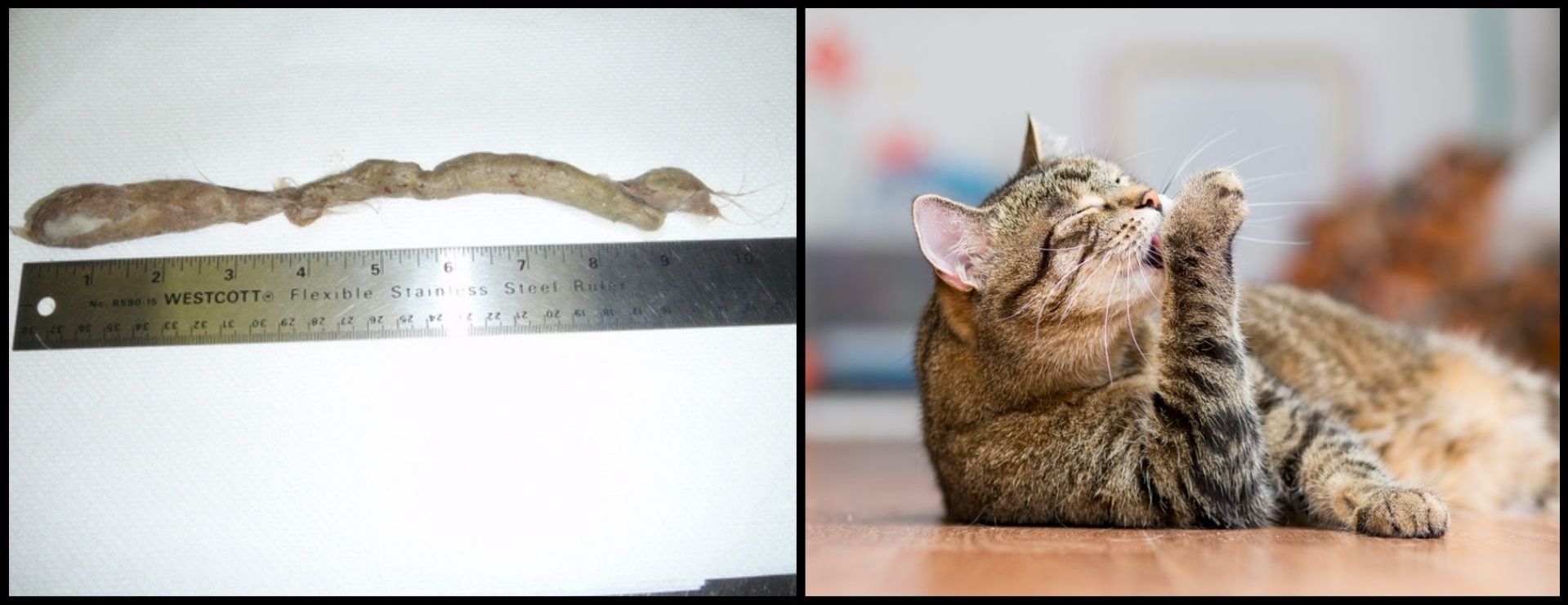
They are most often:
- Slender
- Cylindrical
- Sausage-shaped
- Long and narrow
This shape happens because the hairball passes through the narrow food tube, or esophagus, after leaving your cat’s stomach.
Then, naturally, it gets deposited somewhere inconvenient.
Usually carpet.
Or bedding.
Or exactly where your bare foot will find it at 5:00 AM.
What Are the Signs of Hairballs in Cats?
Most cats with hairballs show obvious signs.
Common Signs
- Coughing
- Gagging
- Retching
- Vomiting up fur
- Hacking sounds
- Bringing up a long, cylindrical hairball
- Gagging without producing much hair
Some cats gag and cough but do not bring up much.
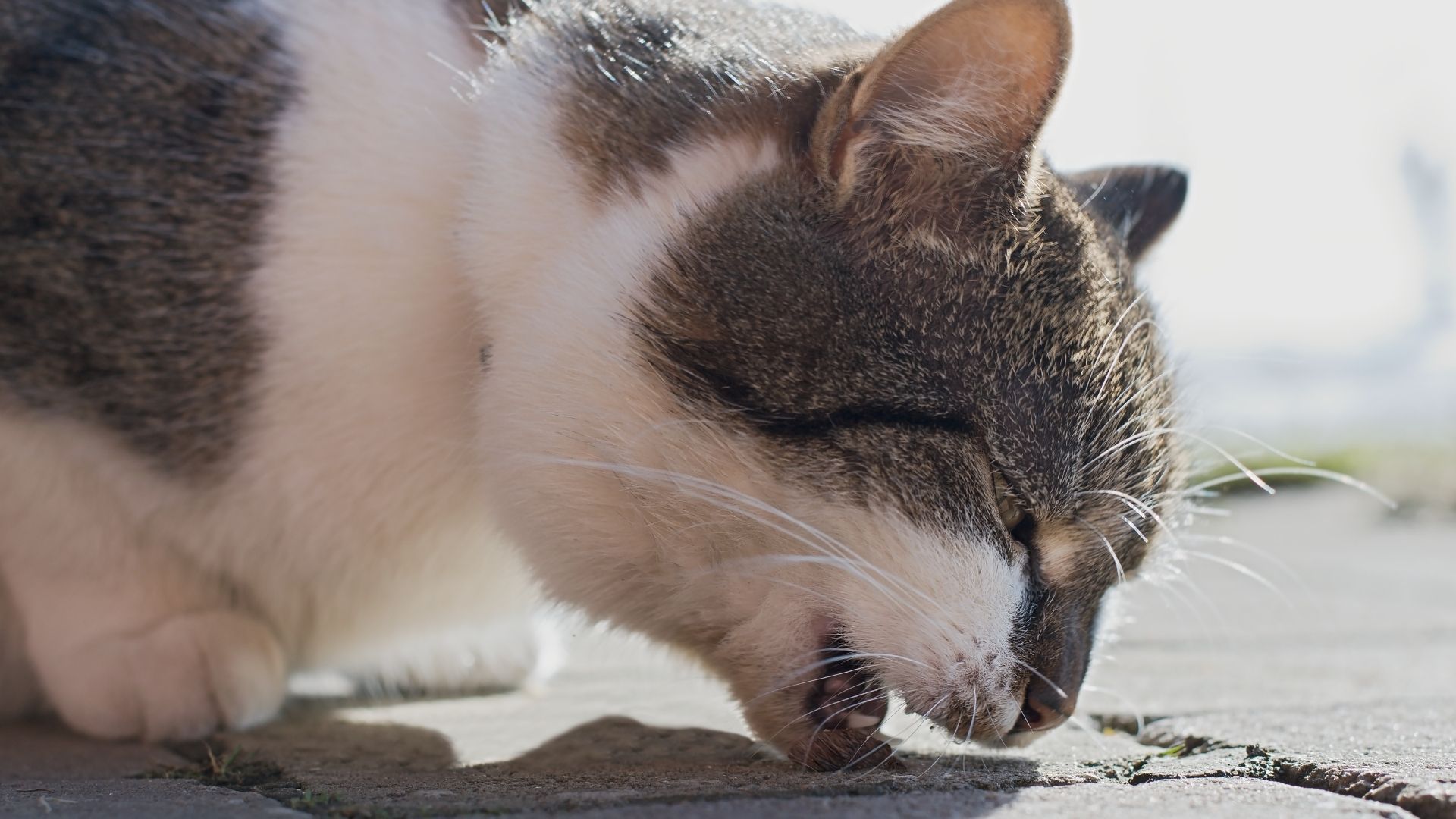
That can still be a hairball issue.
Can Dogs Get Hairballs Too?
Yes, some dogs can get hairballs.
It is less common than in cats, but it can happen, especially in long-haired small breeds.
The pasted content specifically mentioned:
- Pomeranians
- Long-haired small breeds
Dogs that groom or lick excessively may swallow hair too.
But when we talk about hairballs, cats are usually the main offenders.
Because cats do like to keep themselves spotless.
And then share the results with your floor.
What Causes Hairballs in Cats?
The cause is simple:
Cats groom.
Cats swallow hair.
Too much hair collects in the stomach.
Then the body tries to get it out.
Why Some Cats Get More Hairballs
Hairballs are more likely in cats that:
- Shed a lot
- Have long hair
- Groom frequently
- Are not brushed regularly
- Have slower digestion
- Have a recurring hairball problem
- Need more fiber
- May benefit from digestive support
The ideal thing is to prevent hairballs before they form.
That means less swallowed hair and better movement through the digestive tract.
7 Fast Natural Remedies for Hairballs in Cats
1. Vaseline for Cat Hairballs
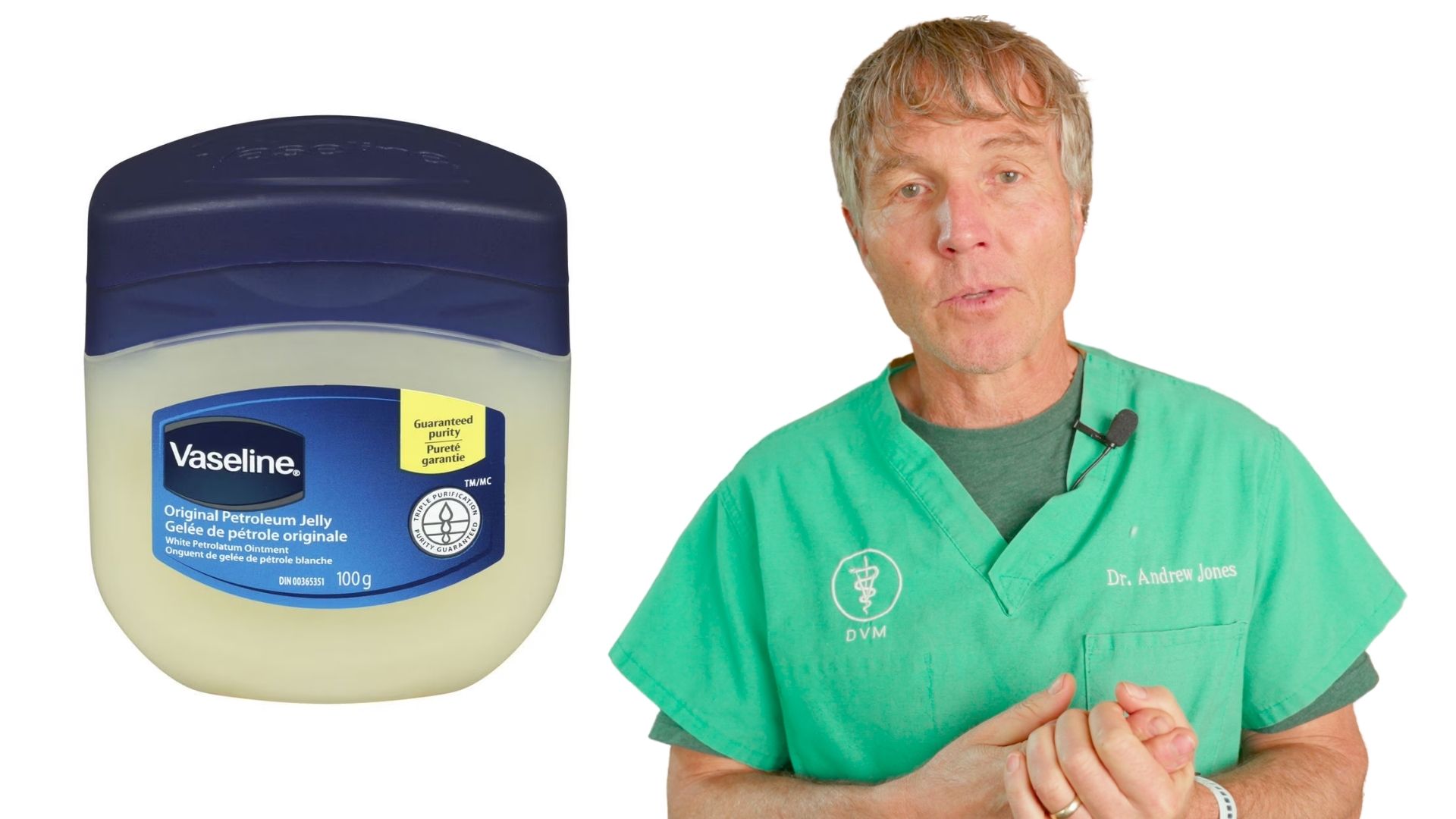
Petroleum jelly, or Vaseline, is one of the simplest hairball remedies.
It helps lubricate the hair so it can pass through the digestive tract more easily.
Vaseline Dose for Hairballs
Place 1/4 inch of Vaseline in your cat’s mouth.
Use:
Twice daily for 5 days
If your cat is not cooperative, and many cats are not exactly lining up for this, you can place it on the front paws.
Your cat will lick it off while grooming.
Tastier Hairball Options
There are also tastier versions available from pet supply stores, such as:
- Felaxin
- Laxatone
These are flavored and may include added nutrients to help the petroleum jelly go down easier.
For many cats, this works quickly.
2. Fiber for Hairballs
Fiber can help move hair out of the stomach and through the intestinal tract.
If your cat gets hairballs regularly, they may benefit from more fiber.
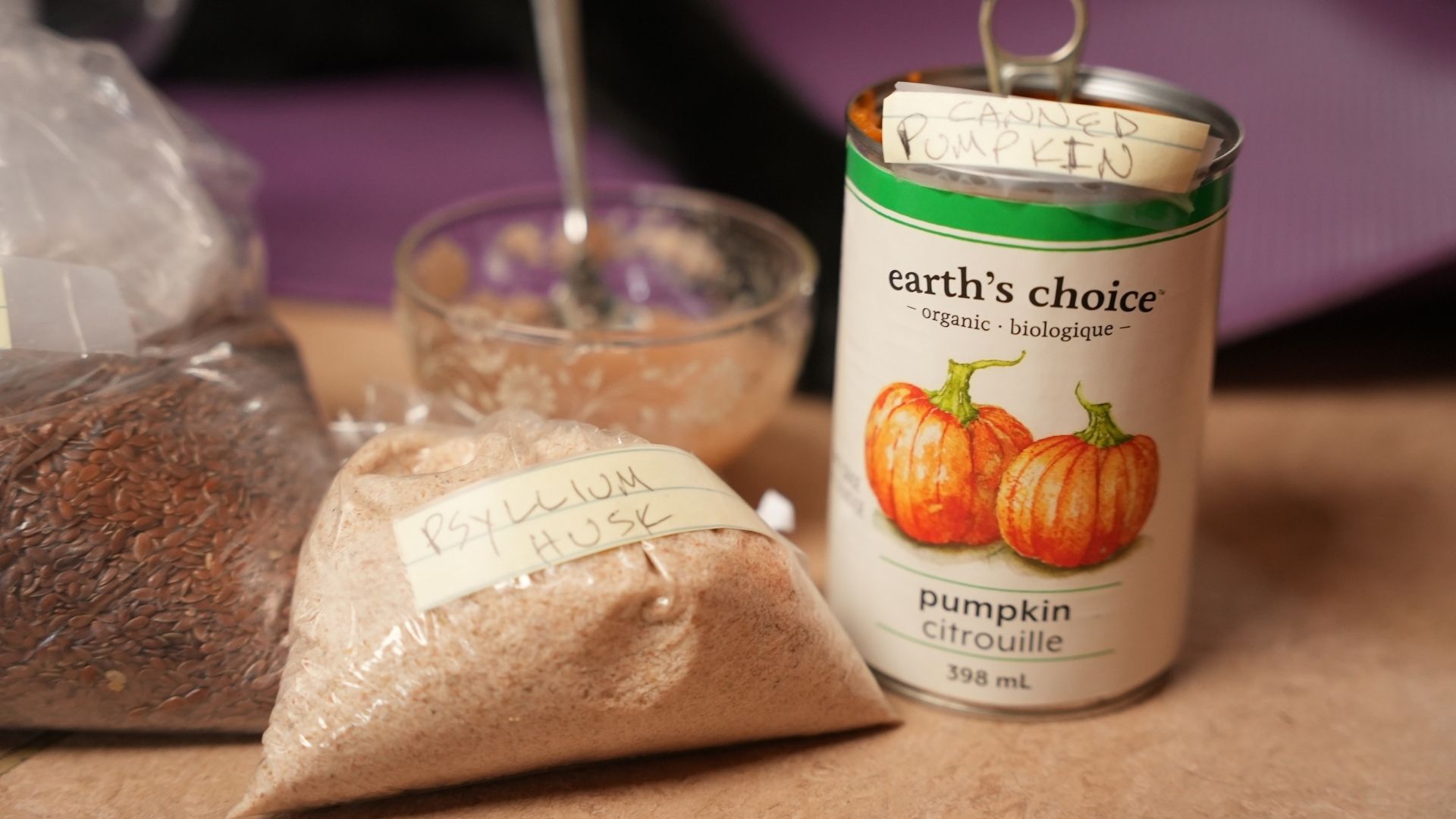
Fiber Options Mentioned
- High-fiber veterinary diets
- Canned pumpkin
- Ground flax
Canned Pumpkin Dose
Give:
1/2 to 1 teaspoon daily per 10 lbs of body weight
Most cats like pumpkin.
Not all, of course.
Some cats look at pumpkin like you have personally insulted them.
But many do accept it.
Ground Flax Dose
Give:
1/2 teaspoon twice daily
Ground flax can help add fiber and support stool movement.
3. Grooming to Prevent Hairballs
The less loose hair your cat swallows, the fewer hairballs you should see.
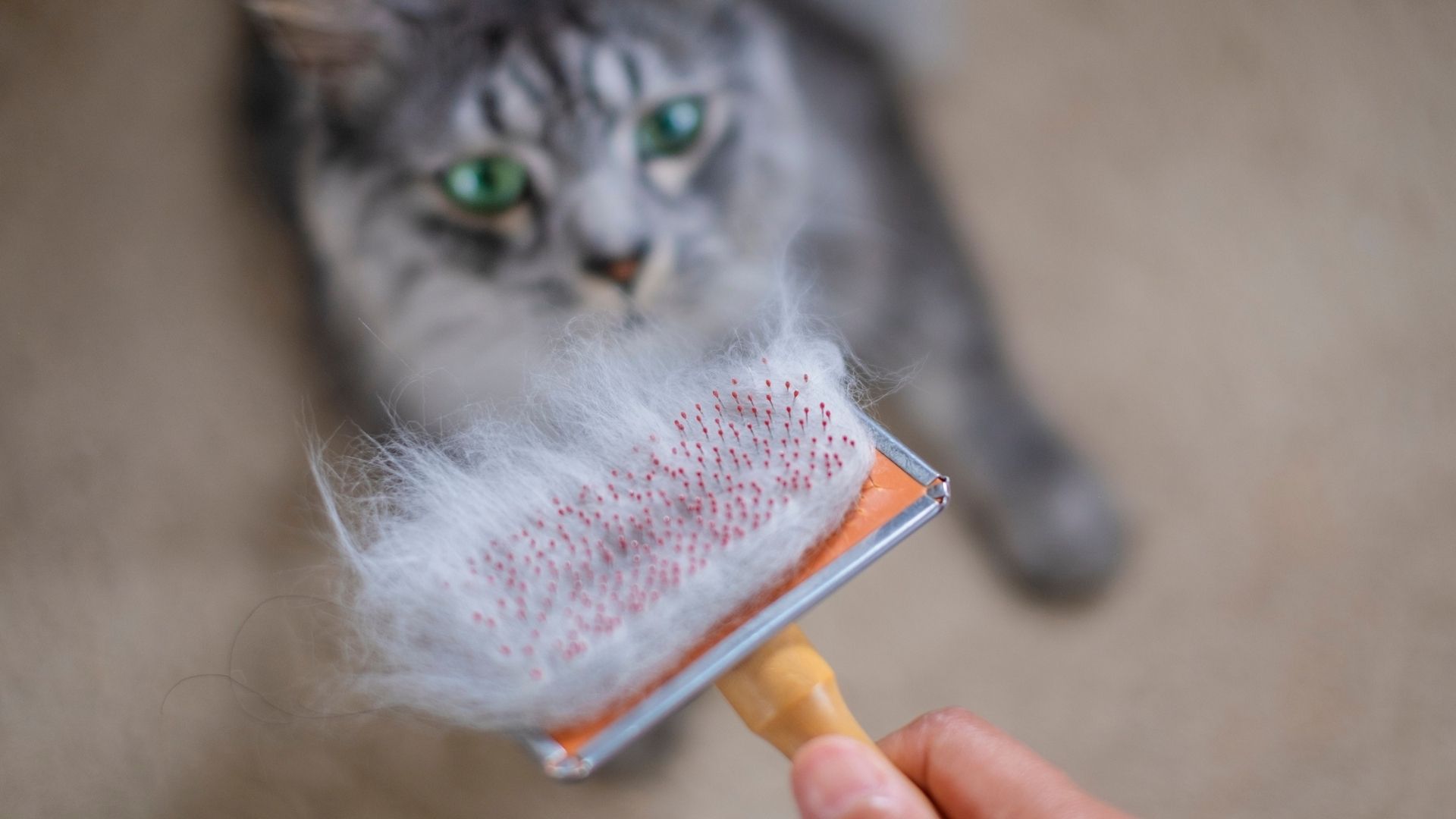
Daily brushing removes loose fur before your cat has a chance to swallow it.
This is especially important for long-haired cats.
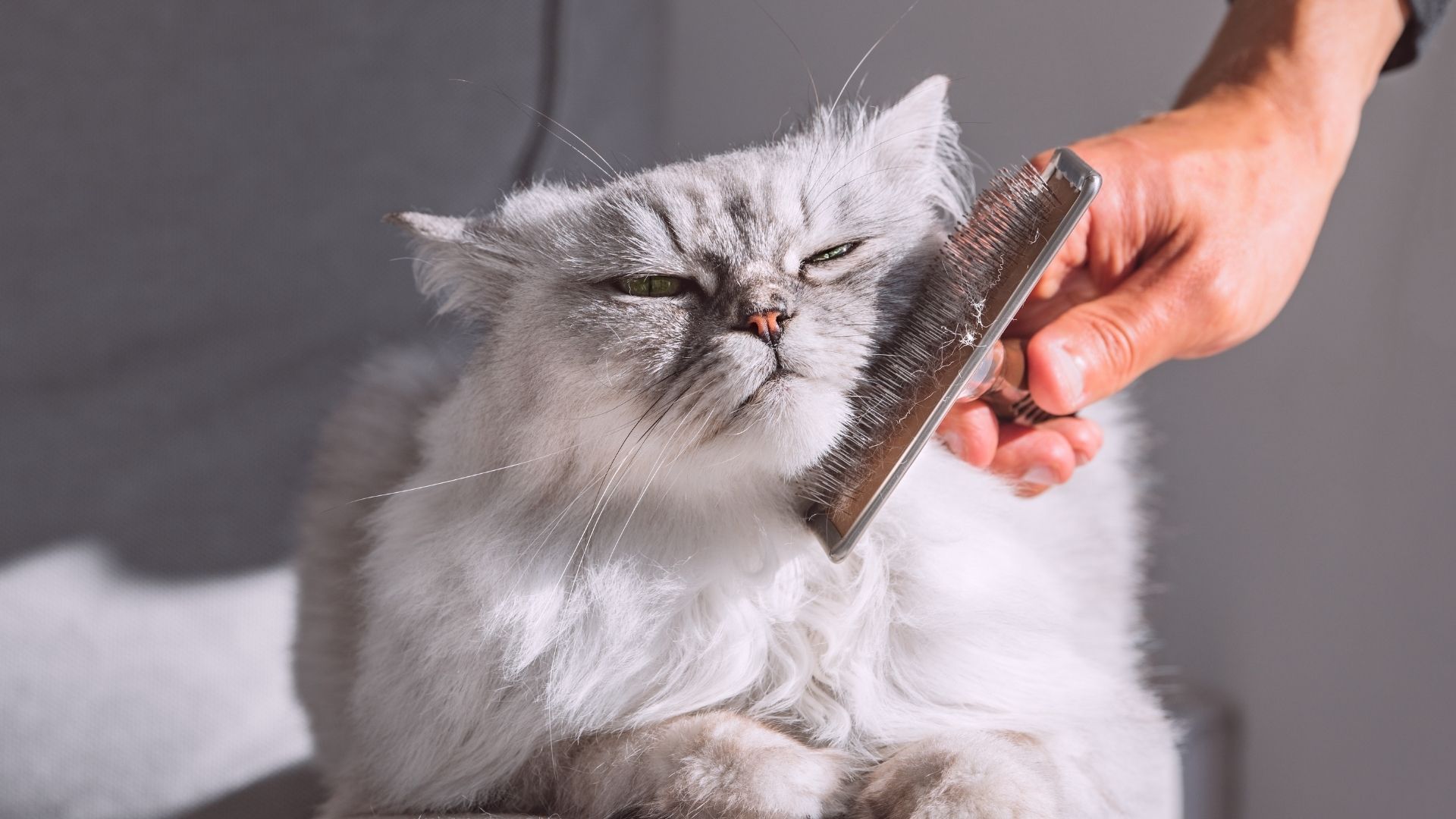
Grooming Tips
- Brush your cat daily
- Focus on loose undercoat
- Be extra consistent during shedding season
- Use a brush your cat tolerates
- Keep sessions short if your cat dislikes grooming
Regular grooming is one of the most important prevention steps for recurring hairballs.
It is simple.
It is inexpensive.
And unlike many cat-related plans, it may actually work without requiring negotiation.
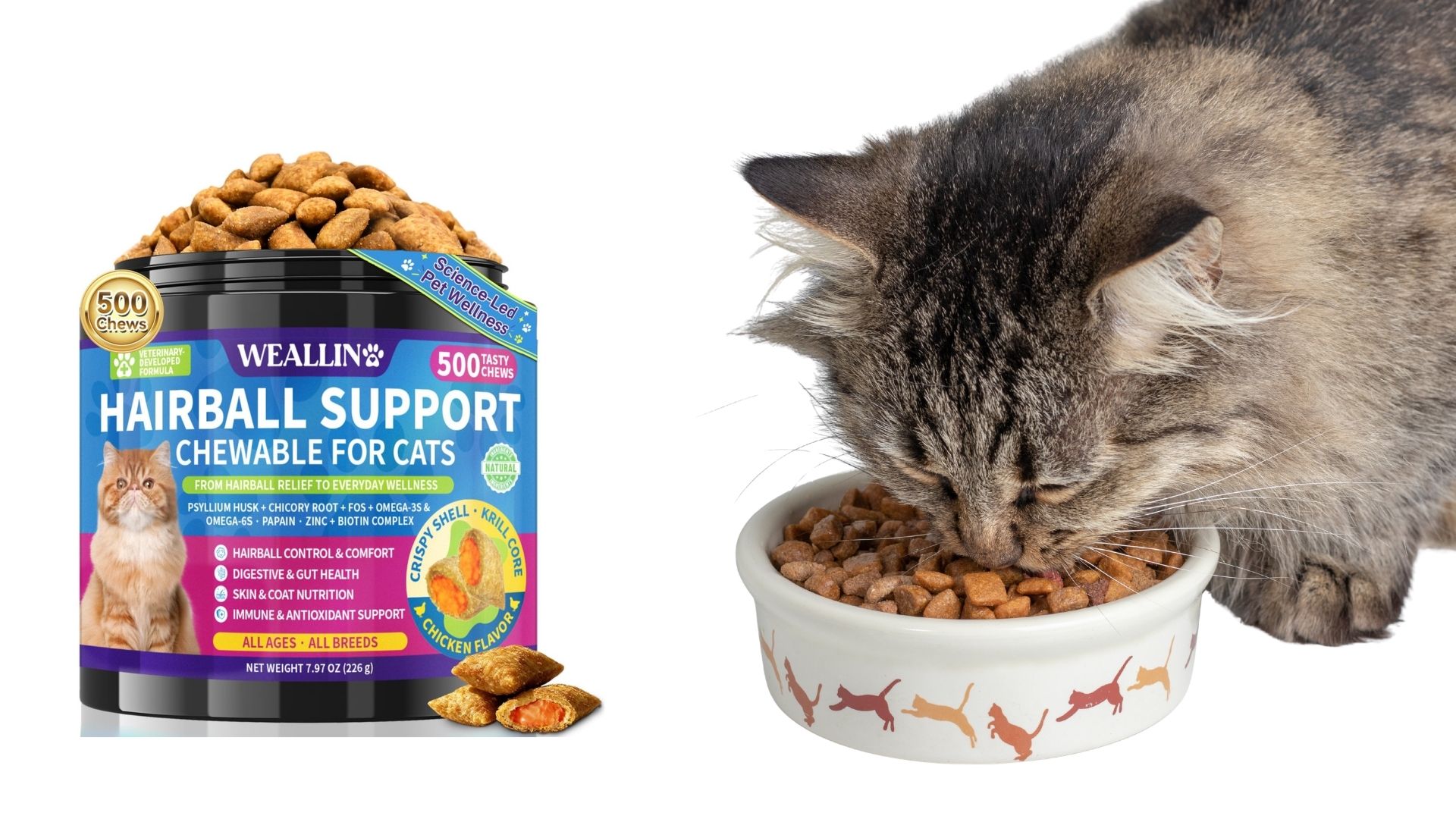
4. Hairball Diets
There are specific hairball diets made for cats.
These diets often contain:
- Additional dietary fiber
- Papain, a compound found in pineapple that may aid digestion
In veterinary practice, some clients reported that these hairball diets helped.
So they may be beneficial for your cat.
Best For
Hairball diets may be useful for cats that:
- Have recurring hairballs
- Need more fiber
- Are not responding to brushing alone
- Need daily digestive support
5. Enzymes: Pineapple Juice and Bromelain
Pineapple juice has long been advocated as a hairball remedy.
It is also used to treat hairballs in rabbits and may be helpful for cats.

Pineapple contains bromelain, an enzyme that may help break down some hair.
Pineapple Juice Dose
Give:
1 teaspoon twice daily
The challenge is getting it into your cat.
Good luck.
Bromelain Capsule Dose
A simpler option is bromelain capsules.
Give:
100 mg twice daily sprinkled into food
This may be easier than trying to convince your cat that pineapple juice is a normal part of dinner.
6. Slippery Elm for Hairballs
Slippery elm comes from the inner bark of the slippery elm tree.
It works well for:
- Cat upset stomach
- Natural antacid support
- Cough
- IBD
- Digestive support
Slippery elm absorbs water and acts like a soluble fiber.

It expands and forms a soothing coating.
That can help coat the hairball and move it through your cat’s intestinal tract.
I find it works very well for most cats.
Slippery Elm Dose for Cats
Give:
One 400 mg capsule per cat daily
Sprinkle it into your cat’s food.
7. Castor Oil for Hairballs
Castor oil is a multi-purpose oil from the seeds of the Ricinus communis plant.
It has been used for thousands of years for various medicinal purposes.
One of its best-known uses is as a natural laxative.
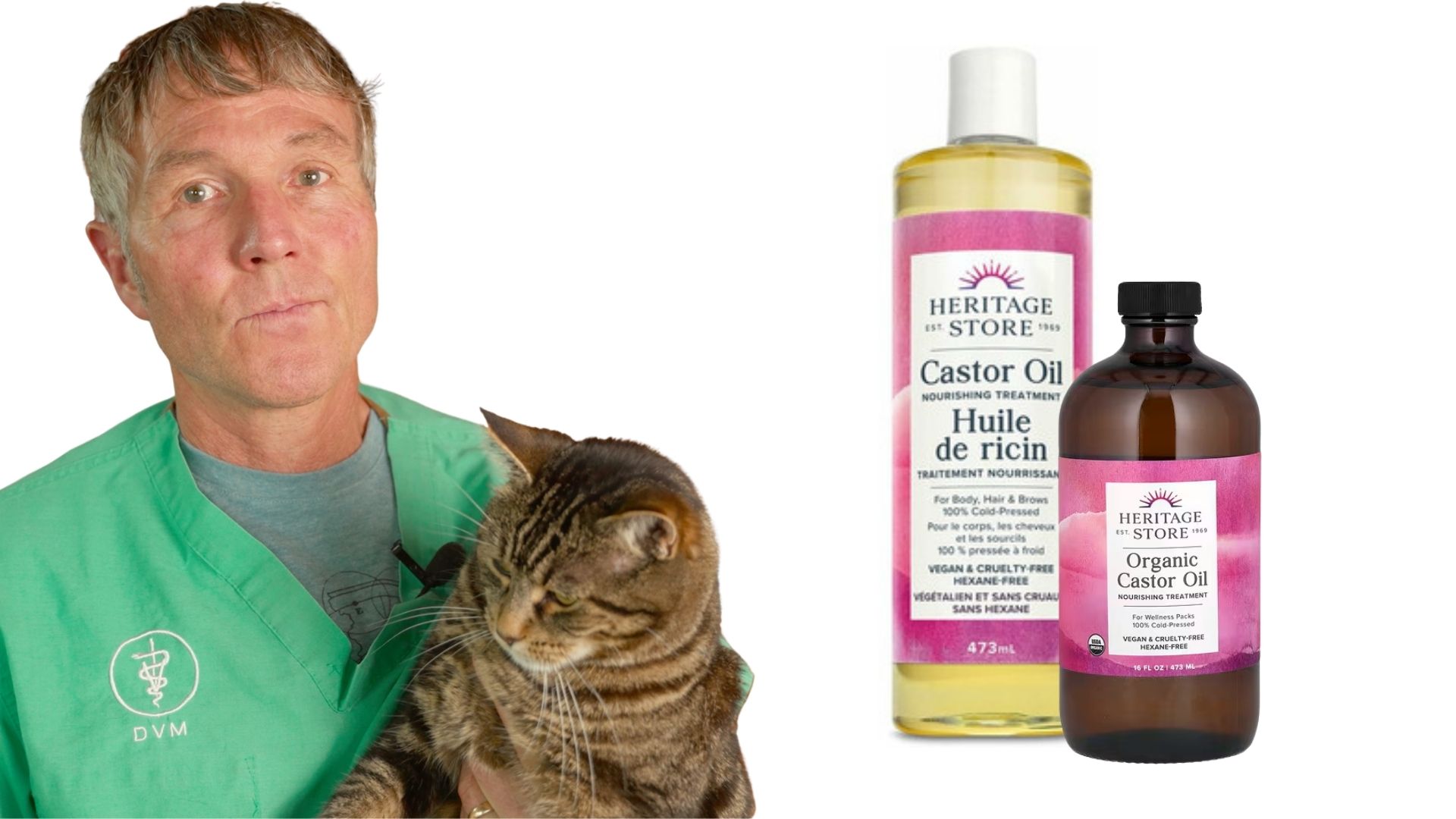
It works by stimulating the muscles in the intestines, helping move things along when your pet is constipated.
The pasted content mentions that studies support its effectiveness for occasional constipation.
For cats with hairballs, castor oil may help support the digestive system and keep hairballs under control.
Castor Oil Dose for Cats
Give:
1/2 teaspoon per 20 lbs, twice daily
Use this for appropriate situations, especially when constipation or slow movement through the gut may be part of the problem.
What About Probiotics for Hairballs?
If you want your cat’s intestinal tract working well to digest hairballs, you should ensure your cat is getting appropriate probiotics.
Probiotics help support the digestive system.
Better digestion may help hair move through the intestinal tract instead of collecting in the stomach.
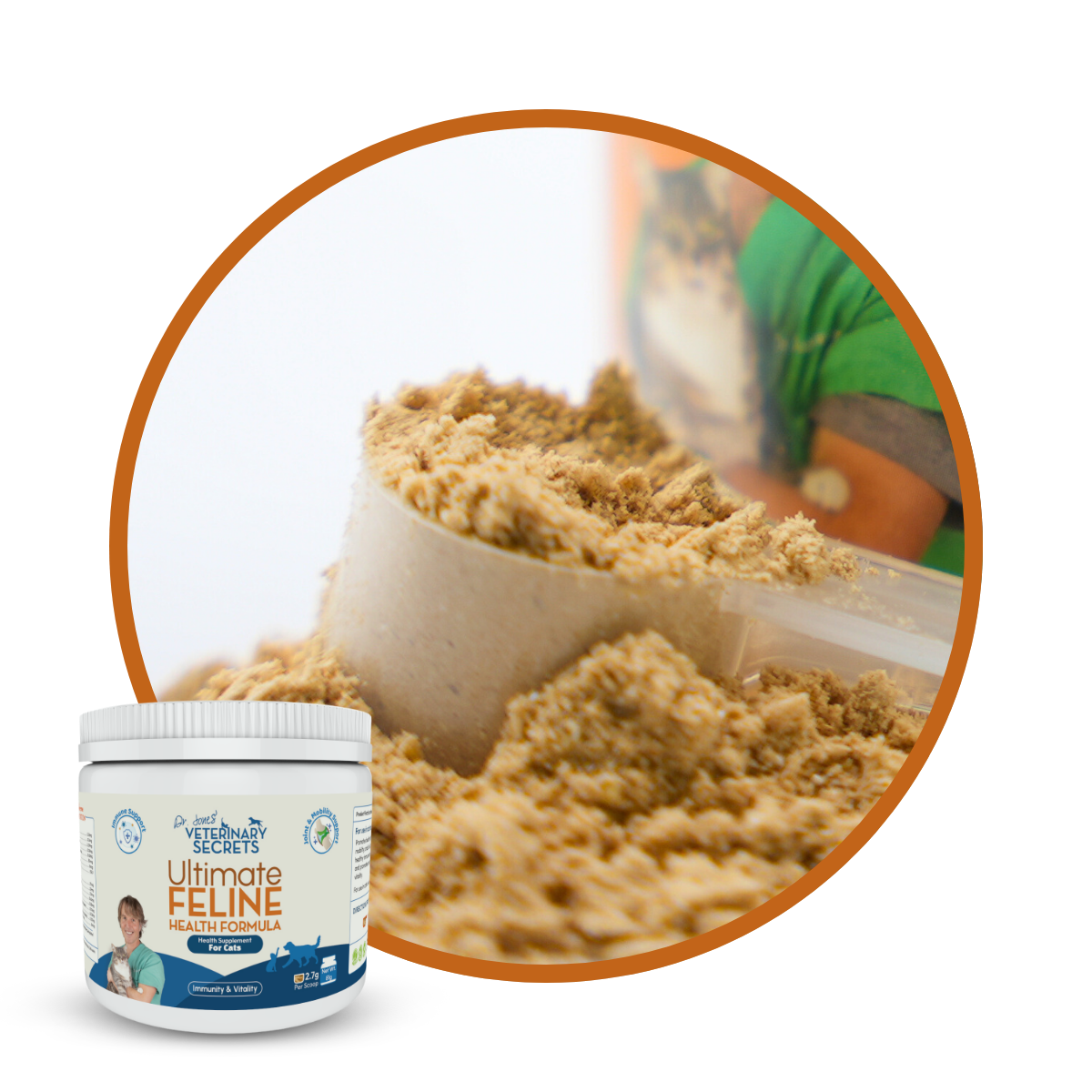
Dr. Jones’ Ultimate Feline Health Formula
It supports your cat’s important body systems, and the pasted content says most cats really love the taste.
That is a bonus.
Because with cats, taste matters.
A lot.
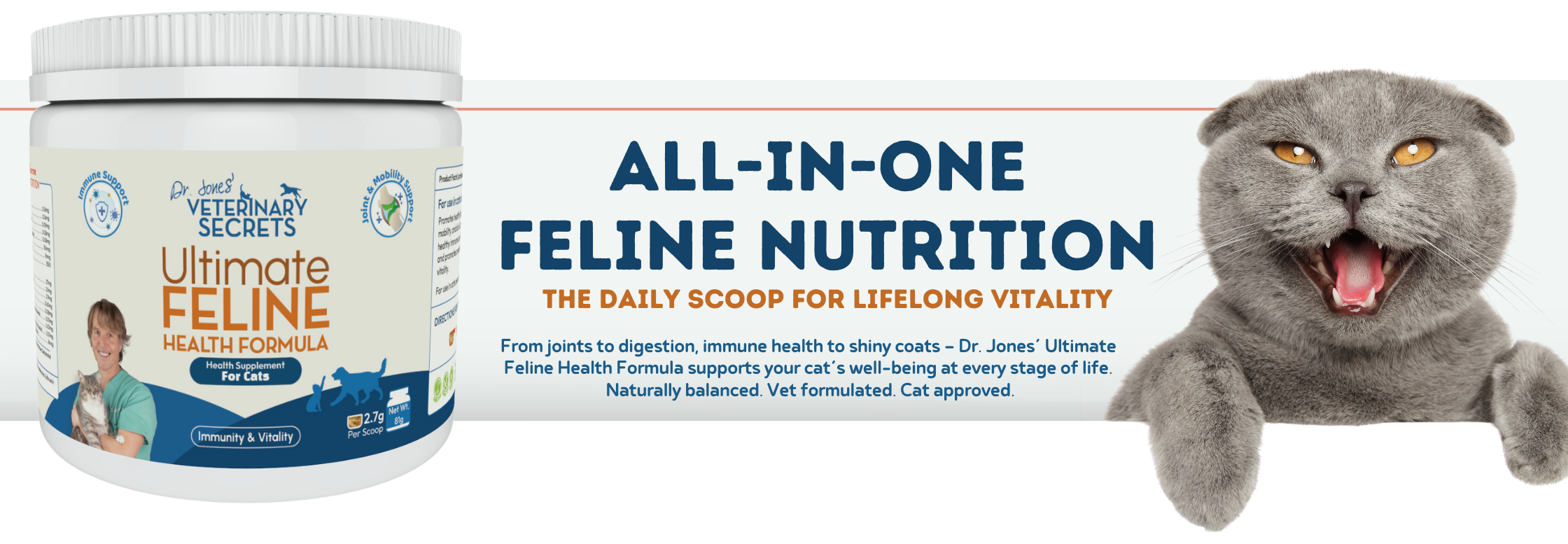
Dr. Jones’ Ultimate Feline Health Formula
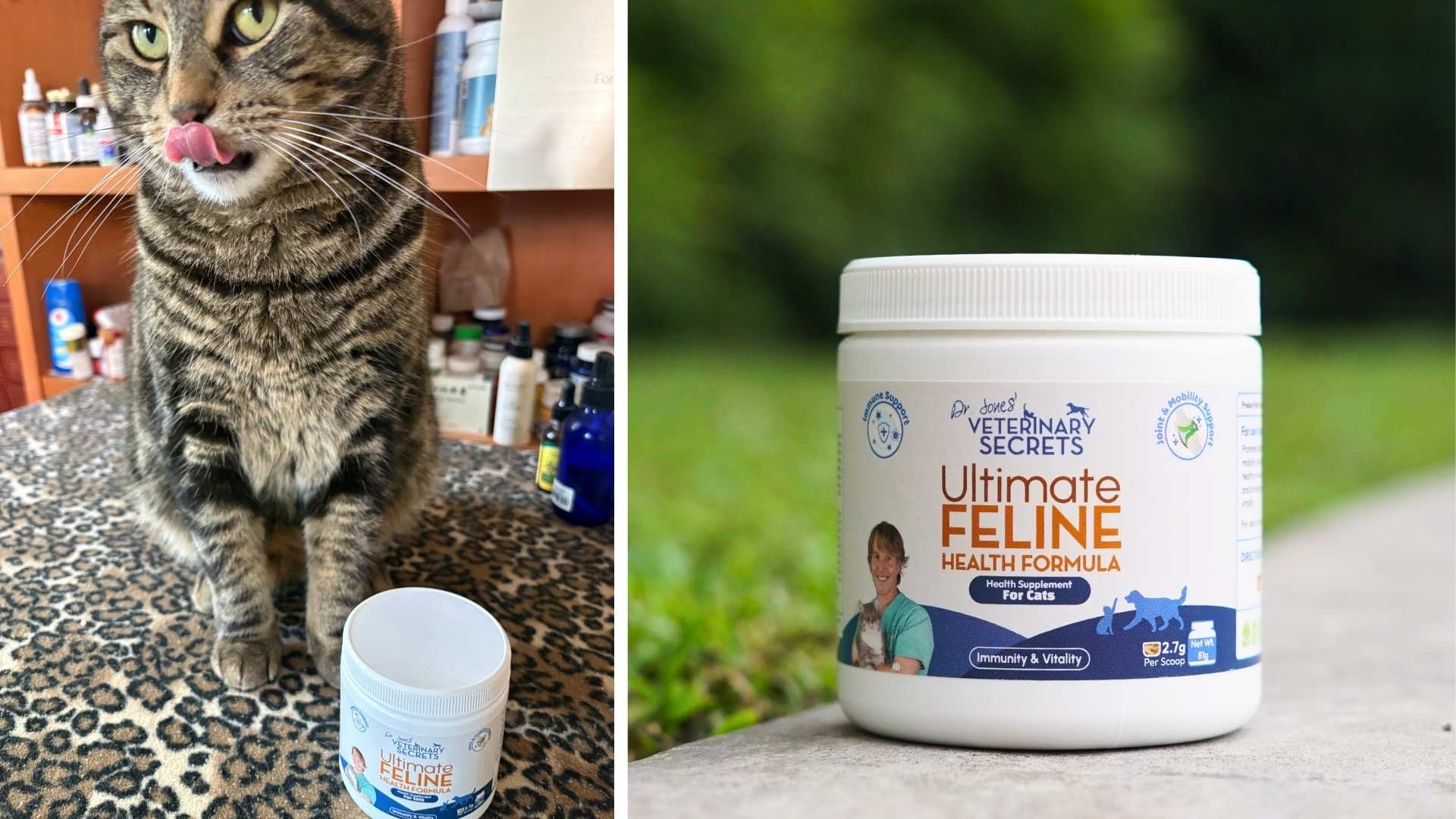
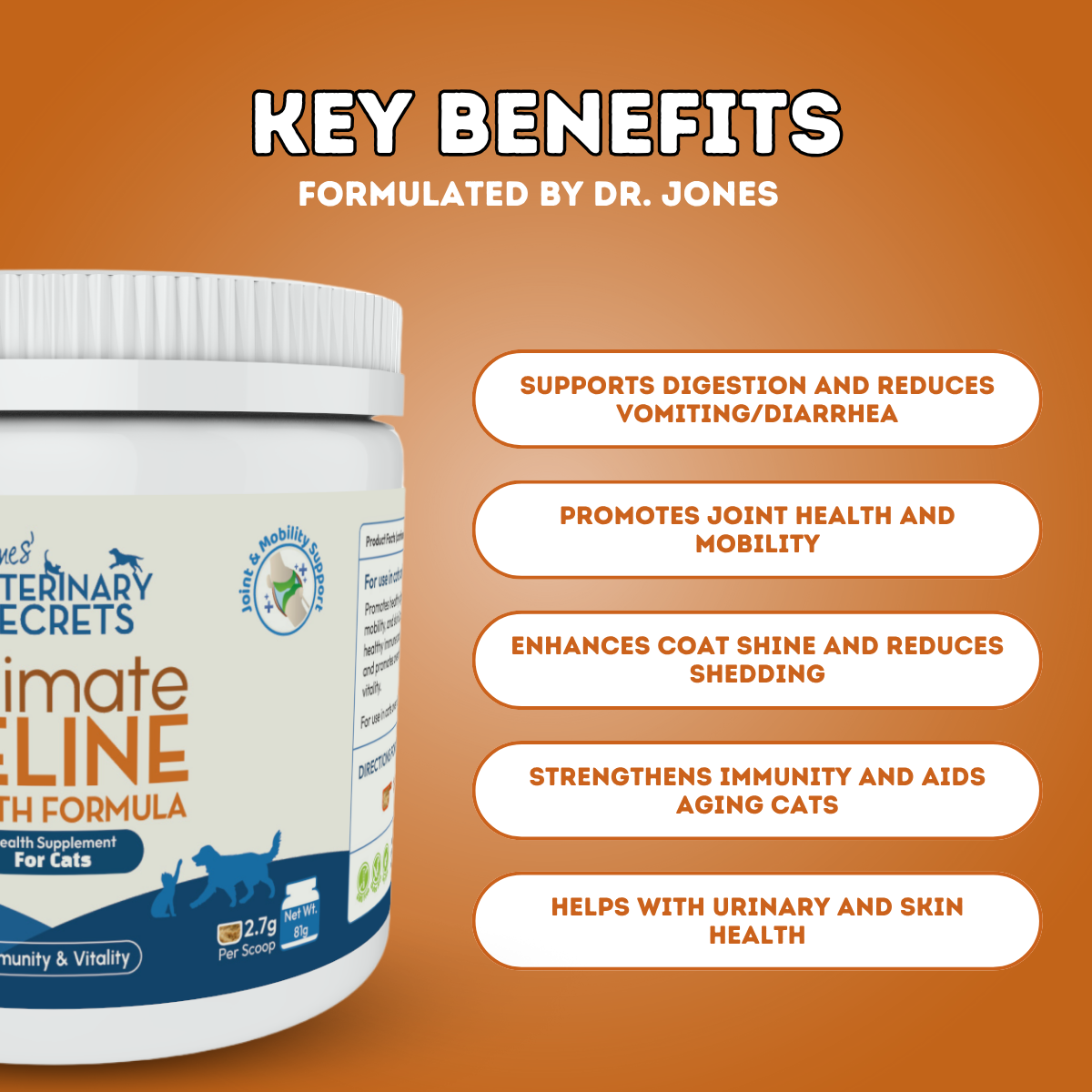
This supplement is described as supporting your cat’s important body systems and helping your cat’s intestinal tract work well.
It may help with digestion and overall cat health.
And as mentioned, most cats really love the taste.
That alone is worth noting.
Cats are not known for being impressed by our carefully chosen supplements.
Best Remedies by Situation
| If Your Cat Has | Consider From the Article |
| Occasional hairball | Vaseline twice daily for 5 days |
| Recurring hairballs | Daily grooming, fiber, hairball diet |
| Long-haired coat | Daily brushing |
| Constipation tendency | Pumpkin, ground flax, castor oil |
| Sensitive stomach | Slippery elm |
| Poor digestion | Enzymes, probiotics, Ultimate Feline Health Formula |
| Hard-to-dose cat | Vaseline on paws, bromelain sprinkled into food |
| Frequent gagging | Hairball remedy and regular brushing |
Step-by-Step: What to Do if Your Cat Has Hairballs
Step 1: Confirm the Pattern
Watch for:
- Coughing
- Gagging
- Hacking
- Vomiting fur
- Long cylindrical hairball
- Repeated regurgitation of hair
Step 2: Start Grooming Daily
Brush your cat every day to remove loose fur before your cat swallows it.
This is especially important for long-haired cats.
Step 3: Use Vaseline for Short-Term Relief
Use 1/4 inch of Vaseline in the mouth or on the front paws.
Give twice daily for 5 days.
Step 4: Add Fiber
Consider:
- Canned pumpkin at 1/2 to 1 teaspoon daily per 10 lbs
- Ground flax at 1/2 teaspoon twice daily
- A higher-fiber hairball diet
Step 5: Support Digestion
Consider:
- Pineapple juice, 1 teaspoon twice daily
- Bromelain, 100 mg twice daily
- Slippery elm, one 400 mg capsule per cat daily
- Probiotics
Step 6: Consider Castor Oil if Movement Is Slow
Castor oil may help support intestinal movement.
Dose mentioned:
1/2 teaspoon per 20 lbs, twice daily
Step 7: Prevent Recurrence
Keep brushing.
Keep digestion supported.
Use fiber or probiotics if your cat tends to have recurring hairballs.
Hairballs are common.
But not every vomiting cat has a hairball.
Most hairballs are not an emergency.
But if your cat is repeatedly vomiting, not eating, or acting sick, do not assume it is just hair.
Cats are very good at making serious things look vague.
Helpful, aren’t they?
7 Fast Natural Remedies for Hairballs in Cats
| Remedy | Dose or Use Mentioned | Main Purpose |
|---|---|---|
| Vaseline | 1/4 inch by mouth or on front paws, twice daily for 5 days | Lubricates hair so it can pass |
| Fiber | Pumpkin: 1/2 to 1 teaspoon per 10 lbs daily. Ground flax: 1/2 teaspoon twice daily | Helps move hair through the gut |
| Grooming | Brush daily | Removes loose hair before swallowing |
| Hairball diets | Use diets higher in fiber and papain | Supports digestion and hair movement |
| Enzymes | Pineapple juice: 1 teaspoon twice daily. Bromelain: 100 mg twice daily | May help break down hair |
| Slippery elm | One 400 mg capsule per cat daily | Coats hairball and supports GI tract |
| Castor oil | 1/2 teaspoon per 20 lbs, twice daily | Natural laxative support |
Final Thoughts
Hairballs are common in cats.
They are usually not shaped like balls.
They are often long, narrow, and sausage-like because they pass through the esophagus before being vomited up.
The cause is simple:
Your cat grooms.
Your cat swallows hair.
Too much hair builds up in the stomach.
Then your cat coughs, gags, or vomits it out.
For most cats, home care can help.
Brush daily.
Use Vaseline short term.
Add fiber with pumpkin or ground flax.
Consider a hairball diet.
Use enzymes such as pineapple juice or bromelain.
Try slippery elm for digestive support.
Consider castor oil when bowel movement support is needed.
And support the gut with probiotics.
The ideal plan is prevention.
Less loose hair swallowed.
Better digestion.
Better movement through the intestinal tract.
Fewer lovely surprises on your bed.
Click To Get A Free Copy of My E-Book!

P.S. Hairballs are a very common cause of hacking cats.
If you see this, do not fret.
A simple hairball remedy like Vaseline usually works quite quickly.
Use 1/4 inch twice daily for 5 days, either in the mouth or placed on the front paws if your cat is not cooperative.
P.P.S. In the vein of keeping your cat’s intestinal tract working well to digest hairballs, make sure your cat is getting appropriate probiotics.
You can do that with Dr. Jones’ Ultimate Feline Health Formula.
It supports your cat’s important body systems, and as a bonus, most cats really love the taste.