Leaky Gut in Dogs and Cats: Signs, Causes, and Natural Gut Repair Solutions

Can Dogs and Cats Get Leaky Gut?
Yes, dogs and cats can have leaky gut, also called intestinal permeability.
Leaky gut happens when the lining of the intestinal tract becomes damaged or loose, allowing things into the bloodstream that should stay inside the gut. These may include undigested food particles, large proteins, toxins, allergens, and bacteria.
Once those particles enter the bloodstream, the immune system reacts.
That reaction can trigger more than just digestive problems.
Leaky gut may be connected to:
- Diarrhea
- Vomiting
- Bloating
- Acid reflux
- Food sensitivity
- Skin disease
- Allergies
- Immune dysfunction
- Arthritis
- Liver disease
- Kidney disease
- Diabetes
- Chronic fatigue
So yes, this is more than “my dog has a bit of loose stool.”
The gut affects the whole body.
And in many dogs and cats, we may need to think much more seriously about repairing the gut lining.
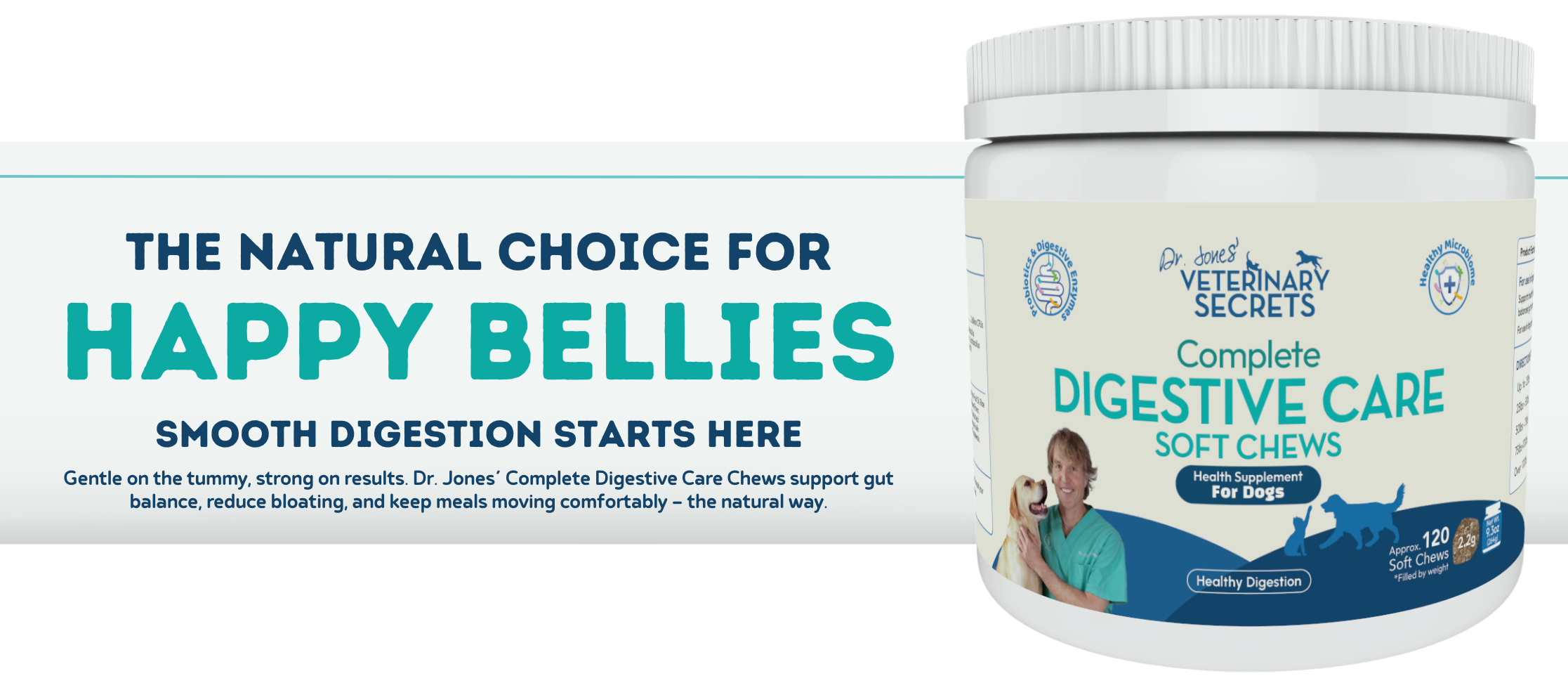
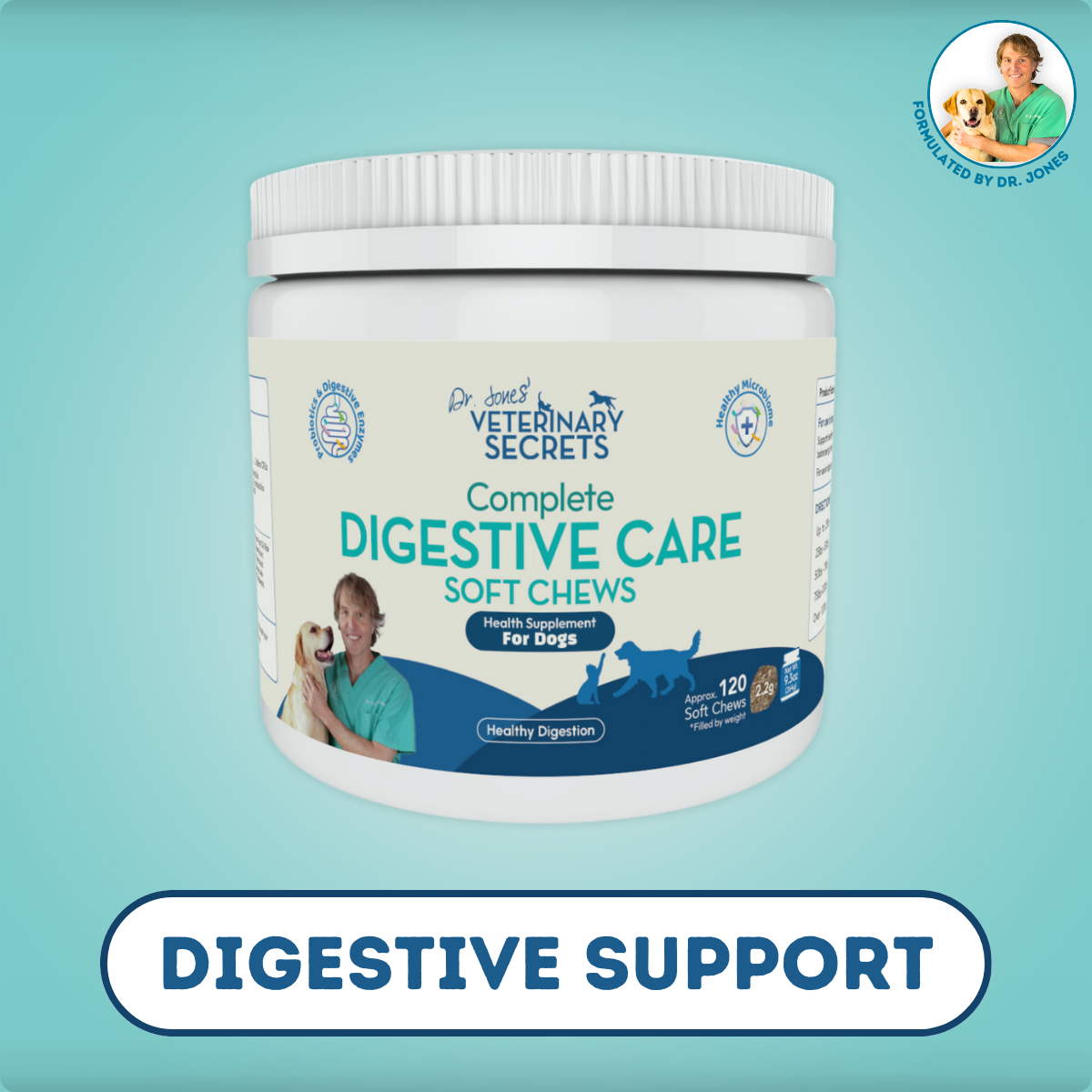
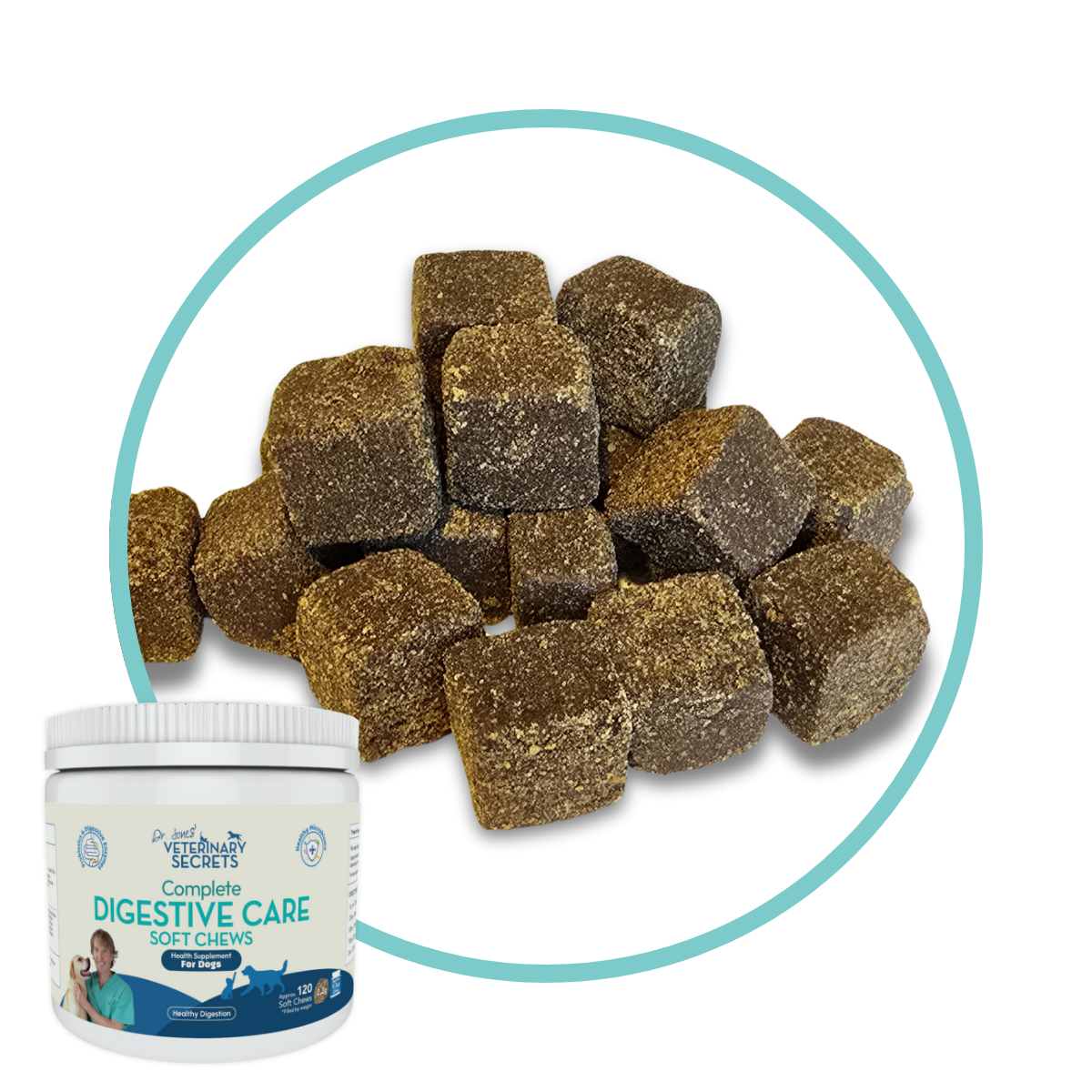
Dr. Jones’ Complete Digestive Care Soft Chews
What Is Leaky Gut in Dogs and Cats?
Leaky gut is a breakdown of the normal intestinal barrier.
A more technical name is intestinal permeability.
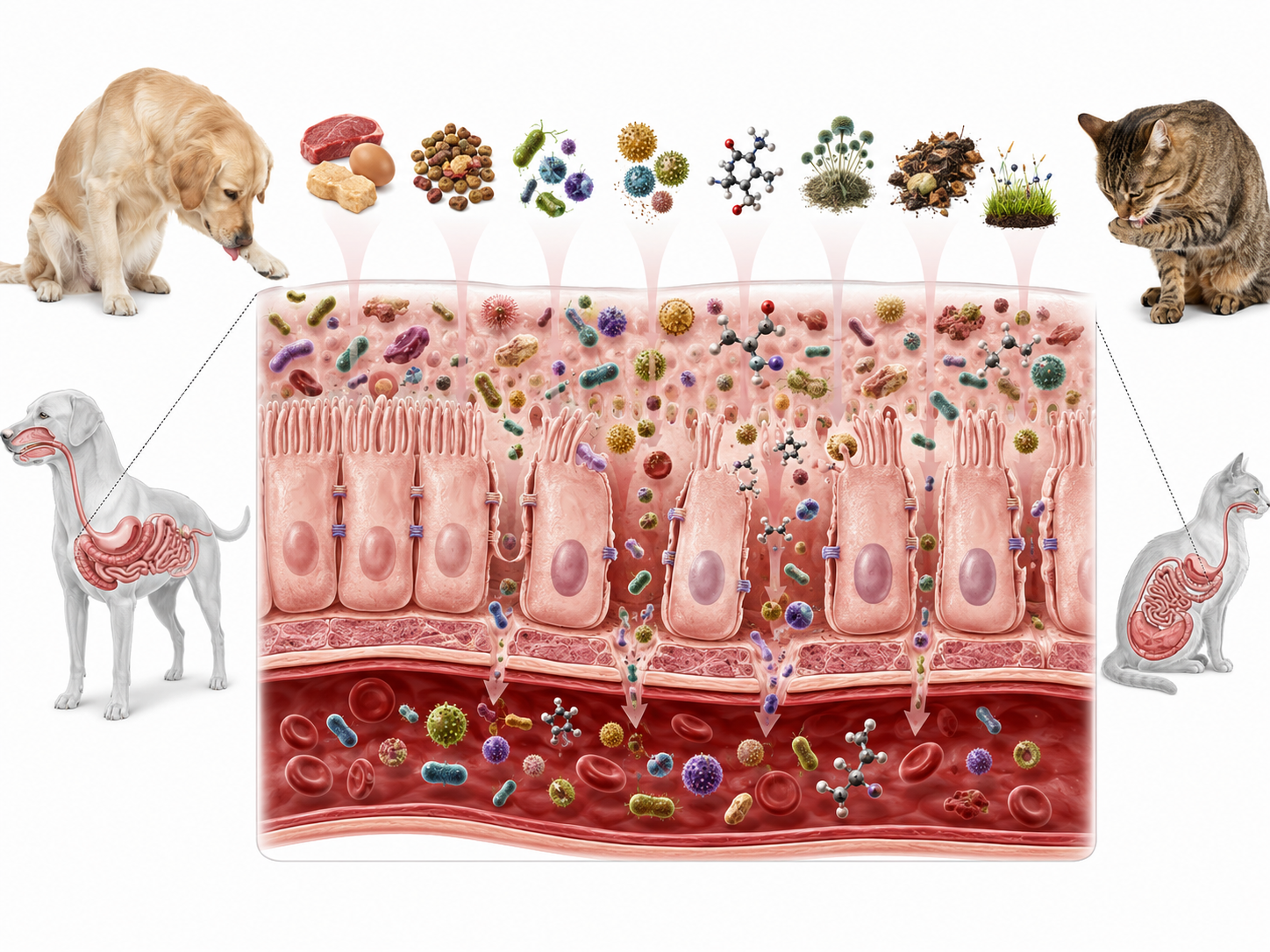
Your dog or cat’s intestines are lined with millions of intestinal cells. These cells sit close together, almost like tiles. Their job is to let the good things through, such as nutrients, while keeping harmful or poorly digested material out of the bloodstream.
Think of the cells as being held together by a type of glue.
When that glue layer is working well, the gut lining stays tight.
When that glue layer breaks down, spaces can open between the cells.
That is when things can “leak” through.
Not a lovely visual.
But it is a useful one.
What Happens When the Gut Starts Leaking?
When the gut lining becomes too permeable, things that should stay inside the intestinal tract can pass into the bloodstream.
These may include:
- Large protein particles
- Undigested food particles
- Food-borne toxins
- Allergens
- Bacteria
- Environmental toxins
- Fungal toxins
- Compounds from garbage or compost
- Chemicals your pet may lick off their paws, such as Roundup exposure from lawns
Once those particles enter the bloodstream, your pet’s immune system sees them as foreign.
Then the immune system reacts.
That reaction can lead to chronic inflammation.
And chronic inflammation can show up in many different places in the body.
What Are the Signs of Leaky Gut in Dogs and Cats?
Some pets with leaky gut have obvious digestive symptoms.
Others do not.
That is what makes this tricky.
Common Digestive Signs
Your dog or cat may have:
- Diarrhea
- Soft stools
- Vomiting
- Bloating
- Abdominal distension
- Upset stomach
- Acid reflux
- Loud stomach noises
- Nausea
- Poorly digested food
- Intermittent digestive flare-ups
- Tenderness or discomfort after eating
You may notice your dog walking a little gingerly after eating, almost as if their stomach does not feel right.
Signs Outside the Gut
The bigger issue is that leaky gut may trigger inflammatory problems outside the digestive tract.
These can include:
- Allergies
- Inflammatory skin disease
- Chronic itching
- Inflammatory arthritis
- Intermittent lameness
- Liver dysfunction
- Kidney disease
- Diabetes
- Immune dysfunction
- Chronic fatigue
- Low energy
- “ADR,” meaning “ain’t doing right”
I saw this type of “ain’t doing right” pet in practice.
The dog or cat is not normal.
They are tired, weak, not 100%, but the blood work may not show anything remarkable.
That is exactly the kind of case where I think we should be considering the gut.
Why Can Leaky Gut Cause Skin Disease and Allergies?
When undigested food particles, allergens, toxins, or bacteria leak into the bloodstream, the immune system reacts.
That immune response can create inflammation.
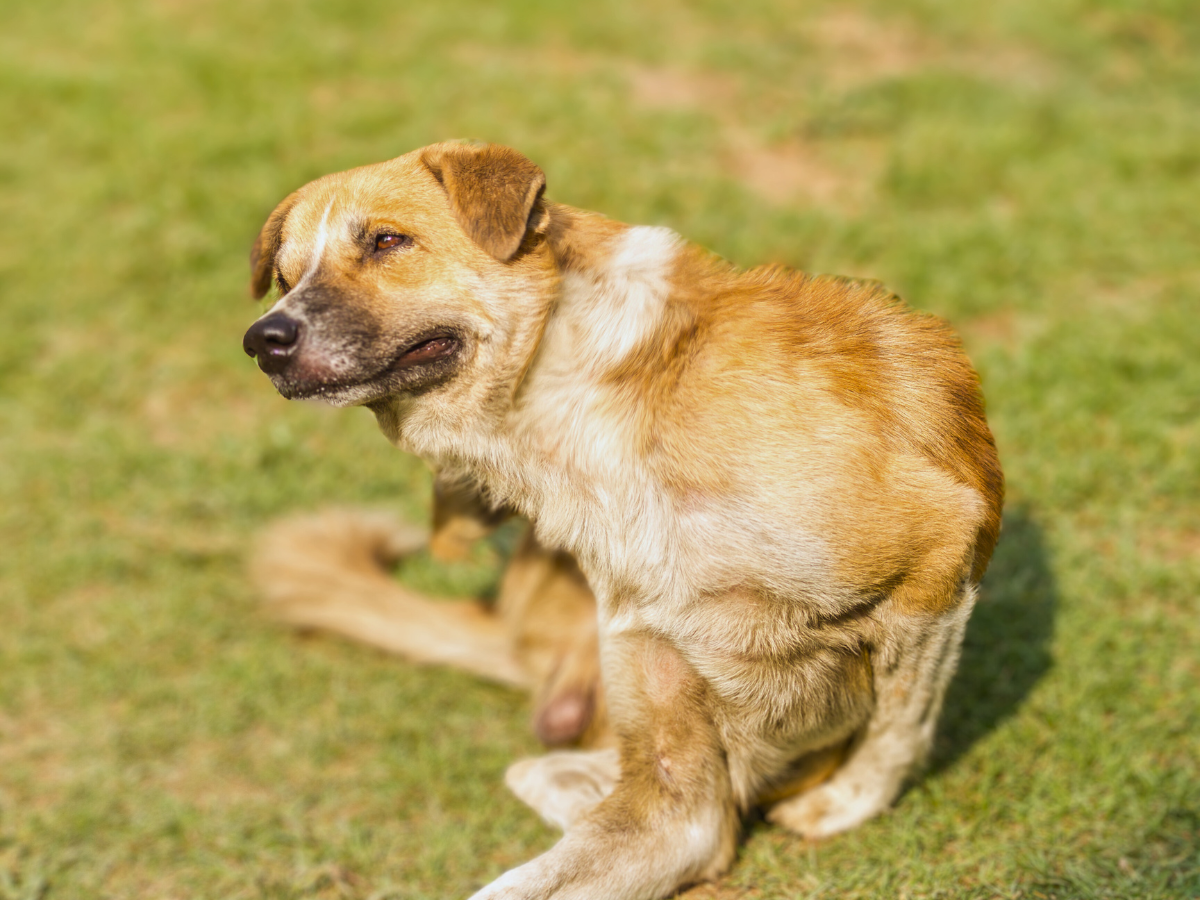
In some pets, that inflammation may show up as gut symptoms.
In others, it may show up as skin disease.
This is why I think we should look deeper with many allergic dogs.
Yes, you may be using a drug like Apoquel to control itching.
Yes, you may have tried a hydrolyzed protein dog food.
But if the gut lining is damaged, we may also need to ask:
Why is the immune system overreacting in the first place?
And can we help heal the gut?
That part is not discussed nearly enough.
What Causes Leaky Gut in Dogs and Cats?
There is usually not one single cause.
Leaky gut can be triggered by a combination of diet, medications, gut inflammation, parasites, stress, and environmental toxins.
Common Causes and Triggers
| Cause | How It May Affect the Gut |
|---|---|
| Highly processed kibble | High heat processing can produce advanced glycation end products, or AGEs, which may damage intestinal cells |
| NSAIDs | Non-steroidal anti-inflammatory drugs can damage the intestinal tract |
| Corticosteroids | Drugs like prednisone can damage the intestinal tract |
| Antibiotics | Can alter the gut microbiome and trigger inflammation |
| Untreated intestinal parasites | Can damage the gut lining |
| Stress | Can contribute to gut inflammation |
| Environmental toxins | Lawn chemicals, house dust, forever chemicals, and pollutants may damage the gut |
| Compost or garbage eating | May expose pets to toxins or fungal toxins |
| Poor microbiome balance | Loss of good bacteria may worsen gut inflammation |
Why Processed Kibble Can Be a Problem
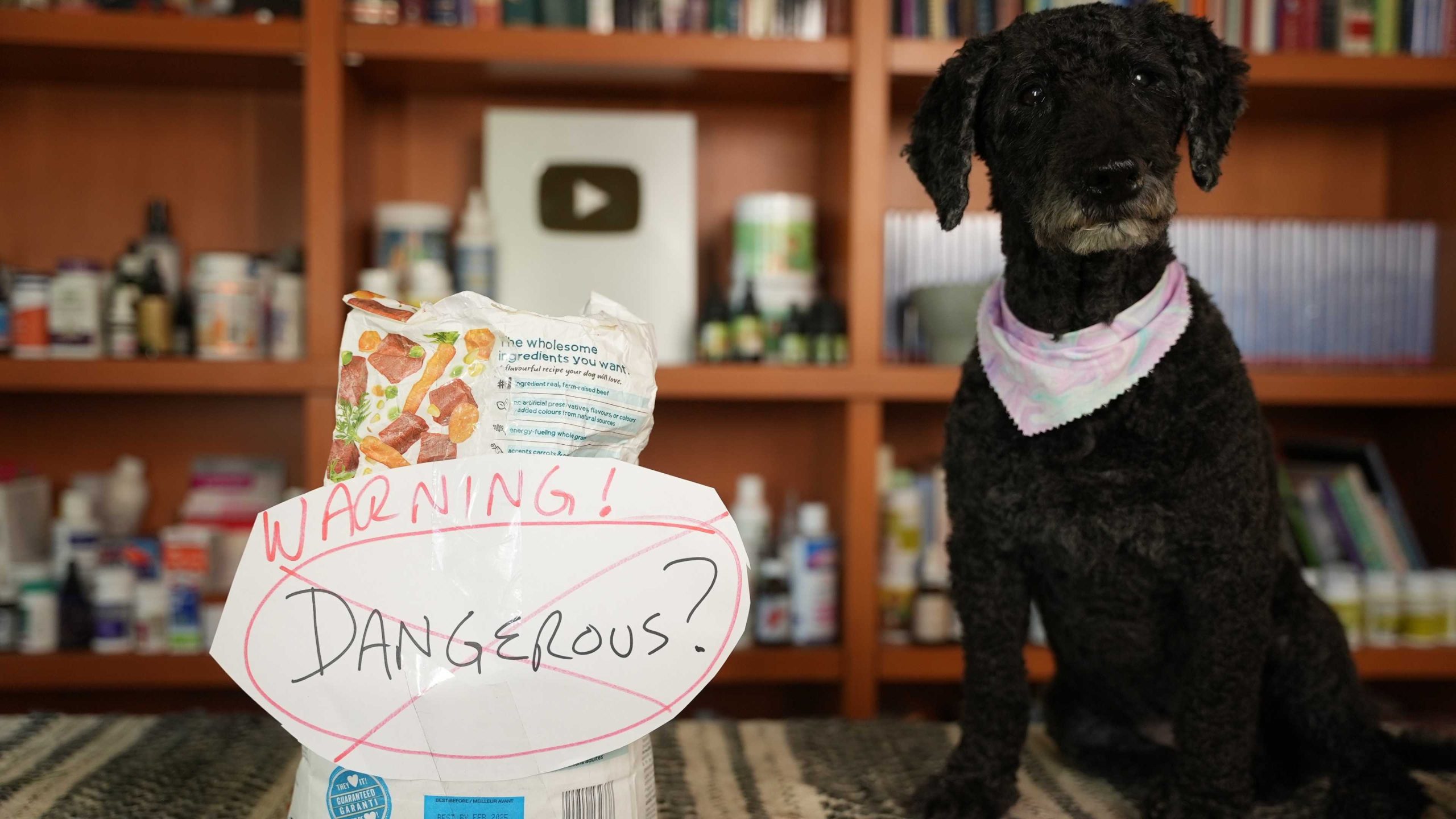
Highly processed kibble is exposed to high heat and pressure.
That processing can produce compounds called AGEs, or advanced glycation end products.
These may be directly toxic to intestinal cells and may help trigger leaky gut.
This does not mean every dog eating kibble automatically has leaky gut.
But if your pet already has chronic digestive disease, allergies, fatigue, arthritis, or other inflammatory issues, then reducing processed food is one of the first things I would consider.
Can Medications Contribute to Leaky Gut?
Yes, some medications may contribute to gut damage.
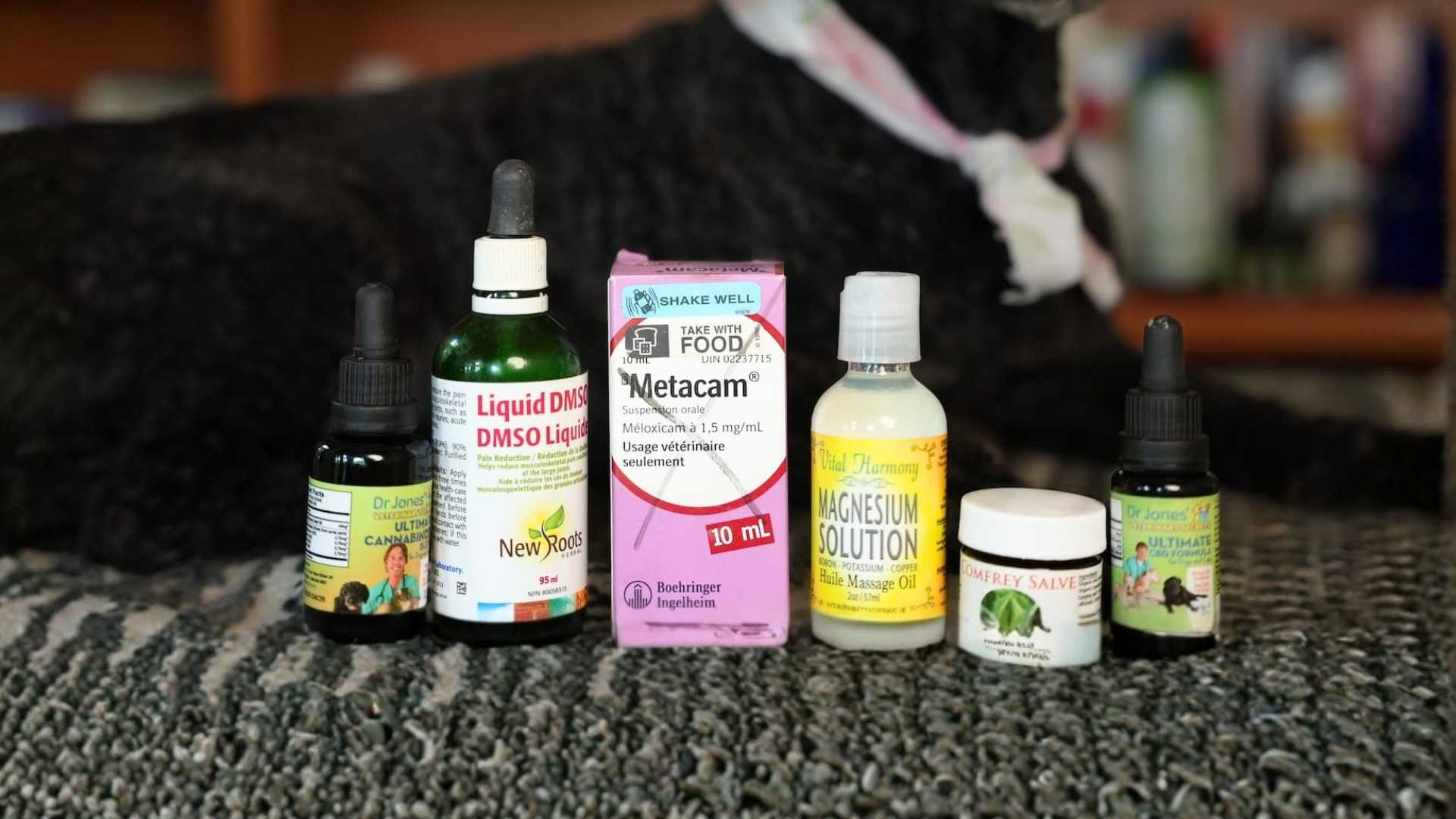
The ones discussed include:
- NSAIDs
- Corticosteroids like prednisone
- Antibiotics
NSAIDs and steroids may damage the intestinal tract directly.
Antibiotics can change the gut microbiome by affecting the normal healthy bacteria.
This matters because when the microbiome is disrupted, gut inflammation can increase.
And when gut inflammation increases, the gut barrier may become more permeable.
Can Environmental Toxins Affect the Gut?
Yes.
Our pets are exposed to many environmental toxins, and in some ways, more directly than we are.
Dogs and cats are close to the ground.
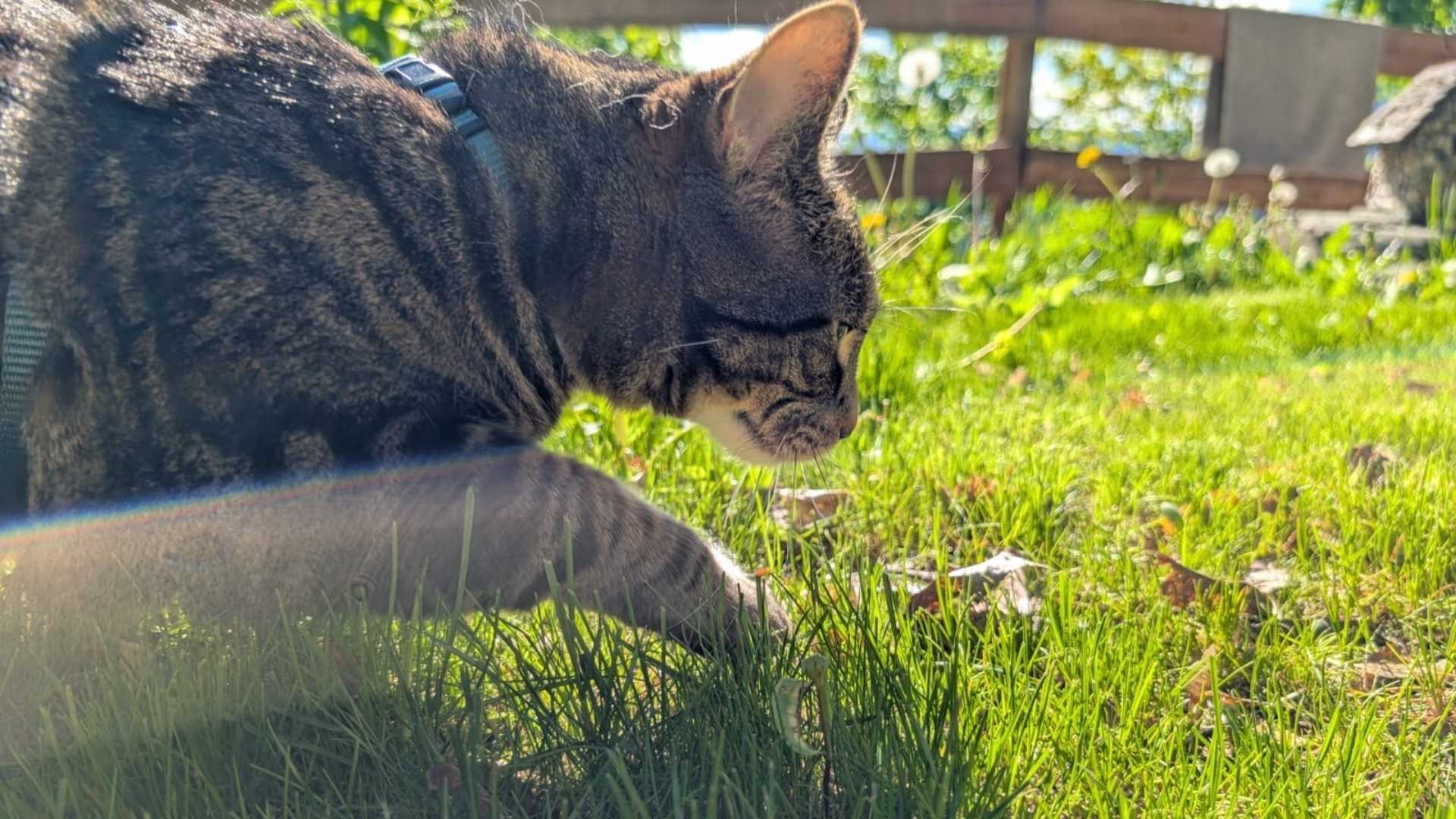
They walk on grass.
They lick their paws.
They groom themselves.
They may ingest lawn chemicals, house dust, and other environmental contaminants.
- Roundup exposure from lawns
- House dust
- Forever chemicals
- Fire retardant chemicals in household items such as couches
These toxins may damage the gut and contribute to intestinal permeability.
Aren’t I just the bearer of happy news today?
Fortunately, there are things you can do.
How Is Leaky Gut Diagnosed in Dogs and Cats?
There is not yet one gold-standard veterinary test that says, “Yes, 100%, your dog or cat has leaky gut.”
That is part of why this condition has been overlooked.
Many conventional veterinarians may not test for it or may not consider it.
But some companies are now testing markers that may give a strong indication.
The company discussed in the transcript is Innovative Pet Lab.
They offer home testing focused on gut health and leaky gut.
Save 15% OFF with Dr. Jones’ code: DrJones15
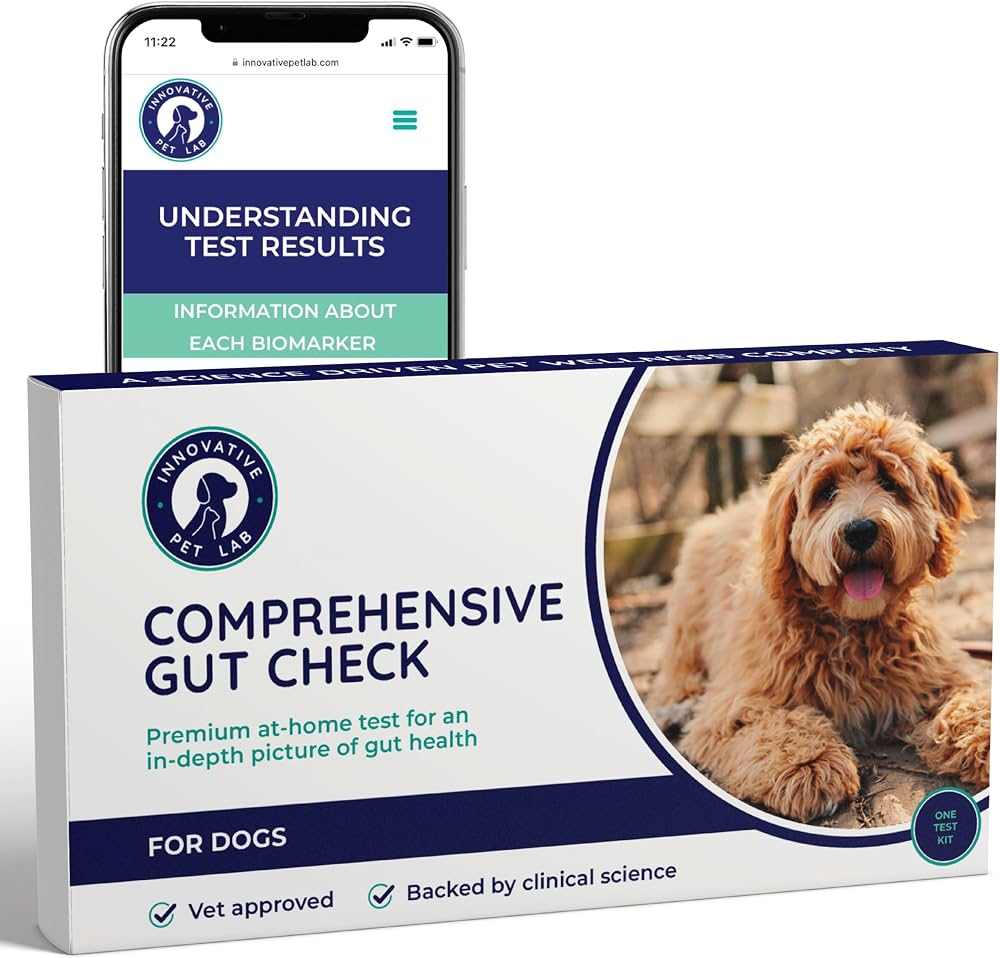
Innovative Pet Lab: https://www.innovativepetlab.com/
Leaky Gut Test for Dogs & Cats: https://www.innovativepetlab.com/products/leaky-gut/
| Marker | Why It Matters |
| Zonulin | Acts like the “glue” that helps hold intestinal cells together |
| Anti-gliadin IgA | An antibody to gluten that may be elevated in animals with intestinal permeability |
These are not described as definitive 100% diagnostic tests.
But they may give a strong indication that leaky gut is part of the problem.
What Is the Best First Step for Leaky Gut?
Start with diet.
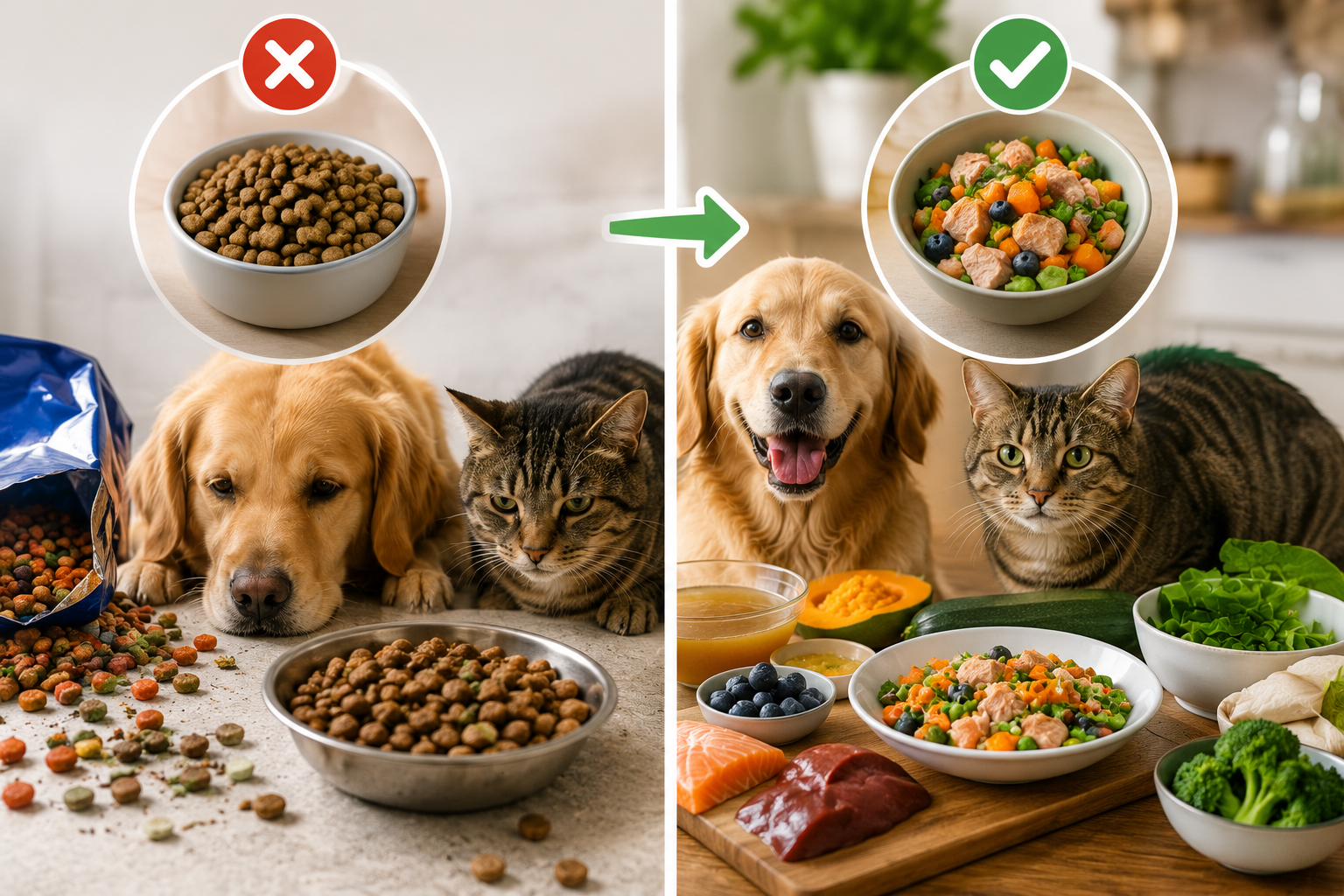
If your dog or cat is eating highly processed food, especially kibble, reduce it as much as you can.
Ideally, move toward more:
- Fresh food
- Whole food
- Gently cooked food
- Minimally processed food
- Real ingredients you can recognize
For cats, I would be especially concerned about dry food.
Your cat should not be on dry food if we are trying to support gut health.
What Foods May Help Support the Gut?
The goal is to add foods that may help decrease gut inflammation and provide nutrients that support repair.
Helpful Food Additions Mentioned
| Food | Why It May Help |
| Canned pumpkin | Helpful for dogs and cats, supports the gut |
| Squash | Whole-food gut support |
| Sweet potato | Good option for dogs, slower-releasing carbohydrate, contains flavonoids |
| Liver | Rich in protein, iron, vitamins, minerals, and nutrients that may help the gut |
| Blueberries | Source of antioxidants and prebiotics |
| Fresh whole foods | Less processed, fewer heat-damaged compounds, more beneficial nutrients |
How Often Can You Add Liver?
If you are topping up a commercial diet, organ meat such as liver can be added:
2 to 3 times weekly
In the transcript, Cassian was given about 1 tablespoon of liver two or three times a week.
Some people making homemade dog or cat food may include organ meat daily, but if you are just adding it to a commercial diet, two or three times weekly is the general approach mentioned.
Best Supplements for Leaky Gut in Dogs and Cats
Several supplements may help support the gut lining, reduce inflammation, improve the microbiome, and aid tissue repair.
These include:
- Probiotics
- Saccharomyces boulardii
- Psyllium husk
- Slippery elm
- Colostrum
- Collagen
- L-glutamine
- Zinc carnosine
1. Probiotics for Leaky Gut
Regardless of the underlying cause, most animals with gut inflammation and leaky gut have an altered gut microbiome.
That means the good bacteria are no longer present in the right balance.
A good probiotic should include a wide range of beneficial bacteria.
- Lactobacillus species
- Bifidobacterium species
- Enterococcus faecium
- Streptococcus thermophilus
It also mentioned the benefit of including a prebiotic, such as fructooligosaccharide, to help good bacteria grow.
2. Saccharomyces Boulardii
Saccharomyces boulardii is a probiotic yeast.
For whatever reason, many animals with leaky gut seem to respond positively to it.
If you have tried probiotics without Saccharomyces and have not seen improvement, I would consider trying it.
Saccharomyces Boulardii Dose
Minimum 1 billion CFUs per 10 to 20 lbs of body weight daily
3. Psyllium Husk for Chronic Diarrhea
Psyllium husk is a soluble fiber.
Many people know it as Metamucil.
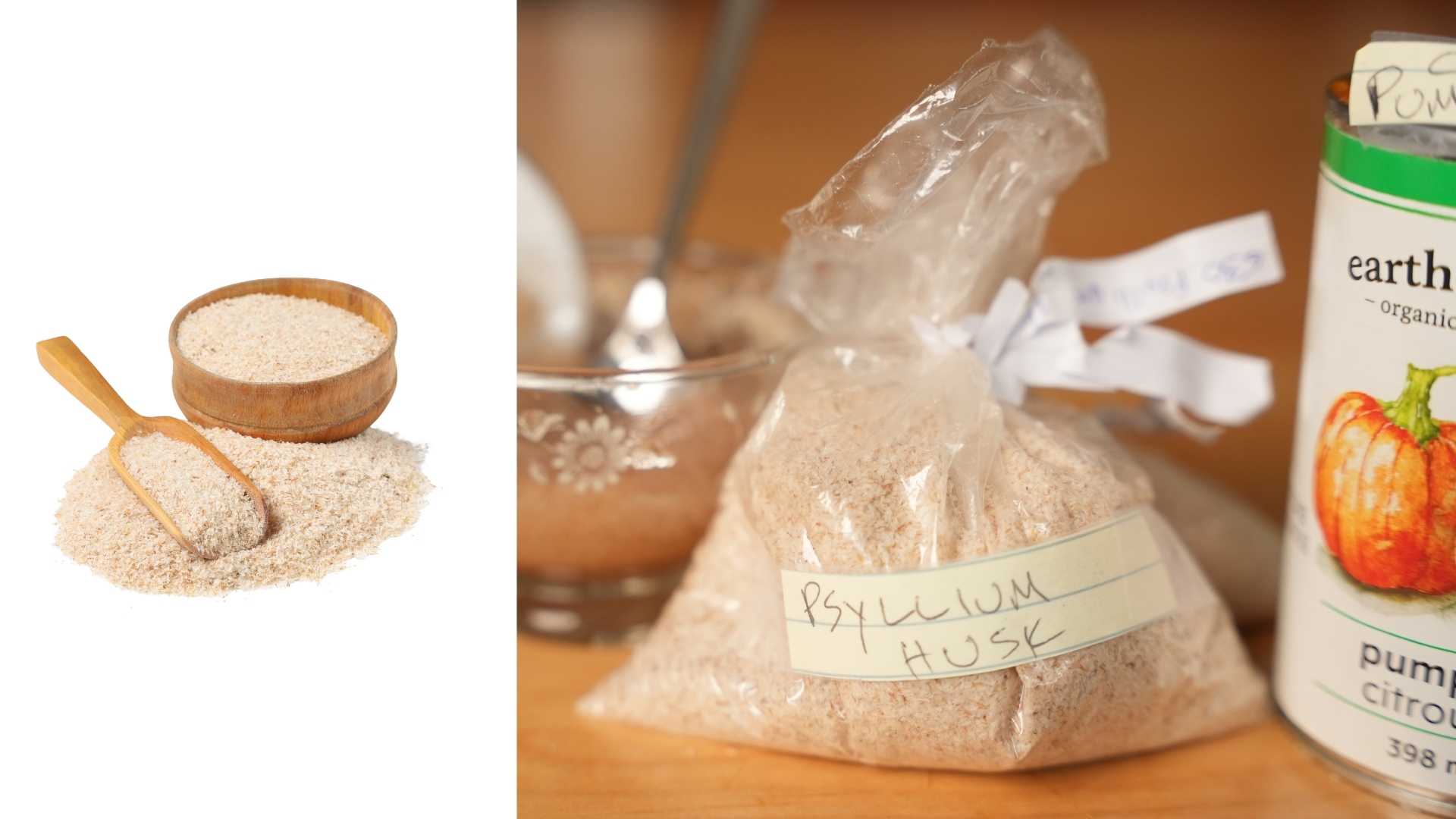
When water is added to psyllium husk, it forms a thick, jelly-like layer.
That same thing happens in the intestinal tract.
It can help coat the gut, decrease inflammation, and support stool quality.
Psyllium Husk Dose
About 1 teaspoon per 20 lbs of body weight
The transcript also discussed a study involving working German Shepherds with chronic diarrhea that had not responded to metronidazole, steroids, and other treatments.
They responded to high doses of psyllium husk, about 4 tablespoons a day.
Within two weeks, most of their diarrhea resolved.
After one month, the majority of the dogs were cured.
So, do not discount psyllium husk.
It is simple.
It is inexpensive.
It looks like a weird jelly when mixed with water.
But it can be very useful.
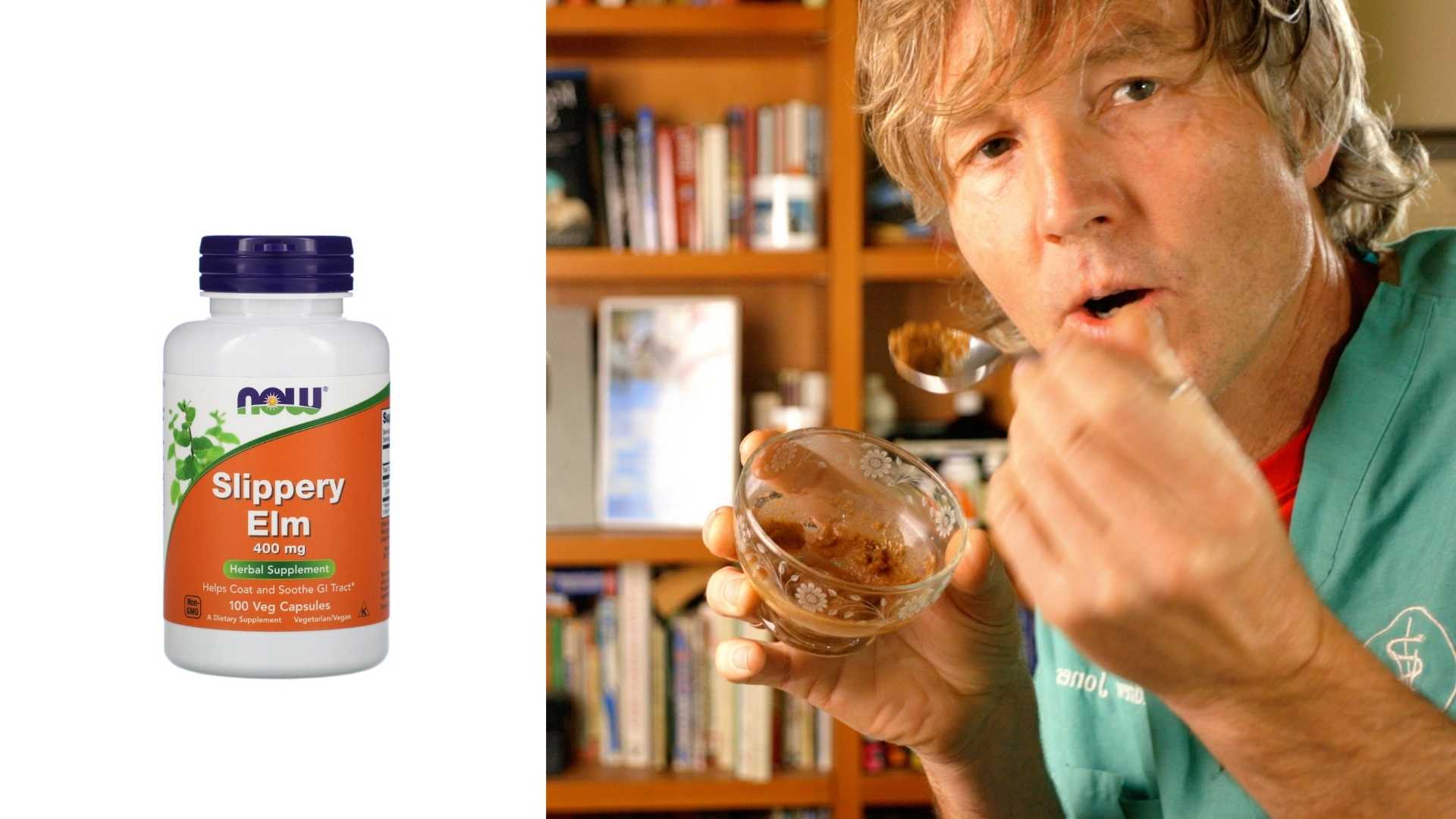
4. Slippery Elm
Slippery elm works somewhat like psyllium husk because it forms a mucous-like gel when mixed with liquid.
It may help soothe and coat the digestive tract.
It was also discussed as being useful for:
- Diarrhea
- Constipation
- Coughing
- Urinary tract disease
It is very safe, with virtually no side effects mentioned in the transcript.
Slippery Elm Dose
One 400 mg capsule per 20 lbs of body weight daily
You can open the capsule and mix the powder with liquid or food.
5. Colostrum for Gut Healing
Colostrum is the mother’s first milk.
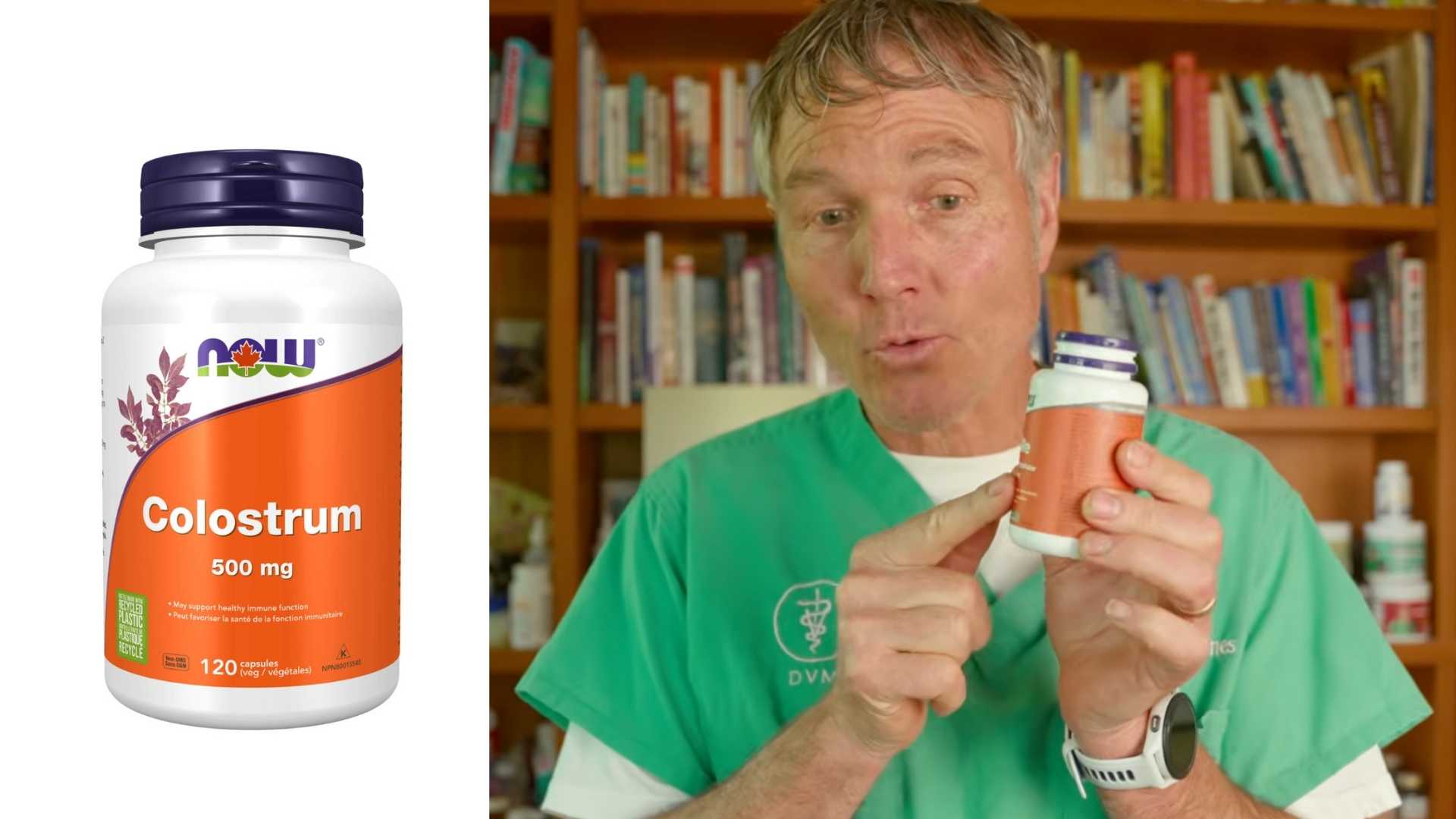
It has a number of studies and research behind it, especially for gut healing.
- Safe
- Relatively inexpensive
- Well studied
- Helpful for immune support
- Helpful for leaky gut
- Able to decrease inflammation
- Able to aid and speed tissue repair
One of the first research uses mentioned was colostrum helping repair intestinal cells damaged by NSAIDs.
That is very relevant for dogs and cats that have had gastric irritation, intestinal irritation, or possible ulcer-related issues after medications.
Colostrum Dose
100 mg per 10 lbs of body weight daily
If I had to pick one very safe, inexpensive, easy supplement for a pet where I was not totally sure, colostrum would be high on my list.
6. Collagen for Gut and Tissue Repair
Collagen is the most abundant protein in the body.
Your pet’s skin and intestinal tract contain a lot of collagen.
Collagen provides amino acids that are important for gut health and gut repair.
It may be worth considering if your dog or cat has:
- Chronic GI disease
- Chronic inflammation
- Allergies
- Suspected leaky gut
- Skin issues
- Poor tissue repair
Collagen Dose
About 1 gram, or 1,000 mg, per 30 lbs of body weight daily
7. L-Glutamine for Leaky Gut
L-glutamine is one of the most specific remedies discussed for leaky gut.
It is an amino acid and is considered conditionally essential.
Think of L-glutamine as fuel for the intestinal cells.
If those cells do not have enough fuel, they may not work properly.
They may not digest food properly.
They may not absorb nutrients properly.
They may not properly decide what goes in and what stays out.
That is why L-glutamine is widely used in people and is worth considering in dogs and cats with leaky gut.
The transcript also mentioned that about 70 to 80% of the immune system is based in the intestinal tract.
When the gut is healthier, the immune system may function better too.
L-Glutamine Dose
1,000 mg per 30 to 40 lbs of body weight daily
You can open a 1,000 mg capsule and sprinkle it onto your pet’s food.
8. Zinc Carnosine for the Gut Barrier
Zinc carnosine is another very specific remedy for leaky gut.
Carnosine is a peptide made of two amino acids.
It is bound to zinc, which has tissue-healing properties.
Zinc is widely used for repair. The transcript mentioned it being used to increase skin repair and even support bone healing.
For leaky gut, the key part is carnosine.
Carnosine helps support the “glue” between intestinal cells.
That makes zinc carnosine especially interesting for rebuilding the gut barrier.
Zinc Carnosine Dose
30 mg per 50 lbs of body weight daily
You do not need very much.
It is also considered relatively inexpensive.
If you have an animal with leaky gut, this is one I would strongly consider.
The Two Most Focused Leaky Gut Nutrients
If you want to narrow this down to the most specific leaky gut nutrients from the transcript, I would start with:
- L-glutamine
- Zinc carnosine
Those two are especially focused on repairing the intestinal lining and supporting the gut barrier.
That does not mean the others are not helpful.
Diet, probiotics, psyllium, slippery elm, colostrum, and collagen can all have a place.
But L-glutamine and zinc carnosine are the two I would think of when the goal is specifically repairing leaky gut.
Best Remedies by Situation
| If Your Pet Has | Consider From the Article |
| Chronic diarrhea | Psyllium husk, probiotics, Saccharomyces boulardii, slippery elm |
| Suspected leaky gut | L-glutamine, zinc carnosine, colostrum |
| Gut inflammation | Diet change, probiotics, colostrum, slippery elm |
| Allergies or skin inflammation | Diet support, collagen, probiotics, L-glutamine |
| Poor stool quality | Psyllium husk, pumpkin, probiotics |
| History of NSAID irritation | Colostrum, slippery elm, gut repair support |
| Weakness or chronic fatigue | Consider gut health and inflammation support |
| Processed food diet | Reduce kibble, add fresh whole foods |
| Cats on dry food | Move away from dry food when possible |
Leaky Gut Supplement Dosage Table
| Supplement | Dose Mentioned | Main Purpose |
| Probiotic supplement | Use a broad multi-strain formula | Supports healthy gut bacteria |
| Saccharomyces boulardii | Minimum 1 billion CFUs per 10 to 20 lbs daily | Helpful probiotic yeast for gut support |
| Psyllium husk | About 1 teaspoon per 20 lbs | Soluble fiber, coats gut, supports stool quality |
| Slippery elm | 1 capsule, about 400 mg, per 20 lbs daily | Forms soothing gel, supports GI lining |
| Colostrum | 100 mg per 10 lbs daily | Gut healing, immune support, tissue repair |
| Collagen | 1 gram, or 1,000 mg, per 30 lbs daily | Provides amino acids for gut and tissue repair |
| L-glutamine | 1,000 mg per 30 to 40 lbs daily | Fuel for intestinal cells, supports repair |
| Zinc carnosine | 30 mg per 50 lbs daily | Supports gut cell “glue” layer and tissue repair |
Step-by-Step: How to Help Repair Your Dog or Cat’s Gut Naturally
Step 1: Consider Testing
If you suspect leaky gut, consider a gut health test such as the ones discussed from Innovative Pet Lab.
Testing markers may include:
- Zonulin
- Anti-gliadin IgA
These are not definitive, but they may give you a strong indication.
Step 2: Reduce Highly Processed Food
Start with diet.
Reduce kibble as much as you can.
Move toward fresh, whole, minimally processed food.
Step 3: Add Anti-Inflammatory Whole Foods
Consider adding:
- Pumpkin
- Squash
- Sweet potato for dogs
- Blueberries
- Liver two or three times weekly
- Gently cooked real-food meals
Step 4: Support the Microbiome
Use a good broad-spectrum probiotic.
Consider Saccharomyces boulardii if your pet has not responded to other probiotics.
Step 5: Add Gut-Soothing Fiber
For diarrhea or poor stool quality, consider:
- Psyllium husk
- Slippery elm
Both can form a soothing gel-like layer in the gut.
Step 6: Add Gut Repair Nutrients
For suspected leaky gut, consider:
- Colostrum
- Collagen
- L-glutamine
- Zinc carnosine
Step 7: Watch the Whole Pet
Do not only watch the stool.
Also watch:
- Skin
- Itching
- Energy
- Appetite
- Vomiting
- Nausea
- Lameness
- Overall comfort
Leaky gut may show up outside the gut.
If your dog or cat has chronic intestinal disease, you have probably already seen your veterinarian.
But if one of your concerns is leaky gut, consider discussing gut-focused testing and gut repair support.
Final Thoughts
Leaky gut, or intestinal permeability, is real enough that I think pet parents should be aware of it.
The gut is not just a food tube.
It is connected to the immune system, skin, joints, pancreas, liver, kidneys, energy, and overall inflammation.
When the gut barrier is damaged, particles that should stay inside the intestinal tract can leak into the bloodstream.
Then the immune system reacts.
That reaction may show up as diarrhea, vomiting, allergies, arthritis, fatigue, organ dysfunction, or just a pet that is “not quite right.”
The first step is diet.
Less processed food.
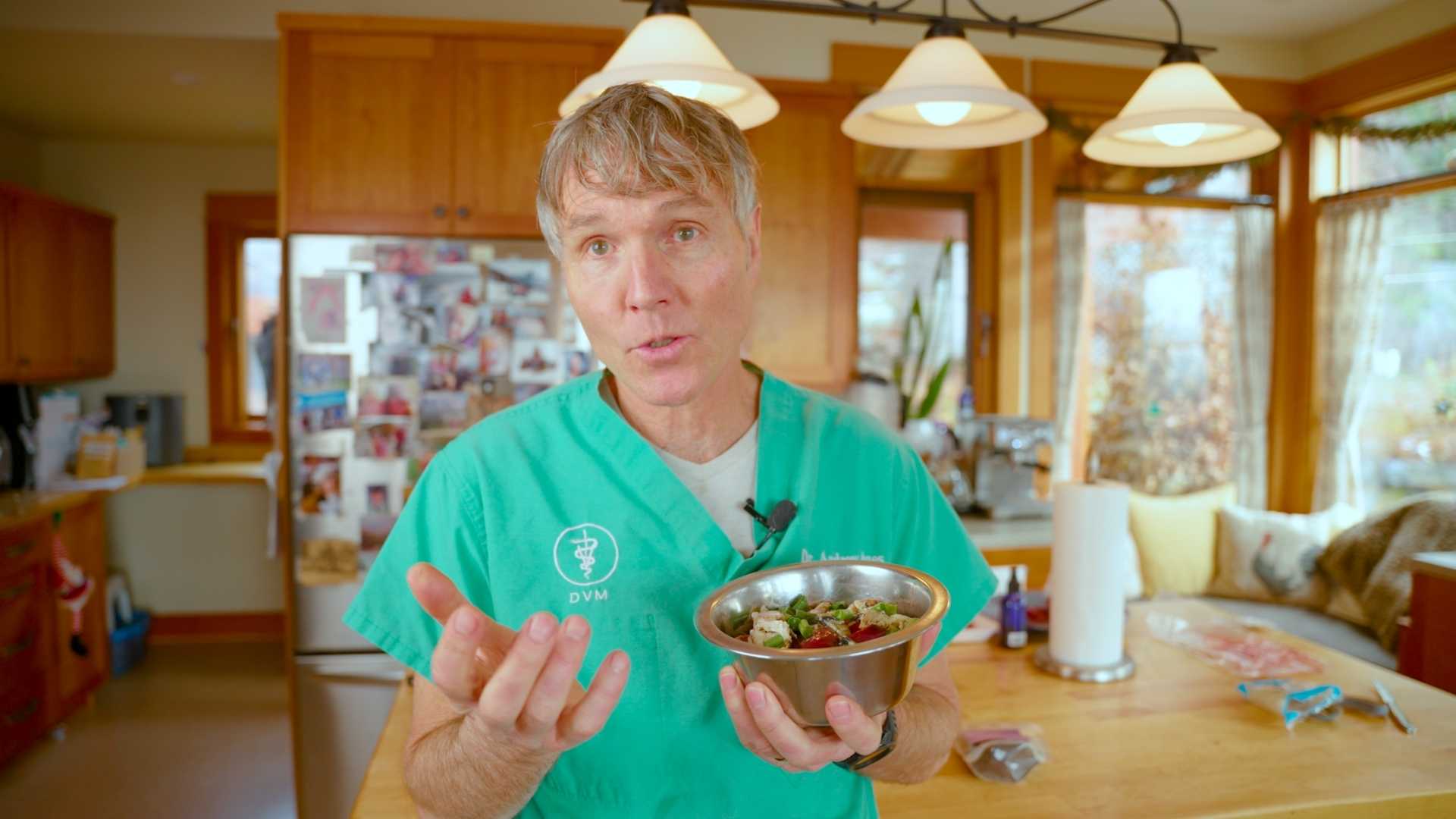
More fresh, whole, minimally processed food.
Then consider gut support:
Probiotics.
Saccharomyces boulardii.
Psyllium husk.
Slippery elm.
Colostrum.
Collagen.
L-glutamine.
Zinc carnosine.
If I had to pick the most focused leaky gut nutrients, I would look closely at L-glutamine and zinc carnosine.
But the best plan is usually a combination.
Remove what is irritating the gut.
Add what helps repair the gut.
Support the microbiome.
And watch the whole animal, not just the stool.
Click To Get A Free Copy of My E-Book!

P.S. If your dog or cat has chronic GI disease, allergies, fatigue, arthritis, or just seems “ADR,” meaning ain’t doing right, do not forget about the gut.
The gut lining may be part of the problem.
Start with food.
Add real, whole, less processed ingredients.
Then consider the simple, practical supports: probiotics, psyllium husk, slippery elm, colostrum, collagen, L-glutamine, and zinc carnosine.
And if you want the two most specific gut-barrier supports?
L-glutamine and zinc carnosine.
That is where I would be looking.


I found out about you. I could not believe that you give this information out for free. I appreciate it so so much and sending my animals. I just want to thank you. Hugs and kisses and licks and scratches lol thank you so much for everything you do for animals you are very special human being.
Thank you so much! That means a lot to me.
I’m a big believer that good information shouldn’t have to cost a fortune—especially when it can help our four-legged family members.
Give those animals some extra hugs, kisses, licks and scratches from me! And thank YOU for caring enough to keep learning and looking for the best ways to help them.
Keep up the great work!
Thank you so much for such clear and well-organized information. I’ve been following your videos for a while now, and several of the tips you’ve given have worked very well for me. I also want to highlight that your site is one of the few that, in addition to explaining the properties of certain supplements, also provides information about possible interactions. This is something almost no one else does. The reality is that it’s very common to have an underlying condition like thyroid, heart, kidney, or liver disease, which affects treatments, and often no one knows they’re taking something that interferes with another treatment. That’s why I appreciate and want to emphasize that you’re one of the few who provides information about contraindications and interactions; I really value that.
We really appreciate you noticing that. With supplements, more isn’t always better, and interactions and contraindications are important, especially when a pet has an underlying condition or is taking medications. We want you to have the information so you can make informed choices for your pet. And yes, we’ll keep digging into the gut, because it really is connected to so much more than digestion!