The Dental Debate: When Dogs and Cats Need a Dental, and What You Can Do at Home

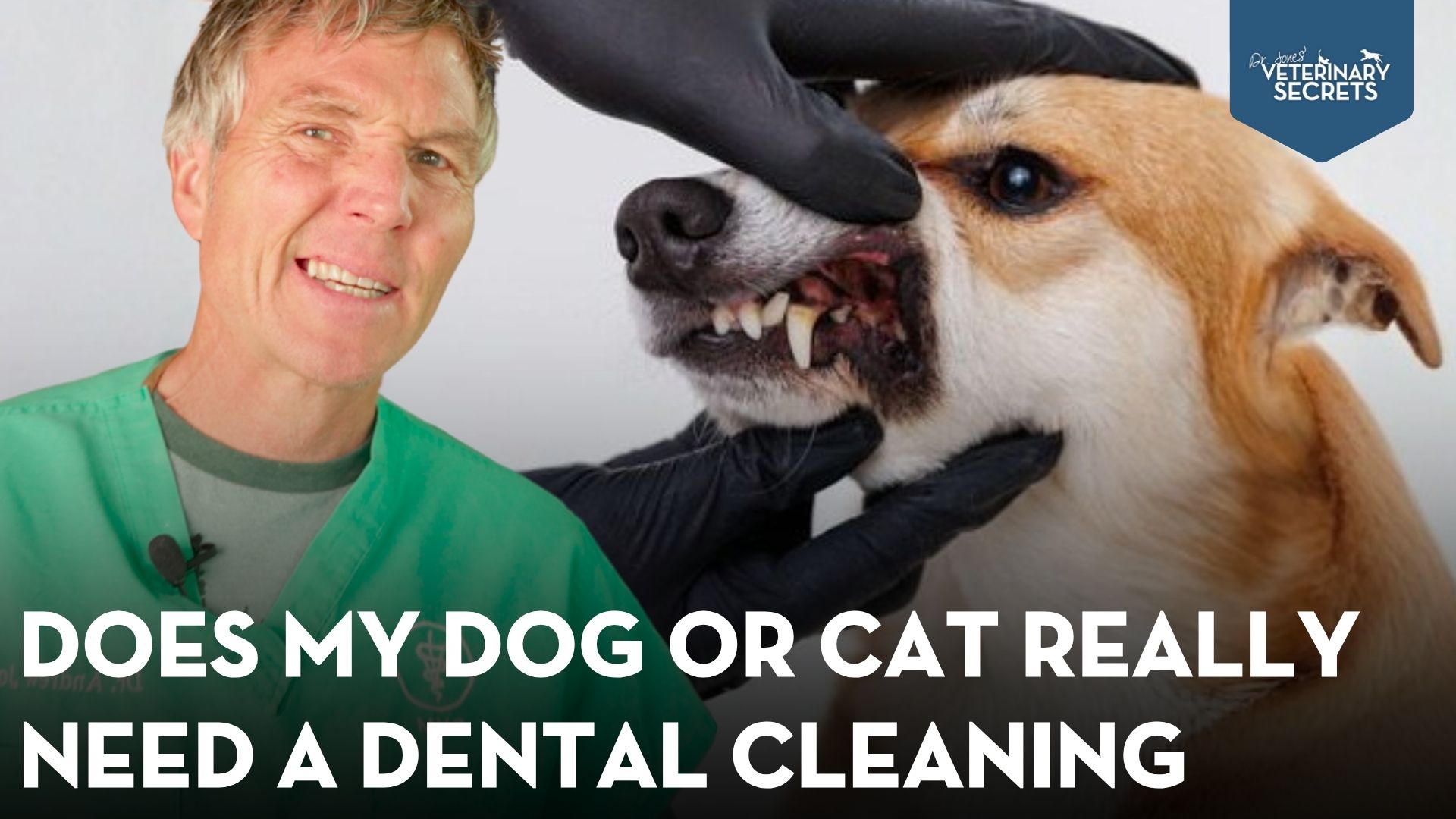
Does Your Dog or Cat Really Need a Dental Cleaning?
Sometimes yes, sometimes no.
Dental disease is very common in dogs and cats, but that does not mean every pet with plaque or mild to moderate gingivitis needs an immediate, expensive veterinary dental cleaning.
Many pet parents are delaying dental cleanings because of cost. I understand that. Veterinary dental care can be very pricey.
So what are your options?
If your pet has mild to moderate plaque, tartar, or gum inflammation, there are things you can do at home. Brushing, natural rinses, raw meaty bones, oral probiotics, plaque-fighting seaweed, CoQ10, zinc, coconut oil, propolis, dental sprays, and dental supplements may all help support your pet’s mouth.
But if your pet has severe dental disease, loose teeth, major pain, infection, facial swelling, or trouble eating, that is not a home-care-only situation.
That is when you need veterinary care.
The trick is knowing where your pet fits.
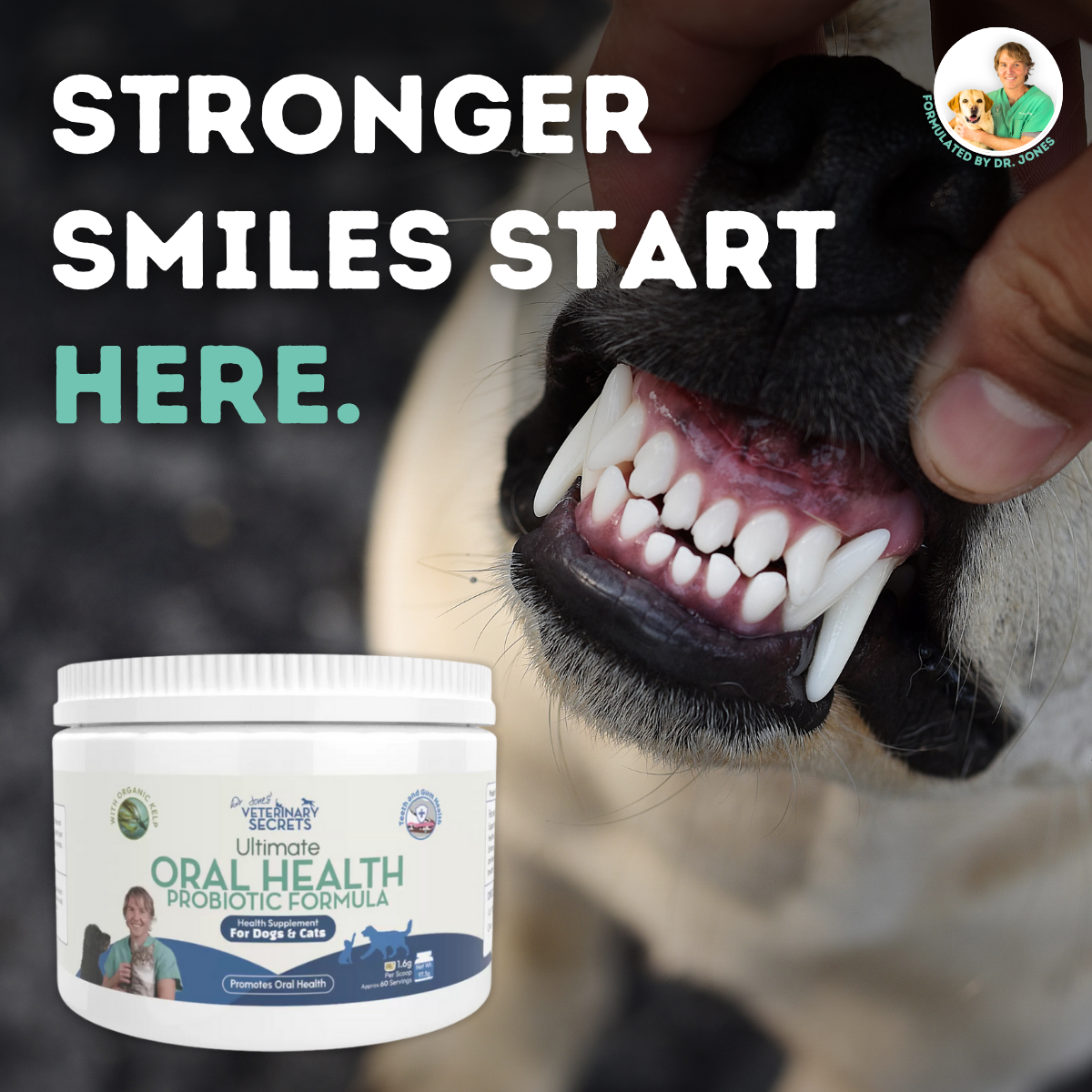
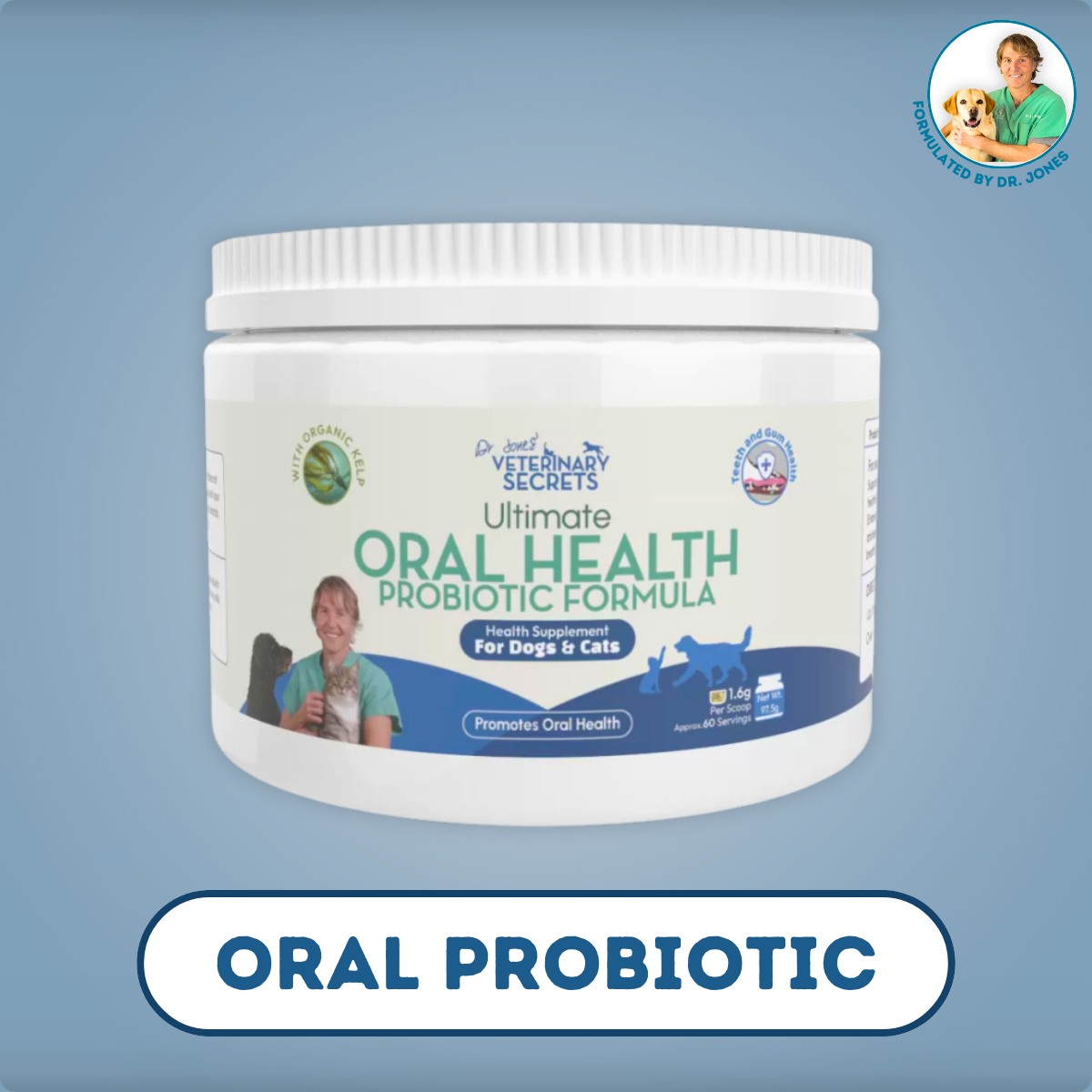
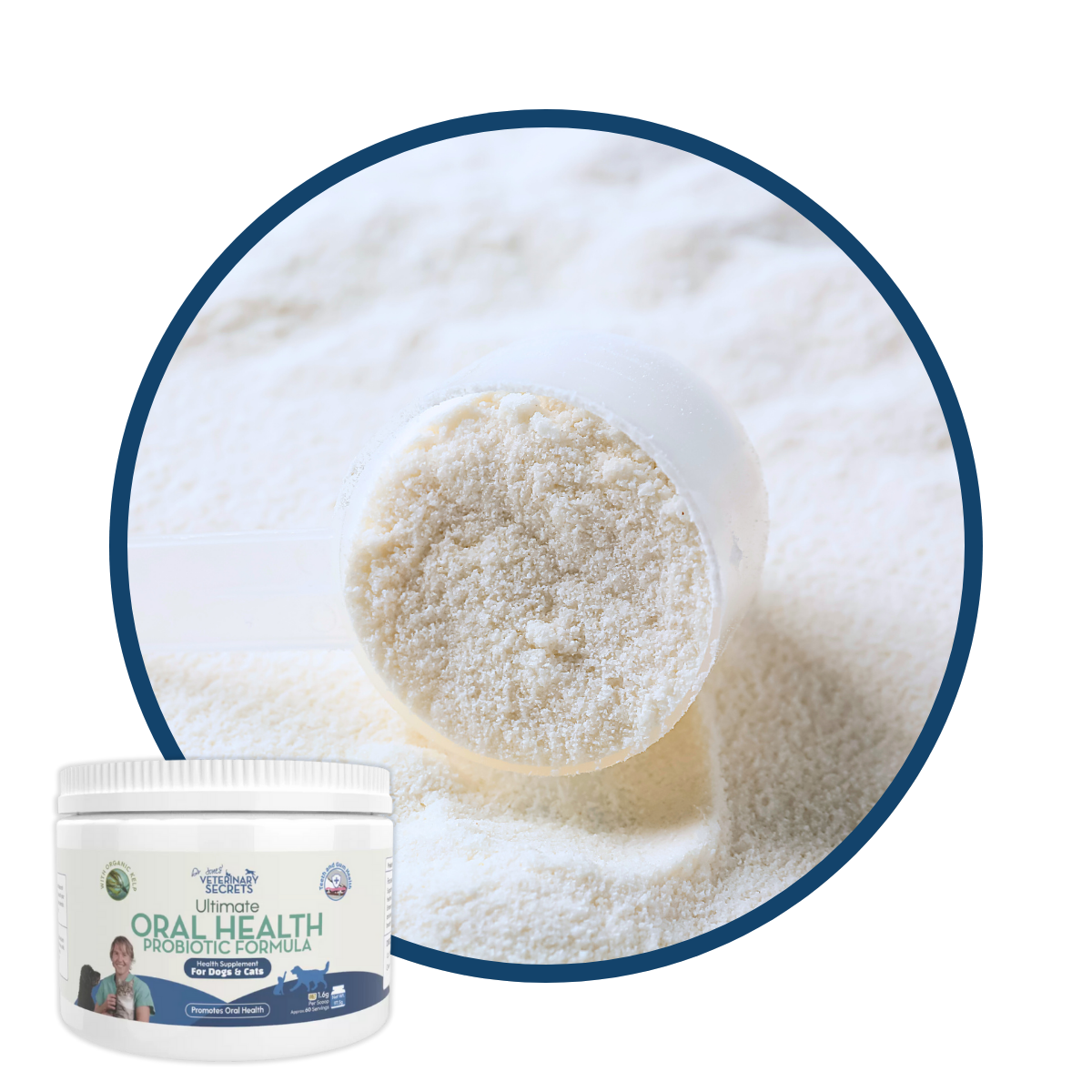
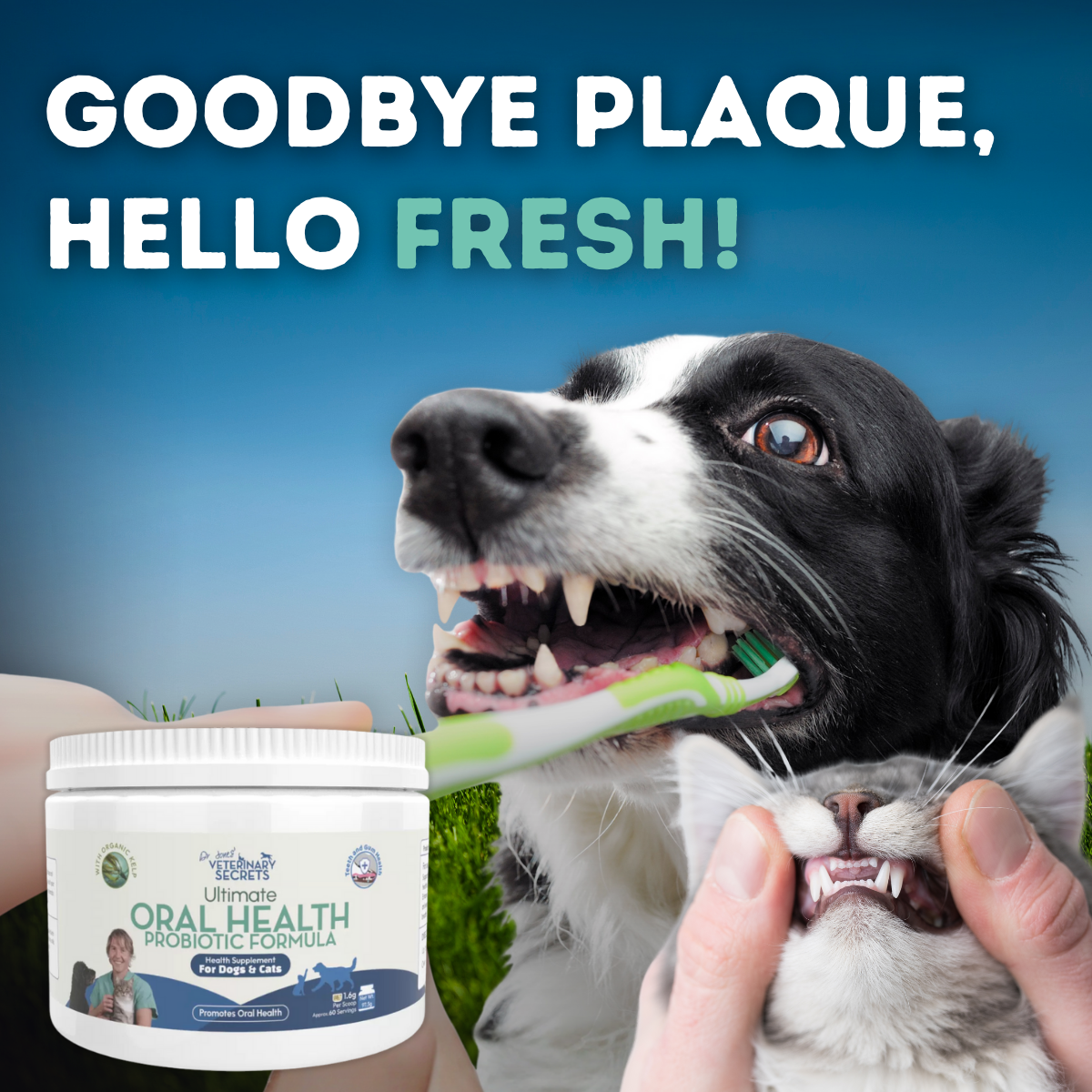
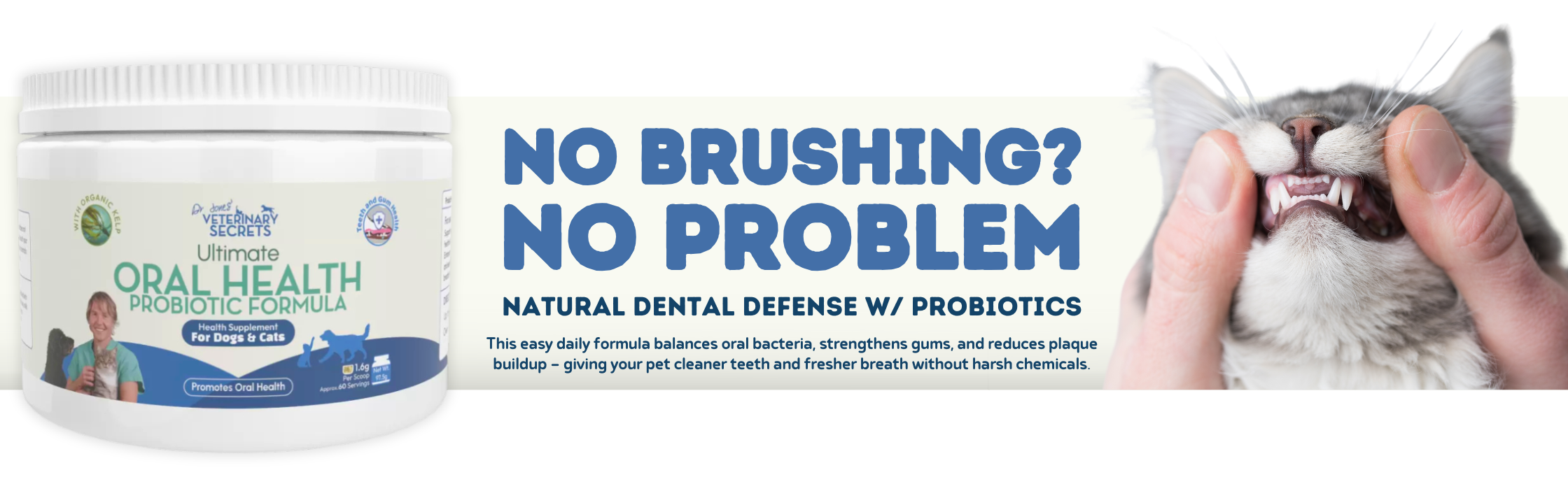
Dr. Jones’ Ultimate Oral Health Probiotic Formula for Dogs and Cats
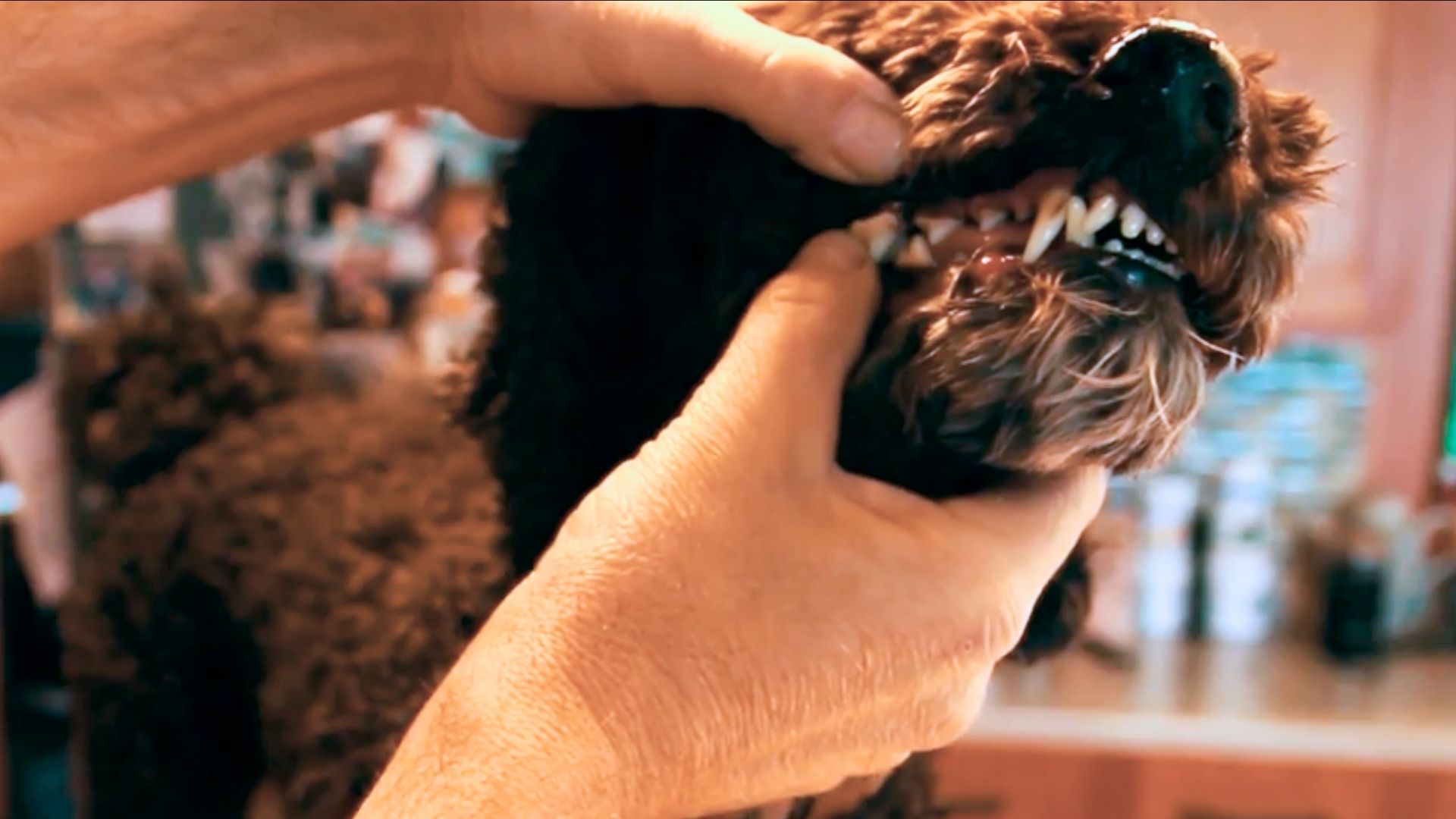
What Is Dental Disease in Dogs and Cats?
Dental disease starts with bacteria in the mouth.
That bacteria forms plaque.
Plaque then hardens into tartar.
Tartar and bacteria irritate the gums, causing gingivitis.
If it keeps progressing, the gums and supporting structures around the teeth can become damaged.
That is when dental disease becomes more serious.
The Basic Dental Disease Progression
| Stage | What Happens |
|---|---|
| Plaque | Bacteria build up on the teeth |
| Tartar | Plaque hardens and sticks to the teeth |
| Gingivitis | Gums become red, inflamed, and irritated |
| Advanced dental disease | Teeth, gums, and deeper tissues may become painful or infected |
A dog with moderate gingivitis may be a good candidate for home remedies.
Just be careful.
Moderate gingivitis is not the same as a mouth full of loose, painful, infected teeth.
Why Are Pet Parents Delaying Dental Cleanings?
Cost.
That is the big one.
Dental care for dogs and cats can be very expensive at a veterinary clinic. Many pet parents feel pressure when someone says their dog or cat “could benefit” from a dental.
Maybe they can.
But maybe it is not urgent.
Maybe there are home options that can help first.
Maybe your pet is older, medically compromised, or not a great anesthesia candidate.
Maybe you simply cannot afford a dental right now.
That does not mean you do nothing.
It means you start where you can.
What Can You Do at Home for Dog and Cat Dental Care?
There are several home options that may help support your pet’s mouth.
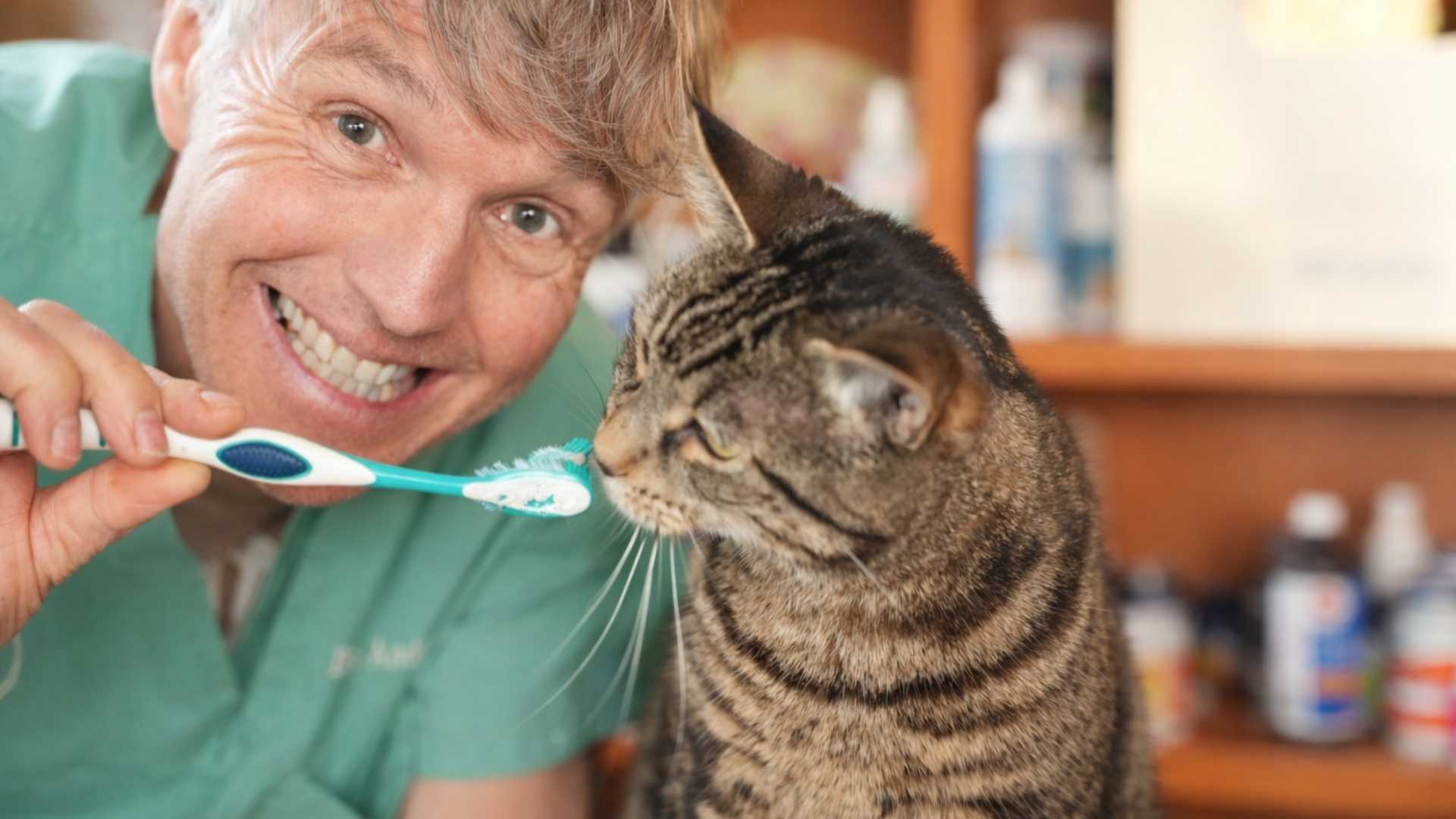
These include:
- Brushing your dog’s teeth
- Dog-safe toothpaste or baking soda
- Crunchy fruits and vegetables
- Raw meaty bones
- Plaque Off
- Dental spray such as Leba III
- Coenzyme Q10
- Green tea rinse
- Propolis spray
- Coconut oil
- Non-anesthetic teeth cleaning
- Dental hand scaling for select dogs
- Home dental ultrasonic scalers
- Oral probiotics
- Dental supplements with seaweed, probiotics, CoQ10, and zinc
Some options are better for dogs.
Some are suitable for both dogs and cats.
Some depend on your pet’s temperament.
Because let’s be honest, some cats hear “open your mouth” and choose violence.
Dog and Cat Dental Home Care Options
1. Brush Your Dog’s Teeth
Brushing is still one of the most practical ways to help your dog’s teeth.
Just like us, dogs need help keeping plaque off the teeth.
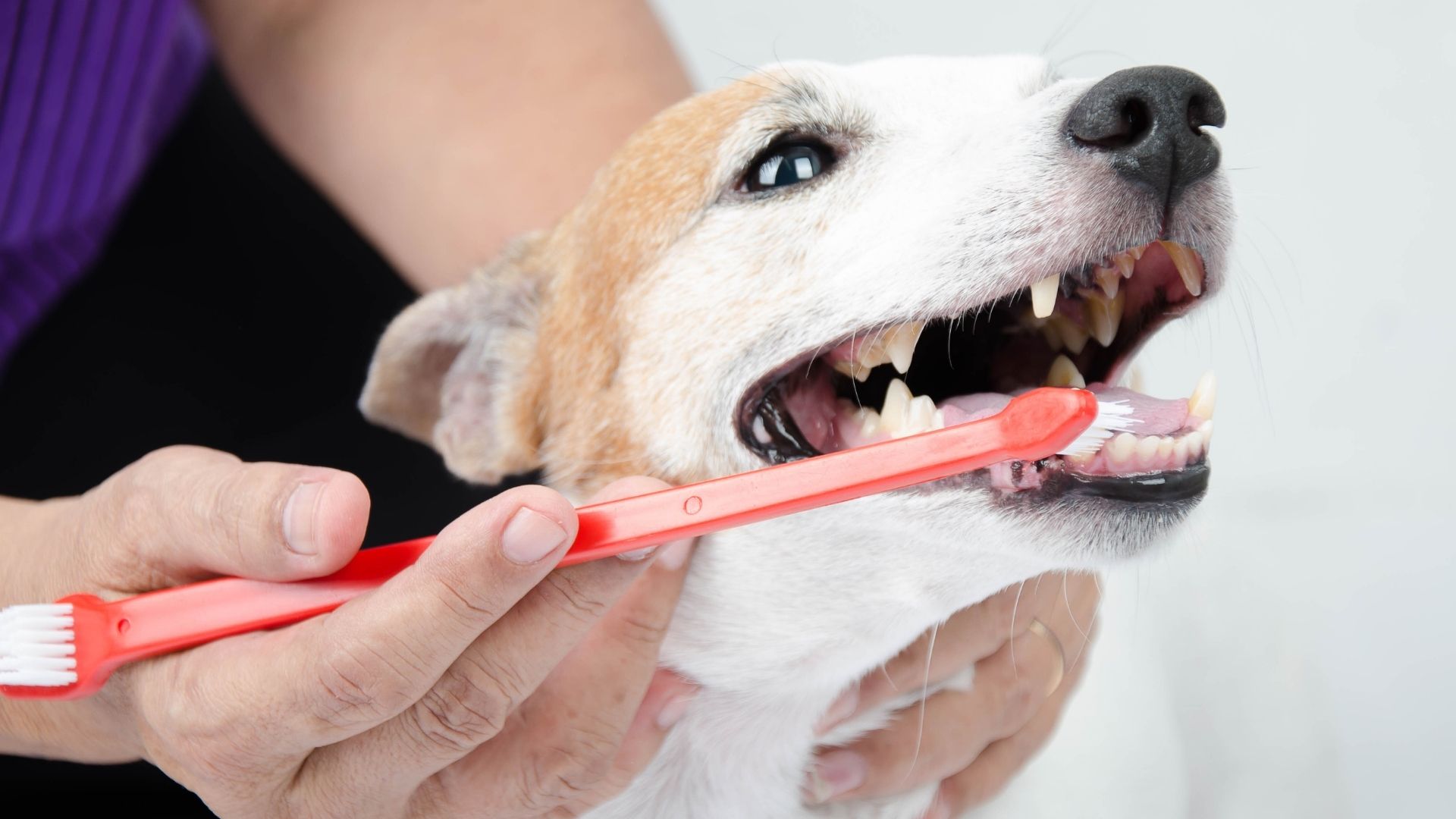
You will need:
- A toothbrush
- Dog-specific dental toothpaste
- Or baking soda as an alternative
Do not use human toothpaste.
Human toothpaste can be toxic to dogs when swallowed.
When brushing, focus on the gumline.
That is where many dental problems start, especially gingivitis.
You do not need to brush like you are polishing silverware before royalty visits.
Gentle, consistent gumline brushing is the goal.
2. Use Fruits and Vegetables for Dental Support
Some fruits and vegetables can help your dog’s teeth because they are firm, crunchy, and abrasive.

The two mentioned are:
- Carrots
- Apples
These can help break down plaque and tartar as your dog chews.
They are also nutritious.
Apparently, your mom was right about eating fruits and vegetables.
Annoying when that happens.
3. Raw Meaty Bones for Dog Teeth
Raw meaty bones may help clean your dog’s teeth through natural abrasive action.
They can help keep teeth cleaner and may reduce the need for more frequent dental care.
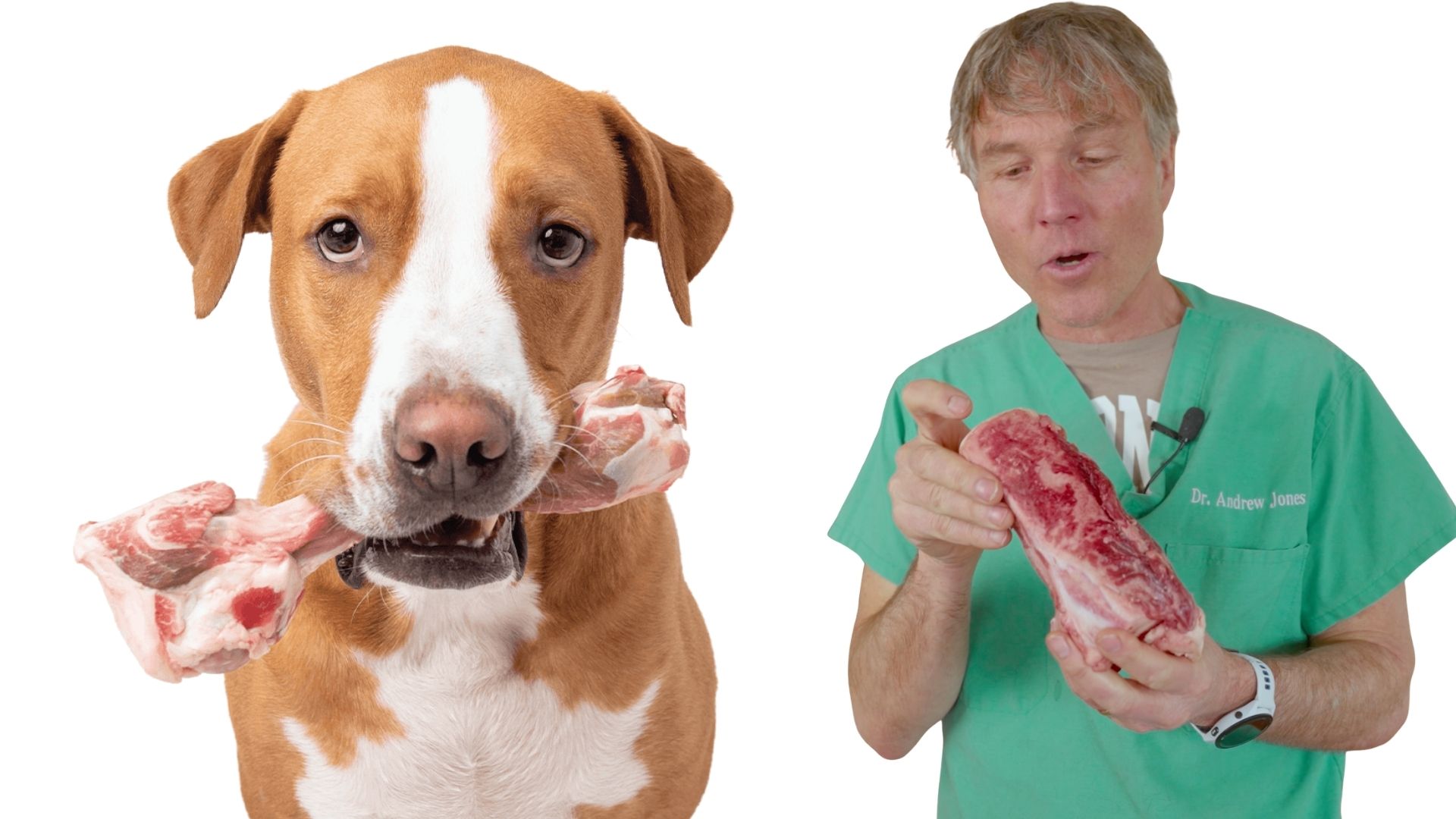
Give raw meaty bones:
Twice weekly
The chewing action can help keep your dog’s teeth shiny without the same risk of dental fractures mentioned with harder inappropriate chewing items.
Use common sense.
Choose appropriate raw meaty bones, supervise your dog, and do not give bones to dogs who gulp or cannot chew safely.
4. Plaque Off for Dogs and Cats
Plaque Off is a natural product suitable for both cats and dogs.
It is rich in natural iodine and contains important vitamins and minerals.
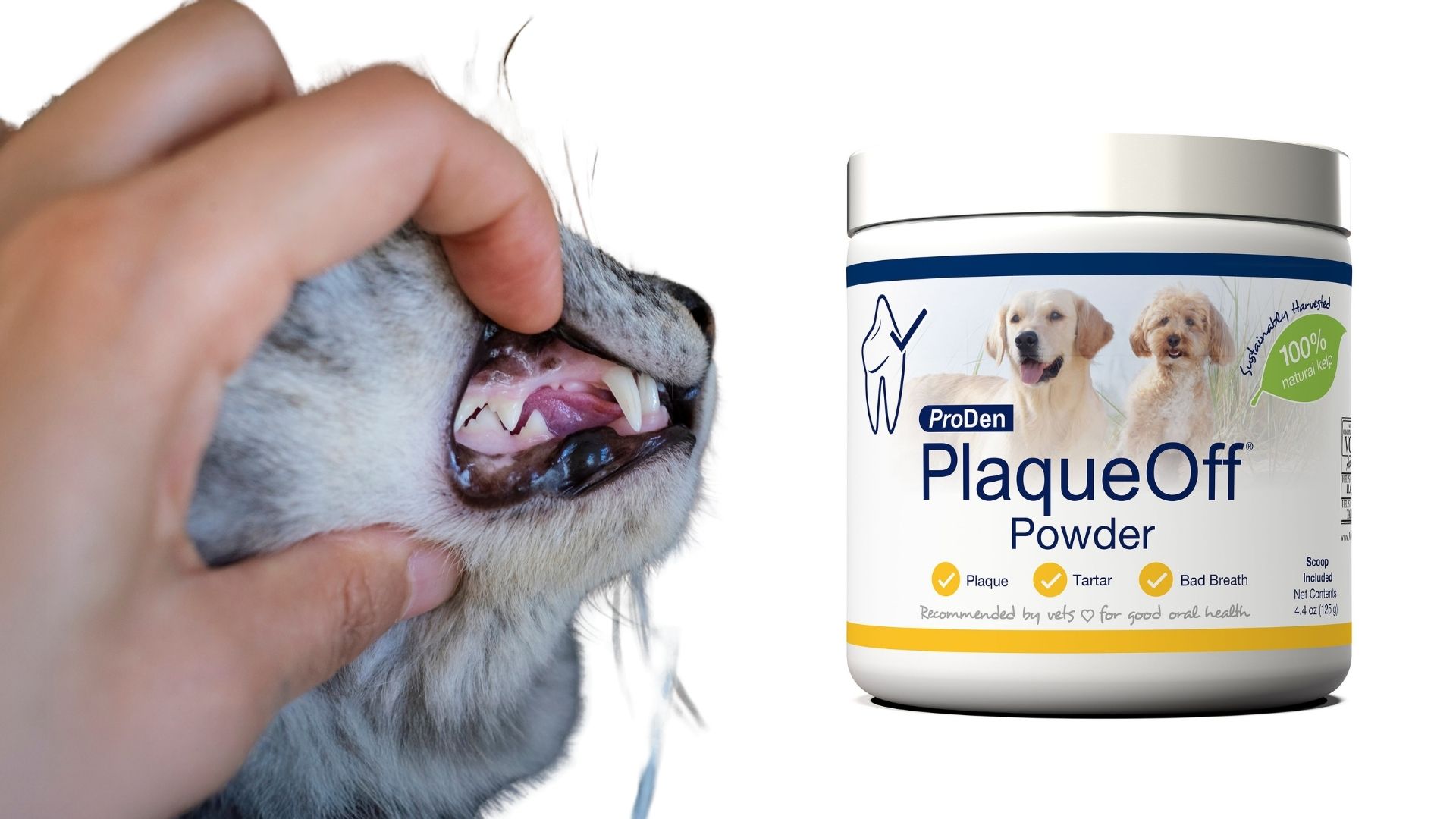
It is free from:
- Artificial colors
- Preservatives
- Gluten
- Sugar
Plaque Off works by affecting the ability of plaque to stick to surfaces in the mouth. It may also soften hard tartar deposits.
Plaque Off Dose
| Pet Size | Dose |
| Dogs under 10 kg | 1 scoop daily added to food |
| Heavier dogs | 2 scoops daily added to food |
Improvements may become visible after 4 to 6 weeks of use.
5. Dental Spray, Such as Leba III
Dental sprays, specifically Leba III, were mentioned as safe and helpful for dogs.
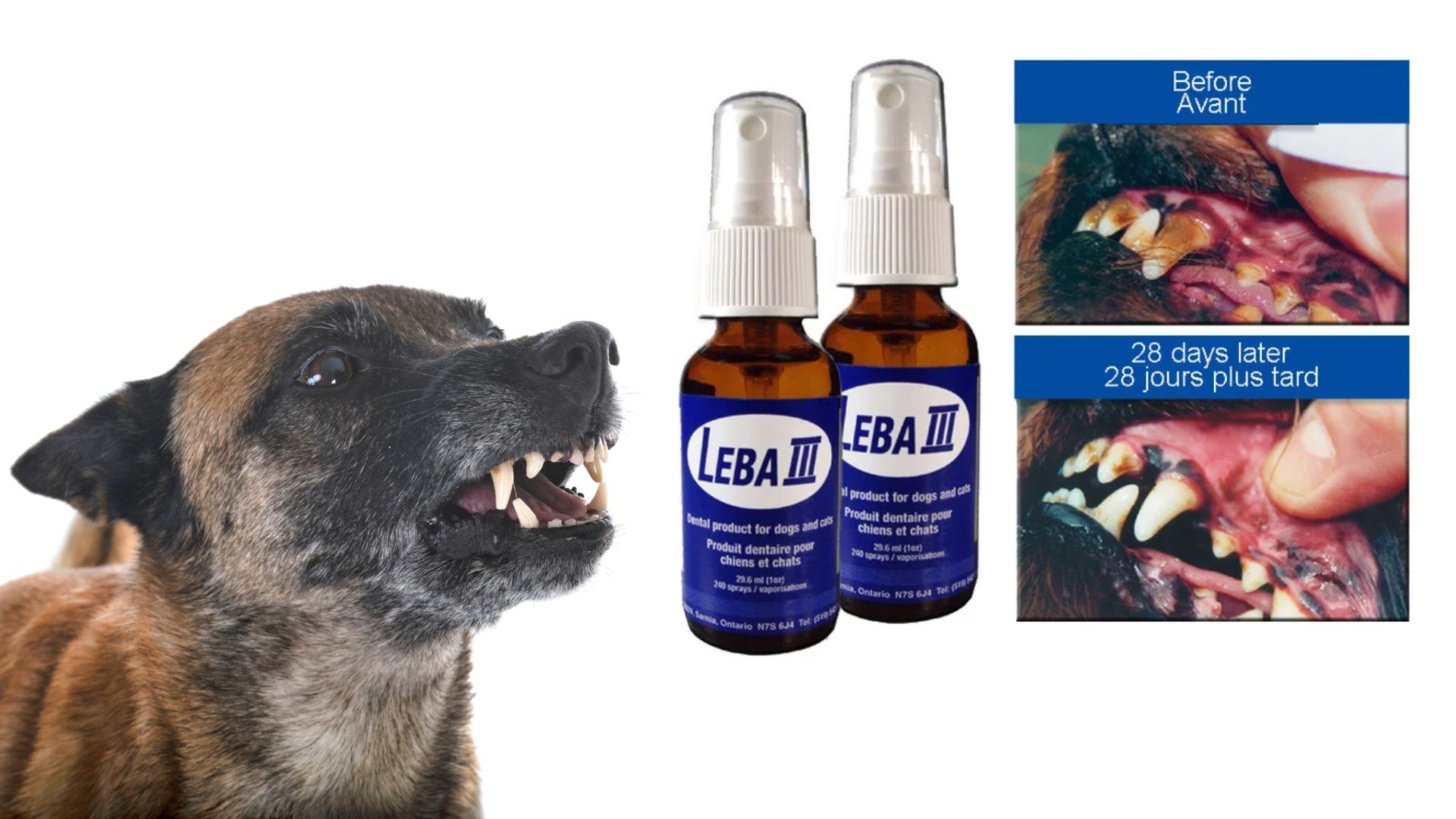
Leba III contains herbs such as mints and roses in trace elements, stabilized in:
- Ethyl alcohol 25%
- Distilled water
The ingredients are human grade.
The herbs are the active ingredients. They stimulate enzymes and change the chemistry in the mouth, which helps soften tartar.
How Often to Use
Use twice daily:
- Morning
- Night
Effects may become apparent after 4 to 6 weeks of continuous use.
6. Coenzyme Q10 for Gum Health
Coenzyme Q10, also called CoQ10, helps generate energy and is found in every cell of the body, especially the heart and gums.
Low levels of CoQ10 have been linked to periodontal disease.
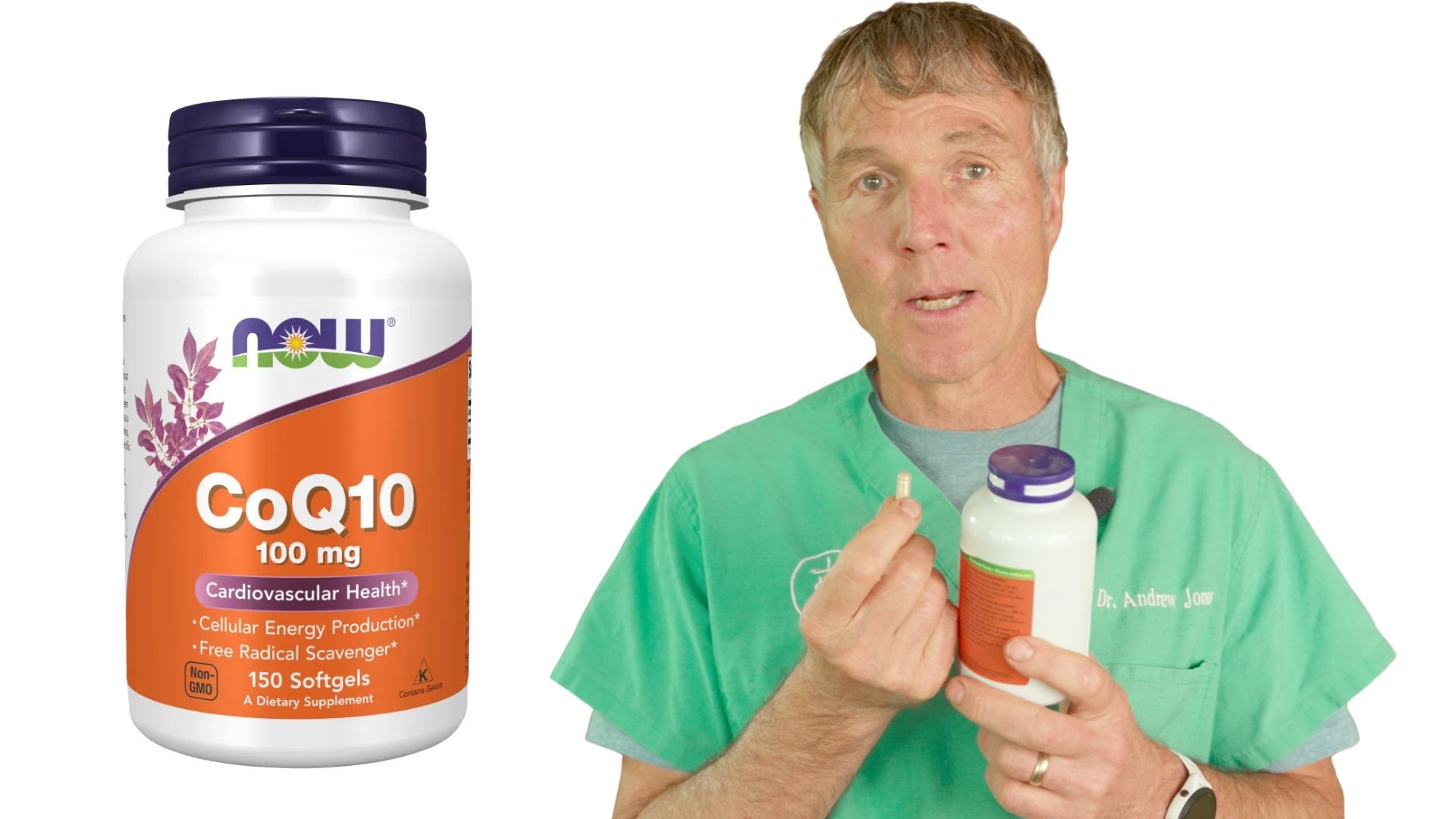
One periodontal specialist found that people with diseased gums had an unusually large deficiency of Coenzyme Q10.
This may also apply to pets with serious recurring gingivitis.
CoQ10 Dose
1 mg per lb
CoQ10 is one of those nutrients that makes sense for gum health and overall cellular support.
Not flashy.
Just useful.
7. Green Tea Rinse for Plaque, Gum Inflammation, and Bad Breath
Green tea rinse is a simple, inexpensive option for helping reduce:
- Plaque
- Gum inflammation
- Bad breath
And if your dog swallows a little, that is okay.
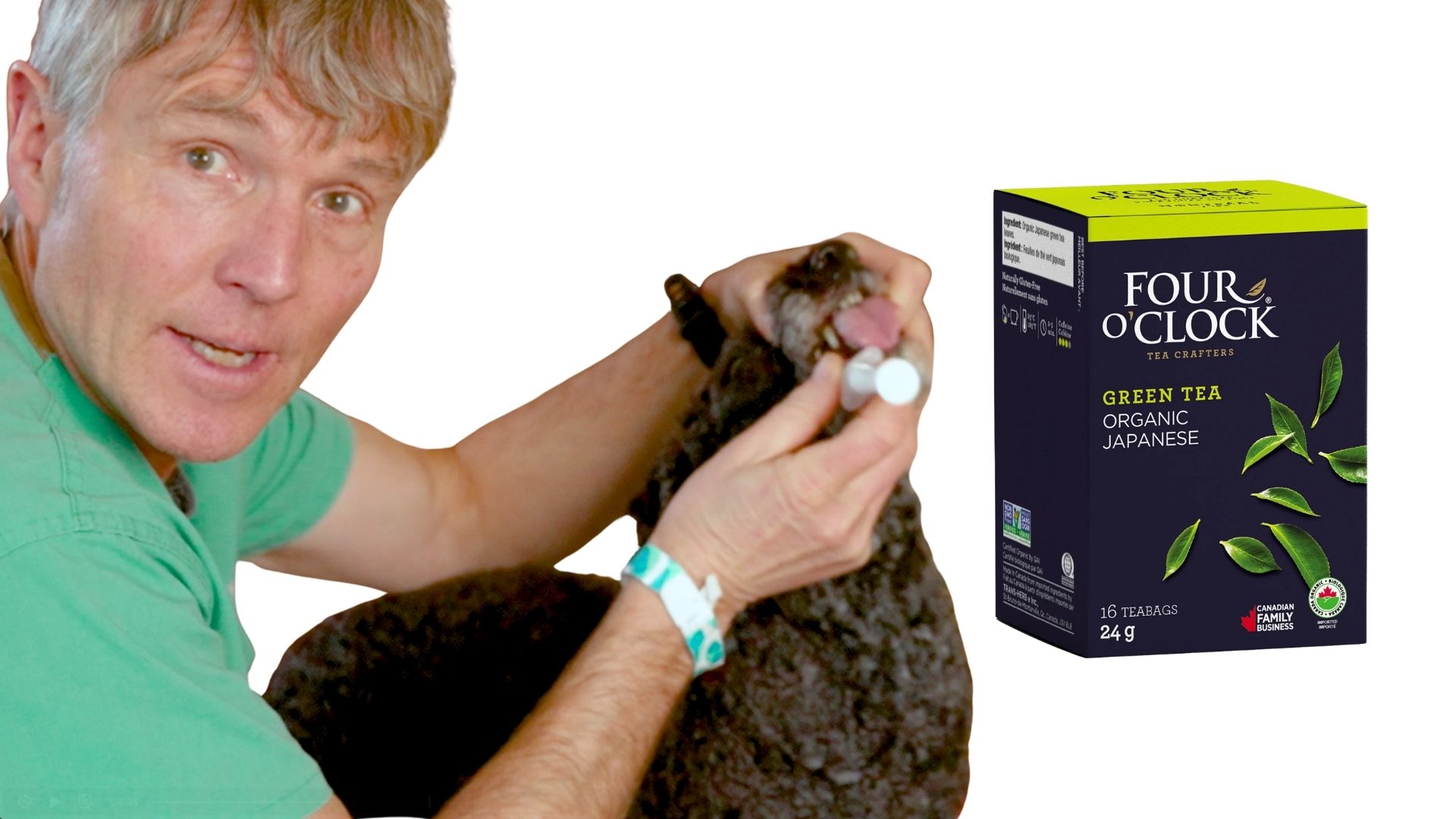
How to Make and Use Green Tea Rinse
- Make a cup of green tea in the morning.
- Let it cool.
- Use a 20 cc syringe.
- Squirt the green tea along the top and bottom gums.
- Repeat twice daily.
How Long to Use
Use for 14 days to see if it helps.
If it is helping, it can be continued indefinitely.
Simple.
Cheap.
And your dog’s breath may stop clearing rooms.
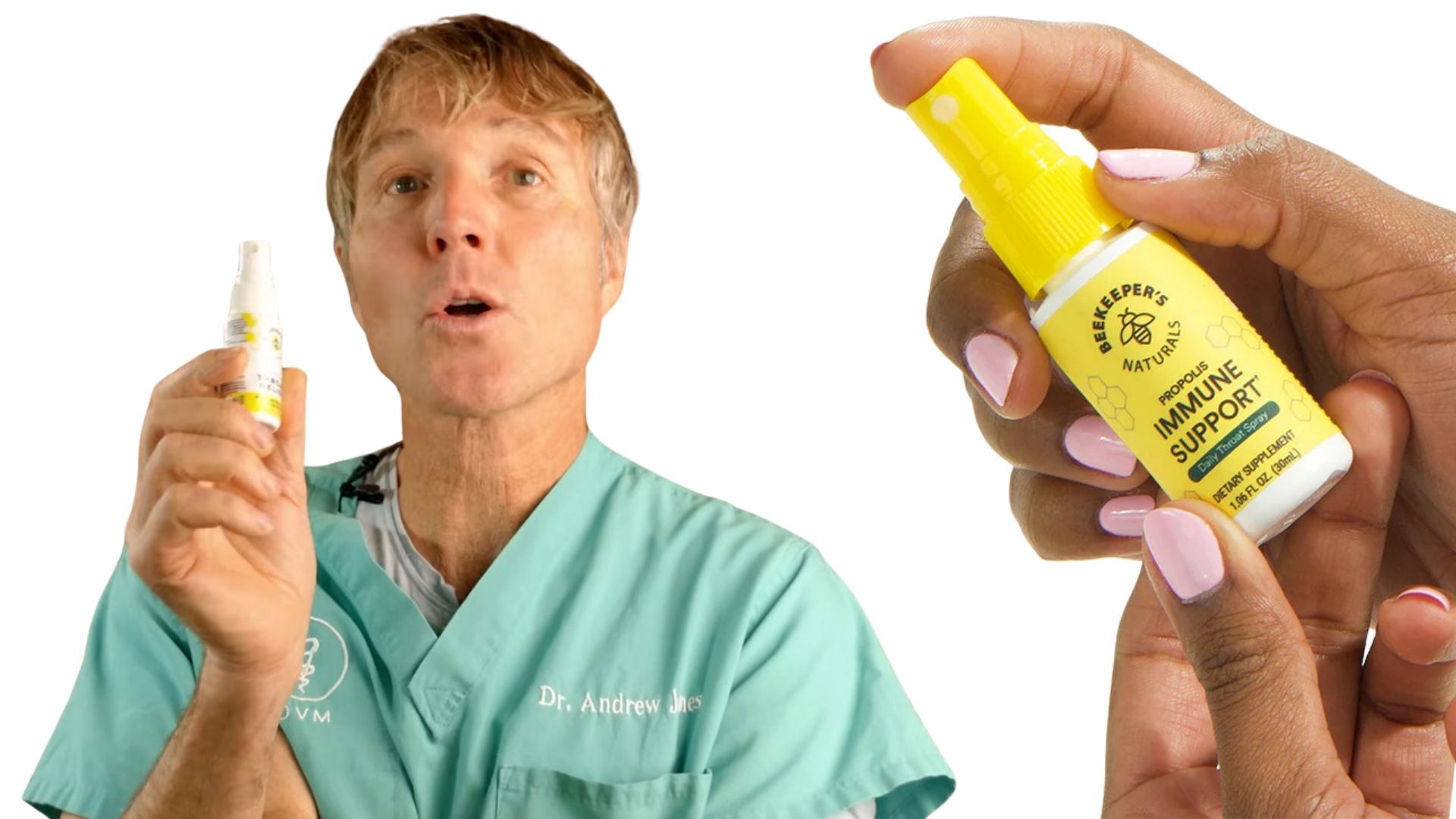
8. Propolis Spray for Dental Care
Propolis is a natural antibacterial and anti-inflammatory remedy.
It is often used in people for sore throats, but it can also support dental care in pets.
amazon.com/Propolis-Beekeepers-Naturals-Premium-Extract/dp/B019ND0DU6
It may help decrease:
- Gingivitis
- Plaque
- Tartar
How to Use Propolis Spray
Spray once daily for 4 weeks.
You should see a marked improvement in your pet’s oral health.
9. Coconut Oil for Gumline Support
Coconut oil has multiple studies showing antibacterial effects, and some studies have focused on periodontal disease.
In people, gargling with coconut oil has been associated with improved gum inflammation and less plaque and tartar.
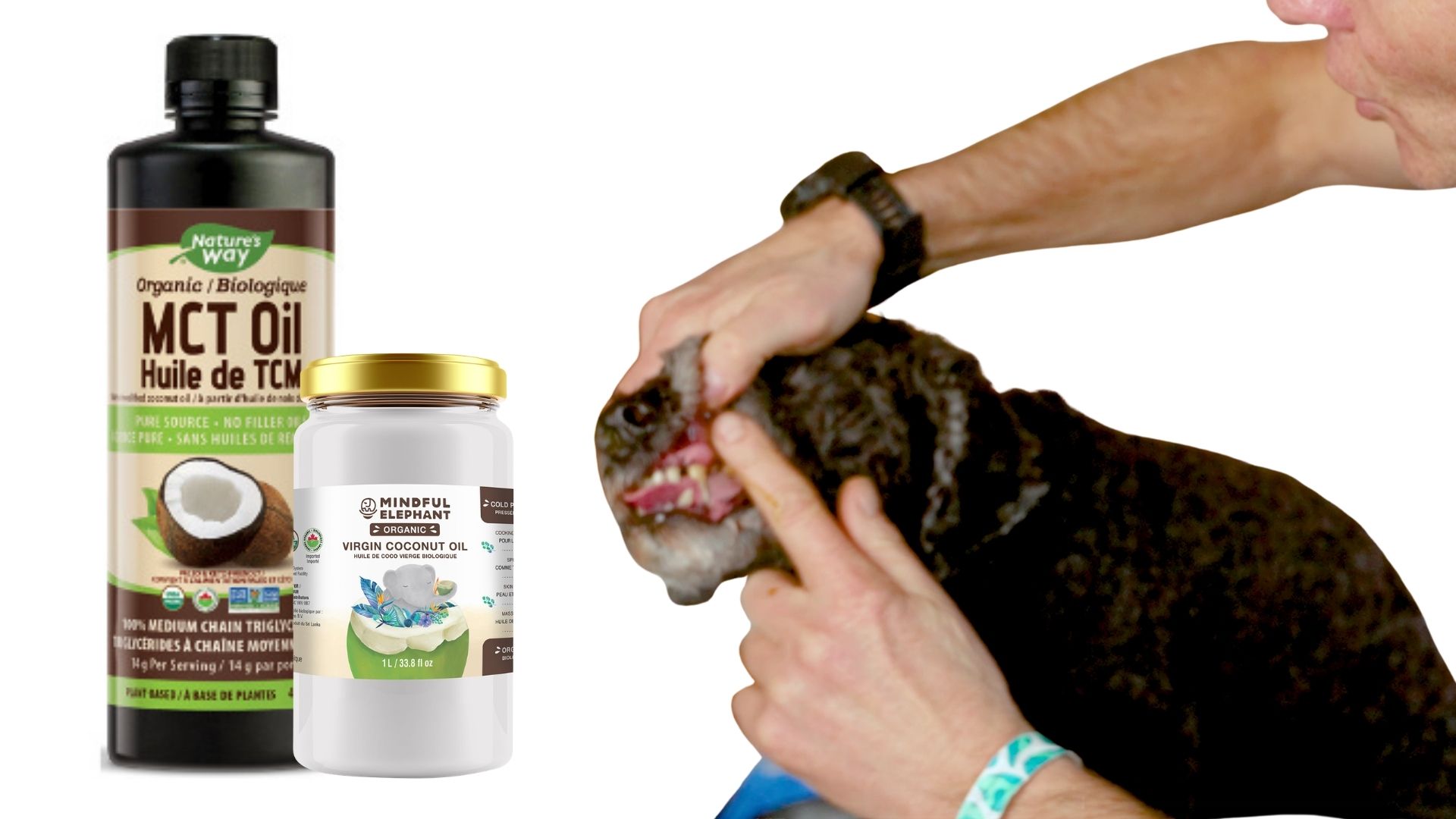
For pets, coconut oil can be easy to use because many dogs like the taste.
My dog Tula loved it, and it worked well for her.
How to Use Coconut Oil
Rub coconut oil on the gumline:
At least once daily
Assess after 4 weeks to see if it is helping.
10. Non-Anesthetic Teeth Cleaning
A number of people now offer non-anesthetic teeth cleaning.
I used to be strongly opposed to this.
I feel a little differently now, especially after having a small dog with not-so-great teeth.
One company answers the question, “Is non-anesthetic teeth cleaning safe for dogs?” by saying yes, it can be. They mention that a veterinarian may not want to anesthetize a medically compromised pet and may use another approach to clean a dog or cat’s teeth.
A pet may be young and healthy, or may have health issues, and still have teeth cleaned without anesthesia.
This may be an option for select pets.
But it depends on the pet, the mouth, the dental disease level, and the person doing the cleaning.
11. Dental Hand Scalers
Dental hand scalers can be used in some dogs.
I was able to do this with my last dog, Lewis.
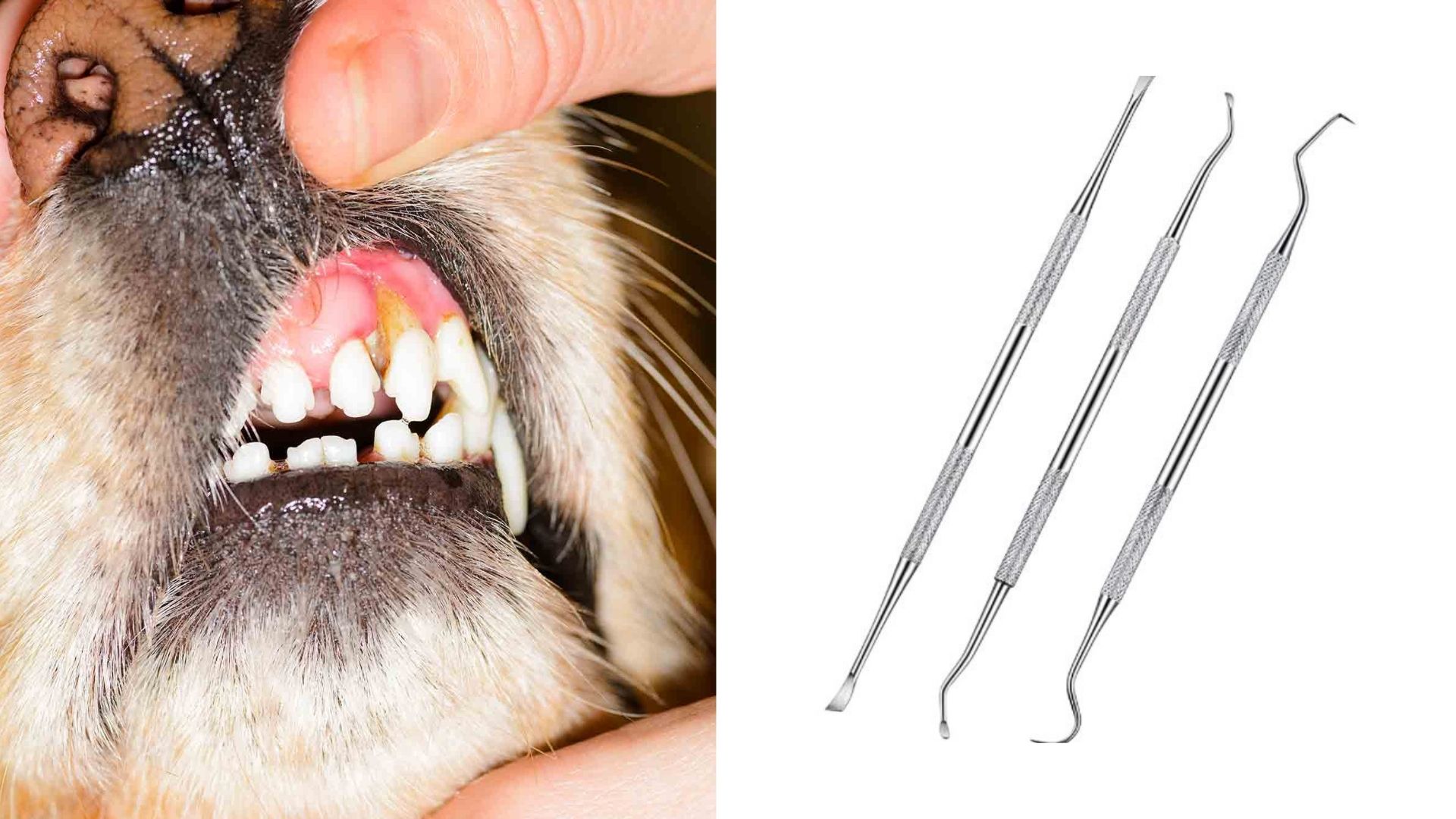
He was never put under anesthesia for a dental.
I routinely scaled his teeth once a month.
For some dogs, this can be a good option.
But not every dog will allow it.
And not every mouth should be scaled at home.
If your dog is moving, anxious, painful, or has severe disease, this is not the place to pretend you are a dental hygienist.
12. Home Dental Ultrasonic Scalers
Home dental ultrasonic scalers can help keep your dog’s teeth clean by using high-frequency vibrations to remove plaque and tartar.
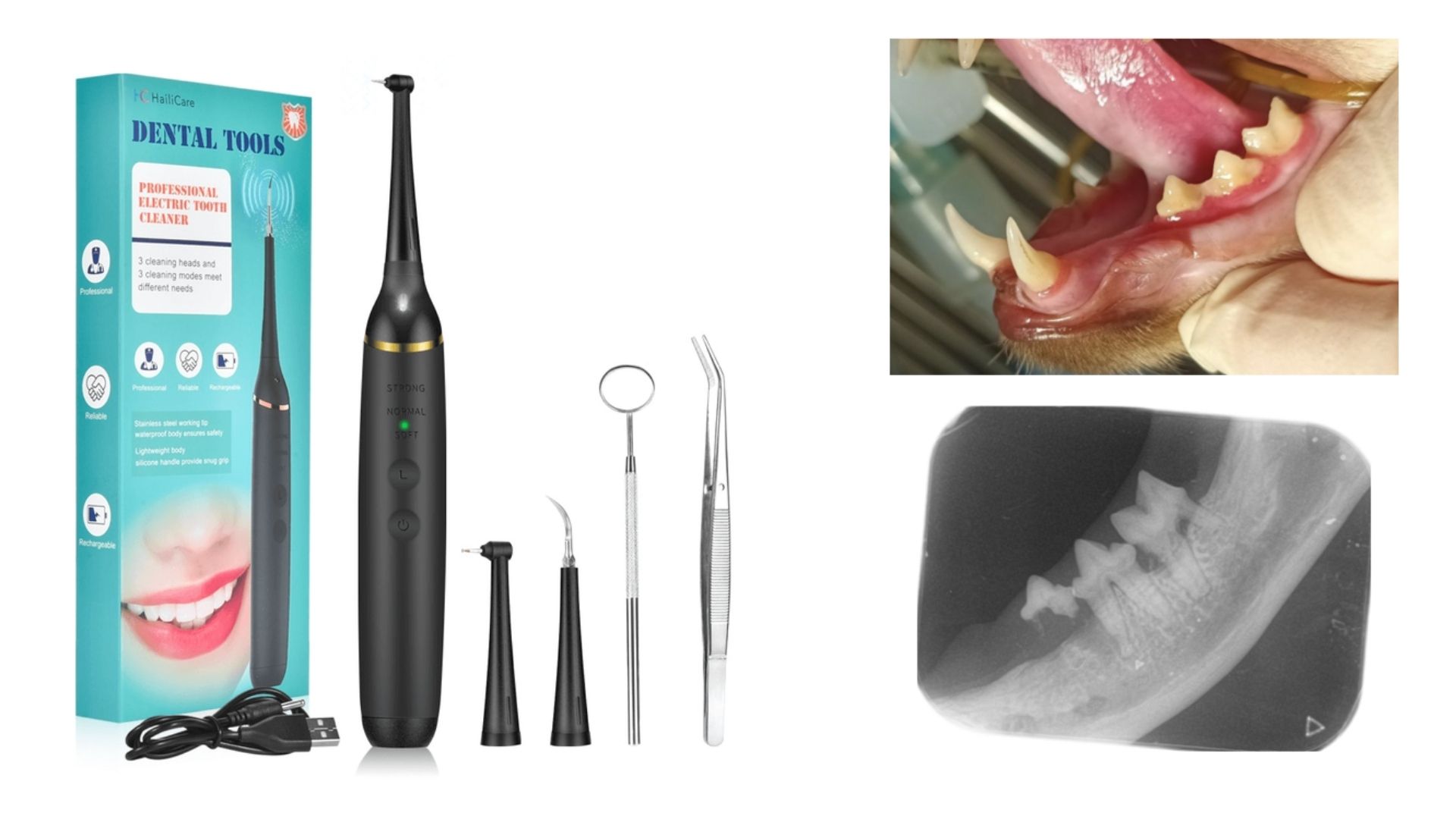
Regular use may help maintain:
- Fresher breath
- Healthier gums
- Less plaque
- Less tartar
- Lower risk of dental disease
For best results, gently run the scaler along the teeth, focusing on areas with visible buildup.
This can be part of a home dental routine.
I was very surprised how quickly plaque and tartar returned on Tula after her last veterinary dental. That had me seriously considering a home ultrasonic scaler.
Tula, however, would not open her mouth and let me hand scale.
Tula had opinions.
Strong ones.
13. Probiotics for Dental Disease
Probiotics may help your pet’s dental health by supporting a healthier balance of oral bacteria.
Beneficial bacteria may help reduce harmful bacteria that contribute to:
- Plaque
- Tartar
- Gum disease
- Bad breath
Certain strains, such as Lactobacillus and Bifidobacterium, have been shown to support oral hygiene by inhibiting the growth of pathogenic bacteria.
Adding a high-quality probiotic supplement can be an easy way to support dental health naturally.
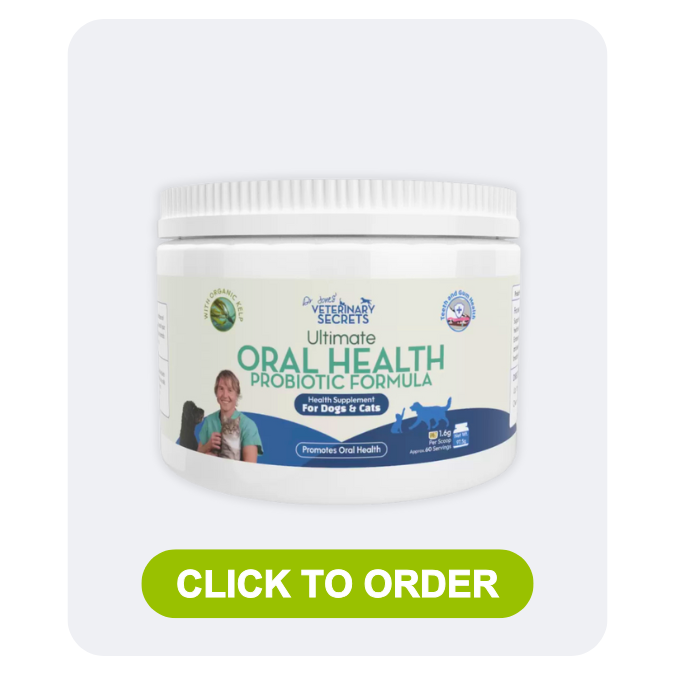
What About Dr. Jones’ Ultimate Oral Health Probiotic Formula?
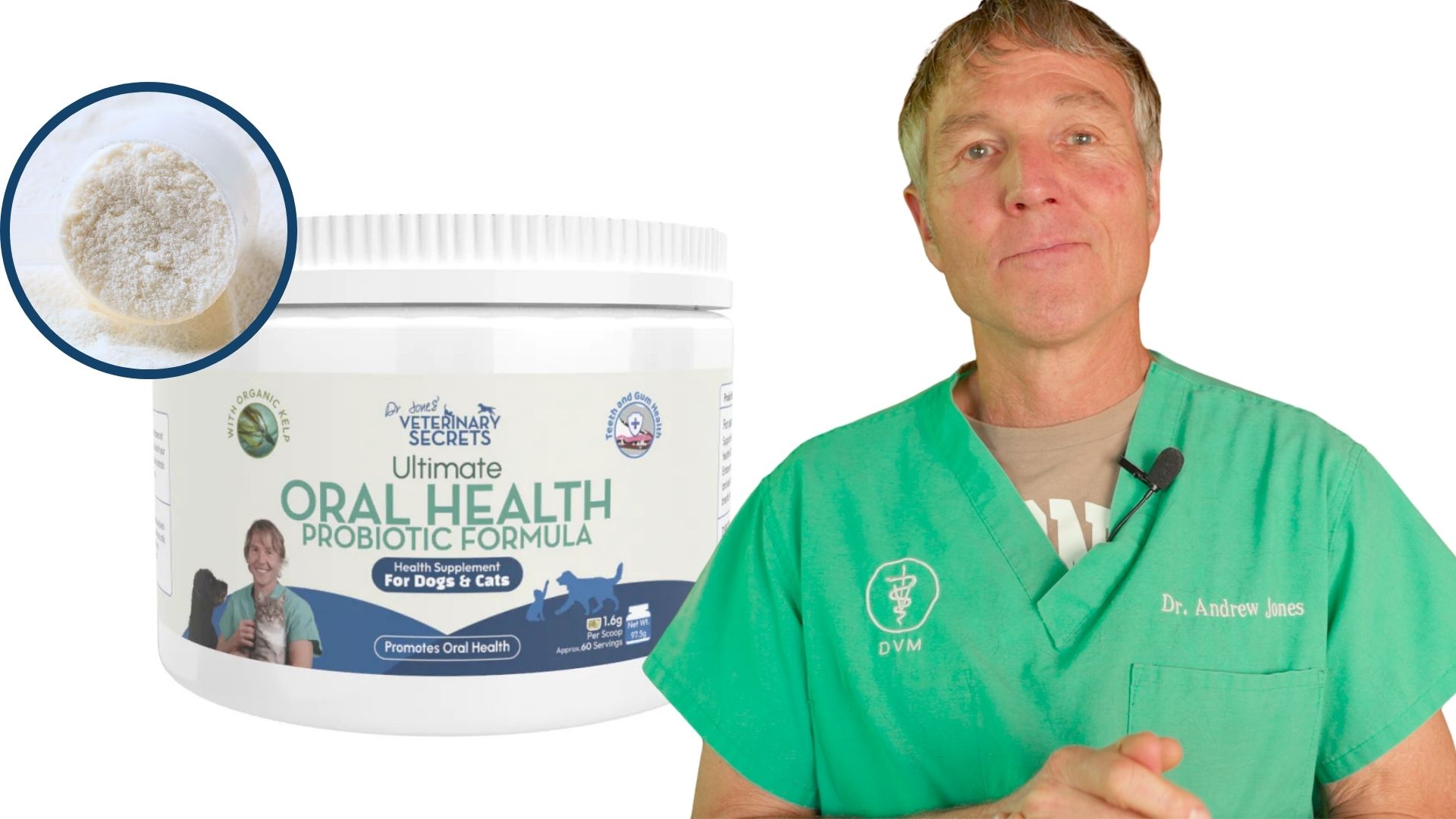
Dr. Jones’ Ultimate Oral Health Probiotic Formula for Dogs and Cats
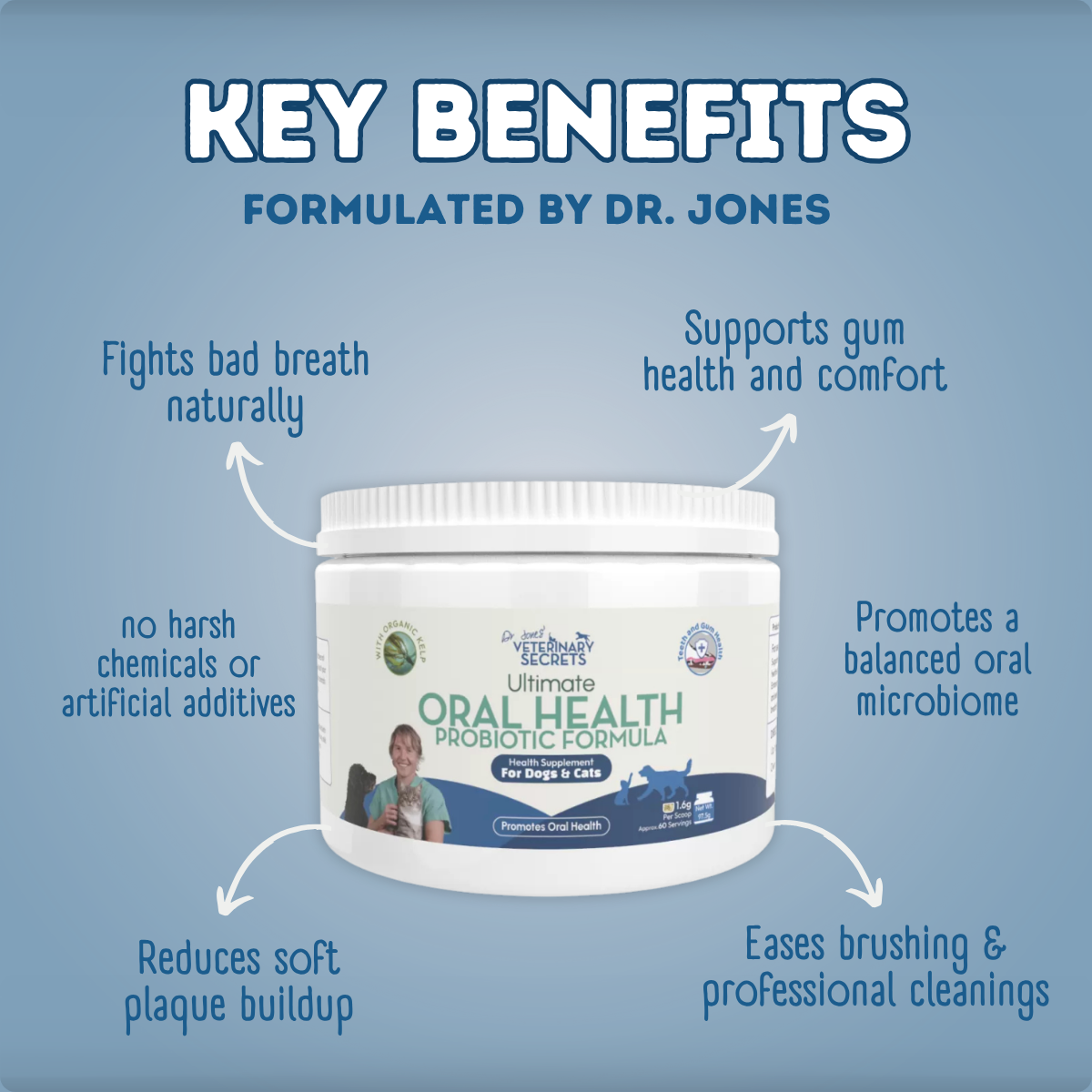
It is described as a dental supplement that includes several of the above remedies and supports:
- Plaque control
- Tartar reduction
- Gum health
- Fresher breath
- Oral bacteria balance
- Digestion
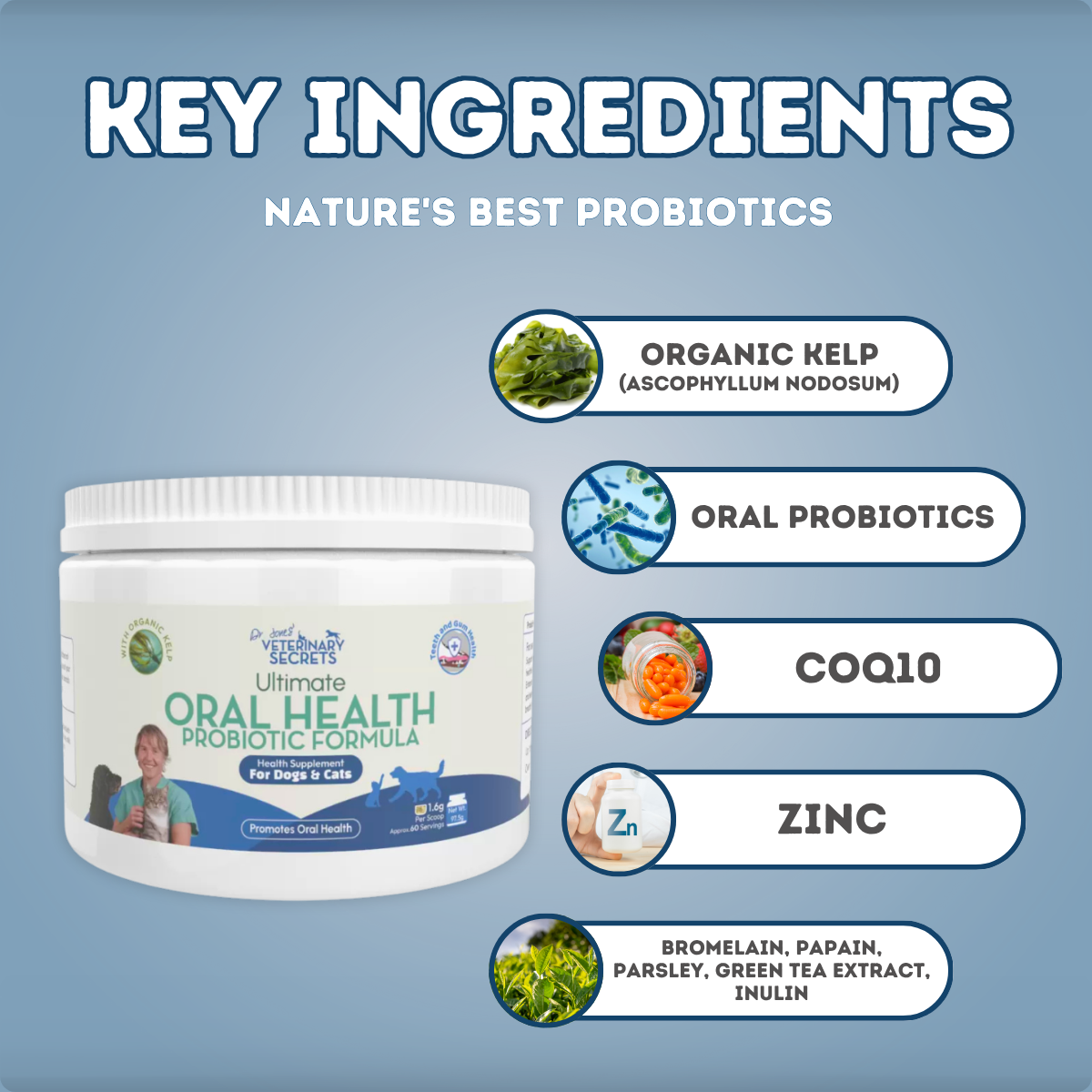
What Is in the Oral Health Probiotic Formula?
The formula includes:
| Ingredient | Purpose |
| 3 Unique Probiotics | Support healthy bacteria in the mouth and gut, help reduce plaque buildup, freshen breath, and promote balanced digestion |
| Organic Kelp | Natural source of trace minerals, antioxidants, and nutrients that strengthen teeth and gums while supporting thyroid health |
| Microcrystalline Cellulose | Gentle natural carrier that helps proper delivery of active ingredients |
| Zinc | Promotes strong teeth, supports gum tissue integrity, and supports immune defense |
| Coenzyme Q10, or CoQ10 | Antioxidant that supports gum health, cardiovascular wellness, and cellular energy production |
This is a helpful option for dogs and cats who are not very keen on having their mouth handled.
Which is a polite way of saying they would rather move to another country than let you brush their teeth.
Best Home Dental Options by Goal
| Goal | Best Options |
| Reduce plaque | Brushing, Plaque Off, oral probiotics, green tea rinse |
| Soften tartar | Dental sprays like Leba III, Plaque Off, ultrasonic scaler |
| Reduce gum inflammation | CoQ10, propolis spray, coconut oil, green tea rinse |
| Support bad breath | Green tea rinse, probiotics, brushing, dental supplement |
| Help pets who hate brushing | Dental supplement, Plaque Off, Leba III, green tea rinse |
| Mechanical cleaning | Brushing, raw meaty bones, hand scaling, ultrasonic scaler |
| Easy daily support | Oral Health Probiotic Formula |
Pros and Cons of Home Dental Care
Pros
- Less expensive than frequent dental cleanings
- Can be done daily
- May reduce plaque and tartar buildup
- May support gum health
- May improve bad breath
- Useful for mild to moderate issues
- Helpful when dental cleaning is delayed due to cost
- Gives pet parents practical options
Cons
- Not enough for severe dental disease
- Requires consistency
- Some pets will not tolerate mouth handling
- Hand scaling is not suitable for every pet
- Home care may not clean below the gumline
- Advanced cases may still need anesthesia and dental treatment
- Results may take 4 to 6 weeks for some products
Dog and Cat Dental Home Care Options
| Option | Best For | Dose or Use Mentioned |
| Tooth brushing | Plaque and gumline care | Focus on the gumline |
| Dog toothpaste or baking soda | Safer brushing | Do not use human toothpaste |
| Carrots and apples | Crunchy plaque support for dogs | Offer as firm, crunchy foods |
| Raw meaty bones | Natural scraping action | Give twice weekly |
| Plaque Off | Plaque and tartar support | Under 10 kg: 1 scoop daily. Larger dogs: 2 scoops daily |
| Leba III dental spray | Tartar softening support | Use twice daily, morning and night |
| Coenzyme Q10 | Gum health support | 1 mg per lb |
| Green tea rinse | Plaque, gum inflammation, bad breath | Apply twice daily for 14 days, then continue if helpful |
| Propolis spray | Gingivitis, plaque, tartar support | Spray once daily for 4 weeks |
| Coconut oil | Gumline support | Rub on gumline at least once daily, assess after 4 weeks |
| Oral probiotics | Mouth and gut bacteria balance | Use a high-quality probiotic |
| Dental supplement | Easier daily support | Use product directions |
Step-by-Step: How to Start Home Dental Care
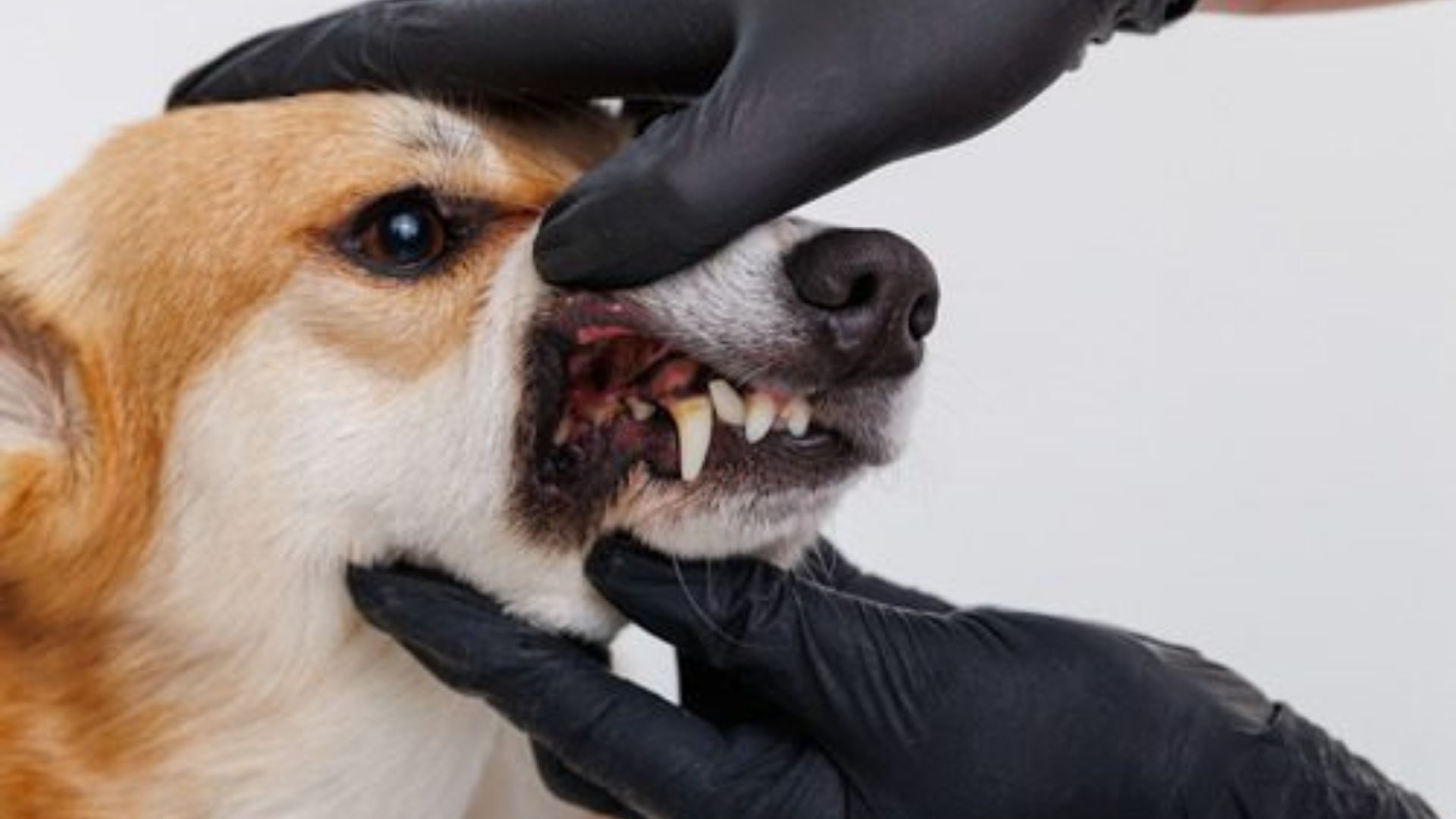
Step 1: Look at the Mouth
Check for:
- Bad breath
- Plaque
- Tartar
- Red gums
- Drooling
- Gumline inflammation
- Trouble chewing
- Loose teeth
Step 2: Decide if This Is Mild, Moderate, or Severe
Mild to moderate plaque and gingivitis may respond to home care.
Severe disease needs veterinary care.
Step 3: Start With the Gumline
If brushing, focus on the gumline.
Use dog toothpaste or baking soda.
Do not use human toothpaste.
Step 4: Add Simple Supports
Consider:
- Green tea rinse twice daily
- Coconut oil rubbed on the gumline once daily
- Propolis spray once daily
- CoQ10 at 1 mg per lb
Step 5: Consider Plaque and Tartar Support
Options include:
- Plaque Off
- Leba III
- Oral probiotics
- Dental supplement with seaweed, probiotics, zinc, and CoQ10
Step 6: Add Mechanical Cleaning if Safe
For dogs who tolerate it, consider:
- Raw meaty bones twice weekly
- Hand scaling
- Home ultrasonic scaler
Only do this if your dog is calm, safe, and not painful.
Step 7: Reassess After 4 to 6 Weeks
Many options may show visible changes after 4 to 6 weeks.
Watch for:
- Less bad breath
- Less gum redness
- Less visible plaque
- Softer tartar
- Better gum comfort
When Should You Call Your Veterinarian?
Call your veterinarian if your pet has:
- Severe bad breath
- Pain when eating
- Dropping food
- Bleeding gums
- Loose teeth
- Swelling under the eye or jaw
- Refusing food
- Pawing at the mouth
- Pus around the gums
- Heavy tartar
- Signs of infection
- A mouth that is too painful to examine
Dental disease can be painful.
Pets often hide mouth pain better than they should.
So if your gut says, “This looks bad,” it probably is.
Final Thoughts
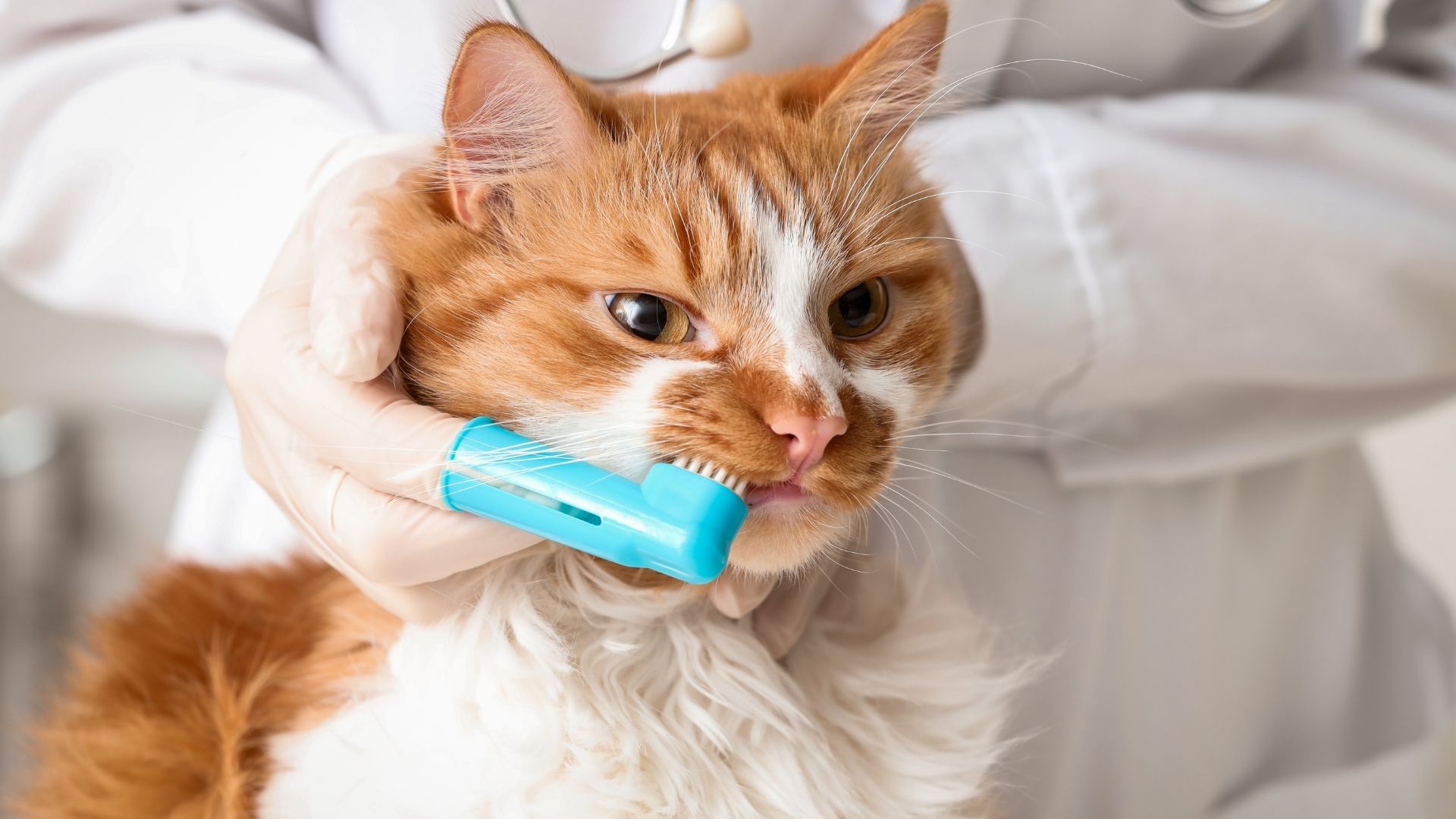
Dental care for dogs and cats can be expensive.
I understand why many pet parents delay it.
But delaying a dental does not mean ignoring the mouth.
There are real things you can do at home.
Brush the teeth if your pet allows it.
Use green tea rinse.
Rub coconut oil on the gumline.
Try propolis spray.
Support the gums with CoQ10.
Use oral probiotics and plaque-fighting seaweed.
Consider raw meaty bones for dogs who chew safely.
And for some pets, non-anesthetic cleaning, hand scaling, or a home ultrasonic scaler may be options.
The mouth matters.
Plaque becomes tartar.
Tartar inflames the gums.
Gum disease affects comfort, breath, eating, and overall health.
So do something.
Start small.
Be consistent.
And if your pet has severe dental disease, pain, loose teeth, or infection, please get veterinary care.
Click To Get A Free Copy of My E-Book!

P.S. I was very surprised how quickly plaque and tartar returned on Tula after her last veterinary dental.
That had me really wanting to consider a home ultrasonic scaler.
The problem?
Tula would not open her mouth and let me hand scale.
Not even close.
So for dogs and cats who are not keen on you doing things to their mouth, a dental supplement can make a lot of sense.
P.P.S. Our newer dental supplement, Dr. Jones’ Ultimate Oral Health Probiotic Formula for Dogs and Cats, includes several of the remedies discussed above: oral probiotics, plaque-fighting seaweed, zinc, and gum-supporting CoQ10.
Dr. Jones’ Ultimate Oral Health Probiotic Formula for Dogs and Cats