Pet Aging and Oral Health: How Your Dog or Cat’s Mouth May Affect Longevity

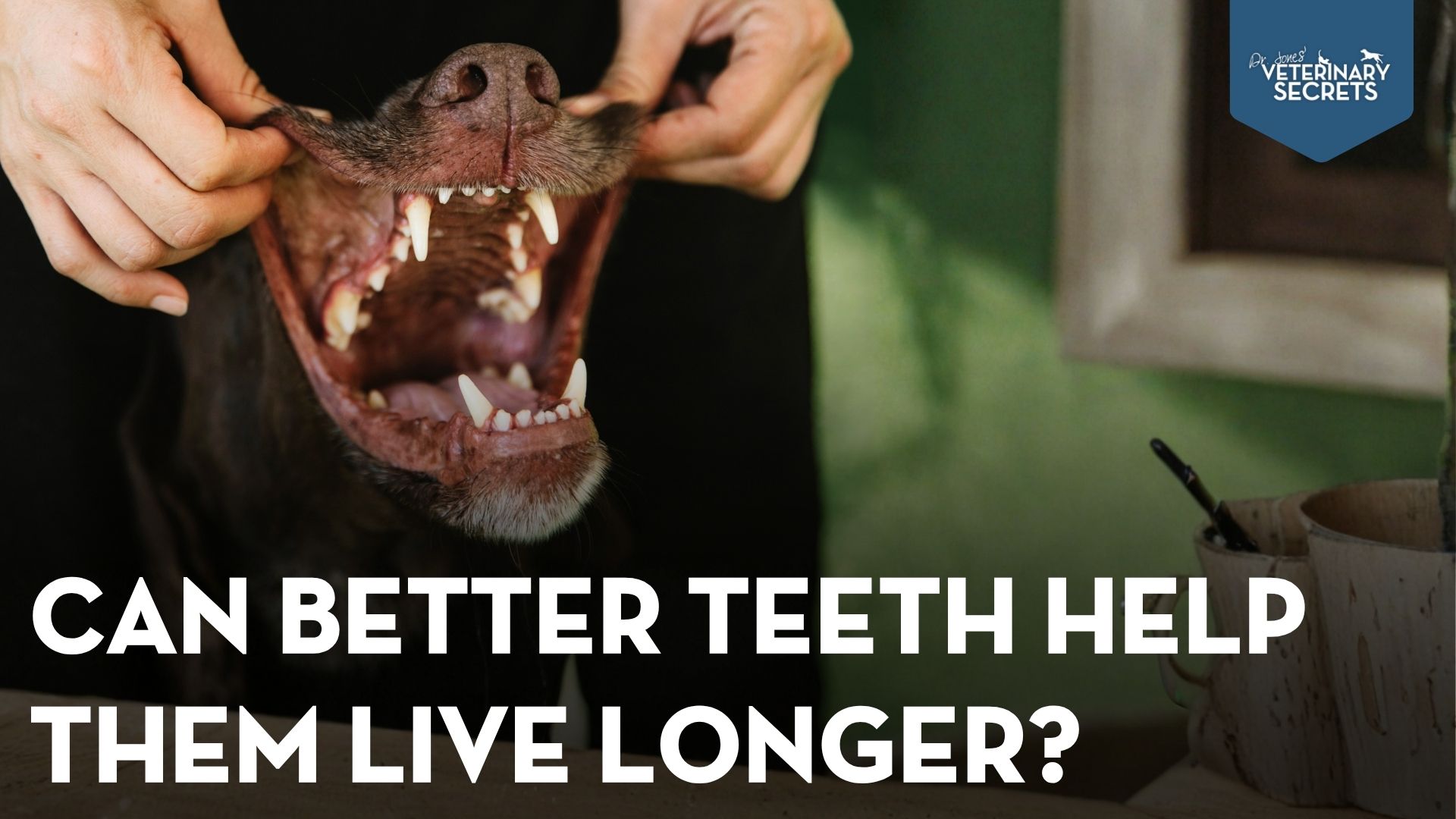
Can Better Oral Health Help Your Dog or Cat Live Longer?
Yes, supporting your pet’s oral health may help them age better and live a healthier life.
Your dog or cat’s mouth is not separate from the rest of the body. Years of plaque, tartar, and gum inflammation can affect more than breath. Poor oral health has long been connected to overall health, systemic disease, and quality of life.
The good news?
You do not always need pricey “longevity” supplements to start helping your pet age better.
One simple nutrient from the ocean, brown seaweed, may help support your pet’s teeth and gums, and it may also support healthy aging by helping with NAD+ levels, mitochondrial health, energy production, and cellular repair.
That is a lot of benefit from something that looks like it belongs wrapped around sushi.
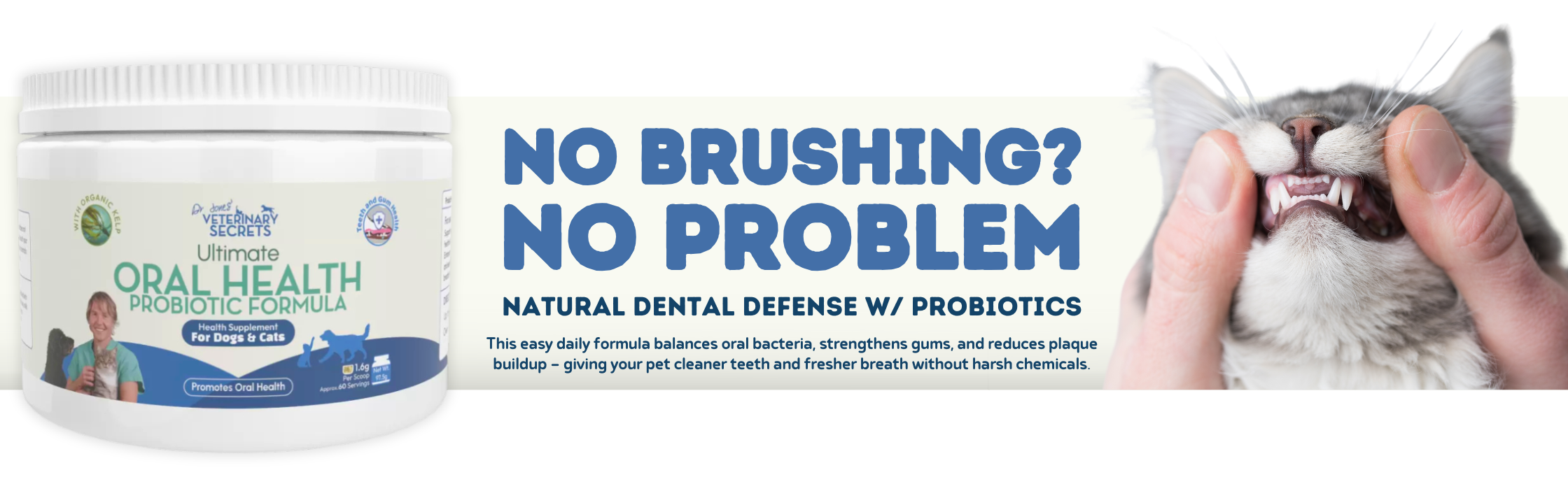
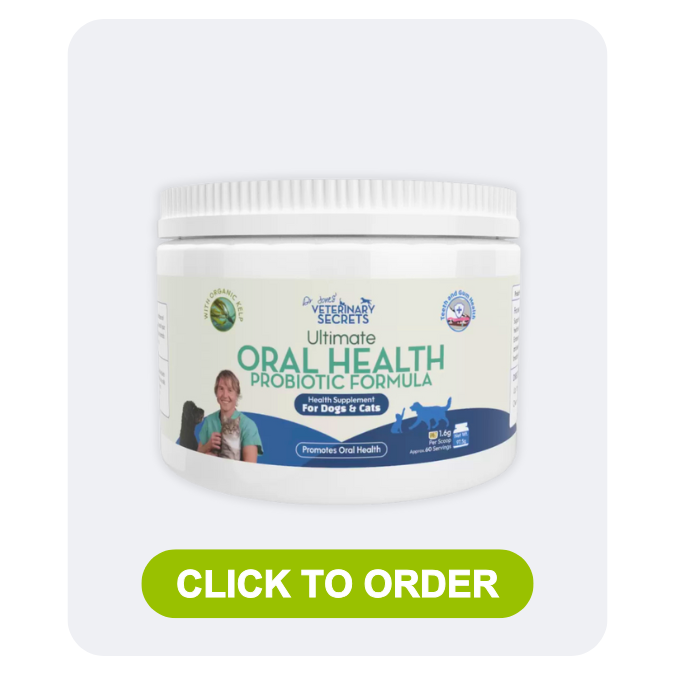
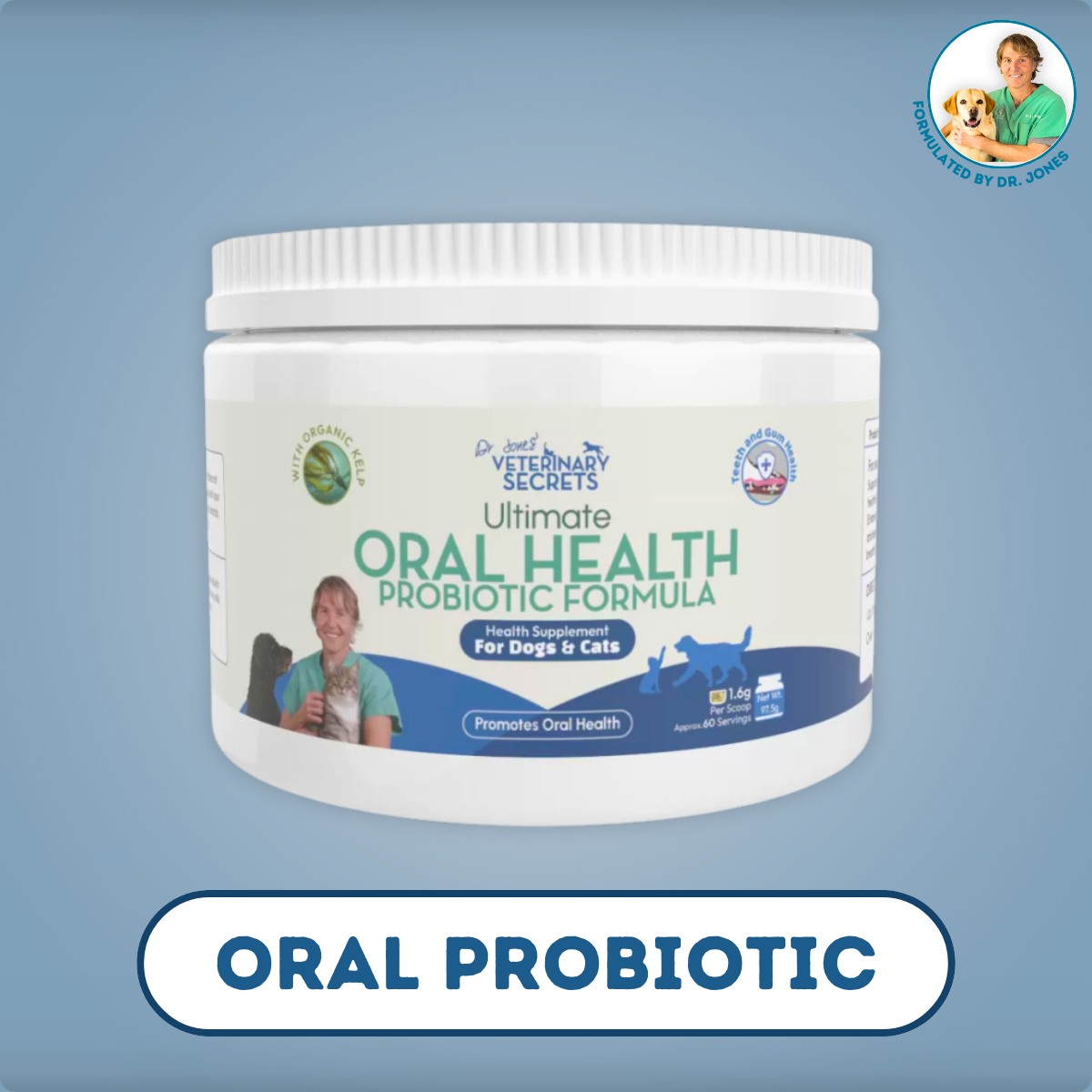
Dr. Jones’ Ultimate Oral Health Probiotic Formula for Dogs and Cats
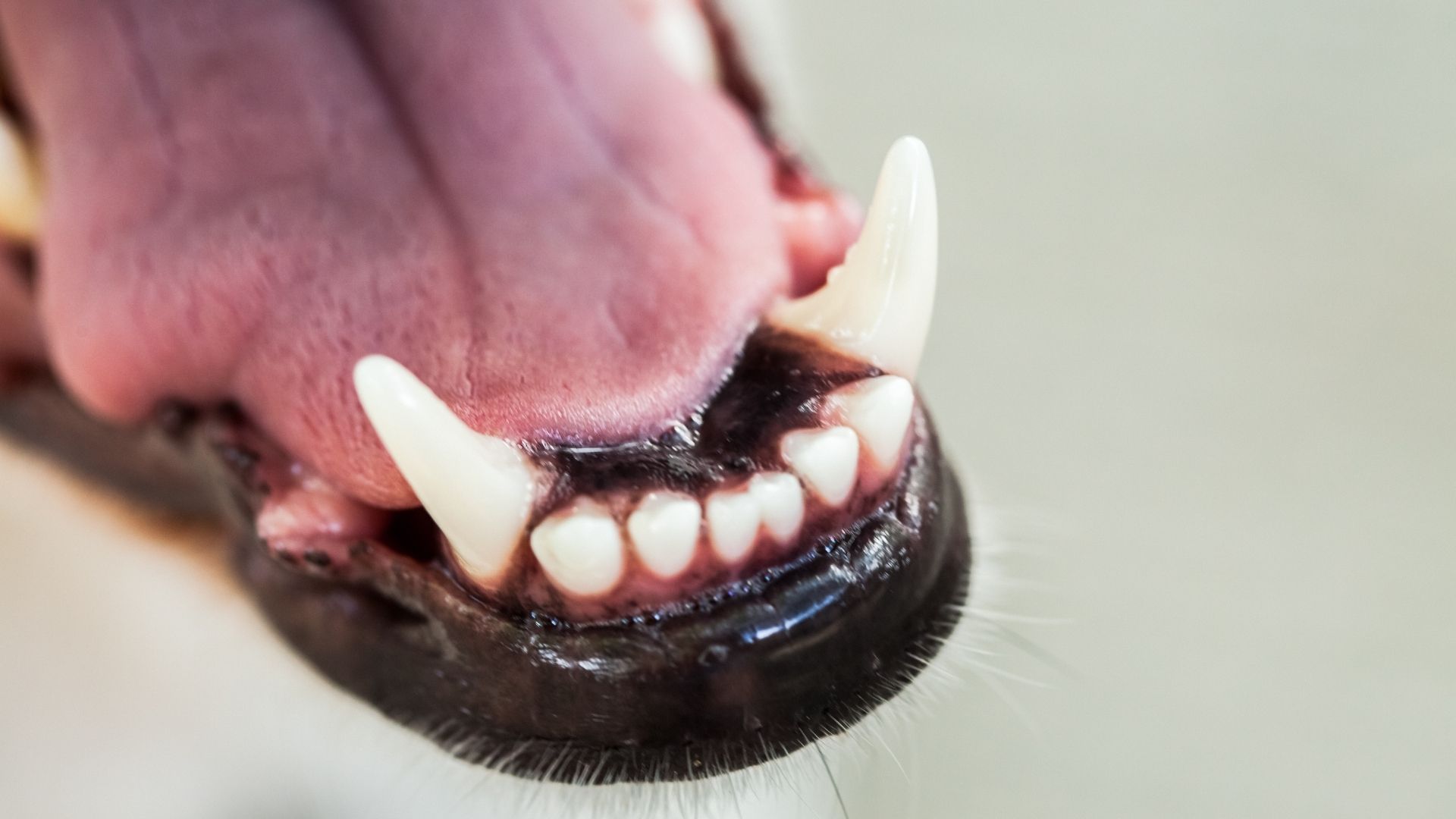
What Is Pet Aging?
Pet aging happens when the body’s cells and tissues gradually become less efficient.
Like us, dogs and cats rely on many systems working together, including:
- Skin health
- Digestion
- Metabolism
- Bones and joints
- Heart health
- Nervous system function
- Immune health
- Cellular repair
- Energy production
Over time, these systems become less effective.
That is aging at a cellular level.
Your pet may still look happy, eat well, and act normal, but inside the body, cells are slowly losing resilience.
This is why supporting healthy aging is not just about adding years.
It is about helping your dog or cat feel better during those years.
What Does the Mouth Have to Do With Aging?
A lot.
Oral health has long been linked with overall health.
As pets age, plaque and tartar build up. That increases the risk of dental problems, especially periodontal disease, which is one of the most common health issues in adult dogs and cats.
Periodontal disease is not just “bad teeth.”
It is inflammation and infection around the gums and supporting tissues of the teeth.
And that can affect the rest of the body.
Why Poor Oral Health Matters
Poor oral health may contribute to:
- Gum inflammation
- Bad breath
- Plaque buildup
- Tartar accumulation
- Periodontal disease
- Pain while eating
- Reduced quality of life
- Systemic inflammation
- Bacteria entering the bloodstream
That last one matters.
Bacteria from infected gums can enter the bloodstream and travel to major organs.
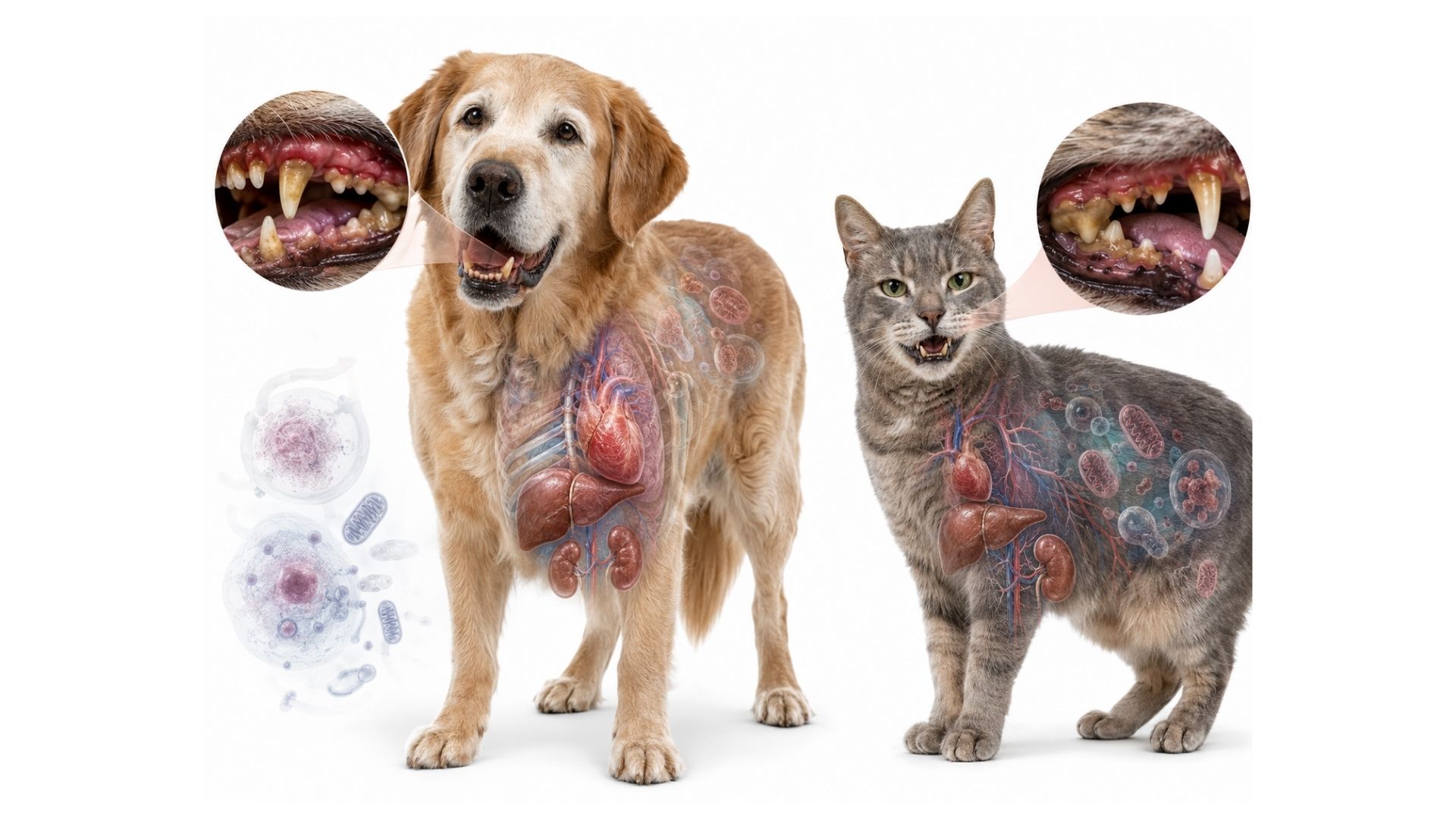
This may contribute to or worsen problems in the:
- Heart
- Liver
- Kidneys
Studies have also found an association between severe periodontal disease and cognitive dysfunction in aging dogs.
So yes, your pet’s mouth matters.
Those teeth are not just for chewing treats and stealing socks.
What Is Periodontal Disease in Pets?
Periodontal disease is inflammation and infection around the teeth and gums.
It often starts with plaque.
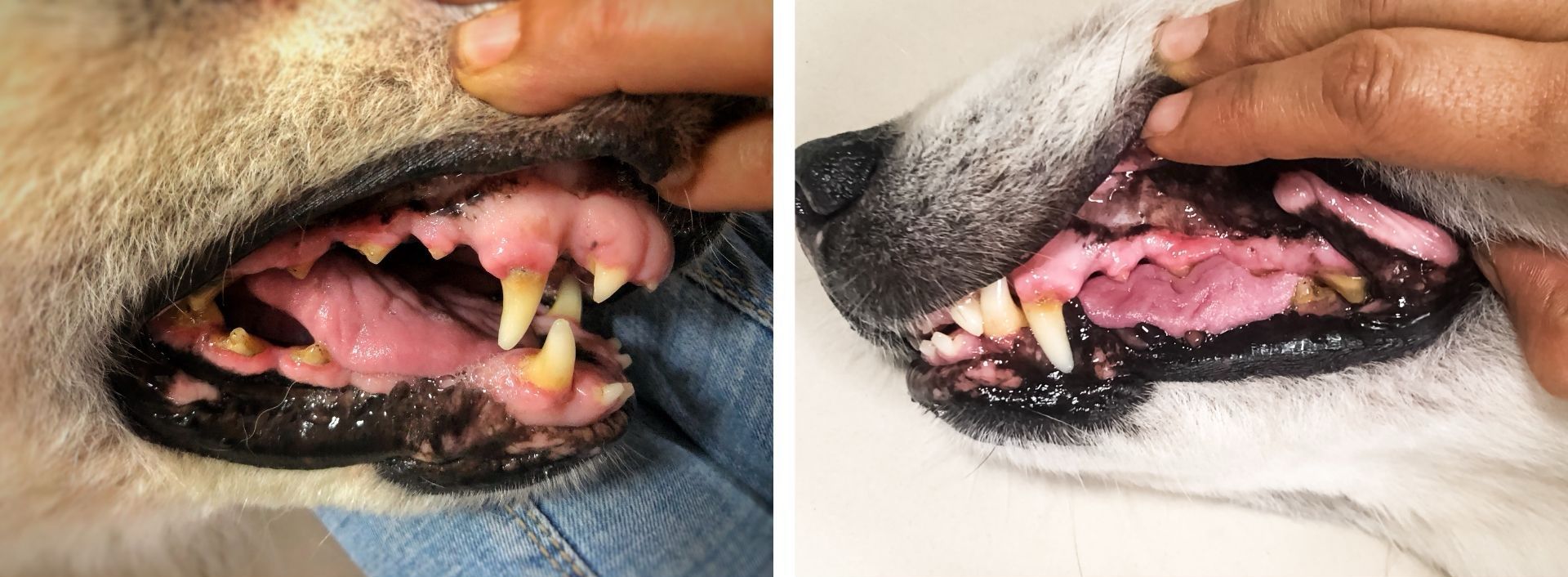
Plaque then hardens into tartar.
Over time, the gums become inflamed, bacteria build up, and the tissues supporting the teeth can become damaged.
Common Oral Health Problems in Aging Pets
| Problem | What It May Mean |
|---|---|
| Plaque | Sticky bacterial buildup on teeth |
| Tartar | Hardened plaque that is harder to remove |
| Gingivitis | Inflamed gums |
| Bad breath | Often linked to bacteria in the mouth |
| Periodontal disease | Deeper gum and tooth-supporting tissue disease |
| Oral bacteria entering bloodstream | May affect organs such as the heart, liver, and kidneys |
How Can Oral Health Affect the Whole Body?
The mouth is full of bacteria.
When the gums are inflamed or infected, bacteria can enter the bloodstream.
From there, they can travel through the body.
This may contribute to or worsen disease in major organs, including the heart, liver, and kidneys.
This is why dental disease is not just cosmetic.
Your pet’s mouth can influence whole-body health.
And if we are talking about longevity, we have to talk about the mouth.
What Is NAD+ and Why Does It Matter for Pet Aging?
One major factor in aging is a drop in NAD+, or nicotinamide adenine dinucleotide.
NAD+ is an essential coenzyme found in every living cell.

It is vital for:
- Metabolism
- Energy production
- Cellular repair
- Mitochondrial health
- DNA repair
As pets age, NAD+ levels can decline.
That matters because lower NAD+ may reduce the body’s ability to repair, produce energy, and maintain healthy cellular function.
In simple terms:
NAD+ helps cells do their job.
Aging makes that harder.
What About Dog Longevity Supplements With NMN?
Many current “dog longevity” supplements target the NAD+ pathway using an ingredient called NMN.
NMN is now classified in the United States as an investigational drug.
It may help with longevity pathways, but it does not help your pet’s teeth.
That is where I think brown seaweed becomes especially interesting.
If we can support oral health and aging pathways at the same time, that is a much more practical win.
Because your dog does not care about fancy longevity buzzwords.
Your dog cares about eating, playing, feeling good, and not having a mouth that smells like an old running shoe.
How Can Brown Seaweed Help Pet Oral Health and Aging?
Brown seaweed may help in two important ways:
- It may support oral health and help decrease periodontal disease.
- It may support healthy aging by helping boost NAD+ levels.
Nutrients found in brown seaweeds include:
- Fucoidan
- Marine polyphenols
These compounds have been shown to help boost NAD+ levels, which decline with age and are important for mitochondrial health, energy production, and DNA repair.
What Is Ascophyllum nodosum?
Ascophyllum nodosum is a type of brown seaweed.
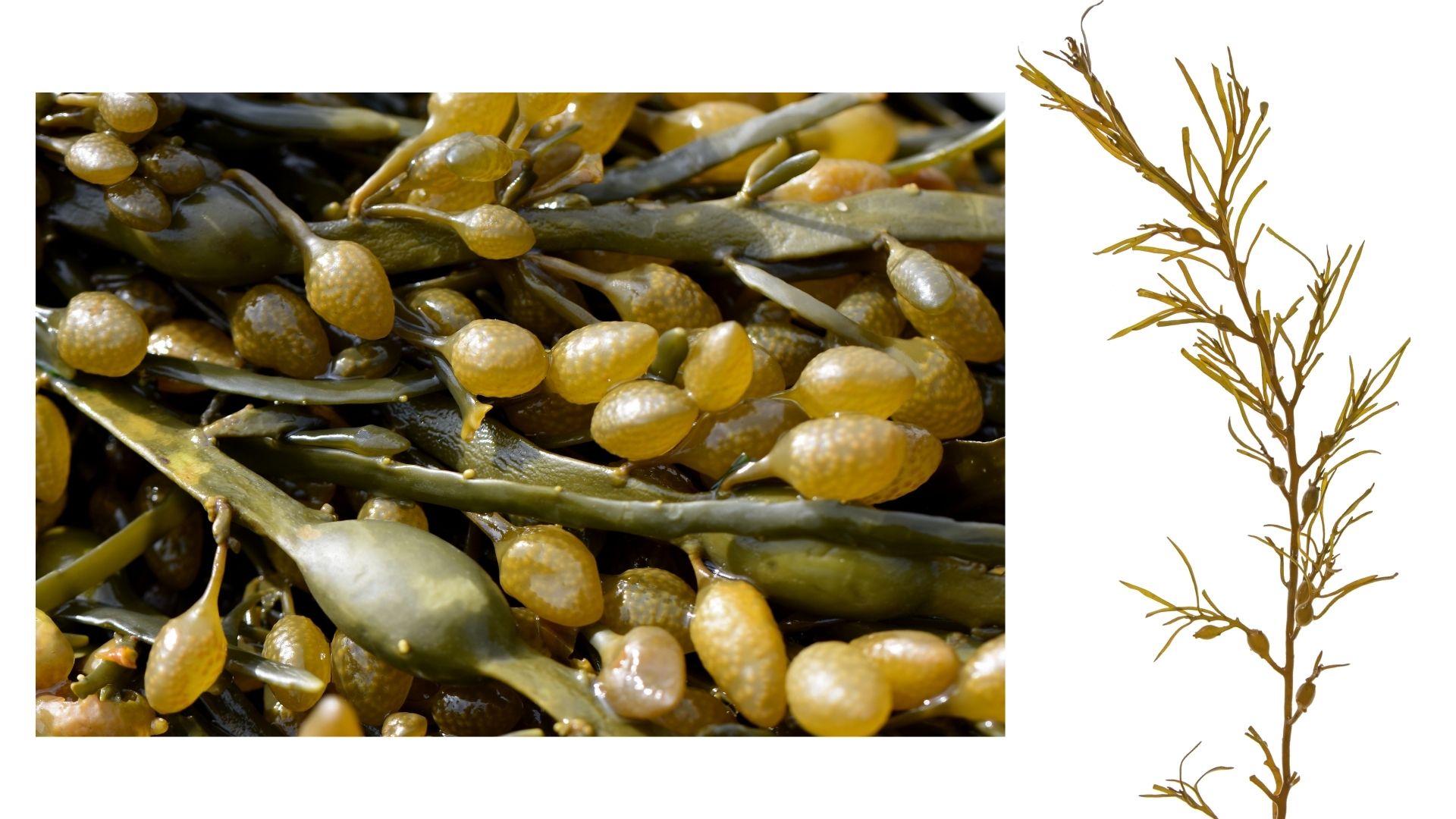
It is one of the well-known brown seaweeds and is included in Dr. Jones’ Dental Formula.
This seaweed is a natural source of fucoidan, a fucose-containing sulfated polysaccharide.
Fucoidan is being studied for potential biomedical properties, including anti-aging effects.
So this is not just seaweed for seaweed’s sake.
This is a natural ingredient that may support the mouth and the aging process.
Brown Seaweed Dose for Dogs and Cats
The dose mentioned is:
| Ingredient | Dose Mentioned | Purpose |
| Brown seaweed | 1/8 teaspoon per 10 lbs daily | Oral health support, periodontal disease support, NAD+ and healthy aging support |
You can sprinkle it onto your pet’s food.
This is especially useful for pets who hate having their teeth brushed or handled.
Which, to be fair, is many of them.
Some dogs see a toothbrush and act like you’ve brought out a medieval instrument.
What If My Pet Hates Dental Care?
If your dog or cat hates having anything done to their teeth at home, brown seaweed may be an easy option.
You simply add it to their food.
No toothbrush wrestling.
No finger brush drama.
No trying to convince your cat that gum care is a bonding activity.
Brown seaweed is a simple food-based way to support periodontal health and possibly longevity.
How Do Oral Probiotics Help Dogs and Cats?
Oral probiotics help support healthier bacteria in the mouth.
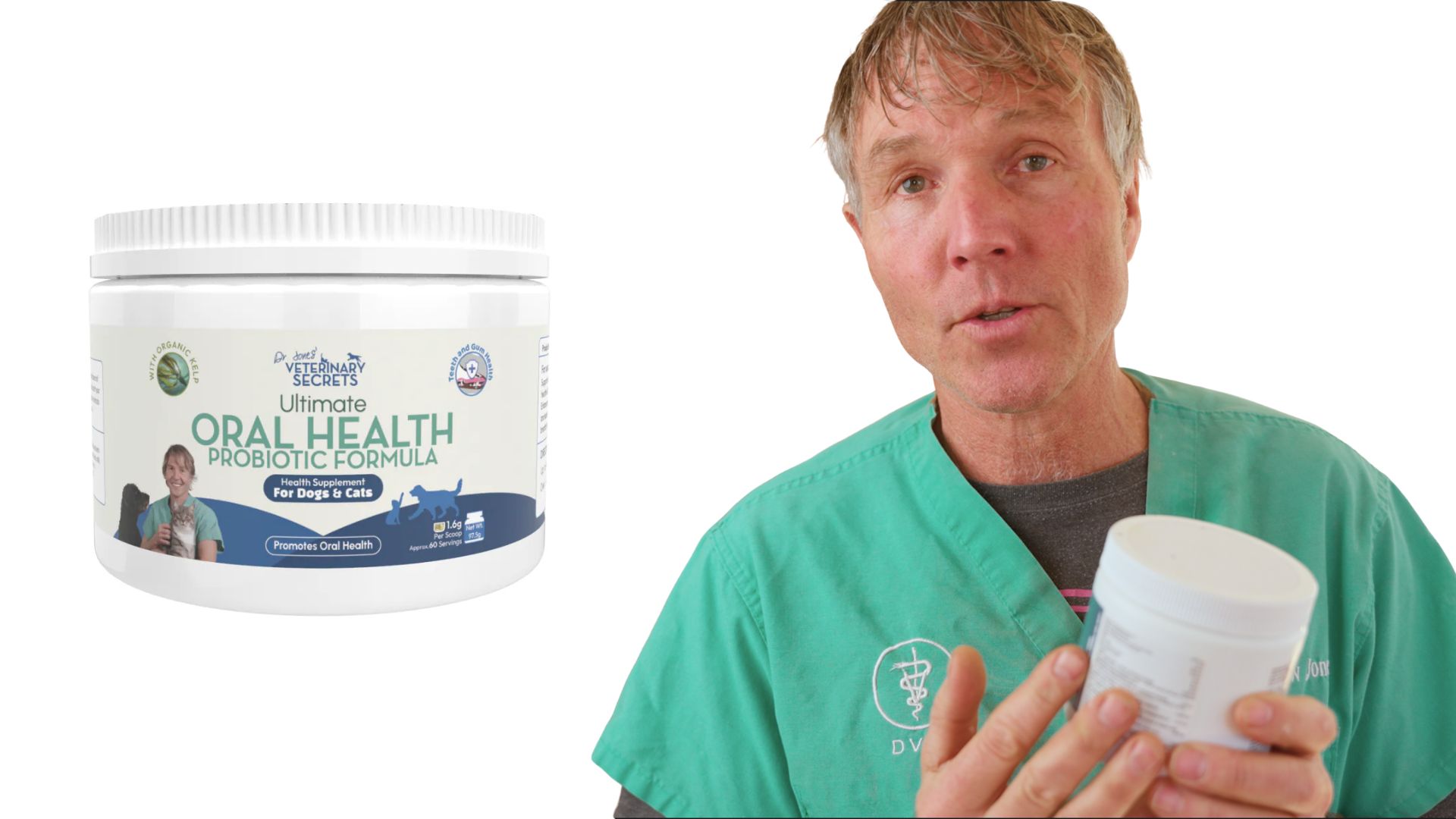
That matters because plaque is driven by bacterial buildup.
A better balance of bacteria may help:
- Reduce plaque buildup
- Freshen breath
- Support gum health
- Support gut health
- Promote balanced digestion
The mouth and gut are connected.
So supporting good bacteria in both areas makes sense.
How Does Zinc Help Oral Health?
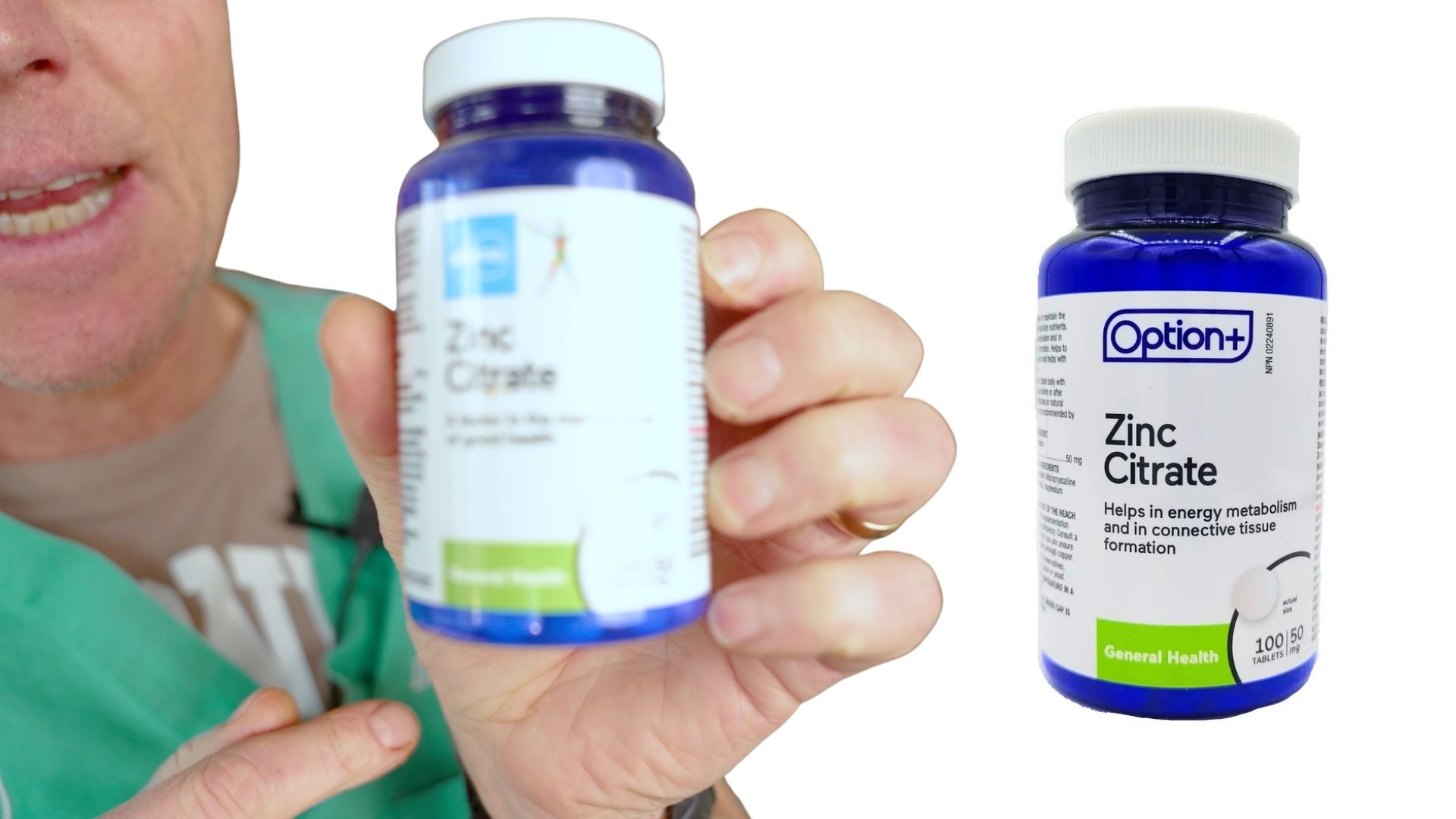
Zinc supports:
- Strong teeth
- Gum tissue integrity
- Immune defense
Healthy gums need immune support.
If the gums are constantly inflamed, the mouth becomes a source of ongoing stress for the body.
Zinc is one of those simple nutrients that quietly does a lot of work.
No applause.
Just useful.
How Does CoQ10 Help Pets?
CoQ10 is a powerful antioxidant.
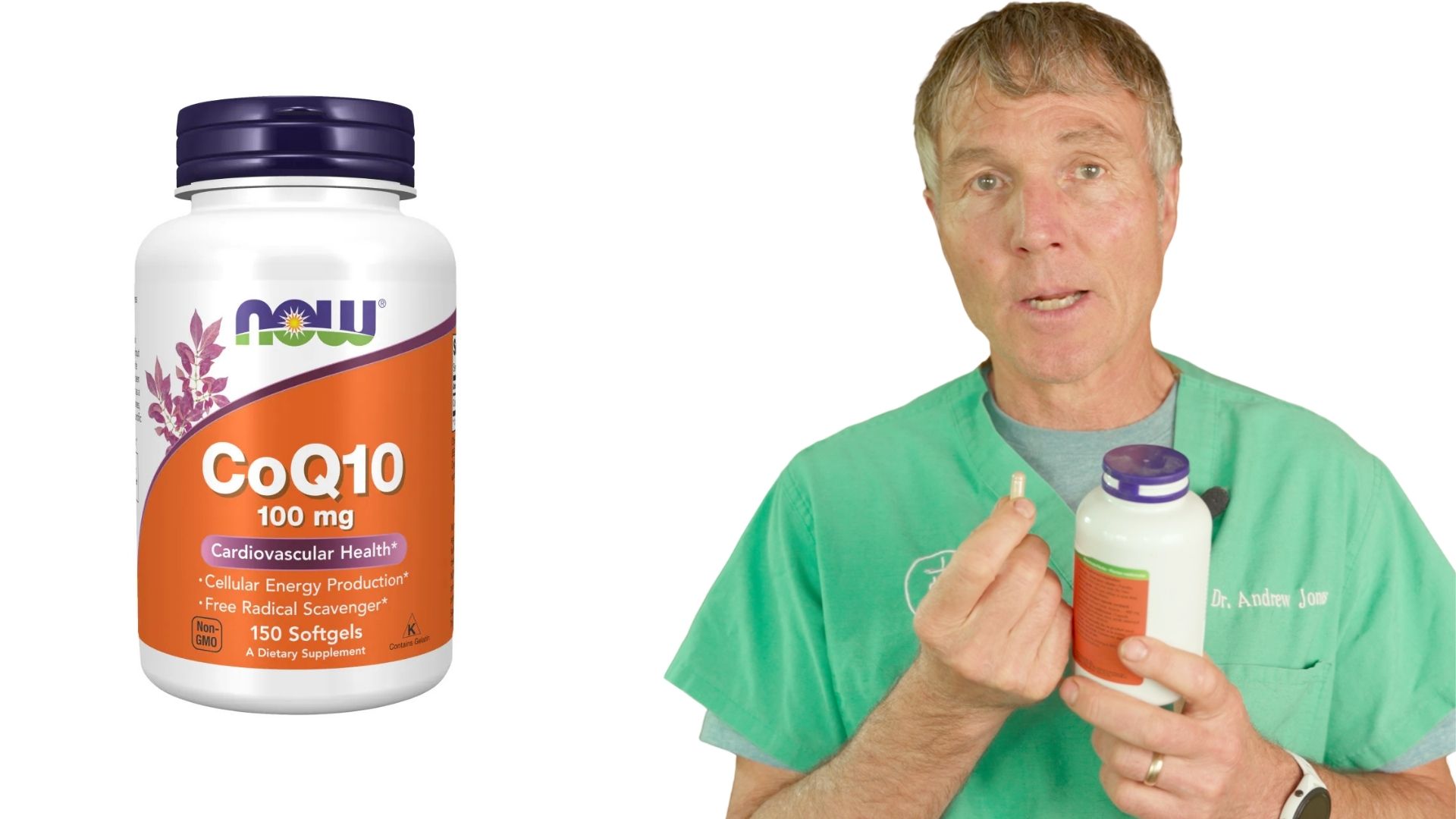
It supports:
- Gum health
- Cardiovascular wellness
- Cellular energy production
That makes it a logical ingredient in a formula focused on oral health and aging.
The gums need support.
The heart needs support.
The cells need energy.
CoQ10 helps support all three.
Best For / Not For
Best For
Brown seaweed and oral health support may be helpful for pets who:
- Have plaque buildup
- Have tartar accumulation
- Have bad breath
- Are prone to gum inflammation
- Hate tooth brushing
- Need easy dental support
- Are aging
- Need cellular health support
- Need support for teeth, gums, and breath
- Need a simple food-topper option
Not For
Do not rely ONLY on supplements if your pet has:
- Severe dental pain
- Loose teeth
- Bleeding gums
- Facial swelling
- Trouble eating
- Severe periodontal disease
- A tooth root abscess
- Advanced tartar requiring dental care
Supplements can help support oral health, but they do not replace needed veterinary dental care when the mouth is already badly diseased.
Pros and Cons of Brown Seaweed for Pet Oral Health
Pros
- Easy to add to food
- Helpful for pets who hate brushing
- Supports oral health
- May help decrease gingivitis
- May help periodontal disease support
- Contains natural compounds such as fucoidan
- May support NAD+ levels
- May support healthy aging pathways
- May support mitochondrial health and cellular repair
Cons
- Does not replace dental care for severe disease
- Works best when used consistently
- Pets with advanced dental problems may still need professional care
- Not a quick fix for infected teeth
- Does not remove all existing tartar overnight
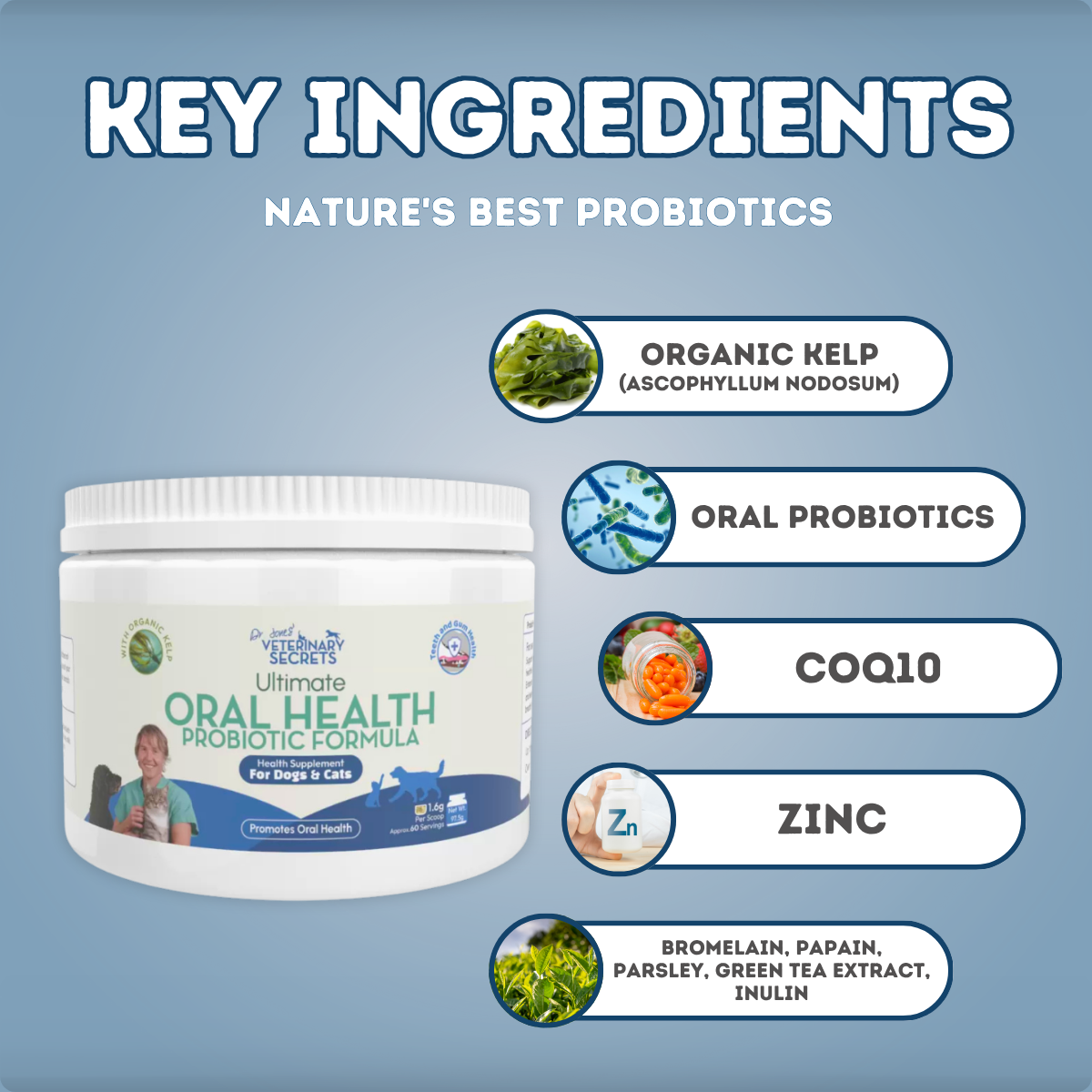
What Is in Dr. Jones’ Ultimate Oral Health Formula?
It contains brown seaweed and other ingredients to support oral health.
Ingredients Mentioned
| Ingredient | Why It Is Included |
| Unique probiotics | Support healthy bacteria in the mouth and gut, help reduce plaque buildup, freshen breath, and promote balanced digestion |
| Organic kelp | Natural source of trace minerals, antioxidants, and nutrients that support teeth, gums, and thyroid health |
| Microcrystalline cellulose | Gentle natural carrier that helps proper delivery of active ingredients |
| Zinc | Promotes strong teeth, supports gum tissue integrity, and plays a role in immune defense |
| Coenzyme Q10, or CoQ10 | Antioxidant that supports gum health, cardiovascular wellness, and cellular energy production |
| Brown seaweed | Supports oral health and may help with NAD+ and healthy aging pathways |
Step-by-Step: How to Support Your Pet’s Mouth and Aging Naturally
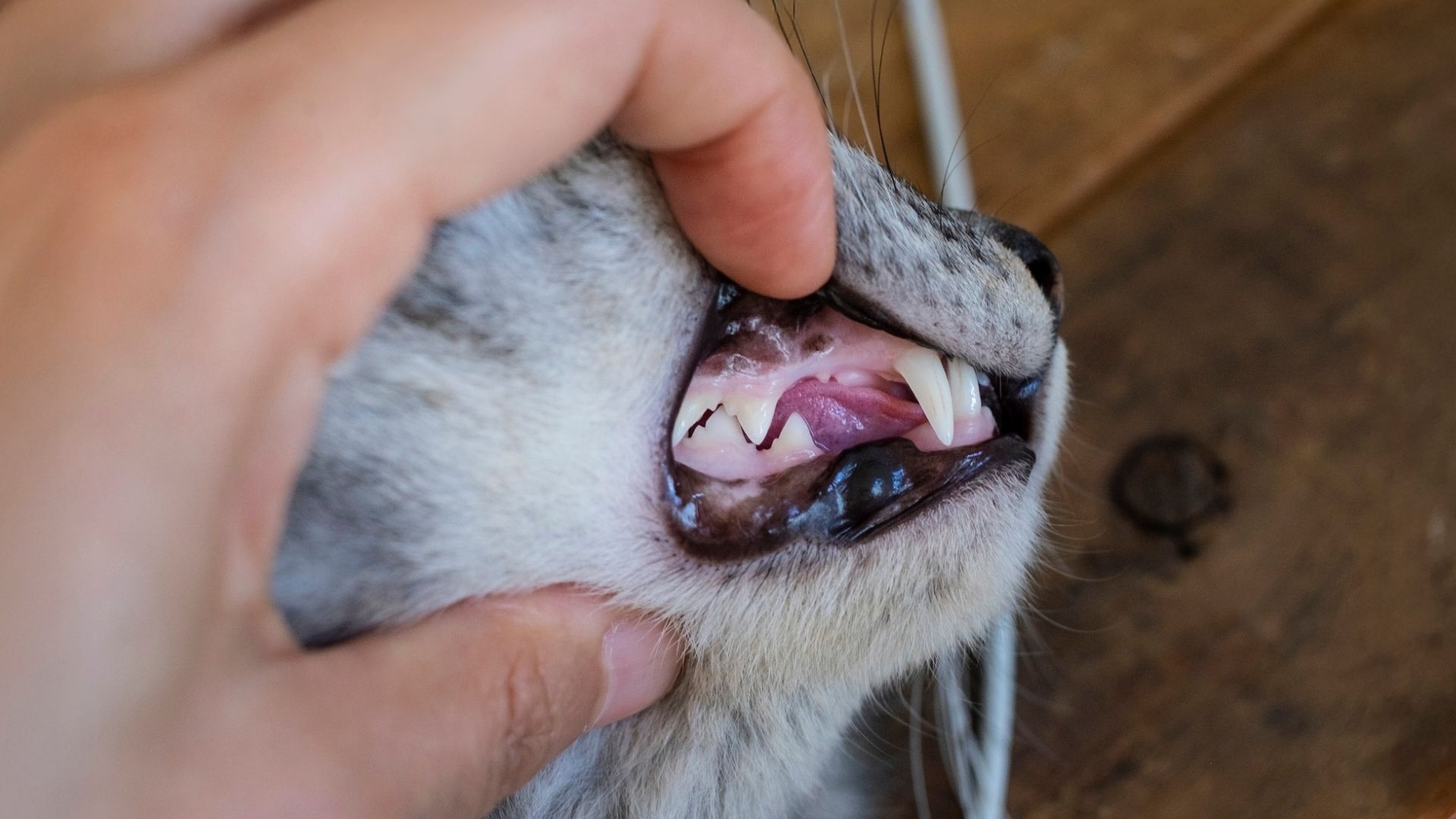
Step 1: Look at the Mouth
Check for:
- Bad breath
- Red gums
- Yellow or brown tartar
- Drooling
- Trouble chewing
- Pawing at the mouth
- Loose teeth
Step 2: Start Simple
If your pet hates brushing, add brown seaweed to food.
The dose mentioned is:
1/8 teaspoon per 10 lbs daily
Step 3: Support the Mouth Microbiome
Use oral probiotics to support healthier bacteria in the mouth and gut.
Step 4: Add Nutrients That Support Gums
Ingredients such as zinc and CoQ10 may help support gum tissue, immune defense, and cellular energy.
Step 5: Be Consistent
Oral health support is not a one-day miracle.
Use it daily.
Healthy mouths are built over time.
Step 6: Get Dental Care When Needed
If your pet has severe dental disease, pain, loose teeth, or infection, they may need veterinary dental care.
Final Thoughts
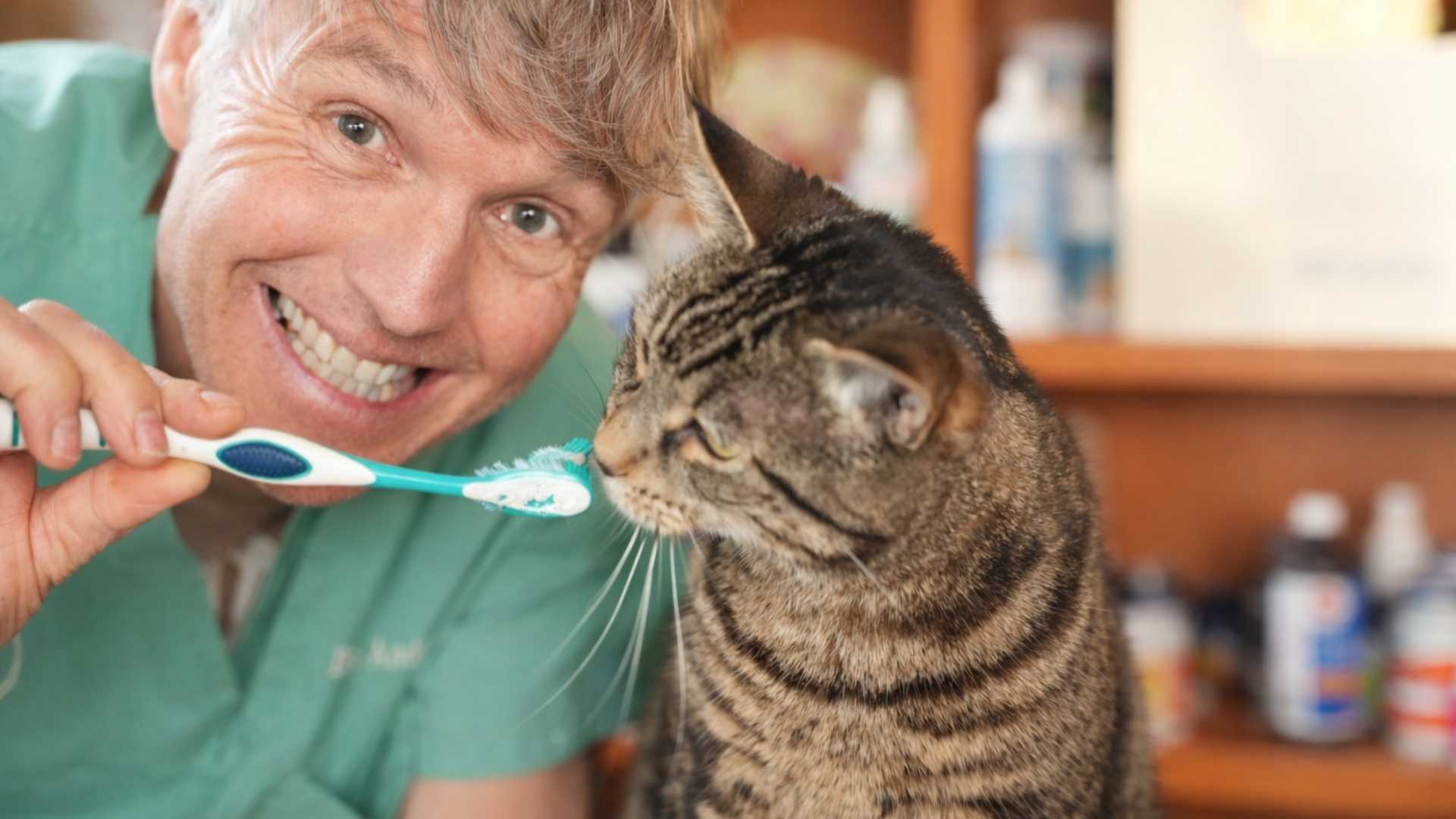
Dental disease can be painful.
Pets are good at hiding it.
Do not wait until the mouth looks like an archaeological site.
Pet aging is not just about gray hair and slower walks.
It starts at a cellular level.
NAD+ levels drop.
Energy production changes.
Repair systems slow down.
And oral health can play a major role in whole-body health.
Poor dental health may contribute to systemic disease, reduced quality of life, and issues involving the heart, liver, kidneys, and even cognitive function in aging dogs.
The simple takeaway?
If you want to help your pet age better, do not ignore the mouth.
Brown seaweed, especially Ascophyllum nodosum, may help support dental health and healthy aging pathways through compounds such as fucoidan and marine polyphenols.
And if your pet hates brushing, adding brown seaweed to food is a simple place to start.
Healthy teeth.
Healthier gums.
Better breath.
Possibly better aging.
That is not a bad return from a little seaweed.
Click To Get A Free Copy of My E-Book!

P.S. There is a ton of research right now focused on longevity, especially in people and dogs.
At a cellular level, we age in some similar ways.
Now you can see how people start looking like their dogs.
We have also known for years that oral health connects with longevity.
So one easy way to help your pet live longer is to help them keep a healthier mouth.
P.P.S. Many people cannot afford veterinary dental care, and I understand that.
So another option is supporting the teeth with supplements.
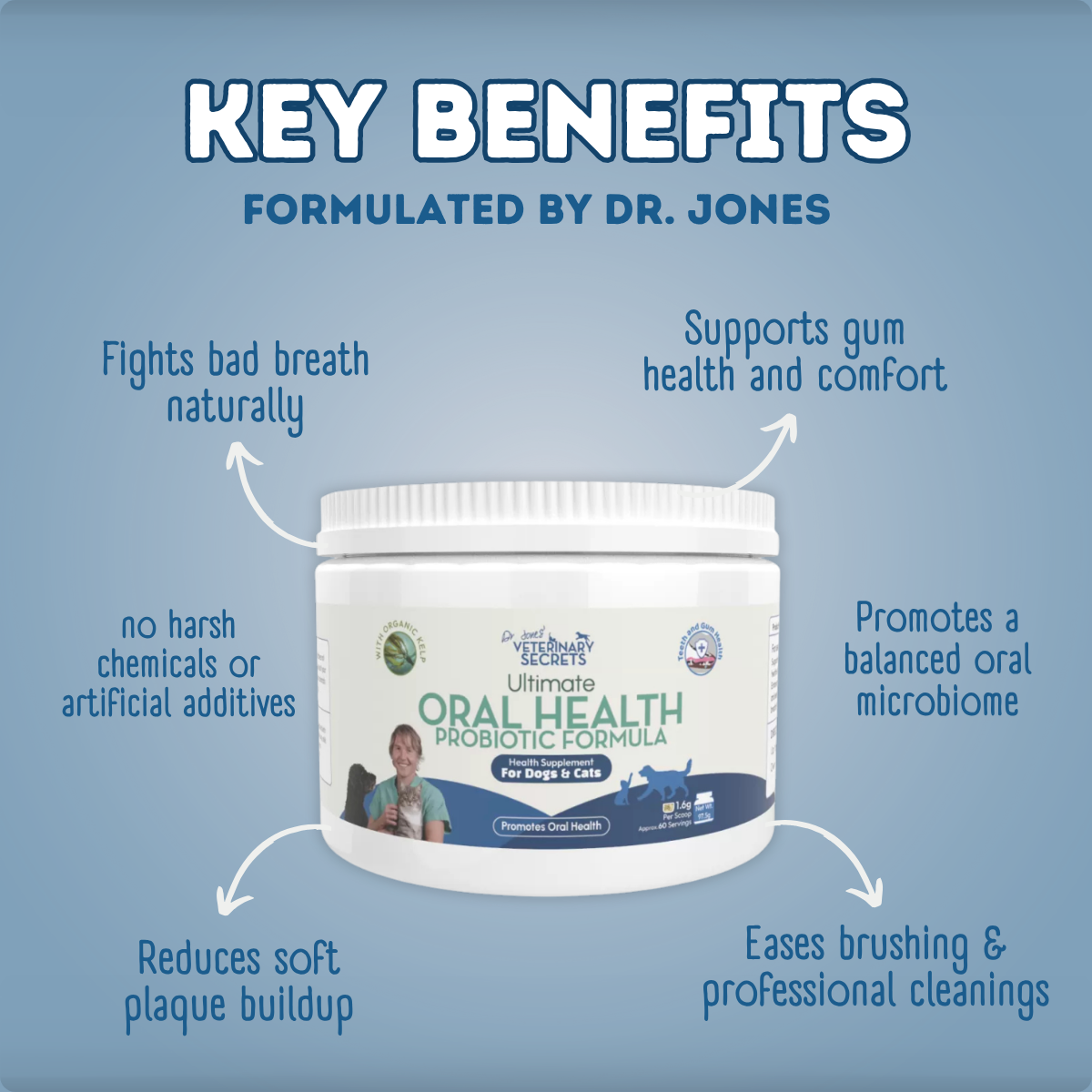
The brown seaweed in Dr. Jones’ ULTIMATE Oral Probiotic and Brown Seaweed Formula may help decrease gingivitis and may also support healthy aging.
A win/win.
Some of what is in the formula includes unique probiotics, organic kelp, microcrystalline cellulose, zinc, CoQ10, and brown seaweed.
Dr. Jones’ ULTIMATE Oral Probiotic and Brown Seaweed Formula
Yesterday, I received the Oral Probiotic supplement for my dog. When I read the directions, it said to give one scoop. It also said “not for long term use”.
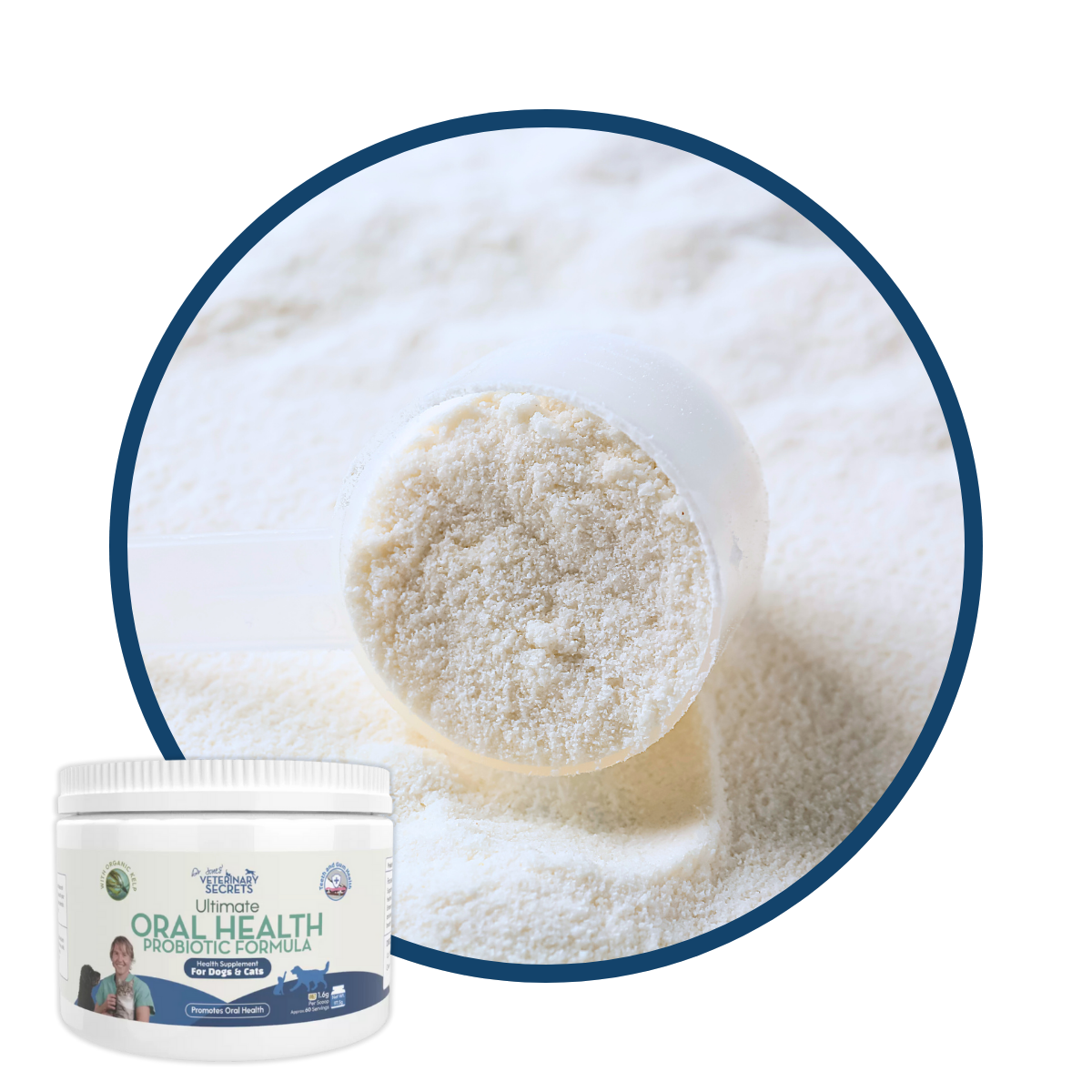
When I opened the container, it was only half full. Since it said one scoop, & also showed a picture of a scoop, I assumed a scoop would be included. Not so! I had to go online to read the correct dosage which said teaspoons! Overall I felt I could trust Dr Jones & this site. Now, I’m not sure.
Thanks for pointing this out, and I completely understand the confusion! The packaging definitely needs some improvement, and we’ve already noted this for the next update.
As for the “not for long-term use” wording—quite the opposite. The Oral Health Probiotic is safe for long-term daily use when given as directed. We’ll be working to make the packaging and instructions much clearer.
Thanks for bringing this to our attention, and I’m glad you reached out!