Polyps in Dogs and Cats: When to Worry and Natural Support Options That May Help

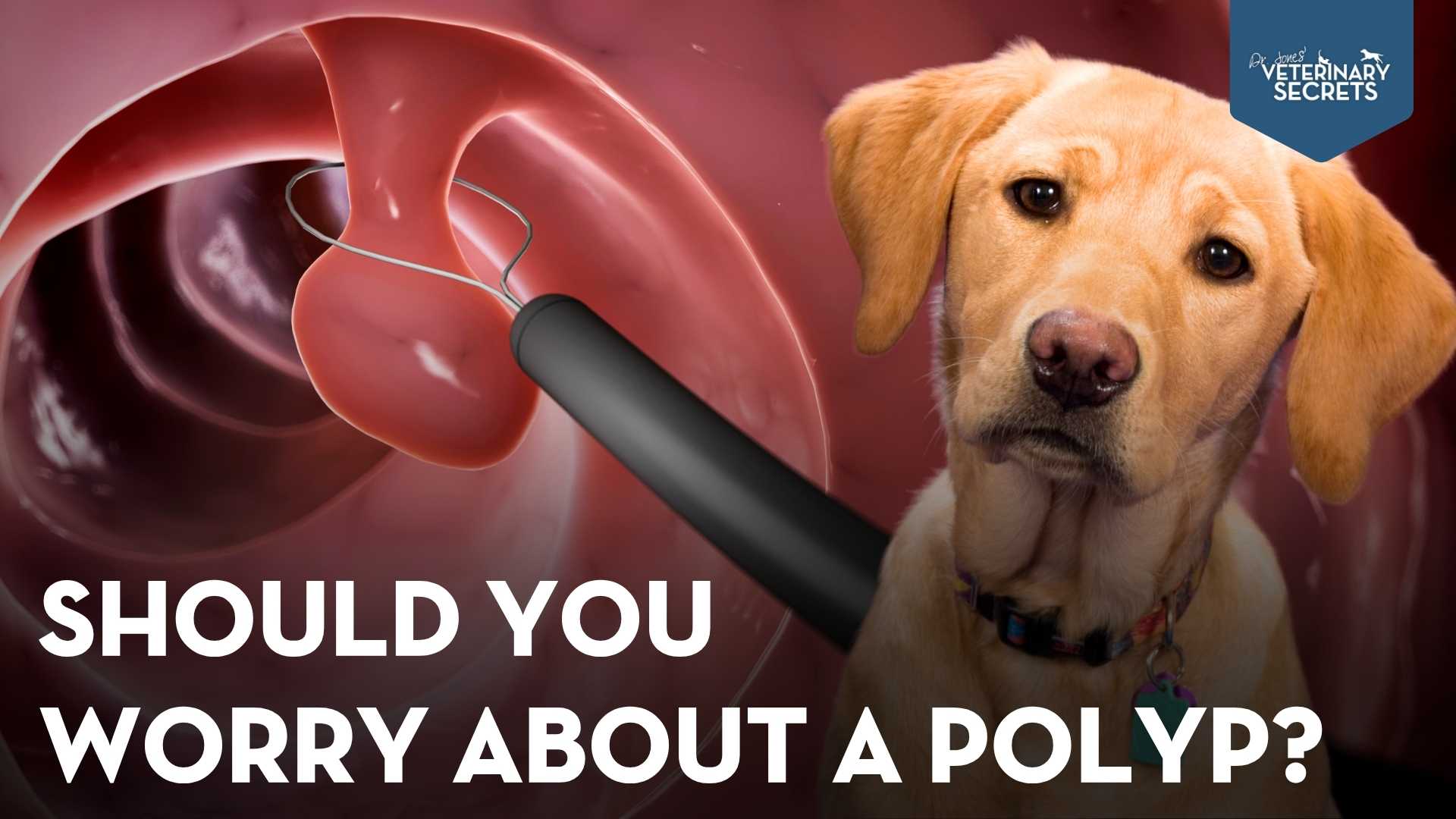
Should You Worry About a Polyp or Lump on Your Dog or Cat?
Most polyps and small growths in dogs and cats are not serious, but you should still pay attention to them.
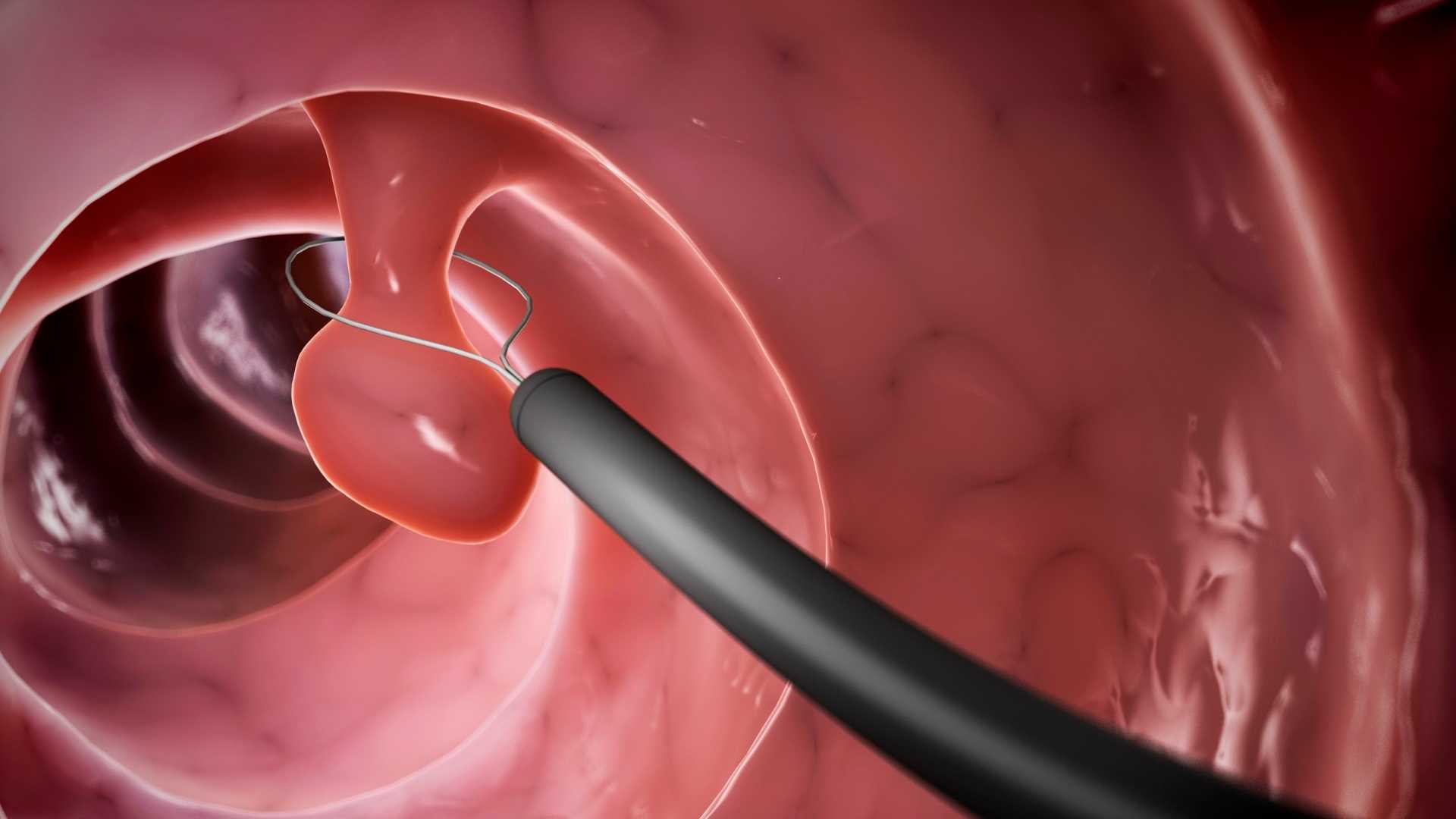
A polyp is usually a benign growth, often shaped like a small mushroom with a stalk and rounded head. Many do not need surgery. But some can become irritated, inflamed, infected, large, or uncomfortable. A few may become cancerous, especially if they are large or changing.
So the practical answer is this:
If the polyp is small, stable, not bleeding, not painful, and not affecting breathing, eating, bowel movements, or ear health, it may be something to monitor.
But if it is growing, bleeding, infected, painful, blocking airflow, causing head tilting, or affecting your pet’s normal function, have your veterinarian check it.
Fortunately, many pets with polyps do not need surgery, and there are natural options that may help support the immune system, lower inflammation, and support the body’s response to abnormal growths.
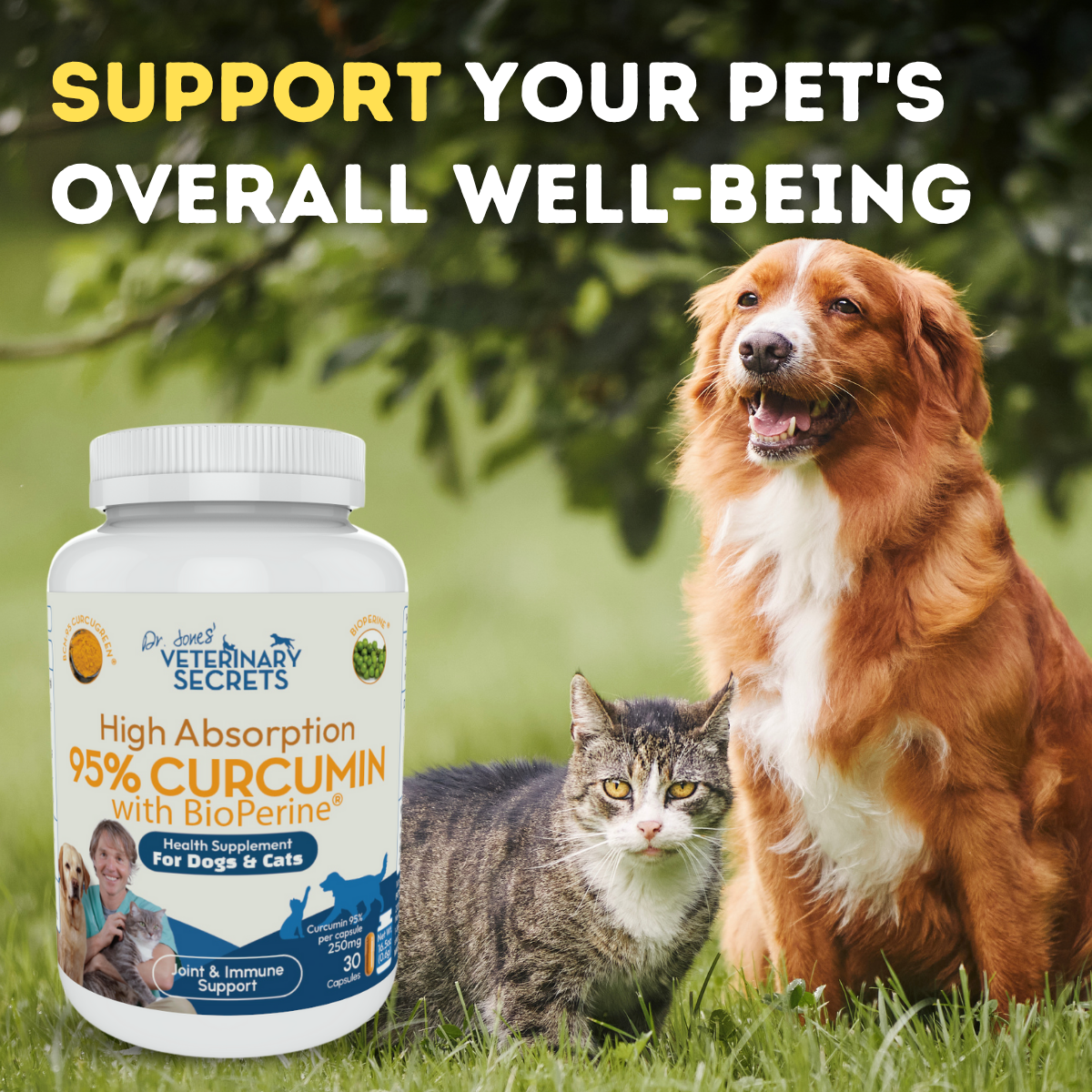
Dr. Jones’ Ultimate High Absorption 95% Curcumin for Dogs and Cats
What Are Polyps in Dogs and Cats?
Polyps are abnormal tissue growths.
They are usually benign, meaning non-cancerous.
They often have:
- A stalk
- A rounded head
- A mushroom-like appearance
Polyps can appear in different parts of your pet’s body.
Even when they are benign, they can still cause problems depending on where they are located.
A small skin growth may be no big deal.
A polyp in the nose, throat, ear, or rectum may be a much bigger nuisance.
Location matters.
Where Do Polyps Occur in Dogs and Cats?
Polyps can occur in several areas.
Rectal Polyps
Rectal polyps can occur in dogs and cats.
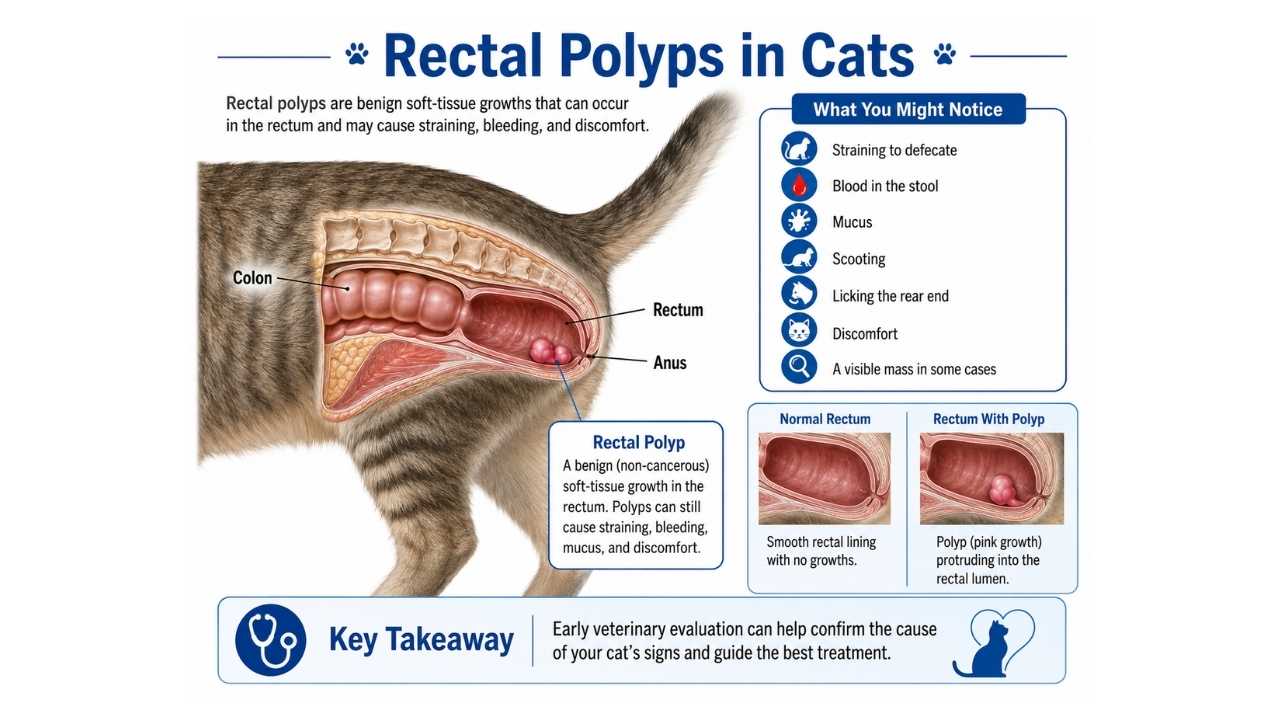
They are usually benign, but they can sometimes become cancerous.
They may also cause irritation, discomfort, bleeding, or trouble passing stool.
Nasal Polyps
Nasal polyps can occur in dogs and cats.
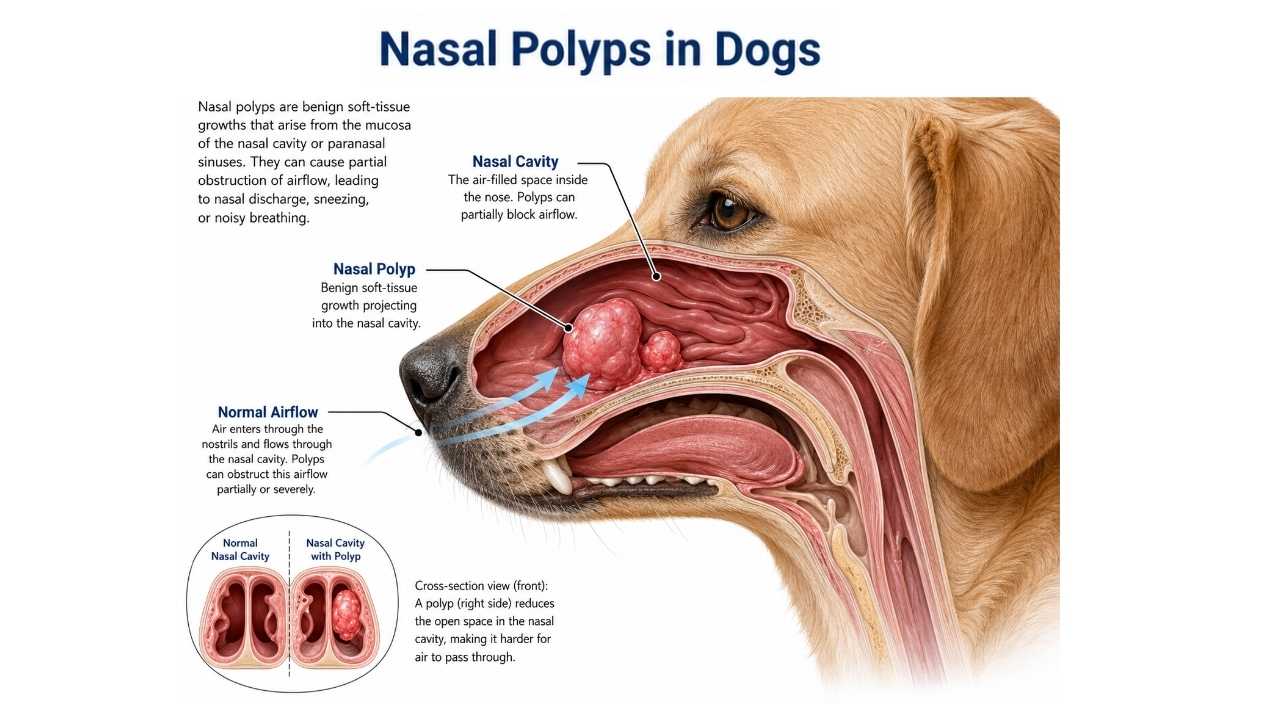
These can cause breathing difficulties.
If your pet is snorting, struggling to breathe through the nose, or has ongoing nasal issues, this is something that should be checked.
Ear Polyps
Ear polyps are also called aural polyps.
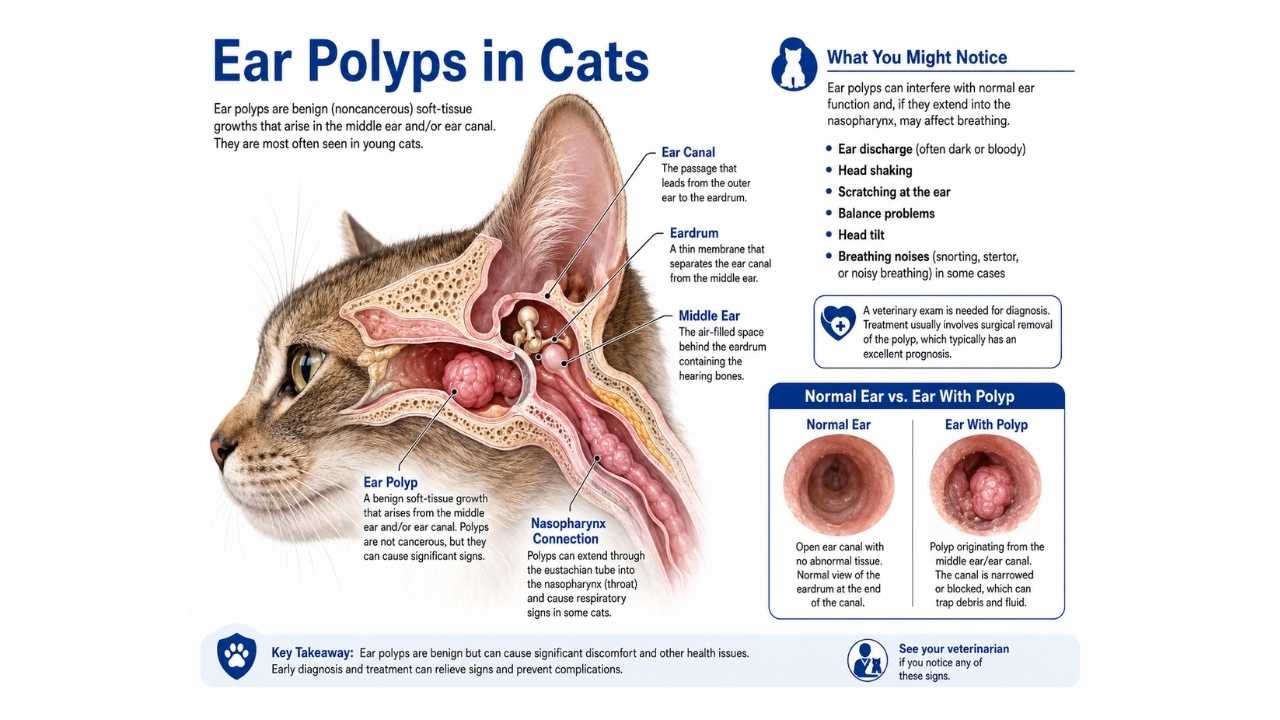
They can cause:
- Ear infections
- Ear discomfort
- Inflammation
- Ongoing ear problems
Nasopharyngeal Polyps
Nasopharyngeal polyps occur in the throat area.
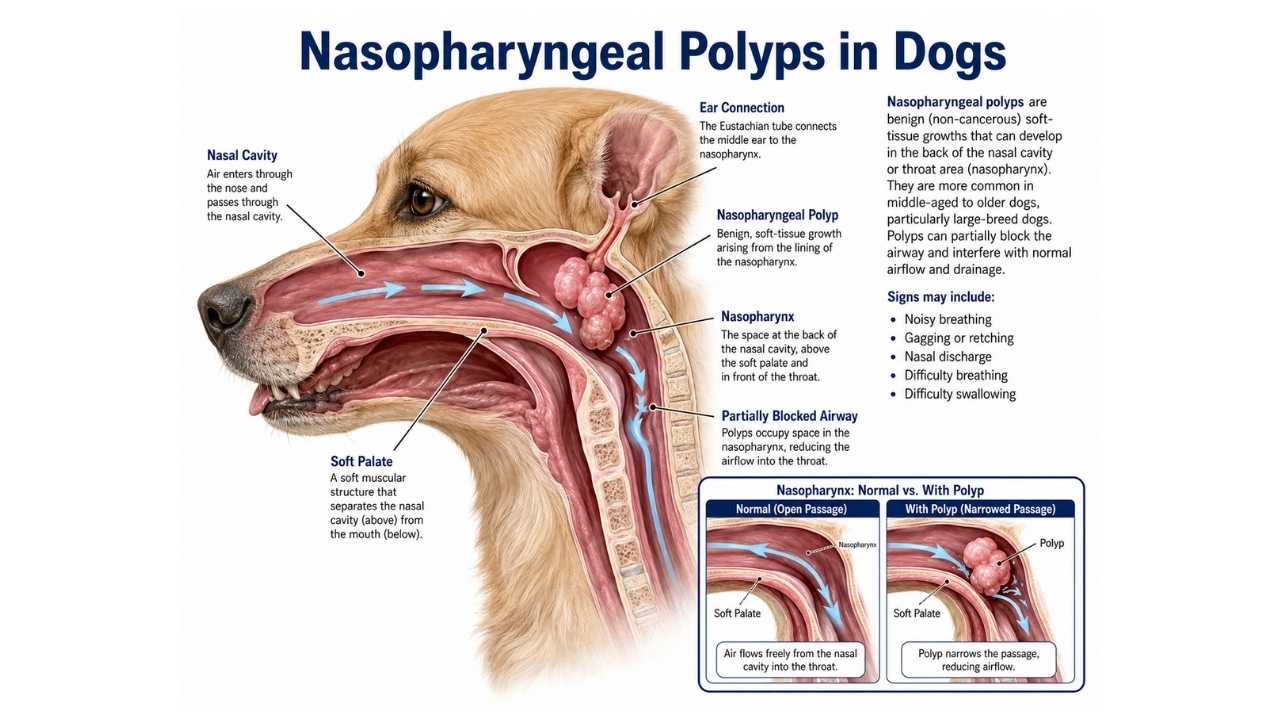
They are often associated with ear infections and may cause:
- Breathing difficulty
- Head tilting
- Ear problems
- Throat or nasal symptoms
These are the kind you do not want to ignore.
The head tilt is your pet’s way of saying, “Something is not right in here.”
Why Are Polyps Concerning?
Polyps are generally benign, but there are still reasons to watch them.
They can be concerning because:
- Some can become cancerous
- Larger polyps may be more concerning
- They can cause discomfort
- They can become inflamed
- They can interfere with breathing
- They can contribute to ear infections
- Rectal polyps can cause irritation or bowel issues
- Nasal or throat polyps can affect airflow
Even if a polyp is not cancer, it can still make your pet miserable.
That is why I do not ignore them.
I just do not panic over every small growth either.
There is a middle ground, and that is usually where common sense lives.
When Is Surgery Needed?
If necessary, polyps can be removed with surgery.
But in many cases, surgery is not needed.
Surgery may be more likely if the polyp is:
- Large
- Growing quickly
- Bleeding
- Painful
- Causing breathing problems
- Causing repeated infections
- Affecting bowel movements
- Suspected to be cancerous
- Not responding to other support
If you are unsure, see your veterinarian first.
A proper diagnosis matters.
A polyp, cyst, wart, tumor, or inflamed growth can all look similar to a worried pet parent.
And yes, Google images will not improve your sleep.
Natural Support Options for Polyps and Lumps in Dogs and Cats
The goal with natural support is to:
- Support the immune system
- Lower inflammation
- Support skin and tissue health
- Help the body respond to abnormal growths
- Support comfort
- Support the body before surgery is considered, when appropriate
These options are not meant to replace proper veterinary care when a growth is serious, changing, painful, or affecting normal function.
But for many non-urgent polyps and lumps, they are worth considering.
1. Boost the Immune System
For many growths, I want to think about the immune system.
The immune system helps identify and respond to abnormal tissue.
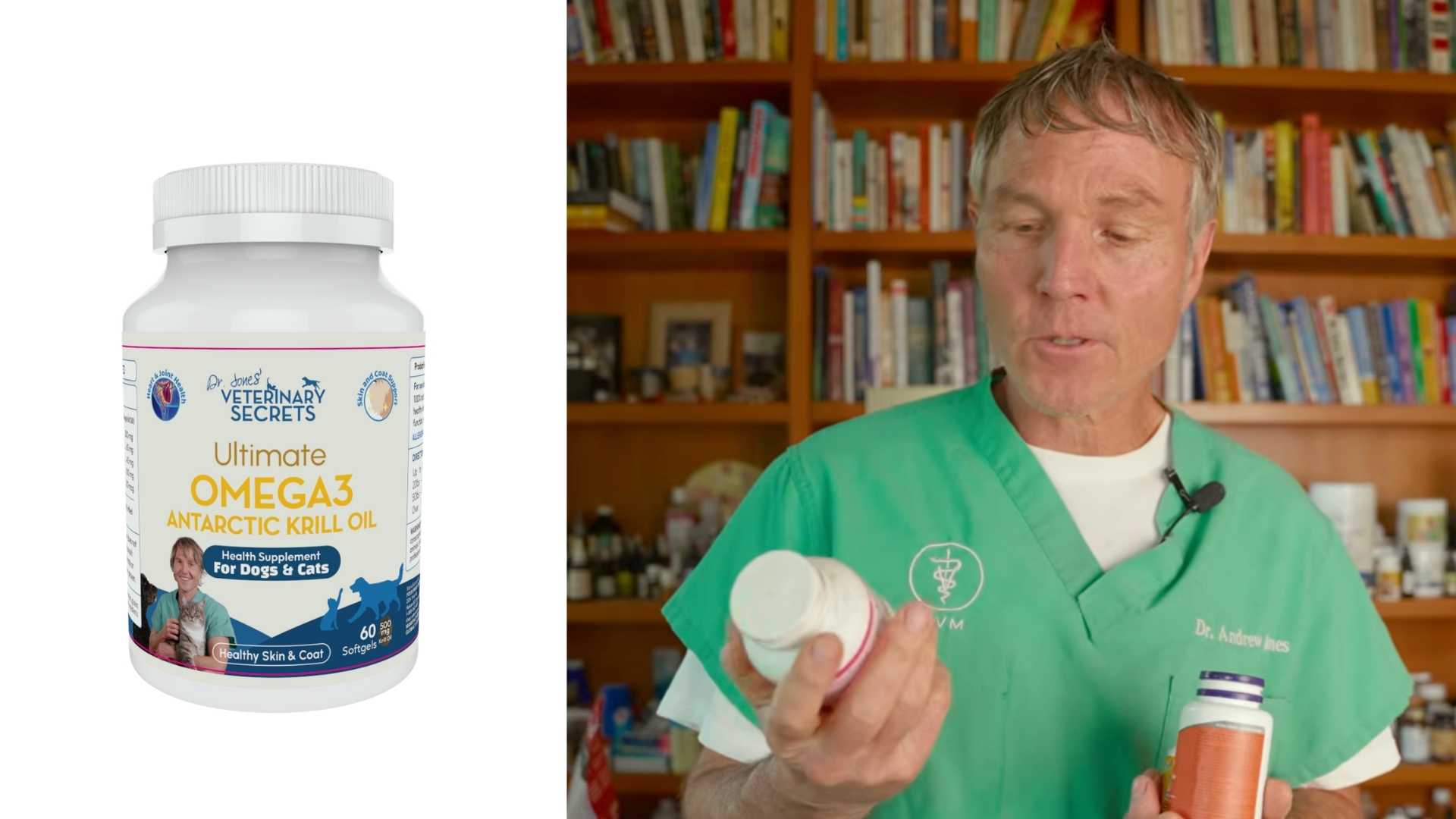
If we can better support that system, we may help the body respond more effectively to some growths.
Vitamin E
Vitamin E can help support skin immune function.
Give:
- 100 IU per 10 lbs of body weight daily
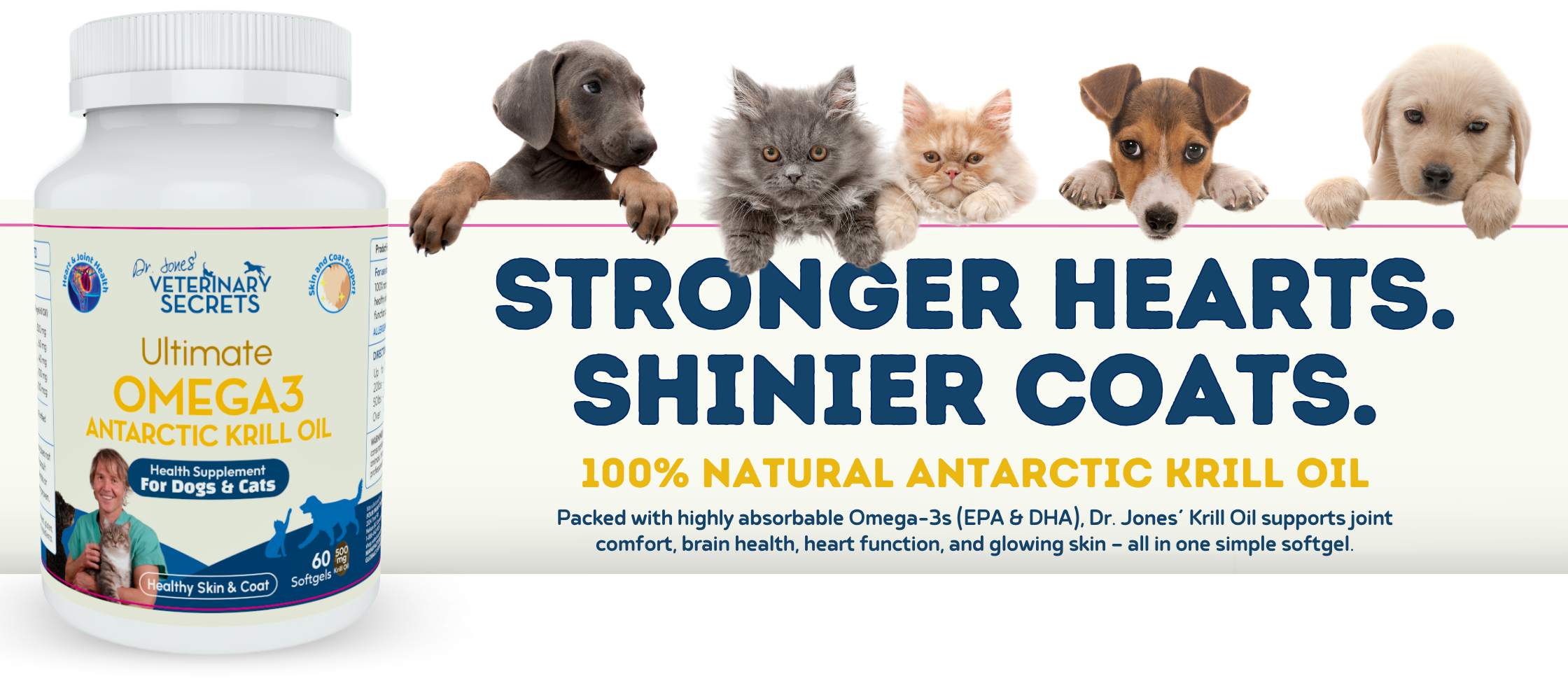
Omega-3 Fatty Acids
Omega-3 fatty acids from fish oil or krill oil may help support skin immune function and reduce inflammation.
These are especially worth considering when a growth is inflamed or the skin is irritated.
2. Healing Mushrooms for Immune Support
Medicinal mushrooms may help stimulate the immune system.
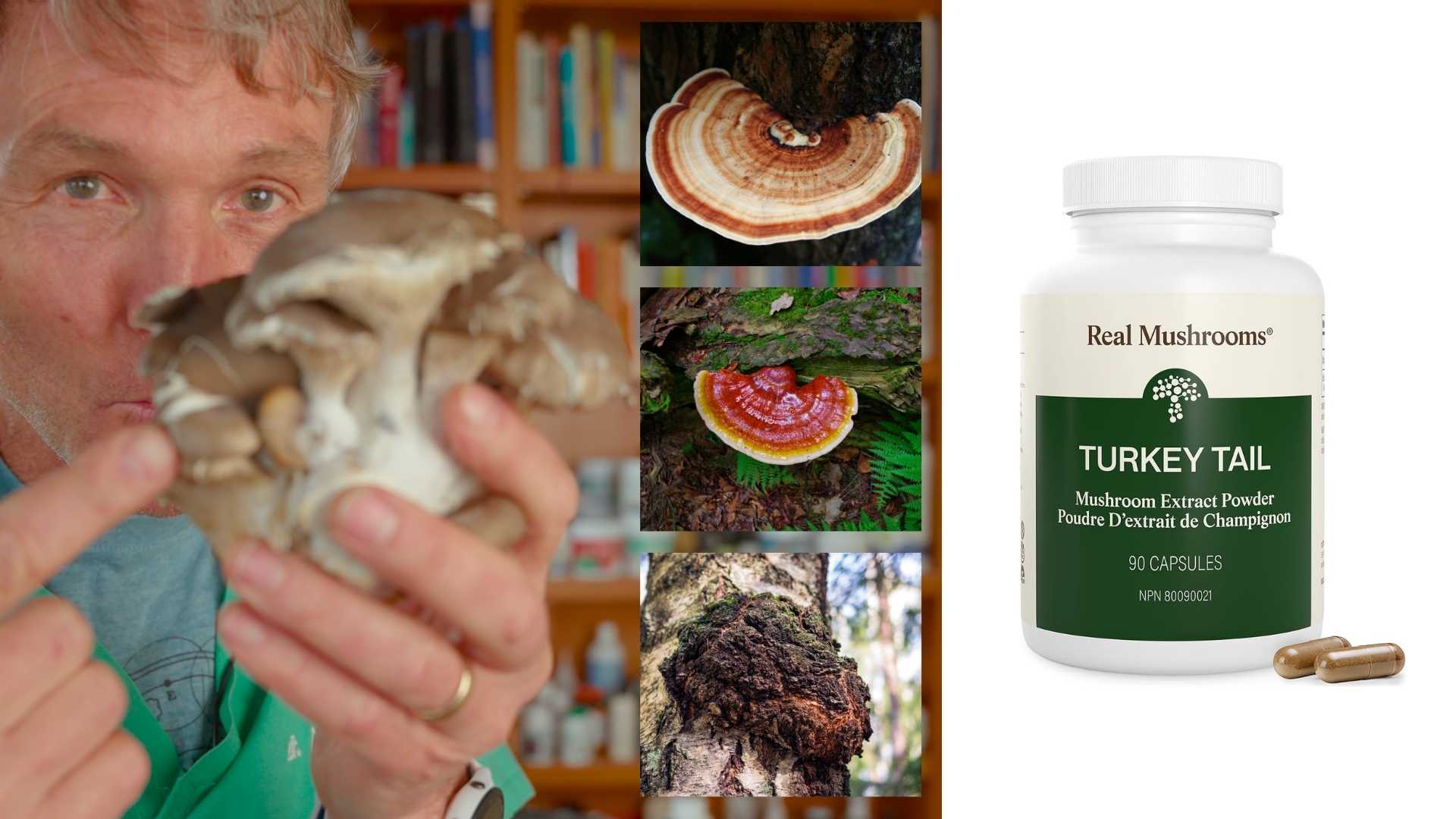
The mushrooms mentioned include:
- Turkey Tail
- Reishi
- Chaga
Mushroom Dose
Give:
- 100 mg per 10 lbs of body weight daily
These can be considered when you are trying to support the immune system’s ability to respond to abnormal growths.
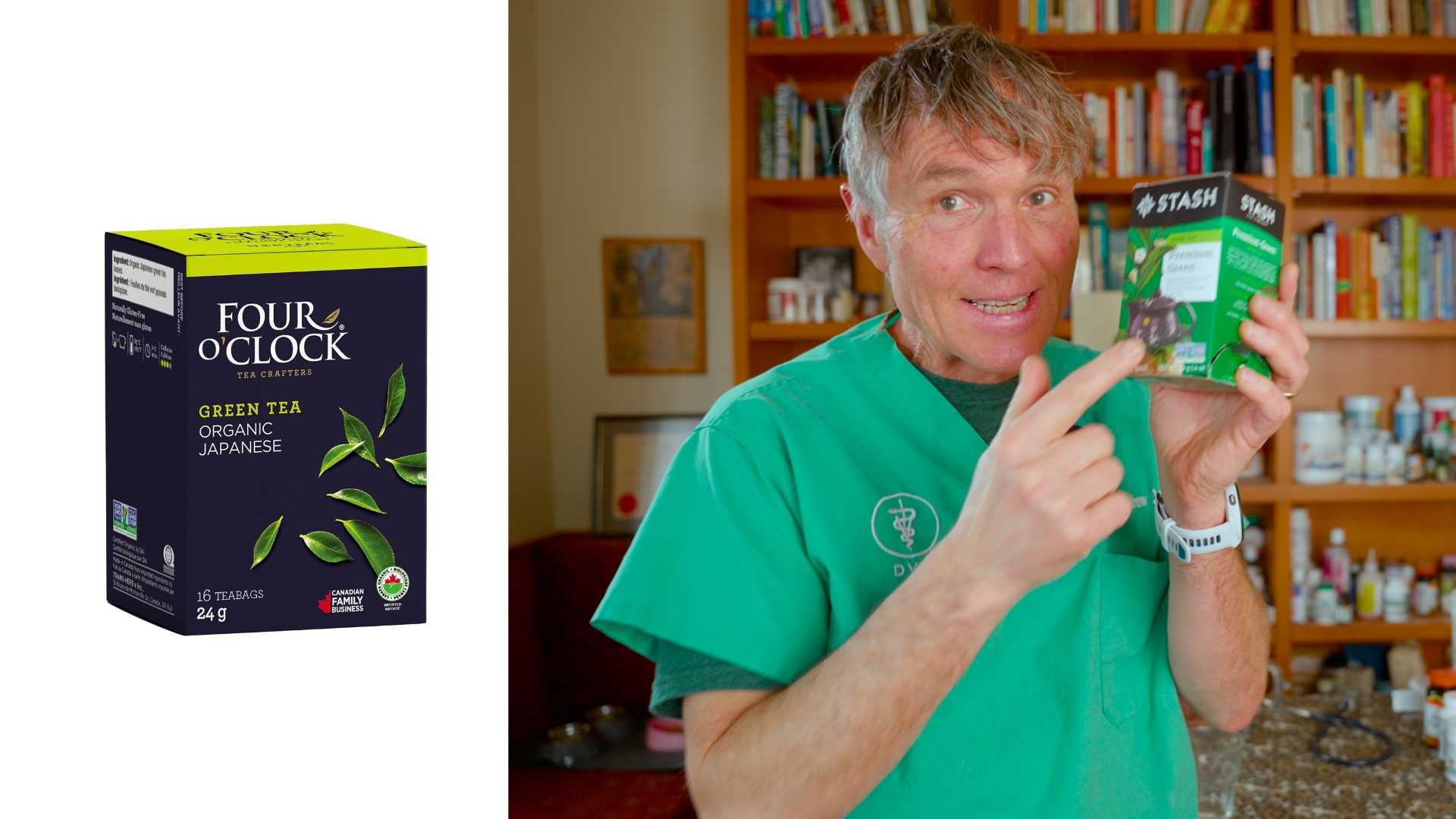
3. Green Tea Extract for Lumps and Growths
Green tea extract may help stimulate the immune system and support management of lump growth.
Green Tea Extract Dose
Give:
- 50 mg per 10 lbs of body weight daily
Green tea extract is one of those inexpensive options that can be useful in a broader immune-support plan.
4. Colostrum for Immune Support
Bovine colostrum can be used both orally and topically.
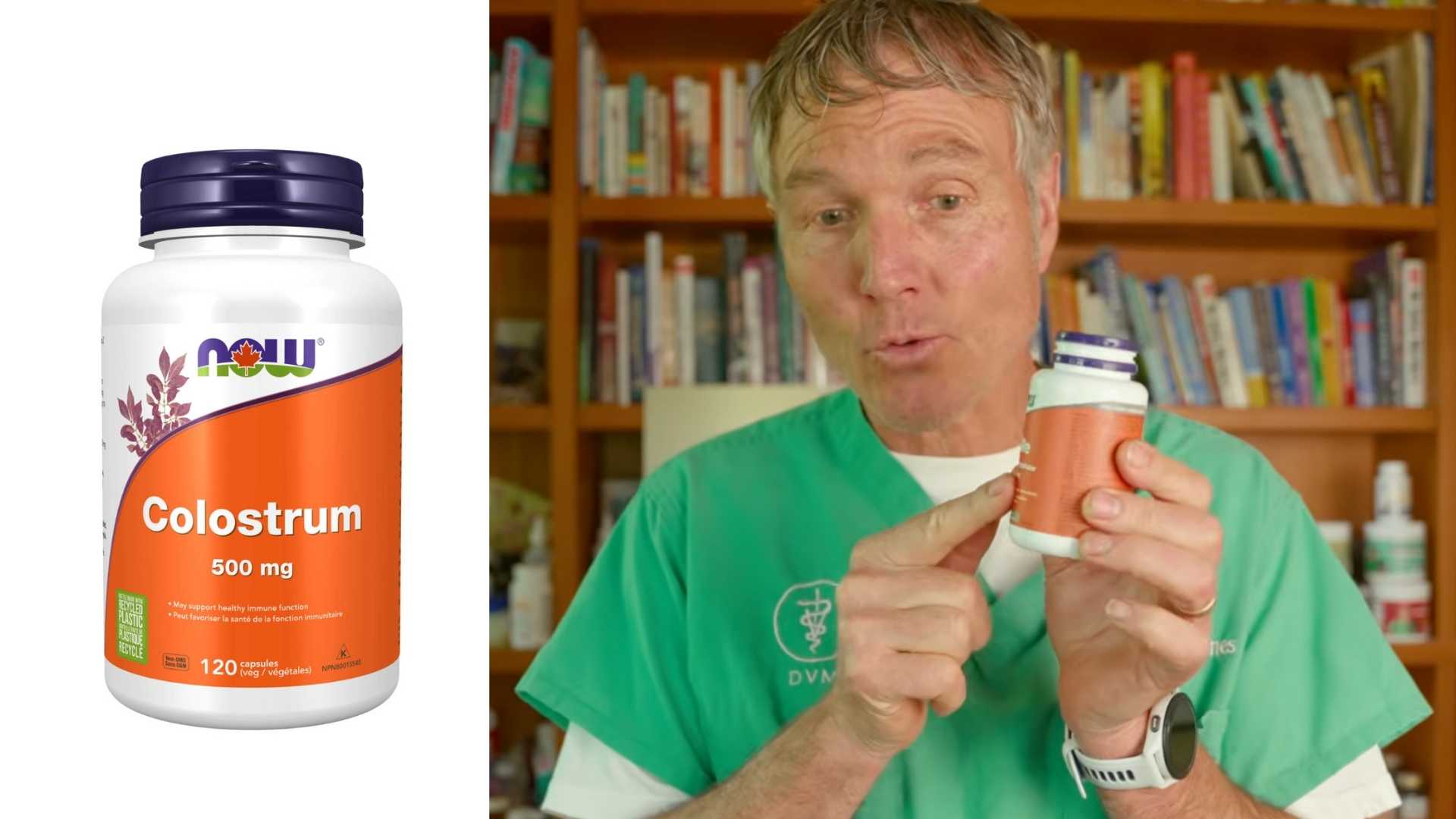
It may help support the immune system.
Colostrum Dose
Give:
- 100 mg per 10 lbs of body weight daily
You can also consider topical application depending on the location and type of growth.
5. Apple Cider Vinegar for Surface Growths
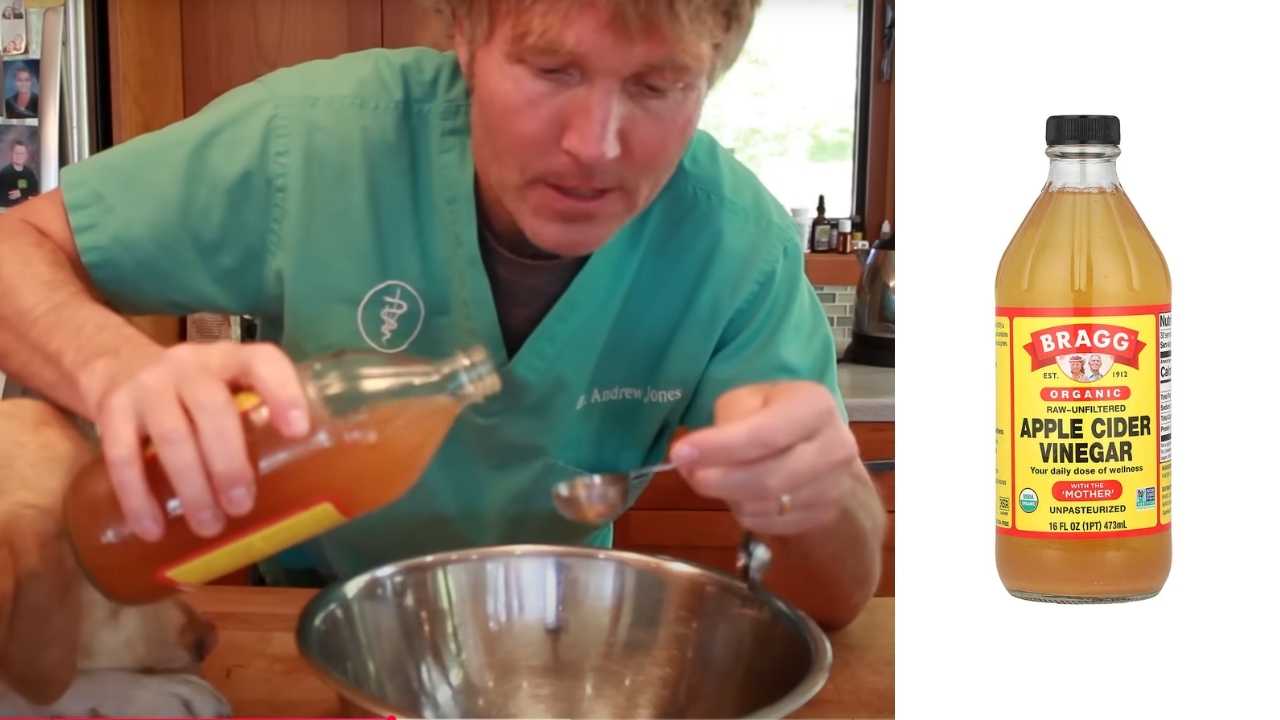
Apple cider vinegar, or ACV, may act as a peeling agent to help remove dead skin cells.
How to Use Apple Cider Vinegar
Use:
- Cotton balls soaked in ACV
- Apply to the affected area overnight
This is more appropriate for surface skin growths, not internal polyps, nasal polyps, ear polyps, or anything near the eye.
Do not put ACV where it will burn delicate tissue.
That is not healing.
That is making your pet reconsider your friendship.
6. Aloe and Calendula for Inflamed Polyps or Ruptured Cysts
Topical Aloe and Calendula creams may help reduce inflammation.
These may be useful for:
- Ruptured cysts
- Inflamed-looking polyps
- Irritated skin growths
Use topically as needed on appropriate skin areas.
Avoid deep wounds, eyes, and sensitive internal tissue unless your veterinarian directs you.
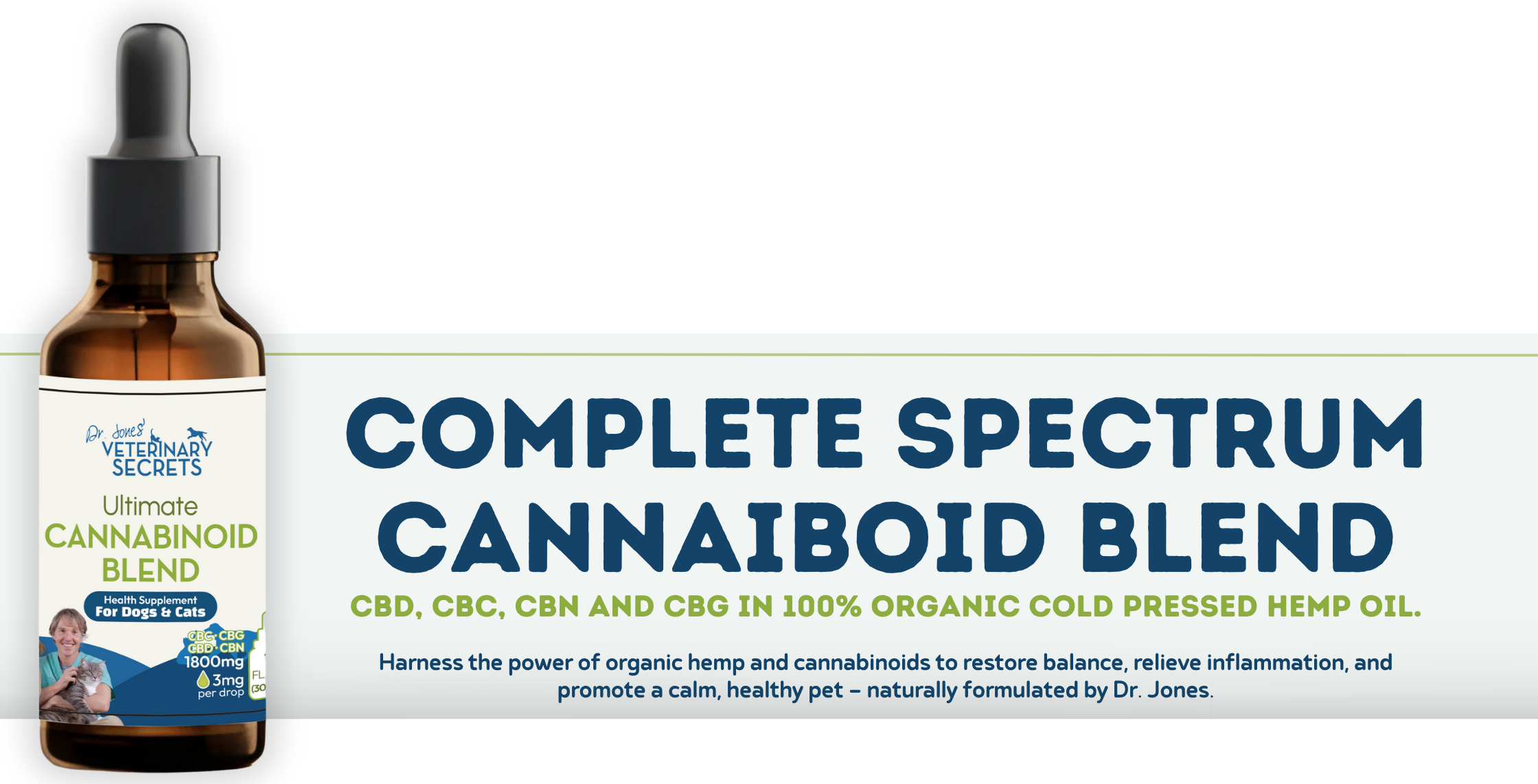
7. Cannabinoid Supplements for Inflammation and Immune Response
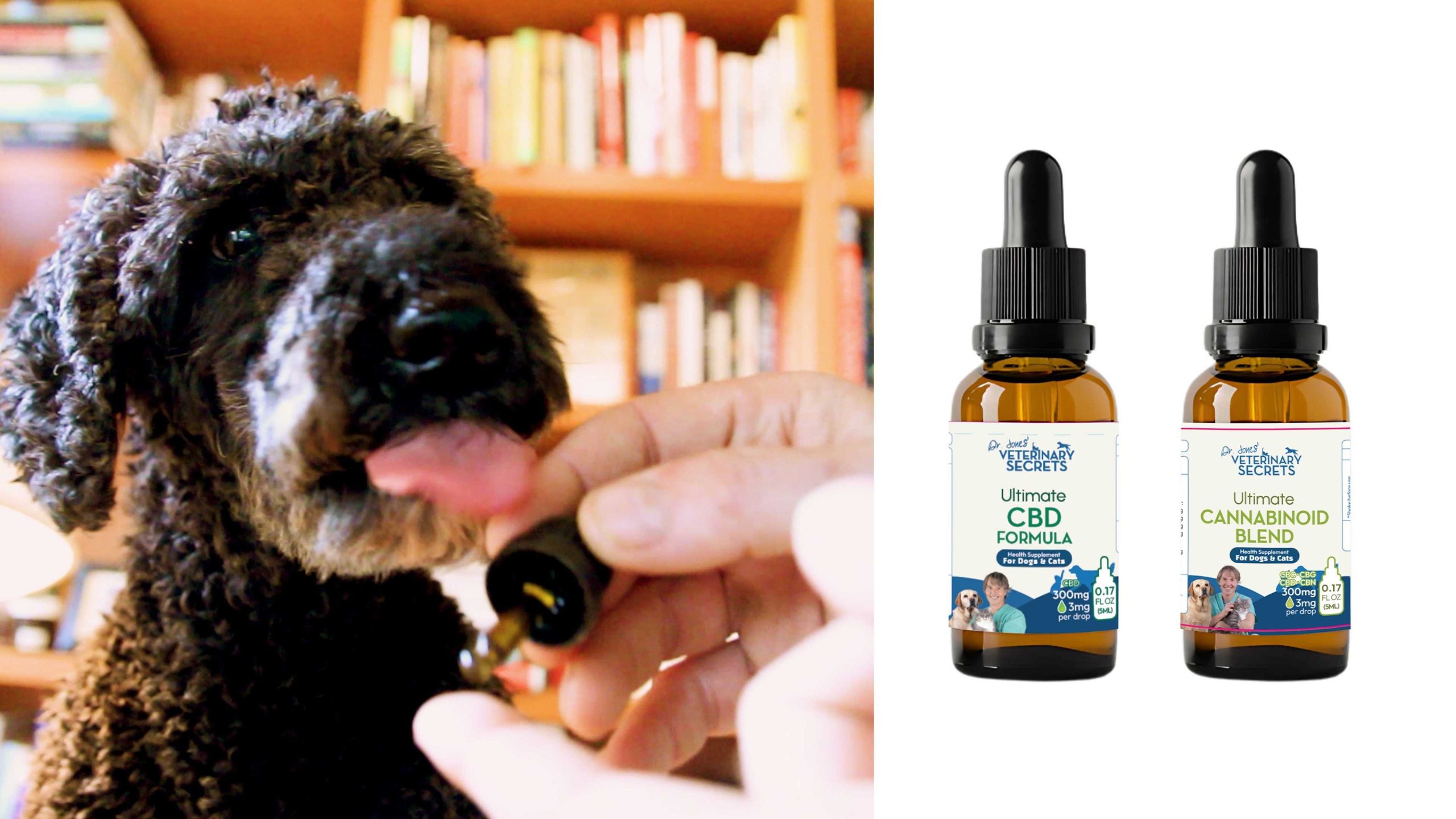
CBD oil and cannabinoid blends may help reduce inflammation and support the immune system’s response to growths.
CBD or Cannabinoid Dose
Give:
- 3 mg per 10 lbs of body weight
- Twice daily
This may be useful for pets with inflamed growths, discomfort, or abnormal lumps where immune support is part of the plan.
8. Thuja for Lumps
Thuja is a homeopathic remedy often recommended for many types of lumps.
Thuja Dose
Use:
- Thuja 30C
- Once or twice daily
- For at least 30 days
This is one of the more common homeopathic options people consider for lumps, warts, and growths.
9. Preparation-H for Rectal Growths or Polyps
I have used topical Preparation-H for clients with rectal growths and polyps.
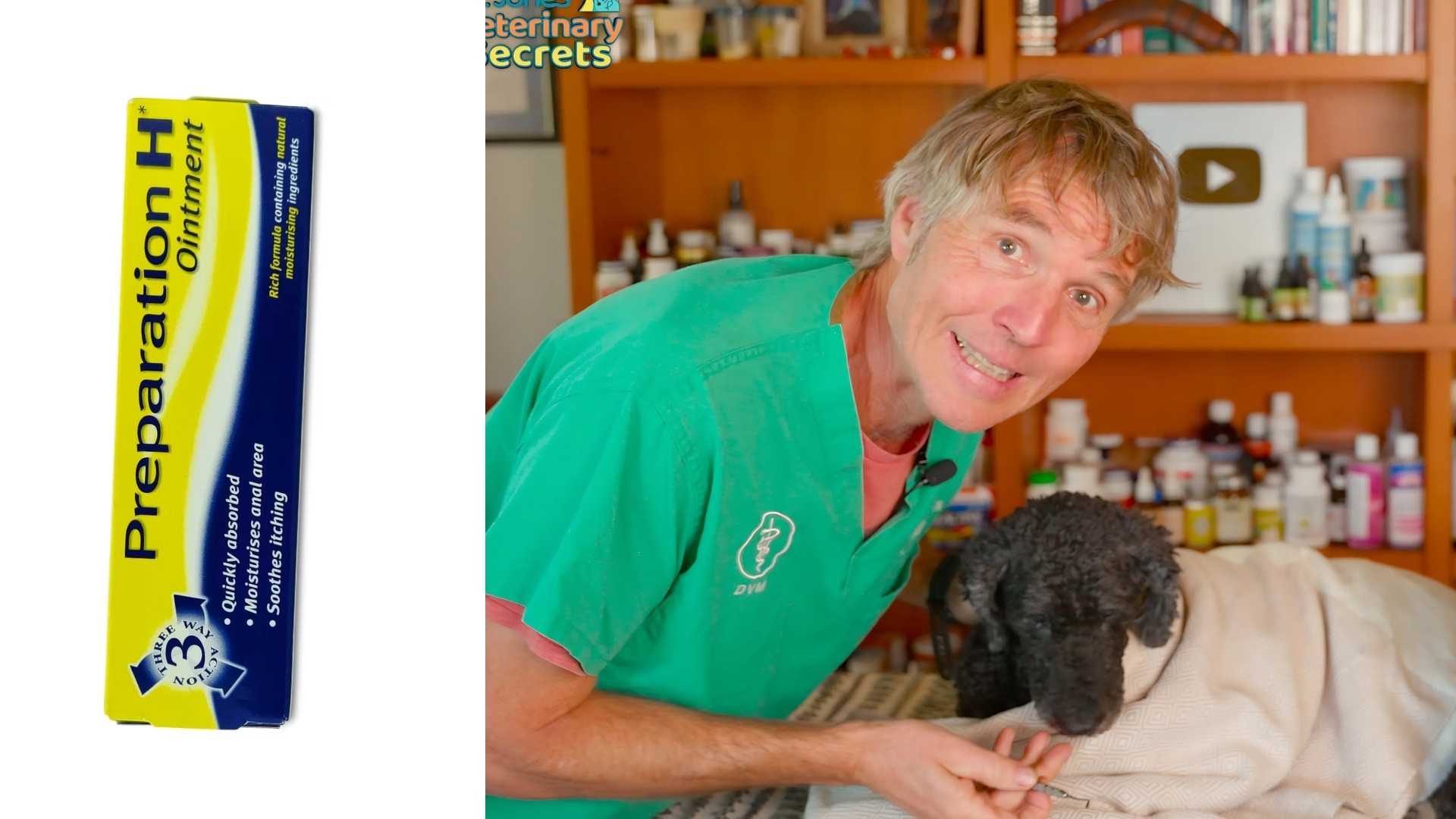
It is very safe, and in many cases it may help by:
- Lowering inflammation
- Strengthening the weak vascular wall
- Helping when hemorrhoid-like tissue is involved
Preparation-H Dose
Apply:
- Topically twice daily
- For 21 days
This is specifically for rectal growths or rectal polyps.
Do not use this in the nose, ear, mouth, or eye.
10. Melatonin for Polyps and Growths
There is increasing evidence to support the use of melatonin for growths, including polyps.
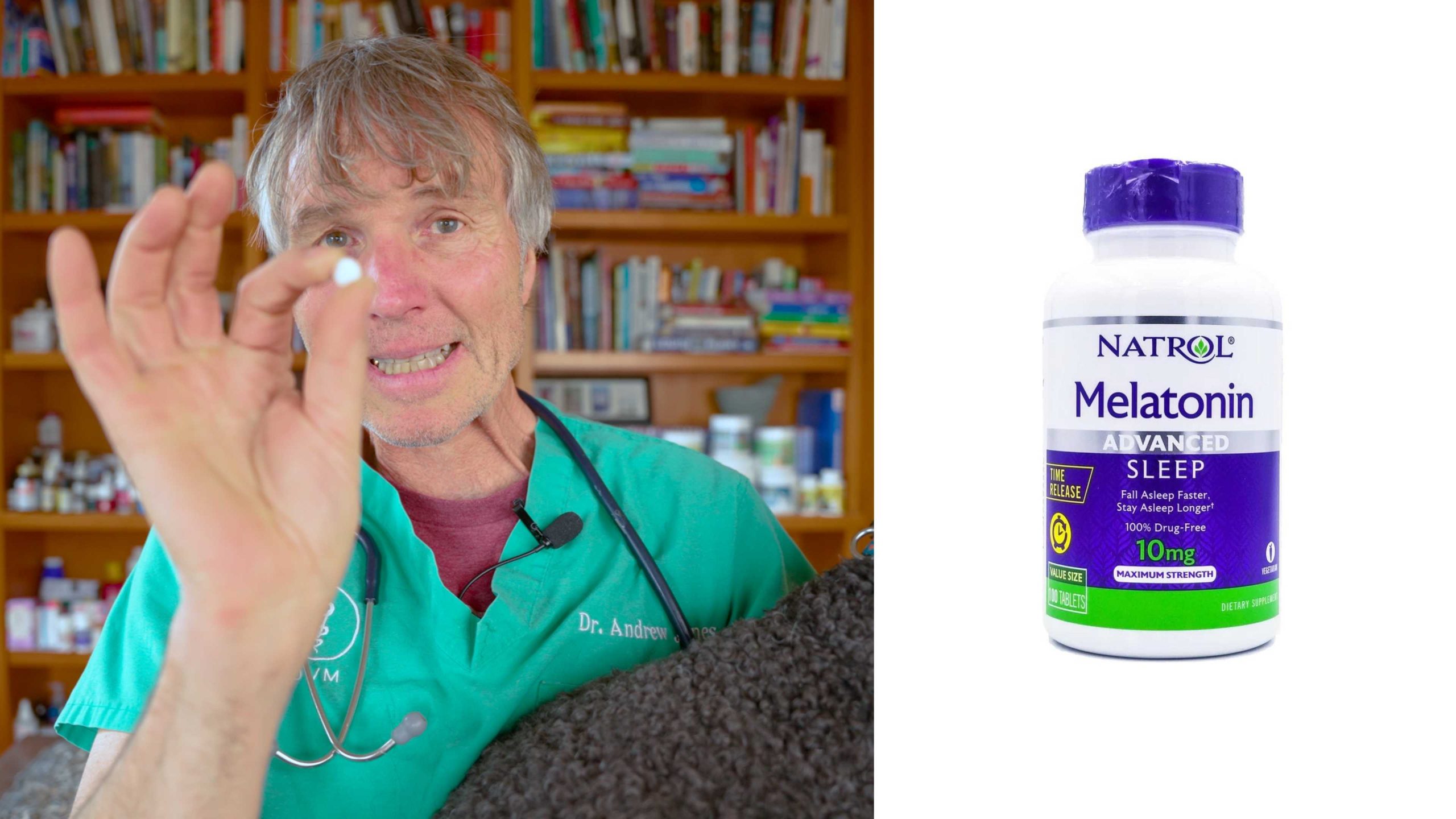
Melatonin may help by:
- Stimulating the skin’s immune response
- Acting as an antioxidant
- Regulating circadian rhythms
- Influencing immune function
- Supporting the skin barrier
- Providing anti-inflammatory effects
- Potentially helping shrink a polyp
Melatonin Dose
Give:
- 2 mg per 20 lbs
- Up to a maximum of 6 mg
- Once or twice daily
- For 30 days
Melatonin is one of those simple options that may be worth considering, especially when immune support and inflammation are part of the concern.
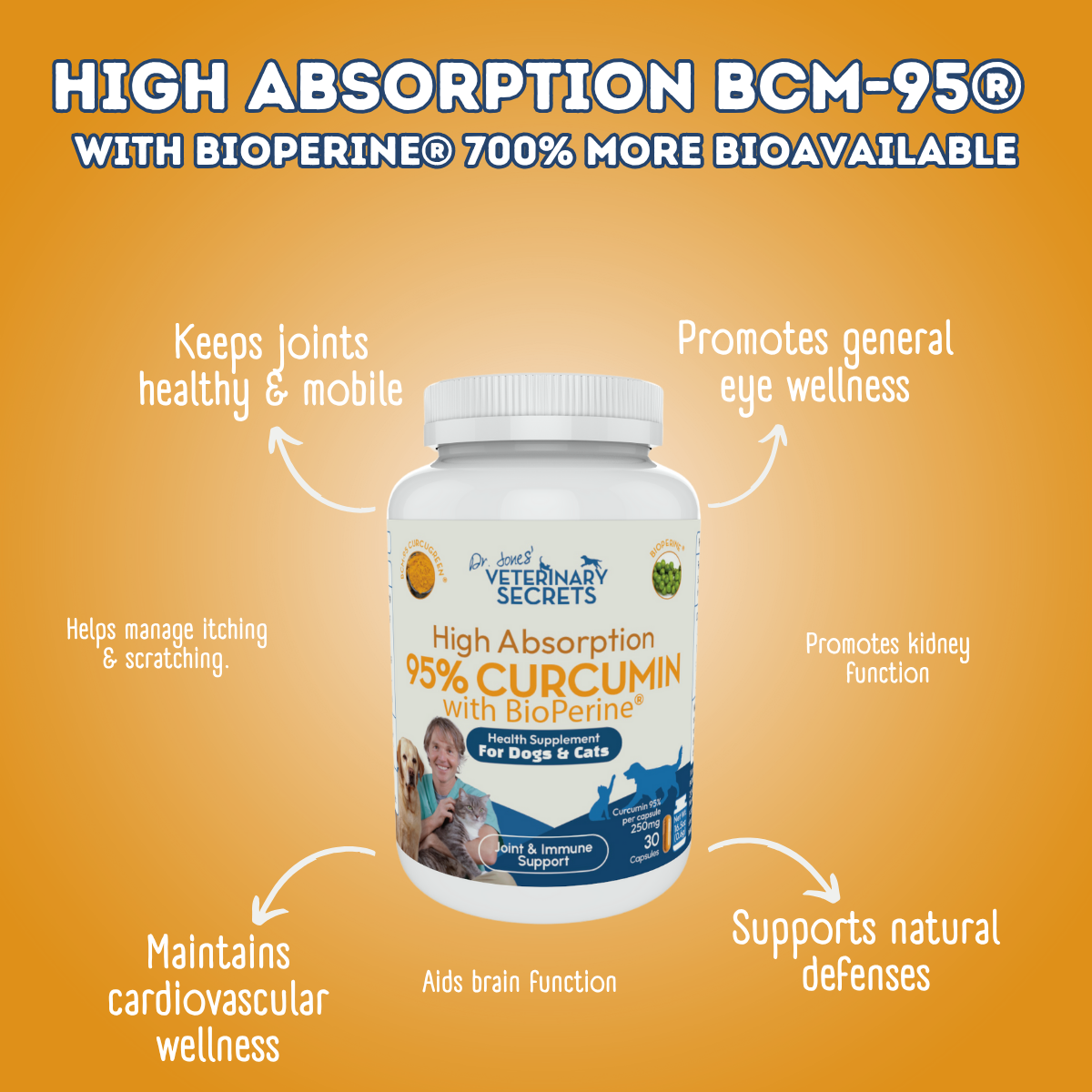
11. Curcumin for Inflammation and Growth Support
Curcumin is the active component of turmeric.
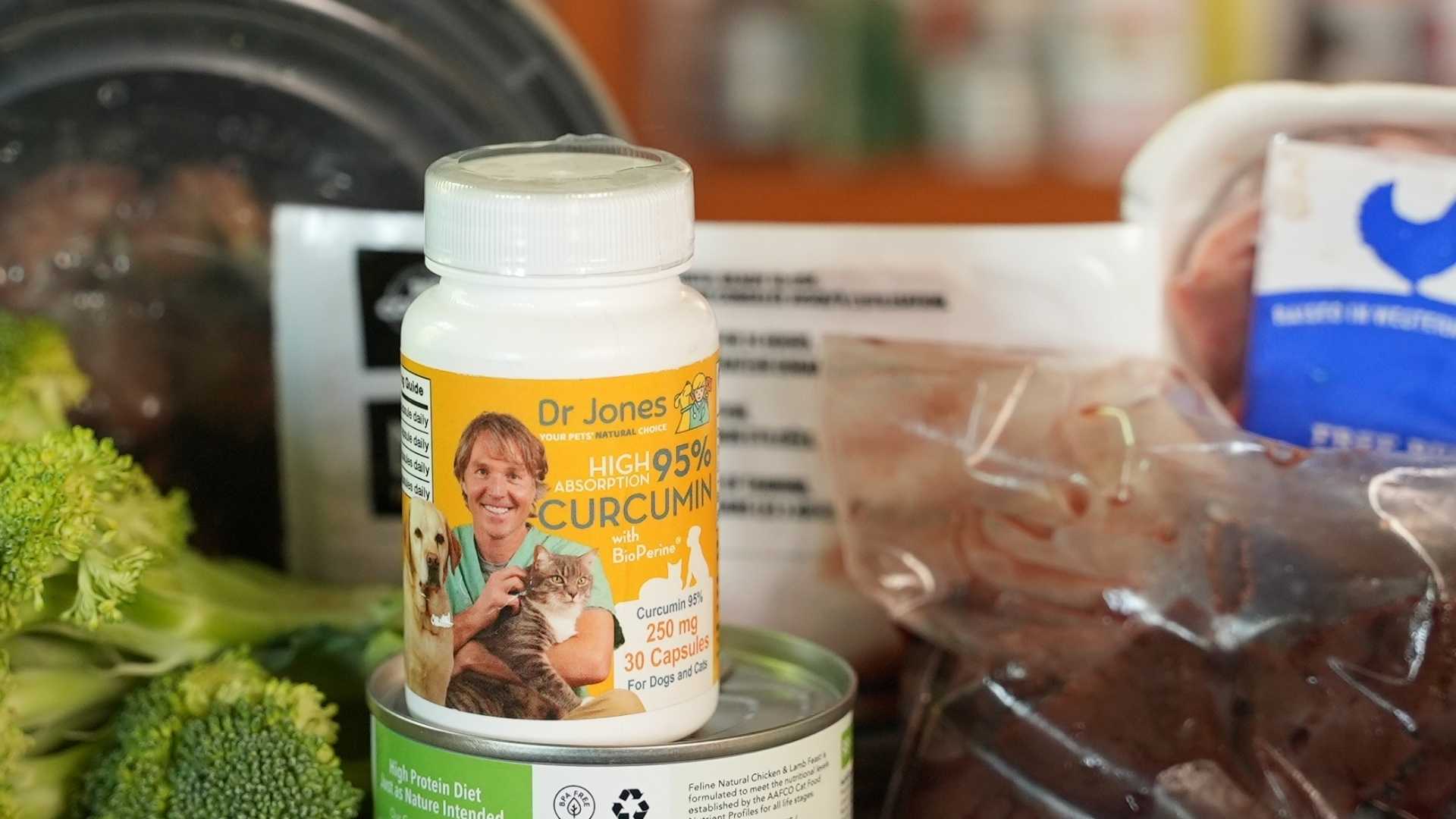
It has anti-inflammatory properties and anti-cancer benefits.
It has helped some animals with nasal and rectal polyps.
The dose range mentioned is higher than what many pet parents expect, which is why using a well-absorbed product matters.
Curcumin Dose
Give:
- 50 to 100 mg per 10 lbs of body weight
- Once or twice daily
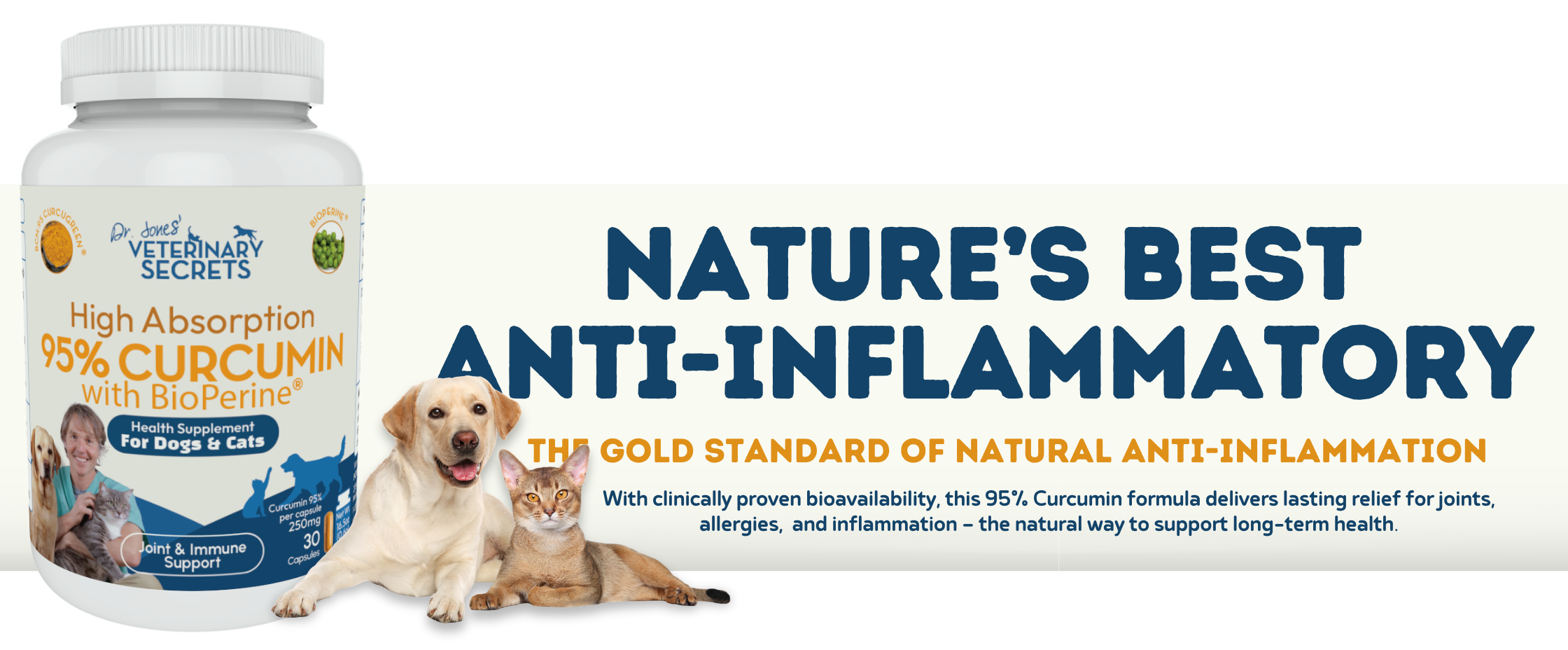
Dr. Jones’ Ultimate High Absorption 95% Curcumin for Dogs and Cats is one option because it is well absorbed and has potent anti-inflammatory properties.
What Is the Best Natural Option for Polyps?
There is no single “best” option for every polyp.
The best option depends on where the polyp is and what it is doing.
For Immune Support
Consider:
- Medicinal mushrooms
- Colostrum
- Green tea extract
- Vitamin E
- Omega-3 fatty acids
For Inflammation
Consider:
- Curcumin
- CBD or cannabinoid blend
- Melatonin
- Aloe and Calendula topically
- Omega-3 fatty acids
For Rectal Polyps or Rectal Growths
Consider:
- Preparation-H topically
- Curcumin
- CBD or cannabinoid blend
- Melatonin
- Immune-support supplements
For Nasal or Ear Polyps
See your veterinarian first.
These can affect breathing, ear health, balance, and comfort.
Natural support may still be useful, but the location makes proper assessment more important.
Best For
These non-surgical support options may be considered for pets with:
- Small, stable polyps
- Inflamed-looking surface growths
- Rectal polyps
- Ruptured cysts
- Benign-looking lumps
- Immune system support needs
- Inflammation around a growth
- Pets being monitored before surgery is considered
Natural Support Dosage Table
| Remedy or Supplement | Suggested Dose or Use | Main Purpose |
|---|---|---|
| Vitamin E | 100 IU per 10 lbs daily | Skin immune function |
| Omega-3 fatty acids | From fish or krill oil | Skin immune support and inflammation support |
| Turkey Tail, Reishi, Chaga | 100 mg per 10 lbs daily | Immune stimulation |
| Green tea extract | 50 mg per 10 lbs daily | Immune support and lump growth management |
| Bovine colostrum | 100 mg per 10 lbs daily | Immune support, oral or topical use |
| Apple cider vinegar | Soaked cotton ball overnight | Peeling agent for dead skin cells |
| Aloe and Calendula creams | Apply topically as needed | Inflammation support for ruptured cysts or inflamed polyps |
| CBD or cannabinoid blend | 3 mg per 10 lbs twice daily | Inflammation and immune response support |
| Thuja 30C | Once or twice daily for at least 30 days | Homeopathic option for lumps |
| Preparation-H | Apply topically twice daily for 21 days | Rectal growths or polyps, inflammation and vascular wall support |
| Melatonin | 2 mg per 20 lbs, max 6 mg, once to twice daily for 30 days | Skin immune response, inflammation, possible polyp shrinking |
| 95% Curcumin | 50 to 100 mg per 10 lbs once or twice daily | Inflammation support and anti-cancer benefits |
Step-by-Step: What to Do if You Find a Polyp or Lump
Step 1: Look at the Location
Where is it?
- Skin?
- Rectum?
- Ear?
- Nose?
- Throat area?
- Mouth?
The location helps determine urgency.
Step 2: Watch for Problem Signs
Ask:
- Is it growing?
- Is it bleeding?
- Is it painful?
- Is it inflamed?
- Is it infected?
- Is it affecting breathing?
- Is it affecting eating?
- Is it affecting bowel movements?
- Is there head tilting?
- Are there repeated ear infections?
Step 3: See Your Veterinarian if Unsure
If you are not sure what it is, get it checked.
That is the safest first step.
Step 4: Consider Immune Support
If the growth is stable and your veterinarian is not recommending immediate surgery, consider immune support such as:
- Vitamin E
- Omega-3 fatty acids
- Medicinal mushrooms
- Green tea extract
- Colostrum
Step 5: Address Inflammation
For inflammation, consider:
- Curcumin
- CBD or cannabinoid blends
- Melatonin
- Aloe and Calendula topically when appropriate
Step 6: Use Location-Specific Support
For rectal growths or polyps:
- Preparation-H topically twice daily for 21 days may be considered
For skin irritation or ruptured cysts:
- Aloe and Calendula creams may help
For surface skin growths:
- ACV cotton balls overnight may be considered
Step 7: Recheck and Monitor
Track:
- Size
- Color
- Bleeding
- Pain
- Discharge
- Growth rate
- Your pet’s behavior
Take photos weekly if needed.
It is easier to compare photos than to rely on memory.
When Should You Call Your Veterinarian?
Call your veterinarian if your dog or cat has:
- A rapidly growing lump
- Bleeding from the polyp
- Pain
- Discharge
- Bad smell
- Trouble breathing
- Head tilting
- Repeated ear infections
- Trouble passing stool
- Rectal bleeding
- A nasal growth
- A throat or nasopharyngeal polyp
- A lump that changes color or shape
- A growth you are unsure about
If you are not sure, have it checked first.
That is always the safer choice.
Final Thoughts
Most polyps in dogs and cats are benign.
That is the good news.
But benign does not always mean harmless.
A polyp can still cause breathing problems, ear infections, discomfort, inflammation, bleeding, or bowel issues depending on where it is located.
If it is large, changing, bleeding, painful, or affecting normal function, see your veterinarian.
If it is stable and not causing major problems, there are natural support options worth considering.
Support the immune system.
Lower inflammation.
Use location-specific help when appropriate.
And keep an eye on changes.
Some polyps can be monitored.
Some need removal.
The key is knowing which one you are dealing with.
Click To Get A Free Copy of My E-Book!

P.S. Fortunately, most animals with polyps do not need surgery.
But if you are not sure, please see your veterinarian first.
Then be open to trying supportive options such as medicinal mushrooms, colostrum, green tea extract, CBD, melatonin, and especially curcumin.
Dr. Jones’ Ultimate High Absorption 95% Curcumin for Dogs and Cats is one option I would consider because it is well absorbed and has strong anti-inflammatory properties.
For some pets with nasal or rectal polyps, curcumin may be one of the better natural options to try.