Why Glutathione Matters for Your Dog and Cat

Why Does Glutathione Matter for Dogs and Cats?
Glutathione matters because it is considered the master antioxidant in your dog or cat’s body.
It helps neutralize free radicals, supports liver detoxification, helps regulate the immune system, and protects damaged cells, especially the mitochondria, which are the energy centers inside cells.
And where is glutathione produced?
The liver.
That is one big reason liver health is so important for dogs and cats. If your pet’s liver is healthy and making enough glutathione, your pet is going to be far better equipped to handle toxins, inflammation, infections, aging, and disease.
I honestly did not hear much about glutathione in veterinary school. It was only after going to a conference about a year ago, where they talked a lot about it, that I really started paying attention.
And my response was pretty simple:
Holy cow. Why haven’t I known more about this?
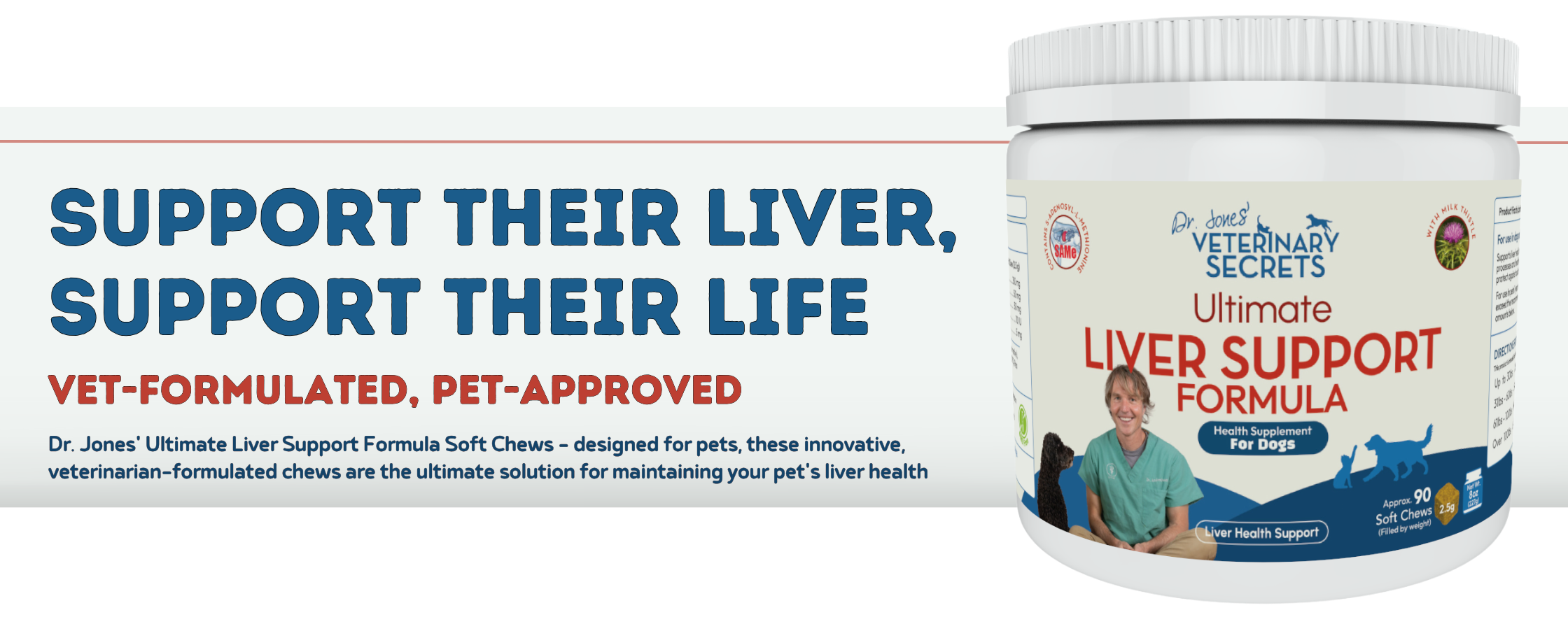
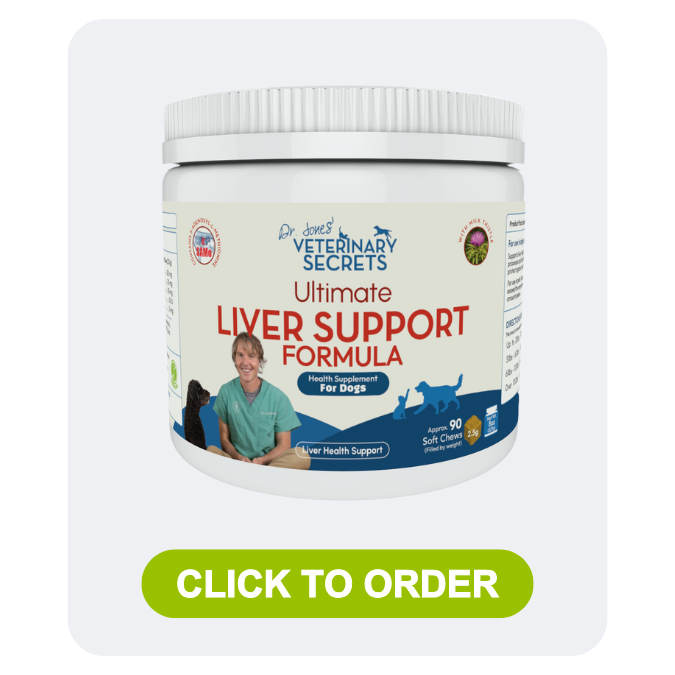
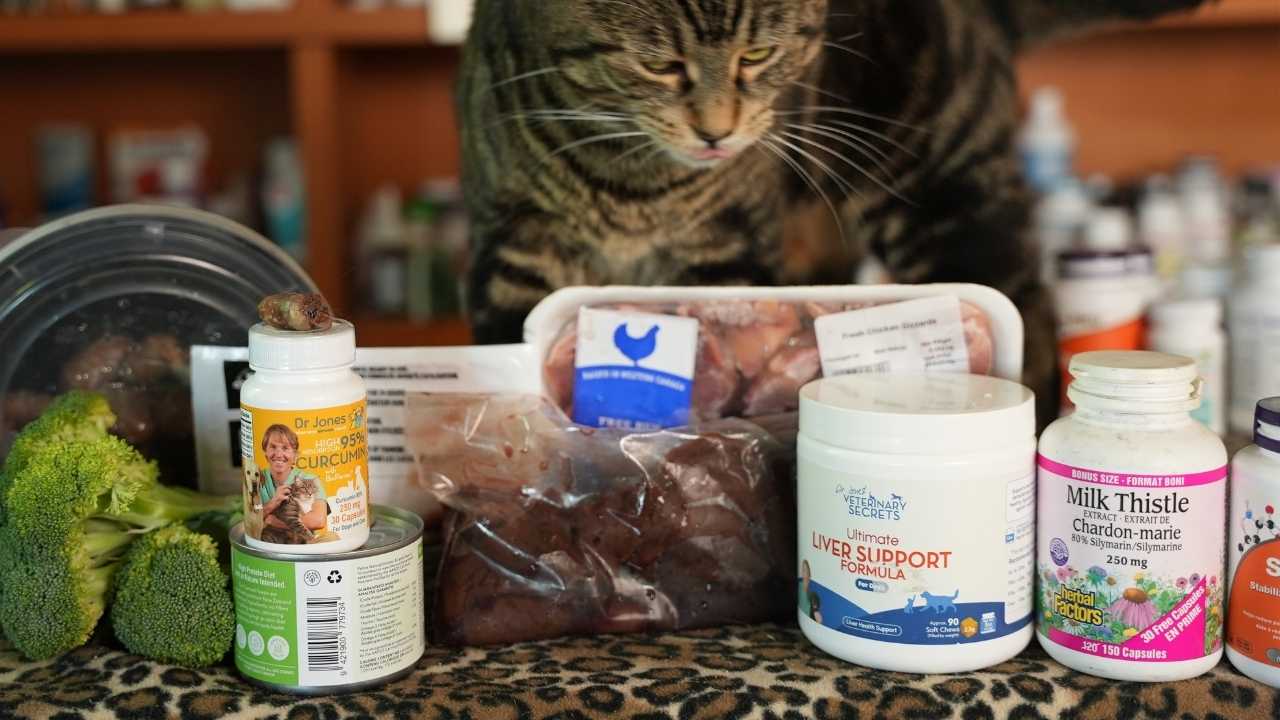
Dr. Jones’ Ultimate Liver Support Formula Soft Chews (90 Chews)
What Is Glutathione?
Glutathione is a peptide.
That means it is made from amino acids.
The three main amino acids that make up glutathione are:
- Glutamine
- Cysteine
- Glycine
Glutathione is your pet’s primary cellular defense system.
It helps protect cells from damage, especially when your dog or cat is aging, sick, inflamed, exposed to toxins, or dealing with chronic disease.
As pets age, they tend to produce less glutathione.
At the same time, they may need more of it because the body is dealing with more oxidative stress, more inflammation, and more disease pressure.
That is not a great combination.
Less production. More demand.
That is why I want you thinking about how to support glutathione naturally.
Where Is Glutathione Made?
Glutathione is produced in the liver.
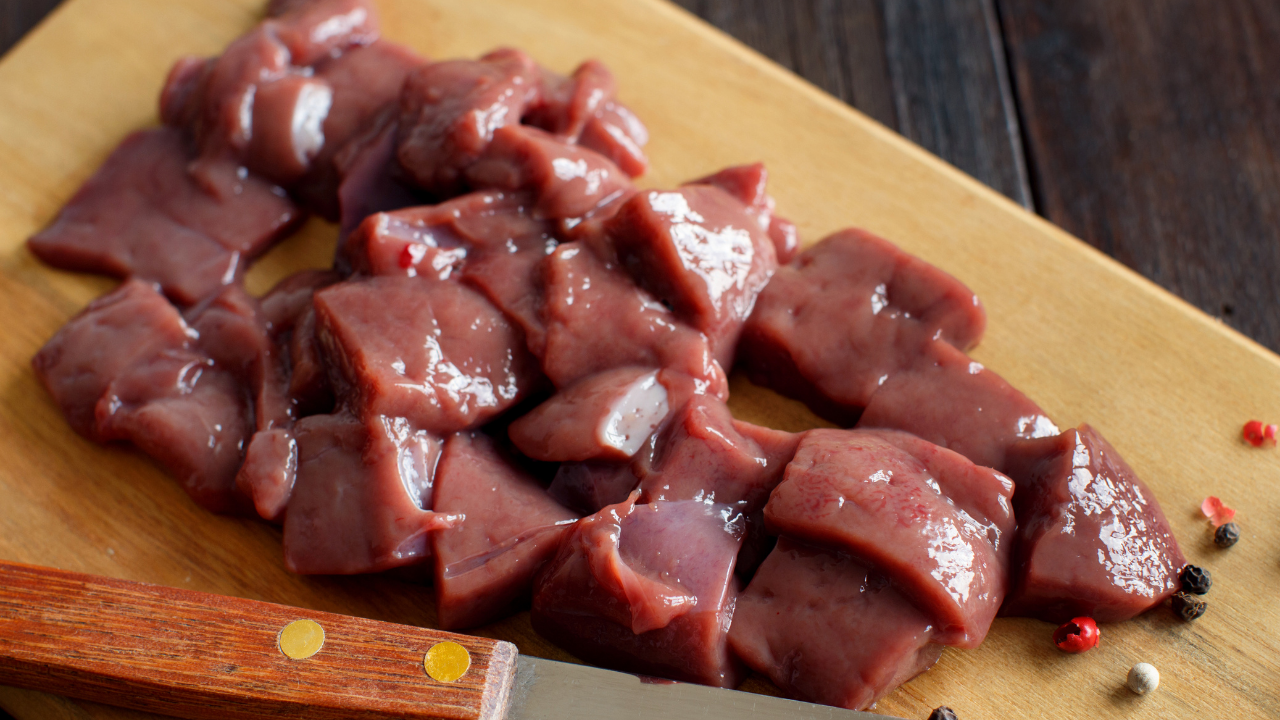
The liver is the main organ responsible for detoxification, metabolism, and processing many of the substances your dog or cat is exposed to.
When your pet breathes in pollutants, eats food with residues, deals with toxins, or has inflammation, the liver has to process it.
Glutathione is one of the key tools the liver uses to bind, neutralize, and help remove harmful compounds from the body.
So if you are thinking about liver health, you should also be thinking about glutathione.
What Does Glutathione Do for Pets?
Glutathione has several major roles in dogs and cats.
1. Glutathione Supports Liver Detoxification
Detoxification is not just some trendy word on a bottle.
Your dog or cat is exposed to real toxins.
For example:
- Air pollution from cars and fuel byproducts
- Glyphosate or Roundup residues measured in dog and cat urine
- Toxic mushrooms such as Amanita
- Environmental impurities
- Disease-related byproducts inside the body
These toxins eventually end up needing to be processed by the liver.
Glutathione helps bind or inactivate toxins so they can be removed through:
- Bile
- Stool
- Urine
That is one of the biggest reasons glutathione is so important.
The Amanita Mushroom Example
Amanita mushrooms are poisonous mushrooms found in some areas.
If a dog or cat eats Amanita, it can cause acute liver damage.
That damage produces free radicals, which can create even more cell damage.
Glutathione helps in two ways:
- It neutralizes free radicals so they cannot keep damaging cells.
- It binds toxic metabolites so they can be excreted through bile or urine.
That is not a small job.
That is your pet’s liver working overtime with glutathione as one of its main tools.
2. Glutathione Supports the Immune System
Glutathione is not only an antioxidant.
It also helps regulate the immune response.
If your dog or cat is sick, the body needs white blood cells to respond properly.
Glutathione helps with:
- Mobilizing white blood cells
- Stimulating the immune response
- Supporting lymphocytes
- Helping antibody-related immune activity
- Modulating cytokines
Cytokines are inflammatory proteins produced during infection or immune activation.
Too many cytokines can push the body into an over-inflammatory state.
Think autoimmune disease, chronic inflammation, or an immune system that is overreacting.
Glutathione helps keep that response more balanced.
Not too weak.
Not wildly overreactive.
Somewhere in the middle, where the immune system actually does its job.
3. Glutathione Helps Repair Damaged Cells
Glutathione also helps protect and repair damaged cells.
One key area is the mitochondria.
The mitochondria are the powerhouses of the cell.
I think of them like the battery in your car.
If the battery is not working, the car is not going anywhere.
Your pet’s cells need healthy mitochondria to function well. Glutathione helps protect those mitochondria so cells can keep producing energy and repairing themselves.
That is a big deal for aging pets, sick pets, and pets dealing with chronic inflammation.
What Can Happen When Glutathione Is Low?
Low glutathione levels have been linked with higher rates of several serious health problems.
The transcript mentions:
- Cancer
- Parkinson’s disease
- Diabetes
- Liver disease
- Heart disease
- Chronic recurring ear infections
There was also a study mentioned involving children with chronic recurring ear infections. They were given aerosolized glutathione, and about 66%, or two-thirds, responded well.
That likely helped through local immune support in the tissues around the ear and Eustachian tube.
Glutathione is also being used in aerosolized form for cystic fibrosis, where it may help decrease mucus production.
The point is not that every pet needs aerosolized glutathione.
The point is that glutathione plays a very real role in immune health, inflammation, and tissue function.
Which Pets May Need More Glutathione Support?
I would especially think about glutathione support for:
- Senior dogs
- Senior cats
- Pets with elevated liver enzymes
- Pets with recurring infections
- Pets with recurring ear infections
- Pets with liver disease
- Pets with inflammatory bowel disease
- Pets with pancreatitis
- Pets with chronic inflammation
- Pets exposed to toxins
- Pets with immune dysfunction
- Pets with chronic disease
As pets age, they may produce less glutathione.
So supporting liver health and glutathione production becomes even more important.
How Can You Boost Glutathione in Dogs and Cats Naturally?
There are two main ways to support glutathione.
First, feed the building blocks.
Second, use nutrients that help the liver produce or maintain glutathione.
The key foods and supplements include:
- High-quality animal protein
- Liver
- Eggs
- Chicken hearts
- Chicken gizzards
- Beef, chicken, lamb, or venison
- Broccoli
- Broccoli sprouts
- Milk thistle
- 95% curcumin
- SAMe
- Dandelion
- Vitamin E
1. Feed High-Quality Animal Protein
Glutathione is made from amino acids.
So your dog or cat needs high-quality protein that provides:
- Cysteine
- Glycine
- Glutamine
Animal protein is the first place I would focus.
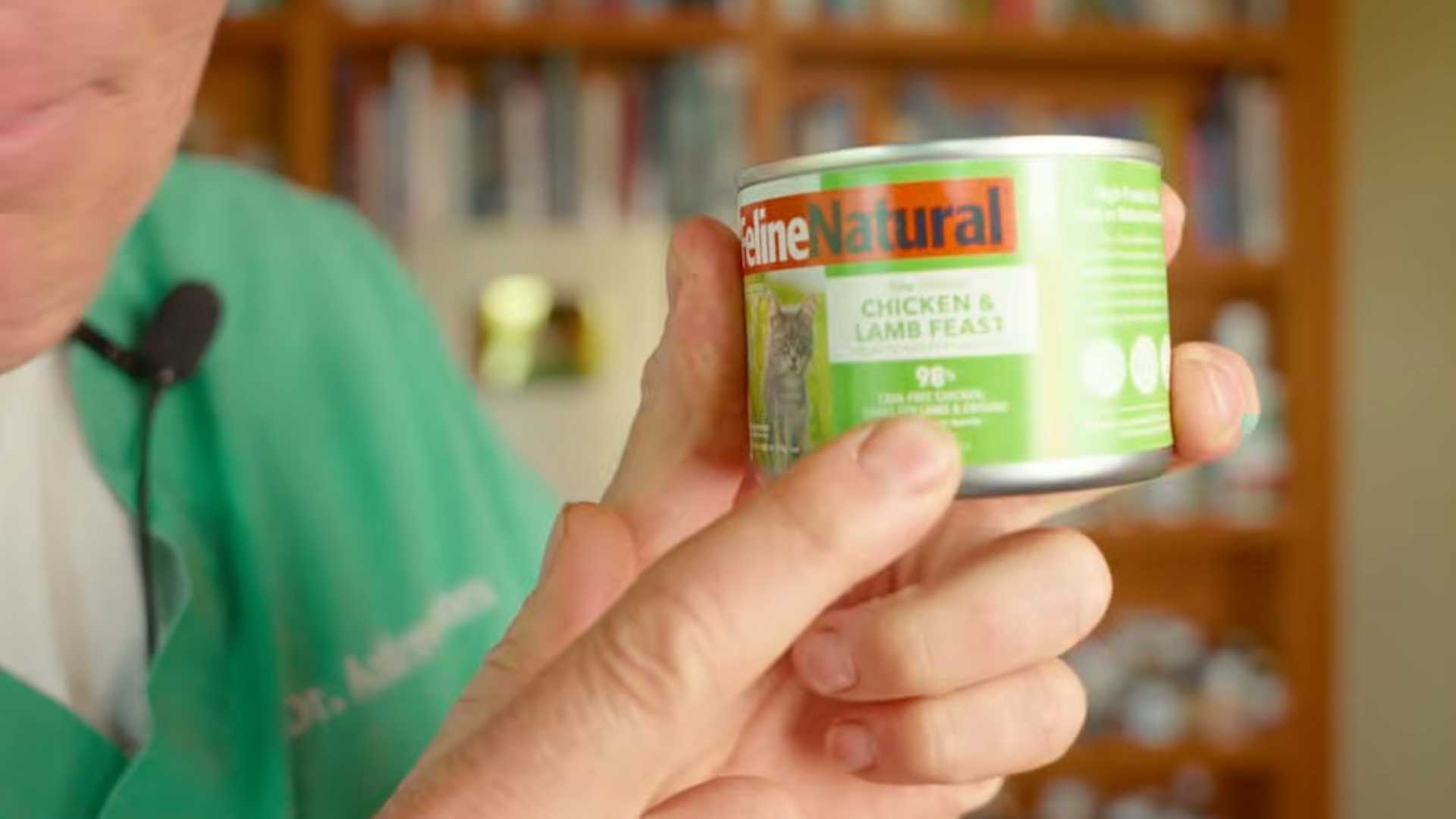
For Cassian, I changed his diet to a canned food that is primarily animal protein, about 98% animal protein. One example mentioned was chicken and lamb.
Other good animal protein sources include:
- Beef
- Chicken
- Lamb
- Venison
- Chicken hearts
- Chicken gizzards
- Freeze-dried raw chicken
- Eggs
Chicken gizzards are a super inexpensive treat for dogs and cats. They are chewy, which may also help dental health.
Chicken hearts are another great source.
Eggs are also a good option.
The goal is simple: give the body the building blocks it needs to make glutathione.
2. Feed Liver Safely
Liver is where glutathione is made.
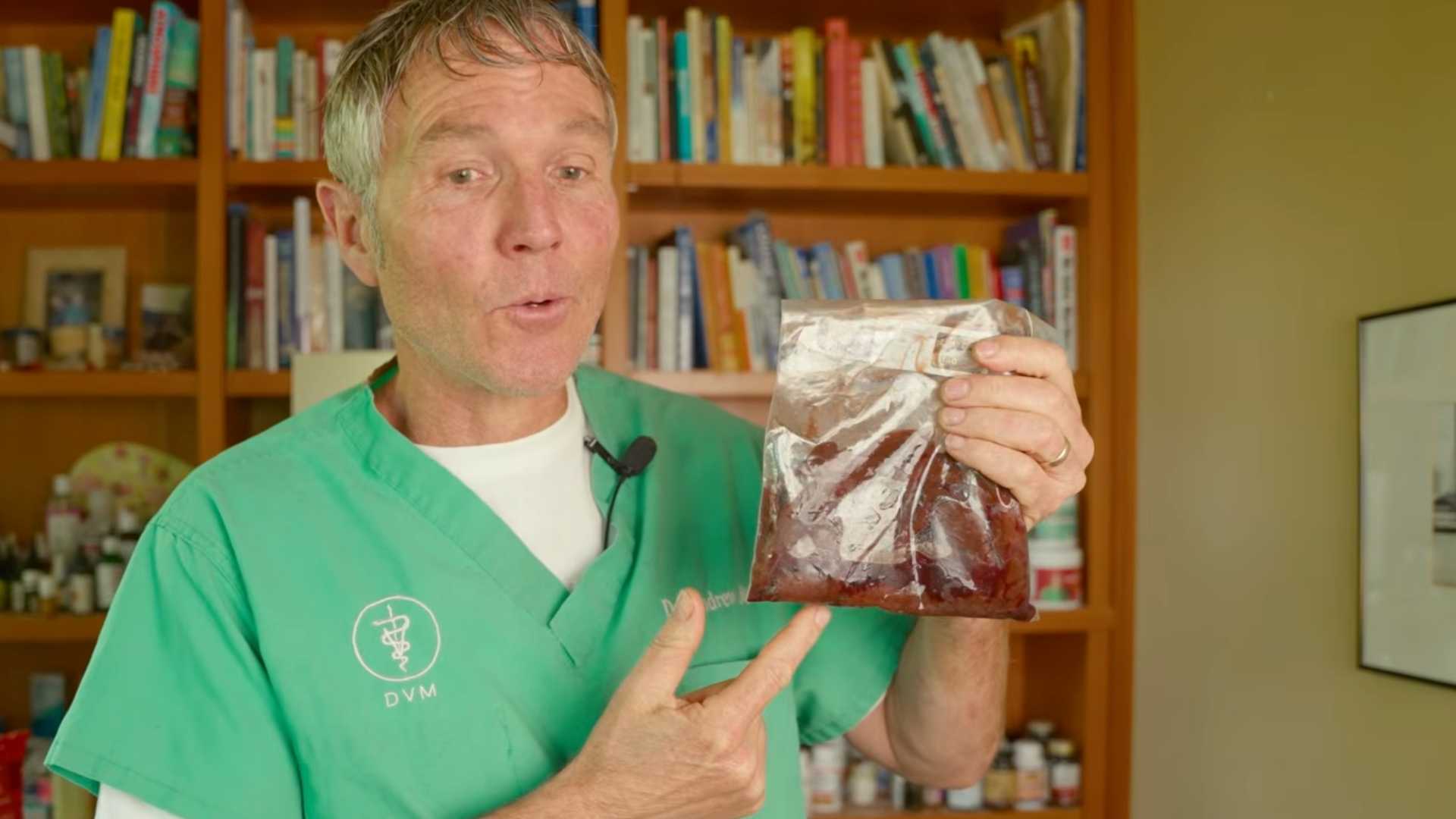
So feeding liver can make sense.
Liver contains amino acids, protein, and glutathione itself.
But there is a caution.
Liver can also concentrate minerals and vitamins, including:
- Vitamin A
- Copper
That means you do not want to overfeed it.
Liver Dose for Glutathione Support
Give:
- 1 teaspoon liver per 10 lbs of body weight daily
That small amount can help provide glutathione support without overdoing it.
If possible, choose grass-fed liver.
A healthier animal should give you a healthier liver.
3. Feed Cruciferous Vegetables, Especially Broccoli
Cruciferous vegetables can help boost glutathione.
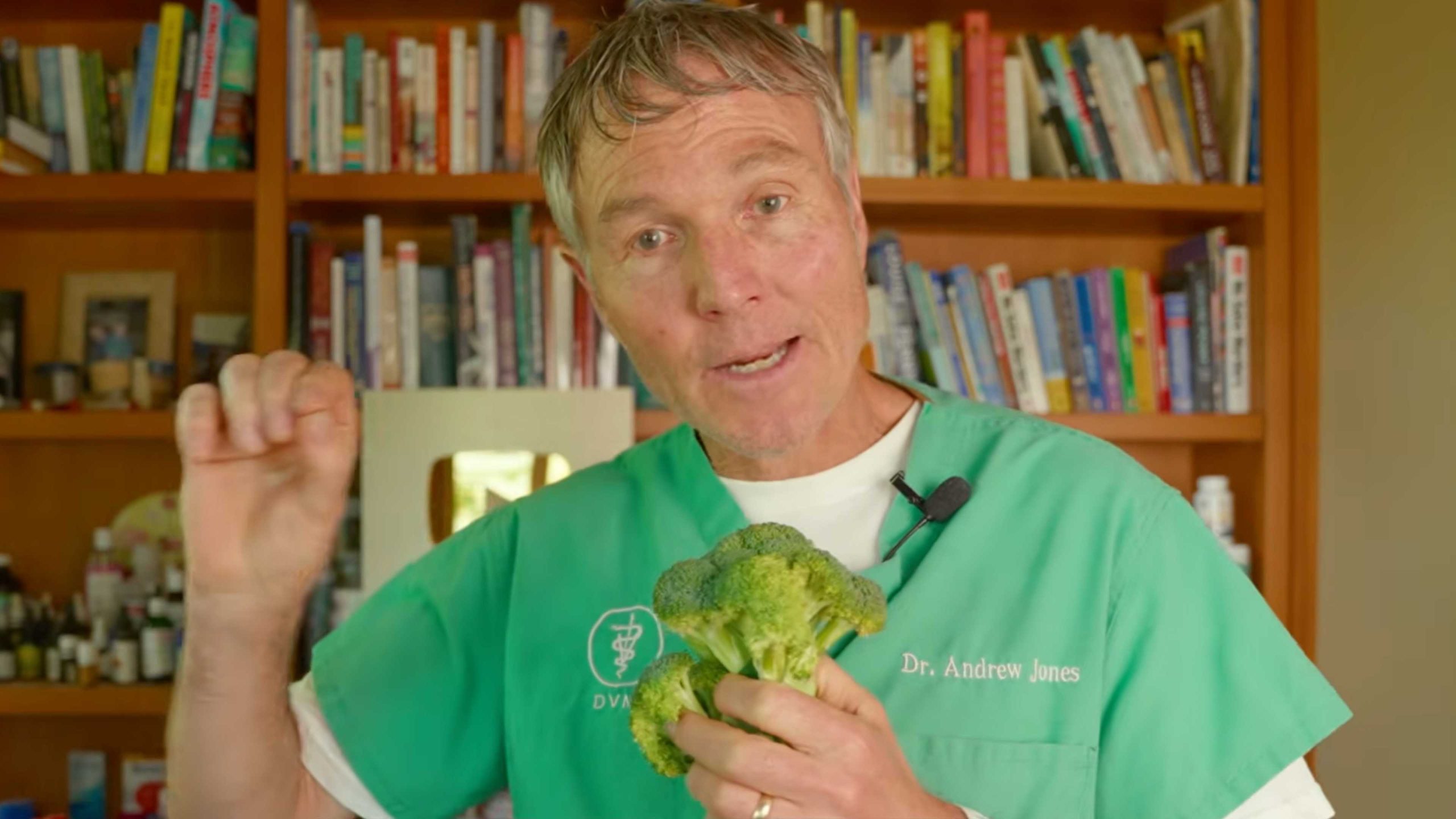
The main one I would think about is broccoli.
Broccoli contains compounds that can produce sulforaphane.
Sulforaphane activates the NRF2 pathway in the liver.
That pathway turns on genes that activate enzymes involved in producing glutathione.
In plain English:
Broccoli can help your pet’s liver make more glutathione.
How to Prepare Broccoli
To increase sulforaphane:
- Chop or crush the broccoli.
- Let it sit for a few minutes before cooking.
- Lightly cook it.
- Do not overcook it.
Broccoli sprouts are even higher in sulforaphane.
Broccoli Sprout Dose
Give:
- About 1 tablespoon for a 40 to 50 lb dog daily
This is more dog-focused, as most cats may not be lining up for broccoli sprouts.
Cassian certainly has opinions.
4. Milk Thistle for Glutathione and Liver Support
Milk thistle, also called silymarin, is one of the most studied liver-support nutrients.
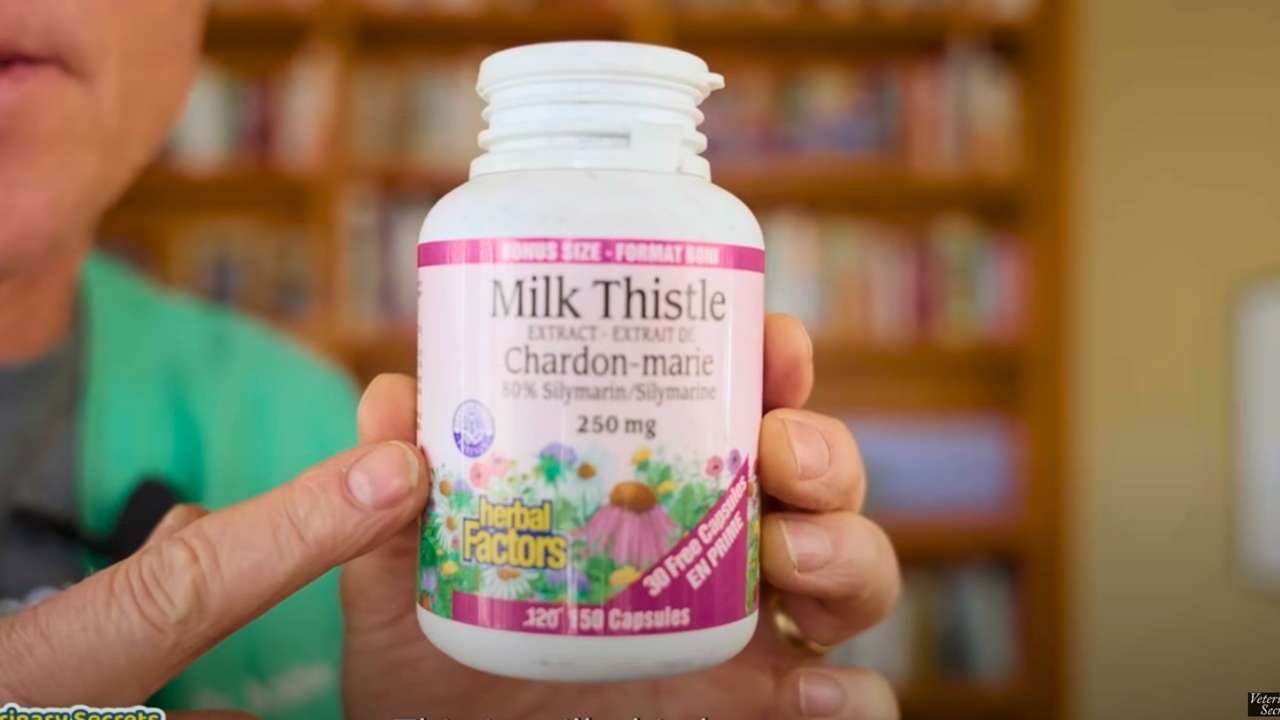
It has been studied for 40 to 50 years.
Milk thistle may help by:
- Supporting liver disease recovery
- Stopping additional liver damage
- Increasing healthy liver cells
- Boosting glutathione
Milk Thistle Dose
Give:
- 100 mg per 10 lbs of body weight daily
If I am thinking liver support, I am almost always thinking milk thistle.
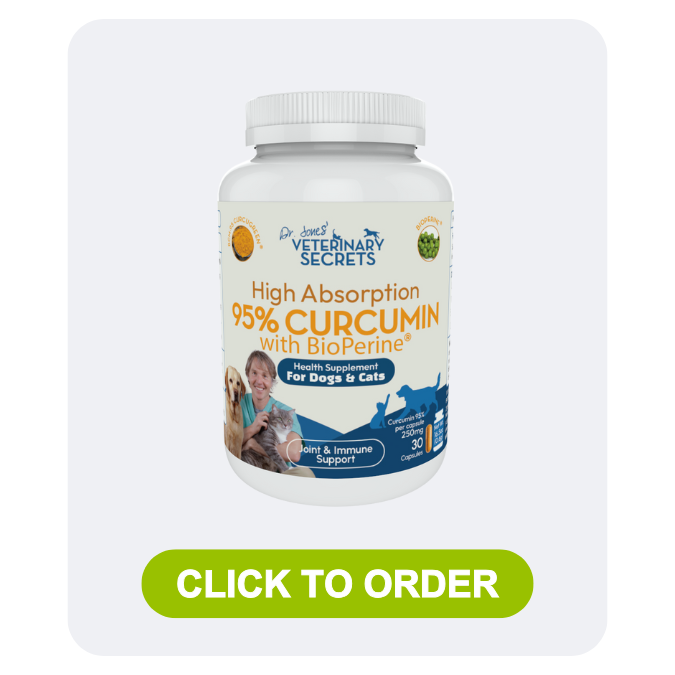
5. 95% Curcumin for Liver and Glutathione Support
Curcumin is the active ingredient in turmeric.
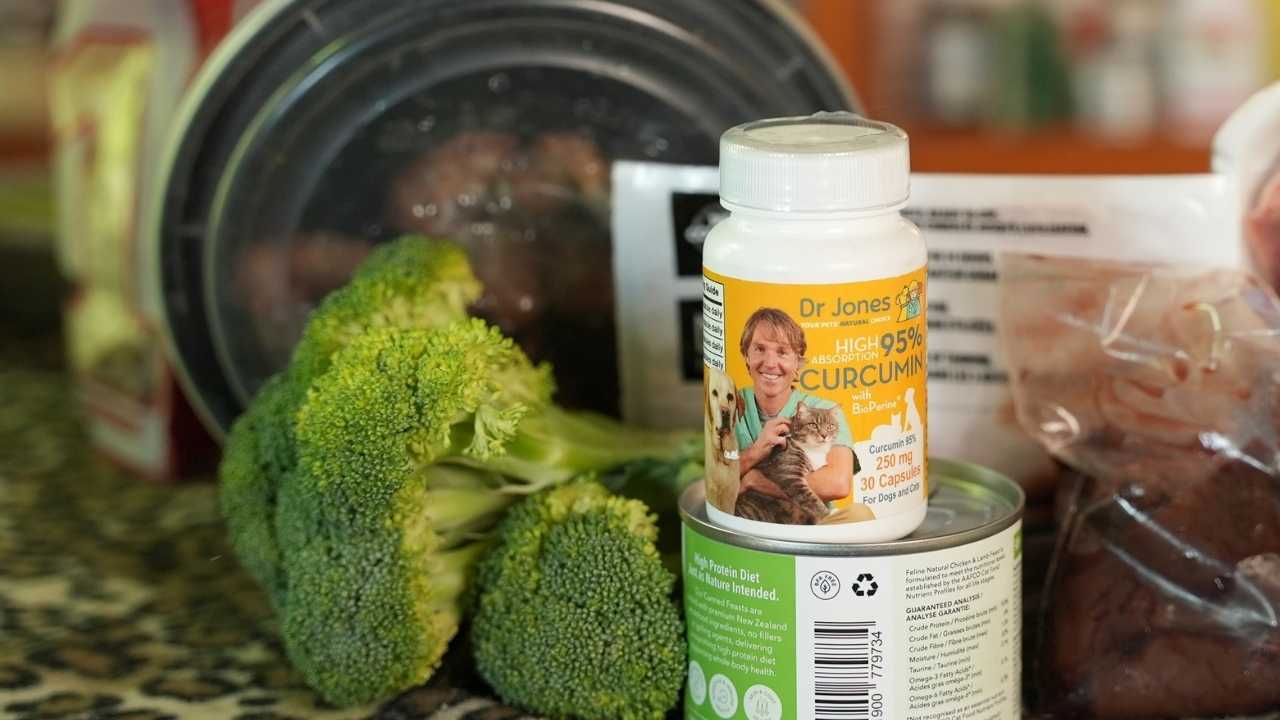
The 95% curcumin form is more concentrated.
It is a powerful anti-inflammatory and has been shown to be beneficial for liver disease.
Curcumin may help boost glutathione by supporting the enzymes involved in glutathione production.
95% Curcumin Dose
Give:
- 250 mg per 50 lbs of body weight daily
Curcumin is one of those supplements I keep coming back to because inflammation is tied to so many chronic pet diseases.
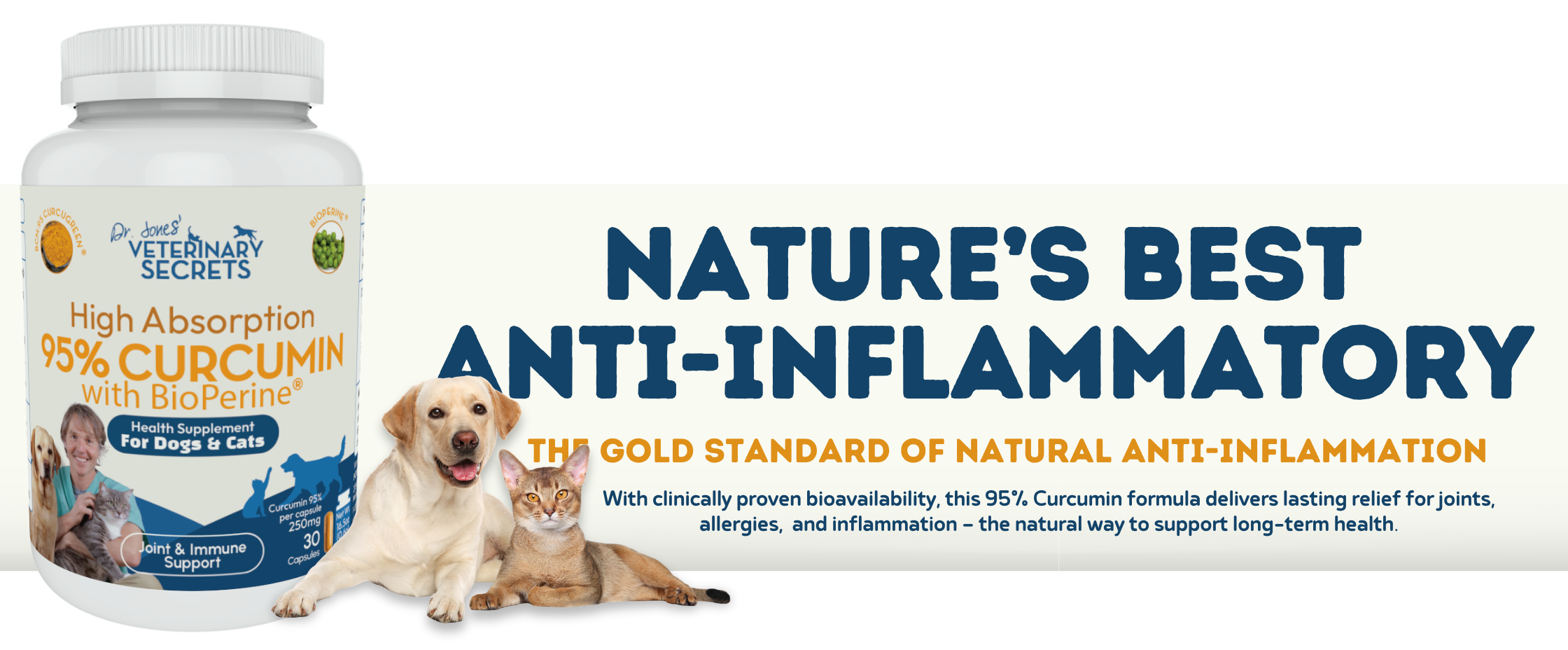
6. SAMe for Glutathione Production
SAMe stands for S-adenosylmethionine.
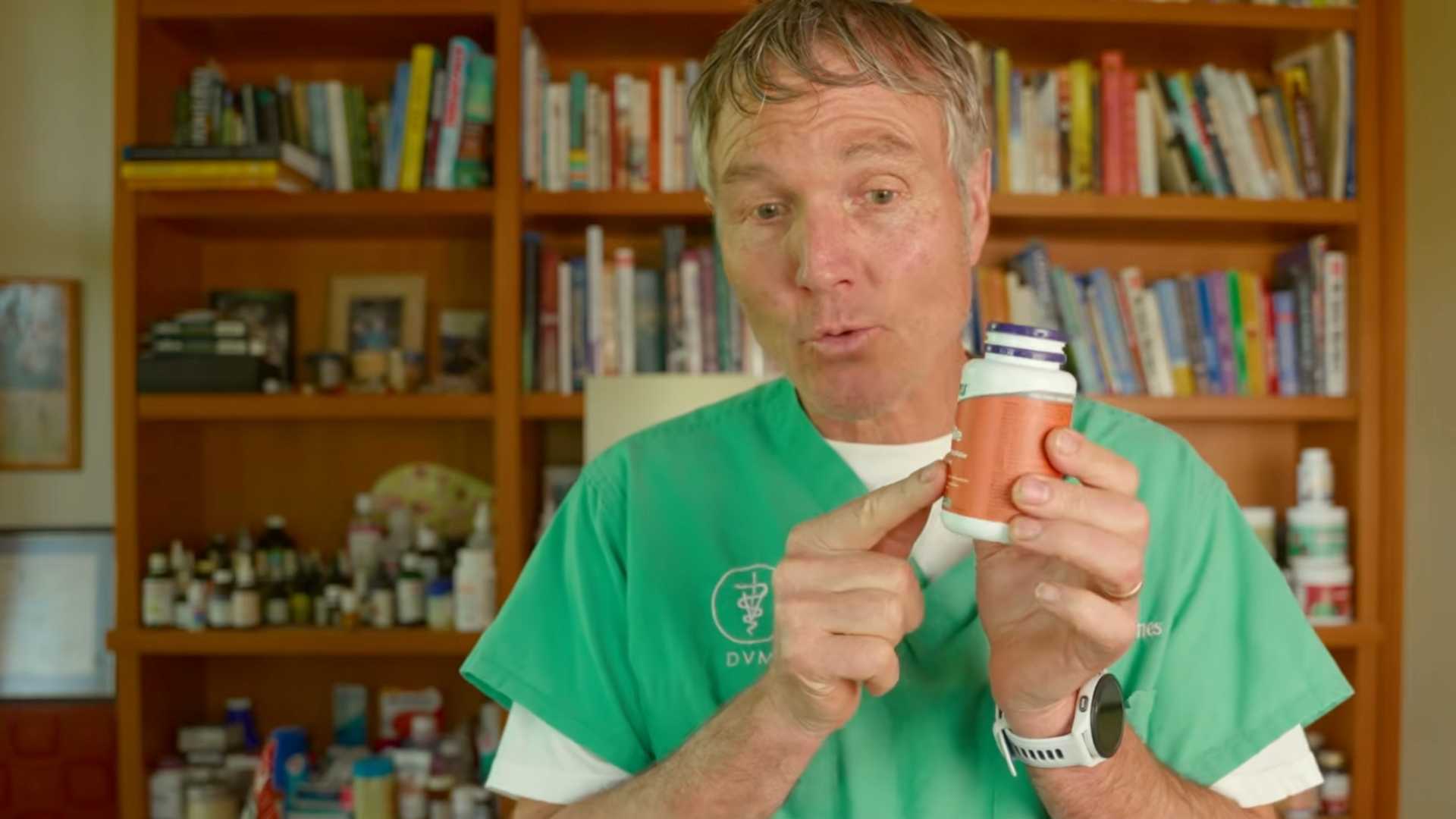
It is a modified amino acid.
The interesting part is that SAMe can be converted through enzyme pathways into glutathione.
That means your dog or cat needs adequate SAMe to produce glutathione properly.
SAMe Dose
Give:
- 50 mg per 20 lbs of body weight daily
SAMe is one of the most important liver-support supplements because it directly supports glutathione production.
Glutathione Support Dosage Table
| Food or Supplement | Suggested Amount | Why It Helps |
| Liver | 1 teaspoon per 10 lbs daily | Provides glutathione and amino acids |
| Broccoli sprouts | 1 tablespoon for a 40 to 50 lb dog daily | Sulforaphane supports glutathione production |
| Milk thistle | 100 mg per 10 lbs daily | Liver support and glutathione boosting |
| 95% curcumin | 250 mg per 50 lbs daily | Anti-inflammatory and supports glutathione enzymes |
| SAMe | 50 mg per 20 lbs daily | Can be converted into glutathione |
| High-quality animal protein | Amount not specified | Provides cysteine, glycine, and glutamine |
| Eggs | Amount not specified | Provides amino acid building blocks |
| Chicken hearts and gizzards | Amount not specified | Animal protein and amino acid support |
What About a Liver Support Supplement?
If giving multiple supplements feels overwhelming, a liver support formula can make this easier.
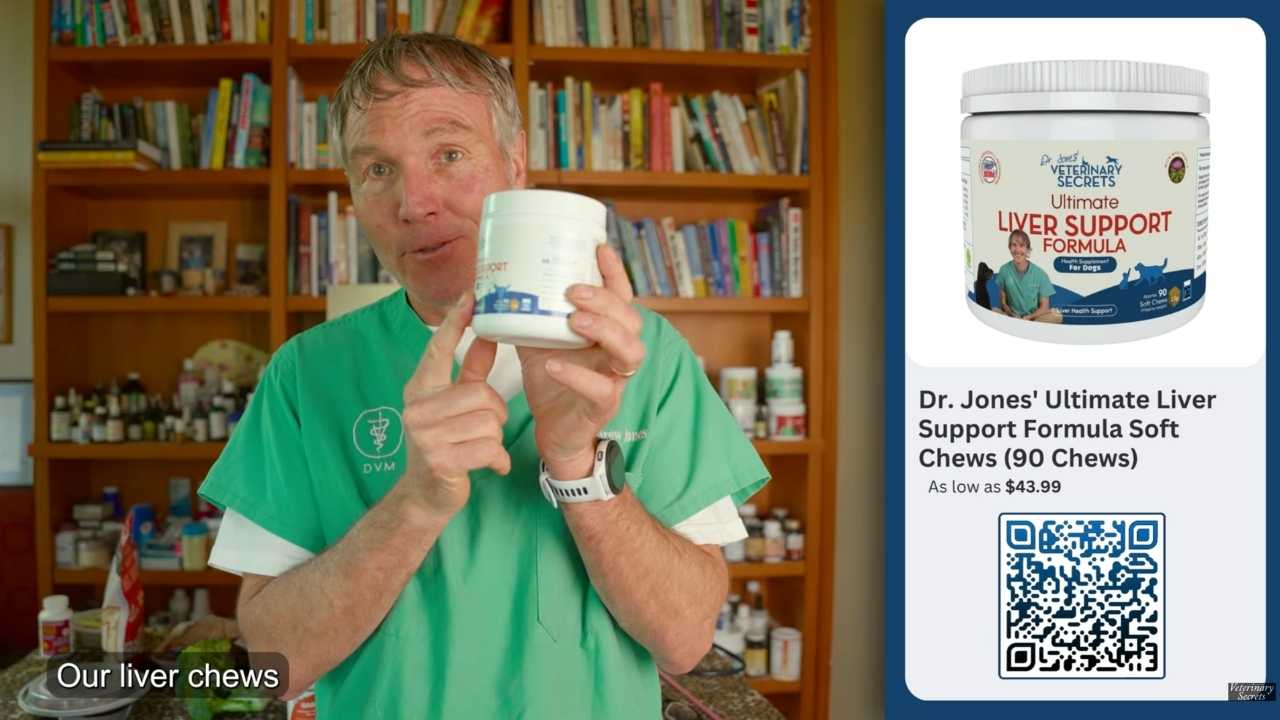
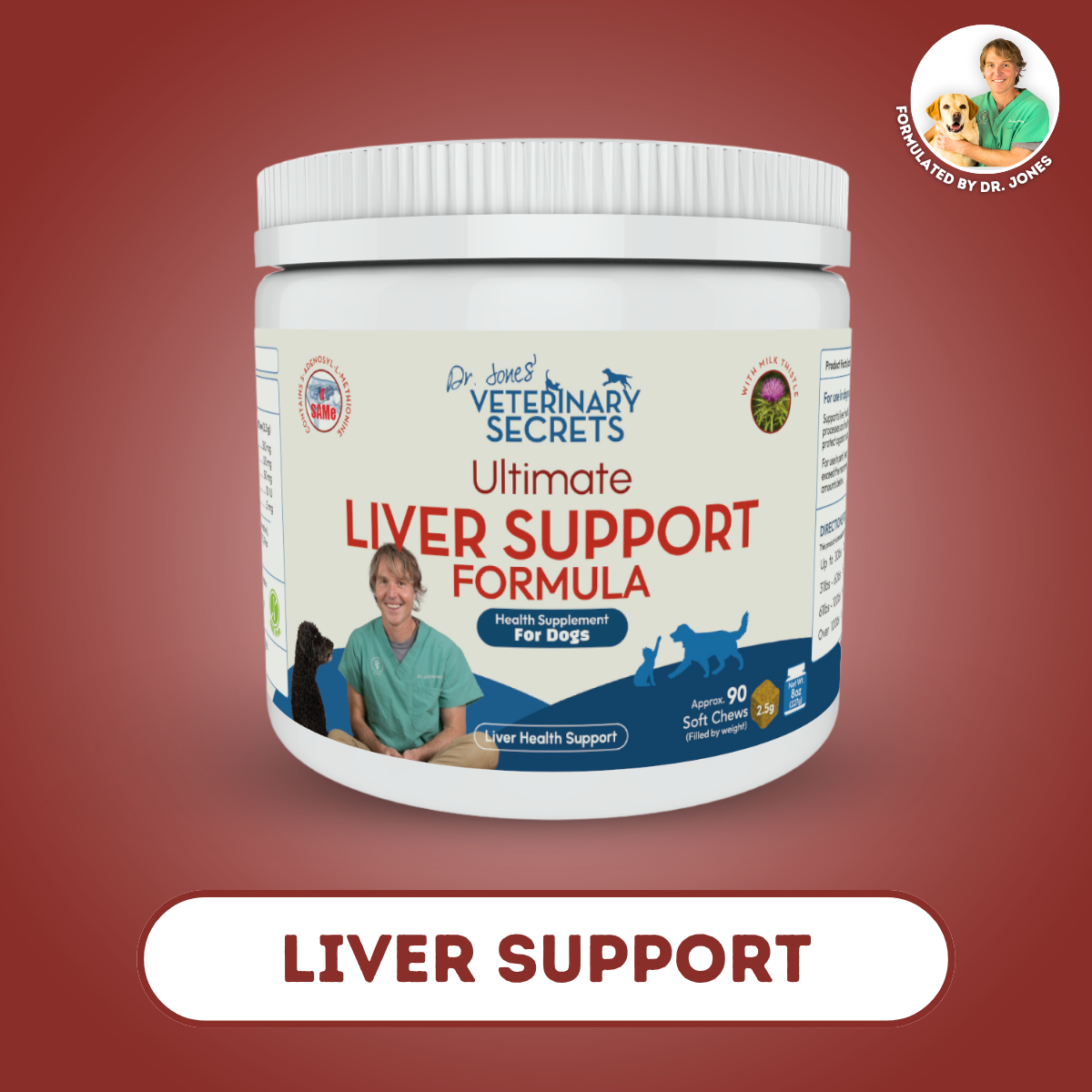
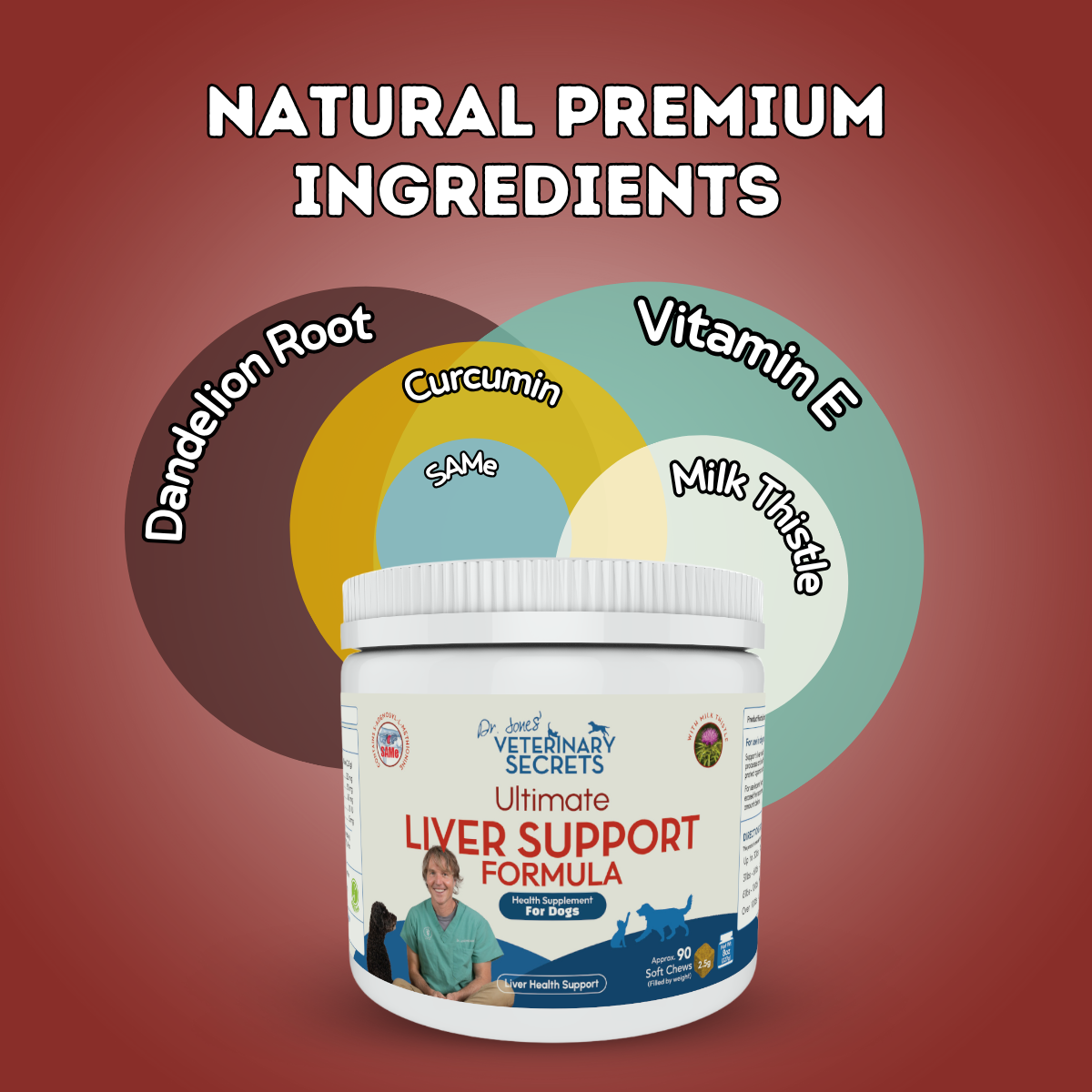
Dr. Jones’ Ultimate Liver Support Formula includes:
- Milk thistle
- 95% curcumin
- SAMe
- Dandelion
- Vitamin E
These are the nutrients I would think about for liver support and glutathione support.
If your dog or cat is getting repeatedly sick, has liver concerns, or may have low glutathione levels, this type of formula may be worth considering.
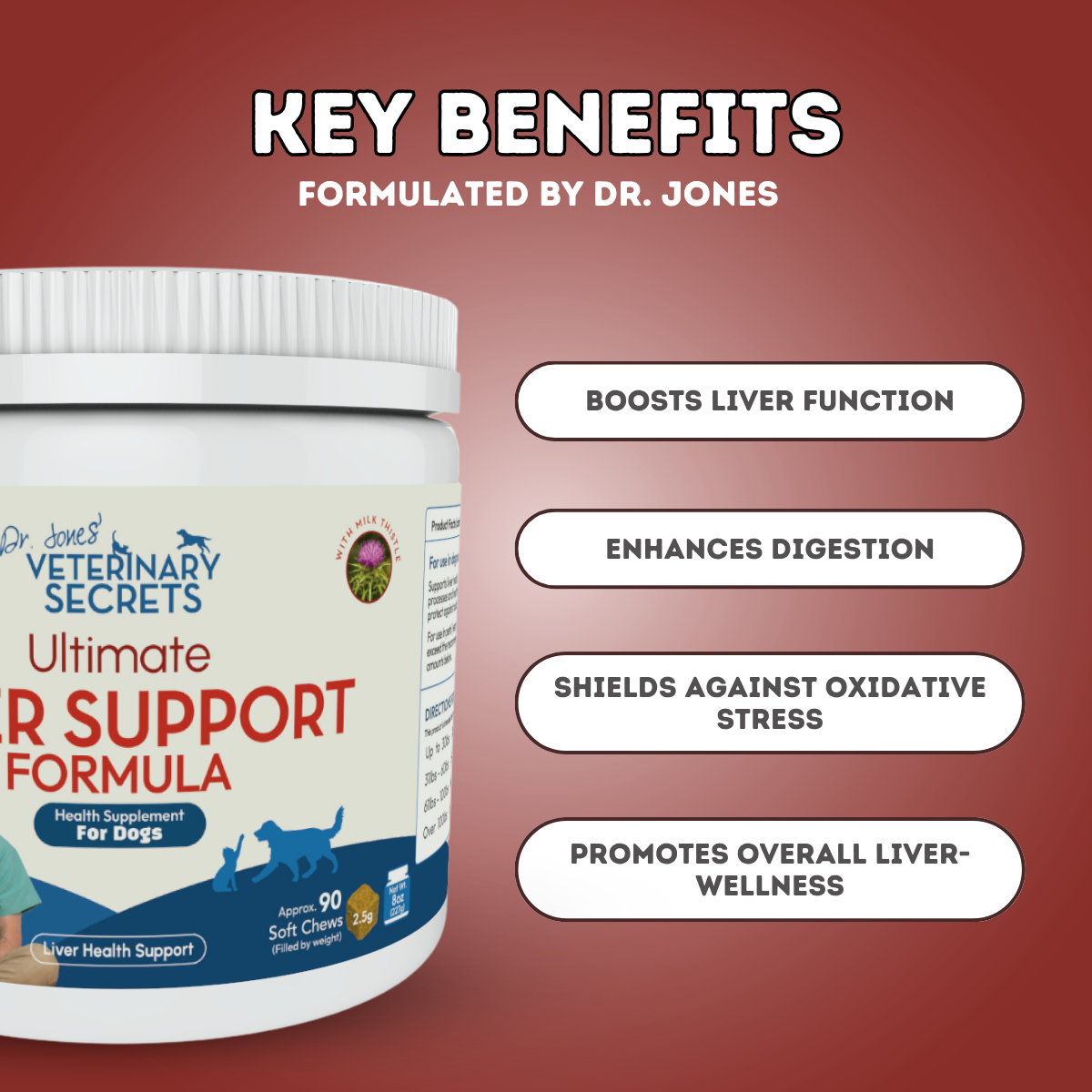
Key Benefits of Glutathione
| Benefit | Why It Matters |
|---|---|
| Liver detoxification | Helps bind and remove toxins through bile and urine |
| Antioxidant protection | Neutralizes free radicals before they damage cells |
| Immune support | Helps regulate white blood cells, lymphocytes, and cytokines |
| Cell repair | Helps protect mitochondria and damaged cells |
| Aging support | Older pets may produce less glutathione |
| Disease support | Low glutathione has been linked with several chronic diseases |
Step-by-Step: How I Would Support Glutathione Naturally
Step 1: Improve Protein Quality
Feed high-quality animal protein such as chicken, beef, lamb, venison, eggs, chicken hearts, chicken gizzards, or freeze-dried raw chicken.
Step 2: Add Small Amounts of Liver
Use liver carefully:
- 1 teaspoon per 10 lbs daily
Do not overdo it.
Step 3: Add Broccoli or Broccoli Sprouts for Dogs
For dogs, use chopped or crushed broccoli, lightly cooked, or broccoli sprouts.
Broccoli sprouts can be given at about:
- 1 tablespoon for a 40 to 50 lb dog daily
Step 4: Add Liver-Support Supplements
Consider:
- Milk thistle
- 95% curcumin
- SAMe
Step 5: Use a Liver Formula if Simpler
If you want one easier option, consider Dr. Jones’ Ultimate Liver Support Formula with milk thistle, curcumin, SAMe, dandelion, and vitamin E.
Step 6: Watch Your Pet’s Health
Monitor:
- Energy
- Appetite
- Recurring infections
- Ear infections
- Liver enzymes
- Digestion
- Inflammation
- General vitality
Final Thoughts
Glutathione is called the master antioxidant for a reason.
It supports liver detoxification, immune function, free radical control, cytokine balance, mitochondrial health, and cell repair.
Your dog or cat makes it in the liver, but as they age or deal with disease, glutathione can be used up and produced in lower amounts.
That is why I want you thinking about food and liver support.
Feed high-quality animal protein.
Use small amounts of liver.
For dogs, consider broccoli or broccoli sprouts.
And consider key liver nutrients like milk thistle, SAMe, and 95% curcumin.
If your pet has recurring infections, liver disease, elevated liver enzymes, or is simply getting older, glutathione matters.
I am surprised it took me this long to fully appreciate it.
But I am very glad I did.
Click To Get A Free Copy of My E-Book!

P.S. If your dog or cat is aging, getting repeated infections, or has elevated liver enzymes, start thinking about glutathione.
It is made in the liver, and it is one of the body’s main ways of handling toxins, inflammation, and damaged cells.
Start with the basics.
Better animal protein.
A small amount of liver.
Broccoli sprouts for dogs.
Then consider milk thistle, SAMe, and 95% curcumin.
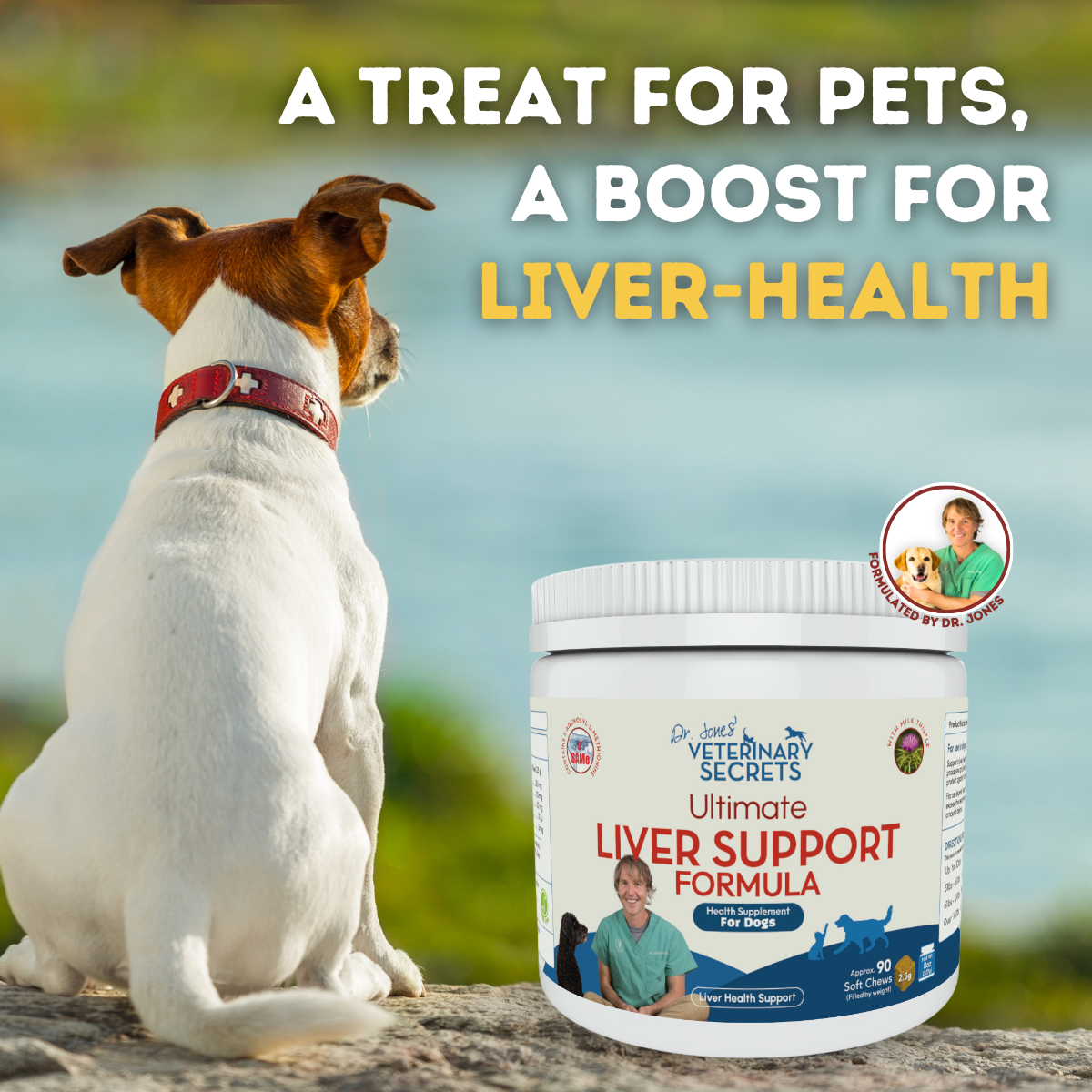
And if giving all of those separately feels like too much, Dr. Jones’ Ultimate Liver Support Formula includes milk thistle, 95% curcumin, SAMe, dandelion, and vitamin E.
Simple support for a very important antioxidant.
I am unable to sign up for this liver webinar. Please add my name to the attendees list
You’re all set. We’ve registered you for the webinar. Please check your email inbox for your access link. Looking forward to seeing you there on July 28!
I was unable to sign up for the liver seminar – there was no submit button visible on the screen – would it be possible to get the MP3/pdf? Thanks
Sorry you had trouble registering.
Dr. Jones’ FREE Liver Health Web Clinic is happening on July 28 at 5 PM PDT / 8 PM EDT.
You’ll learn about the signs of liver disease, what elevated liver enzymes mean, natural liver remedies, liver friendly foods, and simple ways to support your dog or cat’s liver at home.
You can register here: https://veterinarysecrets.com/webinar/
The replay video and the slides will be sent out in our morning newsletter to everyone who successfully registers for the webinar.