Silent Dog Killer: Hemangiosarcoma Warning Signs Every Dog Owner Should Know

What Is the Silent Killer of Dogs?
Hemangiosarcoma is often called the number one silent killer of dogs because it can grow quietly inside the body with no obvious warning signs.
It is a serious cancer that often affects the spleen and the heart. A dog may look normal one day, then suddenly become weak, lethargic, collapse, or internally bleed.
That is exactly what happened with my own dog, Hoochie.
He came with me to the veterinary clinic every day. I saw him constantly. Yet there was no clear warning. One day he just seemed unusually tired and could not keep up running.
Bloodwork showed he was very anemic. Imaging showed a large splenic mass. It was hemangiosarcoma.
I removed his spleen and the splenic mass, but unfortunately, in many cases, this cancer has already spread by the time it is found.
Within 21 days of diagnosis, Hoochie suddenly collapsed from a massive internal bleed.
That is why I want every dog parent to know about this disease.
Dr. Jones’ Ultimate Omega 3 Formula for Dogs and Cats



What Is Hemangiosarcoma in Dogs?
Hemangiosarcoma is a tumor that develops from the lining of blood vessels.
Because it involves blood vessels, it can bleed internally.
It often shows up as a tumor on:
- The spleen
- The heart
- Sometimes other internal organs
The reason it is so dangerous is that it may grow for a long time without any noticeable change in your dog.
Your dog may eat, walk, play, and act normal.
Then suddenly, the tumor bleeds.
That internal bleeding can become life-threatening very fast.
Why Is Hemangiosarcoma So Hard to Detect Early?
Hemangiosarcoma is hard to detect because there may be no real warning signs.
The tumor can grow inside the spleen or heart without causing obvious symptoms.
With Hoochie, I did not see clear signs until he became lethargic and could not keep up running.
At first, I wondered if something else was going on, maybe a tooth root abscess or another problem.
But bloodwork showed anemia, then imaging showed the splenic mass.
That is the problem with this cancer.
By the time a dog looks sick, the disease may already be advanced.
What Are the Warning Signs of Hemangiosarcoma?
The signs can be subtle or sudden.
Possible Warning Signs
Watch for:
- Sudden lethargy
- Weakness
- Collapse
- Pale gums
- Not keeping up on walks or runs
- Sudden exercise intolerance
- Anemia on bloodwork
- Signs of internal bleeding
- A splenic mass found on imaging
- Sudden worsening after seeming normal
In many dogs, there may be no obvious early signs.
That is why routine exams, bloodwork, and imaging can matter, especially in high-risk breeds.
Why Internal Bleeding Is So Dangerous
Because hemangiosarcoma develops from blood vessel lining, these tumors can rupture and bleed.
If a splenic tumor ruptures, the abdomen can fill with blood.
A dog may suddenly:
- Become weak
- Collapse
- Have pale gums
- Act very tired
- Struggle to stand
- Die rapidly without emergency care
That is what happened to Hoochie.
We were walking into the clinic one day, and he suddenly dropped.
This is not a “watch overnight” situation.
If your dog collapses or seems suddenly weak, get emergency care.
Which Dogs Are at Higher Risk?
Hemangiosarcoma can affect many dogs, but Golden Retrievers are one of the major breeds of concern.
The transcript mentions that in Golden Retrievers, it is estimated that up to 1 in 5 dogs may die of hemangiosarcoma.
That is about 20 percent.
That is very worrying.
High-risk dogs may include:
- Golden Retrievers
- Dogs with breed lines known for hemangiosarcoma
- Older dogs
- Dogs with unexplained anemia
- Dogs with sudden weakness or collapse
- Dogs with splenic masses
If you have a Golden Retriever, I would be especially aware of this disease.
Not fearful.
Aware.
There is a difference.
Can Hemangiosarcoma Be Diagnosed Earlier?
That is one of the big areas of current research.
There is a lot of work being done to find better ways to detect hemangiosarcoma earlier.
The earlier it is found, the better the chance of helping the dog.
If I had been able to diagnose Hoochie earlier, remove his spleen before the cancer spread, maybe the outcome could have been different.
That is why early diagnosis is so important.
Research: Biodetection Dogs for Hemangiosarcoma
One promising area of research is using dogs to detect hemangiosarcoma by scent.
Many tumors release certain smells, called volatile organic compounds.
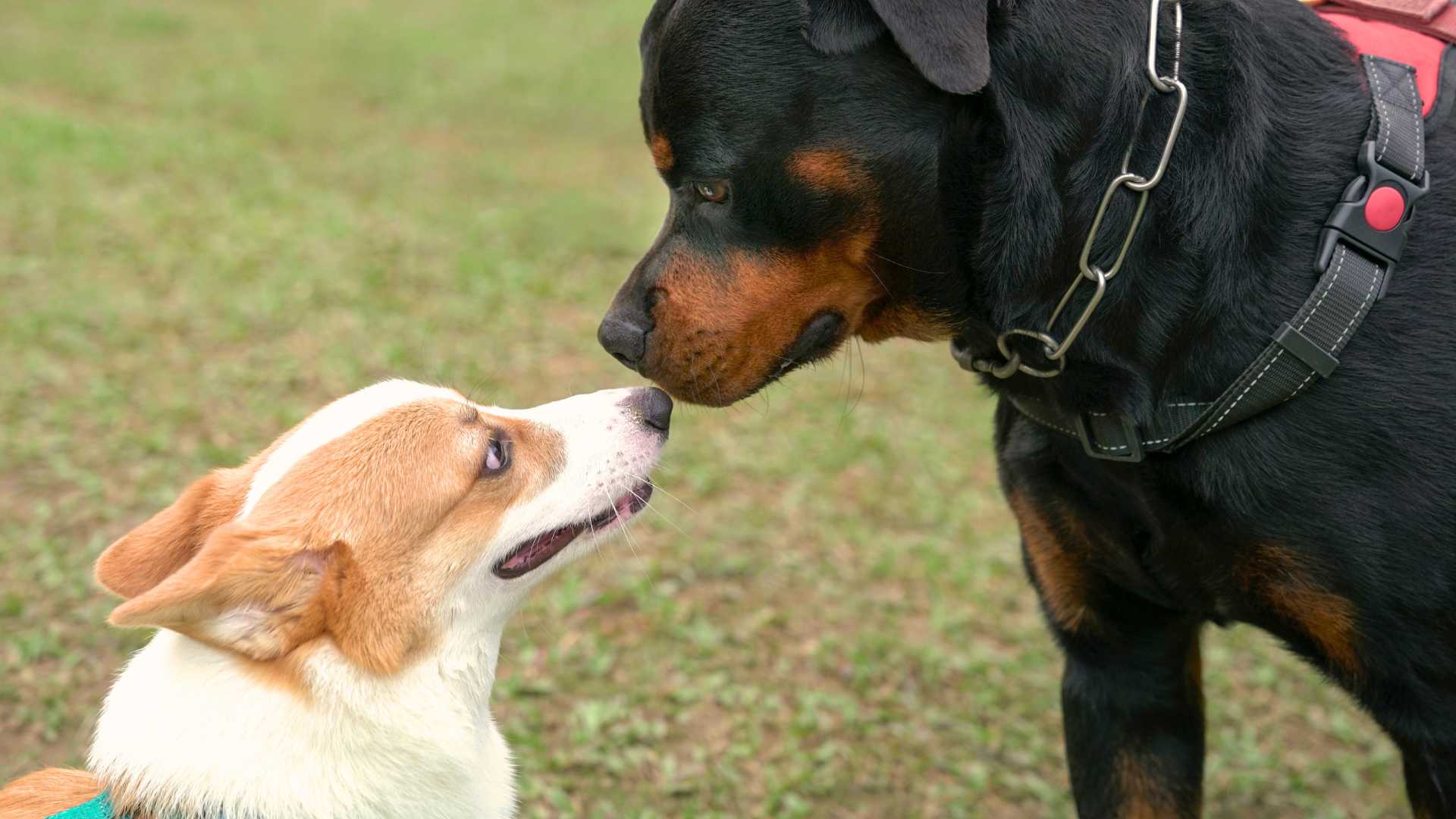
We cannot smell them.
But dogs may be able to.
A dog’s sense of smell can be thousands of times better than ours.
The American Kennel Club Canine Health Foundation is sponsoring research called:
The idea is to see whether trained dogs can detect the smell of cancer cells from dogs with hemangiosarcoma.
If that works, it could become part of earlier diagnosis in the future.
That would be remarkable.
Dogs helping diagnose cancer in dogs.
Honestly, that sounds about right. Dogs helping us again.
Research: Biomarkers and Early Screening
Another area of research is looking at biomarkers.
Cornell has been involved in research looking at healthy spleen samples and spleens from dogs that develop hemangiosarcoma.
The goal is to understand what changes are happening at the gene level.
In some cancers, certain genes are turned on when they should not be.
Other genes that may help prevent cancer may be turned off.
In a paper published in 2020, researchers identified two specific biomarkers.
The hope is that this may eventually lead to:
- Better diagnostic tests
- Earlier screening
- Better risk detection in high-risk breeds
- Possible epigenetic therapies
- Ways to keep the right genes turned on
- Ways to prevent cancer from developing in the first place
But we are not there yet.
We do not yet have a perfect gold-standard blood test that says yes or no, your dog has hemangiosarcoma.
And trained biodetection dogs are not available everywhere.
Still, this research is worth watching.
Conventional Treatment Reality
When hemangiosarcoma is found on the spleen, surgery may be done to remove the spleen and mass.
That is what I did for Hoochie.
But unfortunately, in many cases, the cancer has already spread by the time it is diagnosed.
That makes treatment difficult.
This is why I want to focus on:
- Early detection
- High-risk awareness
- Supportive care
- Diet changes
- Anti-inflammatory support
- Options that may improve comfort and survival time
I am not promising cures.
I am talking about the options I would consider if this were my dog.
Natural and Supportive Options for Hemangiosarcoma
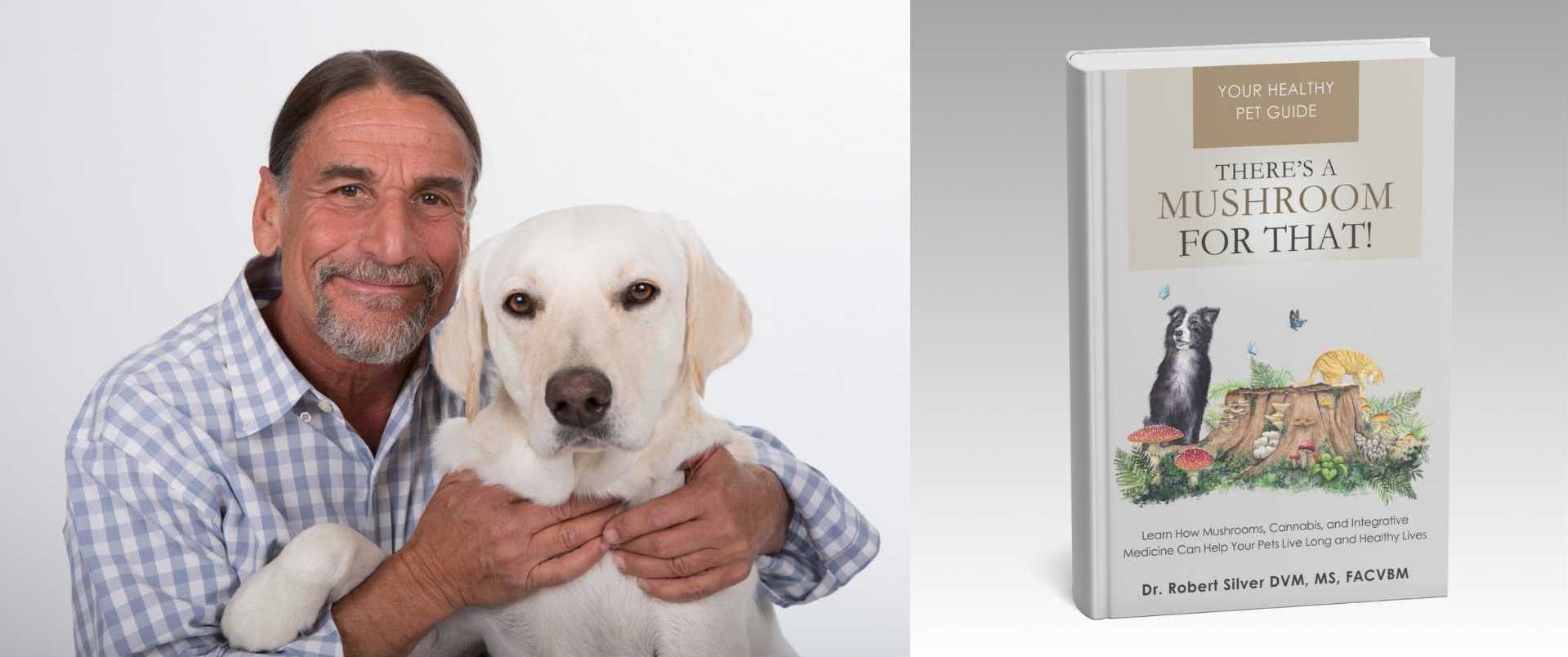
Dr. Rob Silver has used several specific treatments with dogs diagnosed with hemangiosarcoma.
Some are different from options I have discussed in the past.
The main support options include:
- Ketogenic diet
- Omega-3 fatty acids
- Cannabinoids, including CBD and possibly THC where legal
- Yunnan Baiyao
- Medicinal mushrooms, especially turkey tail extract
- 95% curcumin
- Artemisinin
- Fenbendazole, also known as Panacur
These are not replacements for emergency care or proper diagnosis.
But they are options to consider as part of a broader plan.
1. Ketogenic Diet for Dogs With Hemangiosarcoma
Dr. Silver puts the ketogenic diet high on the list for dogs with hemangiosarcoma.
The principle is simple.
Cancer cells often use glucose as a primary energy source.
Glucose comes from simple carbohydrates.
Even many “high protein” kibbles still need carbohydrates to form kibble. Those carbohydrates can be broken down into glucose.
A ketogenic diet provides an alternate energy source through fats and ketones.
Some pet parents and veterinarians have seen positive results when dogs with cancer are moved to a ketogenic diet.
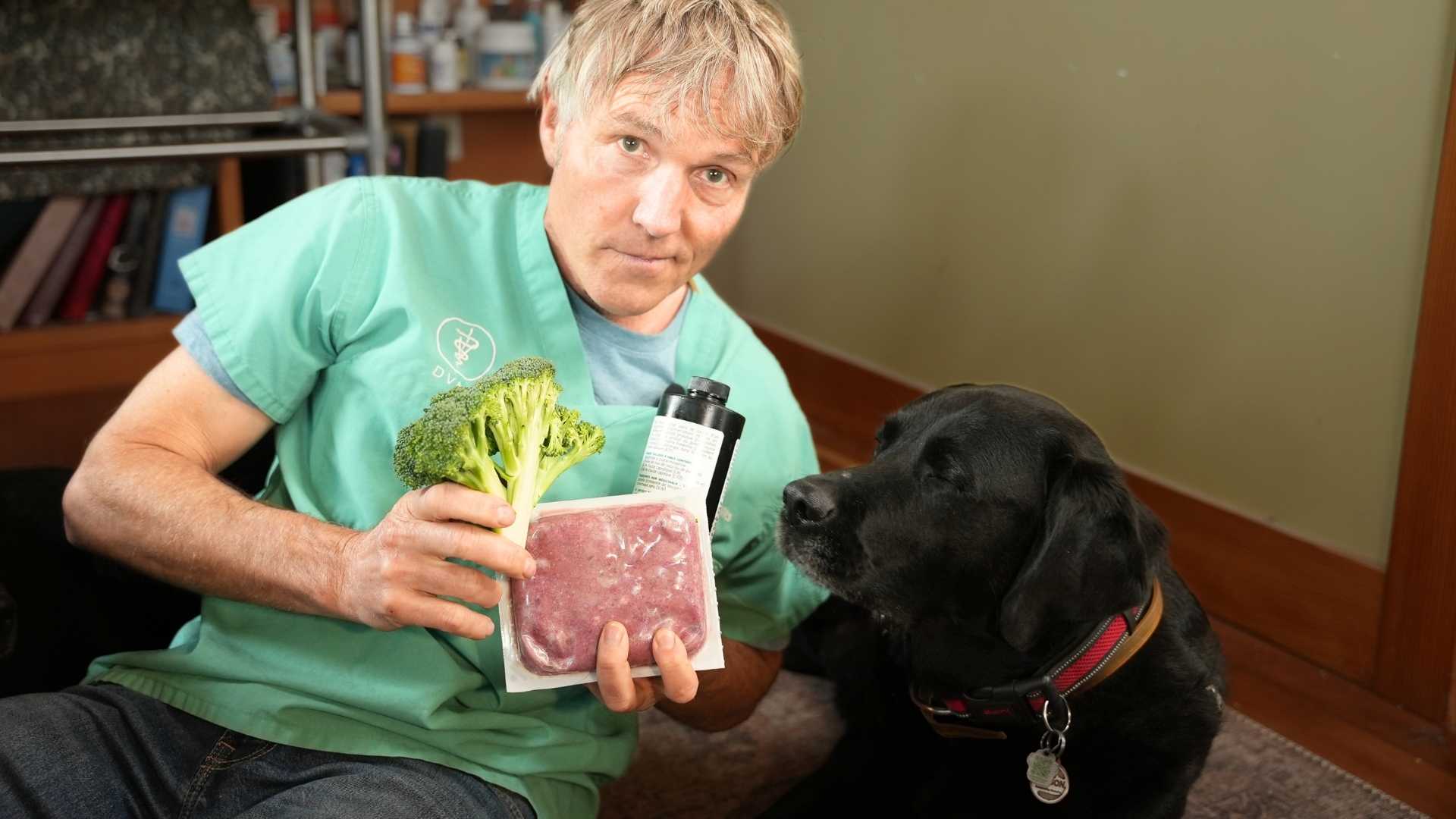
Simple Ketogenic Diet Example for a 50 lb Dog
| Ingredient | Amount |
|---|---|
| Regular ground beef, about 80/20 | 1 lb daily |
| MCT oil | Start with 1 teaspoon daily |
| Broccoli, chopped, crushed, rested, then steamed | 1/2 cup daily |
| Ground flax | 1 tablespoon daily |
How to Prepare the Broccoli
To get more sulforaphane from broccoli:
- Chop or crush the broccoli first.
- Let it sit for about 5 minutes.
- Then lightly steam it.
Do not overcook it into green mush.
The goal is to keep the nutrients.
And yes, Tucker Budzyn calls broccoli the “tree of doom.”
Angus ate it anyway.
Angus defies expectations.
Why Add Ground Flax?
When dogs move to a mostly meat-based diet, some can become constipated.
Ground flax may help reduce constipation.
If your dog has cancer, the last thing you want is adding constipation to the problem.
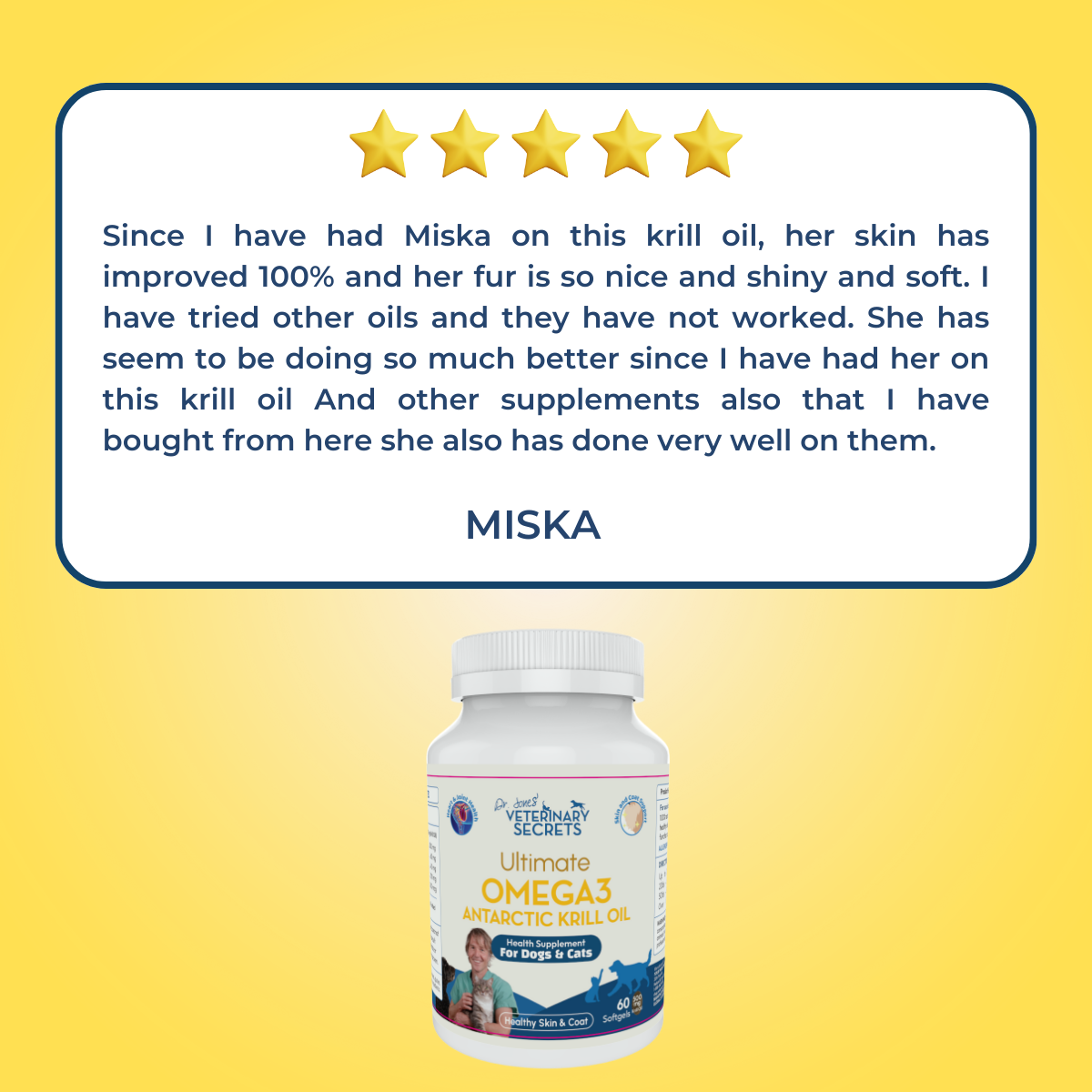
2. Omega-3 Fatty Acids and Krill Oil
Omega-3 fatty acids are another key support option.
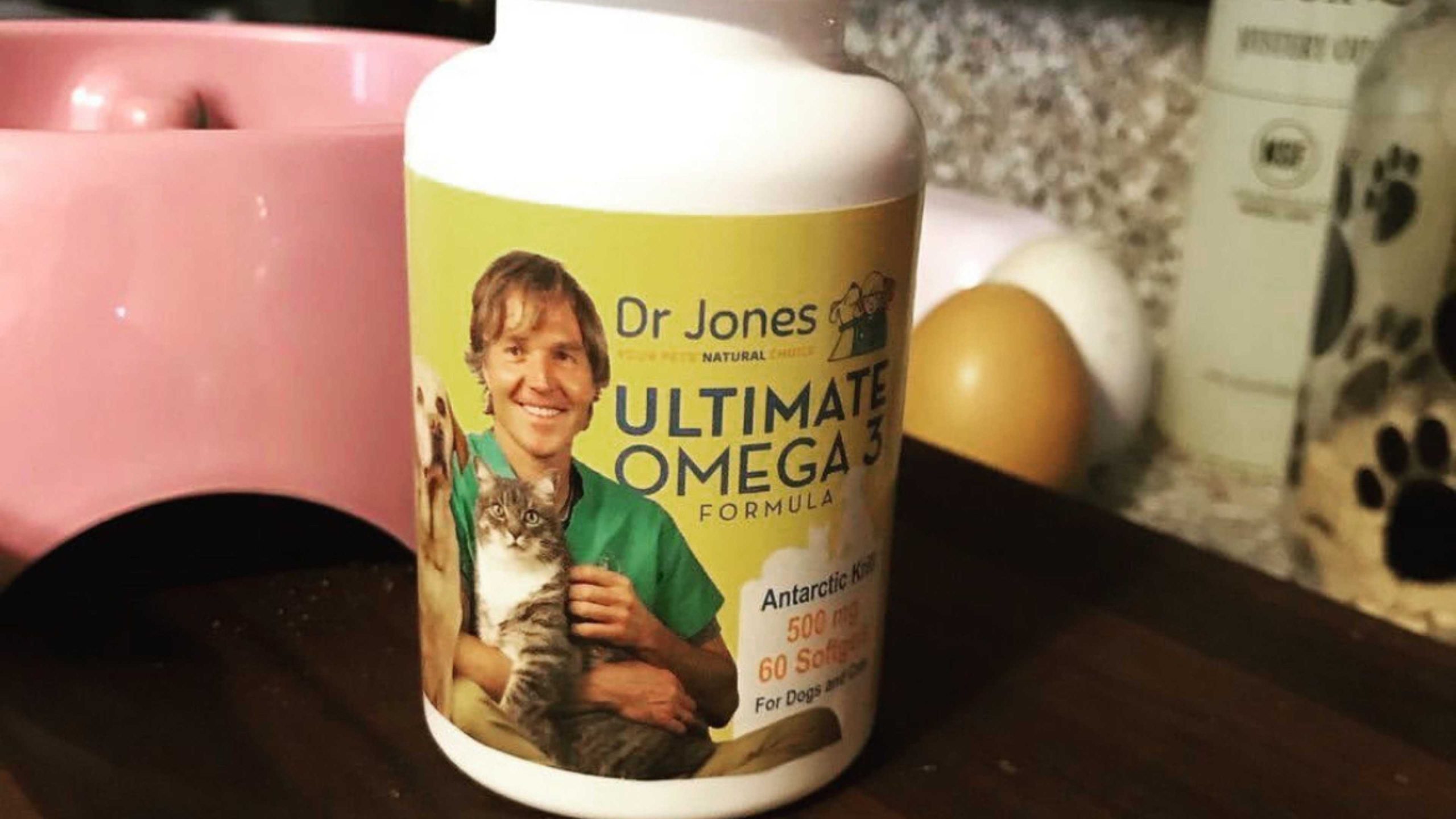
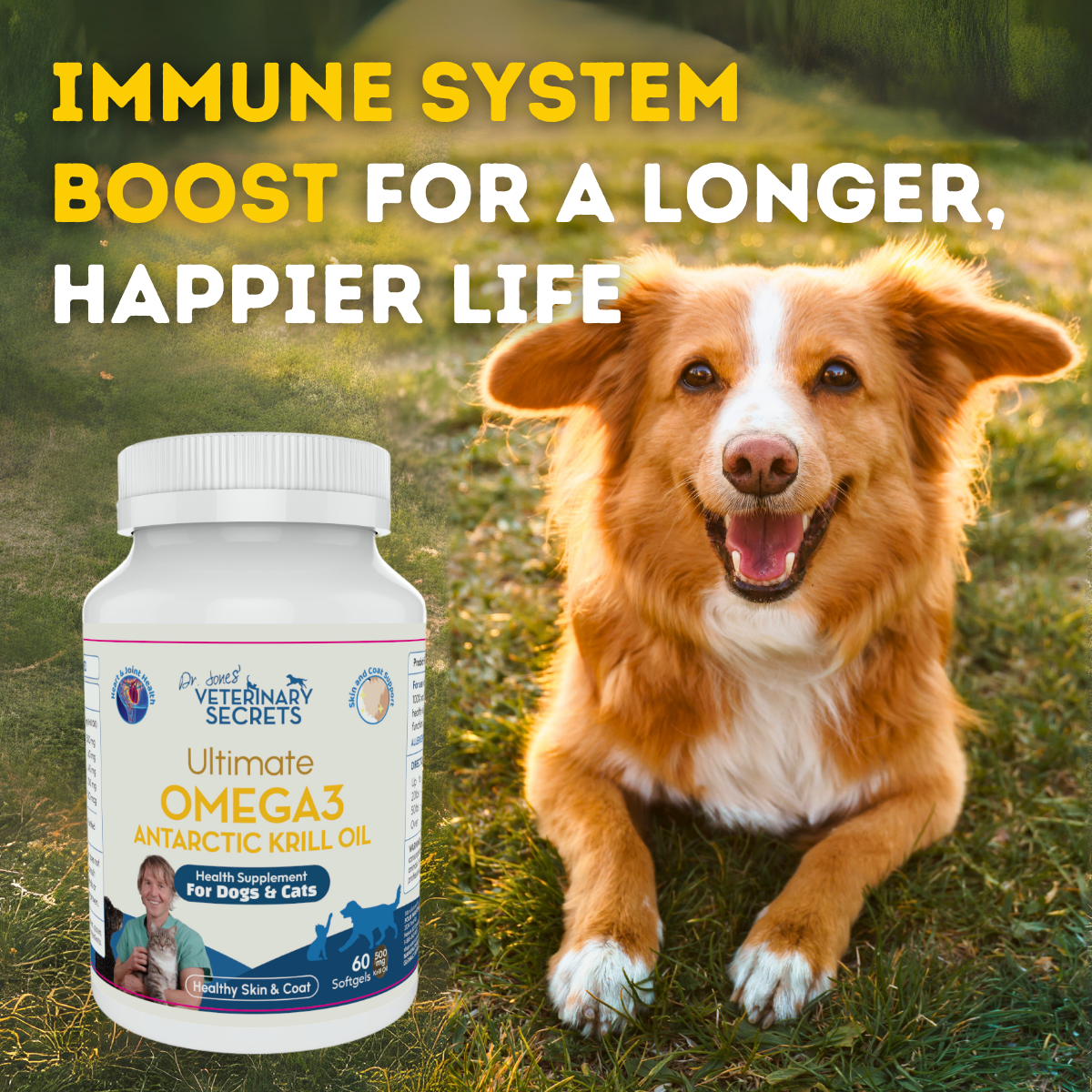
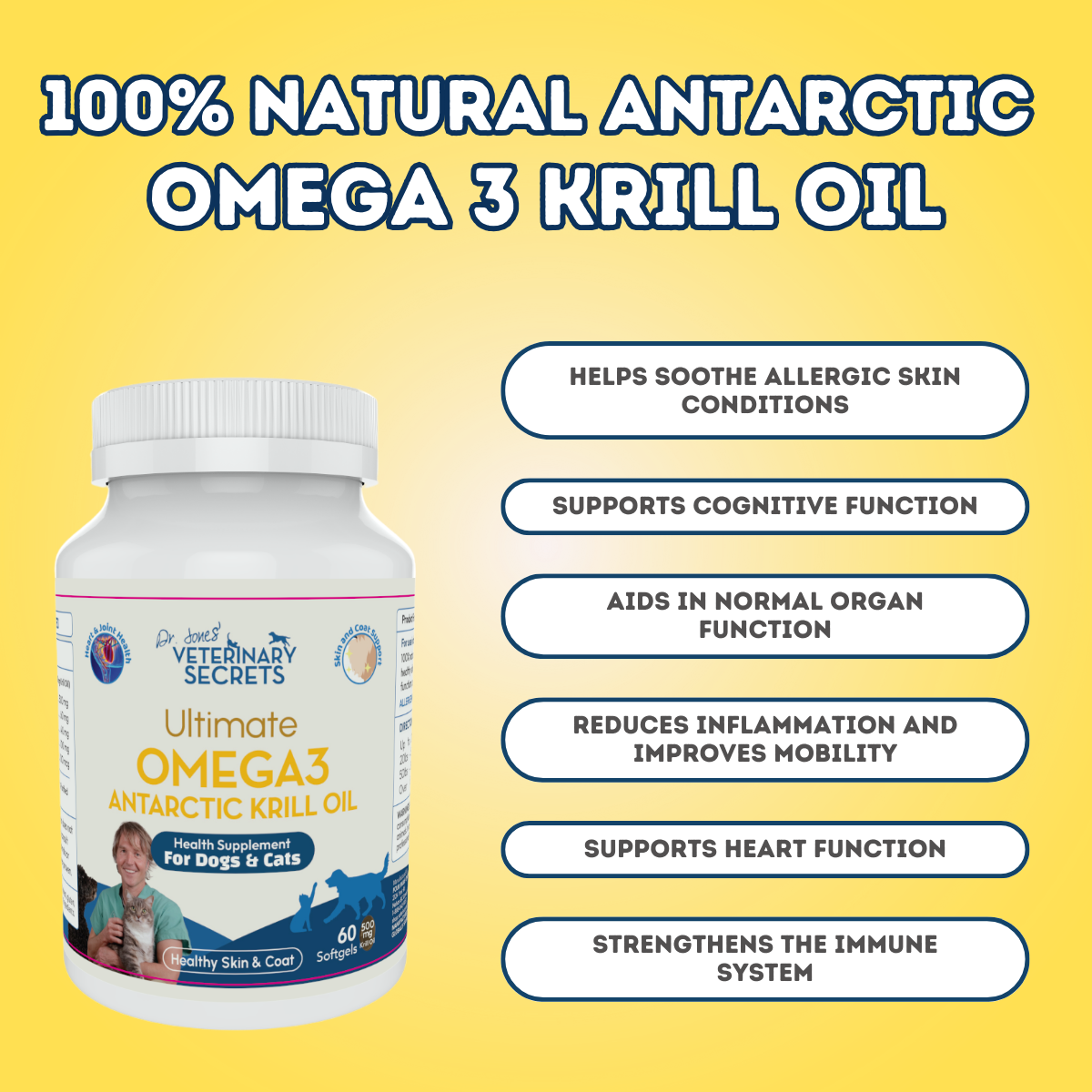
I would encourage krill oil because it is virtually toxin-free compared with many fish oils.
Omega-3 fatty acids have been studied for chemopreventive effects and may have some anti-cancer properties.
They can also help with inflammation.
Krill Oil Dose
Give:
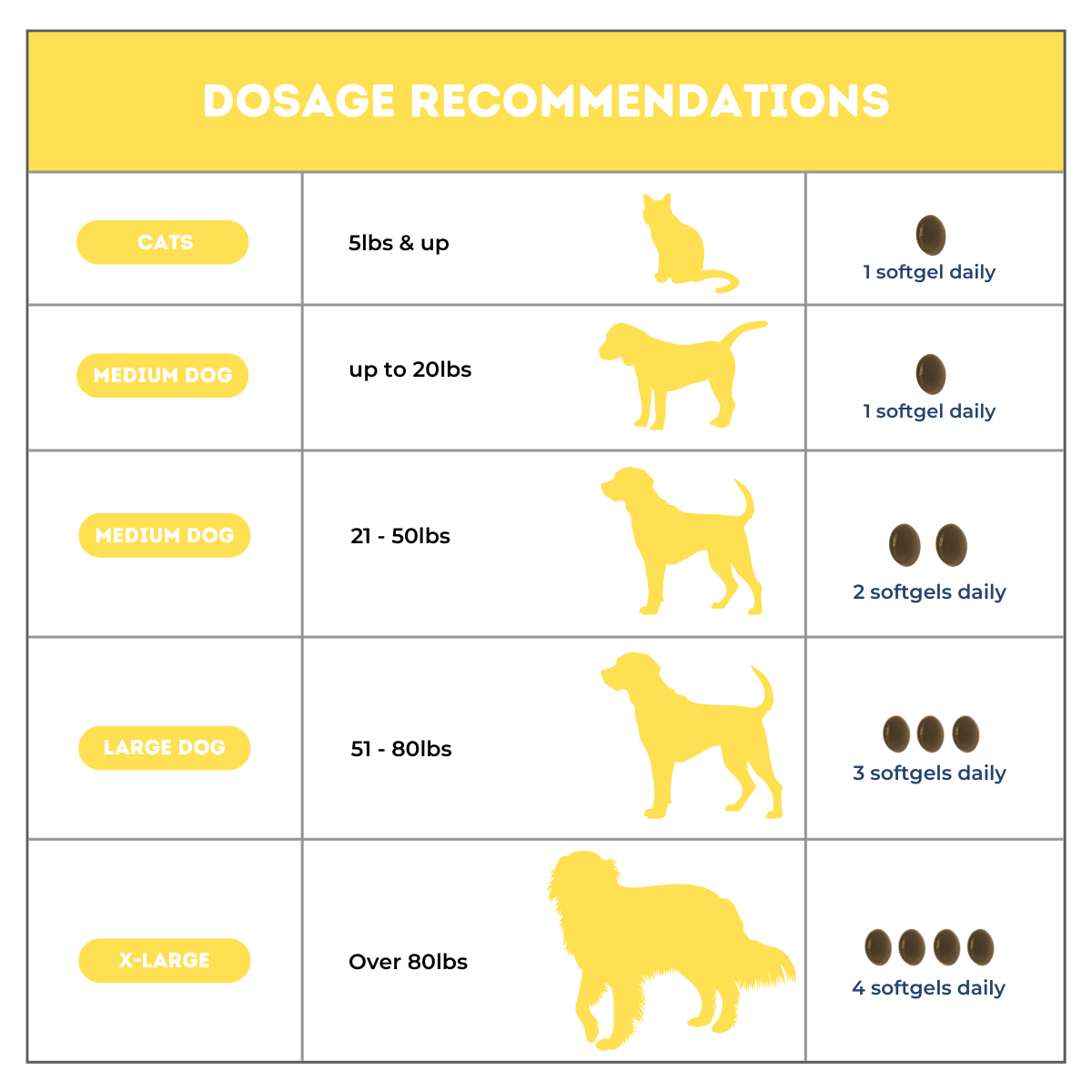
- 500 mg krill oil per 25 lbs of body weight daily
3. Cannabinoids for Hemangiosarcoma Support
Cannabinoids from the cannabis plant may be helpful for dogs with cancer.
CBD is probably the most studied cannabinoid.
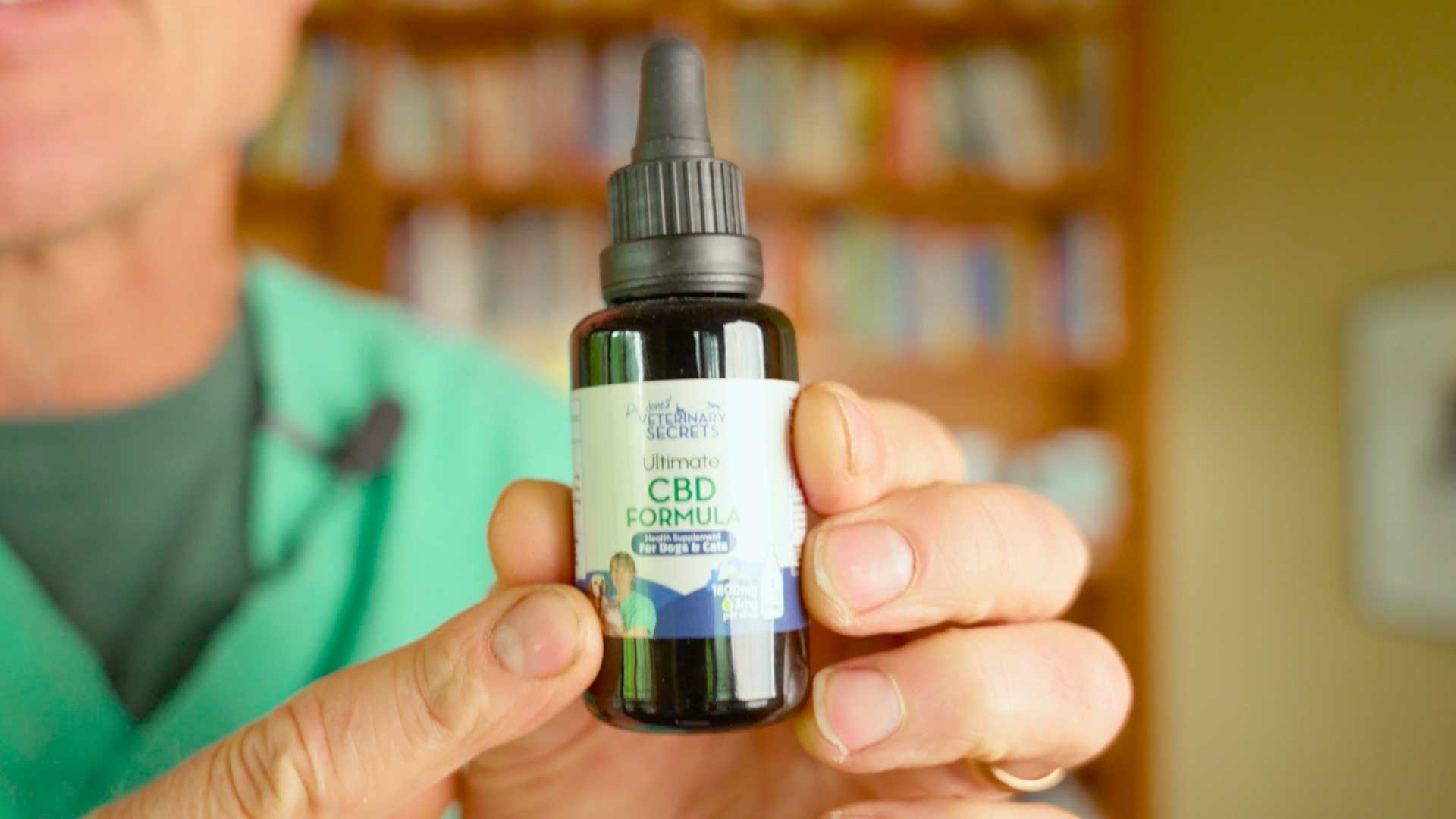
It may help with:
- Inflammation
- Pain
- Cancer support
- Appetite and comfort in some dogs
Dr. Silver also suggests incorporating THC along with CBD where THC is legal.
THC Caution
THC is not something you will typically get as an animal supplement.
It also depends on whether THC is legal in your state, province, or area.
If using THC, Dr. Silver suggests starting low.
THC Starting Dose Mentioned
Use:
- 0.05 mg per lb of body weight
CBD Starting Dose
Use:
- 3 mg per 10 lbs of body weight
- Twice daily minimum
The CBD dose can be increased up to five times that amount if needed.
Cannabinoid Blend
If possible, I would consider a cannabinoid blend that includes more than CBD.
Our blend includes:
- CBD
- CBC
- CBG
- CBN
- Some THC
The goal is to get to meaningful doses because we are seeing good results using cannabinoids in animals with cancer.
At minimum, cannabinoids may provide good pain control.
They may also have anti-cancer properties.
4. Yunnan Baiyao for Internal Bleeding Support
Yunnan Baiyao is a Chinese medicinal herb combination.
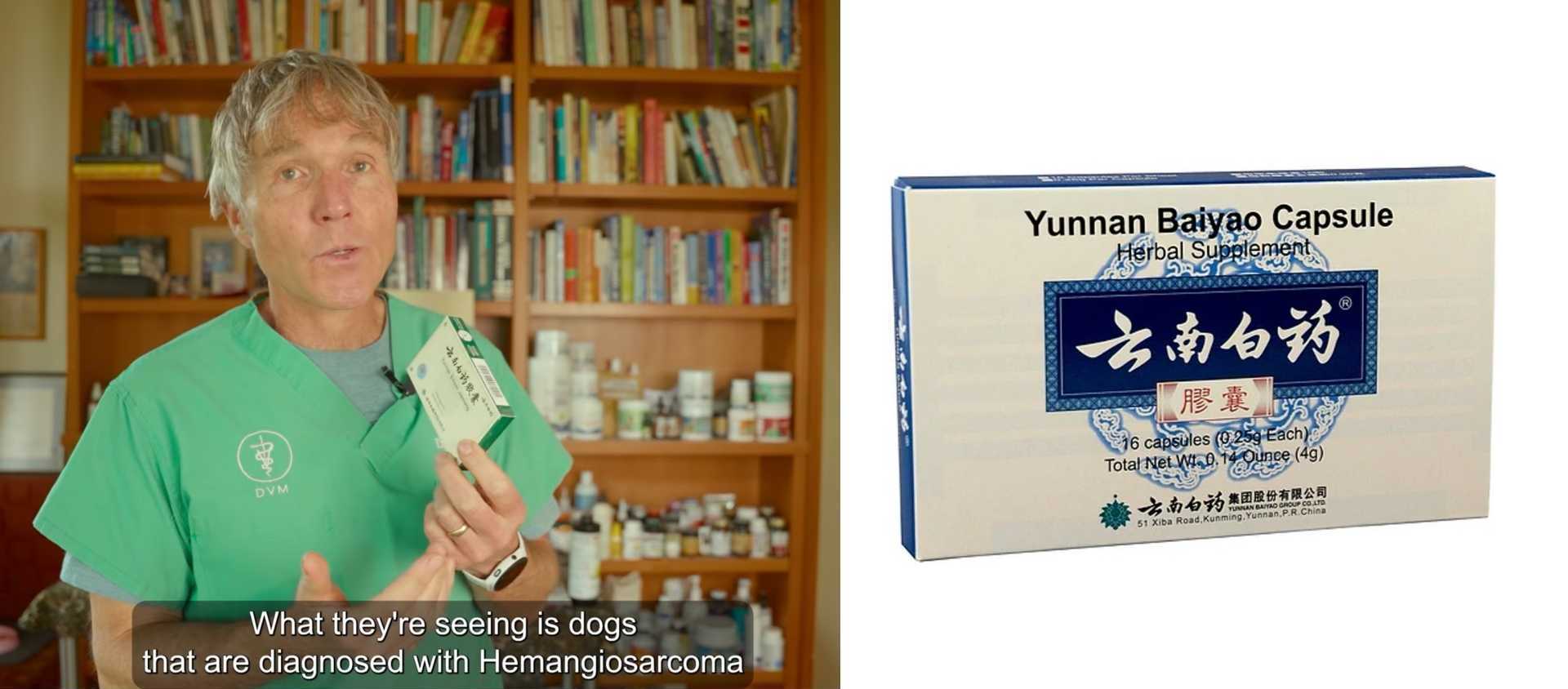
It can be difficult to find, and it may be expensive, but I think it is one of the most important things to consider for a dog with hemangiosarcoma.
It is not going to attack and kill all the cancer cells.
But it can help if your dog has an internal bleed.
Dogs diagnosed with hemangiosarcoma that are given Yunnan Baiyao have been shown to have a marked prolonged survival time.
Yunnan Baiyao has been used by many veterinarians when there is an acute bleed.
It can rapidly help stop bleeding.
If I had known then what I know now, I would have had Hoochie on it.
No question.
Yunnan Baiyao Dose
Give:
- 1 capsule per 50 lbs of body weight minimum
- Once daily at least
- Twice daily if possible
If cost is an issue, once daily may still be worth considering.
5. Medicinal Mushrooms and Turkey Tail Extract
Dr. Silver is very focused on medicinal mushrooms.
His book is called There’s a Mushroom for That.
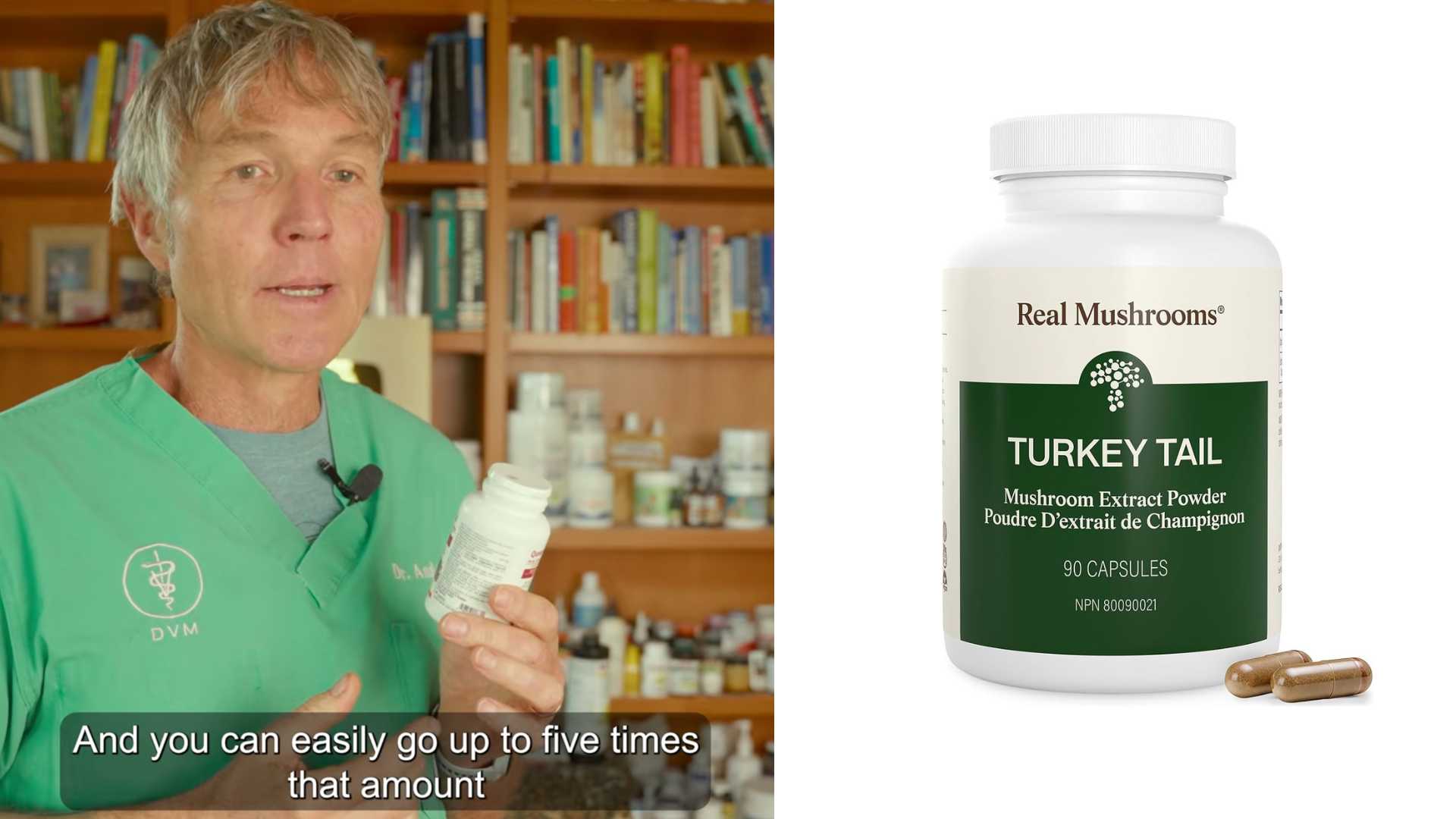
One mushroom I have discussed before is turkey tail extract.
Turkey tail has research for possible cancer prevention and cancer support.
The beneficial ingredients include:
- PSP
- PSK
- Beta-glucans
The quality of the mushroom product matters.
A lot.
Why Mushroom Quality Matters
Some mushroom products are grown on grain.
The early growth stage is called mycelium. This is like tiny fungal strands or hairs.
Some companies take mycelium grown on grain, dry it, and sell it as turkey tail.
But that may not contain meaningful levels of PSP, PSK, or beta-glucans.
So I want you looking for:
- Quality company
- Extract form if possible
- Real mushroom fruiting body
- Meaningful medicinal compounds
- PSP and PSK levels
- Beta-glucan concentration
One company mentioned is Real Mushrooms.
Turkey Tail Extract Dose
Give:
- 100 mg per 10 lbs of body weight
- Twice daily
This can be increased up to five times that amount because turkey tail has a wide safety margin.
Medicinal mushrooms are best thought of as supporting everything else you are doing.
6. 95% Curcumin for Hemangiosarcoma Support
Curcumin is a natural compound from turmeric.
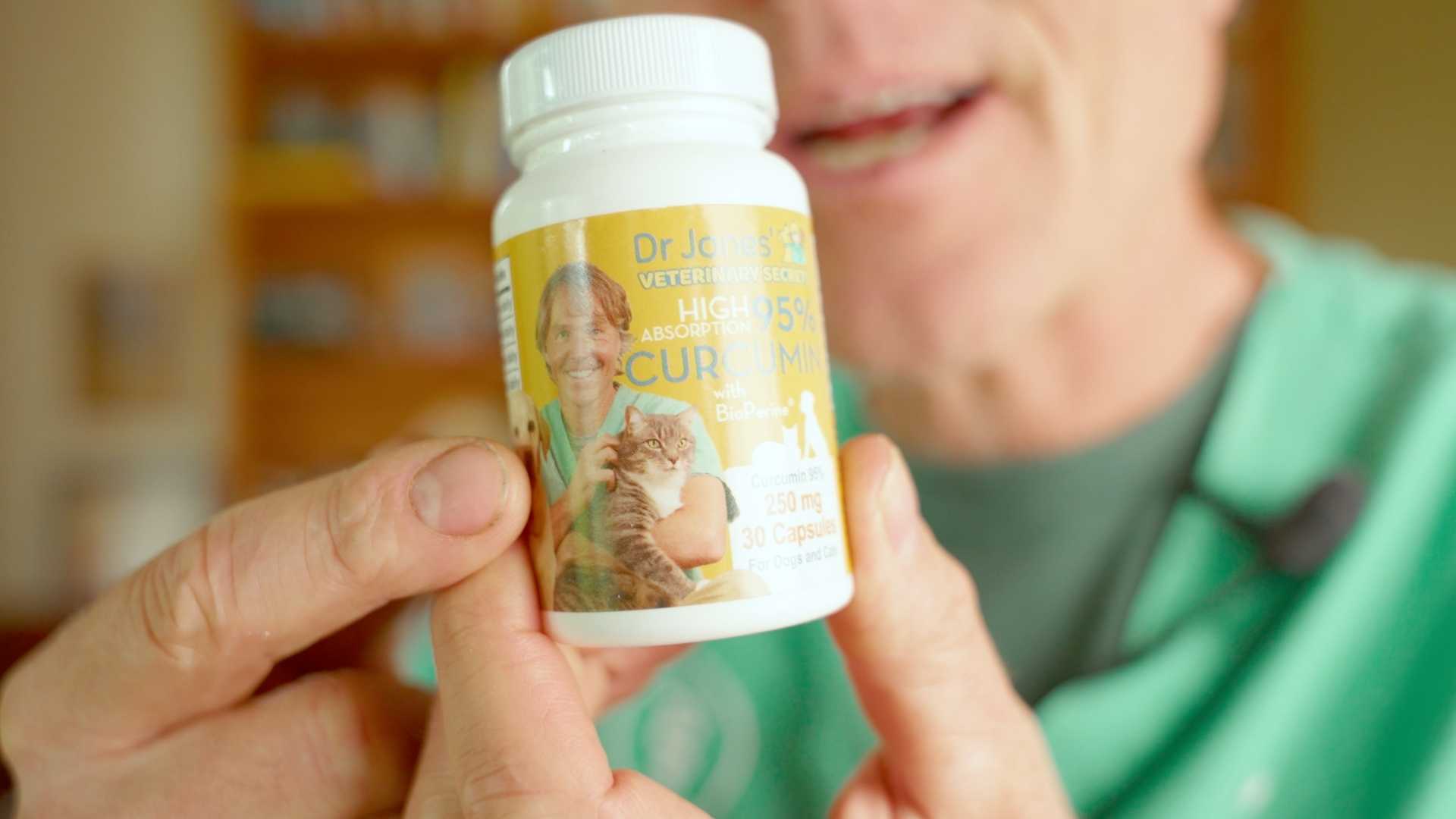
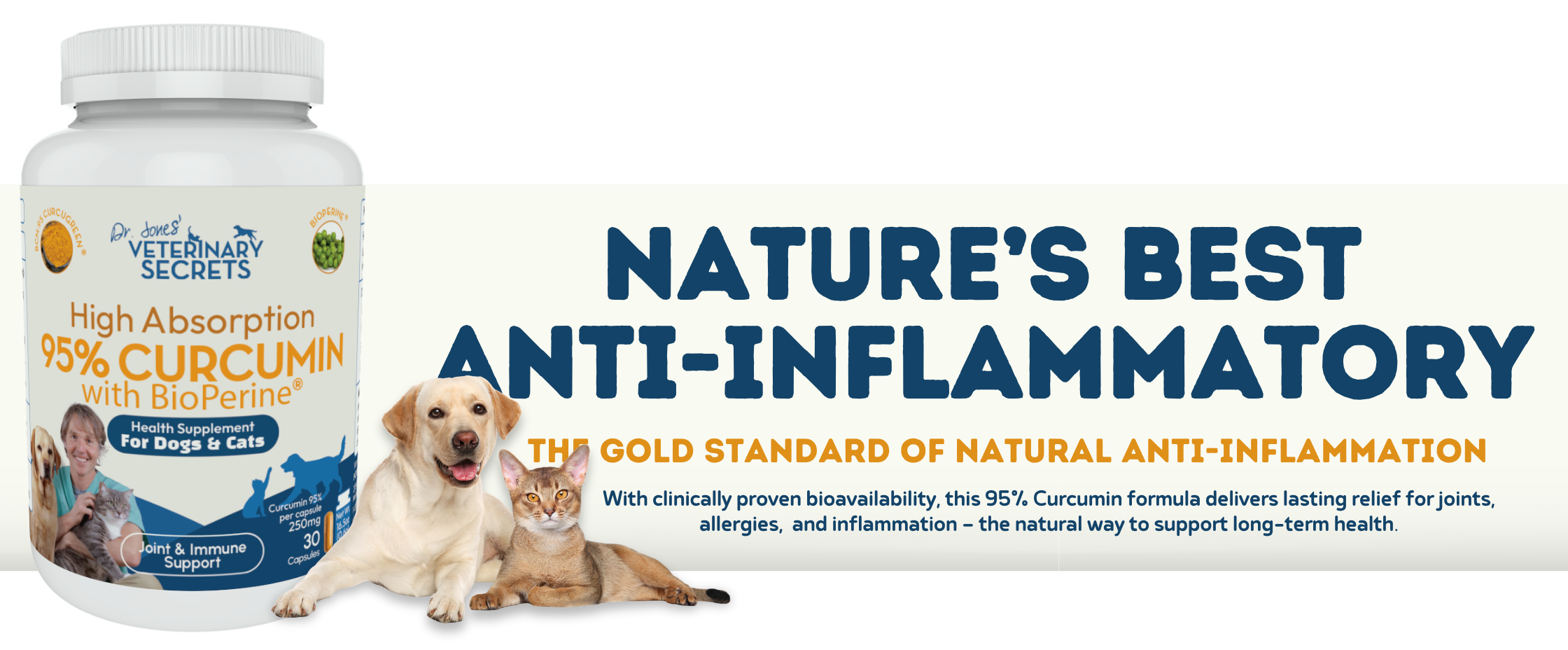
The 95% curcumin form is a stronger, more concentrated option.
Curcumin has:
- Anti-inflammatory properties
- Antibacterial activity
- Antiviral activity
- Research showing anti-cancer properties
The big thing is absorption.
You need enough curcumin in the bloodstream, and it should be given with fat to improve absorption.
Curcumin Dose
Give:
- 50 to 100 mg per 10 lbs of body weight daily
- Give with fat
7. Artemisinin for Hemangiosarcoma
Artemisinin is a Chinese medicinal herb that has been widely used for malaria.
It also has anti-cancer properties.
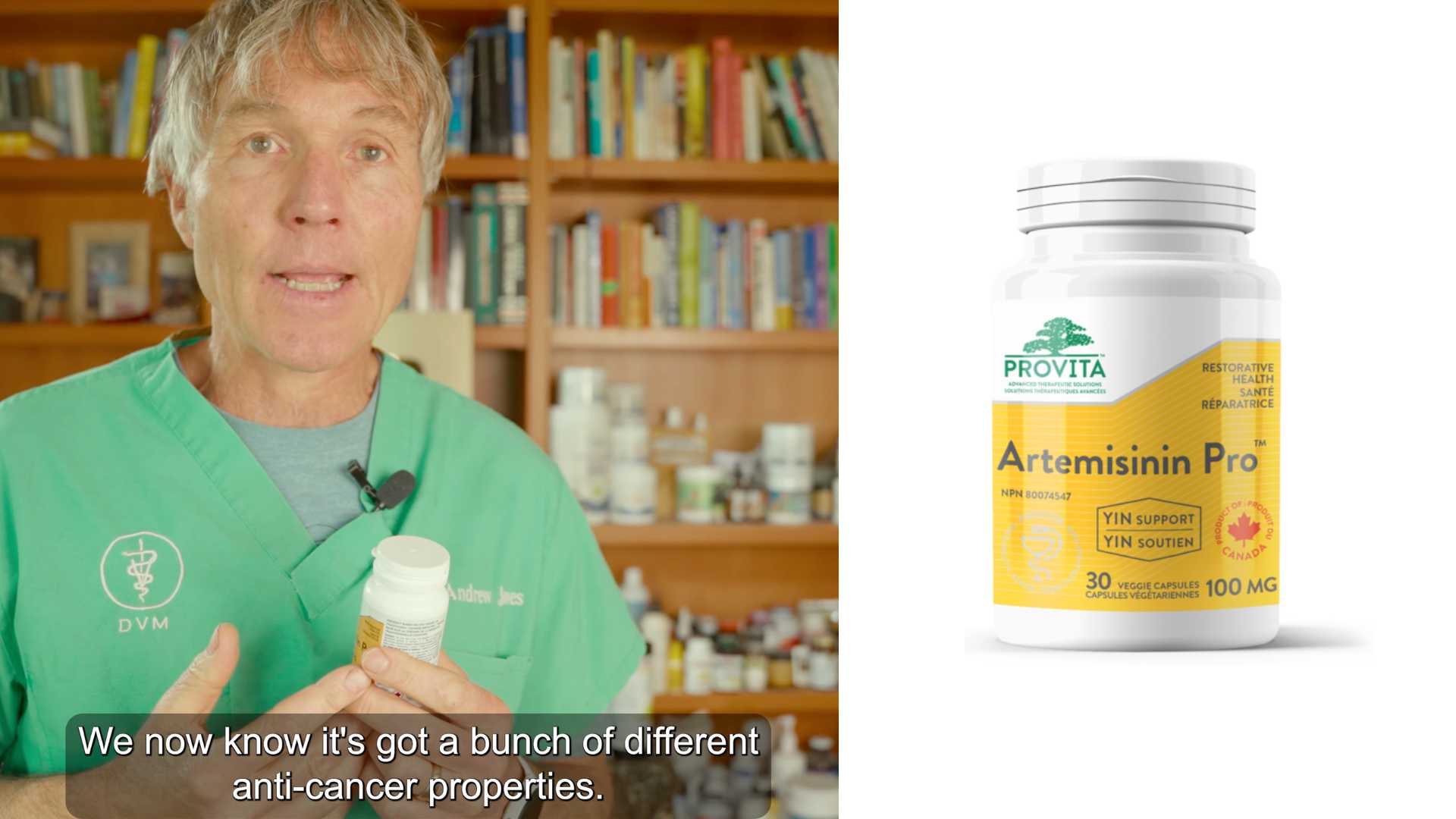
One reason it is especially interesting for hemangiosarcoma is that it may work better against cells with high iron content.
Hemangiosarcoma affects the lining of blood vessels and red blood cell-related tissue, which can have higher iron content.
That may make these cancer cells more responsive to artemisinin.
Artemisinin Dose
Give:
- 5 mg per 10 lbs of body weight daily
8. Fenbendazole, also called Panacur
Fenbendazole, commonly known as Panacur, is a dewormer I have discussed often for dogs with cancer.
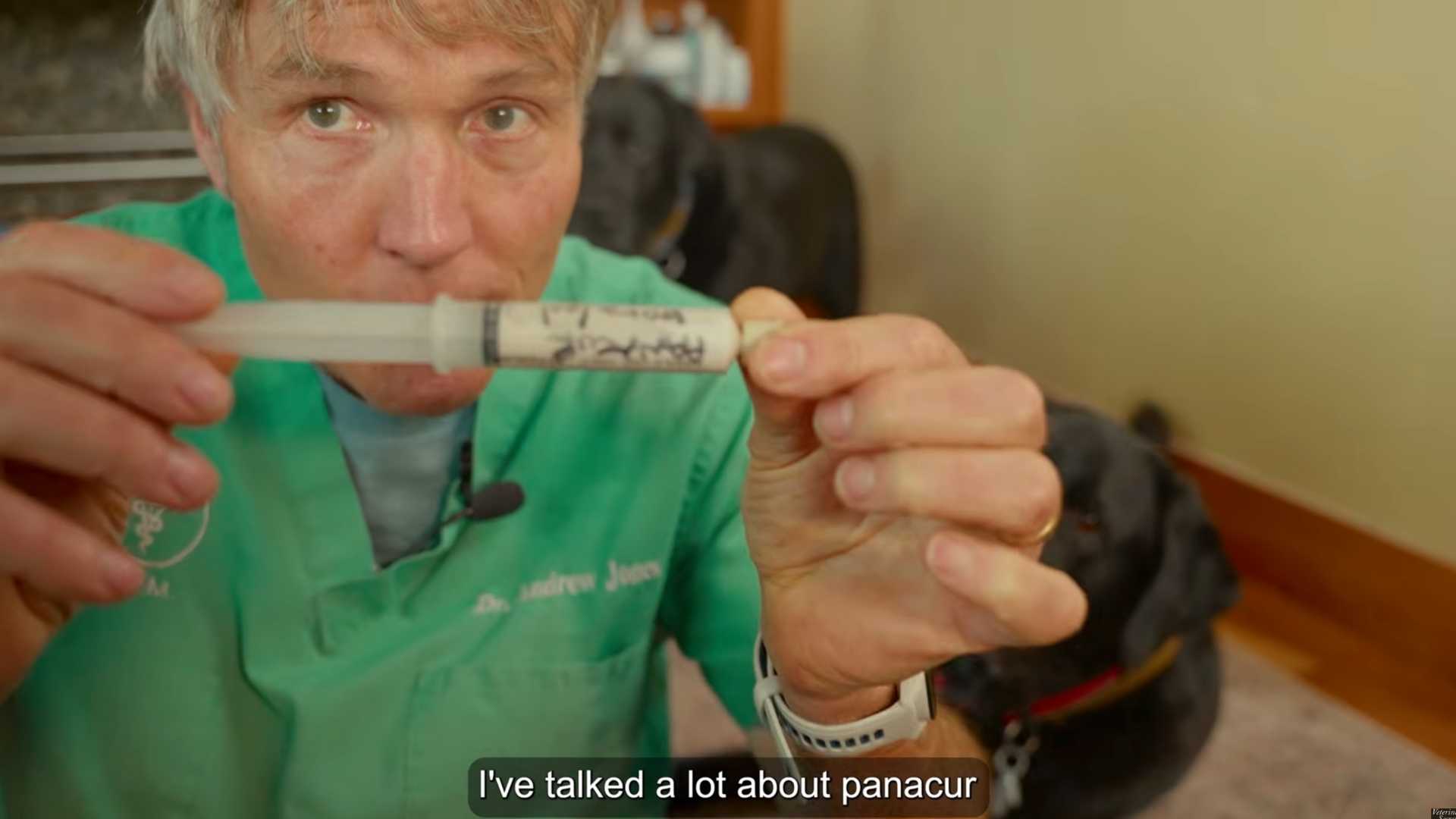
It is relatively safe and easy for many people to get.
Will it help hemangiosarcoma?
Maybe not.
Possibly.
If I had a dog with hemangiosarcoma again, I would definitely consider a trial.
Fenbendazole Dose
Use the deworming dose:
- 50 mg per kg of body weight
- 3 days on
- 4 days off
- Repeat the cycle for 1 month
- Then assess whether it is helping
Joe Tippens, who helped make this protocol more widely known, used fenbendazole along with CBD and 95% curcumin.
Those three remedies are all options I would consider in a dog with hemangiosarcoma.
Hemangiosarcoma Support Options and Doses
| Support Option | Suggested Dose From Transcript | Main Purpose |
| Ketogenic diet | 1 lb regular ground beef per 50 lbs daily | Reduce glucose fuel source for cancer cells |
| MCT oil | Start with 1 teaspoon per 50 lbs daily | Ketone energy support |
| Broccoli | 1/2 cup steamed per 50 lbs daily | Sulforaphane support |
| Ground flax | 1 tablespoon daily | Helps reduce constipation on meat-based diets |
| Krill oil | 500 mg per 25 lbs daily | Omega-3, inflammation, cancer support |
| CBD | 3 mg per 10 lbs twice daily minimum | Pain, inflammation, cancer support |
| THC | 0.05 mg per lb starting dose where legal | Cancer support, must be used carefully |
| Yunnan Baiyao | 1 capsule per 50 lbs once to twice daily | Internal bleeding support |
| Turkey tail extract | 100 mg per 10 lbs twice daily | Immune and cancer support |
| 95% curcumin | 50 to 100 mg per 10 lbs daily with fat | Anti-inflammatory and anti-cancer support |
| Artemisinin | 5 mg per 10 lbs daily | Anti-cancer support |
| Fenbendazole | 50 mg/kg, 3 days on and 4 days off | Cancer support trial |
What Would I Do First?
If my dog were diagnosed with hemangiosarcoma, I would think in layers.
First Layer: Diagnosis and Urgency
I would want to know:
- Is there a splenic mass?
- Is my dog anemic?
- Is there internal bleeding?
- Has the cancer spread?
- Is surgery an option?
- Is my dog stable?
If your dog is bleeding internally, this is an emergency.
Second Layer: Bleeding Support
I would strongly consider Yunnan Baiyao.
If I had known more at the time, Hoochie would have been on it.
Third Layer: Diet
I would consider a ketogenic diet, especially if the dog is eating well enough to transition.
Fourth Layer: Anti-Inflammatory and Cancer Support
I would consider:
- Krill oil
- CBD or cannabinoid blend
- Turkey tail extract
- 95% curcumin
- Artemisinin
- Fenbendazole trial
Fifth Layer: Quality of Life
I would keep asking:
- Is my dog comfortable?
- Is my dog eating?
- Is pain controlled?
- Is my dog still enjoying life?
- Are we supporting them, or just prolonging suffering?
Those are hard questions.
But they are necessary.
Pros and Cons of Supportive Options
Pros
- May support quality of life
- May help with inflammation
- May help with pain control
- Yunnan Baiyao may help with bleeding concerns
- Ketogenic diet may reduce glucose availability
- Mushrooms and curcumin may support immune and cancer pathways
- Some options have wide safety margins
- Many can be used alongside other care
Cons
- Hemangiosarcoma is aggressive
- Early signs may be absent
- Many dogs are diagnosed late
- Natural support does not guarantee remission
- THC legality and safety vary by location
- Mushroom quality varies greatly
- Yunnan Baiyao can be expensive
- Emergency bleeding still needs emergency care
Step-by-Step Plan if Your Dog Is at Risk or Diagnosed
Step 1: Know the Risk
If you have a Golden Retriever or a breed line with hemangiosarcoma, be aware.
Ask about routine screening and monitoring.
Step 2: Watch for Subtle Changes
Do not ignore sudden lethargy, weakness, pale gums, or exercise intolerance.
Step 3: Get Bloodwork and Imaging
If your dog seems suddenly off, bloodwork may show anemia.
Imaging such as X-rays and ultrasound may help find a splenic mass.
Step 4: Ask About Surgery if a Splenic Mass Is Found
Surgery to remove the spleen may be considered if your dog is stable and surgery is appropriate.
Step 5: Consider Bleeding Support
Yunnan Baiyao is one I would strongly consider for a dog diagnosed with hemangiosarcoma.
Step 6: Change the Diet
Consider a ketogenic-style diet:
- Ground beef
- MCT oil
- Broccoli
- Ground flax
Step 7: Add Supportive Nutrients
Consider:
- Krill oil
- CBD or cannabinoid blend
- Turkey tail extract
- 95% curcumin
- Artemisinin
- Fenbendazole trial
Step 8: Monitor Quality of Life
Keep watching appetite, energy, comfort, breathing, strength, and happiness.
When Should You Call Your Veterinarian?
Call your veterinarian if your dog has:
- Sudden lethargy
- Weakness
- Pale gums
- Collapse
- Not keeping up on walks
- Sudden exercise intolerance
- Distended abdomen
- Signs of internal bleeding
- Known splenic mass
- Anemia on bloodwork
- Sudden decline
Go to emergency care if your dog collapses, has pale gums, becomes suddenly weak, or you suspect internal bleeding.
Final Thoughts
Hemangiosarcoma is one of the most heartbreaking diseases in dogs because it can be silent.
Hoochie looked normal until he did not.
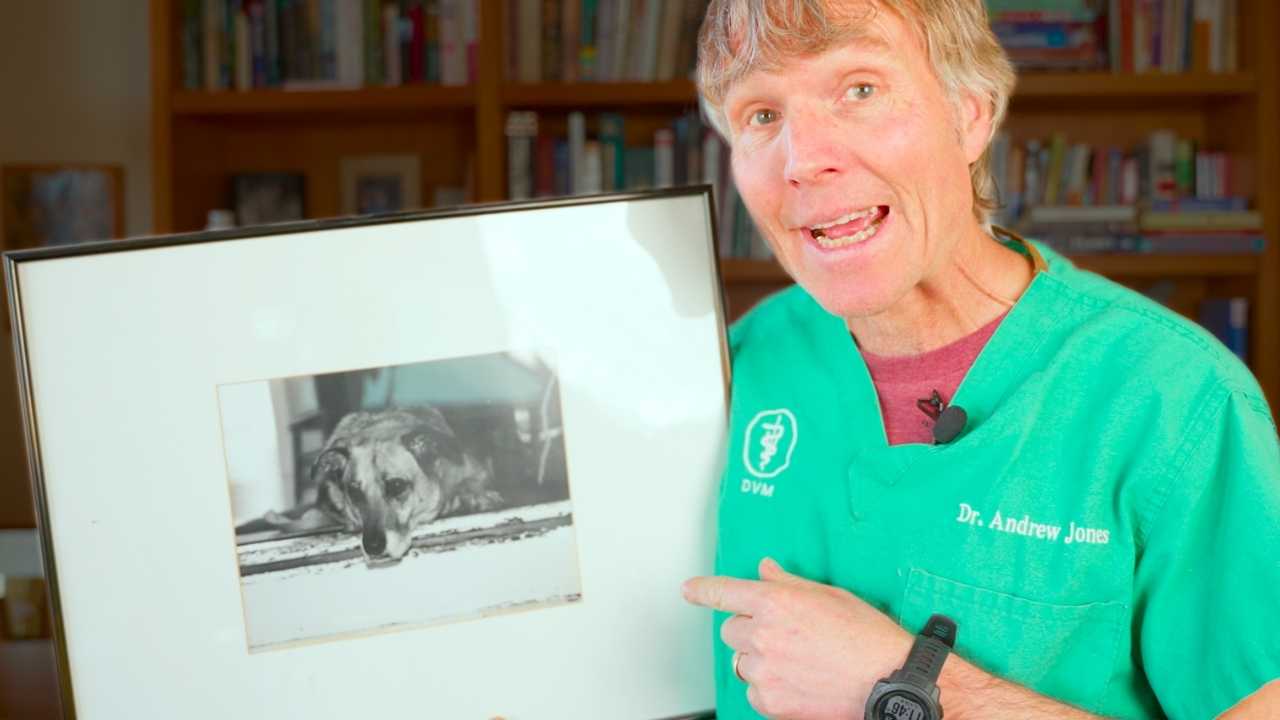
By the time we found the splenic mass, the cancer had already spread. Twenty-one days later, he died from a massive internal bleed.
That experience stays with you.
The hopeful part is that research is moving forward.
Biodetection dogs may one day help detect hemangiosarcoma earlier.
Biomarker research may lead to better screening tests.
And for dogs already diagnosed, there are supportive options I would consider, including ketogenic diet, krill oil, cannabinoids, Yunnan Baiyao, turkey tail extract, curcumin, artemisinin, and fenbendazole.
No guarantees.
No miracle promises.
Just practical options that may help support your dog, improve comfort, and possibly give more good time.
And with hemangiosarcoma, earlier detection and good days matter.
Click To Get A Free Copy of My E-Book!

P.S. If I had known then what I know now, Hoochie would have been on Yunnan Baiyao, a ketogenic diet, krill oil, cannabinoids, turkey tail extract, curcumin, and possibly fenbendazole.
Would it have changed everything?
I do not know.
But I do know this: hemangiosarcoma gives you very little warning, so you need to act early when something seems off.
If your dog is suddenly weak, pale, lethargic, or not keeping up like normal, do not brush it off.
Get bloodwork.
Ask about imaging.
Especially if you have a Golden Retriever or another high-risk dog.
This cancer is silent.
Your job is to listen for the whisper.

References:
-
AKC Canine Health Foundation project: “Investigating Volatile Organic Compounds as Potential Markers of Canine Hemangiosarcoma by Trained Bio-detection Dogs.” https://www.akcchf.org/research/participate-in-research/investigating-volatile-organic-compounds-as-potential-markers-of-canine-hemangiosarcoma-by-trained-bio-detection-dogs/
-
University of Pennsylvania / Penn Vet outcome paper: “Trained dogs can detect the odor of hemangiosarcoma in dogs.” https://pubmed.ncbi.nlm.nih.gov/41319895/
-
Cornell project page: “A Diagnostic Test for Canine Hemangiosarcoma Using Novel miRNA Biomarkers.”
This matches the transcript’s discussion of new biomarkers and earlier diagnosis research. Cornell says preliminary work found miR-132 increased and miR-486 decreased in dogs later diagnosed with HSA. https://www.vet.cornell.edu/research/awards/202206/diagnostic-test-canine-hemangiosarcoma-using-novel-mirna-biomarkers
-
2020 paper most likely being referenced for “two specific biomarkers”: “Chromatin run-on sequencing analysis finds that ECM remodeling and LAMA4/MCAM/CD146 expression in canine hemangiosarcoma are associated with disease progression.” https://pmc.ncbi.nlm.nih.gov/articles/PMC7310061/
-
Breed-risk source for the “about 1 in 5 Golden Retrievers” statement.
Cornell’s Baker Institute annual report says an estimated one in five Golden Retrievers will develop hemangiosarcoma. https://www.vet.cornell.edu/departments-centers-and-institutes/baker-institute/about-us/annual-reports/annual-report-2021/research
My dog just died, only four weeks ago, from suspected hemangiosarcoma. I say suspected because we didn’t do invasive testing or surgeries. Our first and only clue was sudden collapse after a perfectly normal day. We rushed her to the ER vet, where they gave her fluids and took some scans and discovered a large pocket of fluid under her lungs, as well as a large mas. Thus, they suspected hemangiosarcoma. As we were from out of town, we desperately wanted to get her back home, to our own vet. We were given information on euthanasia doctors and I basically stayed up all night, thinking she would expire. She did not. By afternoon of the next day, she was walking without help, eating and drinking as normal… We stayed an extra day to make sure she was fit to make the 2.5 hour drive home and had her in to see our vet asap. Our vet is integrative and provided her with more fluids, acupuncture, and many other interventions and supplements including Yunnan Baiyu, over the next five weeks. She only had one other collapse but was normal until the last five days of her life, when she could no longer walk or stand. Elektra was 15.5 years old when she passed. It was the worst day of my life. This beautiful, exceptionally intelligent, full of life dog could not longer stand and her breathing was extremely labored. We did everything we could to ease her suffering at the end but the grief and guilt will never go away. I miss her so much and it’s so unfair that this disease took her so suddenly and quickly. I have had dogs for most of my life and never heard of this cancer before now. Once you experience it, you will never forget it.
Hemangiosarcoma can be incredibly silent, and a sudden collapse from internal bleeding can happen even when a dog seemed perfectly normal just hours before. At 15.5, it sounds like she was very loved and very well cared for right to the end. Please be gentle with yourself. You did not fail her. You gave her love, comfort, and a beautiful life. That matters enormously.
I had a chest X-ray done on my chihuahua mix. He has been coughing and I lost my other chihuahua in 2024. He had CFH and that is how it started. Good news is his heart is great. Bad news is he has a mass in his spleen. We scheduled his surgery for 2 days later. The vet opened him up to find blood vessels everywhere and said she had never seen anything like that before in her career. Nothing she could do. She closed him back up and we took him home. He just turned 11. I am devastated. I have ordered all of the 5 supplements including the CBD from your website. I know he will not be cured.I am trying to give him quality of life. Trying not to be selfish but…
I couldn’t find Turkey tail except in a chew form with other mushrooms. I am not sure if any of these things will help him. I feel like I need to at least try to make him comfortable. Thank you for the information on your site and YouTube videos. At least now I know what we are dealing with.
We completely understand wanting to give him comfort and more good days. Turkey tail can be a supportive option, but quality matters, so look for a good mushroom extract with meaningful beta glucans. Most importantly, focus on his comfort and quality of life. Give that sweet boy lots of love.