Chronic Kidney Disease in Cats and Dogs: Signs and Support

How can I help my dog or cat with chronic kidney disease?
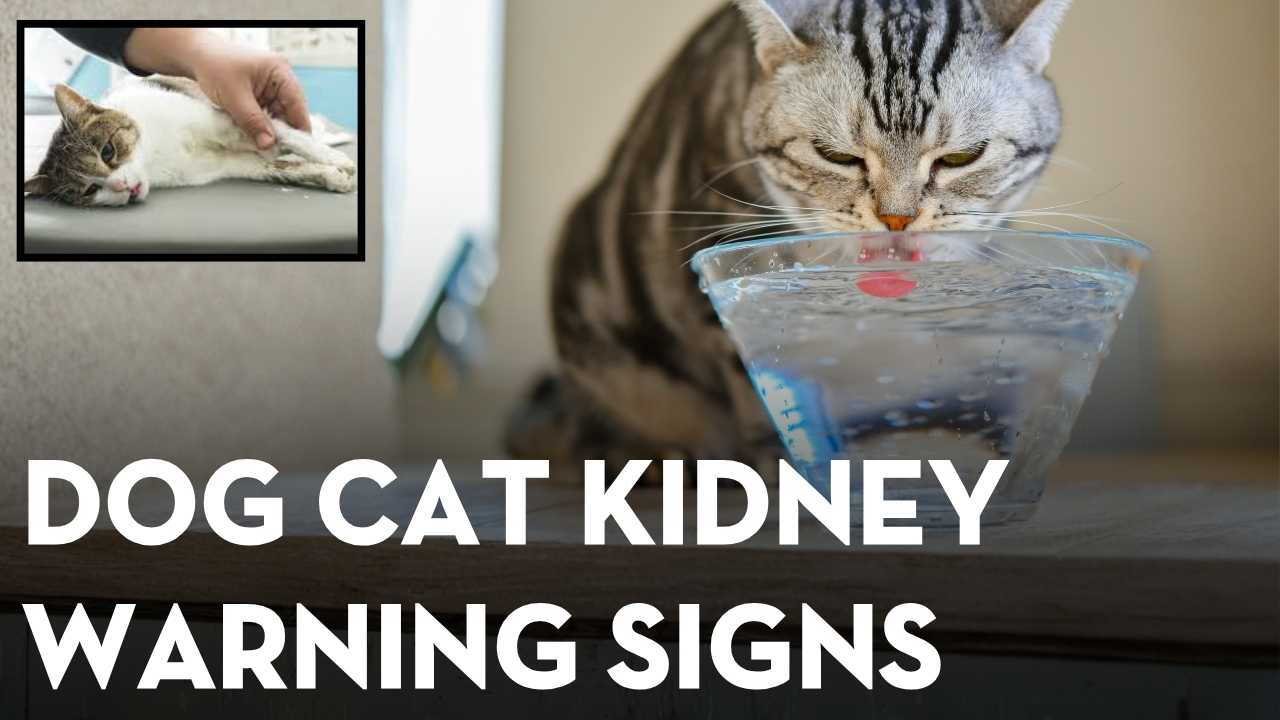
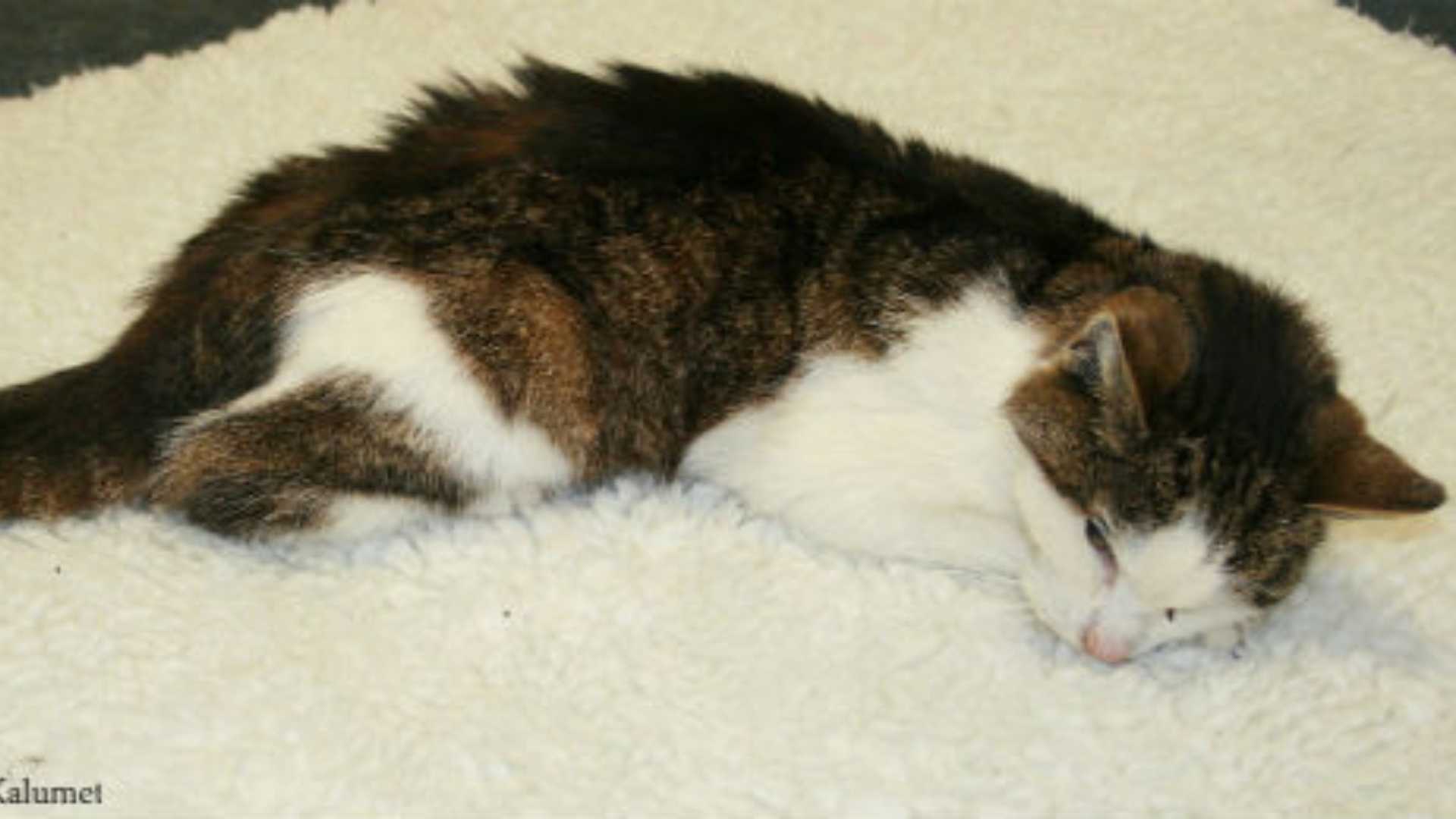
If your older dog or cat is drinking more water and urinating more often, chronic kidney disease, also called CKD, should be on your list of concerns.
CKD happens when the kidneys gradually lose their ability to filter waste products from the blood. Over time, this can lead to increased thirst, increased urination, weight loss, poor appetite, vomiting, nausea, lethargy, and weakness.
CKD is progressive and not curable, but there are many practical things you can do to help slow progression and improve your pet’s quality of life.
The big starting points are simple:
- Increase fluids
- Lower phosphorus
- Manage nausea
- Keep your pet eating
- Support kidney inflammation
- Consider helpful supplements
That is where I would begin.
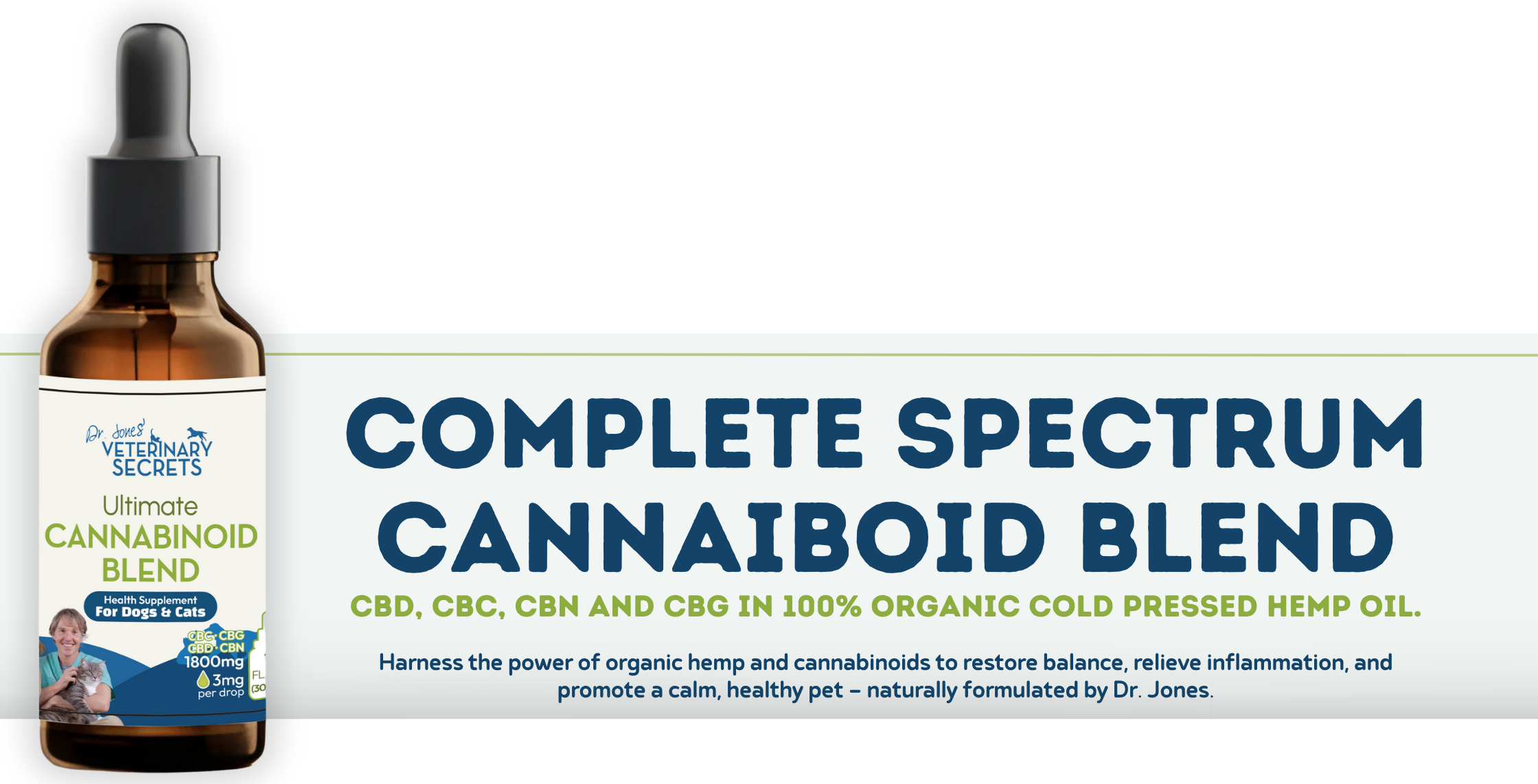
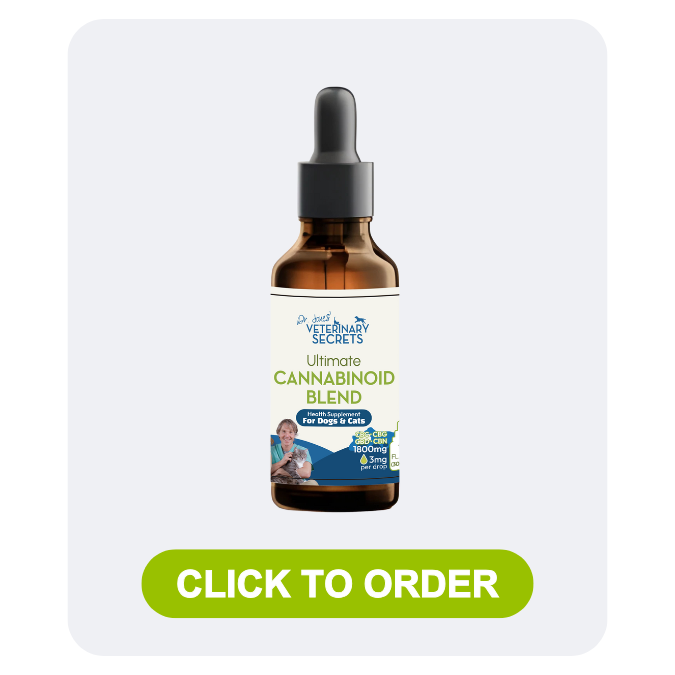
Dr. Jones’ Ultimate Cannabinoid Blend for Dogs and Cats
What Is Chronic Kidney Disease?
Chronic kidney disease means the kidneys are no longer filtering blood as well as they should.
The kidneys normally help remove waste products from the bloodstream. When kidney function declines, toxins can build up in the blood. This can make your dog or cat feel nauseous, tired, weak, and uninterested in food.
Over time, CKD can also affect hydration, muscle mass, blood pressure, and red blood cell production.
In advanced cases, pets may become dehydrated and completely off food. That is when you really need to act.
What Are the Signs of Kidney Disease in Dogs and Cats?
The most common early signs are increased drinking and increased urination.
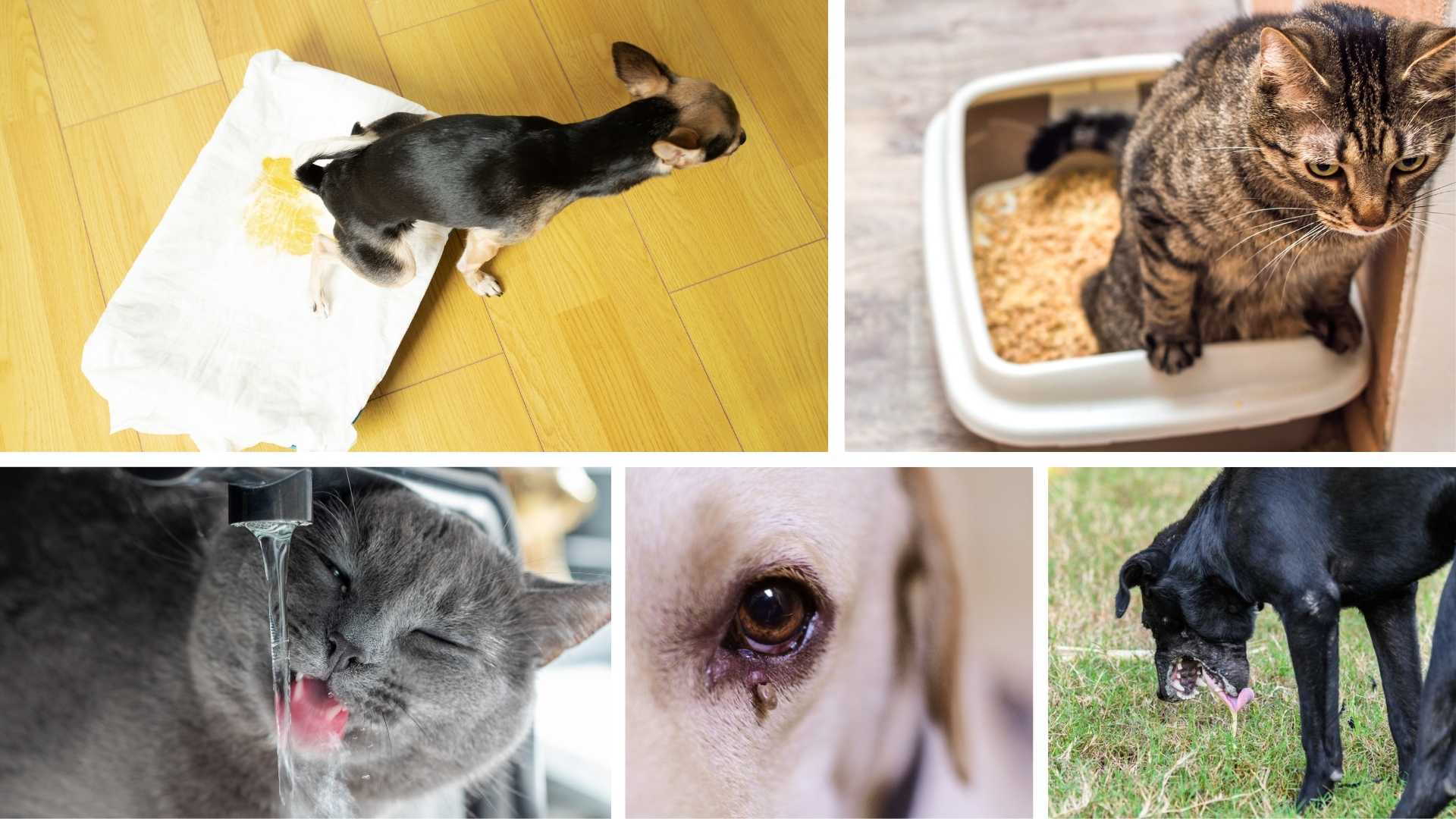
As kidney disease progresses, you may also see:
| Sign | What You May Notice |
|---|---|
| Increased thirst | Your pet is drinking more water than usual |
| Increased urination | Larger urine clumps, more accidents, or more trips outside |
| Weight loss | Especially loss of muscle mass |
| Poor appetite | Eating less or refusing food |
| Vomiting | Often linked to toxin buildup or nausea |
| Lethargy | Less energy, sleeping more |
| Weakness | Can happen as kidney failure advances |
| Dehydration | More common in advanced cases |
| Vision changes | May happen if kidney disease causes high blood pressure |
| Anemia | Can cause weakness in later kidney failure |
If your older cat is suddenly hanging around the water bowl like it is a social club, pay attention.
Why Does Chronic Kidney Disease Cause These Signs?
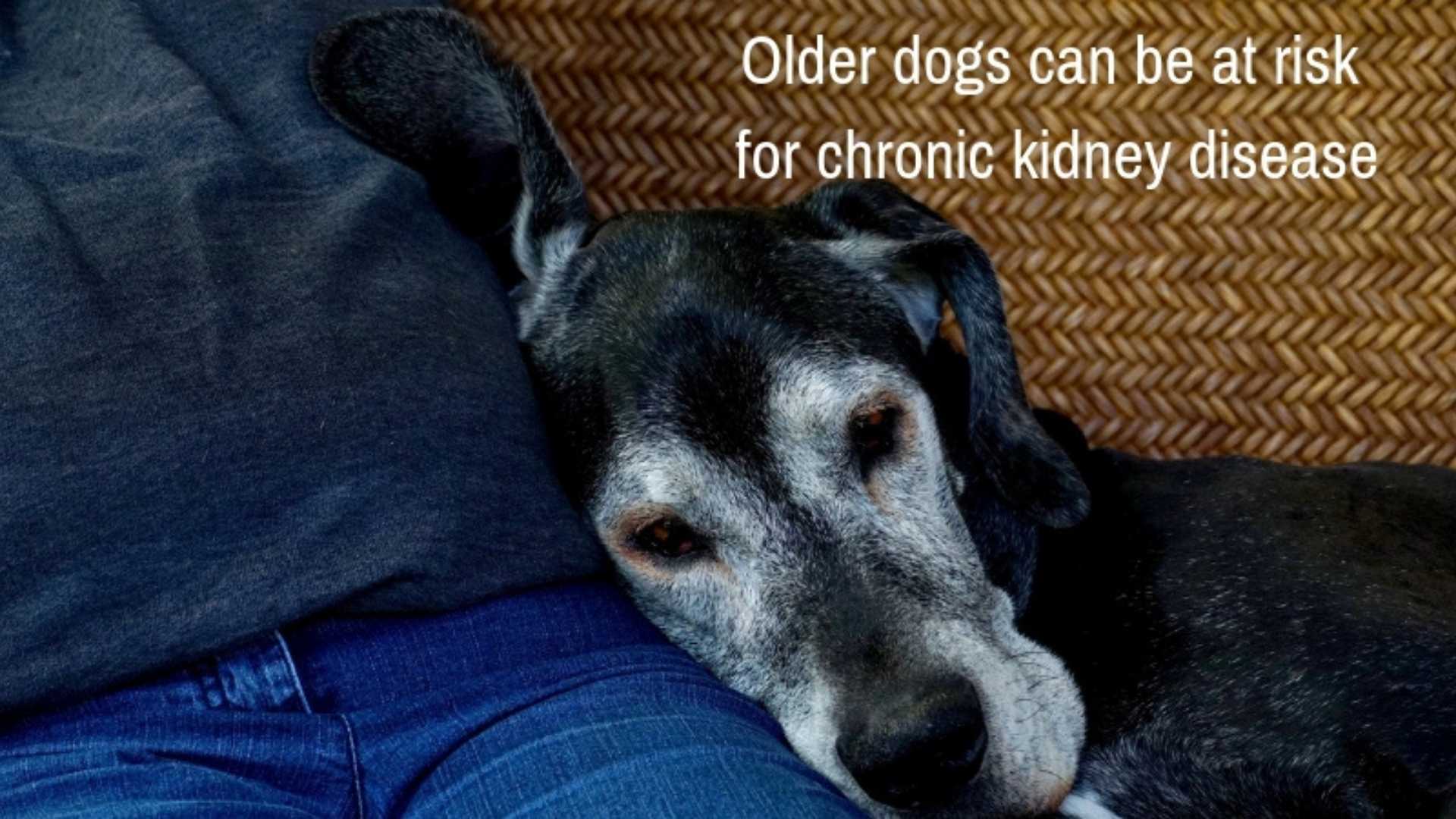
The symptoms happen because the kidneys are not doing their filtering job properly.
Toxin Buildup
As waste products build up in the bloodstream, your pet may feel nauseous and lose interest in food.
Protein Loss and Muscle Wasting
Your pet may lose weight, especially muscle mass, as kidney disease progresses.
Dehydration
Pets with CKD often urinate more, which can make it hard to maintain hydration.
Anemia
In advanced kidney disease, pets may become weak due to anemia.
High Blood Pressure
Some pets with kidney disease develop elevated blood pressure, which may affect eyesight.
Is a Low-Protein Diet Always Best for Kidney Disease?
Many veterinarians will advise placing a dog or cat with kidney failure on a low-protein diet.
But the key point I want you to understand is this: there are no studies showing that restricting protein prevents further deterioration of kidney function.
Some veterinary specialists are now advising not to restrict protein. Instead, they advise maintaining protein levels and restricting phosphorus, the nutrient in animal protein that is damaging to the kidneys.
So the better focus is not simply “low protein.”
The better focus is:
- Maintain appropriate protein
- Lower phosphorus
- Keep the pet eating
- Avoid muscle wasting
- Support hydration
Because if your cat refuses the kidney diet and eats nothing, we have not helped anything. We have just created a very expensive bowl of rejection.
What Is the Most Important Thing You Can Do for CKD?
Fluid, fluid, fluid.
The most important thing you can do for a pet with renal failure is maintain adequate hydration.
How to Increase Fluids
You can:
- Offer lots of fresh water
- Switch from dry food to canned food
- Add water to meals
- Encourage more moisture intake
- Learn how to give subcutaneous fluids
If your cat or dog is not a great water drinker, switching to canned food can make a big difference.
Can Subcutaneous Fluids Help CKD?
Yes, subcutaneous fluids can help flush out kidney toxins and support hydration.
This can be especially helpful for dogs and cats with CKD who are not drinking enough or are becoming dehydrated.
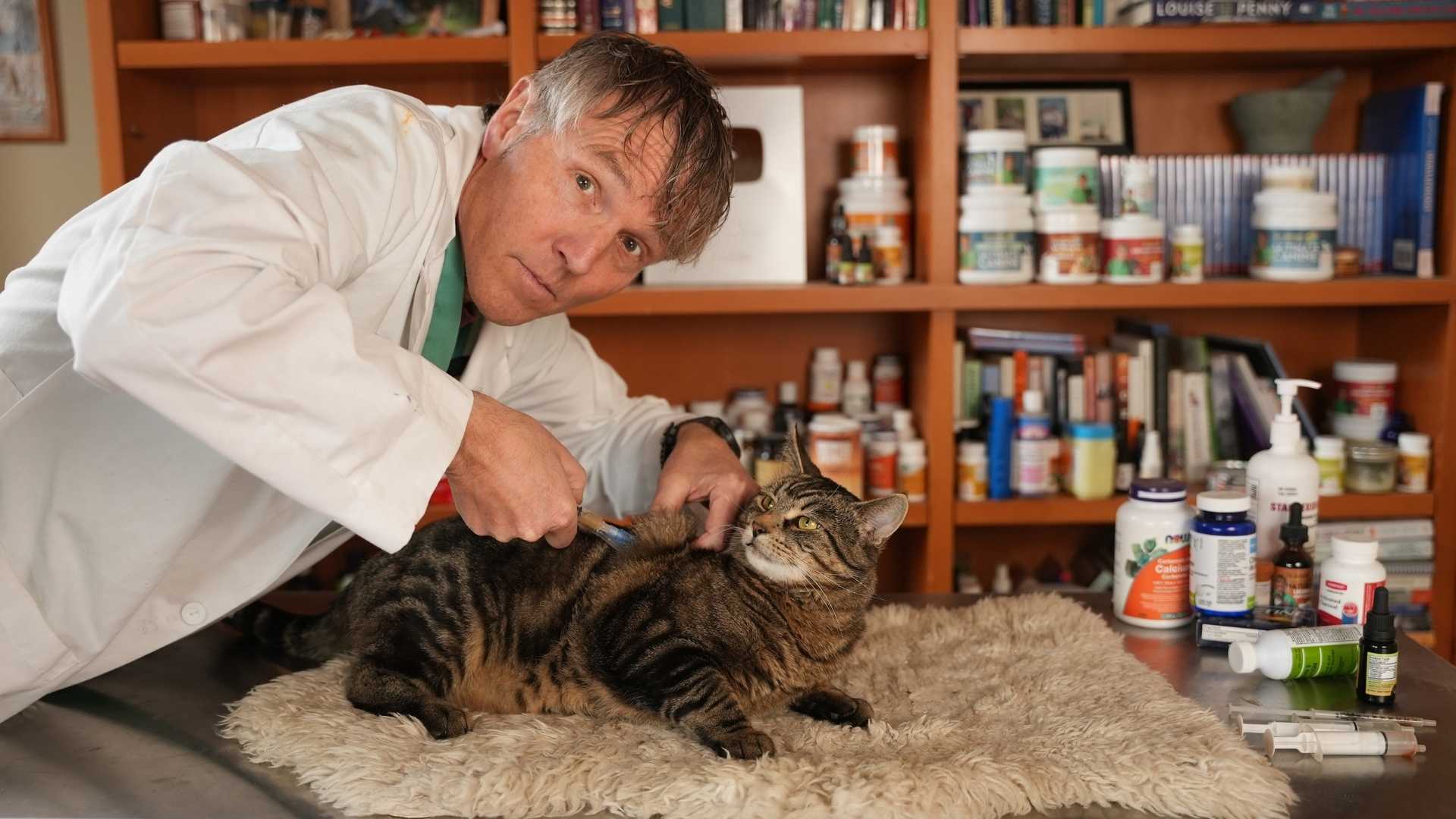
I have a video showing how to give subcutaneous fluids here:
https://www.youtube.com/watch?v=Sp_C_EkMEy4&t=1s
If your pet has CKD, ask your veterinarian if subcutaneous fluids are appropriate.
Why Is Phosphorus Reduction So Important?
In early kidney disease, phosphorus is one of the biggest minerals that can damage the kidneys.
Phosphorus can speed up the destruction of the remaining kidney cells.
That is why I want you thinking about:
- Feeding a lower-phosphorus diet
- Using phosphorus binders when needed
- Choosing supplements with no added phosphorus
Phosphorus Binders for CKD
Phosphorus binders help reduce phosphorus absorption from food.
They must be given with food.
Aluminum Hydroxide, also called ALOH
Aluminum hydroxide is a phosphorus binder.
It is:
- Odorless
- Tasteless
- Mixed with food
- Given with meals
ALOH Dose
| Pet Weight | Dose |
| 10 lbs | 1/4 teaspoon daily |
The dose from the source content is:
- 1/4 teaspoon per 10 lbs daily
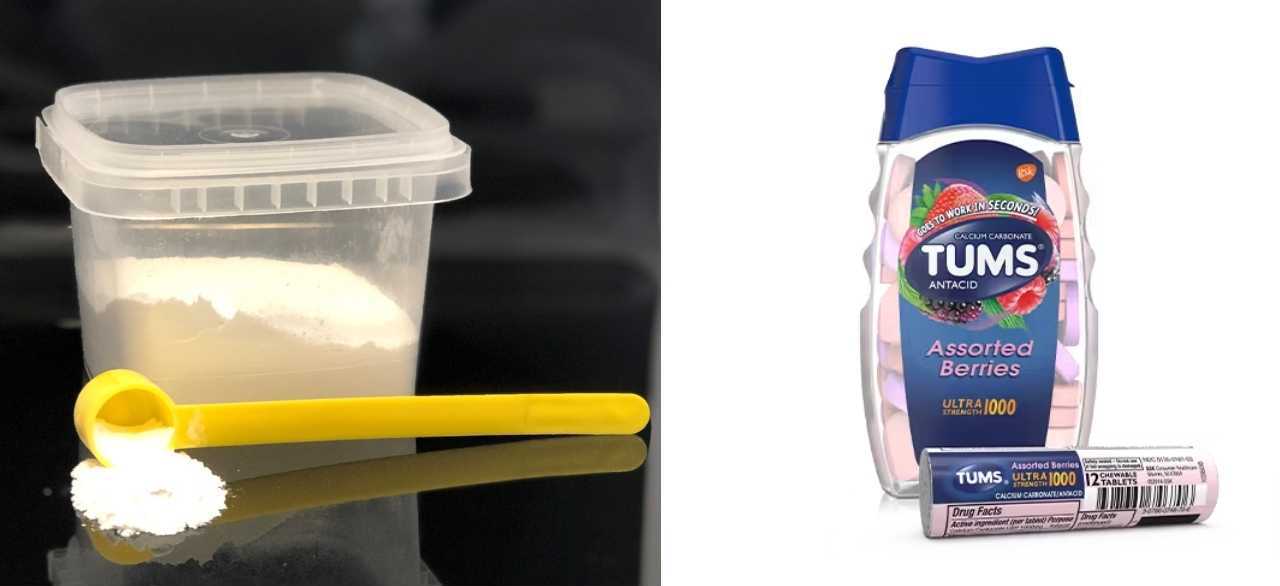
Can Tums Help Lower Phosphorus?
Many pets with chronic kidney failure develop high phosphorus levels. This can make them feel even worse.
Calcium carbonate, found in Tums, may help bind phosphorus.
Tums Dose
| Pet Weight | Dose |
| 10 lbs | 1/4 tablet, 650 mg, twice daily |
The dose from the source content is:
- 1/4 tablet, 650 mg, per 10 lbs of body weight
- Twice daily
What Supplements Should CKD Pets Avoid?
If you are giving supplements to a pet with kidney disease, make sure they are low in phosphorus.
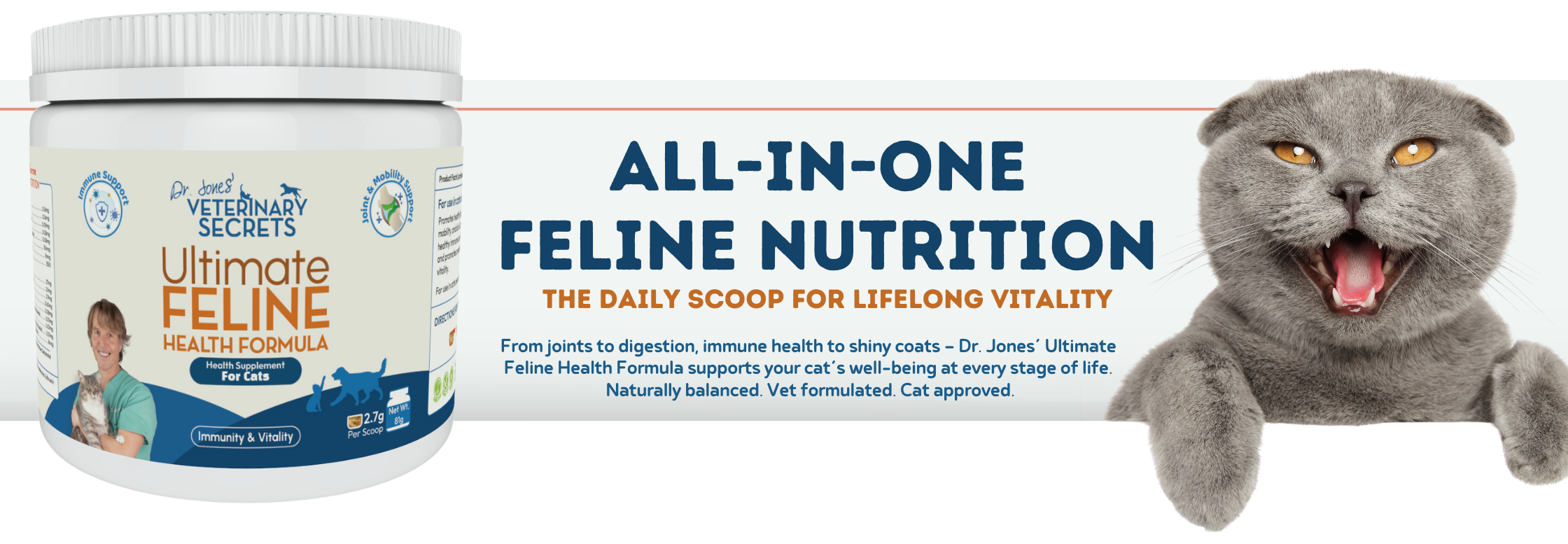
CKD is very common in older cats, which is why Dr. Jones’ Ultimate Feline Formula contains added calcium but no added phosphorus.
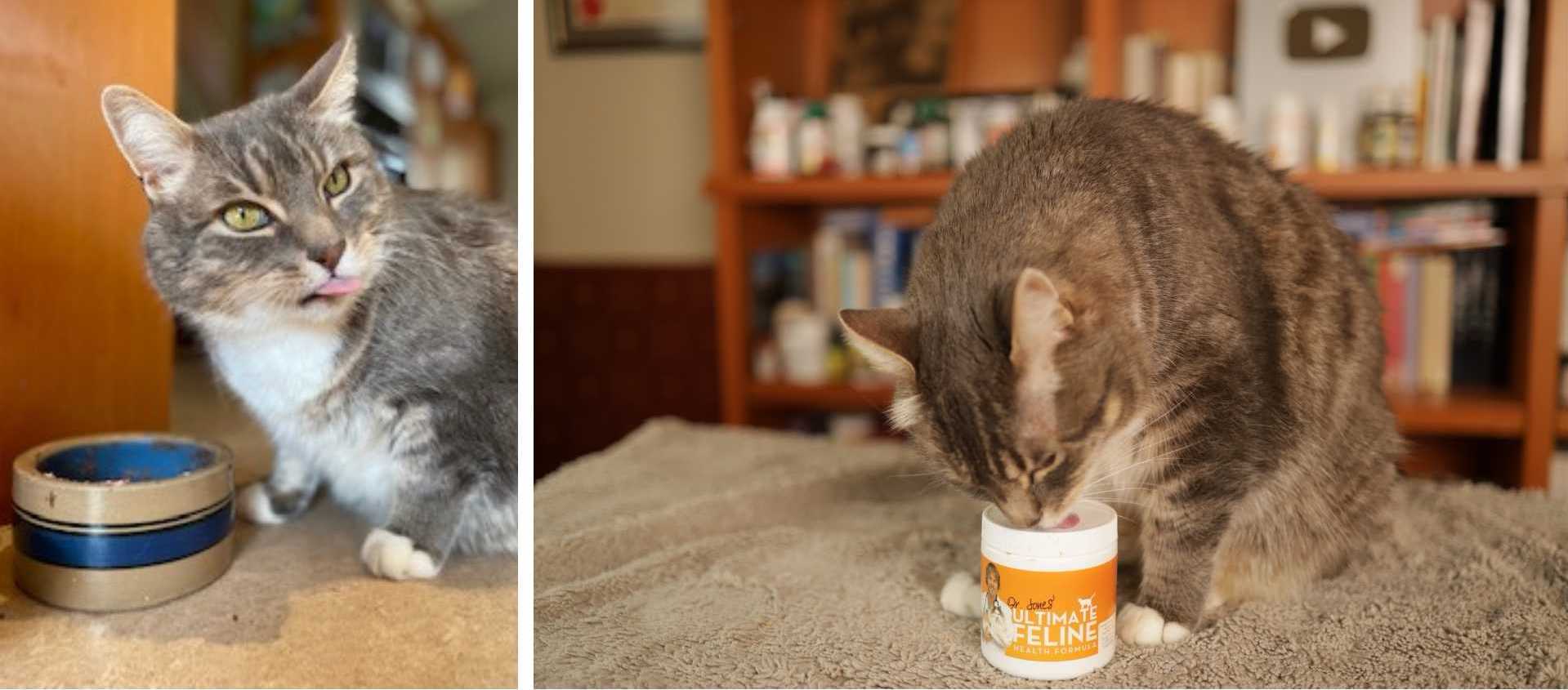
The added calcium helps bind and lower phosphorus.
That is the idea: support the body without adding the very mineral we are trying to reduce.
Dr. Jones’ Ultimate Feline Health Formula
How Can You Manage Nausea in CKD?
Nausea is a big issue in chronic kidney disease.
When toxins build up in the bloodstream, pets often feel sick. Then they stop eating. Then they lose more weight and muscle.
This is the downward slide we are trying to avoid.
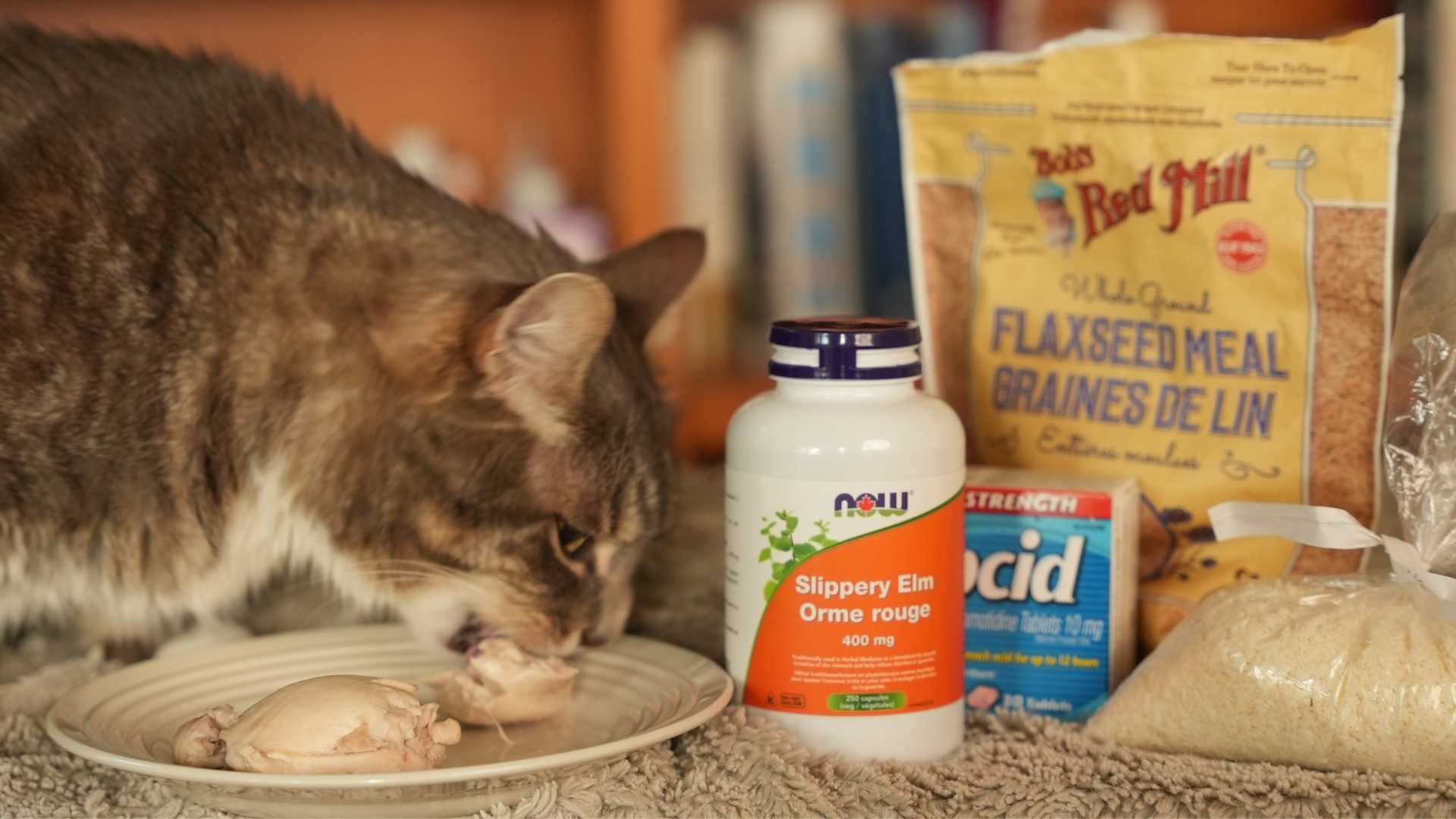
Famotidine, also called Pepcid
Famotidine is an over-the-counter antacid that works very well in pets.
Average Cat Dose
| Pet Weight | Dose |
| 10 lbs | 1/4 tablet, 2.5 mg, twice daily |
The dose from the source content is:
- 1/4 tablet, 2.5 mg, per 10 lbs body weight
- Twice daily
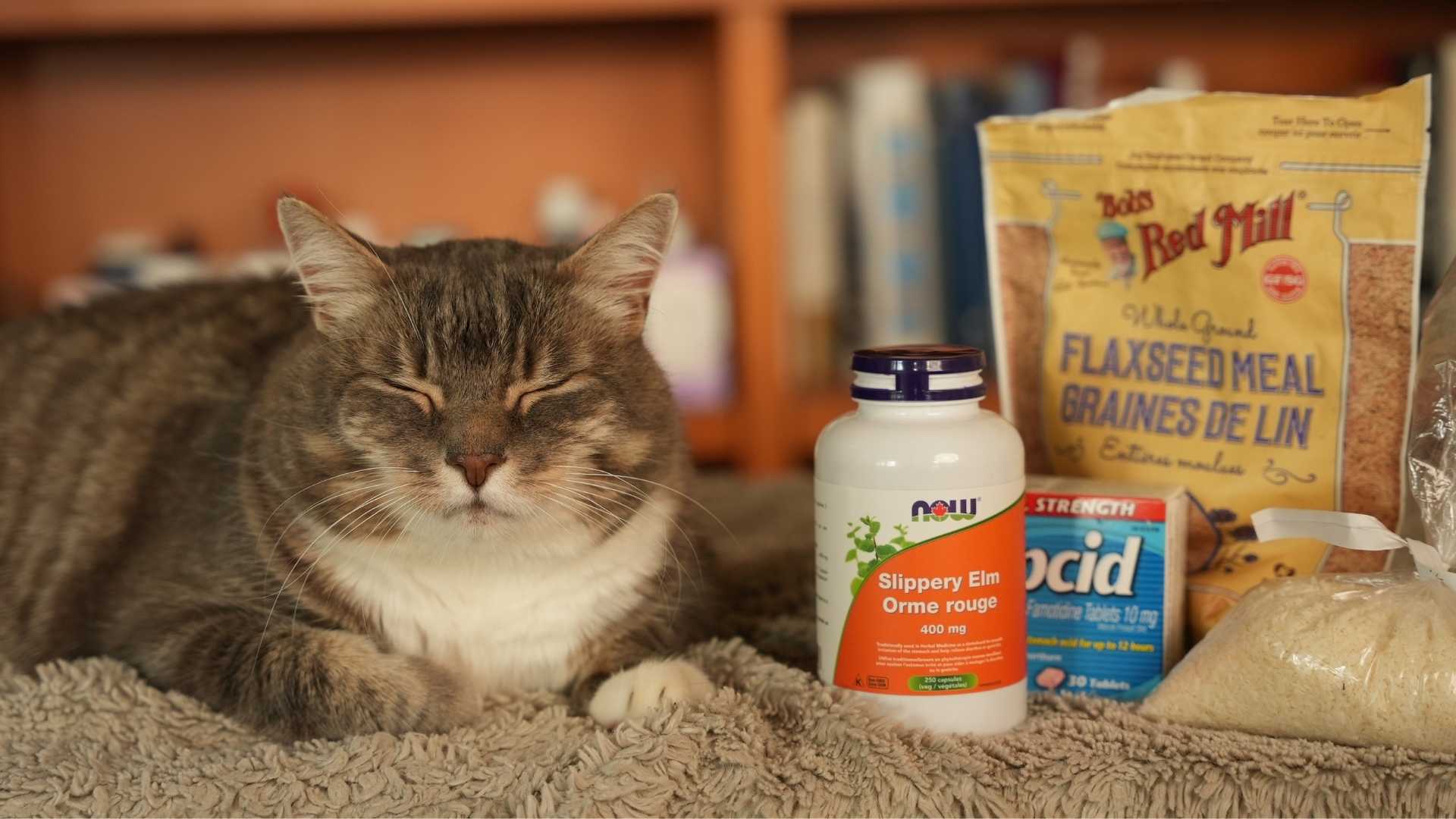
Slippery Elm for CKD Nausea
Slippery elm is a great herbal alternative option.
It works very well in cats.
Slippery Elm Dose
| Pet Weight | Dose |
| 20 lbs | One 400 mg capsule daily in food |
The dose from the source content is:
- One 400 mg capsule per 20 lbs daily
- Given in food
Cannabinoids for CKD Support
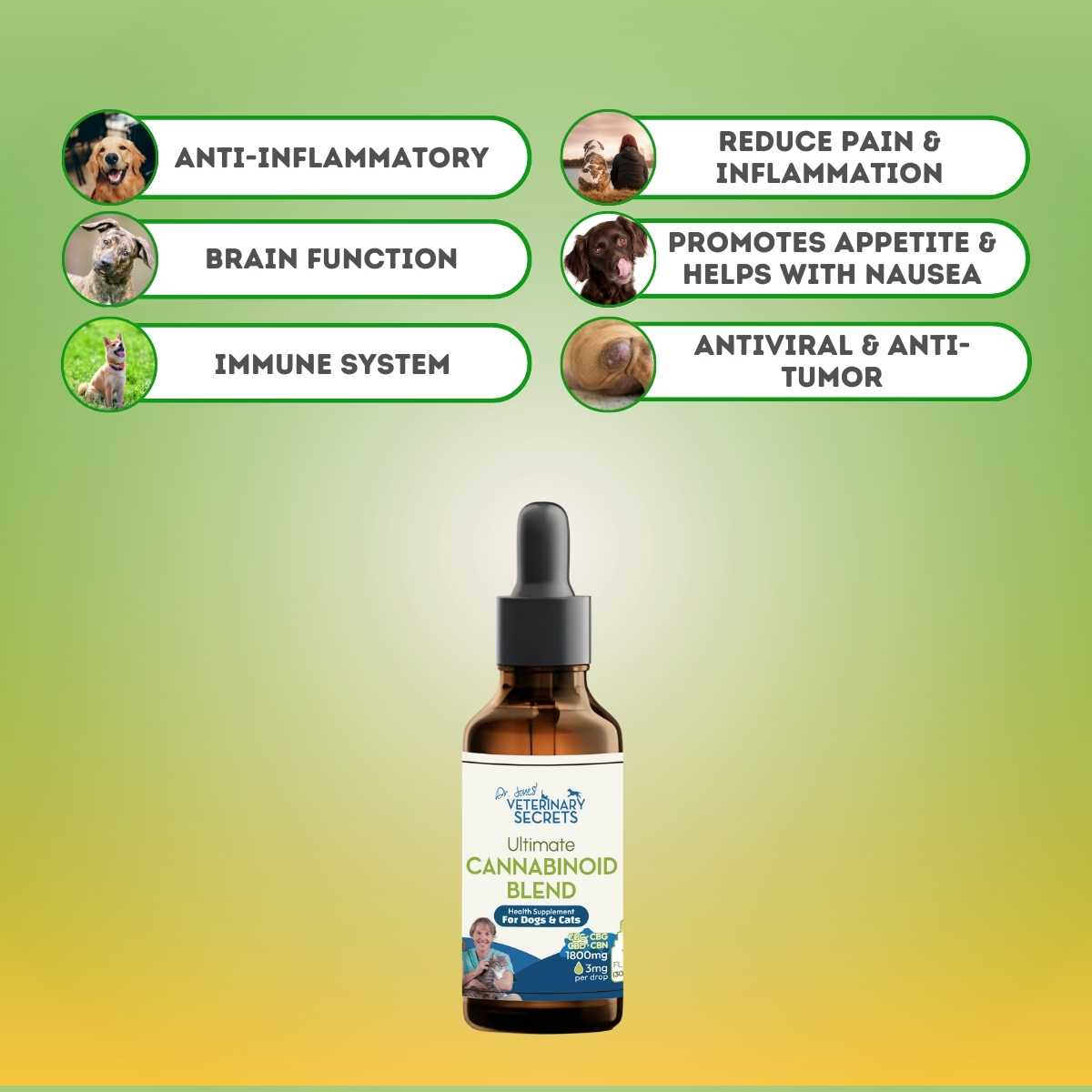
Medicinal ingredients from cannabis have been beneficial for CKD support.
They may help:
- Lower nausea
- Help dogs and cats keep eating
- Lower kidney inflammation
- Target the underlying cause in many cases
The big thing with CKD is keeping your pet eating. If nausea is stopping that, you need to manage it.
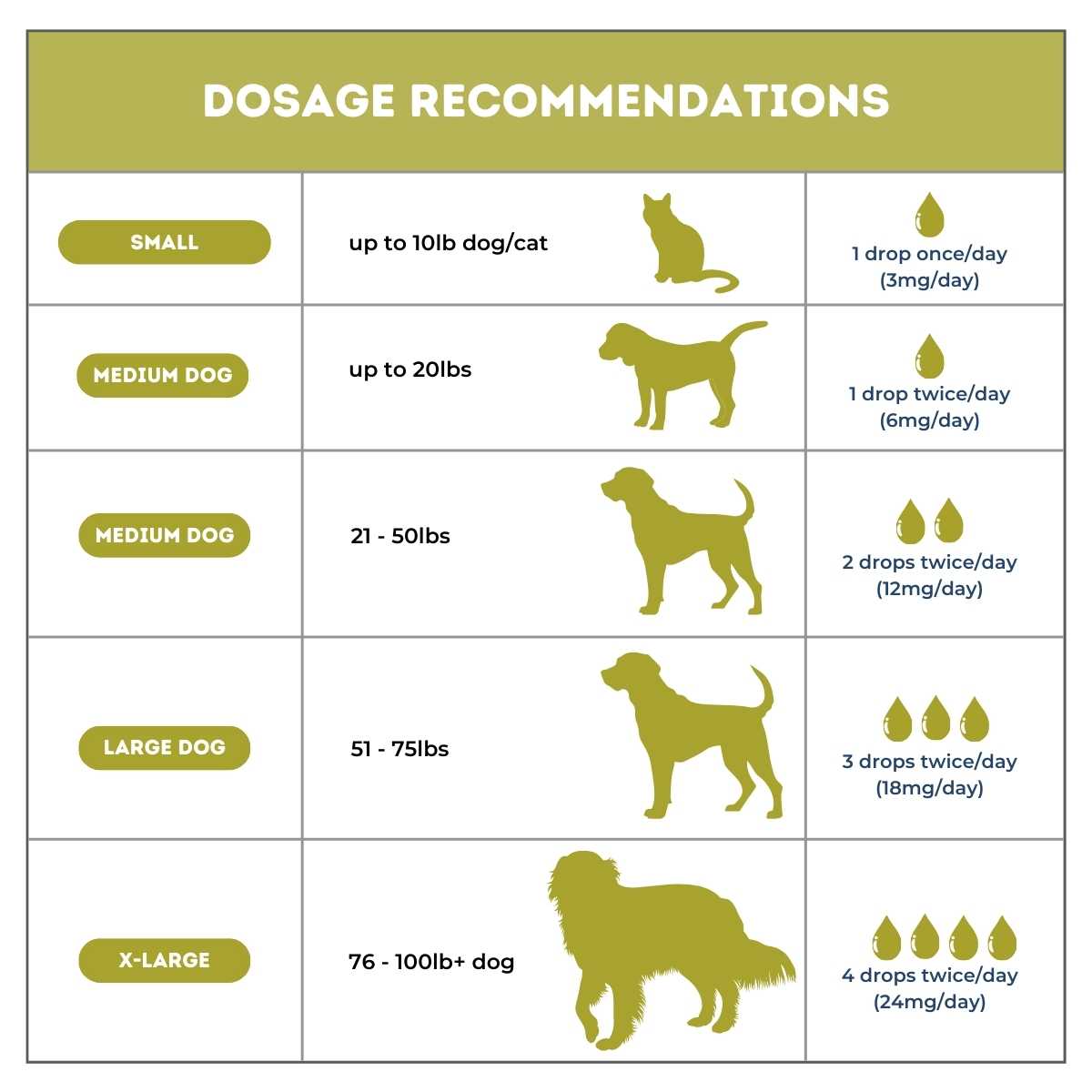
CBD and Cannabinoid Dose
| Product Type | Suggested Dose |
| CBD or cannabinoid blend | 3 mg per 10 lbs twice daily |
Dr. Jones’ Ultimate CBD for Dogs and Cats and Dr. Jones’ Ultimate Cannabinoid Blend for Dogs and Cats are options to consider.
Omega-3 Fatty Acids for Kidney Disease
Omega-3 fatty acids have been extensively studied and shown to be particularly helpful for most cases of CKD.
They may help:
- Decrease inflammation within the kidney
- Delay progression of kidney function loss
- Support overall kidney health
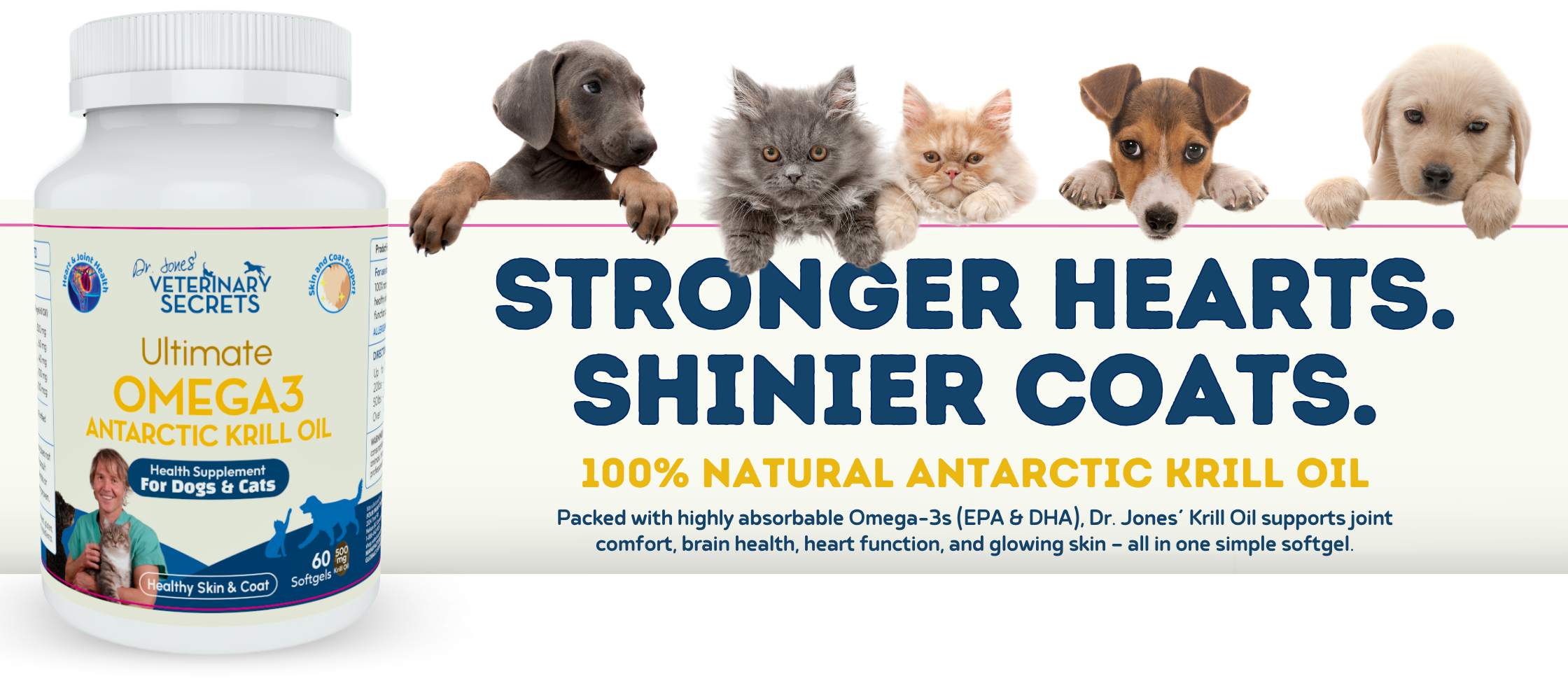
Dr. Jones’ Ultimate Omega 3 Formula is a good option.
I also have my own cat on omega-3 fatty acids daily to partially help prevent this.
Dr. Jones’ Ultimate Omega 3 Formula for Dogs and Cats
PEMF Therapy for Kidney Disease
PEMF therapy uses handheld devices that generate electromagnetic therapy.
There are verified reports of reversing kidney disease using these devices. One published report showed a complete reversal of kidney disease.
If you have a cat with kidney failure, this is worth considering.
The specific PEMF machine mentioned is:
https://www.micro-pulse.com/products/pulse-pet-ices-digiceutical-pulse-generator-model-a9a
Probiotics for CKD
Natural probiotics may help by metabolizing and flushing out uremic toxins in the bowel.
This can help slow down uremic toxin buildup in the blood and may help prevent further kidney damage.
A high CFU, multi-strain probiotic formula such as Dr. Jones’ Probiotic is a good place to start because it contains multiple studied strains.
Cordyceps Mushroom for Kidney Health
Cordyceps, including Cordyceps sinensis and Cordyceps militaris, is one of the most studied mushrooms for kidney health.
A large Cochrane review of 22 human clinical studies involving 1,746 patients with CKD found that Cordyceps, when used alongside standard care, may:
- Decrease serum creatinine
- Increase creatinine clearance, meaning better kidney filtration
- Reduce protein loss in urine, also called proteinuria
- Help improve CKD-related complications like anemia and low albumin
Cats with CKD can be difficult to medicate and very sensitive to taste.
Cordyceps has a mild, bland flavor, which makes it easier to mix into food, even for picky cats. It is also considered very safe, with minimal reported side effects in both human and veterinary use.
Suggested Cordyceps Dose
| Pet Weight | Starting Dose |
| 10 to 20 lbs | About 1/8 teaspoon once daily |
This applies to both cats and dogs, though cats may benefit the most because CKD is so common in older cats.
Peptides for Kidney Support
Peptides are short chains of amino acids, which are the building blocks of proteins.
Because they are smaller, the body absorbs them easily. They are naturally produced by the body and act as important biological messengers.
Ozempic and other GLP-1 inhibitors are peptides. They were first discovered from the saliva of the Gila monster, a venomous lizard from the Southwest USA. They are now made synthetically in a lab.
Amino Avast for Dogs and Cats
Amino Avast is a peptide designed for dogs and cats to support healthy kidney function.
It contains a patented blend of amino acids and a peptide called AB070597.
It is formulated to potentially:
- Reduce oxidative stress
- Maintain renal cell integrity
- Improve overall kidney health
It is considered safe, with no reported side effects.
More information is available here:
Soy Peptides for CKD
Recent study results mentioned in the source content found that soy peptides helped improve kidney damage by inhibiting inflammatory factors TNF-? and IL-6 expression.
The findings also suggested that soy peptides may help regulate acid-base balance in mice with CKD.
In summary, soy peptides may be a viable protein source for nutritional intervention to help improve the progression of CKD.
CKD Support Options and Dosages
| Support Option | Why It May Help | Suggested Dose |
| Fluids | Supports hydration and helps flush kidney toxins | Fresh water, canned food, or subcutaneous fluids |
| ALOH | Phosphorus binder | 1/4 tsp per 10 lbs daily with food |
| Tums, calcium carbonate | Helps bind phosphorus | 1/4 tab, 650 mg, per 10 lbs twice daily |
| Famotidine, Pepcid | Helps nausea and stomach acid | 1/4 tab, 2.5 mg, per 10 lbs twice daily |
| Slippery elm | Herbal nausea support | One 400 mg capsule per 20 lbs daily |
| CBD or cannabinoids | May lower nausea and kidney inflammation | 3 mg per 10 lbs twice daily |
| Omega-3 fatty acids | May reduce kidney inflammation | Use Dr. Jones’ Ultimate Omega 3 Formula |
| Cordyceps | Kidney filtration and CKD support | 1/8 tsp per 10 to 20 lbs once daily |
| Probiotics | Helps metabolize uremic toxins in the bowel | Use a high CFU multi-strain probiotic |
| Amino Avast | Peptide kidney support | Follow product directions |
| Soy peptides | May support CKD nutritional intervention | Dose not specified in source content |
Pros and Cons of CKD Support Options
Pros
- Many options can be added at home
- Hydration can greatly improve comfort
- Lowering phosphorus may slow kidney damage
- Nausea support can help pets keep eating
- Omega-3s may help kidney inflammation
- Cordyceps is mild in flavor and easier for picky cats
- Cannabinoids may help appetite, nausea, and inflammation
Cons
- CKD is progressive and not curable
- Some pets need subcutaneous fluids
- Pets may refuse food or supplements
- Advanced cases can become dehydrated quickly
- High phosphorus can make pets feel worse
- Nausea must be controlled or pets may stop eating
- Kidney disease needs monitoring over time
Step-by-Step CKD Support Plan
Step 1: Increase Fluids
Start here.
Offer fresh water, switch to canned food, and consider subcutaneous fluids if needed.
Step 2: Lower Phosphorus
Feed a lower-phosphorus diet and consider phosphorus binders such as aluminum hydroxide or calcium carbonate.
Step 3: Manage Nausea
Use options such as famotidine, slippery elm, or cannabinoids to help your pet feel well enough to eat.
Step 4: Keep Your Pet Eating
This is key.
A perfect kidney plan does not help if your cat refuses it entirely. Appetite matters.
Step 5: Support Inflammation
Consider omega-3 fatty acids, cannabinoids, and other supportive options that target inflammation.
Step 6: Add Kidney-Supportive Supplements
Consider probiotics, Cordyceps, Amino Avast, and other kidney-supportive options.
Step 7: Monitor Closely
Watch for changes in:
- Drinking
- Urination
- Appetite
- Weight
- Muscle mass
- Vomiting
- Energy
- Vision
- Hydration
CKD can be managed, but it should not be ignored.
Final Thoughts
Chronic kidney disease in cats and dogs is serious, but there is a lot you can do to help.
Start with the basics.
Get more fluid into your pet. Lower phosphorus. Manage nausea. Keep your dog or cat eating. Then consider support options such as omega-3 fatty acids, cannabinoids, probiotics, Cordyceps, Amino Avast, and kidney-friendly supplements with no added phosphorus.
CKD is not curable, but quality of life can often be improved.
And in my view, the most practical plan is not complicated.
Hydration first. Phosphorus down. Appetite up. Inflammation down.
That is where I would start.
Click To Get A Free Copy of My E-Book!

P.S. If you have a dog or cat with kidney disease, start with the basics before getting overwhelmed.
Increase fluids. Lower phosphorus. Keep your pet eating.
Then consider additional support such as Amino Avast and Cordyceps.
Simple steps first. The kidneys do not need fancy. They need support.
P.P.S. It is key to target the underlying cause, which in many cases includes inflammation, and to make sure your pet keeps eating by managing the nausea seen in CKD.
Cannabinoids can help with that, but make sure you are dosing high enough to start:
3 mg per 10 lbs, twice daily.
Our cannabinoid options are:

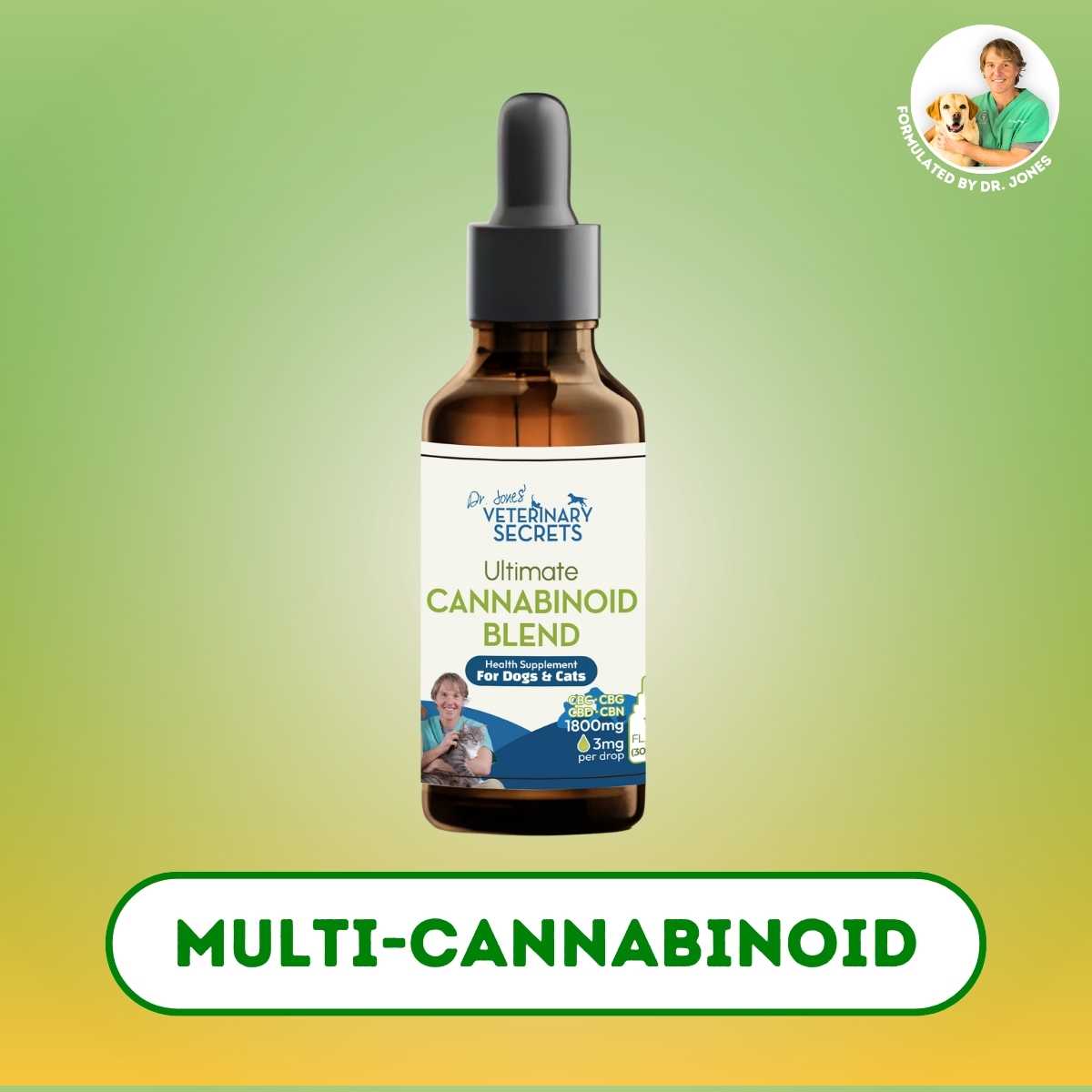
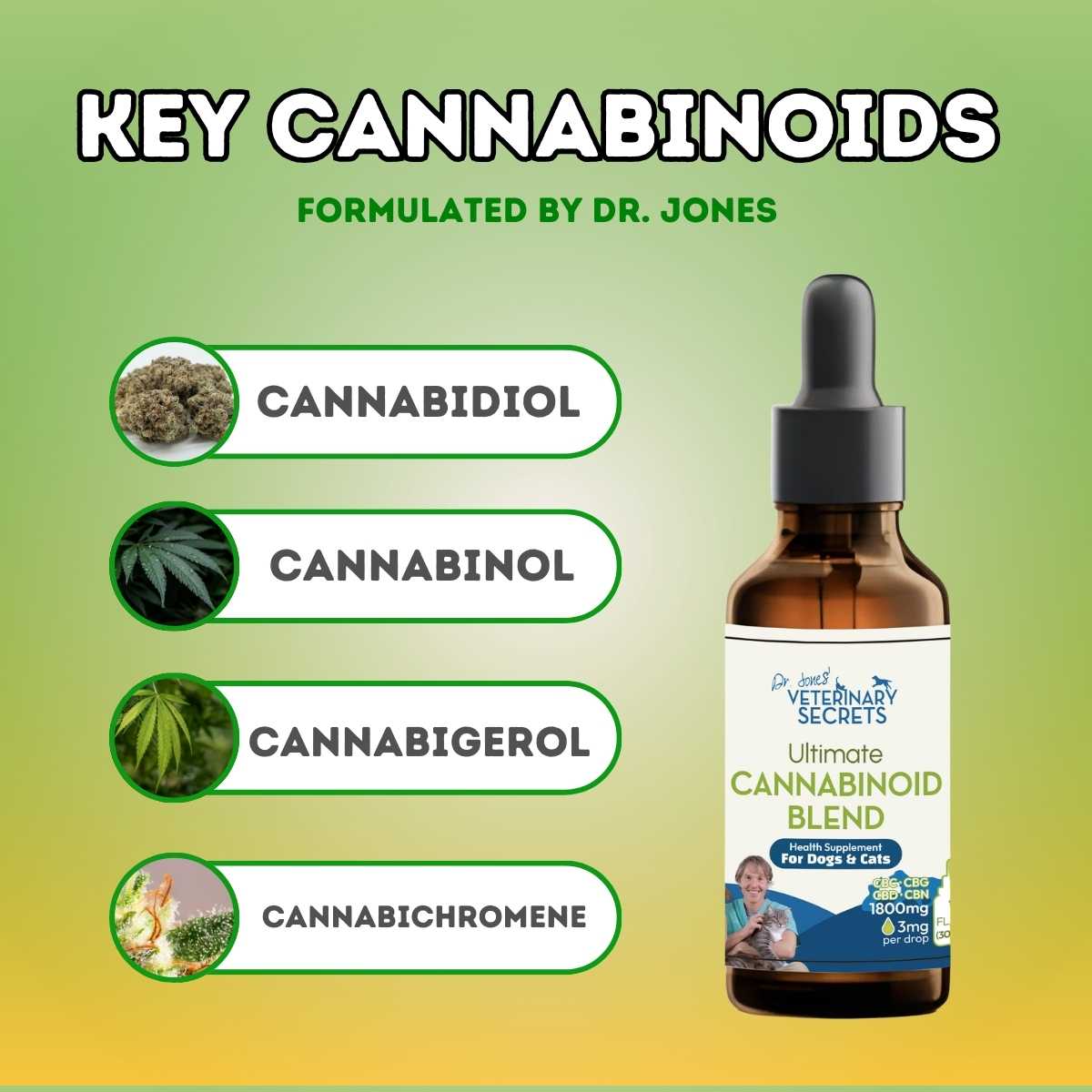
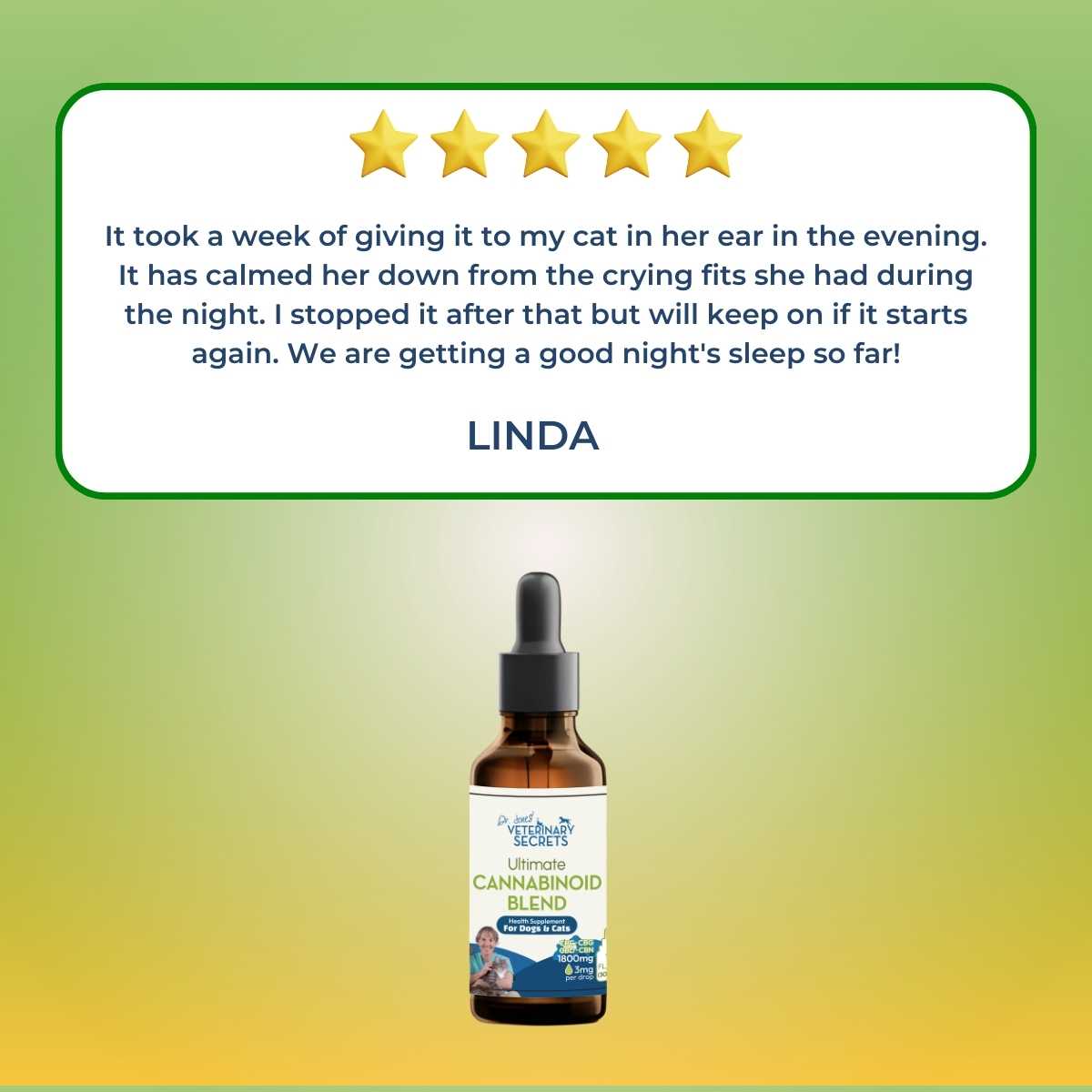

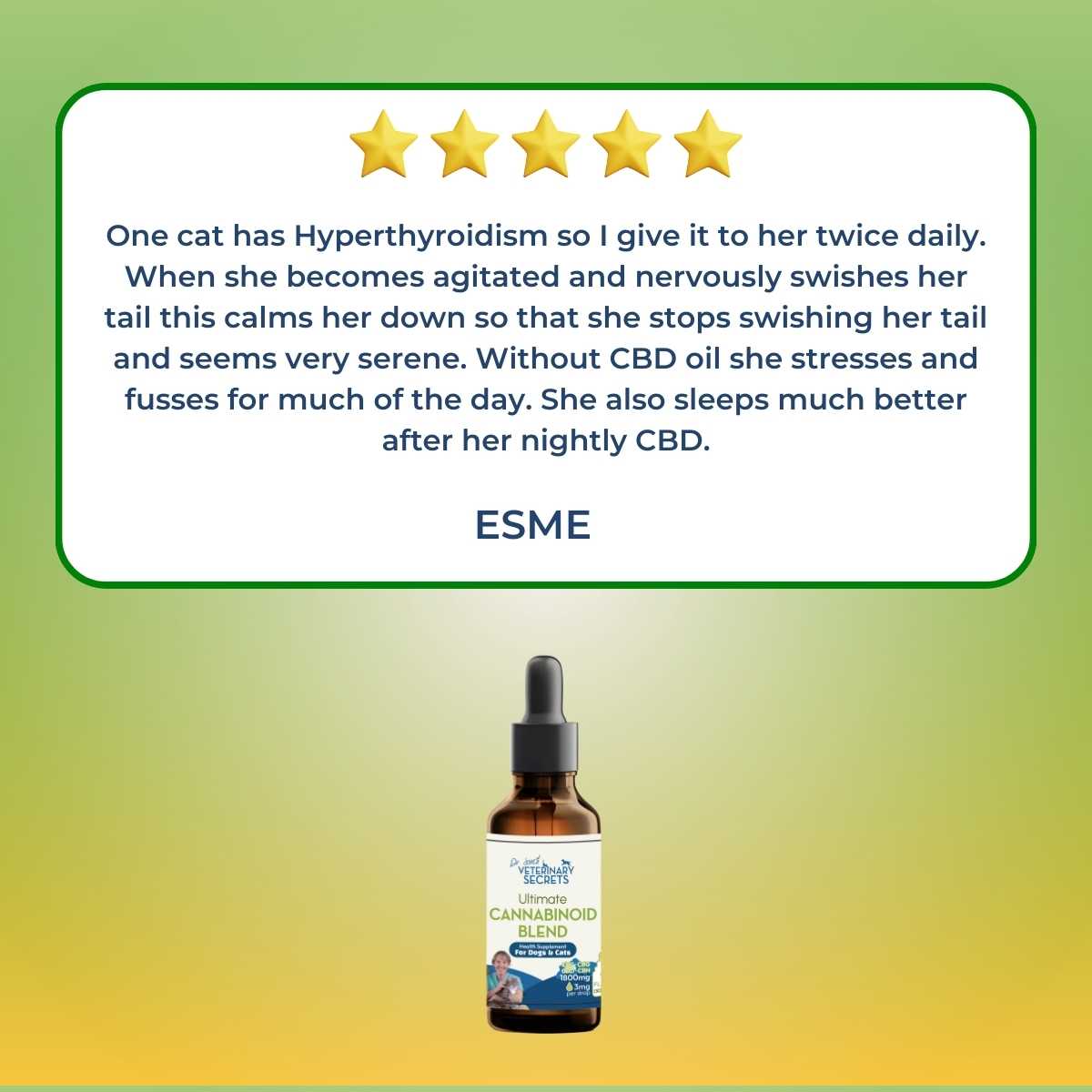

Thank you. We are going through this now with our 12 year old Schnauzer. If they are drinking water, do they still need sub q fluids? We have been doing this since last October.
Thanks again,
Susan Montgomery
Hi Susan,
You’re very welcome, and I’m sorry you and your Schnauzer are going through this. Twelve years old is a wonderful age, and it sounds like you’ve been giving him a lot of thoughtful care.
If your dog is still drinking well, that is a good sign! Subcutaneous fluids are not always needed for every CKD patient — they are mainly used when a pet cannot keep up with hydration on their own, is becoming dehydrated, or needs extra support to help reduce the buildup of kidney toxins.
The best guide is usually how your dog is doing overall: energy, appetite, hydration, weight, and your veterinarian’s monitoring of kidney values. Some dogs benefit from continuing fluids even if they drink water, while others may be able to adjust the frequency depending on their needs.
It sounds like you’ve been very dedicated since October — that kind of consistent support can make a big difference in quality of life. Keep focusing on the big basics: hydration, keeping him eating, managing phosphorus, and supporting his comfort.
I have 2 chihuahuas there age is 15years old.
What food do you suggest i buy for them.?
Right now I’m feeding them Taste of Wild.
Is that good for them?
How can I buy your dog food and supplement?
Should I just make them their food myself.
What ingredients do i use for it.
And vitamins and minerals are good for them also?
15 years old—what a wonderful age for your two Chihuahuas! At this stage, nutrition can make a big difference in supporting their health.
Taste of the Wild can be a good quality food for many dogs, but every senior dog is different. I like focusing on a diet with quality protein, healthy fats, and ingredients that support joints, digestion, and overall wellness.
You check on these articles from Dr. Jones’ blog for dog food recipes:
https://veterinarysecrets.com/?s=Dog+Food+recipe
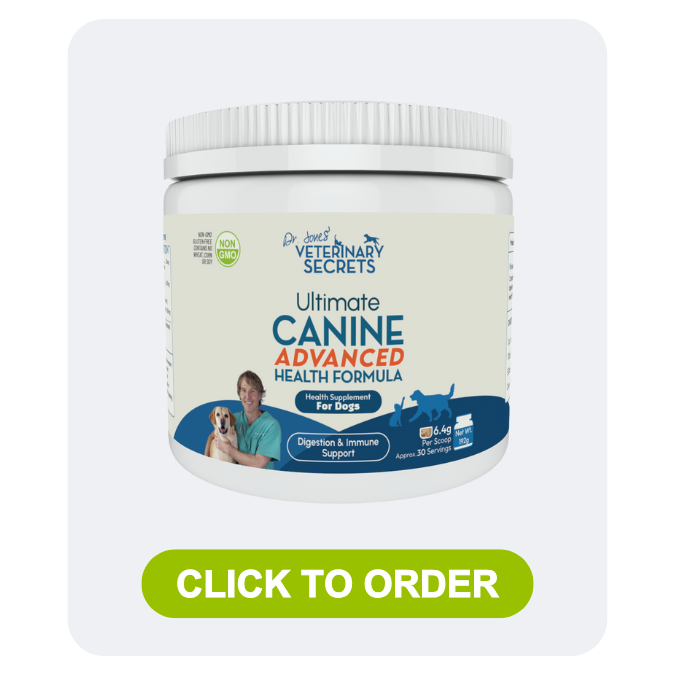
Hi, which would be better for my dogs issues? The vet said she could be in pain due to back and legs and she has kidney issues.which is best curcumin capsules or canine advanced formula since it contains curcumin but it’s a lower amount?
With kidney issues in the picture, I would lean toward the Canine Advanced Formula since it gives you the curcumin along with the other supportive ingredients. Curcumin can help with inflammation and discomfort, but with CKD I always want to think kidneys first and joints second.
The bigger priorities are keeping her well hydrated, keeping her eating, and supporting kidney health. Omega 3s can also be very helpful for kidney inflammation.
If her pain is more significant, a higher dose curcumin product may be worth considering, but I would start low and see how she responds. And if your pup starts hanging around the water bowl like it is hosting a neighborhood meeting, that is your reminder that hydration is job number one.