4-Ingredient DIY Dog and Cat Ear Infection Remedy That Helps

A Natural 4-Ingredient Ear Cleaning Remedy for Yeast, Bacteria, Inflammation, and Ear Mites
Your dog has an ongoing ear infection, constantly itching and scratching. This is something I see far too often, especially in dogs, but cats can be affected too.
My new DIY ear healing remedy is a simple natural mixture that includes ingredients with antibacterial, antifungal, anti-inflammatory, anti-yeast, and even anti-mite properties. It is a great combination of ingredients originally brought to us by Dr. Karen Becker, with one important change from me. I am going to show you how to make it here.
Dr. Jones’ Ultimate BioActive Quercetin for Dogs and Cats



Why Ear Infections Are So Common in Dogs and Cats
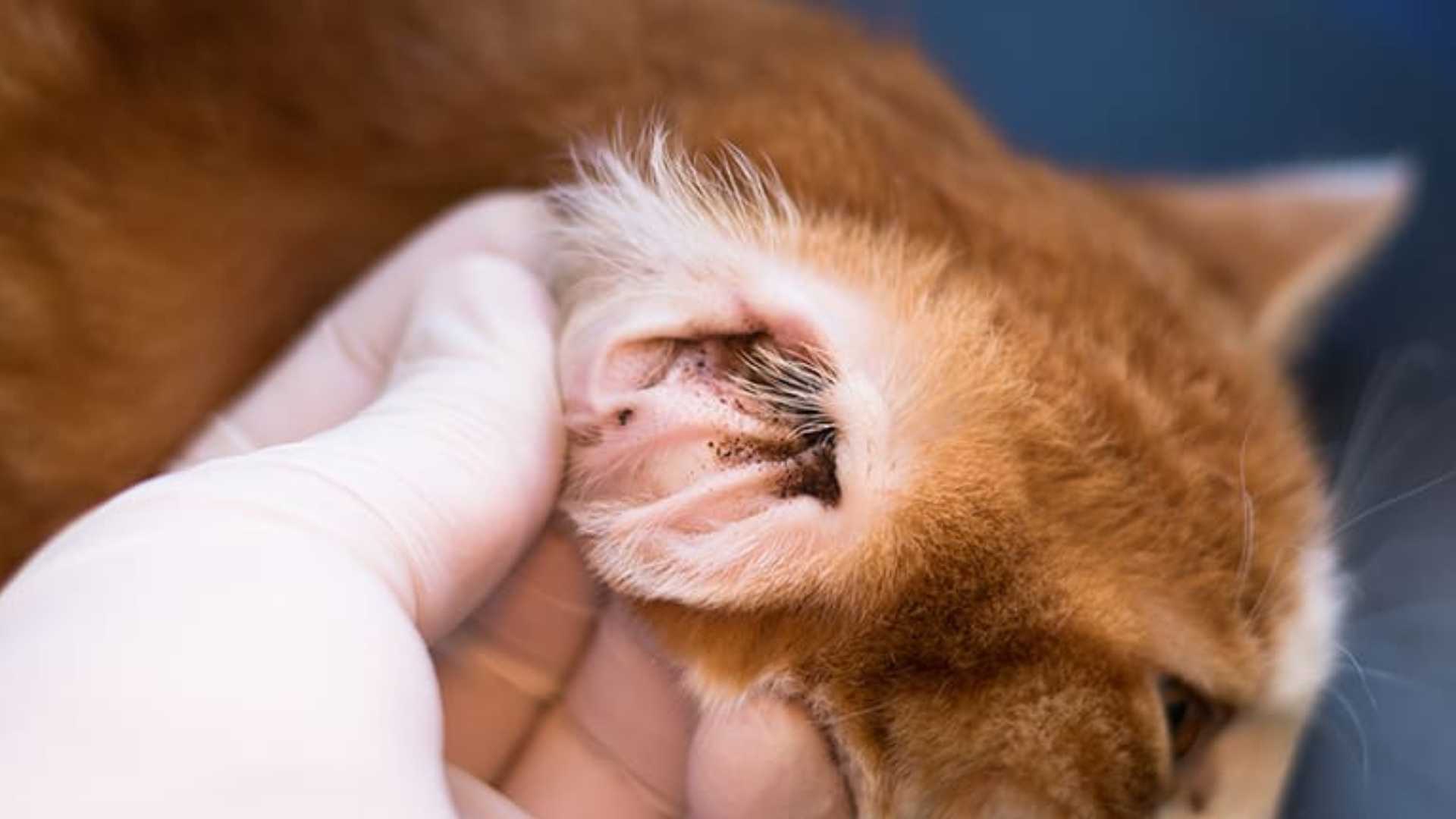
Ear infections in pets are very common, especially in dogs. Cats get them too, although not nearly as often. In cats, when I see ear inflammation and scratching, it is often caused by ear mites. The good news is that this DIY ear remedy can also help with mites.
In dogs, the most common underlying cause is allergies. Your dog may be allergic to something in the food or something in the environment. When the skin becomes inflamed, the ears often become inflamed too.
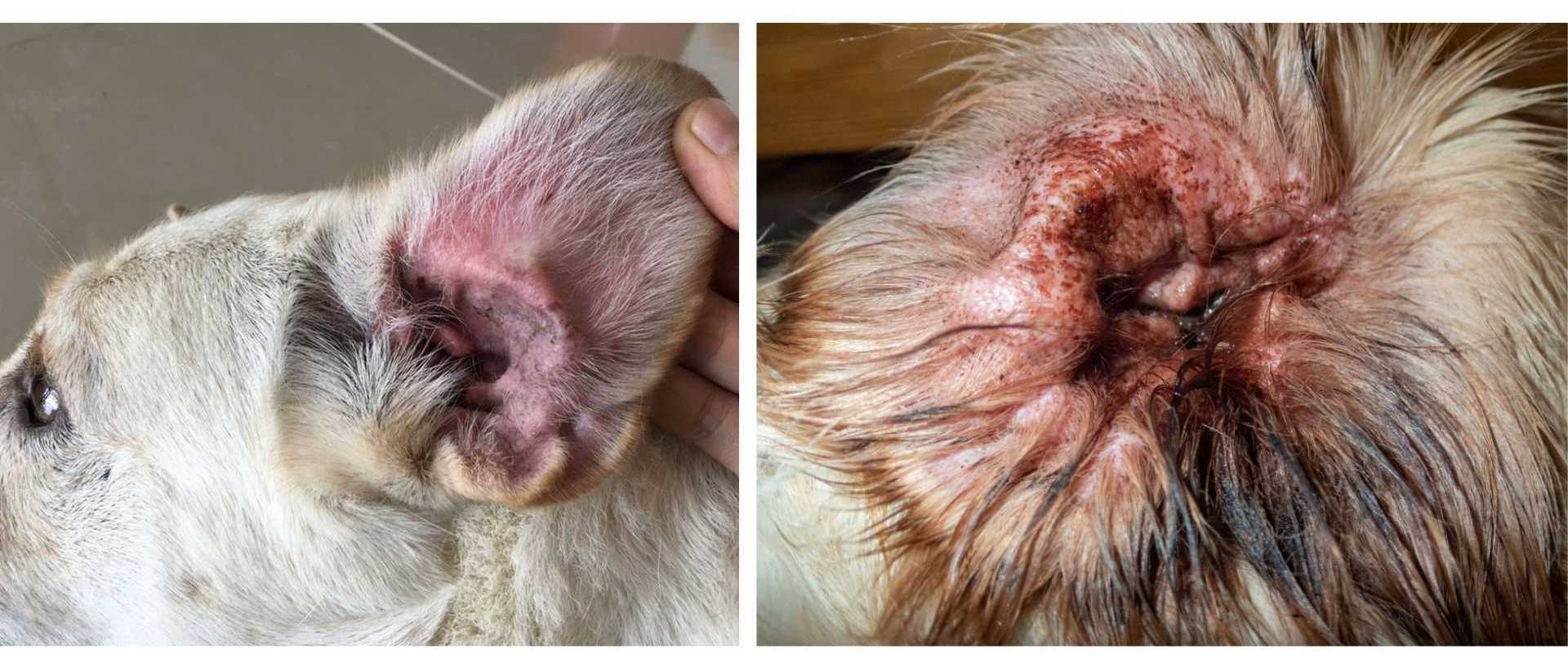
The ear flap, called the pinna, can become red and irritated. The opening of the ear canal can also become swollen and inflamed. In some cases, it can start to close shut.
There are two sections of the ear canal. The first part goes straight down and is called the vertical ear canal. The second part angles inward and is called the horizontal ear canal. That ends at the eardrum.
When both sections become inflamed, the ear can become raw, red, and very sore. You may also notice black, foul-smelling debris. In many dogs, that points to yeast, although bacteria such as staph or pseudomonas can also be involved.
That is what makes this DIY remedy so useful. It helps calm inflammation, supports the ear if bacteria are present, helps deal with yeast, and may even help if mites are part of the problem.
My One Change to Dr. Karen Becker’s Ear Remedy
All of these ingredients come from Dr. Karen Becker’s original suggestion, but I have slightly modified it.
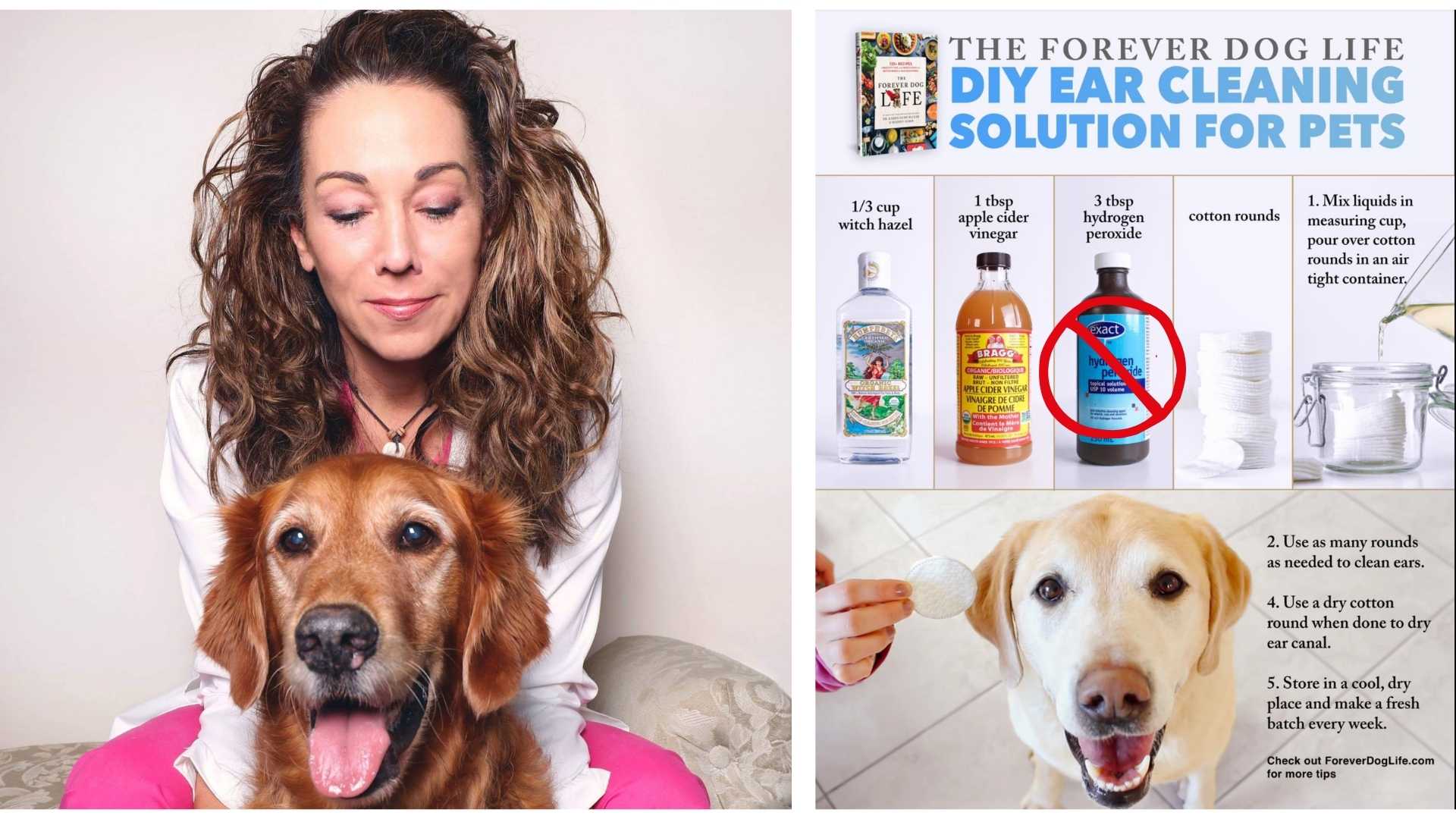
Some versions include hydrogen peroxide. I usually do not suggest using peroxide in pets’ ears. It may have some antibacterial and possible antifungal effects, but it can also be irritating, especially when it foams up.
If the ear is already red and inflamed, peroxide can make things worse. So I leave that one out and keep the other ingredients.
The 4-Ingredient Natural Ear Infection Remedy

Here is what I use:
1. Non-alcoholic witch hazel
This is the base of the cleanser. Witch hazel is a natural topical skin remedy and an astringent, which means it helps dry out excess moisture. That matters because moisture feeds infection.
I prefer the non-alcohol version because it is much gentler and does not sting. It is soothing, and I find it works very well at loosening waxy debris in the ear.
Amount: 1/3 cup, which is about 5 tablespoons
2. Apple cider vinegar
Apple cider vinegar is one of my favorite natural remedies for ear infections. I have used it in many ear solutions because it is especially effective as a natural antifungal.
It can also help against pseudomonas, one of the tougher types of bacteria that can show up in dog and cat ear infections.
The important thing is dilution. If apple cider vinegar is too strong and the ear is inflamed, it can sting. That is why it needs to be mixed properly with the witch hazel.
Amount: 1 tablespoon
3. Colloidal silver
Colloidal silver is made up of microscopic silver particles suspended in water. It is very dilute, often measured in parts per million, which is one reason many people use it topically.
Silver has antibacterial properties, and it may also have anti-inflammatory and antifungal benefits. It is a helpful addition because it covers several of the things we are trying to address in an infected ear.
I have used colloidal silver many times, especially topically, and many pet parents have used it as well.
Amount: 1 teaspoon
4. Neem oil
Neem oil comes from the neem tree in Asia and has been widely studied. It is best known for its insecticidal effects, but it also has antibacterial, antifungal, and anti-inflammatory properties.
It is especially helpful if ear mites are involved.
Neem is not as concentrated as many essential oils, but I still use it carefully and in a small amount.
Amount: 10 drops
How to Make the Ear Remedy
Add all of the ingredients together and mix them very well. You want to make sure the neem oil is fully diluted into the rest of the solution.
Store the mixture in a tightly sealed container in the fridge. It should keep for up to one week.
How to Use This DIY Ear Remedy
Draw a small amount into a syringe. A 3 cc syringe works well.
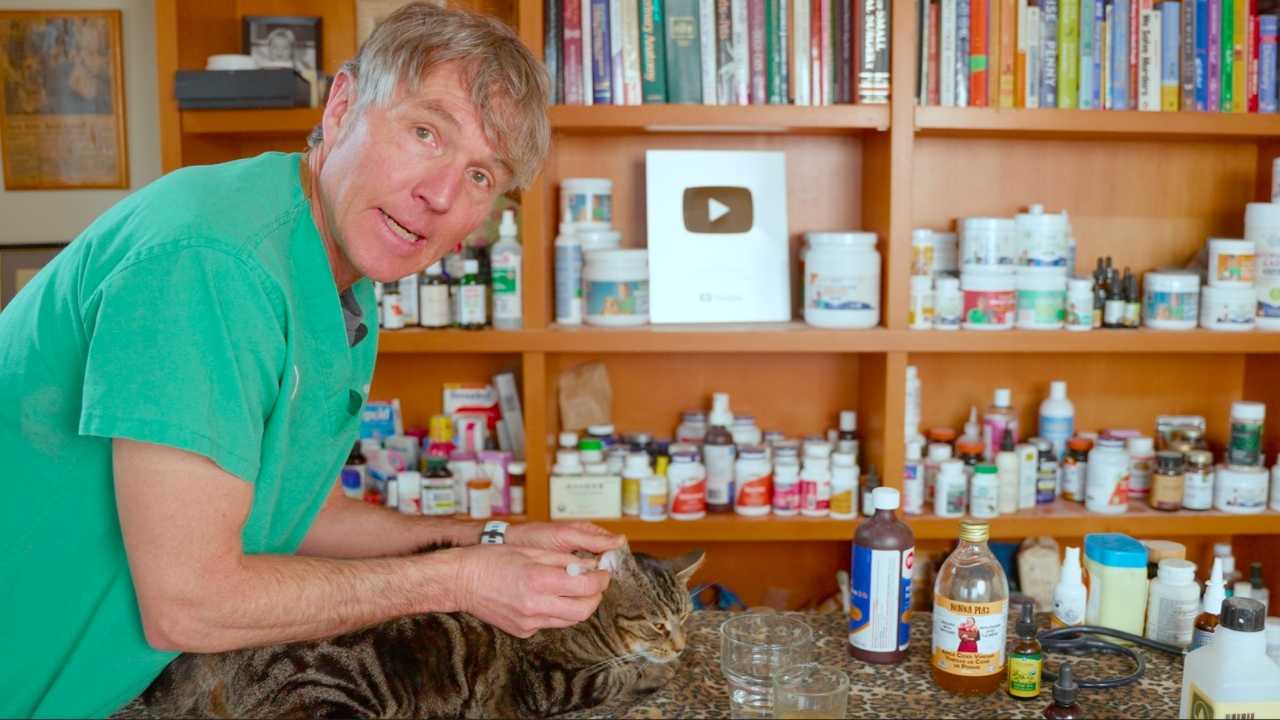
Lift the ear flap and gently place the tip at the base of your dog or cat’s affected ear. Tilt your pet’s head slightly to one side, then apply:
2 to 3 drops per 10 pounds of body weight
For a cat, 2 to 3 drops is usually enough.
After applying the remedy, rub the base of the ear well so you hear the squishing sound. That tells you the mixture is working its way down the ear canal.
Use it twice a day for 5 to 7 days.
In many mild yeast-related ear infections, 5 days may be enough.
Why This Remedy Works
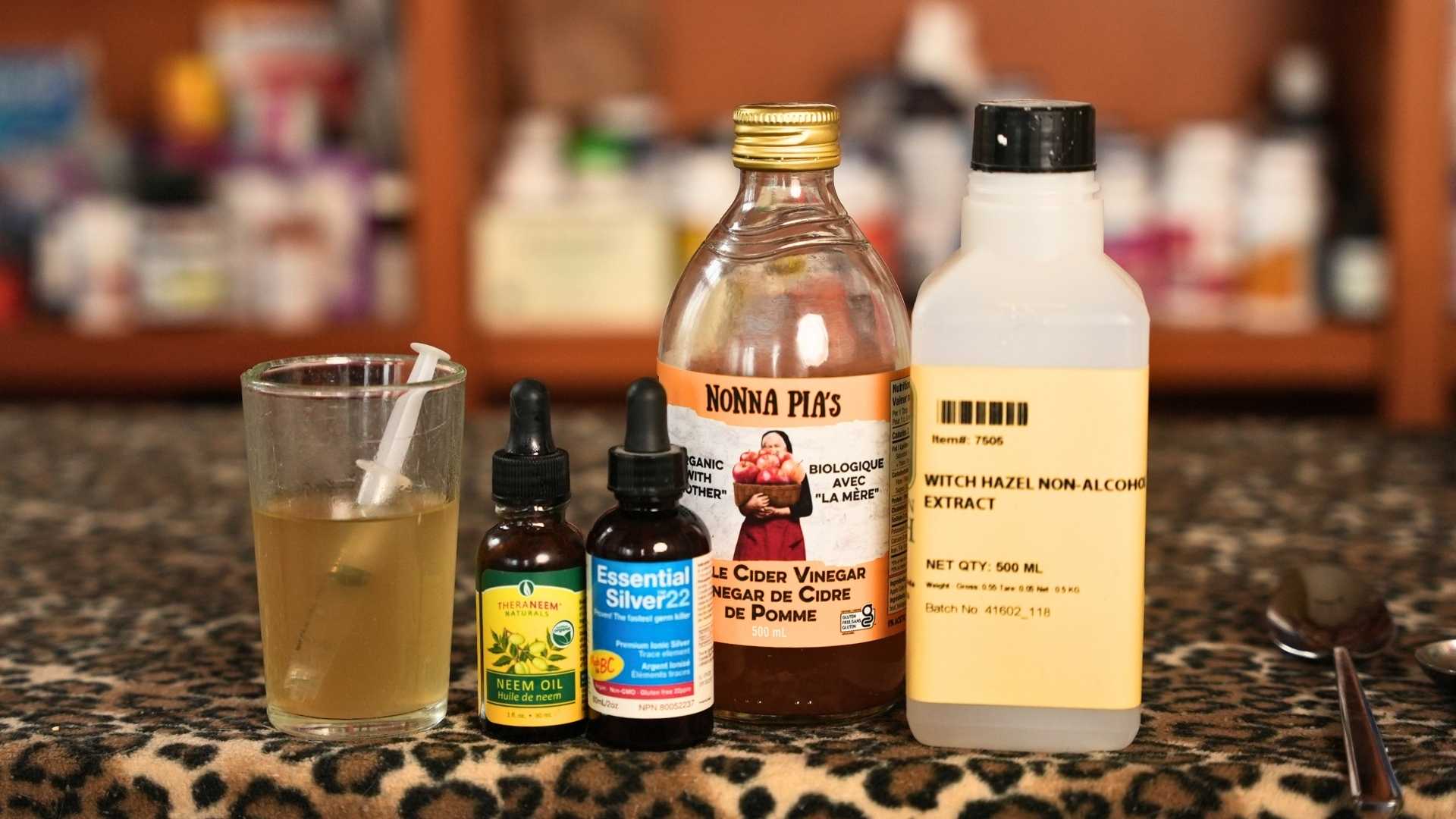
What I like about this mixture is that it addresses the most common causes of ear irritation all at once:
- Witch hazel helps dry and clean the ear
- Apple cider vinegar helps with yeast and some bacteria
- Colloidal silver supports against bacteria and inflammation
- Neem oil helps with mites, yeast, and irritation
Together, they make a strong natural option for many mild ear problems at home.
Final Thoughts
I want to thank Dr. Karen Becker for her original suggestions for this dog ear infection remedy.
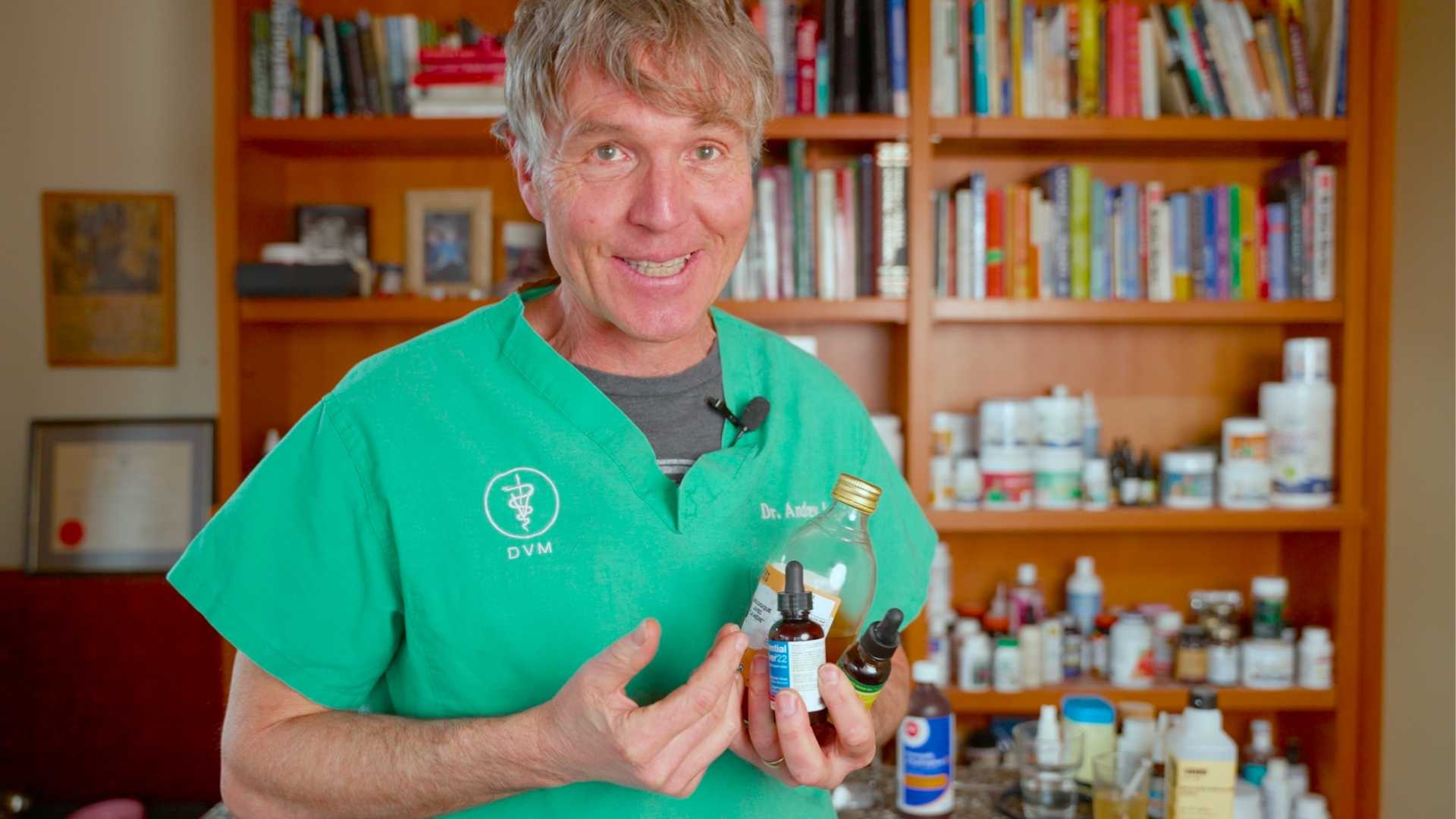
If your dog or cat has red, itchy, smelly ears, this is a very good natural remedy to try at home, especially for mild cases involving yeast, bacteria, inflammation, or ear mites.
If the ear is extremely painful, badly swollen, bleeding, or not improving, then it is time to get it checked.
Click To Get A Free Copy of My E-book!



Thank you, Dr. Jones.
I would like to buy the ear solution from you, instead of making it myself IF you sell it. If you dont, I need to buy the ingredients you do sell, except the binegar which I use. Send me a link, please, so I can buythe ingredients ffrom you
I gave bought from you before.
Zareda Strobel
Healer1346@yahoo.com
Hi Zareda,
Great question, and I love that you’re being proactive about your pet’s ear care.
We don’t currently have a pre-made ear solution available, but you can absolutely put together the ingredients yourself (and honestly, that’s often just as effective when done right).
If you’re looking for support products, you can check out what we do carry here:
https://shop.veterinarysecrets.com/
For ear issues specifically, the key is:
Keep ears clean and dry
Use gentle, natural solutions (like the one you’re making)
And always watch for signs of infection (odor, redness, discharge)—those may need a bit more help
You’re on the right track, and I’m glad you’ve had good results before!
Can I use Caneston mixed with black tea instead of monistat for your dogs ear infection remedy?
Good question! I wouldn’t substitute Canesten for Monistat without first checking the cause of the ear problem. Not all ear infections are caused by yeast—some are bacterial or even due to ear mites. It’s best to stick with the recipe as written or have your veterinarian confirm what’s causing the infection before changing ingredients.