Dog Foot Infection Keeps Coming Back? Is It Yeast, Bacteria, or Allergies? What To Do?

Why Your Dog’s Foot Infection Keeps Coming Back and What to Do
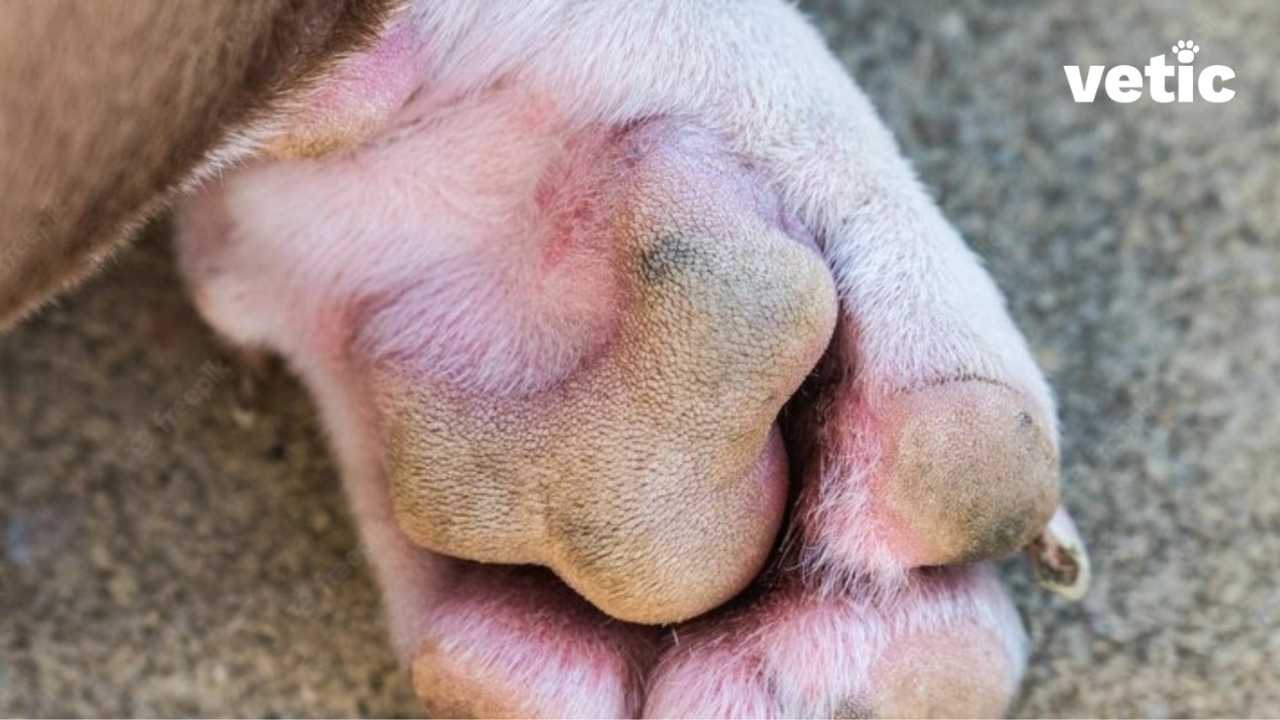
Recurring dog foot infections, also called pododermatitis, are frustrating. Many dogs improve for a short time, then the redness, licking, and swelling return.
The key is understanding that pododermatitis is usually a symptom, not the real diagnosis. If we want lasting improvement, we have to look at the root cause.
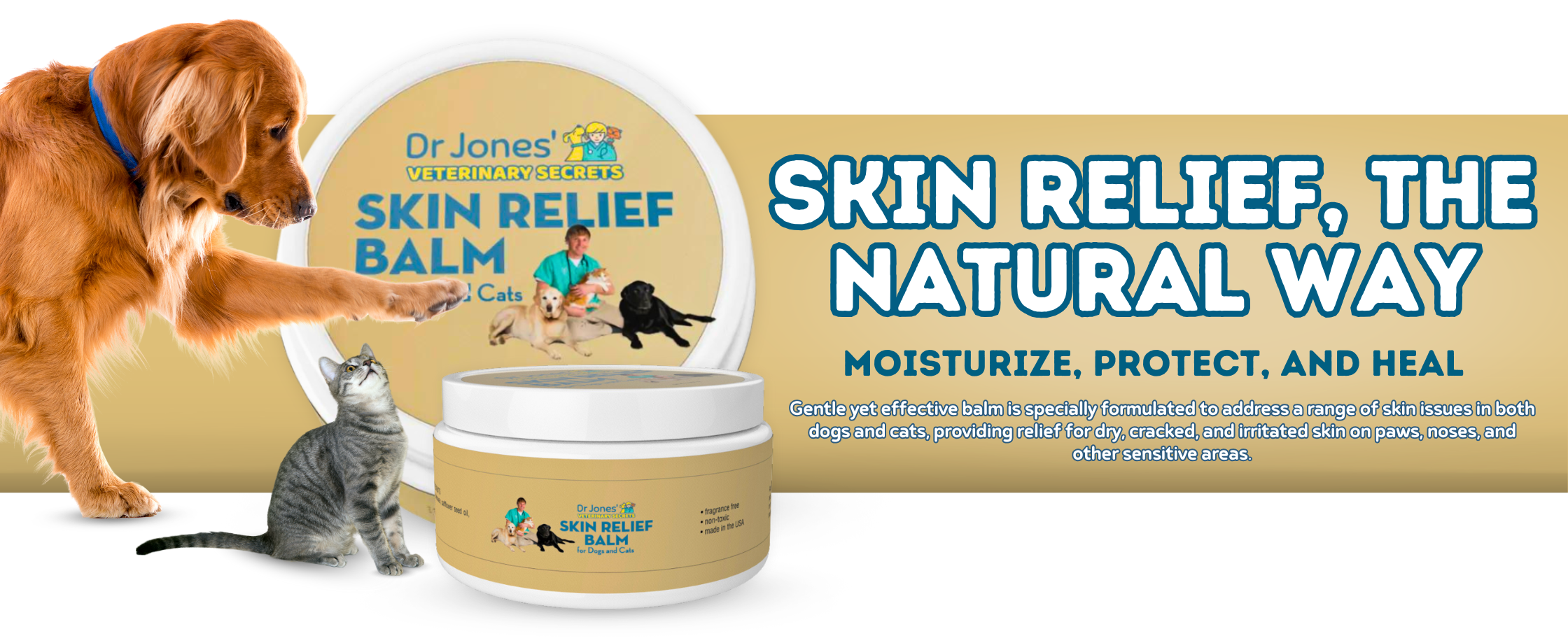
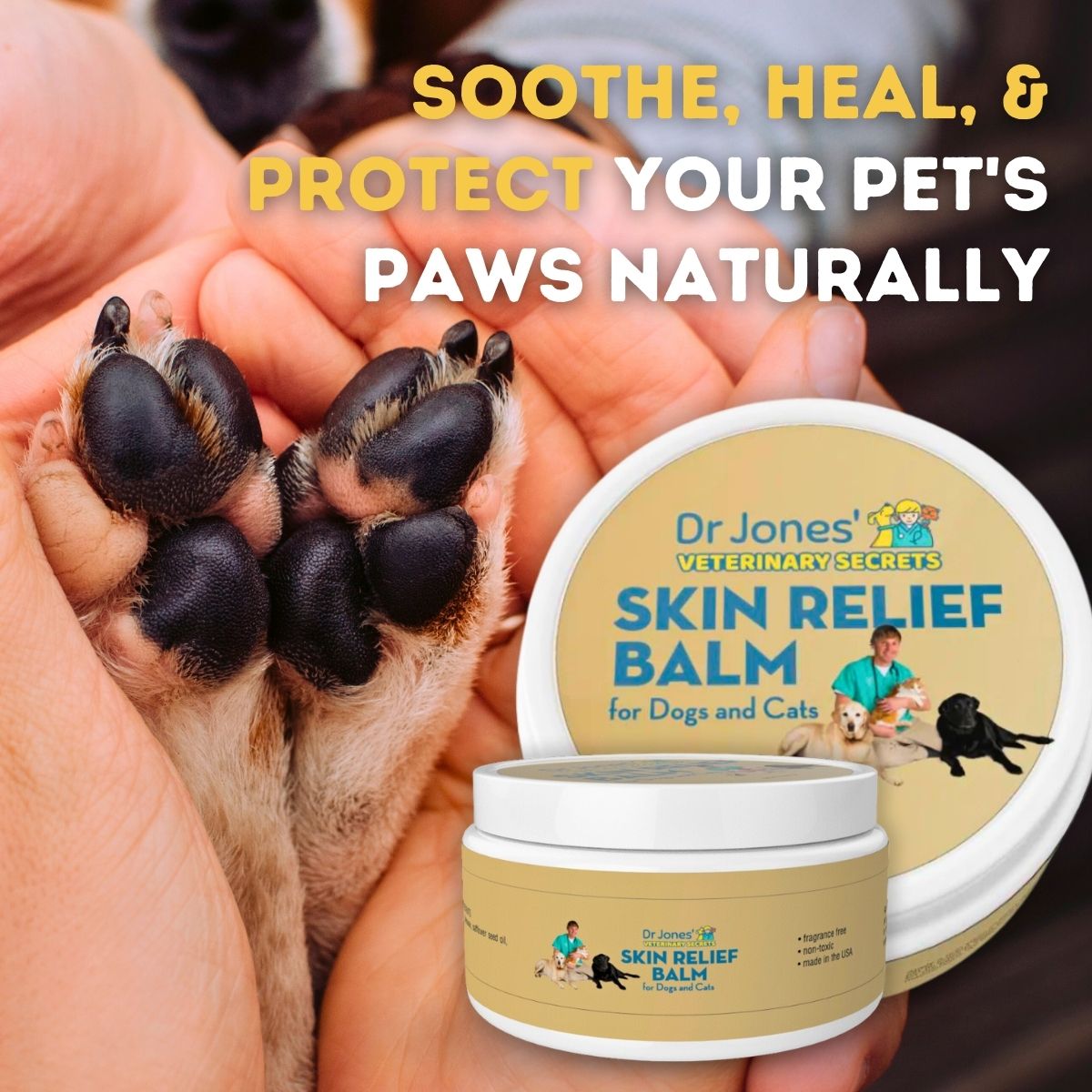
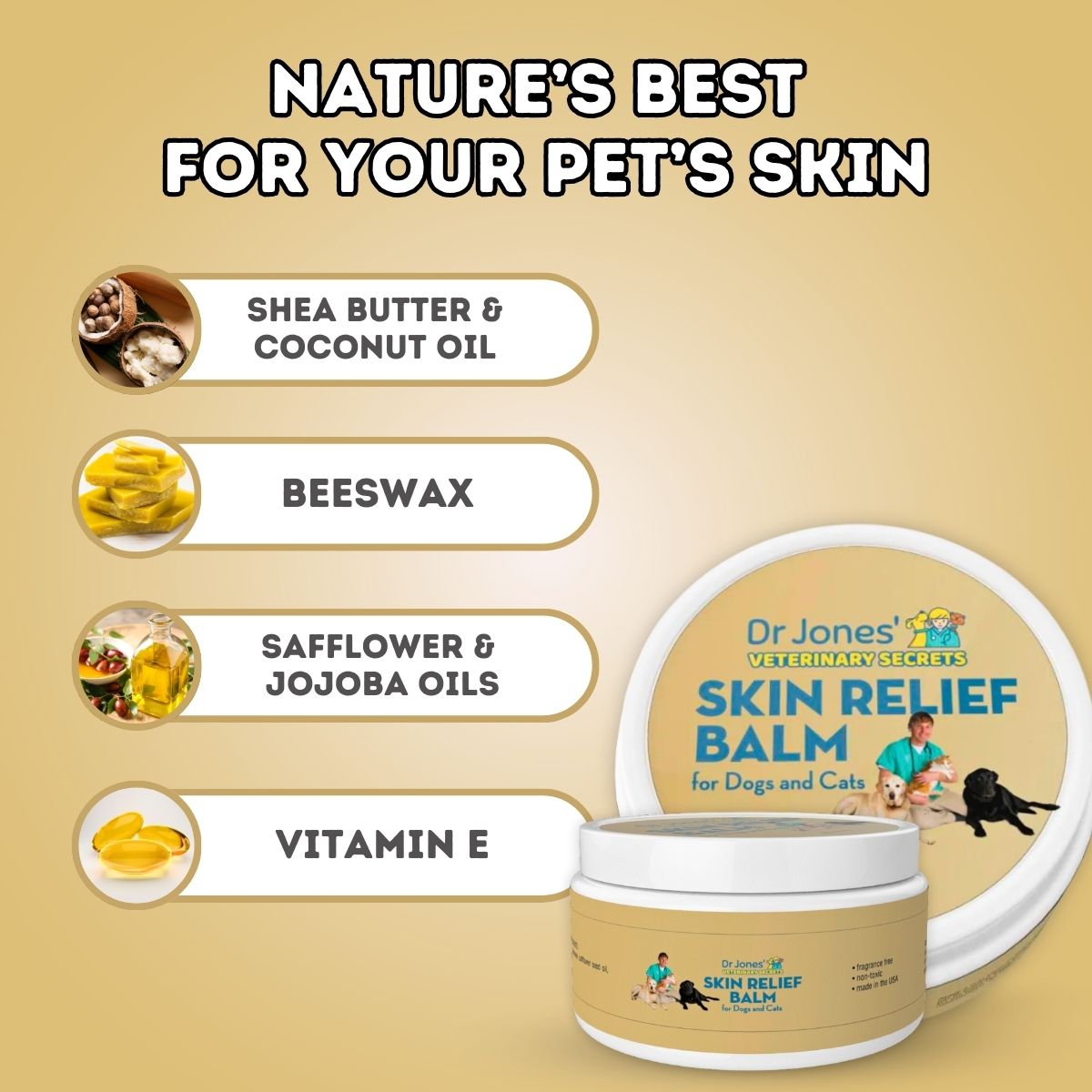
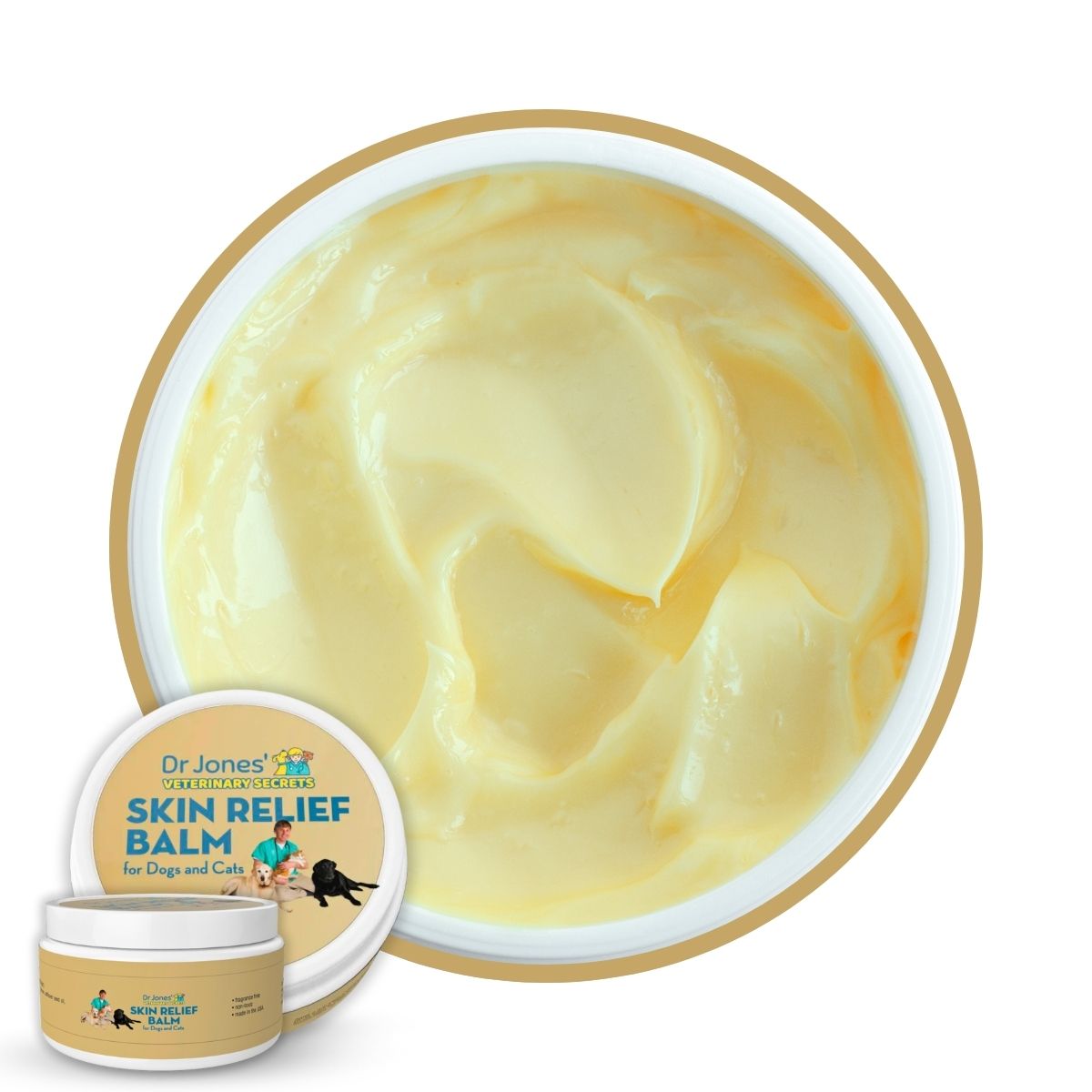
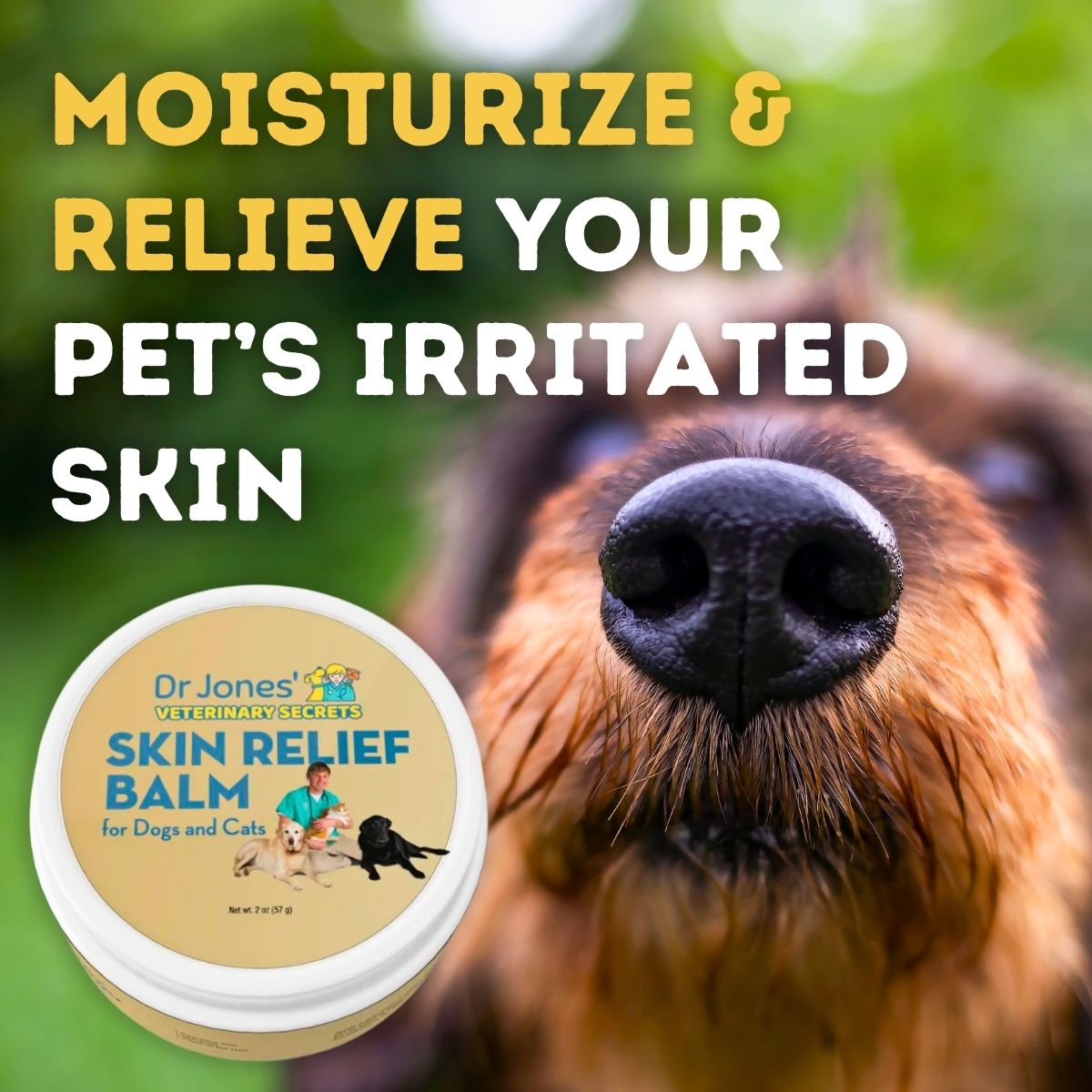
Dr. Jones’ Skin Relief Balm for Dogs and Cats
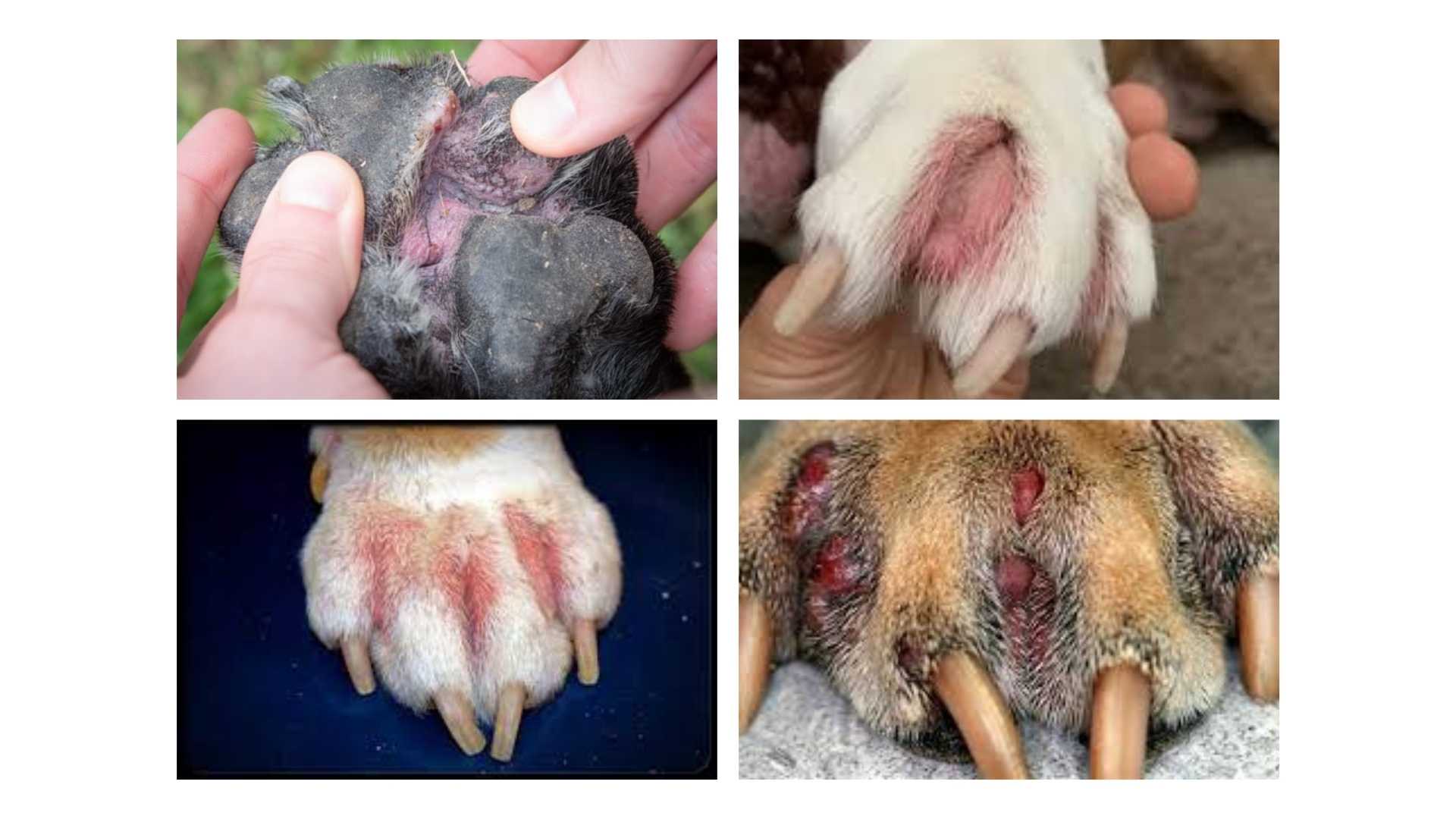
What Is Pododermatitis?
Pododermatitis means inflammation or infection of the paw, usually between the toes.
It can affect:
-
The skin between the digits
-
The nail beds
-
The pads themselves
Dogs with pododermatitis often show clear signs.
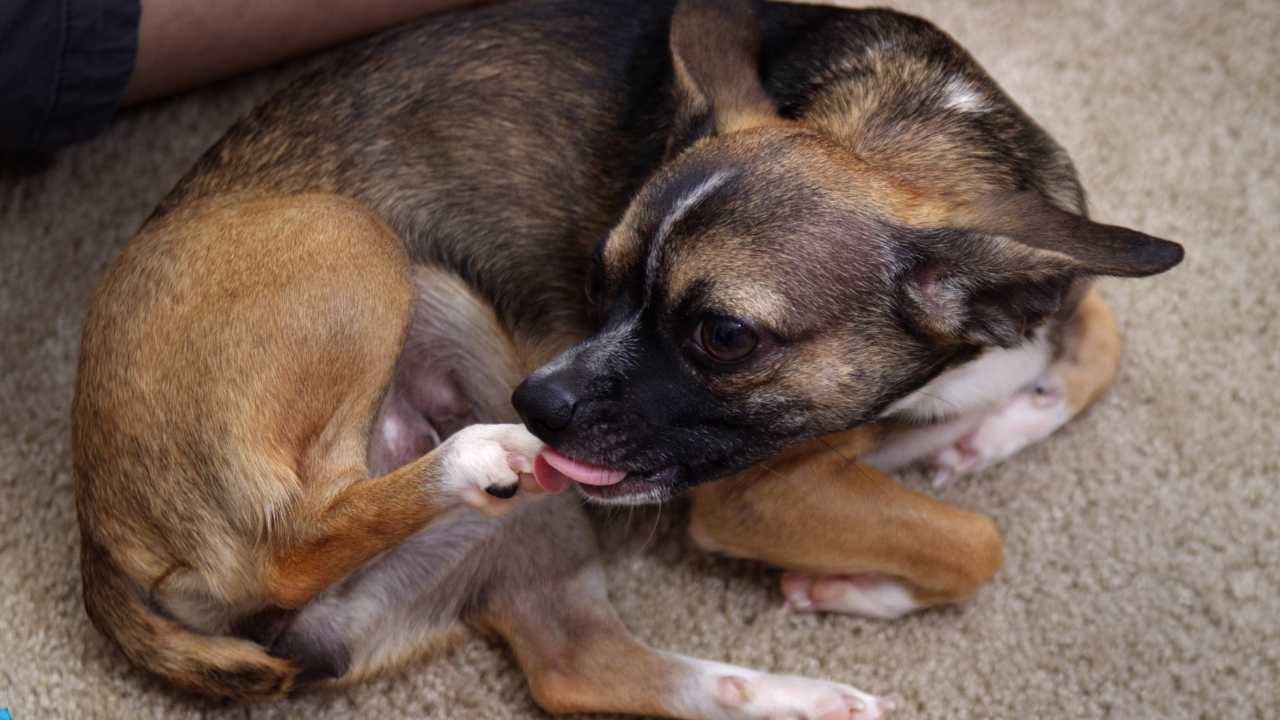
Common Symptoms
-
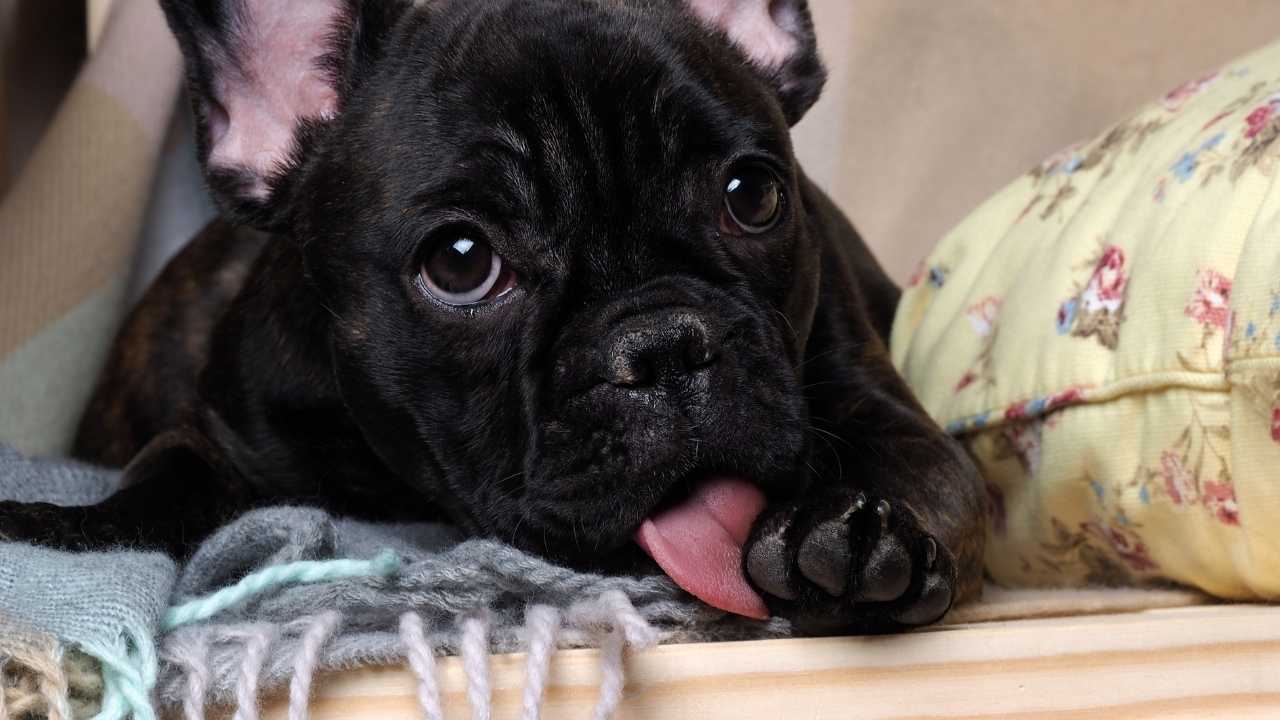
Constant licking or chewing at the paws
-
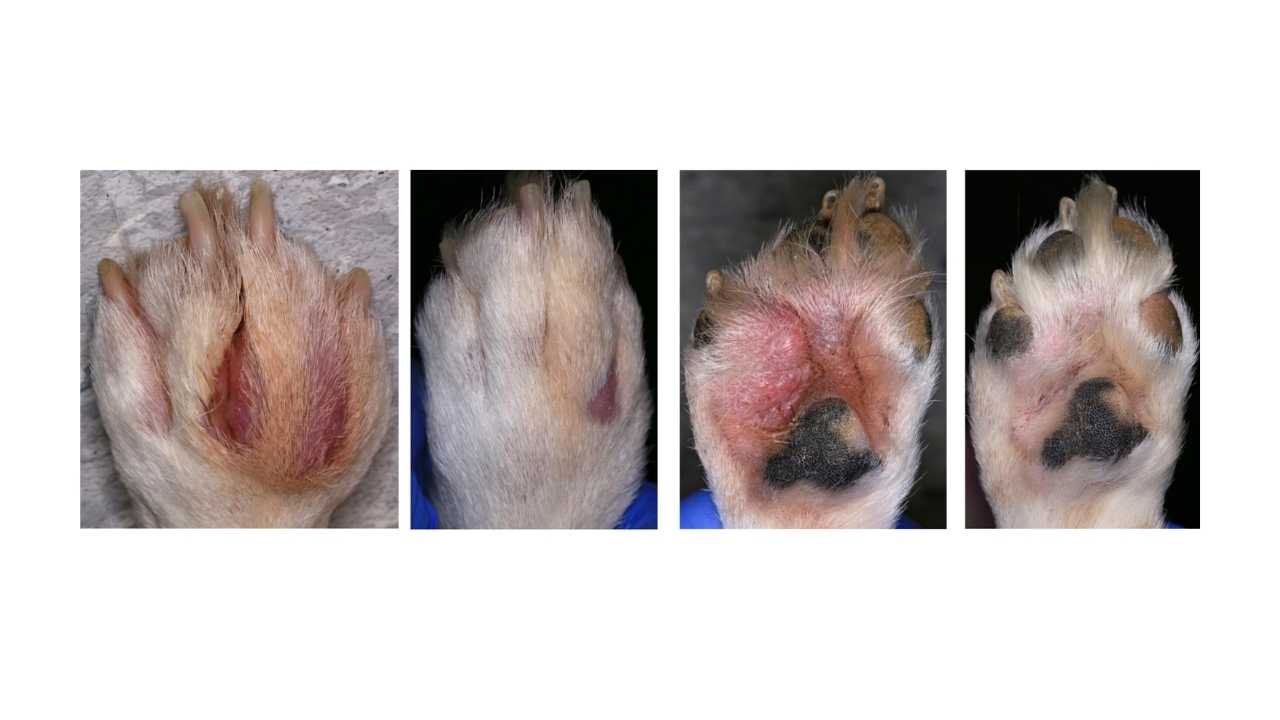
Red or swollen skin between the toes
-
Small bumps or pustules between the digits
-
Discharge or oozing areas
-
Pain when walking
-
Interdigital cysts in severe cases
These infections can become deep and very painful if not addressed properly.
The Most Common Cause
The biggest takeaway is this.
Most recurring paw infections start with allergies.
Environmental allergies are the most common. Food allergies are also possible.
When allergies trigger inflammation, the skin barrier weakens. Once the skin breaks down, yeast and bacteria easily grow in those moist areas between the toes.
Common secondary infections include:
-
Yeast overgrowth
-
Staph bacterial infections
Other possible causes include:
-
Demodex mites
-
Foreign bodies such as splinters
-
Repeated trauma to the paw
-
Hormonal disorders such as hypothyroidism
How Pododermatitis Is Diagnosed
Simple diagnostics are often the most helpful.
A veterinarian may perform skin cytology, usually with clear tape pressed between the toes. The sample is stained and examined under a microscope.
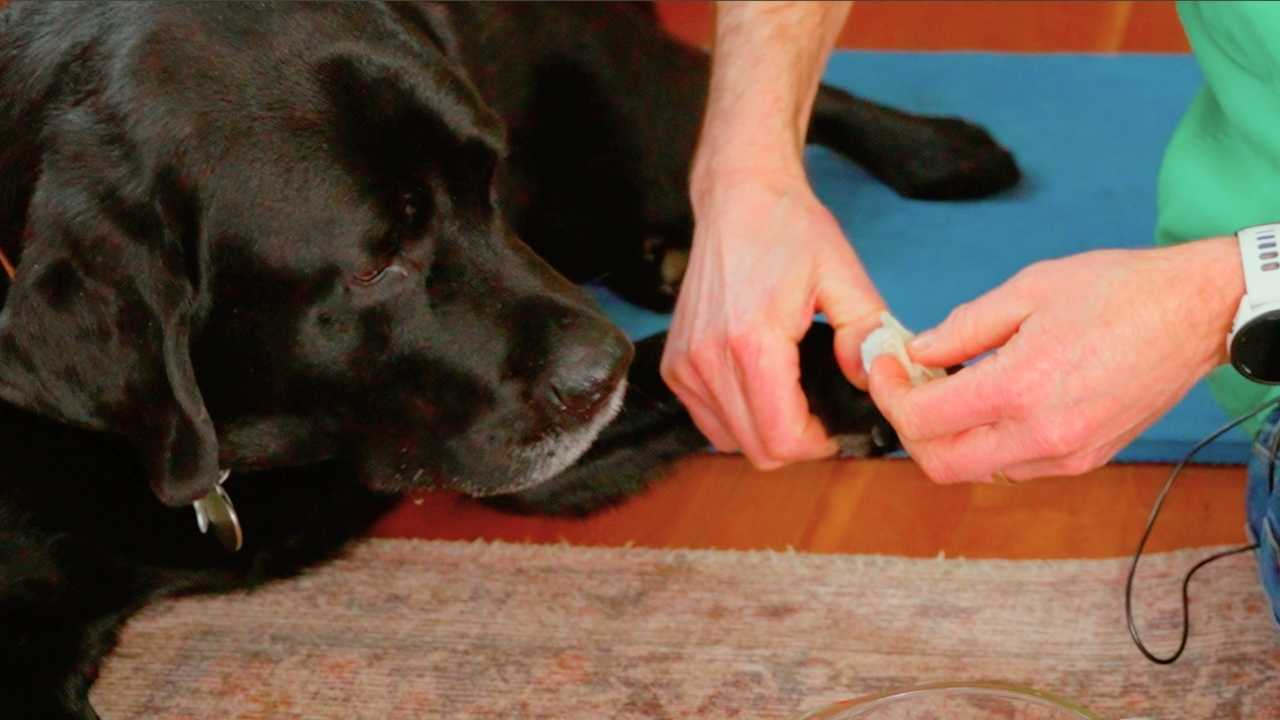
This helps identify:
-
Yeast
-
Bacteria
-
Mixed infections
If the infection is deep, especially with interdigital cysts, a culture and sensitivity test is often recommended to determine the best antibiotic if one is needed.
Why Topical Treatment Is So Important
Treatment has shifted in recent years.
Instead of reaching for oral antibiotics immediately, the focus is now on topical therapy first.
Applying treatment directly to the infection site is often more effective and avoids unnecessary antibiotic use.
Common topical approaches include:
-
Chlorhexidine antiseptic scrubs
-
Antifungal shampoos such as miconazole
-
Medicated wipes
Steroids were once commonly used, but they suppress the immune system and may worsen underlying infections. Current recommendations are to avoid them whenever possible.
Natural Topical Remedies That Can Help
Alongside conventional care, several natural options may help reduce inflammation and infection.
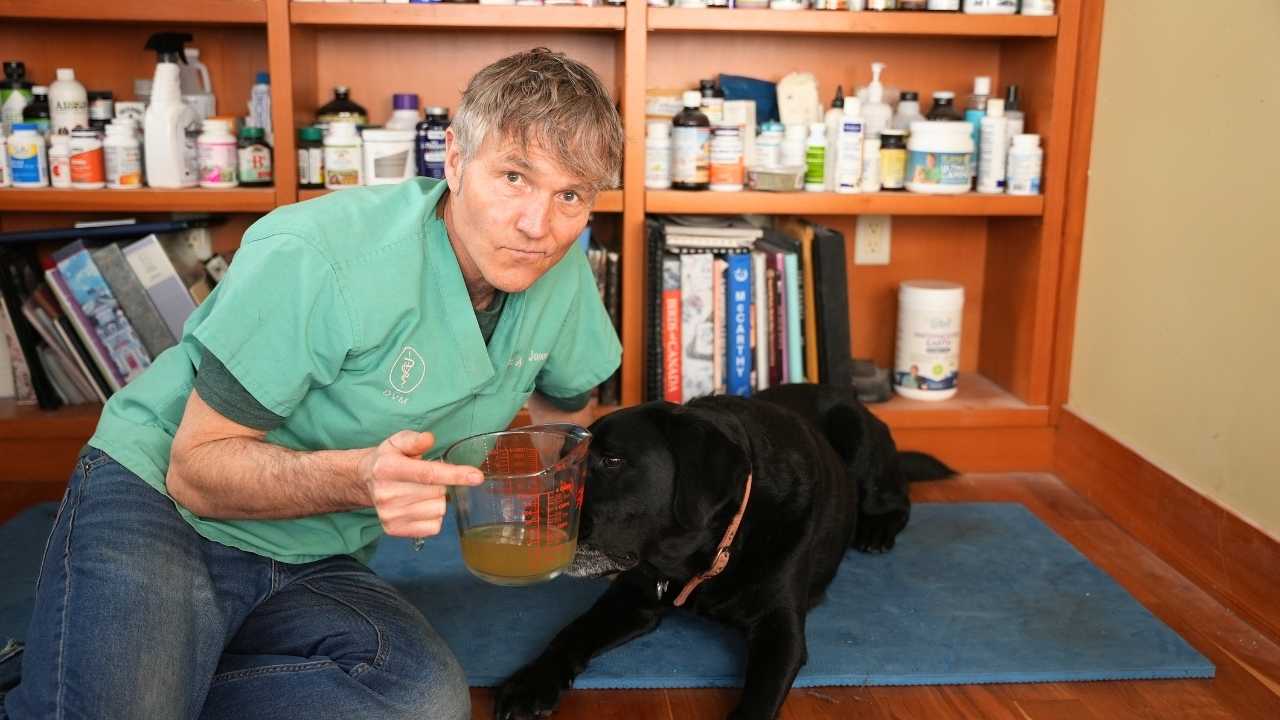
Green Tea, Honey, and Apple Cider Vinegar Soak
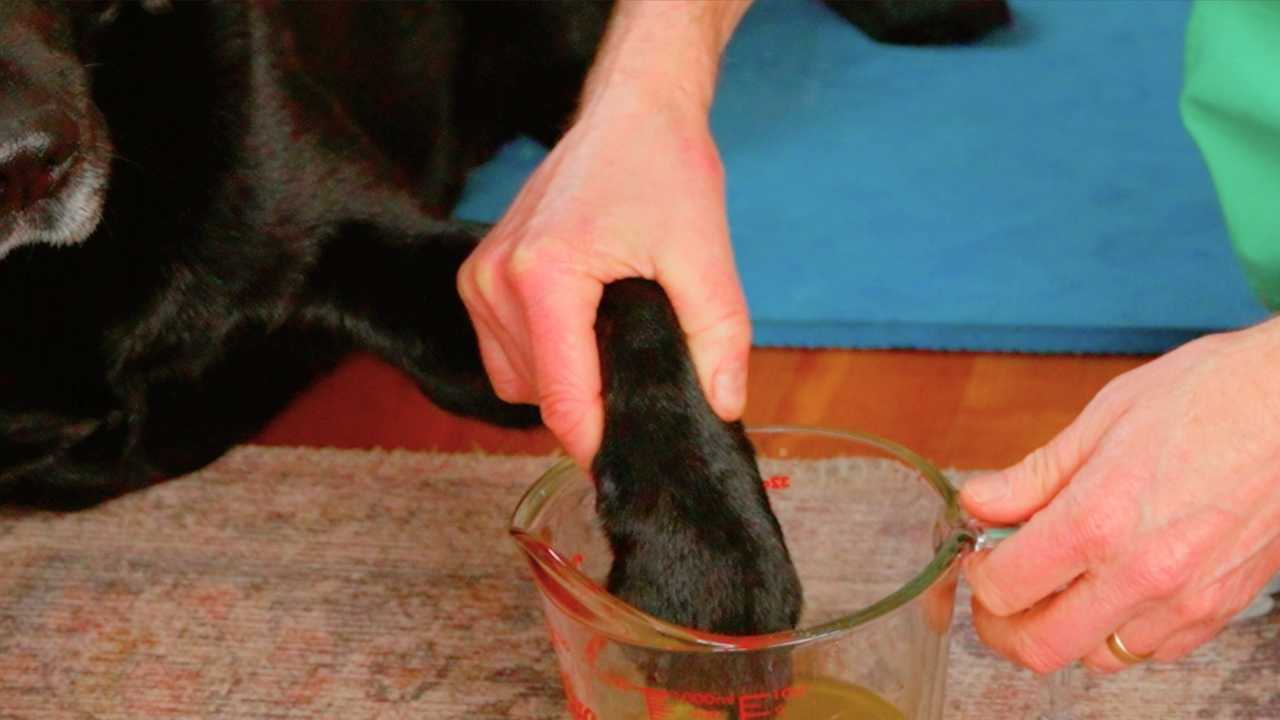
This is one of my favorite simple remedies.
Ingredients:
-
1 cup strong green tea
-
1 tablespoon raw honey
-
2 tablespoons apple cider vinegar
Soak the affected paw for about 5 minutes twice daily.
Continue for 21 days, as most infections are well established by the time we notice them.
Green tea provides antioxidants. Honey has natural antibacterial effects. Apple cider vinegar helps control yeast.
Propolis Spray
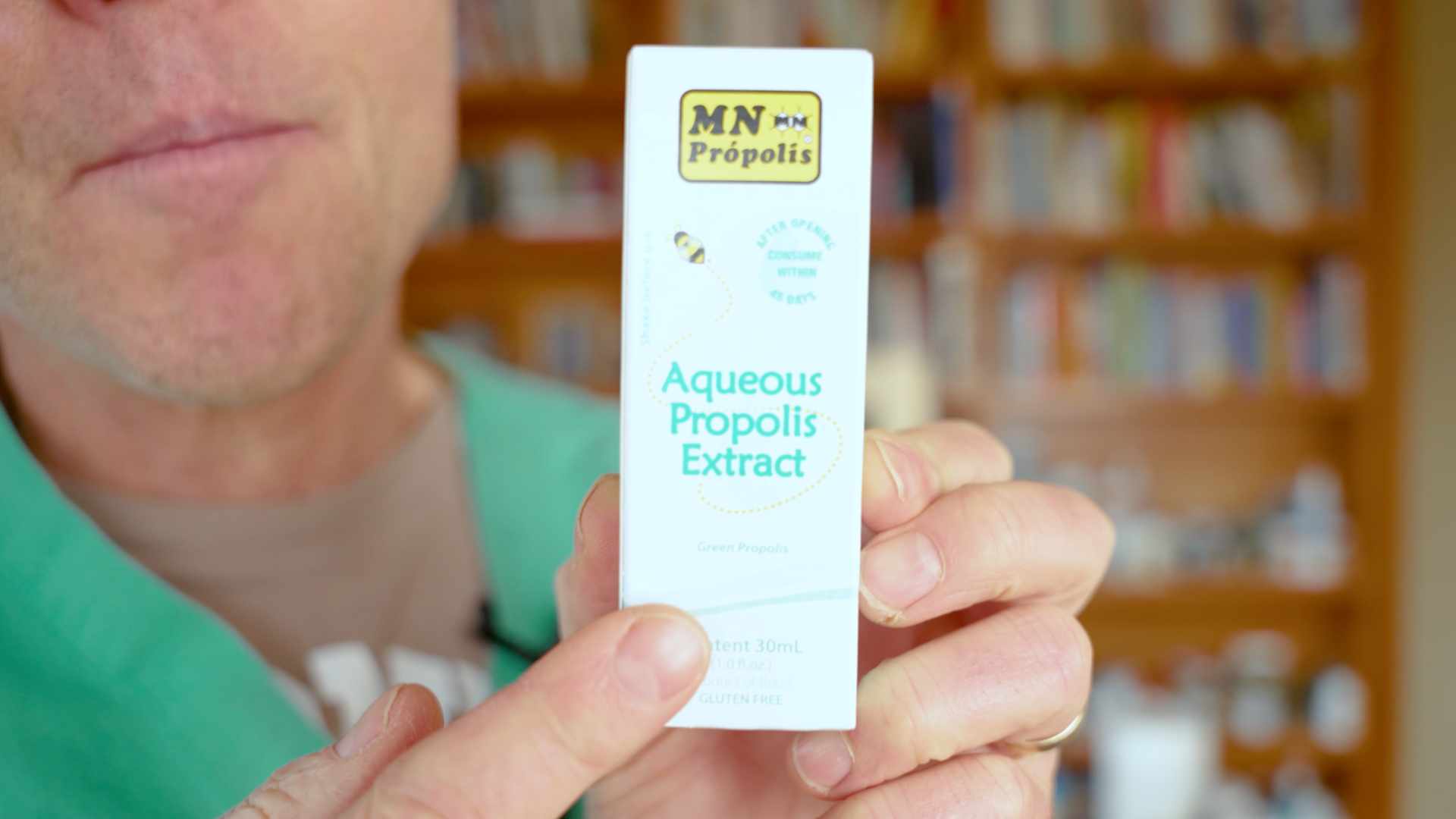
Propolis is a powerful antibacterial compound produced by honeybees.
Spray it between the paws two to three times daily. Many dogs show improvement within a week.
Hypochlorous Acid
Hypochlorous acid is a natural antibacterial solution created from salt water.
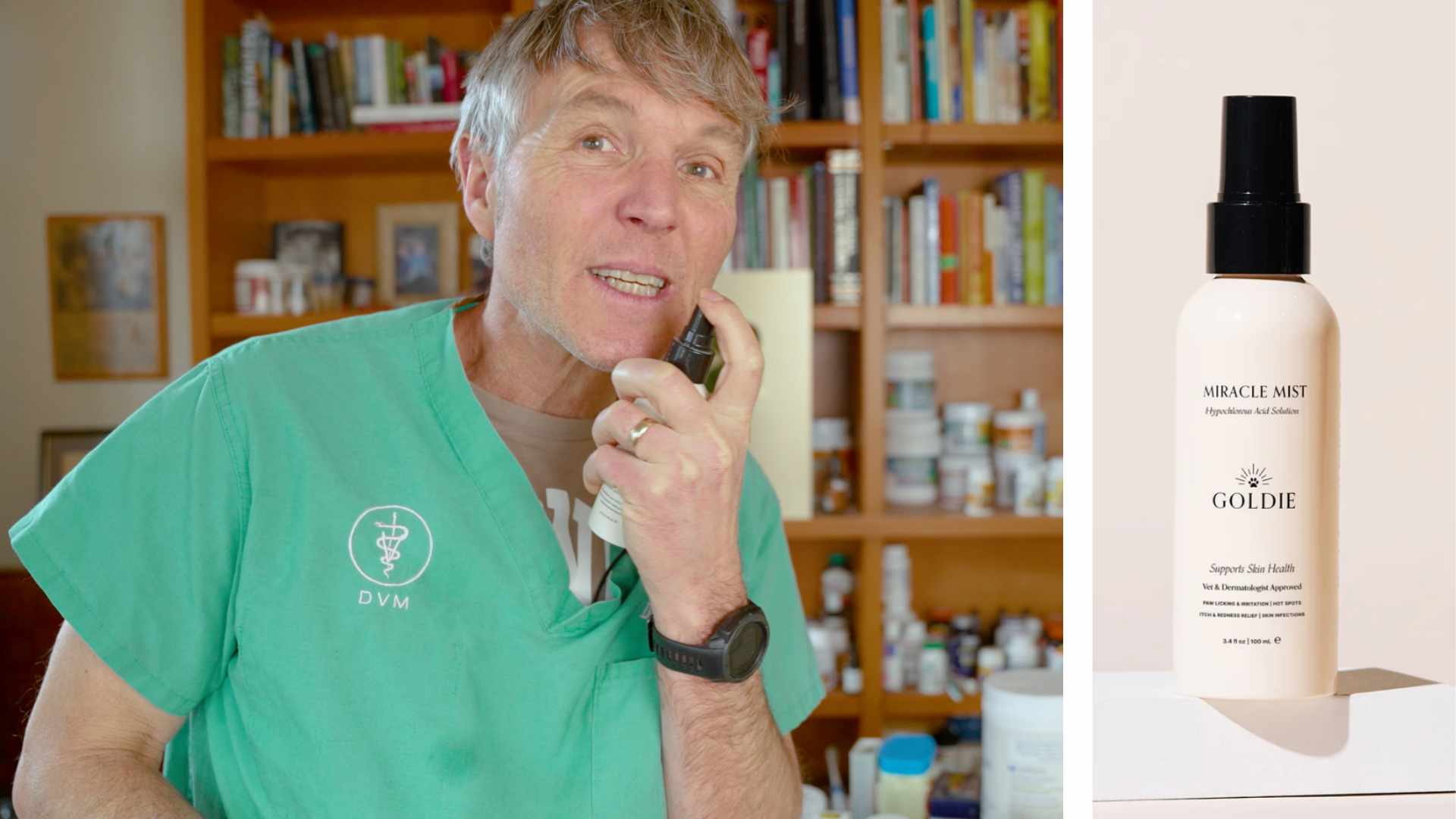
It can be sprayed on the paws twice daily and may help mild infections.
Colloidal Silver
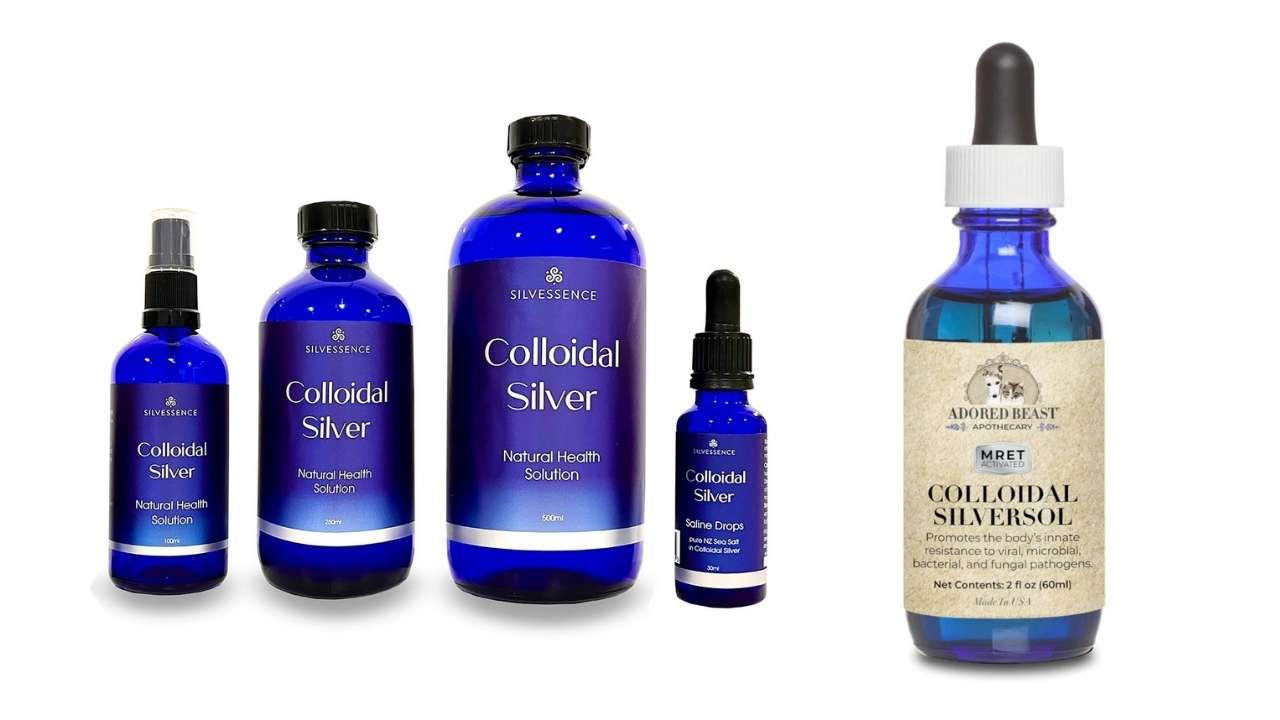
Colloidal silver is another natural antibacterial option used topically. It can be sprayed between the pads twice daily.
Clotrimazole Cream
If the infection is primarily yeast, an over the counter clotrimazole cream can be applied between the toes twice daily for about 7 days.
Treating the Root Cause: Allergies
If allergies are driving the inflammation, we need to calm the immune response.
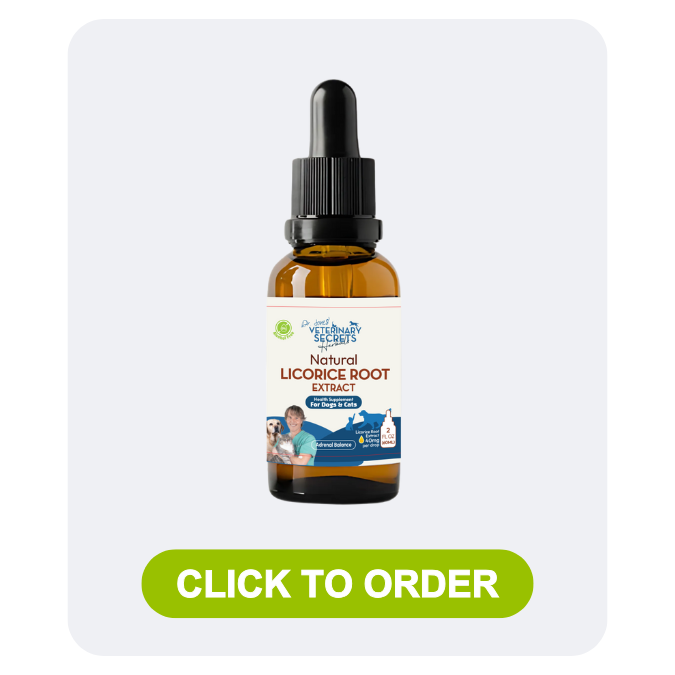
Licorice Root Extract
Licorice root acts similarly to a natural steroid but without the same long term side effects.
Typical dose:
½ ml per 20 pounds of body weight
Twice daily for up to 14 days
This is meant for short term use.
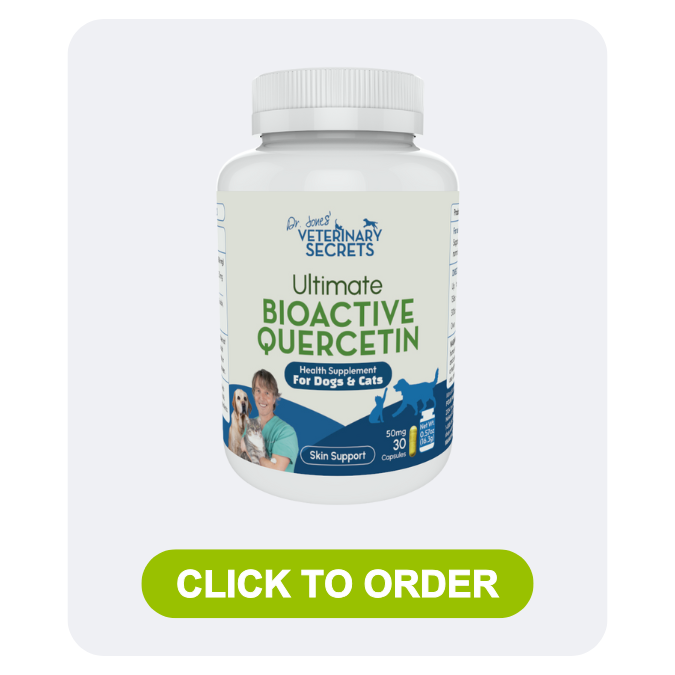
Bioactive Quercetin
Quercetin is often called nature’s antihistamine. It helps reduce allergic inflammation.
Typical dose:
50 mg per 15 pounds of body weight daily
It can be used long term.
CBD Oil
CBD can help reduce inflammation and provide pain relief.
Starting dose:
3 mg per 10 pounds
Twice daily
Curcumin
Curcumin supports inflammation control and immune balance.
Typical dose:
250 mg per 50 pounds of body weight
Twice daily
Supporting the Skin Microbiome
Healthy bacteria help protect the skin.
One approach is applying probiotics directly to the paw. Open a capsule and sprinkle the powder onto the affected area once daily for at least two weeks.
This helps restore the natural microbial balance on the skin.
Natural Antibacterials for Deep Infections
If a deeper infection is present, additional support may help.
Propolis
Oral propolis can support antibacterial defense.
Typical dose:
100 mg per 10 pounds
Twice daily for about 21 days
Aged Garlic Extract
Garlic has strong antibacterial and antifungal properties. When aged into an extract, the potentially harmful compounds are greatly reduced.
Typical dose:
50 mg per 10 pounds daily
Some owners also use fresh garlic in small amounts mixed into food.
Strengthening the Skin Barrier
Repairing the skin barrier helps prevent infections from returning.
Safflower Oil
Safflower oil is rich in linoleic acid and ceramides that support skin health.
Typical dose:
1 teaspoon per 20 pounds of body weight daily
It can also be applied topically to the skin.
The Big Picture
Pododermatitis is rarely just a simple infection.
Most cases involve allergies, skin barrier damage, and secondary yeast or bacterial growth.
Successful treatment usually requires:
-
Addressing the infection
-
Reducing inflammation
-
Supporting the immune system
-
Repairing the skin barrier
Combining thoughtful conventional care with natural support often leads to the best long term outcome.
Click To Get A Free Copy of My E-Book!

Do u have a natural solution for ,well shoot,I can’t remember the name,she has one big bump on her head and one on her paw she’s had literally for over 10 years bc she got stepped on by a grandchild,but she’s licking it now and it looks terrible.The internet suggested betadine on it after soaking in Epsom salt.I soaked this morning then gave her a bath.Not sure if betadine solution is good for her.
Sounds like she’s dealing with more than just old bumps. Gentle cleaning, drying, and a little coconut oil can help soothe things, but if it’s red, raw, or she keeps licking, it’s best to see a vet. They can check for infection and guide safe treatment.
What do you think about the supplement, “Dog is Human” for itching, licking, corn chip smell? My dog is 10 years old and this is the first year she has has to go to vets for allergies.
That corn chip smell and licking usually points to yeast on the paws, often linked with allergies. The supplement may help overall, but it is not really targeting the yeast.
I would keep it simple
Clean paws daily with an antifungal rinse or diluted apple cider vinegar
Dry them well
Add a probiotic and omega three for skin support
If it keeps coming back, then look deeper at allergies.
Very manageable once you hit the real cause
My dog (12 yo F CairnPoo) has a longstanding yeast/allergy problem, I have tried everything, at my wits end. For the last 3 years my man concern with it has been she is nibbling/licking all the fur off her paws and her feet are quite red and puffy, can be warm to the touch. I know she is uncomfortable and I worry that it will turn into something more aggressive. I recently went to a new vet to see if they might have a different approach, but it was the same protocol with $900 worth of meds that don’t work.
Chronic paw yeast can be SO frustrating, especially when the meds keep coming but the licking stays. Warm, red, puffy feet almost always mean ongoing inflammation underneath it all. At this point I’d really focus hard on rebuilding the skin barrier + calming the allergy trigger, not just killing the yeast. Even simple things like daily paw soaks, probiotics, omega-3s, and keeping the paws dry can make a surprisingly big difference over time. Sending a big belly rub to your CairnPoo, she’s lucky to have you fighting for her.