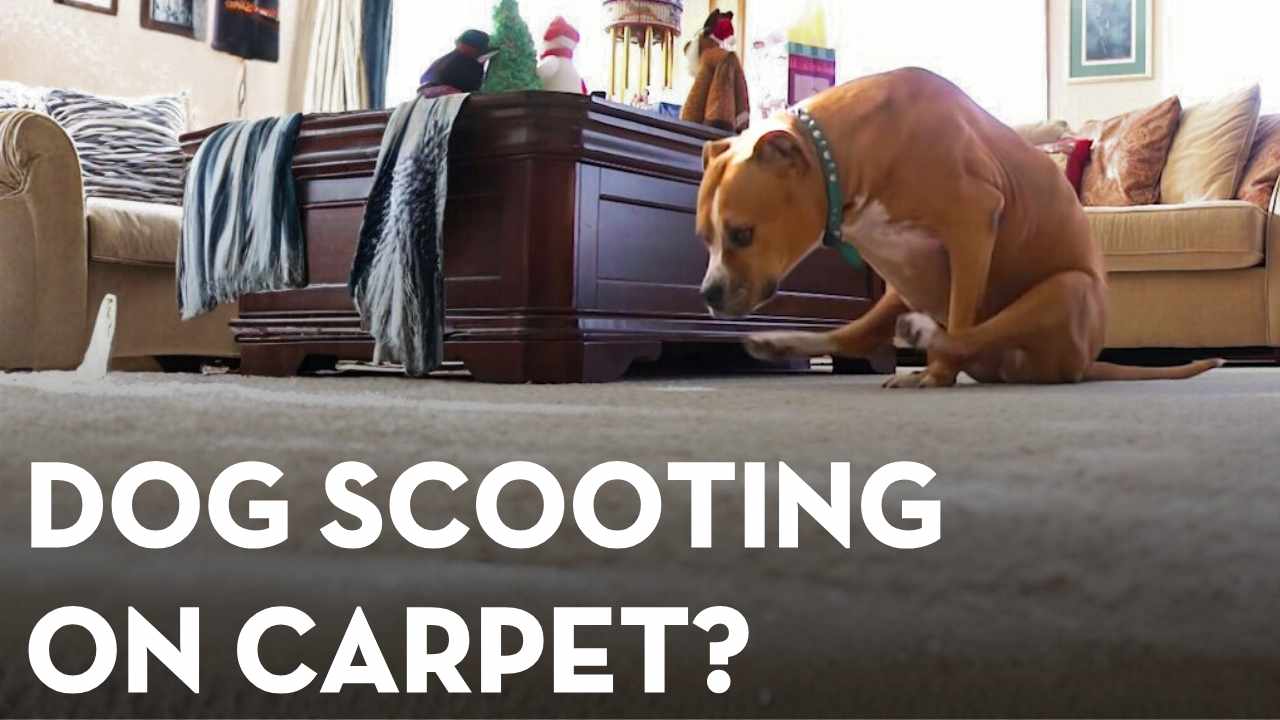
Dog Scooting on Carpet: Anal Glands in Dogs and Why It Happens

What I Learned the Hard Way and What You Can Do at Home
One of my less than stellar skills early in my career was becoming very good at expressing anal glands.
When you are a new graduate working in a busy clinic, you quickly become the “expert” at emptying those smelly glands.
The good news is this. Many anal gland problems can be prevented. Some can be safely treated at home. And yes, I will also share a simple DIY deodorizer for that fishy smell.
What Are Anal Glands in Dogs?
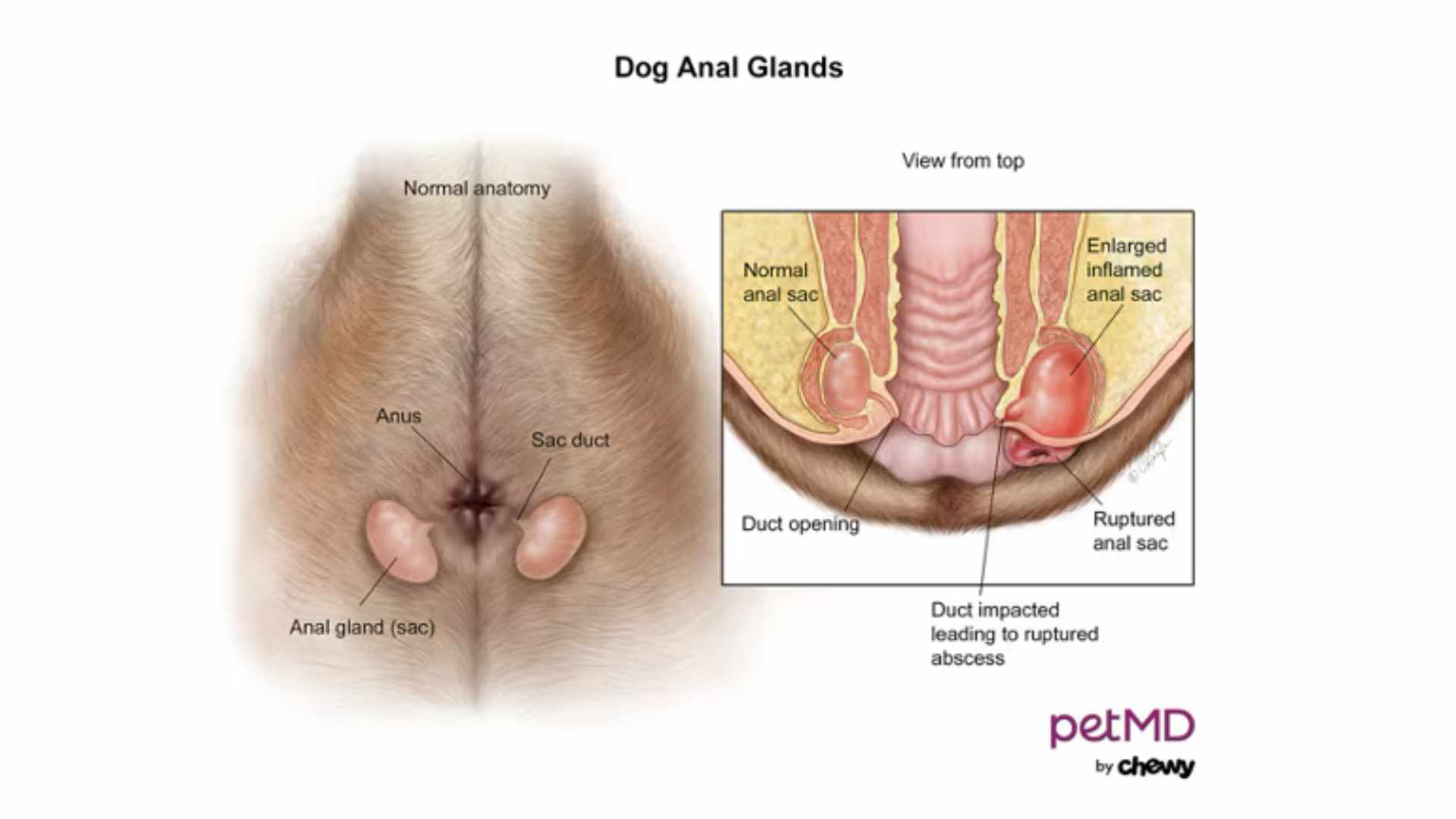
Dogs have two small anal sacs located internally at about the four o’clock and eight o’clock positions around the anus. The sac walls contain sebaceous glands that produce a foul smelling liquid.
This is the scent gland.
Each time your dog defecates, a small amount is normally expressed. Dogs use this scent to mark territory and identify each other. It is all about smell.
Why Do Anal Glands Become Impacted?
The duct that drains the gland can become inflamed or blocked. Sometimes the fluid thickens and cannot empty properly.
When this happens, pressure builds.
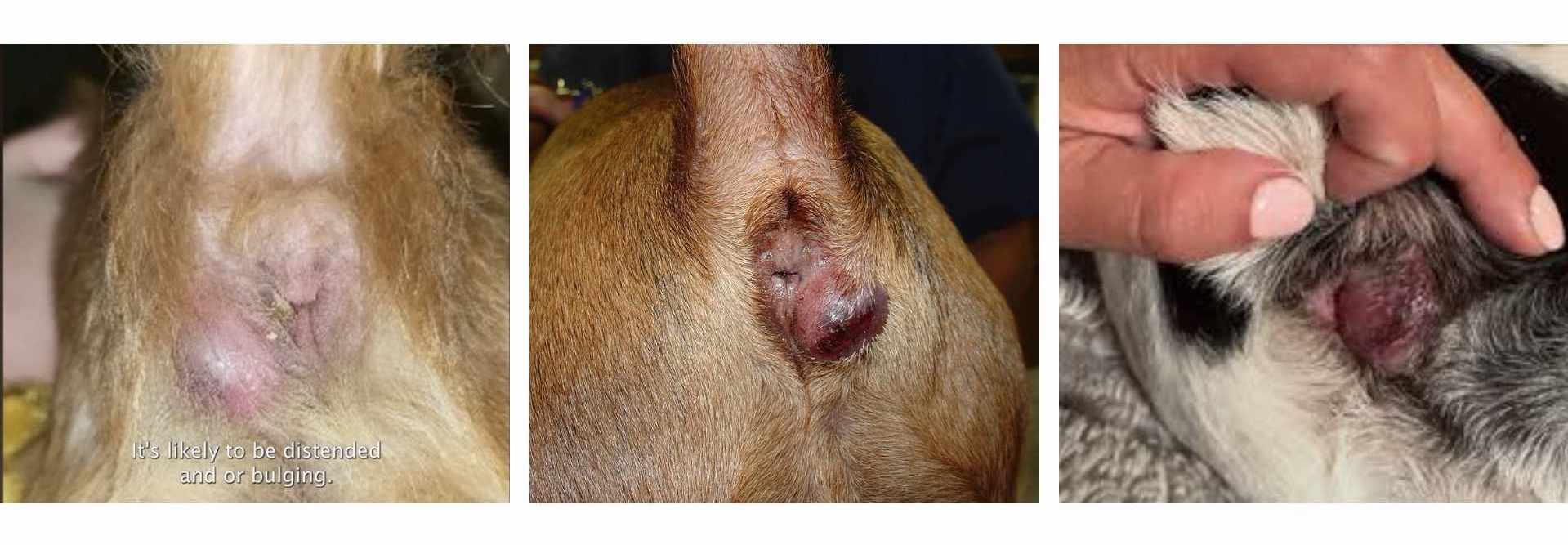
Common anal gland problems include:
-
Impaction
-
Infection
-
Rupture
-
Tumors
Impacted or infected glands are the most common.
Signs of Anal Gland Problems
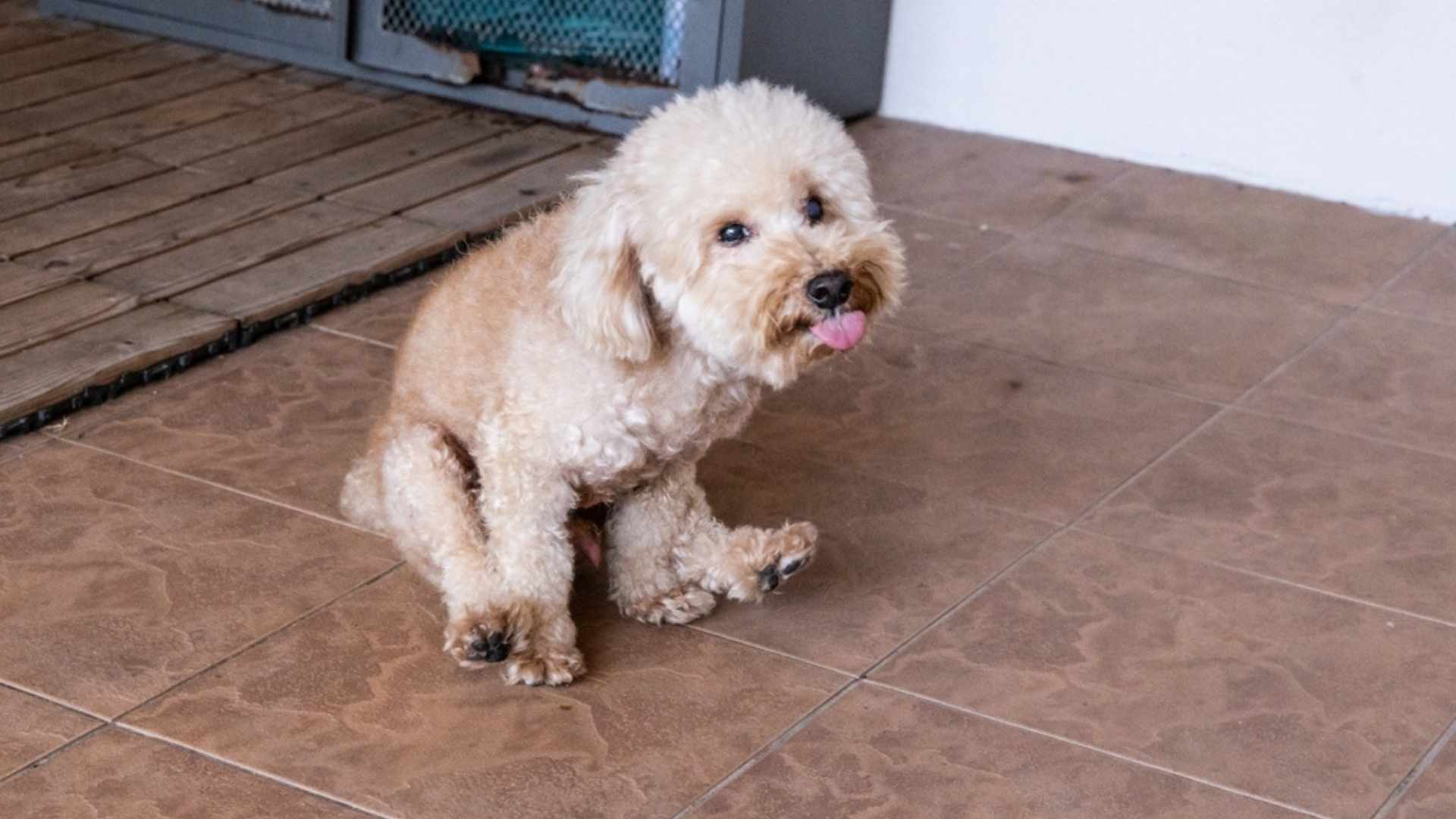
Watch for these symptoms:
-
Scooting
-
A strong fishy smell
-
Swelling or a bump near the anus
-
Red irritated skin
-
Brown or red discharge
-
Licking at the base of the tail
-
Straining to defecate
-
Crying during bowel movements
-
Repeated sitting
If there is severe redness, swelling, discharge, or pain, seek veterinary care.
Should You Express the Glands?
Only do this if necessary.
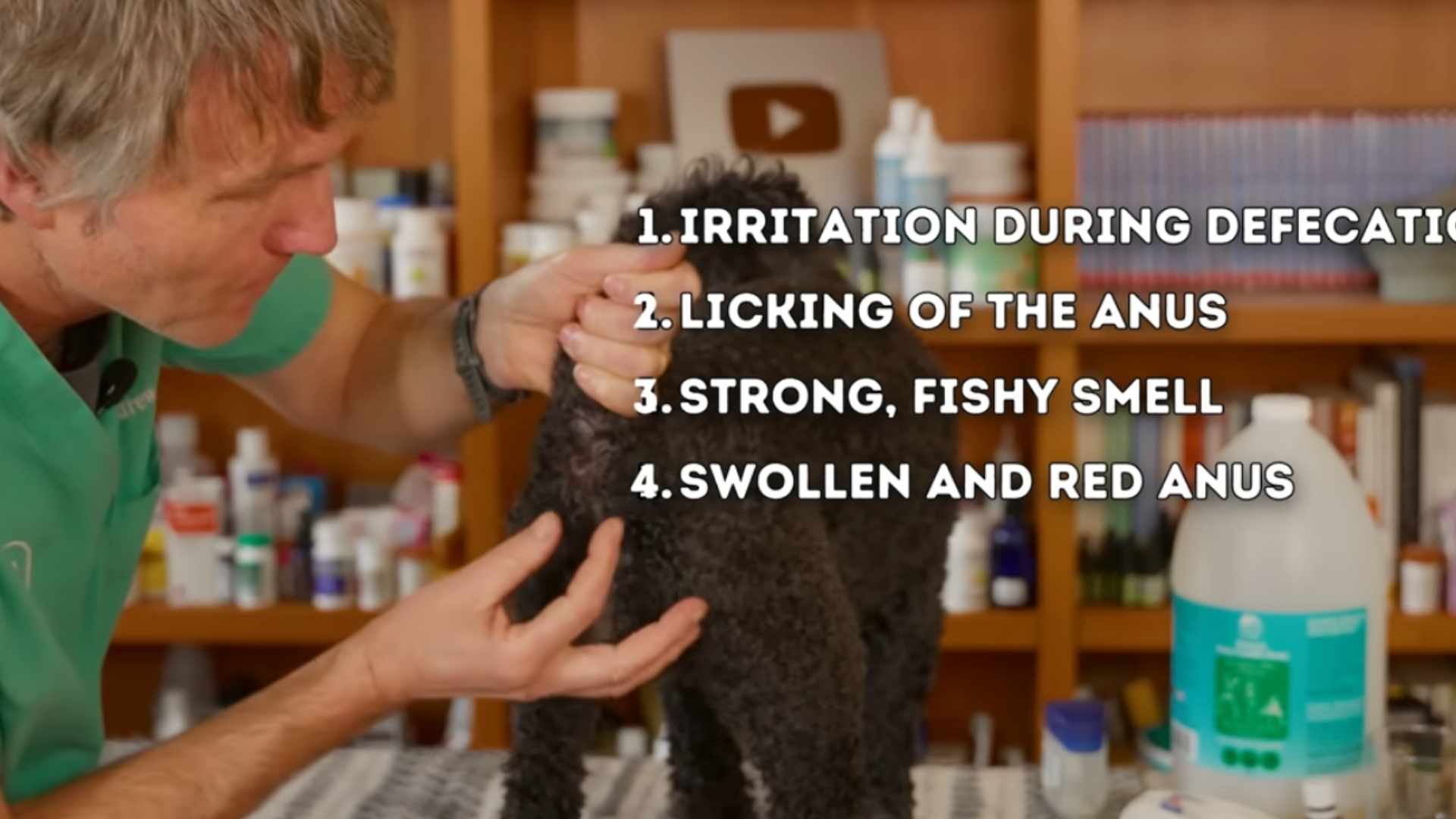
It is best if your dog never needs routine gland expression. Regular preventive expression by a groomer can cause inflammation over time.
Ideally, fiber, exercise, and healthy digestion allow the glands to empty naturally.
If your dog truly has impacted glands and no signs of infection, expression may help.
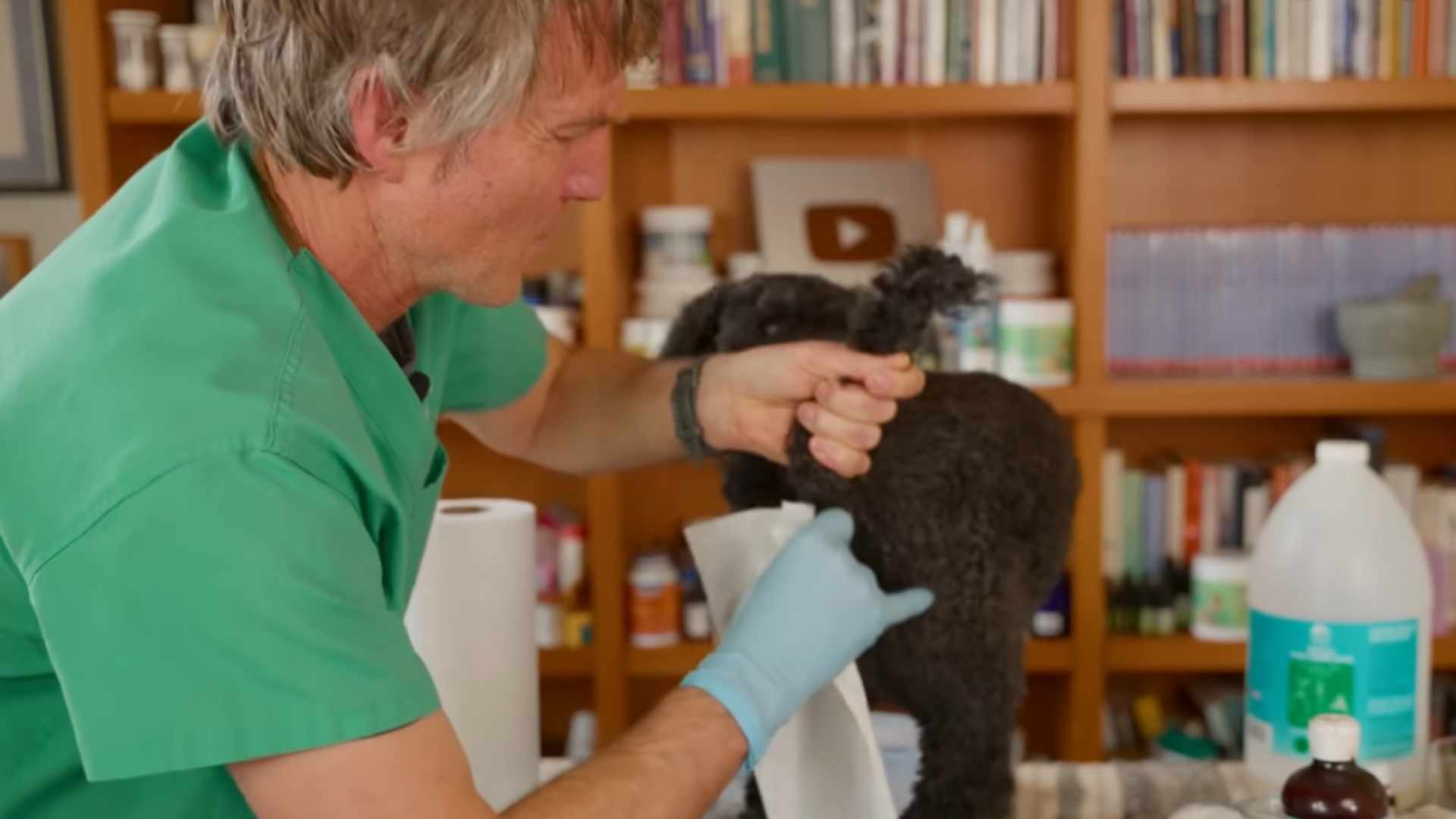
How to Express Anal Glands at Home
-
Place your dog in the bathtub and rinse the area with lukewarm water.
-
Wear gloves and lift the tail.
-
Hold paper towel behind the anus.
-
Gently squeeze at four o’clock and eight o’clock.
-
Apply moderate pressure until brown fluid is released.
It is not pleasant, but it provides relief.
Natural Ways to Prevent Recurrence
Add Fiber
More stool bulk helps empty the glands.
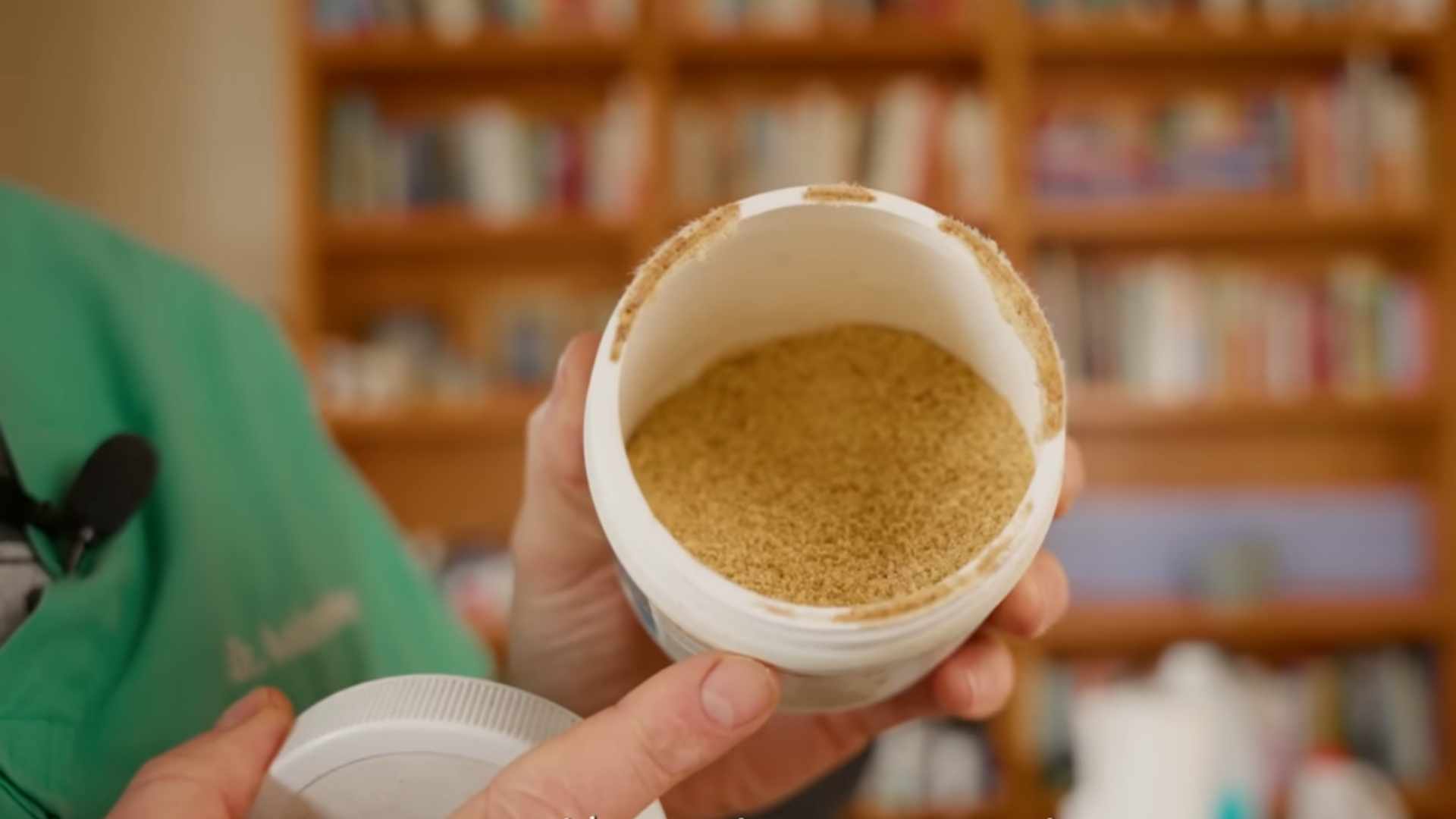
Options include:
-
Ground flax, one teaspoon per cup of food
-
Metamucil, one teaspoon per ten pounds
-
Oat bran, one teaspoon per ten pounds
-
Carrots, one eighth cup per ten pounds
-
Pumpkin, one tablespoon daily for cats
Use Warm Compresses
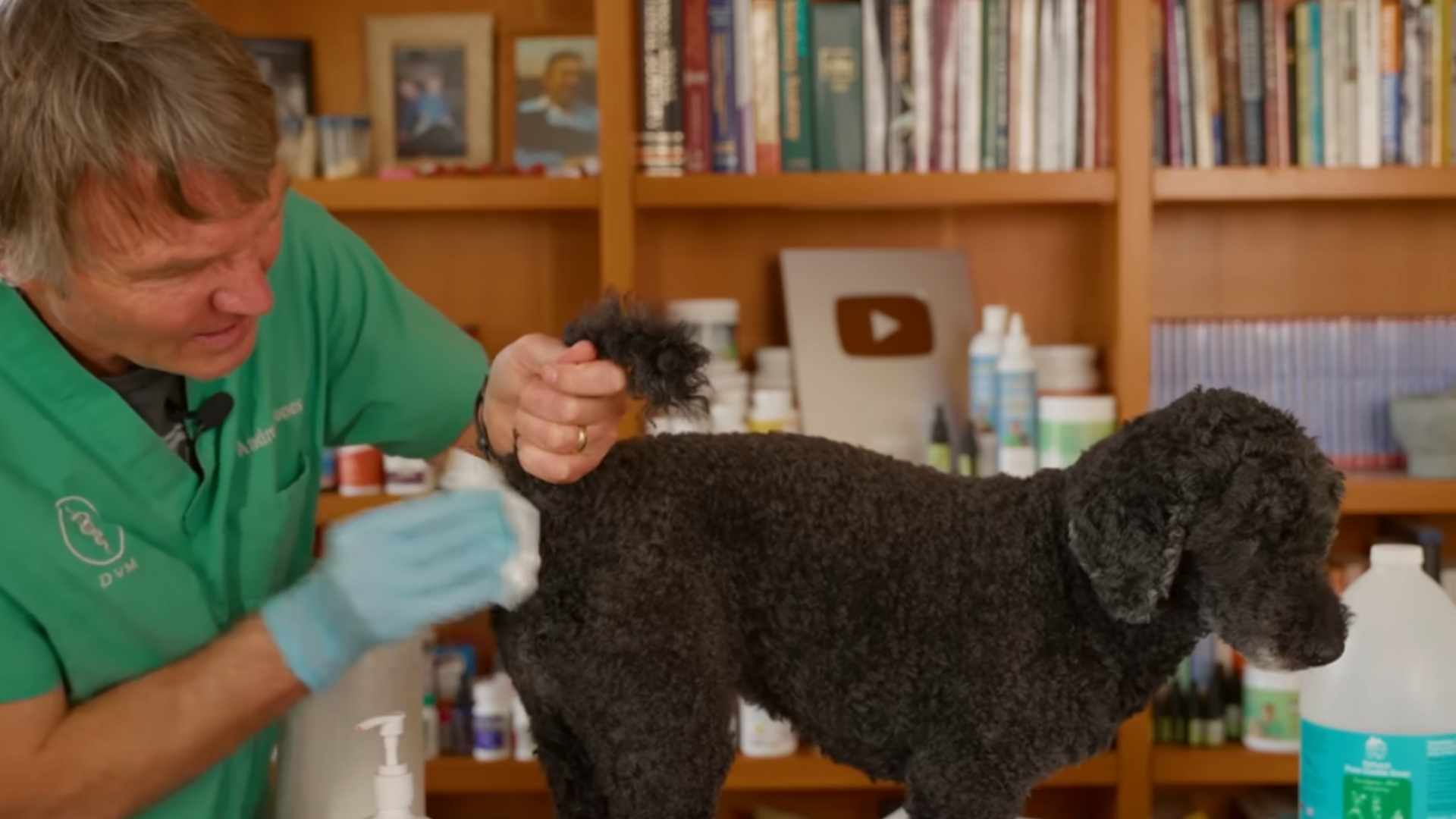
Soak a cloth in warm water with Epsom salts. Apply for five minutes twice daily.
Increase Exercise
Fifteen minutes twice daily helps natural gland expression.
Support the Gut
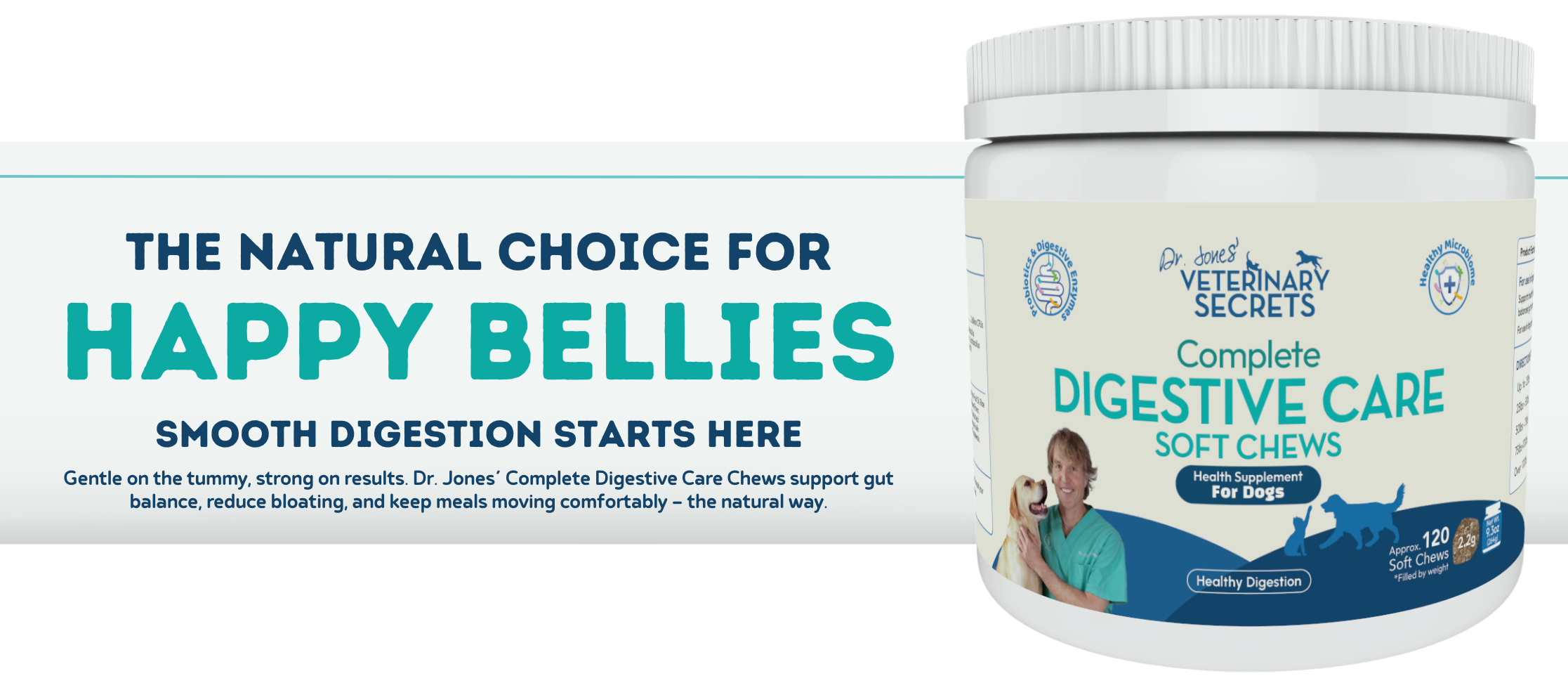
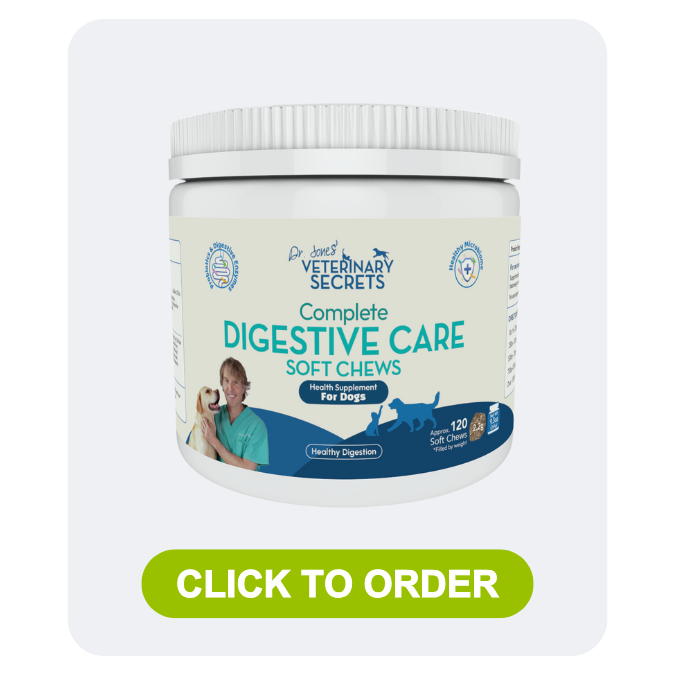
Recurring anal gland problems are often linked to digestive imbalance.
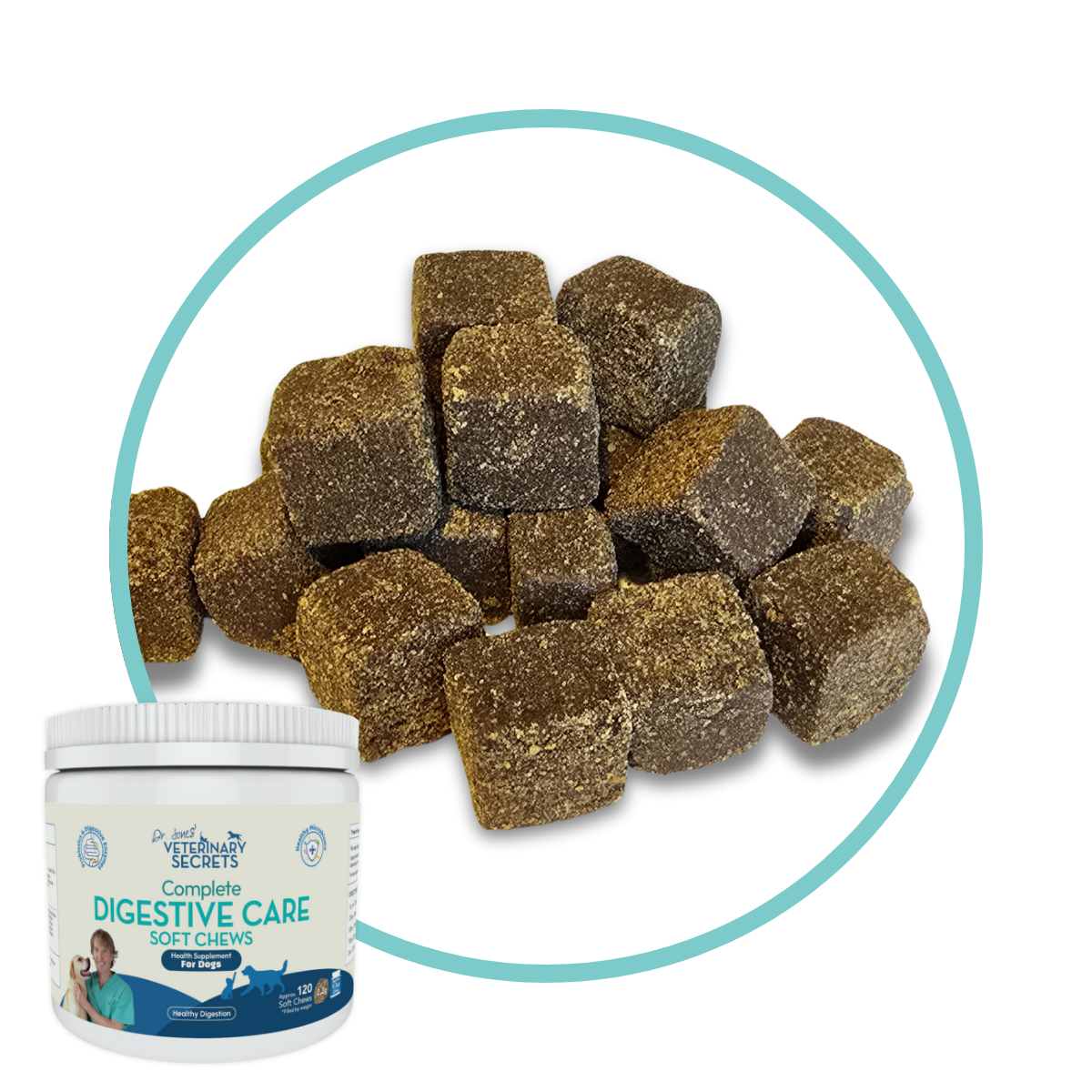
Probiotics help restore healthy gut bacteria and support the immune system.
Digestive enzymes can also help, especially in dogs with ongoing digestive issues.
Address Allergies
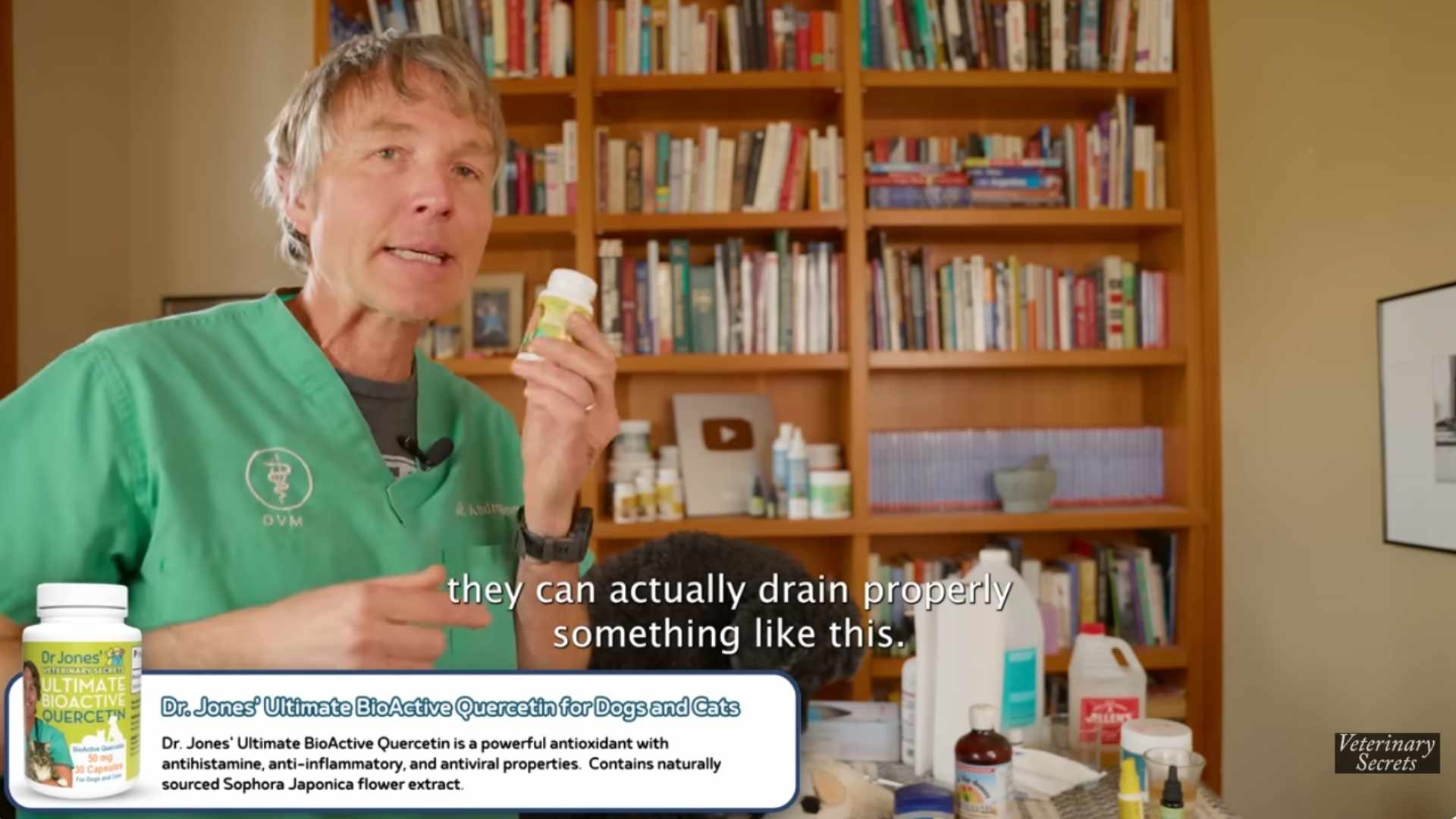
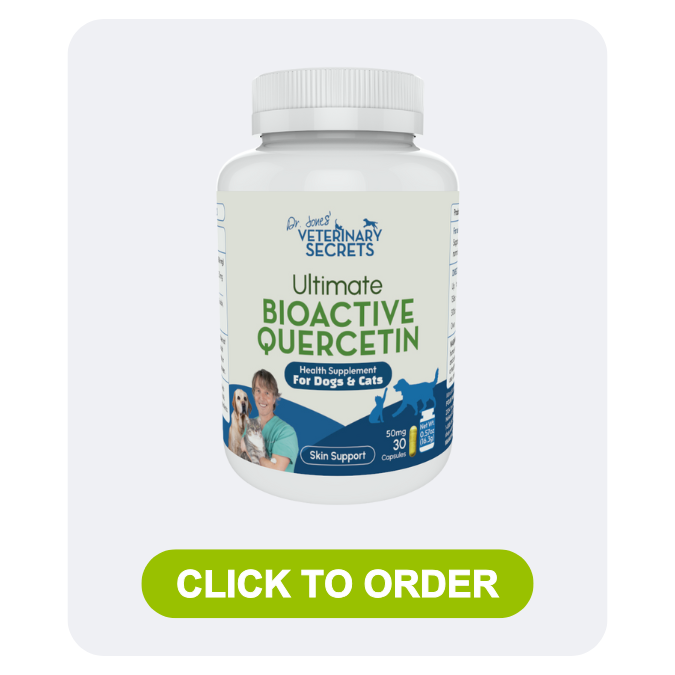
Allergies can inflame the duct and block drainage. Quercetin is a helpful natural anti inflammatory option for some dogs.
When to Call the Vet
If the glands remain blocked or appear abscessed, veterinary treatment is needed. Infections may require antibiotics. Severe cases may require surgery.
DIY Fishy Smell Deodorizer
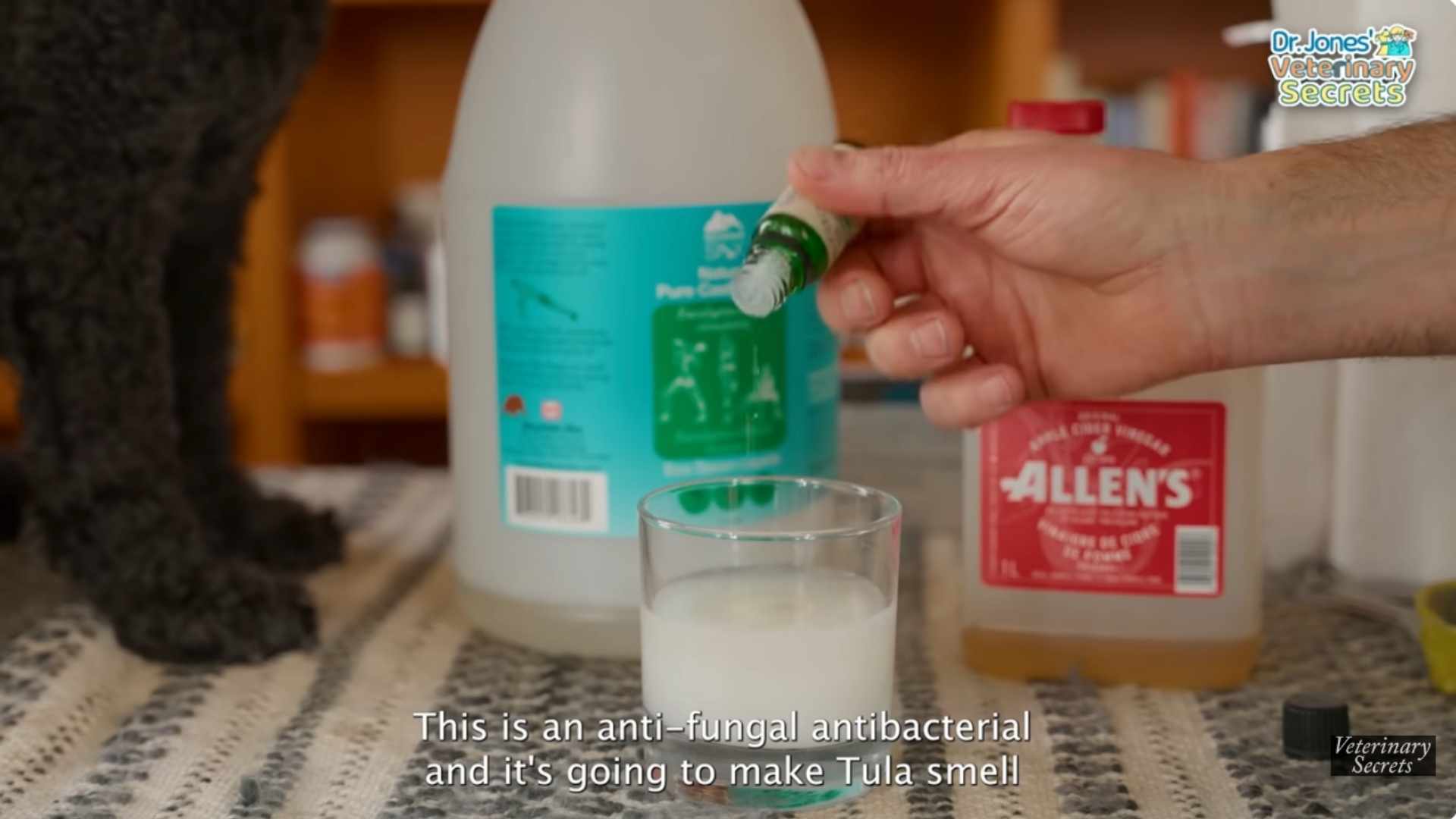
If your dog smells like fish, try this natural deodorizer:
-
½ cup water
-
2 tablespoons apple cider vinegar
-
1 teaspoon castile soap
-
10 drops lavender oil
Mix and apply lightly to the coat, avoiding the eyes.
Final Thoughts
Anal gland problems are common. Most can be prevented with fiber, exercise, and digestive support.
Many dogs improve significantly with probiotics and enzymes.
Click To Get A Free Copy of My E-Book!