Pot Belly and Panting in Dogs: Could It Be Cushing’s Disease?

Effective Natural Options That Can Actually Help
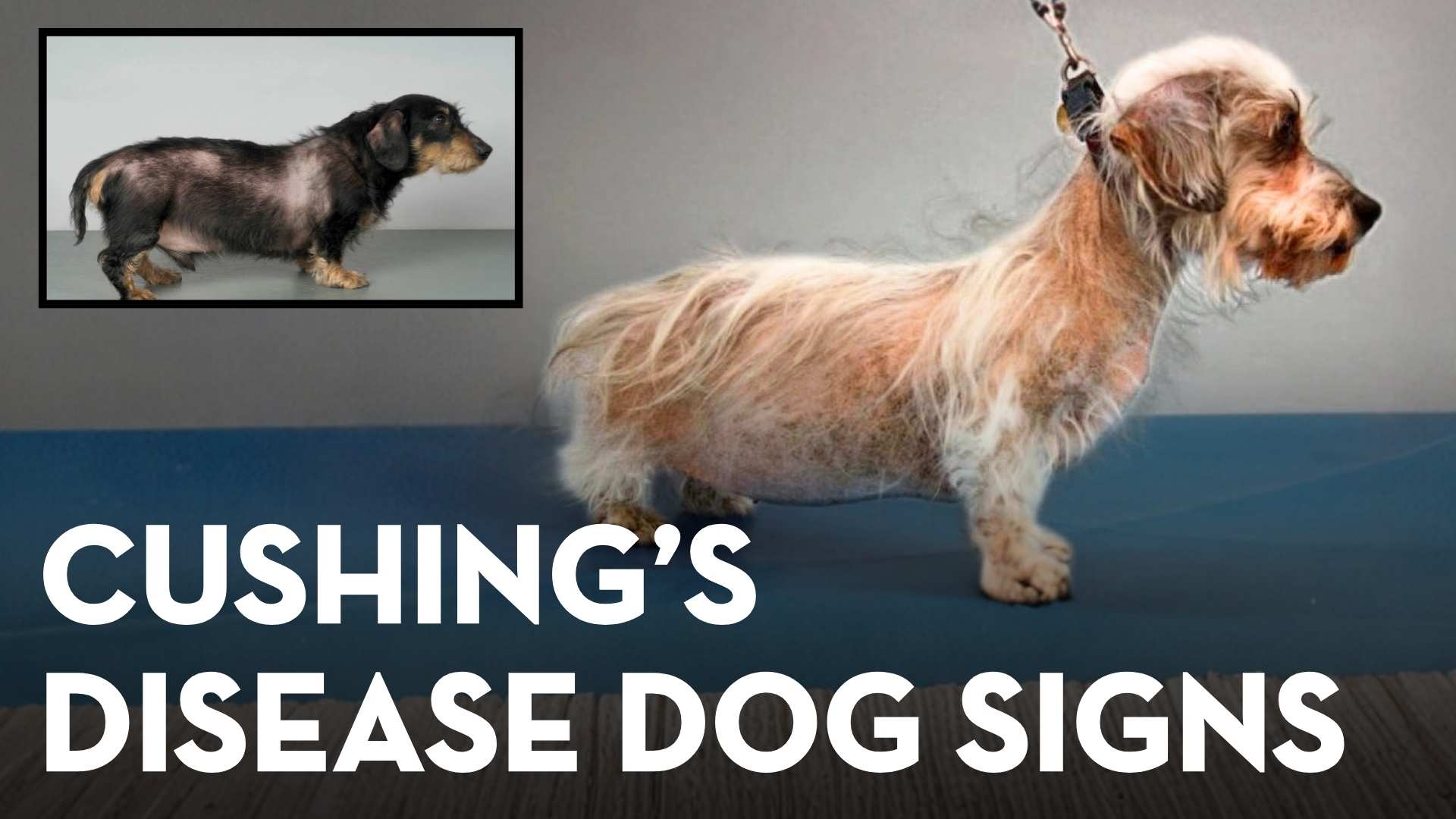
If you have a slightly older dog who is drinking more, urinating more, developing a distended pot belly, and losing hair symmetrically along the body, Cushing’s disease needs to be considered.
Cushing’s disease, also called hyperadrenocorticism, happens when the adrenal glands produce too much cortisol. In most cases, this is secondary to a small tumor in the pituitary gland at the base of the brain. That tumor overstimulates the adrenal glands, which sit near the kidneys, leading to excessive cortisol circulating throughout the body.
Cortisol is the stress hormone. When it remains elevated, it creates the classic signs we see in dogs with Cushing’s.
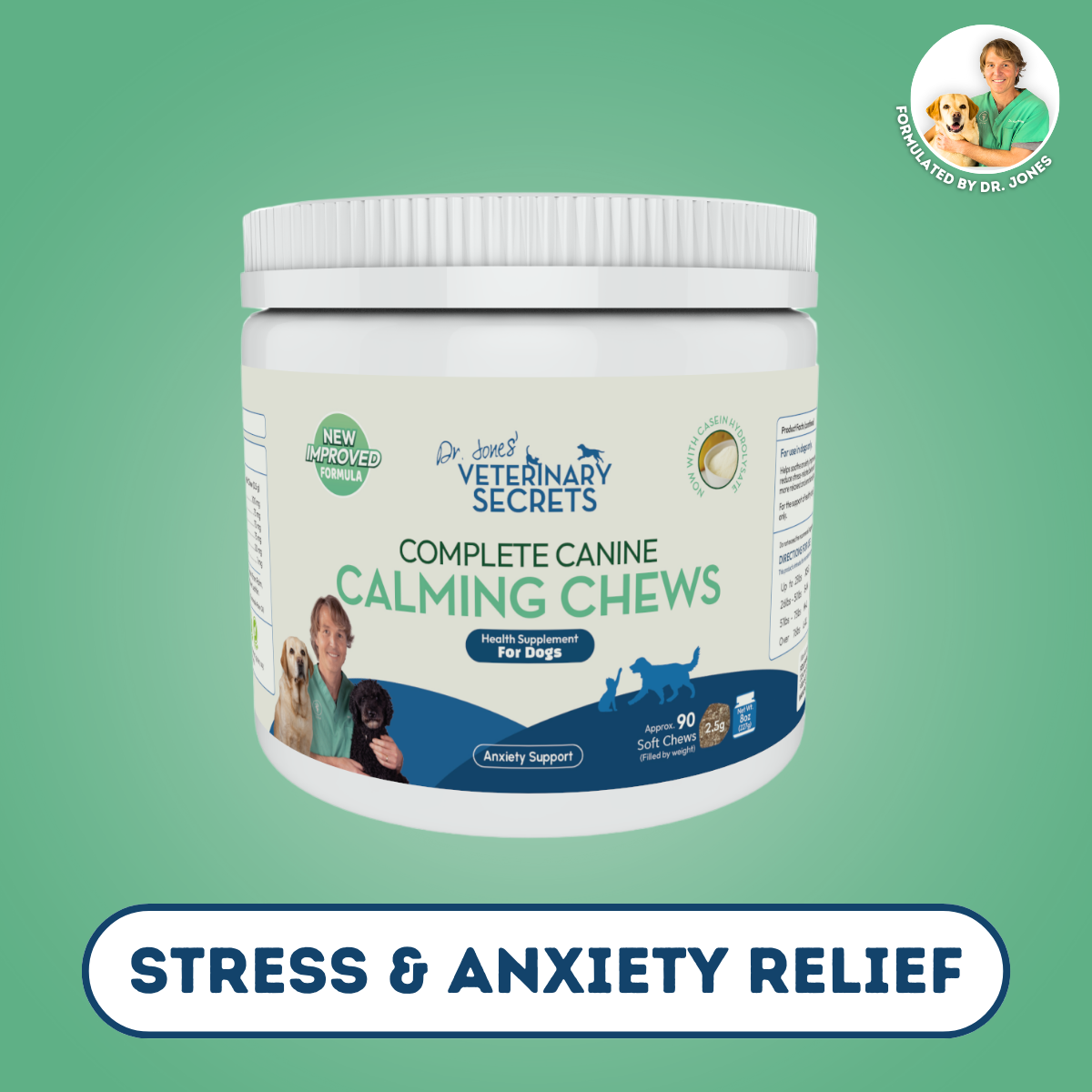
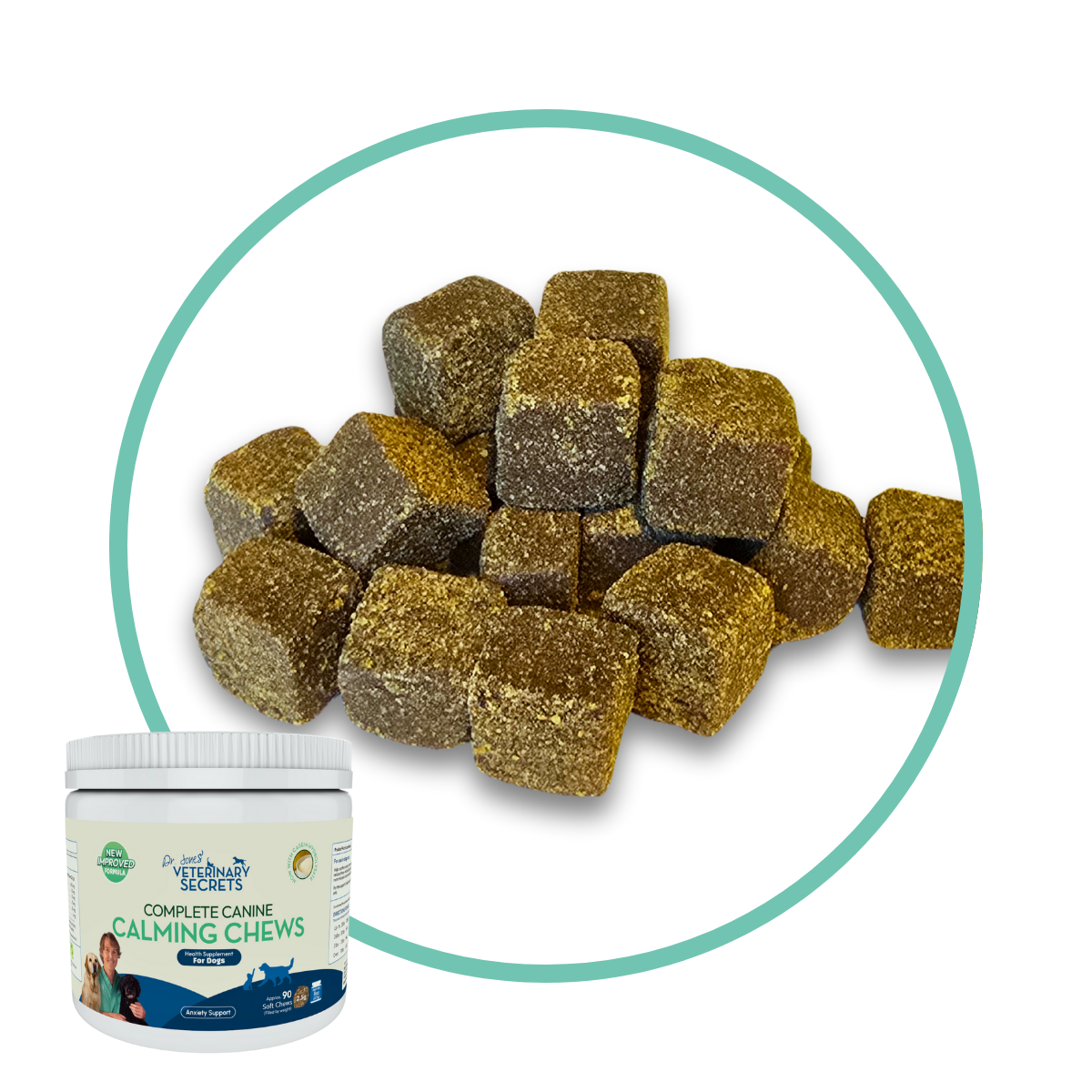
Dr. Jones’ Complete Canine Calming Chews



Common Signs of Cushing’s Disease in Dogs
Increased Drinking and Urination
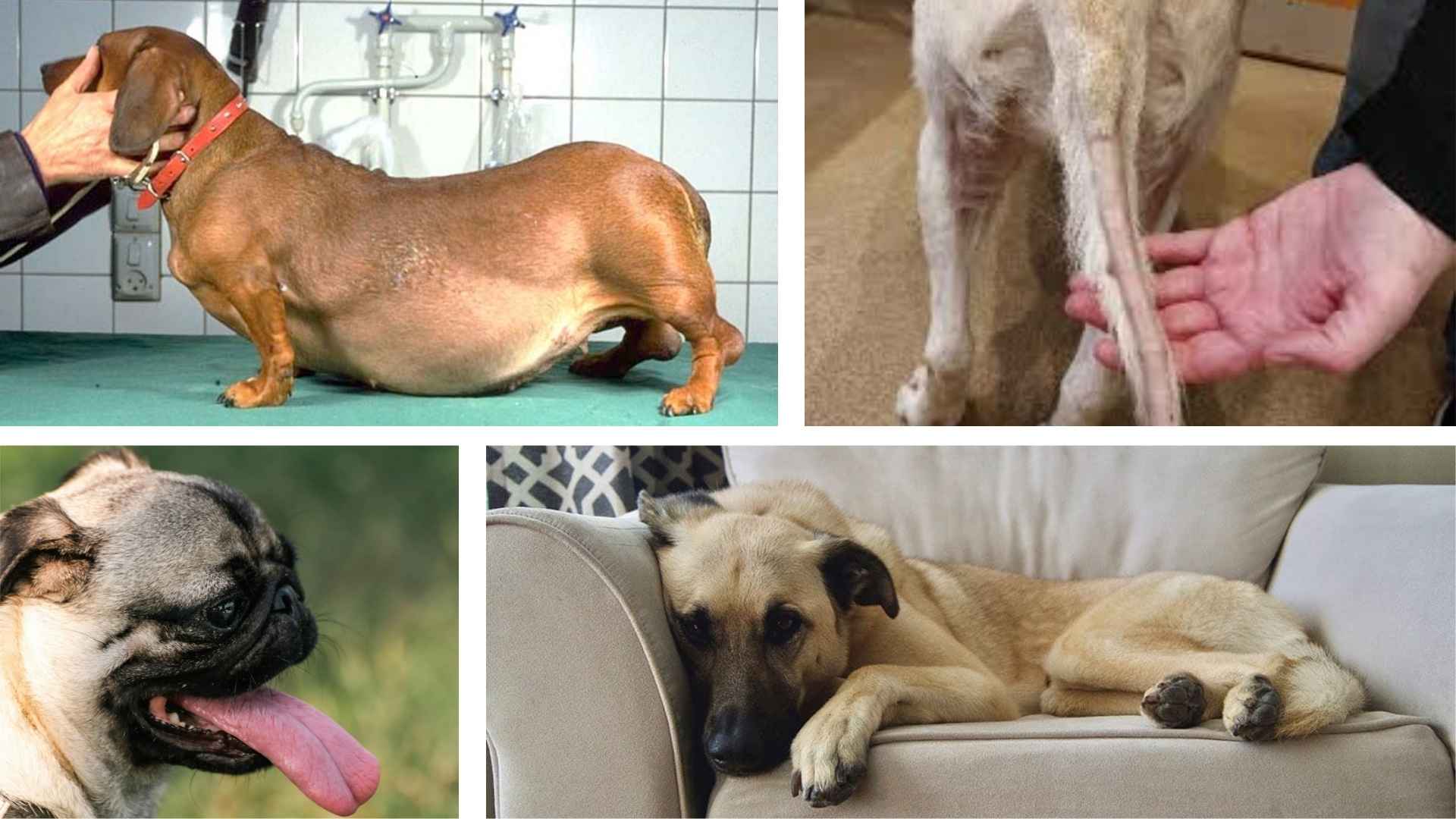
One of the earliest and most noticeable signs is a sudden increase in thirst. Dogs with Cushing’s often drink far more water than usual. As a result, they urinate more frequently and in larger amounts. You may notice accidents in the house, needing to let your dog out multiple times overnight, or unusually large wet spots in the yard. This shift in water balance is directly linked to elevated cortisol levels affecting kidney function.
Increased Appetite
Many dogs with Cushing’s seem constantly hungry. They may beg more than usual, steal food, or act restless around mealtimes. Even after eating, they behave as if they are still starving. Cortisol stimulates appetite, which explains this dramatic increase in food-seeking behavior.
Muscle Loss and Pot-Bellied Appearance
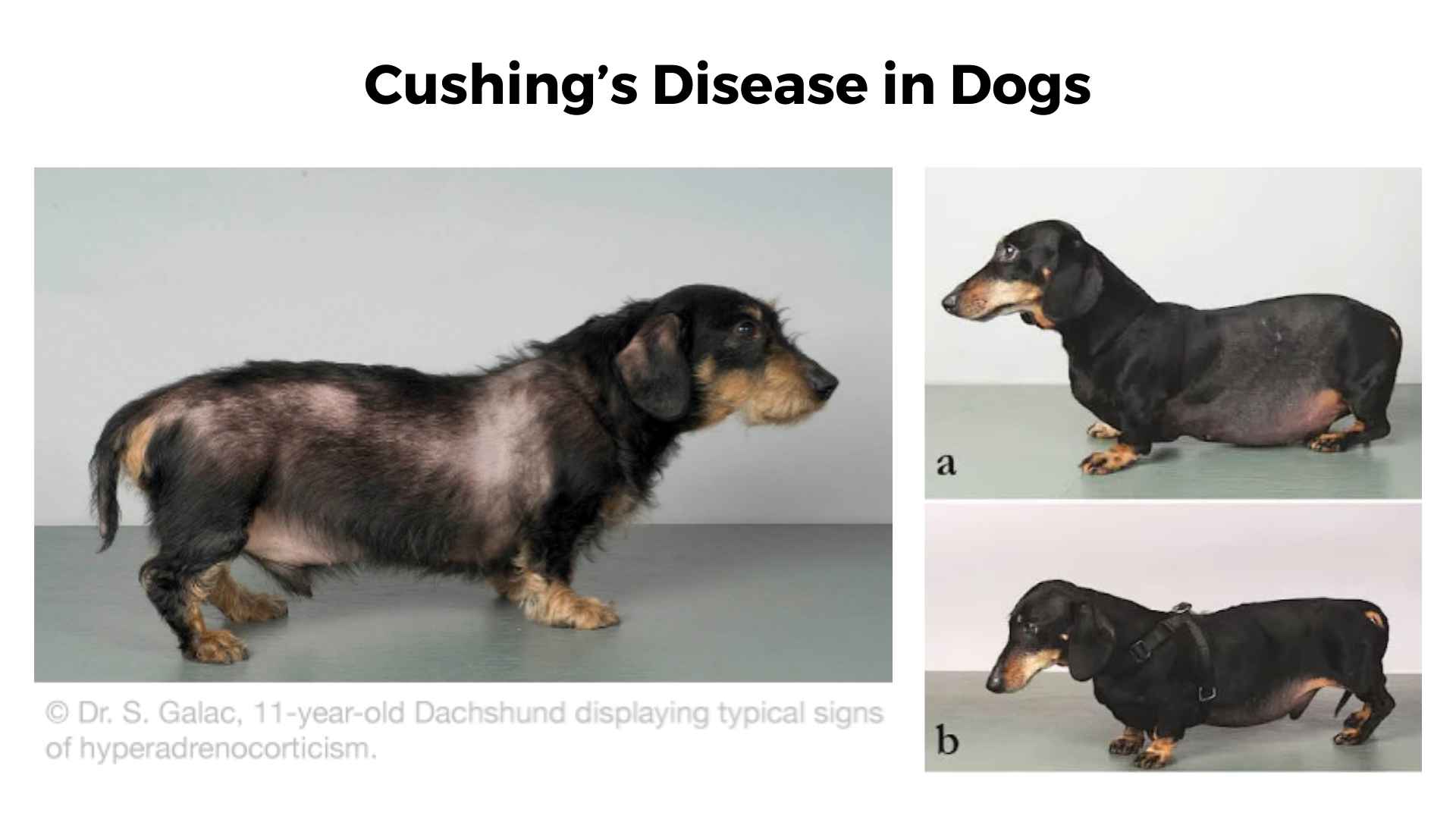
Despite eating more, dogs with Cushing’s gradually lose muscle mass. This is especially noticeable along the back legs and spine. Over time, the abdomen becomes distended, creating the classic rounded or pot-bellied look. The loss of abdominal muscle tone combined with fat redistribution gives the body a softer, sagging appearance.
Symmetrical Hair Loss and Skin Changes
Hair loss is common and usually occurs evenly on both sides of the body. The coat may thin out, become dry, and regrow slowly after shaving. The skin itself often becomes thinner and more fragile, and in some cases may bruise easily. These changes are the result of long-term hormonal imbalance.
Excessive Panting and Restlessness
Panting is another hallmark sign. Even at rest, many dogs with Cushing’s pant heavily. They may pace, seem unable to settle, or appear anxious without a clear reason. Elevated cortisol keeps the body in a chronic stress state. It is similar to living in constant fight or flight mode.
Long-Term Complications
If left untreated, Cushing’s disease can lead to serious health consequences. High blood pressure may develop. Continued muscle wasting increases the risk of weakness and injury. Some dogs go on to develop diabetes. There is also an increased risk of blood clots and stroke. Over time, these complications can significantly shorten a dog’s lifespan.
Recognizing these signs early can make a meaningful difference in managing the condition and improving quality of life.
Conventional Treatment and Its Limits
Diagnosis often requires multiple tests, which can be expensive. Most dogs are then prescribed trilostane, a drug that suppresses cortisol production by targeting the adrenal glands.
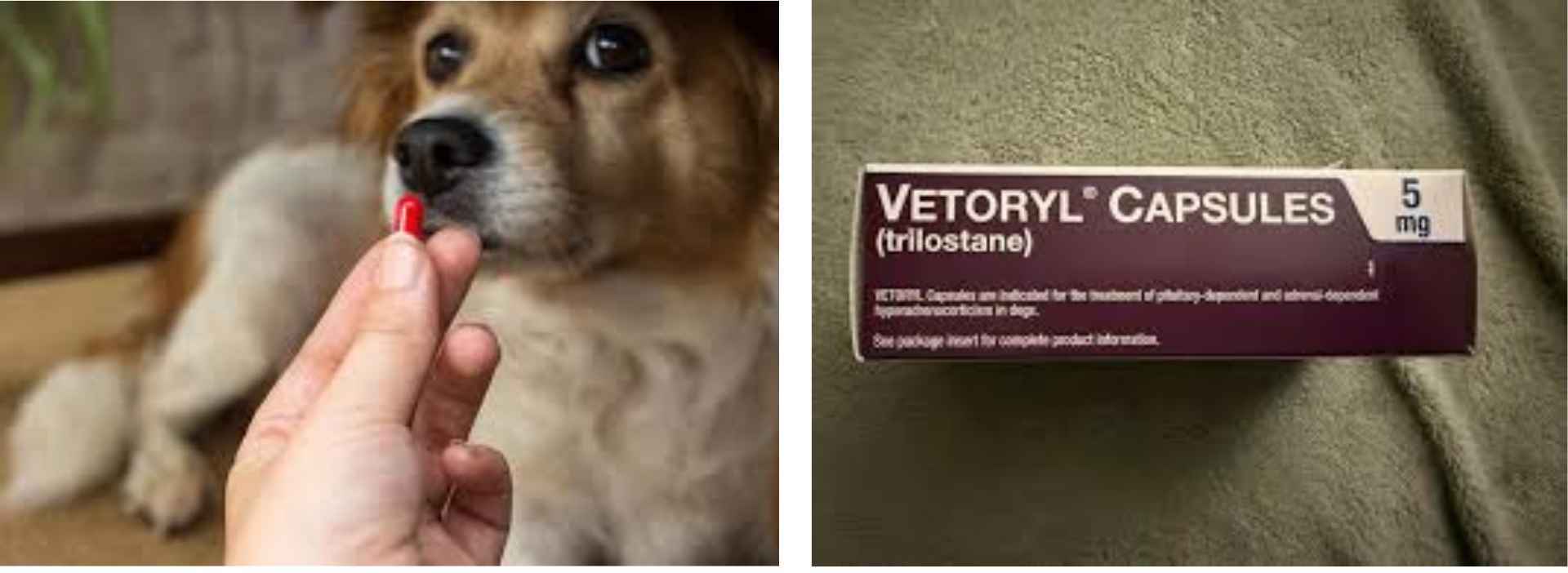
While trilostane can reduce symptoms, it may also cause side effects such as vomiting, diarrhea, lethargy, or general malaise. It is also a lifelong medication, which adds ongoing cost.
I used to say there were no meaningful natural solutions. I was wrong.
Natural Options That Can Help Lower Cortisol
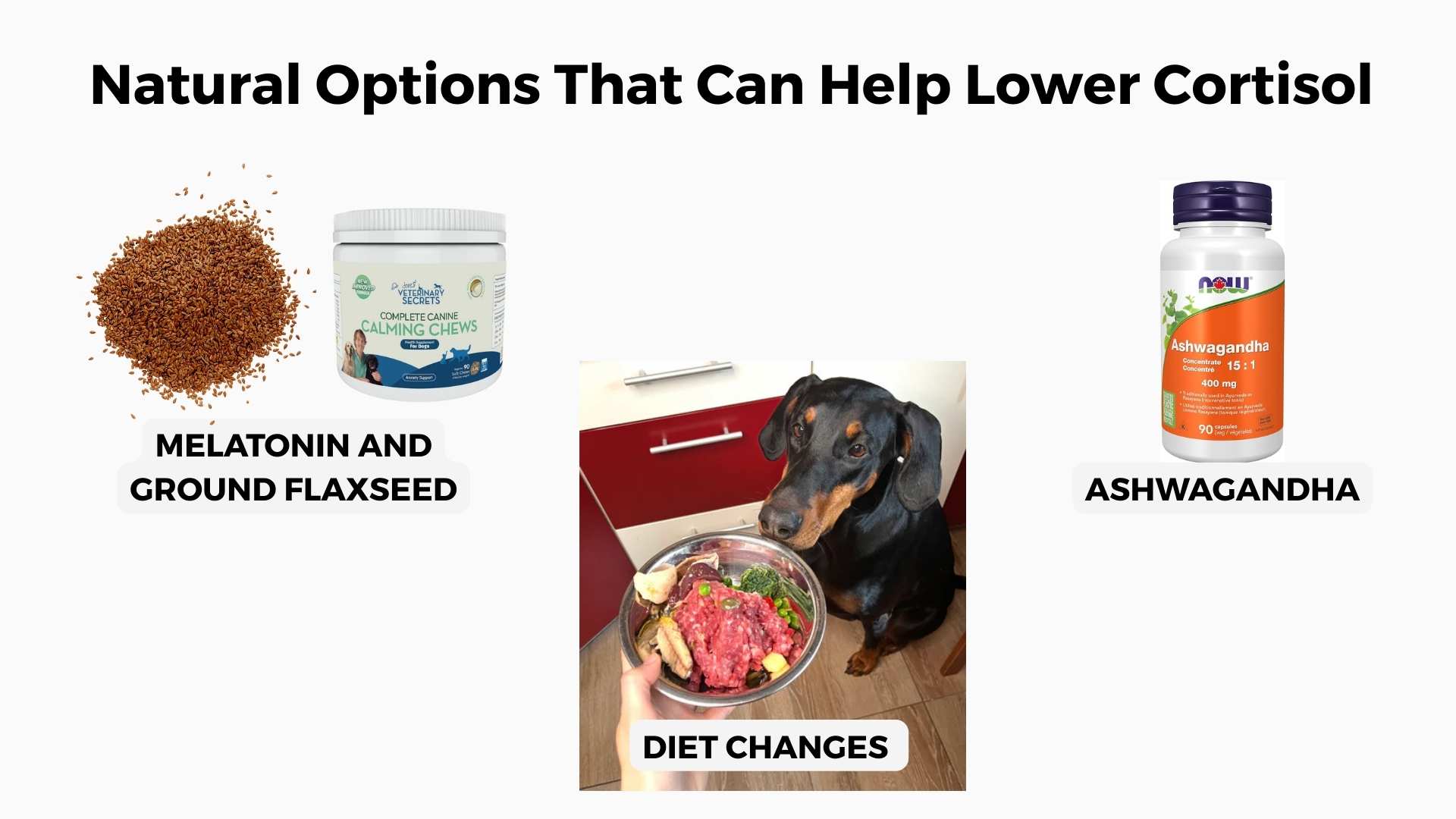
Melatonin and Ground Flaxseed
One of the most promising combinations involves melatonin and ground flaxseed. This pairing has been studied in dogs with Cushing’s disease.
Melatonin, known as the sleep hormone, also influences enzymes in the adrenal glands involved in cortisol production. Ground flaxseed contains lignans, compounds found in very few plants, which also target enzymes responsible for cortisol synthesis. When enzyme activity decreases, cortisol levels can decline.
Ground flaxseed is inexpensive and easy to use. It also provides fiber and plant-based omega fatty acids.
A typical dose of ground flaxseed is about one teaspoon per twenty pounds of body weight daily, divided between meals. Melatonin is commonly given at three milligrams twice daily for dogs under thirty pounds and six milligrams twice daily for larger dogs.
This combination should be used consistently for at least thirty days before assessing results.
Ashwagandha for Cortisol Support
Ashwagandha is an adaptogenic herb that helps the body manage stress. Studies show it can lower cortisol levels in stressed dogs.
A suggested dose is about fifteen milligrams per kilogram of body weight daily. For a twenty-pound dog, that equals roughly one hundred fifty milligrams per day. This amount has been shown to be safe with no significant side effects.
Ashwagandha can be considered if melatonin and flaxseed provide only partial improvement.
Diet Changes That Matter
Dogs with Cushing’s often benefit from a diet that is high in protein, moderate in fat, and low in carbohydrates.
Research in people with Cushing’s disease shows improved cortisol control and metabolic health on this type of diet. A whole food or raw-based diet with minimal carbohydrates can help manage weight, reduce inflammation, and lower the risk of secondary issues such as diabetes.
Adding eggs is a simple way to increase protein and provide natural vitamin D. One egg daily for a medium-sized dog is a safe option without risking vitamin D toxicity.
A Simple Support Option
If this feels overwhelming, a well-formulated calming chew can be a practical starting point, especially one that includes melatonin.
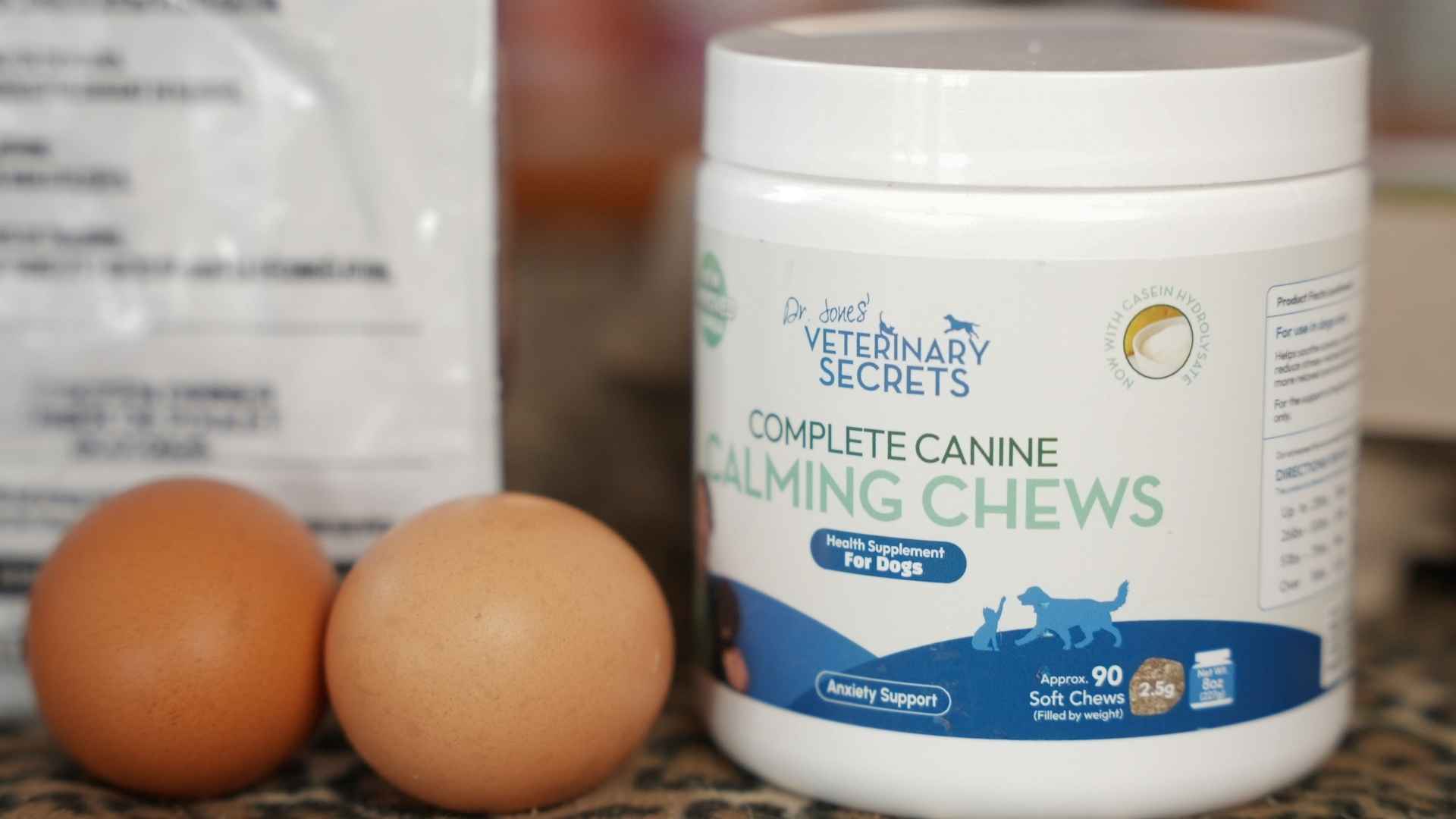
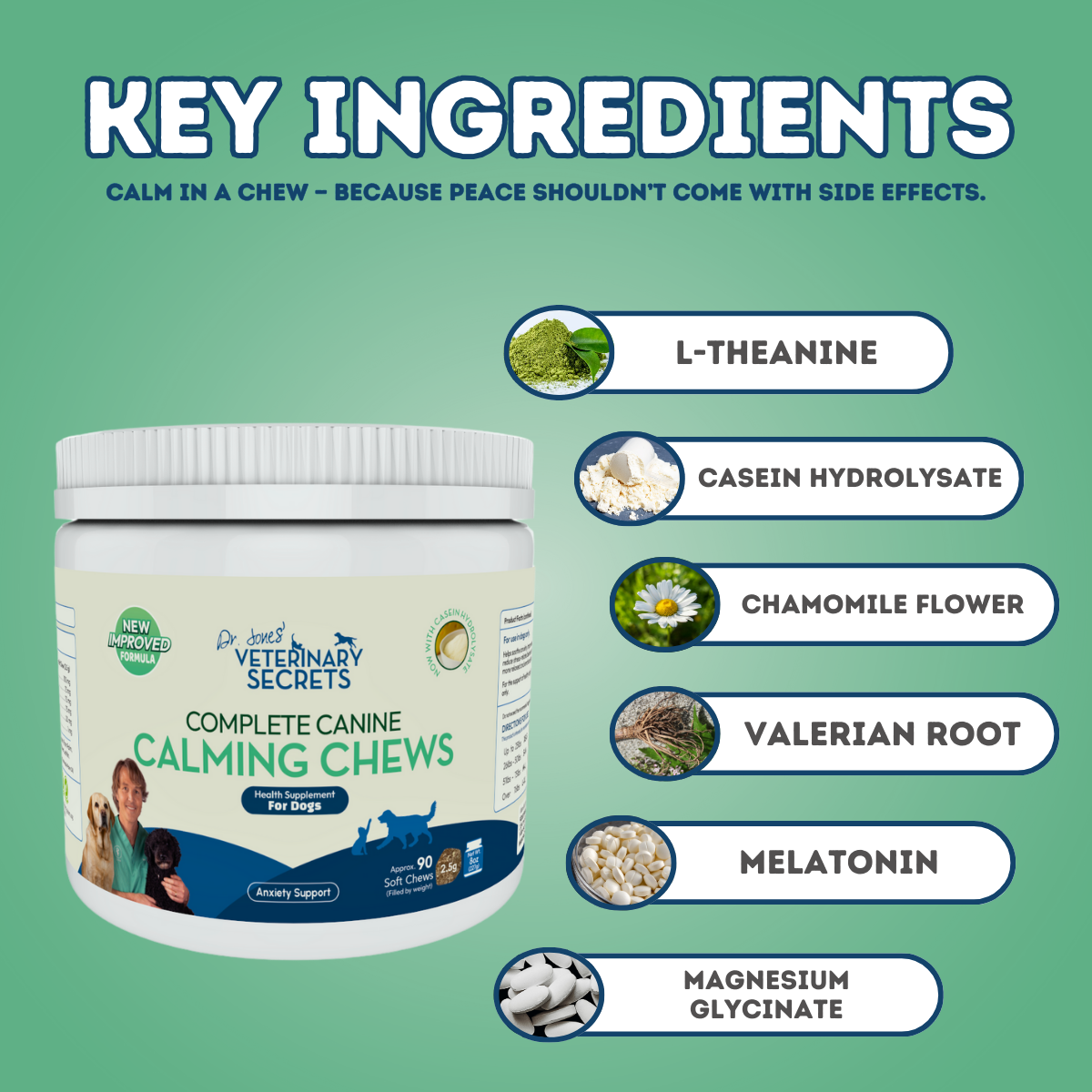
A quality calming supplement that contains melatonin along with ingredients like L-theanine and alpha-casozepine can support lower cortisol while helping reduce anxiety and restlessness.
Our NEW Canine Calming Chews include melatonin and alpha-casozepine, along with other calming nutrients. I would definitely consider them for my own dog if she had Cushing’s.
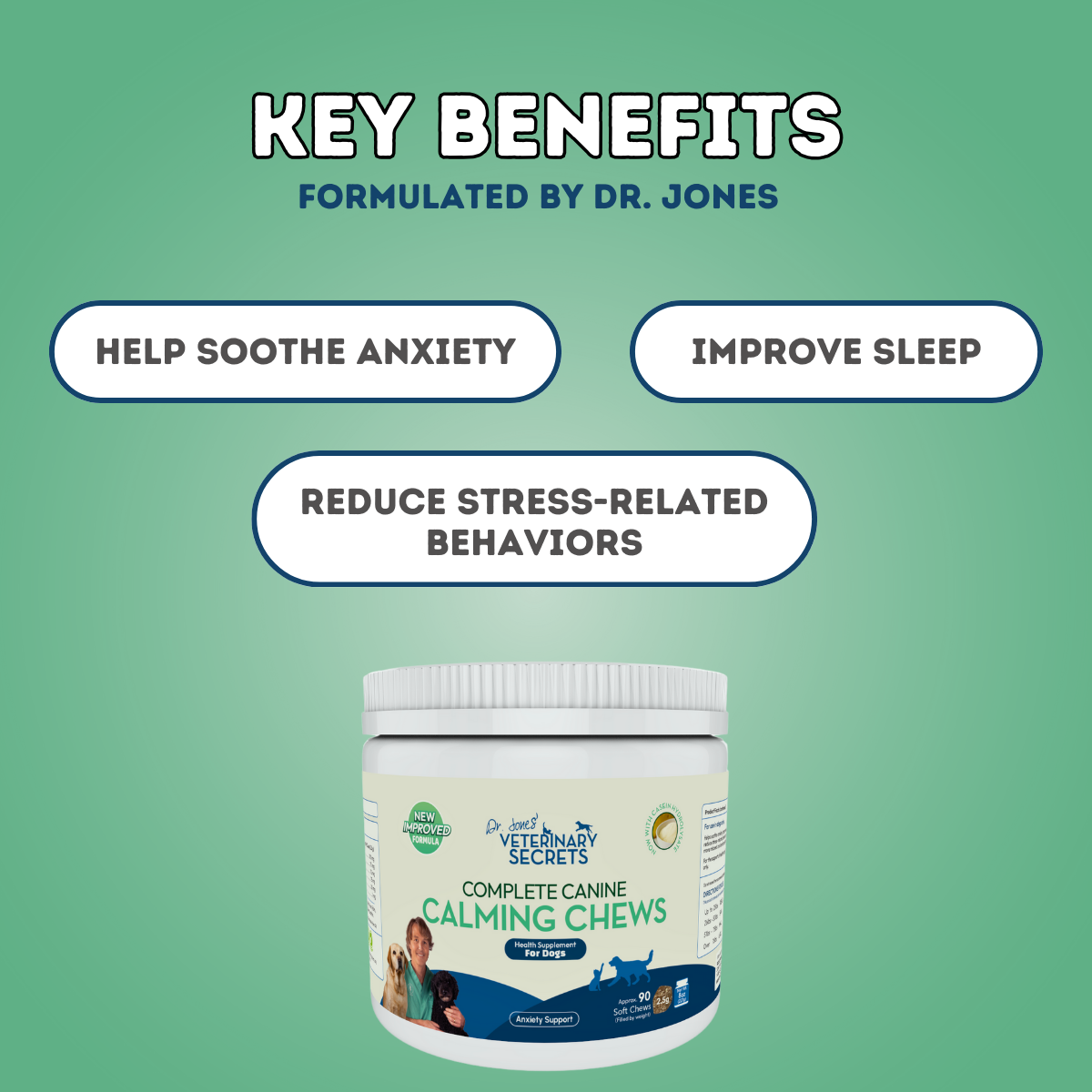
Dr Jones’ Complete Canine Calming Chews are designed to gently support adrenal balance and help your dog feel more comfortable.
Final Thoughts
Cushing’s disease is common. Doing nothing is not a good option. Elevated cortisol damages the body over time, accelerates aging, and shortens life expectancy.
Start with diet improvements. Consider adding eggs. Try the melatonin and ground flaxseed combination consistently. If needed, add ashwagandha or a calming supplement that supports cortisol balance.
Lowering cortisol can preserve muscle, reduce anxiety, slow aging, and improve your dog’s quality of life.
Click To Get A Free Copy of My E-Book!


My 11 yr old female Cockapoo has been diagnosed by her vet as having Cushing Disease. She drinks a lot, pee’s a lot during the day, has the odd leak. Certainly likes her food. As her symptoms weren’t too severe, our vet didn’t want to start her meds straight away. I prefer trying the holistic route.
I’ve seen your video on YouTube, recommending Melatonin and Ground Flaxseed.
I’ve googled ground flaxseed, which is a diuretic?? Surely this would make the peeing worse?? Please can you advise?
Good question.
Ground flaxseed can have a mild laxative effect in some pets because of the fiber, but it’s not typically a strong diuretic that would worsen the excessive urination we see with Cushing’s.
In Cushing’s, the peeing is mainly being driven by the elevated cortisol levels, that’s the big culprit here.
The reason flaxseed is often suggested is because of the lignans it contains, which may help support cortisol balance naturally. Plus, the omega-3s and fiber can help overall health too.
That said, every dog is different. I’d start LOW and go SLOW. For a Cockapoo, even starting with a small pinch to 1/4 tsp daily mixed with food is reasonable, then gradually increasing if tolerated.
And yes — melatonin is the other key piece of the combo.
Glad you’re catching this early. Your girl is lucky to have you looking into all the options for her.
My dog is suspected of having cushings. Early stage. He has always been dood driven. Lately more so. Drinks a bit more ( compared to not much before ) he was raw fed , now gently cooked. Cukes for snack ( water ) he does get anxious. Has little warts developing on his body. Pees a lot. Some accidents now.
He had IMHA ( at 7 yrs old ) and we nearly lost him. Sooooo, he was on a LOT of life saving drugs. He is 13. Hadn’t been vaccinated since a year old. His IMHA was determined idiopathic.
I knew there would be some problems down the road from all those drugs. Only now on Latanaprost and Optimmune for eyes.( side problem of sepsis from IMHA ) Trying to keep things to a minimum with drugs. Will try flax seed and melatonin. I pray it helps.
The increased thirst, appetite, urination, and anxiety can certainly fit with early Cushing’s, but they can also be seen with other conditions, so it’s worth confirming with your veterinarian. At 13, keeping things simple makes sense. We do like the combination of melatonin and ground flaxseed as a natural option to help support healthy cortisol levels, and giving it at least 30 days is important.