How to Stop Dog Biting — The Right Way, Not the Cesar Millan Way

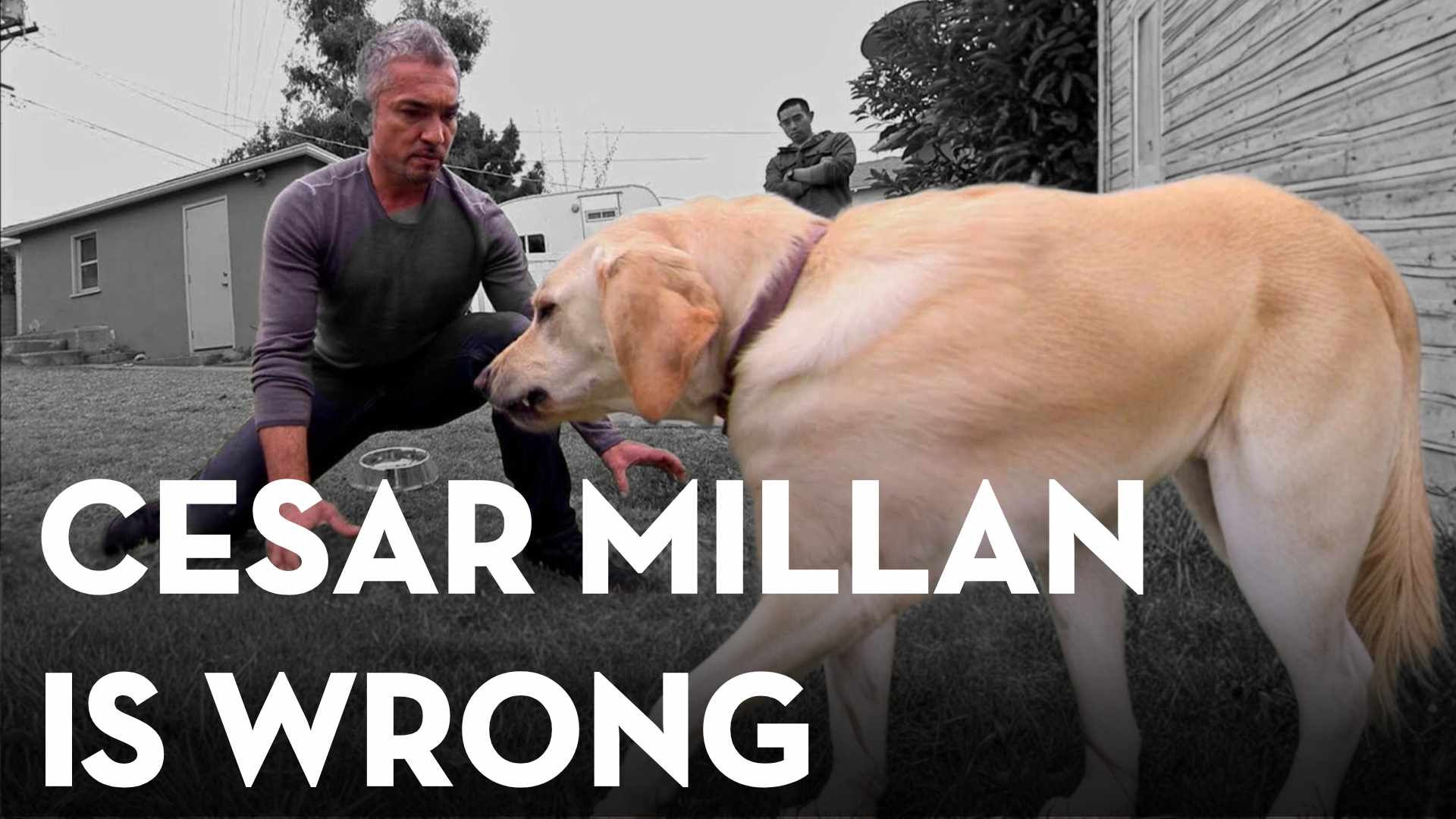
Cesar Millan Is Wrong: How to Stop Dog Biting the Right Way
If you have a dog that bites, it is very often fear based. Many people are told this is dominance aggression, but in most cases, that is simply not true.
Fear biting comes from panic. Your dog is reacting from a fight or flight response, and when escape does not feel possible, biting becomes the final option. In this article, I want to explain what fear biting really is, why it happens, and exactly what you can do to stop it using calm training methods and natural support.
Dr. Jones’ Complete Canine Calming Chews




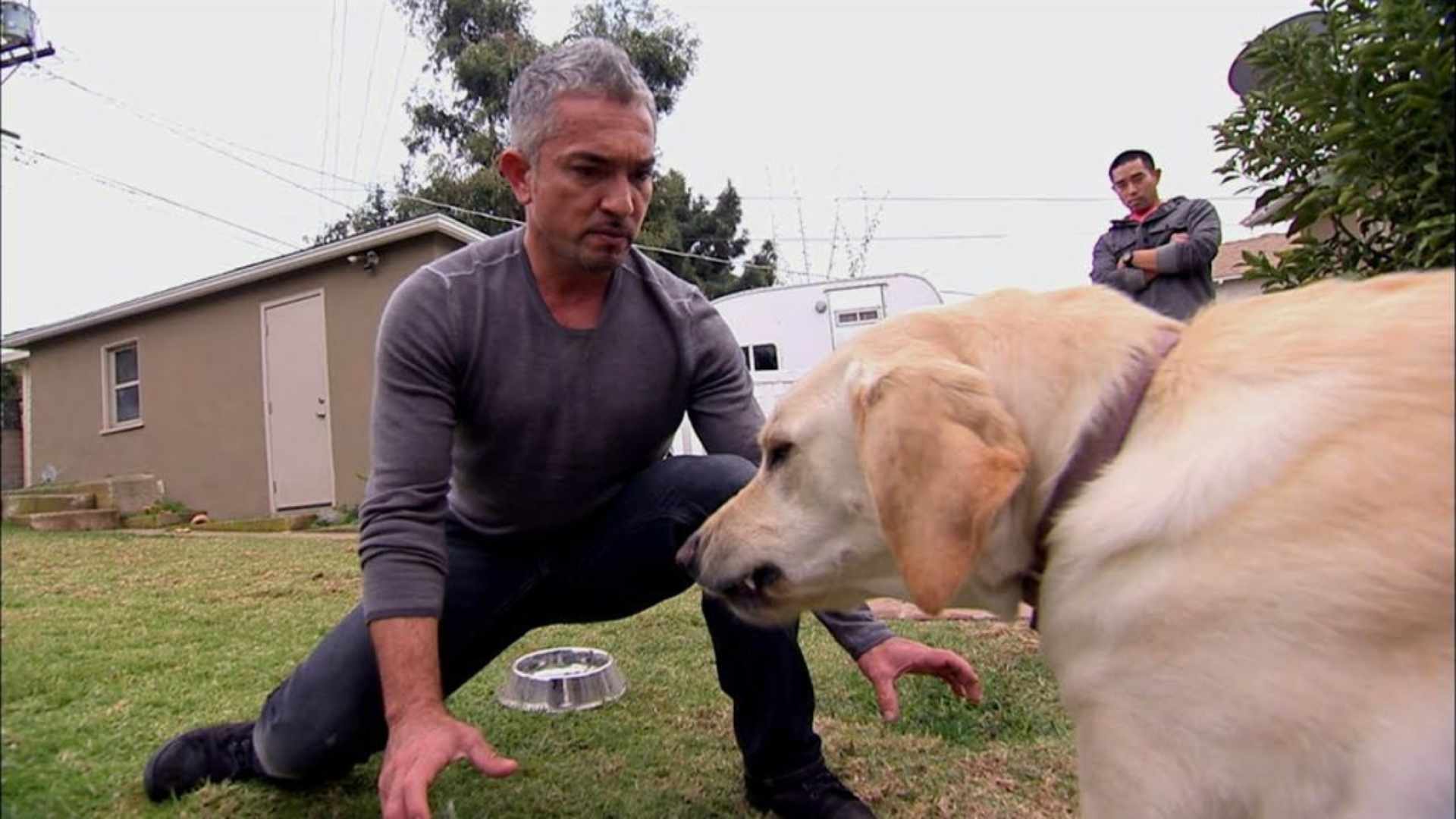
What Fear Biting Really Is
When a dog bites out of fear or anxiety, there is a surge of adrenaline in the body. At that moment, your dog is no longer thinking clearly. He is reacting.

Think of a stressful situation in your own life, like being cut off while driving. A calm response is to let it go. A fear-based response is anger, tension, and aggressive driving. A fear biting dog is reacting in much the same way.
This behavior is not about control or dominance. It is about panic.
Fear Biters Are Not Always Abused Dogs
Many people assume fear biting only happens in dogs that were abused. That can happen, but most fear biters are simply shy or nervous dogs by nature.
Just like people, some dogs are more sensitive. If these dogs are not properly socialized, or if they never learn to truly trust their owner, fear aggression can develop. In some cases, even good socialization does not fully prevent it.
In my experience, the biggest underlying issue is lack of trust. These dogs never developed a strong bond with a calm, patient human.
The Warning Signs Most People Miss
Fear biting usually happens when people misunderstand what a fearful dog is communicating.
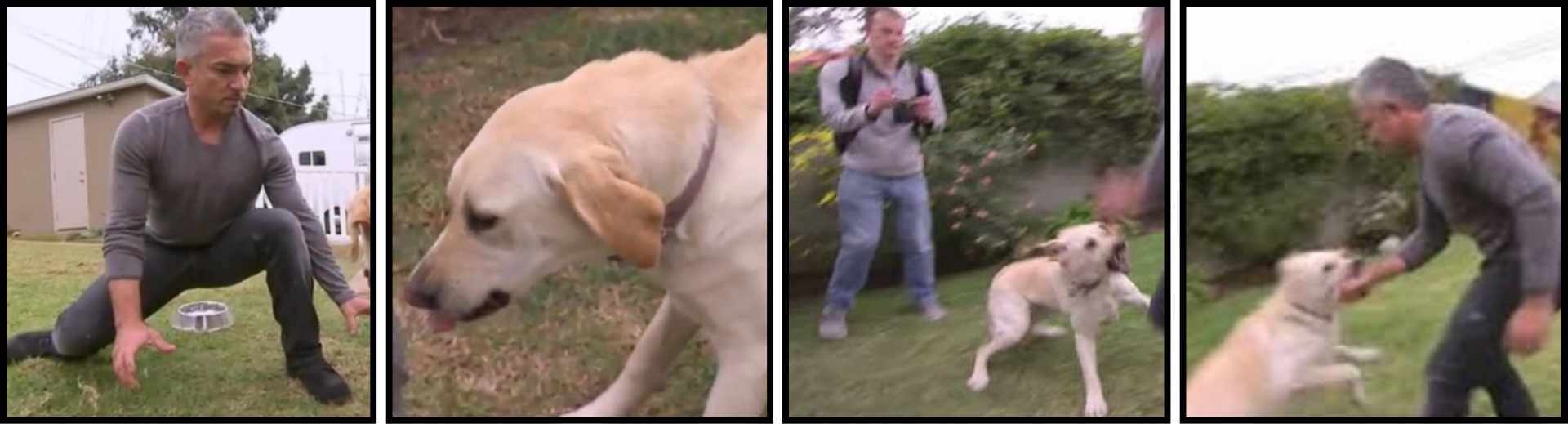
Common warning signs include:
-
Ears pulled back
-
Head lowered
-
Growling
-
Backing away
-
Avoiding eye contact
When someone sees this and tries to comfort the dog by moving closer, the dog often becomes more anxious. Getting too close removes the dog’s sense of safety, and a bite can follow.
Why Old School Training Makes It Worse
Fear biting cannot be fixed with force, punishment, or dominance-based training. Those methods increase fear and break trust.
The foundation of helping a fear biting dog is slow, positive behavioral training. The goal is to build confidence and trust over time, with very small steps and low expectations.
The 5-Step Training Method to Build Trust
This is a simple but powerful exercise that helps fearful dogs feel safe and connected to you.
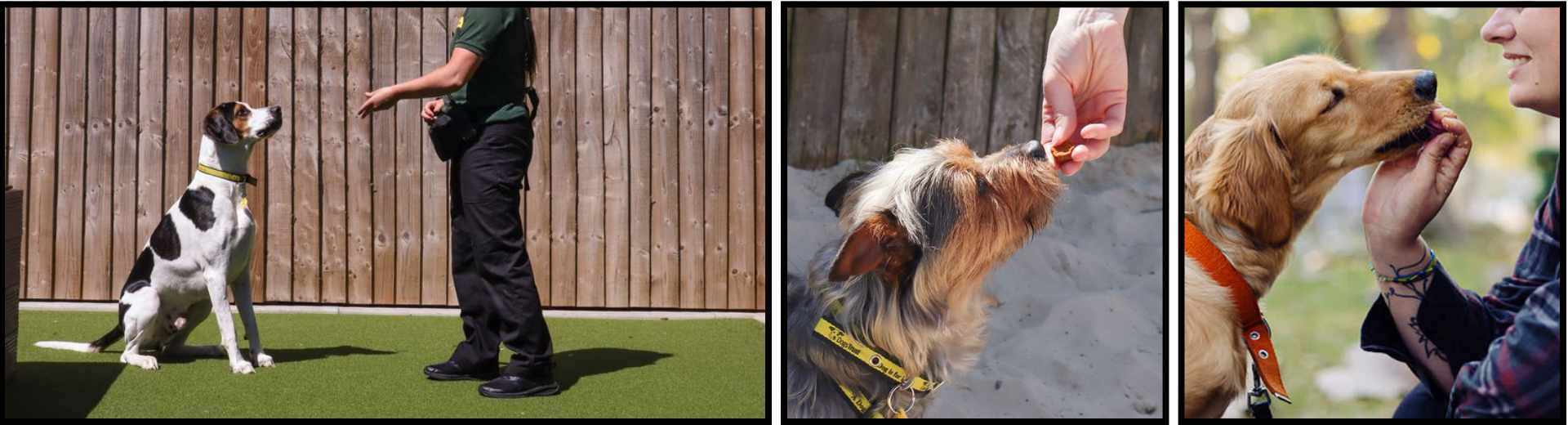
-
Say your dog’s name
-
Move away slightly
-
Establish eye contact
-
Praise immediately
-
Give a treat
Use a high-value reward like dried liver. Do not show the treat until after your dog gives eye contact.
Say your dog’s name, then move. When your dog looks at you and follows, praise right away and give the treat. This teaches your dog that hearing their name leads to safety, connection, and reward.
Practice this everywhere.
Counter Conditioning Fearful Situations
Counter conditioning helps your dog associate fear triggers with positive experiences.

When your dog begins to act nervous, distract with a favorite squeaky toy or a tasty treat. When your dog relaxes even slightly, offer praise and a reward.
Over time, the fearful trigger becomes linked to something positive instead of panic.
Exercise Is a Powerful Anxiety Tool
Exercise is one of the most overlooked tools for fear-based behavior.

Regular exercise:
-
Reduces anxiety
-
Releases calming endorphins
-
Improves confidence
-
Lowers overall stress levels
Aim for at least 30 minutes of exercise twice daily. Activities like ball throwing, free running, or toys such as a Chuck It are excellent options.
Therapeutic Touch for Fearful Dogs
Tellington Touch has helped many dogs with anxiety and fear-based behaviors.


The ear technique is especially effective.
Gently hold the ear flap between your thumb and forefinger. Slowly stroke from the base of the ear to the tip. Repeat several times, then make small circular motions at the base of the ear.
Practice this when your dog is calm. If your dog responds well, use it again during anxious moments.
Homeopathic Support for Fear Biting
Two homeopathic remedies have helped some fear biting dogs.
Aconite
Best for very fearful, restless dogs
Dose: 30C, one tablet per 20 pounds, twice daily
Calcarea Carbonica
More helpful for dogs with fear aggression
Dose: 30C, one dose every 3 to 4 days
These remedies are gentle and may support emotional balance when used alongside training.
The Key to Stopping Fear Biting
Fear biting is a serious behavior issue, but it can improve greatly with patience, understanding, and positive methods.
Focus on:
-
Building trust
-
Using rewards, not punishment
-
Consistent training
-
Exercise
-
Gentle calming techniques
Use the 5-step training method daily. Add in supportive tools like exercise, Tellington Touch, and homeopathic remedies when appropriate.
Click To Get A Free Copy of My E-Book!

P.S. If this helped you, I encourage you to sign up for my newsletter. You will receive my free book and videos on how to heal your pets at home using simple, natural approaches.
Knowing how to prevent problems is just as important as knowing how to treat them. That includes understanding food choices, vaccines, and natural options for chronic issues like allergies.
I will show you exactly what you can do right now to help your dog or cat live a calmer, healthier life.







Great article… Positive Punishment used by Ceasar Milan is stressful. I know dog trainers that despise his approach and helped me to reinforce what is the correct form in making a dog do through behavior science. Unfortumately many people buy through Milan’s propoganda.
Thanks for your thoughtful comment! I couldn’t agree more—fearful dogs do much better with patience, trust, and positive reinforcement than force. Building confidence takes a little longer, but the results are far more lasting… and much happier for both you and your dog.
Cesar Milan is a know it all with no knowledge. All his products and everything else should be boycotted, and I tell Canadian Tire, who carries his stuff, that there are Canadian products that are much better and safer. I also told them that if they continue carrying his stuff, I will boycot them.
Dog trainers around the world call him an effing idiot or worse. Oprah made him famous, and we all wonder why.
I appreciate you sharing your thoughts. I think the most important thing is focusing on training methods that are kind, science-based, and build trust with our dogs. There are many excellent trainers using positive reinforcement, and that’s the approach I encourage for helping dogs learn with confidence—not fear.
How interesting your article may be, I think you’ve put the wrong title.
As it is wrong to condemn another without telling your readers why.
I may not be a Cesar’follower, still I would not make these accusations in a title as every dogbehaviouralist does something right.
And in my 30 years as an behaviourobserver I know there are more different cases of aggression than what you commented on here.
I also do use alternative ways to help these dogs.
K.R.
Eva
Thanks for your thoughtful feedback, Eva. You’re absolutely right that aggression isn’t one-size-fits-all—fear is a common cause, but it’s certainly not the only one. My goal is simply to encourage owners to look beyond “dominance” and consider gentler, trust-based approaches first. At the end of the day, we all want the same thing: happier, safer dogs.
Isn’t direct eye contact a challenge? That’s what we learn from articles about predator species like bears, cats and humans. And if you’re dealing with an animal you don’t know, then what?
Great question! With an unfamiliar or fearful dog, I wouldn’t recommend staring directly into their eyes—that can indeed feel threatening. The eye contact I’m referring to is with your own dog, after trust has already been built. With dogs you don’t know, it’s much better to stay relaxed, avoid prolonged eye contact, and let them approach you at their own pace.
Hi! I don’t agree with all Caesar’s methods, I do agree with many. I think each dog is different, each situation is different, and there is no “Right” or “Wrong” way as long as it is not abusive, neglectful, or endangering. I was a bit saddened when I read the title saying he is wrong. Maybe change it to “An Alternative to Caesar..” or something like that.
Thanks for your thoughtful comment! I agree that every dog is an individual, and training should always be tailored to the dog in front of you. My main message is to encourage methods that build trust, confidence, and a strong bond. I appreciate your suggestion on the title too—it’s always good to keep the conversation open and focused on helping our dogs.
I dislike Caesar Milan’s way also! I have had many dogs, some rescued some born here. I have had aggressive dogs and fear biters. Milan’s way is just wrong. I use homeopathic methods more than Western medicines. I use the tapping method and it works as long as I did it twice a day. I have 2 fear biters here, I got them when they were puppies and one is 9 and the other is 7. They turned into fear biters in 2006 when I became sick and was very close to death, I lost control of the pack. I work from my home and am with them constantly. When I was gone for a while, they became “lost”. I will definitely try your ways. I thank you so much for sharing this information. I think Milan likes the notoriety and the money above all else. Just my opinion.
Thanks for sharing your story. It sounds like your dogs went through a very stressful time when you were ill, and it’s wonderful that you’ve stayed so committed to helping them. Fearful dogs often do best with patience, consistency, and rebuilding trust, so I hope some of these ideas are helpful for you. Wishing you and your two pups all the best—you’ve clearly got a lot of love for them.
In defense of Cesar as I’ve watched the majority of his shows….. He very definitely approached what he recognized as fear biting in a very different fashion. He even went to great lengths to try to desensitize such dogs based upon their individual fears.
Because many disliked his corrective approach – he clearly toned down his methods over a period of time and sometimes deferred to other trainers to help him in certain types of cases.
There are dogs that do become just plain mean and aggressive (almost always at the hands of humans), and thank goodness someone like Cesar is willing to do the work he does on these dogs to keep them out of a gas chamber. Many of these dogs were already seen by other trainers and their assessments were to give up the dogs or put them down as they were not able to be trusted.
I love the info from Dr. Jones, and I think his method of working with fearful dogs could be effective, but there are too many dogs out there that need someone like Cesar to step in to keep these dogs alive. When the owners are not able to sustain the good results – many times Cesar takes the dogs to his “Center” and trades off a more suitable dog for the people.
Thanks for sharing such a balanced perspective. I think we can all agree that keeping dogs in loving homes whenever safely possible is the goal. Every dog is different, and some behavior cases are far more complex than others. My focus is on using positive, trust-building methods whenever possible, especially for fear-based aggression, because they help strengthen the bond between dogs and their families. At the end of the day, it’s all about finding the safest, most humane approach for each individual dog.
I am a Cesar follower. I’ve used alot of his methods before I knew of him. I do believe in some of your advice but not all as well as with Cesar.
No one trainer or vet or behaviorist has it all together either. Sorry that you feel that way but I do diagree. Karen D. said it better than I can. I do not like having to stuff food in dogs for all methods. I like dogs to get to know and not think of me as a place to eat only.
Thanks for sharing your thoughts! I think we can agree on one thing—every dog is different, and no single approach fits every situation. My goal is simply to encourage methods that build trust and confidence, especially with fearful dogs. Food is just one tool in the toolbox, not the whole toolbox. Thanks for being part of the conversation!
Holy click farming, Batman! The information you’ve put here is okay, and may be helpful. Most animals respond to kind, consistent treatment and patience. However, the article has nothing to do with Milan or his methods. It’s easy enough to take pot shots at somebody who puts himself out there in a very public forum. I appreciate your products and your passion for helping animals, Andrew Jones. It’s a shame you chose to take this sensationalized approach. It only makes you look cheap.
Thanks for the honest feedback—I appreciate it. My intention wasn’t to sensationalize the topic, but to highlight that fear-based aggression is often best addressed with trust, patience, and positive training. I respect that there are different opinions and approaches, and I always appreciate thoughtful discussion like yours. At the end of the day, we’re all here because we want happier, healthier dogs.
all dogs are deffrent and you can not do the same thing for all dogs i try to do what cesar says and what you say so everyone need to quit bashing cesar
Thanks for sharing your thoughts! I agree that every dog is different, and what works for one may not work for another. The key is finding an approach that is safe, kind, and effective for your individual dog. We’re all working toward the same goal—a happy, well-adjusted companion.
I believe that it is never the dog´s fault. Something went wrong and the dog tries to repair this fear with aggression. All my 10 rescue dogs came with aggression in some form. I am talking about 30+ years of taking rescue dogs into my home.
Way back I did a lot wrong, food, training and most of all my own stress.
I wanted to do it right,learning about rigid training methods, vaccination plans and “obedience training”
These things never worked and it didn’t feel right but that was what dog trainers used and told dog owners to do.
Thank goodness we no longer have to learn about these methods and can treat our dogs with the love and respect they deserve in every situation.
If you are really bonded with your dog it will listen to you in any situation, if not, it needs more time and patience.
There are many wonderful homeopathic treatments and massage oils you can use to help your dog relax, but in the end it all boils down to 100% trust and bonding between you.
Cesar sometimes reminds his audience that he “trains dog owners and reboots their dogs”.
One thing is certain, he has helped many extremely disturbed dogs that would have been euthanized without his help. He has also helped many upset and stressed out dog owners who had no idea how to care for a dog.
No one is perfect and Cesar is a “showman” but he,just like Dr Jones helps lots of people become better dog owners, even if the methods differ.
Personally I am for gentle methods in every aspect of dog care and once I get it right these work perfectly for me and my dogs. It is often trial and error because dogs are individuals, just like humans.
However, I understand that there are people who prefer other methods, but if you and your dog are happy together that is what matters.
Beautifully said. I especially agree that dogs are individuals, and building trust, patience, and a strong bond is at the heart of helping fearful or reactive dogs. There’s no single approach that fits every dog, and the best results usually come from understanding the dog in front of you. Thanks for sharing your years of experience with rescue dogs—it really shows.
I’m an animal intuitive/bodytalk facilitator and have had great success using “BodyTalk” on fearful, abused and neglected animals. Often an animal’s body is reacting to negative emotional issues that take root in the cellular memories in the body’s tissues. The animal is not consciously aware that a trauma, injury or unhappy event years ago is causing them to act out years later. BodyTalk is an alternative healing method that allows the body to “speak for itself” so negative cellular memories can be released. It doesn’t matter what the person or animal thinks the problem is – the body knows! Works great for people too and I don’t have to touch or see an animal to do a BodyTalk session. Regardless, thank you for the training suggestions.
Thanks for sharing your experience! I’m always glad to hear about approaches that focus on helping fearful animals feel calmer and more secure. My priority is building trust, patience, and positive experiences, and it sounds like we share the same goal—helping pets feel safe and confident. Thanks for adding to the discussion!
Thank you for all your newsletters. I am a canine nutritionist have a small pracitice – reduced through age -and still do work for a holistic vet. I agree with you over dogs that bite. I wiew Milan and do not care generally for his methods. Dogs fed completely RAW FOOD do not BITE. Once manufactured food is out of their system all different complaints usually disappear. No more room to write. Ros Waltrs.
Thanks, Ros! I really appreciate your kind words and for sharing your experience. Nutrition can certainly play an important role in a dog’s overall health and behavior. While biting can have many different causes—fear, pain, medical issues, lack of socialization, and more—I do agree that feeding a fresh, balanced diet can make a big difference for many dogs. Thanks for all the work you’ve done helping pets over the years!
I’ve used several methods from several different behaviorists and one thing I can say is that none are always 100% right. In my humble opinion, I don’t think that it is right to directly object to another professionals methods directly without substantiating why you are disagreeing with them specifically. There are many high profile dog trainers that may use similar methods, so you might as well name them all or just generalize the trainer types and specify your issue. No need to throw dirt on others.
Thanks for your thoughtful comment. I agree that no trainer or behaviorist has all the answers, and every dog is different. My goal is simply to encourage methods that build trust, confidence, and a strong bond, especially with fearful dogs. Healthy discussion helps us all learn, and at the end of the day, we all want the same thing, a happy, safe dog.
I am a Cesar Milan fan and have watched endless hours of him dealing with dogs and perhaps you are misinterpreting him. He can tell the difference between fear aggression and other aggression and he never hurts dogs but helps them to become more balanced. I have never hit my dogs but I have used many of Cesar’s techniques because dogs seem to understand them. I use your methods as well and my dogs seem happy to let me think I am the teacher but I think I have learned more from them than they have from me. Everyone who loves dogs and helps others to get the most from their furry friends is all good in my book. Keep up the good work but don’t discourage people from listening to the Dog Whisperer.
Thanks for sharing your perspective! I love what you said about learning from your dogs—I think many of us can relate to that. My focus is simply on encouraging gentle, trust-based methods, especially for fearful dogs. At the end of the day, if your approach is kind, safe, and helps strengthen the bond with your dog, that’s a win in my book too.
@Gail …that´s it!<3
I am also a fan of Cesar and have watched almost every show. I read the article also looking for the statement ‘Cesar Milan is wrong’ to be substantiated but found nothing.
Thanks for your feedback! That’s a fair point. My goal wasn’t to criticize anyone personally, but to highlight that fear-based aggression is often best approached by building trust and confidence. I appreciate you taking the time to read the article and share your thoughts—we’re all here because we care about helping dogs.
I have never seen the Cesar Milan shows where he allegedly kicks, punches, hangs or shocks animals.
Each show that I have seen was simple, logical, and inspiring.
Each show that I have seen involved humans (mostly female) projecting their neuroses into their dogs with undesirable consequences.
Each show that I have seen involved changing the human’s behaviour and the dog responding positively to the new human behaviour pattern.
I am a non dog owner and have tried some of his (logical) on friends dogs and they work. Amazing stuff Cesar!
Thanks for sharing your perspective. One thing we can all agree on is that our own behavior has a huge influence on our dogs. My focus is simply on encouraging calm, positive, trust-building methods—especially for fearful dogs. It’s always great when owners become more aware of how their actions affect their pets.
I believe in Cesar Milan, and I am sick of all the negative comments made about him. Ignorant people with their own agenda post lies on the internet about him. Seen him in action! If you really watch his shows, you will know that he is a true animal lover and helps dogs all over the world. Stop with the ignorant negative comments and do something with your life instead of spreading poison!
Thanks for sharing your thoughts. It’s clear you’re passionate about helping dogs, and I think we can all agree on that goal. There are different training philosophies, but my focus is on methods that build trust, confidence, and a positive relationship between dogs and their people. Respectful discussions help all of us become better pet owners.
this guy ovbiouslly has to use millan;s name to get more attention to his article. most trainers have problems with millan’s methods because they are more succes full than any other triners it goes to prove how jealousy can make a good guy seem like the devil
Thanks for sharing your opinion. I know this is a topic that people feel strongly about. My goal is simply to share approaches that emphasize trust, patience, and positive behavior, especially for fearful dogs. There are different training philosophies, and the most important thing is finding a method that is safe, humane, and helps your dog thrive.
way to go Doc but you are obviously a crack pot…wh y is this title Cesar Milan is wrong? ive used his methods without any problem at all ever…but here is exactly what i think your problem is. you have found what works for you and your probably very angry that a border jumper (no offence intended) came over and now makes more money, and is way more respected then you are in this field. the facts remain and lets ignore all the touch this,positive that…what cesar teaches basically boils down too treat a dog like a dog would be treated by his pack leader, and give the dog what he needs and would do in the wild…it works, just maybe not for the good Dr. here
Thanks for sharing your perspective. We may not agree on everything, and that’s okay. My goal is simply to encourage methods that build trust, confidence, and a strong bond, particularly with fearful dogs. At the end of the day, we all want the same thing—a happy, healthy dog and a great relationship with their family.
Your article is interesting, but it is only a point of view! Each situation is different, each dog is different and we are all free to analyze, observe, understand or have opinions.
Do not decide for others – the fact that you have a different opinion from Cesar Milan does not make you right!
You should express your opinion without using the popularity of others.
Thanks for your thoughtful comment. You’re right that every dog and every situation is different. My intention is simply to share an approach that I’ve found helpful, especially for fearful dogs, not to suggest there’s only one answer. Open discussion is valuable, and we all learn from sharing different experiences.
So you have a dog that bites. Let your untrained dog loose and it bites me I will sue you for every dime you have and have your dog put down. Own a dangerous breed that attacks I will own you and send you to prison.
Oh you own a pit bull or other dangerous breeds. Guess what your liability insurance does not cover you in case your dog attacks. Dangerous breeds are excluded from coverage.
Got a 2 million dollar house and 100 million in investments and a 10 million dollar umbrella policy, I own it when your pit bull attacks. Oh and I will own everything you ever earn afterwards as well.
FYI about $100K in liabiltity insurance for a pit bull will cost you $600 annually. You will need a minimum of 10 million in insurance so that will run you about $60K a year. Enjoy your dangerous breed. Also if your dog has already bitten someone, no matter what breed, no insurance company in the country will insure you.
Keeping everyone safe is the top priority. A dog that has bitten someone should be evaluated and managed carefully, and owners have a responsibility to prevent future incidents. Many bites are related to fear, pain, or other underlying issues, so working with a qualified veterinarian and an experienced behavior professional can often help reduce the risk. Responsible ownership, training, and proper management are key—regardless of breed.
PS to all you Vets out there, if you have ever treat a dangerous dog and it bites me I am going to include you in a massive lawsuit.
Why is Cesar’s name on the title? Cause it attracts attention! For someone who disagrees with him, you give him more popularity. People are sensible enough to choose a method or methods which they feel comfortable with. That you don’t agree doesn’t make the other method wrong!
Thanks for your feedback. That’s a fair point. My intention is to encourage discussion about approaches that emphasize trust, patience, and positive behavior, especially with fearful dogs. There are many training philosophies, and every owner can decide what works best for their dog. We’re all here because we want happier, healthier pets.
i don’t know why the Cesar Millan fierceness he never beat the dog and he to be very sad when him Daddy pittbull dog die he make a deprissive state he love dog and never make bad thing of there i don’t understant that title maybe your jealous? the dog need a leader for ther balance of mind like a leader of pack Cesar understand that if you don’t trust him perhaps you don’t love enough your dogs for them balance until they bit one person and you have no chose to euthanasia on the name of law…i said i’m leader of the pack…
Thanks for sharing your thoughts. It’s clear you care deeply about dogs. My focus is simply on encouraging calm, kind, trust-building methods, especially for fearful or anxious dogs. Every dog is different, and the goal is always the same—a balanced, confident dog living happily with their family.
Cesar Millan is an excellent dog behaviorist–I don’t believe that anyone in this world knows dogs as well as he does. Dogs in a pack, when disciplining each other, do not use “positive” methods. Millan refuses to “humanize” dogs and he eliminates bad behavior in the same way the pack leader would do it. I think he’s wonderful. I think dog trainers who put him down are just plain jealous.
Thanks for sharing your perspective! Cesar has certainly helped many people become more aware of their dogs’ behavior. My focus is simply on encouraging gentle, trust-based methods, especially for fearful dogs. At the end of the day, the goal is the same for all of us—a happy, confident dog and a strong bond with their family.
Every dog and situation is different. I had a chow/german shephard mix bought as a young puppy in Hong Kong to help guard our house in the Phillipines. He didn’t have to have any training to be threatening to people…he was naturally agrrssive and “in his genes” to bite. No amount of punishment/reward/training could “exorcise” this trait in him. He was big enough to do some damage and could not bring him to the US when we left. Another pointer I owned developed an abdominal tumor and no one knew it until it was too late and had to be put down. He would snap when someone touched him on his side and we thought it was due to being “high strung”. No use bashing a trainer over techniques they propose. Some work, some don’t, some never will for all kinds of reasons. Getting combined options from different experts and applying them with common sense is best.
Thanks for sharing your experience. You make an important point—every dog is different, and behavior can be influenced by genetics, pain, health conditions, and life experiences. That’s why I always recommend ruling out medical causes first and then choosing the safest, kindest approach for the individual dog. A little common sense and an open mind can go a long way.
Well, you lost me in homeopathic remedies. Please grab a chemistry book and read dilutions, you are giving some poor dog very expensive distilled water and god knows what else…
And you are a vet??
Thanks for your comment. I understand that homeopathy is a topic people have very different opinions about. I see it as just one optional tool, not a replacement for proper veterinary care or behavior training. The foundation for helping fearful dogs is always building trust, positive training, exercise, and ruling out any underlying medical issues. Thanks for joining the discussion!
Many years before I ever heard of Cesar Milan I was told to ‘think like a dog’ to ‘remember that a dog belongs in a pack’ and many of the other tips he uses, including the ‘bite’ – a swift pinch. I have never been able to fault his methods. If you can’t sell your product without deigrating the opposition, get out of the business.
Thanks for sharing your thoughts. I appreciate the feedback. My intention is never to put anyone down, but to share the approaches I’ve found most helpful—particularly for fearful dogs. At the end of the day, the goal is the same: helping dogs and their families build a safe, trusting relationship. Thanks for being part of the conversation.
This is an example of a veterinarian with no training in animal behaviour, animal psychology or ethology trying to leverage his status as a veterinarian to tap into the lucrative animal behaviour market. Much of what he says is total rubbish and the cheap shot taken at Cesar Milan, while advocating some of the same methods used by Cesar, demonstrates his poor character mixed with a healthy dose of envy. Shame on Dr. Jones, who it seems felt forced to resign from the College of Veterinarians (British Columbia) after a lengthy battle with his College over his Alternative Pet Health Internet newsletter and business. Dr Jones was fined $30,000, plus a minimum $10,000 in Inquiry Fees, by the College of Veterinarians of B.C. Ironically, one of the charges levelled against him was his “disparaging attitude towards his colleagues and profession.” In defense of Cesar Milan, I can only say I’ve never heard him speak disparagingly of another dog trainer, much less a veterinarian. It seems at least in the matter of professional conduct and ethics, Cesar does indeed have much to offer Dr. Jones.
Thanks for taking the time to share your perspective. I know this topic brings out strong opinions. My goal is simply to encourage calm, trust-based, positive approaches, particularly for fearful dogs, while recognizing that behavior cases can be complex. I appreciate respectful discussion, and ultimately I think we all share the same objective—helping dogs live happier, healthier lives with their families.
Cesar Milan has forgotten more about dog behavior than most vets will ever know…if you can’t beat ’em, tear them down…
Thanks for sharing your opinion. I think we can all agree that understanding dog behavior is incredibly important. My focus is simply on promoting gentle, evidence-informed methods that build trust and confidence, especially for fearful dogs. Different professionals may have different approaches, but the goal is always the same—a happy, well-adjusted dog.
After reading the comments on this thread I have reached one undeniable conclusion:
It is the PEOPLE that need behavioral therapy..not the dogs.
What a bunch of wackos. Get a life people.
Passionate discussions about dogs can definitely get… spirited. At the end of the day, we’re all here because we care about our pets, even if we don’t always agree on the best approach. Let’s keep the focus on learning from one another—and helping our dogs live their happiest, healthiest lives.
First of all, is César Millán, not Milan.
Why trying to be known by criticizing someone?
I guess there are different ways to teach or train dogs. Anyone has said César is the only one who can help a dog.
Thanks for your comment. There are many different training approaches, and no single method is the perfect fit for every dog. My goal is simply to share techniques that emphasize trust, patience, and positive behavior, especially with fearful dogs. In the end, we all want the same thing: happy, healthy dogs and informed owners.
I don’t agree with Mr Millan all the time however if you are going to mention him, specifically identify what you are talking about as far as his error. Also, advocating the use of sugar pills (homeopathic) as an effective treatment destroys the credibility of your article for me. What your perceiving with the dogs is your desire, hence interpretation on their behavior as improving. Double blind studies consistently have shown homeopathy does not work. You are in fact giving a sugar pill and expecting results from that…you might just have well have given a dog bone
Thanks for your thoughtful comment. You raise a fair point. Homeopathy is certainly controversial, and opinions—and the scientific evidence—are mixed. I always see it, at most, as an optional adjunct, not a substitute for the fundamentals: positive training, building trust, exercise, and addressing any underlying medical issues. Those are the cornerstones of helping fearful dogs, regardless of the approach someone chooses.
Along with others here I find your heading to this article tacky and disingenuous.
Like “hey, read this article because I bash Cesar Milan in it!” Then you make
no mention whatsoever about what the method is that he uses, that you disagree with. You have not done yourself any favors here.
Thanks for the honest feedback. I appreciate you taking the time to read the article and share your thoughts. My intention was to emphasize an approach that focuses on trust, patience, and positive behavior, especially for fearful dogs—not to make the discussion about any one individual. At the end of the day, the conversation should always be about helping dogs and their families.
hi all,I wanna thank Dr Jones for the article and I want to correct you Jones.what i learned from Cesar millan is DAT people will forget what u did,people will forget what u said but people will never forget how u make them feel.that is Cesar millan number 1 dog psychologist
Thanks for sharing your thoughts! I’m glad you found the article helpful. We may all have different trainers we admire, but the important thing is helping dogs feel safe, understood, and confident. That’s something we can all get behind. Thanks for joining the conversation!