Why This Common Sweetener (Xylitol) Is Dangerous for Dogs

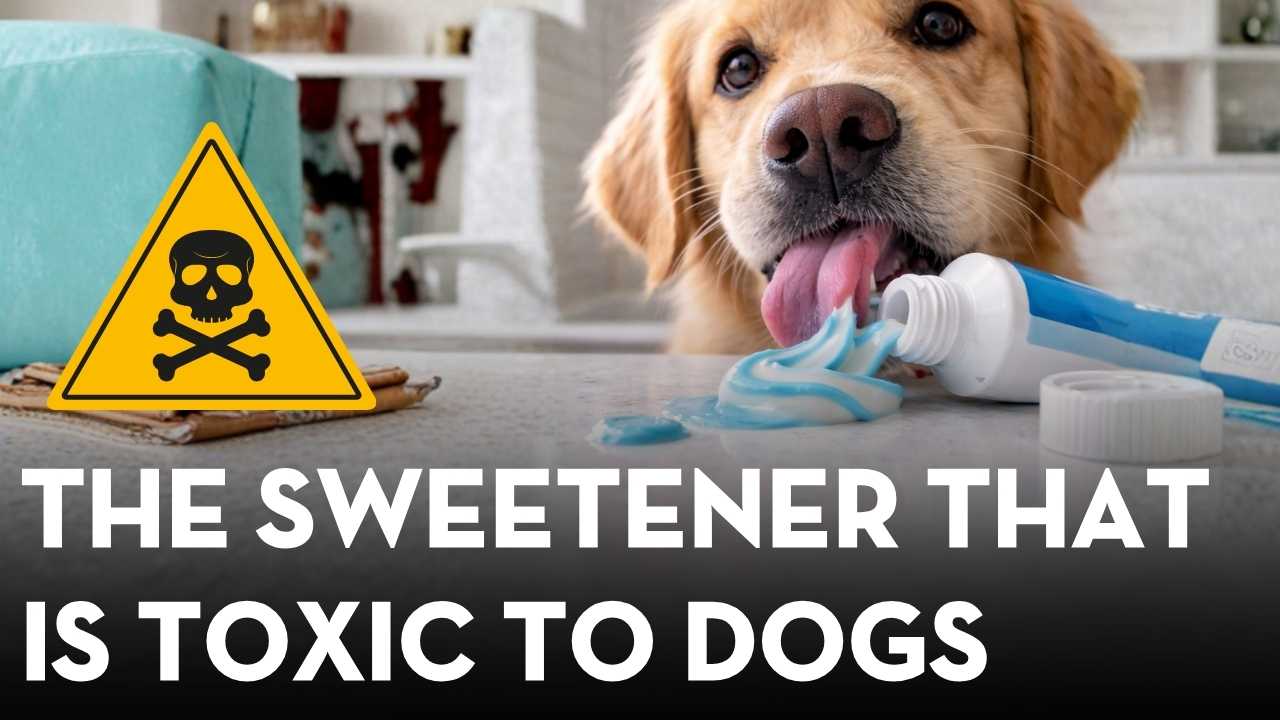
Why This Common Sweetener Is Dangerous for Dogs
I’ve never been a fan of “substitute” products. The kind that are marketed as healthier, but once you look closer, they come with a long list of side effects. In general, I prefer things that are real, simple, and easy to pronounce.
Unfortunately, some of these substitutes can be seriously toxic to our pets. And during the holidays, the risks go up even more.
Most pet parents already know to watch out for common toxins like chocolate, fatty foods, certain plants such as lilies, and even aflatoxins found in compost. But there is one artificial sweetener that still catches people off guard. It is called xylitol, and it goes by many different names.
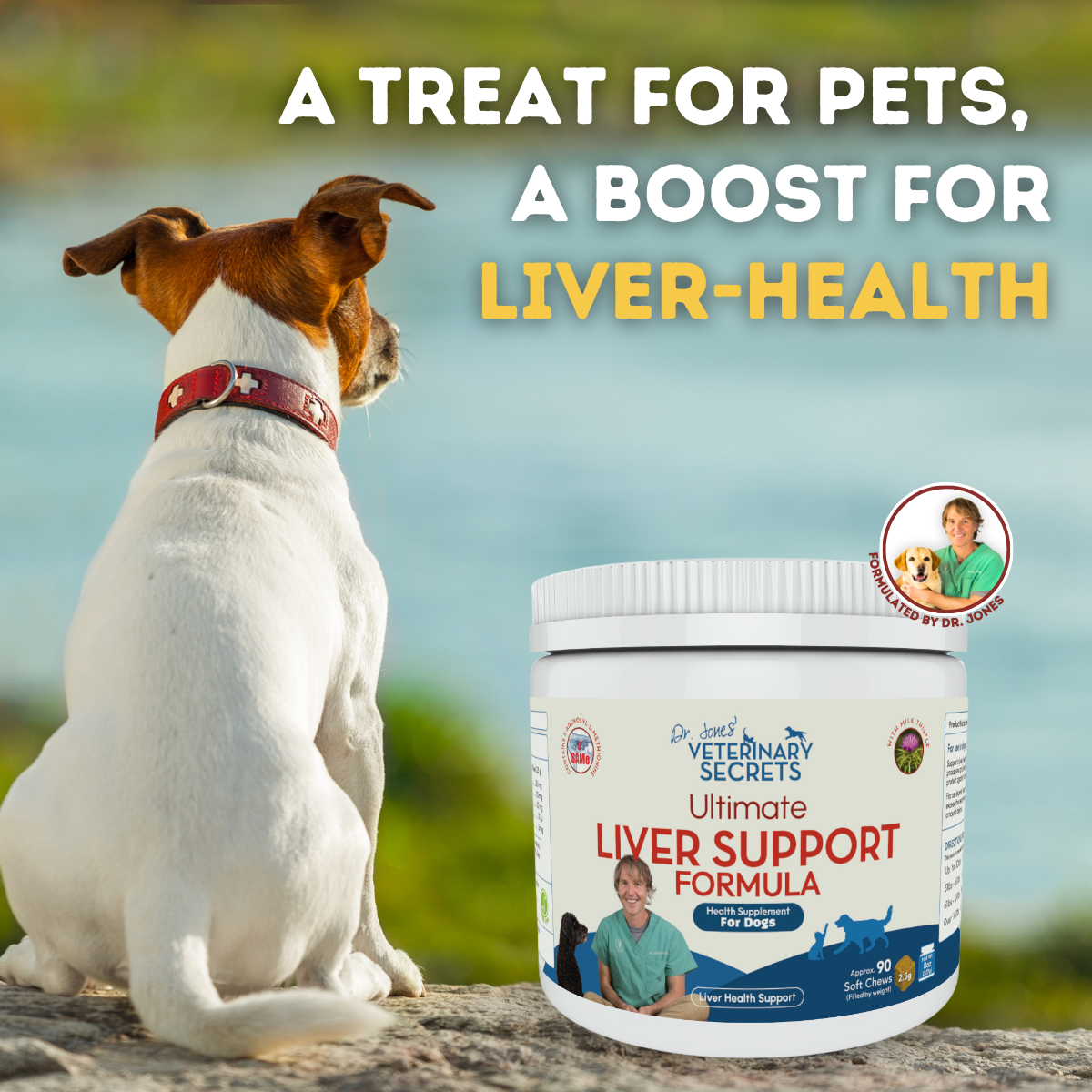
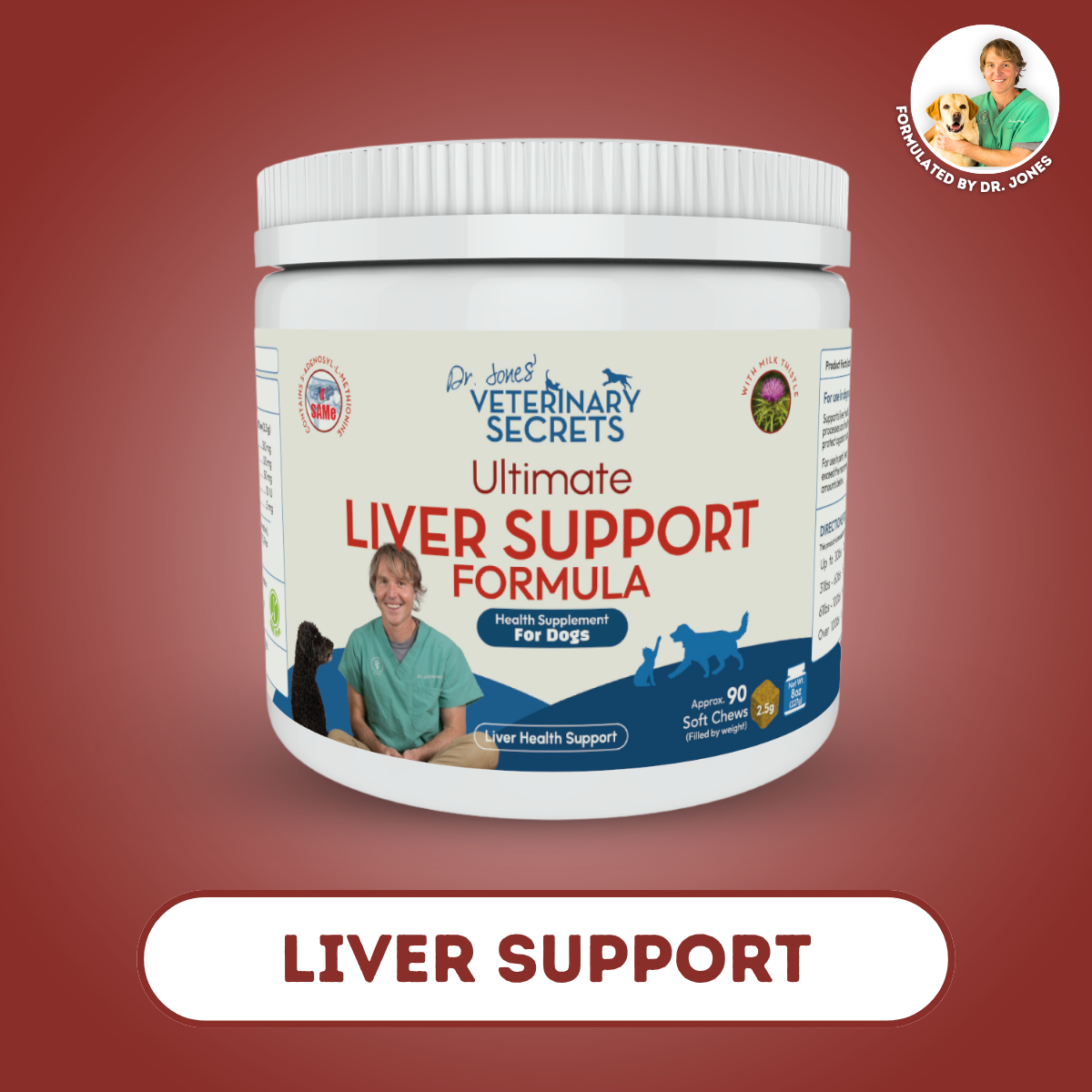
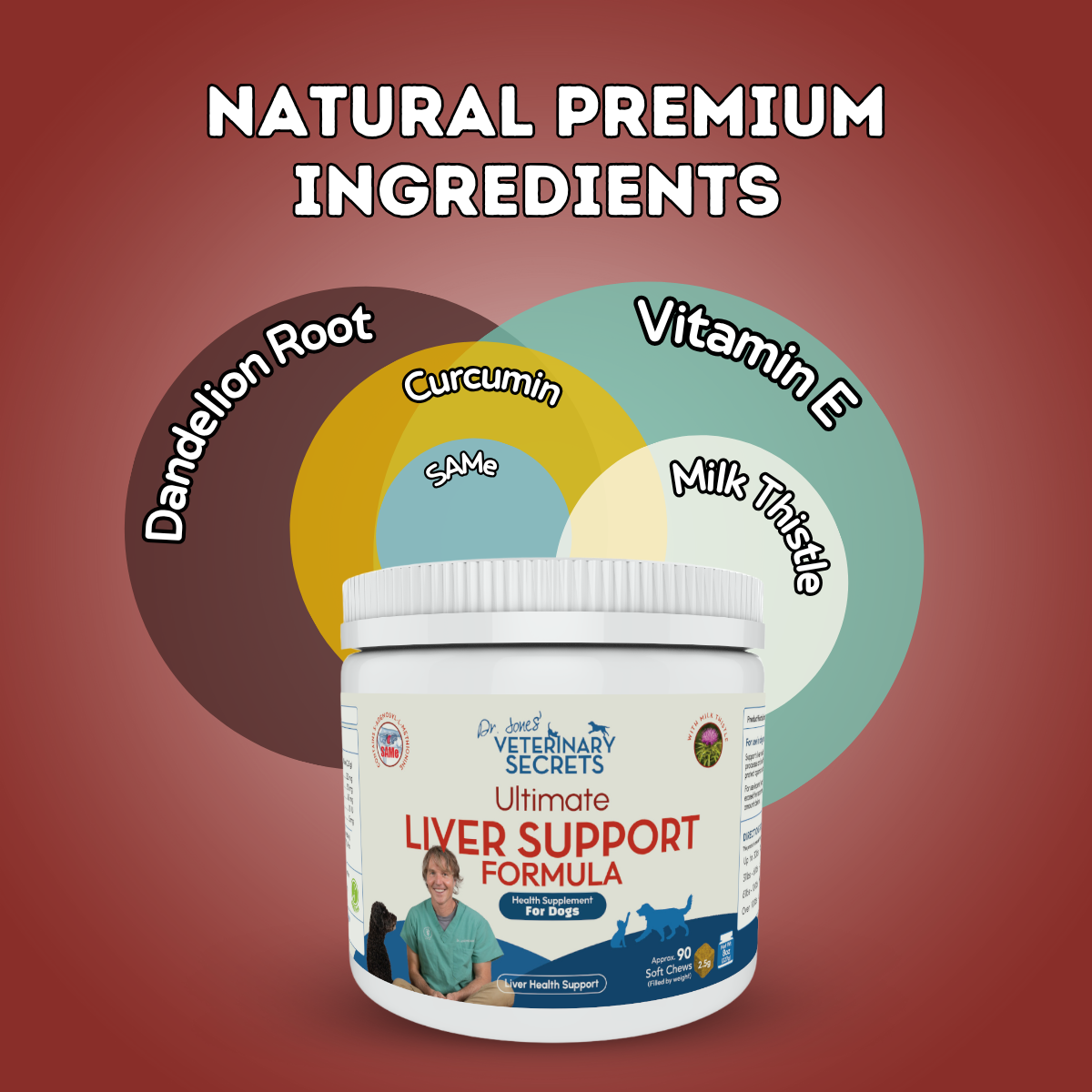
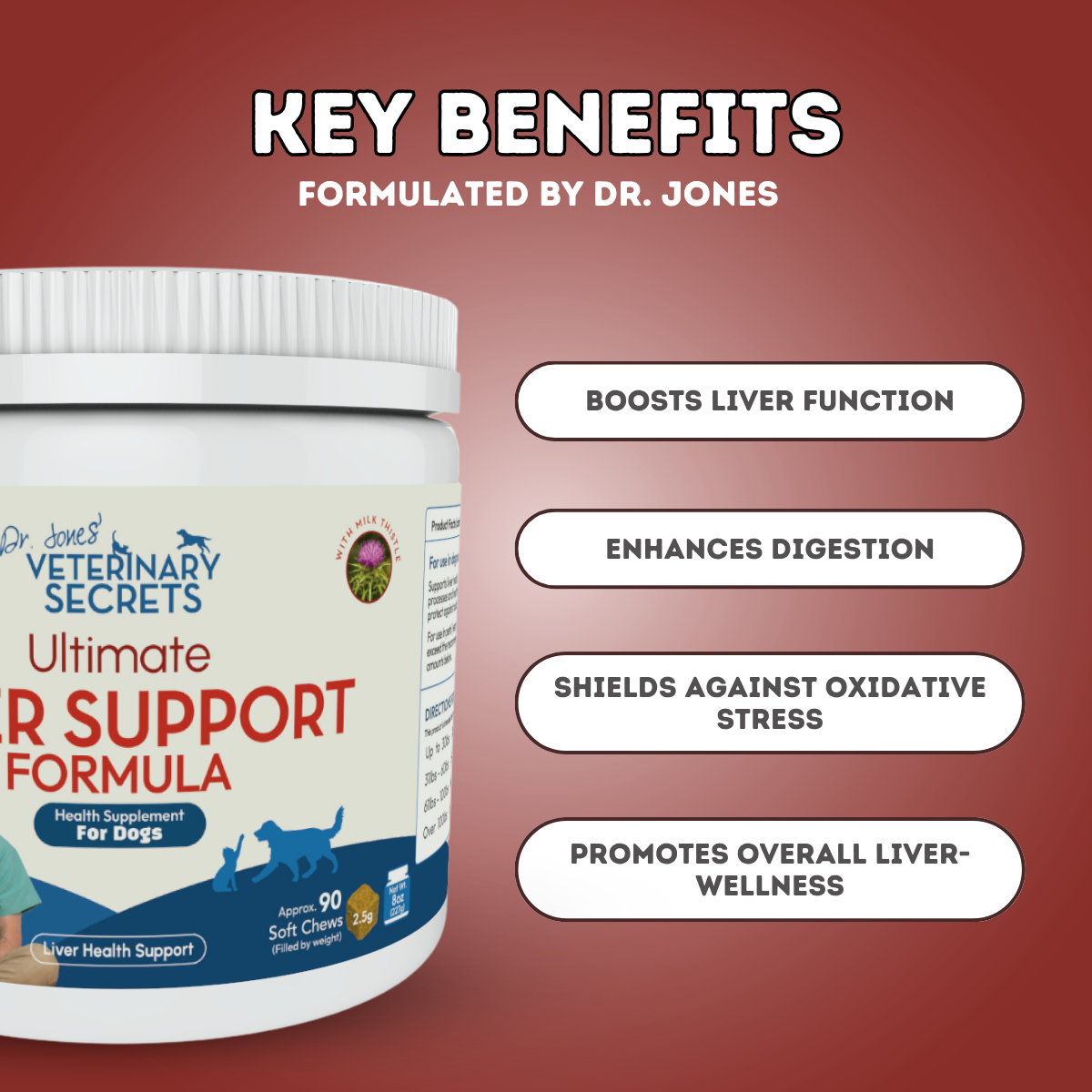
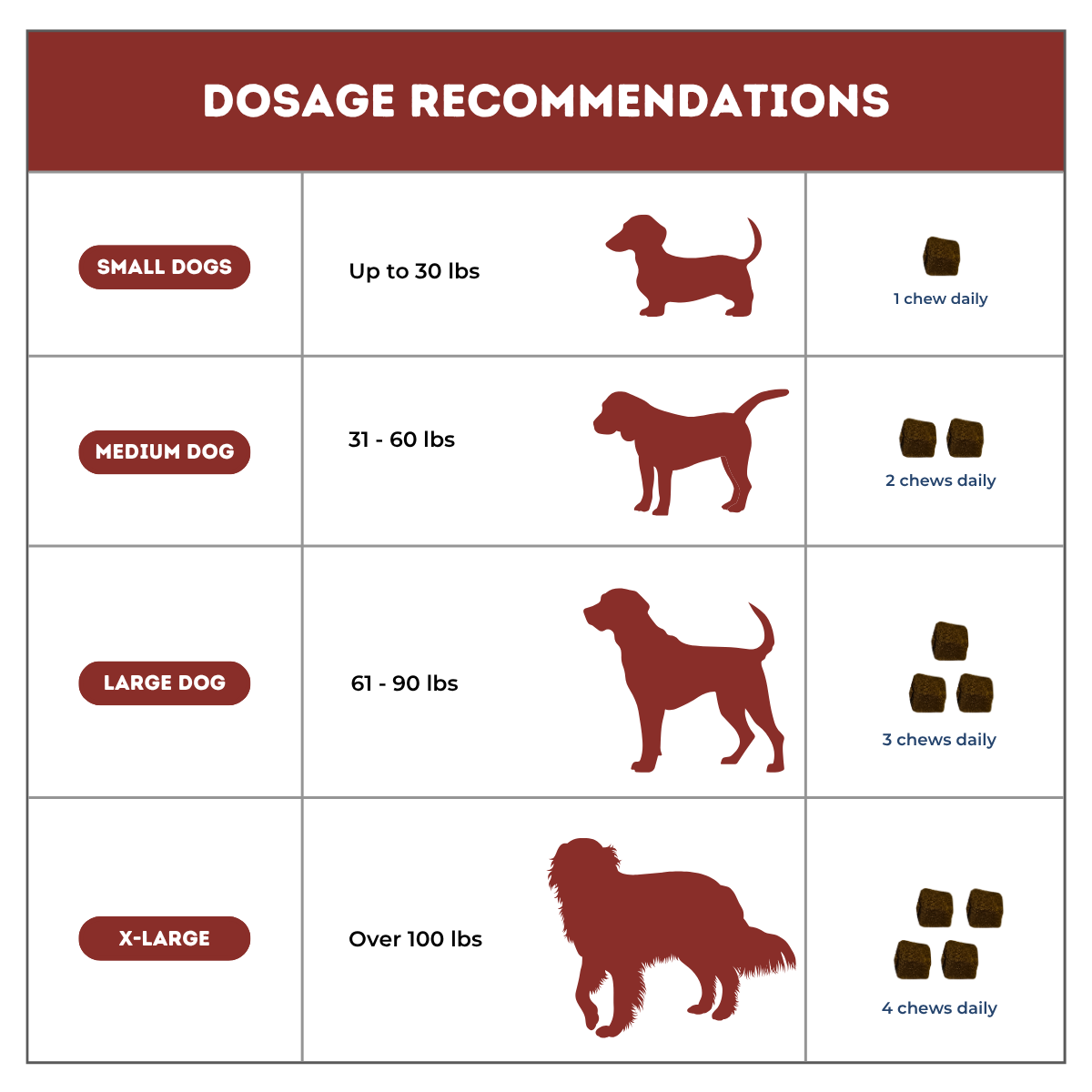
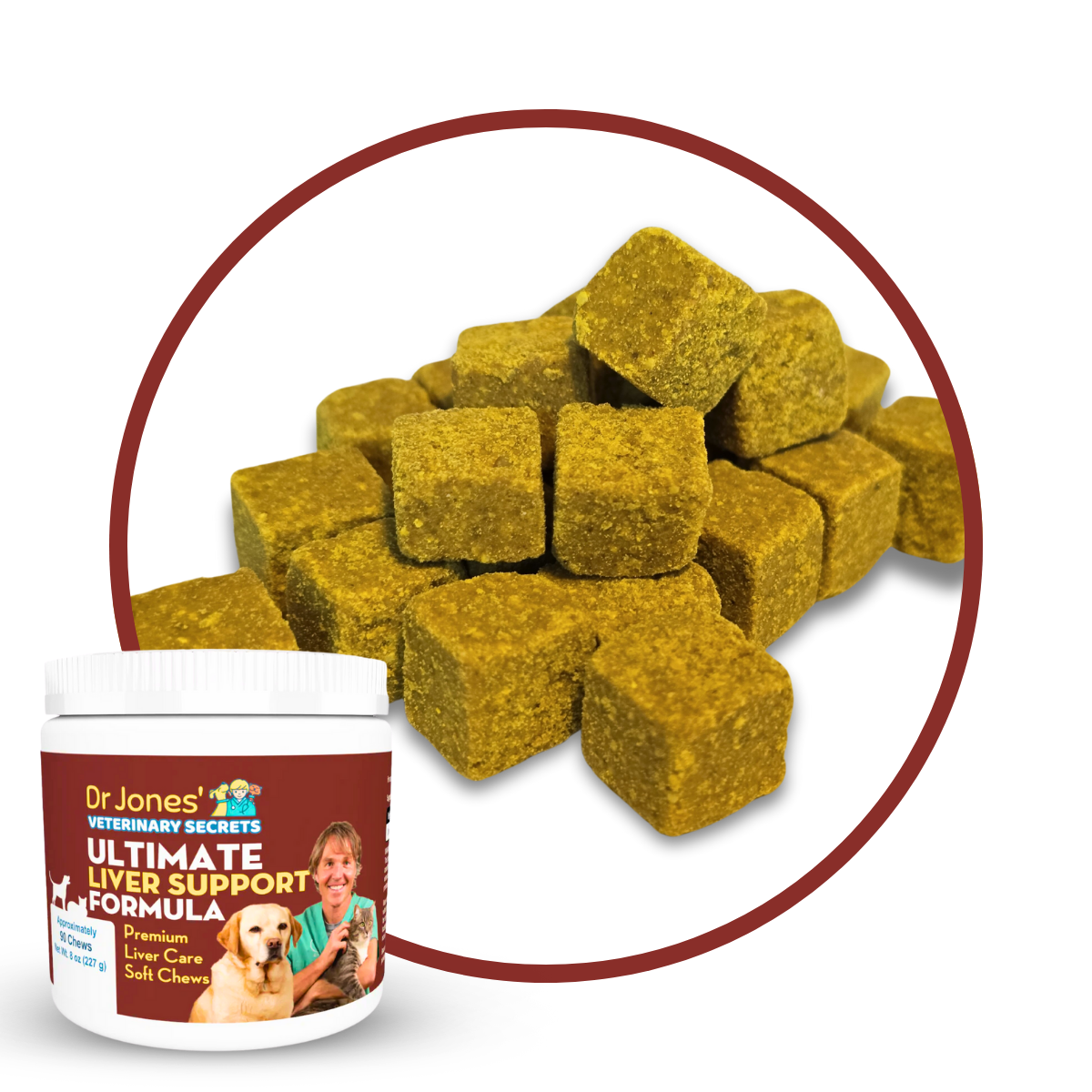
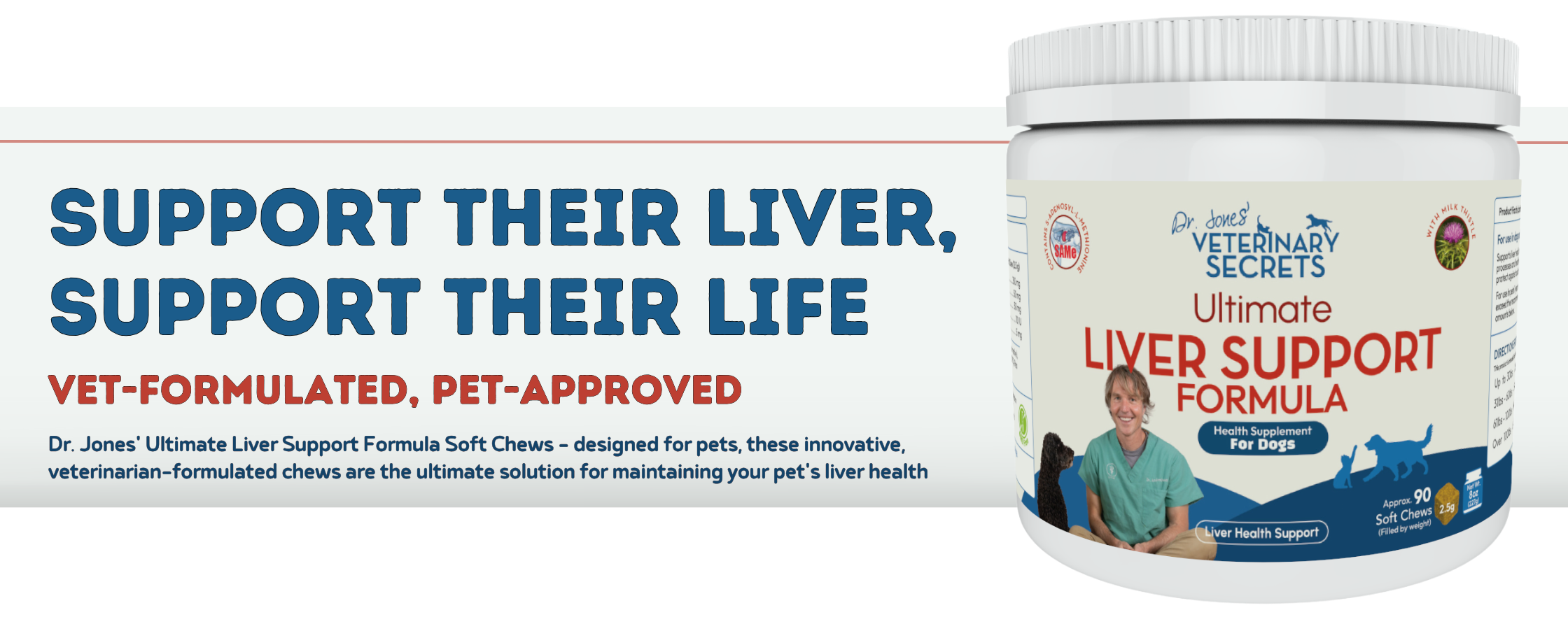
Dr Jones’ ULTIMATE Liver Support Formula

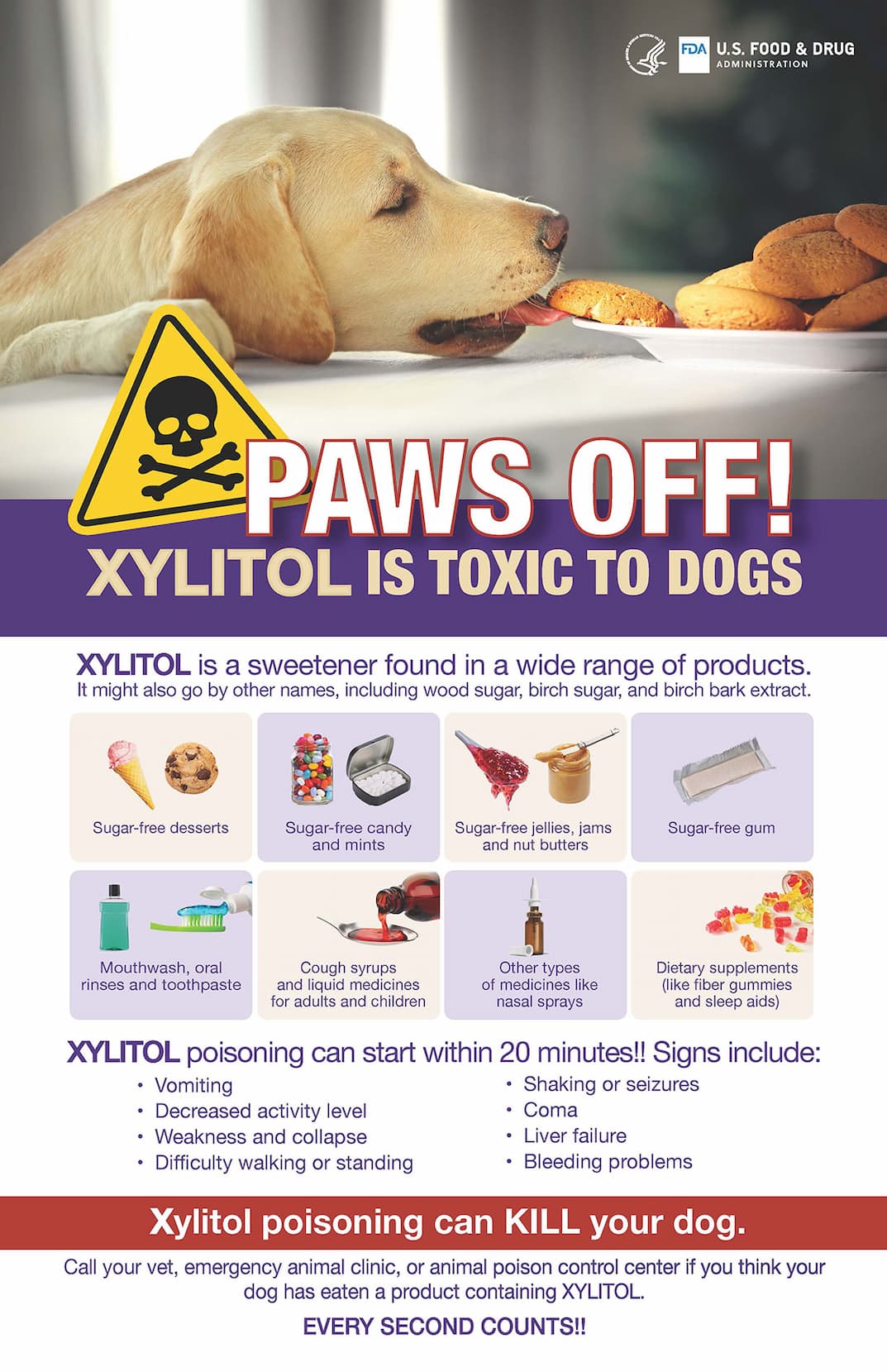
Why Xylitol Is So Dangerous
Xylitol is a sugar alcohol. It tastes sweet and is widely used as a sugar substitute in products made for people. While it may be safe for humans, it is never safe for dogs. And it may not be safe for cats either.
I had a subscriber write to me about their dog being poisoned by xylitol that was hidden in a “so called safe” human medication. Sadly, this happens far more often than people realize.
Xylitol is now found in many everyday products, including items you would never expect.
Where Xylitol Is Commonly Found
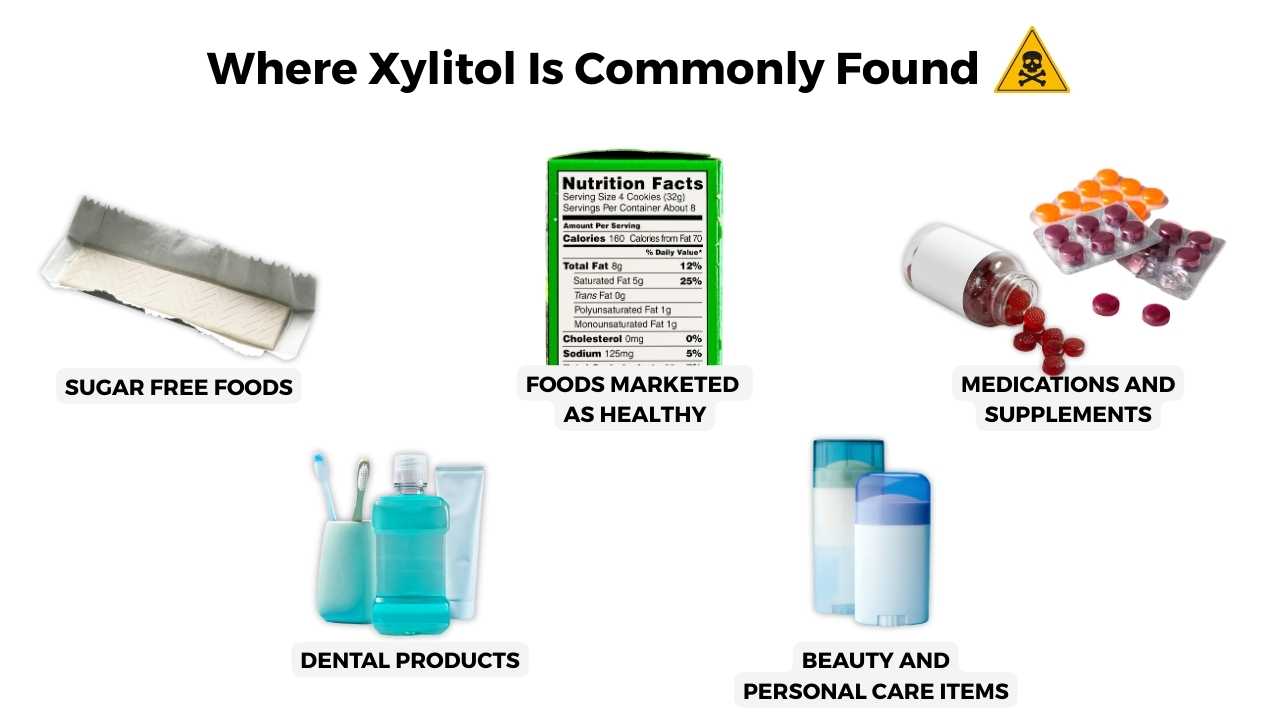
Xylitol shows up in a wide range of household products, including:
Sugar free foods
Baked goods, desserts, peanut butter, ice cream, candy, fruit drinks, drink powders, jelly, jam, cereal, pudding, gelatin, ketchup, syrup, chewing gum, and breath mints
Foods marketed as healthy
It has even been found in products like Kabocha squash sold under names such as Bocha Sweet
Medications and supplements
Cough drops, gummy vitamins, chewable vitamins, and prescription medications
Dental products
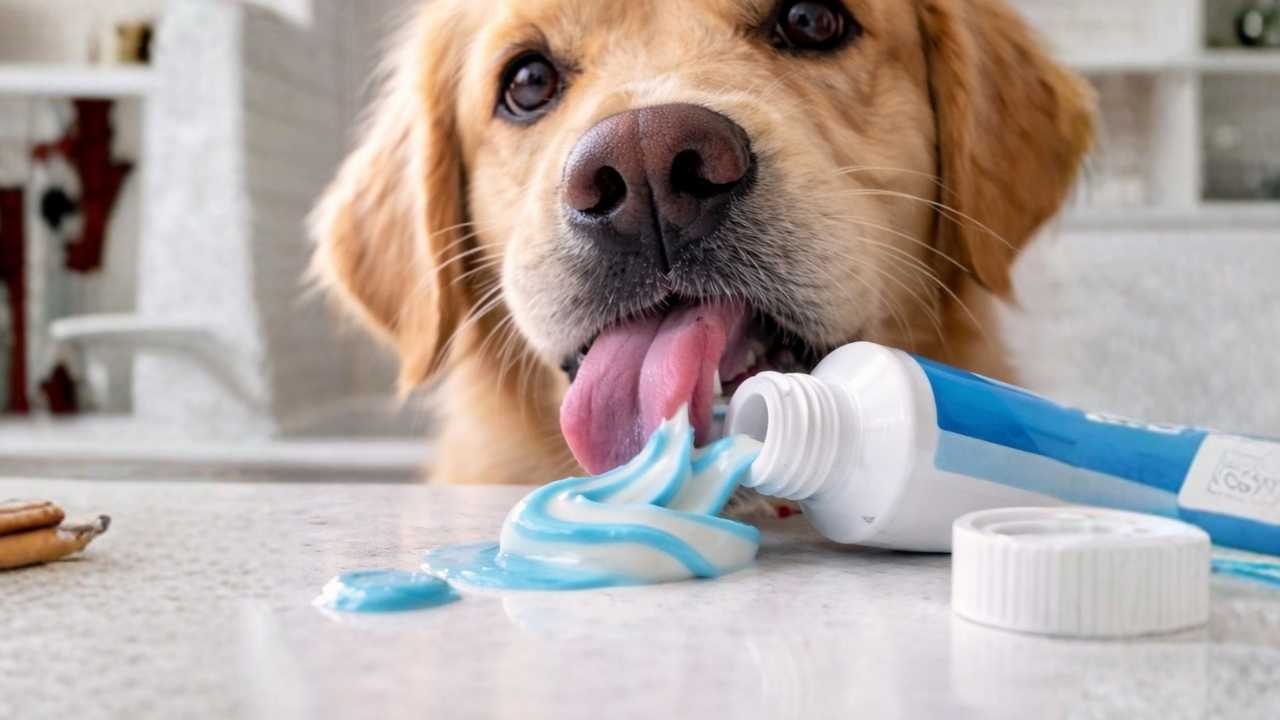
Toothpaste, mouthwash, dental sprays, and rinses
Beauty and personal care items
Shampoo, moisturizer, and deodorant
Just because something is sold for people, or even marketed for pets, does not mean it is safe.
How Xylitol Affects Dogs
In both people and animals, blood sugar is regulated by insulin released from the pancreas. The difference is how the body responds to xylitol.
In dogs, xylitol triggers a massive release of insulin. This causes blood sugar to drop rapidly and dangerously low. This condition is called hypoglycemia.
In people, xylitol does not trigger insulin release, so blood sugar remains stable.
On top of that, xylitol can cause severe liver damage in dogs, and in some cases, complete liver failure. The exact mechanism is not fully understood, but the risk increases with higher doses.
While toxic effects have not been clearly documented in cats, there is not full agreement that cats are completely safe. For that reason alone, I recommend keeping xylitol products away from all pets.
Signs of Xylitol Poisoning in Dogs
Symptoms are usually related to low blood sugar and can appear quickly. In some cases, signs show up within 30 minutes. In others, they may be delayed up to 12 hours.
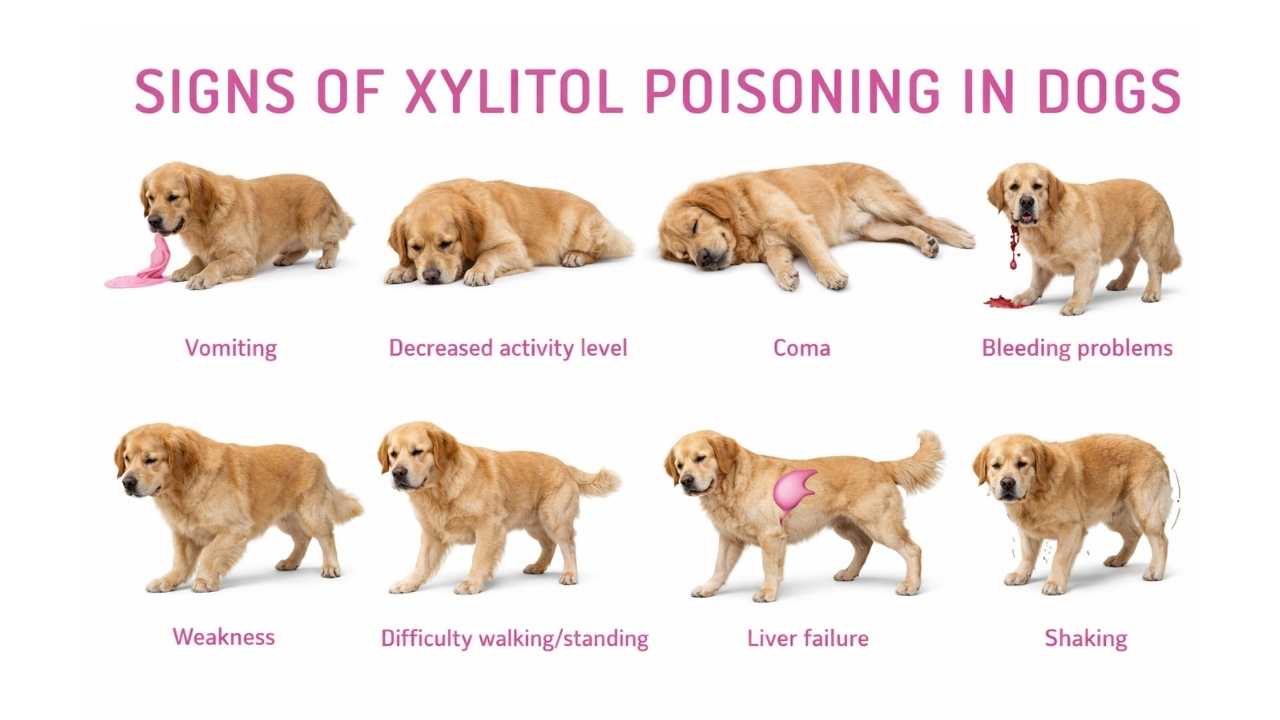
Watch for:
-
Vomiting
-
Weakness
-
Loss of balance or stumbling
-
Lethargy or depression
-
Tremors or seizures
-
Collapse or coma
If you see any of these signs and suspect xylitol exposure, this is an emergency.
How Much Xylitol Is Toxic?
It does not take much.
-
Low blood sugar can occur at doses as low as 0.045 grams per pound
-
Liver damage may occur at 0.11 to 0.22 grams per pound
This means that a single piece of gum can be enough to poison a 20 pound dog.
What To Do If Your Dog Eats Xylitol
If your dog ingests any product containing xylitol, go immediately to an emergency veterinary hospital. Do not wait for symptoms to appear.
Fast treatment can save your dog’s life.
The Liver Takes the Hit
With many toxins, including xylitol, the liver is the organ that suffers first. I have seen this personally with my own dog, Tula.
She developed elevated liver enzymes after toxic exposure. I was able to help her recover using a combination of milk thistle, SAMe, and dandelion root. These nutrients support liver detoxification and healing, and they remain some of my go to options when the liver is under stress.
What I Want You to Remember
-
Read ingredient labels on everything your dog might access
-
Be especially cautious with anything labeled sugar free or artificially sweetened
-
Do not assume dental sprays, rinses, or chews are safe just because they are sold for pets
-
If ingredients are not clearly listed, avoid the product
No amount of xylitol is safe for dogs.
Final Thoughts
Xylitol poisoning is preventable. Awareness is the most important step. Keep these products out of reach, read labels carefully, and trust your instincts.
Click To Get A Free Copy of My E-Book!

P.S. If your dog is ever exposed to a toxin, the liver is often the first organ affected. Elevated liver enzymes are one of the most common findings on blood work in older pets. Supporting liver health early can make a big difference.