Bladder Stones in Dogs and Cats: Holistic Solutions

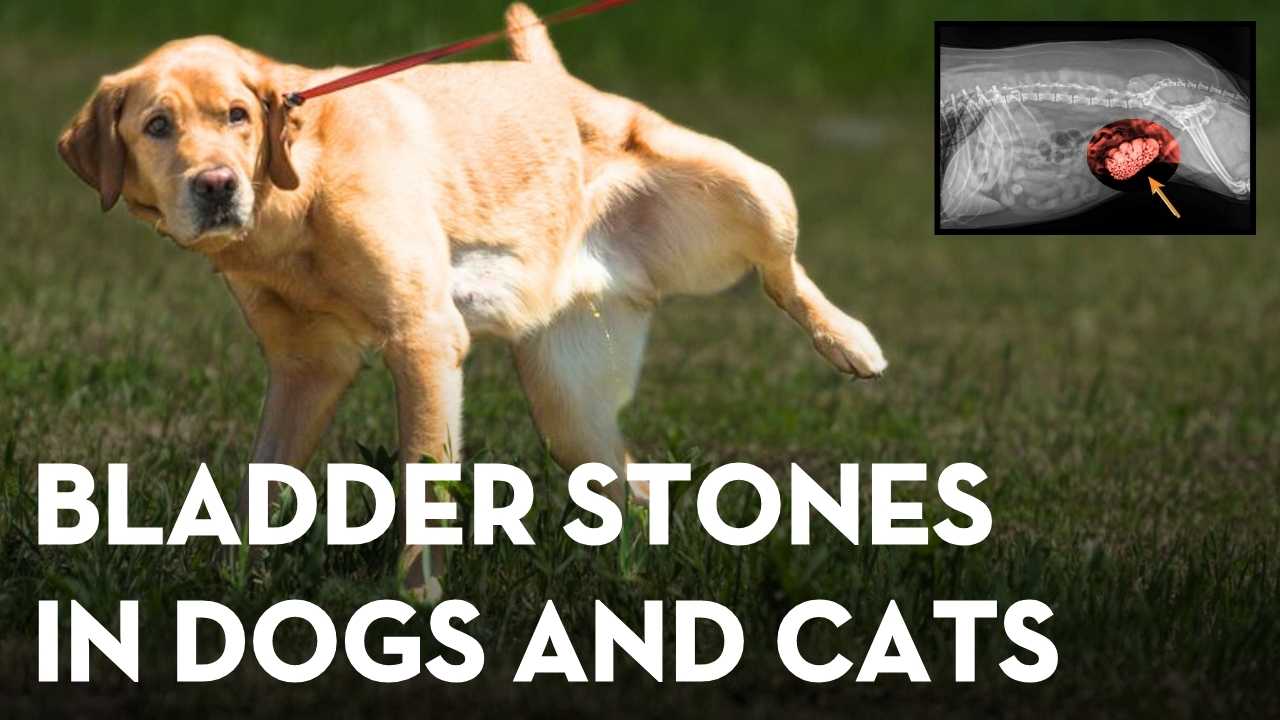
Bladder Stones in Dogs and Cats: Holistic Solutions That Can Help
Bladder stones are not something most pet parents think about every day. But if they happen, they can turn into a big problem very quickly.
Frequent trips outside, straining to urinate, or blood in the urine are warning signs I never ignore. These can point to a urinary tract infection or a bladder stone. In dogs, the most common bladder stone, struvite, usually forms secondary to bladder infections.
The good news is this. You are not limited to medication alone. There are natural ways to support bladder health, ease discomfort, and help prevent recurrence when used correctly.
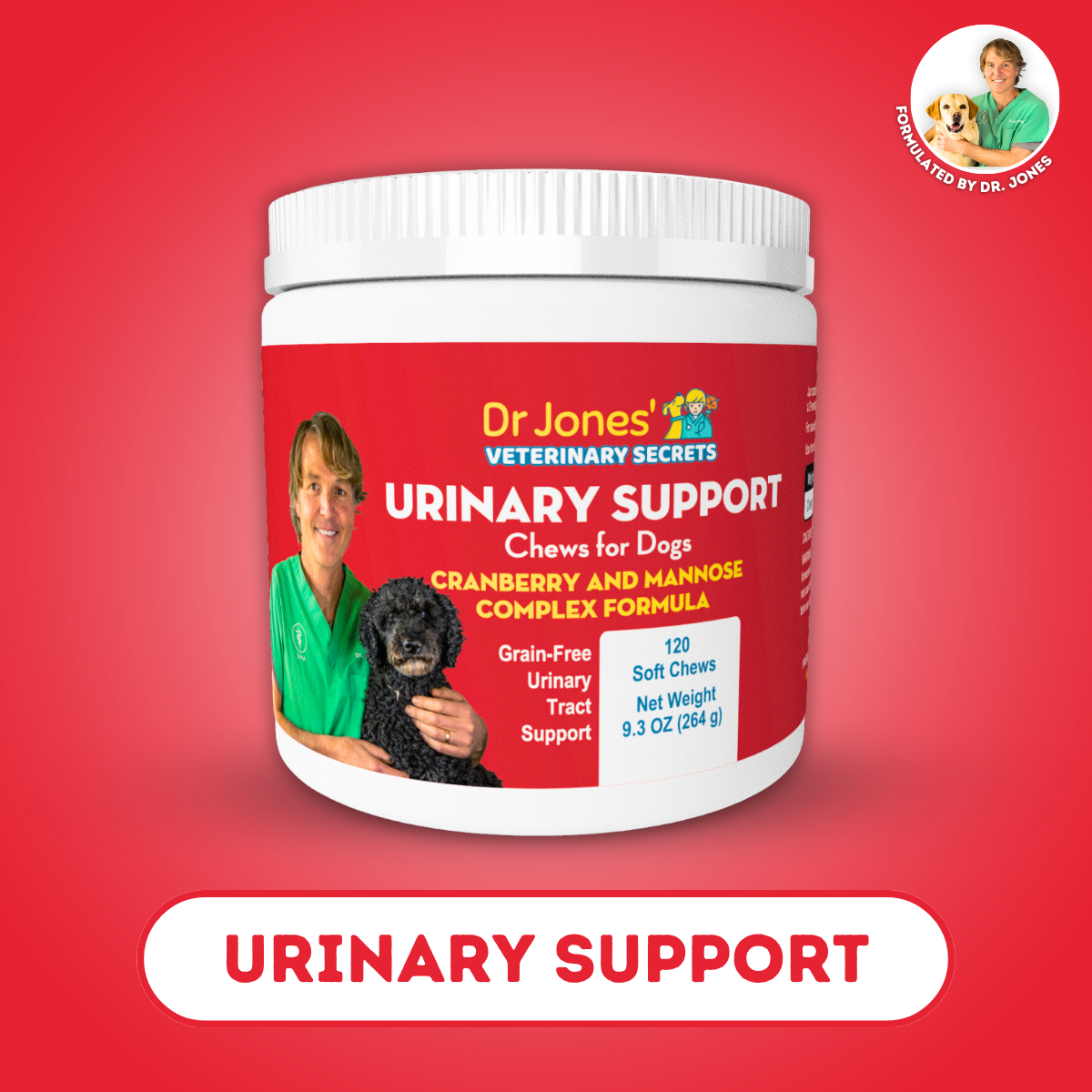
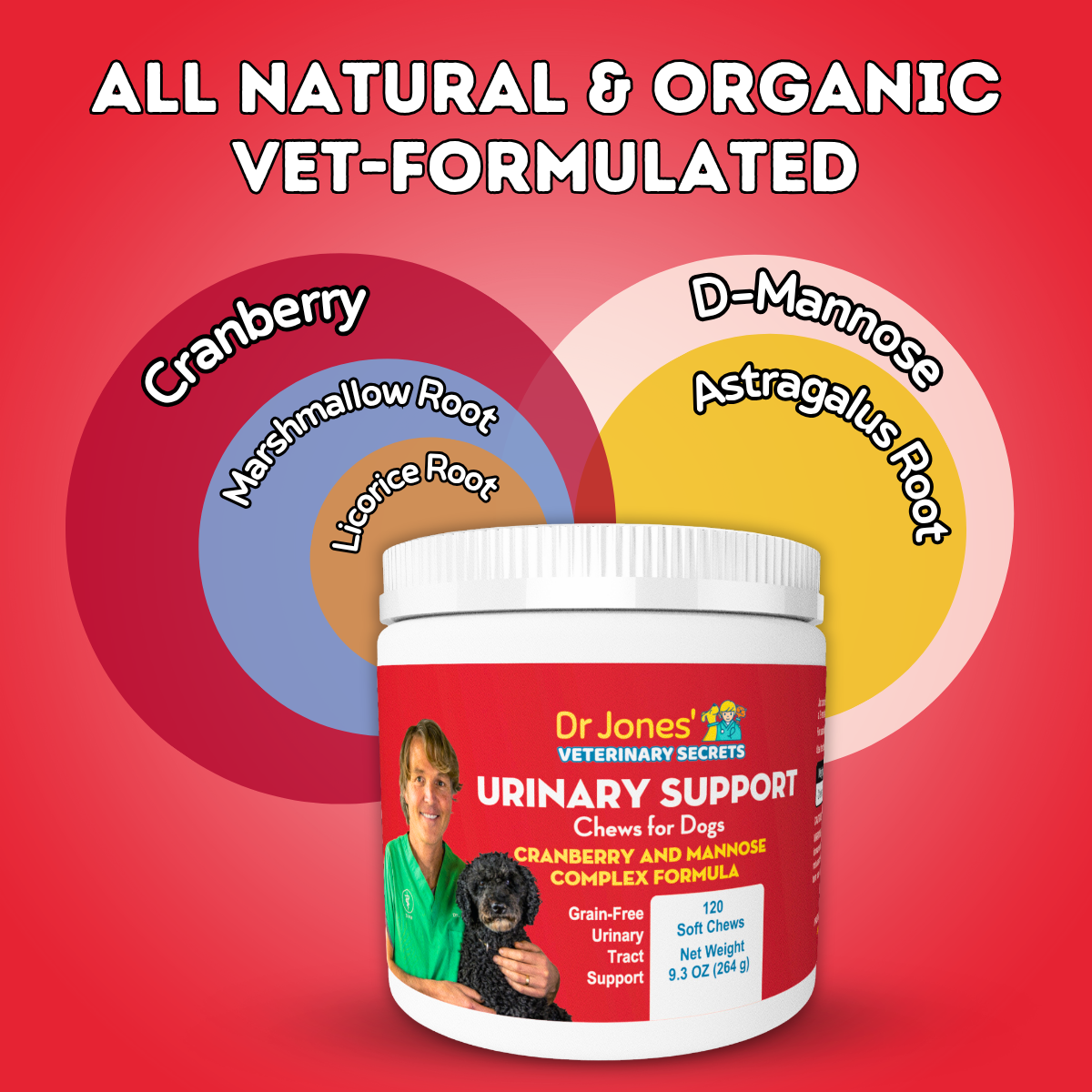
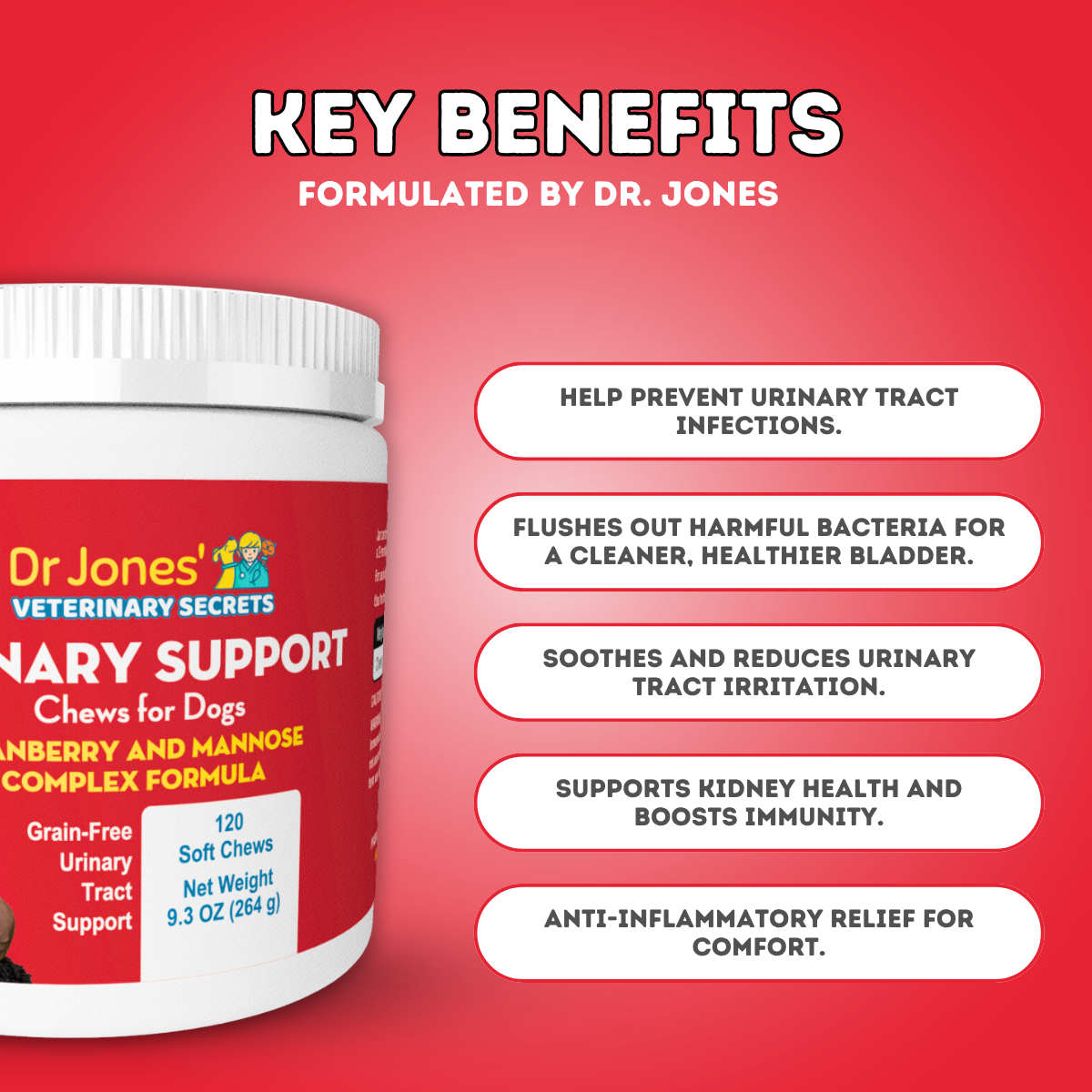
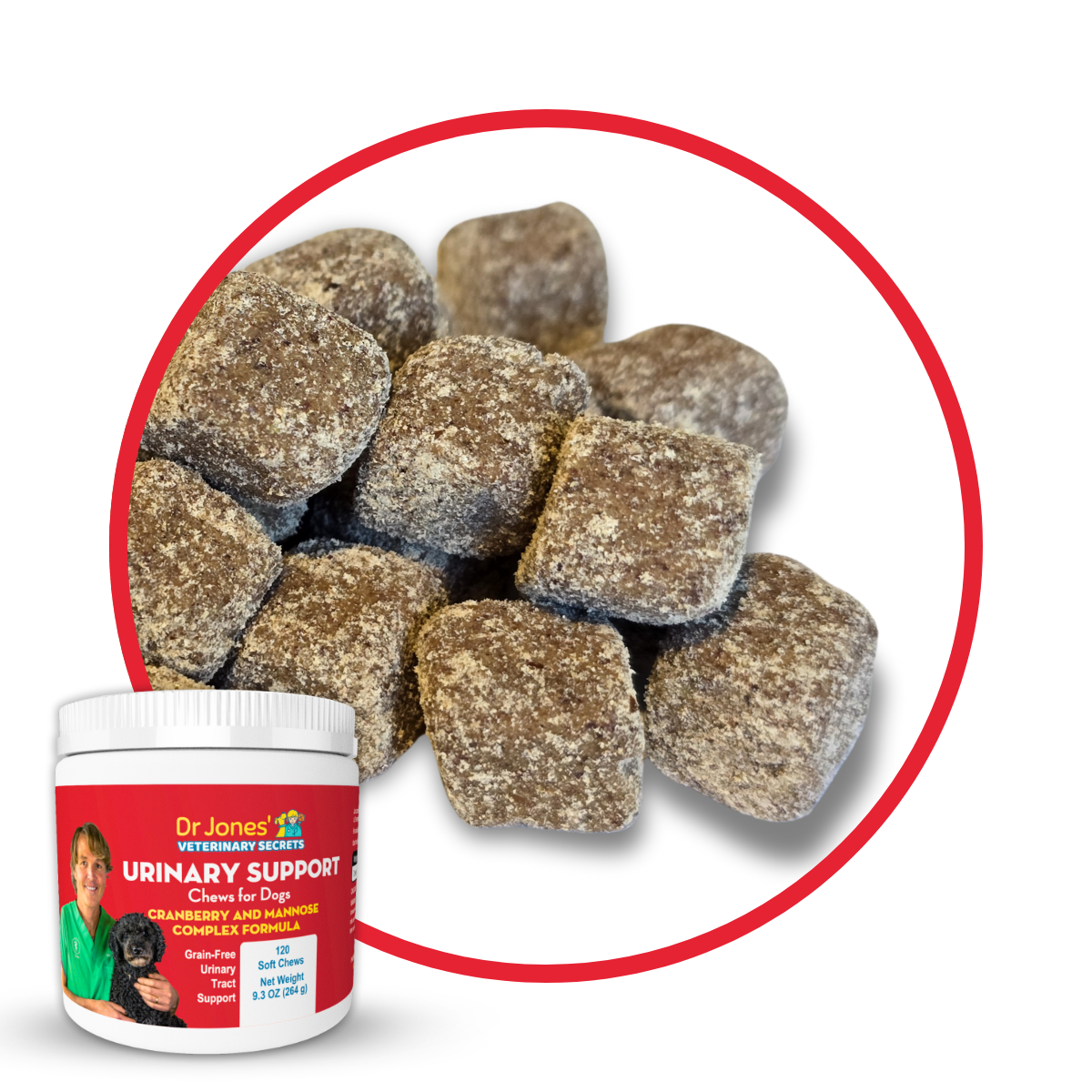
If you want extra support, we also created a urinary blend with cranberry, D-mannose, and marshmallow root. You can find it here:
Dr Jones’ Urinary Support Chews for Dogs




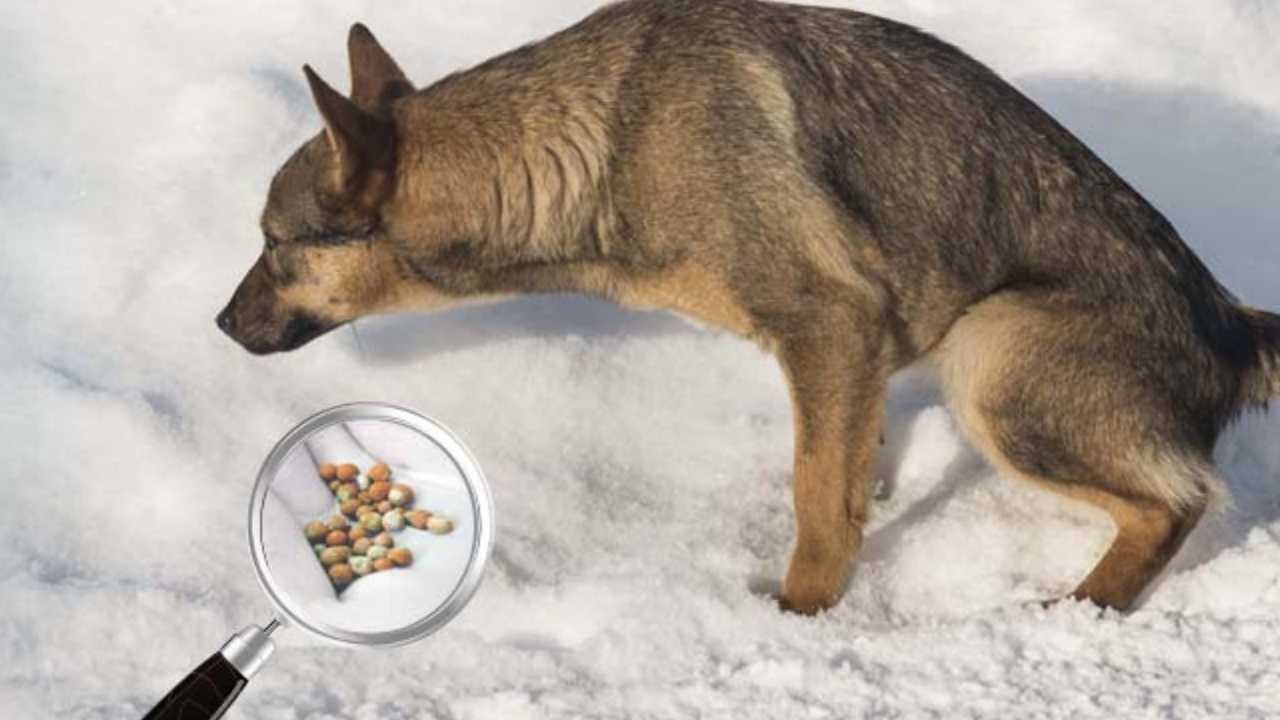
What Are Bladder Stones?
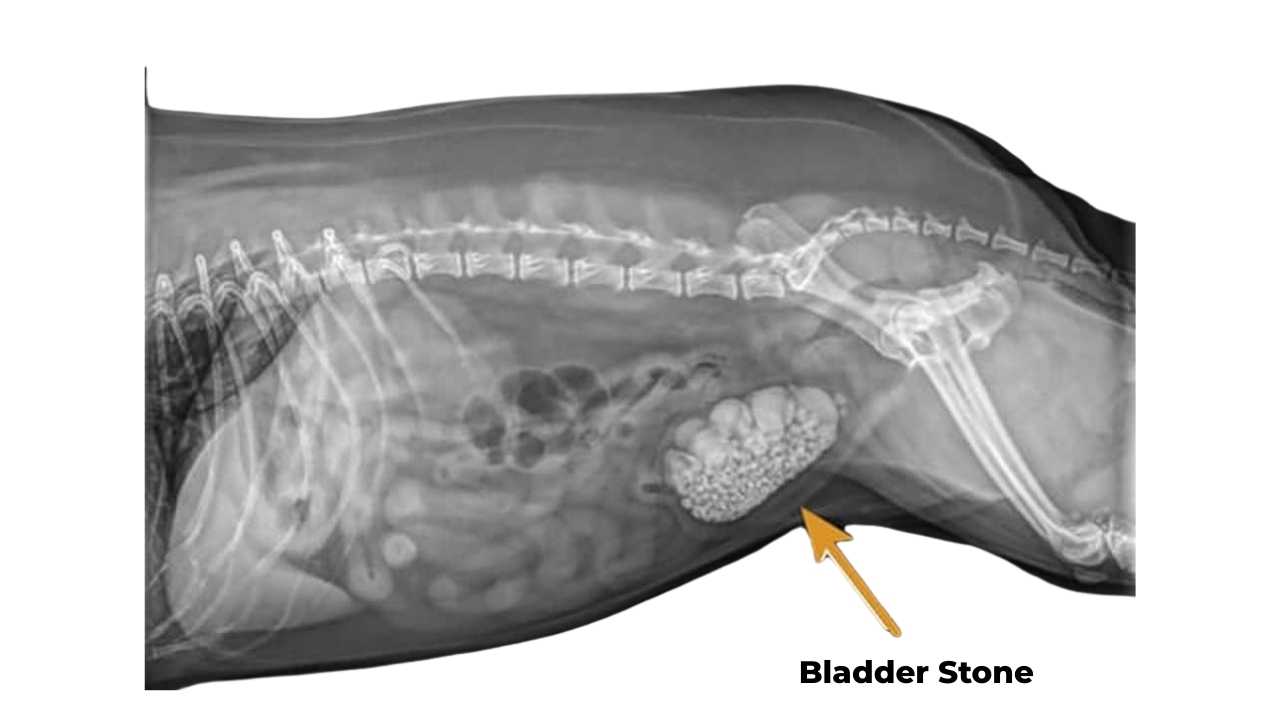
Bladder stones are solid mineral deposits that form in the bladder of dogs and cats. They often start as microscopic crystals in the urine. When urine becomes too concentrated, the pH shifts, or certain minerals increase, these crystals stick together and slowly grow into stones. This process is called urolithiasis or cystolithiasis.
Types of Bladder Stones
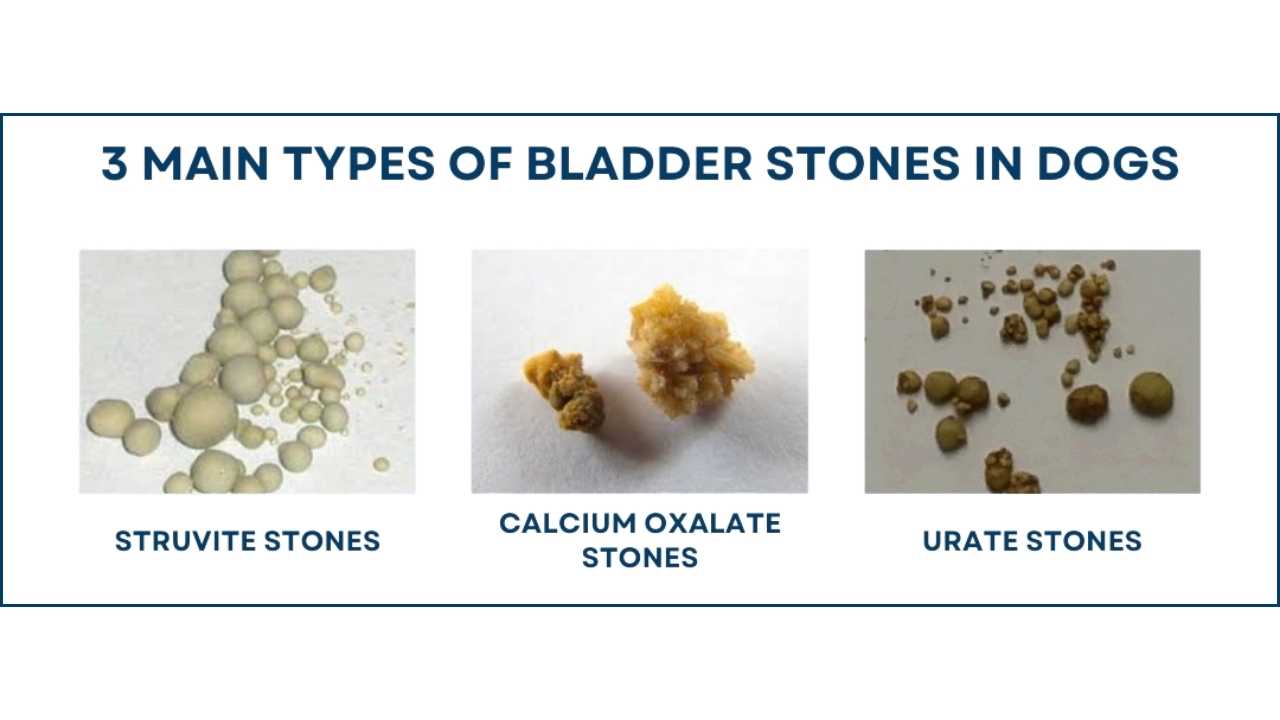
Struvite Stones
Struvite stones most commonly form in dogs as a result of bladder infections. Certain bacteria raise the urine pH, making it more alkaline. This environment allows struvite crystals to form and grow.
In cats, struvite stones can form even without infection and are often linked to feline lower urinary tract disease, which is frequently stress related.
Calcium Oxalate Stones
Calcium oxalate stones form in acidic urine and are rarely linked to infection. Miniature Schnauzers are especially prone in dogs. In cats, Burmese and Himalayan breeds are genetically predisposed. About 35 percent of cats with these stones also have elevated blood calcium levels.
Uric Acid Stones
Uric acid stones are most often seen in Dalmatians. This breed has a unique issue with purine metabolism, which leads to excess uric acid in the urine and stone formation.
Common Signs of Bladder Stones
-
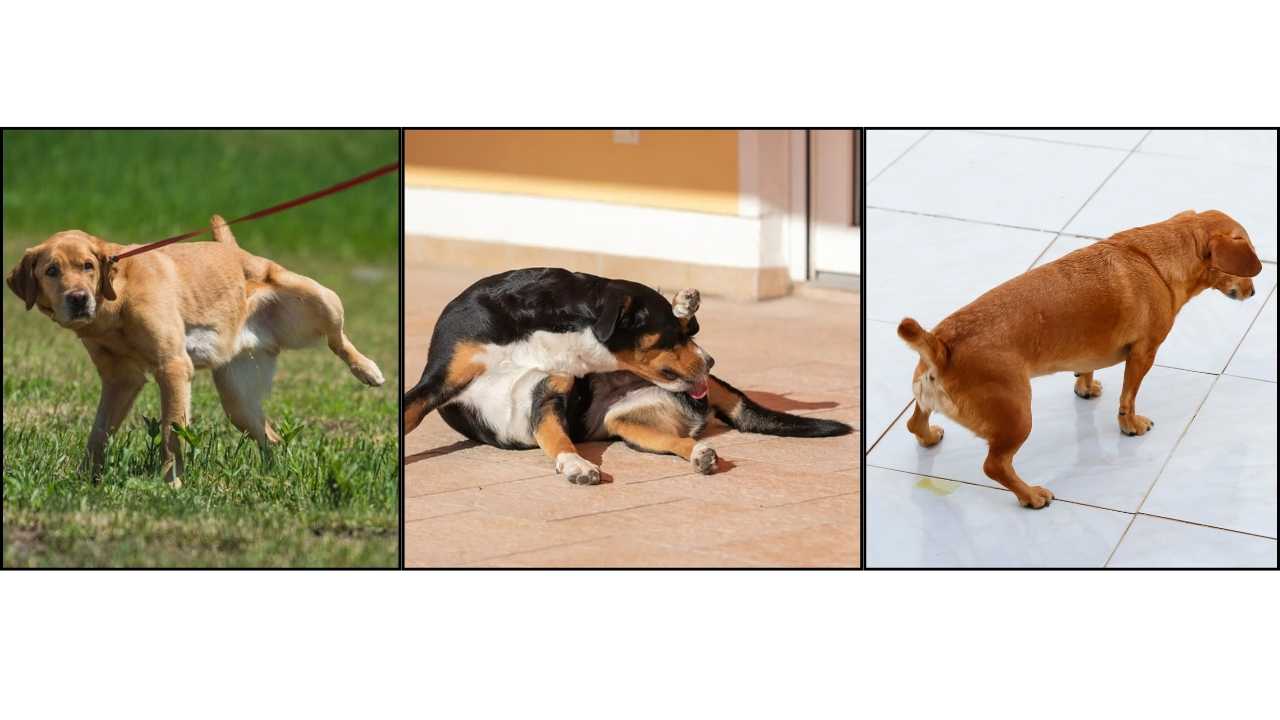
Straining to urinate
-
Frequent urination with small amounts
-
Dribbling urine
-
Urinating in unusual places
-
Crying or vocalizing while urinating
-
Excessive licking of the vulva or penis
-
Strong smelling urine, mucus, or blood in the urine
First and Most Important Step
If your dog or cat is straining and not producing urine, this is an emergency. A stone can completely block the urinary tract. Immediate professional care is critical.
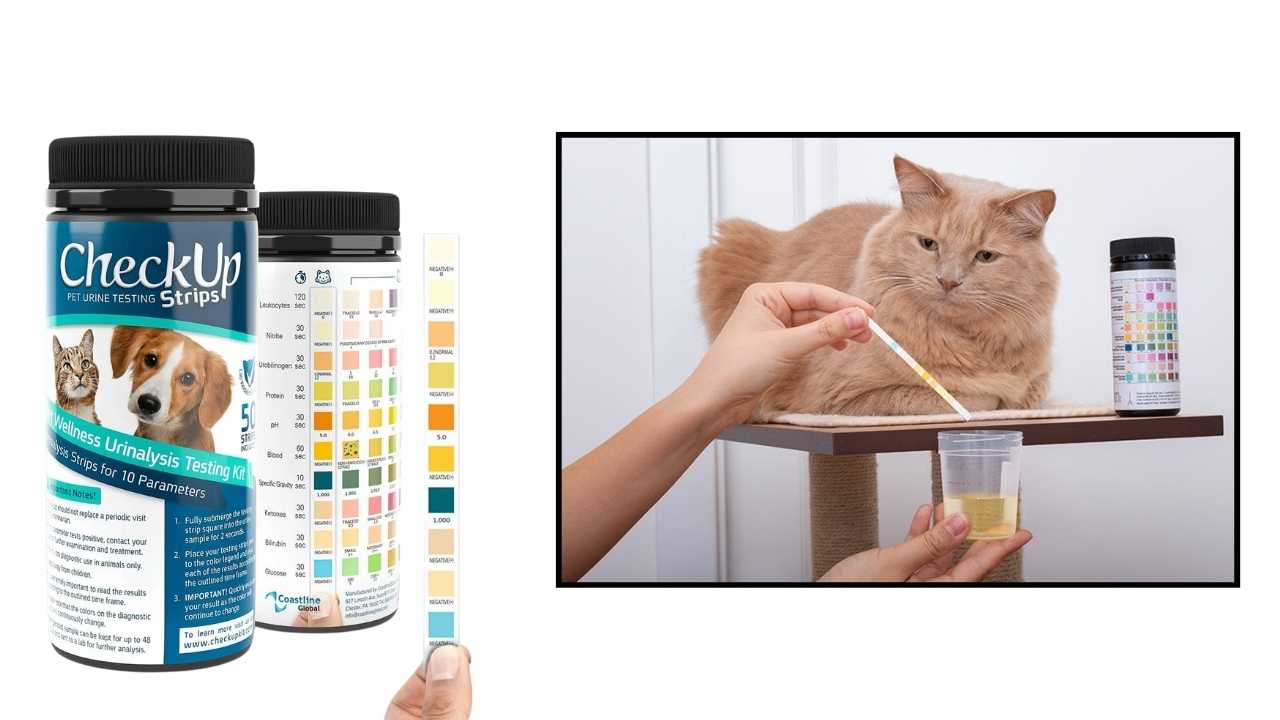
A urine test is always a good starting point. Knowing whether infection, crystals, or pH changes are present helps guide the right approach.
Increase Fluids Every Time
More fluids are essential for both treatment and prevention.
-
For cats, feed canned food only.
-
For dogs, add water to food or switch away from dry kibble to a gently cooked, moisture rich diet.
Learning to give subcutaneous fluids at home can be life changing for cats with urinary issues. I have a full video showing how to do this safely.
Holistic Support for Struvite Stones

1. Diet
The goal with struvite stones is to acidify the urine. Higher protein diets help with this. Homemade diets or veterinary acidifying diets can both work.
2. Treat the Underlying Infection
In dogs, struvite stones almost always follow infection. In cats, diet plays a bigger role.
A simple home remedy I often suggest:
-
1 teaspoon honey
-
1 teaspoon apple cider vinegar
-
2 tablespoons green tea
Give twice daily for 14 days.
3. Lower Urine pH
Vitamin C
Helps acidify urine. Start with 100 mg per 10 pounds daily.
Cranberry
Supports bladder health by acidifying urine and preventing bacteria from sticking to the bladder wall.
-
Juice dose: 1 ml per pound daily
-
Capsule dose: ½ capsule per 10 pounds daily
4. Helpful Herbs
Herbs traditionally used to support bladder health include hydrangea, stone root, gravel root, and corn silk.
Combined tincture dose: 0.2 ml per 5 pounds once daily.
Ba Zheng San
A traditional herbal blend with antibacterial and anti inflammatory properties.
Dose: ? teaspoon per 10 pounds twice daily.
5. Reduce Inflammation
Cannabidiol can be very helpful, especially for cats. It concentrates in the bladder, reduces inflammation, and can calm stress that triggers urinary issues.
Dose: 3 mg per 10 pounds twice daily.
Calcium Oxalate Stones
These stones form in acidic urine, which is the opposite of struvite stones. Medical options are limited, and surgery is often recommended.
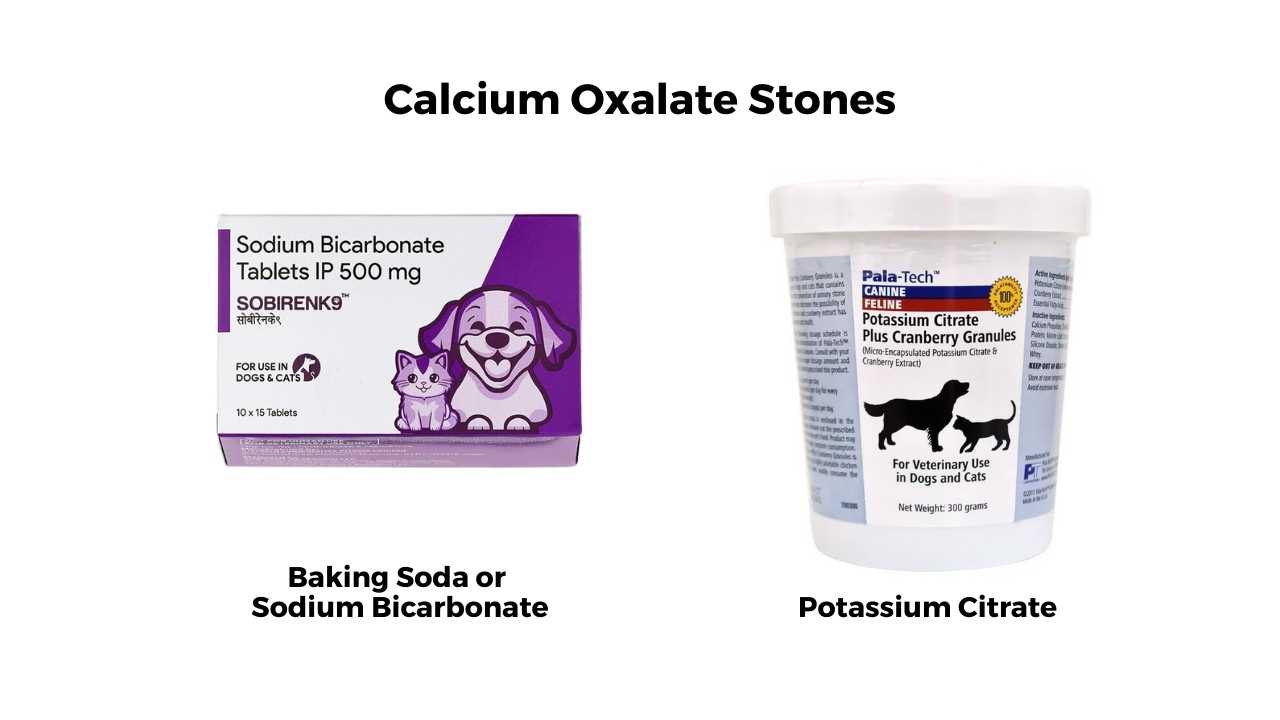
After removal, prevention focuses on diet changes and urine alkalization.
Baking Soda or Sodium Bicarbonate
Dose: ¼ teaspoon per 10 pounds daily for 8 to 12 weeks.
Potassium Citrate
This may also help prevent recurrence. In one study, urinary alkalization led to complete stone dissolution in some patients after six weeks.
Uric Acid Stones in Dalmatians
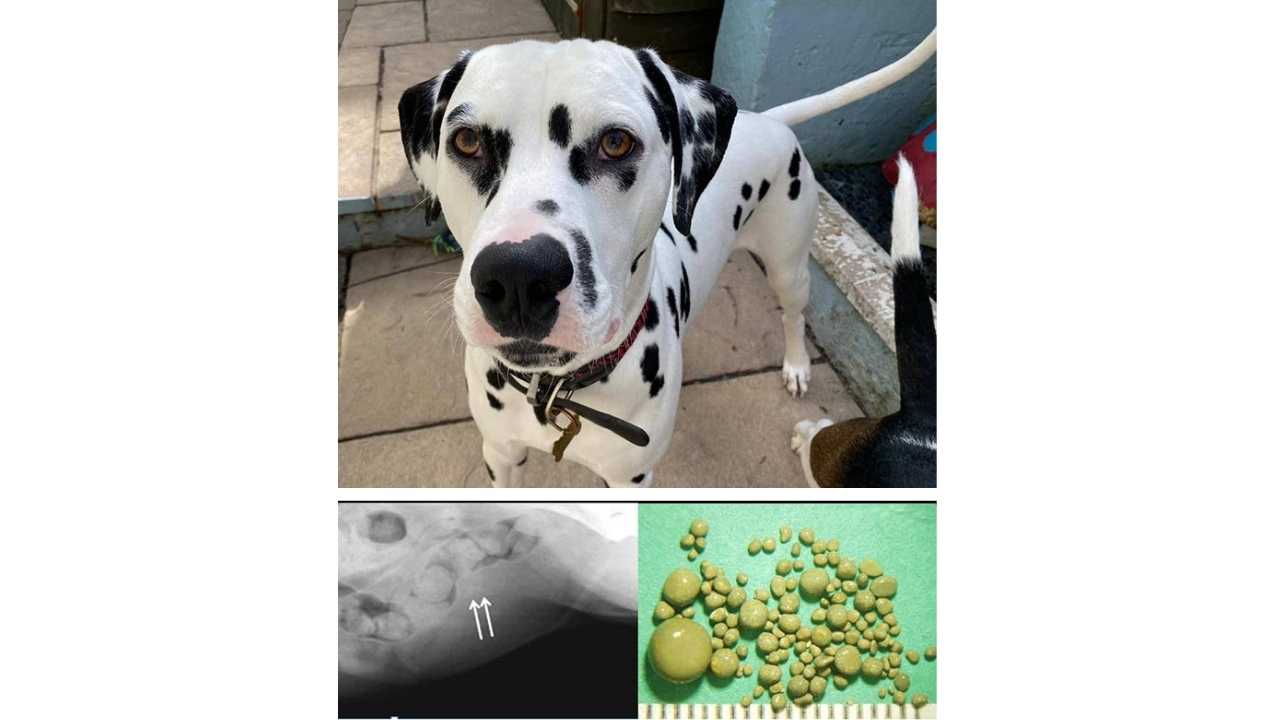
Management focuses on:
-
Low purine, low sodium diets
-
Avoiding organ meats, oily fish, and yeast
-
Encouraging alkaline urine and high water intake
Some dogs do well with prescription diets combined with fresh low purine foods like eggs, dairy, fruits, and lean poultry.
Alternate support includes treating infections if present and alkalizing urine with sodium bicarbonate.
Final Thoughts
Bladder stones should never be ignored. Many pets do need surgery. But when you address the underlying causes, you can often reduce recurrence and support recovery.
Increasing fluids, treating infections early, adjusting diet, and using supportive nutrients like honey, green tea, cranberry, D-mannose, and probiotics can make a real difference.
Heal your pet at home when you can, and do not hesitate to seek help when needed.
Click To Get A Free Copy of My E-Book!

P.S. If you want daily urinary support in an easy form, take a look at Dr. Jones’ Urinary Support Chews for Dogs, made with cranberry, D-mannose, and marshmallow root to help keep the bladder comfortable and healthy.