7 Pet Food Ingredients to AVOID

What I Would Not Feed My Dog or Cat
Of all the things you can do to keep your dog or cat healthy, what you feed them is near the top of the list.
Food matters.
But just as important as knowing what to feed is knowing what not to feed.
Many commercial pet foods contain ingredients that may contribute to chronic inflammation, hormone disruption, organ stress, and in some cases, even cancer risk over time.
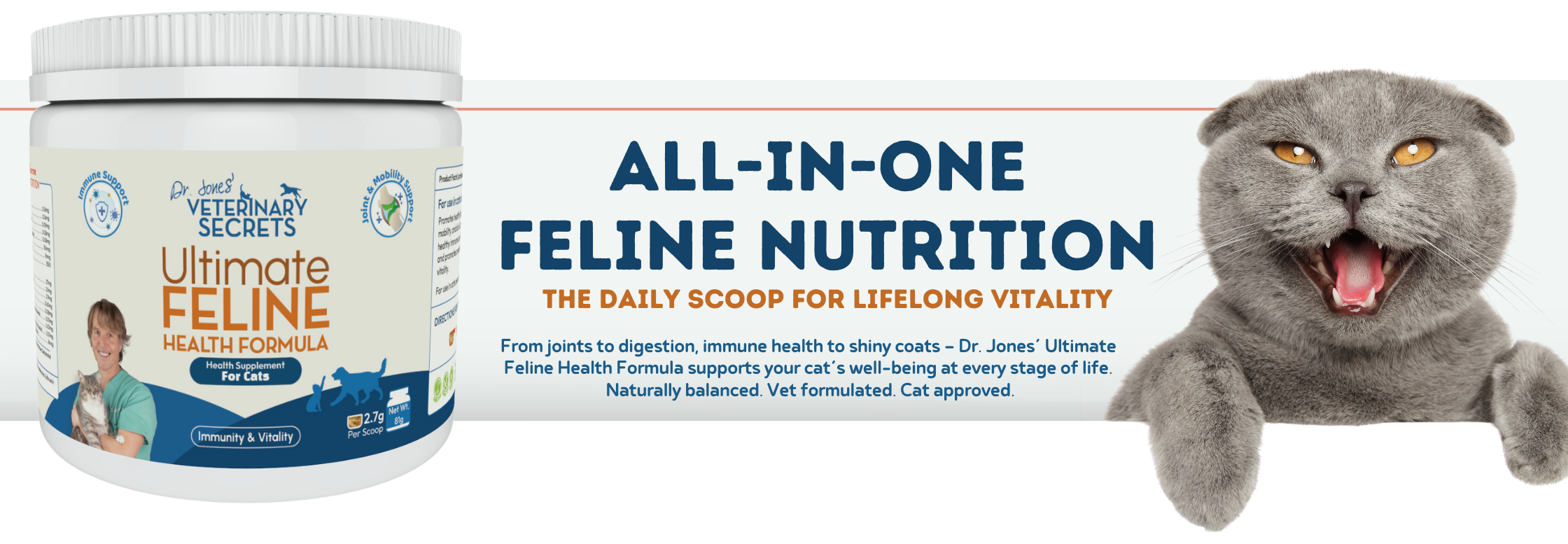
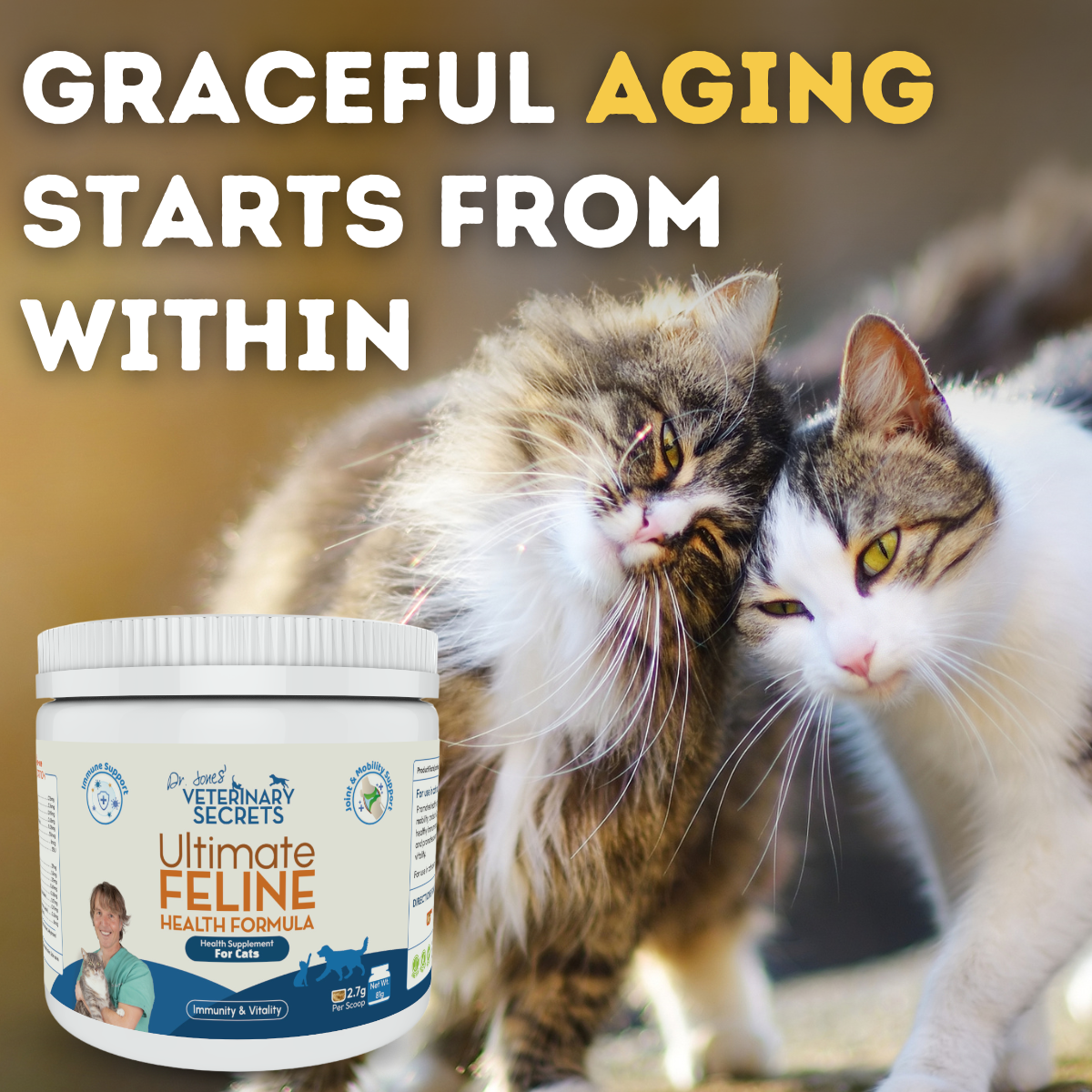
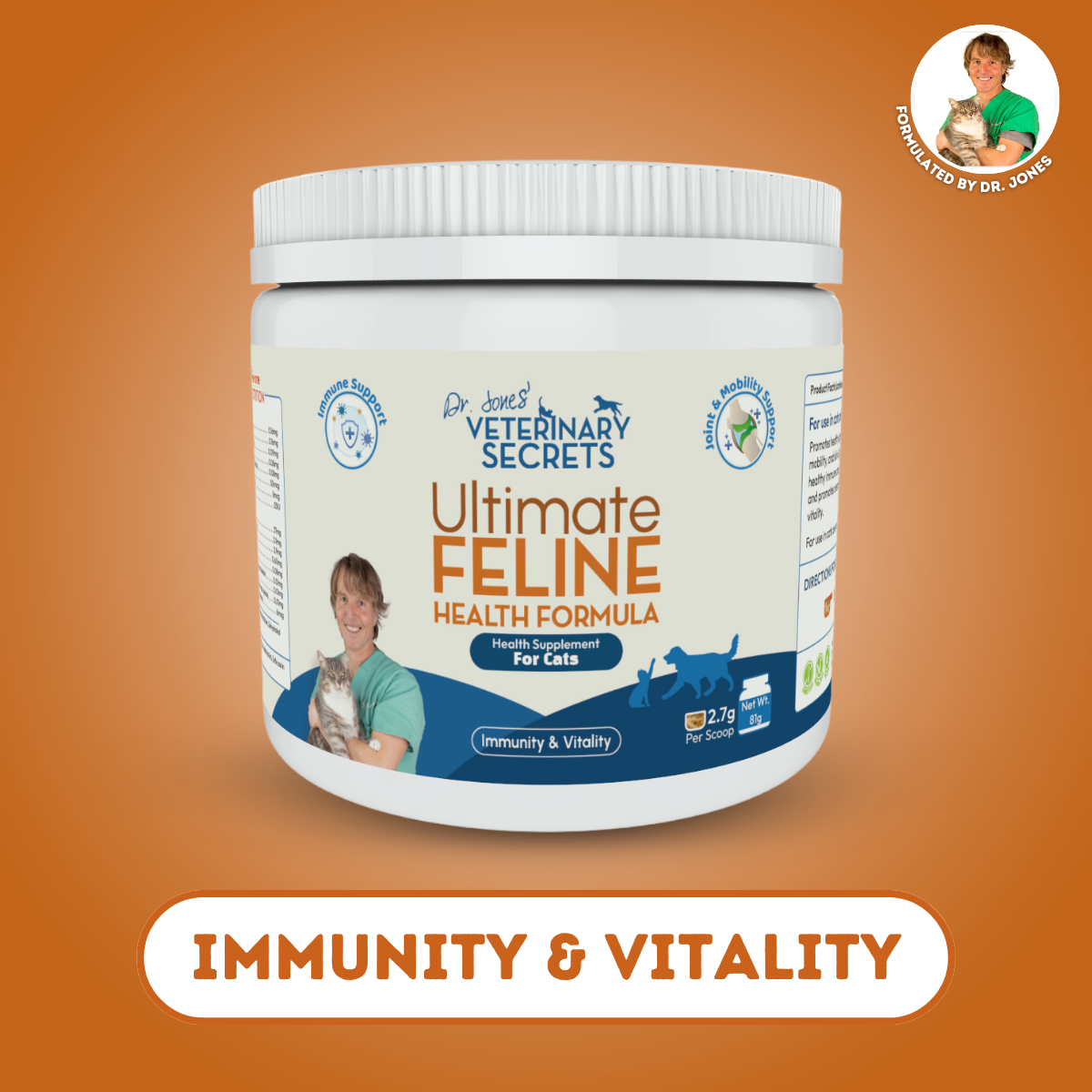
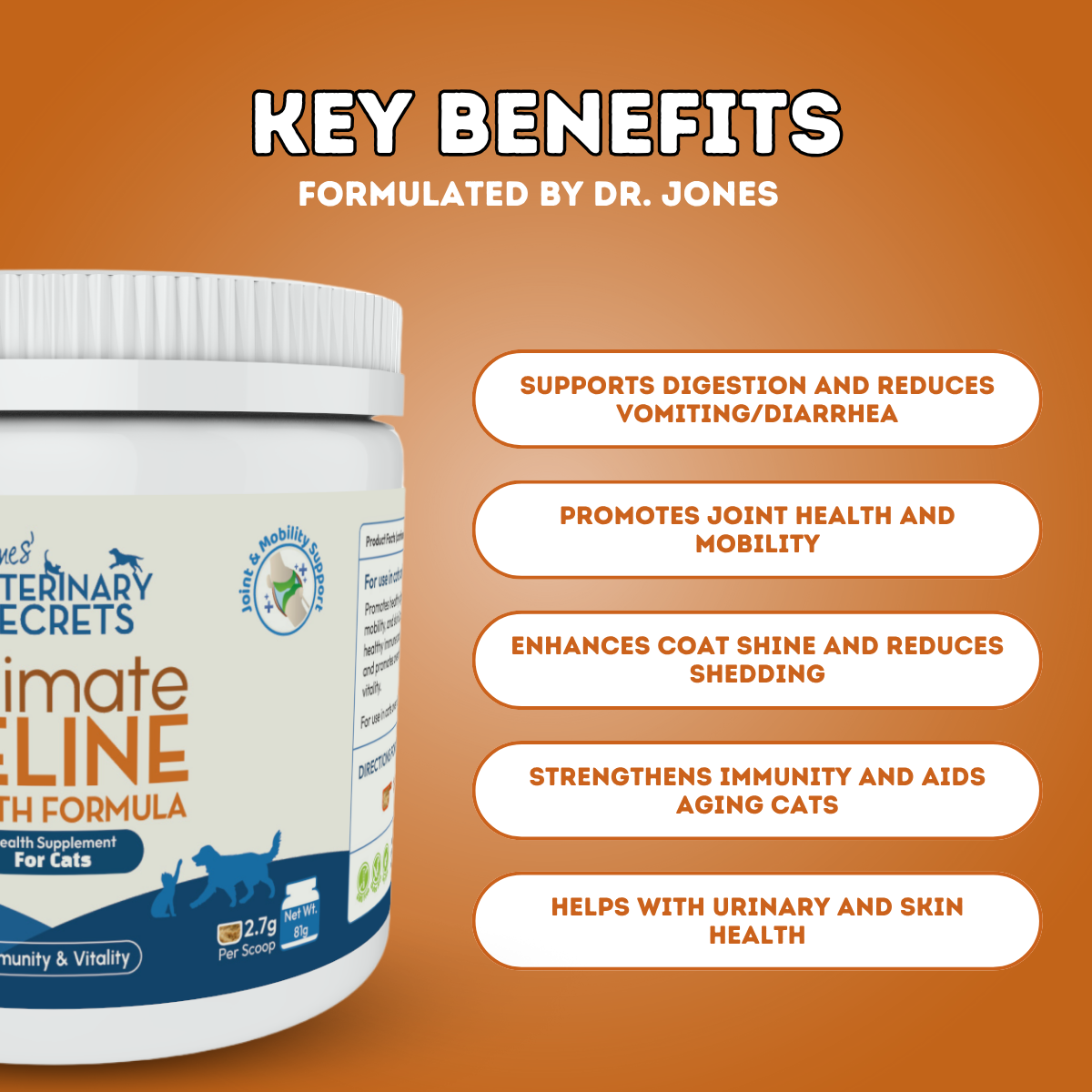
And while avoiding poor-quality pet food ingredients is important, I also like giving targeted daily nutritional support to help fill in the gaps. For cats, that is why I formulated Dr. Jones’ Ultimate Feline Health Formula. It supports the areas where cats most often struggle, including kidneys, urinary tract, digestion, joints, immune health, skin, and coat.
Dr. Jones’ Ultimate Feline Health Formula
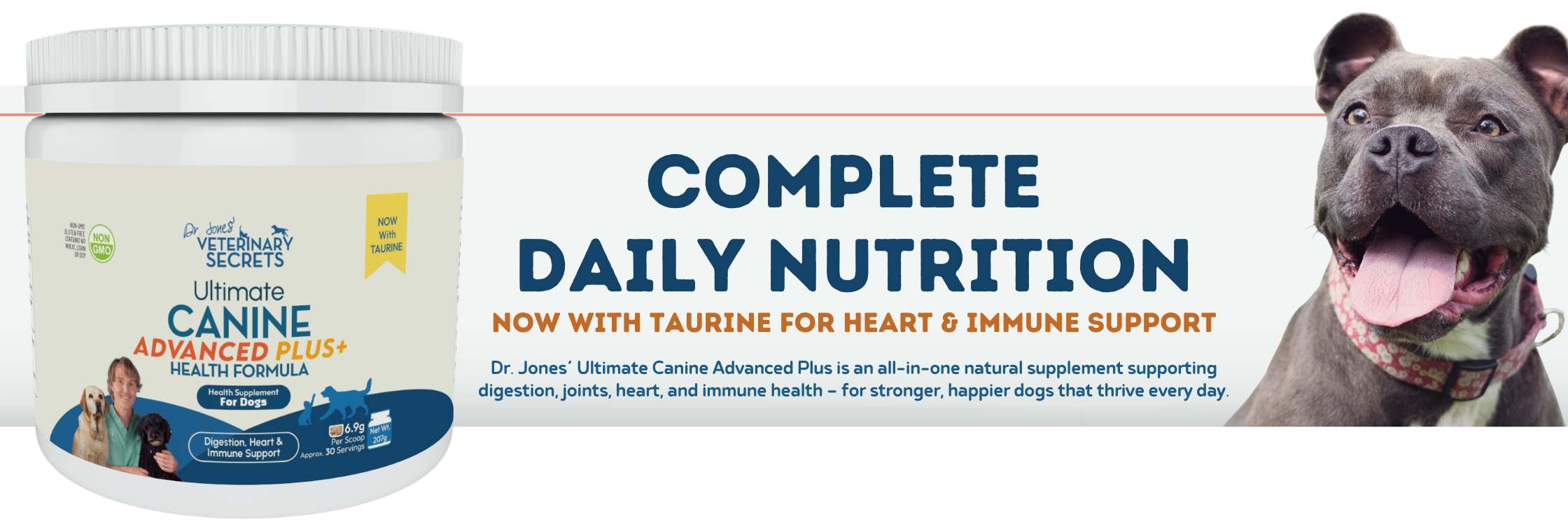
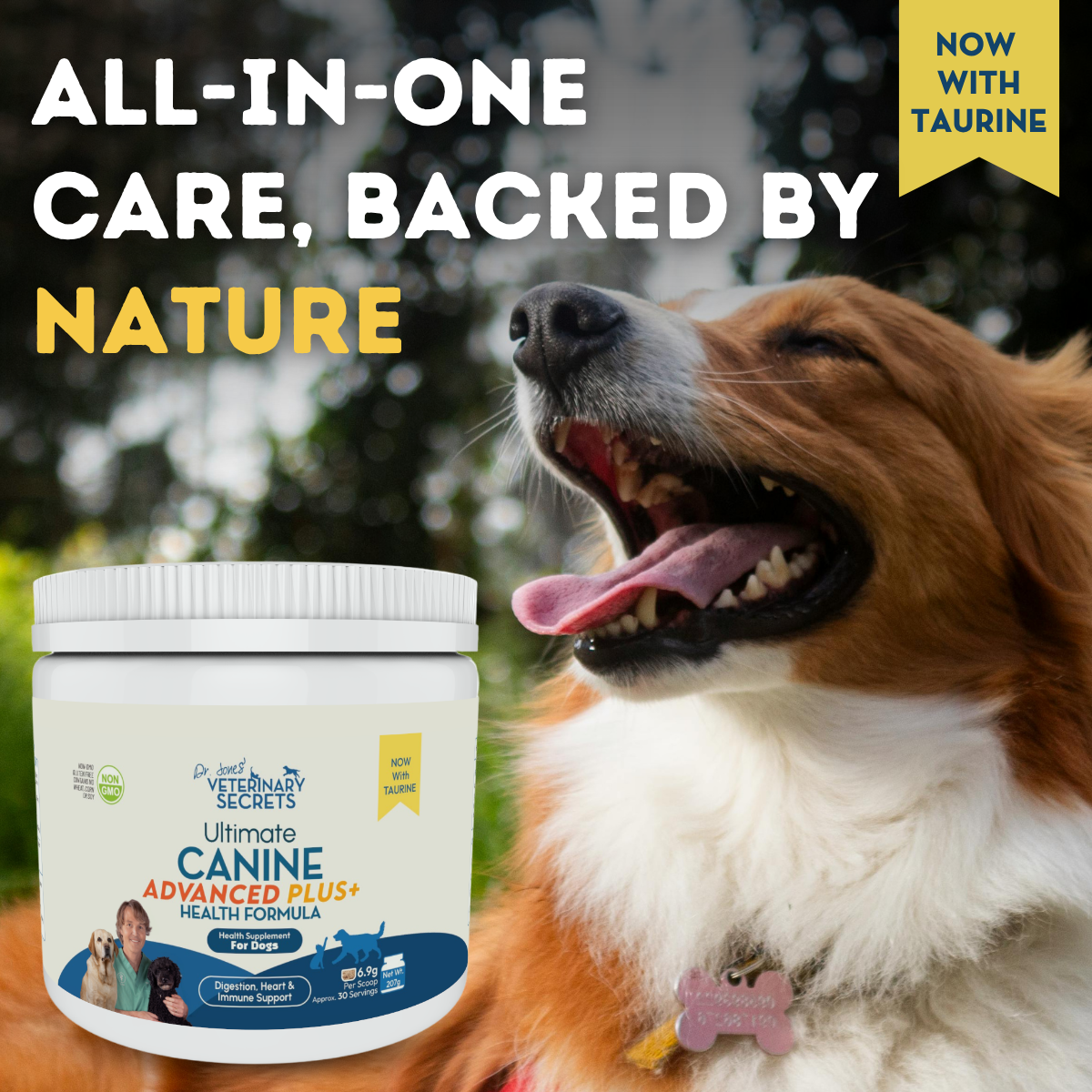
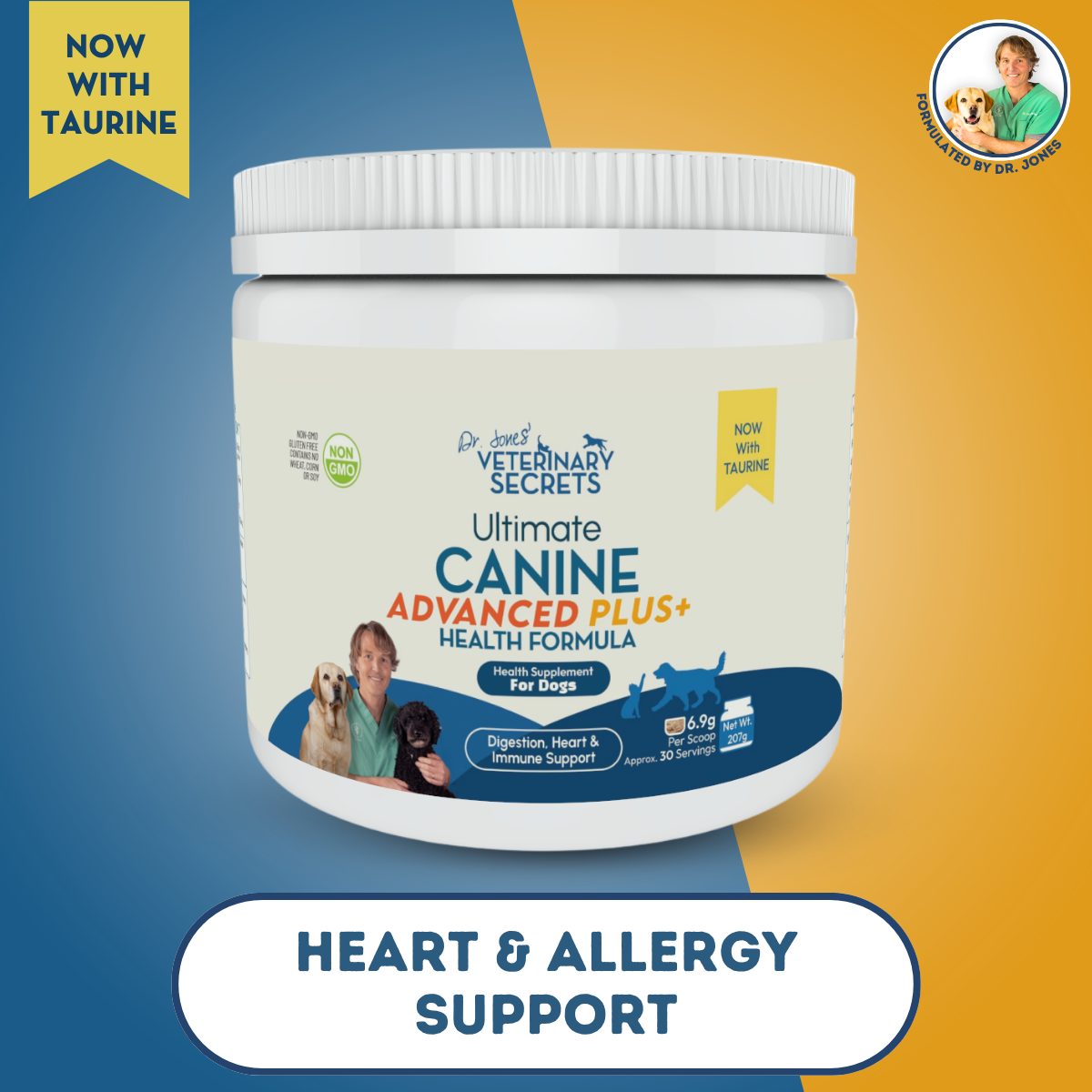
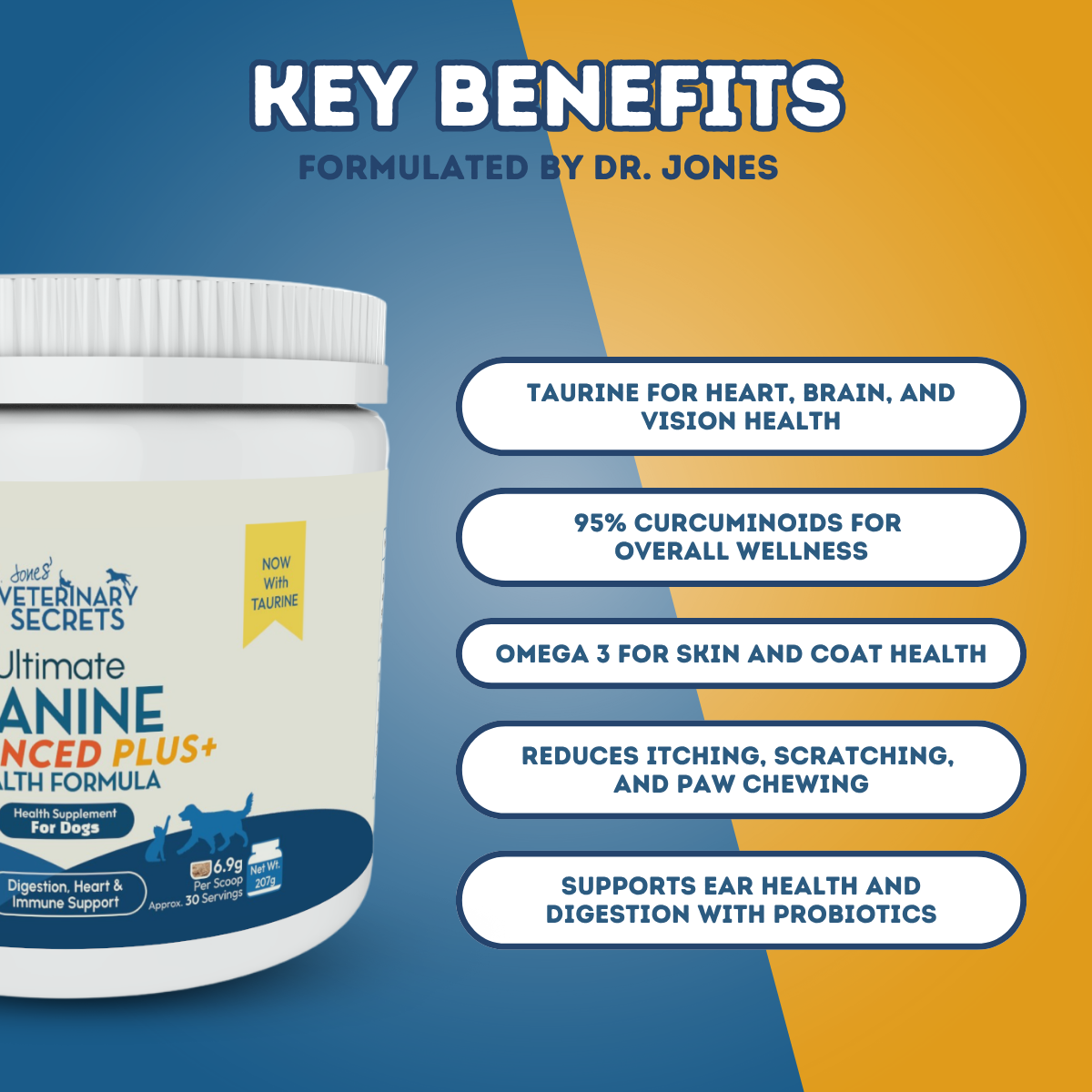
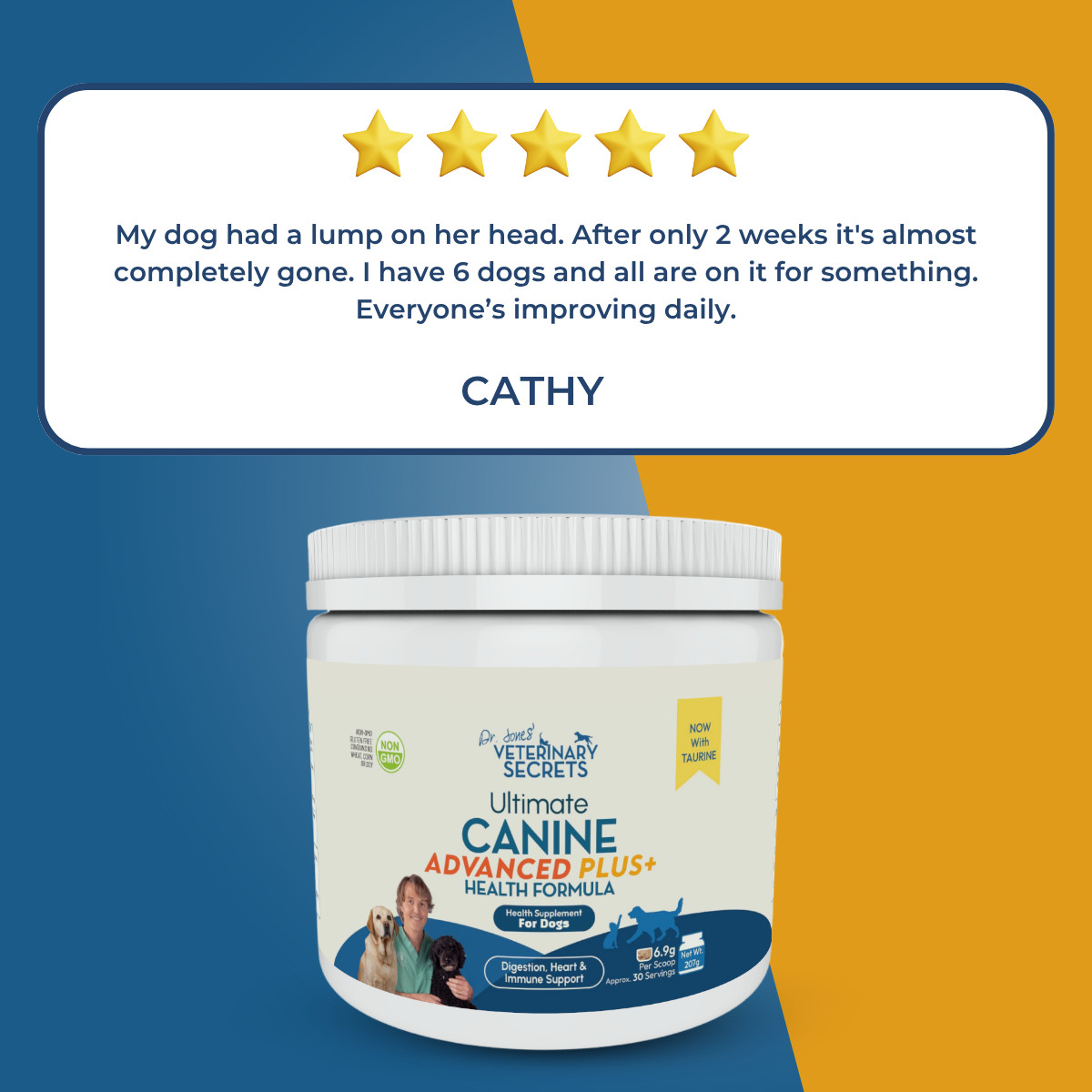
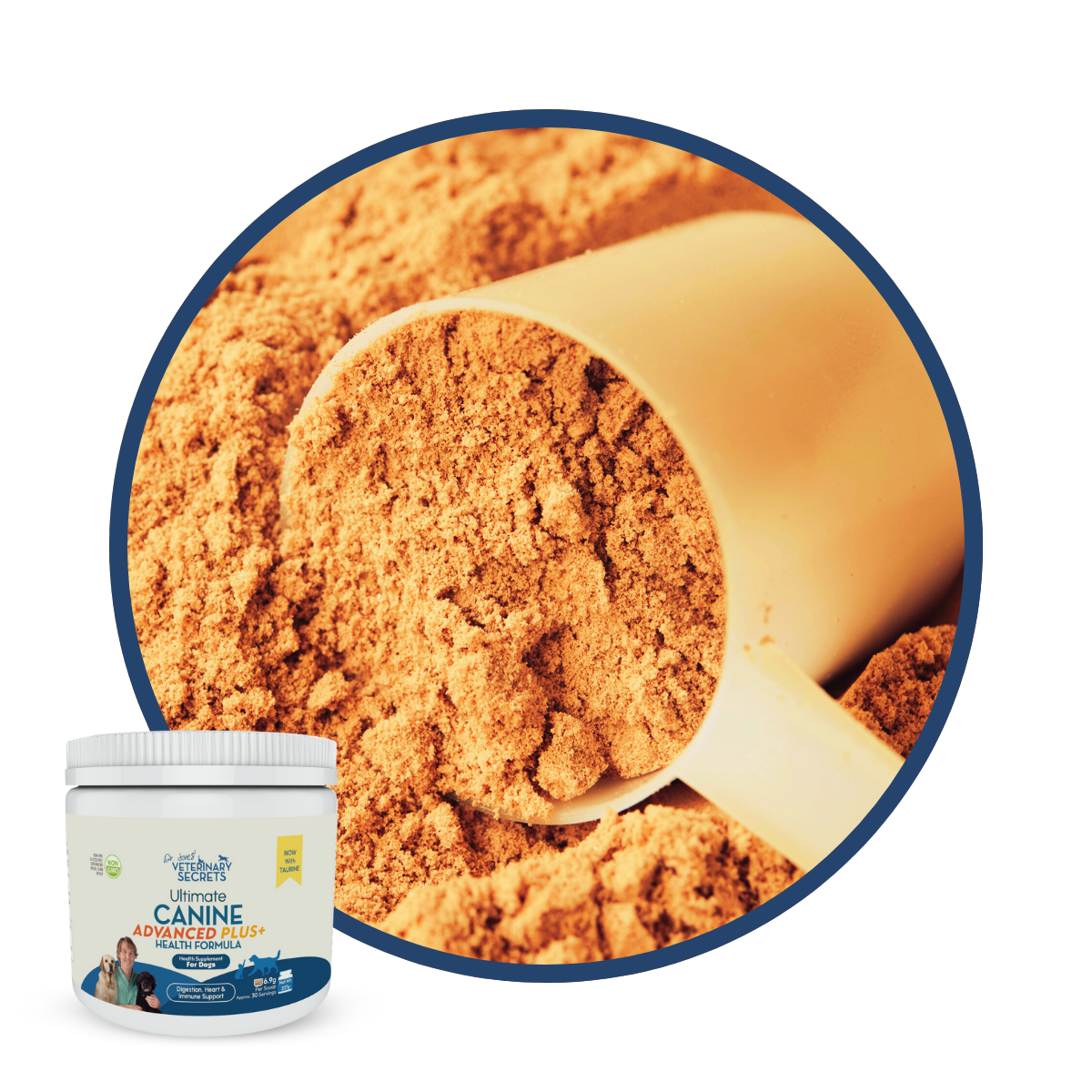
For dogs, Dr. Jones’ Ultimate Canine Advanced Health Formula gives broad daily support with vitamins, minerals, probiotics, omega fatty acids, joint-supportive nutrients, immune-supportive ingredients, and 95% curcuminoids for healthy inflammation control. Research continues to show how important the gut microbiome is for dogs and cats, with probiotics helping support digestive health, intestinal balance, and immune function. So yes, start by avoiding the bad ingredients, but then support the body with the nutrients it actually needs every day.
Dr. Jones’ Ultimate Canine Advanced Health Formula
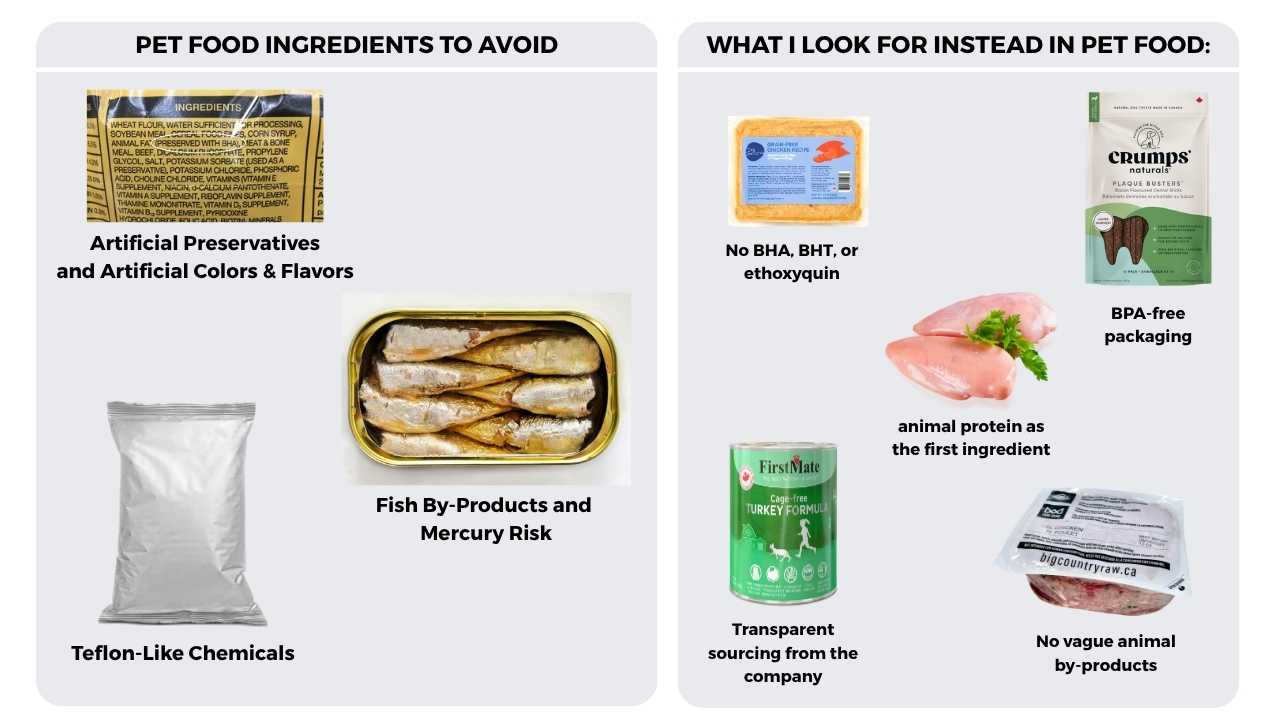
So here are the top 7 pet food ingredients and contaminants I would avoid whenever possible.
1. Artificial Preservatives
The first thing I look for on a pet food label is how the food is preserved.
Some pet foods still contain artificial preservatives such as:
- BHA
- BHT
- Ethoxyquin
These are added to extend shelf life, but they have been linked to health concerns in animals.
In my opinion, there are better options.
Look for foods preserved naturally with ingredients such as vitamin E, often listed as mixed tocopherols.
If a pet food contains BHA, BHT, or ethoxyquin, I would put it back on the shelf.
2. Artificial Colors and Flavors
Your dog or cat does not care if their food is bright red, orange, or shaped like a cartoon steak.
That coloring is added for us.
Artificial colors and flavors are unnecessary, and many of them have been linked to inflammatory disease, immune problems, organ stress, and cancer concerns.
Pet food should not need fake color to look appealing.
If the food is nutritionally sound, your pet does not need artificial dyes or flavor chemicals.
Simple is better.
3. Fish By-Products and Mercury Risk
Mercury is a heavy metal that can make people, dogs, and cats very sick.
Unfortunately, mercury concentrates in fish, especially larger fish and lower-quality fish ingredients.
This is why I am cautious with foods that contain:
- Fish by-product meal
- Fish by-products
- Vague fish meals
- Low-quality fish-based ingredients
If your pet eats a fish-heavy food every day for years, there may be a greater chance of mercury exposure.
That does not mean all fish is bad.
But I would avoid vague fish by-products and be careful with long-term daily feeding of poor-quality fish-based pet foods.
4. Teflon-Like Chemicals in Pet Food Bags
Have you ever opened a bag of dog or cat food and noticed the shiny coating inside?
That lining can contain Teflon-like chemicals, also known as PFCs or PFAS.
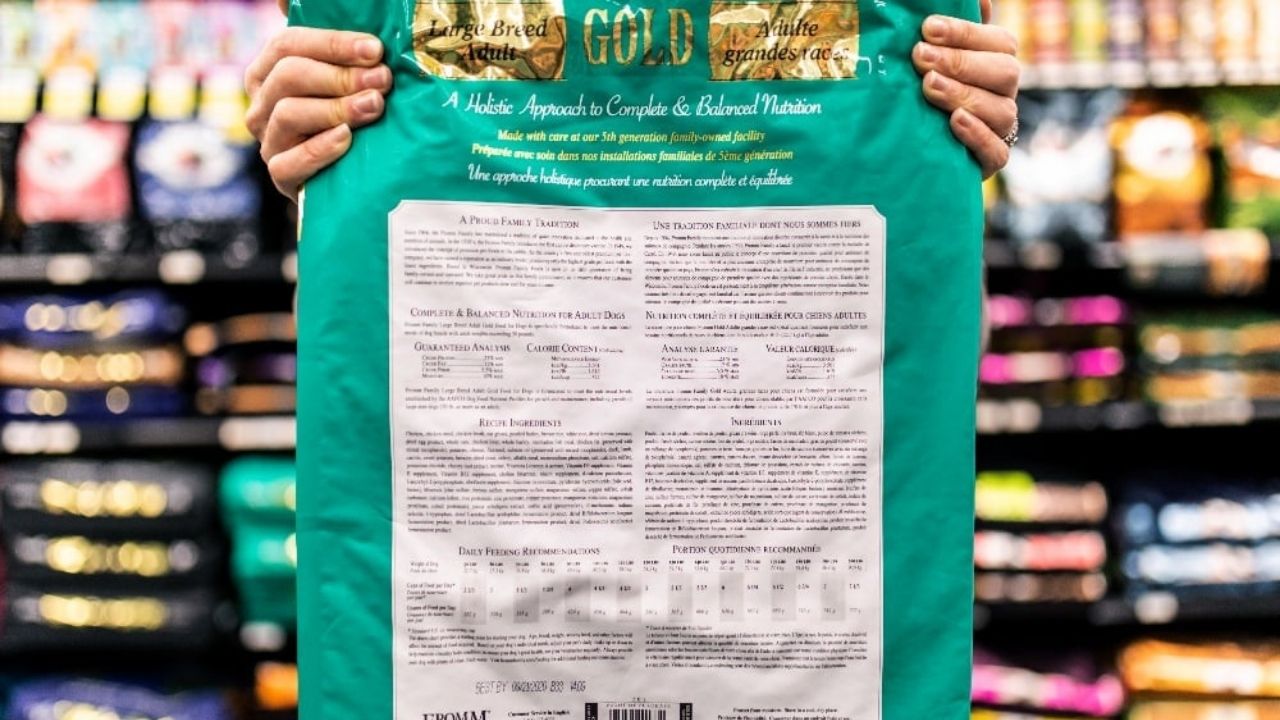
These chemicals are used because they resist grease and moisture.
The problem is that they are persistent chemicals and have been linked to serious health concerns.
I remember learning years ago how dangerous overheated Teflon could be for birds. Yet somehow, we are fine with similar chemical coatings being used around pet food packaging.
That does not sit well with me.
If possible, choose companies that are transparent about their packaging and avoid unnecessary chemical linings.
5. BPA in Canned Pet Food
BPA is a plastic-related chemical that can leach from food packaging.
Many people know about BPA from plastic water bottles, but it can also be found in the lining of some cans.
That matters because many cats eat canned food every day.
There has been concern about a link between canned cat food consumption and hyperthyroidism in cats, with BPA and related can-lining chemicals being one possible factor.
I still prefer canned food over dry kibble for many cats because of the moisture and protein benefits.
But when possible, choose BPA-free cans or companies that clearly disclose safer can linings.
6. Sodium Pentobarbital
This one still shocks many pet parents.
Sodium pentobarbital is the drug used for euthanasia.
It has been involved in multiple pet food recalls over the years.
How does it end up in pet food?
The concern is that some pet foods may include rendered animal ingredients from animals that were euthanized, and residues of the drug can remain.
The best way to lower this risk is to avoid vague ingredients such as:
- Animal by-products
- Animal by-product meal
- Meat by-products
- Unnamed meat meals
If the label does not clearly identify the animal source, I would be cautious.
Named ingredients are always better.
Chicken meal is better than “animal meal.”
Beef liver is better than “meat by-products.”
The more specific, the better.
7. Arsenic in Rice-Based Pet Foods
Arsenic is a toxin that can be found in rice.
The Clean Label Project has tested many pet foods and found concerning levels of contaminants in some products, including arsenic.
Rice tends to absorb arsenic from soil and water more readily than many other crops.
So if your dog or cat is eating a rice-heavy food every day, especially for years, that may increase exposure.
I am not saying one meal with rice is going to harm your pet.
But I would not want rice to be the foundation of a daily long-term diet.
If your pet food contains rice, I would prefer it lower on the ingredient list, not as one of the top ingredients.
What I Look for Instead
When choosing pet food, I want:
- Named animal protein as the first ingredient
- Minimal unnecessary fillers
- No artificial colors
- No artificial flavors
- No BHA, BHT, or ethoxyquin
- BPA-free packaging when possible
- No vague animal by-products
- Lower carbohydrate levels, especially for cats
- More moisture, especially for cats
- Transparent sourcing from the company
For cats especially, I prefer high-protein, moisture-rich food with low carbohydrates.
For dogs, I still want animal protein first, fewer fillers, and better-quality ingredients.
My Takeaway
You do not need to be perfect.
But you do need to read the label.
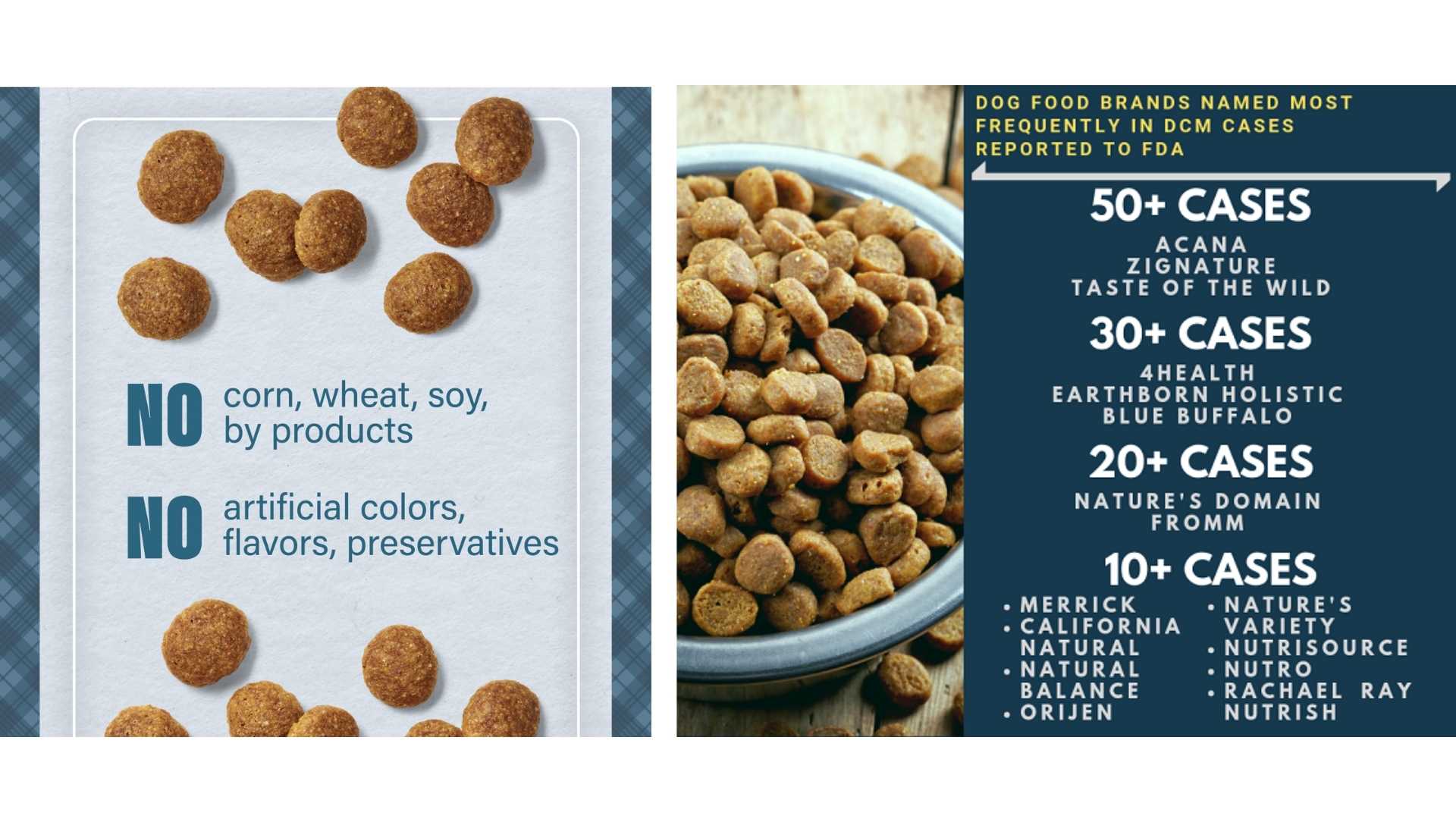
Avoiding artificial preservatives, dyes, vague by-products, mercury-heavy fish meals, BPA, Teflon-like packaging chemicals, sodium pentobarbital risk ingredients, and rice-heavy diets can go a long way in keeping your dog or cat healthier over the long run.
Food can either support health or slowly work against it.
Choose wisely.
Click To Get A Free Copy of My E-Book!

P.S. If you are overwhelmed in the pet food aisle, start with one simple rule: animal protein first, no artificial preservatives, and no vague by-products.
P.P.S. Your pet eats the same food every day. That means small ingredient choices can make a big difference over time.
Hello, I just found you on u-tube. I seen your Video on ivermectin to cure cancer in dogs. I have a little yorkie mixed dog that has what feels like fatter tumors or cyst by his breast bone a couple smaller ones higher and one behind his right shoulder. He weights about 18-20 lbs. can you tell me please how offen he should get ivermectin and should it be given in an injection or by mouth. I have ivermectin for cattle that I’m treating a dog for parasites it I given it by mouth. Should it be given as an injection? Any of your help would be greatly appreciated. Thank you so much.
Hi & God bless you Dr Jones on all your videos. I have written some down .I as many others had no idea in the risk of animal pet food etc. So I watch your videos to learn how to make home made food.I Throw out egg white shells not knowing the benefit of it. I watch only your videos I believe your a great honest animal lover and Veterinary. Looking forward to buying your book. Sincerely yours Ms. Rosa Rivera
P.S I have a mini pincher & Chihuahua. Do you have anything for dogs teeth infections. I use your garlic with honey and also coconut oil it helps anything else on list?