Xylitol in Dog Medication: How a Compounded Prescription Nearly Killed a Dog

Dog Nearly Died from Hidden Xylitol in Medication
I want to share a case that really stopped me in my tracks.
A pet parent asked her veterinarian, in writing, if her dog’s medication contained xylitol.
She was told no.
But what happened next could have cost her dog’s life.
Dr. Jones’ Ultimate Canine Health Formula
What Happened
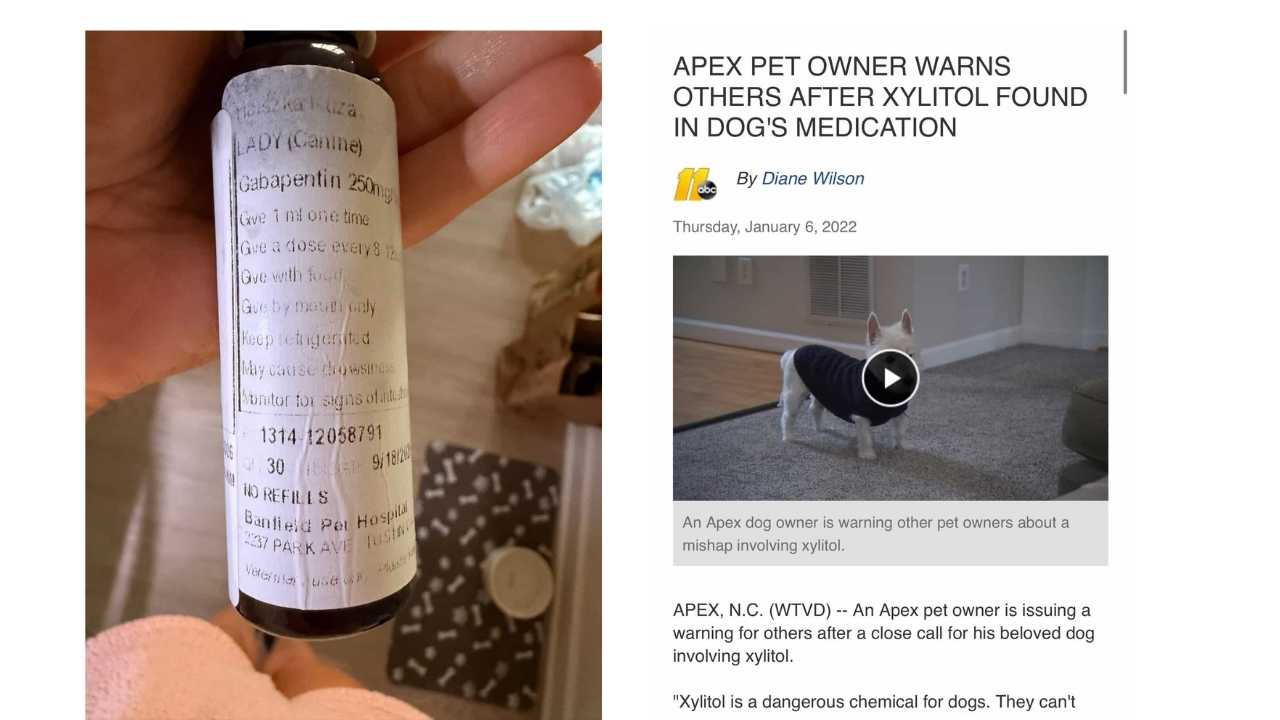
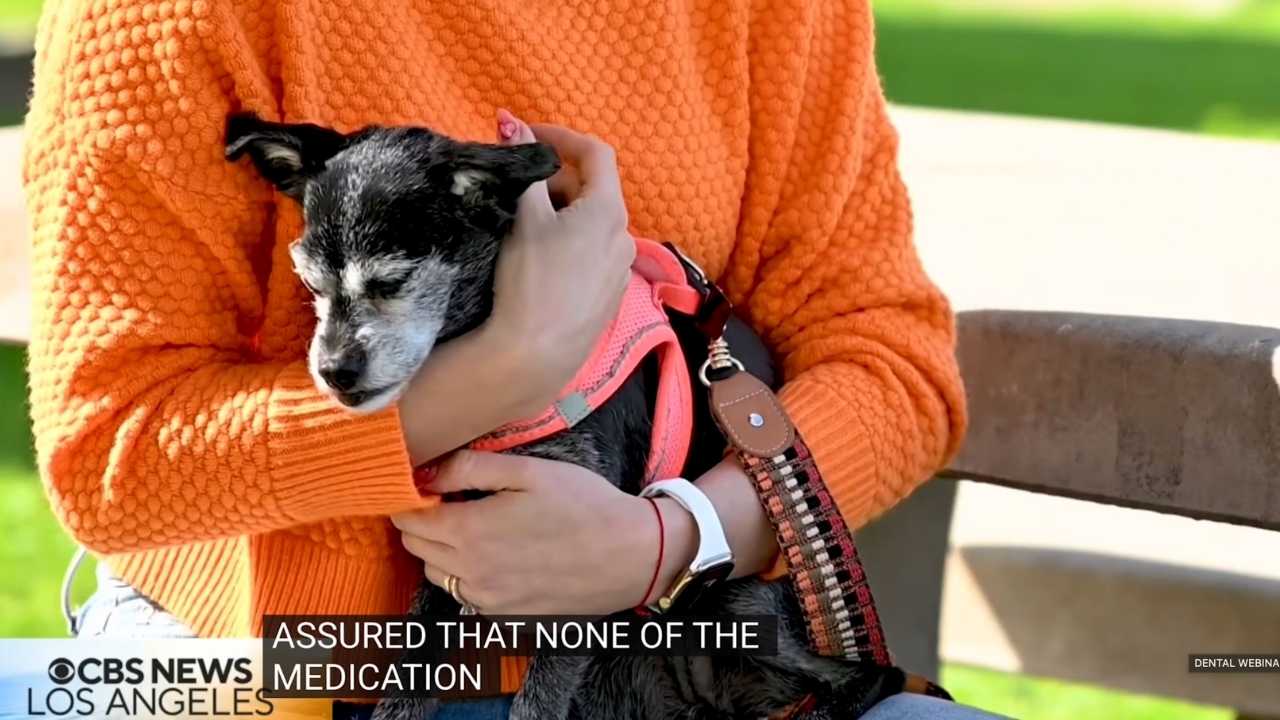
This involved a dog named Lady.
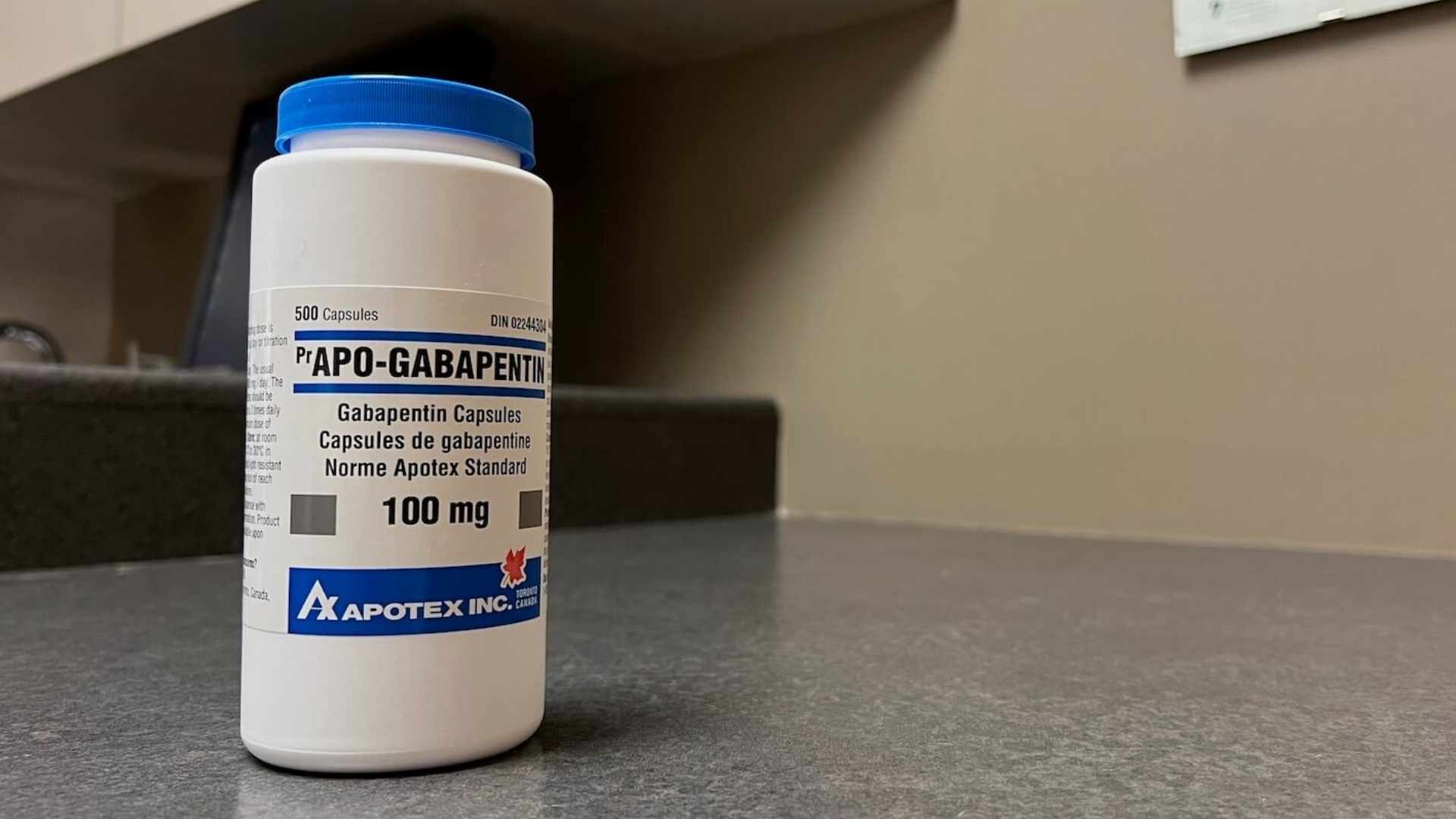
She was prescribed a very common medication, liquid gabapentin. It’s widely used for pain and anxiety in dogs and cats.
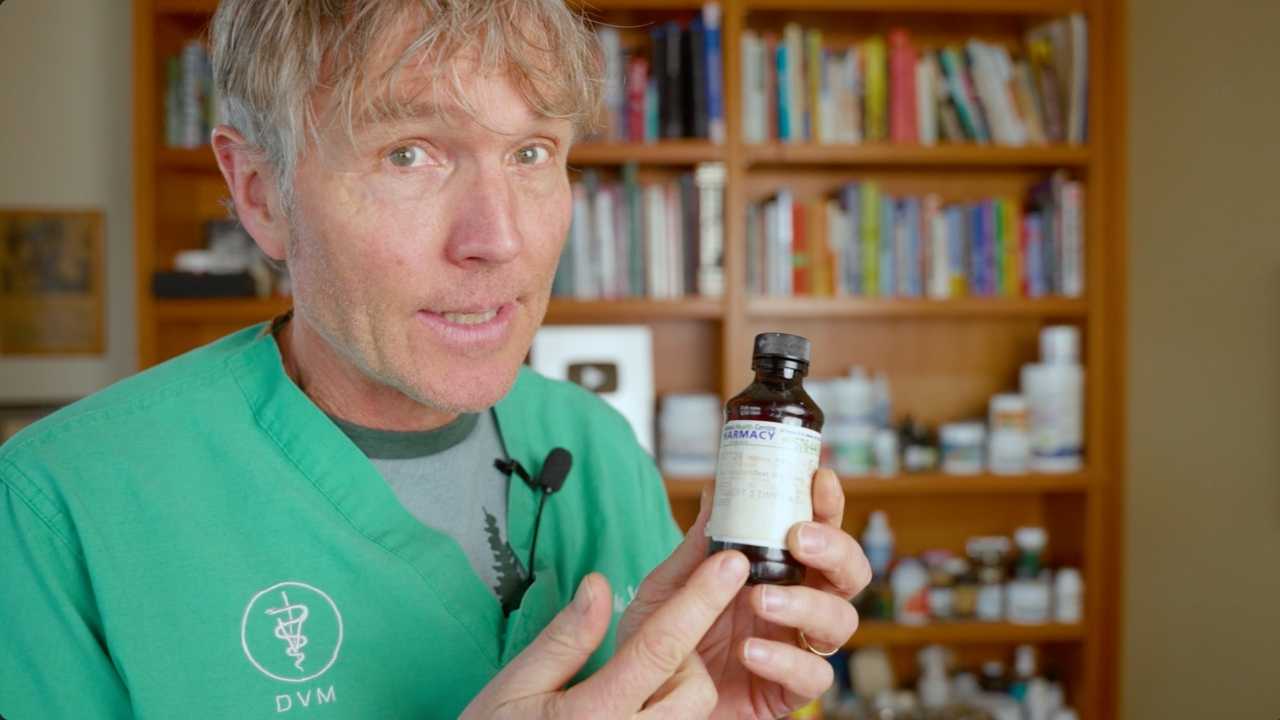
Because it was in liquid form, it had to be compounded at a pharmacy. That means it was specially prepared rather than dispensed as a standard product.
Everything seemed routine.
Until it wasn’t.
Within just a few days of starting the medication, Lady became extremely sick.
- Weak
- Lethargic
- Not acting like herself
- Developed bloody diarrhea
It was terrifying for her owner.
The Turning Point
Her owner started to question the medication.
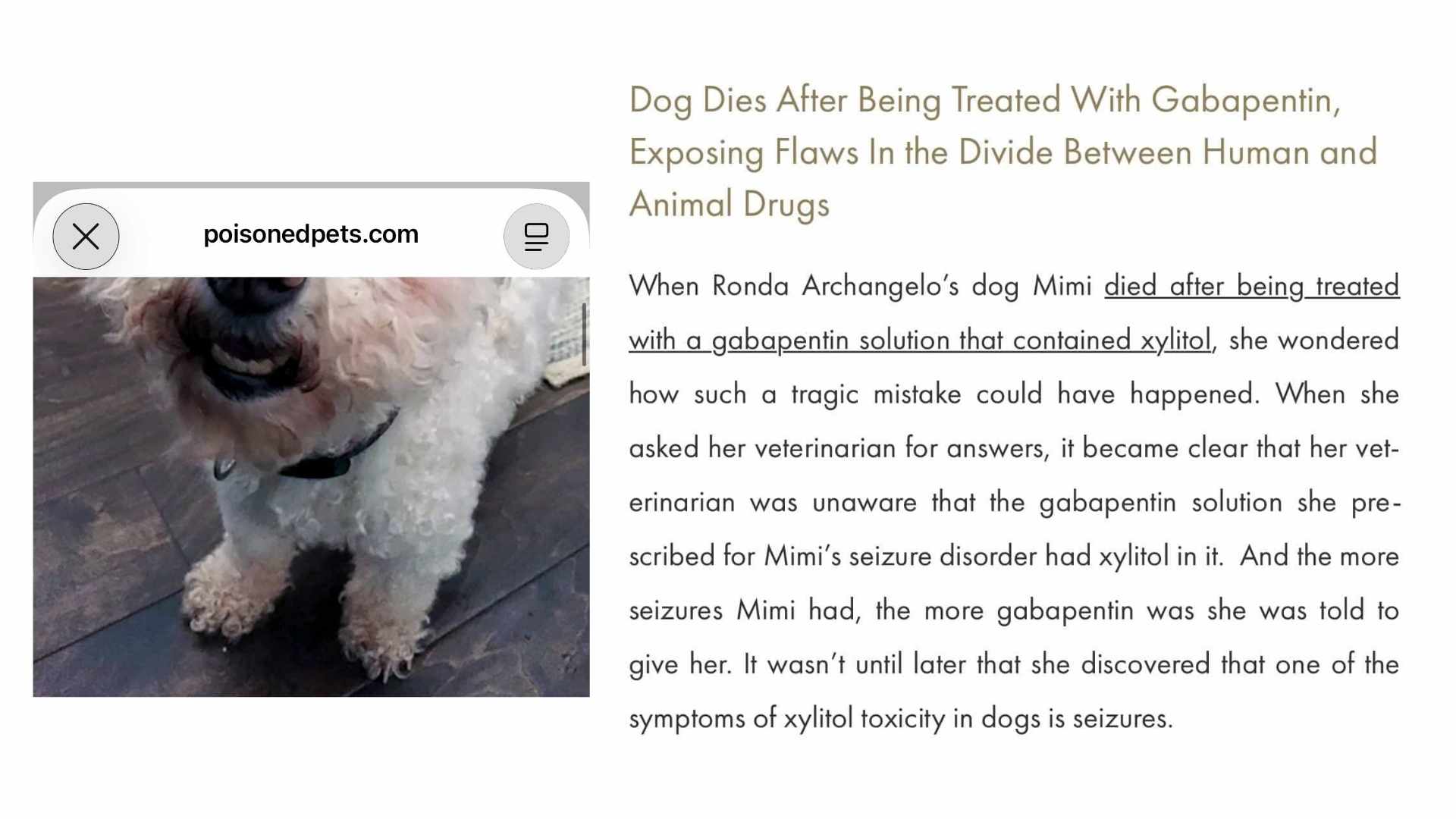
She searched online and found that some liquid gabapentin formulations can contain xylitol.
So she did the right thing.
She asked her vet directly:
“Does this medication contain xylitol?”
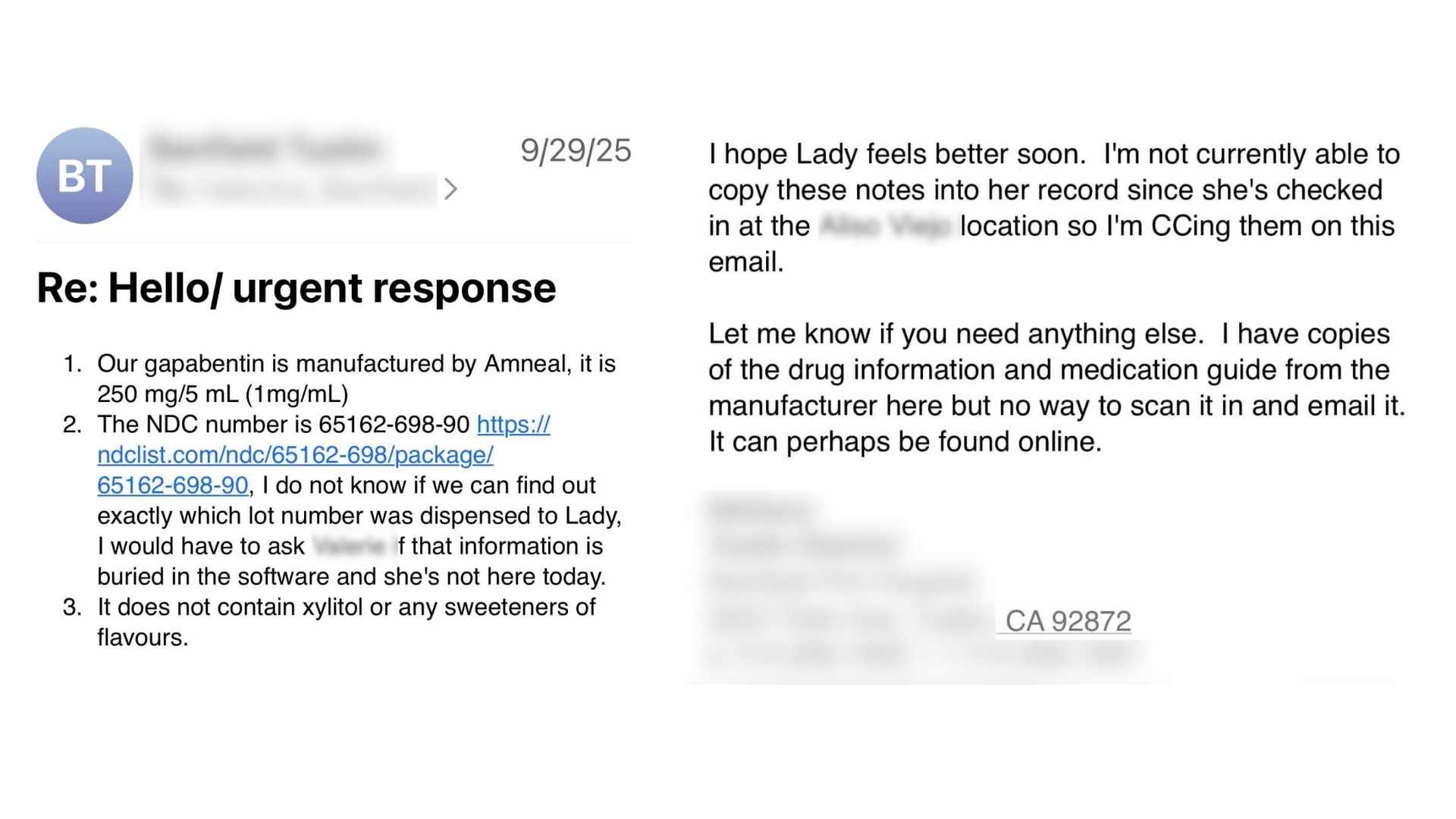
The answer came back clearly: no.
But something still didn’t feel right.
The Truth Revealed
She sent the medication to an independent lab.
The result?
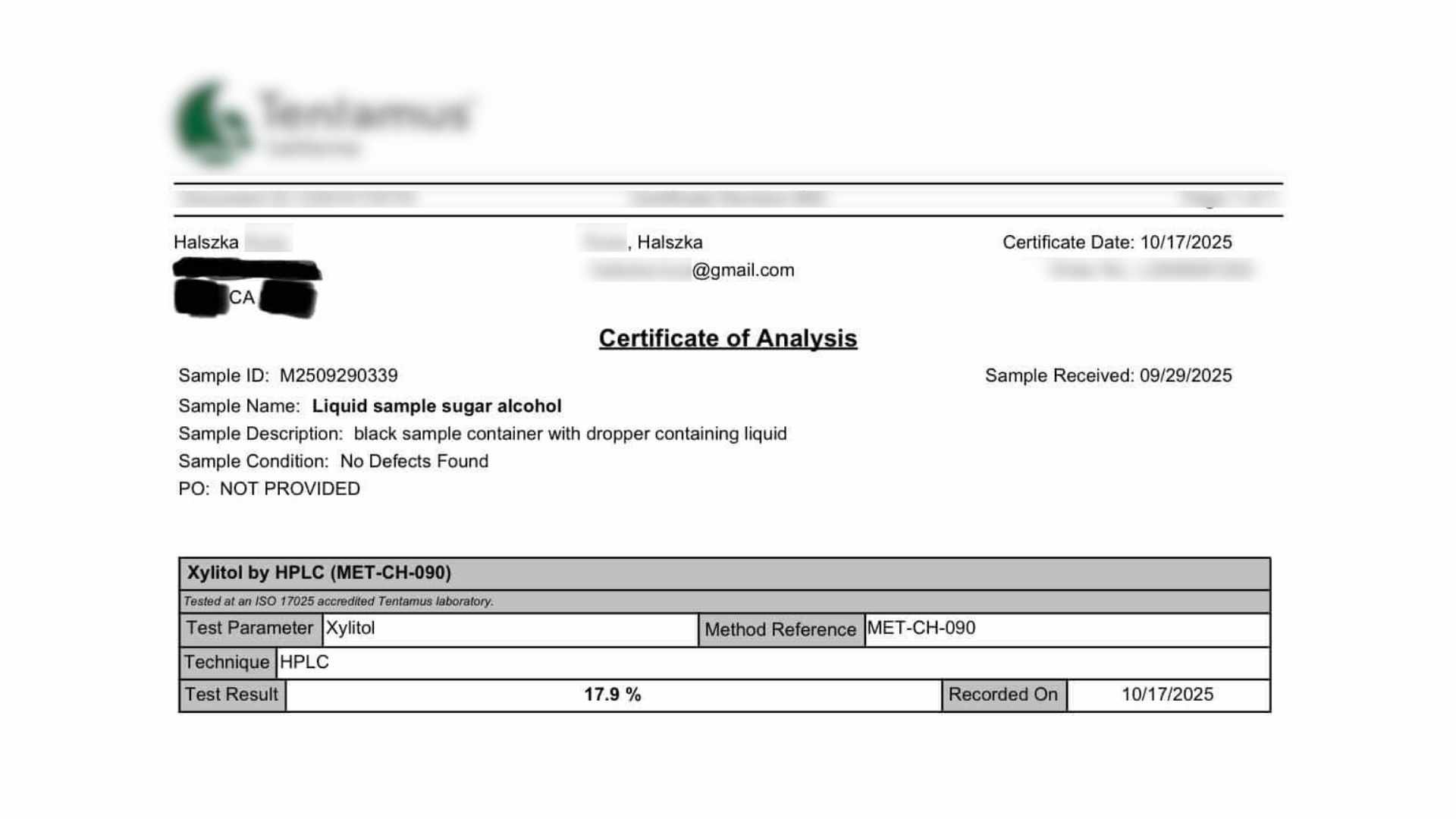
It contained almost 18 percent xylitol.
That is a massive amount.
And yes, that level could absolutely kill a dog.
Why Xylitol Is So Dangerous for Dogs and Cats
Xylitol is a sugar alcohol used as a sweetener.
You’ll find it in:
- Sugar-free gum
- Toothpaste
- Candy
- Peanut butter
- Some medications
The problem is how a dog’s body reacts to it.
When your dog ingests xylitol:
- The body thinks it just consumed sugar
- The pancreas releases a surge of insulin
- Blood sugar crashes rapidly
This leads to:
- Weakness
- Tremors
- Seizures
- Collapse
- Even death
It can happen fast. Often within 30 to 60 minutes.
On top of that, xylitol can also cause acute liver failure.
What About Cats?
There’s a myth floating around that xylitol is safe for cats.
It’s not.
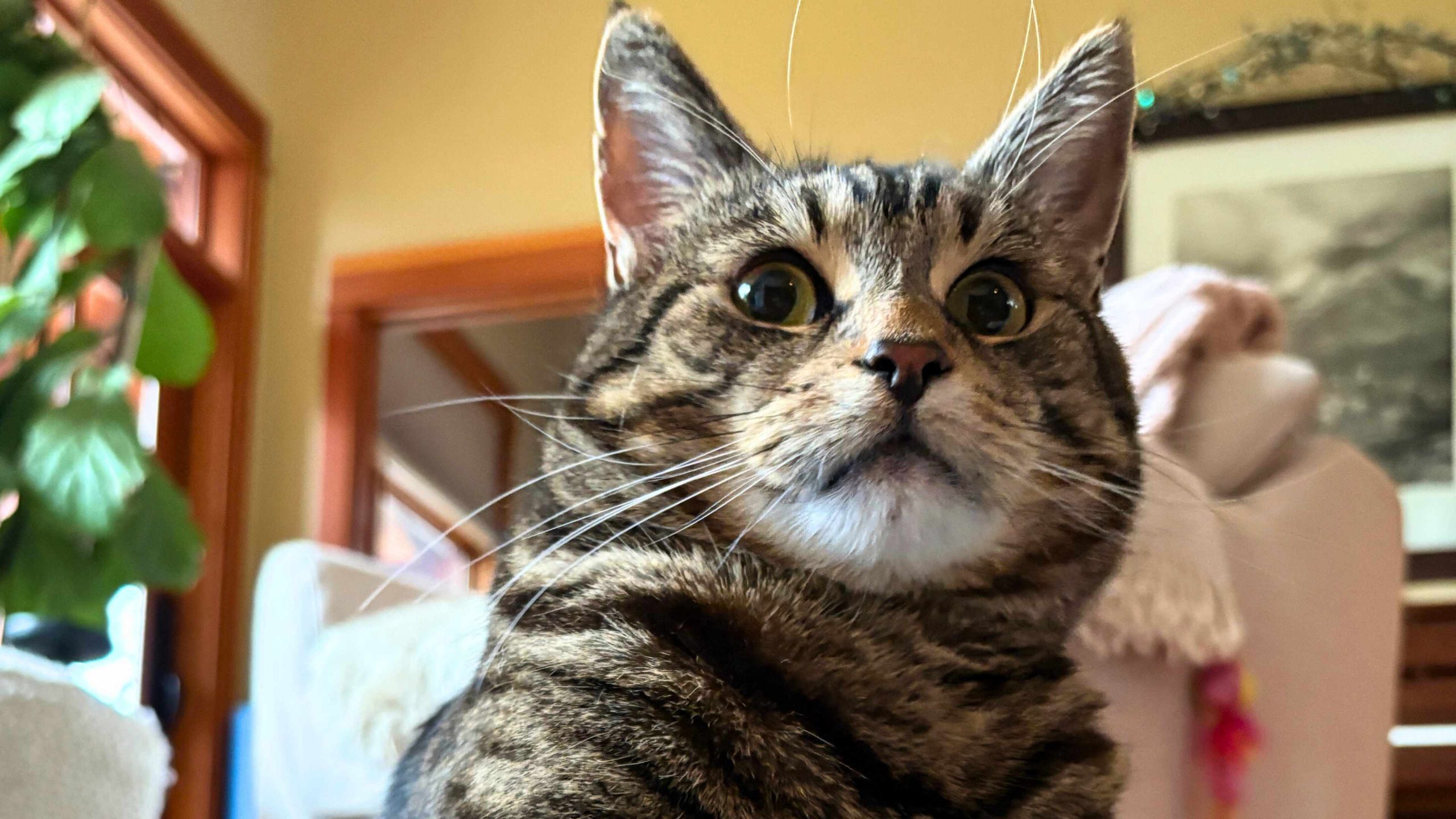
Cats may react differently than dogs, but there are documented cases of serious toxicity.
The safest approach is simple:
Never give xylitol to any pet.
Why This Happened
In this case, the medication was compounded.
That means:
- It may have been prepared using a base intended for humans
- That base may have contained xylitol
- The wrong formulation may have been dispensed
It’s an easy mistake to make.
But the consequences are not small.
What You Need to Watch For
If your dog or cat is prescribed a liquid medication:
- Ask exactly what’s in it
- Ask if it contains xylitol
- Check the label carefully
- If it smells sweet, stop and question it
Trust your instincts.
That “sweet smell” was one of the clues in this case.
What To Do If Your Pet Is Exposed
If your pet ingests xylitol:
- Do not wait
- Do not try to treat at home
- Go to your veterinarian immediately
Treatment may include:
- IV fluids
- Blood sugar monitoring
- Glucose support
- Liver protection
This is a true emergency.
The Bigger Lesson
What I appreciate most about this story is the message from the pet parent.
She wanted:
- Better safeguards in compounded medications
- Pet parents to ask more questions
- Awareness for those who lost pets to xylitol
And I agree.
At the end of the day, this is your dog. Your cat.
Even when something is prescribed, it is still okay to pause and ask:
- What is this?
- Is it necessary?
- Are there safer options?
Sometimes the simplest question can save a life.
Final Thoughts
Lady survived. And that is the good news.
But this could have ended very differently.
So take this as a reminder:
- Always double check medications
- Be cautious with anything sweet
- Stay curious and ask questions
You are your pet’s advocate.
And that matters more than anything.
Click To Get A Free Copy of my E-Book!