Tuning Fork Therapy Dogs: How Vibration Helps Pain, Fascia, and Mobility

Tuning Fork Therapy Dogs: How It Works on Fascia
Welcome everyone. I want to share a recent live discussion I had with Dr. Laurie McCauley, and why it matters for pet parents who want safe, hands on ways to help their dogs feel better at home.
This conversation focused on a tool many people are curious about but unsure of. The tuning fork.
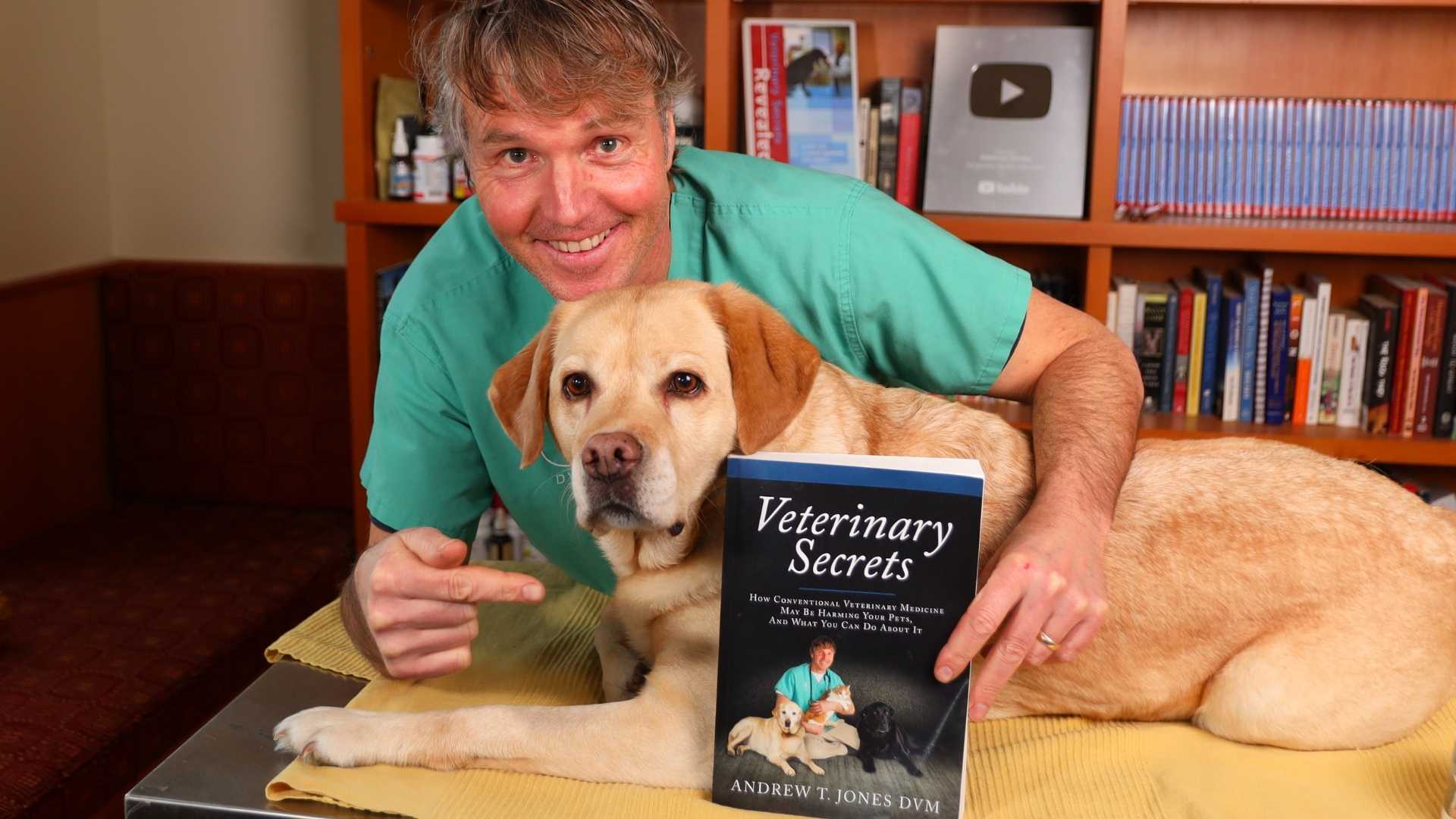
#1 bestselling author and former practicing veterinarian:

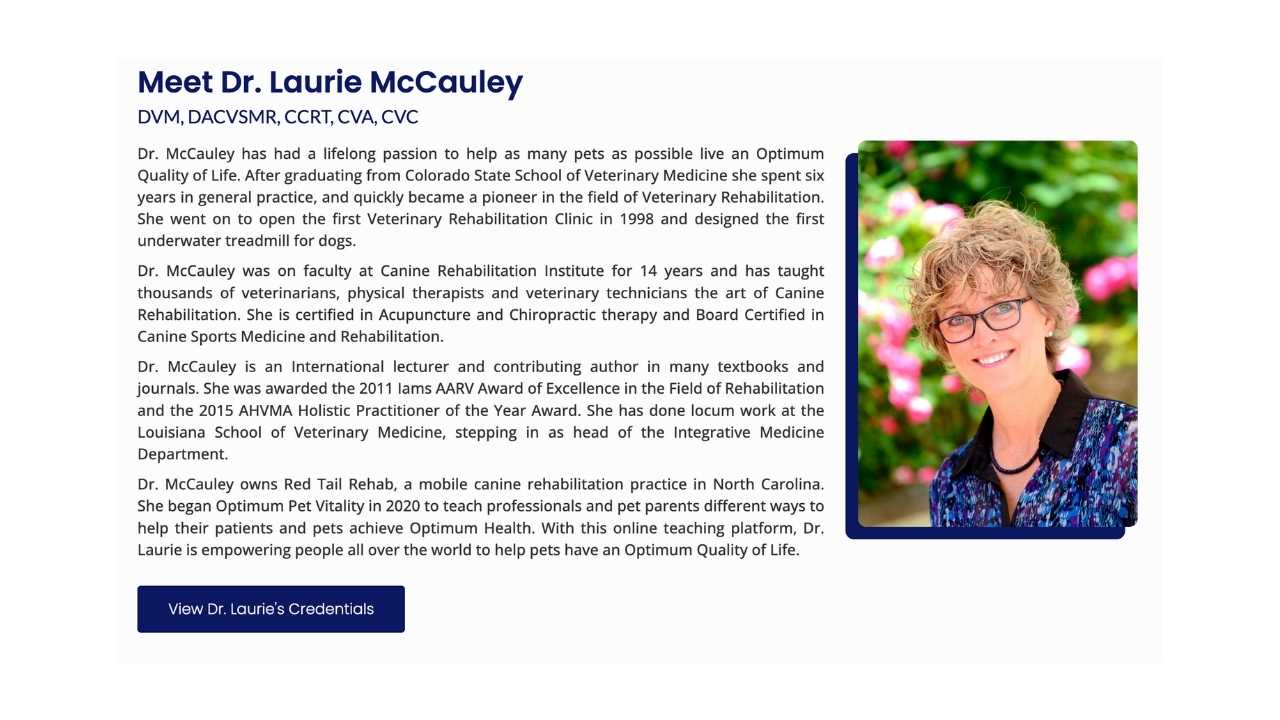
Dr. Laurie has spent decades teaching rehabilitation, sports medicine, acupuncture, and physical therapy, and she has been using tuning forks daily in practice.
I had just completed her course and filled pages of notes. What stood out to me was how practical this tool is for pet parents.
What a Tuning Fork Actually Does
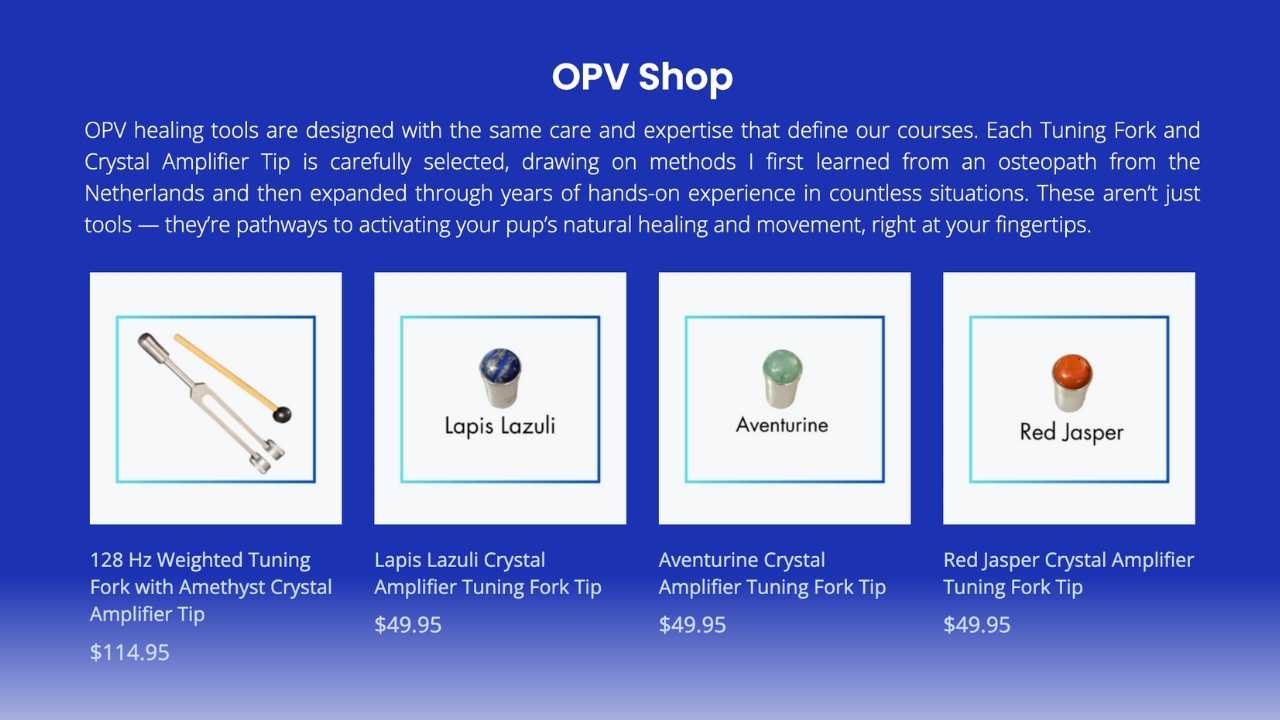
The tuning fork we discussed uses a 128 hertz frequency. That matters because this frequency interacts with fascia, the connective tissue that surrounds every muscle, tendon, ligament, nerve, blood vessel, and lymphatic channel in the body.
When fascia becomes tight or restricted, what Dr. Laurie calls “sticky,” movement suffers. Muscles cannot fully contract or relax. Lymph flow slows. Pain and inflammation build.
The tuning fork helps release those restrictions gently through vibration.
How Dogs Respond
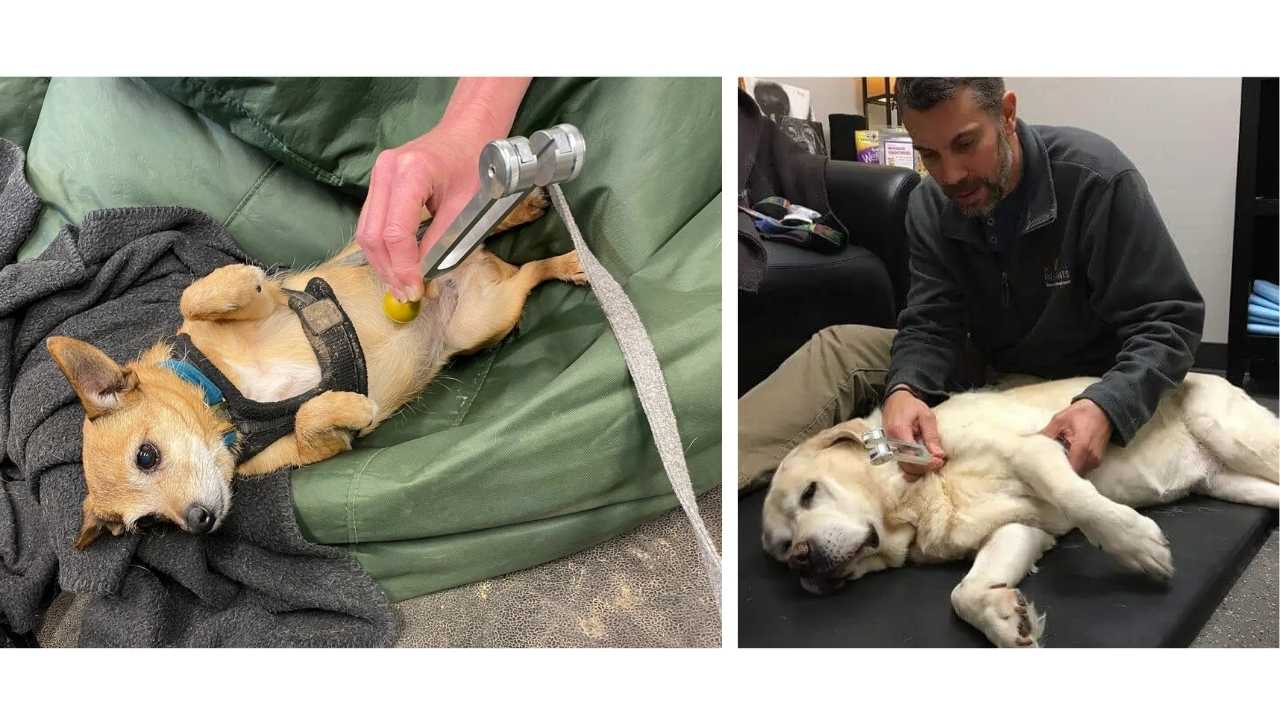
One of the most surprising things is how dogs respond. Most relax quickly. Panting slows. Tension melts. Many lie down within minutes.
This makes it especially useful for anxious dogs, sensitive dogs, or those who do not tolerate hands on pressure well.
Finding Problem Areas
You do not need to memorize anatomy to use this effectively. You let the tuning fork guide you.
When it glides smoothly, the tissue is clear. When it suddenly feels like it is dragging or sticking, that tells you there is restriction underneath. You pause there, let the vibration work, then move on once it clears.
It becomes both a diagnostic and therapeutic tool.
Common Areas to Start
Dr. Laurie showed several easy starting points. Behind the ears at the base of the skull to help calm the nervous system. Along either side of the spine where many dogs hold tension. Around the shoulders, hips, and thighs for dogs with mobility issues.
For older dogs, she emphasized a point near the end of the ribs that supports kidney energy and overall vitality.
Pain, Arthritis, and Recovery
This approach can help dogs with arthritis by improving range of motion, reducing fascial tension, and supporting lymphatic drainage. Better movement leads to stronger muscles, which stabilizes joints and reduces discomfort over time.
It is also helpful after surgery, once healing is complete, to address scar tissue that may limit movement.
Lymphatic Drainage and Healing
One of the most important points discussed was the lymphatic system. Fascia surrounds lymph vessels. When it tightens, drainage slows.
Using the tuning fork over key lymph areas can help restore flow, allowing inflammatory waste to clear and supporting the immune system. This is critical for swelling, chronic inflammation, and recovery from injury.
Important Safety Notes
Do not use a tuning fork directly over tumors. Increasing circulation in those areas is not advised. Go slowly with dogs that have had negative experiences with vibration or shock collars, and always watch your dog’s response.
Final Thoughts
What I appreciate most about this tool is that it empowers pet parents. It is gentle, non invasive, and based on how the body naturally heals.
This is not about replacing veterinary care. It is about giving you another safe option to support comfort, movement, and quality of life.
If you want to learn how to do this properly, a guided course matters. Technique and understanding make all the difference.
Shop Dr. Laurie’s Products and Courses
Click To Get A Free Copy of My E-Book!