Plastic in Dog Food 2025: Should You Ditch Raw for Kibble?

Dog Food Recall: Plastic Found in Frozen Raw Food
What You Need to Know to Keep Your Pet Safe
A new pet food recall has just been announced.
Imagine feeding your dog as usual, opening the container, and chunks of plastic fall out. Not exactly what you want mixed into your pet’s supper.
This recall comes directly from the FDA, warning dog owners that a popular frozen raw dog food has been found to contain plastic pieces. The FDA is advising pet parents to stop feeding it immediately.
If you want more natural pet health updates and remedies, click the link and subscribe to Veterinary Secrets.
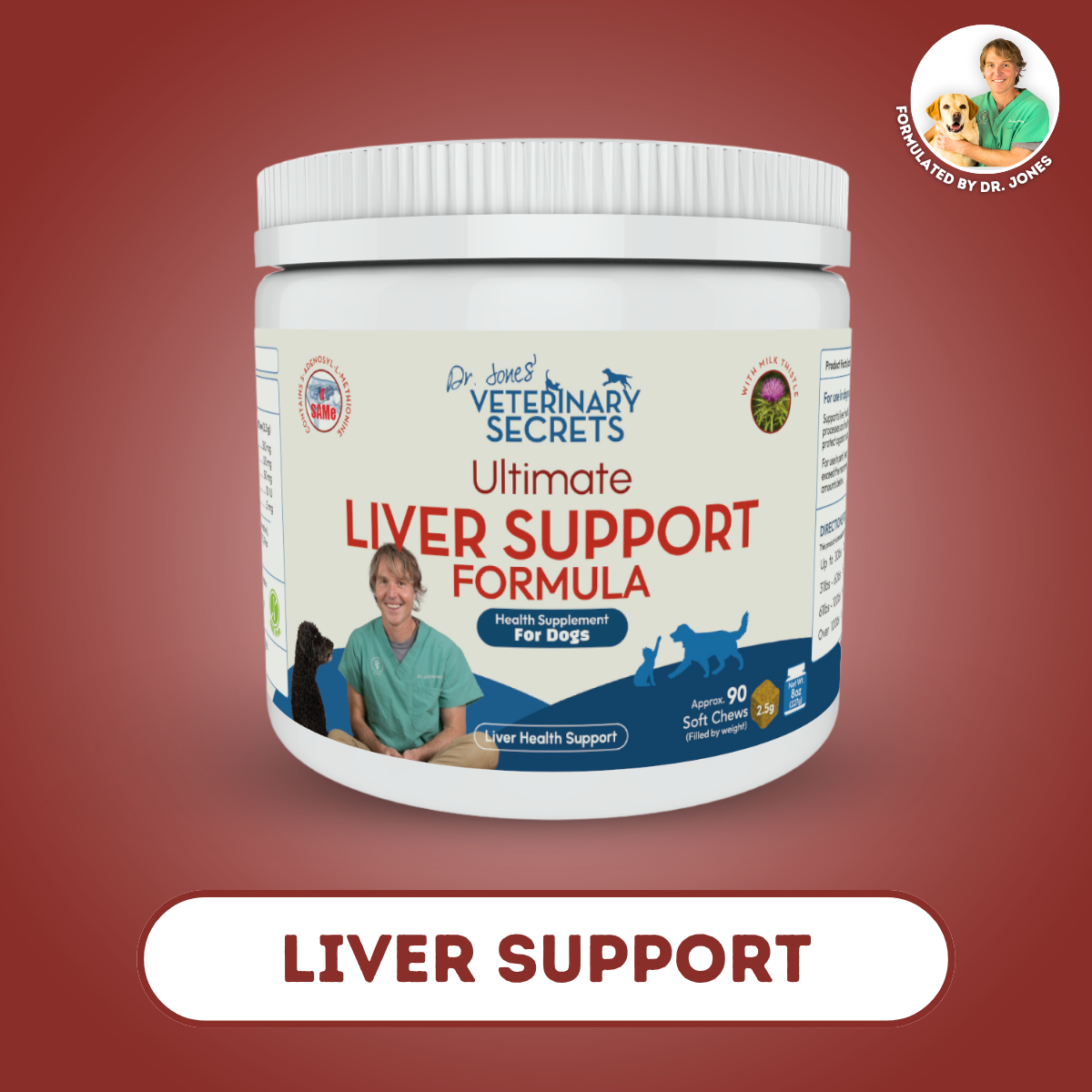
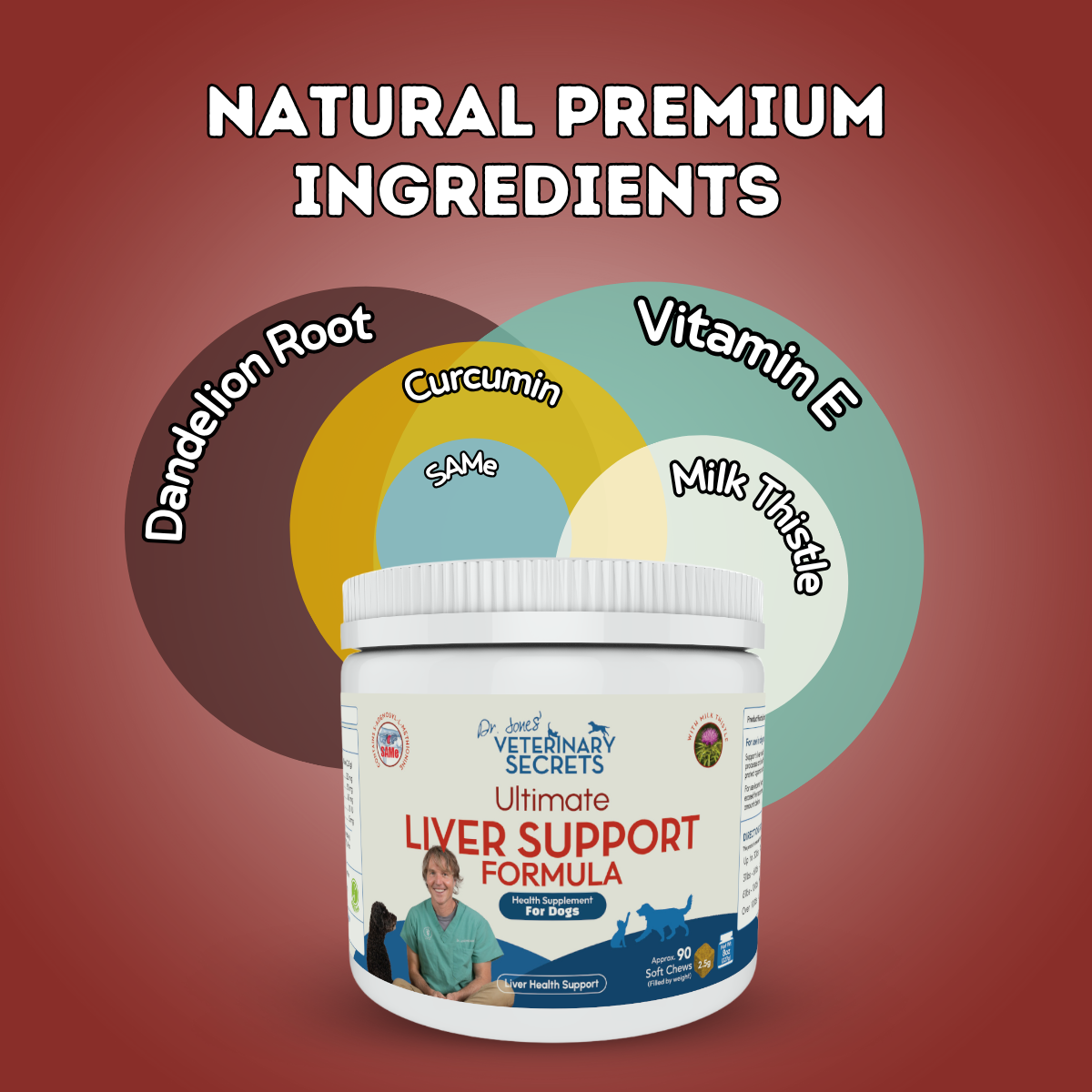
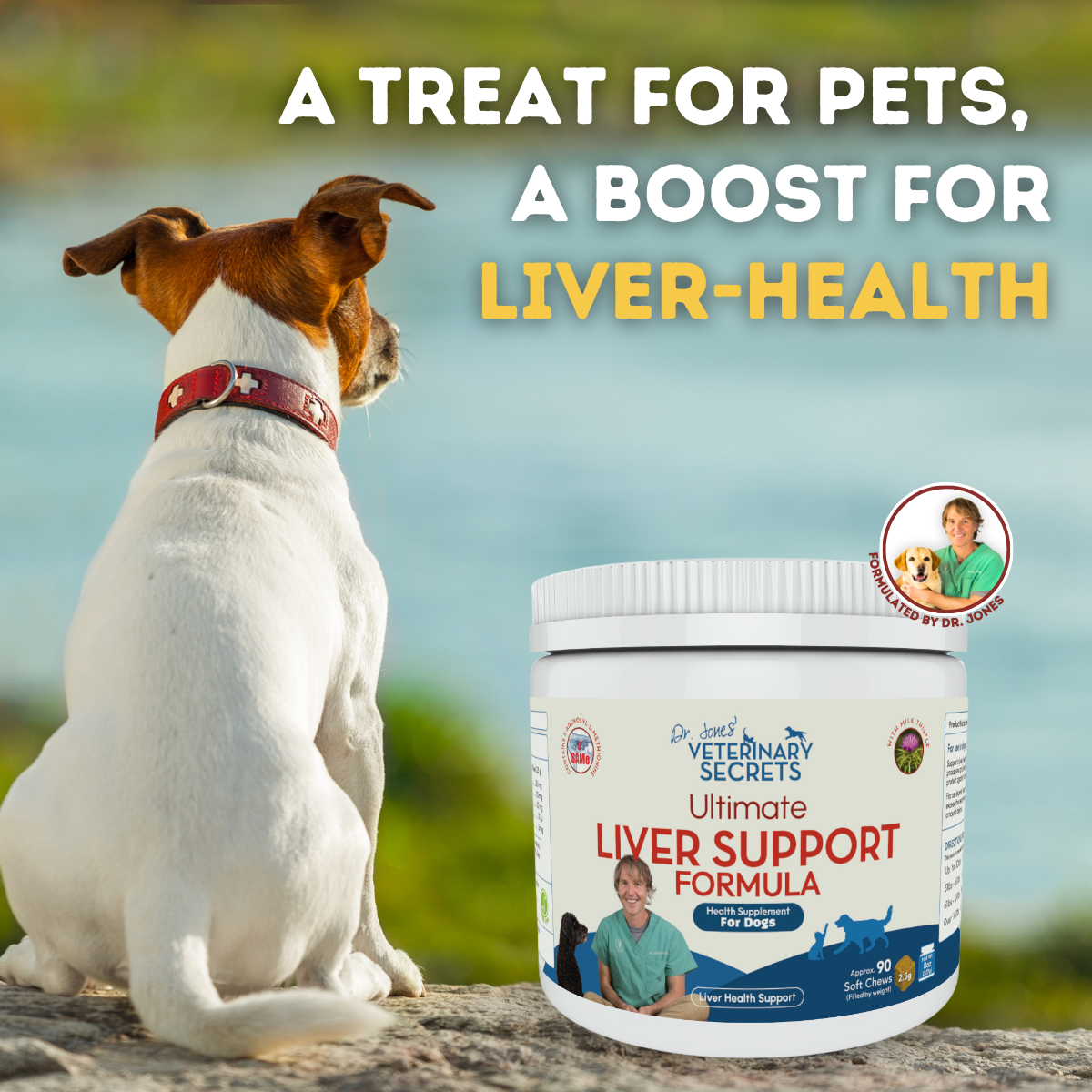
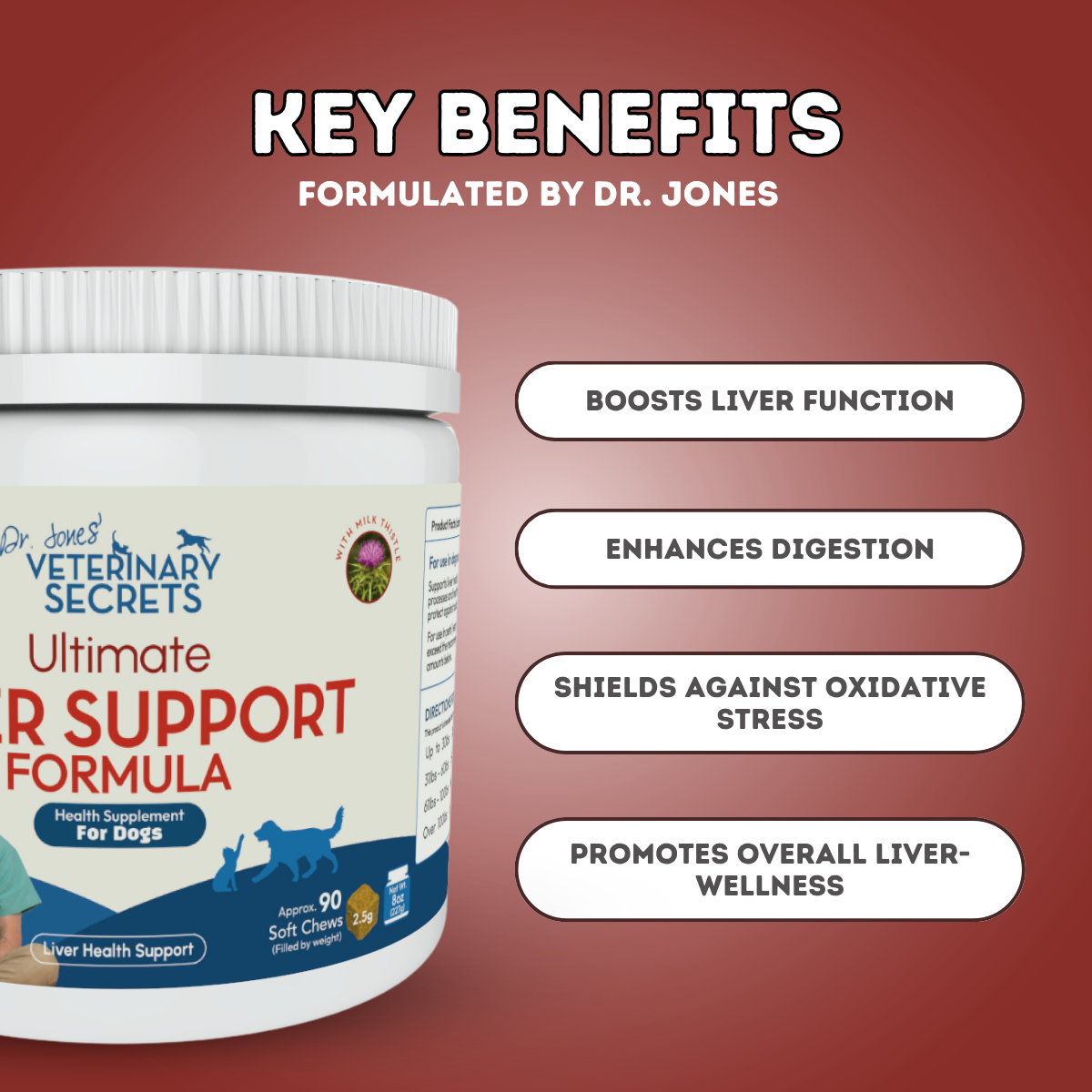
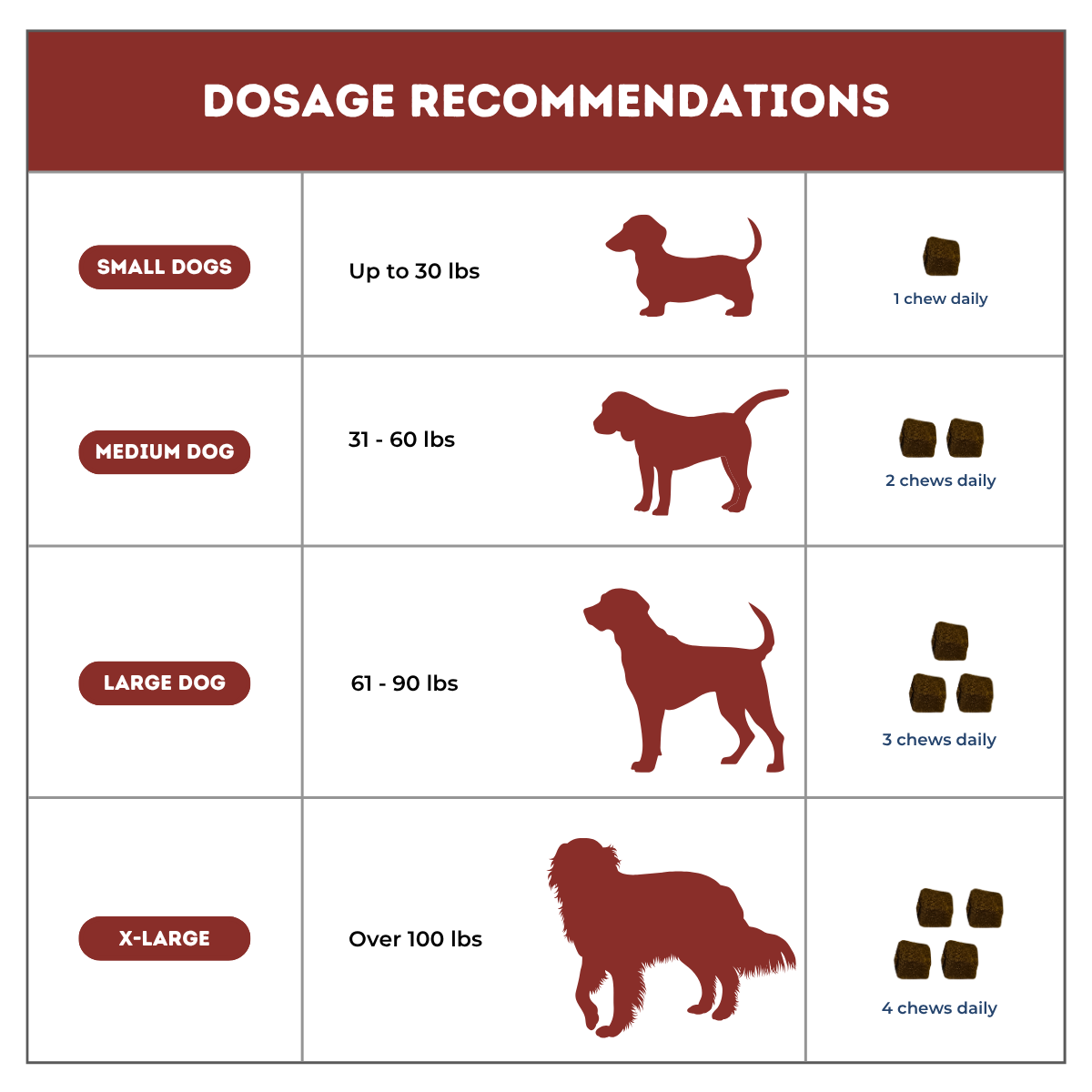
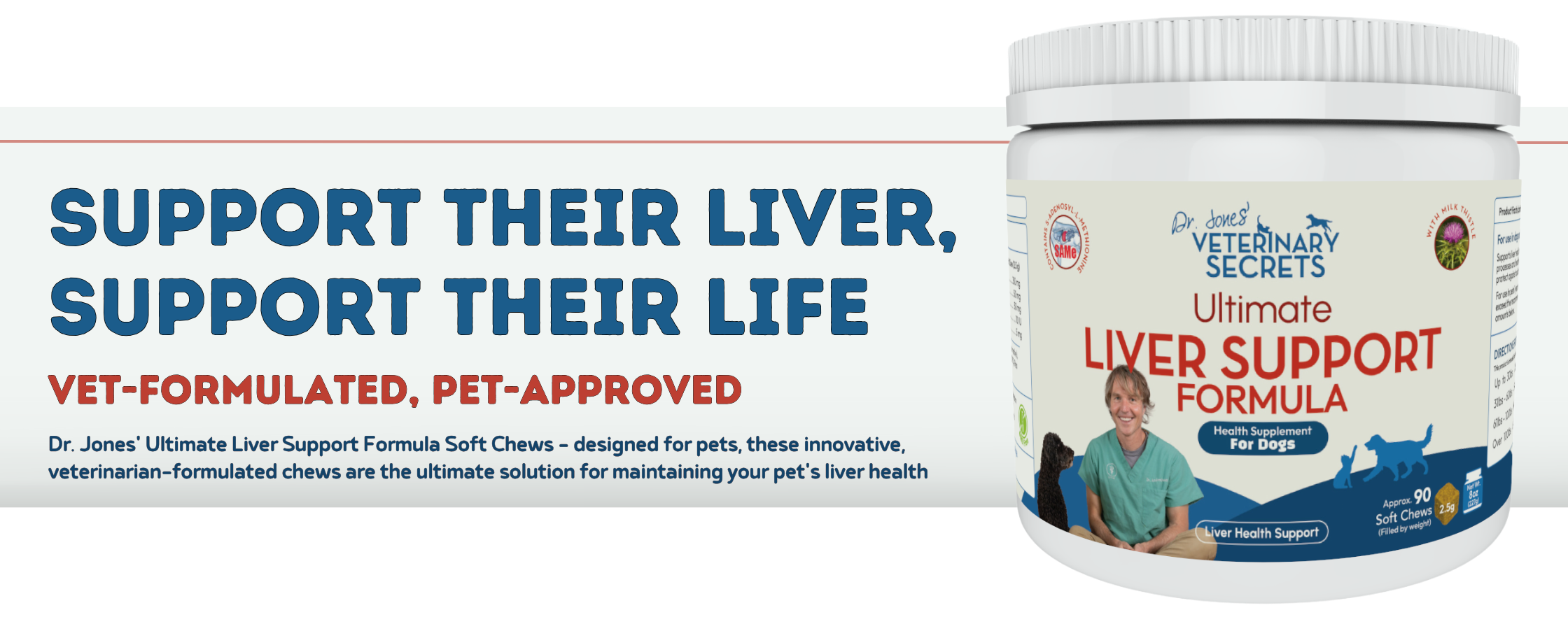
If your pet ever ingests something toxic, the liver often takes the biggest hit. Nutrients such as Milk Thistle, SAMe and Dandelion Root can be incredibly helpful for liver support. You can find all three in my Ultimate Liver Support Formula for dogs and cats.
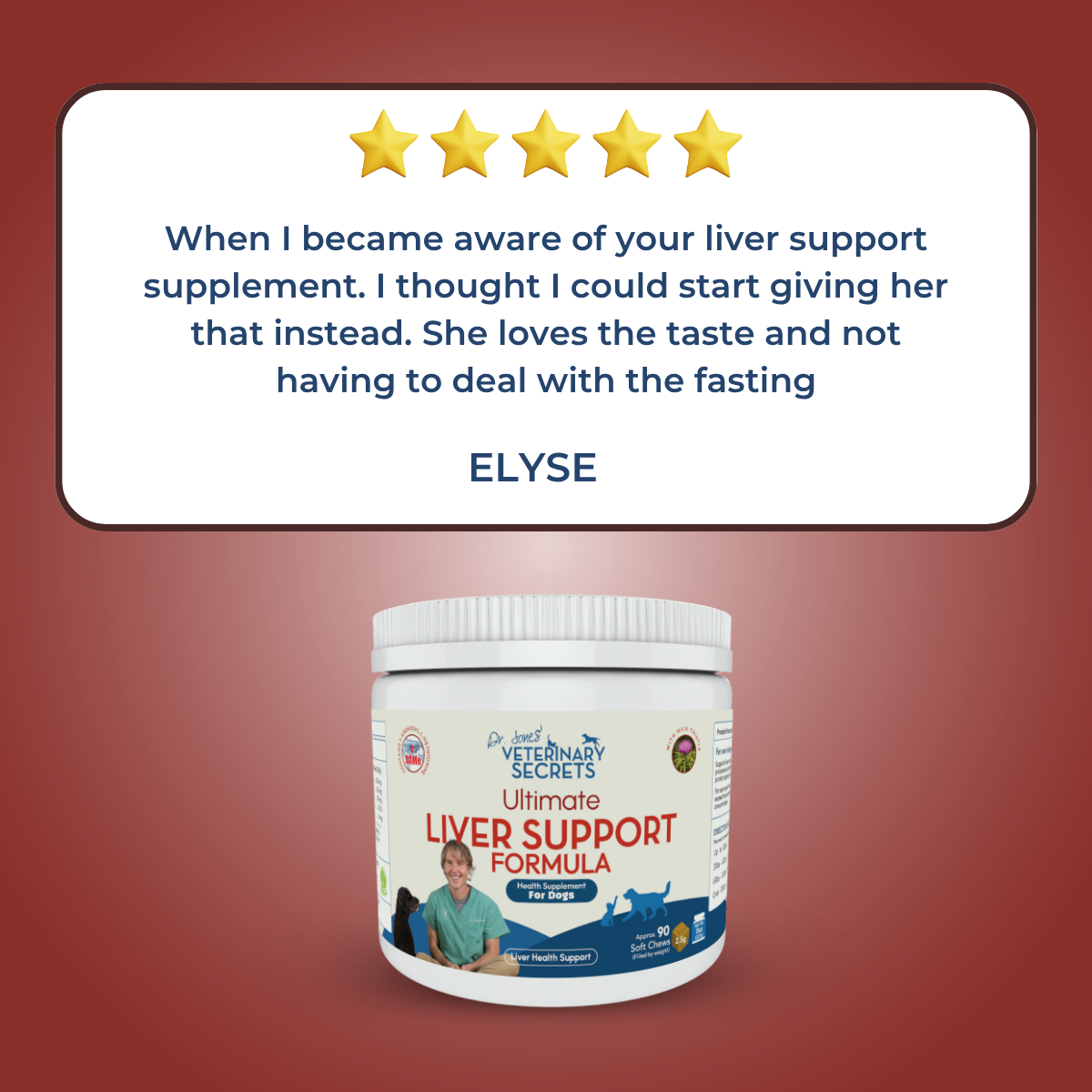
Dr. Jones’ Ultimate Liver Support Formula Soft Chews
Which Dog Food Is Involved?
The product under recall is:
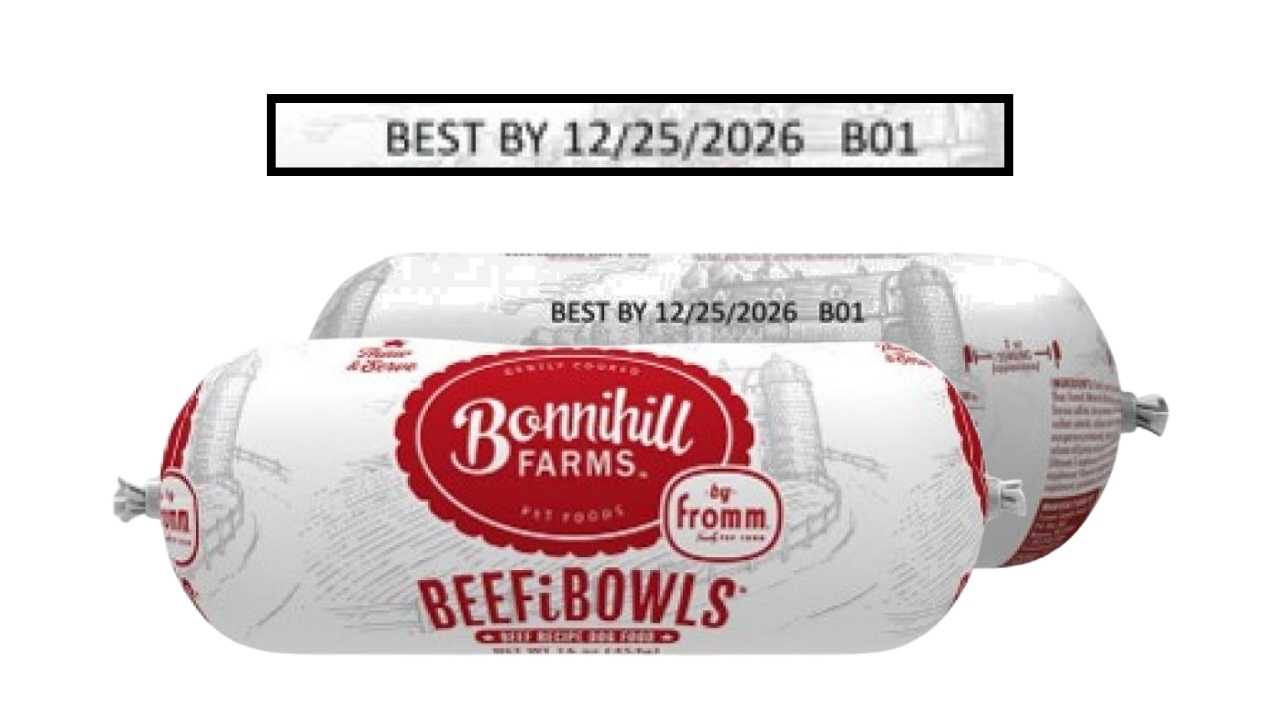
Bonnihill Farms Beefy Bowls Recipe by Fromm
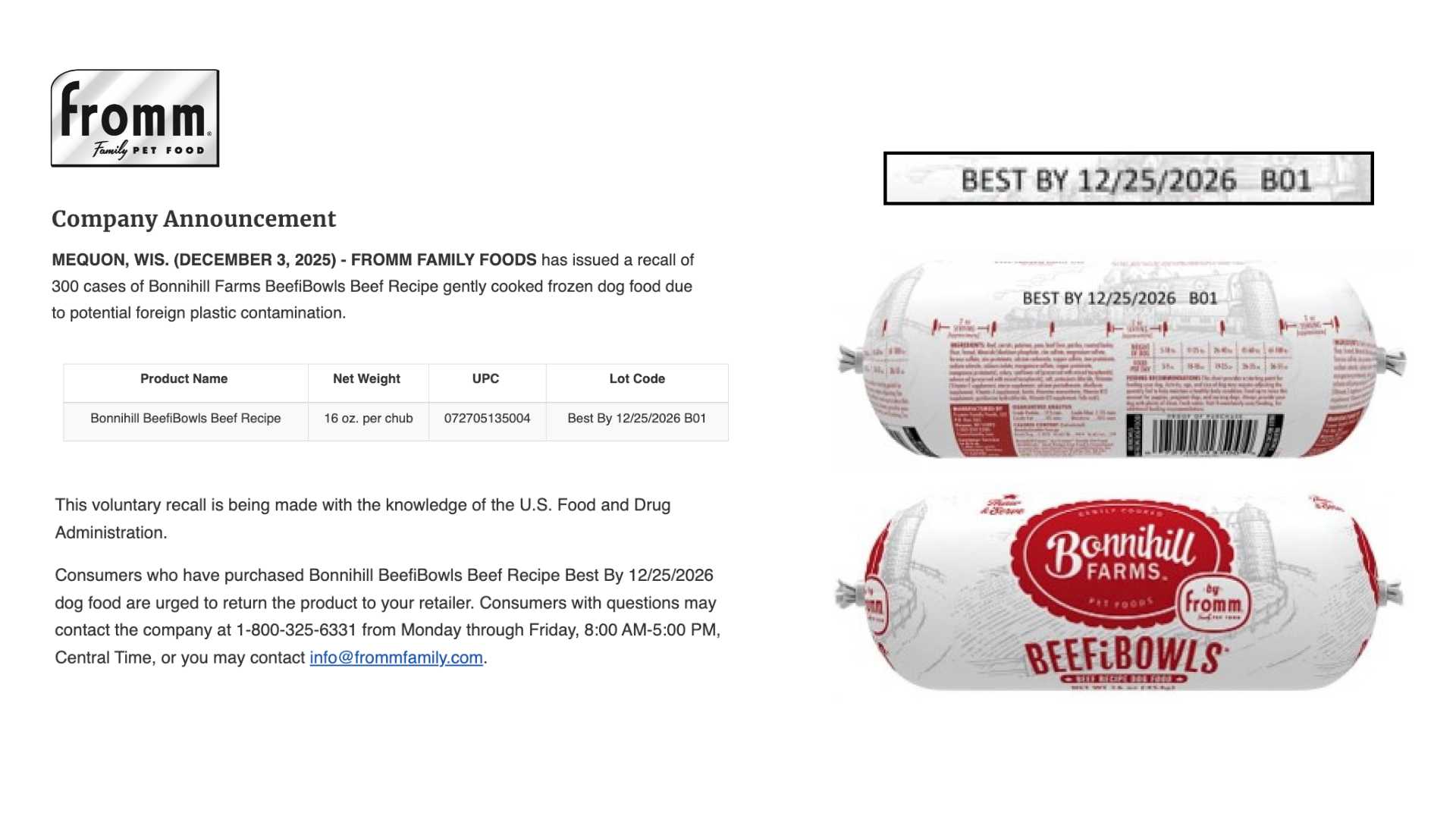
It comes in 16 ounce tubes, also called chubs.
The FDA says 300 cases from specific lot numbers are affected. I will include those in the description box below.
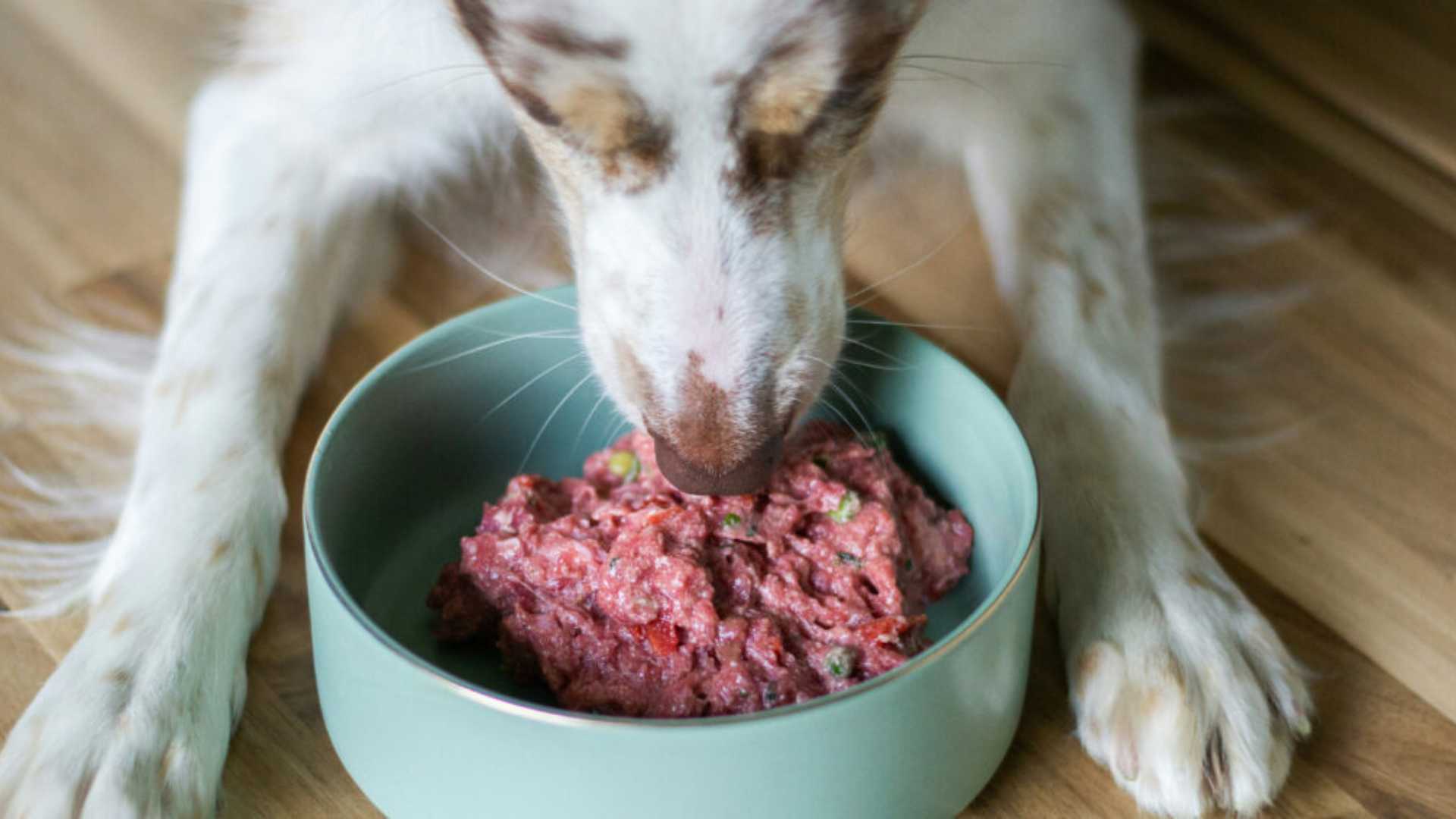
Why is this a health risk?
If a dog like Tula were to swallow sharp plastic fragments, the dangers include:
-
choking
-
intestinal obstruction
-
puncture of the intestinal wall
-
internal infection
Thankfully, the FDA reports no illnesses so far. But if you have fed this product from the recalled lot, monitor your dog closely. Symptoms could include:
-
lethargy
-
vomiting
-
diarrhea
-
abdominal discomfort
And of course, if you see plastic in the food or your pet seems unwell, seek veterinary care.
The recalled product was sold in 14 US states plus Ontario, Canada.
How Does Plastic End Up in Pet Food?
It usually happens during processing.
Something as simple as a piece of a container falling into the grinder can lead to plastic being mixed into the food.
Fromm, the parent company, has acknowledged the issue and says they have corrected the problem so it does not happen again. Fromm is a good company and mistakes can happen, but recalls like this still deserve attention.
The FDA’s Warning About Raw Food
And Why I Disagree
After explaining the recall, the FDA adds a familiar message: avoid raw, frozen, dehydrated, and lightly cooked pet food because they can contain pathogens.
In other words: stick to highly processed kibble.
Here is the problem with that.
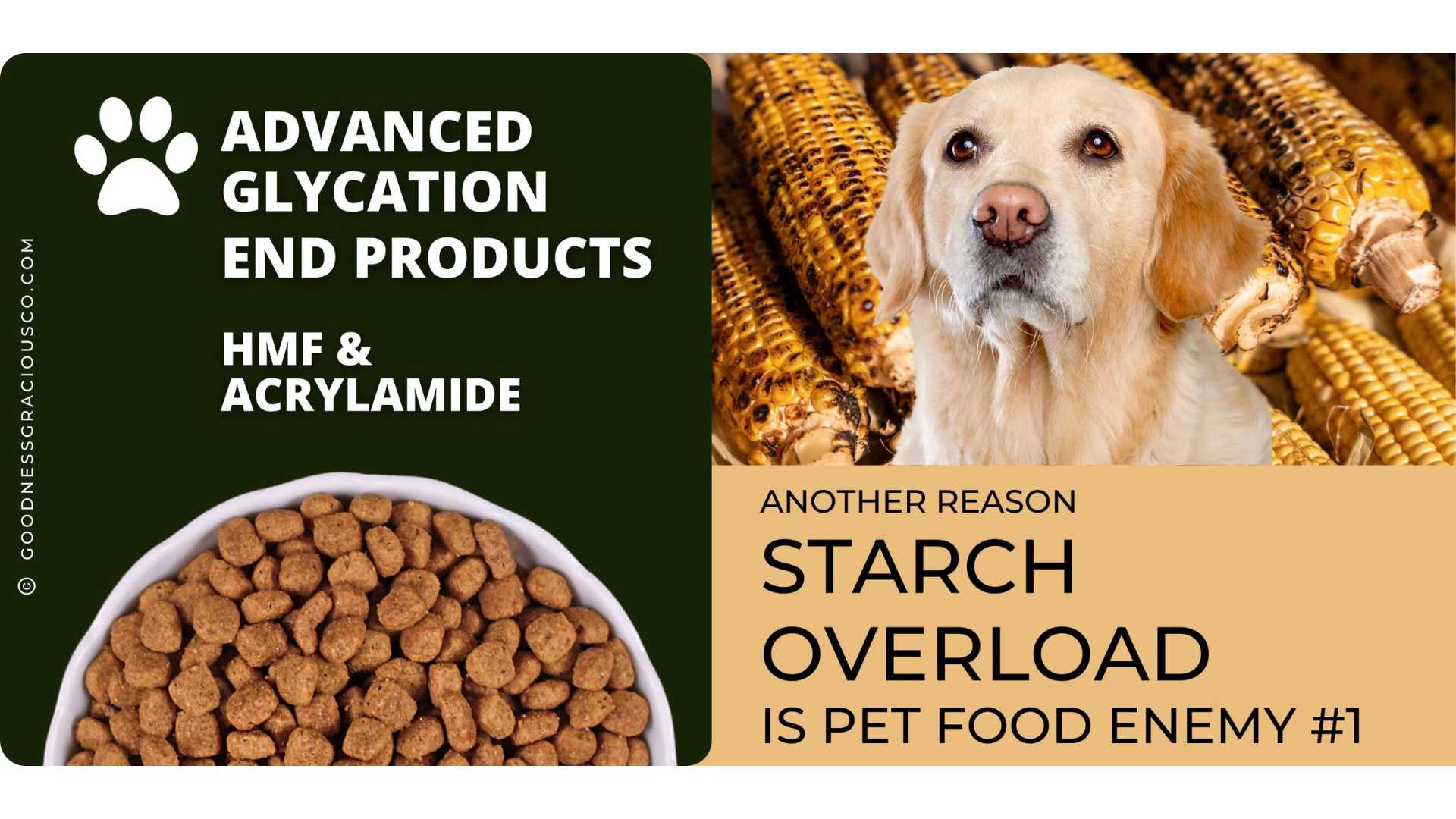
Every time food is turned into kibble, it is exposed to extremely high heat and grinding. This creates Advanced Glycation End Products, also known as AGEs. They form during the Maillard reaction and are well known to contribute to:
-
chronic inflammation
-
oxidative stress
-
diabetes
-
kidney disease
-
liver disease
-
cancer
These compounds build up over time. So yes, you can avoid rare issues like finding plastic in raw food, but you are exposing your pet to something proven to harm them long term.
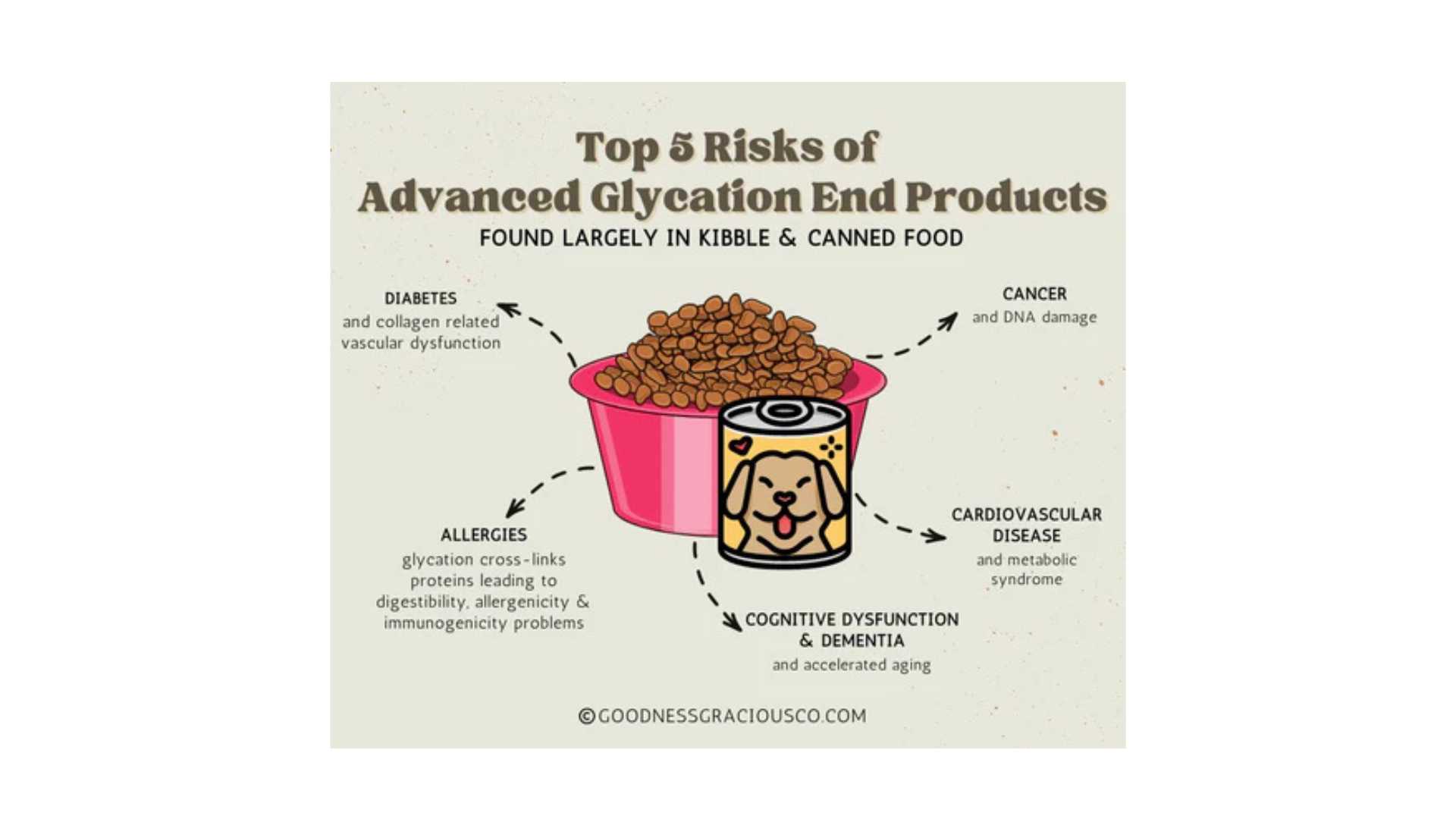
Foods like gently cooked whole ingredient diets and raw diets contain very low levels of AGEs. That is one of the big reasons Tula does so well on them.
The Bigger Plastic Problem: Microplastics in Pet Food
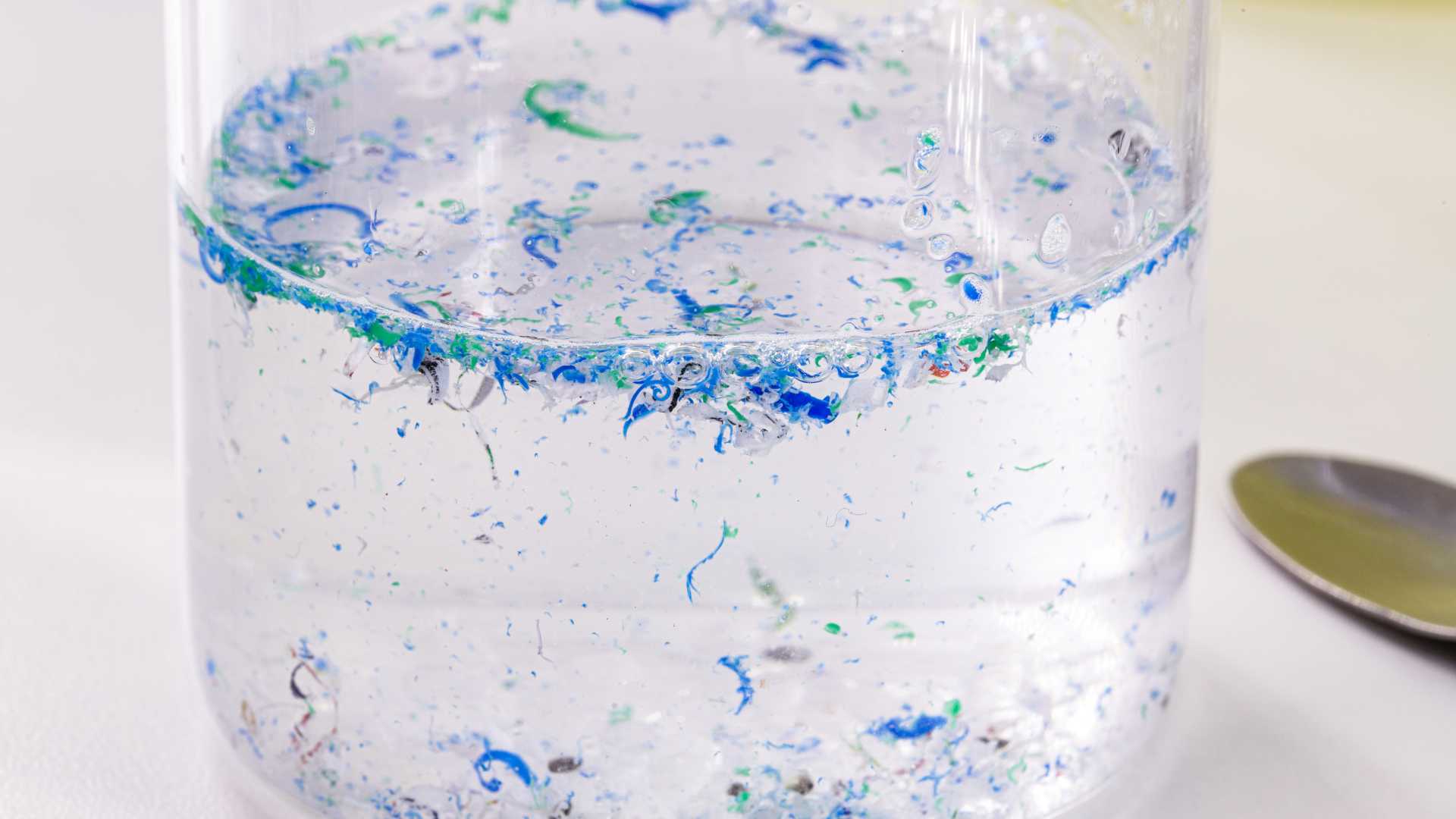
While everyone is talking about the chunks of plastic in this recall, the real concern is the microplastics found in many processed foods.
Take a look inside any bag of kibble.
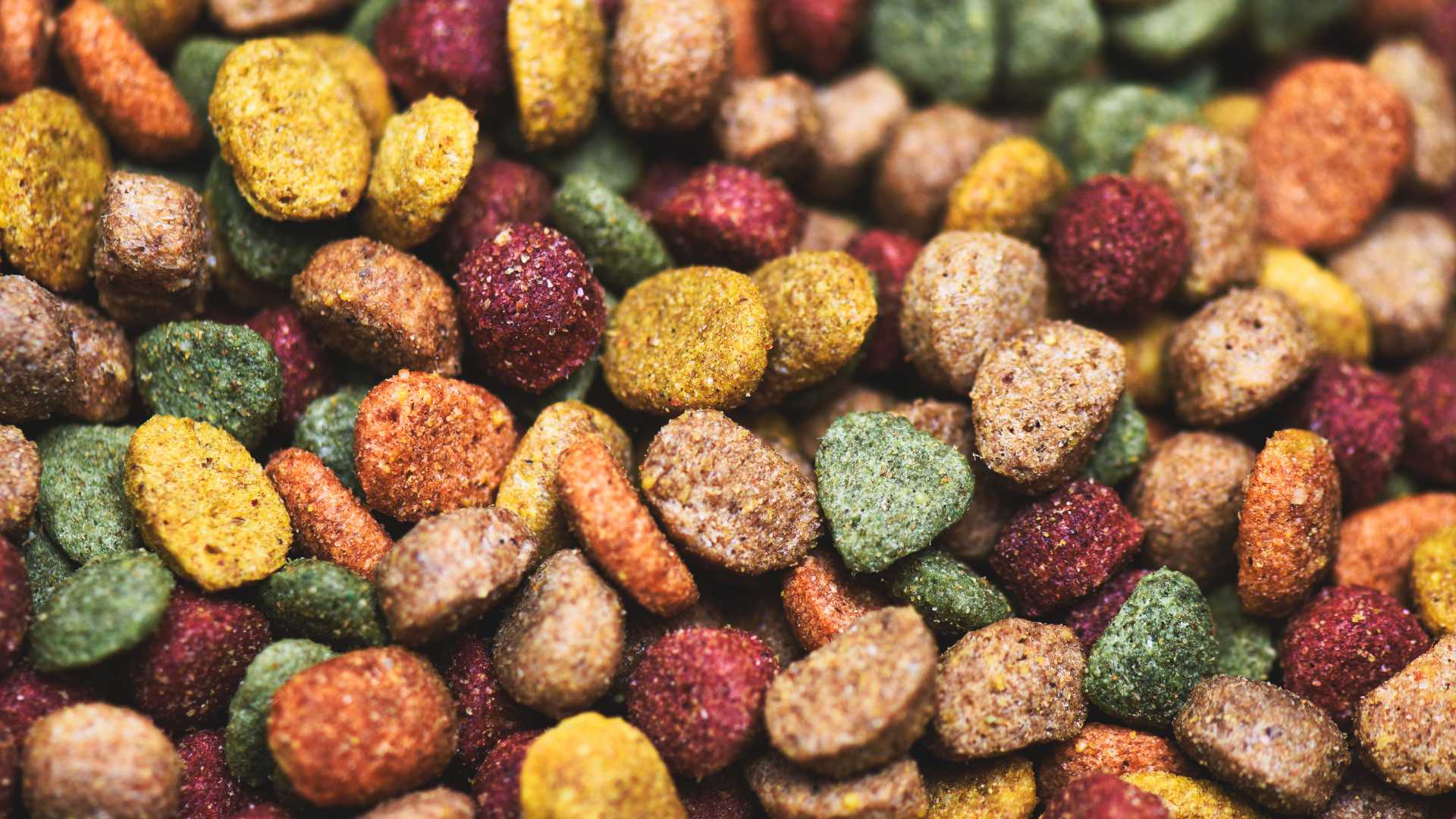
That shiny lining can leach substances such as BHA and microscopic plastic particles.
Nanoplastics can be as small as one micrometer. They can enter cells, reach the brain, and accumulate in organs. Studies are raising serious concerns about long term effects in both people and animals.
The more processed the food, the higher the microplastic load.
So ironically, the kibble that is promoted as the “safer” option may be exposing pets to more plastic than raw food ever would.
So What Should You Do?
If you have the Bonnihill Farms Beefy Bowls product from the affected lot numbers:
-
stop feeding it
-
throw it away
-
watch your dog for symptoms
-
contact your veterinarian if you see illness
But when you hear advice to avoid all raw and lightly cooked diets entirely, I do not agree. The long term health benefits of minimally processed food far outweigh the rare recall events.
Supporting your dog’s health starts with fresh, whole ingredients and avoiding unnecessary toxins.
Thank you for reading this edition of Veterinary Secrets and for caring so much about your pet’s health.
Click above to subscribe, and hit the bell so you never miss an update.
When you click the link in the box below, I can send you a copy of my free book.
Click To Get A Free Copy of My E-book!

Stay Connected with Dr. Andrew Jones DVM:
- Visit our website: https://veterinarysecrets.com/
- Subscribe for more pet care tips: https://www.youtube.com/@VeterinarySecrets
- Facebook: http://facebook.com/veterinarysecrets
- Instagram: http://instagram.com/veterinarysecrets
- Twitter: http://twitter.com/dogandcatdoc
- Pinterest: http://pinterest.com/veterinarysecrets
- Podcast: http://vetsecrets.podbean.com/
If Your Dog Is Ever Poisoned or Exposed to Toxins
The liver is almost always the first organ affected. That is why supporting liver detoxification can make a meaningful difference.
Nutrients that help:
-
Milk Thistle
-
SAMe
-
Dandelion Root
These are all found in Dr. Jones’ Ultimate Liver Support Formula.