How to Treat Your Dog’s UTI: Safe and Natural Remedies

Dog UTI’s are surprisingly common, yet antibiotics don’t always work and can come with unwanted side effects… Fortunately there are many natural remedies, and I’m going to be sharing all this and more in our new upcoming webinar 🙂 Unlock the Secrets of Proven Natural Remedies for Dog Urinary Tract Problems
Join me LIVE in this 60 Minute FREE Online Seminar
Date: Monday August 19, 2024
Time: 5:00pm Pacific (7:00pm Central, 8:00pm Eastern)

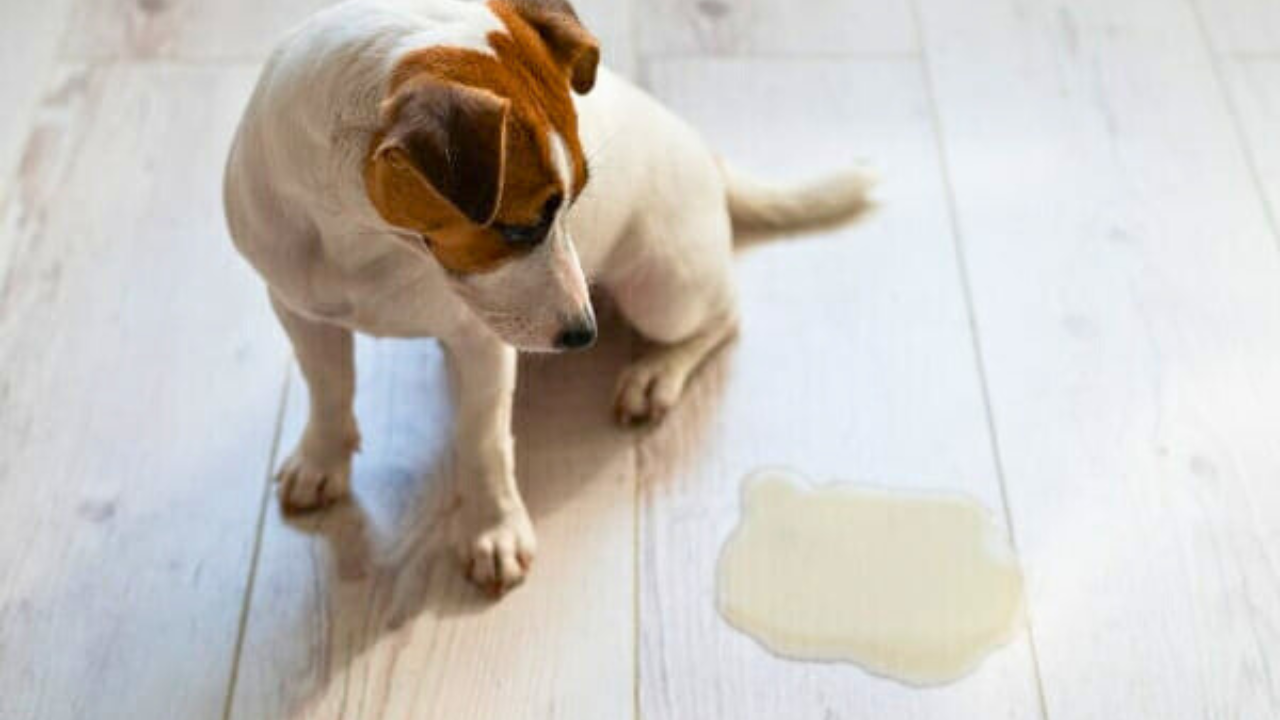
Urinary Tract Infections in Dogs
Hi everyone, Dr. Andrew Jones here. Today, I want to discuss a common health issue that many of our canine friends suffer from—urinary tract infections, or UTIs.
Understanding UTIs in Dogs
A UTI occurs when bacteria such as E. coli—which accounts for 40-50% of bladder infections in dogs—Enterococcus, Staphylococcus, or Streptococcus invade the bladder or kidneys. This condition is more prevalent in female dogs.
Recognizing the Signs and Symptoms
- Frequent Urination: Your dog may seem to need to go outside more often and might squat several times during one trip.
- Small Amounts of Urine: Each time your dog urinates, the amount may be minimal, which can sometimes go unnoticed.
- Bloody or Cloudy Urine: You might observe that your dog’s urine appears cloudy or has a pinkish tint. Sometimes, blood clots can also be visible in the urine.
- Accidents Inside the House: Even well-trained dogs can start having accidents indoors due to the increased urgency and discomfort.
- Straining to Urinate: Your dog may also show signs of straining or difficulty during urination.

Natural Solutions for UTIs in Dogs
-
Good Bacteria: Probiotics, particularly those from the Lactobacillus group, can be beneficial. They work by preventing harmful bacteria from attaching to the urinary tract cells and producing hydrogen peroxide in the urine, which is a potent antibacterial agent.
-
Cranberry: This traditional remedy is not just for humans but can also help dogs with UTIs. The acidity of cranberry juice makes it harder for bacteria to adhere to the bladder wall. The recommended dosage is 1 ml per pound daily if using juice, or half a capsule of a product like CranActin per 10 pounds daily.
-
Honey: Honey is effective against many common bacteria, including E. coli. For a dog, the dose would be 1/2 teaspoon per 10 pounds, administered twice daily.
-
Green Tea and Honey: Combining the antibacterial properties of green tea with honey can be particularly effective. Prepare 1 cup of concentrated green tea and mix in 1 teaspoon of honey. A 10lb dog should receive half of this mixture twice a day.
Join Our Free Webinar
To learn more about natural remedies for dog urinary tract problems, I invite you to sign up for our upcoming free webinar. It’s an excellent opportunity to delve deeper into this topic and even ask your most pressing dog health questions directly.
Sign up here: Dr. Jones’ NEW Dog Urinary Tract Disease Webinar

Question:
For a 50 lb dog the UTI TEA INSTRUCTIONS
But what about a 6lb dog,
Thanks so much
Scott and Coty
For a 6 lb dog, the recommended dosage of UTI Tea would be adjusted accordingly. If the general instructions for a 50 lb dog suggest a specific amount, you can scale it down proportionally. For example, a 6 lb dog would require about 1/8th of the amount recommended for a 50 lb dog.
I thought dogs aren’t to have green tea because of the caffinene content. I have been told it is highly toxic?
Small amounts of brewed green tea are safe for dogs and can help with infections. It only becomes toxic if a dog gets a lot of caffeine. Given as directed, is as safe as you could get.
What type of honey? We know Manuka honey is good for wounds is that the same for this aswell?
For treating UTIs in dogs, raw, unpasteurized honey is recommended—not necessarily Manuka. While Manuka honey is excellent for wound healing, regular raw honey also has strong antibacterial properties and can help combat UTI-causing bacteria like E. coli. A typical dose is about ½ teaspoon per 10 pounds of body weight, twice daily. Local, raw honey is a safe and effective choice.
My dog is 30lb and has been on so many different med for her uti’s and they keep coming back. She is fixed. I need to know what to do to fix this problem, can you please help me. I’ve already lost one dog to bladder cancer, I can’t loose this one she is my whole world.
Here are natural ways to help your 30?lb dog with recurrent UTIs:
Cranberry extract — 100?mg per 10?lb daily (so 300?mg/day for your dog) helps prevent bacteria from sticking to the bladder wall
Honey (raw, unpasteurized) — ½ teaspoon per 10?lb twice daily (so 1½ tsp twice daily total) has natural antibacterial effects
D?Mannose – prevents sticky bacteria and is a popular remedy
Probiotics – support healthy urinary microbiome and reduce recurrence
Also helpful: add plenty of fresh water, encourage frequent bathroom breaks, and consider combining cranberry + D?Mannose long?term.
But since her UTIs keep coming back despite treatment, you should get a urine culture and sensitivity test, make any needed diet or hygiene adjustments, and discuss a preventive antibiotic
How much DMannose per pound and frequency?
Hi Karena, Christine here from Dr. Jones’ team!
For D-Mannose, Dr. Jones’ general guideline for dogs is:
10–20 mg per pound per day (same as 100–200 mg per 10 lbs daily)
You can give it once daily, or split into 2 doses/day. Many pet parents start with twice daily for the first few days, then drop to once daily as things improve.
Quick example: a 20 lb dog would be around 200 mg split into two to be given twice daily at the start, then 200 mg once daily after.
Before you try it, would you mind sharing a bit more? What symptoms is your dog having, how much does your dog weigh, and how old is he/she?
Hi, i want to do the green tea and honey method. If my dog is 70lbs, how much of the mixture should she get, and how much of each product should be prepared?
For your 70?lb dog, prepare decaf green tea (1?L batch), cool it, and offer ½–1 cup mixed into her meal twice daily. Add up to 1 tablespoon of honey per day, mixed into one of those servings.
I really enjoy your youtube, its so refreshing to find a vet who looks for something other than just drugs, to help us maintain our pet’s health and care. I live in a very isolated community without easy access to vet visits. I keep all my dogs shots up and exams, I have been trying to find preventative measures for my pet’s oral health and maintaining their urinary health. I love your part on the teas and am totally going to implement your suggestions as a part of my dogs overall health. I am wondering if there are any safe alternatives for pain management. It’s just the odd time that it would be needed. My 13 year yorkie female has just recently had a uti infection (we think) after labs come back, but by the time they do its going to be xmas day. Also it will be a 5 hour drive to pick up the prescription when it does come in. I hate to see her suffering, i am keeping her warm, have started her on your tea recommendations. I don’t have the nettle tea, or roobis but i will be getting them as soon as possible. I have her on the chamomile, green mint tea, and ginger with a little honey. Is there anything else you would recommend for helping her with her discomfort? I would be so very grateful for any further advice.
Thank you so much for the kind words. That really means a lot to us.
For short term discomfort from a suspected UTI Dr. Jones likes to keep things gentle. What you are already doing is excellent. Warmth, fluids, and the soothing teas go a long way. Chamomile is calming and can help with bladder spasm, and ginger is fine in small amounts.
For pain support he often suggests a small dose of CBD oil if available, or quercetin which can help calm inflammation. Cranberry can help prevent bacteria from sticking but it is not a pain reliever. He avoids human pain meds in dogs, especially seniors.
You are doing a great job caring for her in a tough situation. Hopefully once the labs are back you will have clear direction.
My dog Lucy have UTI she strained so much til her anal hurt she keeps her tail down if you lightly lift it she screams in pain, I can’t afford to take her to a veterinarian I’m scared my Lulu is going to leave me ?
Hi Sharon, Christine here from Dr. Jones’ team!
I’m really sorry you and Lucy are going through this.
Because Lucy screams when you gently lift her tail and keeps it down, it can be a UTI, but it can also be something else too. If she cannot pee, is only dribbling, has a swollen belly, is vomiting, very weak, or the pain is getting worse, please treat this as urgent and try to find any low-cost clinic today (SPCA/humane society, rescue groups, vet schools, or payment plans).
While you are trying to get help, Dr. Jones shares a few at-home supports in his UTI article:
Cranberry to help prevent bacteria from sticking
Raw honey for natural antibacterial support
Concentrated green tea plus a little honey
Probiotics (Lactobacillus strains) or Urinary Support Chews
Sharon, two quick questions:
How much does Lucy weigh?
Is she still able to pee at all?