When Dog Paws Smell Like Corn Chips

Why Do Dog Paws Smell Like Corn Chips?
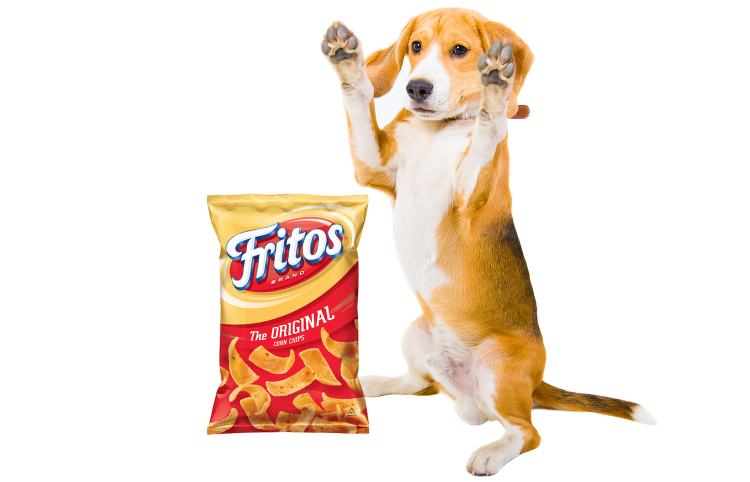
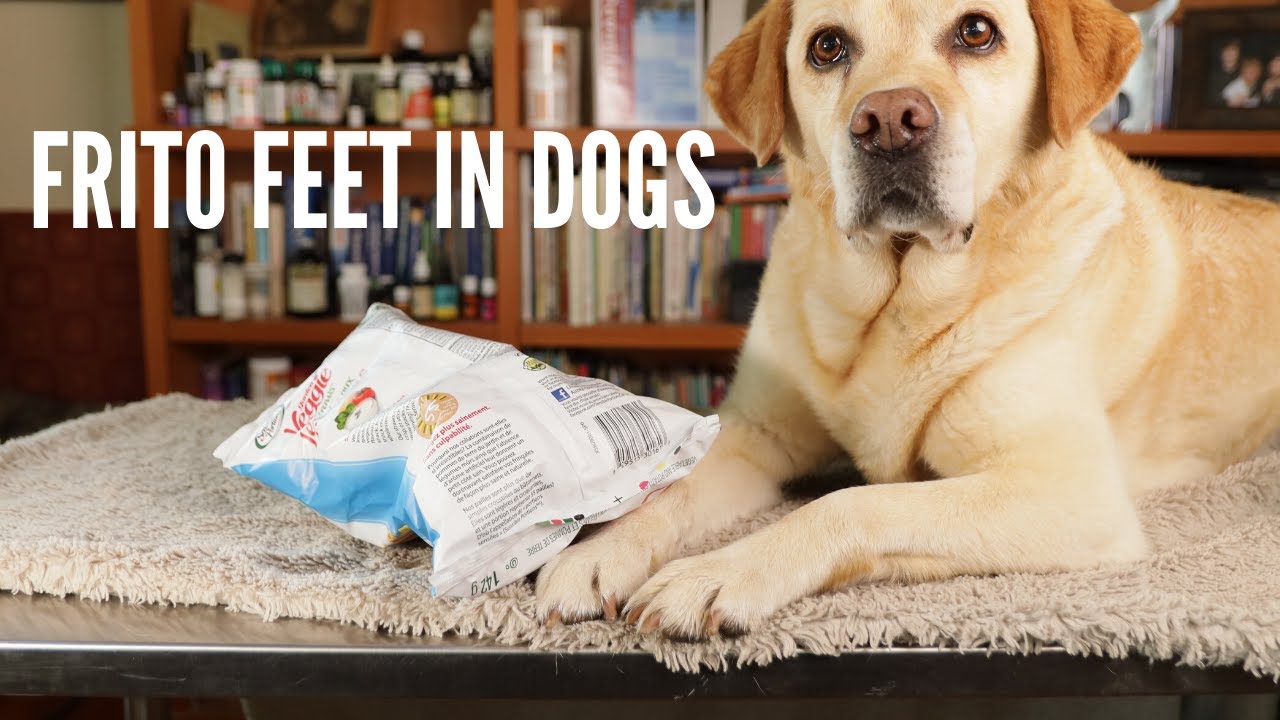
Dog paw corn chip smell is so common it has a nickname, “Frito feet,” and it usually comes down to moisture, bacteria, and yeast.
What Causes “Frito Feet” and What You Can Do About It
Have you ever picked up your dog’s paw and thought,
“Why does this smell like corn chips?”
You are not alone. Many people describe their dog’s feet as smelling like Fritos or Doritos. It is a real thing.
Let’s talk about why it happens and when you should be concerned.
Why Dog Paws Smell Like Corn Chips
Moisture + Bacteria + Yeast
Dogs sweat through their paw pads. Those soft pads produce moisture.
Moisture creates the perfect environment for bacteria and yeast to grow.
A small amount of bacteria and yeast is completely normal. Dogs naturally have these organisms on their skin, just like we do.
That mild corn chip smell is usually harmless.
But if you walk into the room and the first thing you notice is that strong Frito smell, that is different.
When Frito Feet Is a Problem
Take a closer look at the paws.
Are the pads:
-
Red
-
Inflamed
-
Swollen
-
Licked excessively
-
Brown or rust colored from saliva staining
If your dog is licking constantly and the skin looks irritated, you may be dealing with yeast overgrowth.
And often, yeast overgrowth starts with allergies.
Allergies lead to inflammation. Inflammation disrupts the skin barrier. Yeast multiplies. The smell gets stronger.
That is when you need to act.
A Natural Paw Soak for Smelly Dog Feet
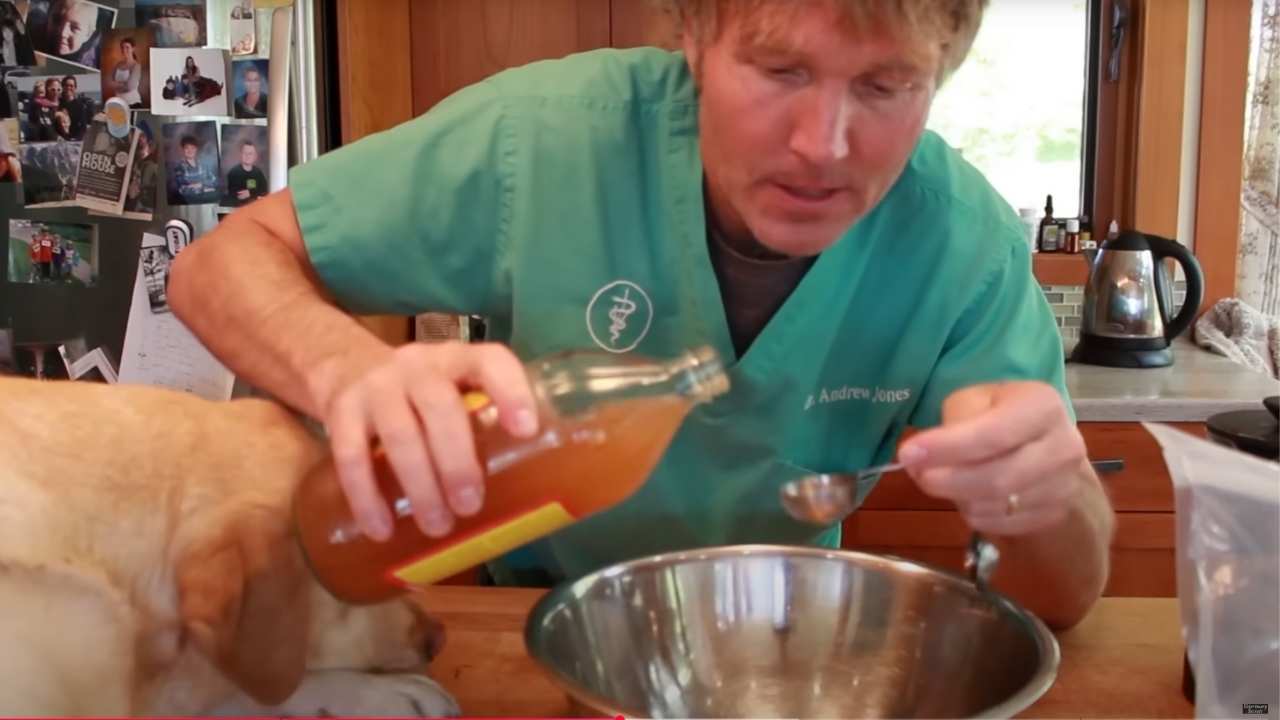
Here is a simple, effective topical remedy you can make at home.
Step 1: Green Tea Base
Green tea has antibacterial, antioxidant, and mild antifungal properties.
Brew one tablespoon of green tea in one and a half cups of hot water. Let it steep for 15 minutes.
Use half a cup of the cooled tea.
Step 2: Apple Cider Vinegar
Add 2 tablespoons of apple cider vinegar.
Apple cider vinegar is naturally antifungal and helps control yeast.
Important: Do not use this if your dog has open wounds. It will sting.
Step 3: Lavender Essential Oil
Add 20 drops of lavender essential oil to the half cup mixture.
This keeps dilution under 2 percent, which is considered safe when used topically and properly diluted.
Lavender has antibacterial and anti yeast properties. And yes, it smells much better.
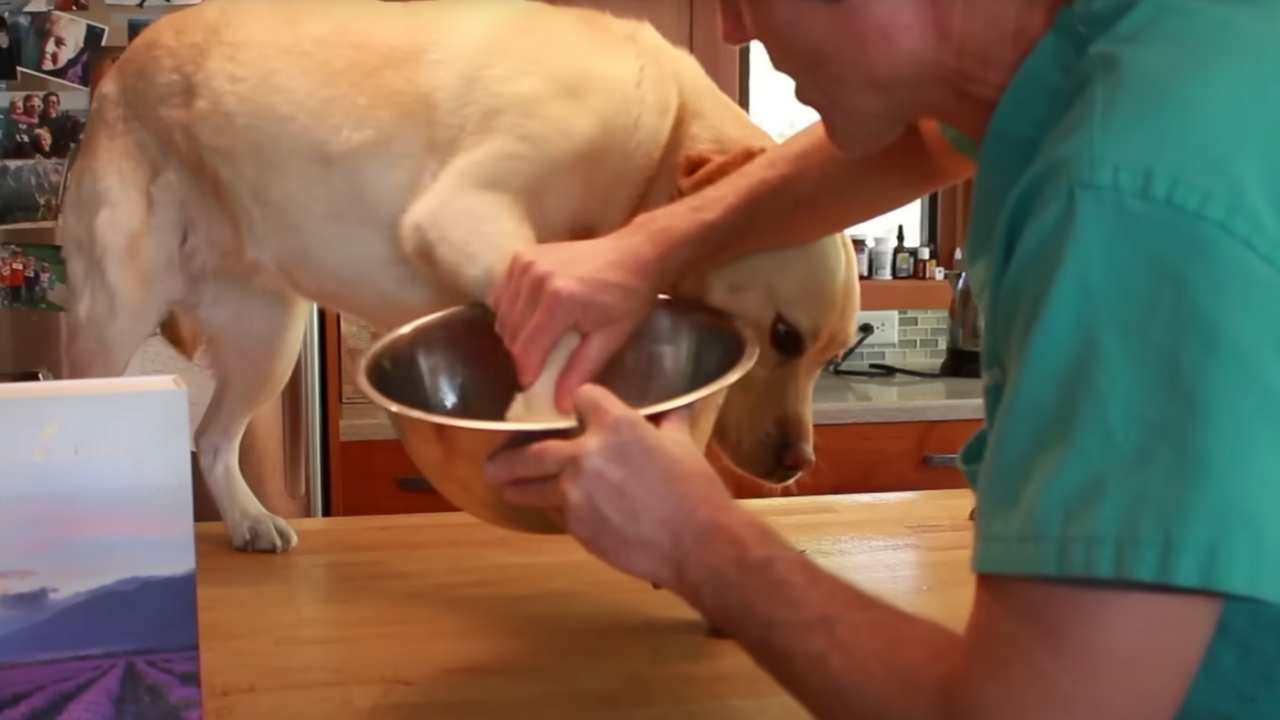
How to Use the Paw Soak
-
Soak your dog’s paw in the mixture for about five minutes.
-
You can do this twice daily.
-
Continue for five to seven days.
-
Let the paws air dry.
You can also gently rub the solution between the pads.
If the smell improves and redness decreases, you are on the right track.

When to Look Deeper
If the corn chip smell keeps coming back, you are likely dealing with more than just moist paws.
Recurring yeast infections and constant licking usually point to underlying allergies.
When the immune system is overreacting, the skin becomes inflamed. Inflamed skin weakens the natural barrier. Yeast and bacteria multiply. The smell returns.
You can clean the paws, but if you do not calm the inflammation, it will keep happening.
Common Allergy Triggers
-
Food sensitivities, especially to common proteins
-
Environmental allergens such as grass, dust, and mold
-
Seasonal pollen
-
Flea allergy
If your dog is licking paws daily, has red skin, ear infections, or ongoing itching, it is time to support the immune system.

Natural Solutions I Suggest for Dog Allergies
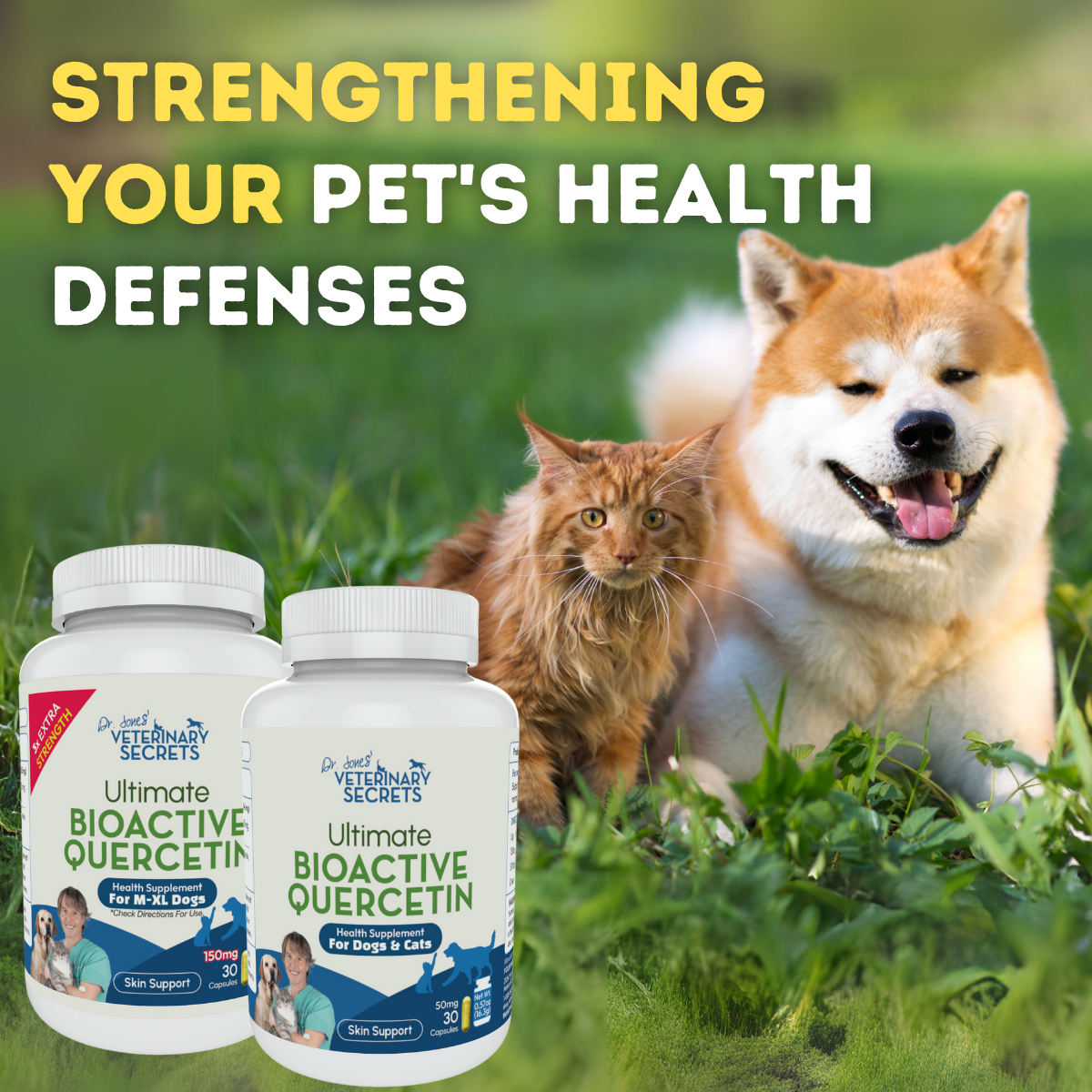
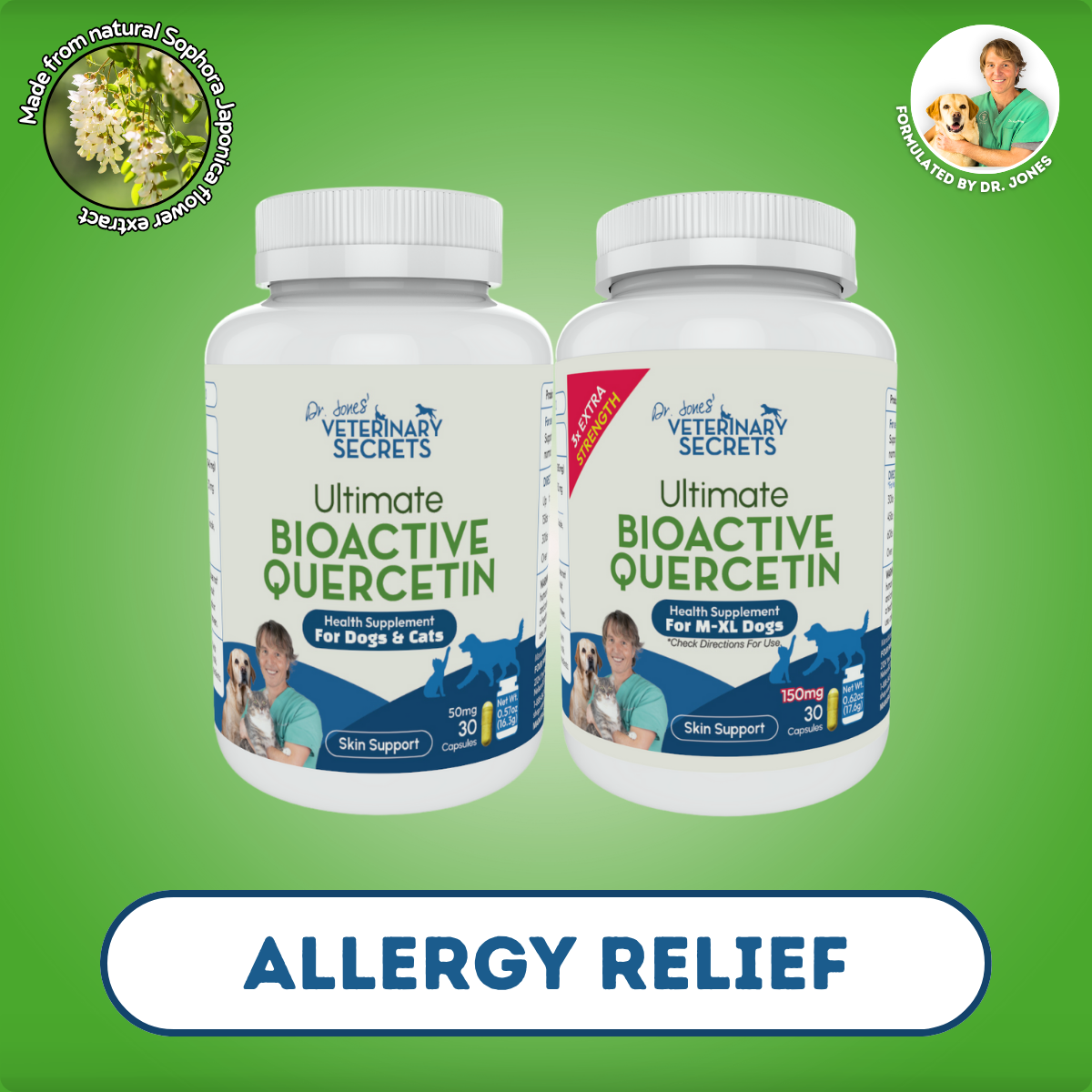
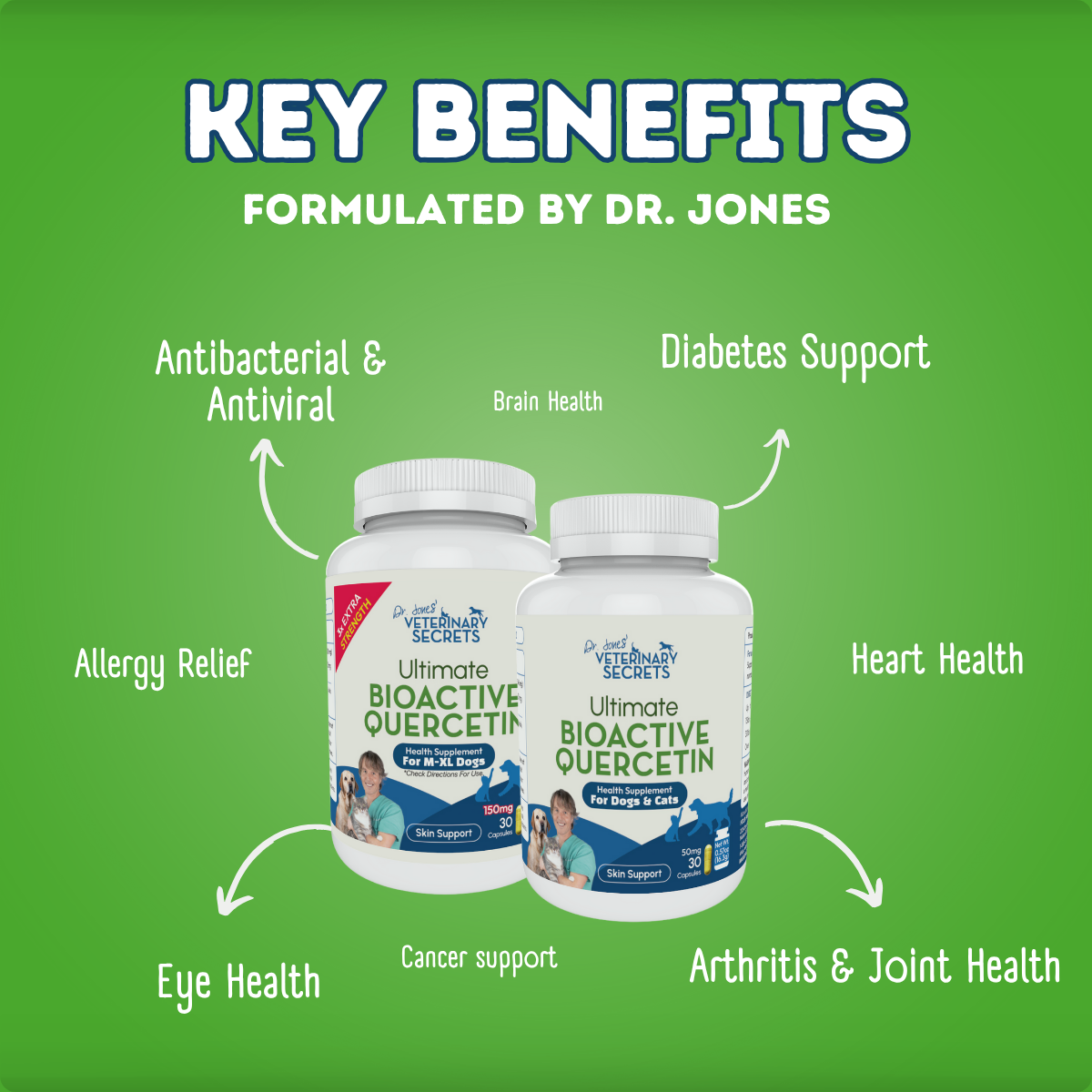
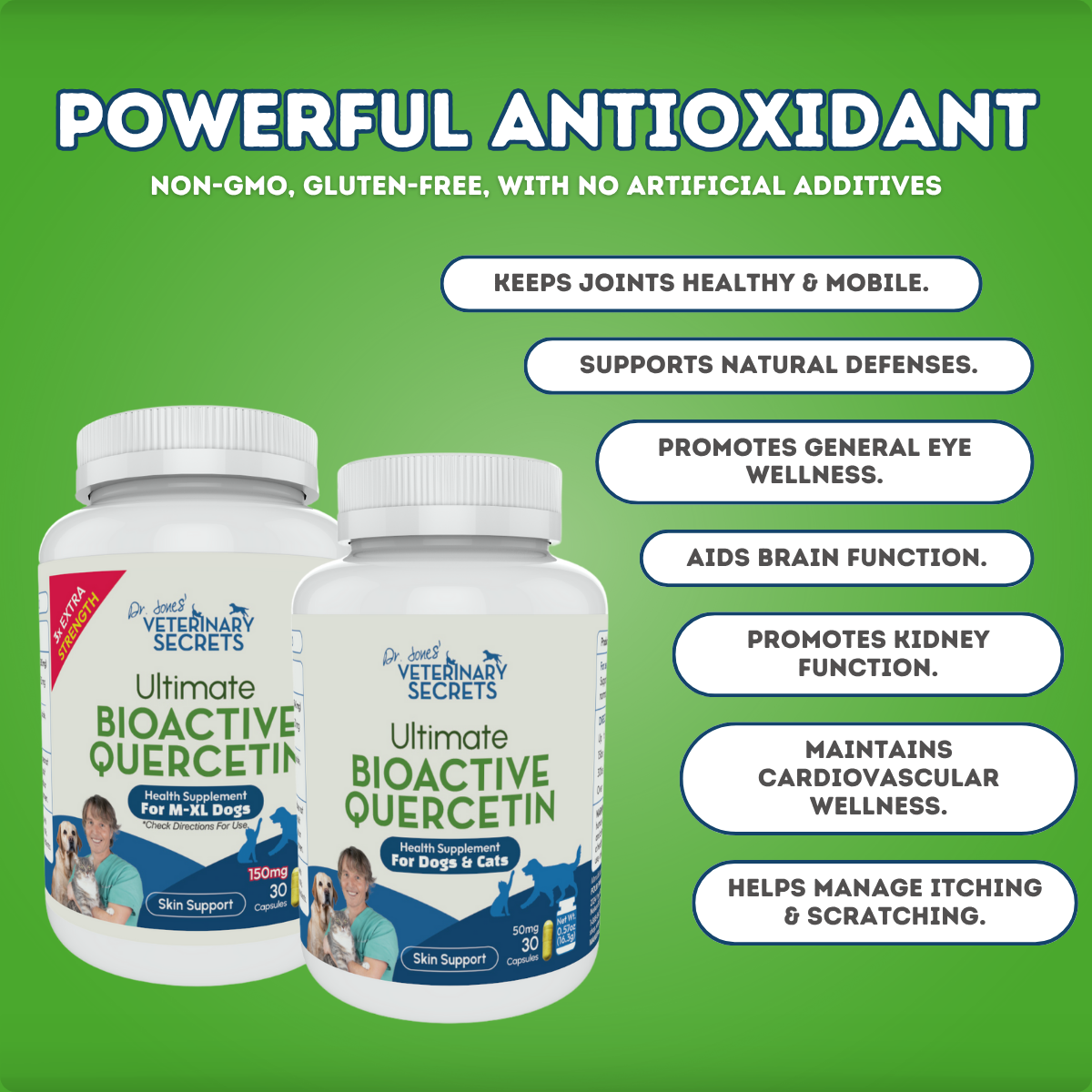
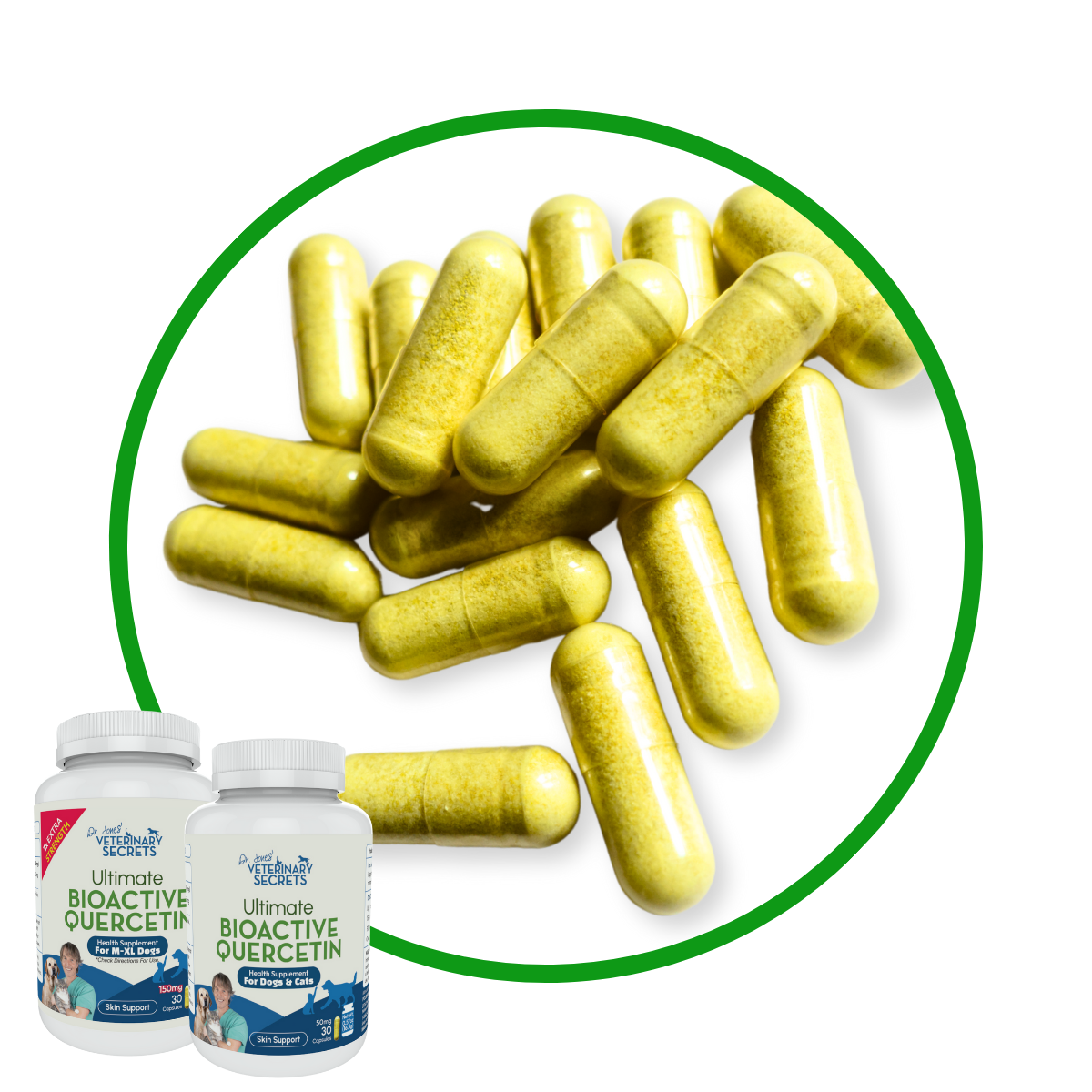
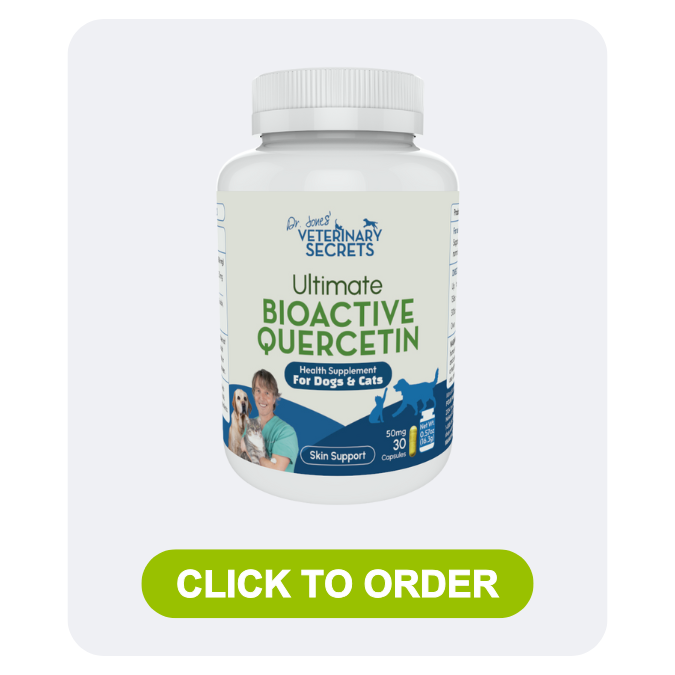
1. Bioactive Quercetin
Quercetin is a natural bioflavonoid found in apple peel. I often call it nature’s antihistamine.
It helps reduce histamine release, calm inflammation, and decrease itching.
For many dogs, this is the foundation supplement.
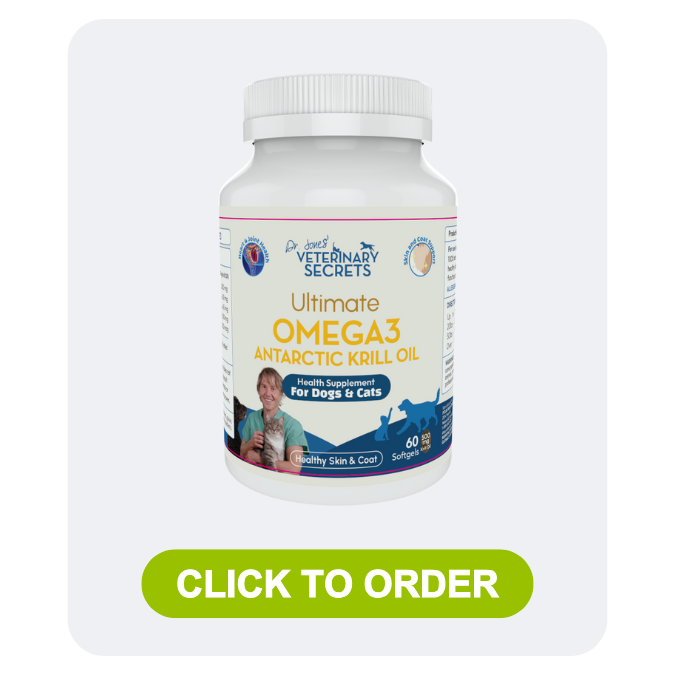
2. Omega 3 Fatty Acids
High quality fish oil rich in EPA and DHA helps:
-
Reduce skin inflammation
-
Improve skin barrier function
-
Decrease itching over time
Omega 3s work at a deeper anti inflammatory level and are excellent for long term allergy support.
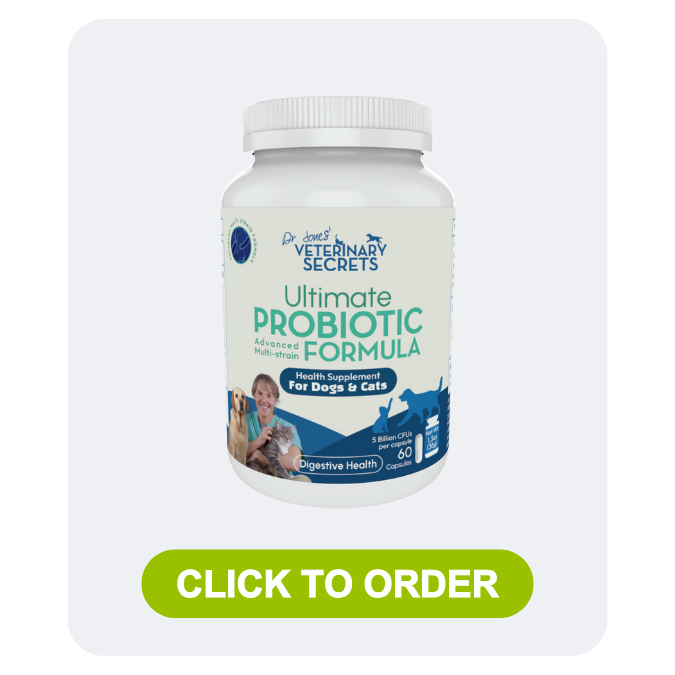
3. Probiotics
About 70 percent of the immune system lives in the gut.
If the gut microbiome is imbalanced, allergies often worsen.
A high quality probiotic helps:
-
Support immune balance
-
Reduce inflammatory responses
-
Improve skin health from the inside out
For dogs with recurring yeast or digestive issues, probiotics are especially important.
4. Digestive Enzymes
Some dogs with food sensitivities respond well to enzyme support.
Better digestion means fewer partially digested proteins triggering immune reactions.
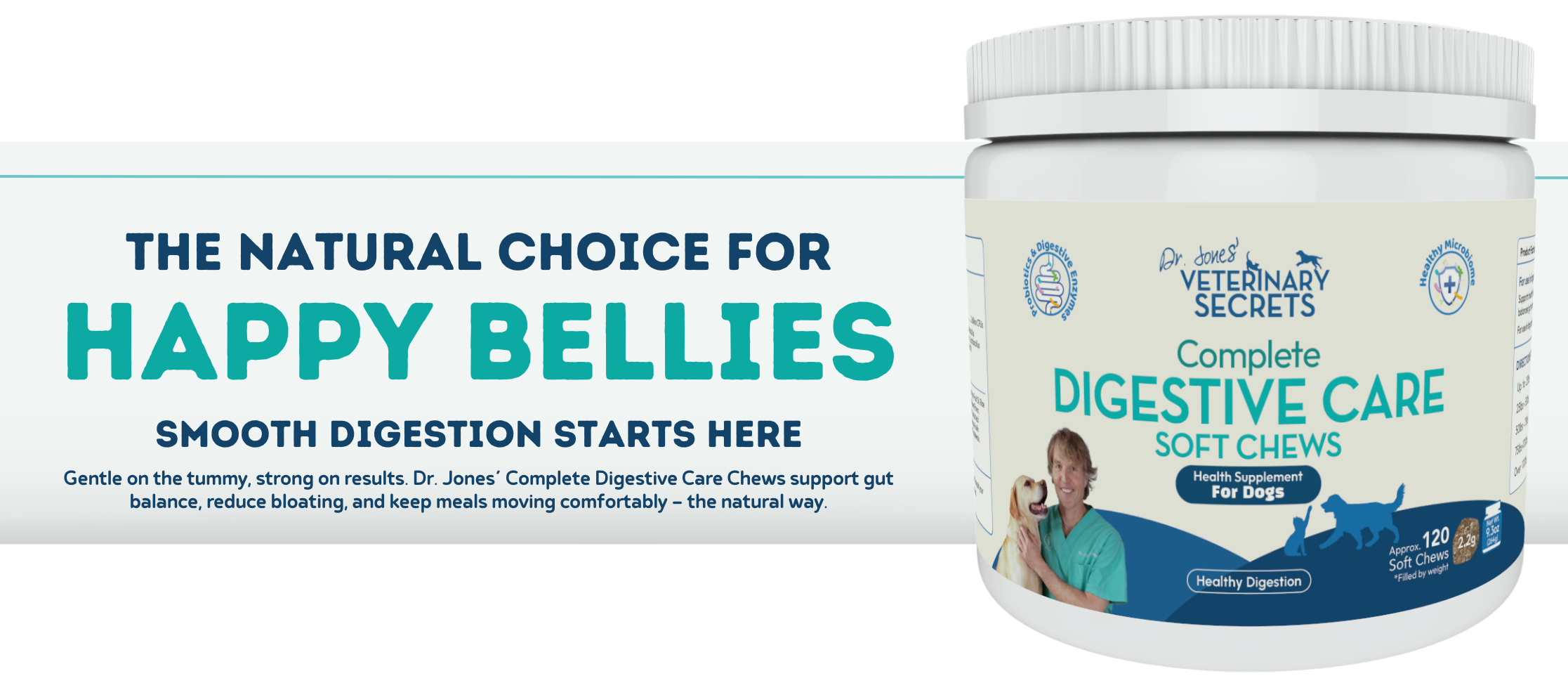
Dr. Jones’ Complete Digestive Care Soft Chews
5. Address the Diet
If food sensitivity is suspected, consider:
-
Switching protein sources
-
Trying a limited ingredient diet
-
Adding fresh whole foods
-
Reducing highly processed kibble
Less inflammation in the bowl often means less inflammation in the paws.
Final Thoughts
A mild corn chip smell is normal.
Strong odor, redness, and licking are not.
Keep paws clean and dry. Use a natural soak if needed. Address allergies early.
If your dog has constant Frito feet, it is usually not just about the feet.
It is about inflammation.
Calm the immune system. Support the gut. Strengthen the skin barrier.
When you treat the root cause, the smell often disappears on its own.
Click To Get A Free Copy of My E-Book!