Cat Food Myths: What Most Pet Parents Get Wrong

Cat Food Myths: Not What You Think
This is Dr. Andrew Jones. In this edition of Veterinary Secrets, I want to talk about some long-standing assumptions about feeding cats that are quietly causing health problems. More importantly, I want to show you what cats actually need to eat to help prevent and even improve many common feline diseases.
Much of what I was originally taught about feeding cats for disease prevention and treatment turned out to be wrong.
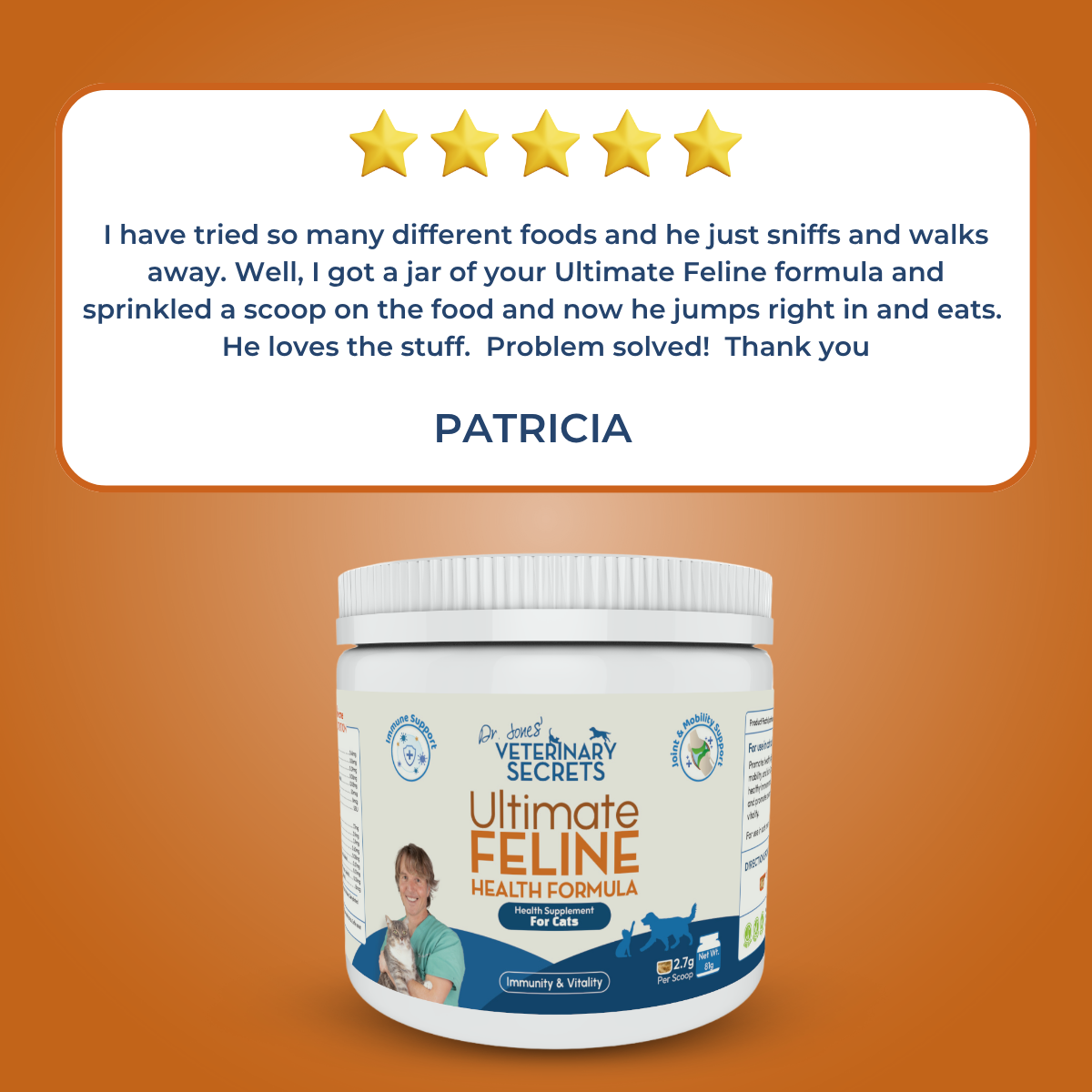
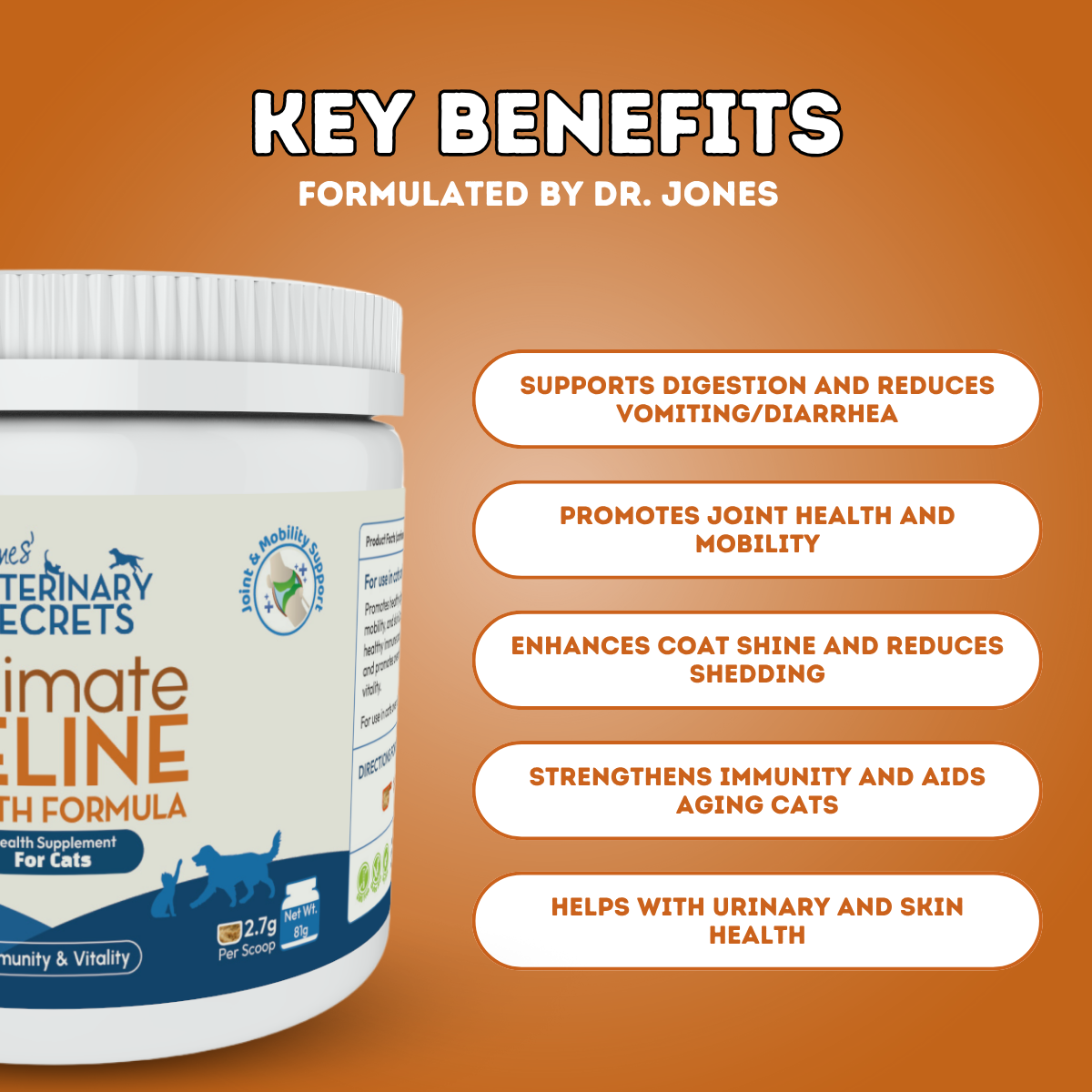
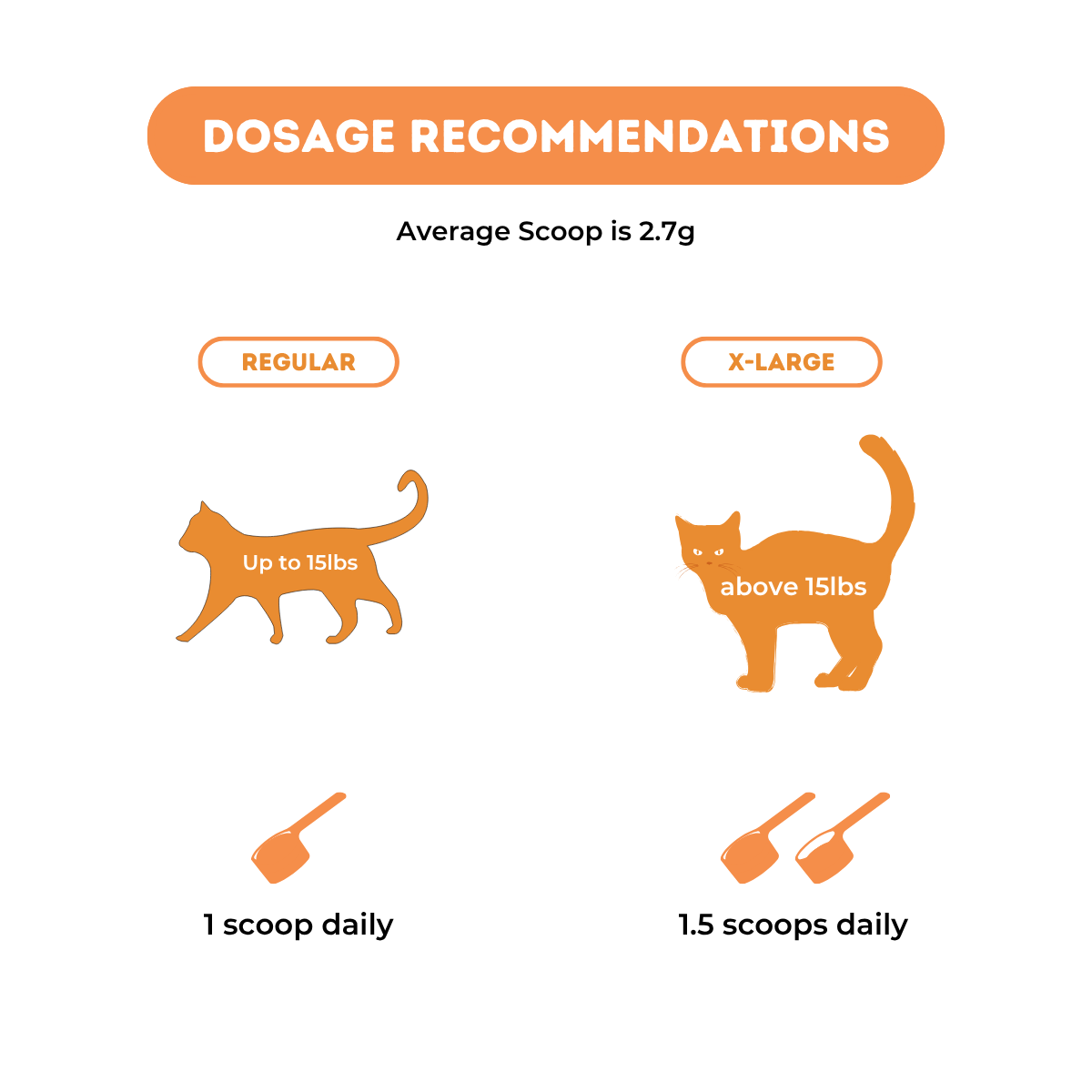
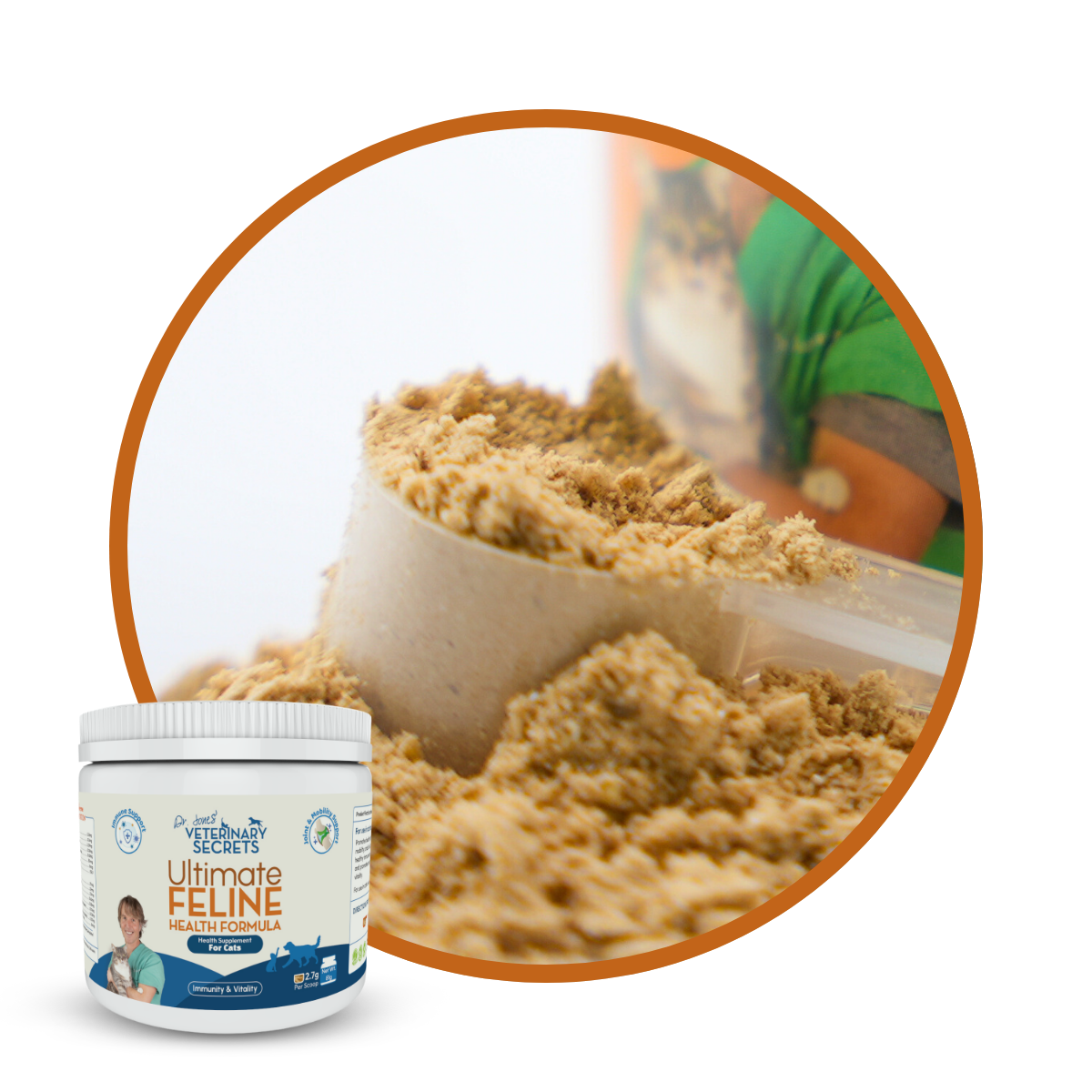
Dr. Jones’ Ultimate Feline Health Formula


Cats Are Not Small Dogs
Cats are obligate carnivores. That means they must eat animal protein to survive. Yet many cats are still fed diets designed more like dog food.
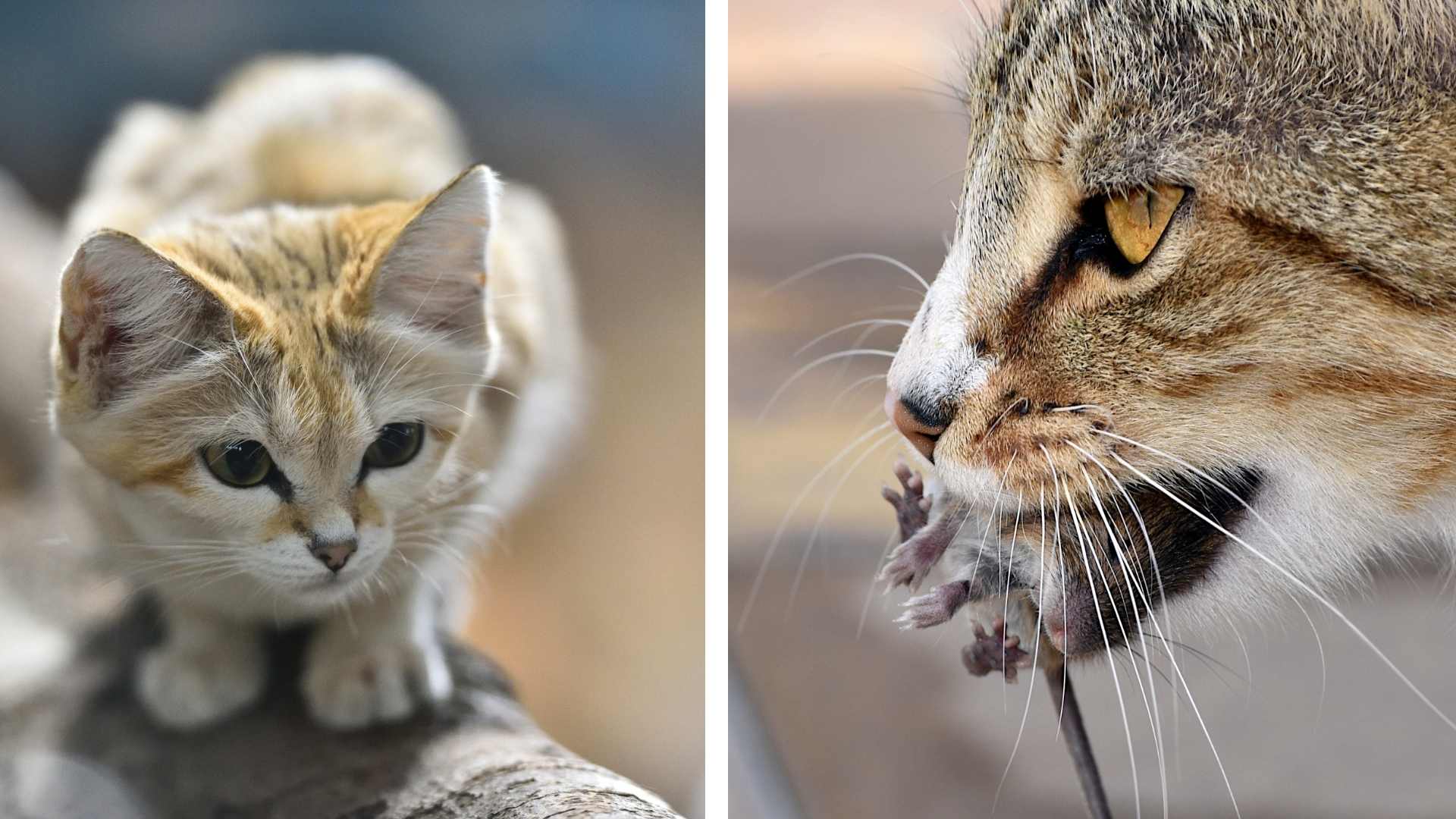
Cats evolved over millions of years as hunters. Their natural diet is made up of prey like mice and birds. That means high protein, moderate fat, and almost no carbohydrates.
This basic truth should guide every feeding decision.
Why Protein Matters So Much for Cats
Cats need far more protein than dogs.
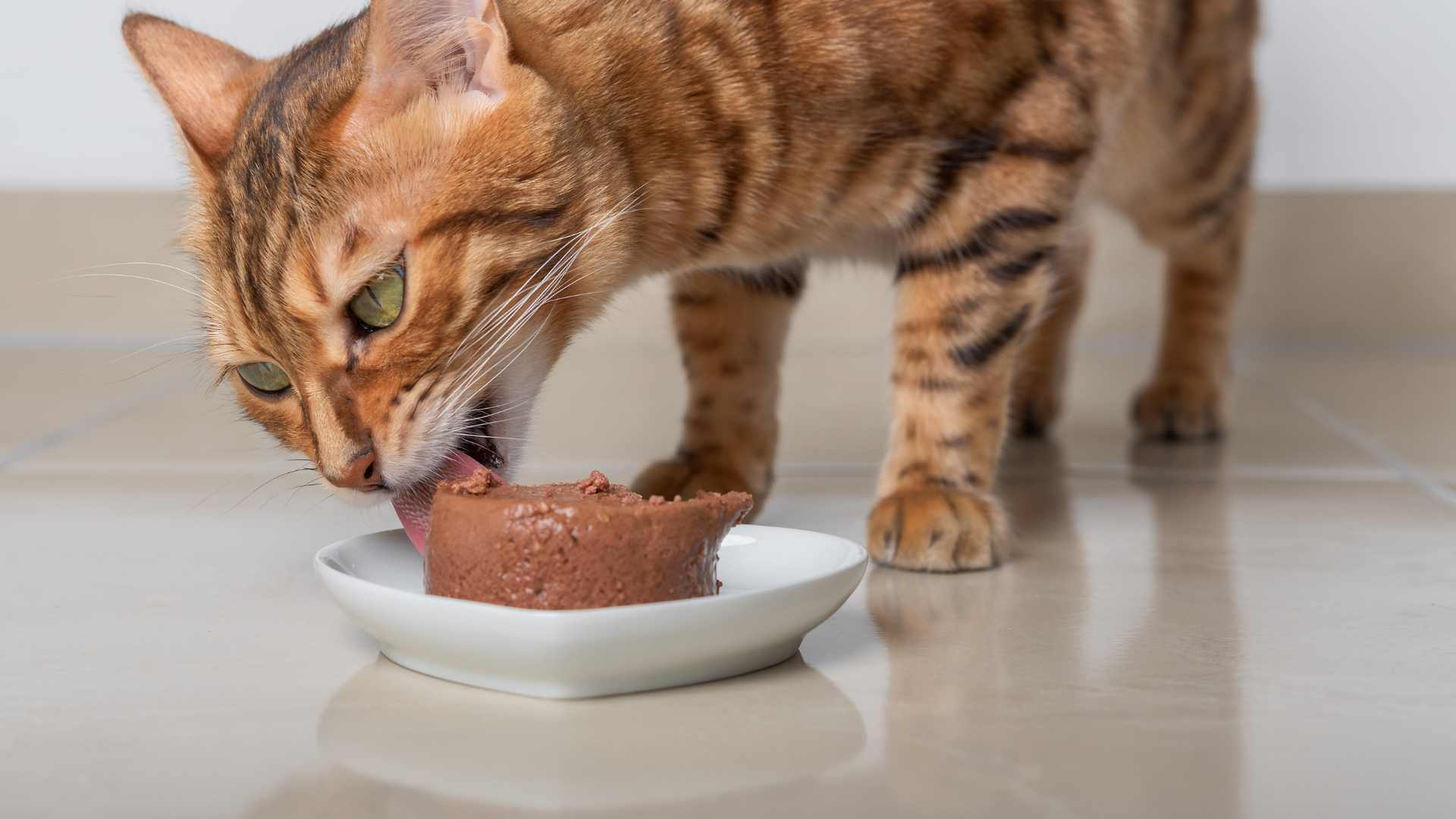
Adult cats require about 29 percent protein in their diet. Dogs only require about 12 percent. This is not a small difference.
Cats use protein as their primary energy source. Their bodies are designed for protein metabolism, not carbohydrates.
Cats Are Designed to Get Water From Food
Cats evolved with a very weak thirst drive. In the wild, they get most of their water from prey.
Canned food contains about 60 to 70 percent moisture. Dry kibble contains only 9 to 12 percent.
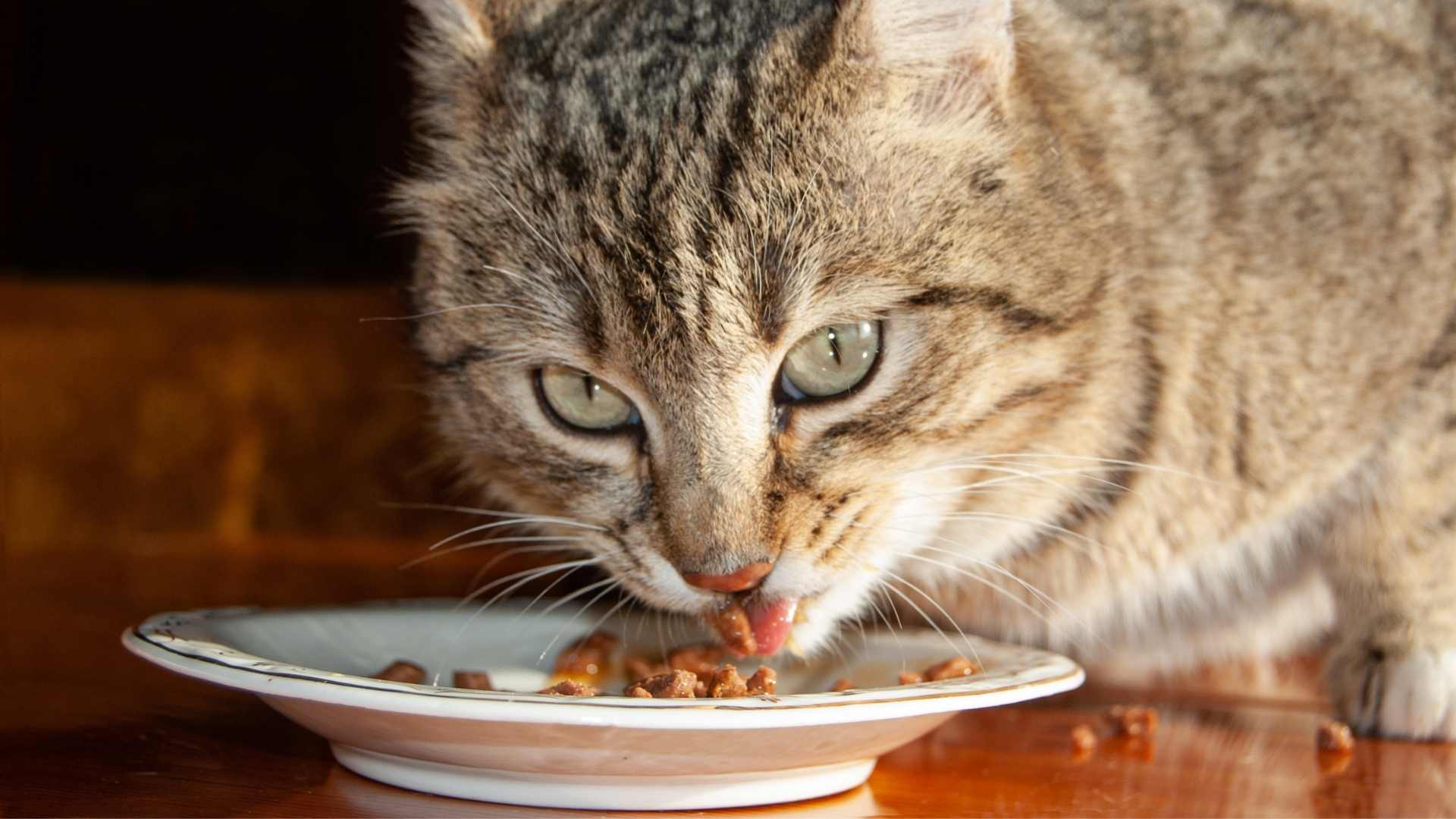
This matters because chronic dehydration is linked to kidney disease, urinary issues, and bladder inflammation.
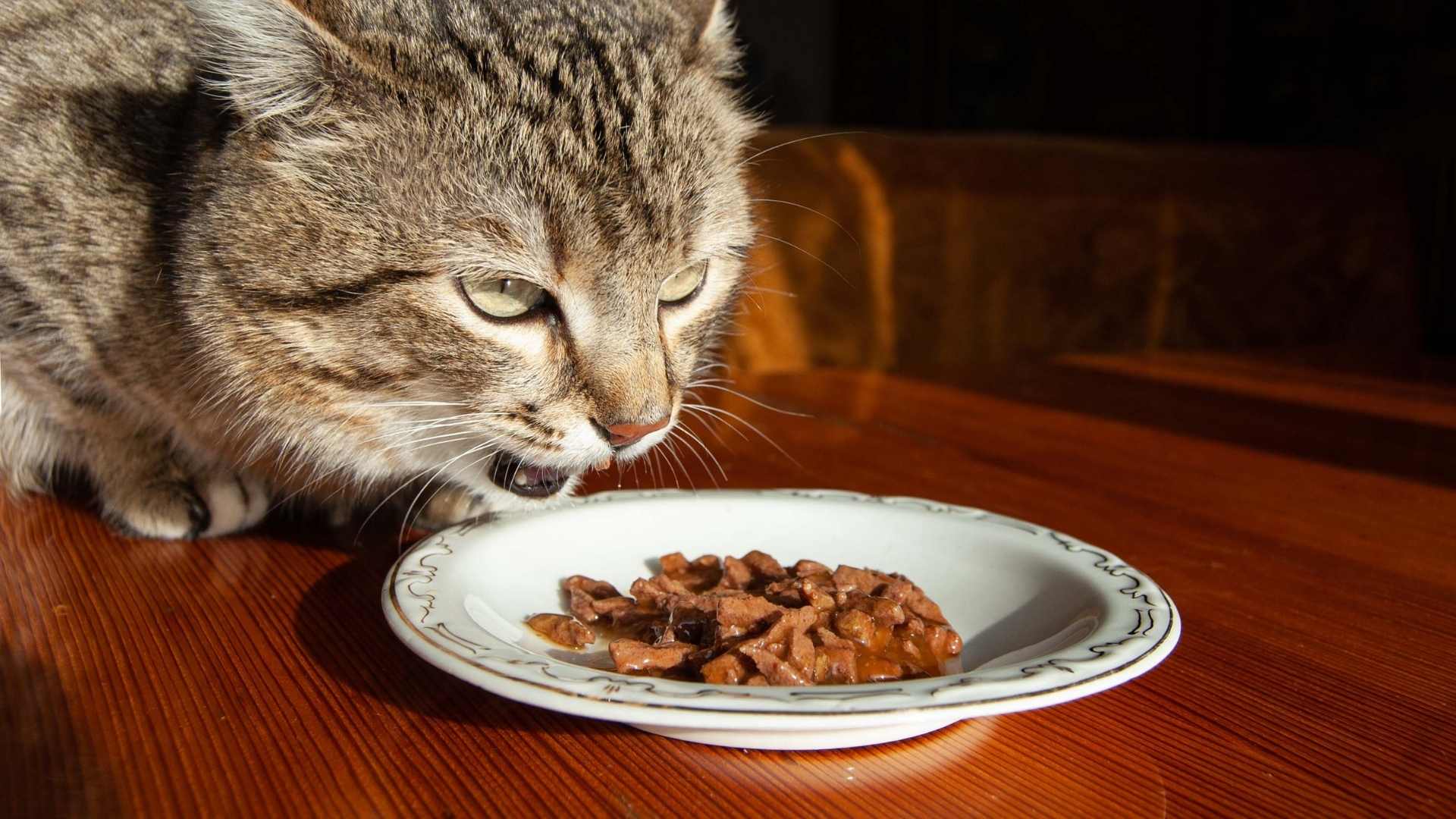
Feeding canned food is much closer to how cats are meant to eat.
How Cats Naturally Eat
Wild cats eat many small meals throughout the day and night. Some may eat up to 20 small meals daily.
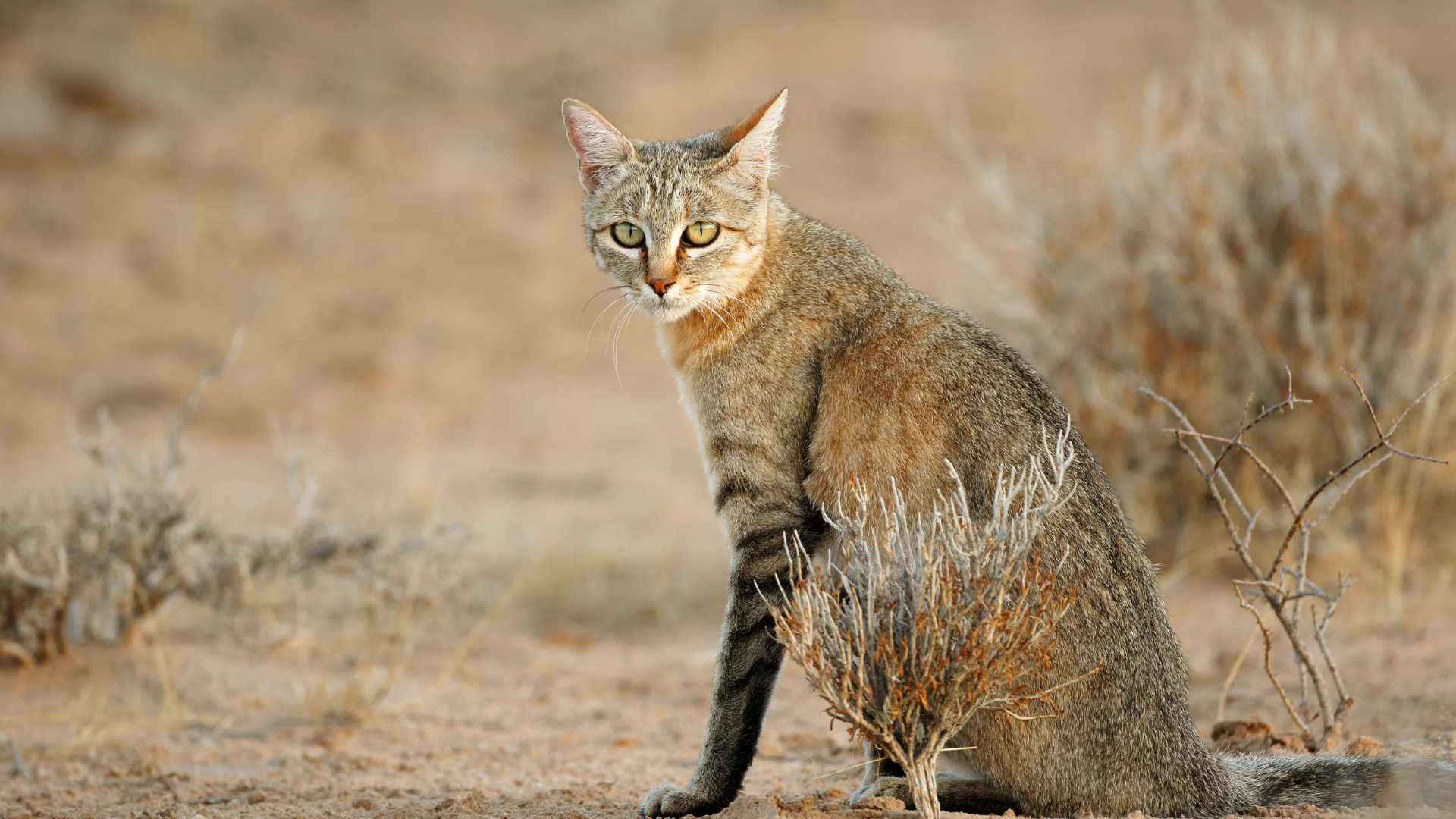
Cats also care deeply about the feel, smell, and texture of food. Most prefer food that is moist, warm, and similar to real flesh.
Dry kibble does not match this natural preference.
Why Carbohydrates Cause Problems
Cats can use carbohydrates, but they do not need them.
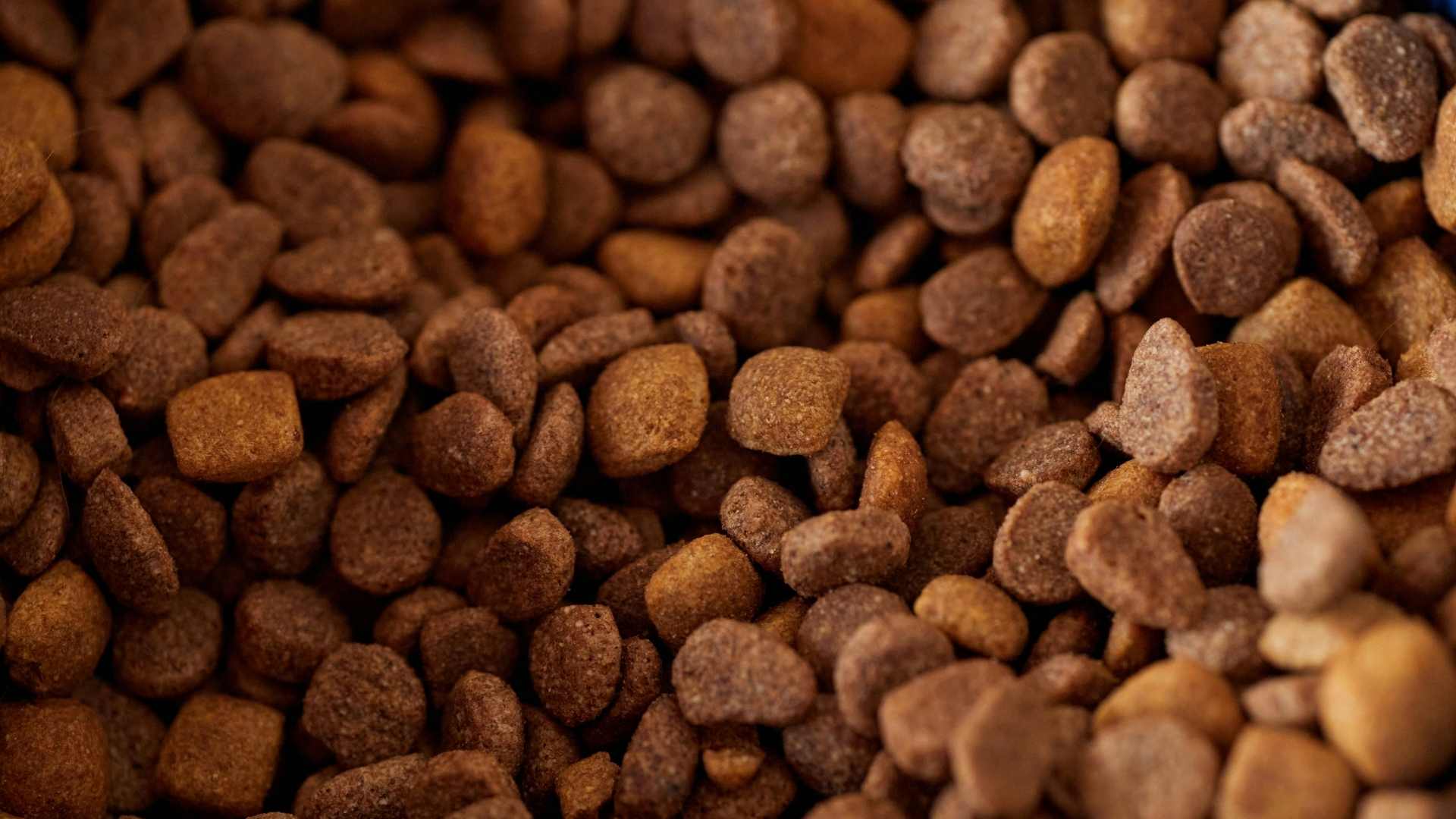
Here is why carbs are a poor fit for cats:
-
Cats lack salivary amylase, an enzyme needed to digest starch
-
They have only about 5 percent of the pancreatic amylase activity of dogs
-
They have only about 10 percent of the intestinal amylase activity of dogs
-
Cats have a short colon, limiting fiber and starch fermentation
-
Cats lack the liver enzyme glucokinase, needed to process glucose
After a high carbohydrate meal, blood sugar rises sharply and stays elevated. Over time, this can overwhelm the pancreas and contribute to diabetes.
The Most Important Diet Change You Can Make
The single most important change for most cats is switching to a high protein, low carbohydrate canned food.
Aim for less than 5 percent carbohydrates.
Eliminate dry kibble if possible and feed canned food only.
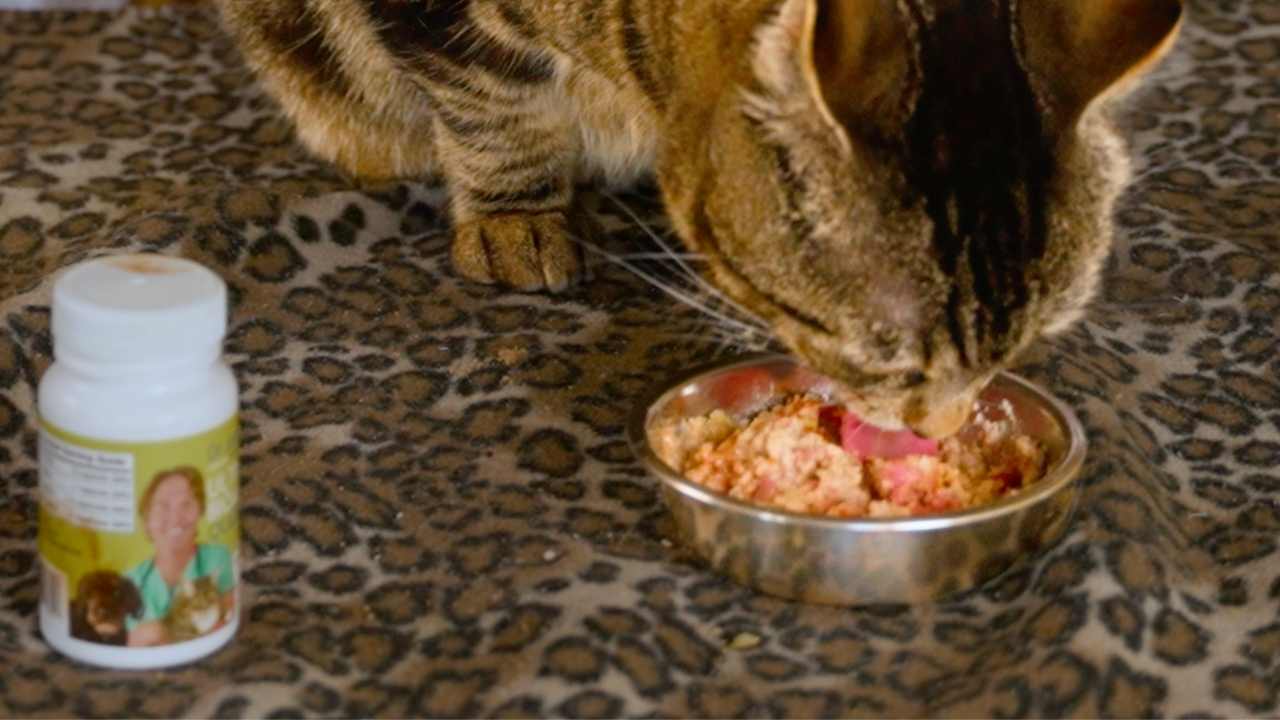
Examples include:
-
Wellness chicken or turkey
-
Fancy Feast classic chicken or turkey
-
Nature’s Variety organic
-
Raw or frozen raw diets
High protein. Low carbs. High moisture.
That is the foundation.
Cat Food and Thyroid Disease
Hyperthyroidism is a relatively new disease in cats, and its exact cause remains unclear. Diet is considered a major suspect.
PBDEs are fire retardant chemicals found in some fish and in household dust. These chemicals can interfere with thyroid function. Many cat foods are high in fish, which may be part of the problem.
Soy is another concern.
Soy is known to disrupt thyroid function and has no logical place in cat food. One study found soy in 60 percent of tested cat foods at levels high enough to interfere with thyroid health.
What I Want You to Take Away
Cats thrive on:
-
High animal protein
-
Low carbohydrates
-
High moisture
-
Small, frequent meals
-
Minimal fish and no soy
Feeding cats like small carnivores, not small dogs, can make a real difference in preventing diabetes, urinary disease, kidney issues, and thyroid problems.
Next Steps
Thank you for reading this edition of Veterinary Secrets on feeding cats the right way.
Click the link above to subscribe to my channel. Then click the link below to sign up for my newsletter. I will send you my free book and videos on how to help heal your cats at home using simple, natural approaches.
Click To Get A Free Copy of My E-Book!

Regarding PBDEs, furniture, carpet are major culprits. The vet who treated my hyperthyroid kitty with radioactive iodine said that the disease didn’t present before the 70’s when fire retardant chemicals were first applied to furniture material. My cat was virtually cured with the treatment which is considered superior to medication for life or surgery.
Absolutely! PBDEs and other environmental contaminants are worth considering, although the exact cause of feline hyperthyroidism is still not fully understood.
Radioactive iodine (I-131) is indeed considered a highly effective treatment for many hyperthyroid cats, often providing a long-term cure after a single treatment.
Thanks for sharing your experience—it’s a great reminder that both environmental exposure and proper veterinary treatment matter.
When a cat is older and has thyroid problems what kind of cat food should they eat? My cat is 15 years old and the vet said that if he were to operate there could be a chance she would die is this true?
Yes, there can be more risk with thyroid surgery in a 15-year-old cat, particularly if she has heart or kidney problems. But age alone doesn’t necessarily rule out treatment.
For food, ask your vet about an iodine-restricted prescription diet if hyperthyroidism is confirmed. Another excellent option to discuss is radioactive iodine (I-131), which can often cure hyperthyroidism without surgery.
Most importantly, check her kidney function and heart health before choosing a treatment.
Joey-Jayne,
Dr Jones mentions Wellness canned in his video above. My cats are on a raw diet, but I occasionally give them Wellness as a treat, or when their appetites need piquing. If you try raw, remember that the vast majority of cats need a transition period of mixing their old with the raw, before they accept it. My cats accepted raw immediately because they were rescued from the streets and therefore accustomed to eating wildlife.
Of course with any surgery, there is a risk for any living being. Good luck with your kitty and I wish her the very best.
Thank you for sharing! Raw can be a great option when it’s complete and balanced, and you’re absolutely right that many cats need a gradual transition. Street-savvy kitties sometimes need no introduction—they already have the hunter’s menu!
And yes, every surgery carries some risk, so a thorough pre-op assessment is especially important for a senior cat. Wishing your kitty the very best!
I have 7 cats, all rescued. They eat their kibble throughout the day and night, but I cannot leave canned food out all day. I’m sure that they would love it, but it is not feasible. Any suggestions?
Absolutely! 7 rescued cats is a full-time feline food committee!
You don’t have to leave canned food out all day. Try offering small portions of complete-and-balanced canned food 2–3 times daily, then refrigerate the rest. Wet food should be refrigerated promptly rather than left out for extended periods.
If your cats like to graze overnight, a measured amount of kibble can still be used for that. An automatic feeder can also make portioning easier.
Even adding a little wet food each day is a nice way to increase moisture intake.
Thank you for confirming what the best vets here on Long Island,NY have been advising for years. So many people still believe the misinformation about kibble, claiming that it’s cleaner, cheaper, just as nutritious and cleans their cat’s teeth. Sure, why don’t you brush with a pretzel! And finally the truth be known about fish…it’s a NO NO…forget Tommy Tuna!
You’re right that kibble doesn’t replace brushing or proper dental care, and fish doesn’t need to be the mainstay of a cat’s diet. A complete, balanced, moisture-rich diet is a much better foundation.
And Tommy Tuna can still visit occasionally… just don’t let him run the whole menu!
Wow, I was told not to feed my cats canned food as they don’t need it. But the information you provide does make sense to me. I will begin giving them a good quality canned food. Thank you so much. BTW, Snowball is absolutely beautiful!!
Thank you! Snowball says she appreciates the compliment!
Canned food can be a great choice for cats because of its high moisture content. Just look for a complete and balanced diet, and make the switch gradually if your cats are used to kibble.
More moisture in the bowl is generally a good thing for our feline friends!