FeLV and FIV in Cats: What to Do After a Positive Test

Can a Cat With FeLV or FIV Live a Long Life?
Yes. Cats diagnosed with feline leukemia virus (FeLV) or feline immunodeficiency virus (FIV) can live for many years with appropriate care. Although these viruses can cause lifelong infections and weaken the immune system, managing secondary infections, maintaining good nutrition, and supporting overall health can make a significant difference.
And that’s something I really want cat parents to understand.
Because when I first started practicing veterinary medicine, things were very different.
We would test a cat, discover that they were FeLV or FIV positive, and often give their owners a very discouraging prognosis.
In some cases, these cats were euthanized shortly after diagnosis.
But we’ve learned a great deal since then.
And one of the most important things we’ve learned is that testing positive for FeLV or FIV doesn’t automatically mean your cat has only a short time left.
Many infected cats can live relatively normal lives for years.
They may have extended periods when they appear healthy and show few signs of illness.
Of course, there are challenges.
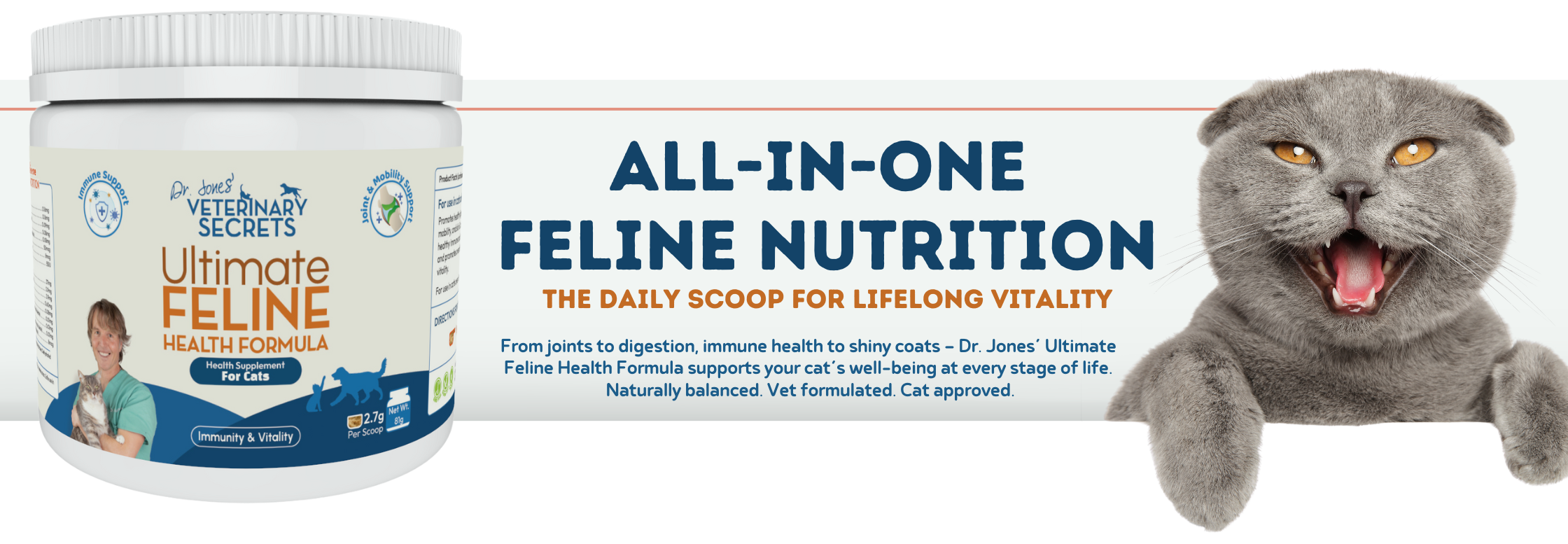
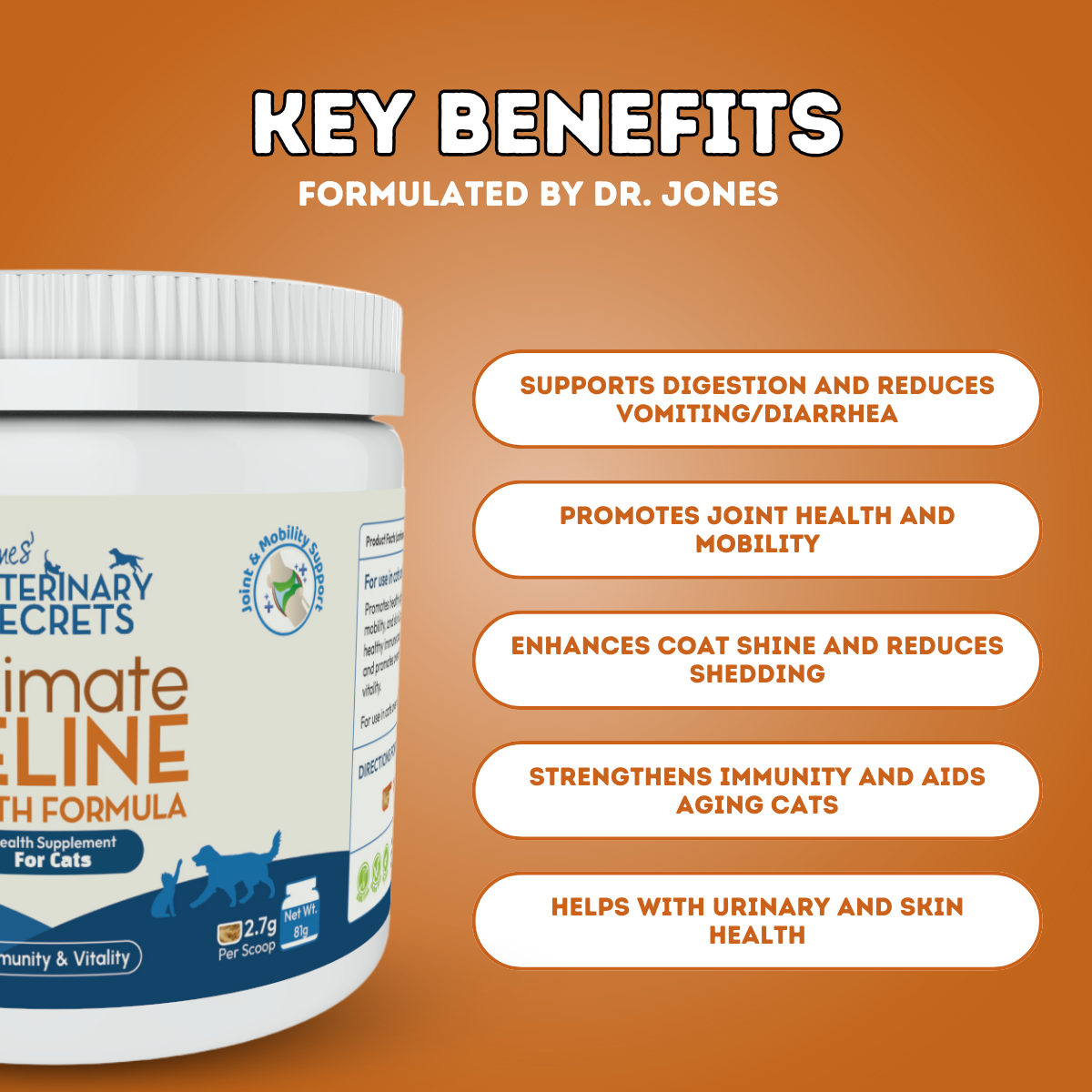
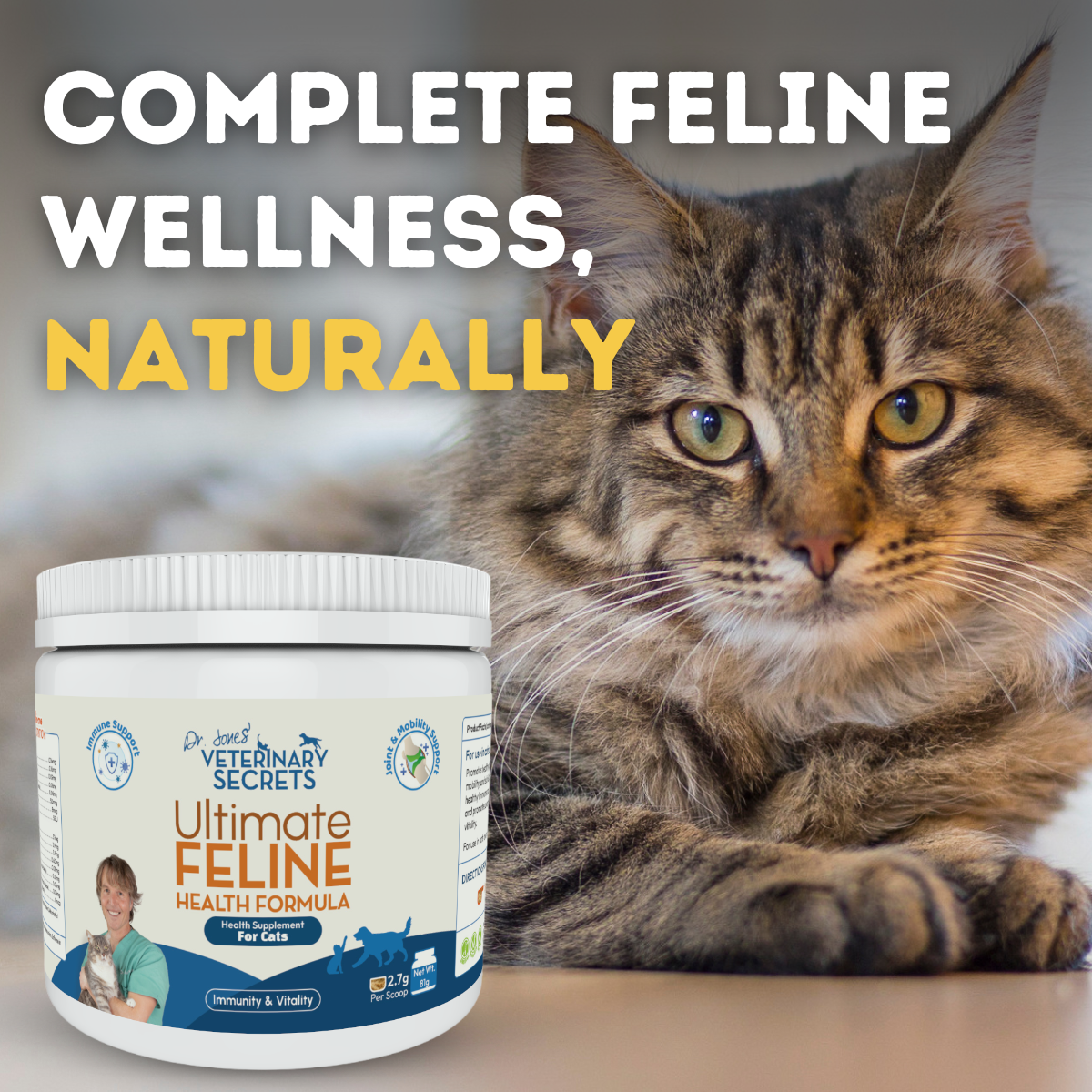
Dr. Jones’ Ultimate Feline Health Formula
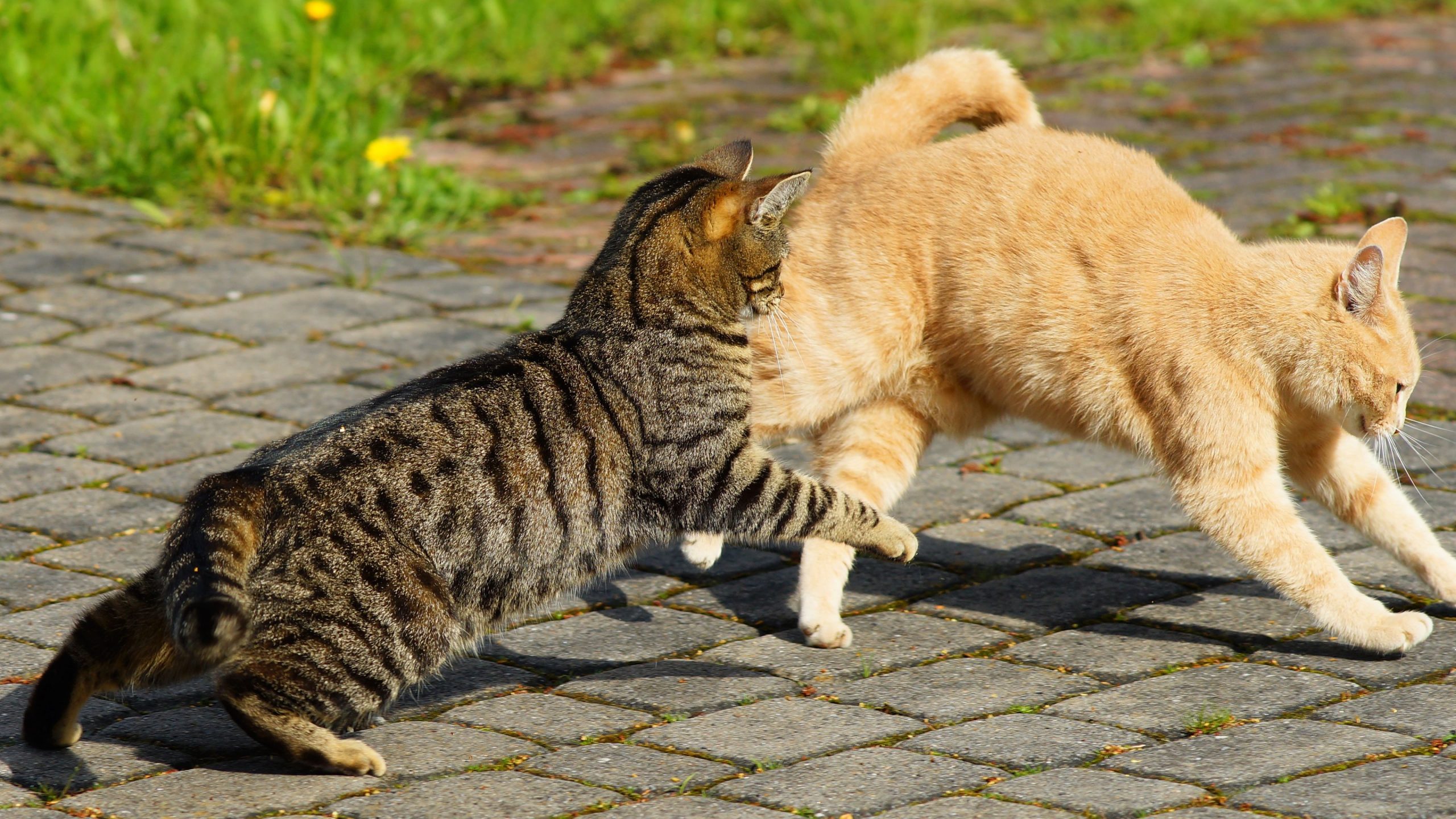
These viruses affect the immune system, making cats more vulnerable to secondary infections, dental disease, anemia, and certain cancers.
But there are things we can do.
Today, I want to explain the differences between FeLV and FIV, how cats become infected, which complications concern me most, and seven natural remedies I’ve been investigating to help support infected cats.
And here’s the big thing.
We’re not necessarily trying to eliminate the virus. We’re trying to keep your cat as healthy as possible and prevent the secondary problems that can make these infections so serious.
That’s where I believe supportive care can make a real difference.
What Are FeLV and FIV in Cats?
FeLV and FIV are two serious viral infections affecting cats. Both can interfere with normal immune function, but they spread differently and can produce different health problems.
They’re among the more concerning infectious diseases I discuss with cat parents.
And although the names are sometimes mentioned together, they are not the same virus.
What Is Feline Leukemia Virus (FeLV)?
FeLV stands for feline leukemia virus.
It’s a viral infection that can affect a cat’s immune system and blood-forming tissues.
Cats with FeLV may become more susceptible to secondary infections.
They may also develop anemia and certain cancers.
The virus can spread between cats through close contact and exposure to infected bodily secretions.
What Is Feline Immunodeficiency Virus (FIV)?
FIV stands for feline immunodeficiency virus.
It’s another virus that affects immune function.
FIV was first identified in 1986.
Like FeLV, it can make cats more vulnerable to certain infections and other health complications.
But FIV has a particularly important transmission route.
Deep bite wounds from infected cats.
This is one reason FIV is such a concern in situations where cats are fighting.
What’s the Difference Between FeLV and FIV?
| Feature | FeLV | FIV |
|---|---|---|
| Full name | Feline leukemia virus | Feline immunodeficiency virus |
| Main concern | Immune problems, anemia, and certain cancers | Immune dysfunction and secondary infections |
| Transmission | Close contact and infected bodily secretions | Primarily deep bite wounds |
| Mother-to-kitten transmission | Discussed as an important route | Not the main route discussed |
| Long-term outlook | Varies, but some cats live for years | Many cats can live for years |
| Main care priority | Maintain health and manage complications | Maintain health and manage complications |
Both infections deserve attention.
But neither diagnosis automatically means that your cat should be euthanized.
How Common Are FeLV and FIV in Cats?
Research has provided some interesting information about how frequently these infections occur.
A study involving approximately 18,000 cats, discussed in relation to 2004, reported the following figures:
| Infection | Percentage of Cats Testing Positive |
|---|---|
| Feline leukemia virus (FeLV) | 2.4% |
| Feline immunodeficiency virus (FIV) | 2.5% |
So we’re talking about infections that affect a meaningful number of cats.
And their patterns have changed over time.
Is Feline Leukemia Becoming Less Common?
The research I’ve discussed suggests that FeLV prevalence has decreased somewhat over approximately the past 20 years.
That’s encouraging.
What About FIV?
FIV prevalence has remained relatively consistent over the period discussed.
And because cats can live for years with this infection, it’s something I believe pet parents should understand.
Especially those caring for outdoor cats or cats living in areas with large stray populations.
Can FeLV or FIV Be Cured?
There is currently no reliably established cure that eliminates these infections from every affected cat. However, infected cats may remain clinically healthy for extended periods, and appropriate supportive care can help manage complications.
This is where I want to distinguish two things.
Having the virus.
And being seriously ill because of the virus.
Those aren’t always the same.
Can a Cat With FeLV or FIV Go Into Remission?
Some cats experience extended periods when they’re doing well.
They may appear healthy.
They may eat normally.
And they may continue living comfortably for years.
That’s very encouraging.
However, the fact that a cat appears healthy doesn’t necessarily mean the infection has been eliminated.
Why Has the Prognosis Improved?
When I first entered veterinary practice, a positive FeLV or FIV diagnosis was often treated as a very poor prognosis.
Today, we recognize that supportive care can make a substantial difference.
Particularly when we’re identifying and treating secondary infections promptly.
That’s one of the biggest changes in how I think about these cats.
And it’s the reason I don’t want pet parents giving up after receiving a positive test result.
What Health Problems Are Common in Cats With FeLV or FIV?
Cats with FeLV or FIV may experience secondary infections, anemia, dental disease, recurring skin abscesses, and certain cancers. Many of these complications are associated with impaired immune function.
The viruses can affect a cat’s ability to respond normally to infection.
So problems that might be relatively straightforward in another cat can become more challenging.
What Are the Most Common Secondary Problems?
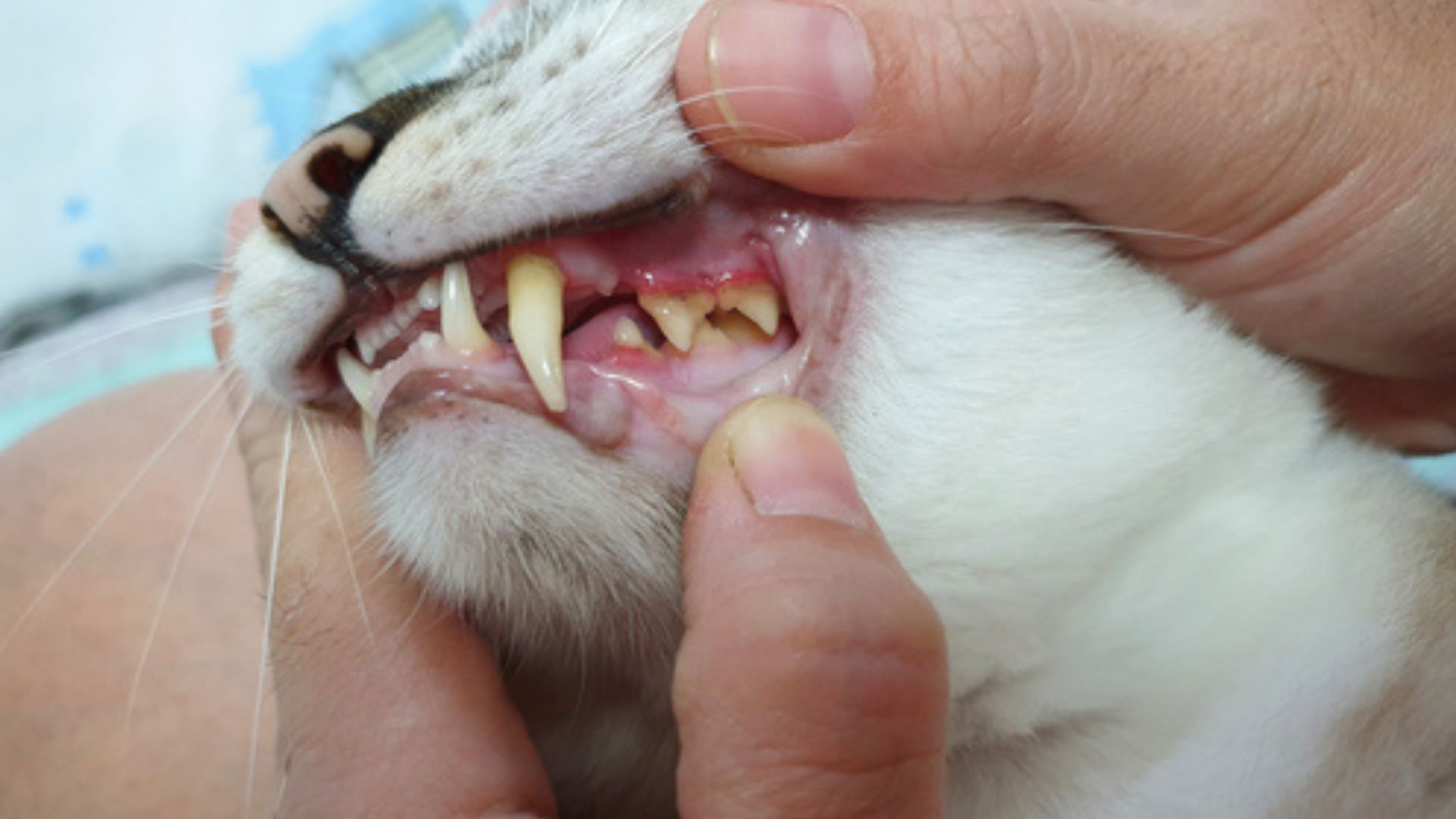
Some of the concerns I’ve discussed include:
-
Recurring skin abscesses
-
Gingivitis
-
Periodontal disease
-
Other secondary infections
-
Anemia
-
Certain cancers
-
Reduced immune function
Two complications deserve particular attention.
1. Recurring Skin Abscesses
A skin abscess is a localized collection of infection.
In cats with impaired immune function, these infections may become recurrent.
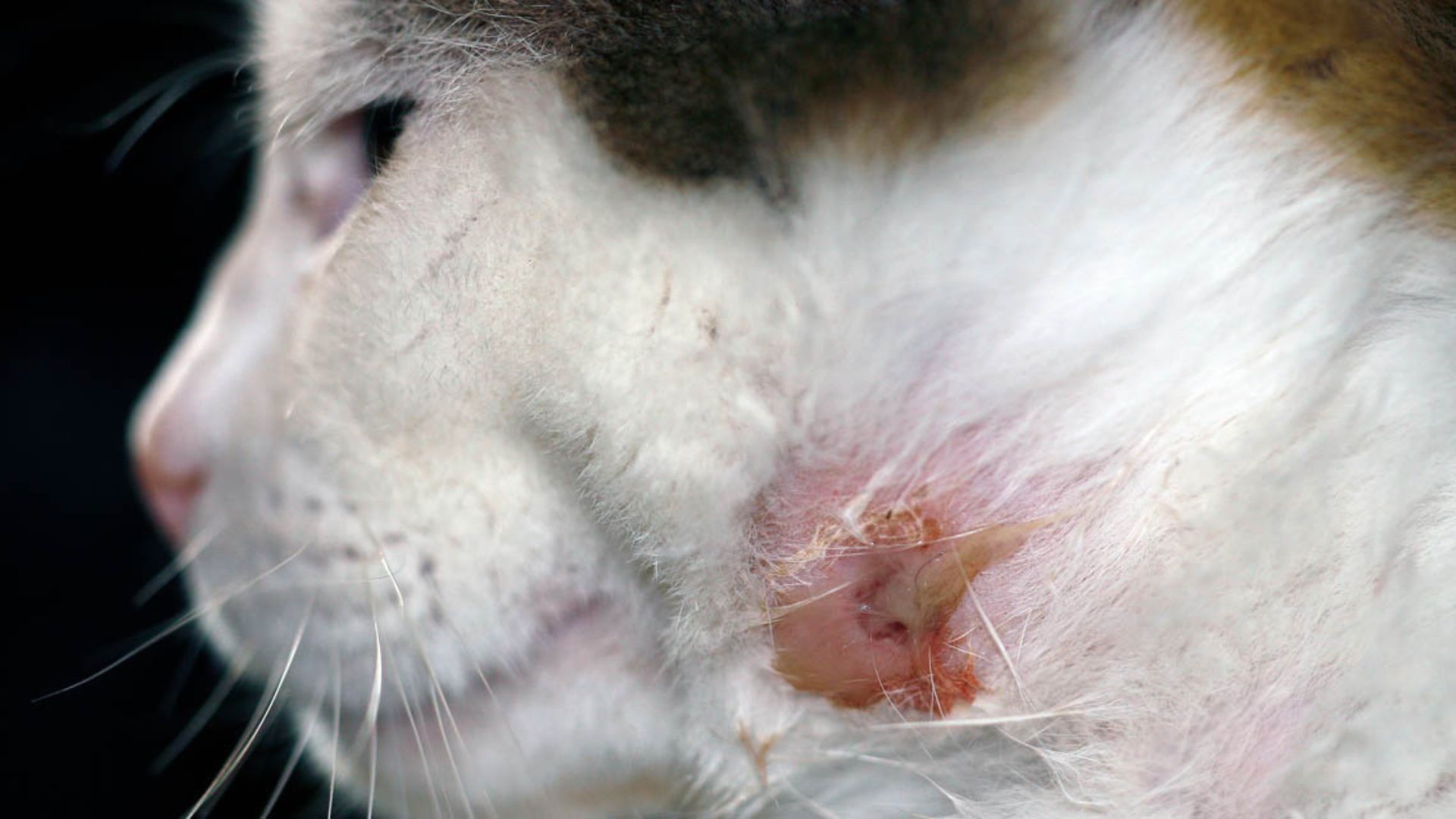
I’ve discussed figures suggesting that approximately 10% of FeLV- or FIV-positive cats experience recurring skin abscesses.
That’s why I encourage pet parents to pay attention to any new swelling, painful area, or suspected infection.
2. Dental Disease and Gingivitis
Dental disease is another major concern.
I’ve discussed estimates suggesting that close to 10% of infected cats experience significant dental or periodontal problems.
These may include:
-
Inflamed gums
-
Gingivitis
-
Periodontal disease
-
Gingivostomatitis
-
Recurring oral inflammation
And these problems can be particularly uncomfortable.
A cat with painful gums or teeth may have difficulty eating.
That becomes even more concerning when we’re trying to maintain good nutrition and overall health.
Why Is Managing Secondary Infection So Important?
Because secondary infections are often a major reason these cats become seriously ill.
If we can identify and treat infections early, we may be able to maintain a much better quality of life.
And that’s one of my biggest priorities.
How Do Cats Get FeLV or FIV?
FeLV and FIV have different major routes of transmission.
Understanding those differences can help you evaluate your cat’s exposure risk.
How Does Feline Leukemia Virus Spread?
FeLV can spread through infected bodily secretions.
These include:
-
Saliva
-
Nasal secretions
-
Milk
-
Urine
-
Feces
Close contact between cats is particularly relevant.
FeLV may also be transmitted from an infected mother cat to her kittens.
Which Cats Have Greater FeLV Exposure Risk?
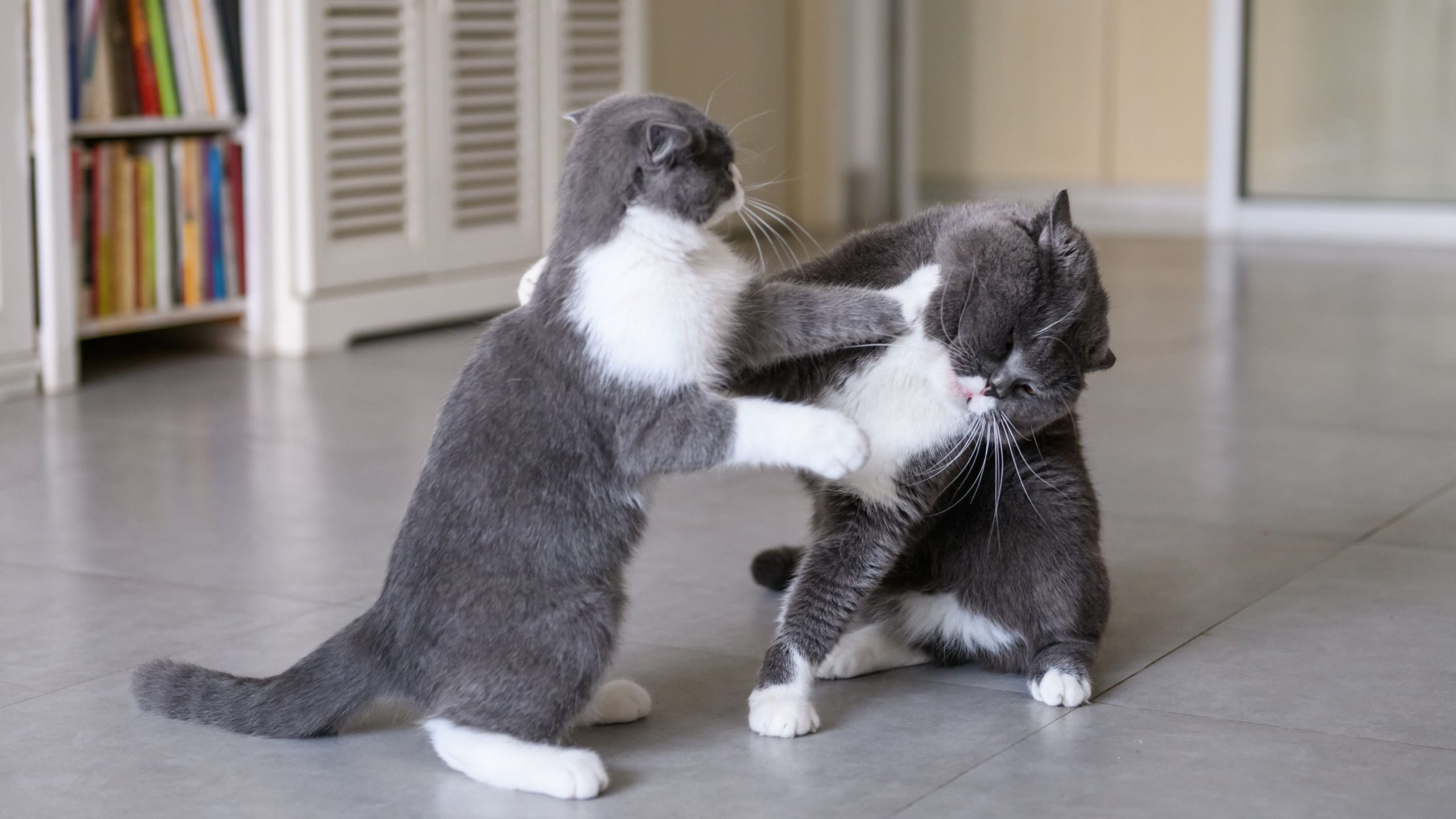
I would pay particular attention to cats living in situations involving frequent contact with other cats.
For example:
-
Multi-cat households
-
Animal shelters
-
Areas with large stray cat populations
-
Cats regularly interacting with unfamiliar cats
The more opportunities a cat has for close contact with infected cats, the more relevant FeLV exposure becomes.
How Does FIV Spread?
FIV is most commonly transmitted through deep bite wounds.
The virus can be present in high concentrations in the saliva of an infected cat.
When an infected cat bites another cat deeply, the virus can be transmitted.
That’s why fighting is such an important risk factor.
Is an Indoor Cat at Risk?
A cat that lives indoors and has no contact with infected cats generally has a much lower exposure risk.
Our own cat Cassian is a good example.
He’s essentially an indoor cat and isn’t regularly interacting with unfamiliar cats.
So his circumstances are quite different from those of a cat living around a large outdoor cat population.
And I believe those differences should influence preventive-care decisions.
Should You Vaccinate Your Cat Against FeLV or FIV?
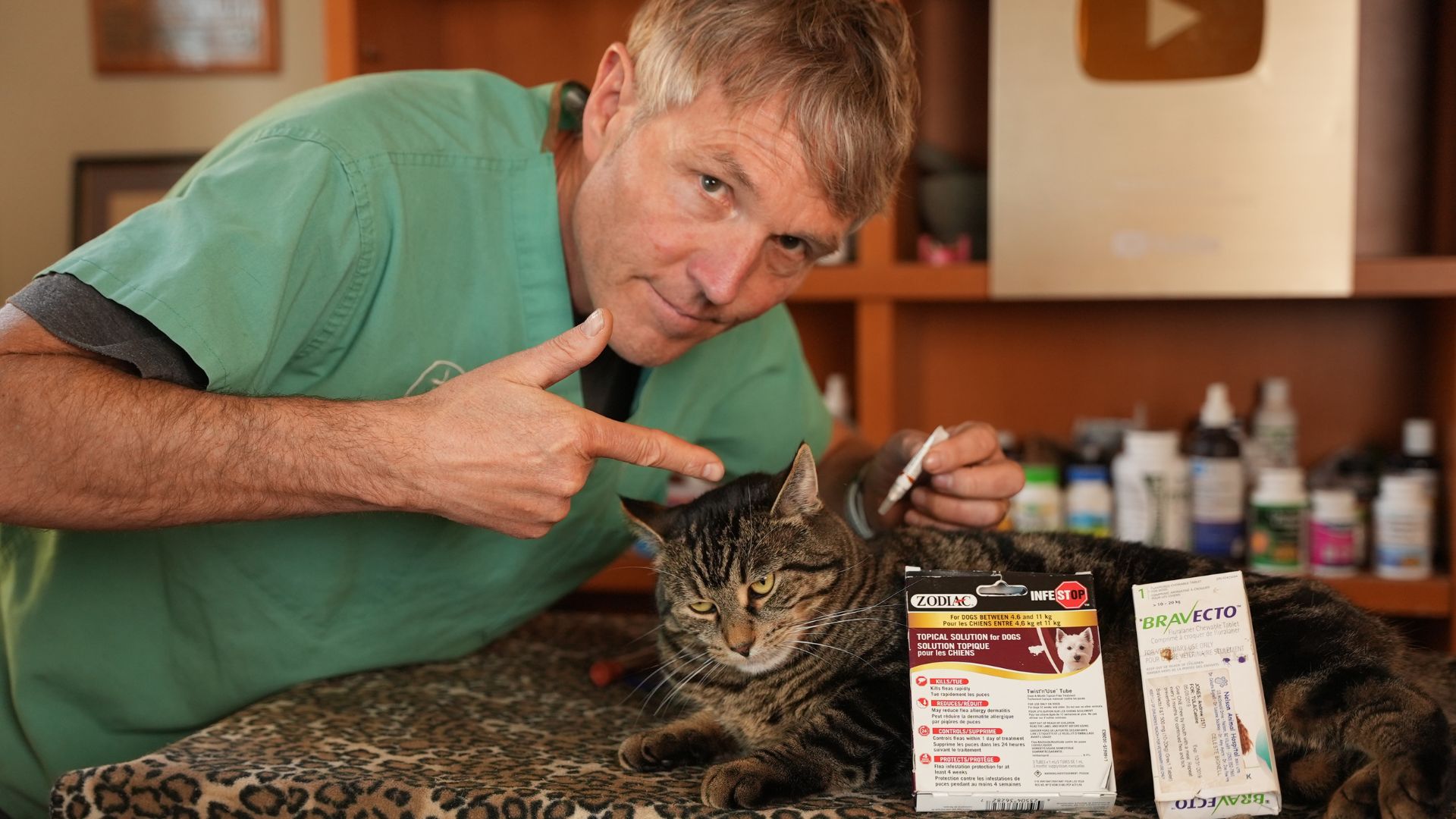
Vaccination decisions should consider the individual cat’s exposure risk, health, and circumstances. FeLV vaccination can provide protection against infection, while the effectiveness and availability of FIV vaccination are separate considerations.
I’ve always encouraged pet parents to ask questions about vaccinations.
Especially when we’re discussing an individual cat’s actual risk.
What Is My View on FeLV Vaccination?
Personally, I’ve been cautious about recommending FeLV vaccination for every cat regardless of lifestyle.
For an indoor cat with no exposure to unfamiliar cats, I would question whether repeated vaccination is necessary.
But the situation changes when we’re considering cats that regularly interact with other cats.
A cat living in a high-exposure environment may have a different risk-benefit balance.
Why Am I Concerned About Vaccine Reactions?
I’ve discussed concerns involving adverse vaccine reactions, including vaccine-associated fibrosarcomas.
These are uncommon but serious tumors that have been associated with certain injections in cats.
That’s one reason I believe vaccination decisions should be individualized.
I also recognize that FeLV vaccination provides meaningful protection for cats at risk of exposure.
So the goal isn’t simply to avoid vaccination.
It’s to make an informed decision based on the individual animal.
What About the FIV Vaccine?
I’ve been much more cautious about FIV vaccination.
I’ve previously questioned its effectiveness and discussed estimates suggesting protection may be limited.
The exact effectiveness depends on the vaccine and circumstances, and I wouldn’t assume a single percentage applies in every setting.
For me, the concern has always been balancing potential benefits against possible adverse effects.
What Does the AAFP Recommend About Exposure Risk?
I’ve previously discussed guidance from the American Association of Feline Practitioners (AAFP) emphasizing the importance of assessing each cat’s individual FeLV exposure risk.
And I agree with that principle.
A cat living entirely indoors has different risks from a cat regularly interacting with unfamiliar outdoor cats.
I would discuss those circumstances with your veterinarian before deciding which vaccinations are appropriate.
What Should You Do First if Your Cat Tests Positive for FeLV or FIV?
The first priority is to make sure your cat receives appropriate veterinary care, particularly for secondary infections, dental problems, and other health complications. A positive result should lead to a care plan, not an automatic decision to give up.
This is where I want you to start.
Not with a complicated collection of supplements.
Not with trying every natural remedy you can find.
Start by making sure your cat is comfortable and that any active medical problems are being addressed.
Step 1: Pay Attention to Secondary Infections
If your cat develops an infection, treat it promptly.
That might mean using a conventional medication.
And yes, sometimes antibiotics are absolutely necessary.
I don’t want pet parents waiting while an infection becomes more serious.
Step 2: Maintain Good Oral Health
Dental disease is especially important.
Watch for inflamed gums, periodontal problems, and signs of oral discomfort.
If your cat develops significant dental disease, I would address it promptly.
Step 3: Watch for Skin Abscesses
Be alert for recurring skin infections.
An abscess can become painful and serious.
If an infection develops, veterinary treatment may be necessary.
Step 4: Improve Nutrition
I would make sure your cat is receiving a high-quality diet that supports their nutritional needs.
More on that in a moment.
Step 5: Consider Supportive Supplements
This is where I begin considering options such as:
-
Antioxidants
-
Essential fatty acids
-
Colostrum
-
Medicinal mushrooms
-
Licorice root
-
Cannabinoids
-
Propolis
These are the seven areas I want to discuss in more detail.
What Is the Best Diet for a Cat With FeLV or FIV?
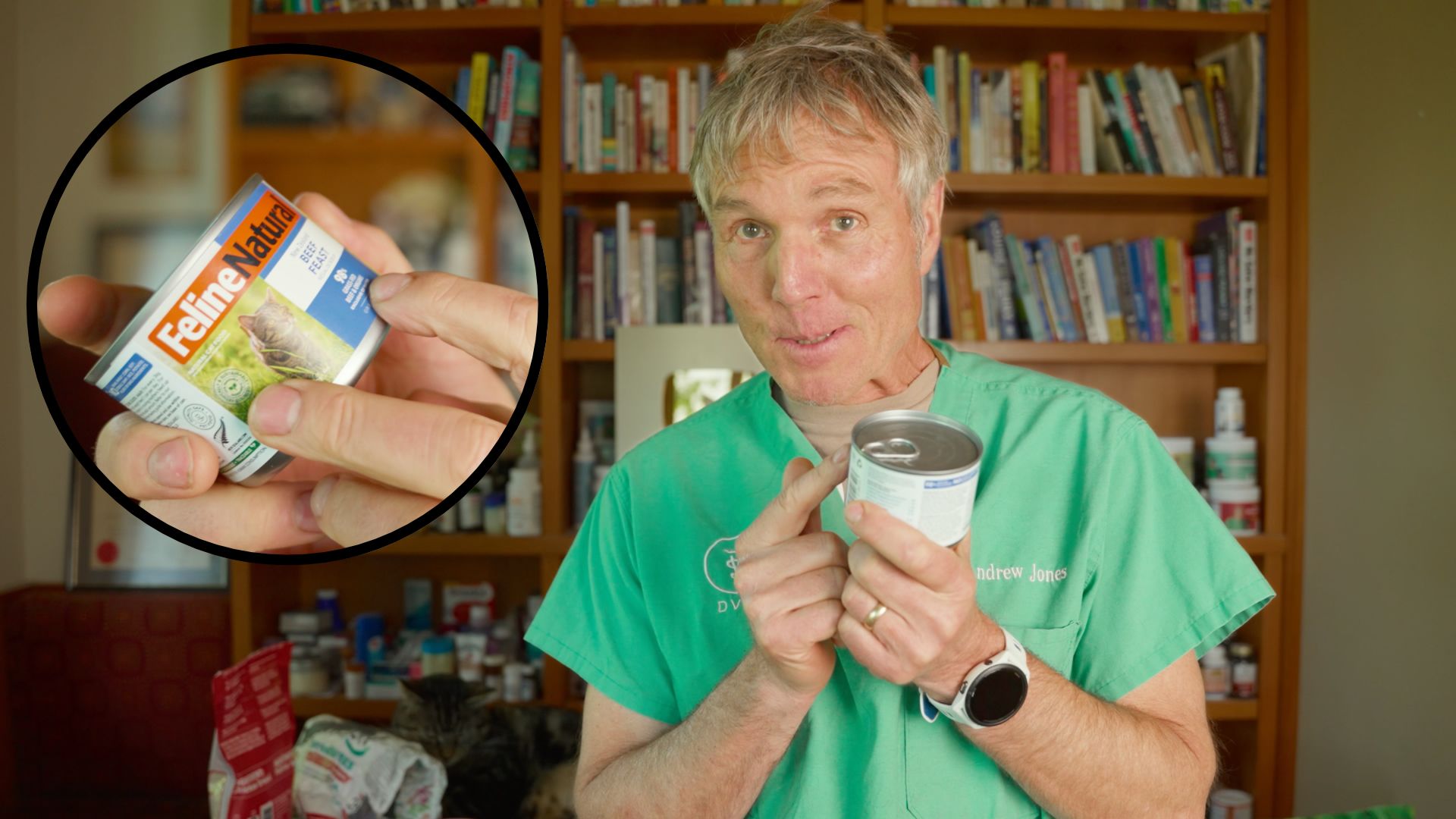
I prefer a high-quality, moisture-rich diet containing appropriate animal-based protein for cats with FeLV or FIV. Good nutrition is one of the foundations of maintaining their overall health.
If your cat is dealing with a chronic viral infection, I want to make sure they’re eating well.
Because when the immune system is already under stress, maintaining nutrition becomes particularly important.
Why Do I Prefer Animal-Based Protein?
Cats have specific dietary requirements.
And I generally prefer foods containing substantial amounts of animal-based protein.
I also like to avoid unnecessary fillers, artificial colors, and other ingredients that don’t contribute meaningfully to nutrition.
What Foods Would I Consider?
Some of the options I’ve discussed include:
-
High-quality canned cat food
-
Gently cooked diets
-
Properly formulated homemade diets
My preference is for foods that provide adequate moisture.
I’ve also discussed moving away from dry kibble.
Why Does Moisture Matter?
A moisture-rich diet can contribute to a cat’s overall water intake.
And I think that’s a useful foundation for supporting normal health.
What About Homemade Food?
A homemade diet may be an option.
But it still needs to provide complete and balanced feline nutrition.
And because FeLV- and FIV-positive cats can have compromised immune function, I would be especially careful about food hygiene and preparation.
My biggest priority is making sure your cat continues eating enough nutritious food.
Now, let’s discuss the supplements.
7 Natural Remedies for Cats With FeLV or FIV
There are several natural compounds that interest me because of their potential effects on immune function, inflammation, gut health, or secondary infections.
I want to make something clear before going through them.
These remedies are intended as possible supportive options. None has been established as a cure for FeLV or FIV.
Some have been studied for antiviral effects against other viruses.
Others have been investigated for immune-related properties.
And licorice root is particularly interesting because of research involving retroviruses.
Here’s what I would consider.
1. Ultimate Feline Health Formula for Immune and Nutritional Support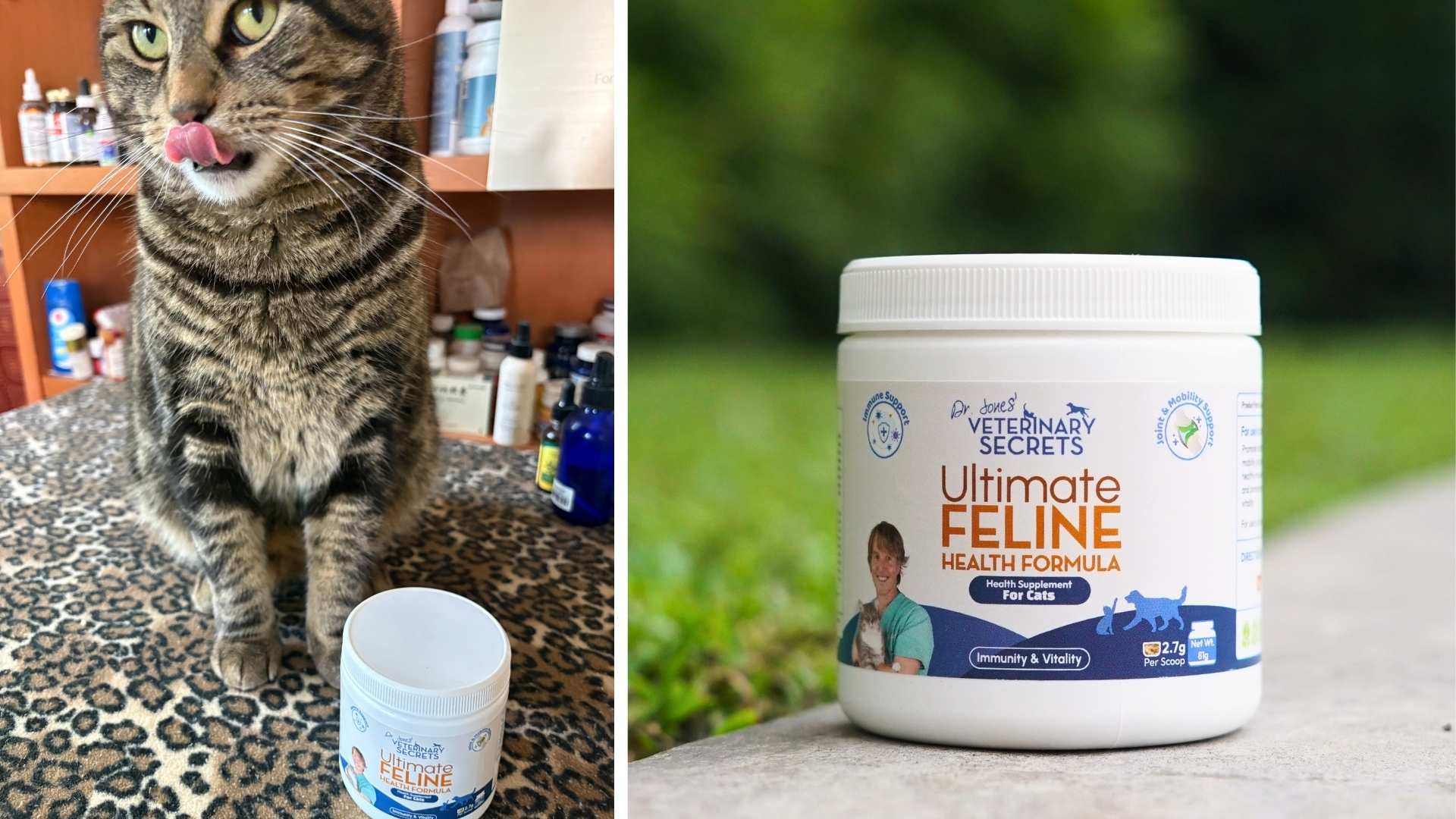
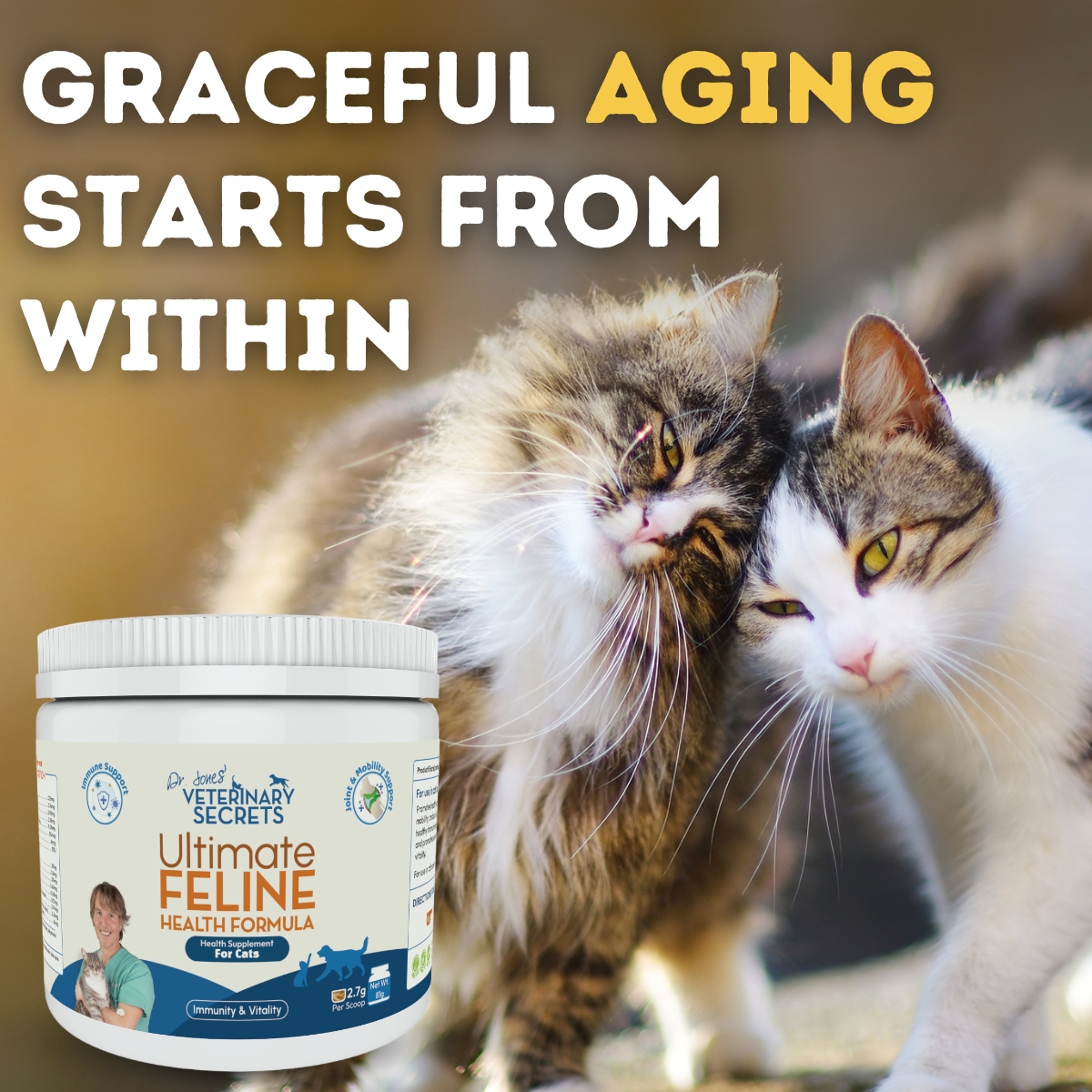
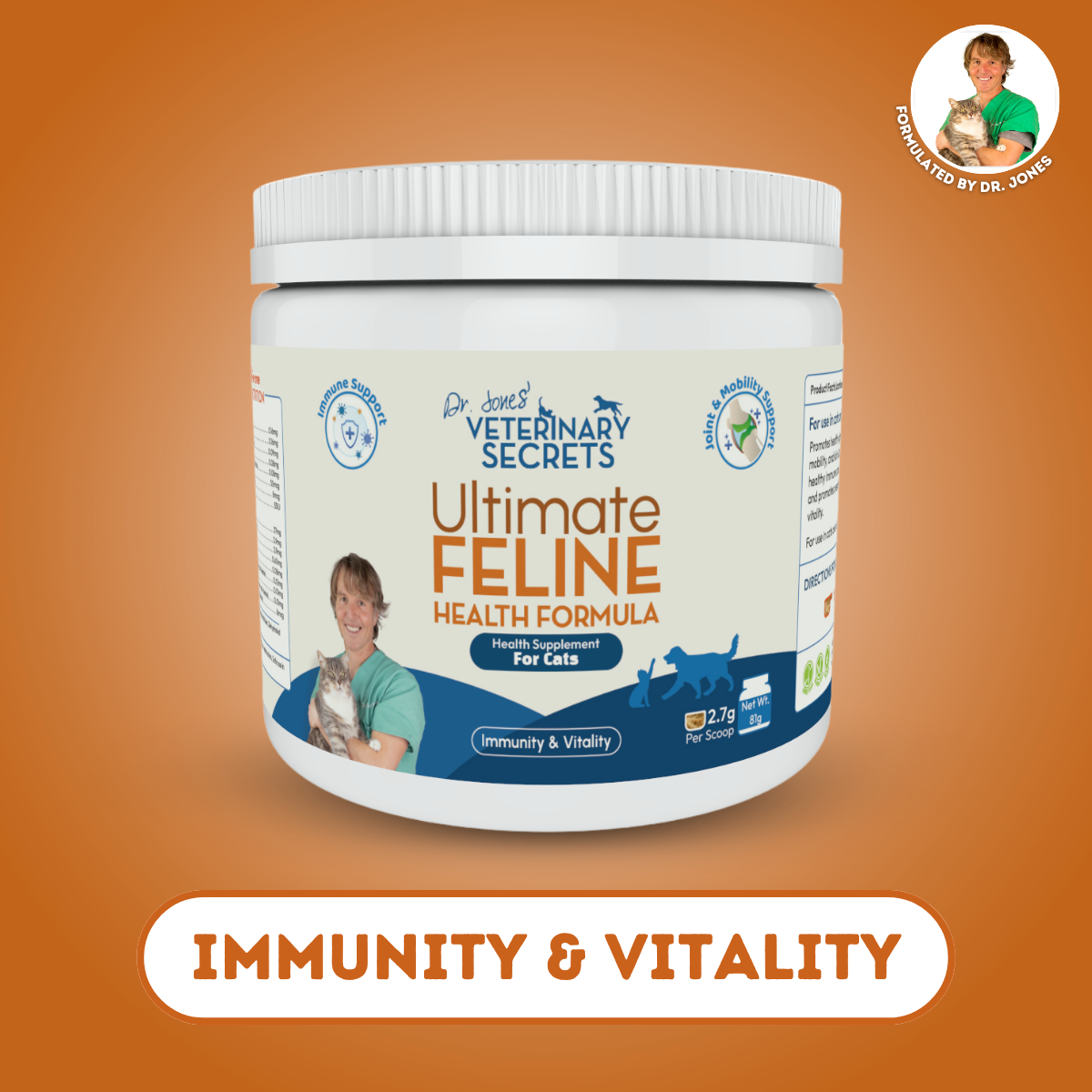
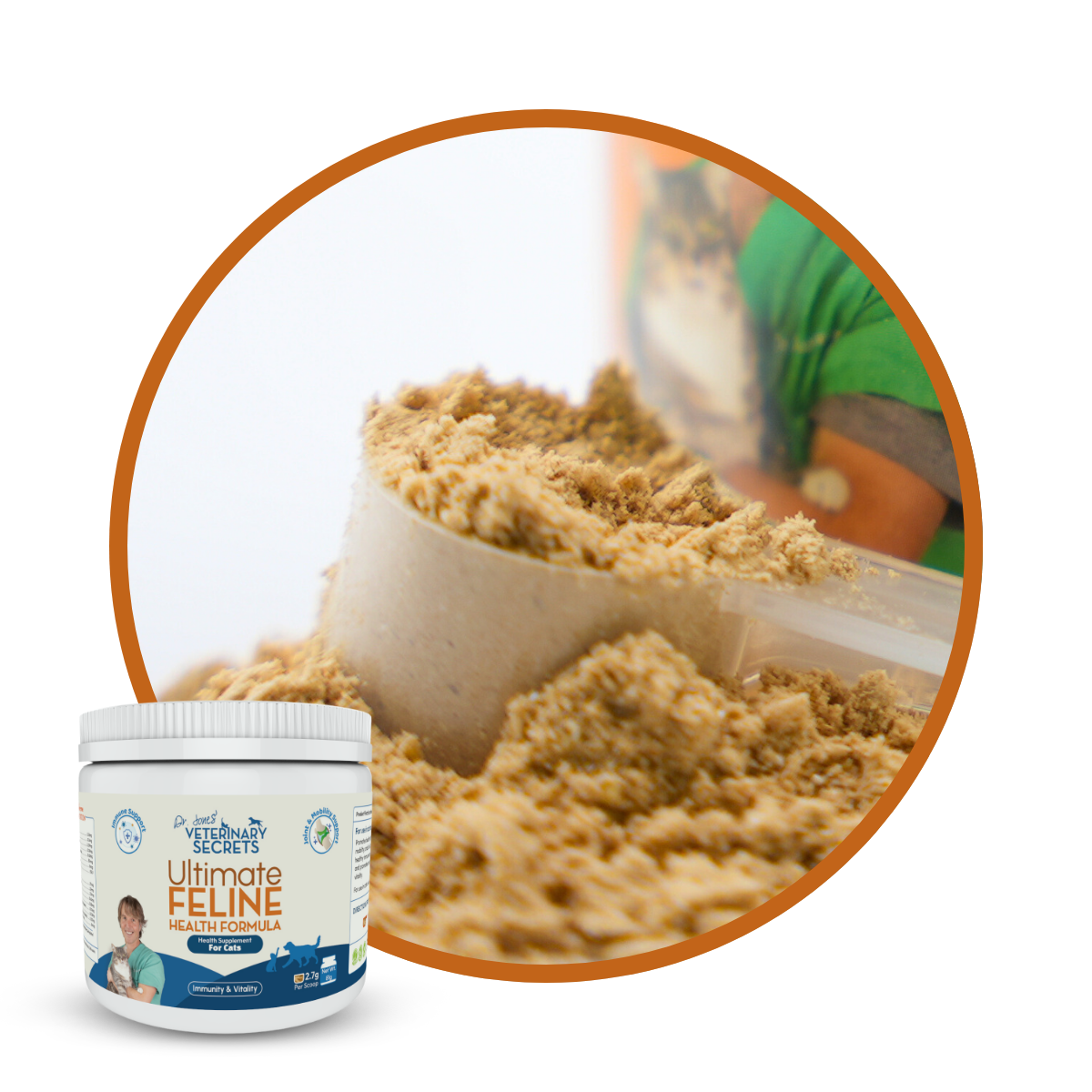
Dr. Jones’ Ultimate Feline Health Formula is a broad-spectrum feline supplement containing vitamins, minerals, antioxidants, probiotics, and ingredients intended to support immune and digestive health.
This is one of the first products I would consider when reviewing nutritional support for a cat with FeLV or FIV.
Why Do I Like This Formula?
It combines several different types of nutritional support.
These include:
-
Vitamins and minerals
-
Antioxidants
-
Probiotics
-
Immune-support ingredients
-
Colostrum
-
An amino acid blend containing L-lysine
Rather than focusing on only one nutrient, it provides a range of ingredients.
How Might Antioxidants Help?
Antioxidants are involved in protecting cells from oxidative stress.
And that’s one reason I think they deserve consideration in cats with chronic health problems.
Why Are Probiotics Important?
Probiotics are intended to support the gut microbiome.
The digestive system interacts with immune function, so I consider gut health an important part of general supportive care.
What About Colostrum and L-Lysine?
The formula also contains colostrum and L-lysine.
I’ve discussed colostrum for its immune-support properties.
And L-lysine is an amino acid I’ve previously discussed in relation to certain antiviral applications.
However, neither ingredient should be assumed to eliminate FeLV or FIV.
Does Taste Matter?
Absolutely.
One of the practical things I like about the formula is that cats often find it palatable.
Even Cassian has been happy to lick it from my finger.
Well, usually.
Sometimes he’s less cooperative when I’m trying to film him!
But for a cat dealing with a chronic illness, anything that makes maintaining good nutrition easier can be helpful.
2. Krill Oil for Inflammation and Immune Support
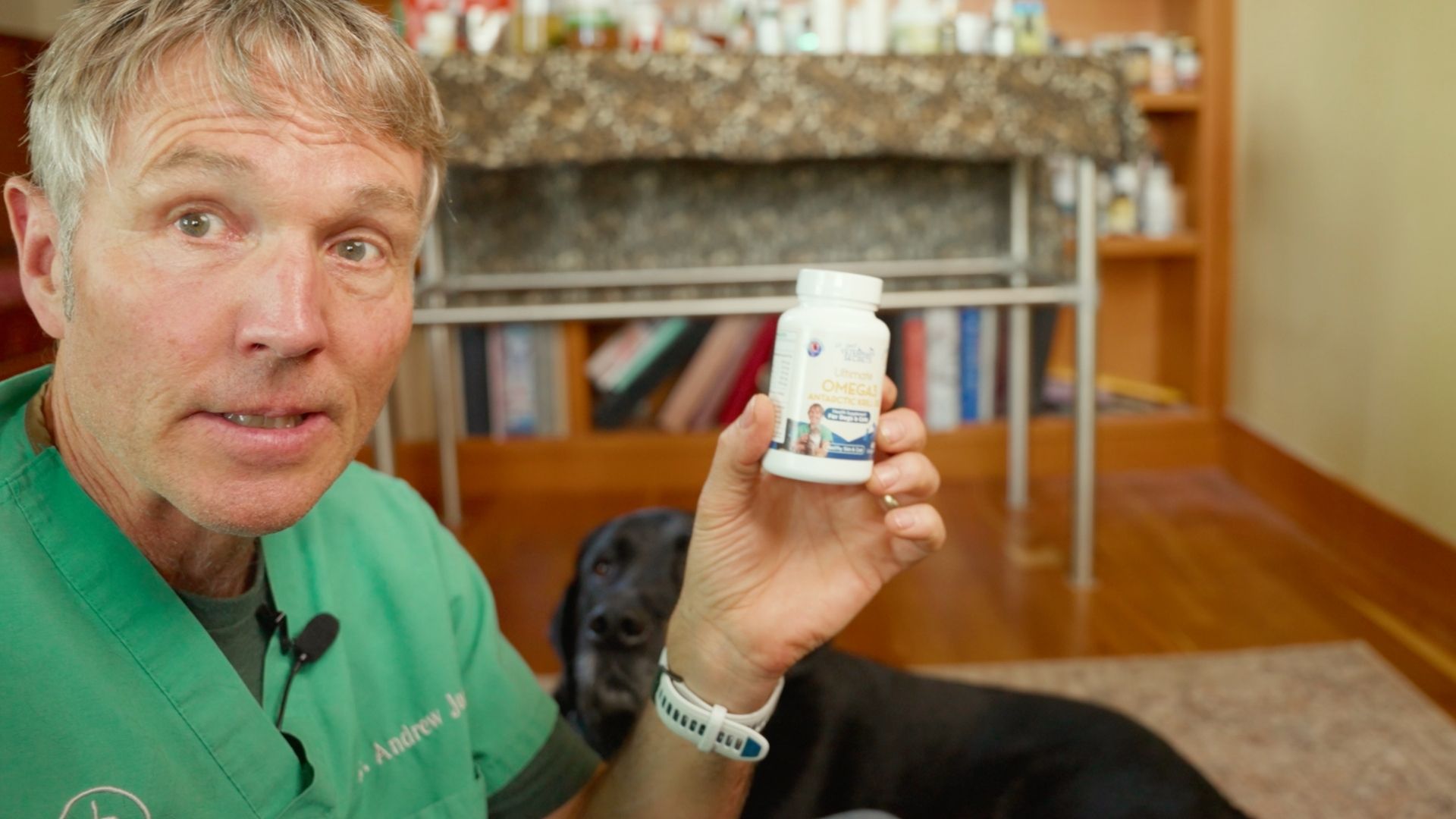
Krill oil provides omega-3 fatty acids that may help support normal inflammatory responses and overall health. It’s one of the supplements I’ve discussed for cats with chronic immune-related concerns.
I’ve talked about omega-3 fatty acids many times.
And I think they can be useful as part of a nutritional support plan.
Why Am I Interested in Omega-3 Fatty Acids?
Omega-3 fatty acids are involved in several biological processes.
I’m particularly interested in their potential anti-inflammatory effects.
For cats with FeLV or FIV, my goal is to support overall health while managing secondary complications.
What Krill Oil Amount Have I Discussed?
The amount I’ve previously discussed is:
500 mg of krill oil per cat daily.
| Supplement | Amount Discussed | Frequency |
|---|---|---|
| Krill oil | 500 mg per cat | Once daily |
3. Colostrum and Lactoferrin for Immune Support
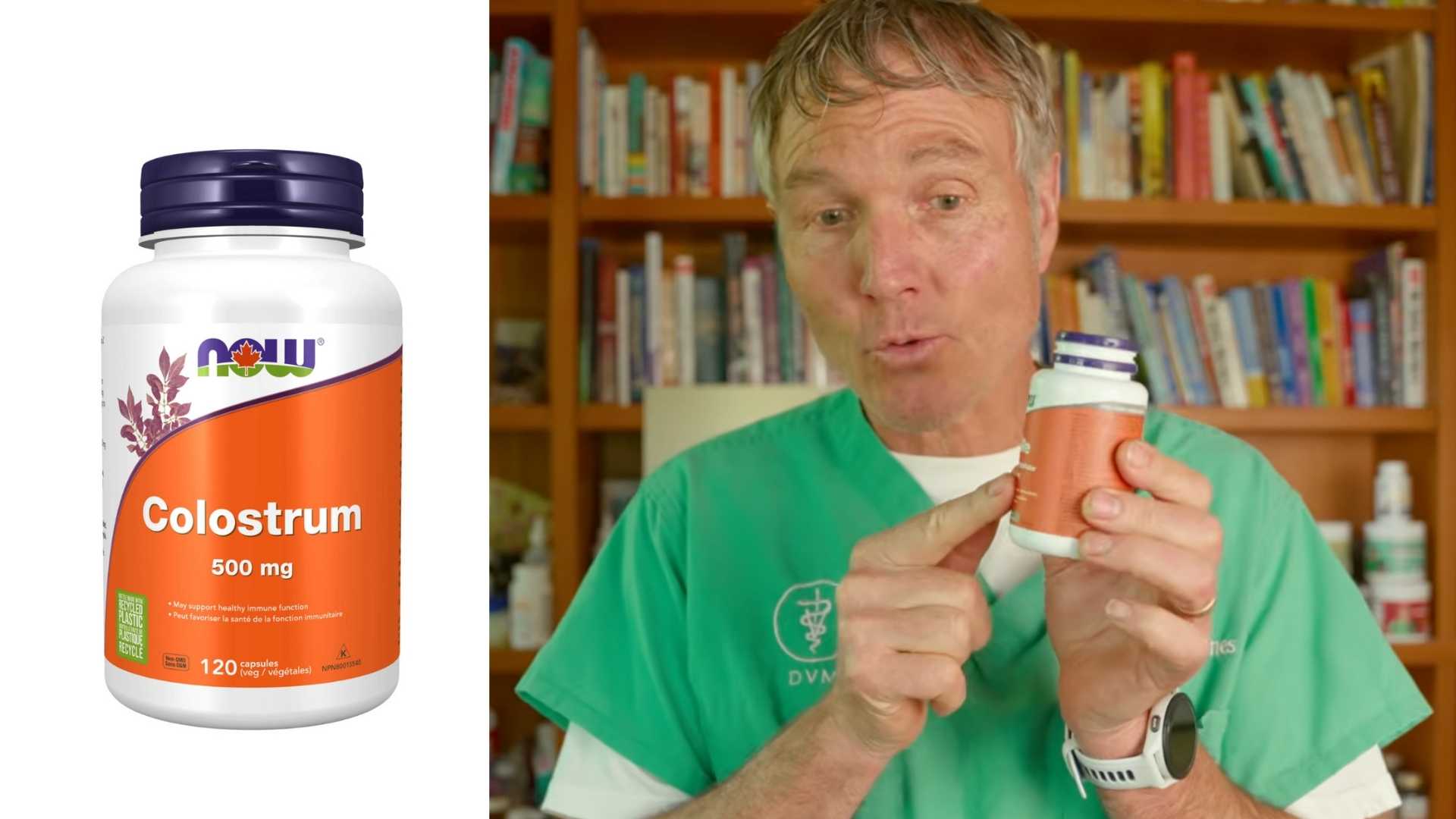
Colostrum is the nutrient-rich first milk produced after birth. It contains antibodies and biologically active compounds, including lactoferrin, that have attracted interest for their immune-related and antimicrobial properties.
This is another supplement I find particularly interesting.
What Is Colostrum?
Colostrum is often described as a mother’s first milk.
It’s rich in compounds involved in early immune support.
Some of those compounds have been investigated for broader biological effects.
What Is Lactoferrin?
Lactoferrin is a protein found in colostrum and other biological secretions.
It has been studied for antimicrobial and immune-related activity.
And that’s why I think it’s worth considering.
Does Colostrum Have Antiviral Properties?
Certain colostrum components, including lactoferrin, have demonstrated antiviral activity in research involving some viruses.
The main reason I’m interested in it is its potential contribution to overall immune and intestinal health.
Can Colostrum Support Gut Health?
This is one of the applications I find particularly useful.
Colostrum has been investigated for effects on the intestinal environment.
And I believe maintaining good gut health is part of supporting a cat with chronic illness.
100 mg per cat daily.
| Supplement | Amount Discussed | Frequency |
|---|---|---|
| Colostrum | 100 mg per cat | Once daily |
4. Turkey Tail and Chaga Mushrooms for Cats With FeLV or FIV
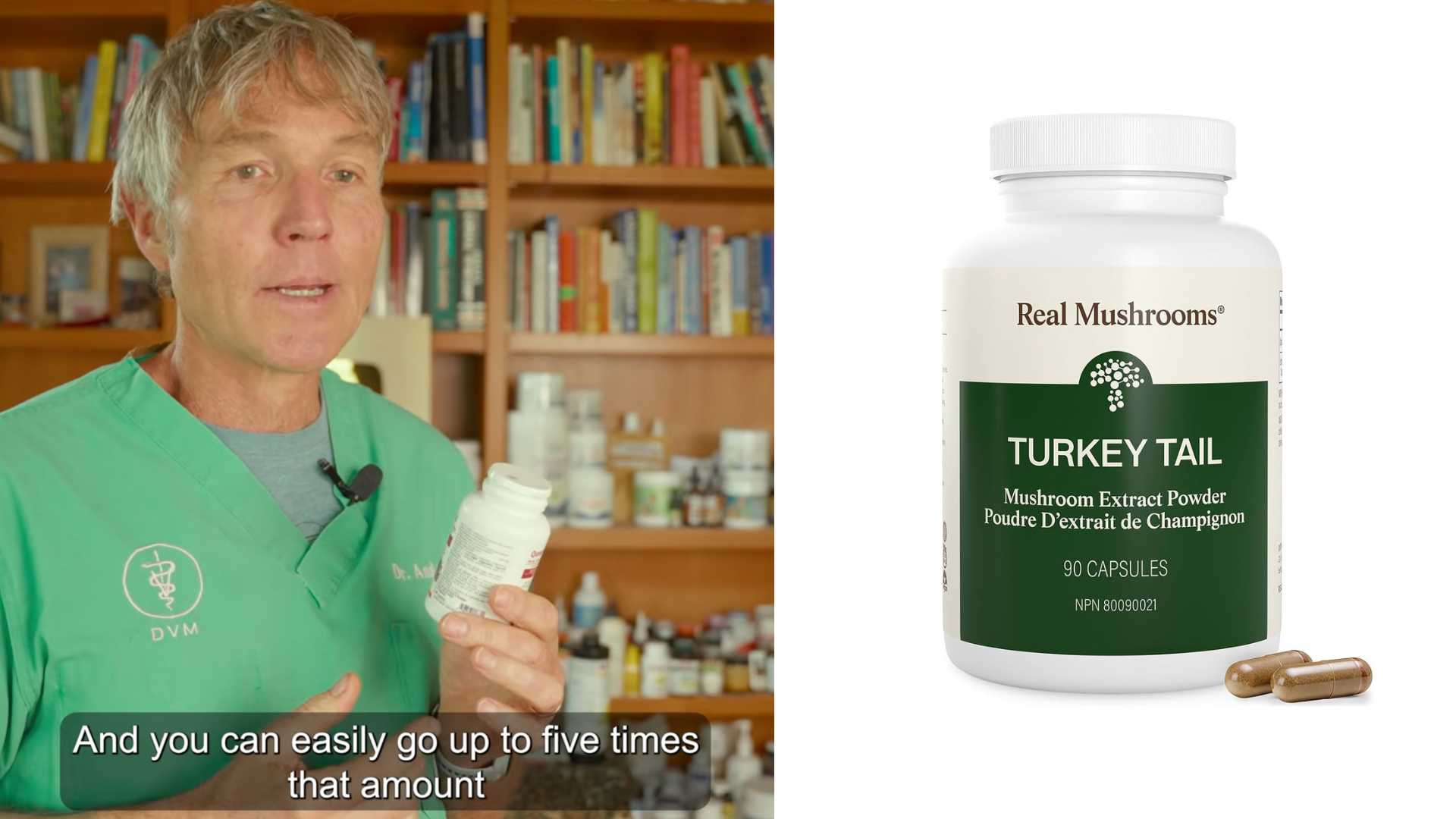
Medicinal mushrooms such as turkey tail and chaga contain biologically active compounds that have been investigated for immune-related and antiviral effects. However, they have not been established as treatments that eliminate FeLV or FIV.
I’ve discussed medicinal mushrooms in several areas of natural pet health.
And I think they’re an interesting category.
Why Are Medicinal Mushrooms Being Studied?
Certain medicinal mushrooms contain polysaccharides and other compounds associated with immune-related activity.
Among the compounds I’ve discussed are:
-
PSP
-
PSK
These are particularly associated with research involving turkey tail mushroom preparations.
What Is Turkey Tail Mushroom?
Turkey tail is a medicinal mushroom that has received considerable research attention.
It’s one of the mushroom options I would investigate first.
What About Chaga?
Chaga is another medicinal fungus that has attracted interest for its biologically active compounds.
I’ve discussed it as part of multi-mushroom formulations.
100 mg of turkey tail extract per cat daily.
| Supplement | Amount Discussed | Frequency |
|---|---|---|
| Turkey tail extract | 100 mg per cat | Once daily |
| Medicinal mushroom blend | Small daily scoop discussed | Product concentration not specified |
One option is to use turkey tail extract alone.
I’ve also discussed mushroom blends.
For example, a product from Real Mushrooms containing turkey tail and chaga.
I like the idea of choosing a product with clearly identified mushroom ingredients.
But the amount depends on the formulation.
How Would I Give Turkey Tail to a Cat?
I’ve discussed mixing turkey tail extract into food.
It has a relatively mild flavor.
And in my experience, many cats may accept it without much difficulty.
Of course, every cat has their own opinion about what belongs in their food.
Cassian would certainly let me know!
5. Licorice Root Extract for FeLV- and FIV-Positive Cats
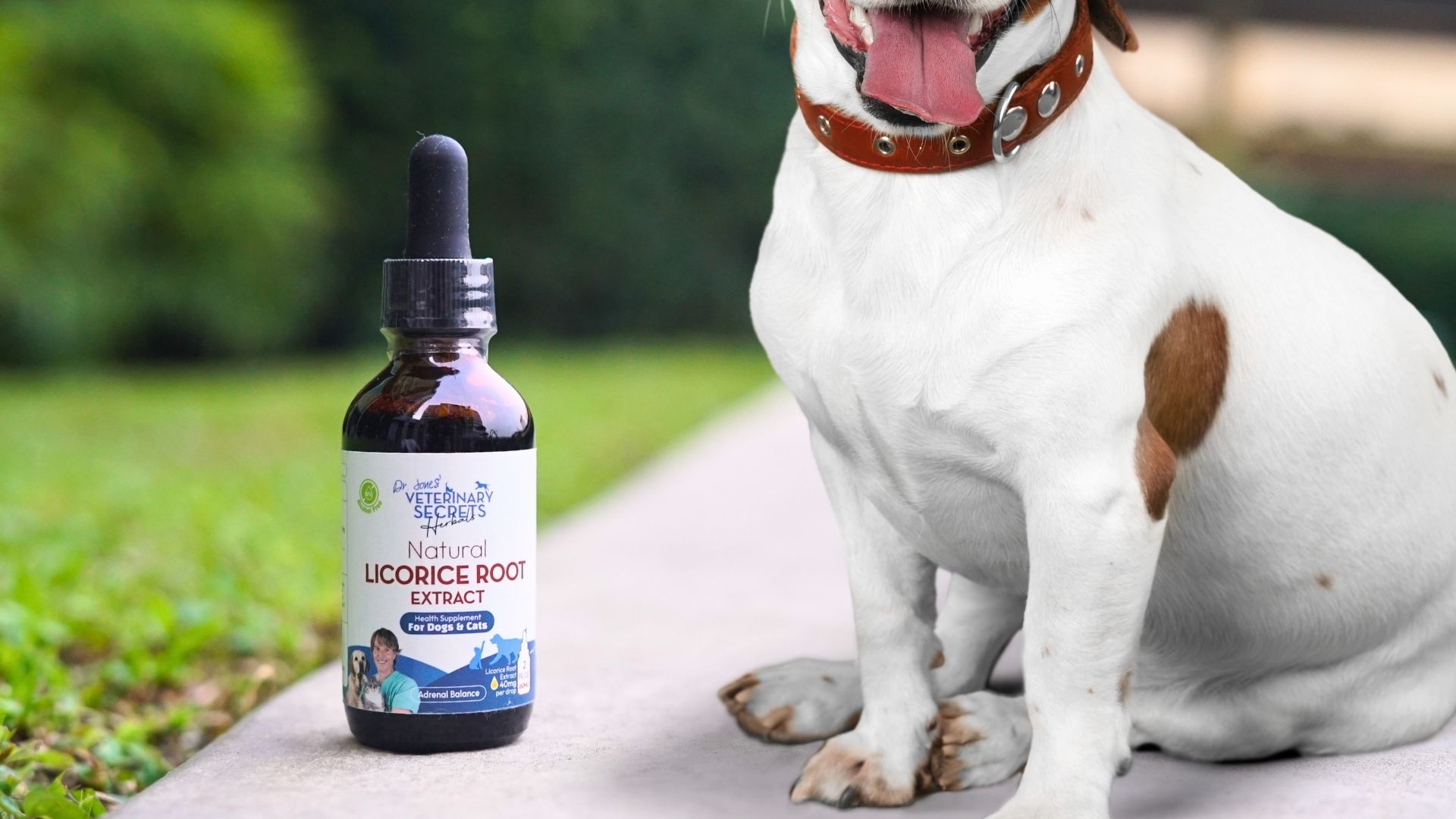
Licorice root contains glycyrrhizin, a compound studied for antiviral and anti-inflammatory properties. Of the natural remedies I’ve discussed, licorice root is particularly interesting because of research involving retroviruses, including FIV-related investigations.
This is one of the remedies I would pay particularly close attention to.
What Is Licorice Root?
Licorice root is an herb with a long history of use.
It’s been used in traditional Chinese medicine and Western herbal medicine.
One of its major active compounds is glycyrrhizin.
Why Is Glycyrrhizin Interesting?
Glycyrrhizin has been studied for several biological effects.
These include:
-
Antiviral activity
-
Anti-inflammatory activity
-
Effects on immune-related pathways
I’ve discussed research involving retroviruses, including FIV.
That’s why licorice root stands out to me among the remedies we’re discussing.
Could Licorice Root Help With Dental Inflammation?
Licorice root has been investigated for anti-inflammatory activity.
That’s relevant because many cats with FeLV or FIV develop oral inflammation.
Some of the problems I’ve discussed include:
-
Gingivitis
-
Periodontal disease
-
Gingivostomatitis
-
Chronic gum inflammation
I would be interested in whether licorice root could provide additional support in these situations.
What Licorice Root Preparation Do I Prefer?
I’ve previously discussed using a glycerin-based licorice root tincture.
One reason I prefer that type of preparation is that it doesn’t contain alcohol.
In my discussion, I described approximately one-quarter of the tincture per cat daily.
| Treatment Detail | Amount or Schedule Discussed |
|---|---|
| Preparation | Glycerin-based, alcohol-free licorice root tincture |
| Amount | Approximately one-quarter of the tincture measuring unit, not clearly specified |
| Frequency | Once daily |
| Treatment period | 14 days on |
| Break | 7 days off |
When Would I Consider Licorice Root?
I’ve discussed considering it when a cat is showing more noticeable clinical problems associated with FeLV or FIV.
Particularly when we’re looking at inflammation or recurring complications.
But I would still treat active infections appropriately rather than relying on licorice root alone.
6. CBD and Other Cannabinoids for Cats With FeLV or FIV

CBD and other cannabinoids are being investigated for their anti-inflammatory, pain-related, and immune-modulating effects. Although some cannabinoids have demonstrated antiviral activity in experimental research, there isn’t evidence here that CBD eliminates FeLV or FIV.
This is another category I’ve discussed frequently.
And it interests me because of its potential effects on several biological systems.
What Is CBD?
CBD stands for cannabidiol.
It’s one of the cannabinoids found in the cannabis plant.
CBD interacts with biological pathways associated with the body’s endocannabinoid system.
And researchers have investigated it for several applications.
How Might CBD Help a Cat With FeLV or FIV?
Some of the potential supportive uses I’ve discussed include:
-
Helping manage discomfort
-
Supporting normal inflammatory responses
-
Providing additional support for painful oral inflammation
-
Influencing immune-related signaling
These are particularly relevant when a cat has recurring dental disease or other sources of discomfort.
Does CBD Have Antiviral Properties?
Some cannabinoids have shown antiviral activity in experimental research.
For me, the main interest is whether cannabinoids can support comfort and overall quality of life.
I’ve previously discussed a starting amount of:
3 mg of CBD per 10 lbs of body weight daily.
I’ve also discussed higher amounts used in some situations.
These have included 2 mg/kg, with twice-daily administration.
For a cat weighing approximately 10 lbs, or 4.5 kg, that higher amount works out to approximately 9 mg per dose.
Here’s a comparison:
| CBD Approach | Amount Discussed | Frequency |
|---|---|---|
| Starting amount | 3 mg per 10 lbs | Daily |
| Higher amount discussed | 2 mg/kg | Twice daily |
| Example for a 10 lb cat at the higher amount | Approximately 9 to 10 mg | Per dose, twice daily |
| Example using a 3 mg-per-drop product | Approximately 3 drops | Per dose, twice daily |
These are amounts I’ve discussed in the context of cannabinoid support.
7. Propolis for Dental Disease and Skin Abscesses in Cats
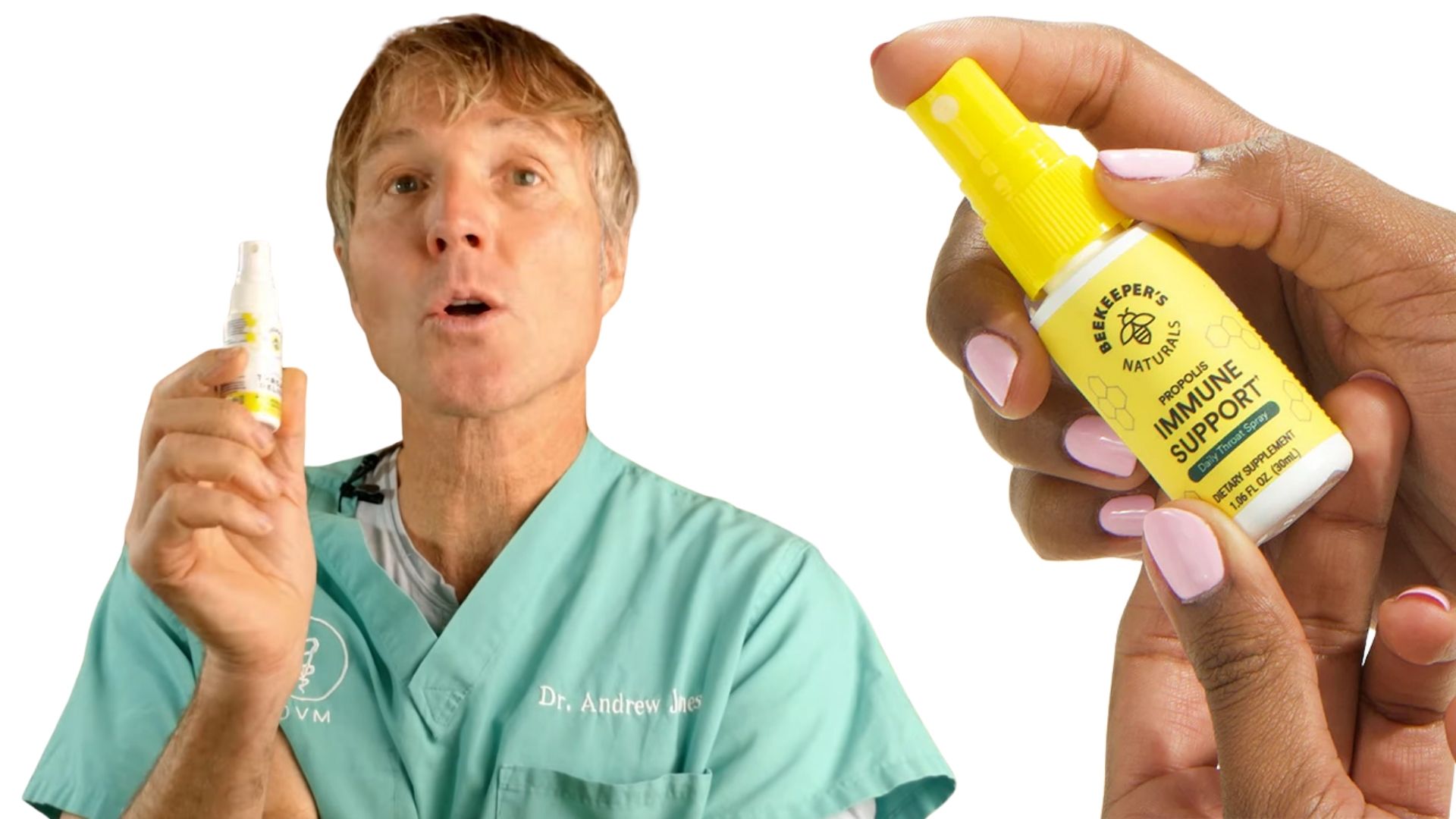
Propolis is a substance produced by honeybees that has attracted research interest for antibacterial, anti-inflammatory, and antiviral properties. I’m particularly interested in its potential use for oral inflammation and skin problems in cats with FeLV or FIV.
This is one of the natural products I’ve become increasingly interested in.
And the more I learn about it, the more applications I want to investigate.
What Is Propolis?
Propolis is sometimes called bee glue.
Honeybees produce it using plant-derived materials.
It contains a range of biologically active compounds.
Researchers have investigated propolis for several properties, including:
-
Antibacterial activity
-
Anti-inflammatory effects
-
Antiviral activity
Has Propolis Been Studied for FeLV or FIV?
I’ve talked about propolis in relation to other viral conditions, including human herpesvirus research.
Why Am I Interested in Propolis for FeLV- and FIV-Positive Cats?
Two reasons.
First, dental disease.
Many infected cats experience gingivitis and other oral problems.
Second, recurring skin abscesses.
These can become significant complications when immune function is impaired.
Because propolis has been investigated for antibacterial and anti-inflammatory activity, I find it interesting as a possible complementary option.
How Have I Used Propolis Spray for Cat Dental Health?
I’ve discussed a simple topical method using an appropriate oral propolis spray.
The approach is:
-
Gently lift your cat’s lip.
-
Apply a small amount of an appropriate propolis oral spray near the gumline.
-
Focus on the area where the teeth and gums meet.
-
Repeat on the other side.
-
Use the spray twice daily if suitable for the individual cat.
I’ve demonstrated this with Cassian.
And to his credit, he was reasonably cooperative.
His teeth were actually looking pretty good.
Although convincing a cat to participate in dental care is always an adventure!
Can Propolis Help With Recurring Skin Abscesses?
I’ve also discussed propolis as a possible supportive option because of its antibacterial properties.
An abscess is a potentially serious infection.
If a cat develops an abscess, I would not delay actively treating the abscess while trying propolis.
Antibiotics, drainage, or other treatment may be necessary.
What Propolis Amount Have I Discussed for Cats?
I’ve previously discussed the following oral amounts:
| Use Discussed | Amount | Frequency or Duration |
|---|---|---|
| General support | 100 mg per cat | Daily |
| Short-term use during infection concerns | 100 mg per cat | Twice daily |
| Short-term period discussed | 7 to 10 days | As discussed |
| Oral propolis spray | Small topical application | Twice daily |
Final Thoughts: Don’t Give Up on Your FeLV- or FIV-Positive Cat
If your cat has just tested positive for FeLV or FIV, I want you to know something.
This does not automatically mean your cat has only a short time left.
When I first started practicing veterinary medicine, these diagnoses were often treated much more pessimistically.
And unfortunately, some cats were euthanized shortly after testing positive.
But we’ve learned that many cats can live for years with these infections.
The big challenge is managing the complications.
Because these viruses can affect the immune system, infected cats may become more vulnerable to secondary problems.
Recurring skin abscesses.
Dental disease.
Gingivitis.
Anemia.
And in some cases, more serious illnesses.
That’s why I place so much importance on prompt veterinary treatment.
If your cat develops an infection, treat it.
If their gums are inflamed, address the dental problem.
And if they’re not eating well, make sure they’re receiving appropriate care.
Then look at nutrition.
I prefer a high-quality, moisture-rich diet containing appropriate animal protein.
And I would consider whether nutritional support might help maintain overall health.
I’ve discussed several options that interest me.
Ultimate Feline Health Formula for broad nutritional support.
Krill oil for essential fatty acids and inflammation-related support.
Colostrum for immune and intestinal health.
Turkey tail and chaga mushrooms for their immune-related compounds.
Licorice root because of the research involving glycyrrhizin and retroviruses.
CBD for potential comfort and inflammatory support.
And propolis because of its interesting antibacterial and anti-inflammatory properties.
But I don’t want you thinking that all seven supplements will somehow eliminate the virus.
That’s not what the evidence shows.
My goal is to help these cats stay as healthy and comfortable as possible.
And sometimes that means using conventional medications.
If a cat has a serious bacterial infection, I would absolutely consider an appropriate antibiotic.
I wouldn’t delay treatment while trying an alternative remedy.
The goal is to prevent complications from becoming more serious.
That’s how I believe we can make a meaningful difference.
So please, if your cat has FeLV or FIV, don’t give up.
Ask questions.
Work with your veterinarian.
Pay attention to your cat’s health.
And focus on giving them the best quality of life possible.
Because a positive FeLV or FIV test is not the end of your cat’s story.
For many cats, there can still be years of companionship ahead.
And that’s something worth supporting.
Click To Get A Free Copy of My E-Book!

P.S. If your cat has tested positive for feline leukemia virus or feline immunodeficiency virus, please don’t assume there’s nothing you can do. The biggest priorities are good nutrition, prompt treatment of secondary infections, and keeping your cat comfortable. I’ve seen how important managing recurring dental disease and skin abscesses can be. These are problems we can often address, even when we cannot eliminate the underlying virus.
P.P.S. I’m particularly interested in licorice root because of the research involving glycyrrhizin and retroviruses, including FIV-related investigations. I’ve also discussed colostrum, medicinal mushrooms, CBD, and propolis for their potential supportive properties. But remember, these aren’t established cures. Any supplements should be reviewed alongside your cat’s existing treatment plan.
P.P.P.S. One last thing. If your FeLV- or FIV-positive cat develops a skin abscess, inflamed gums, or another infection, please don’t wait too long to seek veterinary care. Sometimes the most helpful thing you can do is treat that secondary infection promptly. It may make a significant difference in how your cat feels and how well they continue living with the virus.



Natural Remedies for FeLV and FIV: Dosage Comparison
Here are the amounts and treatment schedules I’ve discussed.
| Supplement or Remedy | Amount Discussed | Frequency |
|---|---|---|
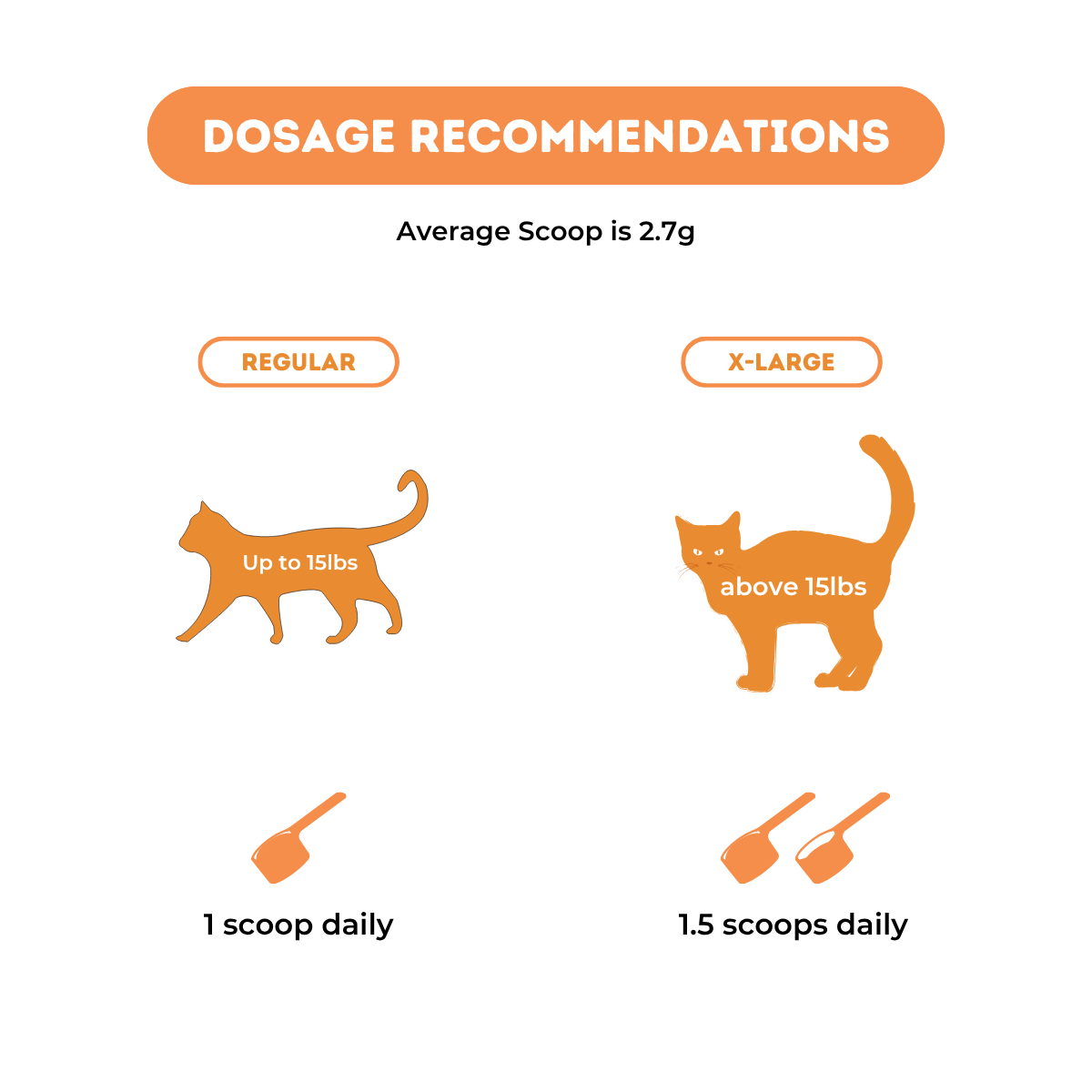
| Ultimate Feline Health Formula | No amount specified | Follow product-specific guidance |
| Krill oil | 500 mg per cat | Daily |
| Colostrum | 100 mg per cat | Daily |
| Turkey tail extract | 100 mg per cat | Daily |
| Licorice root tincture | Approximately one-quarter of an unspecified tincture measure | Daily, 14 days on and 7 days off |
| CBD, starting amount | 3 mg per 10 lbs | Daily |
| CBD, higher amount discussed | 2 mg/kg | Twice daily |
| Oral propolis | 100 mg per cat | Daily |
| Oral propolis, increased amount discussed | 100 mg per cat | Twice daily for 7 to 10 days |
| Propolis oral spray | Small application along the gumline | Twice daily |