Hibiscus and Coconut Oil for Dogs and Cats: Natural Relief for Arthritis, Joint Pain, and Inflammation

Can Hibiscus Help Dogs and Cats With Arthritis and Joint Pain?
Hibiscus is gaining attention as a natural ingredient for joint pain, inflammation, skin health, and tissue repair in dogs and cats. A traditional hibiscus-based oil from the Cook Islands, called Tvati Oil, has been investigated for its potential effects on wound healing, bone repair, ligament injuries, and arthritis.
And here’s something I find particularly interesting.
This isn’t a brand-new ingredient created in a laboratory.
It’s a traditional plant remedy that’s been used in the South Pacific for generations.
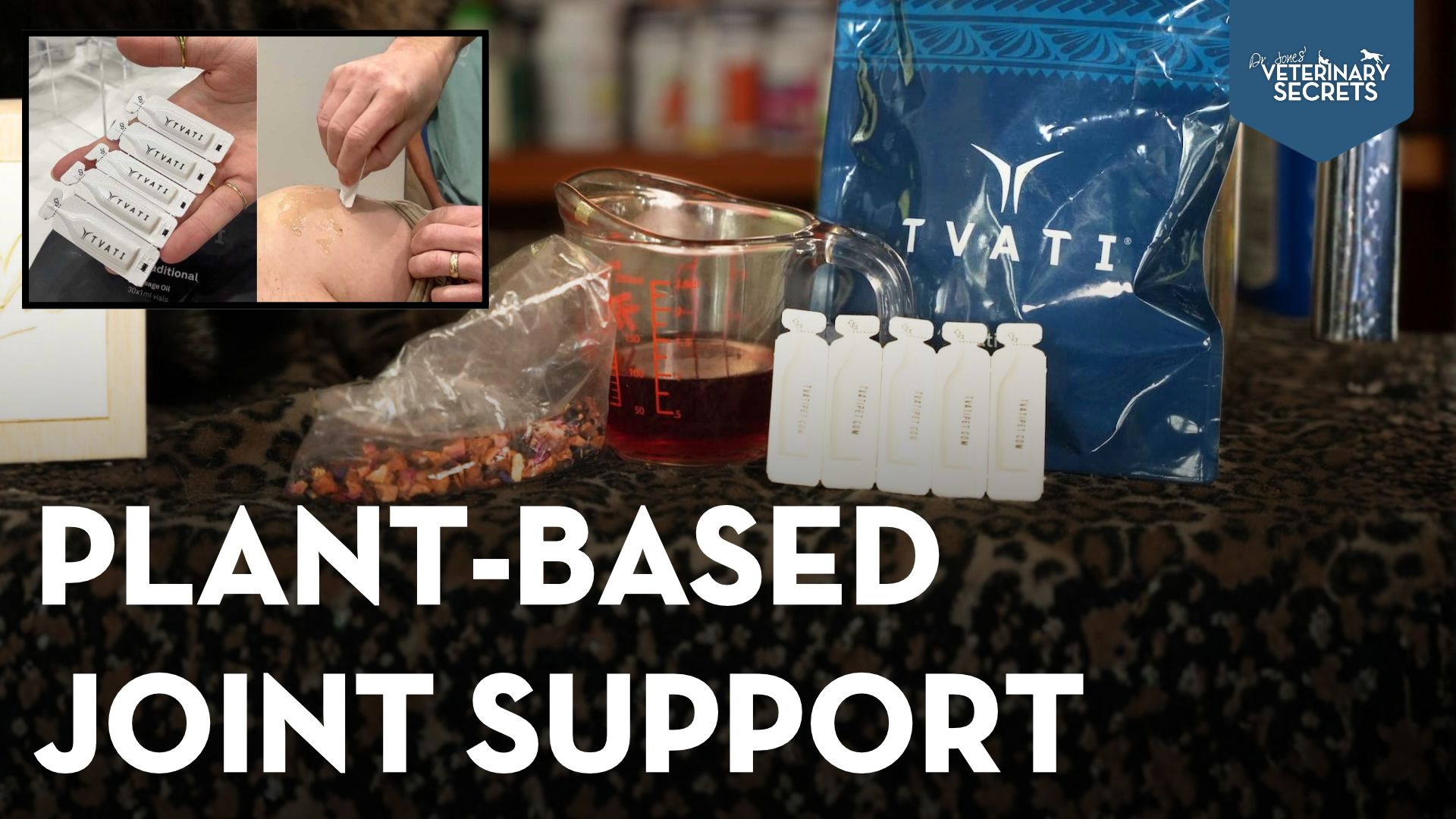
We recently had a very informative livestream with the founders of Tvati, and I was impressed by what they shared.
So impressed, in fact, that I decided to try their topical oil myself.
Yes, Dr. Jones is experimenting on himself again!
I’ve been training for a marathon, which means my muscles and joints have been getting a pretty good workout.
After using Tvati Oil for just a few days, I noticed that my aches and pains seemed considerably better.
Now, that’s my personal experience, not a controlled clinical trial.
But it certainly got my attention.
And when I heard about the research involving skin repair, bone healing, ligaments, and cartilage, I immediately started thinking about our dogs and cats.
Especially older pets dealing with arthritis.
There’s just one problem.
Tvati Oil is expensive.
A month’s supply can cost approximately $200 to $300.
That led me to another question.
Could we get some of the benefits of hibiscus using a much simpler, less expensive preparation?
Perhaps something we could make at home?
Let’s look at the traditional oil, the research discussed by its founders, and a hibiscus tea preparation I’ve been exploring.


What Is Tvati Oil From the Cook Islands?
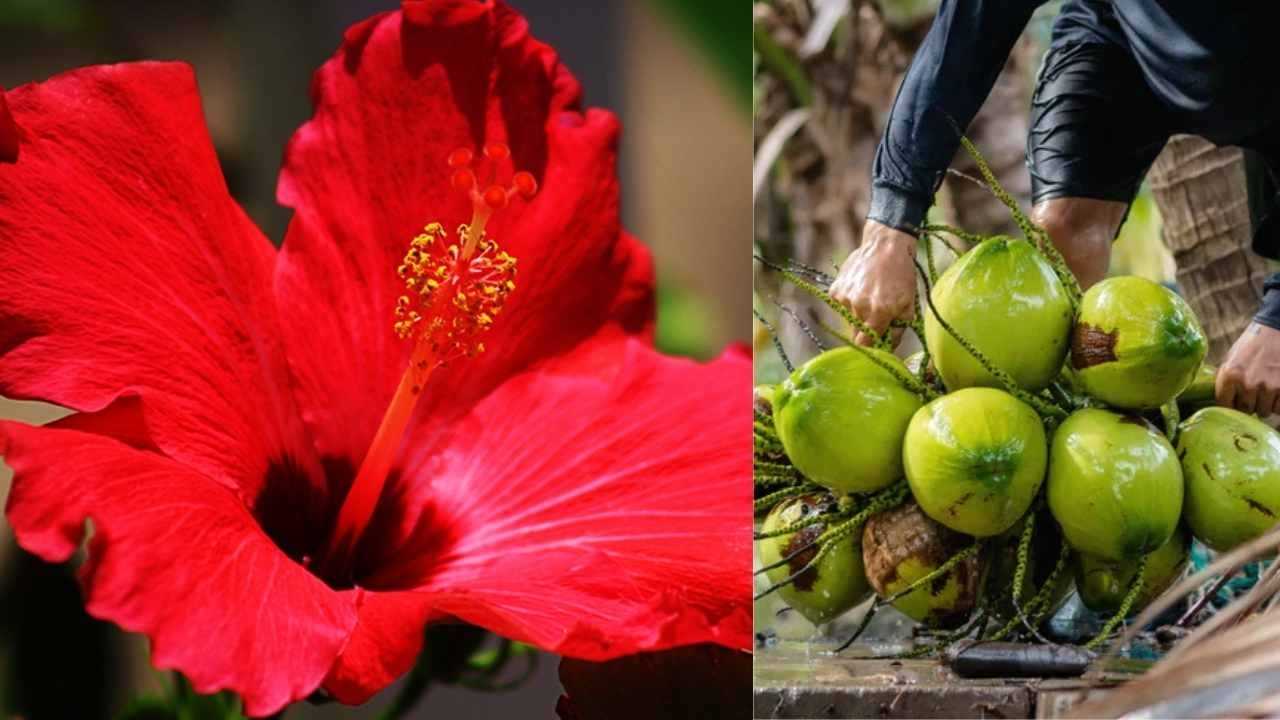
Tvati Oil is a traditional topical plant oil originating from the Cook Islands in the South Pacific. It is made using a particular species of hibiscus and has reportedly been used by local communities for pain, injuries, and tissue healing.
This is what makes its history so interesting.
For generations, people in the Cook Islands have used this plant-based remedy on themselves and their animals.
Traditional applications have included:
-
Joint pain
-
Injuries
-
Skin problems
-
Bone repair
-
General tissue healing
The oil has attracted research interest because of these traditional uses.
Where Did Tvati Oil Come From?
Tvati Oil originated in the Cook Islands.
According to the background shared during our livestream, a researcher from the islands brought the oil to a university in Australia for scientific testing.
The goal was to investigate whether the traditional claims could be supported through research.
And the researchers reportedly observed several interesting biological effects.
These involved skin health, wound healing, bone repair, ligament and tendon recovery, and joint-related changes.
How Is Tvati Oil Different From Ordinary Hibiscus Tea?
Tvati Oil is a specially prepared topical product made using a particular hibiscus species.
Hibiscus tea, on the other hand, is prepared by steeping dried edible hibiscus flowers in water.
They are not the same preparation.
The product also has a different route of application.
Tvati Oil is applied to the skin.
Hibiscus tea is taken orally.
So while I’m interested in both approaches, we cannot automatically assume that drinking ordinary hibiscus tea produces the same effects observed with a specialized topical oil.
Where Can You Get Tvati Oil?
If you’re interested in the product, the founders have provided a discount for the Veterinary Secrets community.
Discount Code: DRJONES10
Discount: 10% OFF
The original offer provides a 10% discount with this code. Promotional availability may change.
Now, let’s look at why this oil interests me.
What Are the 4 Potential Benefits of Tvati Oil for Pets?
During our livestream, the Tvati founders discussed research involving several applications of their hibiscus-based oil.

These are the reported findings shared during the presentation. The individual studies were not identified by title, so I would consider the results promising but would want to review the full research before drawing firm conclusions about clinical effectiveness in dogs and cats.
1. Can Tvati Oil Help Heal Skin and Reduce Allergies?
The research discussed during the livestream suggested that topical Tvati Oil may support the skin’s protective barrier and improve wound healing.
This is particularly interesting for pets dealing with allergies and chronic skin irritation.
How Does the Skin Barrier Protect Dogs and Cats?
Your pet’s skin is more than just the covering around their body.
It’s also an important protective barrier.
When that barrier isn’t functioning properly, allergens and irritants can contribute to skin problems.
That’s something I frequently think about when caring for itchy dogs and cats.
What Did the Tvati Oil Studies Report?
According to the findings shared during the livestream, researchers applied the oil between the animals’ shoulder blades.
They reported that the oil penetrated the skin and appeared to improve the outer skin barrier.
The researchers suggested that strengthening this barrier could help reduce allergen penetration.
This may be relevant to animals with allergy-prone skin.
Can Tvati Oil Improve Wound Healing?
Another reported finding involved faster tissue repair.
Wounds treated with Tvati Oil reportedly healed more quickly.
The researchers also described improvements in tissue repair without notable adverse effects in the experiments discussed.
Now, I find that encouraging.
Especially because skin problems are so common in dogs and cats.
Even our own cat Cassian has had his share of itching and allergy concerns.
I’d certainly be interested in learning more about whether this type of topical oil could support irritated skin.
2. Can Tvati Oil Help With Bone Fracture Healing?
Research discussed by the Tvati founders suggested that topical application of the oil may encourage new bone formation and reduce inflammation around fractures.
This is one of the findings that really caught my attention.
Because bone injuries can take a long time to heal.
And recovery can become more difficult as animals get older.
How Might Tvati Oil Support Bone Healing?
The studies described during the livestream reportedly showed:
-
Faster bone healing
-
Increased new bone growth
-
Reduced inflammation around fractures
-
Improved tissue repair
The idea that a topical plant oil might influence bone repair is certainly worth investigating.
Would I Consider It for a Dog or Cat With a Fracture?
I would be interested in discussing Tvati Oil as a possible additional supportive treatment.
But I wouldn’t replace proper fracture management with a topical remedy.
An injured bone still needs appropriate veterinary assessment, stabilization, and follow-up.
If a topical product can safely provide additional support during recovery, that’s something worth studying.
Why Does This Interest Me Personally?
I’ve had my own experience with bone injuries.
I broke my collarbone in a biking accident.
And I can tell you, anything that might safely improve comfort and support recovery would have been welcome!
Especially as we get older and healing doesn’t always happen as quickly as we’d like.
That’s one reason I find the reported bone-repair research particularly interesting.
3. Can Tvati Oil Help Repair Injured Ligaments and Tendons?
The studies discussed during the livestream suggested that Tvati Oil may improve the rate of ligament and tendon healing when applied topically to injured animals.
This could be particularly relevant for dogs.
Because cruciate ligament injuries are very common.
What Is an ACL Injury in Dogs?
The cranial cruciate ligament is an important stabilizing structure within a dog’s knee.
Many pet parents refer to it as the ACL.
When this ligament is injured, a dog may experience pain, instability, and difficulty moving normally.
Some injuries are partial tears.
Others involve complete ligament rupture.
How Might Tvati Oil Help?
The research shared during our presentation described improvements in ligament and tendon repair after topical Tvati Oil application.
That’s especially interesting because healing these tissues can be challenging.
The possibility that a natural plant-derived oil could contribute to tissue recovery deserves further investigation.
Would I Try It for a Dog With a Partial Cruciate Ligament Tear?
If I had a dog with a partial cruciate ligament injury, I would certainly be interested in discussing this product as part of the recovery plan.
But I would still want the injury properly assessed.
A topical oil shouldn’t replace treatment needed to stabilize an injured joint.
My Experience With Tendon Injuries
I’ve also experienced an Achilles tendon injury myself.
And if I’d known about Tvati Oil at the time, I would have been very interested in trying it.
Tendon injuries can be uncomfortable and frustrating.
So the possibility of additional support for healing is something I’m keen to follow.
4. Can Tvati Oil Help Dogs and Cats With Arthritis?
Tvati Oil has been investigated for potential effects on joint inflammation, cartilage production, and mobility. The studies discussed during the livestream reportedly found improved movement and comfort in animals receiving regular topical applications.
This may be the most interesting application for senior pets.
Especially dogs and cats with arthritis.
What Causes Arthritis in Dogs and Cats?
Arthritis involves changes within the joints, including damage to the smooth cartilage that normally helps bones move comfortably against each other.
As cartilage deteriorates, inflammation and discomfort can develop.
This may affect a pet’s ability to move normally.
And in older animals, arthritis can become a significant quality-of-life concern.
How Might Tvati Oil Support Joint Health?
The Tvati founders discussed research suggesting that the oil may influence cartilage production.
That’s particularly interesting because cartilage deterioration is a major part of arthritis.
The possibility of supporting cartilage-related processes, rather than only addressing discomfort, deserves further research.
How Is Tvati Oil Applied for Arthritis?
The application approach discussed was:
Apply topically once daily.
The oil was described as having effects beyond the immediate application area.
For example, the researchers discussed applying it near the neck or between the shoulder blades while observing changes elsewhere in the body.
That raises interesting questions about how its active compounds may act after topical absorption.
How Long Does It Take to See Results?
The presentation discussed visible improvements in movement and comfort within approximately 30 days for many of the animals studied.
That’s an encouraging observation.
However, without the full study details, I wouldn’t promise the same result for every dog or cat.
Why Does This Matter to Me?
I think about older dogs like my beloved Tula.
She reached approximately 15 years of age, and helping senior pets remain comfortable has always been important to me.
Watching an older dog struggle with stiff joints can be difficult.
So any treatment that may support mobility, comfort, and joint health deserves attention.
How Much Does Tvati Oil Cost?
The original Tvati Oil discussion estimated that a month’s supply could cost approximately $200 to $300.
That’s not inexpensive.

Especially if your dog or cat requires long-term support.
I’ve always wanted natural pet health options to be practical and accessible.
And I understand that spending several hundred dollars each month isn’t realistic for every pet parent.
The Veterinary Secrets community can use the original promotional code:
DRJONES10 for 10% OFF
Learn More About Tvati Natural Oil
But the price got me thinking.
What if there were a much more affordable way to explore the benefits of hibiscus?
That’s where hibiscus tea comes in.
What Are the Health Benefits of Hibiscus for Dogs and Cats?
Hibiscus contains naturally occurring antioxidants, including vitamin C, beta carotene, anthocyanins, and polyphenols. These compounds have attracted research interest for their potential effects on inflammation and several aspects of health.
Hibiscus is much more than a pretty flower.
It’s also associated with Hawaii, where hibiscus is an important floral symbol.
And certain hibiscus species have a long history of traditional use.
I’ve been particularly interested in their antioxidant content.
What Antioxidants Are Found in Hibiscus?
Some of the compounds discussed include:
-
Vitamin C
-
Beta carotene
-
Anthocyanins
-
Polyphenols
These substances have been investigated for their antioxidant and anti-inflammatory properties.
And that’s why hibiscus interests me as a possible nutritional ingredient.
What Conditions Might Hibiscus Help Support?
I’ve discussed several areas of potential benefit.
| Health Concern | Potential Benefit Discussed |
|---|---|
| Arthritis and joint pain | May support normal inflammatory responses |
| Allergic skin disease | Potential support for skin health and irritation |
| Respiratory infections | Traditional interest in support for chronic respiratory symptoms |
| Digestive issues | Possible soothing effects on the digestive tract |
| Liver health | Interest in antioxidant activity and cellular support |
| Blood sugar regulation | Research interest involving insulin sensitivity |
| Cardiovascular health | Potential effects on blood pressure and circulation |
| Weight management | Research interest involving metabolism and fat absorption |
These are areas of interest associated with hibiscus and its compounds.
They don’t establish that hibiscus tea treats all these conditions in dogs or cats.
But they do explain why I’m interested in this plant.
Can Hibiscus Help With Arthritis and Joint Inflammation?
Hibiscus contains antioxidants and polyphenols that may influence inflammatory processes.
That’s why I’ve considered it in discussions about joint discomfort.
For older pets, reducing unnecessary inflammation is one of my general goals.
However, ordinary hibiscus tea hasn’t been shown to reproduce the cartilage-related findings discussed for Tvati Oil.
Can Hibiscus Help Cats With Skin Allergies?
I’ve also discussed hibiscus in relation to skin barrier health and itching.
But remember, the research involving improved skin barrier function was described for the specialized topical Tvati Oil.
We can’t assume that drinking hibiscus tea will produce the same result.
What About Cat Flu and Respiratory Problems?
Hibiscus has also been discussed for possible support involving respiratory symptoms.
For example, chronic sinus problems or respiratory symptoms sometimes described as cat flu.
These are areas of traditional interest, not established treatments for feline respiratory infections.
A cat with persistent respiratory symptoms needs proper veterinary evaluation.
Could Hibiscus Support Digestion?
I’ve discussed possible digestive benefits involving soothing the gastrointestinal tract.
These include interest in symptoms such as vomiting or reflux.
However, frequent vomiting in a dog or cat isn’t something I would simply treat with herbal tea.
I’d want to know what’s causing the problem.
Can Hibiscus Help With Blood Sugar and Blood Pressure?
Research involving hibiscus compounds has also generated interest in:
-
Insulin sensitivity
-
Blood glucose regulation
-
Blood pressure
-
Circulation
These are interesting areas of investigation.
But if your pet has diabetes or a cardiovascular condition, I wouldn’t add hibiscus without discussing it with your veterinarian.
Can Hibiscus Support Weight Management?
Some research has examined hibiscus compounds in relation to fat absorption and metabolism.
That’s another reason the plant interests me.
But hibiscus tea shouldn’t be considered a proven weight-loss treatment for pets.
Nutrition and an appropriate feeding plan remain essential.
How Do You Make Hibiscus Tea for Dogs and Cats?
I’ve experimented with a very simple hibiscus tea preparation.
I purchased dried hibiscus flowers from my local co-op.

Then I brewed them in hot water.
The result was a beautiful pinkish-red tea with a lightly floral, slightly sweet taste.
Ingredients for Homemade Hibiscus Tea
| Ingredient | Amount |
|---|---|
| Dried edible-grade hibiscus flowers | 1 tablespoon |
| Hot water | 1 cup |
| Steeping time | 15 to 20 minutes |
Step-by-Step Hibiscus Tea Preparation
-
Measure 1 tablespoon of dried hibiscus flowers.
-
Add the flowers to 1 cup of hot water.
-
Allow them to steep for 15 to 20 minutes.
-
Strain out the plant material.
-
Allow the tea to cool completely.
That’s the basic preparation I’ve used.
Simple.
And certainly less expensive than purchasing a specialized topical oil.
How Much Hibiscus Tea Have I Discussed for Dogs and Cats?
Here are the amounts I’ve previously discussed.
| Pet | Amount Discussed | Frequency |
|---|---|---|
| Dogs | ¼ cup per 25 lbs of body weight | Daily |
| Cats | ¼ cup | Daily |
These are traditional-use amounts I’ve discussed, not scientifically established veterinary doses.
In particular, the cat amount is not weight-adjusted, and concentrated herbal preparations may not be suitable for every animal.
I would check with your veterinarian before offering the tea regularly.
How Can You Offer Hibiscus Tea to Your Pet?
I’ve discussed mixing the cooled tea into a pet’s water.
For cats that don’t readily accept it, I also mentioned using an oral syringe.
However, I wouldn’t force liquid into a reluctant cat’s mouth because of the risk of choking or aspiration.
It’s best to use a method the animal accepts comfortably, with veterinary guidance when needed.
What Type of Hibiscus Should You Use?
Use only edible-grade hibiscus intended for human tea preparation.
I would avoid ornamental flowers or plants that haven’t been identified as suitable for consumption.
Different hibiscus plants and preparations aren’t automatically interchangeable.
And if you’re considering a hibiscus product for a pet with a medical condition, the specific ingredient and amount matter.
Final Thoughts: Is Hibiscus Worth Considering for Your Dog or Cat?
I find hibiscus fascinating.
Here’s a plant that’s been used traditionally in the South Pacific for generations.
And now we’re hearing about research involving skin healing, bone repair, ligament recovery, and arthritis.
That’s certainly worth paying attention to.
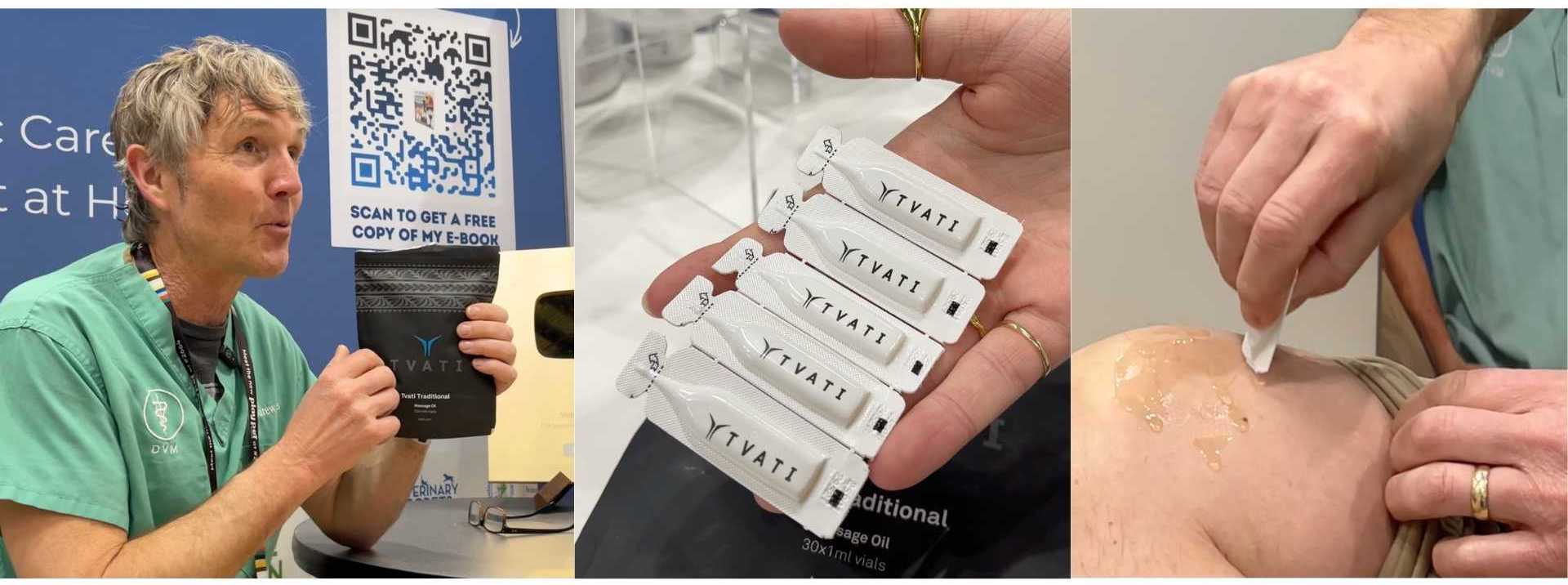
I was particularly interested in the Tvati Oil presentation.
The reported findings involving cartilage production and tissue repair caught my attention.
Especially because I’ve dealt with injuries myself.
I’ve broken my collarbone.
I’ve injured my Achilles tendon.
And now I’m training for a marathon.
So I definitely appreciate anything that may safely improve comfort and recovery.
After trying Tvati Oil for a few days, I noticed less discomfort myself.
That’s been encouraging.
But personal experience doesn’t tell us how well a product will work for every dog or cat.
And that’s why I want to see more research.
I would be particularly interested in further clinical studies involving animals with arthritis, ligament injuries, and chronic skin problems.
There’s also the question of cost.
At approximately $200 to $300 a month, the original product isn’t affordable for everyone.
And that’s why I became interested in ordinary hibiscus.
It’s rich in antioxidant compounds.
It’s inexpensive.
And preparing hibiscus tea is quite simple.
But I wouldn’t claim that hibiscus tea is equivalent to the specialized topical oil.
They are different preparations, and we need to understand the effects of each one.
If your dog or cat has arthritis, I would also consider the broader picture.
Are they comfortable?
Are they able to move normally?
Are they receiving appropriate care for their joints?
And would nutritional support, such as undenatured Type II Collagen, be worth discussing?
My goal is always to find ways to support our pets’ health while making sure we’re addressing the underlying problem.
Natural products can be interesting.
And I think traditional remedies deserve thoughtful research.
But we should evaluate what they can realistically do.
For now, Tvati Oil and hibiscus are two things I’ll certainly be watching.
And I’ll keep sharing what I learn.
Because helping our dogs and cats stay comfortable and active is something I’m always interested in.
Click To Get A Free Copy of My E-Book!

P.S. If your dog or cat has arthritis, an injured ligament, or persistent skin problems, I think the research being discussed around hibiscus-based Tvati Oil is worth following. I’ve tried the product myself while training for a marathon, and I’ve been encouraged by my experience so far. If you’re interested in learning more, you can visit Tvati Natural Oil and use the original Veterinary Secrets discount code DRJONES10 for 10% OFF, subject to the offer still being available.
P.P.S. If Tvati Oil isn’t within your budget, ordinary edible-grade hibiscus is much less expensive. I’ve been experimenting with a simple tea made from 1 tablespoon of dried hibiscus flowers steeped in 1 cup of hot water for 15 to 20 minutes. Just remember that a homemade tea isn’t the same product as the topical oil, and any regular use for your pet should be discussed with your veterinarian.
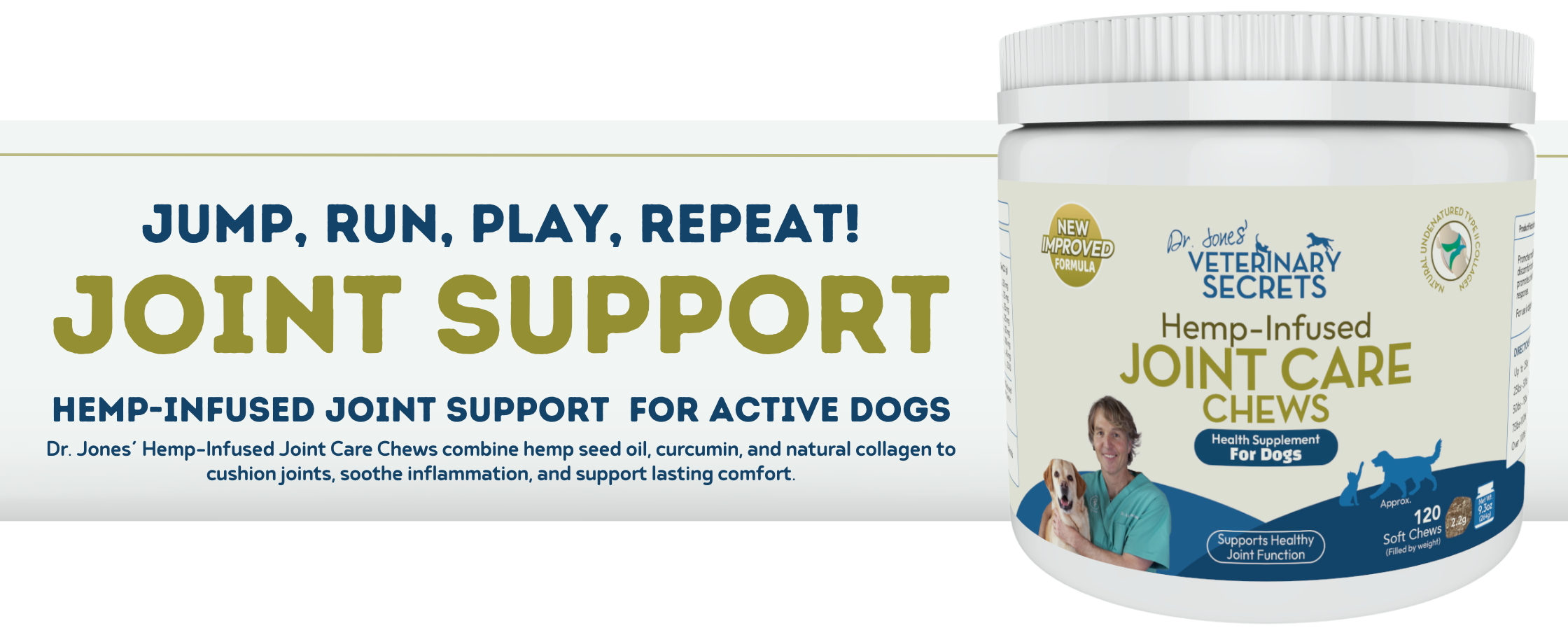
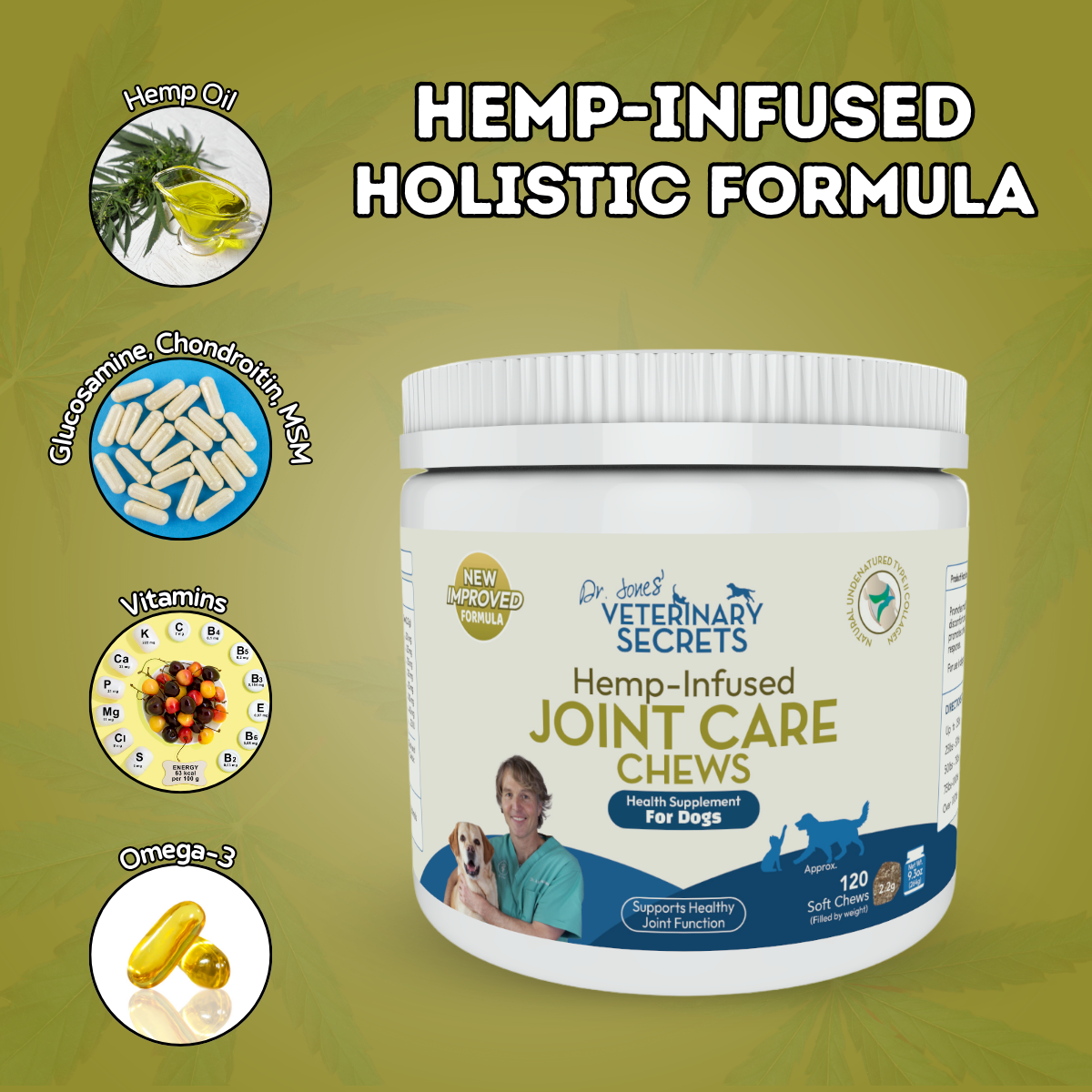
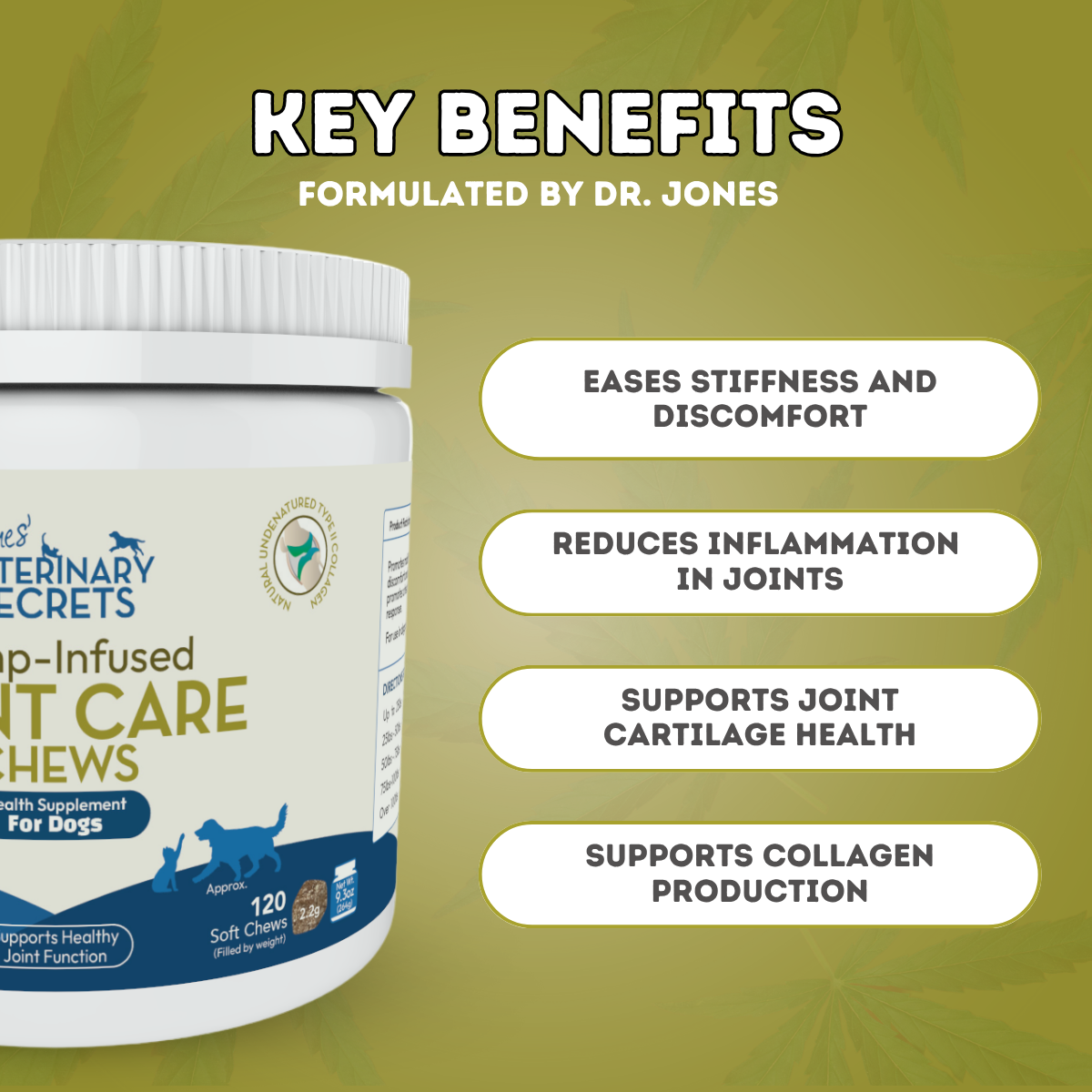
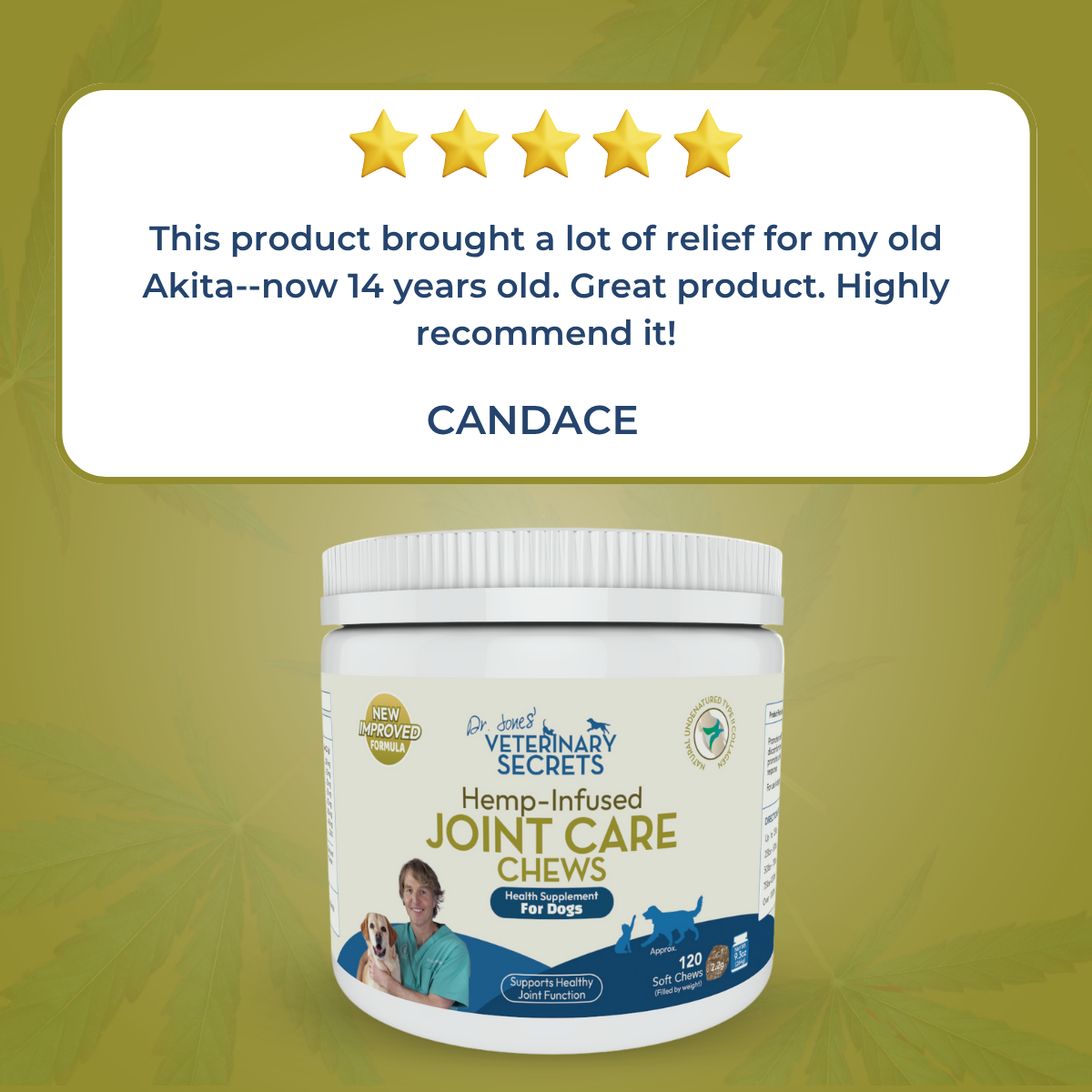
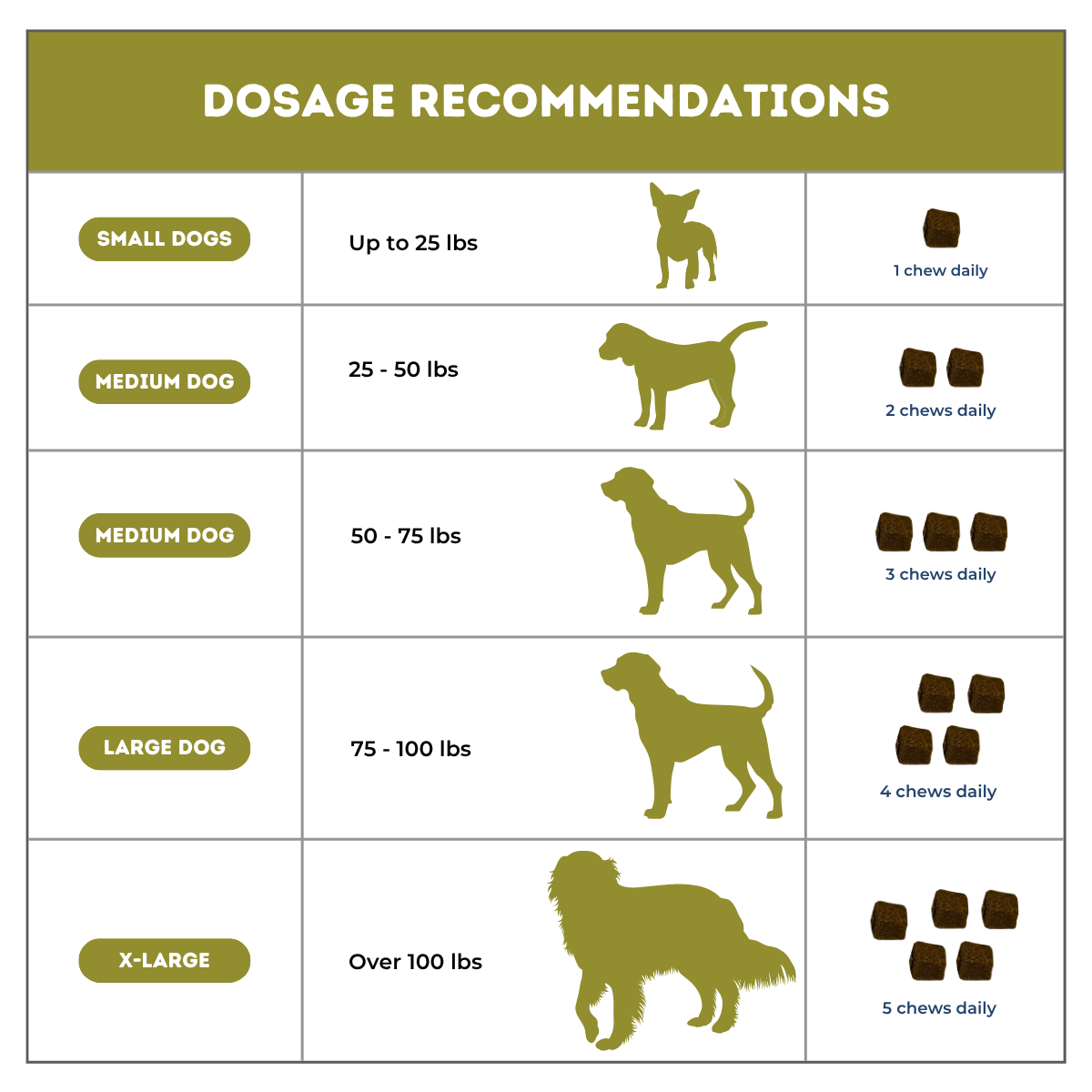
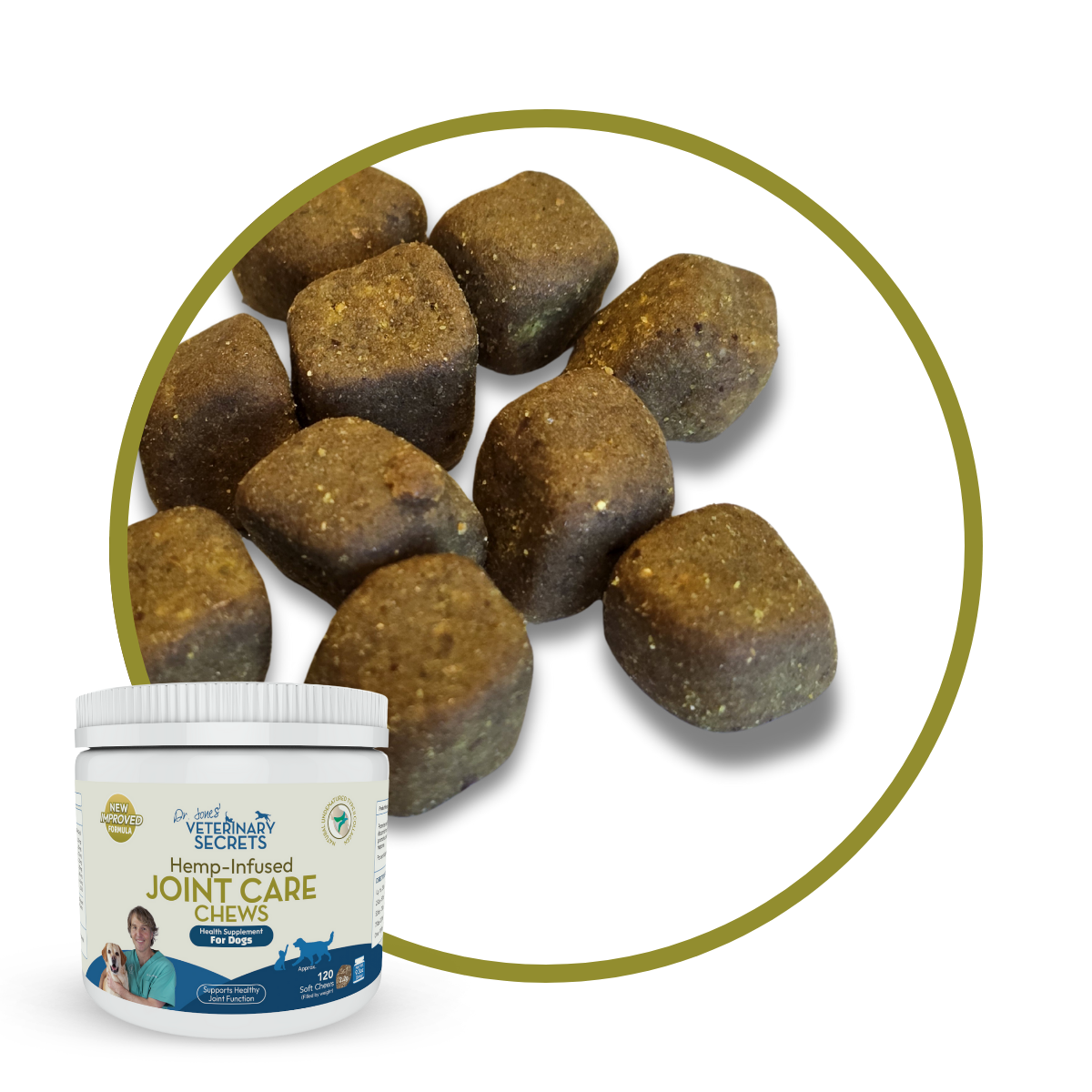
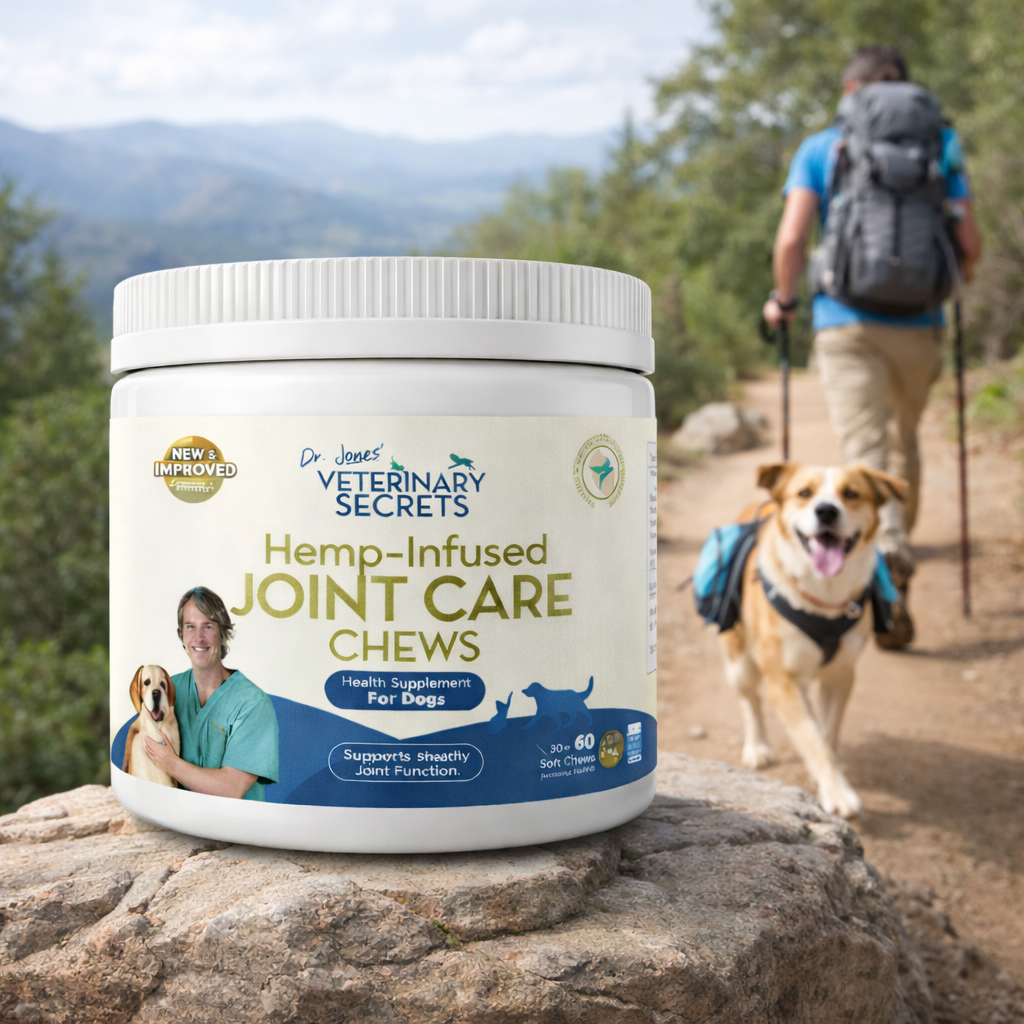
P.P.P.S. For pets with arthritis and stiff joints, I’m also very interested in undenatured Type II Collagen. It’s one of the key ingredients in our Dr. Jones’ Joint Care Chews, which are designed to support joint health, flexibility, and comfort. I’ve been encouraged by the results and feedback we’ve received, and I think it’s another option worth considering as part of your pet’s joint-care plan.




Tvati Oil Benefits for Dogs and Cats: A Quick Comparison
| Potential Benefit | Research Findings Discussed | Possible Application |
|---|---|---|
| Skin barrier support | Improved protective skin barrier | Allergy-prone and irritated skin |
| Wound healing | Faster tissue repair | Supporting recovery from skin injuries |
| Bone repair | Increased bone formation and reduced inflammation | Additional support during fracture recovery |
| Ligament and tendon repair | Improved healing rates | Recovery from ligament and tendon injuries |
| Arthritis support | Changes in cartilage production and mobility | Senior pets with joint stiffness and discomfort |