How I’m Helping My Overweight Cat Lose Weight: Diet Changes, Exercise, and 5 Supplements

How Can You Help an Overweight Cat Lose Weight?
The best way to help an overweight cat lose weight is to make gradual changes to their diet, measure their food, limit extra calories from treats, and encourage regular exercise. Some supplements, including taurine, L-carnitine, probiotics, and certain milk-derived peptides, are also being investigated for their potential effects on metabolism and weight management.
But here’s something I want you to know.
Even when you’re doing many of the right things, helping your cat lose weight can be surprisingly difficult.
I know because I’m dealing with it right now.
Meet Cassian, our rather contented indoor cat.
Cassian has a wonderful life.
He sleeps where he wants, enjoys plenty of attention, and has one particular passion.
Food.
He absolutely loves his food.
Breakfast? Wonderful.
Dinner? Even better.
And if he thinks there’s a chance of getting a little something extra, he’s certainly going to let you know about it.
The problem?
Cassian is carrying a little more weight than I’d like.
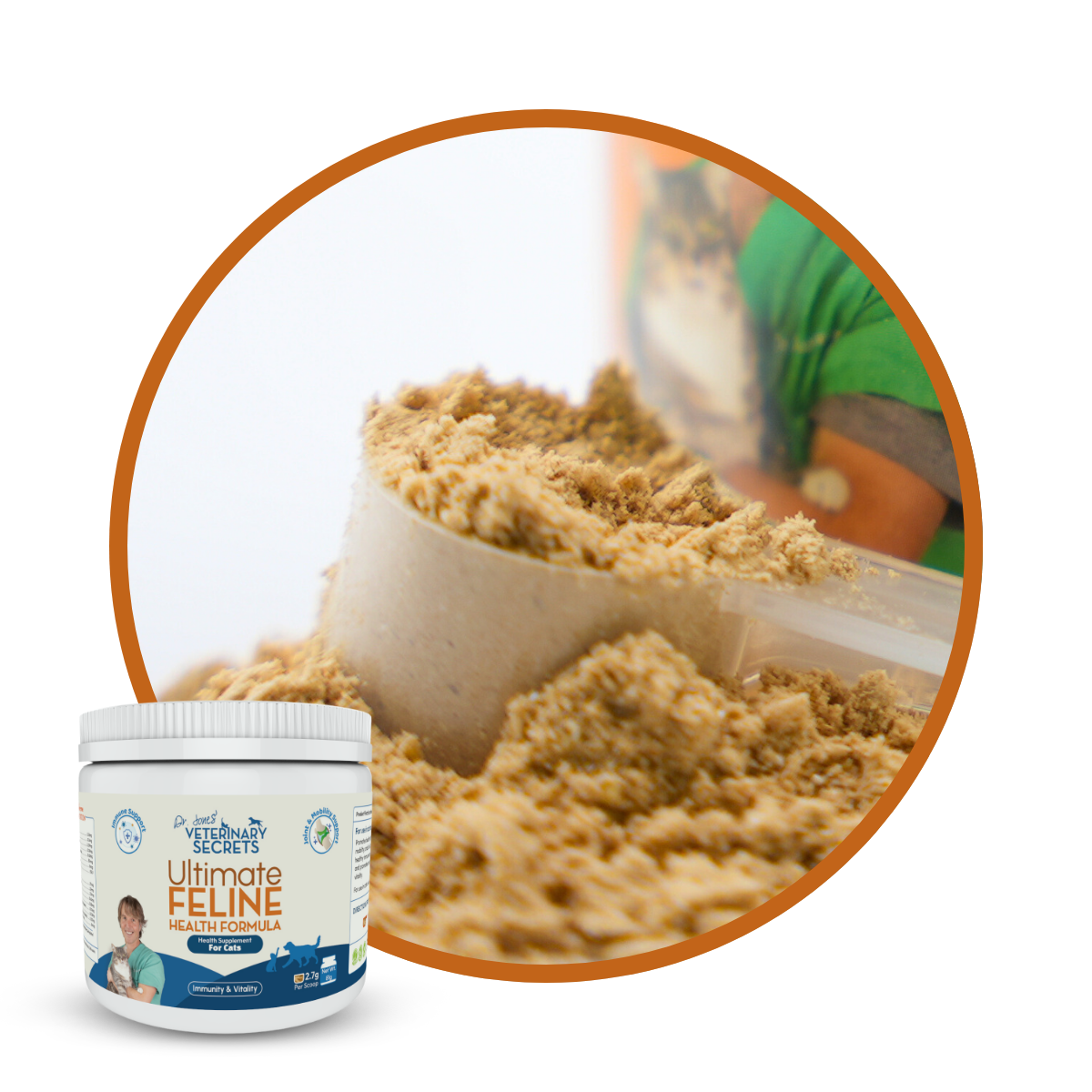
Dr. Jones’ Ultimate Feline Health Formula
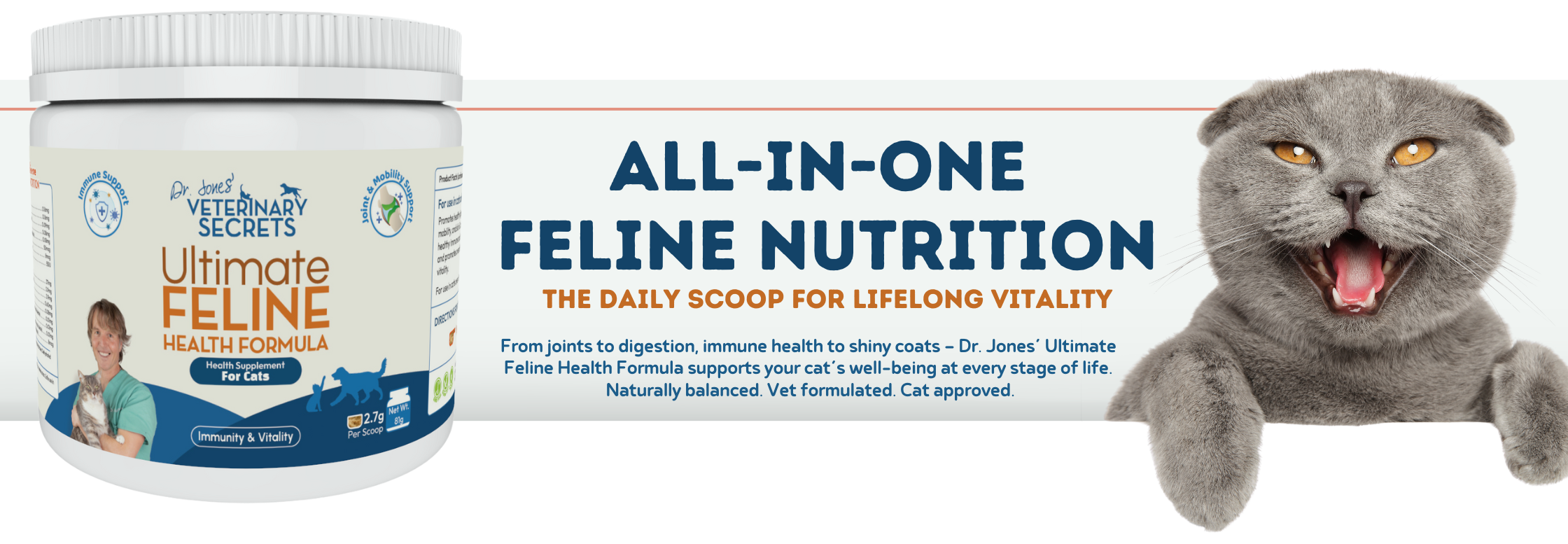



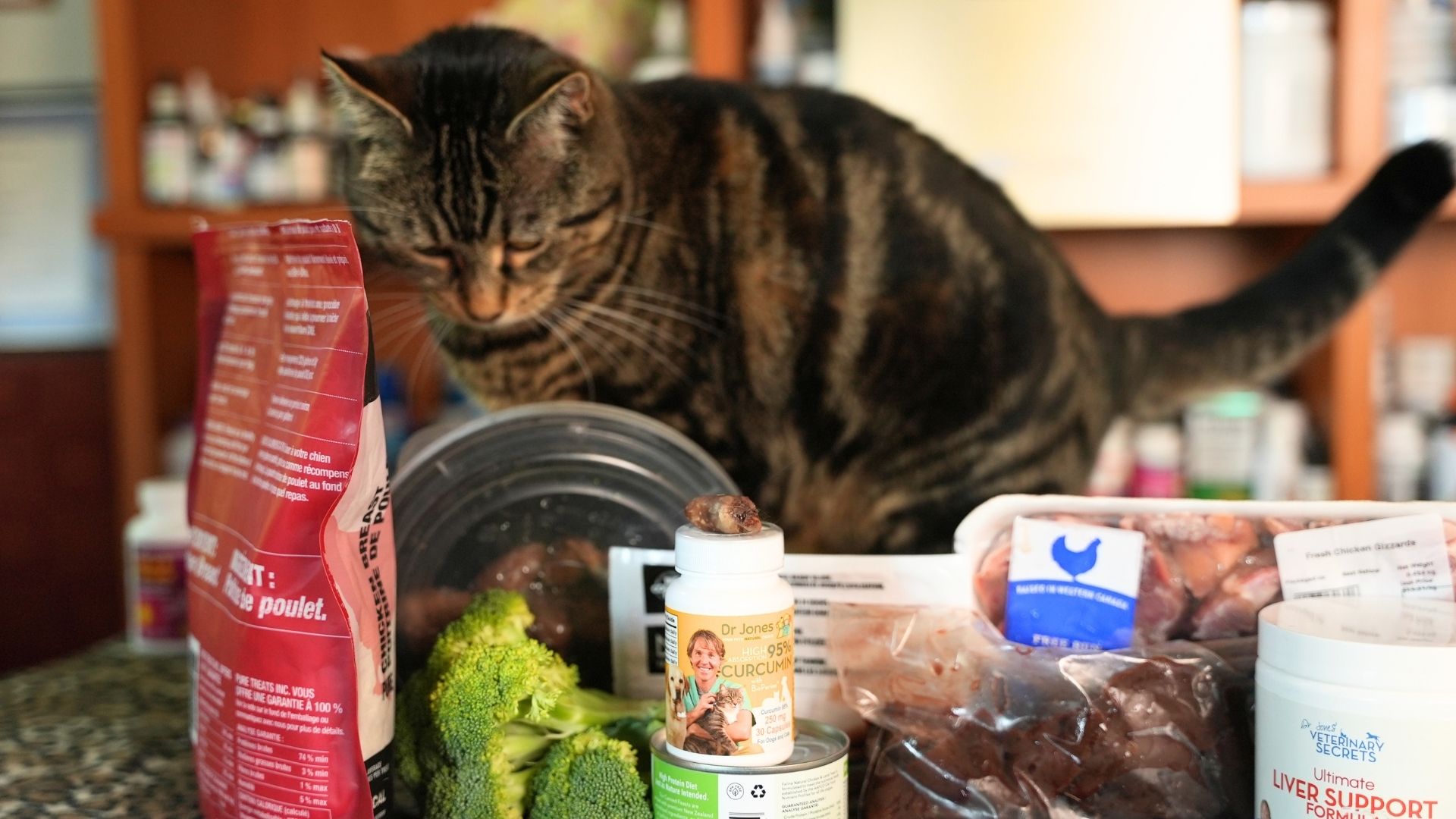
I started making changes to his diet earlier this year. I’ve eliminated dry kibble, started measuring his food more carefully, and added nutritional supplements.
But his weight hasn’t been coming down as quickly as I hoped.
So I’ve been looking more closely at what else we can do.
And today, I want to share exactly how I’m helping Cassian lose weight, including the foods he’s eating, his daily routine, and five supplements I’ve been investigating.
I’ll also explain why slow, controlled weight loss is especially important for cats.
Because the last thing we want is to cause another serious health problem while trying to help our pets become healthier.
Why Is Being Overweight Dangerous for Cats?
Excess body weight can increase a cat’s risk of several health problems, including diabetes, arthritis, high blood pressure, and liver disease. Obesity is also associated with other health concerns involving the urinary tract, cardiovascular system, and metabolism.
A slightly overweight cat may look comfortable and happy.
Cassian certainly does.
But that extra body fat can affect much more than their appearance.
What Health Problems Are Associated With Obesity in Cats?
Some of my main concerns include:
| Health Concern | Why Excess Weight Matters |
|---|---|
| Diabetes | Excess weight can contribute to problems with insulin regulation and glucose metabolism |
| Arthritis | Additional body weight increases the load on joints |
| High blood pressure | Obesity can contribute to cardiovascular and blood pressure concerns |
| Liver disease | Overweight cats are particularly vulnerable to complications from rapid weight loss or inadequate food intake |
| Urinary tract disease | Obesity has been associated with feline lower urinary tract problems |
| Heart health | Excess weight may affect cardiovascular function |
| Cancer | Research has explored associations between obesity and certain cancers |
| Immune health | Excess fat tissue may contribute to ongoing inflammatory activity |
For me, one of the biggest concerns is diabetes.
Cats can develop serious problems with glucose and insulin regulation.
And I certainly don’t want Cassian developing diabetes because we’re not addressing his weight.
How Does Body Fat Affect Inflammation?
This is another area I find particularly interesting.
Body fat isn’t simply something that sits there doing nothing.
Fat tissue can produce substances involved in inflammation.
These include proteins known as inflammatory cytokines.
In overweight animals, chronic low-grade inflammation may interfere with normal metabolic functions.
That includes processes involved in handling blood glucose and using stored fat for energy.
So when I talk about helping Cassian lose weight, I’m not simply trying to make him look thinner.
I want to improve how his body functions overall.
How Much Weight Should an Overweight Cat Lose?
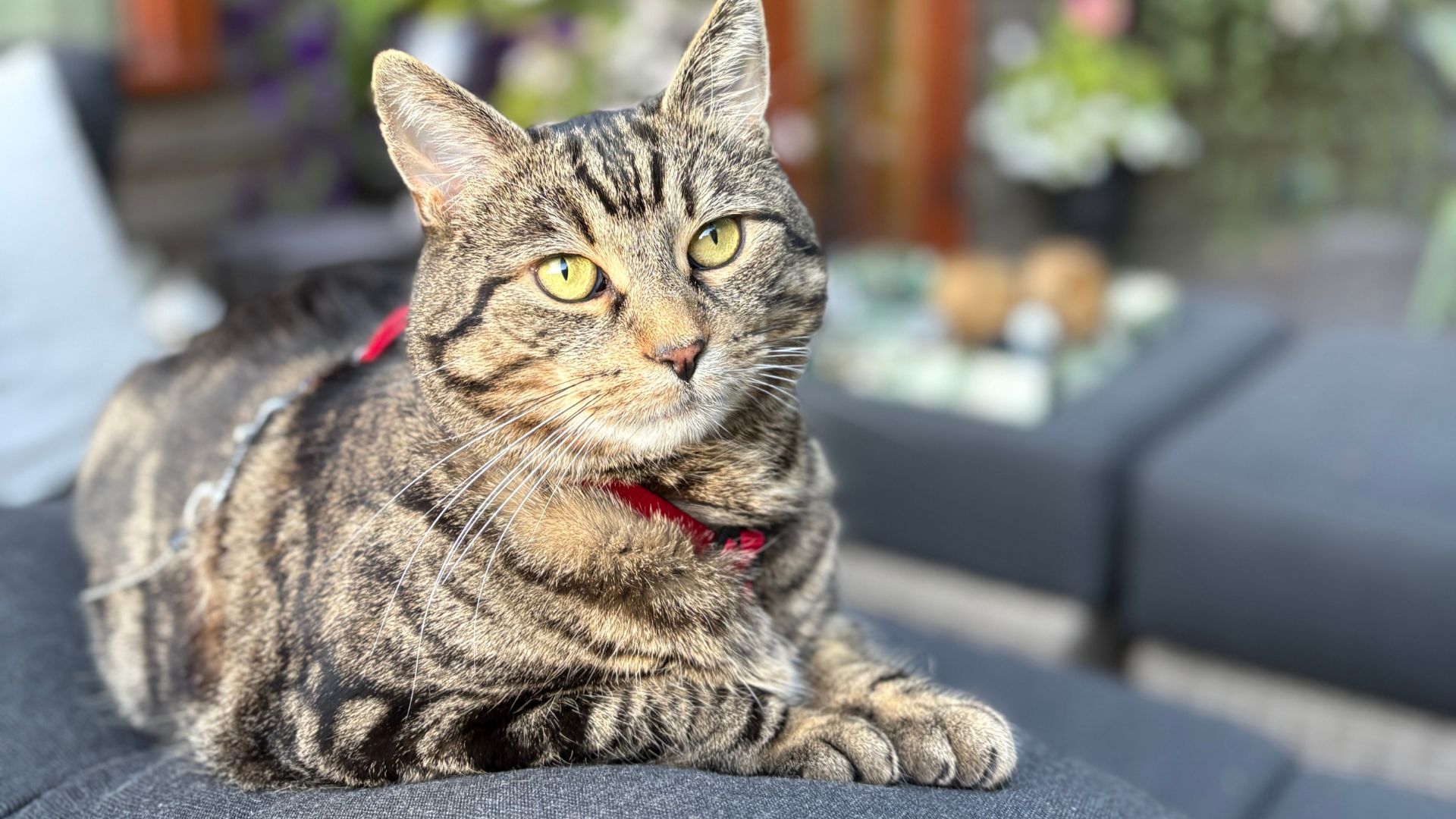
I favor gradual, carefully measured weight loss for cats because losing weight too quickly can be dangerous. In my discussion of Cassian’s plan, I talked about a cautious pace of approximately 1% to 2% of body weight per month, with an eventual weight-loss goal of around 15%.
The amount and pace need to be individualized.
And the most important thing is that your cat continues eating adequately throughout the process.
How Much Does Cassian Weigh?
At the end of my latest weigh-in, Cassian was:
13.8 pounds.
Actually, a little better than I expected!
My eventual goal is to help him lose approximately 15% of his current body weight.
That would bring him to just under 12 pounds.
Here’s what that looks like:
| Weight-Loss Measurement | Cassian’s Numbers |
|---|---|
| Current weight | 13.8 lbs |
| Eventual target reduction | Approximately 15% |
| Weight to lose | Approximately 2.1 lbs |
| Estimated target weight | Approximately 11.7 to 12 lbs |
| Approach | Gradual, controlled weight loss |
Of course, the ideal target should be confirmed by evaluating body condition and overall health.
The number on the scale is only part of the picture.
How Quickly Should Cassian Reach His Goal?
I’ve discussed checking progress over a period of three to four months.
But the full 15% reduction is an eventual goal, not something I want to force within a short period.
At a pace of 1% to 2% per month, reaching that total reduction would take longer.
And that’s fine.
I’d much rather see Cassian lose weight gradually than try to make him slim down quickly.
Because with cats, rapid weight loss can have very serious consequences.
Why Is Rapid Weight Loss Dangerous for Cats?
Rapid weight loss or prolonged inadequate food intake can put overweight cats at risk of hepatic lipidosis, also called fatty liver disease. This is a potentially life-threatening condition in which excessive fat accumulates in the liver.
This is one of the most important things I want you to understand.
If you have an overweight cat, please don’t suddenly cut their food intake in half and expect them to manage.
Cats aren’t little people.
And their bodies can respond very differently to sudden periods of inadequate nutrition.
What Is Hepatic Lipidosis?
Hepatic lipidosis occurs when excessive amounts of fat accumulate within the liver.
One situation that can trigger this involves an overweight cat suddenly eating much less than normal or stopping eating.
The body begins mobilizing stored fat for energy.
But when too much fat reaches the liver, the liver may struggle to process it appropriately.
Fat begins accumulating within the liver cells.
And the cat can become extremely ill.
What Are the Signs of Fatty Liver Disease?
One of the most concerning signs is a major reduction in appetite.
A cat may become increasingly unwell and stop eating altogether.
And unfortunately, that can make the situation worse.
I’ve seen cats with advanced hepatic lipidosis in veterinary practice.
Sometimes their owners waited several days, even close to a week, hoping their cats would begin eating again.
By then, the cats were seriously ill.
Some needed feeding tubes and extended nutritional support to recover.
And sadly, not every cat survives.
How Can You Help Prevent Hepatic Lipidosis During Weight Loss?
The big thing is to avoid sudden, excessive food restriction.
Here’s what I would focus on:
-
Make gradual changes to the feeding plan.
-
Measure food consistently.
-
Avoid dramatically cutting calories without veterinary guidance.
-
Monitor your cat’s appetite.
-
Check their weight regularly.
-
Seek prompt veterinary help if your cat stops eating.
If your cat refuses food or is eating very little, don’t wait for several days to see whether they’ll improve. Contact your veterinarian promptly.
The goal is healthy weight loss, not starvation.
And that’s exactly how I’m approaching Cassian’s plan.
Step 1: Why Did I Stop Feeding Cassian Dry Kibble?
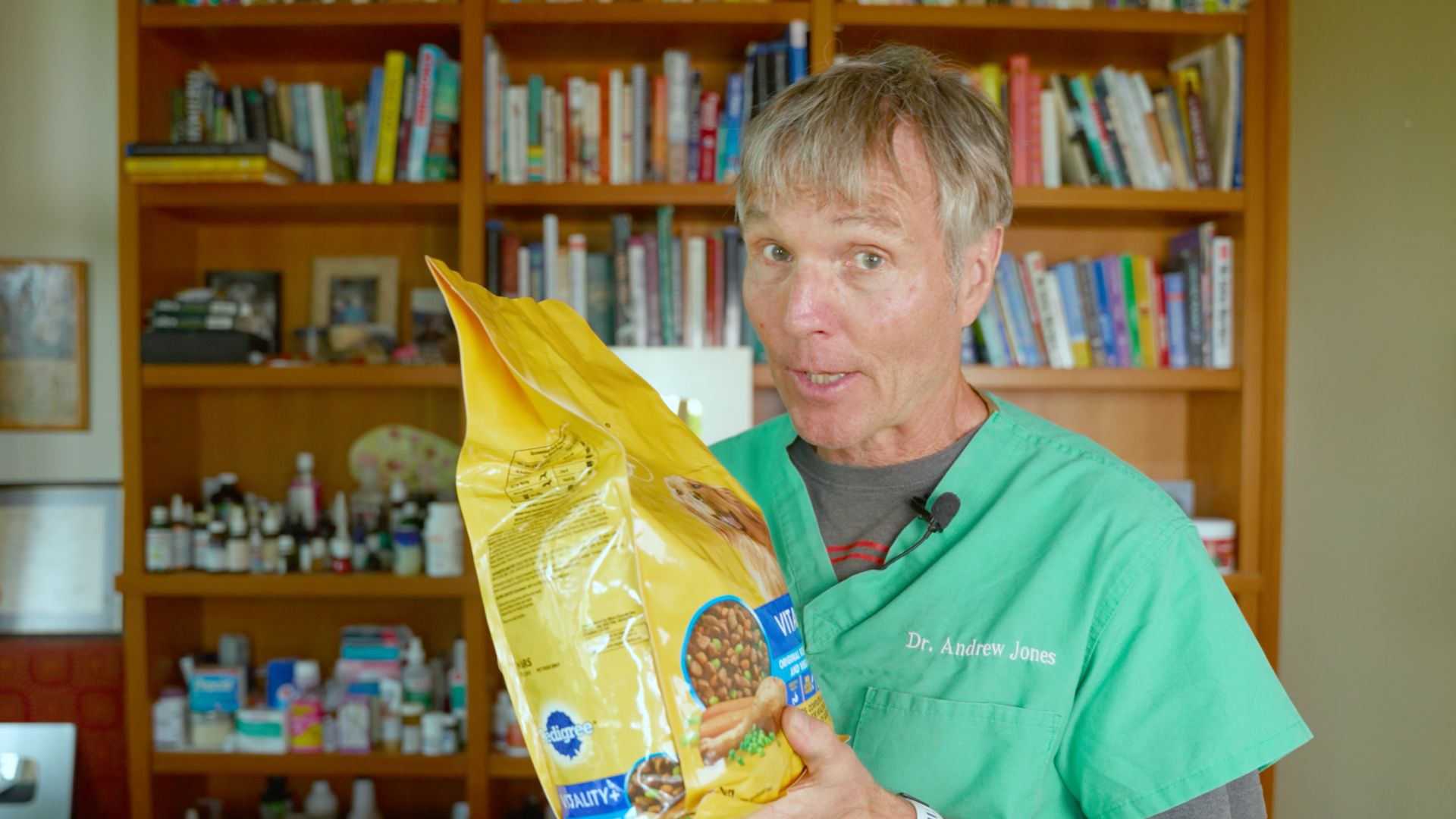
The first major change I made was removing dry kibble from Cassian’s diet and switching to a moisture-rich canned food focused on animal-based ingredients.
Cassian hasn’t been eating kibble for approximately six months.
He originally came home eating dry food.
But I wanted to make a change.
And one of the things I pay attention to when choosing cat food is the amount and type of carbohydrate ingredients.
Why Am I Concerned About Carbohydrates in Cat Food?
Cats are adapted to eating animal-based foods.
And I’ve frequently discussed my preference for diets containing substantial amounts of animal protein rather than relying heavily on carbohydrate ingredients.
Even when you look at canned cat food, you may find ingredients such as:
-
Wheat
-
Potato
-
Other carbohydrate sources
That surprises me sometimes.
Because when I’m feeding a cat, I want the diet to reflect their nutritional needs.
For Cassian, I’ve chosen to focus on animal-based ingredients while carefully controlling his total food intake.
What Cat Food Am I Feeding Cassian?
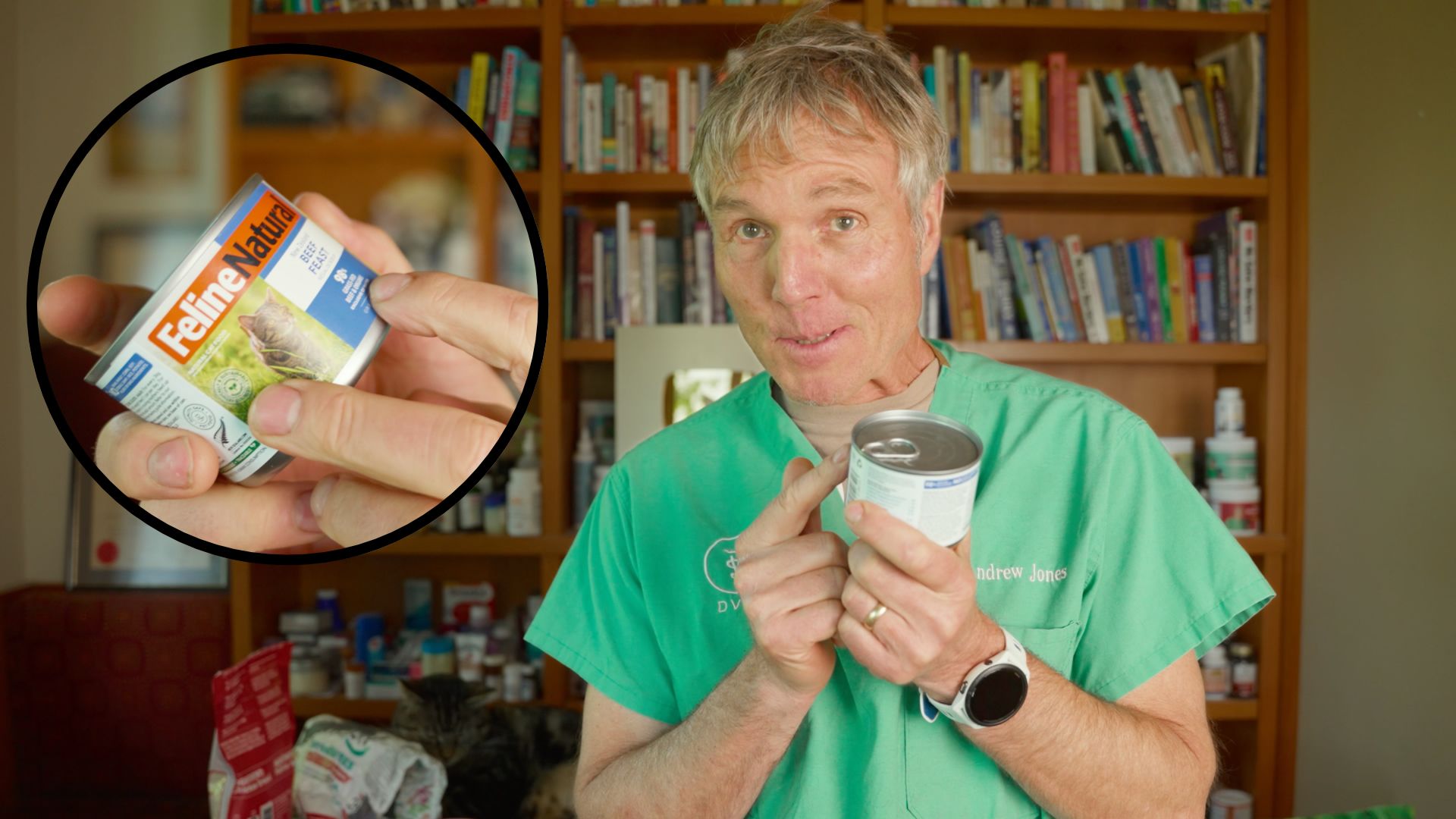
I’m currently feeding him a canned food called Feline Natural.
The particular food I’ve discussed is marketed as containing 95% animal-derived ingredients.
That’s one reason I chose it.
It’s definitely not the cheapest canned food available.
But I’m interested in its animal-based composition.
Other feeding approaches I’ve considered include raw food or a properly prepared homemade diet.
Cassian, however, isn’t particularly enthusiastic about raw food.
He’s made his opinion fairly clear on that one.
And when you’re dealing with a cat, their opinion matters!
Is Animal Protein More Important Than Calories?
Animal protein is an important part of feline nutrition.
But there’s another critical point.
Even high-protein food contains calories.
And if your cat consumes more energy than their body needs, they can still gain weight.
So choosing the right food is only one part of the process.
The next step is measuring how much your cat actually eats.
Step 2: How Much Food Am I Giving Cassian?
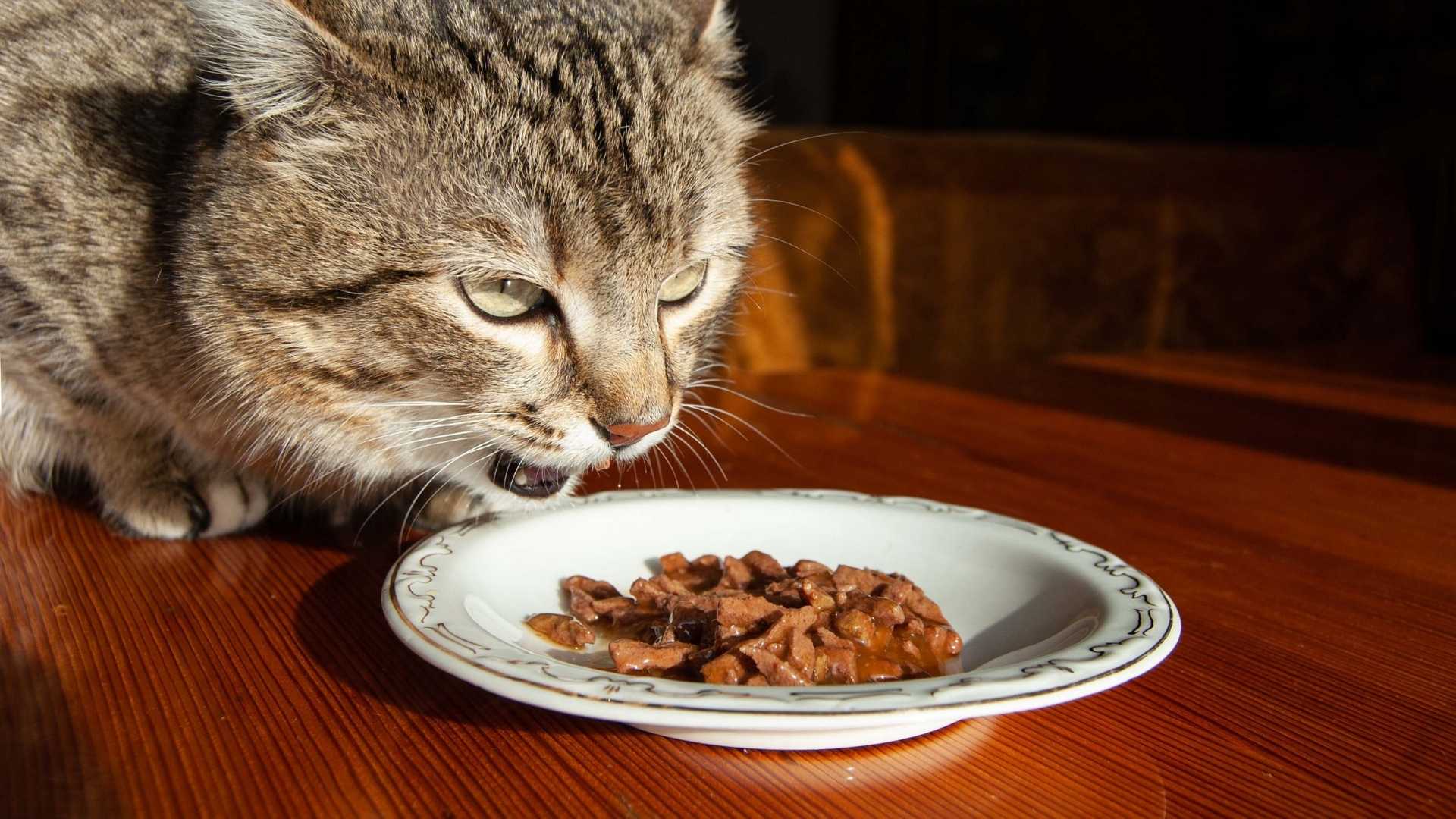
Cassian currently receives one can of his chosen wet food per day, divided into two measured meals.
This has been one of the most important changes I’ve made.
Before, I was estimating his portions.
A little of this.
A little more of that.
Maybe a little extra because he was looking at me.
And you can imagine how that goes.
Now, I’m much more consistent.
What Is Cassian’s Daily Feeding Schedule?
Here’s his current routine:
| Meal | Amount |
|---|---|
| Morning | ½ can of Feline Natural |
| Evening | ½ can of Feline Natural |
| Total | 1 can per day |
I’ve been following this measured routine for approximately a month.
And the important thing is that I’m no longer guessing.
I know how much food he’s receiving.
Now, one can per day is Cassian’s particular feeding arrangement.
It isn’t a universal amount for every cat.
Can sizes and calorie contents vary considerably, so a proper weight-loss plan needs to account for the calories in the food and the individual animal’s needs.
Why Is Measuring Food So Important?
Because even small differences in portion size add up over time.
Especially for an indoor cat.
Cassian isn’t spending his day outside chasing mice.
He’s spending a good portion of it relaxing.
So we need to make sure the food he’s receiving matches his actual energy needs.
And that includes treats.
Step 3: What Treats Can You Give an Overweight Cat?
I’m keeping Cassian’s treats simple and giving him very small portions of plain chicken. It’s an animal-protein-based treat, but the calories still count toward his daily food intake.
Cassian is very vocal when he wants something.
Sometimes he seems convinced he’s starving.
Even after eating.
And naturally, he lets me know.
So I’ve been giving him small amounts of chicken.
Why Did I Choose Chicken?
Chicken provides animal protein without the carbohydrate-heavy ingredients found in some commercial treats.
That’s one reason I prefer it.
It also fits with my goal of keeping Cassian’s overall diet focused on animal-based ingredients.
But it’s still food.
And every little piece contributes calories.
How Much Chicken Can You Give?
The key is small amounts.
I don’t want to replace a measured meal with unlimited treats.
And I certainly don’t want Cassian’s weight-loss plan being undone because he convinces everyone in the house to give him something extra.
He’s charming.
But he’s not that charming!
Plain, unseasoned chicken is the type of treat I would consider.
I’d also make sure any treats are included when calculating the cat’s total daily food allowance.
Step 4: How Can You Help an Indoor Cat Exercise More?
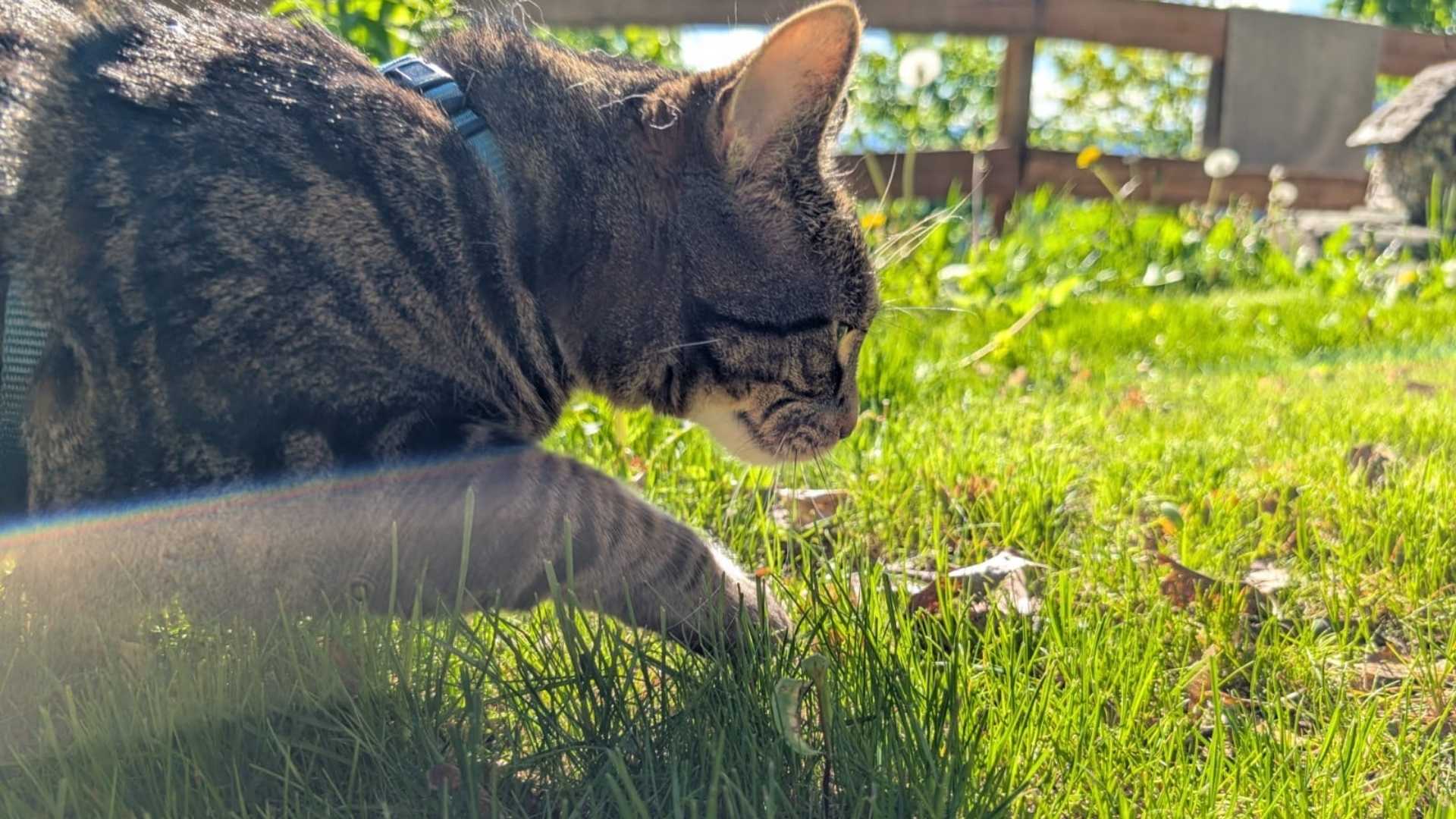
Indoor cats can benefit from regular interactive play that encourages them to move, chase, and engage with their environment. I’m making a greater effort to play with Cassian consistently rather than relying on occasional activity.
This is an area where I know I can do better.
Cassian is an indoor cat.
He doesn’t spend his days running around outdoors.
He isn’t chasing critters.
And he’s certainly quite happy to spend a lot of his time sleeping.
So I need to encourage him to move.
What Toys Does Cassian Like?
We have a few different toys.
One of the things I do is drag a cat toy around the house.
Cassian enjoys chasing it.
He also likes playing with hair ties.
Although I only allow that kind of play under close supervision because small elastic objects can be dangerous if swallowed.
Why Is Exercise Important for Overweight Cats?
Physical activity helps increase energy expenditure.
It also encourages normal movement and muscle activity.
And for a cat that spends much of the day resting, any increase in consistent, comfortable activity may help.
I’ve been thinking about how exercise could support Cassian’s metabolic health.
Not just because he’s burning some calories during play.
But because I want him moving regularly.
What’s My Plan for Cassian?
Simple.
Play with my cat more often.
Make it consistent.
Encourage him to chase toys.
Get him moving around the house.
And make it enjoyable.
Honestly, that’s not exactly a difficult assignment.
More playtime with Cassian is probably good for both of us.
What Supplements Is Cassian Already Taking?
Before discussing the new supplements I’m investigating for weight management, I want to explain what Cassian is already receiving.
He’s actually a fairly well-supplemented cat.
Krill Oil for Skin Health and Inflammation
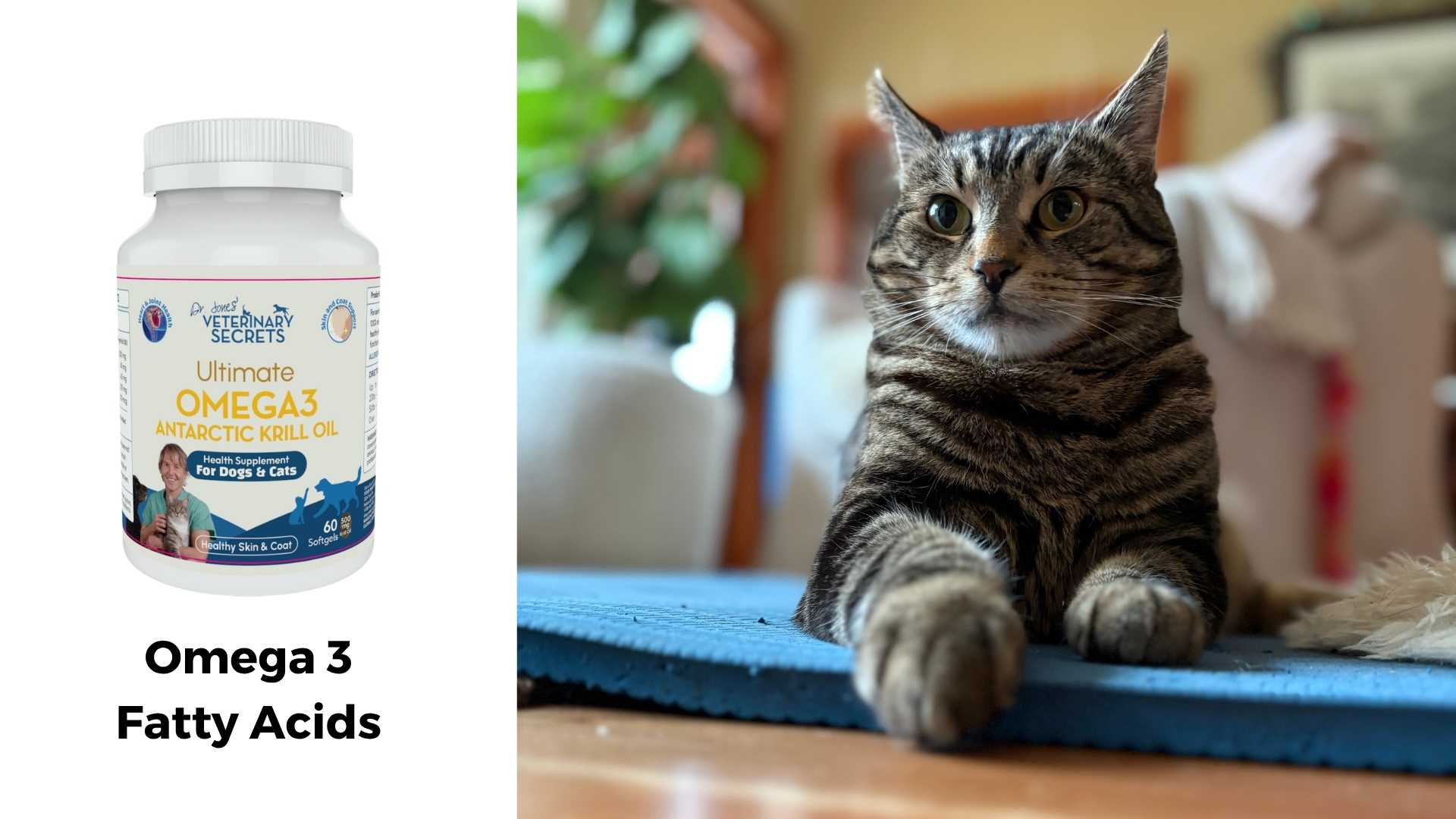
Cassian currently receives:
500 mg of krill oil daily.
I’m primarily using it to support his skin health and help with itching.
Krill oil contains omega-3 fatty acids, which have been investigated for their anti-inflammatory effects.
And this interests me because inflammation may play a role in metabolic problems associated with excess body weight.
BioActive Quercetin for Allergies
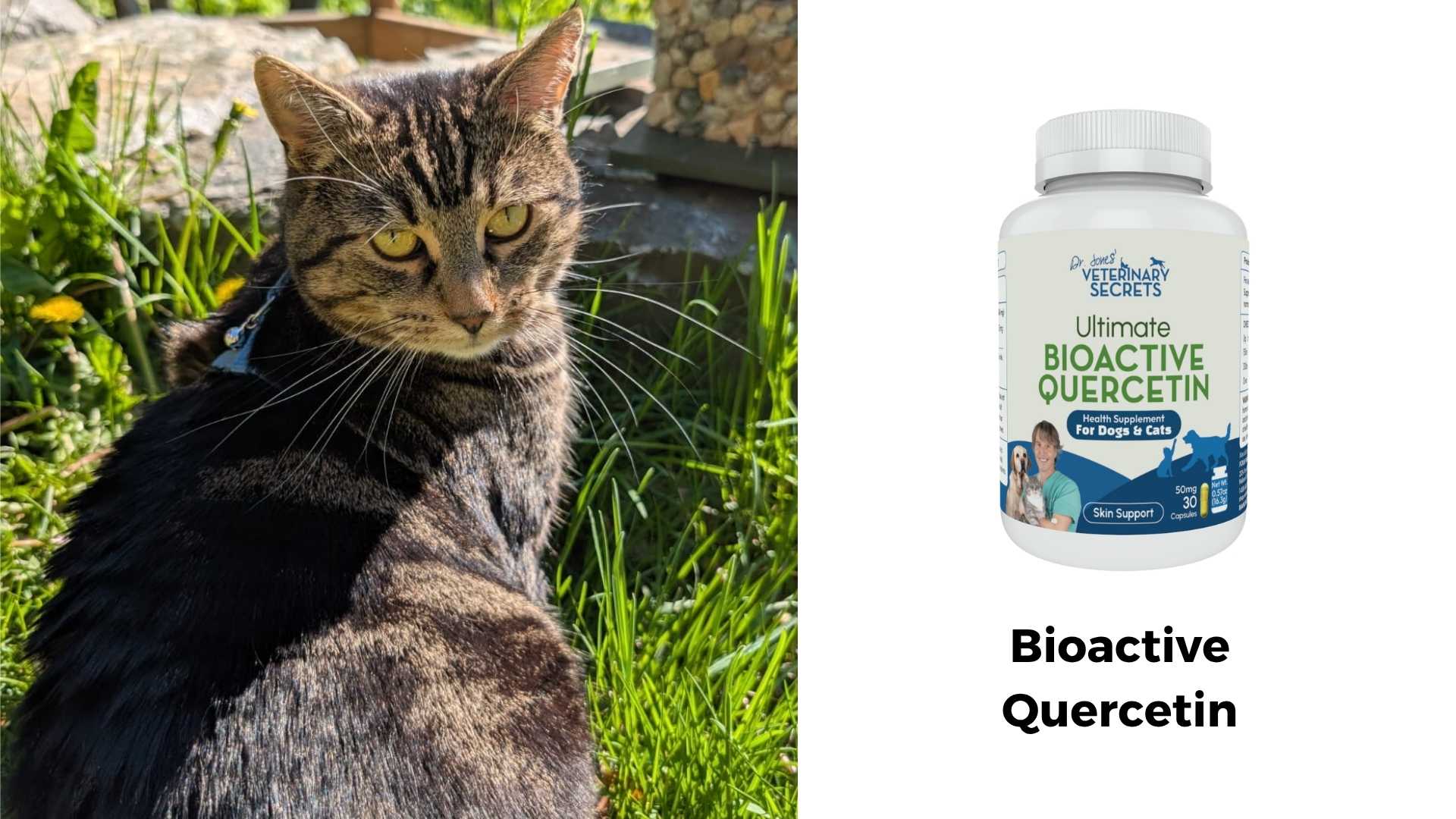
Cassian also receives approximately:
½ capsule of BioActive Quercetin daily.
I’m using it as part of his allergy and itching support.
Ultimate Feline Health Formula and Dental Support
He’s also receiving a combination involving:
These are part of his existing nutritional routine.
However, my concern is that most of these supplements aren’t specifically intended to stimulate fat metabolism or help with weight reduction.
So I’ve been looking into a few additional options.
And that’s where the next five supplements come in.
What Are the 5 Supplements I’m Investigating for Overweight Cats?
I’ve been looking at five supplements that may influence appetite, blood sugar regulation, fat metabolism, inflammation, or the gut microbiome.
Some have been studied in humans.
Others have been investigated in dogs.
And research specifically involving overweight cats remains limited for several of them.
So I see these as interesting options to investigate, not replacements for proper nutrition and measured feeding.
1. Can Pep2Dia Help an Overweight Cat Lose Weight?
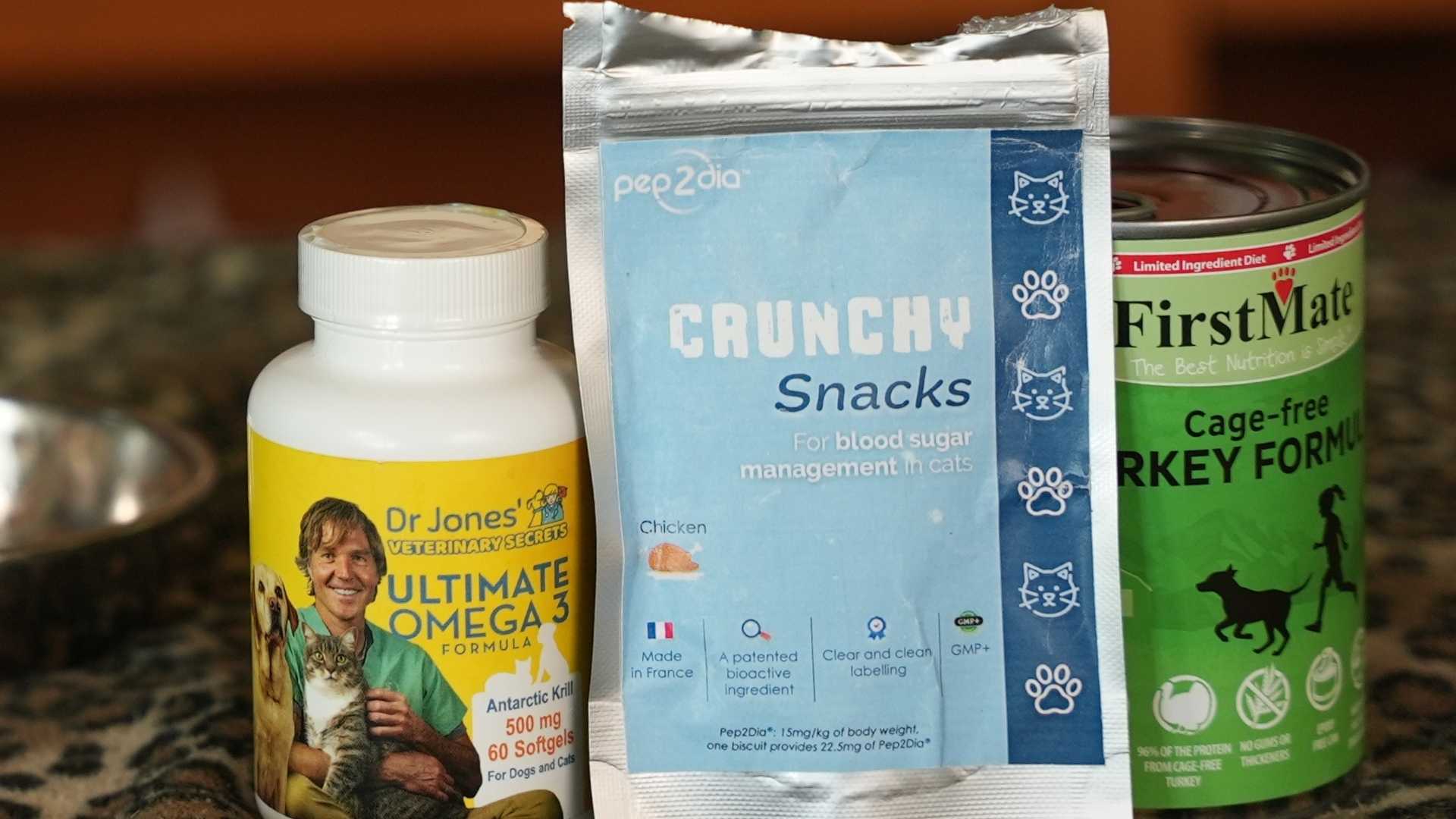
Pep2Dia is a milk-derived peptide preparation that I’ve been investigating for its potential effects on glucose absorption, insulin response, and fullness after eating.
This is one of the newer products I’m particularly interested in.
We’re also exploring the possibility of developing our own supplement containing this ingredient.
What Is Pep2Dia?
Pep2Dia is described as a milk protein hydrolysate.
That means it contains smaller protein fragments called peptides.
Peptides consist of amino acids joined together.
And certain peptides can have biological effects beyond simply providing protein.
How Might Pep2Dia Affect Blood Sugar?
One of the proposed benefits involves slowing the breakdown or absorption of glucose after eating.
Think about what happens when an animal consumes food.
Blood glucose may rise.
The body responds by releasing insulin.
And insulin helps regulate how that glucose is used or stored.
The interest in Peptoia is whether it can help reduce rapid post-meal glucose changes.
Could Pep2Dia Help Cats Feel Full Longer?
Another proposed benefit is increased satiety.
In other words, helping an animal feel satisfied after eating.
Now, for a cat like Cassian, that would certainly be interesting.
Because one of his main hobbies is asking for food.
If we can help him feel satisfied while maintaining appropriate nutrition, that could potentially make weight management easier.
2. Can Taurine Help Cats With Weight Loss?
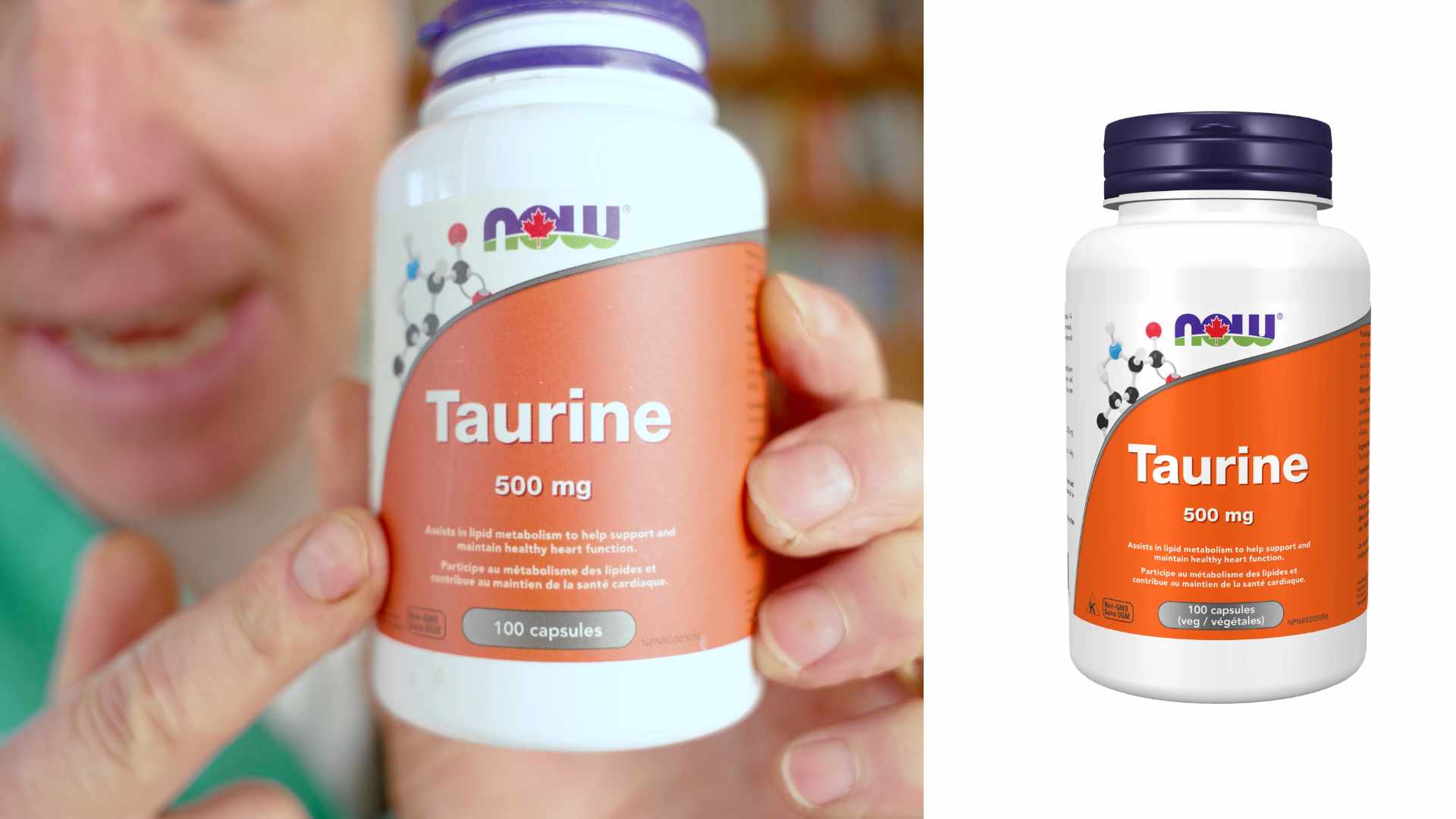
Taurine is an essential nutrient for cats that supports normal heart and eye function. Research in overweight adults has also investigated its potential effects on lipid metabolism, glucose regulation, and body weight, which makes it an interesting area for further feline research.
This is another supplement I’ve been thinking about.
And taurine is particularly interesting because cats already need it in their diets.
Why Is Taurine Essential for Cats?
Cats have a limited ability to produce sufficient taurine from other amino acids.
That’s why taurine is considered essential for them.
It plays an important role in:
-
Normal heart function
-
Eye and retinal health
-
Several metabolic processes
Inadequate taurine intake can lead to serious health problems, including heart disease and retinal degeneration.
So it’s a nutrient we definitely want to make sure cats are getting.
How Might Taurine Influence Fat Metabolism?
Taurine has several biological functions.
Two mechanisms I’ve discussed are particularly relevant to metabolism.
First, taurine is involved in bile acid conjugation.
Bile acids help the digestive system process dietary fats.
Second, taurine has been investigated for its effects on pathways involved in fatty acid oxidation.
Fatty acid oxidation is the process by which the body uses fatty acids for energy.
I have 500 mg taurine capsules.
And my plan was to give Cassian approximately half a capsule, or 250 mg daily, mixed into his food.
Then monitor his progress over the next 30 days.
3. Can Green Tea Extract and EGCG Help Cats Lose Weight?
Green tea contains a polyphenol called EGCG, or epigallocatechin gallate, that has been studied for antioxidant effects and possible influences on metabolism. Some research has also examined EGCG together with caffeine for weight management. However, concentrated green tea extracts and caffeine require particular caution in cats.
This is another area I’ve discussed in previous Veterinary Secrets videos.
I’ve been interested in green tea compounds for their potential effects on metabolism.
I’ve also discussed them in relation to other conditions, including fatty tumors, or lipomas, in dogs.
What Is EGCG?
EGCG is one of the major polyphenols found in green tea.
It has been investigated for its antioxidant properties.
Researchers have also studied its potential effects on:
-
Inflammatory activity
-
Metabolic rate
-
Fat metabolism
-
Body weight regulation
These effects make it an interesting compound to investigate.
Why Combine EGCG and Caffeine?
Some research has examined EGCG and caffeine together.
The idea is that the combination may influence energy expenditure and metabolic activity.
I’ve also discussed how chronic inflammation may affect the body’s ability to use stored fat efficiently.
So the proposed benefit involves several possible mechanisms:
-
Supporting normal metabolic processes
-
Influencing energy expenditure
-
Affecting inflammatory signaling
-
Potentially supporting modest weight reduction
These effects are still being studied, especially in pets.
Is Caffeine Safe for Cats?
This is where I want pet parents to be very careful.
Cats can be particularly sensitive to caffeine.
And caffeine can be toxic to dogs and cats.
In my discussion, I mentioned a toxicity-related figure of approximately 30 mg/kg for cats.
For a 5 kg cat, that works out to 150 mg.
But that number should not be treated as a safe dose or a recommended exposure threshold.
What Green Tea Extract Amount Have I Discussed?
One preparation I described contained:
-
400 mg green tea extract per capsule
-
200 mg EGCG per capsule
I discussed approximately ¼ capsule per 20 lbs of body weight daily.
However, I would not recommend using this as a home dosing guide for cats.
Concentrated extracts can differ significantly, and both caffeine exposure and green tea extract safety require careful evaluation.
4. Can L-Carnitine Help Overweight Cats Burn Fat?
L-carnitine plays an important role in transporting fatty acids into mitochondria, where they can be used for energy. This is one reason it has been included in some veterinary diets designed for weight management.
This supplement makes sense to me from a metabolic perspective.
Because it is directly involved in how the body uses fat.
What Is L-Carnitine?
L-carnitine is a compound involved in fatty acid transport.
One of its important functions is helping move certain fatty acids into the mitochondria.
You can think of mitochondria as the energy-producing structures within cells.
They help the body turn nutrients into usable energy.
How Does L-Carnitine Affect Fat Metabolism?
Stored fat needs to be mobilized and processed before it can be used as energy.
L-carnitine is involved in transporting long-chain fatty acids into mitochondria for oxidation.
That’s why researchers and pet food manufacturers have been interested in it for weight management.
Is L-Carnitine Used in Veterinary Weight-Loss Diets?
Yes, it’s an ingredient I’ve noticed in some commercial veterinary diets designed for weight management.
It has also been included in certain diets developed for cats with metabolic concerns, including diabetes.
That’s one reason I’m interested in it.
What L-Carnitine Amount Have I Discussed for Cats?
The amount I’ve previously discussed is approximately:
250 mg per cat daily.
The particular supplement I demonstrated contained 750 mg per capsule.
So one-third of that capsule would contain approximately 250 mg.
If a cat is already eating a weight-management diet containing L-carnitine, I would review the total intake before considering any additional supplement.
5. Can Probiotics Help Overweight Cats Lose Weight?
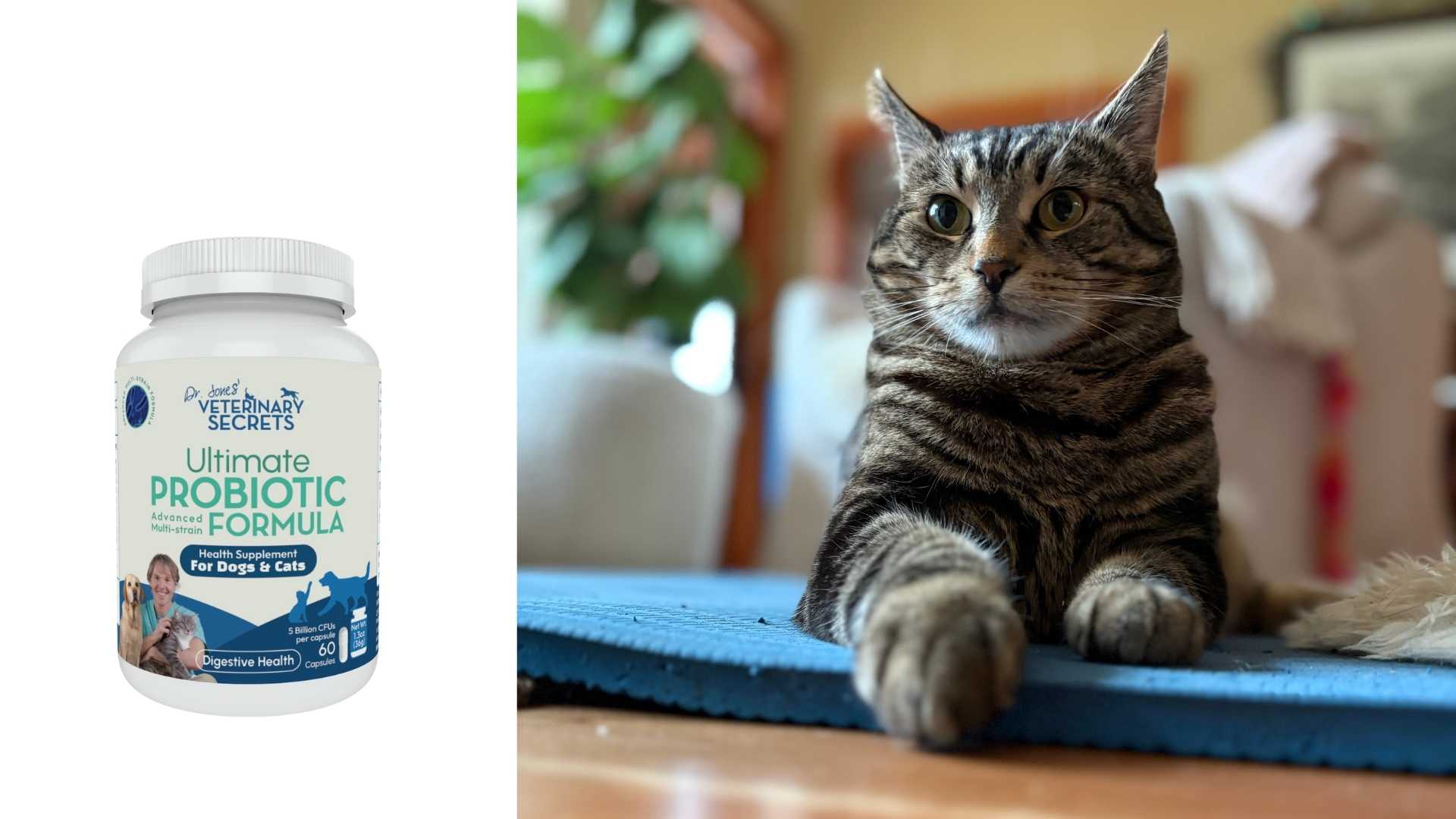
Probiotics are being investigated for their potential effects on gut health, inflammation, and metabolism. Research involving overweight dogs suggests that certain bacterial strains may be useful, although studies specifically examining weight loss in cats remain limited.
This is another area I find fascinating.
Because the gut microbiome interacts with so many different systems in the body.
And we’re continuing to learn just how important those interactions may be.
What Is the Gut Microbiome?
The gut microbiome refers to the microorganisms living in the digestive tract.
These include different species of bacteria.
Some of these organisms play important roles in digestion, metabolism, and immune-related functions.
How Does the Gut Microbiome Differ in Overweight Animals?
Research has found that overweight and obese animals can have different gut microbial populations compared with animals at a healthy weight.
And researchers are studying whether those differences may influence metabolic function.
Some of the proposed mechanisms involve:
-
Inflammation
-
Glucose regulation
-
Insulin responses
-
Nutrient metabolism
-
Energy storage
The idea is that certain microbial populations may influence how the body processes nutrients.
Which Probiotic Bacteria Have Been Studied?
I’ve discussed research involving overweight dogs and bacteria such as:
-
Enterococcus faecium
-
Bifidobacterium species
Researchers are investigating whether particular strains could provide metabolic benefits.
But it’s important to remember that probiotic effects are strain-specific.
One product containing a certain bacterial species may not produce the same effects as another preparation.
Can Probiotics Reduce Inflammation?
Some probiotic research has investigated effects on inflammatory markers and immune-related activity.
And this interests me because chronic inflammation may contribute to metabolic dysfunction in overweight animals.
If we can support a healthier gut microbiome and normal inflammatory responses, that may be beneficial for overall health.
Which Probiotic Would I Consider?
I’ve discussed using a quality multi-strain probiotic, such as:
Dr. Jones’ Ultimate Probiotic Formula for Dogs and Cats
My interest is in supporting the gut microbiome as part of a broader weight-management plan.
What About Colostrum for Weight Management?
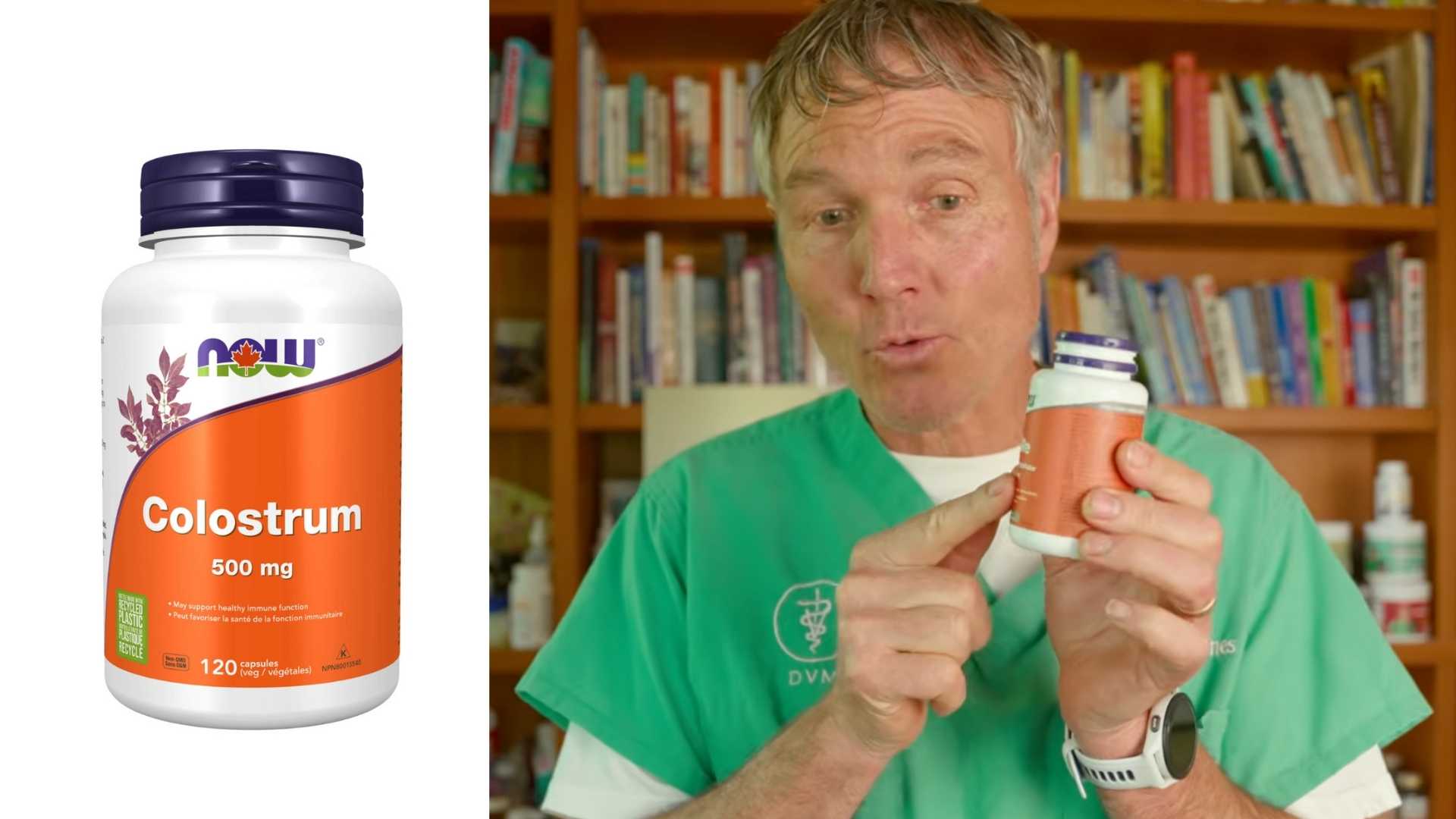
There’s one other supplement I’ve discussed that deserves a mention.
Colostrum.
Colostrum is the nutrient-rich first milk produced by mammals after giving birth.
I’ve discussed it in relation to intestinal health, immune-related activity, and lean muscle support.
Why Not Start Every Supplement at Once?
Because if you introduce five different products simultaneously, it becomes difficult to determine which one is helping.
And which one might be causing a problem.
I’d rather take a measured approach.
Review the ingredient.
Confirm an appropriate dose.
Introduce changes carefully.
And monitor the response.
That’s a much more useful approach than simply throwing every possible supplement into the food bowl.
How Can You Tell Whether Your Cat’s Weight-Loss Plan Is Working?
The first thing I would monitor is body weight.
But I would also pay attention to appetite, activity, and overall comfort.
What Should You Track?
Here’s a simple monitoring checklist.
-
Your cat’s weight
-
The amount of food being offered
-
Treat intake
-
Appetite
-
Daily activity
-
Changes in body condition
-
Any signs of illness or digestive problems
And I’d keep the weighing routine consistent.
That way, we’re comparing measurements that are as similar as possible.
What If Your Cat Isn’t Losing Weight?
That’s the situation I’ve been dealing with.
I’ve made dietary changes.
I’ve measured his food.
But Cassian’s weight hasn’t dropped as much as I expected.
So I’m continuing to review his intake, activity, and the possible role of metabolic support.
However, if weight loss stalls, I would first verify the actual calories being consumed and the target intake with a veterinarian before assuming a supplement is needed.
The important thing is not to respond by suddenly removing a large amount of food.
Remember the concern about hepatic lipidosis.
For cats, slow and controlled is far better than fast and risky.
Final Thoughts: Can an Overweight Cat Really Lose Weight?
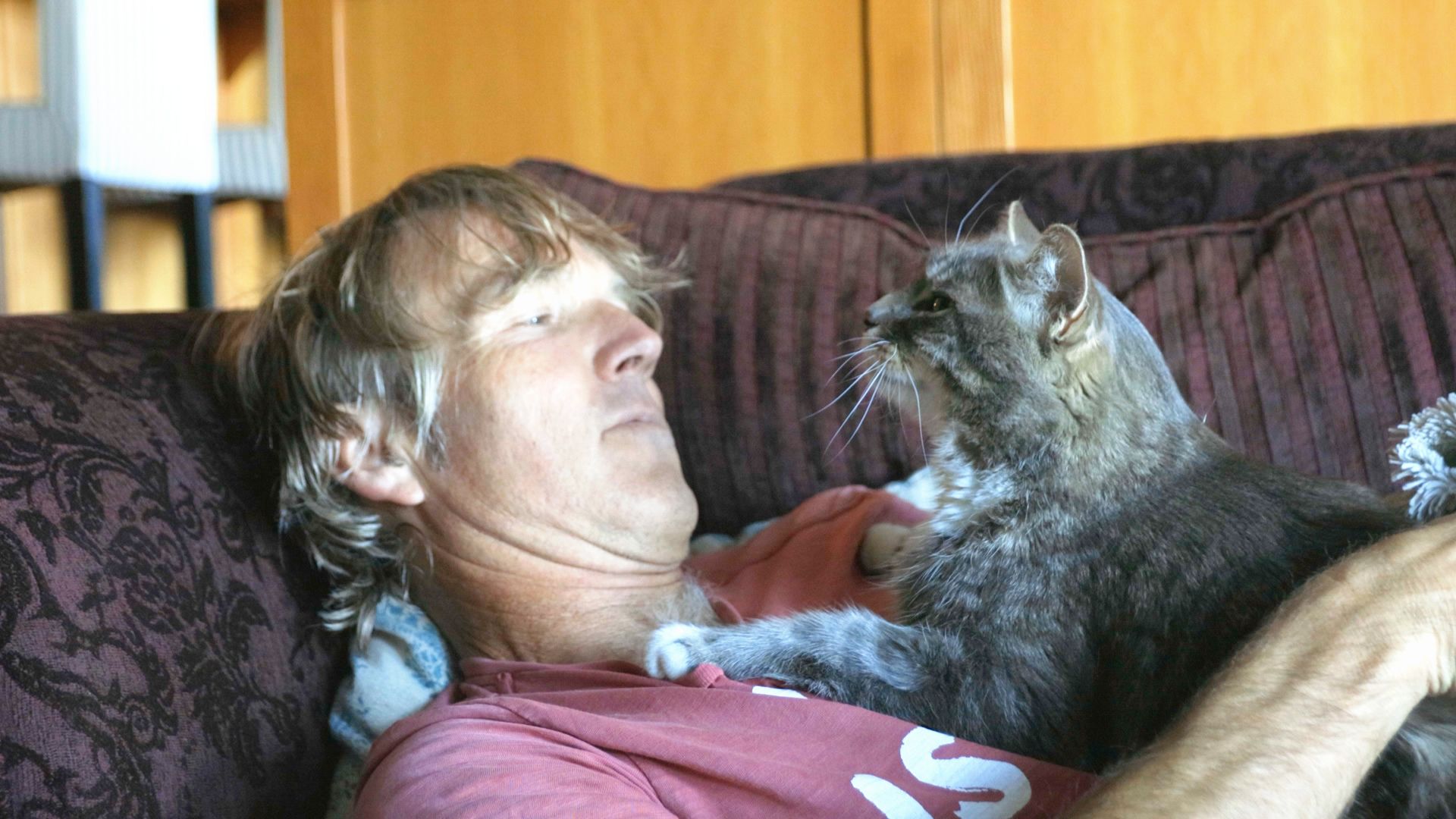
Yes.
But sometimes it takes more patience than we expect.
Cassian is a perfect example.
He’s a happy indoor cat.
He loves eating.
He likes his naps.
And he’s very good at convincing people that he deserves a little extra food.
I’ve already made several changes.
He’s been off kibble for approximately six months.
I’ve switched him to a moisture-rich, animal-based canned food.
He’s receiving measured portions.
And I’m limiting his treats to small amounts of chicken.
I’ve also been working on getting him to exercise more.
But despite those changes, his weight hasn’t been dropping as quickly as I would like.
So I’m continuing to investigate other possible ways to support his metabolism.
Taurine interests me because of its role in bile acid function and fatty acid metabolism.
Peptoia is interesting because of its proposed effects on glucose absorption and satiety.
L-carnitine plays an important role in how the body transports fatty acids for energy.
Green tea compounds such as EGCG have been studied for metabolic effects, although I’d be particularly cautious about using concentrated extracts in cats.
And probiotics are another area worth investigating because of the relationship between the gut microbiome, inflammation, and metabolism.
Colostrum is also interesting for its possible effects on intestinal and muscle-related health.
But here’s what I really want you to remember.
No single supplement is going to replace an appropriate diet, measured food intake, and regular activity.
Those are the foundations.
And please, don’t try to make your cat lose weight too quickly.
I’ve seen what can happen when overweight cats stop eating and develop hepatic lipidosis.
It can become a very serious medical emergency.
So I’d much rather see a cat lose weight slowly and safely.
For Cassian, we’re starting at 13.8 pounds.
The eventual goal is approximately 12 pounds.
And I’m going to keep working on it.
More measured meals.
More playtime.
Careful attention to his nutritional needs.
And continued monitoring of his progress.
Hopefully, we’ll have some encouraging news from Cassian at his next weigh-in.
What do you think, Cassian?
A little more exercise?
He may not be thrilled about that.
But I’m sure he’d appreciate the extra attention.
And spending more time playing with my cat sounds like a pretty good idea to me.
Click To Get A Free Copy of My E-Book!

P.S. If your cat is overweight, please don’t suddenly cut their food in half. Cats are particularly vulnerable to hepatic lipidosis when they stop eating or lose weight too quickly. Make gradual changes, measure the food, and monitor their weight. I’d much rather see slow, steady progress than risk making an otherwise healthy cat seriously ill.
P.P.S. I’m particularly interested in taurine, L-carnitine, Pep2Dia, and the relationship between the gut microbiome and metabolism. There’s some encouraging research, especially involving humans and dogs, but we still need more studies involving overweight cats. I’m going to keep following Cassian’s progress and sharing what I learn. And yes, more interactive play is definitely on my list!
P.P.P.S. One last thing. If your cat spends most of the day indoors, take a look at how much they’re eating and how often they’re moving. Small things can add up. A measured portion of food, fewer unnecessary treats, and more time chasing a favorite toy may help. Cassian’s goal is to go from 13.8 pounds to approximately 12 pounds. We’ll see how he does. Wish him luck!
The 5 Supplements for Overweight Cats Compared
Here’s a summary of the supplements I’ve discussed and why they interest me.
| Supplement | Potential Role | Amount Discussed | Main Consideration |
|---|---|---|---|
| Peptoia | Glucose regulation and satiety | Conflicting figures: 50 mg/kg twice daily and 75 mg twice daily for a 5 kg cat | Dose and formulation require clarification |
| Taurine | Bile acid function and fatty acid metabolism | 250 mg daily planned for Cassian | Weight-loss benefits in cats remain unproven |
| Green tea extract and EGCG | Metabolic and antioxidant effects | ¼ of a 400 mg extract capsule per 20 lbs daily was discussed | Caffeine and concentrated extract safety require veterinary review |
| L-carnitine | Fatty acid transport into mitochondria | Approximately 250 mg per cat daily | Review existing dietary intake |
| Multi-strain probiotic | Gut microbiome and metabolic support | No specific amount provided | Benefits depend on the bacterial strains |