Autoimmune Disease in Dogs and Cats: Symptoms, Lupus, and Natural Treatment Options

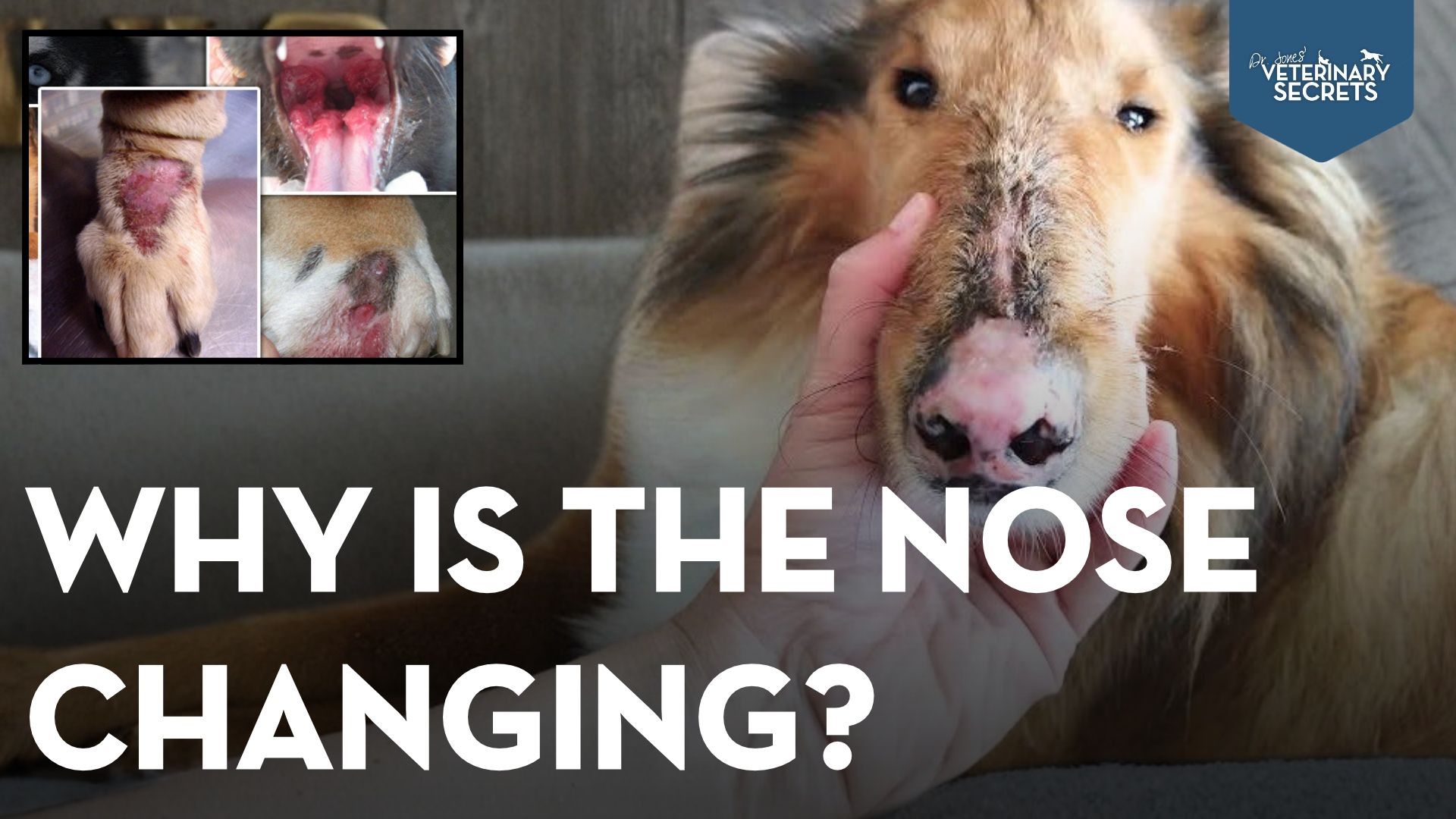
What Is Autoimmune Disease in Dogs and Cats?
Autoimmune disease occurs when your dog or cat’s immune system mistakenly attacks its own healthy cells, tissues, or organs. Instead of protecting the body from disease, the immune system becomes overactive and begins causing inflammation and damage.
Imagine your pet’s immune system, which is supposed to protect them, suddenly turning against their own body.
That’s essentially what happens with autoimmune disease.
I’ve treated hundreds of dogs and cats with a variety of autoimmune and immune-mediated conditions.
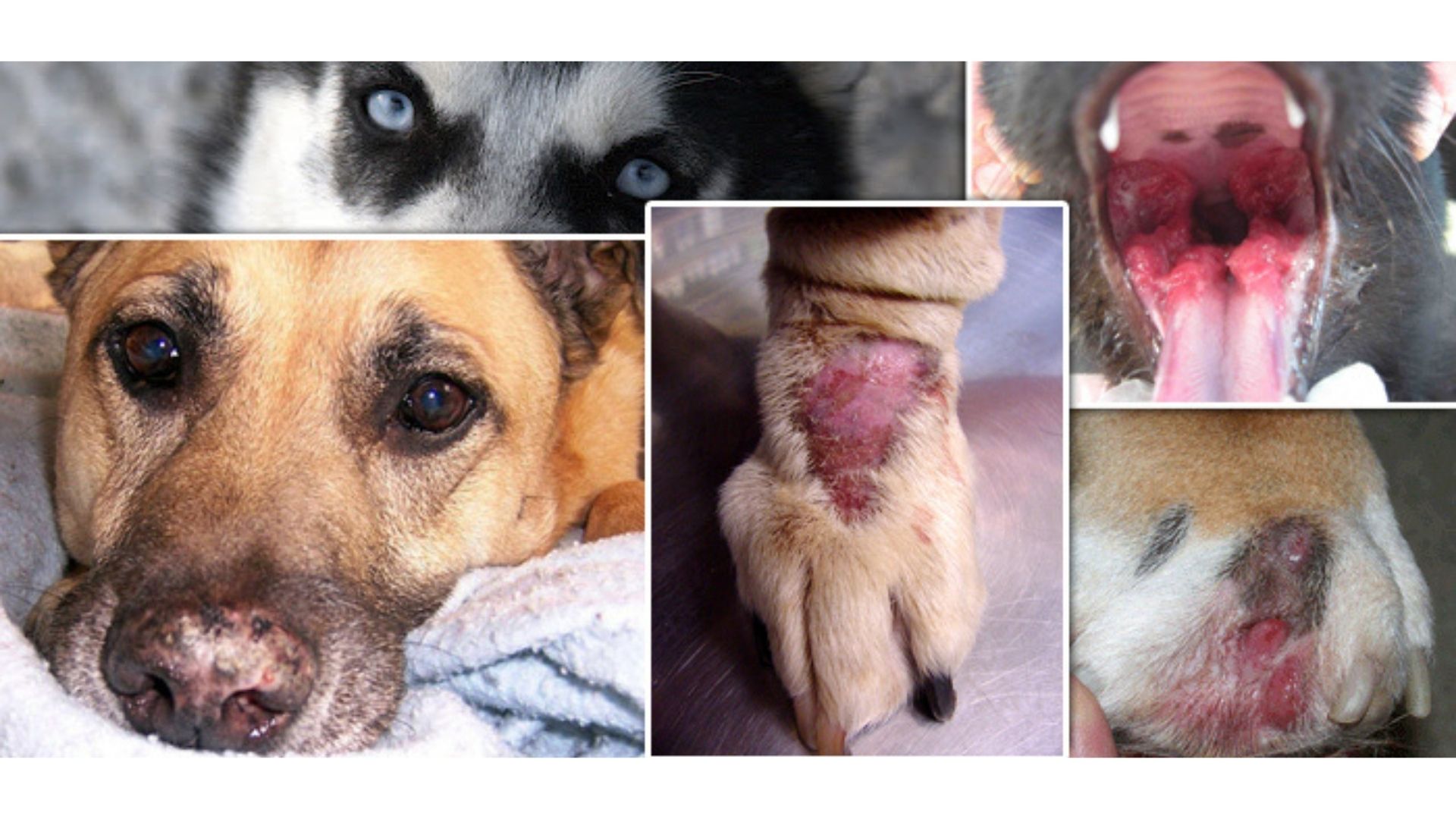
Some affect the skin.
Others attack blood cells, joints, the thyroid gland, or even internal organs.
And some, such as systemic lupus, can affect several parts of the body at once.
The problem is that many conventional treatments focus on suppressing this overactive immune response.
That often means corticosteroids or stronger immunosuppressive medications.
These treatments can be necessary and effective, but they can also come with significant side effects.
So I’m always interested in whether there are additional ways to help regulate the immune response and reduce inflammation.
One area I find particularly interesting involves the medicinal compounds found in the cannabis plant.
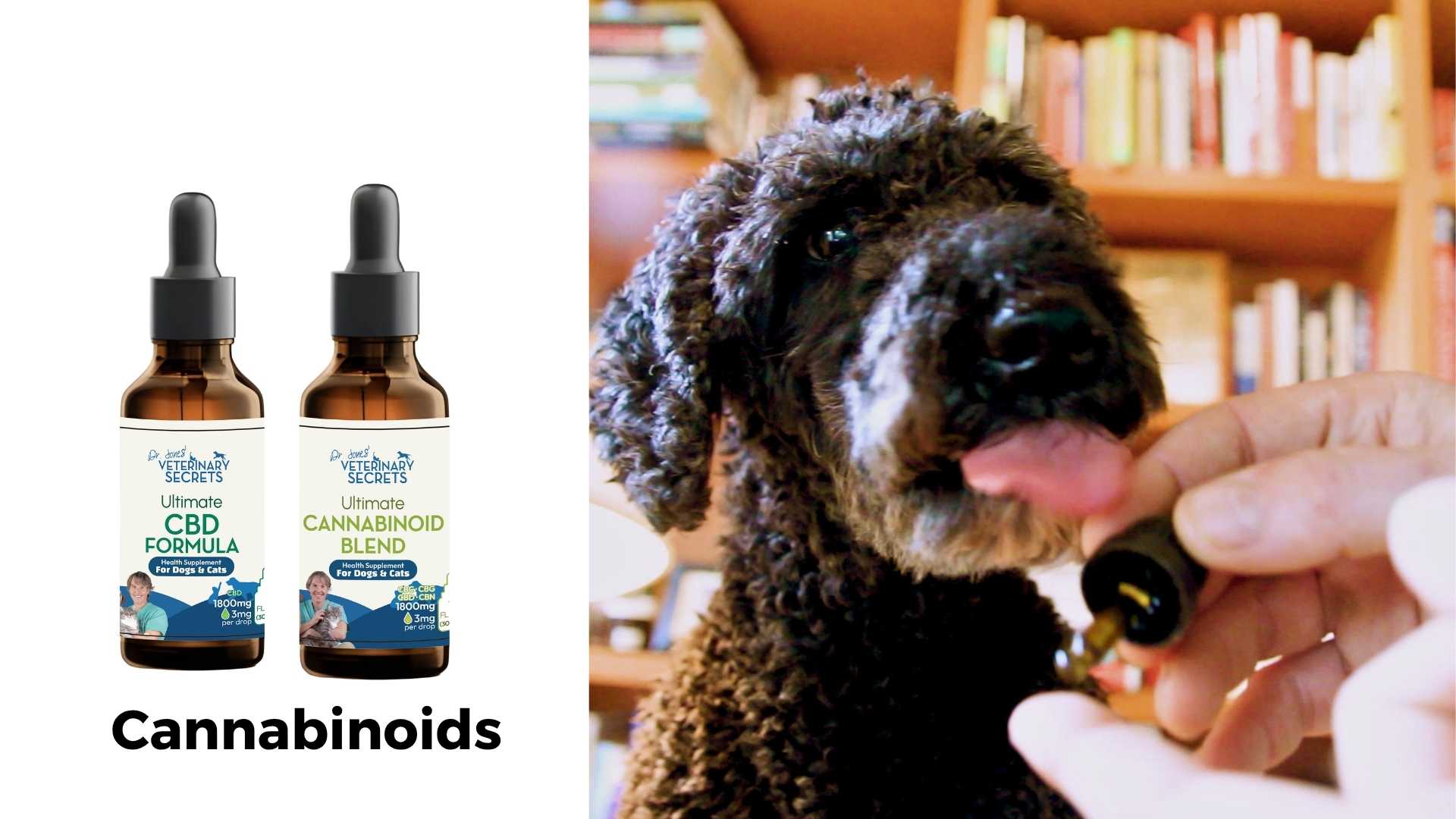
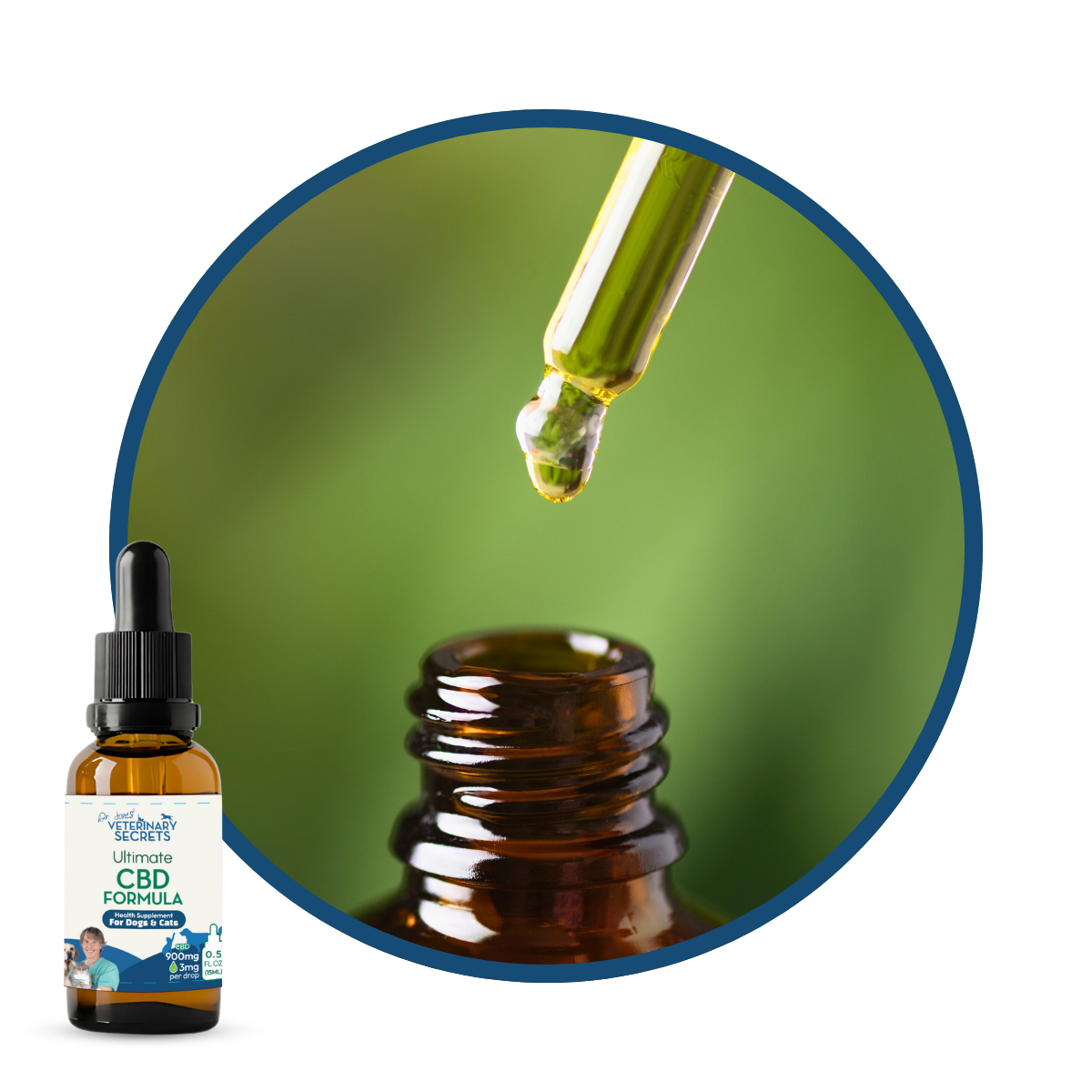
Dr. Jones’ Ultimate CBD Formula for Dogs and Cats



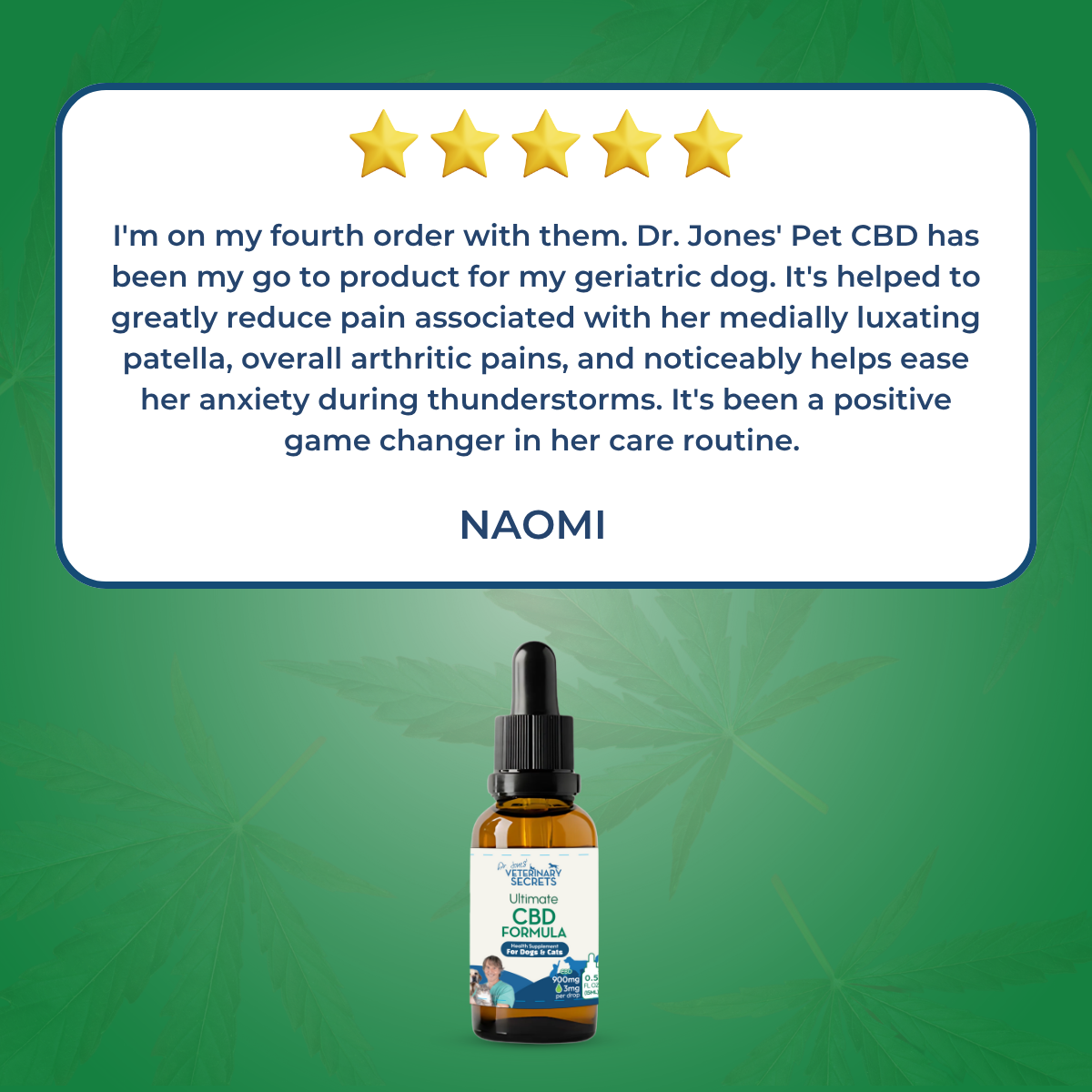
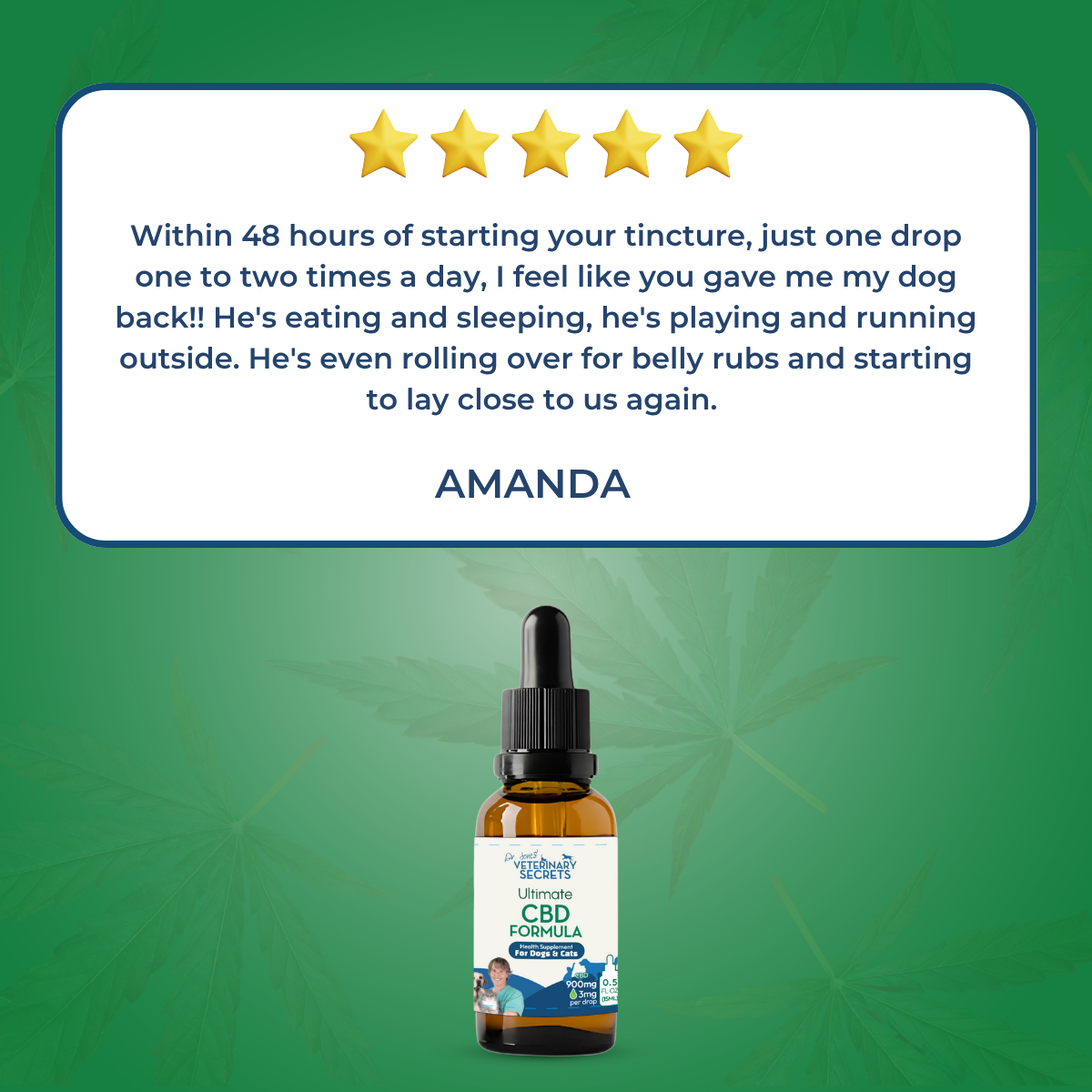
Cannabinoids such as CBD, CBG, and CBC are being studied for their potential ability to influence an overactive immune response.
Early animal research suggests that these compounds may have immunomodulatory effects through the body’s endocannabinoid system, including its CB1 and CB2 receptors.
Now, this isn’t a magic cure.
And it doesn’t mean cannabinoids can replace treatment for every autoimmune condition.
But I think the research is interesting enough that pet parents should know about it.
Let’s look at the different autoimmune diseases I see in dogs and cats, why lupus is particularly concerning, and the conventional and natural approaches I consider.
What Causes Autoimmune Disease in Pets?
Autoimmune disease develops when the immune system mistakenly recognizes the body’s own tissues as something it should attack.
Normally, the immune system helps protect your pet.
But with autoimmune disease, that protective response becomes misdirected.
The result is inflammation and injury to the tissues being targeted.
The particular organs affected depend on the autoimmune condition.
For example, the immune system may attack:
-
Skin cells
-
The thyroid gland
-
Eye-related tissues
-
Red blood cells
-
Blood platelets
-
Joints
-
Kidneys
-
The adrenal glands
-
Other internal organs
Some diseases affect one particular area.
Others involve several body systems.
This is why autoimmune disease can look very different from one pet to another.
Several of these conditions can involve immune-mediated processes, although not every case necessarily has the same underlying cause.
Autoimmune Skin Disease
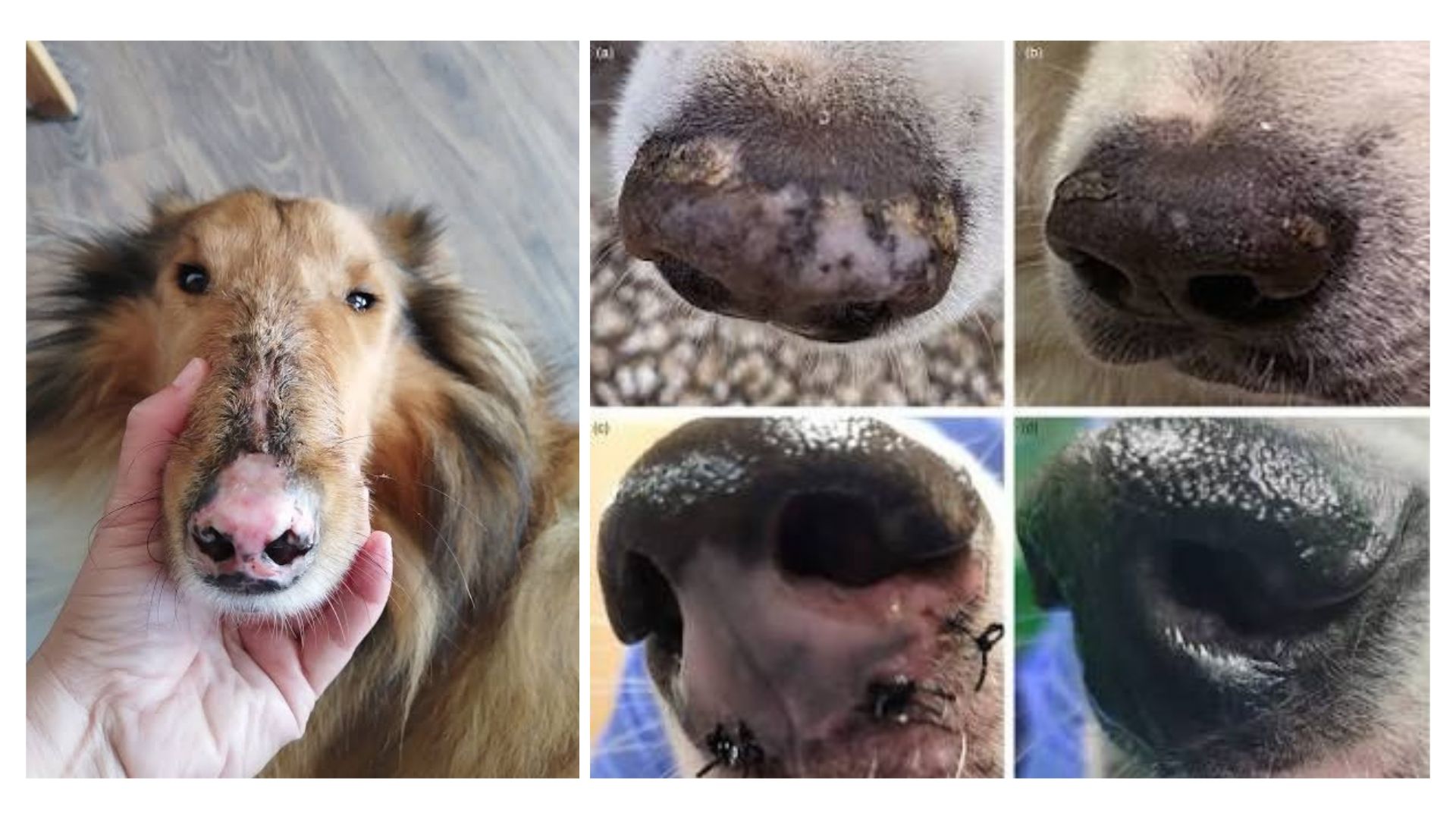
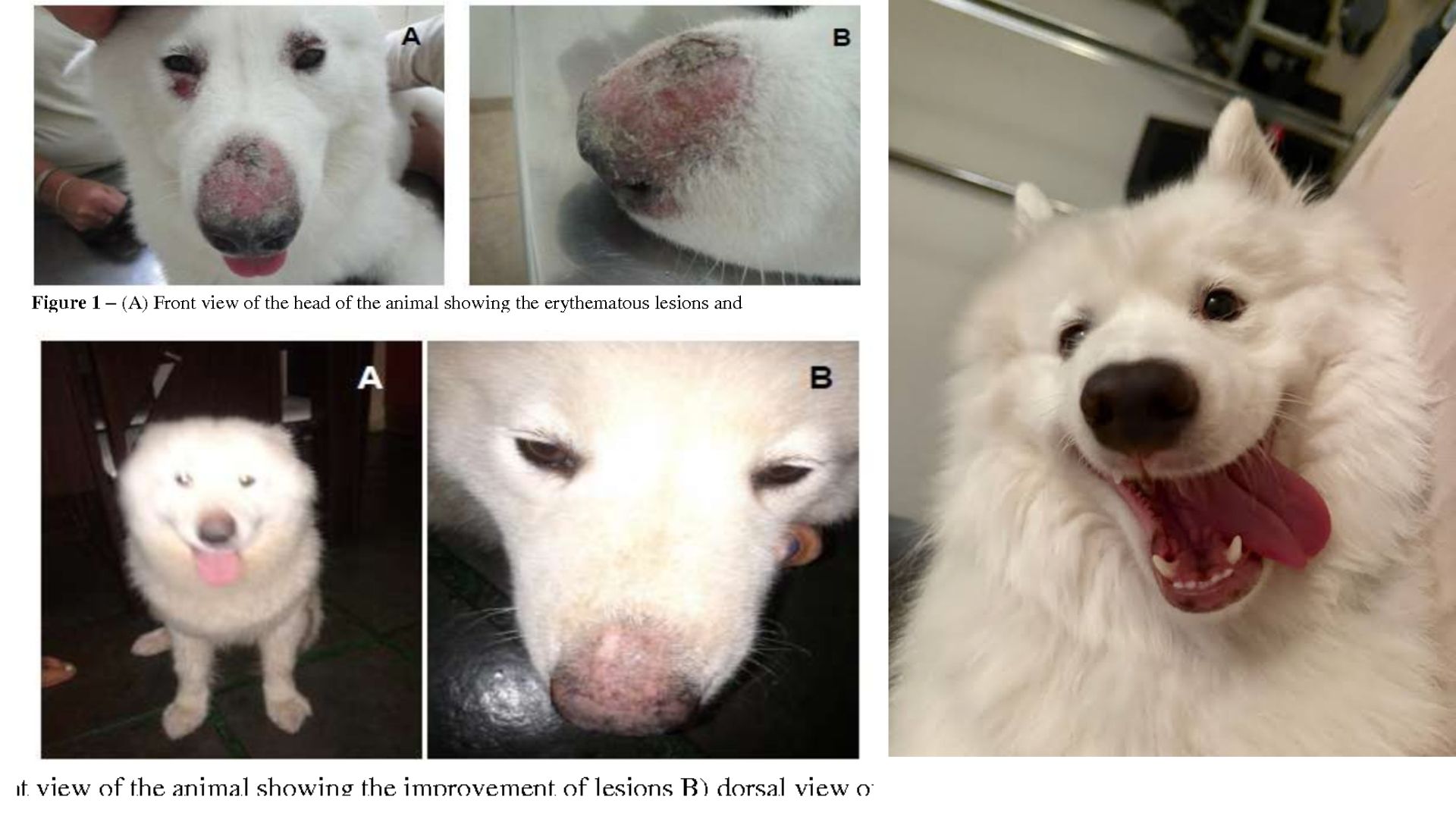
One example is discoid lupus.
This condition affects the skin, particularly the nose.
It’s also known as Collie Nose.
I’ll discuss this condition in more detail because it’s one of the autoimmune skin diseases where I’ve considered several natural supportive approaches.
Autoimmune Thyroid Disease
Hypothyroidism in dogs can have an autoimmune basis.
In these cases, the immune system attacks the thyroid gland.
This can interfere with normal thyroid function.
Immune-Mediated Blood Disorders
Two particularly concerning examples are:
-
Immune-mediated hemolytic anemia: The immune system targets red blood cells.
-
Immune-mediated thrombocytopenia: The immune system targets platelets, which are essential for normal blood clotting.
These conditions can become very serious.
Autoimmune Eye Disease
Dry eye, also known as keratoconjunctivitis sicca (KCS), can involve an immune-mediated process.
The immune system affects structures involved in producing tears.
Autoimmune Joint and Nervous System Disease
Immune-mediated polyarthritis affects the joints.
Some forms of meningitis also involve an abnormal immune response.
And this brings me to an important point.
Autoimmune disease isn’t just a skin problem.
It can affect many different systems throughout your pet’s body.
Other Immune-Mediated Conditions
Other examples I have encountered include:
-
Glomerulonephritis affecting the kidneys
-
Addison’s disease involving damage to the adrenal glands
-
Inflammatory bowel disease
-
Type 1 diabetes, which accounts for many cases of canine diabetes
Because these diseases can affect different organs, the signs and treatment requirements can vary considerably.
What Are the Signs of Autoimmune Disease in Dogs and Cats?
The signs depend on which tissues the immune system is attacking.
For example, a pet with autoimmune skin disease may have visible skin changes.
An animal with immune-mediated joint disease may experience joint-related problems.
And a pet with a blood or internal organ disorder may show very different symptoms.
Here are the main areas to consider.
| Affected Area | Possible Concern |
|---|---|
| Skin | Inflammatory skin disease, including lupus affecting the nose |
| Eyes | Dry eye or KCS |
| Blood | Hemolytic anemia or low platelet numbers |
| Joints | Immune-mediated inflammation |
| Kidneys | Glomerulonephritis or other kidney-related disease |
| Endocrine organs | Thyroid or adrenal gland disease |
| Digestive tract | Inflammatory bowel disease |
| Nervous system | Immune-mediated meningitis |
If your pet develops persistent or unexplained problems involving these systems, I would encourage veterinary evaluation.
Some autoimmune conditions require prompt medical treatment.
How Is Autoimmune Disease Usually Treated?
Conventional veterinary treatment often focuses on suppressing the immune response responsible for damaging the body’s tissues.
That makes sense.
If the immune system is attacking healthy tissue, one treatment approach is to reduce that attack.
Common options include:
-
Corticosteroids
-
Stronger immunosuppressive medications
Some immunosuppressive medications are also used in chemotherapy treatment protocols.
These medications can be effective.
And in serious autoimmune disease, they may be necessary.
But I also think we should consider the potential side effects.
Why Am I Interested in Natural Immune Support?
My concern is that suppressing the immune system can have unwanted consequences.
So I’m interested in substances that may help modulate, rather than simply suppress, an overactive immune response.
This is where cannabinoids have attracted my attention.

The early research suggests that certain cannabis-derived compounds may influence immune activity and inflammation.
It’s not the same as having a proven treatment for lupus or every other autoimmune disease.
But I believe it’s worth exploring as a possible supportive approach.
Can CBD and Other Cannabinoids Help Autoimmune Disease in Dogs and Cats?
Preclinical animal studies suggest that cannabinoids may influence immune activity and inflammation through the endocannabinoid system. CBD, CBG, and CBC are among the compounds being investigated for their potential immunomodulatory effects.
This is one of the areas of natural pet health research that interests me most.
The cannabis plant contains several biologically active compounds.
These include cannabinoids such as:
-
CBD (cannabidiol)
-
CBC (cannabichromene)
-
CBN (cannabinol)
-
CBG (cannabigerol)
-
THC (tetrahydrocannabinol)
The plant also contains terpenes, which are another group of compounds.
Some of these substances are being studied for their potential effects on inflammation and immune regulation.
What Is the Endocannabinoid System?
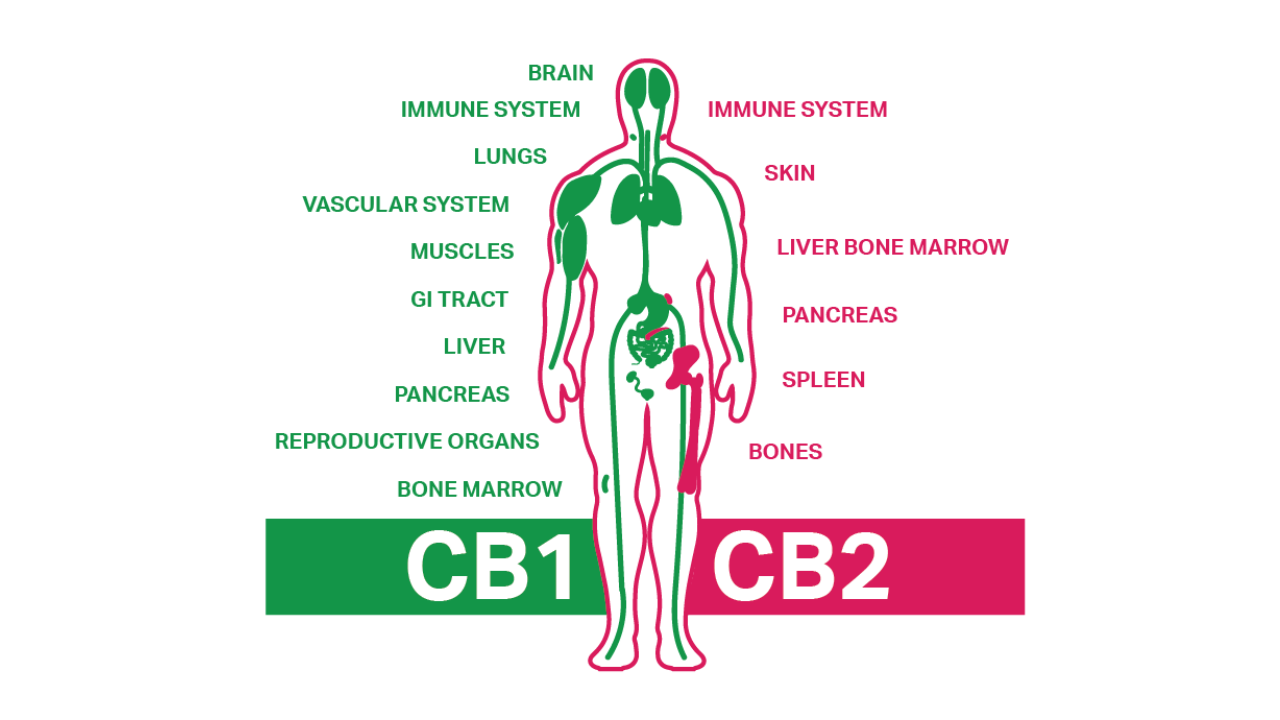
The endocannabinoid system, often called the ECS, is involved in regulating several body processes.
These include:
-
Immune response
-
Inflammation
-
Pain
-
Appetite
-
Mood
This system includes receptors throughout the body.
Two important receptors discussed in cannabinoid research are CB1 and CB2.
How Do CB1 and CB2 Receptors Relate to Autoimmune Disease?
Researchers are investigating how cannabinoids interact with the endocannabinoid system and influence these receptors.
CB2 is particularly interesting in the context of immune activity.
Preclinical research suggests that certain cannabinoids may influence the immune response through these pathways.
The possibility is that some cannabinoids could help regulate excessive inflammation.
That’s why I’m interested in their potential role in autoimmune disease.
Which Cannabinoids Interest Me Most?
For autoimmune support, I’m particularly interested in:
CBD: Studied for its potential effects on inflammation and immune regulation.
CBG: Another cannabinoid being investigated for possible immunomodulatory activity.
CBC: A less widely discussed cannabinoid that may also have useful biological effects.
THC has also been investigated, but the research discussed places greater emphasis on CBD, CBG, and related compounds.
Is CBD a Cure for Autoimmune Disease?
No.
I wouldn’t describe it as a cure.
The encouraging research discussed here is largely preclinical, meaning it comes from early experimental or animal studies rather than established clinical treatment trials in dogs and cats with these diseases.
We cannot assume every pet will respond.
Nor should cannabinoids automatically replace necessary treatment.
But I think they deserve further investigation.
And I am particularly interested in the potential benefit of using several cannabinoids together.
Why Do I Prefer a Multi-Cannabinoid Blend?
Some animals may not respond as well to CBD alone.
That is one reason I’ve become interested in combining different cannabinoids.
CBD, CBG, and CBC may have different biological effects.
And there is growing interest in how they might work together.
My preference is to consider a formulation containing several cannabinoids rather than focusing exclusively on CBD.
One product I’ve developed for this purpose is:
Dr. Jones’ ULTIMATE Cannabinoid Blend for Dogs and Cats
I am interested in its potential to provide additional support for pets dealing with inflammation and immune-related concerns.
But I want to emphasize that its potential role in autoimmune disease remains an area of investigation.
It should be considered alongside appropriate veterinary treatment.
What Is Lupus in Dogs?

Lupus is an immune-mediated disease in which the immune system produces antibodies that react against components of the body’s own cells, including DNA. The resulting immune reactions can cause inflammation and tissue damage.
Of all the autoimmune diseases, lupus is one of the most well-known.
And it can be particularly concerning.
Interestingly, the name lupus comes from an old association with wolves.
Historically, people believed the disease could have resulted from a wolf bite.
We now understand that lupus involves abnormal immune activity rather than an animal bite.
How Does Lupus Damage the Body?
In lupus, the immune system may produce antibodies that react against the body’s own cellular components.
These antibodies can become involved in immune complexes.
When immune complexes are deposited in tissues, they can trigger inflammation.
Additional immune cells are then attracted to the affected area.
And that can create an ongoing cycle of inflammation and tissue damage.
What Is a Type III Hypersensitivity Reaction?
Systemic lupus can involve what is called a Type III hypersensitivity reaction.
This refers to inflammation associated with immune complexes.
The immune response can affect different tissues depending on where these complexes are deposited.
And that’s one reason systemic lupus can cause problems in several organs.
What Is the Difference Between Systemic Lupus and Discoid Lupus in Dogs?
There are two important forms of lupus I want to distinguish.
Systemic lupus erythematosus (SLE) can affect multiple organs.
Discoid lupus erythematosus (DLE) is primarily a skin disease and is generally much more localized.
These are very different situations.
What Is Systemic Lupus Erythematosus (SLE)?
Systemic lupus is the more widespread form.
It can involve multiple tissues and organs, including:
-
Skin
-
Mucous membranes
-
Joints
-
Heart
-
Lungs
-
Brain
-
Kidneys
-
Blood vessels
-
Red blood cells
-
Platelets
Because so many organs may be affected, systemic lupus can become a serious medical condition.
It requires appropriate veterinary diagnosis and management.
What Is Discoid Lupus Erythematosus (DLE)?
Discoid lupus is a more localized form of lupus.
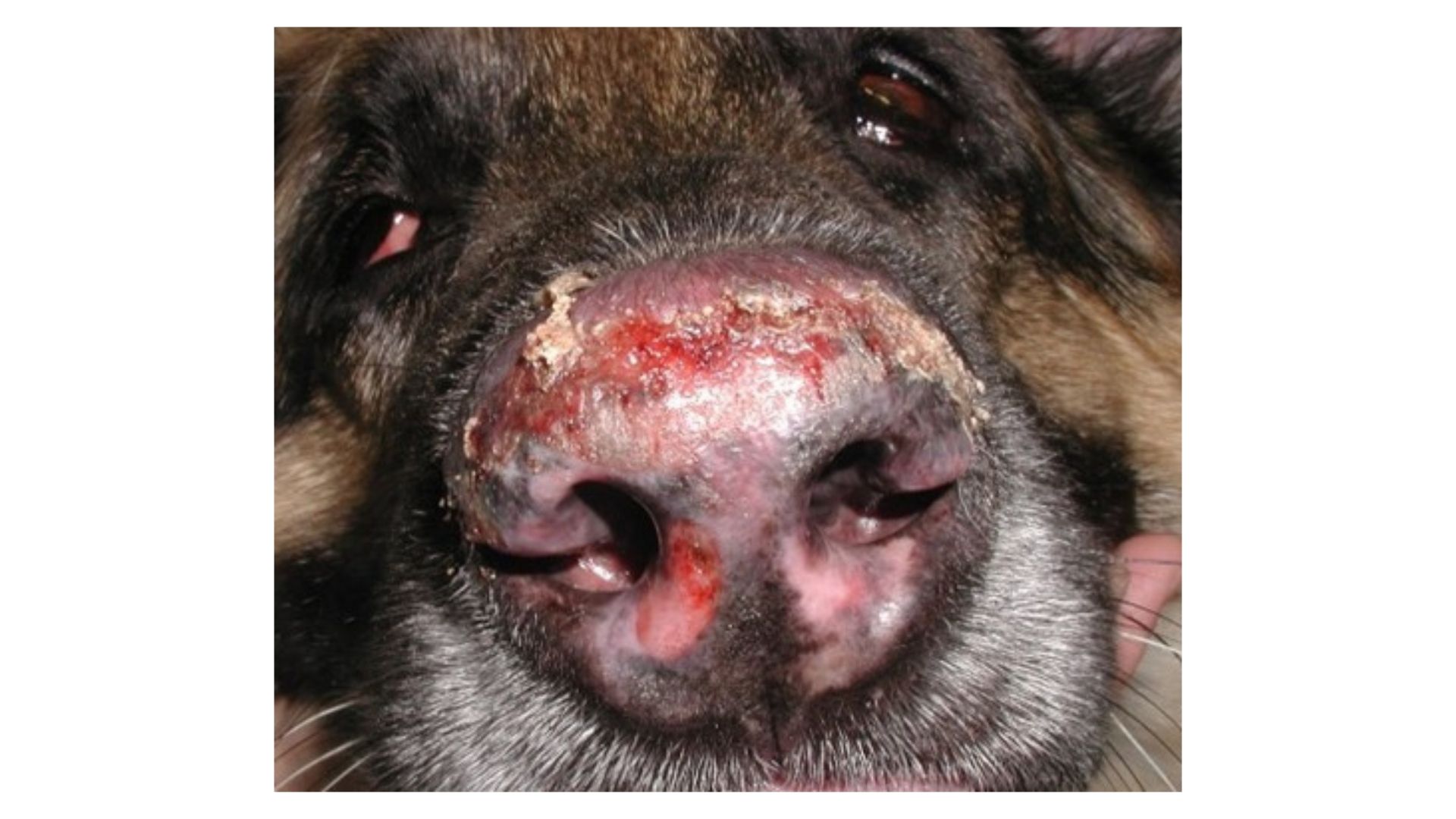
In dogs, it commonly affects the skin of the nose, particularly the nasal planum.
This is the condition often called Collie Nose.
Compared with systemic lupus, discoid lupus is generally more benign because it is primarily confined to the skin.
But it can still cause significant local inflammation.
What Is Collie Nose?
Collie Nose is a common name used for discoid lupus affecting the nose.
A Collie with this condition is an example of how an autoimmune reaction can target a relatively small area of the body.
And because the affected skin is exposed to sunlight, environmental factors can contribute to worsening the condition.
This is one reason avoiding strong sunlight is an important part of management.
What Are the Conventional Treatments for Discoid Lupus in Dogs?
Treatment generally aims to reduce inflammation and control the immune response affecting the skin.
There are several options.
1. Avoid Strong Sunlight
This is one of the most important management steps.

Discoid lupus can become worse with sunlight exposure.
Reducing exposure to strong sunlight may help prevent flare-ups.
Sunscreens have also been recommended for some dogs.
However, I want pet parents to be careful.
Many human sunscreens contain ingredients that are not appropriate for dogs.
And remember, anything applied to a dog’s nose may eventually be licked off.
That’s why I wouldn’t simply apply an ordinary human sunscreen without checking whether it’s suitable.
2. Tetracycline and Niacinamide
One conventional treatment involves combining tetracycline and niacinamide.
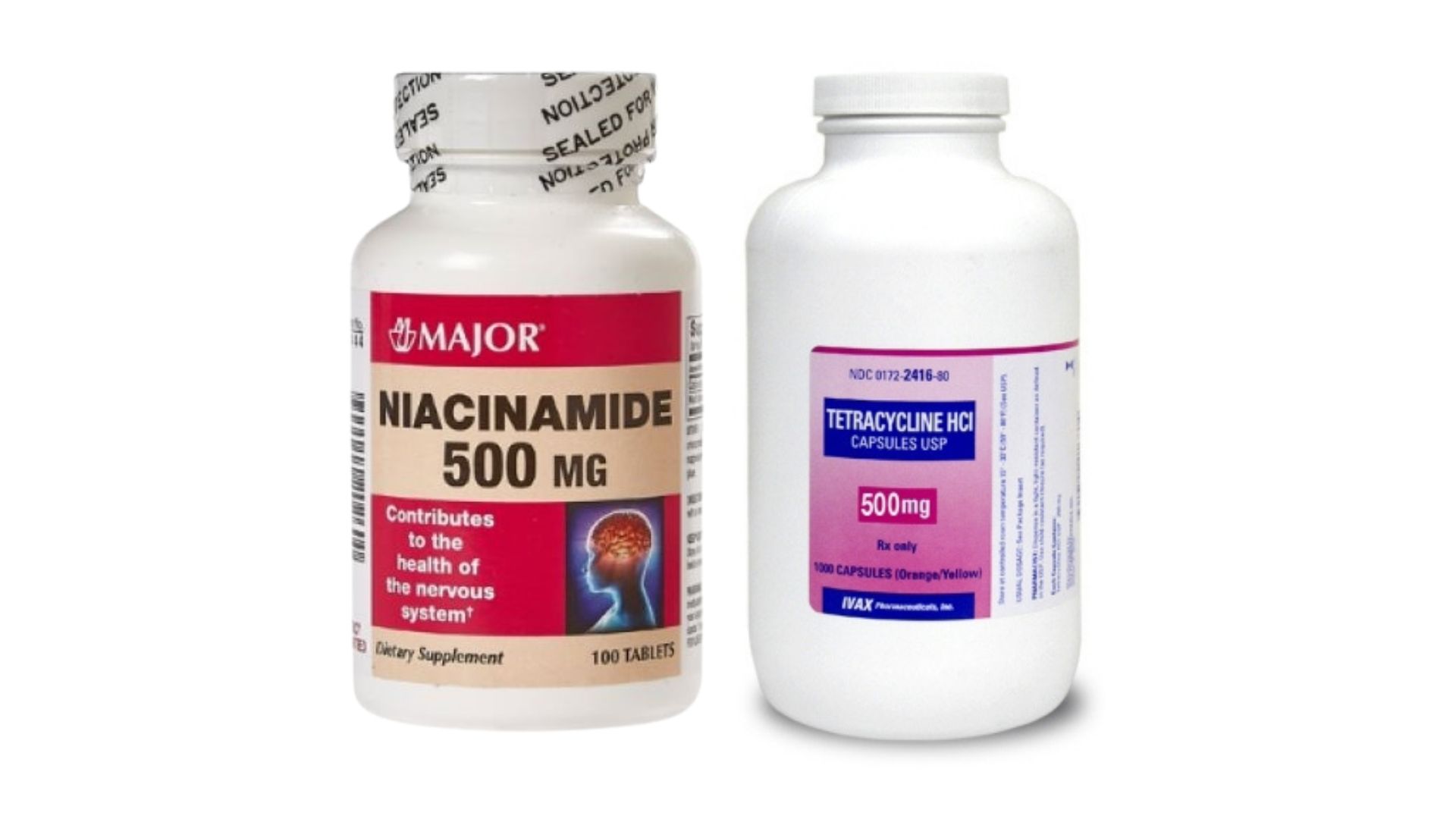
Tetracycline is an antibiotic.
But it also has immunomodulatory properties separate from its antibacterial effects.
Niacinamide, also called nicotinamide, is a form of vitamin B3.
The two have been used together to manage discoid lupus.
How Effective Is Tetracycline With Niacinamide?
The treatment discussed has been reported as effective in approximately 70% of dogs with DLE.
However, improvement may take up to two months.
So this isn’t necessarily an immediate solution.
How Often Is This Treatment Given?
The combination is traditionally administered three times daily.
And I know that can be inconvenient for pet parents.
Giving medication once a day can be challenging enough.
Three times a day?
That takes commitment.
3. Doxycycline
Doxycycline is sometimes substituted for tetracycline.
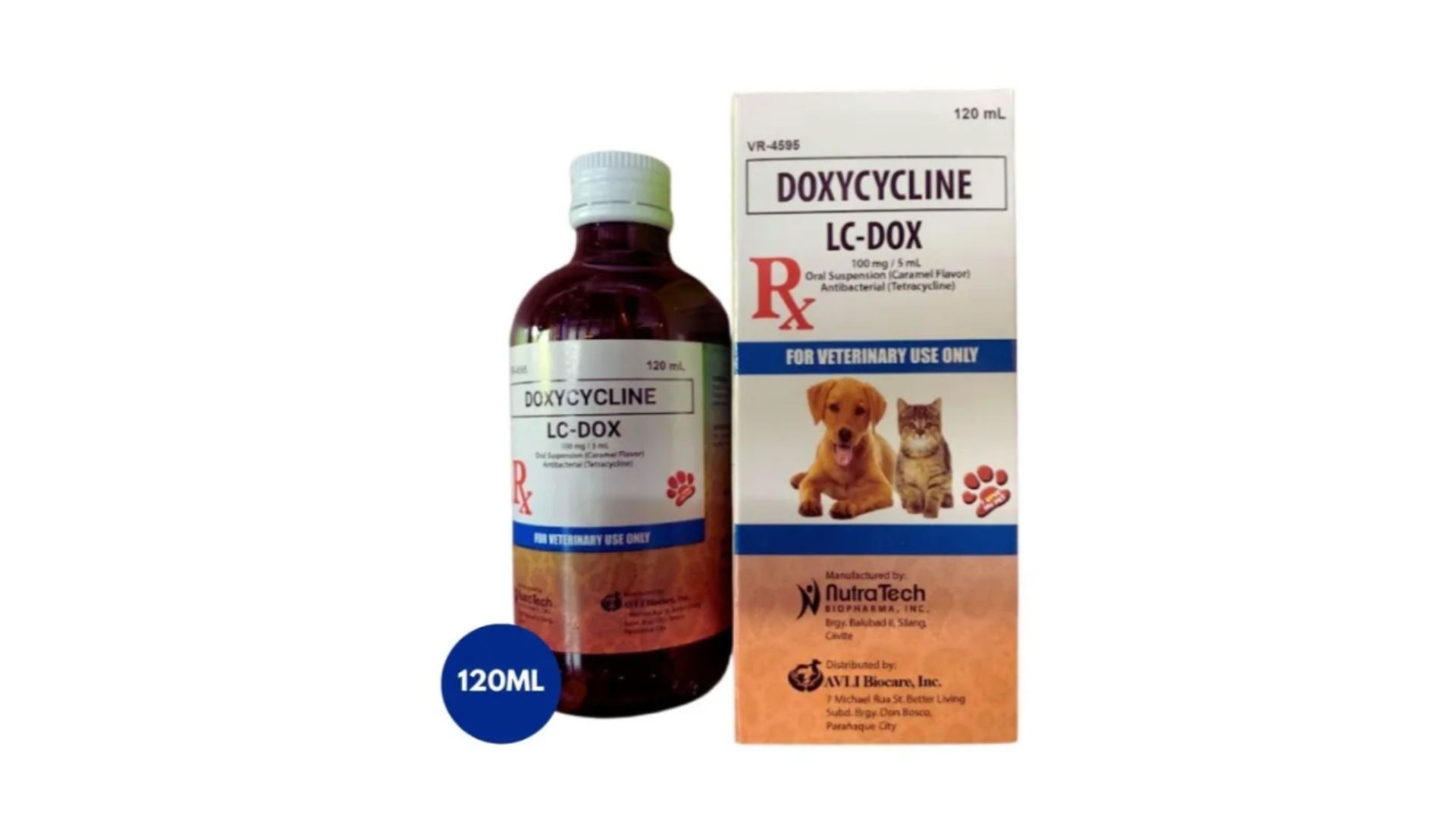
One advantage is its dosing schedule.
The treatment discussed uses doxycycline twice daily, rather than three times daily.
This can be more manageable for pet parents.
As with tetracycline and niacinamide, this is a prescription approach that requires veterinary guidance.
4. Prednisone or Prednisolone
Corticosteroids are another commonly used treatment.
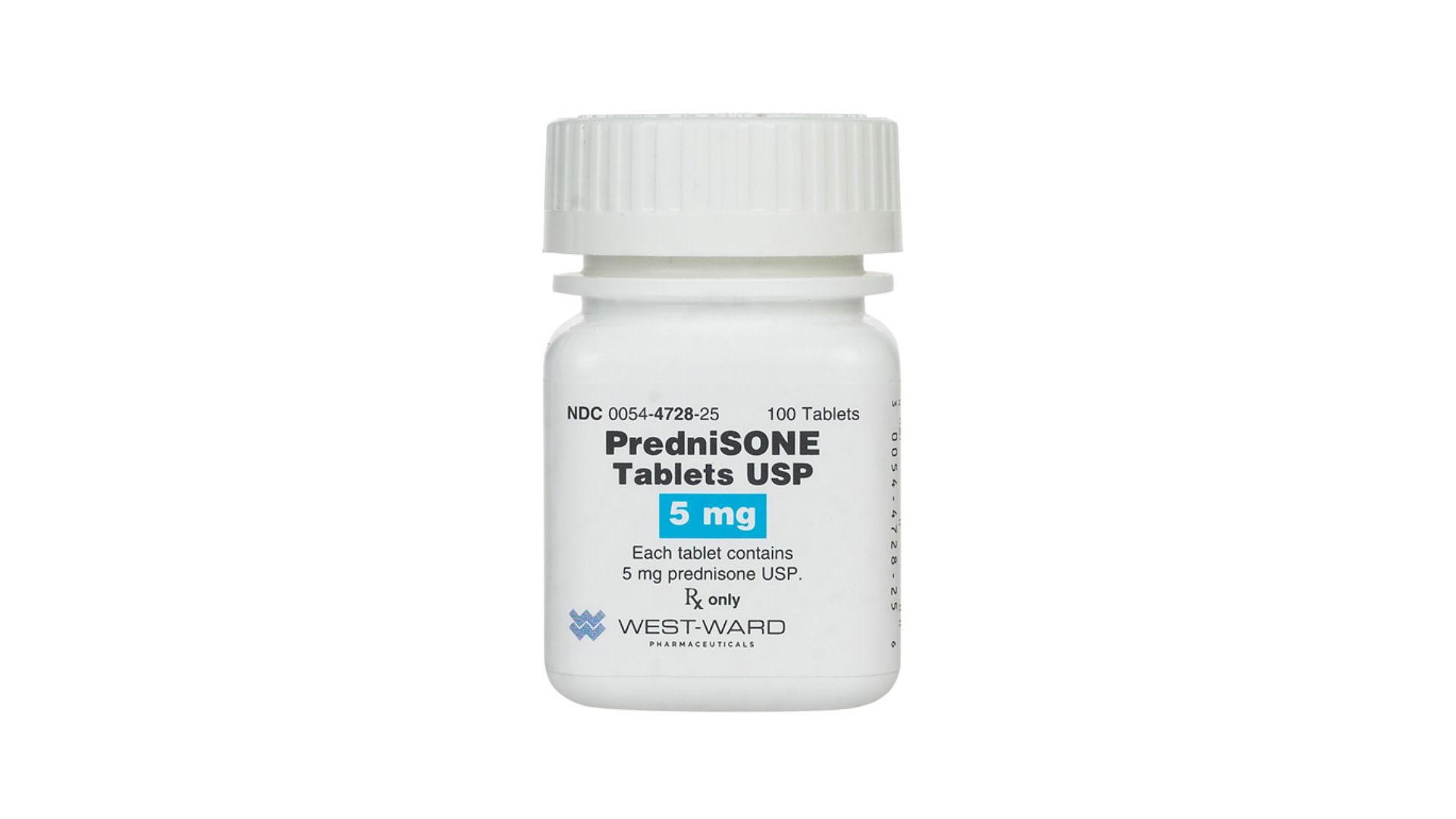
Prednisone or prednisolone may help bring the immune-mediated inflammation under control more quickly.
In the treatment experience discussed, improvement can occur within approximately a month.
Once the condition is controlled, the dose may be reduced to the lowest effective maintenance amount.
What Are the Side Effects of Prednisone?
Some common side effects include:
-
Panting
-
Increased thirst
-
Increased urination
-
Increased appetite
These are some of the reasons I prefer to consider whether additional supportive treatments may be useful.
But I wouldn’t discontinue prescribed corticosteroids without veterinary guidance.
5. Tacrolimus 0.1% (Protopic)
Another treatment is 0.1% tacrolimus ointment, also known as Protopic.
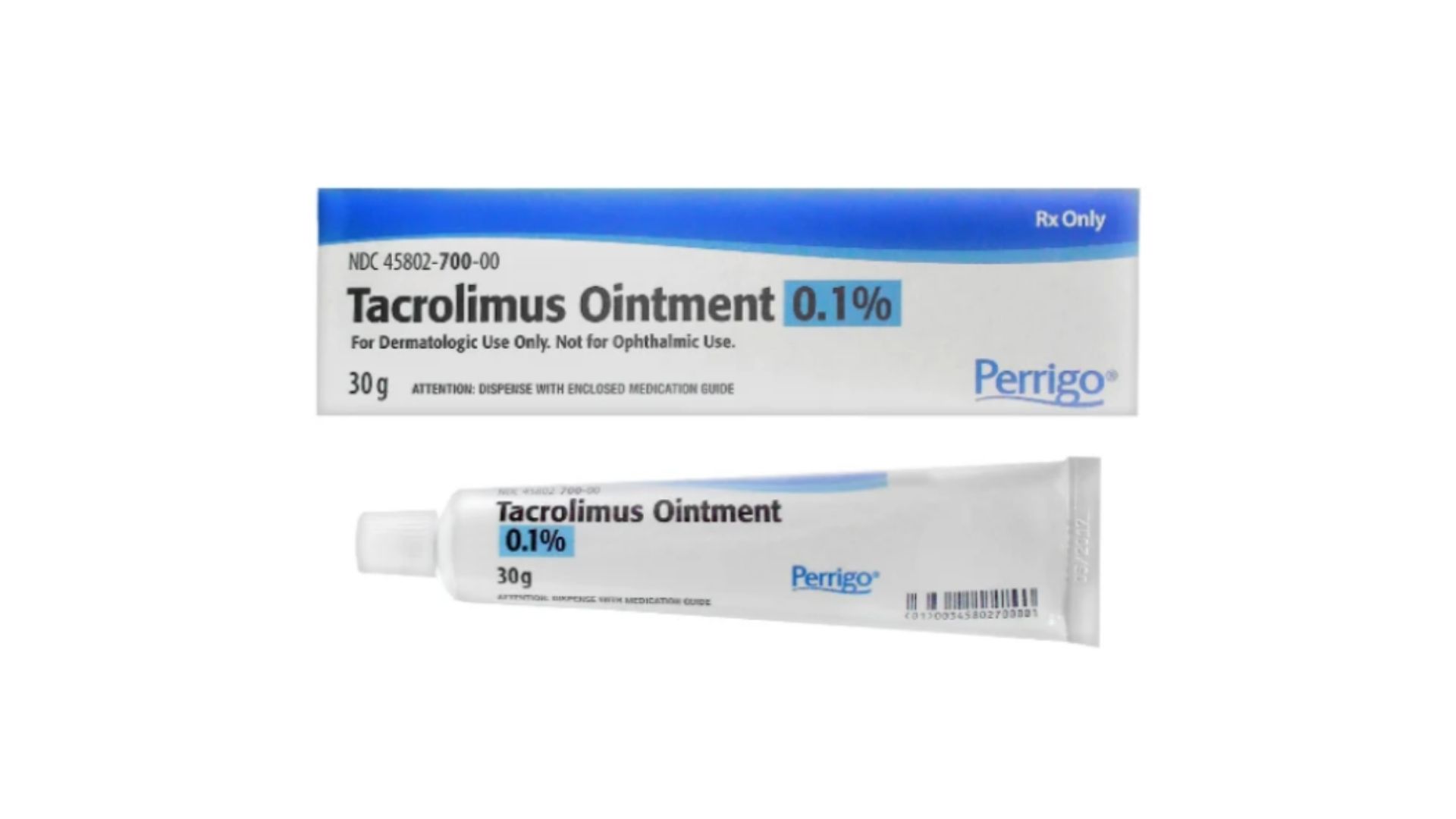
Tacrolimus is a topical immunomodulator originally developed for human use.
It can be very effective for discoid lupus.
Only small amounts are generally needed.
And because the ointment can be expensive, it’s helpful that a tube may last a considerable amount of time.
The treatment experience discussed also describes it as generally well tolerated when small amounts are licked, although it should still be used according to veterinary instructions.
These are established treatment approaches that may be considered according to the severity of the condition.
Now let’s discuss the additional options that interest me.
What Natural Options May Help Dogs With Discoid Lupus?
I consider several supportive approaches for dogs with immune-mediated skin disease.
The goal is to support control of inflammation and the abnormal immune response.
Some of these approaches come from my clinical experience, while others are supported by early experimental research.
They should not all be treated as equally established alternatives to conventional therapy.
1. Can Tattooing the Nose Help Dogs With Discoid Lupus?
One alternative approach discussed for discoid lupus involves tattooing the nose.
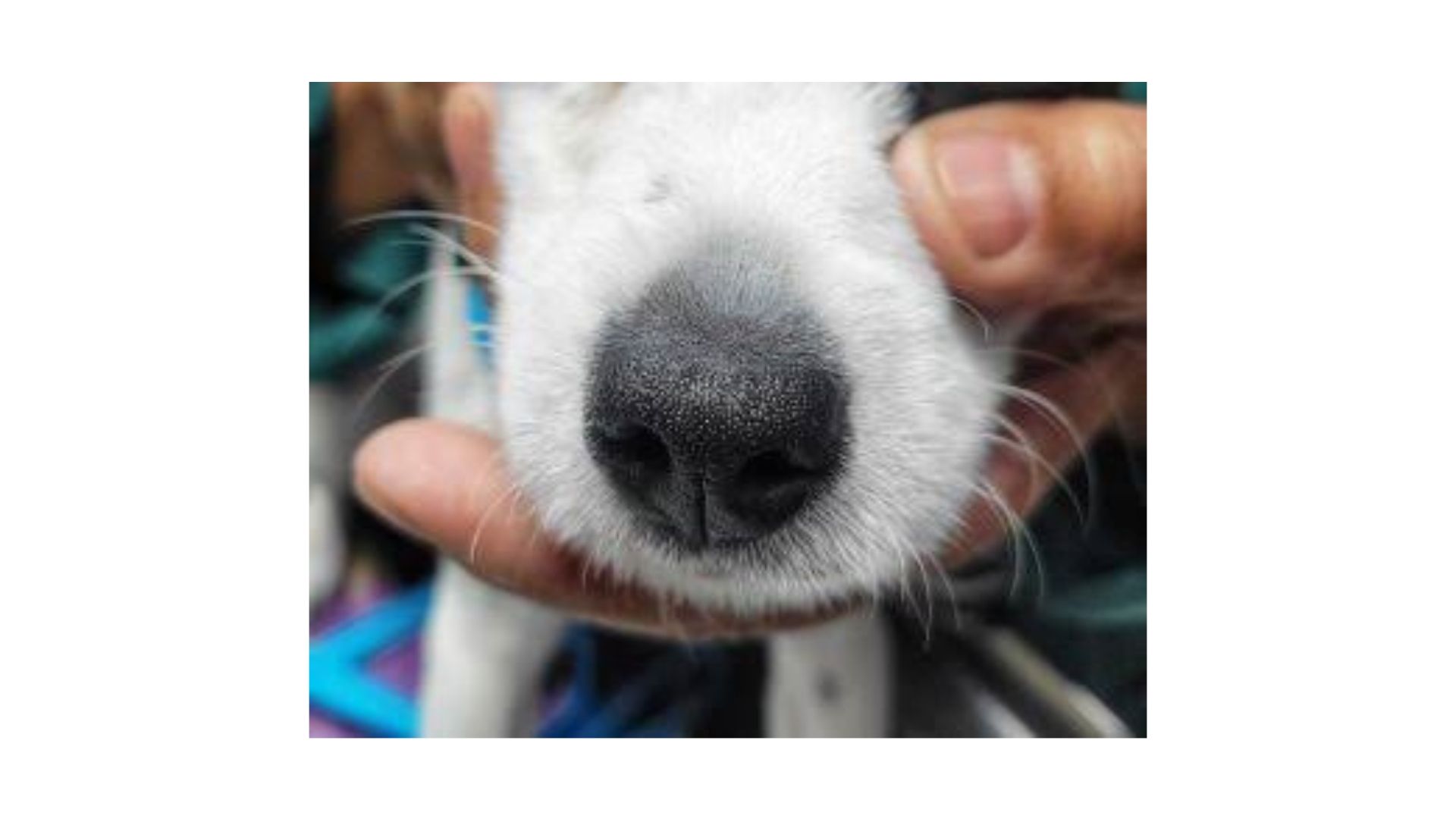
The idea is to provide pigmentation as a way of reducing the effects of sunlight on the affected area.
Because sunlight can aggravate DLE, managing exposure is particularly important.
Why Consider Nose Tattooing?
The goal is similar to the reason sunscreens may be considered.
We want to reduce the impact of sunlight on the nose.
However, tattooing is an invasive procedure and isn’t a routine home remedy.
It would need careful evaluation by a veterinarian familiar with the condition.
I would not suggest attempting it yourself.
2. Can Licorice Root Help Autoimmune Disease in Dogs?
Licorice root is an herbal remedy that has been studied for its anti-inflammatory and immunomodulatory properties.
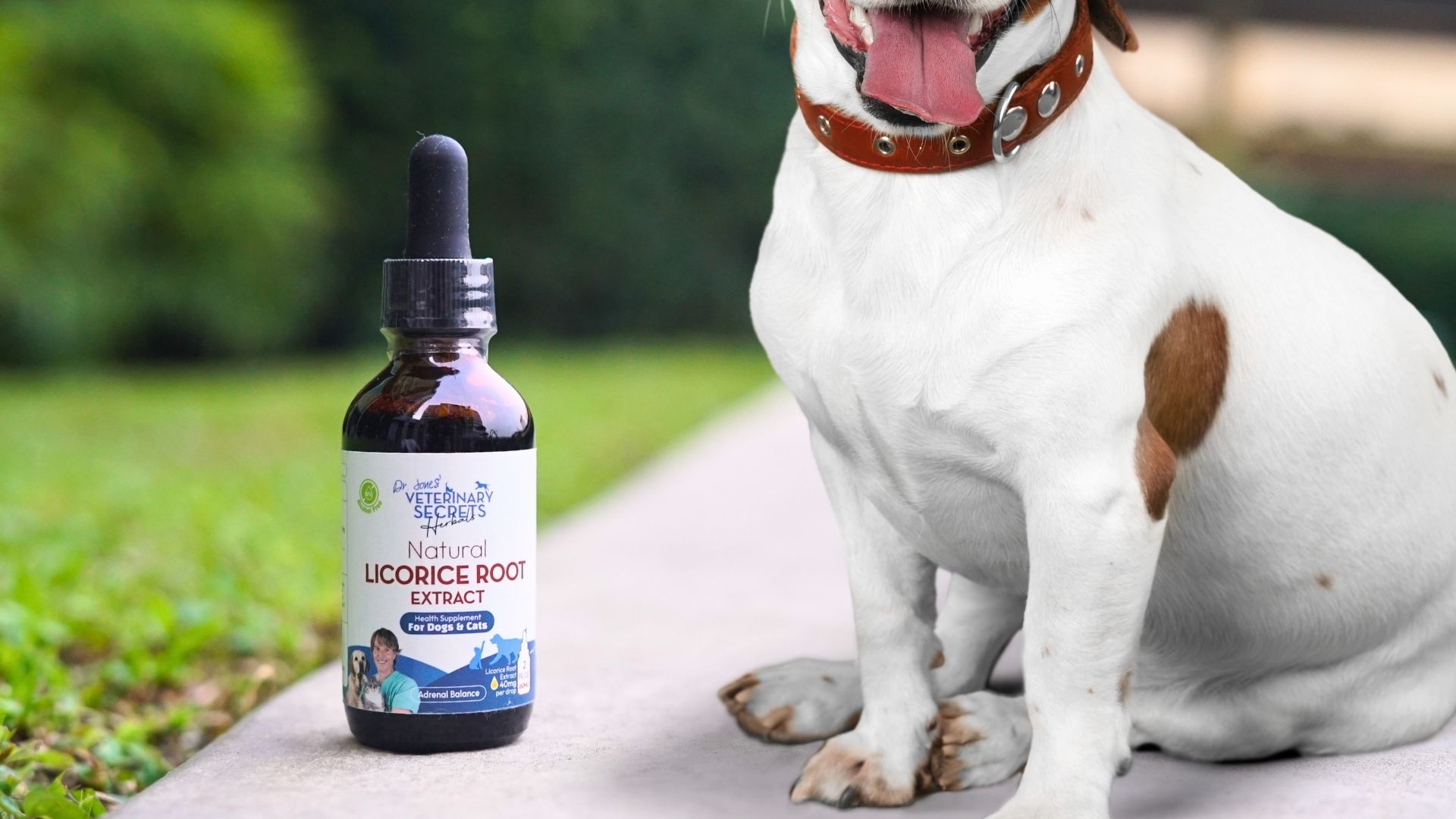
It’s one of the natural options I’ve used in dogs with autoimmune conditions.
Licorice root comes from plants including:
-
Glycyrrhiza glabra
-
Glycyrrhiza uralensis
Researchers have investigated its potential effects in inflammatory and autoimmune conditions such as:
-
Rheumatoid arthritis
-
Lupus
-
Inflammatory bowel disease
And in my own experience, I’ve seen encouraging responses when using licorice root as part of a treatment approach for autoimmune disease.
Why Do I Call Licorice Root a Natural Steroid?
Licorice root contains compounds with corticosteroid-related biological effects.
This is why I describe it as a natural corticosteroid-like option.
However, that doesn’t make it identical to prednisone or prednisolone.
Nor does it mean it can automatically replace prescription steroids.
What Licorice Root Dose Have I Used?
The regimen I have discussed for autoimmune disease is:
½ mL of licorice root tincture per 20 pounds of body weight, twice daily for 14 days.
This is a regimen from my experience, not a universally established or appropriate dose for every dog or cat.
Because licorice root can have significant physiological effects, I would want a veterinarian to assess whether it is suitable for the individual animal.
My licorice root product is:
Dr. Jones’ Licorice Root Extract for Dogs and Cats
3. Can You Apply Licorice Root, Coconut Oil, and Cannabinoids to Collie Nose?
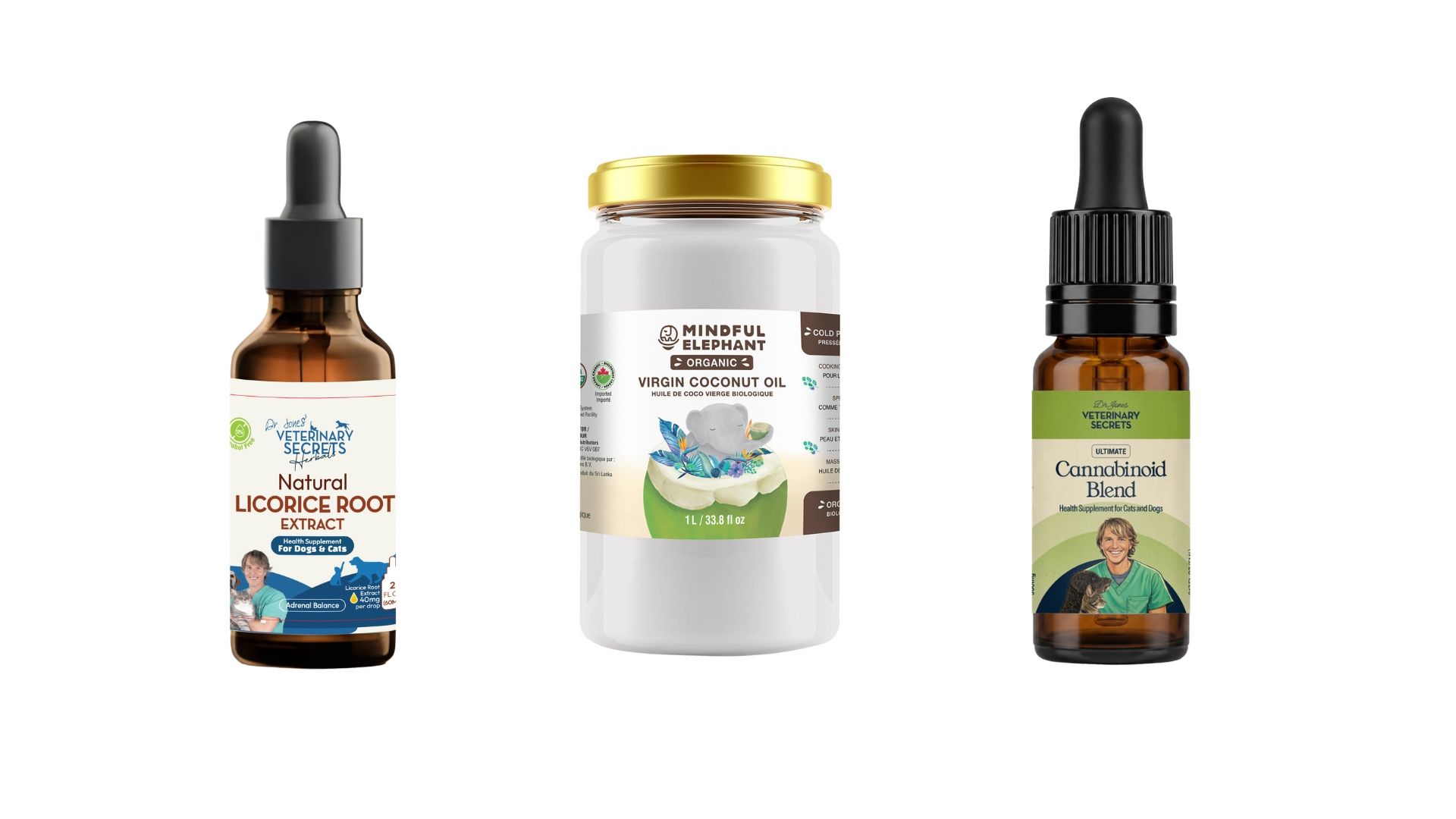
One topical combination I have discussed for discoid lupus uses three ingredients:
-
Licorice root extract
-
Coconut oil
-
Cannabinoid blend
The idea is to provide topical support for the inflamed skin of the nose.
What Is My Topical Discoid Lupus Mixture?
The combination I’ve described is:
| Ingredient | Amount |
|---|---|
| Licorice root extract | 2 mL |
| Coconut oil | 2 tablespoons |
| Cannabinoid blend | 2 mL |
Application frequency discussed: 2 to 4 times daily.
This is my described topical formulation, not a proven standardized treatment for every dog with DLE.
I would have the affected skin evaluated before using it, particularly because dogs can lick products applied to their noses.
Why Combine These Ingredients?
I am interested in the potential anti-inflammatory and immunomodulatory properties of licorice root and cannabinoids.
Coconut oil serves as the oil component of the mixture.
My aim is to provide additional local support to the affected skin.
The combination hasn’t been established as equivalent to prescription tacrolimus or other conventional DLE treatments.
But it’s one of the supportive approaches I’ve considered in my practice.
4. Can Omega-3 Fatty Acids Help Autoimmune Disease?
Omega-3 fatty acids are another important part of my approach.
Omega-3s may help reduce inflammation and provide nutritional support for dogs dealing with inflammatory and immune-mediated conditions.
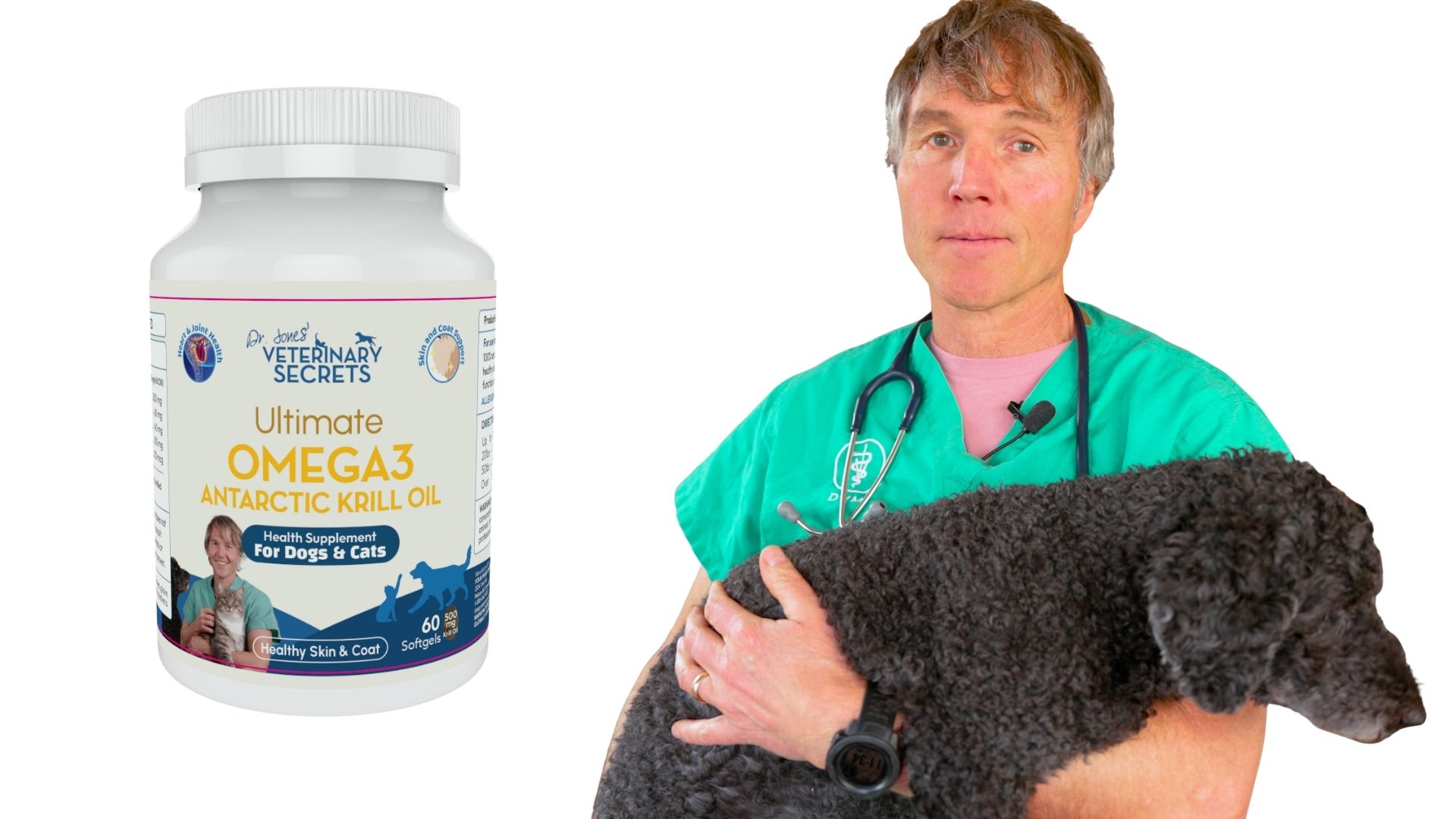
And for dogs with autoimmune disease, I’ve often considered using higher amounts than would ordinarily be used for general nutritional support.
Why Are Omega-3s Helpful?
Omega-3 fatty acids are involved in processes that influence inflammation.
That’s why I consider them useful when managing chronic inflammatory conditions.
They aren’t a cure for autoimmune disease.
But they may be a helpful addition to a broader treatment plan.
What Omega-3 Dose Do I Recommend?
The amount discussed for my krill oil formula is:
500 mg of krill oil per 20 pounds of body weight daily.
My product is:
Dr. Jones’ ULTIMATE Omega 3 Krill Oil Formula
Because products vary in their krill oil and omega-3 concentrations, the appropriate serving should be confirmed for the specific supplement and pet.

5. Can CBD, CBG, and CBC Help Dogs With Discoid Lupus?
This is the area I’m particularly excited about.
Certain cannabinoids have shown potential immunomodulatory properties in preclinical research.

And I’ve become interested in whether they may provide additional support for dogs with autoimmune skin disease.
Why Focus on CBD and CBG?
CBD and CBG are among the cannabinoids investigated for their potential effects on inflammation and immune responses.
Research involving cannabinoid signaling, including CB2-related pathways, is particularly relevant.
That’s because the CB2 receptor is involved in the endocannabinoid system’s relationship with immune activity.
What About CBC?
CBC is another cannabinoid I think deserves attention.
The cannabis plant contains several compounds, and we shouldn’t necessarily assume CBD is the only one worth investigating.
Some animals may respond differently to formulations containing multiple cannabinoids.
That’s one reason I’ve developed an interest in combining CBD, CBG, and CBC.
Can Cannabinoids Be Used Topically?
I’ve discussed using cannabinoids both orally and topically.
For dogs with discoid lupus affecting the nose, I’ve been particularly interested in topical applications.
My preference is to consider a multi-cannabinoid formulation rather than CBD alone.
However, the veterinary evidence is still emerging, so I would use these approaches as possible adjuncts rather than replacements for necessary treatment.
Which Cannabinoid Product Do I Recommend?
The product I suggest considering is:
Dr. Jones’ ULTIMATE Cannabinoid Blend for Dogs and Cats
It contains multiple cannabinoids, which is the approach I’m interested in for potential immune and inflammatory support.
If one of my dogs developed discoid lupus, this would be among the supportive options I’d want to discuss and consider.
Final Thoughts: Can Natural Supplements Help Autoimmune Disease in Dogs and Cats?
I’ve treated hundreds of dogs and cats with autoimmune disease.
And I’ve seen how difficult these conditions can be.

Sometimes the immune system attacks the skin.
Other times, it targets the blood, joints, thyroid, kidneys, or internal organs.
In severe cases, such as systemic lupus, several body systems can be affected at once.
And understandably, conventional treatment often involves suppressing that abnormal immune response.
Steroids.
Immunosuppressive medications.
Sometimes very strong medications.
These treatments can be necessary, but they also have potential side effects.
So I am particularly interested in the possibility of supporting the immune system in other ways.
And that’s why cannabinoids have my attention.
The endocannabinoid system influences immune activity, inflammation, pain, appetite, and mood.
Early preclinical research suggests that compounds such as CBD, CBG, and CBC may influence an overactive immune response.
It’s not a cure.
And we certainly need more veterinary clinical research.
But I think the potential is encouraging.
For a dog with discoid lupus, I would also consider other supportive approaches.
Avoiding strong sunlight.
Omega-3 fatty acids.
Licorice root.
And potentially topical preparations containing licorice root, coconut oil, and cannabinoids.
These are approaches I’ve been interested in because of their possible effects on inflammation and immune regulation.
And if one of my own dogs developed Collie Nose, I would certainly be interested in discussing a multi-cannabinoid formulation such as Dr. Jones’ ULTIMATE Cannabinoid Blend for Dogs and Cats.
But the most important thing is understanding what condition your pet actually has.
An autoimmune skin disease is very different from systemic lupus or immune-mediated hemolytic anemia.
And the treatment needs to reflect that.
My goal is always to help pets feel better while minimizing unnecessary side effects.
If natural supplements can provide additional support, I believe that’s worth exploring.
And as research develops, I’m hopeful we’ll learn more about how cannabinoids may fit into veterinary care for immune-mediated disease.
Click To Get A Free Copy of My E-Book!

P.S. The endocannabinoid system influences several important body processes, including immune response, inflammation, pain, appetite, and mood. Cannabinoids such as CBD, CBG, and CBC are being investigated for their potential effects on these systems. I find that particularly interesting when we’re dealing with an overactive immune response.
P.P.S. Some dogs may respond differently to CBD alone compared with a formulation containing several cannabinoids. That’s why I’m interested in our Dr. Jones’ ULTIMATE Cannabinoid Blend for Dogs and Cats. If one of my own dogs developed discoid lupus, this is one of the additional options I’d want to consider alongside appropriate veterinary care.
P.P.P.S. If your dog has Collie Nose, remember that strong sunlight can make the condition worse. Protecting the affected skin is an important part of management. And before trying topical preparations or changing prescription medications, make sure you understand your dog’s diagnosis and discuss the treatment plan with your veterinarian.




Systemic Lupus vs. Discoid Lupus: Quick Comparison
| Feature | Systemic Lupus (SLE) | Discoid Lupus (DLE) |
|---|---|---|
| Main problem | Widespread immune-mediated inflammation | Localized immune-mediated skin disease |
| Areas affected | Multiple organs and tissues | Primarily the skin, especially the nose |
| Immune mechanism discussed | Immune complexes and Type III hypersensitivity | Localized autoimmune skin inflammation |
| Severity | Can be serious and affect internal organs | Generally more benign than SLE |
| Treatment focus | Managing systemic immune activity | Controlling local inflammation and protecting affected skin |
What Are the Common Autoimmune Diseases in Dogs and Cats?
I’ve encountered many different autoimmune and immune-mediated conditions in practice.
Here are some of the important examples.
| Disease or Condition | What May Be Affected |
|---|---|
| Discoid lupus | Skin, particularly the nose |
| Autoimmune hypothyroidism | Thyroid gland |
| Dry eye (KCS) | Tear-producing structures of the eyes |
| Immune-mediated hemolytic anemia | Red blood cells |
| Immune-mediated thrombocytopenia | Blood platelets |
| Systemic lupus erythematosus (SLE) | Multiple organs and tissues |
| Glomerulonephritis | Kidneys |
| Immune-mediated polyarthritis | Joints |
| Immune-mediated meningitis | Tissues surrounding the brain and spinal cord |
| Addison’s disease | Adrenal glands |
| Inflammatory bowel disease | Digestive tract |
| Type 1 diabetes | Insulin-producing cells |
Conventional Discoid Lupus Treatments Compared
| Treatment | Main Purpose | Details Discussed |
|---|---|---|
| Avoiding strong sunlight | Reduces a trigger that can worsen DLE | An important management measure |
| Tetracycline and niacinamide | Immunomodulatory treatment | Reported effective in about 70% of dogs; may take up to 2 months |
| Doxycycline | Alternative to tetracycline | Discussed as a twice-daily option |
| Prednisone/prednisolone | Suppresses immune-mediated inflammation | May control symptoms within about a month |
| Tacrolimus 0.1% | Topical immunomodulation | Effective in DLE; small amounts of ointment used |
Natural Support Options for Autoimmune Disease: Dosage and Comparison
Here is a summary of the approaches and amounts I’ve discussed.
| Natural Option | Amount or Use Discussed | Intended Purpose |
|---|---|---|
| Licorice root tincture | ½ mL per 20 lbs, twice daily for 14 days | Anti-inflammatory and immune support |
| Topical licorice root extract | 2 mL in topical mixture | Local skin support |
| Coconut oil | 2 tablespoons in topical mixture | Oil component for topical use |
| Cannabinoid blend | 2 mL in topical mixture | Potential topical immune and inflammatory support |
| Topical mixture application | 2 to 4 times daily | Support for affected nasal skin |
| Krill oil | 500 mg per 20 lbs daily | Omega-3 and inflammatory support |
| Oral cannabinoids | No specific dose provided | Potential immunomodulatory support |