Lepto Vaccine for Dogs: Does Your Dog Really Need It?

Does Every Dog Need the Lepto Vaccine?
No, I do not think every dog automatically needs the Lepto vaccine every year.
For some dogs, especially young, active dogs in areas where leptospirosis is common, the vaccine may make sense.
But for many lower-risk dogs, I would be cautious about adding another yearly vaccine without asking a few important questions first.
Ask:
-
Is Lepto common in your area?
-
Is your dog around standing water, flooding, rats, or raccoons?
-
Does your dog run through woods, ponds, or wet areas?
-
Is your dog young and very active outdoors?
-
Has your dog reacted to vaccines before?
-
Does the vaccine cover the strains in your area?
Vaccines can prevent serious disease.
But more vaccines are not automatically better.
The goal is not to vaccinate for everything every year.
The goal is to make smart, risk-based decisions for your individual dog.





What Is Leptospirosis?
Leptospirosis, often called Lepto, is caused by spiral-shaped bacteria called leptospires.
These bacteria can infect dogs and people, which means Lepto is zoonotic.
Lepto can be serious.
It can spread through the bloodstream and affect organs, especially the kidneys.
I do not want your dog getting Lepto.
But I also do not want every dog getting a yearly vaccine without a good reason.
Both things can be true.
How Do Dogs Get Leptospirosis?
Dogs are usually exposed through contaminated water or soil.
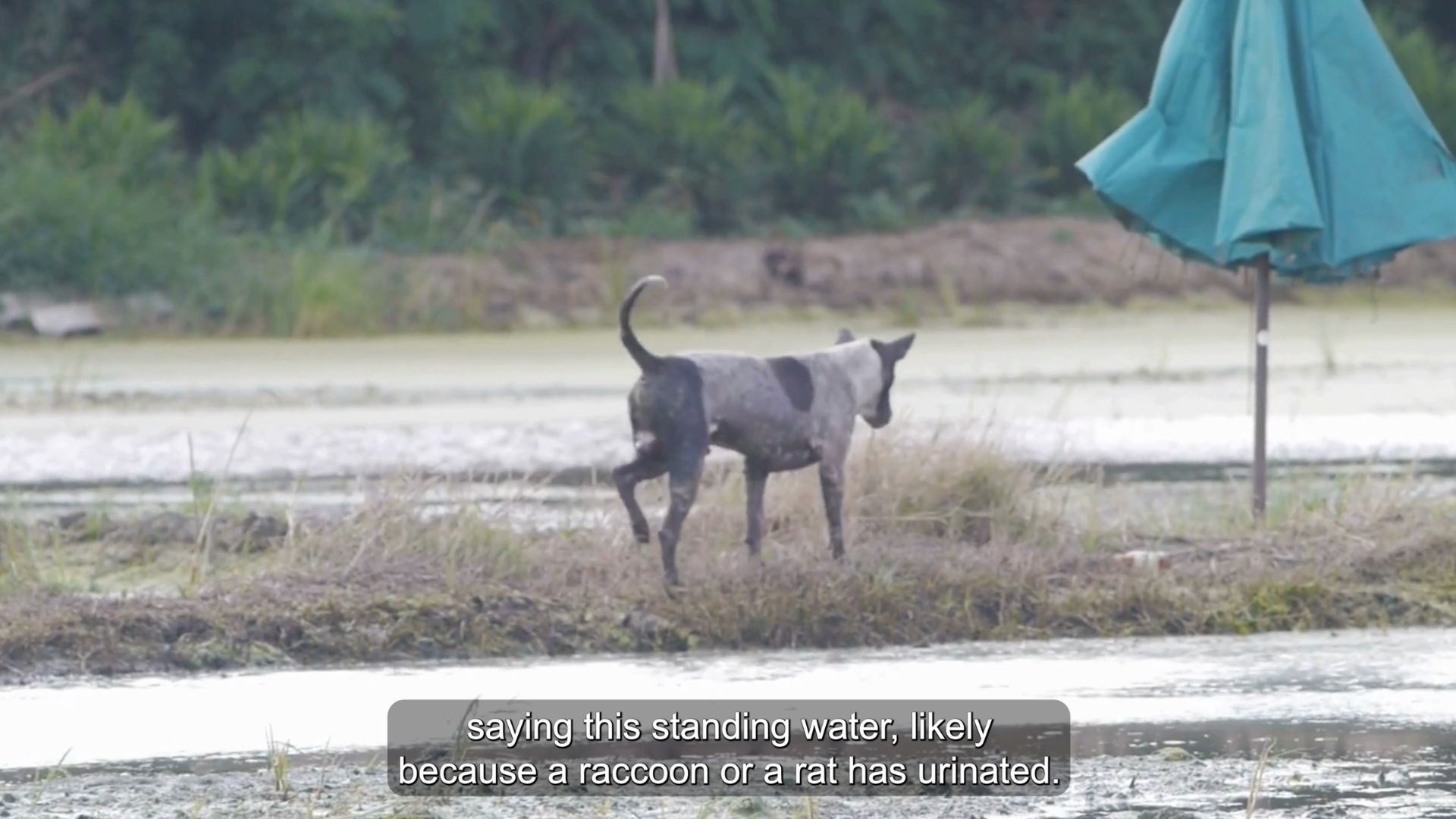
Leptospires do well in:
-
Warm water
-
Slow-moving water
-
Standing water
-
Flooded areas
-
Soil where the bacteria can survive
-
Places contaminated by infected wildlife urine
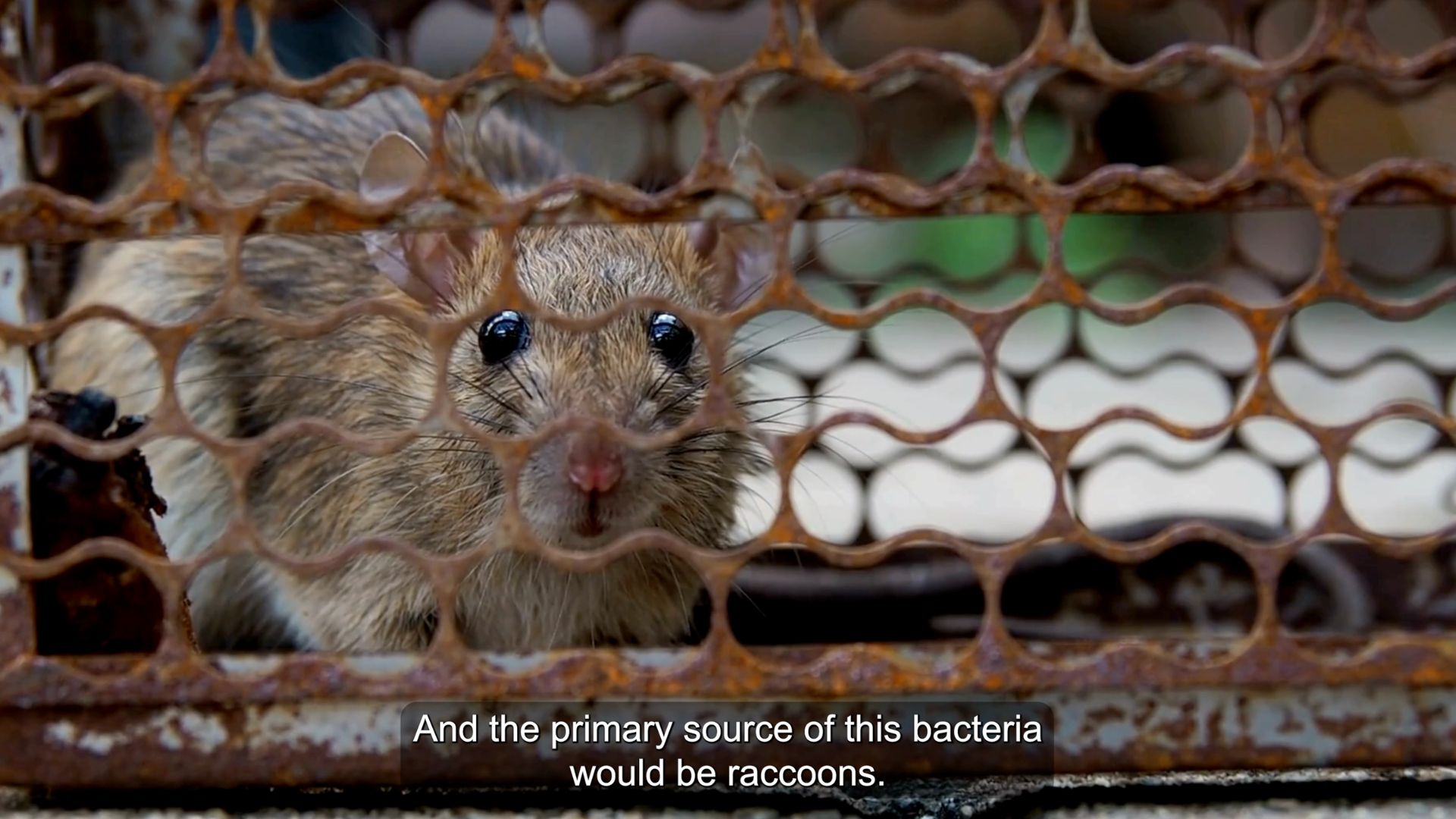
The main sources discussed are:
-
Raccoons
-
Rats
In some studies, up to 50% of raccoons tested positive, and in some areas over 50% of rats tested positive.
So the risk is not just “being outside.”
The risk is being exposed to the right environment where Lepto can live and spread.
Which Dogs Are Most at Risk?
The dog I worry about most is the young, active dog who is constantly outdoors and around water.
Higher-Risk Dogs
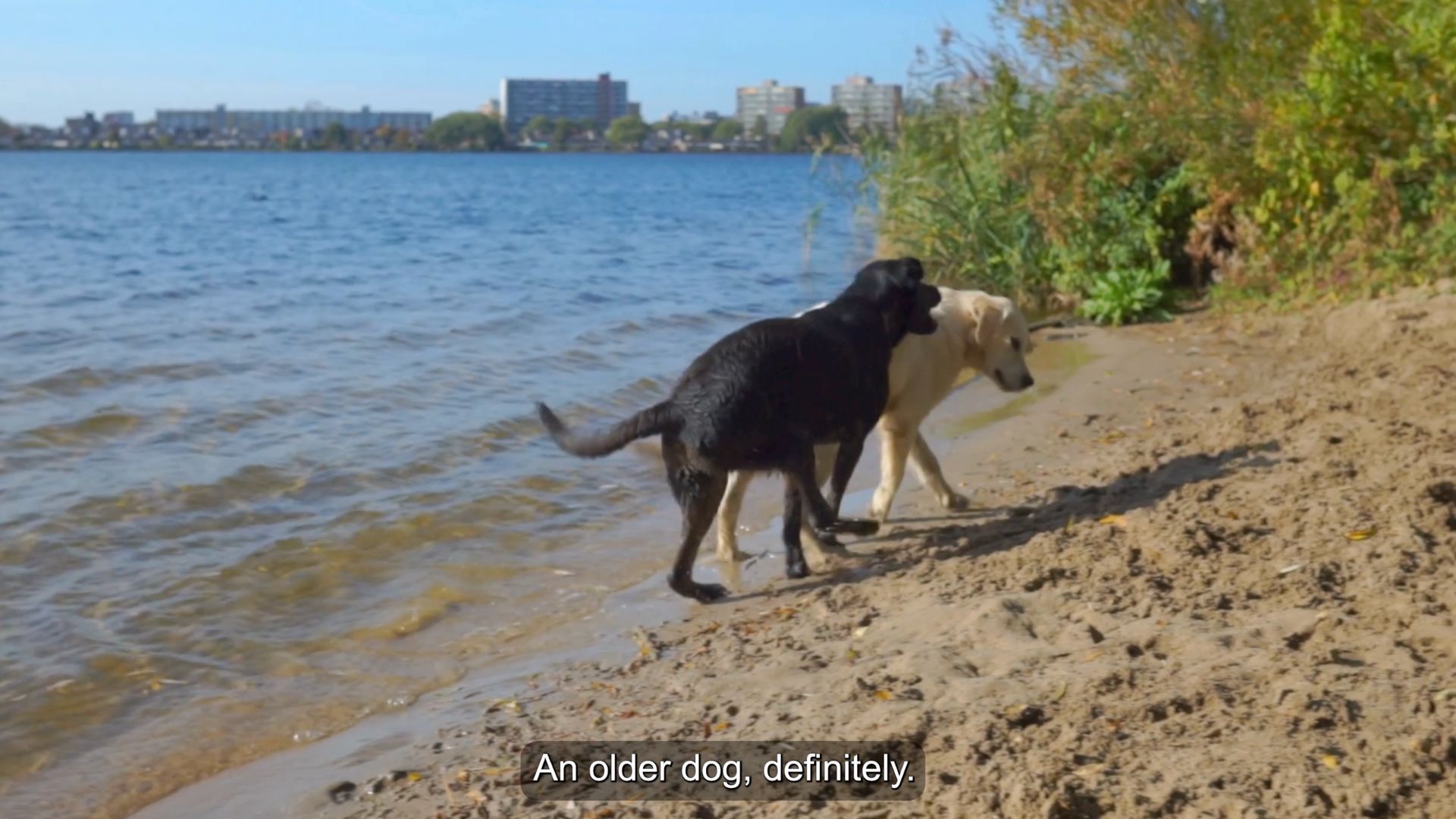
A dog may be higher risk if he:
-
Lives where Lepto is common
-
Runs through woods
-
Jumps into ponds or standing water
-
Gets cuts or scrapes
-
Is exposed to rats or raccoons
-
Is around flooding or heavy rain areas
-
Is young, especially 5 years old or younger
A young Labrador jumping into every pond is a very different risk than a small older house dog walking on a dry sidewalk.
That difference matters.
How Does Lepto Enter the Body?
One common route is through broken skin.
For example:
Your dog has a cut on his leg.
A raccoon or rat urinates near standing water.
The bacteria multiply in that water.
Your dog walks through it.
The bacteria can enter through the open skin.
That is the kind of exposure I would be thinking about.
What Are the Signs of Leptospirosis in Dogs?
After exposure, Lepto may have about a 7-day incubation period.
Then the bacteria can spread through the bloodstream and affect organs, especially the kidneys.
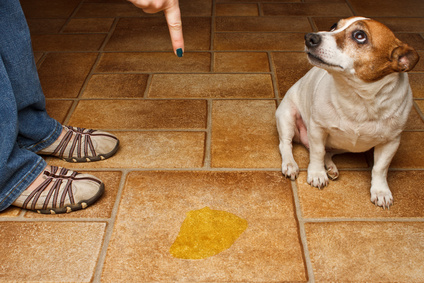
Signs That May Raise Concern
Dogs with Lepto may show:
-
Drinking changes
-
Urination changes
-
Drinking more but urinating less
-
General sickness
-
Lethargy
-
Abnormal kidney values on blood work
Elevated kidney values can be a big clue.
If a sick dog has kidney changes and a history of possible exposure, Lepto should be on the list.
Can Leptospirosis Be Treated?
Yes, many dogs respond well to treatment, especially when it is caught early.
The antibiotic mentioned is:
Doxycycline
But I would not rely on, “Well, if my dog gets it, we can just treat it.”
Lepto can be serious.
It can affect the kidneys.
It can also affect people.
So prevention matters.
The question is whether prevention should mean a yearly vaccine for every dog.
That is where I pause.
What Are the Current Vaccine Recommendations?
The updated vaccine guidelines added leptospirosis as a core vaccine.
That means more dogs are now being advised to receive it.
The dog vaccines discussed include:
-
Distemper
-
Adenovirus
-
Parvovirus
-
Plus or minus parainfluenza
-
Rabies
-
Leptospirosis
Vaccine Schedule Mentioned
| Vaccine | Schedule Mentioned |
|---|---|
| Distemper, adenovirus, parvo, plus or minus parainfluenza | Puppy doses around 8, 12, and 16 weeks, then a 1-year booster, then every 3 years |
| Rabies | Usually 12 weeks, booster at 1 year, then every 3 years, though some areas require yearly |
| Leptospirosis | Puppy series, then yearly boosters |
My concern is not that Lepto is never a risk.
My concern is making it an automatic yearly vaccine for dogs who may have very little real exposure.
Why Am I Cautious About the Lepto Vaccine?
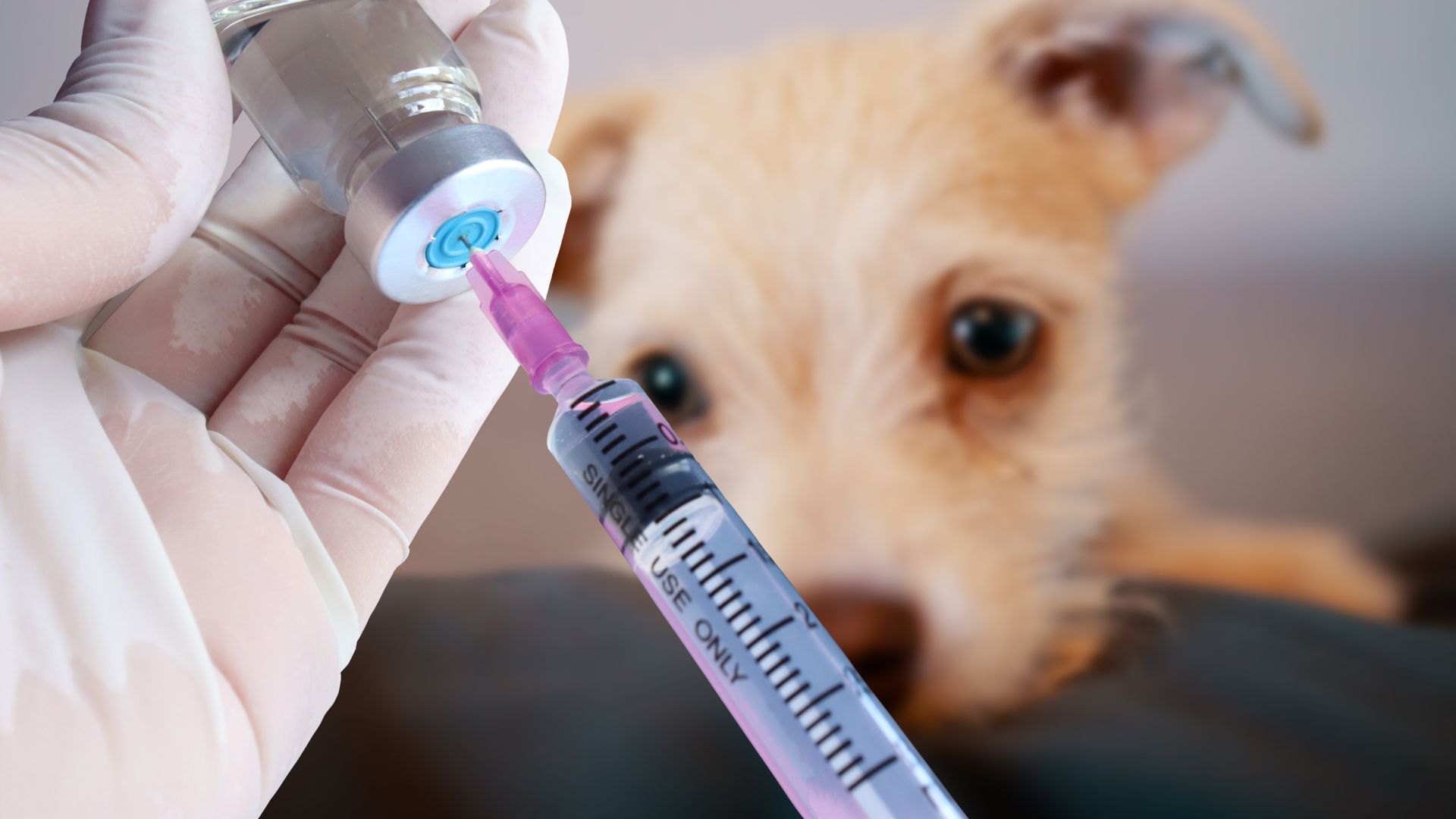
I have three main concerns.
-
Lepto risk depends heavily on your area and your dog’s lifestyle.
-
The vaccine does not cover every clinically relevant strain.
-
The vaccine has traditionally been linked with more reactions.
That is why I do not like blanket vaccine decisions.
This should be a thoughtful discussion.
Not a fear-based one.
Does the Lepto Vaccine Cover Every Strain?
No.
There are many types of leptospirosis, called serovars.
The transcript mentioned:
-
About 250 different serovars
-
About 10 clinically relevant serovars for animals
-
The vaccine includes 4 serovars
That means the vaccine does not cover every possible disease-causing subtype.
In one Michigan study, 24% of dogs that tested positive reacted to a serovar called grippotyphosa.
So even if your dog is vaccinated, protection is not guaranteed.
That is part of the decision.
What Are the Possible Side Effects?
The Lepto vaccine has traditionally been associated with more vaccine reactions.
Possible reactions include:
-
Injection site reaction
-
Fever
-
Muscle pain
-
General vaccine reaction
Part of the issue is that Lepto is a bacterial vaccine.
Bacterial vaccines can be more difficult to get strong protection from compared with viral vaccines, such as parvovirus.
Why Does Yearly Vaccination Concern Me?
When you vaccinate year after year, you are repeatedly asking the immune system to respond.
Vaccines also contain adjuvants, which help boost the antibody response.
Can this cause side effects?
Yes.
Could repeated immune stimulation contribute to chronic inflammation, immune problems, or organ stress in some dogs?
In my opinion, yes, that can happen.
That does not mean every health problem is caused by vaccines.
But repeated immune stimulation is not something I take lightly.
How Common Is Leptospirosis?
Historically, the case rate mentioned is:
6 to 37 cases per 100,000 dogs
That is low.
Cases can increase during:
-
Autumn months
-
Heavy rain seasons
-
Flooding
-
Areas with more rats or raccoons
-
Areas where Lepto is already being seen
Some areas may report high antibody exposure.
But antibody exposure does not always mean the dog got sick.
This is why local risk matters so much.
When Would I Consider the Lepto Vaccine?
I would consider the Lepto vaccine if several risk factors line up.
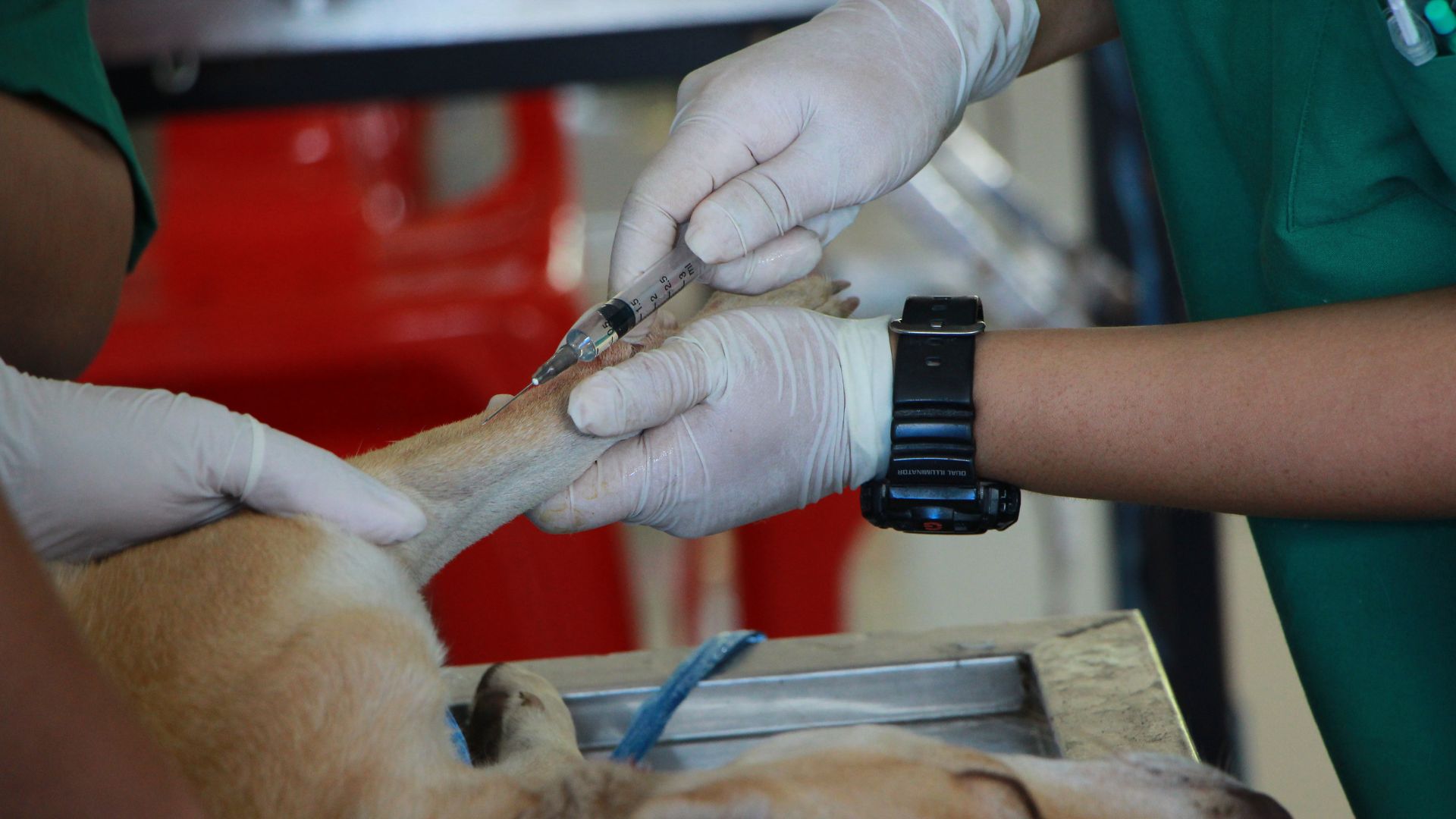
I Would Consider It For Dogs Who Are:
-
Young and active
-
Living where Lepto is common
-
Swimming in ponds or standing water
-
Running through woods
-
Getting cuts or scrapes outdoors
-
Exposed to rats or raccoons
-
In areas with flooding or heavy rain
-
In areas where veterinarians are seeing real cases
That is the dog where I would have a serious conversation about the vaccine.
When Would I Likely Skip It?
For many dogs, I would not automatically give it.

I Would Question It For Dogs Who Are:
-
Mostly indoors
-
Older and lower activity
-
Walking on dry sidewalks or paths
-
Not around standing water
-
Not swimming in ponds
-
Not exposed to rats or raccoons
-
Living where Lepto is not common
-
Known to react poorly to vaccines
For a dog like that, the risk of yearly vaccination may outweigh the risk of disease.
For example, my little Tula would not have received the Lepto vaccine where we lived.
Questions to Ask Your Veterinarian
Do not just ask, “Does my dog need this?”
Ask better questions.
| Question | Why It Matters |
|---|---|
| Are you seeing Lepto cases here? | Local disease risk matters most |
| How common is Lepto in this area? | The vaccine makes more sense in higher-risk regions |
| Which dogs are getting sick locally? | Age and lifestyle matter |
| Are rats or raccoons common here? | They can spread Lepto |
| Is my dog’s lifestyle high risk? | Water and wildlife exposure change the decision |
| Which serovars are common here? | The vaccine only covers four |
| What reactions do you see with this vaccine? | Helps weigh risk and benefit |
| Does my dog really need yearly boosters? | Frequency is one of my biggest concerns |
That is how you make a decision based on your dog.
Not just a general rule.
Vaccines Are Only One Part of Health
Vaccines matter.
They can prevent serious disease.
But they are only one part of your dog’s long-term health.
I would also focus on:
-
Better food
-
Avoiding dry, carb-loaded kibble when possible
-
Regular exercise
-
Environmental enrichment
-
Thoughtful supplements
-
Knowing which diseases are actually in your area
-
Avoiding unnecessary immune stimulation
Vaccines are one tool.
Not the whole toolbox.
Best For / Not For
Best For
The Lepto vaccine may be worth considering for:
-
Young active dogs
-
Dogs 5 years old or younger in higher-risk areas
-
Dogs that swim in ponds
-
Dogs exposed to standing water
-
Dogs in areas with heavy rain or flooding
-
Dogs exposed to rats or raccoons
-
Dogs in areas where veterinarians are seeing Lepto cases
Not For
The Lepto vaccine may not make sense for:
-
Low-risk indoor dogs
-
Older house dogs
-
Dogs with no standing water exposure
-
Dogs in areas with few or no cases
-
Dogs walking mostly on dry paths
-
Dogs not exposed to rats or raccoons
-
Dogs with a history of vaccine reactions, unless risk is high
Pros and Cons of the Lepto Vaccine
Pros
-
May help protect high-risk dogs
-
May reduce risk in areas where Lepto is common
-
May be useful for young active dogs exposed to water and wildlife
-
Lepto can be serious
-
Lepto can affect the kidneys
-
Lepto can affect people too
Cons
-
Traditionally linked with more vaccine reactions
-
May cause injection site reaction, fever, or muscle pain
-
Covers only four serovars
-
Does not guarantee protection
-
Needs yearly boosters
-
Repeated yearly immune stimulation may be a concern
-
Many dogs may have very low actual risk
Final Thoughts
So, does your dog really need the Lepto vaccine?
For some dogs, yes.
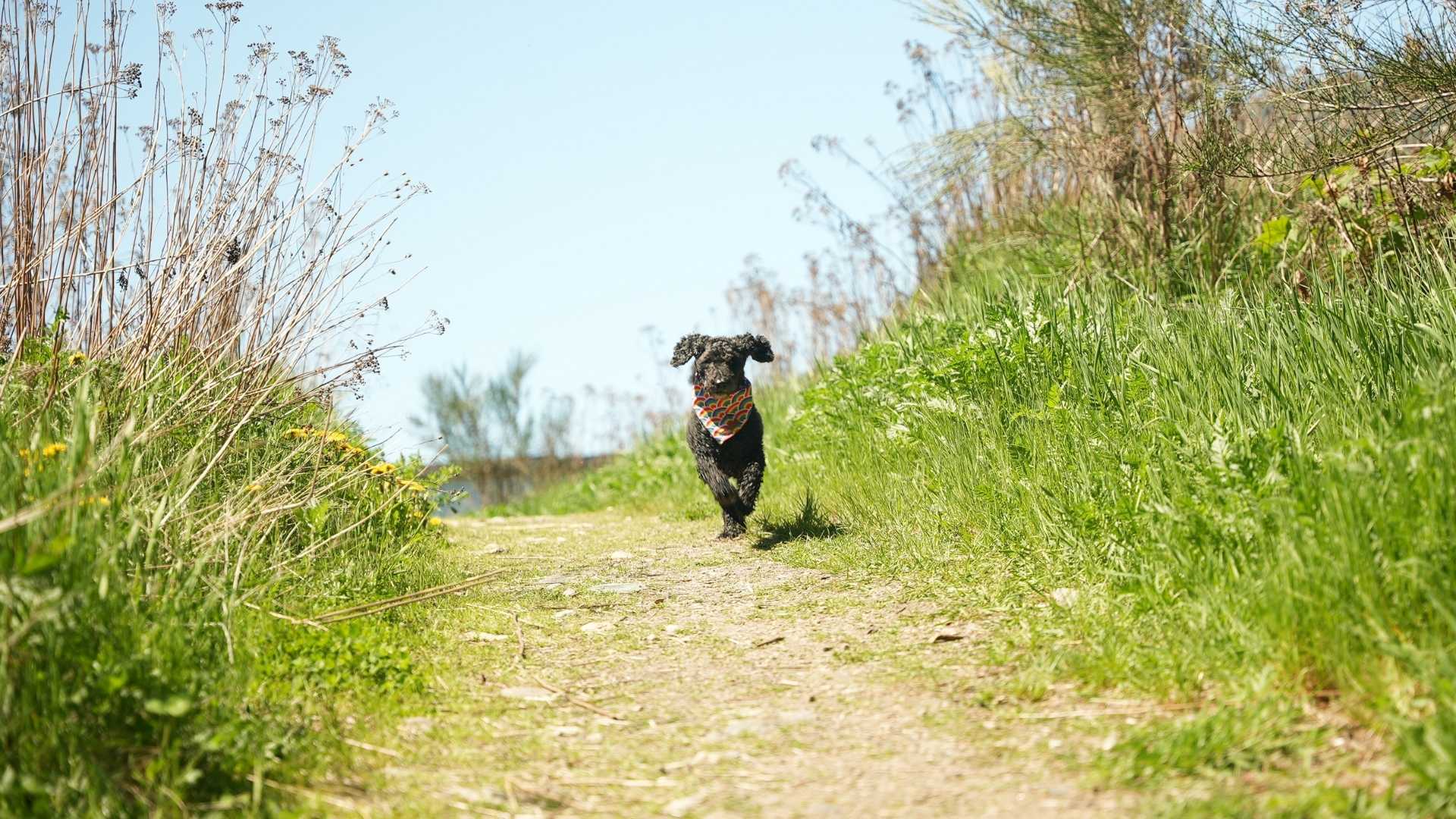
If you have a young, active dog who swims in ponds, runs through woods, gets cuts, and lives where Lepto is a real problem, I would consider it.
But for many lower-risk dogs, I would NOT AUTOMATICALLY give a yearly Lepto vaccine.
The disease risk may be low.
The vaccine covers only four serovars.
Protection is not guaranteed.
Yearly boosters are needed.
And repeated immune stimulation is not something I take lightly.
My general approach is this:
Vaccinate less, with fewer things, less often.
But do it thoughtfully.
Know your local disease risk.
Know your dog’s lifestyle.
Ask your veterinarian good questions.
Then focus on the bigger picture: better food, exercise, environmental enrichment, and supporting your dog’s overall health.
That is how you make the right decision for your dog.
Click To Get A Free Copy of My E-Book!

P.S. If your dog is a young, active water-loving dog in an area where Lepto is common, talk with your veterinarian about the vaccine.
That is the type of dog where it may make sense.
P.P.S. If your dog is a low-risk indoor dog with little to no standing water exposure, I would question whether a yearly Lepto vaccine is worth it.
Ask about actual cases in your area before saying yes.
P.P.P.S. Vaccines are one small part of health.
Food, exercise, environment, and avoiding unnecessary immune stimulation matter too.
Lepto Vaccine Decision Table
| Dog Situation | My Thinking |
|---|---|
| Young active dog in a Lepto area, exposed to ponds, rats, or raccoons | Consider the vaccine |
| Dog in an area with flooding and known Lepto cases | Consider the vaccine |
| Older indoor dog in a low-risk area | Likely skip |
| Small house dog with no water exposure | Likely skip |
| Dog on dry trails with low local disease risk | Likely skip |
| Dog with unknown local risk | Ask your veterinarian about actual cases |
| Dog with past vaccine reactions | Be extra cautious |