Chronic Kidney Disease in Cats: Phosphorus and Cordyceps Support


What Is One Simple Way to Support a Cat With Kidney Disease?
One of the simplest ways to support a cat with chronic kidney disease is to reduce phosphorus stress on the kidneys.
Chronic kidney disease, or CKD, is one of the most common health problems affecting older cats. It happens when the kidneys gradually lose their ability to filter waste products from the blood.
Over time, this can lead to:
- Increased thirst
- Increased urination
- Weight loss
- Poor appetite
- Vomiting
- Lethargy
CKD is progressive.
It is not curable.
But that does not mean we just sit there, look worried, and let the kidneys struggle along on their own.
There are practical things we can do to help support quality of life.
For this article, I want to focus on two simple, overlooked supports:
- Lowering phosphorus
- Cordyceps mushroom for kidney filter support
Think of this as the “kidney filter support” plan.
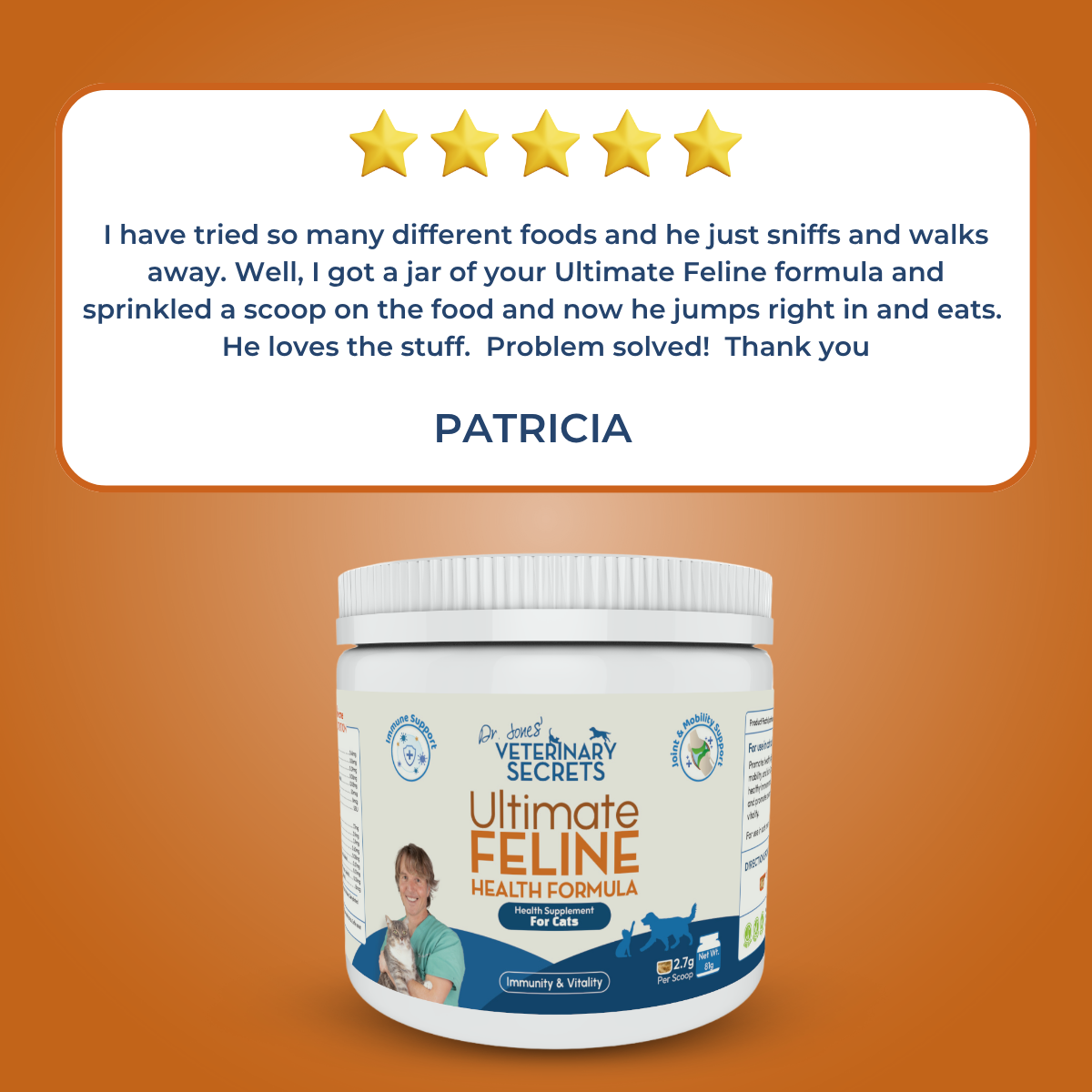
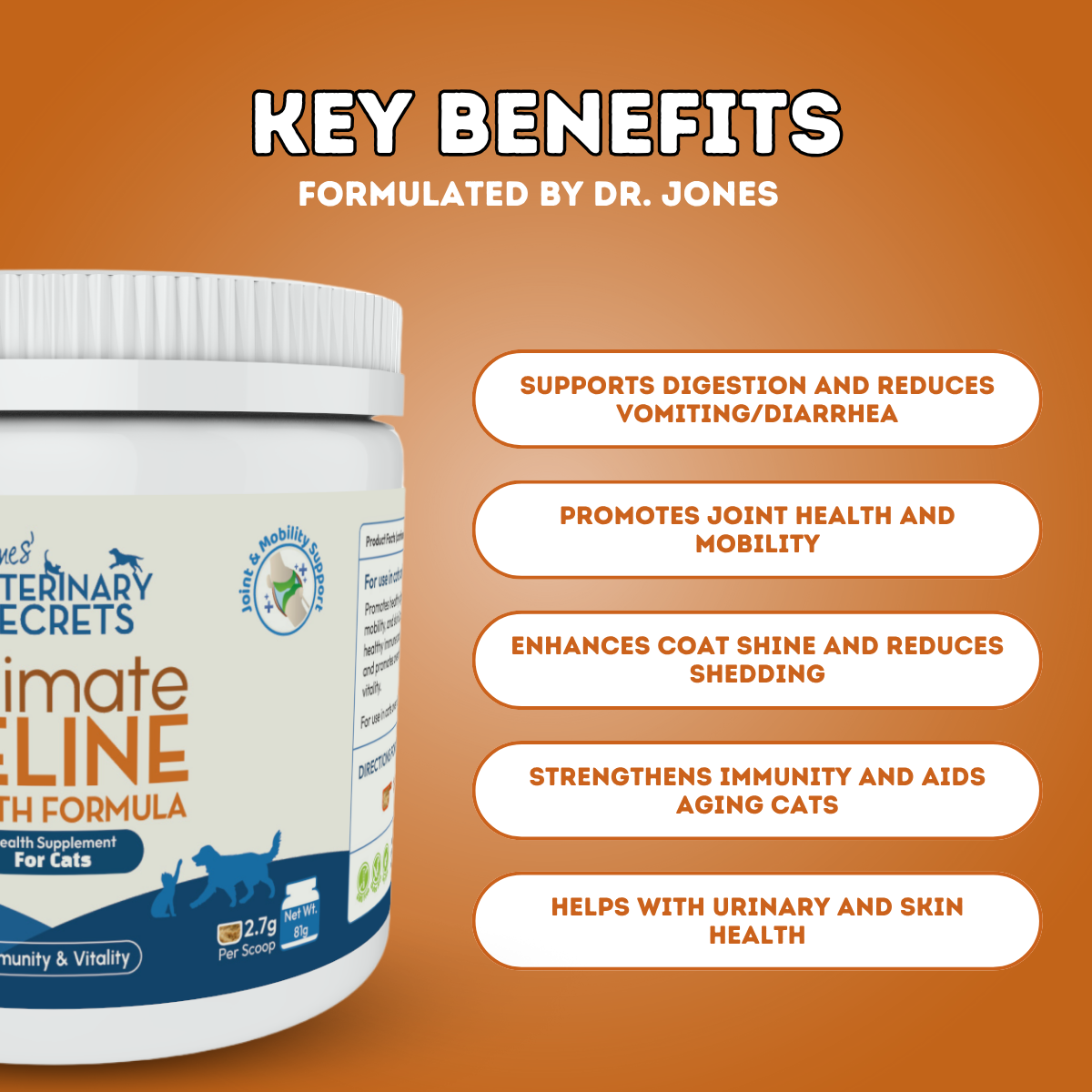
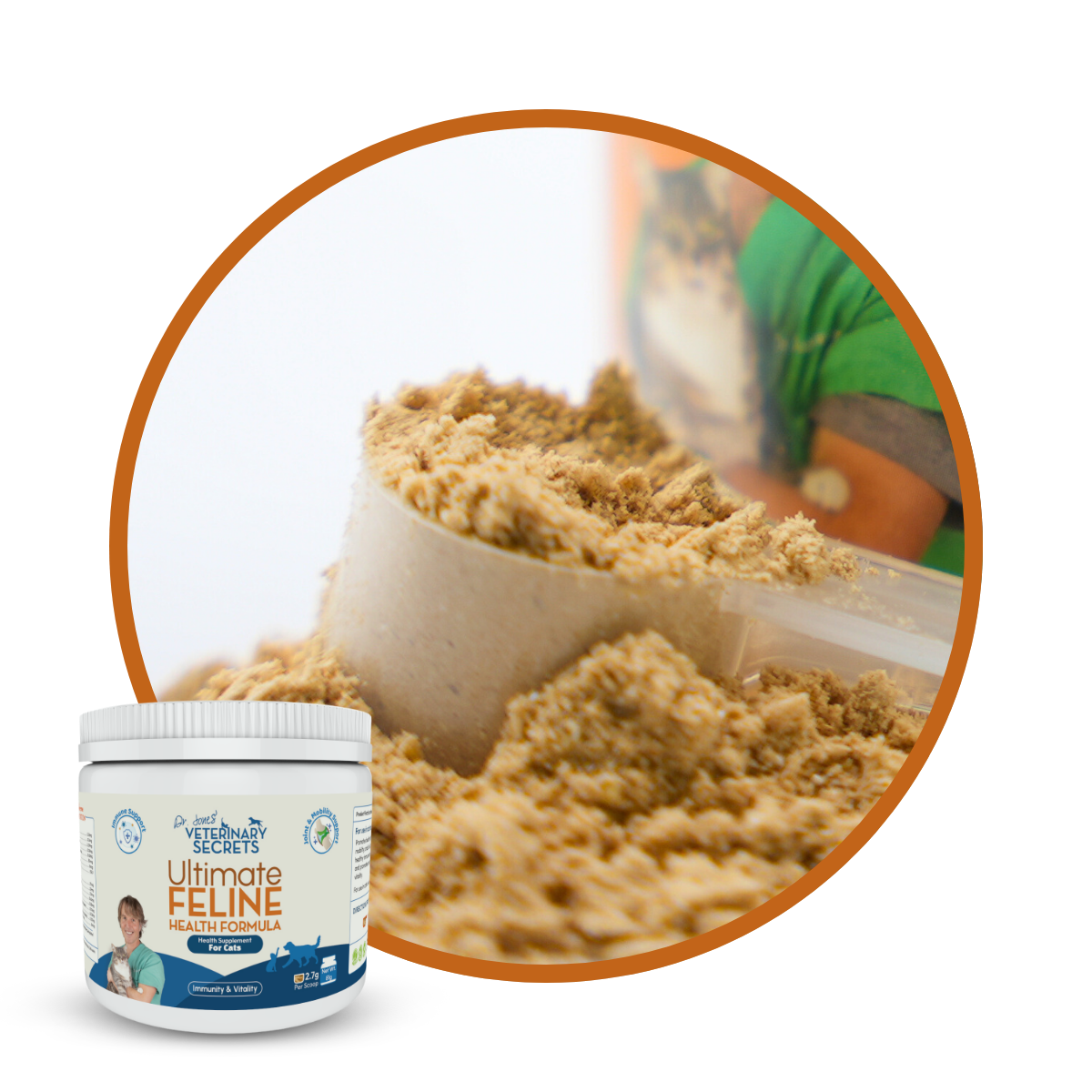
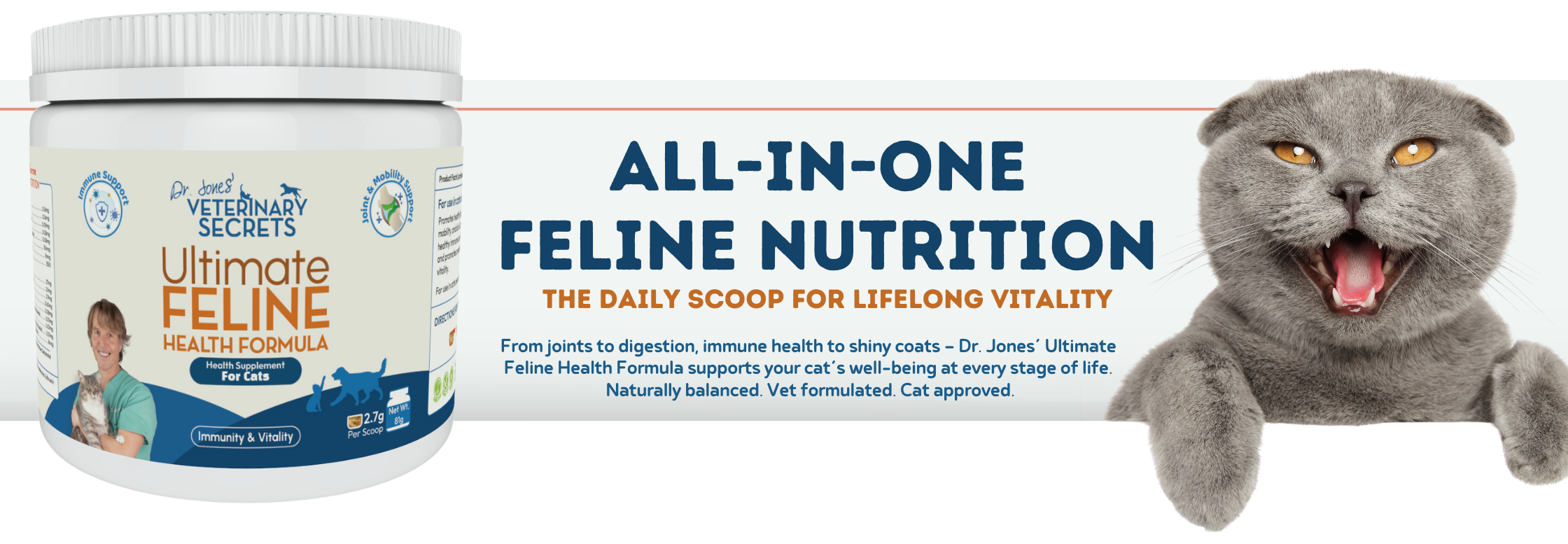
Dr. Jones’ Ultimate Feline Health Formula



What Is Chronic Kidney Disease in Cats?
Chronic kidney disease means the kidneys are slowly losing their ability to filter waste from the blood.
The kidneys act like the body’s filtration system.
When they are working well, waste products are removed.
When they are not working well, those waste products can build up.
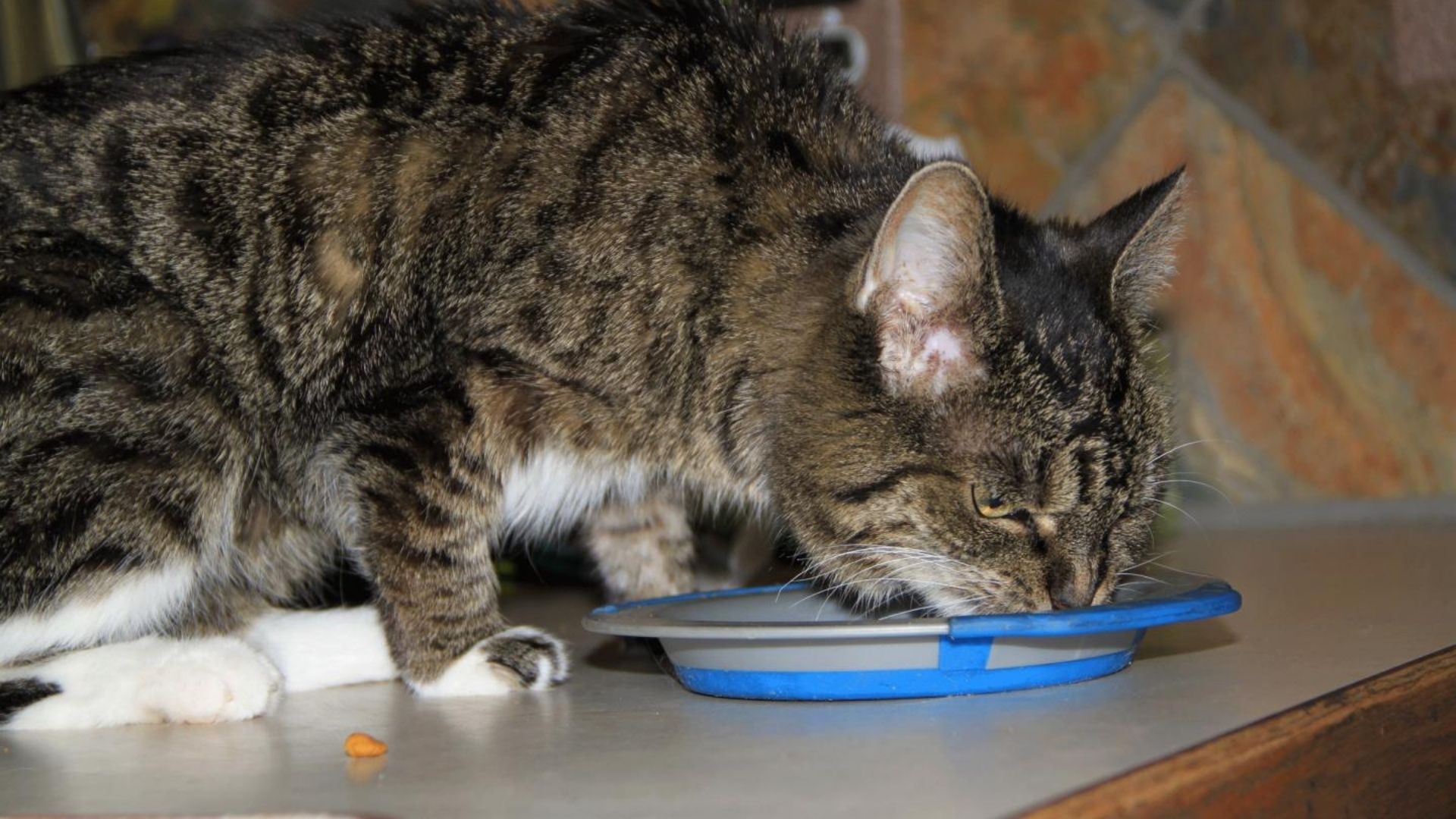
That is when many older cats begin showing signs such as drinking more, urinating more, losing weight, eating less, vomiting, or becoming lethargic.
And because cats are cats, they may hide the problem for a while.
Cats do not usually announce kidney disease.
They just quietly change their habits and expect you to notice.
Why Are Older Cats So Often Affected?
CKD is one of the most common conditions affecting older cats.
The source material focuses on what happens as kidney filtering declines, not one single cause.
So the practical focus is this:
If your cat’s kidneys are losing filtering ability, we want to reduce extra kidney stress where we can.
One of the key places to start is phosphorus.
Why Does Phosphorus Matter in Cat Kidney Disease?
Phosphorus is a mineral linked to kidney damage.
When a cat has CKD, limiting phosphorus in the diet can be one simple way to help reduce stress on the kidneys.
This matters because the kidneys are already struggling to filter waste properly.
Adding more of a mineral linked with kidney damage is not exactly helping the team.
It is like asking a tired old filter to handle extra dirty water.
Not ideal.
What Is a Phosphorus Binder?
A phosphorus binder is something that binds phosphorus so less of it is available to cause problems.
One simple option mentioned is calcium carbonate.
A common natural example of calcium carbonate is:
Crushed eggshells
Calcium carbonate can bind phosphorus.
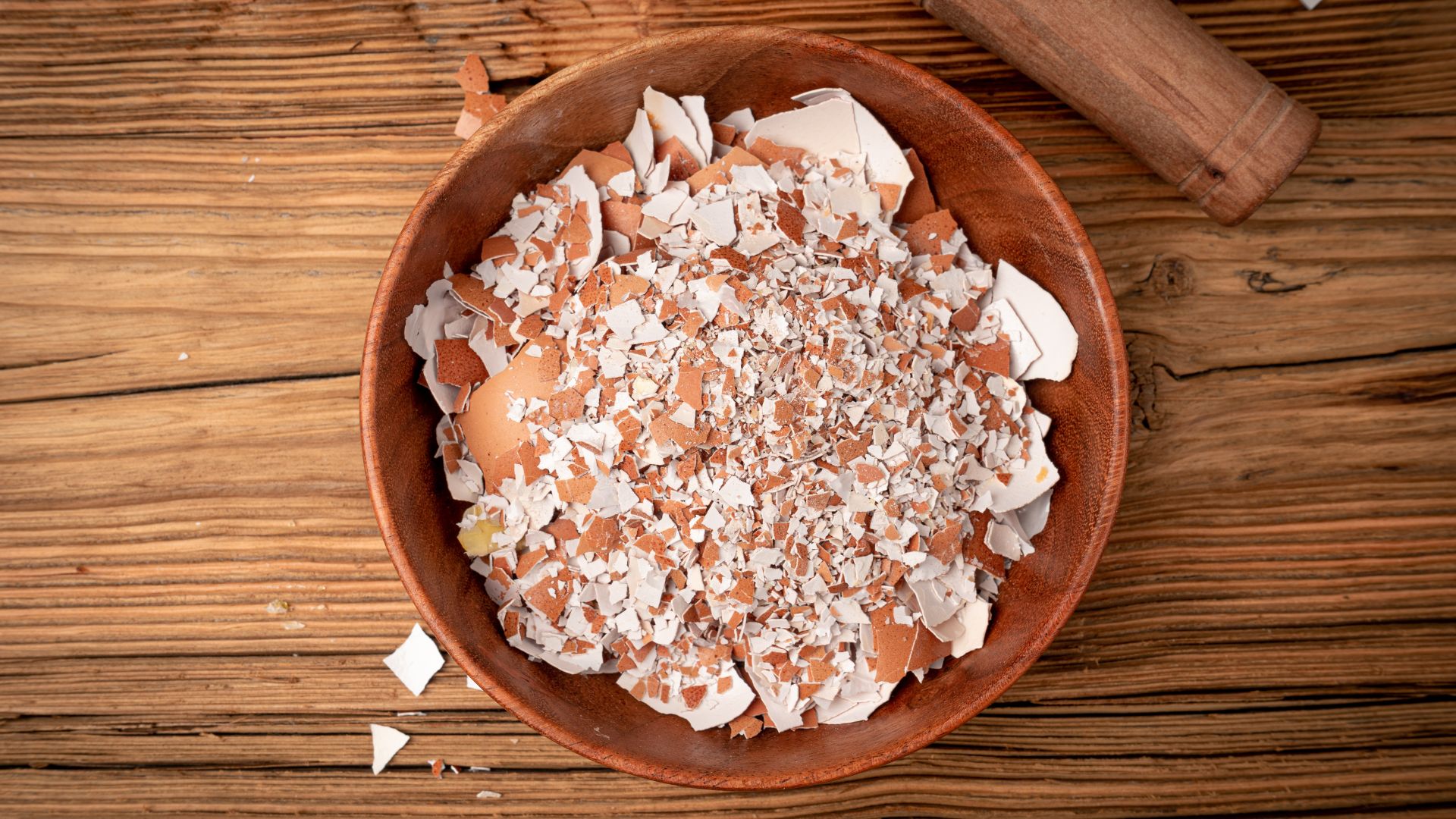
That is why it may be useful as part of kidney support.
The goal is not to “cure” CKD.
The goal is to reduce one of the minerals that may add to kidney stress.
How Does Calcium Carbonate Help Cats With CKD?
Calcium carbonate helps by binding phosphorus.
When phosphorus is bound, it may reduce the amount of this kidney-damaging mineral available to the body.
For cats with CKD, this can be a practical support step.
Simple Phosphorus Support Summary
| Support | What It Does |
|---|---|
| Lower phosphorus intake | Helps reduce a mineral linked to kidney damage |
| Calcium carbonate | Binds phosphorus |
| Crushed eggshells | A simple calcium carbonate example |
| No-phosphorus supplements | Avoid adding the mineral we are trying to limit |
What About Dr. Jones’ Ultimate Feline Health Formula?
Dr. Jones’ Ultimate Feline Health Formula has added calcium carbonate and no phosphorus.
That matters because the calcium carbonate can bind some phosphorus, and the formula does not add extra phosphorus.
It is designed as a feline-specific supplement to support:
- Joints
- GIT system
- Urinary tract
- Kidneys
Many cats also love the taste.
What Is Cordyceps?
Cordyceps is a medicinal mushroom.
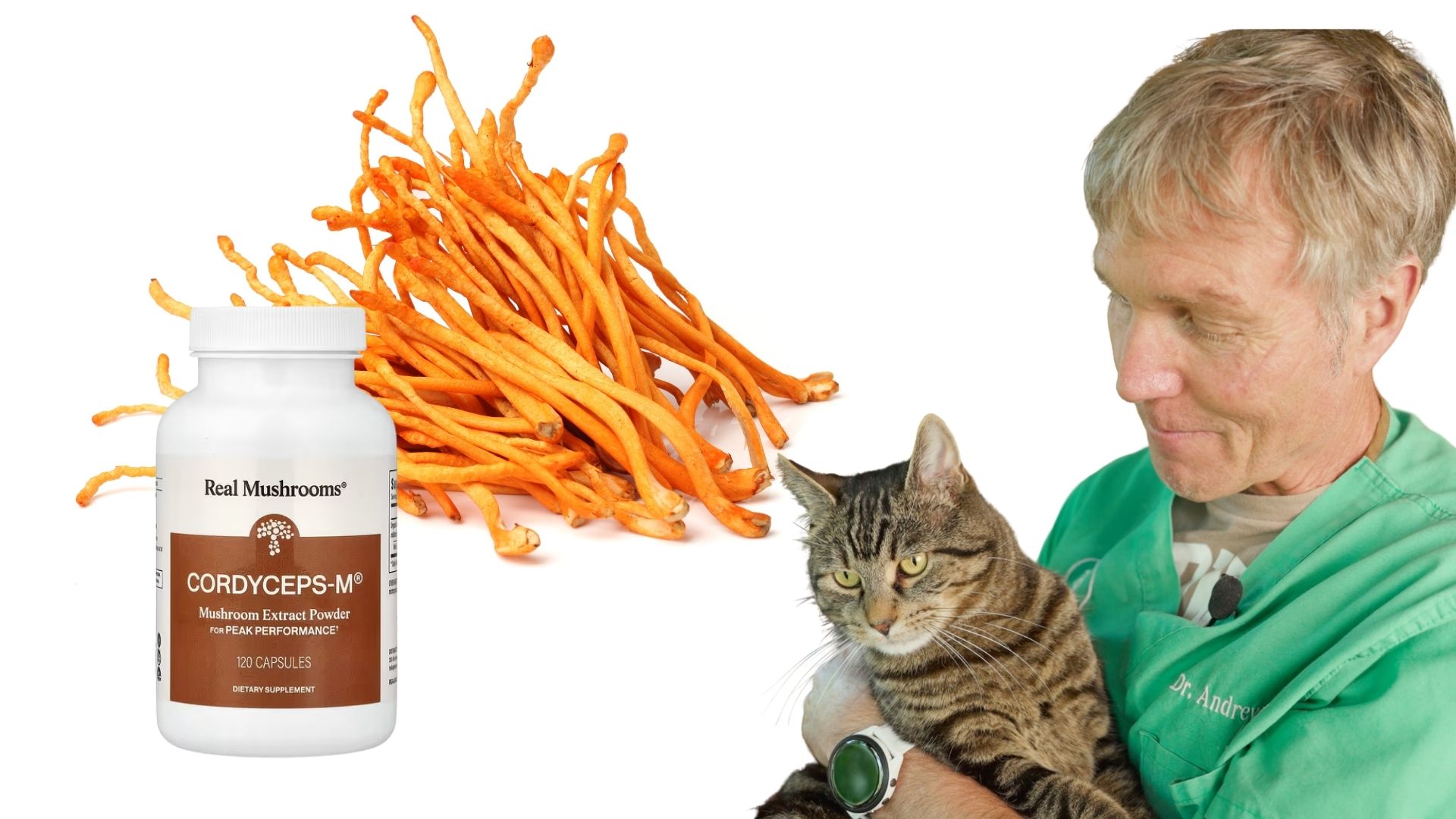
The two types mentioned are:
- Cordyceps sinensis
- Cordyceps militaris
Cordyceps is one of the most studied mushrooms for kidney health.
For cats with CKD, I find it interesting because it may support the kidneys through several pathways at the same time.
And it has a mild, bland flavor.
That means it is more likely to be accepted by picky cats.
Which, of course, is most cats.
Why Consider Cordyceps for Cat Kidney Disease?
Cordyceps is not a cure.
But it is one of the more evidence-backed natural options for kidney support.
A large Cochrane review looked at 22 human clinical studies involving 1,746 patients with chronic kidney disease.
When Cordyceps was used alongside standard care, it may have helped:
- Decrease serum creatinine
- Increase creatinine clearance, meaning better kidney filtration
- Reduce protein loss in urine, also called proteinuria
- Improve CKD-related complications such as anemia and low albumin, which is linked with malnutrition
The study quality varied.
So I would not overstate it.
But the overall signal consistently pointed toward meaningful kidney support.
That is why Cordyceps deserves attention.
Especially for cats, where safe, bland, easy-to-mix support is worth its weight in cat treats.
How Might Cordyceps Help the Kidney Filters?
The kidneys contain delicate filtering units.
When CKD progresses, those filters can become inflamed, stressed, scarred, and less effective.

Cordyceps appears to support kidney health through multiple pathways.
1. It May Help Calm Inflammation
Chronic inflammation is a major driver of kidney damage.
Cordyceps may help downregulate inflammatory pathways, including NF-kB signaling.
In plain English:
Less inflammatory noise.
Less ongoing tissue injury.
That is the goal.
2. It May Help Protect Kidney Cells From Oxidative Stress
Oxidative stress can damage delicate kidney cells.
Cordyceps may help boost antioxidant enzymes such as:
- Superoxide dismutase, or SOD
- Glutathione
These help protect cells from oxidative stress and toxin damage.
For kidneys already under pressure, antioxidant support makes sense.
3. It May Help Reduce Kidney Scarring
CKD progression is strongly linked with fibrosis.
Fibrosis means scarring of kidney tissue.
Cordyceps may help reduce this scarring process, helping preserve kidney structure and function.
Think of it as trying to keep the filter flexible and functional, not stiff and damaged.
4. It May Support Microcirculation and Oxygen Use
Cordyceps may improve cellular energy production and oxygen utilization.
That may help kidney cells become more resilient.
Kidney cells need oxygen and energy to do their job.
Cordyceps appears to support both.
5. It May Help Modulate the Immune System
Some kidney diseases involve immune dysfunction.
Cordyceps may help regulate immune responses.
That immune-modulating effect may be one more way it supports kidney health.
6. It May Help Reduce Protein Leakage
Protein loss in the urine is called proteinuria.
Proteinuria is an important marker of kidney disease progression.
Cordyceps may help protect the kidney’s filtering units, called glomeruli, and may help reduce protein leakage in the urine.
That is a very practical reason to consider it for kidney support.
Cordyceps for Cats: Why Taste Matters
Cats with CKD are often difficult to medicate.
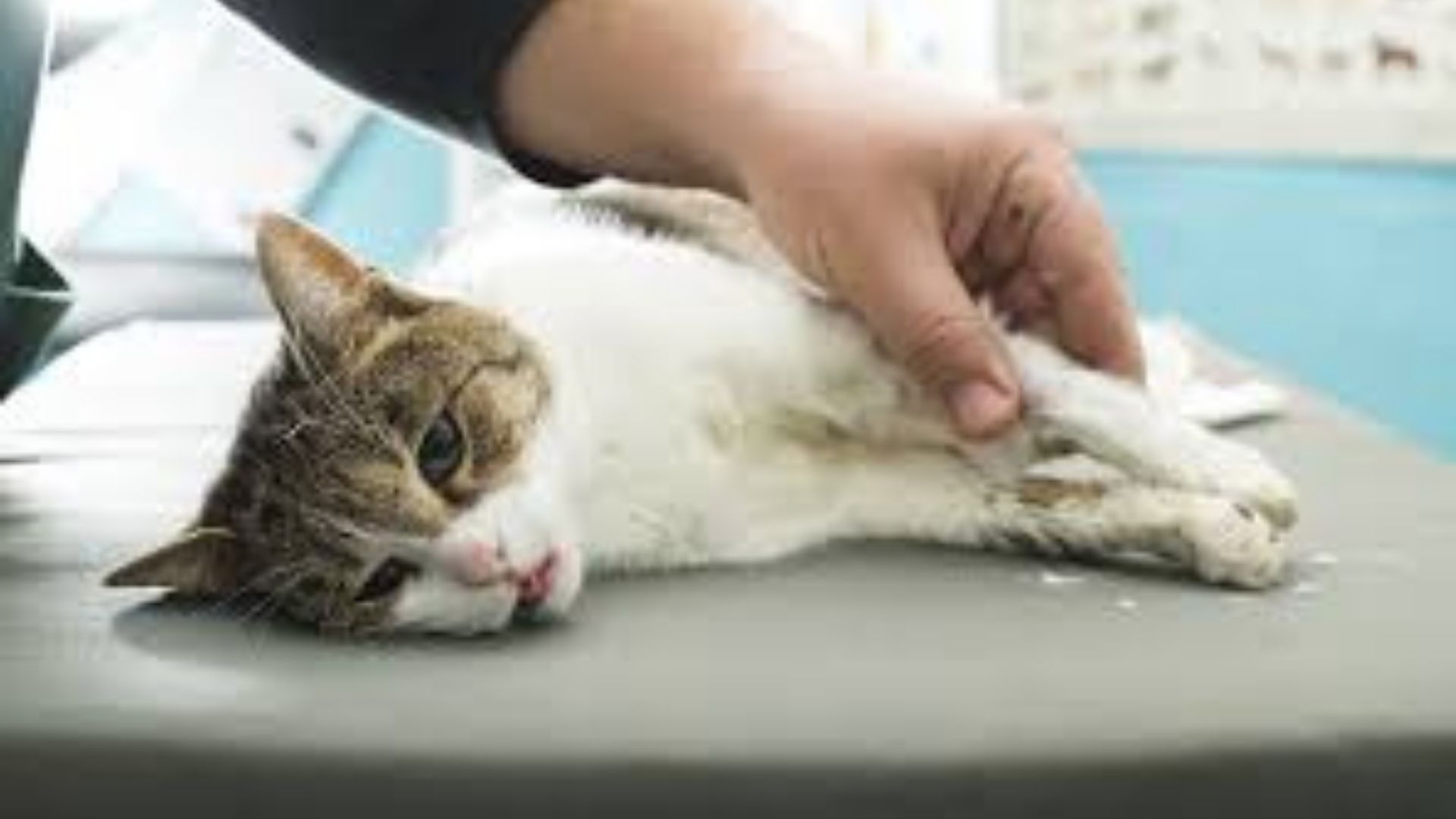
That is the polite way of saying they can be tiny furry pharmacists who reject everything.
Cordyceps has a mild, bland flavor.
That makes it easier to mix into food, even for picky eaters.
This is a big deal.
A supplement only works if your cat actually consumes it.
If it sits untouched in the bowl, it is no longer a supplement.
It is decoration.
Is Cordyceps Safe for Cats and Dogs?
Cordyceps is considered very safe, with minimal reported side effects in both human and veterinary use.
That makes it a practical support option for cats and dogs with kidney concerns.
Use the suggested dose.
Start simply.
Monitor your pet.
More is not automatically better.
Especially with cats, where “too much” usually means “I am never eating this food again, human.”
Cordyceps Dose for Cats and Dogs
A typical starting dose is:
About 1/8 teaspoon per 10 to 20 lbs body weight once daily
This applies to both cats and dogs.
Cats may benefit the most because CKD is so common in older cats.
Cordyceps Dose Table
| Pet Weight | Suggested Starting Dose | Frequency |
|---|---|---|
| 10 lbs | About 1/8 teaspoon | Once daily |
| 20 lbs | About 1/8 teaspoon | Once daily |
| Cats and dogs | 1/8 teaspoon per 10 to 20 lbs | Once daily |
The Simple Kidney Support Stack
If I were looking at practical support for an older cat with CKD, I would think in two directions:
- Do not add more kidney stress
- Support the kidney filters
That is where phosphorus control and Cordyceps fit nicely.
Kidney Support Plan
| Goal | Support Option | Why It Helps |
|---|---|---|
| Reduce phosphorus burden | Calcium carbonate | Binds phosphorus |
| Avoid extra phosphorus | No-phosphorus supplement | Does not add the mineral we are trying to limit |
| Support kidney filters | Cordyceps | |
This is the twist I like:
Do not just think “kidney disease supplement.”
Think:
What is stressing the kidneys, and how can we support the filters?
Final Thoughts
Chronic kidney disease is one of the most common problems in older cats.
It happens when the kidneys gradually lose their ability to filter waste products from the blood.
CKD is progressive and not curable, but we can still support quality of life.
For this approach, I want you thinking about two things:
Phosphorus down. Kidney filter support up.
Calcium carbonate can bind phosphorus, and phosphorus is linked to kidney damage.
That is why I like that Dr. Jones’ Ultimate Feline Health Formula has added calcium carbonate and no phosphorus.
Cordyceps is another option I would consider.
It is one of the most studied mushrooms for kidney health, with supportive human CKD research and multiple possible kidney-support mechanisms.
It may help with inflammation, oxidative stress, fibrosis, microcirculation, oxygen use, immune regulation, and protein leakage.
And for cats, it has one more major advantage:
It is mild and bland.
Because if your cat refuses it, well, congratulations, you have created expensive dust.
Start with about 1/8 teaspoon per 10 to 20 lbs once daily, mix it into food, and monitor your cat closely.
Simple.
Practical.
Kidney-supportive.
And hopefully acceptable to the tiny household ruler.
Click To Get A Free Copy of My E-Book!

P.S. Cordyceps is not a cure for chronic kidney disease.
But it is one of the more evidence-backed natural kidney support options, and it works through several pathways that make sense for CKD.
That is why I like it.
P.P.S. For cats with kidney concerns, do not forget phosphorus.
Ultimate Feline has added calcium carbonate and no phosphorus, meaning it can help bind some of this kidney-damaging mineral.
P.P.P.S. With cats, taste matters.
Cordyceps has a mild, bland flavor, which means it may actually make it into your cat.
A small miracle, really.